

Free visual inspection and a written scope of work before any mitigation begins - photos, moisture readings, and drying logs go in your claim file
The scope we write is the scope we bill. Anything new gets shown to you, in writing, before we touch it.
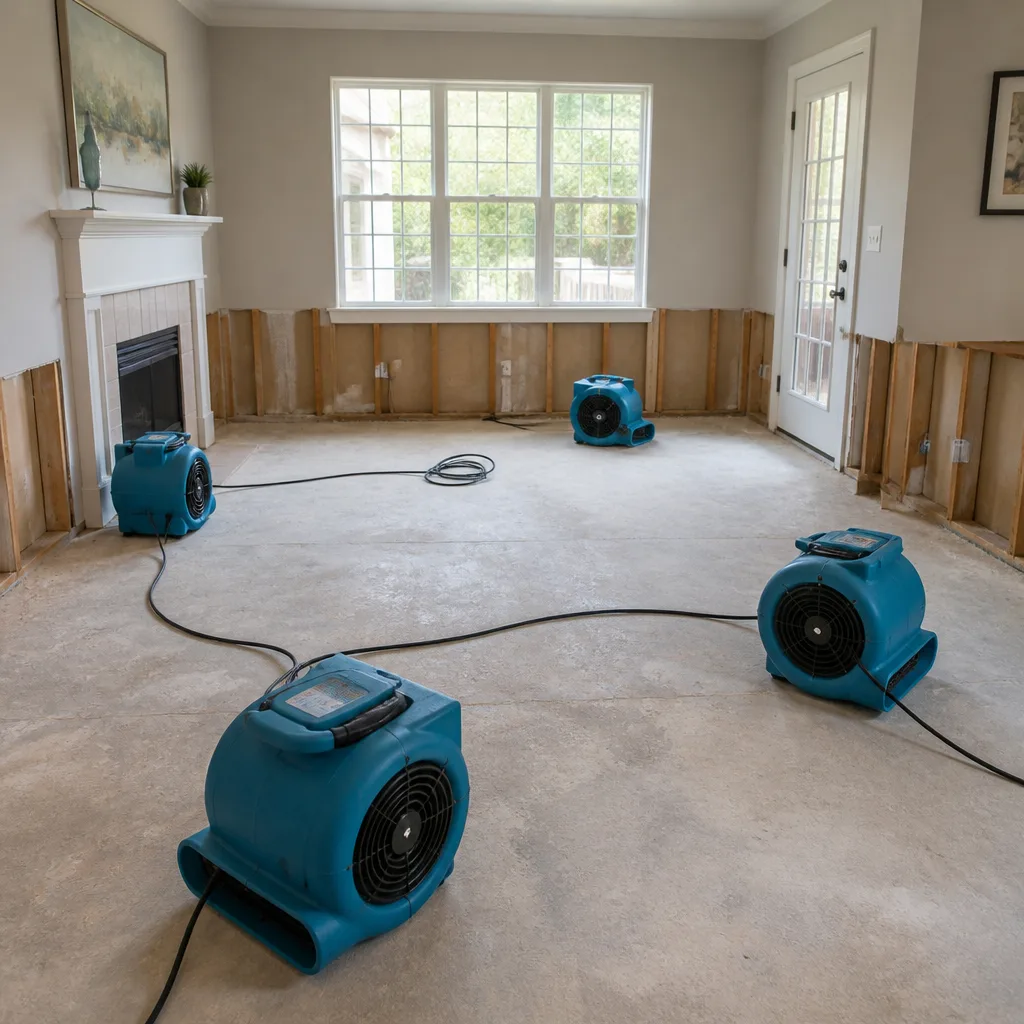
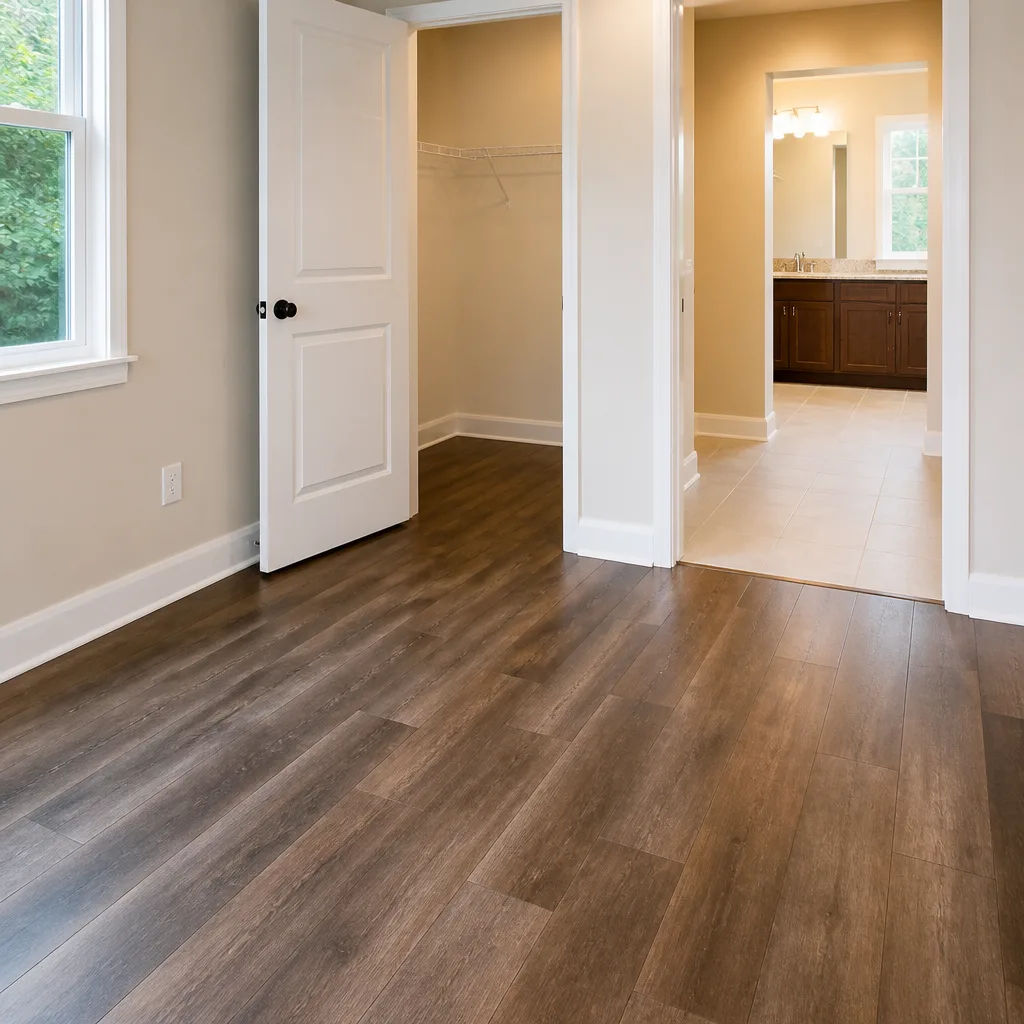
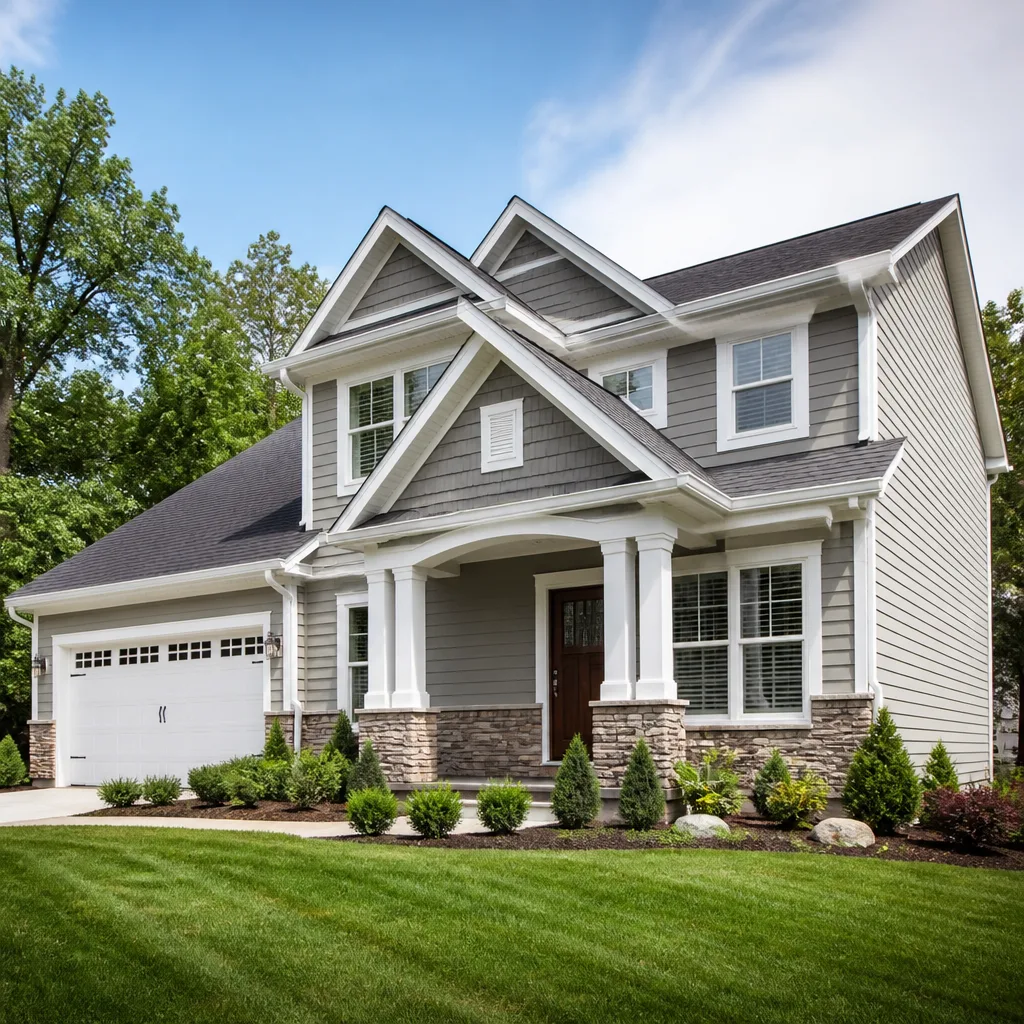
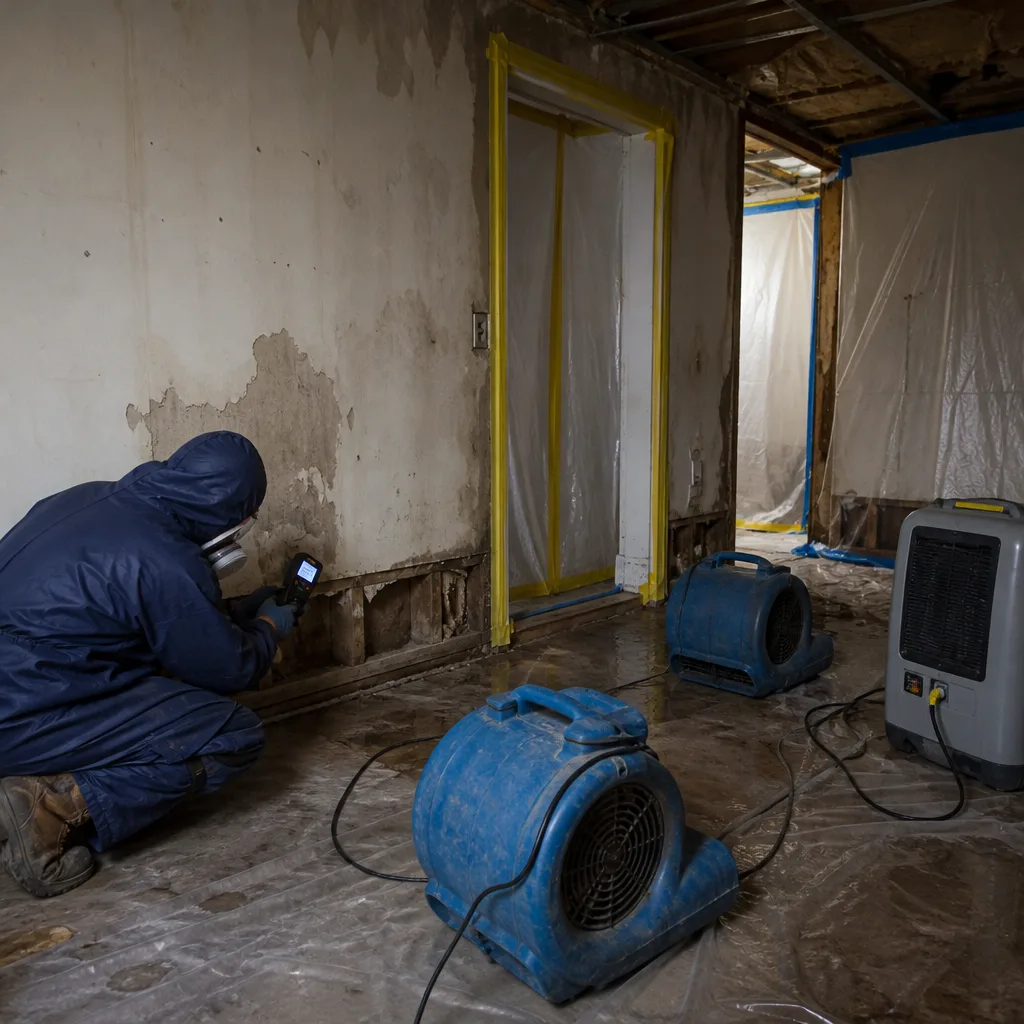 Before
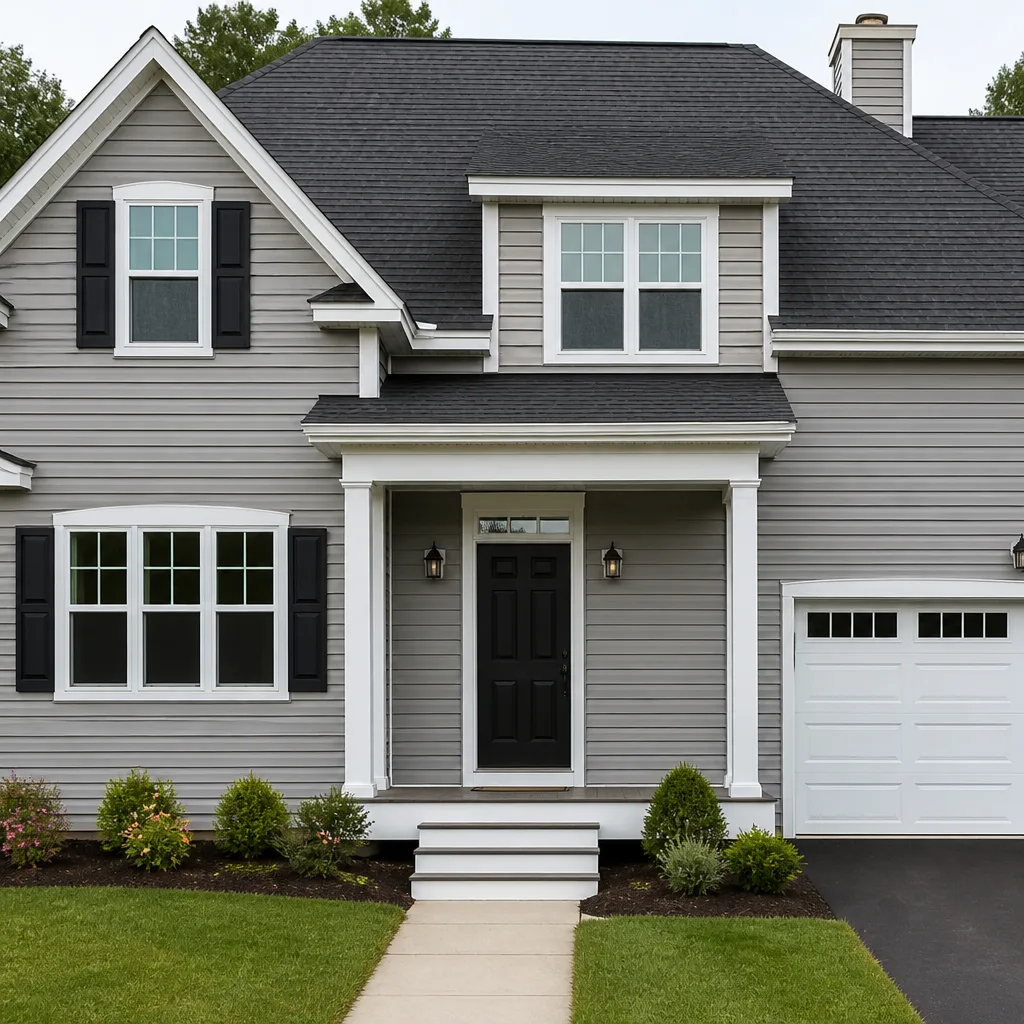
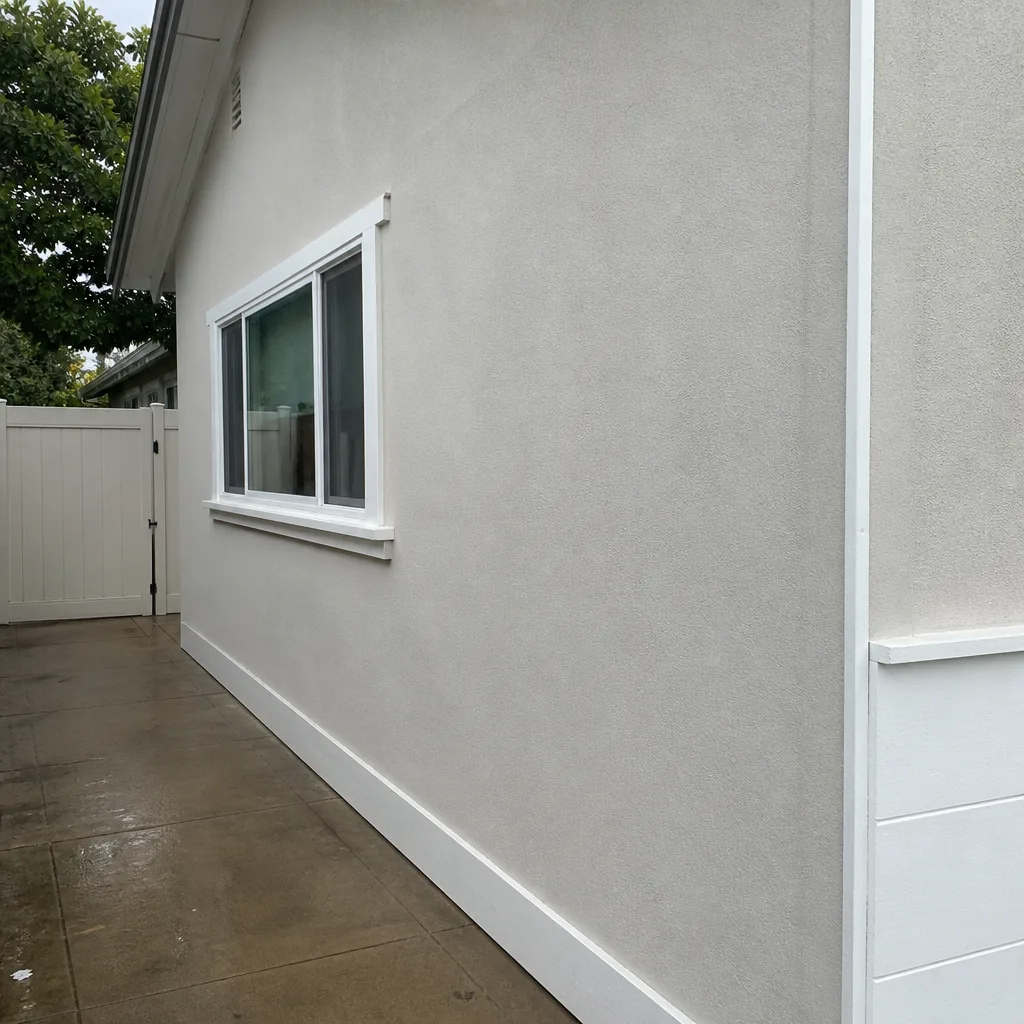 After
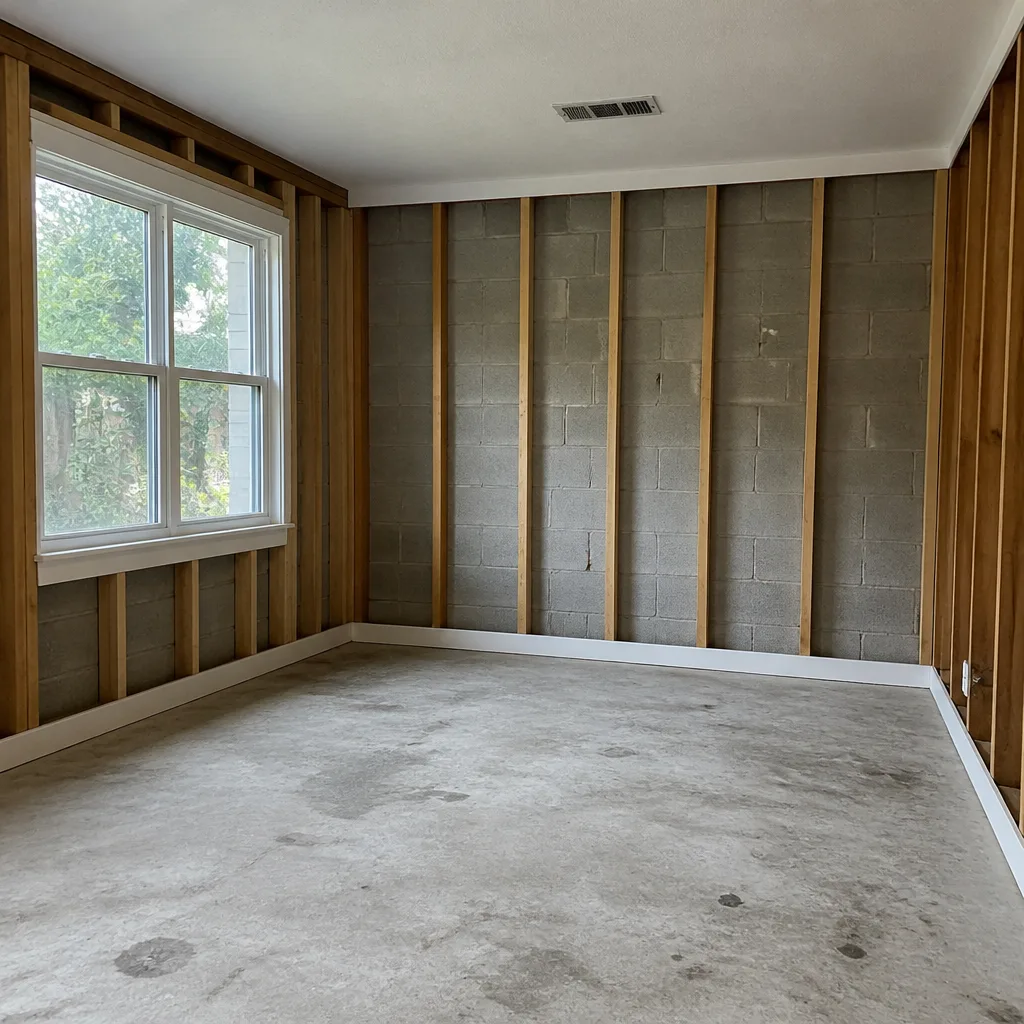
After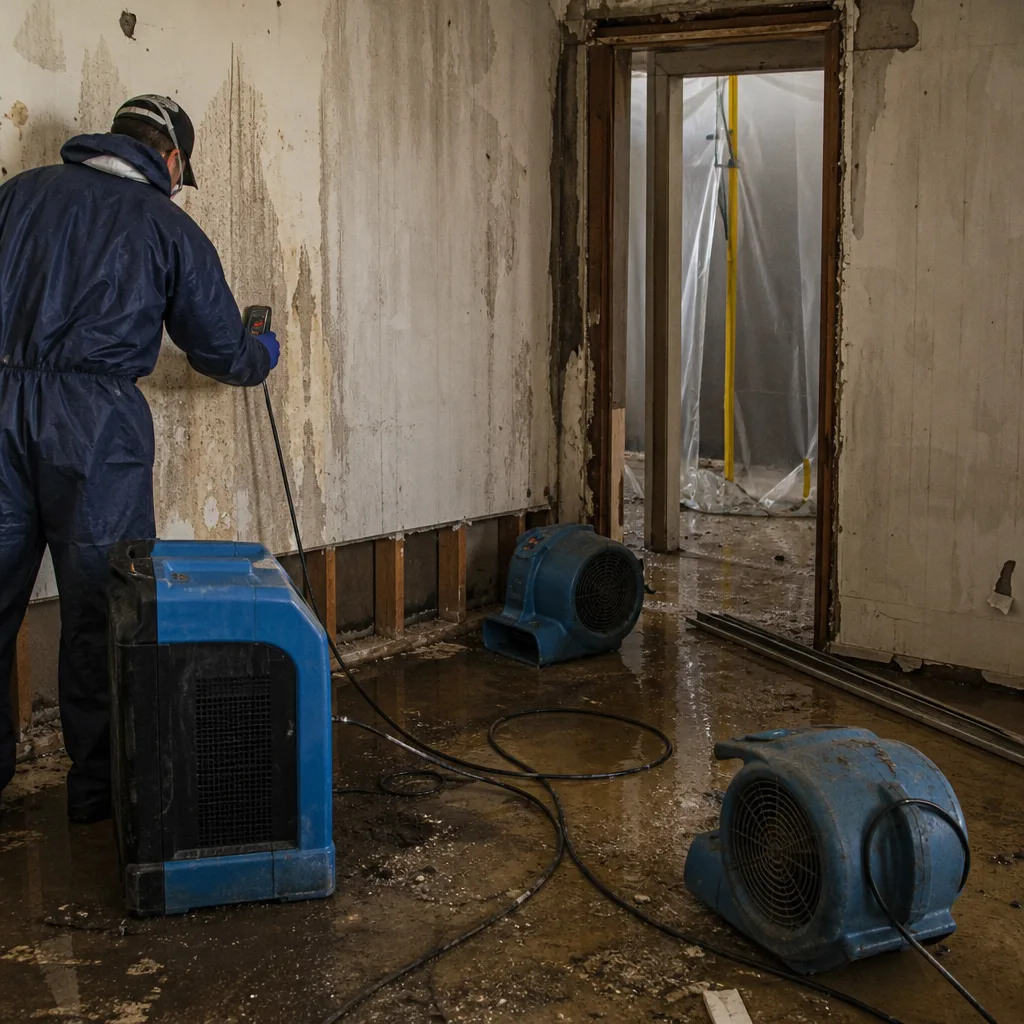 Before
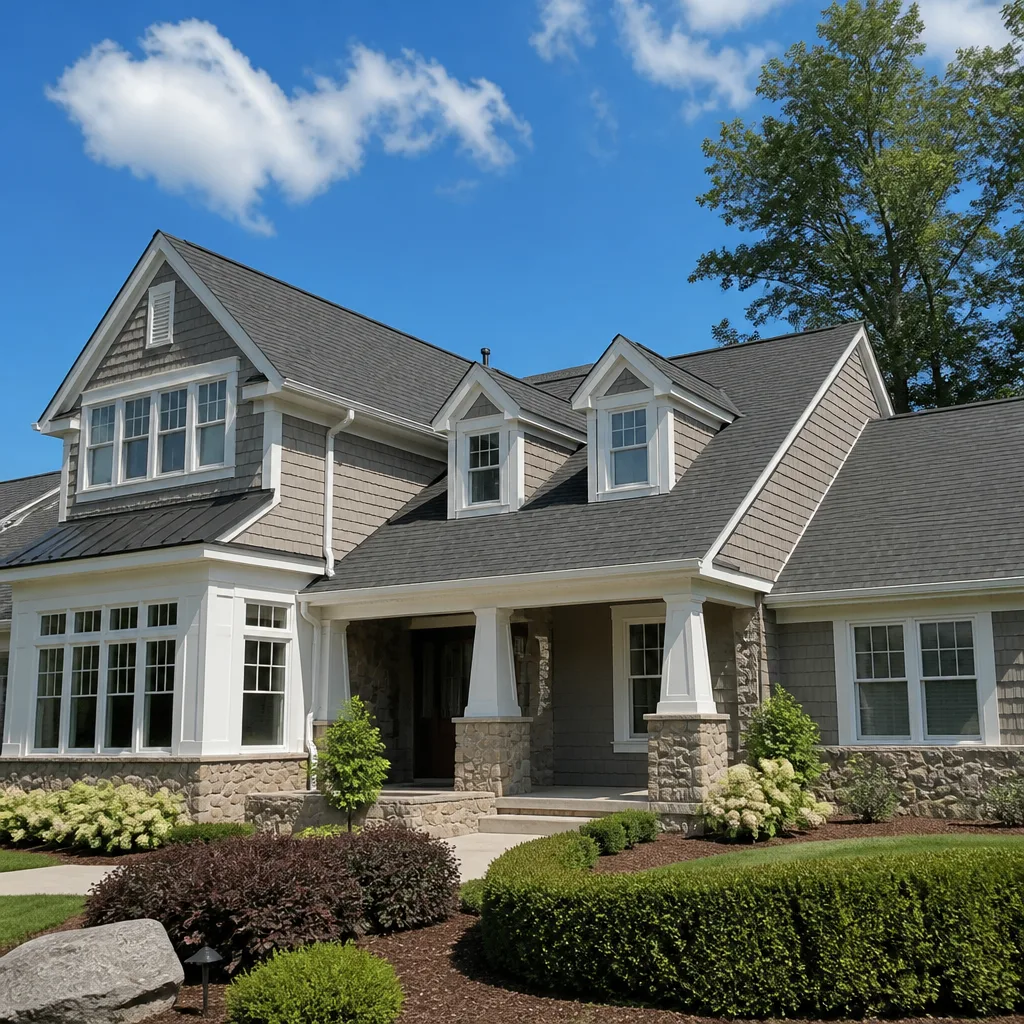
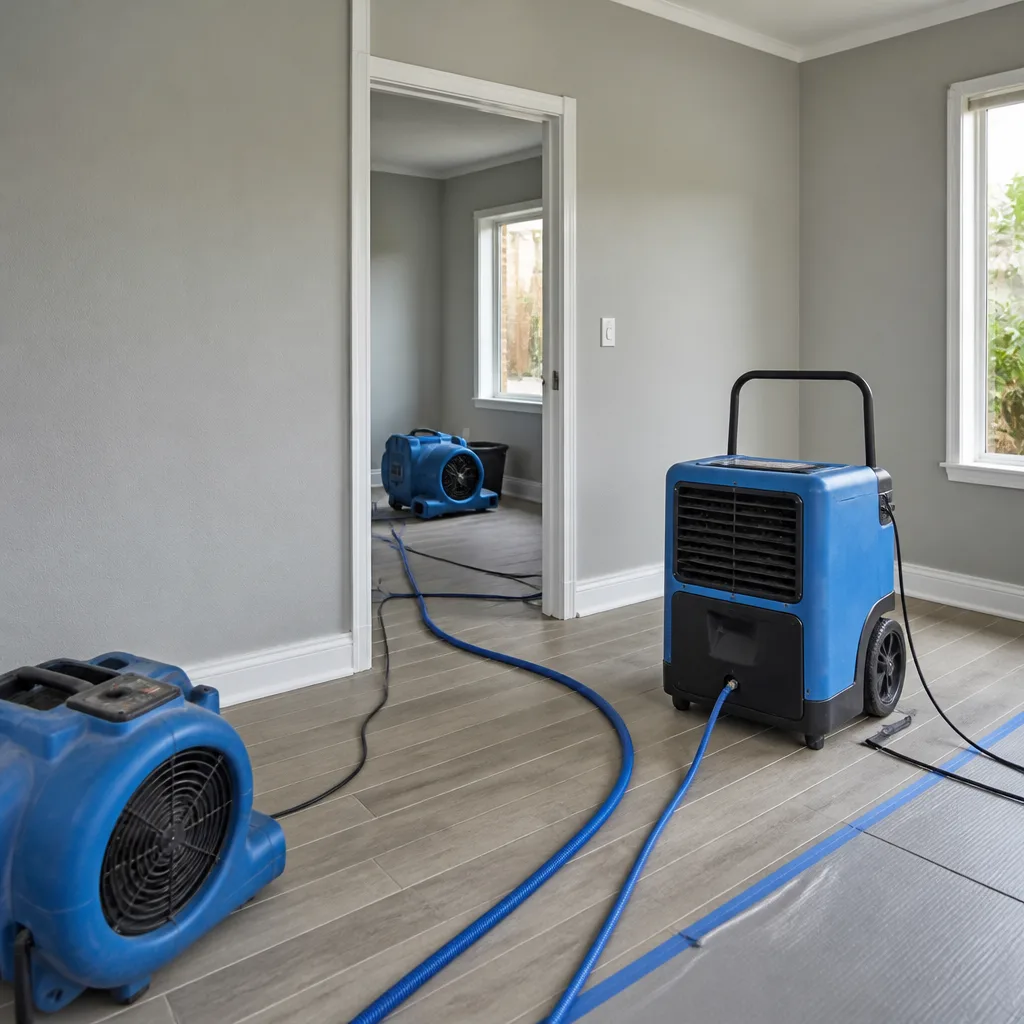 After
After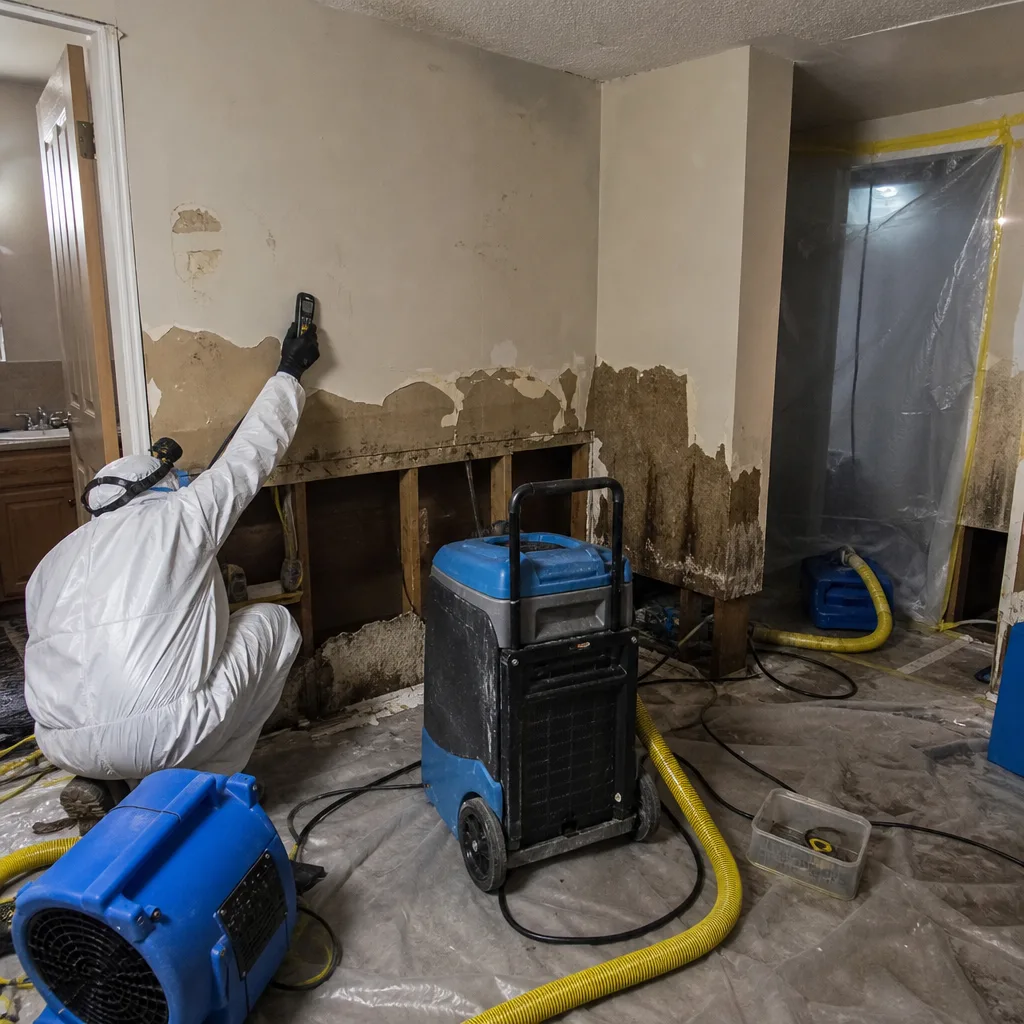 Before
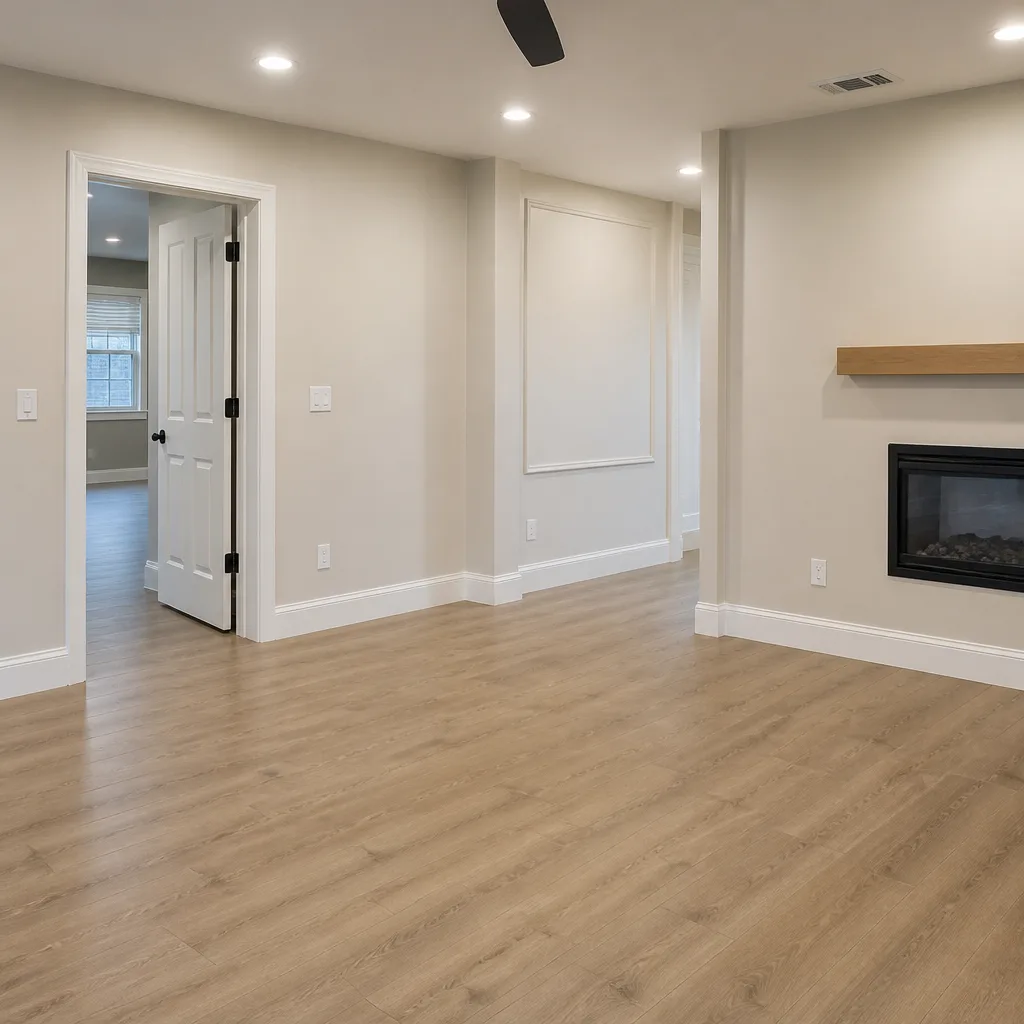 After
AfterFast, Reliable Mold Remediation Across Deer Park
Deer Park Water Damage Restoration typically costs between $1,800 and $6,500 for a standard finished-basement mold job, and our crews can usually be on-site within 90 minutes of your call. Deer Park homes have a problem most other Long Island communities don’t: the water table here sits close to the surface, so groundwater gets pushed up into finished basements during nor’easters, not in from the coast. That means the mold we handle is almost always tied to subsurface water intrusion. Call (910) 613-6568 and we’ll send a technician who knows Deer Park basements, not just mold in general.
We’ve worked in Deer Park long enough to know the difference between a basement that flooded from the bay and one that flooded from below. That distinction changes everything about how we remediate. Most national franchises treat every wet basement the same. We don’t, because a 1950s ranch off Straight Path and a raised bungalow near the water are not the same building, the same soil, or the same mold problem.
Why Marsh Water Damage Restoration Is Deer Park’s Preferred Mold Remediation Company
Deer Park homeowners call us because we’re honest about what’s behind the drywall and we prove who’s coming to the door before the door opens. Every Marsh technician is background-checked, identity-verified, and photo-badged under the Threshold Verified standard. When you book a Mold Remediation visit, you get the technician’s name and photo sent to your phone before arrival. Then they show a matching photo ID badge at the door. If you’re home alone with kids or an older parent, that matters.
Our technical team carries IICRC, RIA, and IFA credentials and runs the same commercial drying equipment used on large loss jobs: Dri-Eaz dehumidifiers, Phoenix air movers, XPOWER extractors. The gear shows up in a clean, marked vehicle with a uniformed technician who knows Deer Park’s 1950s-era foundations, the sump pit failures common along the aging French drains, and what a hidden Sandy-era patch job looks like behind a fresh coat of latex paint.
Every job gets a written price before any work starts, a written guarantee printed on the work order, and our 365-Day Done Right Promise: if the repair is not right within a full year, we come back and make it right at no charge. That’s not a promotional offer. It’s stamped on every job we do in Deer Park.
Bathroom Mold Removal in Deer Park
Bathroom Mold Removal in Deer Park is one of the most common calls we get, and it usually traces back to a ventilation failure combined with the humid Long Island summer, not a flood event. Deer Park’s 1950s and 1960s ranches and Cape Cods often have original bath fans that vent into the attic rather than outside, or no fan at all. Warm shower steam settles into drywall, behind vanities, and into ceiling cavities. In a humid August, that moisture becomes an active mold colony within 48 hours, frequently behind the wall where you can’t see it.
A typical bathroom mold removal in Deer Park runs $650 to $2,200, depending on how far the growth has spread behind tile, drywall, and subfloor. If the mold is contained to surface grout and caulk lines, the low end applies. If we’re pulling vanity backs, opening the ceiling below a second-floor bath, or replacing saturated subfloor, the number climbs. You get the exact number in writing before we cut anything.
Ventilation Correction with the Removal
Removing bathroom mold without fixing the airflow just means it comes back next summer. We check the exhaust fan, duct termination, and window sash before we finish the job. If the fan dumps into the attic, we tell you, and we include the correction in the written scope.
Hidden Growth Behind Vanities and Around Tubs
Deer Park bathrooms from the 1950s and 1960s often have original cast-iron tubs with failed caulk joints and no vapor barrier behind the tile. Moisture wicks into the gypsum and the wooden vanity base. We use moisture mapping before demolition so we know exactly how far the damage runs, and we only remove what’s needed.
Mold Removal Service in Deer Park
Mold Removal Service in Deer Park almost always starts in the basement. Deer Park sits on Long Island’s sandy glacial outwash plain, where a characteristically high water table means nor’easters and tropical remnants rapidly drive groundwater into finished basements rather than causing coastal storm-surge damage. When a sump pit backs up or a 1950s French drain fails, the finished basement panelling and drywall act like a wick. Within 24 to 48 hours in a warm Long Island summer, mold is established. Within two weeks, the colony has traveled behind the wall cavity into stud bays and insulation.
Full Mold Remediation of a finished basement in Deer Park typically runs $2,400 to $6,500. That range covers containment, HEPA-filtered air scrubbers, removal of saturated gypsum and insulation, structural drying with Dri-Eaz dehumidifiers and Phoenix air movers, antimicrobial treatment of framing, and verified clearance readings. The exact number depends on square footage and how far the growth has spread. You’ll have the written price in hand before demolition starts.
Containment and Negative Air
We set containment barriers before disturbing any mold-colonized material. Negative air pressure keeps spores from drifting into the rest of the house. This is standard procedure on every Deer Park job, not an upcharge.
Structural Drying Before Rebuild
The framing has to be genuinely dry before new drywall goes up, not just dry to the touch. We run psychrometric readings (measuring the moisture in the air) and take daily moisture-content readings from the studs and sill plates. The drying logs get documented and handed to you, and they go to your adjuster if insurance is involved.
Trusted Brands We Service in Deer Park
Our Deer Park crews work with equipment from Dri-Eaz, Phoenix, and XPOWER, the same professional-grade drying and extraction gear used on large commercial losses. Because we run this equipment every day across Long Island, our vehicles carry the replacement filters, hoses, and consumables needed for most Deer Park job sites without a parts run back to the shop. That means less downtime during containment and faster drying for your basement. We also coordinate directly with your insurance adjuster and photograph everything before, during, and after the work, so the documentation trail is complete without you having to manage it.
Common Mold Remediation Problems We See in Deer Park Homes
- Sandy-era patch jobs hiding behind fresh drywall. A significant number of Deer Park basements that flooded during Superstorm Sandy got cosmetic patch repairs: new drywall nailed over wet framing, no structural drying, no treatment. We cut into walls on what appears to be a fresh minor water event and find hidden mold colonies that have been growing behind the wall for more than a decade.
- The 24-to-48 hour clock missed in a humid summer. Deer Park’s warm, humid summers accelerate mold growth aggressively. If a basement cavity doesn’t reach full structural dryness within the critical first two days, mold re-colonizes within weeks. We see this constantly: a homeowner dried the basement with box fans and bleach, and the mold just came back behind the wall.
- Groundwater intrusion treated like a clean supply-line leak. Deer Park’s original galvanized supply lines in 1950-to-1975 homes corrode internally and leak slowly behind finished walls. When a homeowner sees water, they treat it as one event, but the hidden galvanized line keeps feeding moisture. We test supply-line integrity when we map the damage.
- Finished basement materials that hold moisture too long. The older gypsum board and wood panelling common in Deer Park’s finished basements absorb water readily and release it slowly. That’s a perfect environment for mold. We see wall cavities where the bottom 18 inches of drywall is colonized but the top looks fine. Without moisture mapping, you’d never know.
Pricing for Mold Remediation in Deer Park, CA
Here’s what Deer Park homeowners should expect. A contained bathroom mold removal runs $650 to $2,200. A full finished-basement mold remediation with structural drying runs $2,400 to $6,500, depending on square footage and how far the colony has spread behind framing. A crawl space treatment with vapor barrier and antimicrobial application typically lands in the $1,500 to $3,800 range. What changes the number most is how much drywall and insulation has to come out, whether your supply lines are still feeding moisture, and whether a failed sump pit or French drain needs repair as part of the scope. You get a written price before any work starts. Estimates are free. Call (910) 613-6568 and we’ll send someone out to Deer Park to give you exact numbers.
We Also Serve Cities Near Deer Park
Marsh Water Damage Restoration handles mold remediation across the North Bay. We serve Calistoga, Napa, Boyes Hot Springs, and Santa Rosa, with the same Threshold Verified technicians, written pricing, and 365-Day Done Right Promise wherever we work. If you’re just outside Deer Park, call us, and we’ll confirm the response time for your address right over the phone.
Serving Deer Park, CA - Our Local Coverage Area
We’re based in the Deer Park area and know this community well. Use the map below to see our service coverage - if you’re nearby, we can almost certainly help.
FAQs About Mold Remediation in Deer Park
Because Deer Park sits on Long Island’s sandy glacial outwash plain over a shallow freshwater aquifer. During nor’easters and tropical remnants, the water table rises quickly and pushes groundwater up through the foundation, even when no coastal surge touched your street. The finished basement panelling and drywall wick that water, and in a warm Long Island summer, mold establishes within 24 to 48 hours. A “minor” flood at the floor line often means a major moisture problem behind the wall. Call (910) 613-6568 and we’ll map the actual moisture levels before any demolition.
Those homes date from 1950 to 1975, and many still have original galvanized supply lines, aging French drains, and sump pits that predate modern basin standards. The finished basement materials are older gypsum board and wood panelling that absorb and retain moisture longer. That means we have to test for hidden supply-line leaks, not just dry the visible water. And we have to assume moisture has traveled farther behind the wall than the wet drywall suggests. That’s a Deer Park-specific pattern, and it changes how we open the wall and how long we run structural drying.
No. We use moisture mapping and thermal imaging to find moisture and mold behind finished surfaces without demolition first. The mapping tells us where the wall cavity is wet, how far the moisture has traveled, and where the colony is active. When we do open a wall, we set containment and open only what’s needed, based on the moisture map. In Deer Park, we also specifically check for old Sandy-era patch jobs, because new drywall over wet framing is common here and almost always hides a colony.
The rule is simple: porous materials that are saturated and colonized, like drywall, insulation, and wood panelling, come out. Non-porous surfaces like concrete and framing get cleaned, treated, and dried. We run psychrometric readings (measuring the moisture in the air) and take daily moisture-content readings from the studs and sill plates. The removed material goes out under containment. The framing stays if the moisture content drops to a safe level and the antimicrobial treatment is applied. If framing is compromised, that comes out too. You’ll see those decisions documented in the drying logs.
After a wet basement in Deer Park, the process starts with containment and negative air pressure to keep spores from spreading. Then we remove the saturated, colonized materials, run structural drying with Dri-Eaz dehumidifiers and air movers until the framing reads genuinely dry, treat the cavity with an antimicrobial, and verify with clearance readings. If a sump pit or French drain failed, that repair becomes part of the written scope before we rebuild. You get documented readings at every step, and the 365-Day Done Right Promise covers the work for a full year. Call (910) 613-6568 for a free estimate.
It depends on your policy and the source of the water. Many homeowners policies cover mold remediation when the mold results from a covered water event, like a failed sump pump or a burst galvanized supply line. We photograph everything, document the drying logs, and coordinate directly with your adjuster. You don’t have to manage the paperwork. Call (910) 613-6568 and we’ll help you understand what your policy likely covers before you commit to any work.
Our Deer Park response time is typically 90 minutes or less during an active water or mold event. A live person answers the phone 24 hours a day, 7 days a week, including holidays. You get the technician’s name and photo before arrival, and they show a photo ID badge at the door. When mold is active, every hour matters. Call (910) 613-6568 and we’ll have someone on the way.
Written by Tobias Reyner, Owner at Marsh Water Damage Restoration, serving Deer Park since 2005.