
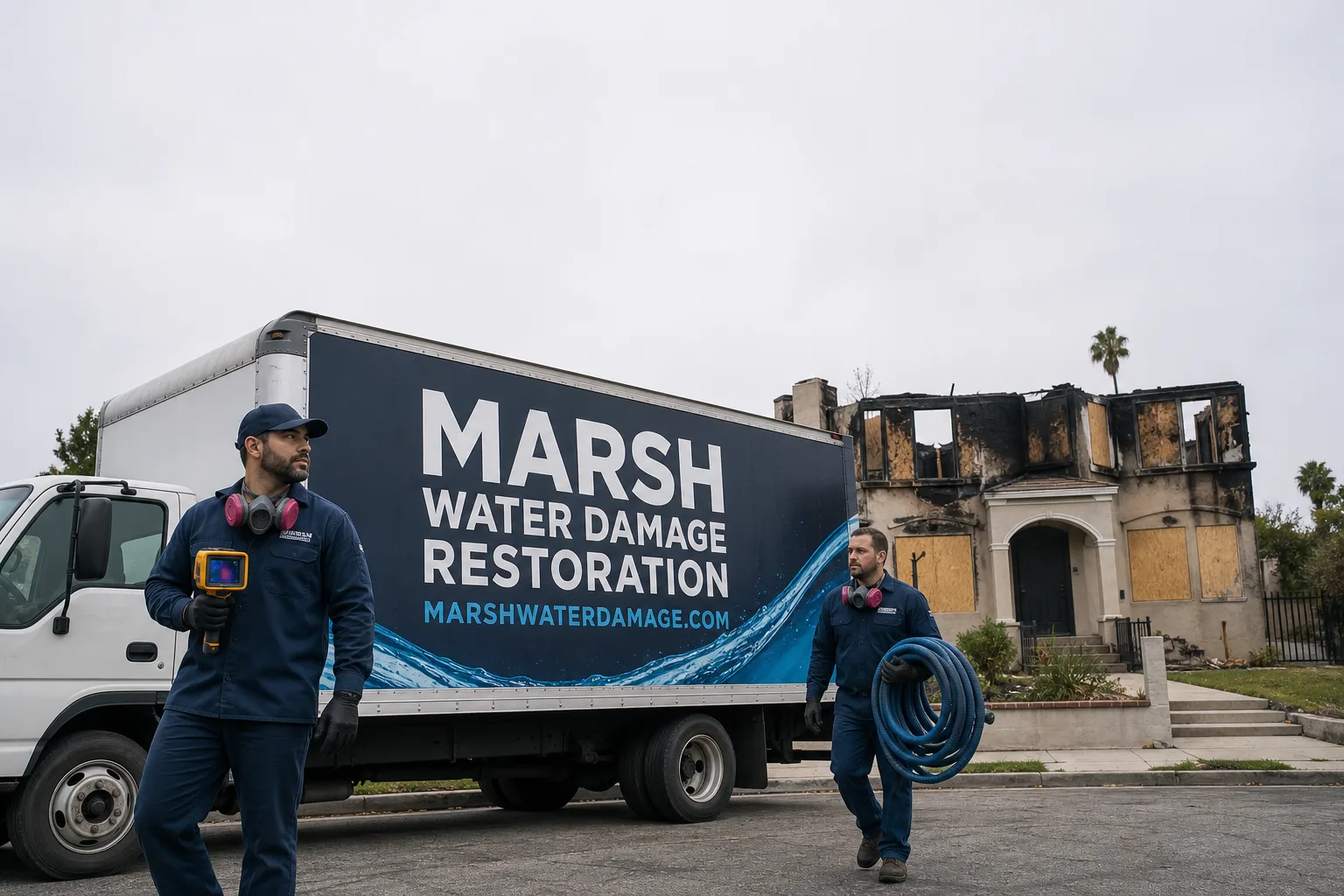
Free visual inspection and a written scope of work before any mitigation begins - photos, moisture readings, and drying logs go in your claim file
The scope we write is the scope we bill. Anything new gets shown to you, in writing, before we touch it.
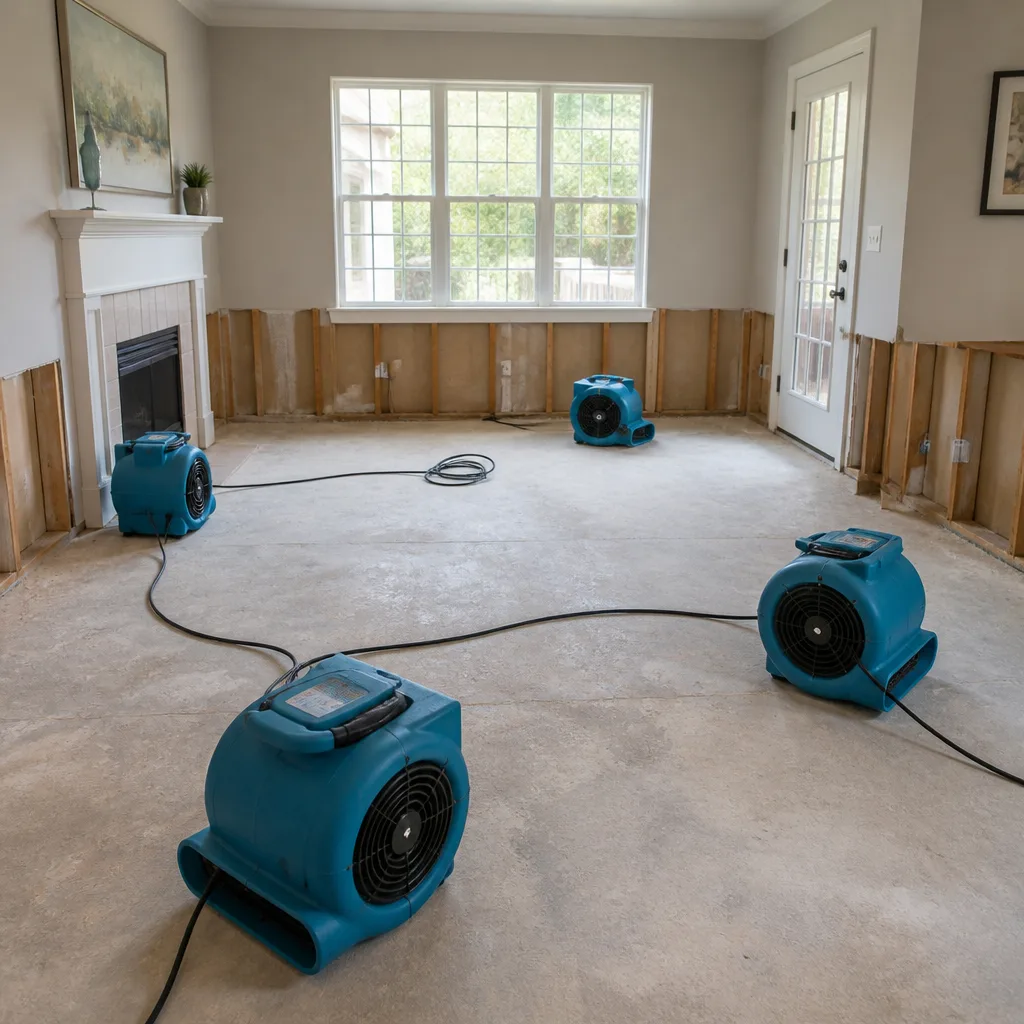
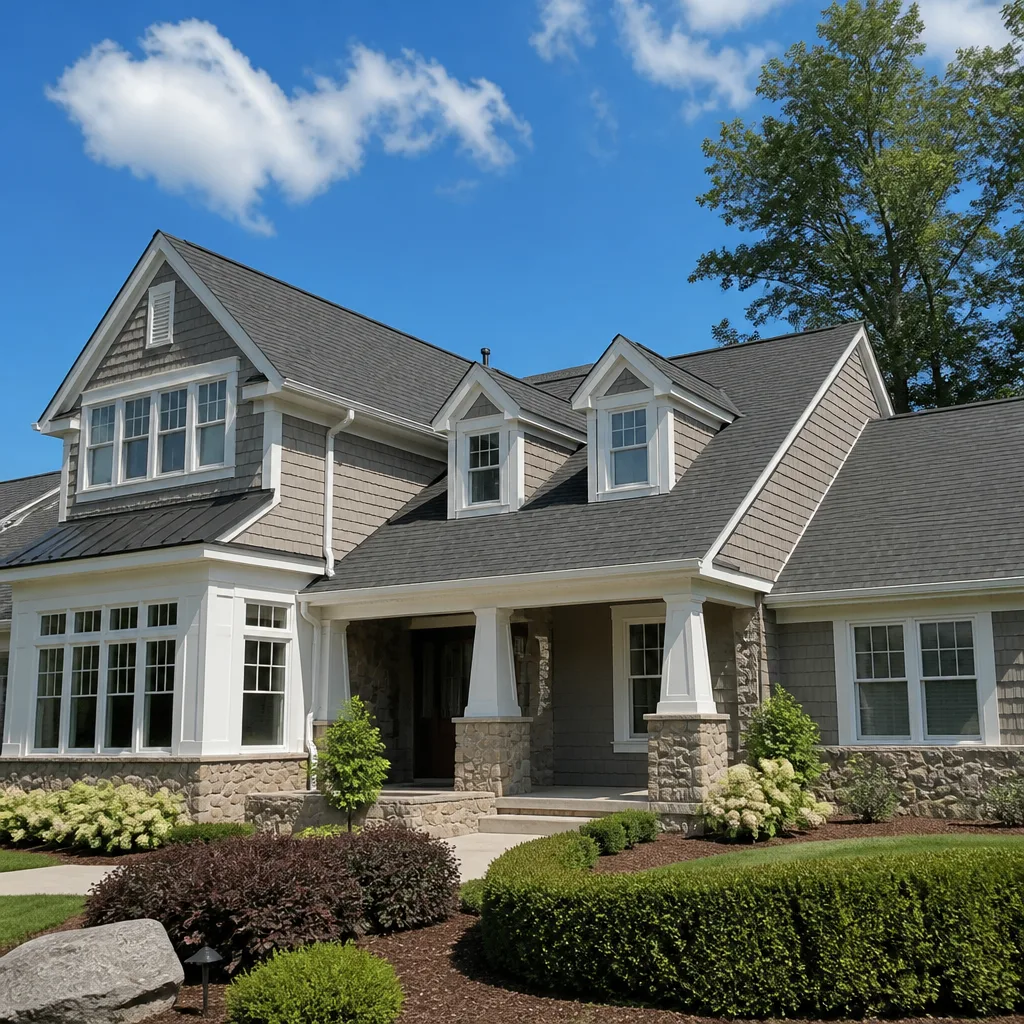
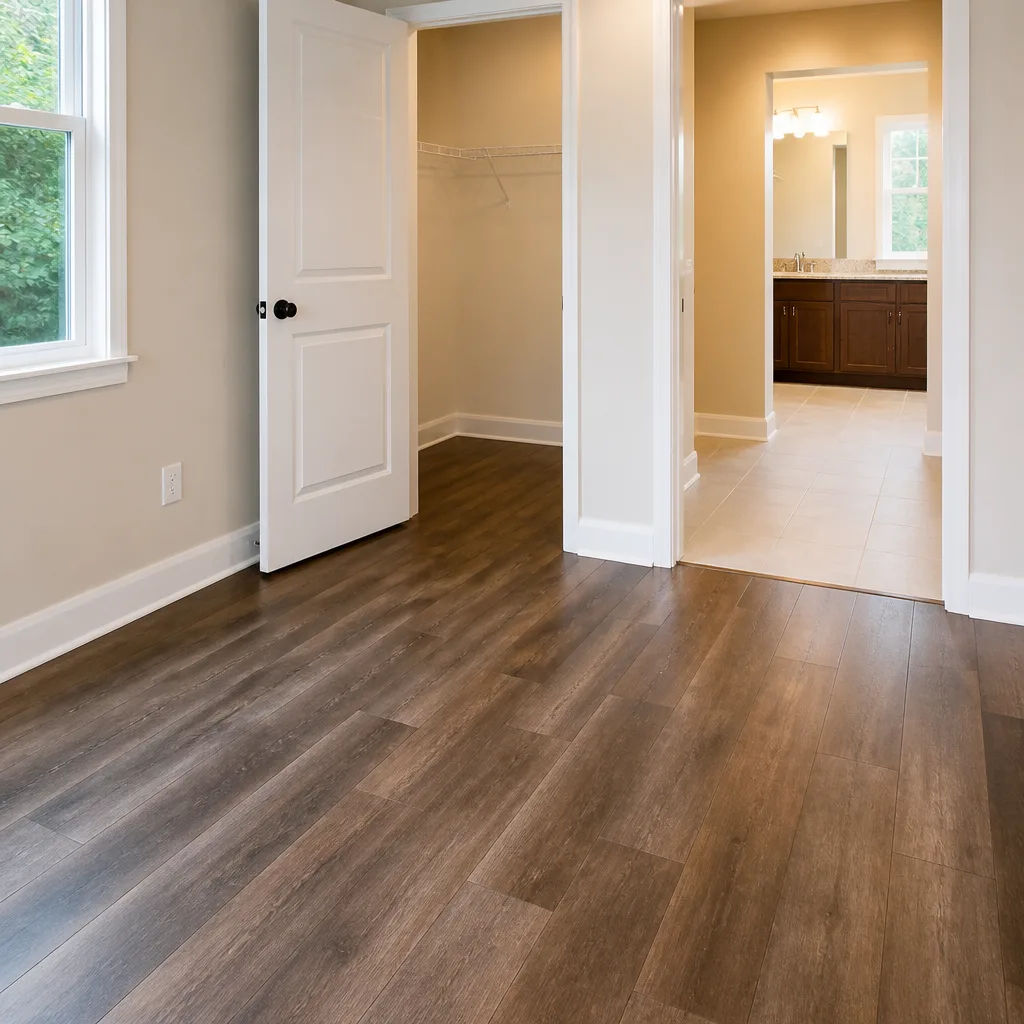
 Before
 After
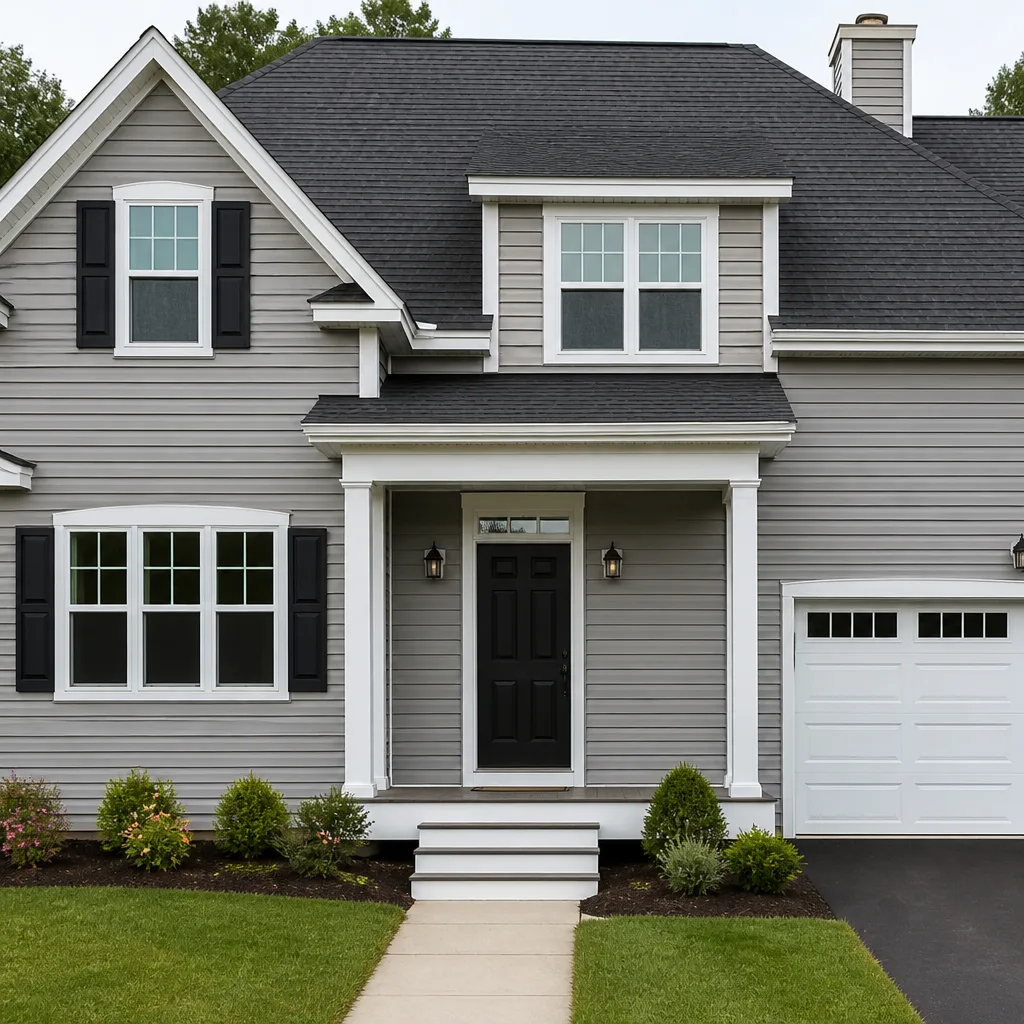
After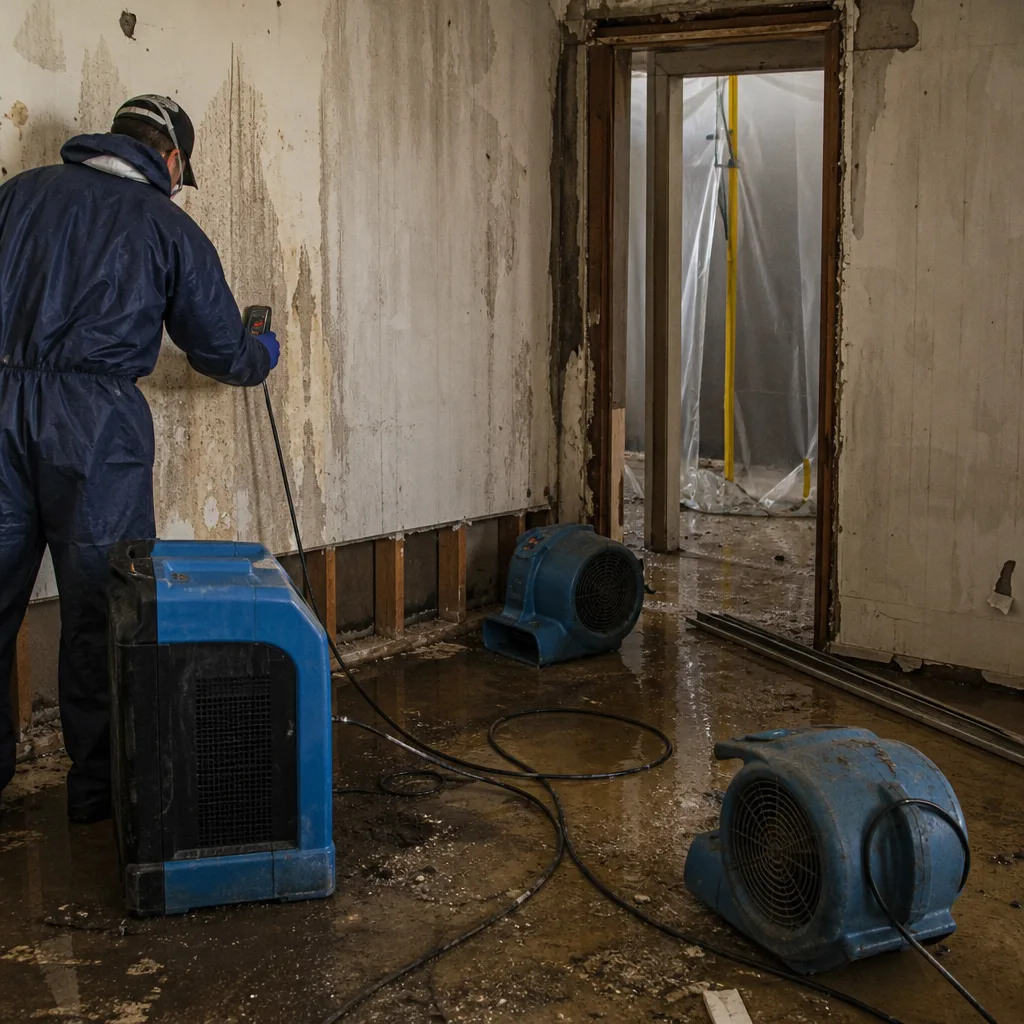 Before
 After
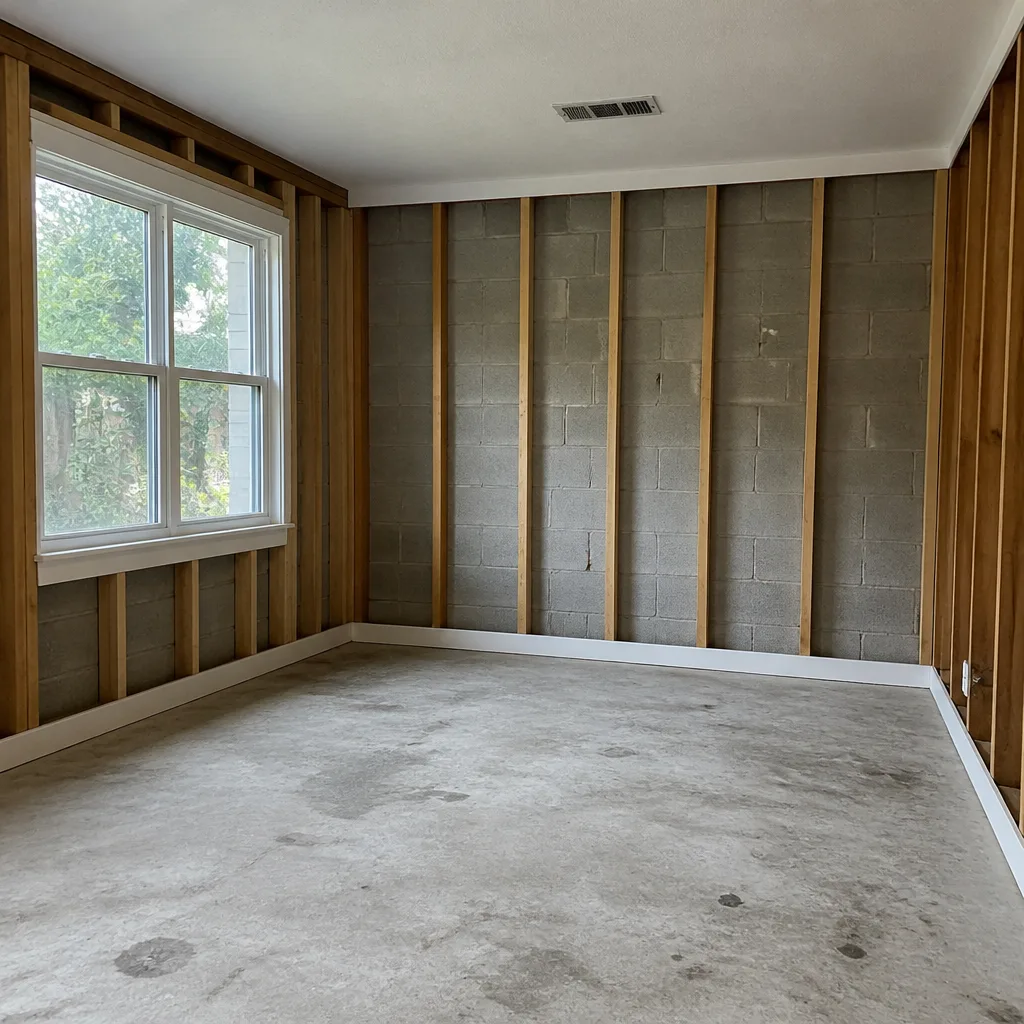
After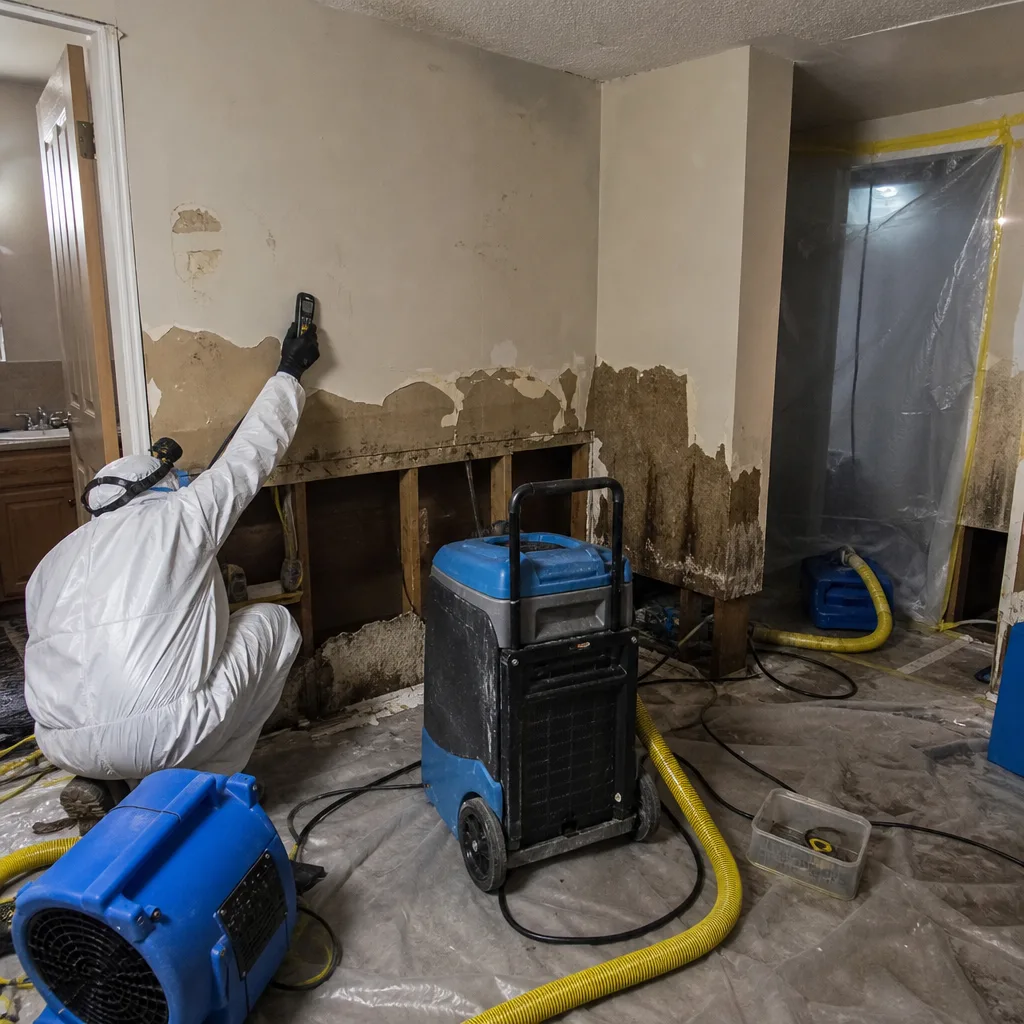 Before
 After
AfterFast, Reliable Mold Remediation Across East Brunswick
Mold remediation in East Brunswick typically runs between $1,800 and $6,500 depending on how far the growth has spread and whether it’s behind finished walls. We respond to East Brunswick homes within hours, not days, because mold that sits for a weekend becomes a much larger job by Monday. Most of what we find in this township isn’t from dramatic flooding. It’s chronic seepage through aging foundation walls, the kind of slow, quiet moisture that finishes basements and feeds mold for years before anyone notices. Call (910) 613-6568 and we’ll be at your door, by name and photo, before the day is out.
Why Marsh Water Damage Restoration Is East Brunswick’s Preferred Mold Remediation Company
We’ve worked enough colonials and split-levels off Ryders Lane, Cranbury Road, and Dunhams Corner Road to know what’s behind their walls before we open them. Homes in this township were built fast between the late 1950s and mid-1980s, and many still carry the original cove-joint waterproofing and French drains that failed years ago. That means the mold we find in East Brunswick is rarely a surprise to us. It follows predictable patterns tied to clay soil, the Lawrence Brook watershed, and decades of moisture that prior owners painted over rather than fixed.
Every technician who arrives at your East Brunswick door is background-checked, identity-verified, and sent to you by name and photo before the visit. They’ll show a photo ID badge at the door, every time. That’s the Threshold Verified standard, and it’s stamped into every work order we write. You get a written price before any work starts, a written guarantee on the repair, and a free second visit if anything isn’t right within 365 days. Not marketing language. Printed commitments.
Our crews are IICRC, RIA, and IFA credentialed, and they show up with the same Dri-Eaz, Phoenix, XPOWER, and B-Air equipment used on large commercial losses. Tobias Reyner leads our technical team, and he’s the person who reviews moisture mapping and drying logs on East Brunswick jobs before we call a structure dry.
Professional Mold Removal in East Brunswick
Professional mold removal in East Brunswick is the controlled process of containing affected areas, removing contaminated materials, treating remaining surfaces, and drying the structure to verified moisture targets. It’s what a 1960s colonial with a finished basement needs when surface mold on drywall or framing keeps coming back after cleaning. A typical East Brunswick mold removal project runs $2,200 to $5,800, with the final number driven by how much drywall, insulation, and flooring has to come out and whether containment extends across multiple rooms.
Containment and Source Removal
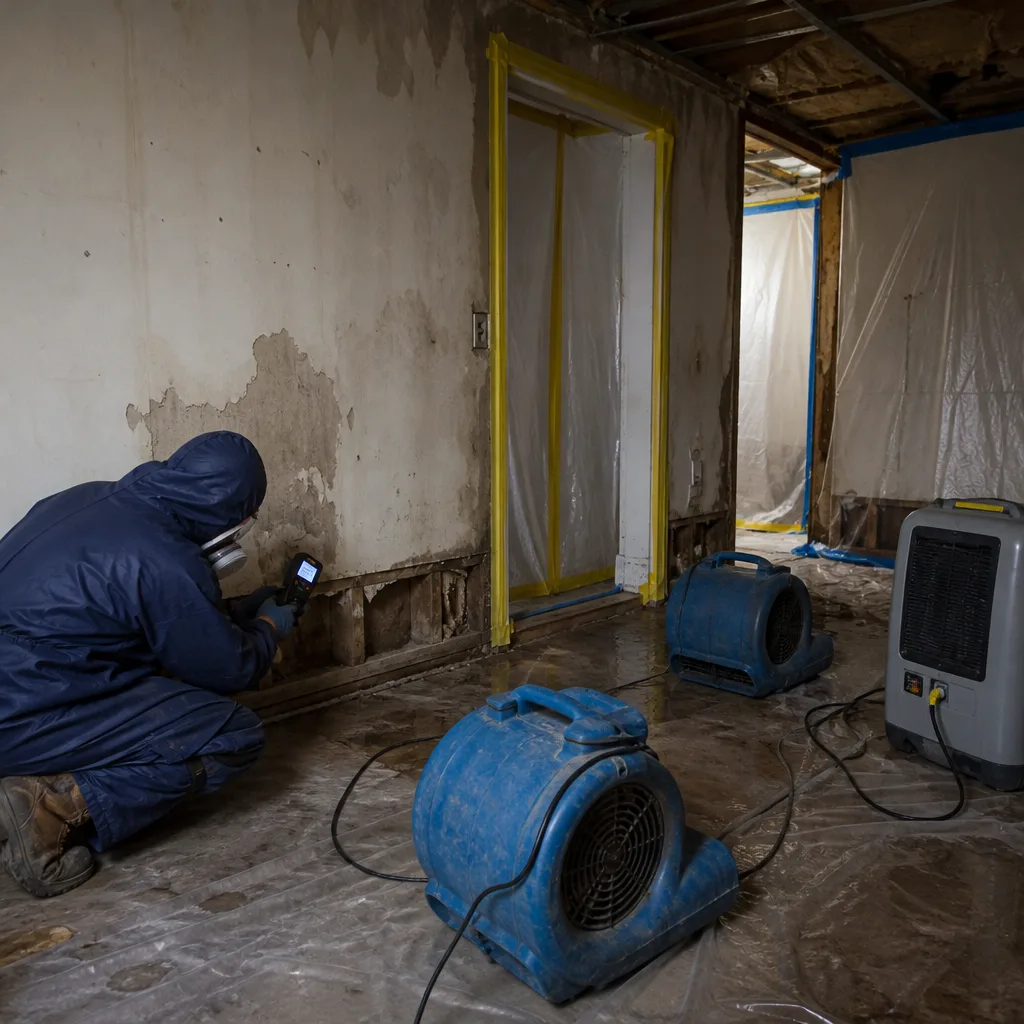
We set negative air pressure with HEPA-filtered air scrubbers so spores don’t travel to the rest of the house while we work. Contaminated drywall, carpet, and insulation come out in sealed bags, and we treat the framing and surrounding materials with antimicrobial agents before any rebuild starts.
Drying to a Standard, Not a Guess
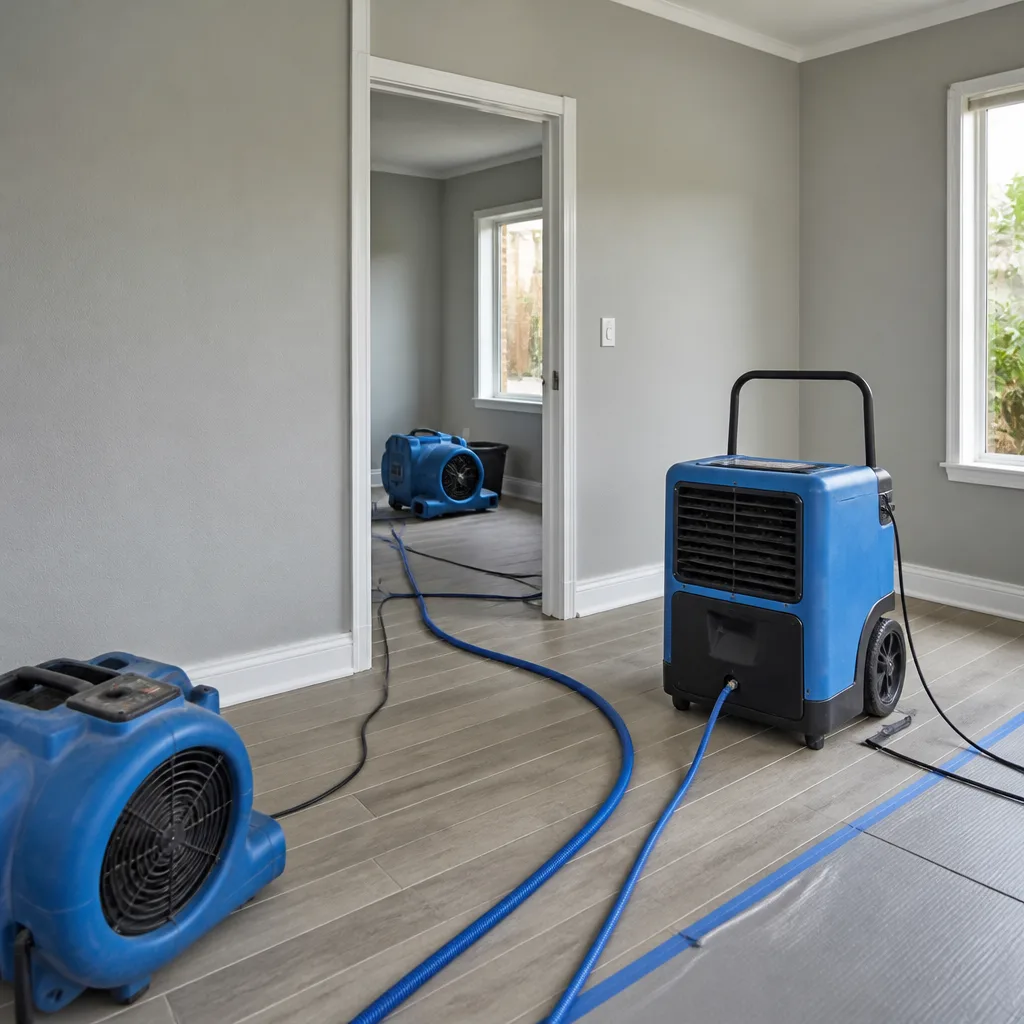
Surface-dry drywall can still hide moisture behind it. We use psychrometric readings (measuring the moisture in the air) and penetrating moisture meters to confirm the structure is genuinely dry before we close walls back up. That’s the difference between a one-time fix and a recurring problem.
Mold Inspection in East Brunswick
A mold inspection in East Brunswick is a systematic check of the basement, crawl space, and any area with a history of water intrusion, using moisture meters and visual assessment to locate growth before it spreads. It’s the right first step for an East Brunswick homeowner who smells mustiness but sees no visible mold, or who just bought a home with freshly painted basement walls and wants to know what’s underneath. Mold inspections here run $350 to $750, and air sampling, if you want lab confirmation of spore types and counts, adds another $300 to $500.
Moisture Mapping at Foundation Walls
We run moisture readings along the base of foundation walls, where clay-saturated soil outside holds water against the concrete for days after a storm. East Brunswick’s soils drain slowly, so we check not just for an active leak but for the chronic dampness that keeps framing and drywall wet enough for mold even without visible water.
What Prior Owners Painted Over
Anyone buying a 1970s or 1980s home in this township should be suspicious of fresh paint in a basement. We regularly find multiple paint layers over old microbial growth on studs, evidence of three or four prior water events that were never dried properly and never disclosed. An inspection catches what a coat of paint is hiding.
Trusted Brands We Service in East Brunswick
We stock replacement parts and materials for the equipment we run on East Brunswick jobs, so we’re not waiting on a supply house when your basement is open and drying. Our crews operate Phoenix and Dri-Eaz dehumidifiers, XPOWER and B-Air air movers, and Injectidry wall-drying systems, all of which match what any national franchise brings to a commercial loss. When a Phoenix LGR dehumidifier goes down mid-job, we swap it same day. You don’t pay for downtime, and your dry-out doesn’t stall.
Common Mold Remediation Problems We See in East Brunswick Homes
- Chronic seepage, not floods: Clay-heavy Middlesex County soil holds stormwater against foundation walls, and the Lawrence Brook watershed’s high water table keeps hydrostatic pressure on basements long after rain stops. Most mold calls here trace back to this, not to a single flooding event.
- Mold behind finished basement drywall: The standard East Brunswick colonial from the 1960s through 1980s came with a finished basement, and those original walls hide water until it’s soaked through. By the time you see staining, the cavity behind the drywall is often fully colonized.
- Category 3 water trapped in wall assemblies: When sewage or ground water gets behind drywall, the wet material has to come out. Drying it in place leaves contamination sealed inside, and mold returns within months.
- Painted-over prior events: East Brunswick homes change hands often, and sellers routinely paint over basement mold instead of remediating it. We find stained studs and layered microbial growth behind what looked like a clean, fresh wall.
Pricing for Mold Remediation in East Brunswick, NJ
Here’s what you’re walking into, in real numbers. Mold inspection in East Brunswick runs $350 to $750. Mold removal on a single finished basement wall typically costs $1,800 to $3,200. Full basement remediation with containment, drywall removal, framing treatment, and drying runs $4,000 to $6,500. If mold has moved into multiple rooms or the HVAC system, expect the upper end of that range. What changes the price is how much material comes out, how long drying equipment runs, and whether we’re rebuilding surfaces or just treating them. Every job gets a written price before any work begins. You’ll know the number before we open a wall. For an exact quote, call (910) 613-6568 and we’ll come out, inspect, and write it down.
We Also Serve Cities Near East Brunswick
Our crews work throughout the towns around East Brunswick, including Sayreville, South River, Milltown, and Spotswood. If you’re in one of those areas and dealing with mold or water damage, the same Threshold Verified standard applies. Learn more about our Mold Remediation in East Brunswick service area or call us directly at (910) 613-6568.
Serving East Brunswick, NJ - Our Local Coverage Area
We’re based in the East Brunswick area and know this community well. Use the map below to see our service coverage - if you’re nearby, we can almost certainly help.
FAQs About Mold Remediation in East Brunswick
Your basement has mold because East Brunswick’s clay soil holds water against your foundation walls for days after every rainstorm, even when no water ever pools on the floor. That sustained moisture seeps through concrete, keeps framing and drywall damp, and feeds mold growth that you may never see until it’s widespread. The Lawrence Brook watershed keeps groundwater high across much of the township, and homes built before modern waterproofing simply weren’t designed to stay dry against that kind of pressure. Call (910) 613-6568 and we’ll map the moisture and show you exactly where it’s entering.
Yes, and in East Brunswick this is one of the most common scenarios we walk into. We routinely pull back freshly painted drywall or paneling on homes built in the 1960s through 1980s and find stained studs, multiple paint layers over microbial growth, and evidence of three or four prior water events that were never properly dried or disclosed. A fresh coat of paint hides surface staining but does nothing for the moisture behind it. The only way to know is a moisture inspection at the base of the walls, where water enters. We charge $350 to $750 for that inspection, and you’ll get a written report, not a sales pitch.
Mold begins growing within 24 to 48 hours in an East Brunswick basement after a water event, and it’s faster in summer when the township’s humidity sits high and basements stay warm. On porous materials like drywall and carpet, colonization can be well underway before you notice any visible discoloration. That’s why we respond to East Brunswick calls within hours, not days. The difference between drying a wet basement and tearing out moldy drywall often comes down to whether the water sat for two days or two weeks. If you’ve had water in your basement, even if it’s already dried on the surface, call (910) 613-6568 and we’ll check what’s happening behind the visible layer.
Absolutely. Clean water from a burst supply line can often be dried in place if we get there fast and the materials are still structurally sound. But category 3 water, which includes ground water from seepage, storm water, and anything that’s been in contact with soil, contains contaminants that require removing the wet porous materials, not drying them. In East Brunswick, where chronic groundwater seepage is the dominant mold driver, most of what we find behind finished basement walls is category 3, and the wet drywall and insulation have to come out. We’ll tell you which category you’re dealing with before we recommend a plan, and you’ll see it in the written scope of work.
In a 1960s colonial in East Brunswick, mold remediation typically starts with containment and negative air pressure, then removing contaminated drywall, carpet, and insulation, treating the framing with antimicrobial agents, drying the structure to verified moisture targets, and finally rebuilding the affected surfaces. The project usually runs 3 to 7 days from start to finish, depending on how many rooms are affected. On a 1969 colonial off Dunhams Corner Road, what the owner called a first flood turned out to be our fourth: we pulled saturated carpet and found studs with three paint layers over old microbial growth. We set containment, ran antimicrobial treatment, and dried the framing with Dri-Eaz air movers and a Phoenix dehumidifier. Moisture mapping showed the original cove-joint waterproofing had failed, meaning every prior fix just hid the source. We rebuilt only after structural drying hit our drying logs’ targets. That’s the standard, and it applies whether you’re dealing with a first event or a fifth.
Mold in an East Brunswick basement doesn’t get better on its own, and paint won’t fix it. Marsh Water Damage Restoration has been doing this work since 2005, and our Mold Remediation team knows this township’s houses, soils, and water patterns better than anyone. A live person answers our phone 24 hours a day, 7 days a week. Call (910) 613-6568 for a free estimate, and you’ll know exactly who’s coming to your door before we knock.
Written by Tobias Reyner, Owner at Marsh Water Damage Restoration, serving East Brunswick since 2005.