
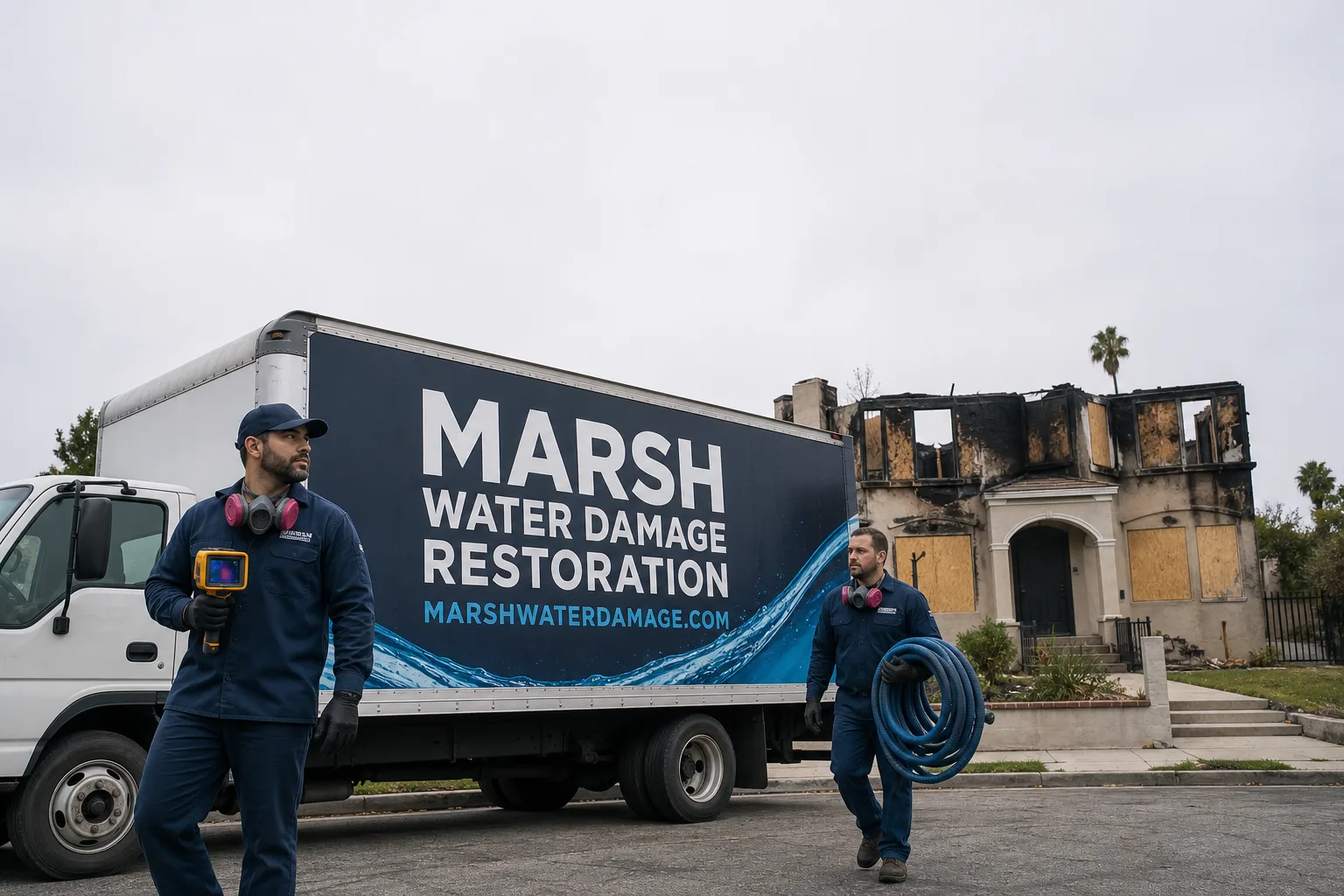
Free visual inspection and a written scope of work before any mitigation begins - photos, moisture readings, and drying logs go in your claim file
The scope we write is the scope we bill. Anything new gets shown to you, in writing, before we touch it.
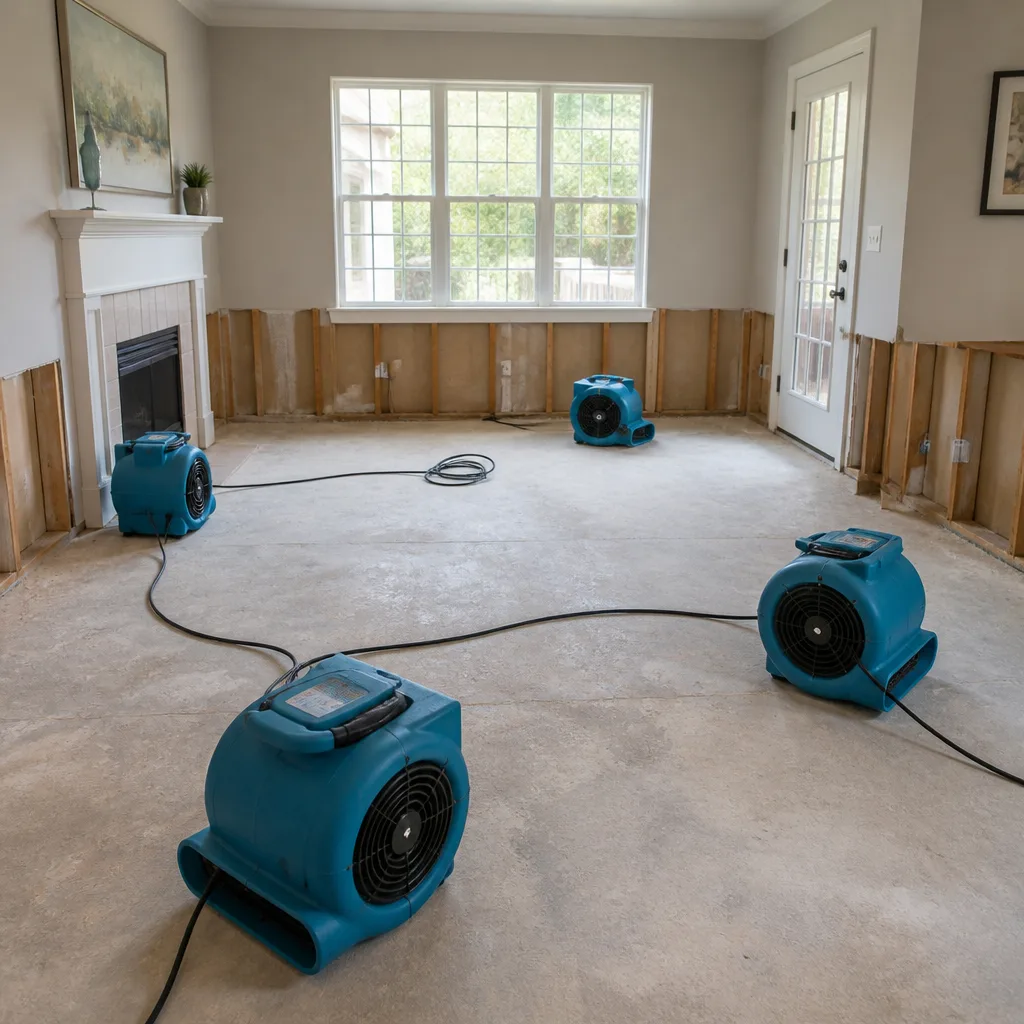
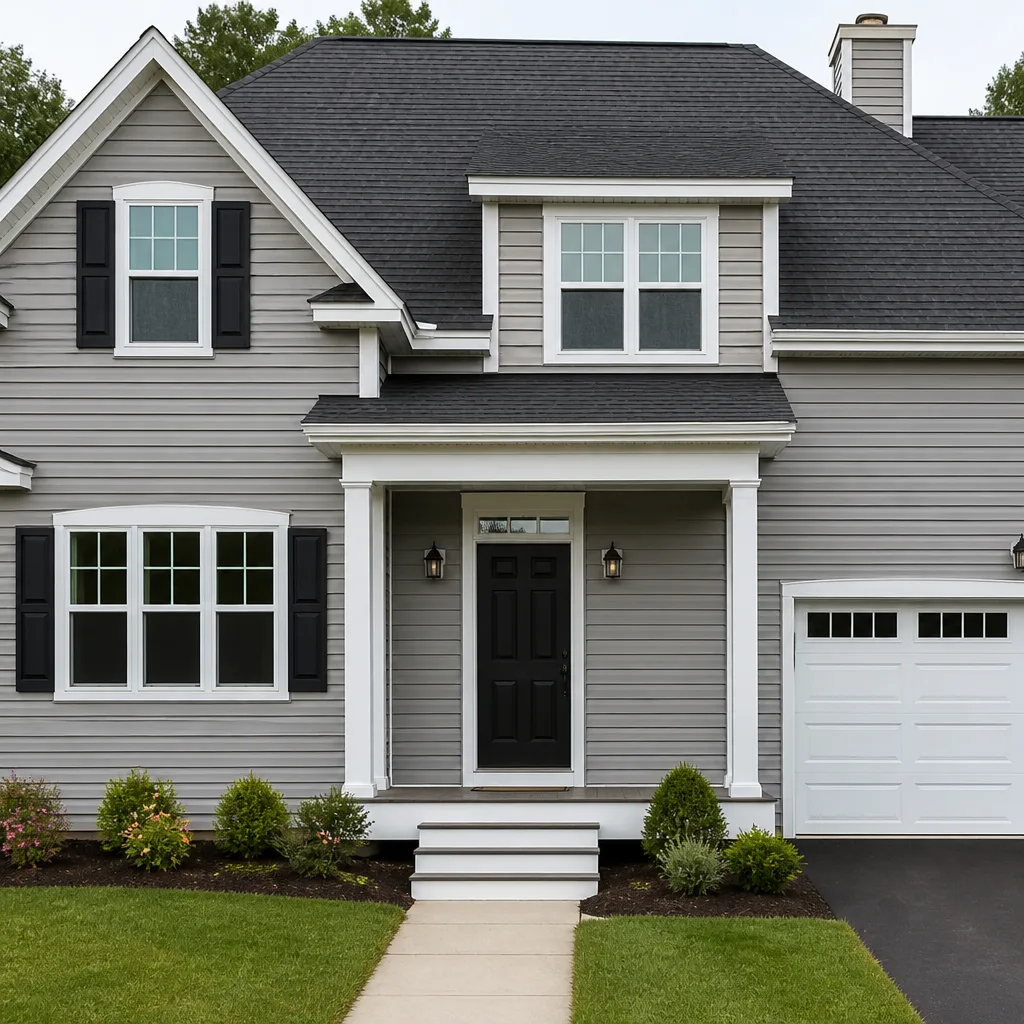
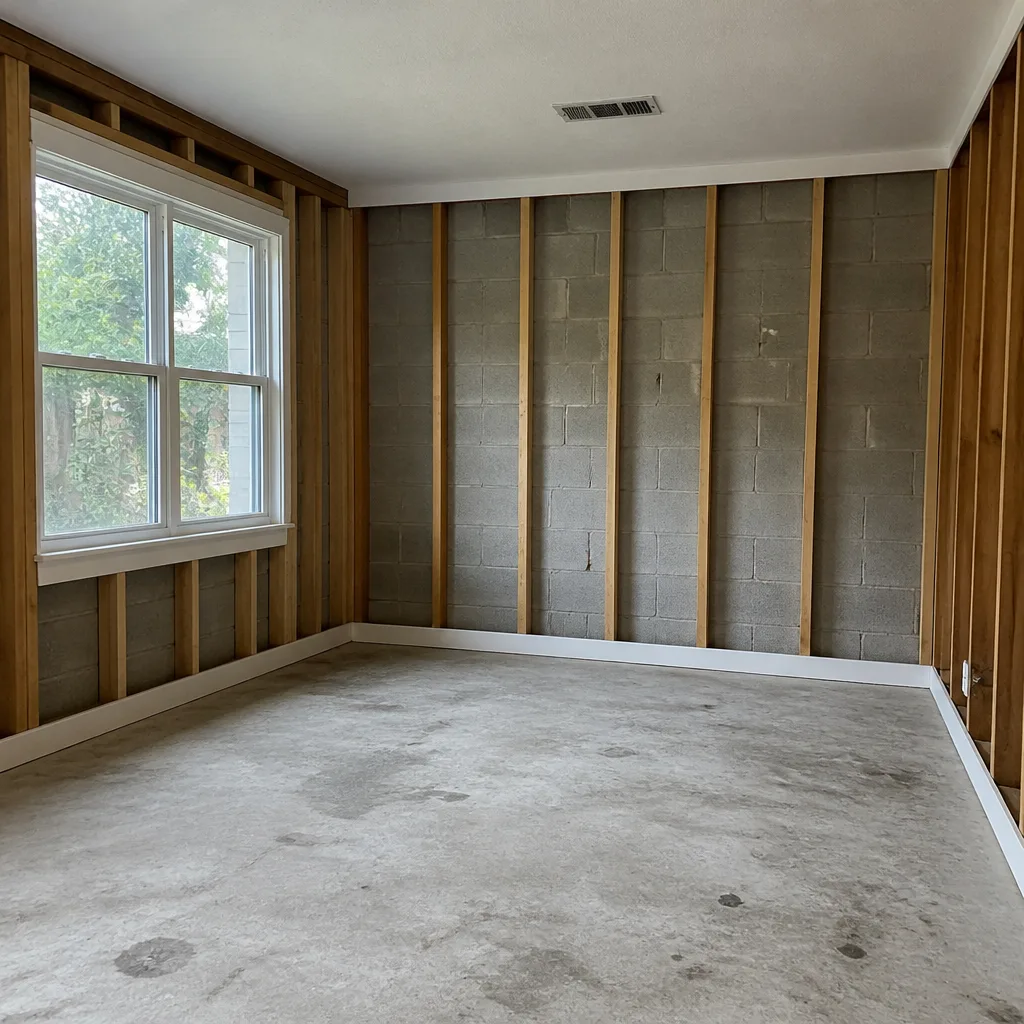
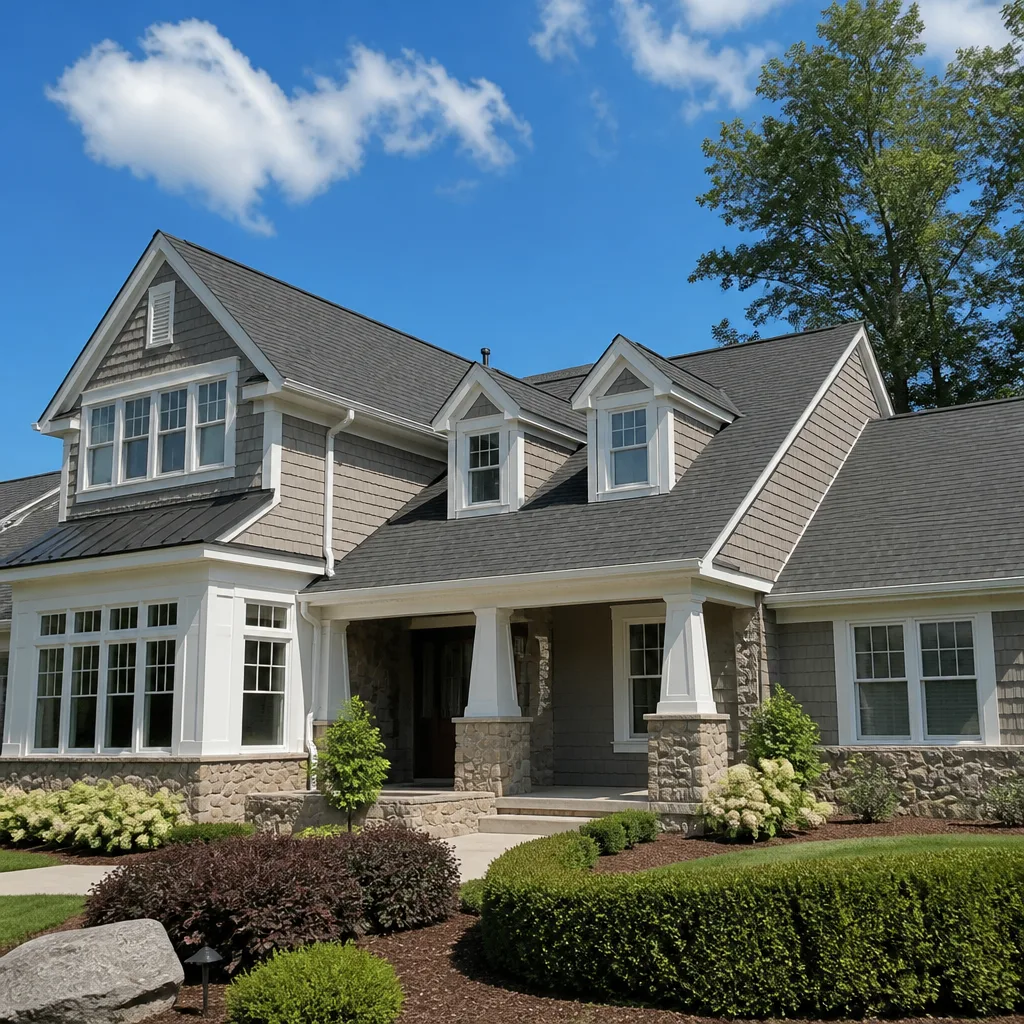
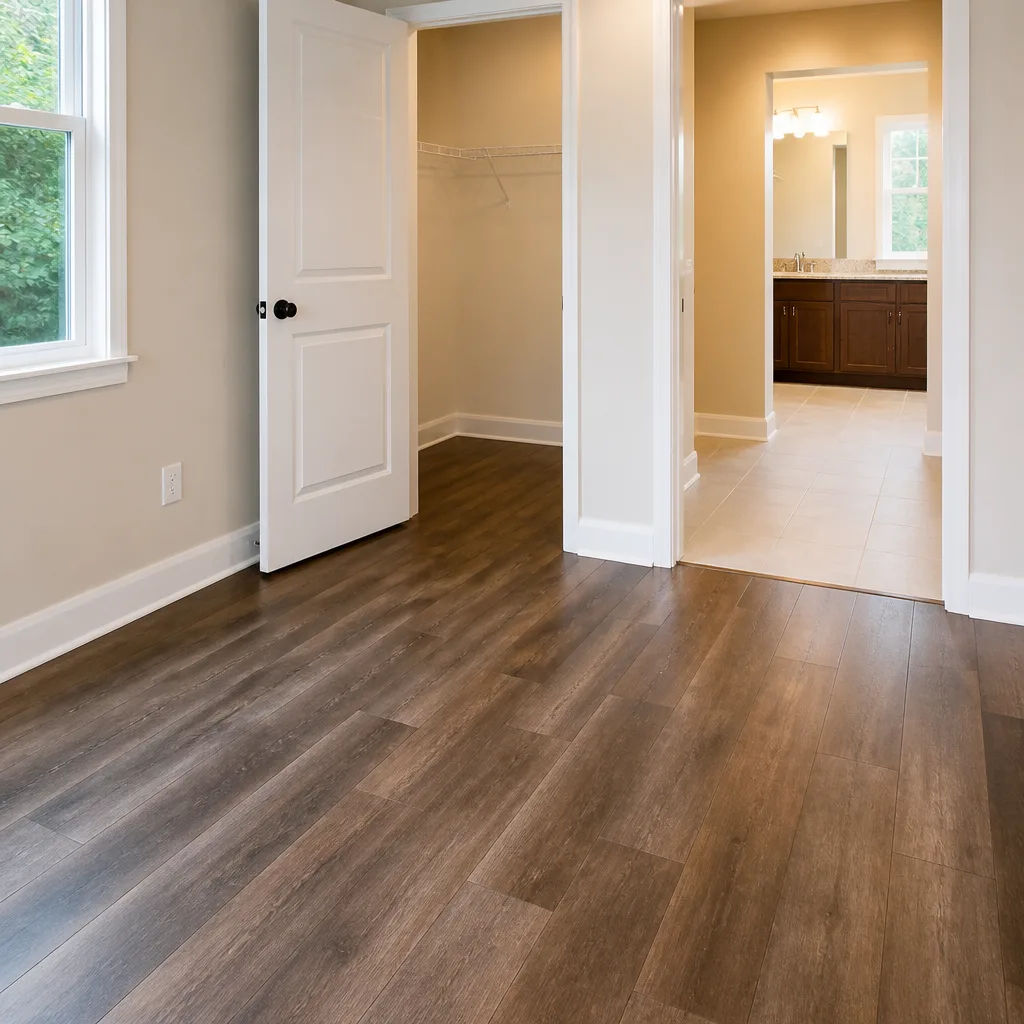
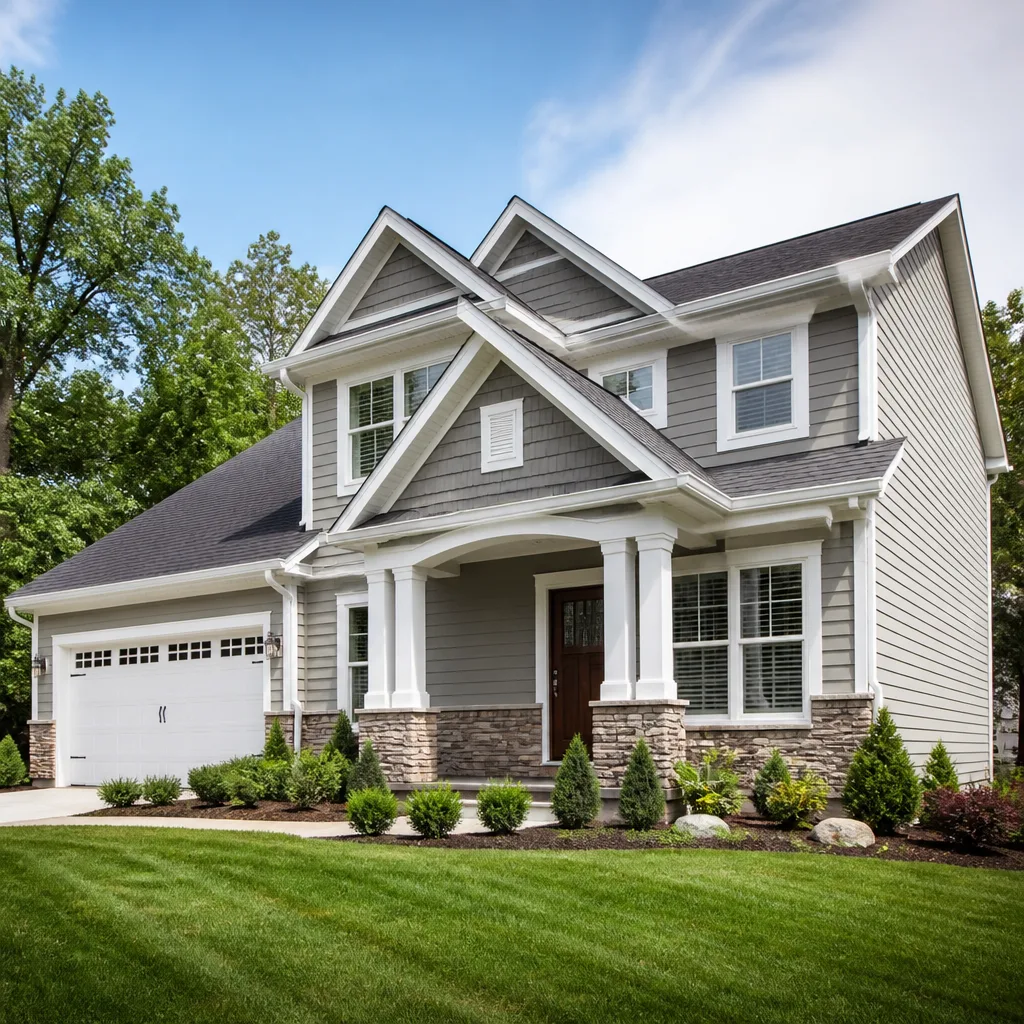
 Before
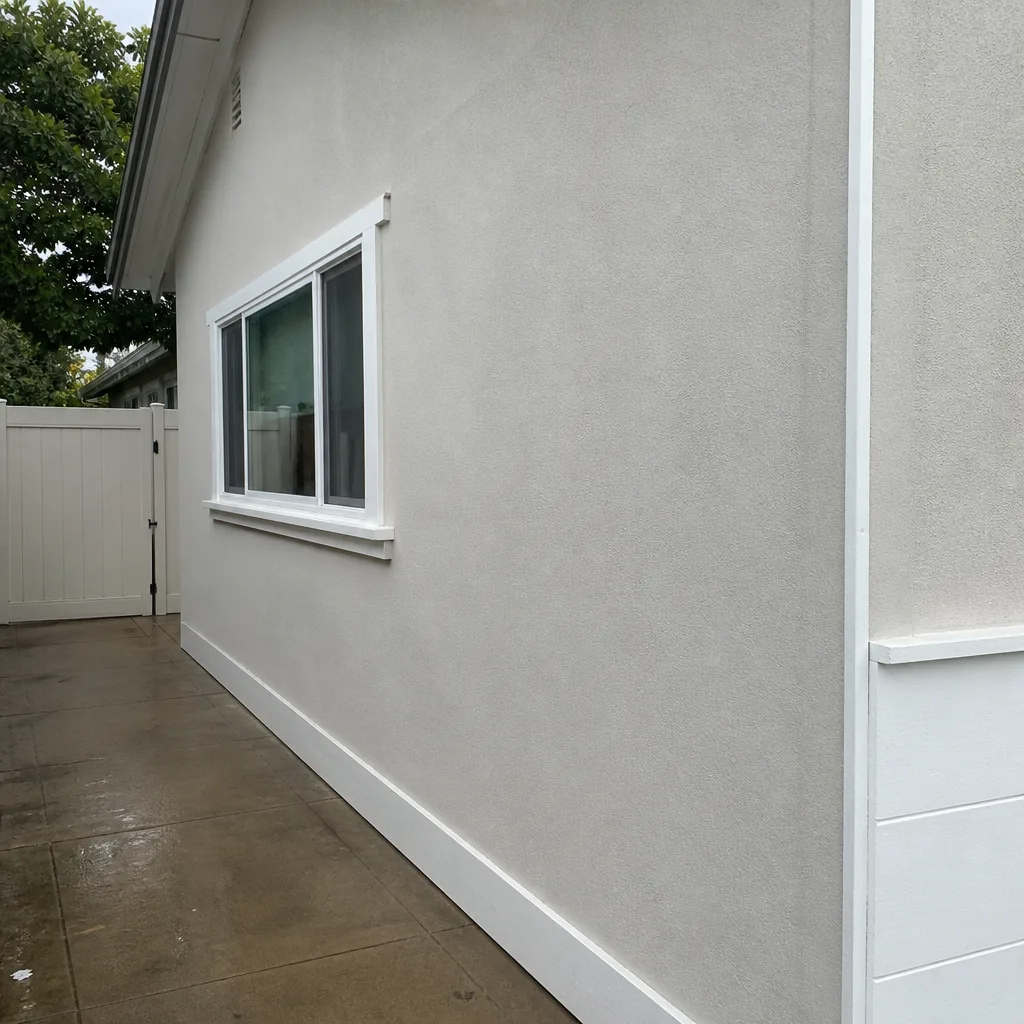 After
After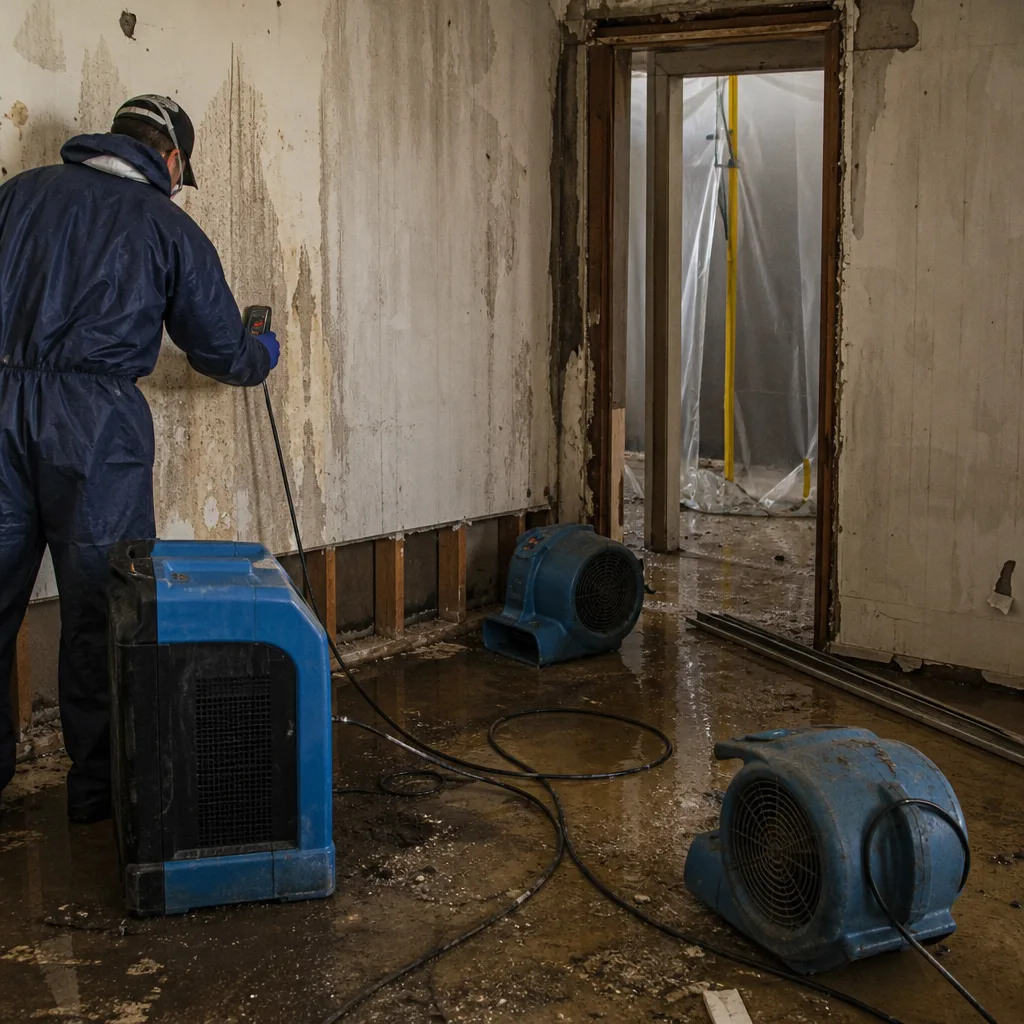 Before
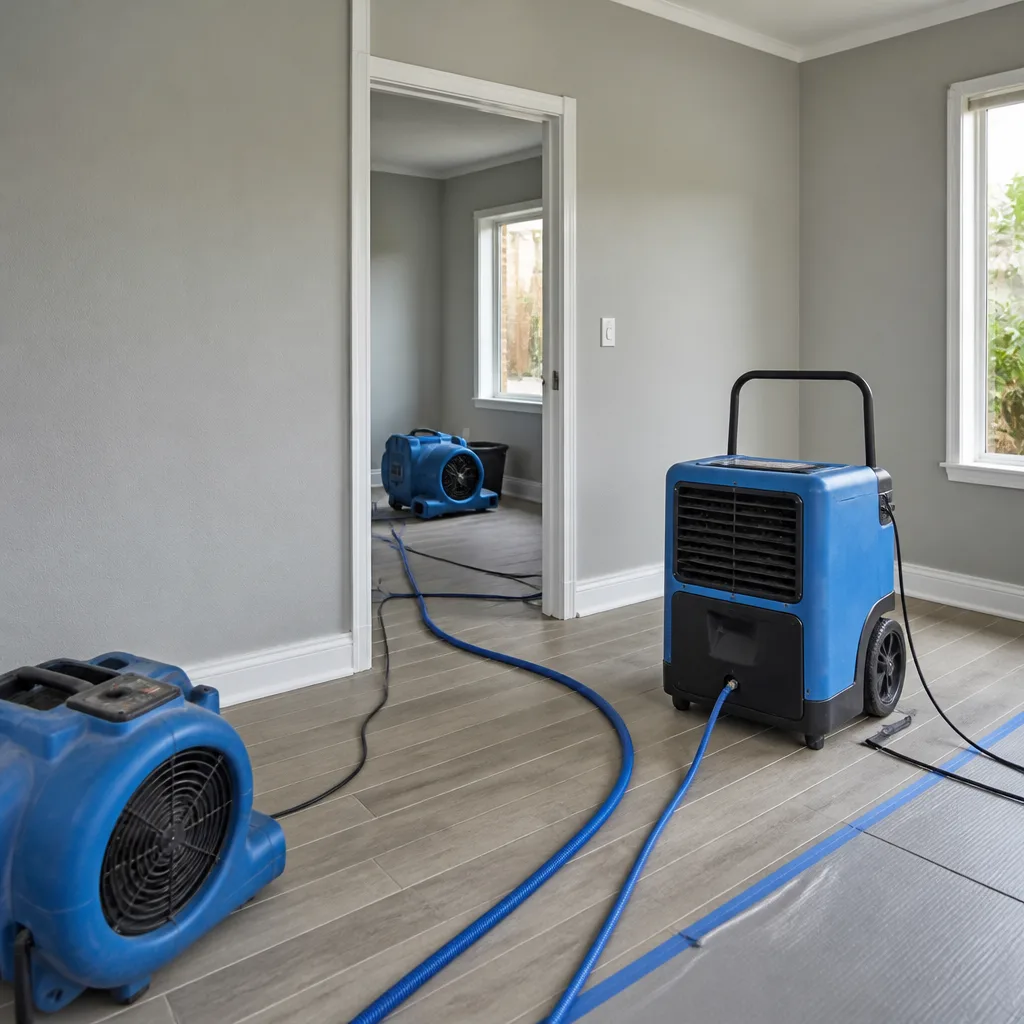 After
After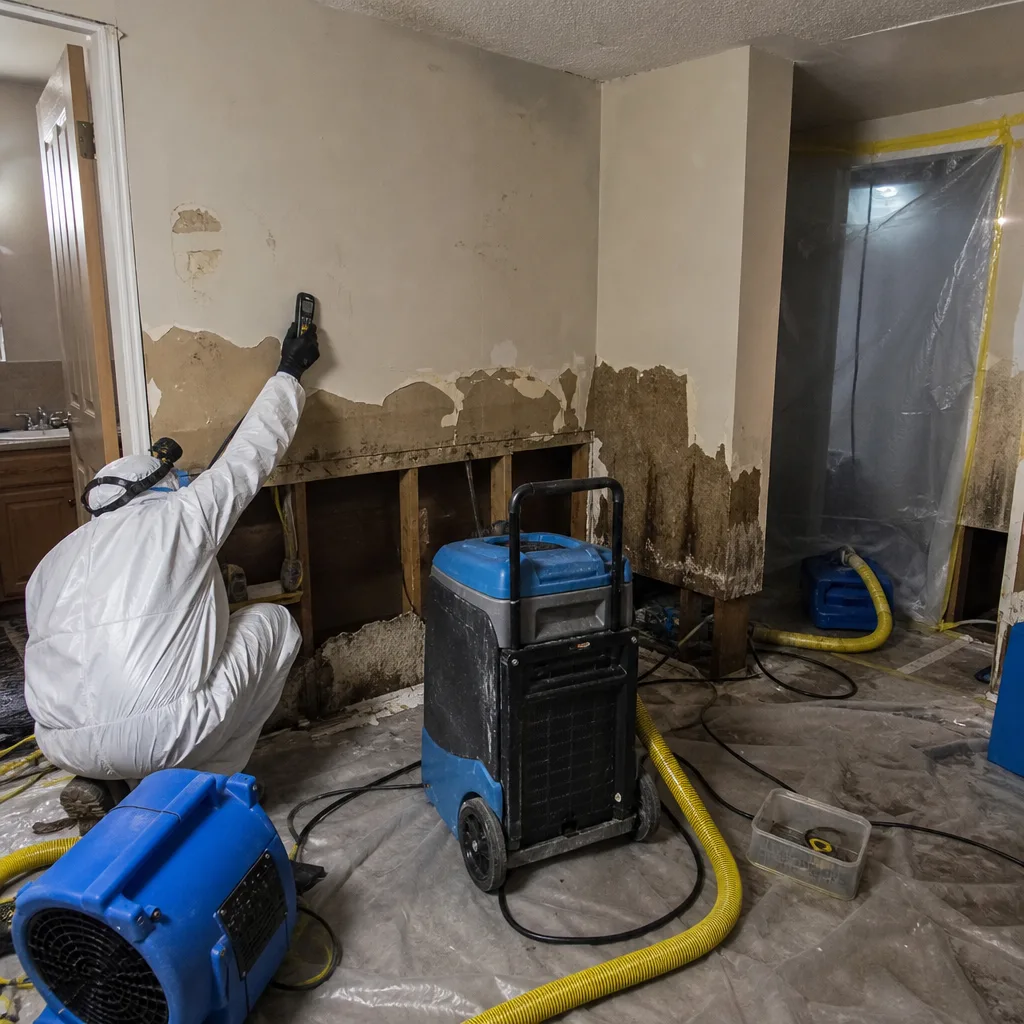 Before
 After
AfterFast, Reliable Mold Remediation Across Middle Village
Mold remediation in Middle Village typically costs between $1,800 and $6,500 for a finished basement, and most jobs we scope here run two to four days from containment to clearance. The reason pricing lands where it does is the housing stock itself: semi-attached brick homes from the 1920s through the 1950s, sharing party walls and finished basements, where mold rarely respects property lines. We know these blocks because we work them constantly. Call (910) 613-6568 any hour and a live person answers – not a menu, not a callback queue.
What makes Middle Village different from every other Queens neighborhood on our board is what surrounds it: Lutheran All Faiths Cemetery on one side, St. John’s Cemetery on another, and block after block of original brick homes that never got torn down and rebuilt. That means the water problems we walk into here are predictable, and so are the fixes. We have been doing Mold Remediation in this neighborhood long enough to know that most basements on 74th Street and Juniper Valley Road share the same moisture story: aging mortar joints, galvanized supply lines, and a finished basement that traps humidity against a shared wall.
Why Marsh Water Damage Restoration Is Middle Village’s Preferred Mold Remediation Company
Marsh Water Damage Restoration has been restoring homes since 2005 as part of the Threshold Group family, and the Middle Village jobs we take on tend to look alike in ways that reward experience. Our customers here tell us the same two things on the phone: there is a musty smell near a wall, and they are nervous about who is going to walk through the front door. We answer both. Every technician who arrives at a Middle Village home is background-checked, identity-verified, and sent to you by name and photo before the visit, then shows a photo ID badge at the door. That is the Threshold Verified standard, applied to every job, not just first impressions.
Our technical team holds IICRC, RIA, and IFA credentials, and we run Dri-Eaz, Phoenix, and XPOWER drying equipment on basement jobs all over Middle Village and Middle Village itself. What that means in practice: we arrive with commercial-grade gear, scope the problem in writing before any work starts, and back the repair with our 365-Day Done Right Promise. If the repair is not right within a full year, we make it right, including a free second visit. That promise is printed on every work order we hand to a homeowner here, not buried in fine print.
Response time matters because mold does not pause while you compare quotes. A live person answers our phones 24 hours a day, 7 days a week, and we can typically have a crew at a Middle Village address the same day you call, especially for urgent basement water intrusion following a storm.
Bathroom Mold Removal in Middle Village
Bathroom mold removal in Middle Village almost always starts with the same visual: dark spotting on the ceiling above the tub or blooming along the caulk line where the tile meets the tub, and the cause is almost always the same too – a bathroom exhaust fan that vents into an attic cavity or shared wall instead of to the exterior, combined with 70-year-old brick that holds moisture. We remove the affected drywall and insulation, treat the framing, and rebuild with mold-resistant board. Most bathroom jobs in this neighborhood run between $900 and $2,800, depending on whether the mold has climbed into the ceiling joists or stayed at the surface.
Ventilation and the Shared Wall Problem
Middle Village bathrooms in semi-attached homes frequently share a plumbing wall with the neighbor’s bathroom. That wall is masonry, and when both sides vent moisture into it for decades, the mortar stays damp. We check both sides of the wall before we close the file, because treating only your side just moves the problem six inches over.
When Tile Removal Is Required
If the mold has worked its way behind the tile and into the substrate, surface cleaning won’t hold. We remove the affected tile, cut out the wet backer board, and dry the framing before rebuilding. You get a written price before that demo starts, so the scope is clear from day one.
Mold Removal Service in Middle Village
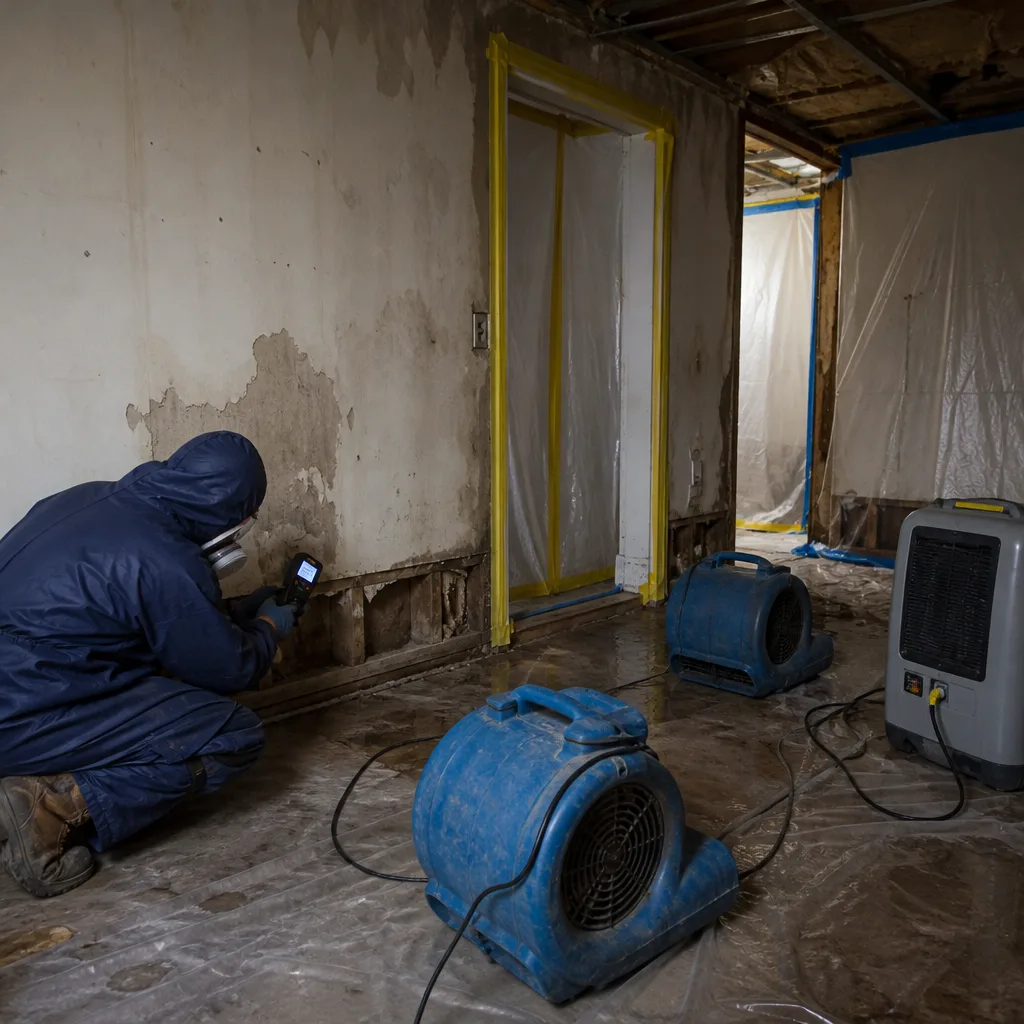
Mold removal service in Middle Village means something more than cleaning visible growth off a wall. In these semi-attached brick homes, it means tracing the water path: through the party wall, along the original galvanized supply lines, and up through the slab in a finished basement. A full basement mold removal in Middle Village typically runs $2,500 to $6,500, including containment, HEPA air scrubbing, removal of affected drywall and insulation, antimicrobial treatment, and drying verification with moisture mapping.
Two-Side Scoping Before One Claim Closes
We were called to a semi-attached brick home near Lutheran All Faiths Cemetery after a nor’easter pushed groundwater into a finished basement. The homeowner had noticed a musty odor near the party wall. Our tech ran moisture mapping and found elevated readings in the shared masonry and along the base of the original galvanized supply lines, so we set up containment, air movers, and Dri-Eaz dehumidification with drying logs to document the dry-down. The neighbor’s side shared the same 70-year-old brick and the same finished basement, so we scoped and treated both sides of the wall before closing the file. That is the job. That is how it works here.
Category 2 and Category 3 Losses
When groundwater or sewage backs up into a Middle Village basement, the water is not clean. Category 2 water carries contaminants, and Category 3 water is sewage. Drywall and insulation that absorbed Category 3 water should be removed, not dried in place, because trying to dry contaminated material just feeds the mold you are trying to kill. We classify the water before we decide what to tear out.
Trusted Brands We Service in Middle Village
We run commercial-grade equipment that matches what any national franchise deploys, and we do it on residential Middle Village jobs. That includes Dri-Eaz dehumidifiers, Phoenix air movers, and XPOWER HEPA air scrubbers, plus B-Air and Injectidry systems where the job calls for them. Because Middle Village basements tend to be tight, low-ceiling spaces, we stock equipment sized for those rooms rather than hauling in gear built for wide-open commercial floors. That means faster setup, less noise, and dry-out curves that actually match the space.
Common Mold Remediation Problems We See in Middle Village Homes
- Mold hidden on the other side of the party wall. When the adjacent semi-attached unit shares the same deteriorating mortar joints and finished basement, mold growth on your side frequently extends into the neighbor’s wall cavity. We scope both sides before drying can be verified, because a claim that closes with moisture still trapped in shared masonry will reopen within a season.
- Chronic water infiltration through aging mortar. Original 1920s through 1950s brick mortar is porous and failing in Middle Village, and water keeps getting in. Drying the visible basement finish without addressing that infiltration means moisture readings rebound and the mold comes back.
- Galvanized supply lines sweating inside finished walls. We find original galvanized plumbing on most Middle Village basements, and these pipes sweat and weep as they age. That moisture feeds mold inside wall cavities where no one sees it until the paint starts to bubble.
- Contaminated water treated like clean water. A Category 2 or Category 3 water loss that gets treated as if it were Category 1 means contaminated drywall and insulation should be removed but instead get dried, and within weeks the mold returns behind the baseboard. We classify the water before we touch the wall.
Pricing for Mold Remediation in Middle Village, NY
Mold remediation pricing in Middle Village breaks down by the size of the affected area and the class of water that caused it. Here is what we typically see:
- Bathroom mold removal: $900 – $2,800
- Single-room basement wall (under 100 sq ft): $1,200 – $2,400
- Full finished basement (200 – 600 sq ft): $2,500 – $6,500
- Crawl space treatment: $1,800 – $4,200 depending on encapsulation
- Mold inspection and testing: $350 – $700, credited toward remediation if you hire us
What drives cost on Middle Village jobs is the same thing that drives every other number here: the age of the brick, the condition of the party wall, and whether the water was a Category 1 clean leak or a Category 3 sewer backup. You get a written price before any work starts, and the number you sign is the number you pay. Call (910) 613-6568 for a free estimate, and we will walk the home with you before we quote anything.
We Also Serve Cities Near Middle Village
Our crews work Middle Village and the surrounding Queens neighborhoods every week. If you are in Maspeth, Rego Park, Elmhurst, or Ridgewood, the same Mold Remediation team and the same Threshold Verified standard apply. We know these blocks because they are our regular route.
Serving Middle Village, NY - Our Local Coverage Area
We’re based in the Middle Village area and know this community well. Use the map below to see our service coverage - if you’re nearby, we can almost certainly help.
FAQs About Mold Remediation in Middle Village
Mold can begin growing in a Middle Village finished basement within 24 to 48 hours after groundwater intrusion, especially when the water was warm and the basement was already holding humidity from the previous season. In these semi-attached brick homes, the drywall and insulation between the finished wall and the masonry party wall is a perfect food source, and once the musty odor starts, you are already weeks into the problem. Call us as soon as you see water or smell that smell. Estimates are free at (910) 613-6568.
Because the homes share a structural party wall, and moisture does not stop at your side of the brick. If your neighbor’s basement flooded or their bathroom vented into the shared masonry for years, the mold on your side may have started on theirs, and drying only your wall cavity leaves moisture on the other side that migrates back. We scope both sides before we close a file, and we coordinate with the neighbor’s insurance where needed.
Yes, and we see it on almost every Middle Village basement we open up. Original galvanized supply lines sweat and weep as they age, adding moisture inside wall cavities that already have poor ventilation. That hidden moisture feeds mold growth behind baseboards and inside the drywall long before anything becomes visible on the surface. When we do a basement mold job, we check the supply lines for condensation and flag them for the homeowner.
Category 3 water is sewage or floodwater, and the drywall, insulation, and any porous finish that absorbed it should be removed, not dried in place. Trying to dry contaminated material is a losing game: the moisture you trap inside becomes the mold you will be removing in three weeks. We classify the water first, then decide what gets dried and what gets cut out. The honest answer saves you money in the long run.
Preventing mold from returning in a Middle Village brick home means addressing the water path, not just the mold. For these homes, that means repairing deteriorating mortar joints, sealing the foundation where groundwater pushed in, reducing basement humidity with a dehumidifier sized for the space, and making sure bath fans vent to the exterior rather than into the masonry. We document the dry-down with moisture mapping, and our 365-Day Done Right Promise covers the repair for a full year. If the mold returns, a second visit is free, automatically. Call (910) 613-6568 to talk through your specific house. We know these blocks, and we know what works.
Written by Tobias Reyner, Owner at Marsh Water Damage Restoration, serving Middle Village since 2005.