
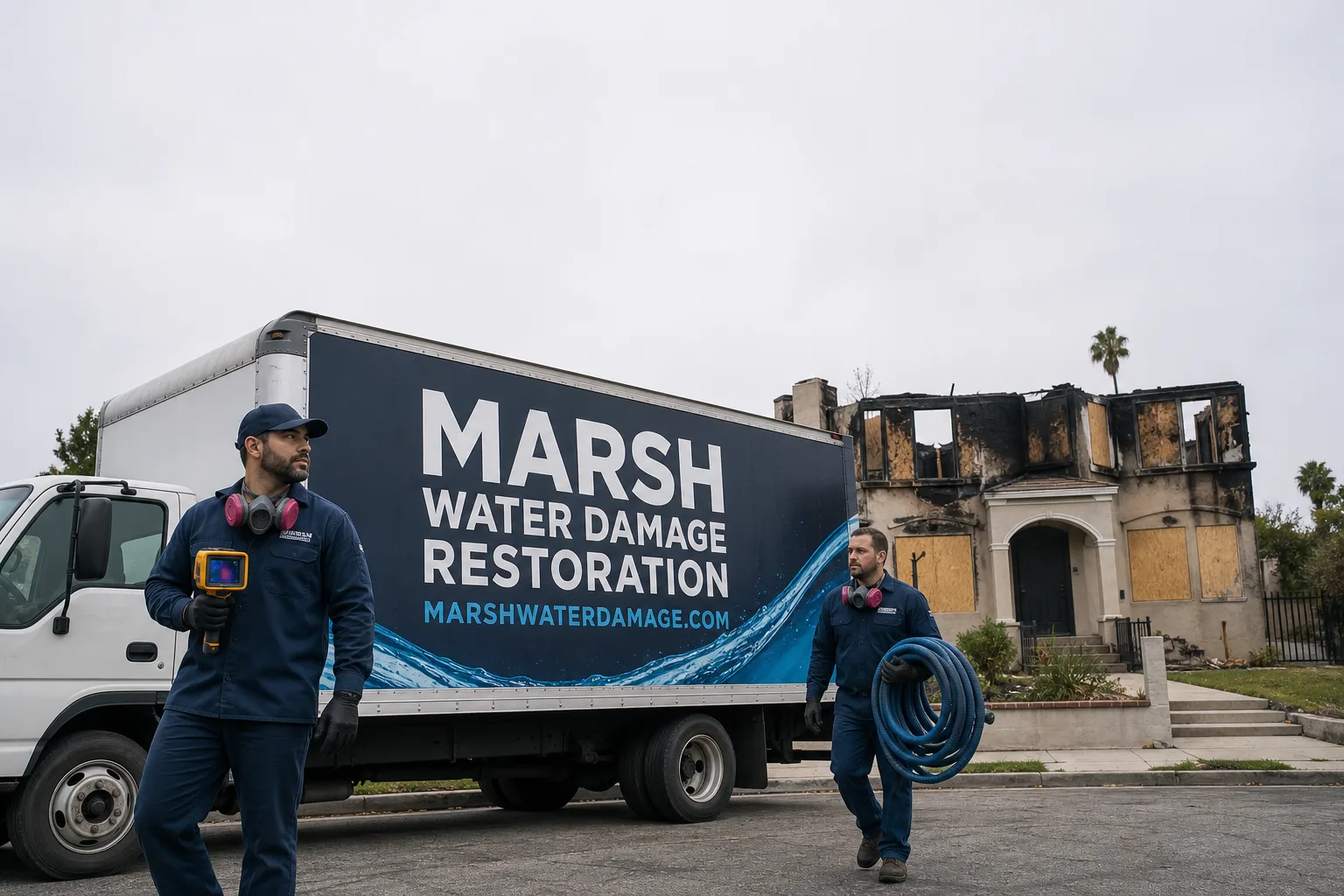
Free visual inspection and a written scope of work before any mitigation begins - photos, moisture readings, and drying logs go in your claim file
The scope we write is the scope we bill. Anything new gets shown to you, in writing, before we touch it.
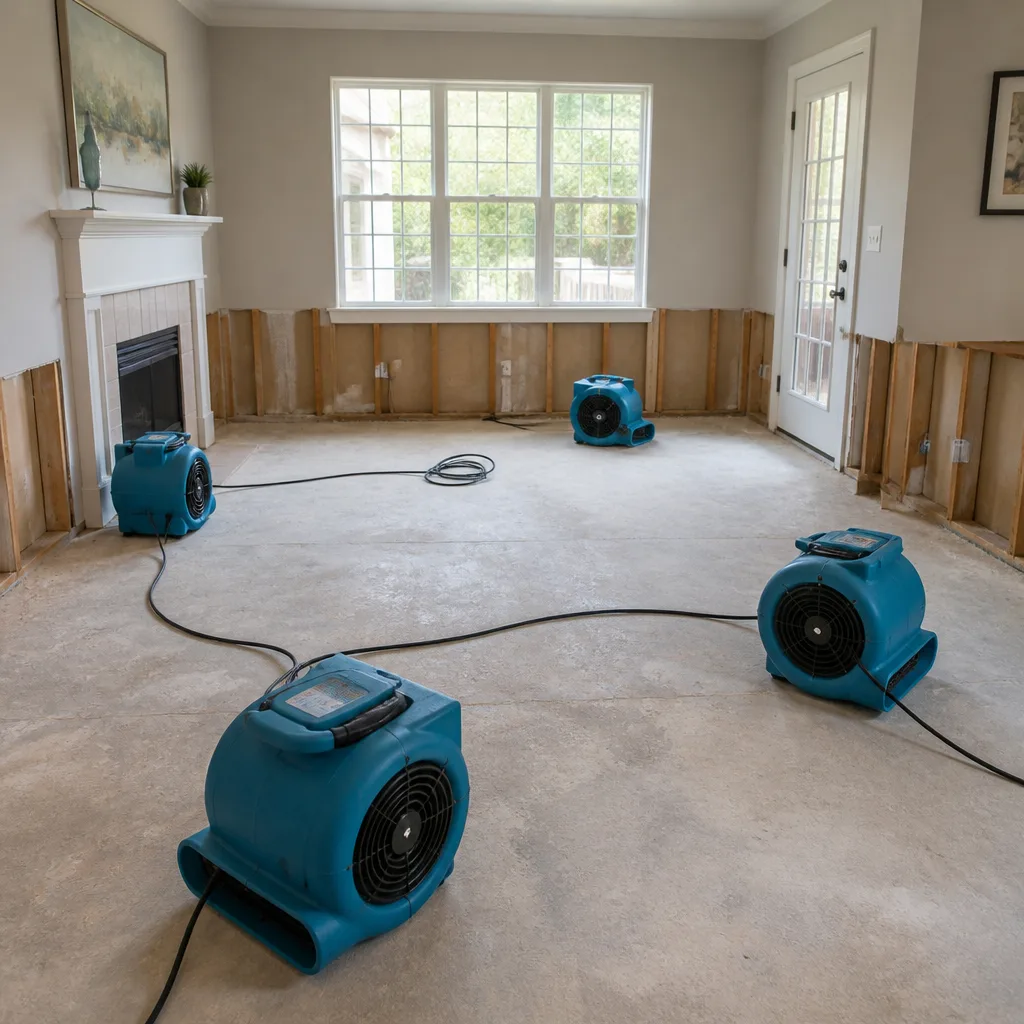
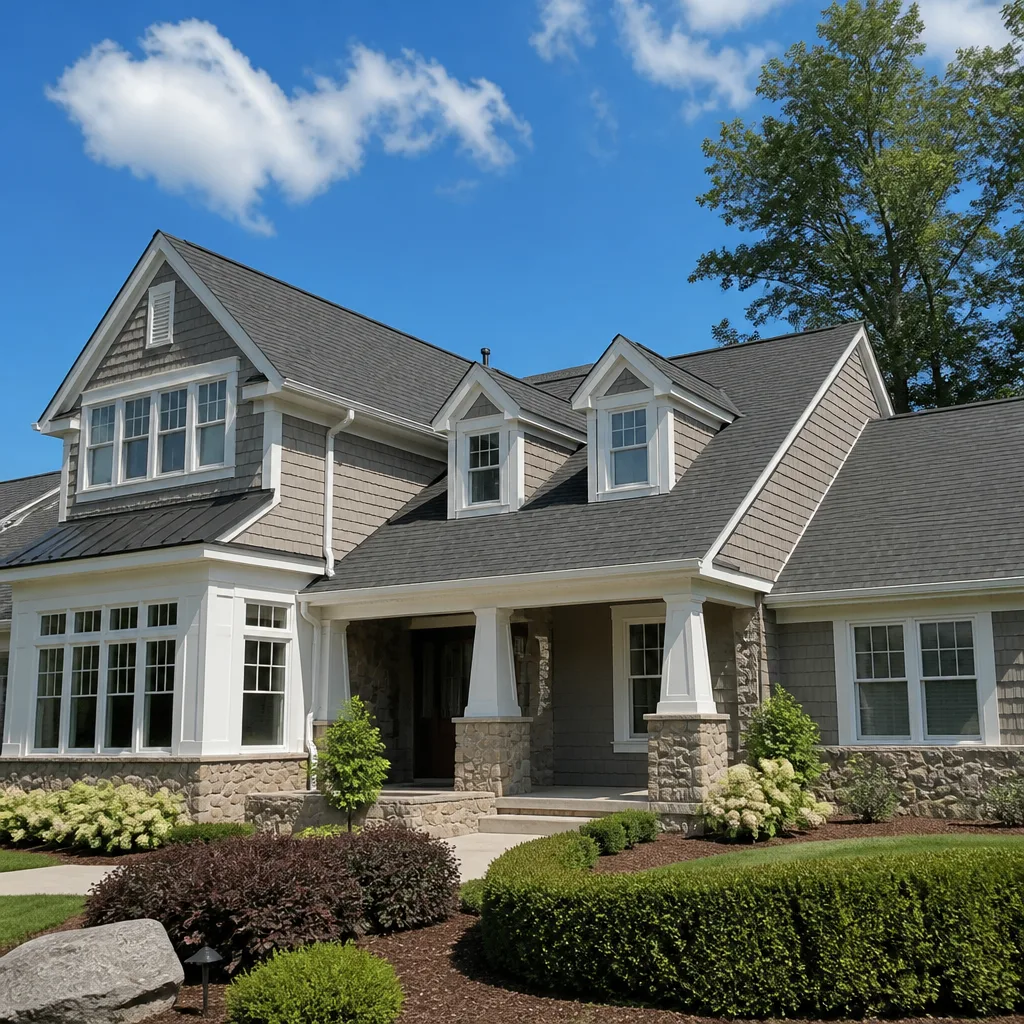
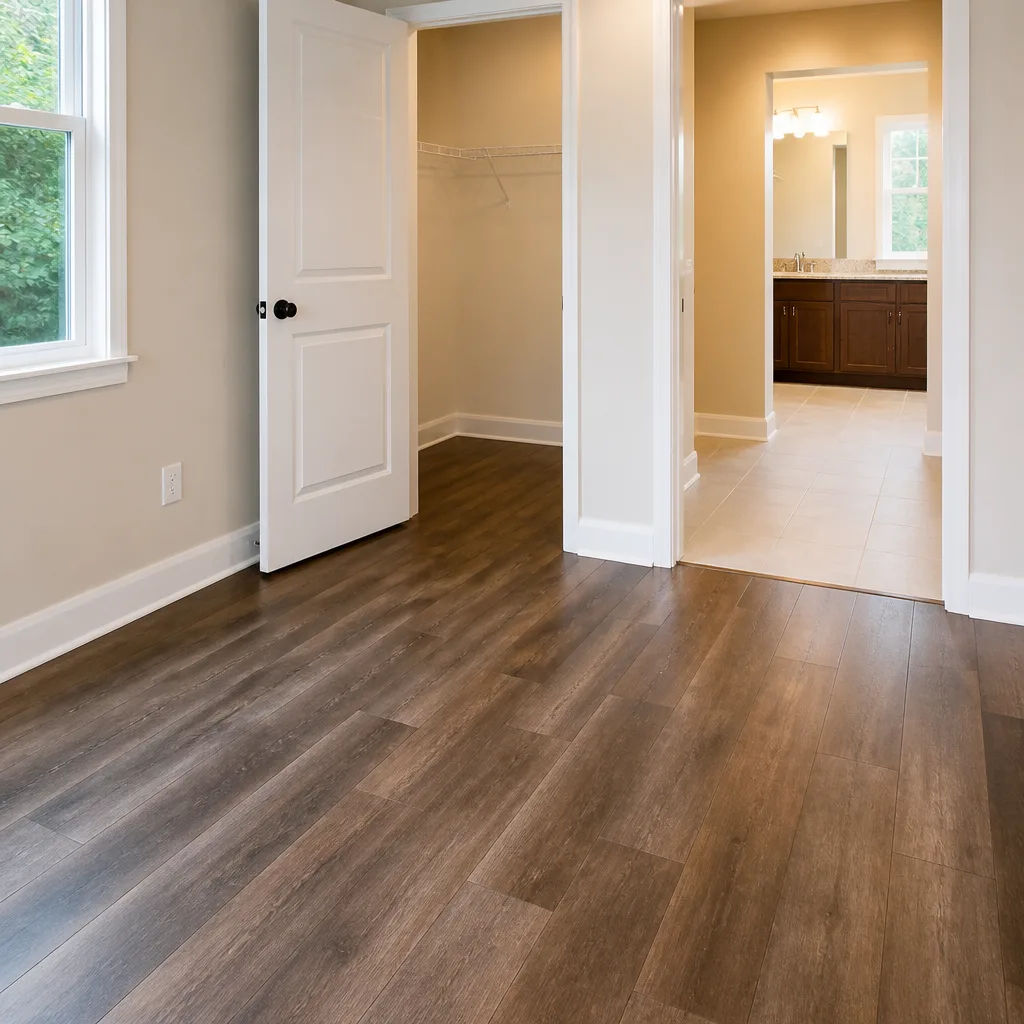
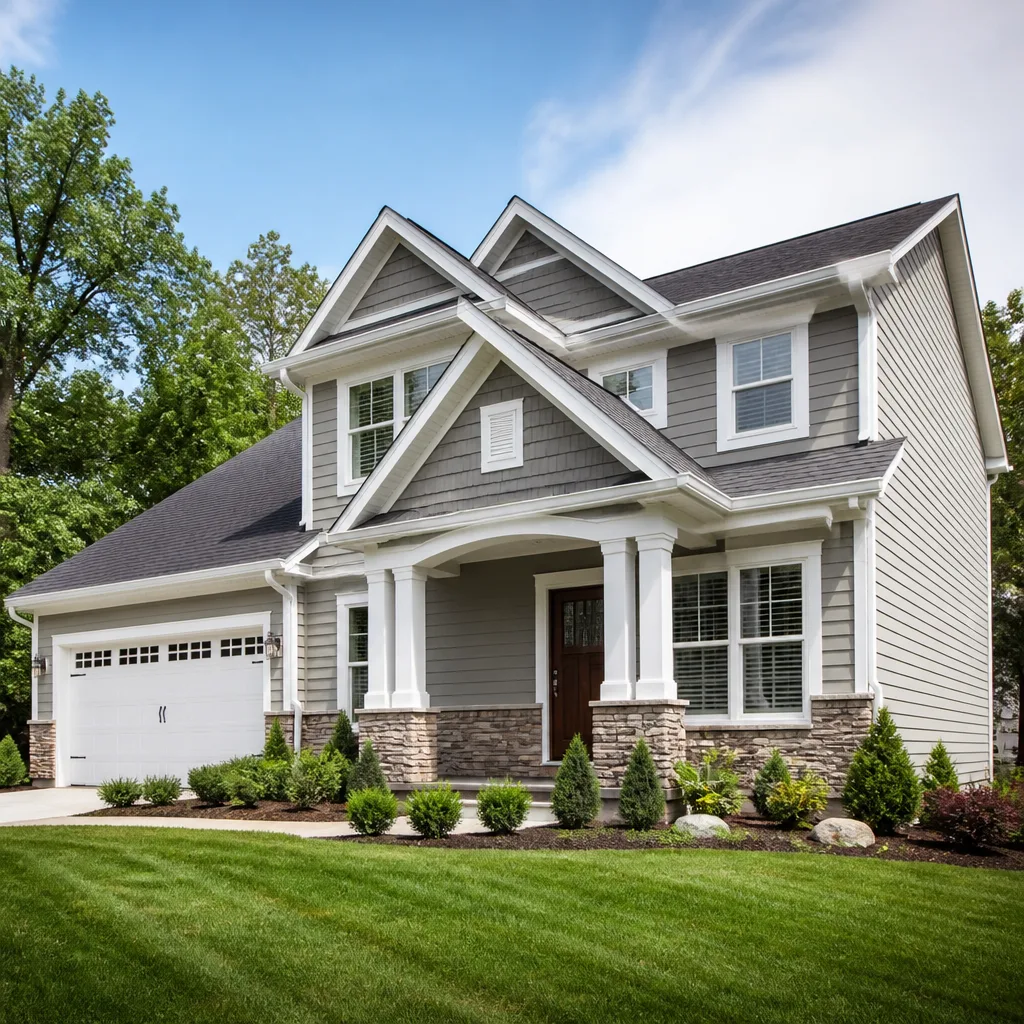
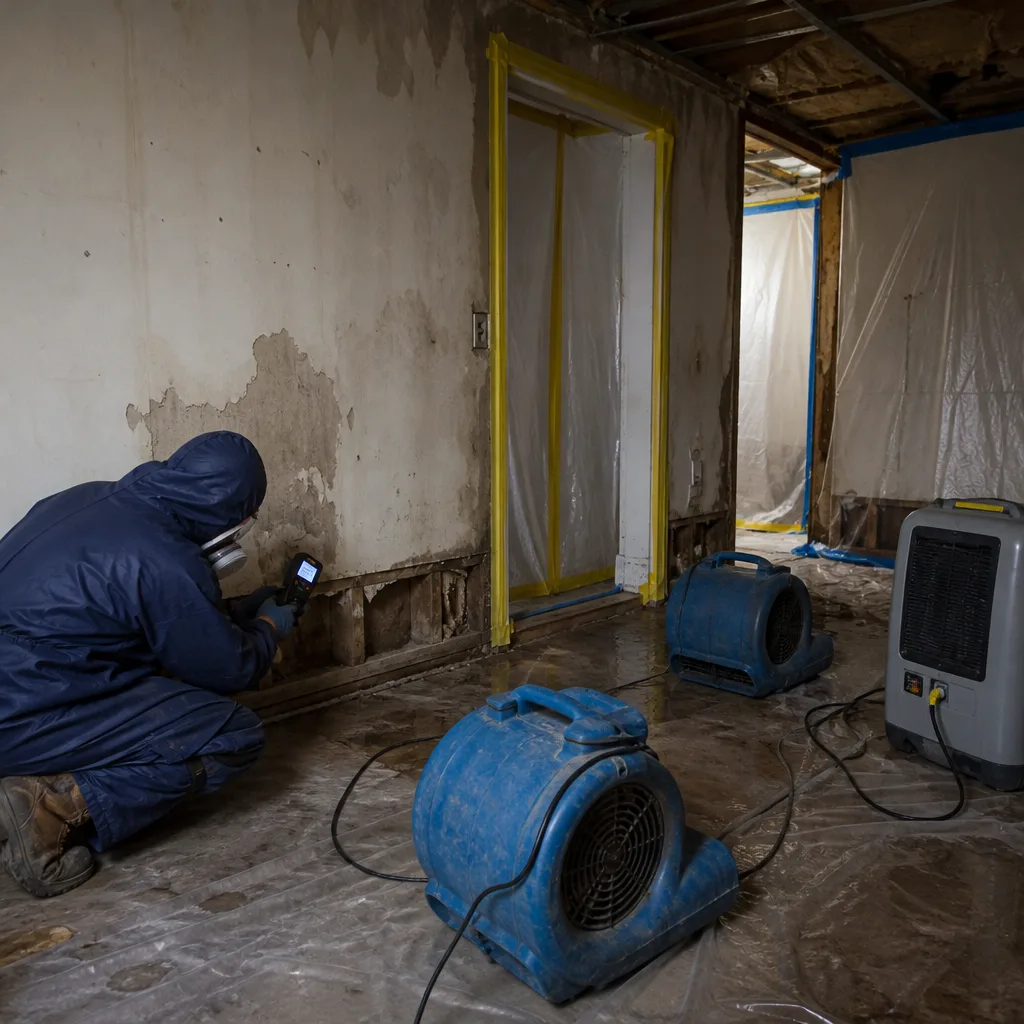 Before
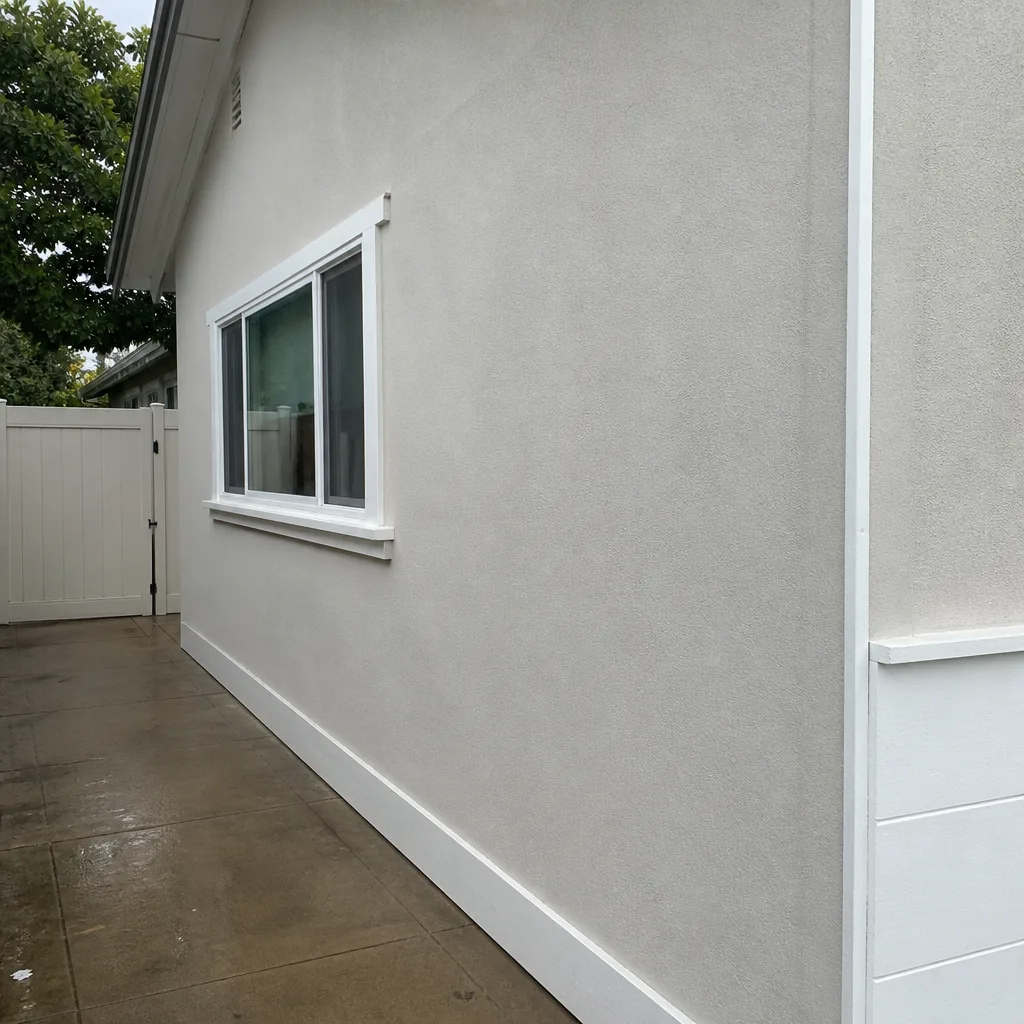 After
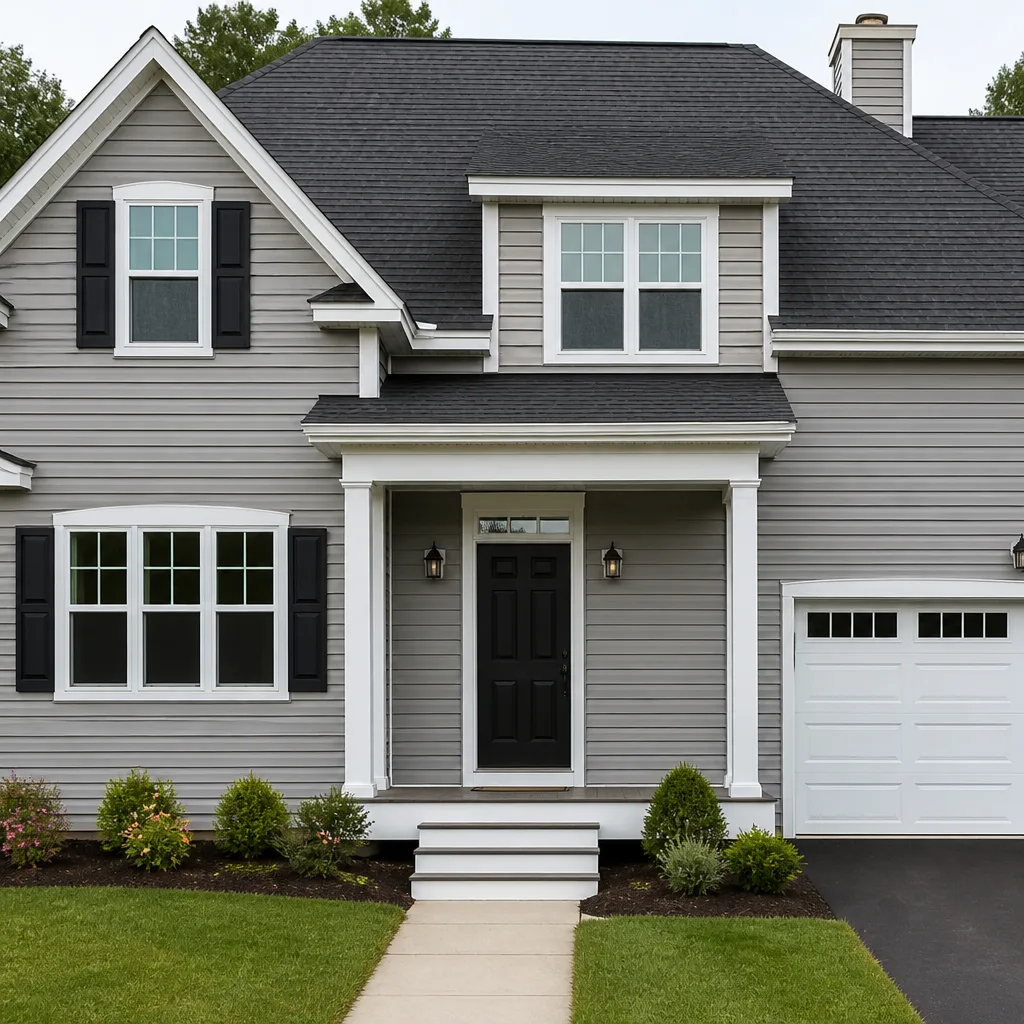
After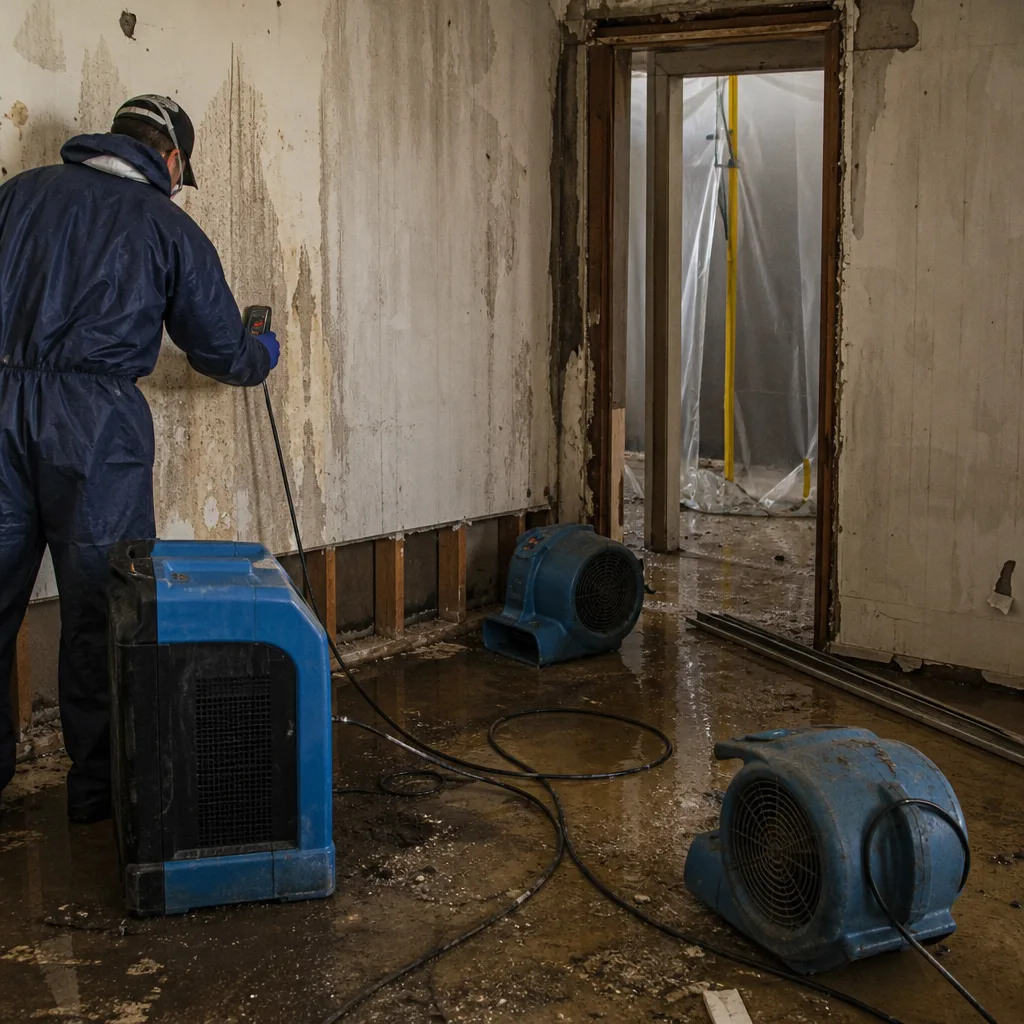 Before
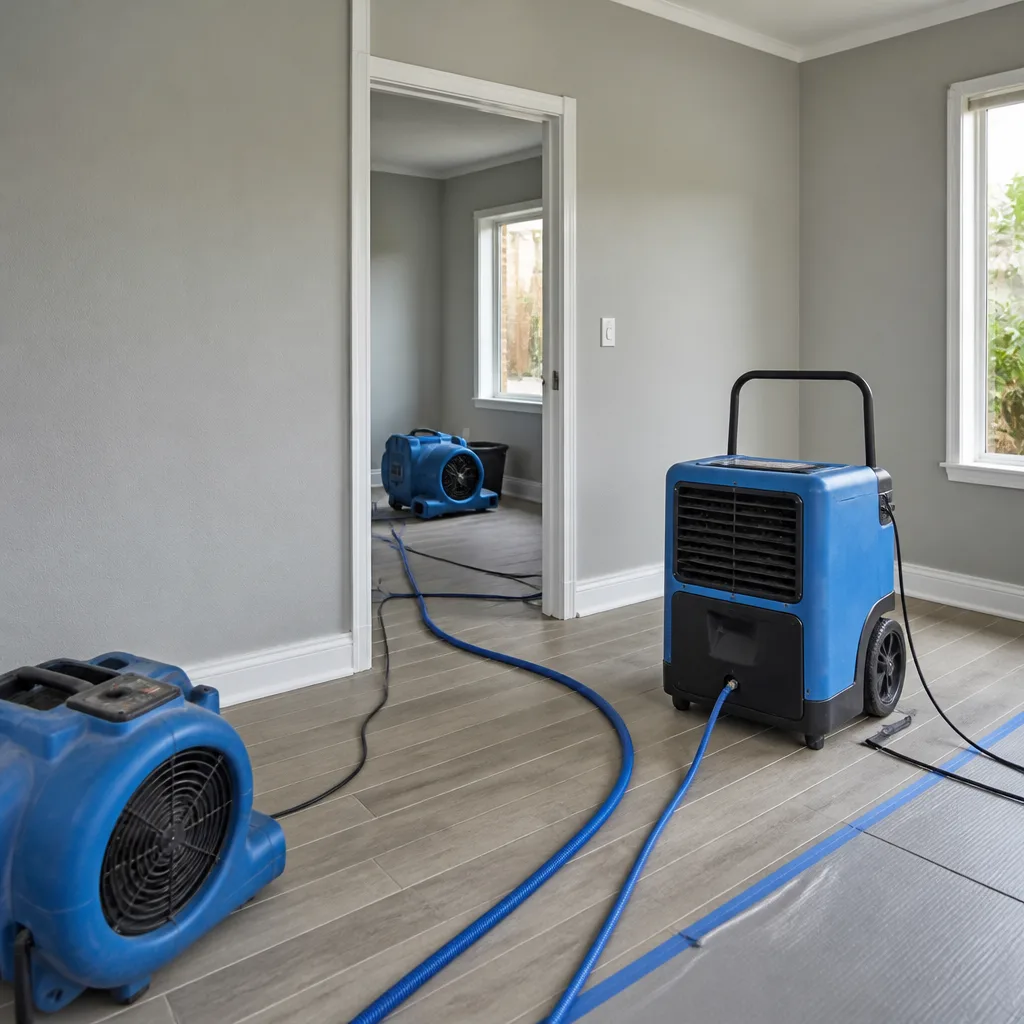 After
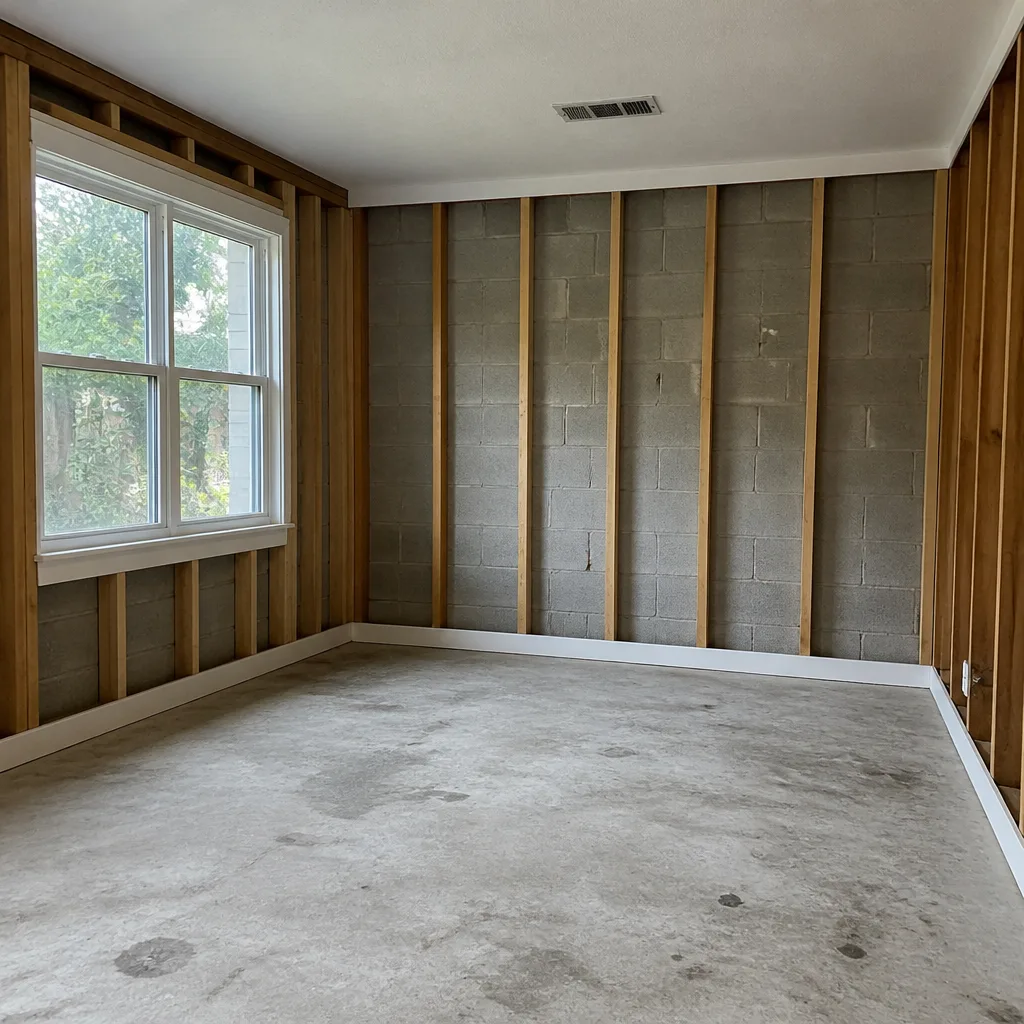
After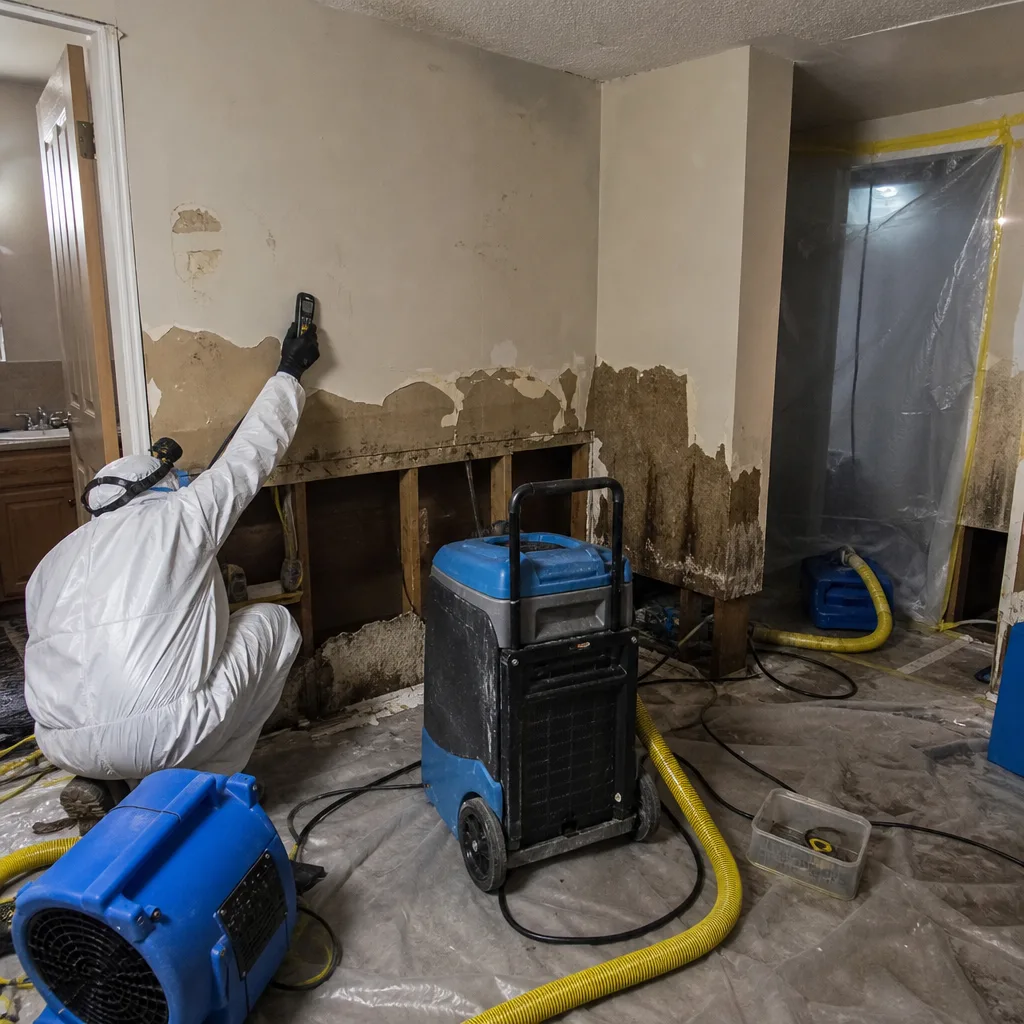 Before
 After
AfterFast, Reliable Storm Damage Restoration Across Butler
Storm damage restoration in Butler typically runs $1,800 to $7,500 for a full water extraction and structural drying job, and $9,000 to $28,000 when floods require full mitigation plus rebuild of walls and flooring. Most emergency work in Butler is dispatched same day. The borough’s position in the Pequannock River valley means river flooding is not a rare event here: it’s a recurring reality that hits certain streets and basements whenever the Pequannock overflows. If you have standing water or storm-driven leaks right now, call (910) 613-6568. A live person answers 24/7, not a voicemail.
We know Butler homes because we’ve worked inside them. We’ve cut out waterlogged plaster on Boonton Avenue, packed out soaked basements on High Street, and chased moisture behind baseboard radiators on Carey Avenue. This page is written specifically for Butler, for the houses here, and for the way water behaves here. That distinction matters.
Why Marsh Water Damage Restoration Is Butler’s Preferred Storm Damage Restoration Company
Butler homeowners call Marsh because we treat a Pequannock flood and a burst pipe in the same structure as one connected problem, not two work orders. That understanding comes from years of working through this borough’s repeating flood cycles, including the aftermath of Ida in 2021. When river water enters through a foundation while cold-weather pipe bursts leak from above, the moisture map has to be read as a whole. Our Storm Damage Restoration team trains for exactly that overlap because it is the norm here, not the exception.
Tobias Reyner leads the technical side of our operation, and every Marsh technician operates under the Threshold Verified standard. That means background-checked, identity-verified, uniformed, and photo-badged. Before anyone arrives at your door, you get a name and a photo of who is coming. When they knock, they show the same photo ID badge. No anonymous crews.
Butler neighbors talk. When one homeowner on a flood-prone street tells another that the Marsh team showed up with written pricing before demo started, or that the 365-Day Done Right Promise meant a repair issue got corrected without an argument, it spreads faster than a borough flood notice. That’s how we’ve built our standing here.
Flood Cleanup in Butler
Flood Cleanup in Butler almost always means removing Pequannock River water, which is classified as Category 3, or grossly contaminated. River water carries sewage, fuel residue, and silt from upstream, so cleanup here involves more than extraction. We pump standing water, haul out saturated drywall and plaster, cut away contaminated insulation, treat surfaces with antimicrobial agents, and then run commercial drying equipment from Dri-Eaz and XPOWER until moisture meters confirm the structure is actually dry, not just dry to the touch. A typical flood cleanup in Butler runs $2,500 to $6,800 depending on square footage and how long the water sat.
Contaminated Water Handling
When the Pequannock overflows, the water that ends up in a Butler basement has traveled past driveways, parking lots, and drainage outflows. We treat it as hazardous from the first pump, with full PPE, containment barriers, and disposal protocols that meet industry standards. Homeowners should not wade through it barehanded, and pets should stay out until we’ve had a chance to assess.
Plaster Wall Drying Protocols
Most Butler homes predate drywall. Plaster and lath wicks moisture horizontally and vertically, hiding water behind finished surfaces for weeks. We extend drying times beyond standard drywall timelines, run continuous psychrometric readings (measuring moisture in the air), and use thermal imaging to locate hidden wet pockets before they become mold.
Flooded House in Butler
A flooded house in Butler usually means the basement went under while a second-floor ice dam or burst pipe added water from above. We respond to both at once. The first visit includes extraction, triage, thermal imaging, and moisture mapping across every affected level, then a written scope of work with a line-item price before any demolition begins. Full flooded-house restoration in Butler, from water removal through dried-in rebuild, runs $8,500 to $25,000 depending on the spread of damage and whether elevation compliance is triggered. No surprise change orders mid-project.
Compliance Before Demo
Before we cut a single wall in a flood-damaged Butler home, we check FEMA floodplain status. If the property sits in a Special Flood Hazard Area along the Pequannock and carries a repetitive loss or severe repetitive loss classification, we pause structural demolition. The substantial damage rule, also called the 50% rule, can legally require an elevation certificate and potential foundation work before rebuilding proceeds. Missing this step costs homeowners weeks; we handle it up front.
Dual-Source Moisture Mapping
In Butler, river intrusion from below and pipe bursts or ice dams from above often happen within the same week. We map both as one envelope. That means checking joist cavities after basement extraction, opening wall cavities where interior pipes froze, and documenting everything with photos for your adjuster before anything is moved.
Trusted Brands We Service in Butler
Marsh’s equipment list includes Dri-Eaz dehumidifiers, Phoenix axial fans, XPOWER air movers, B-Air units, and Injectidry drying mats, the same professional-grade gear deployed on large commercial losses. For Butler customers, stocking familiar brands means we can rotate equipment and swap units quickly during multi-week dry-outs without waiting on shipping. If you’ve seen these names on past insurance estimates, you’ll recognize the standard. We run the same protocol on a Butler cape cod that we would on a hospital wing.
Common Storm Damage Restoration Problems We See in Butler Homes
- River flood water meeting burst pipes. The Pequannock valley cold-air pooling freezes pipes during late winter, then warming rain floods basements. Homes get hit from below and above within days of each other.
- Plaster and lath hiding moisture for weeks. 1920s and 1930s Butler houses hold water inside thick wall assemblies. If drying stops too early, hidden mold follows.
- FEMA repetitive loss flags halting demolition. Contractors without local floodplain knowledge start demo, then a compliance stop order lands. We check the status before the first cut.
- Unfinished basements with flood-season repeat damage. Many Butler basements are original stone or masonry foundations that were never waterproofed to modern standards. River water finds the same entry points every storm.
Pricing for Storm Damage Restoration in Butler, NJ
Water extraction and initial drying in Butler typically runs $1,800 to $4,200 for a basement. Flood cleanup with Category 3 contamination runs $2,500 to $6,800. A full flooded-house restoration, including rebuild, runs $8,500 to $25,000. What drives cost here is wall construction: plaster-and-lath drying takes longer than drywall, and hidden moisture means more equipment days. Elevation compliance can add scope, especially on Pequannock-adjacent properties. Every estimate is written, itemized, and agreed to before work starts. Call (910) 613-6568 for an exact number on your situation.
We Also Serve Cities Near Butler
Beyond Butler, Marsh’s storm damage restoration crews cover Bloomingdale, Boonton, Totowa, and Rockaway. If you’re in one of these neighboring communities and dealing with flood or storm damage, the same written-price guarantee and Threshold Verified protocol applies. Response times vary depending on current dispatch.
Serving Butler, NJ - Our Local Coverage Area
We’re based in the Butler area and know this community well. Use the map below to see our service coverage - if you’re nearby, we can almost certainly help.
FAQs About Storm Damage Restoration in Butler
Yes. If your property is classified as a repetitive loss or severe repetitive loss home under NFIP, we verify your floodplain status and check the substantial damage rule before any structural demolition starts. This prevents a mid-project compliance stop and keeps your claim on schedule. Call (910) 613-6568 to have us pull your FEMA status as part of the initial assessment.
Plaster and lath holds moisture longer than modern drywall, so drying cycles in pre-WWII Butler homes run one to two weeks longer than in newer construction. We extend equipment days, take daily moisture readings, and use thermal imaging to find water hidden behind plaster before we sign off on drying. Rushing this phase guarantees hidden mold later.
Yes, and we often do exactly that in Butler, where Pequannock valley cold-air pooling freezes pipes while river flooding thaws out. We map the entire structure as one moisture envelope rather than two separate events. That prevents missed water in joist cavities and wall assemblies. The cost depends on the square footage involved; we provide a written line-item quote before work begins.
Butler flood water from the Pequannock is handled as Category 3 contaminated water. Our crew wears full PPE, sets containment, removes contaminated porous materials, applies antimicrobial treatment, and runs commercial drying equipment until the structure passes moisture testing. You should not enter standing river water without protective gear. Call (910) 613-6568 and we can walk you through what to do before we arrive.
We photograph every affected area before, during, and after mitigation. Thermal imaging scans establish the pre-loss moisture profile, written moisture logs show drying progress, and itemized equipment records document what was wet and for how long. We send this directly to your adjuster with your permission, and coordinate with them throughout. Most Butler homeowners find this substantially reduces back-and-forth on flood claims.
Storm damage in Butler doesn’t wait for a convenient time. The Pequannock rises, pipes freeze, ice dams let go. If you’re looking at water in your basement or a ceiling that’s letting go, call (910) 613-6568 now. A real person answers. You’ll get a named technician, a written price before any work starts, and a warranty in writing: if the repair isn’t right within a full year, we make it right, free second visit included.
Written by Tobias Reyner, Owner at Marsh Water Damage Restoration, serving Butler since 2005.