
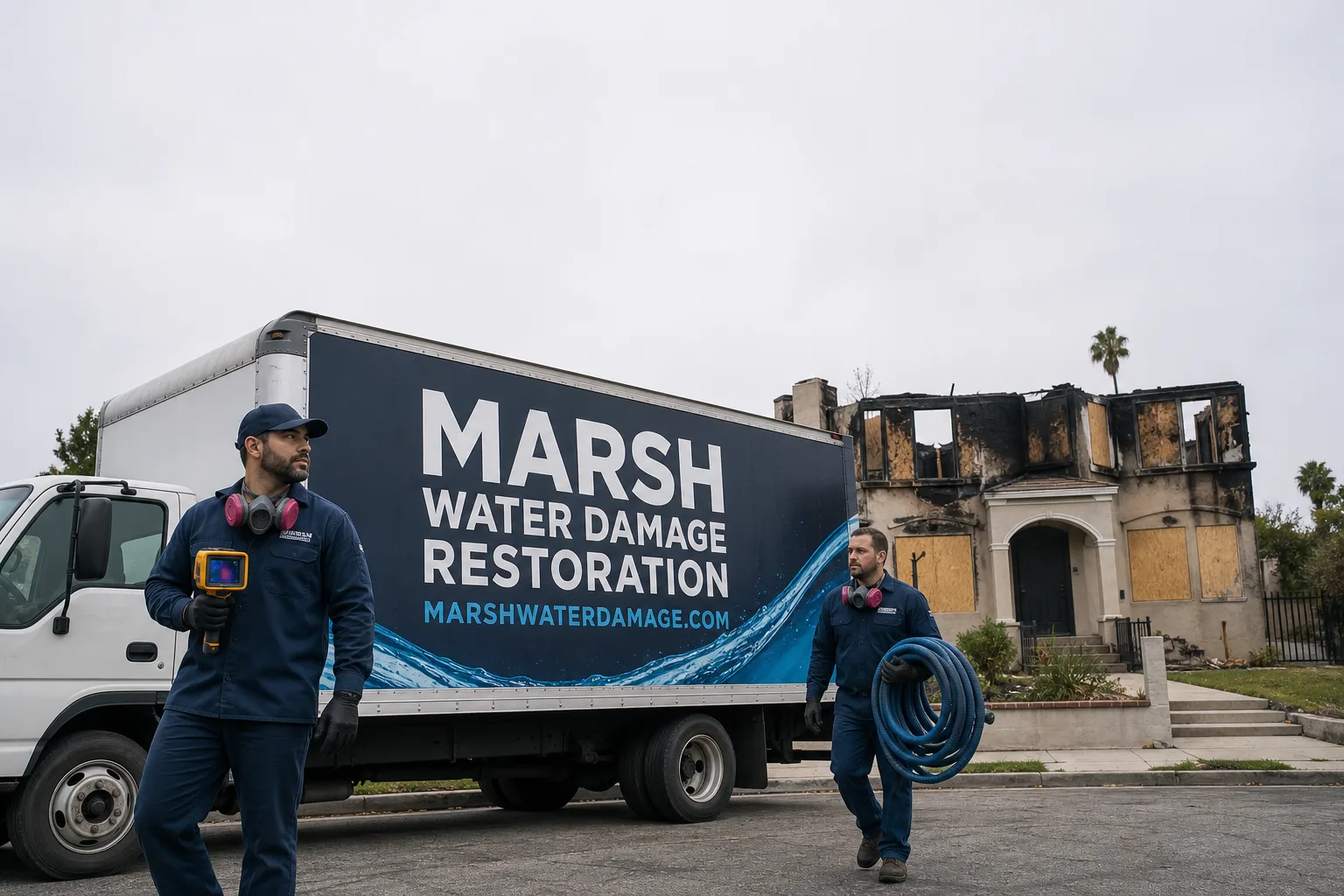
Free visual inspection and a written scope of work before any mitigation begins - photos, moisture readings, and drying logs go in your claim file
The scope we write is the scope we bill. Anything new gets shown to you, in writing, before we touch it.
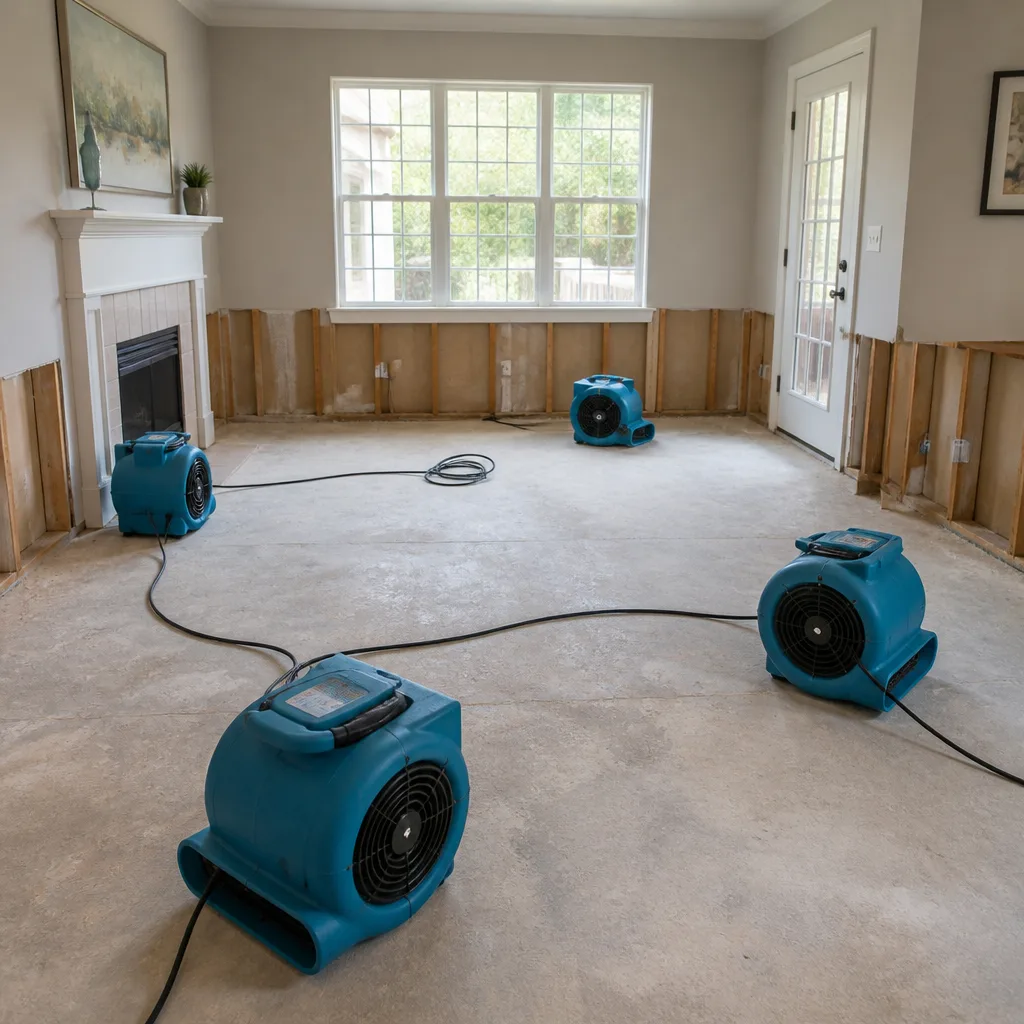
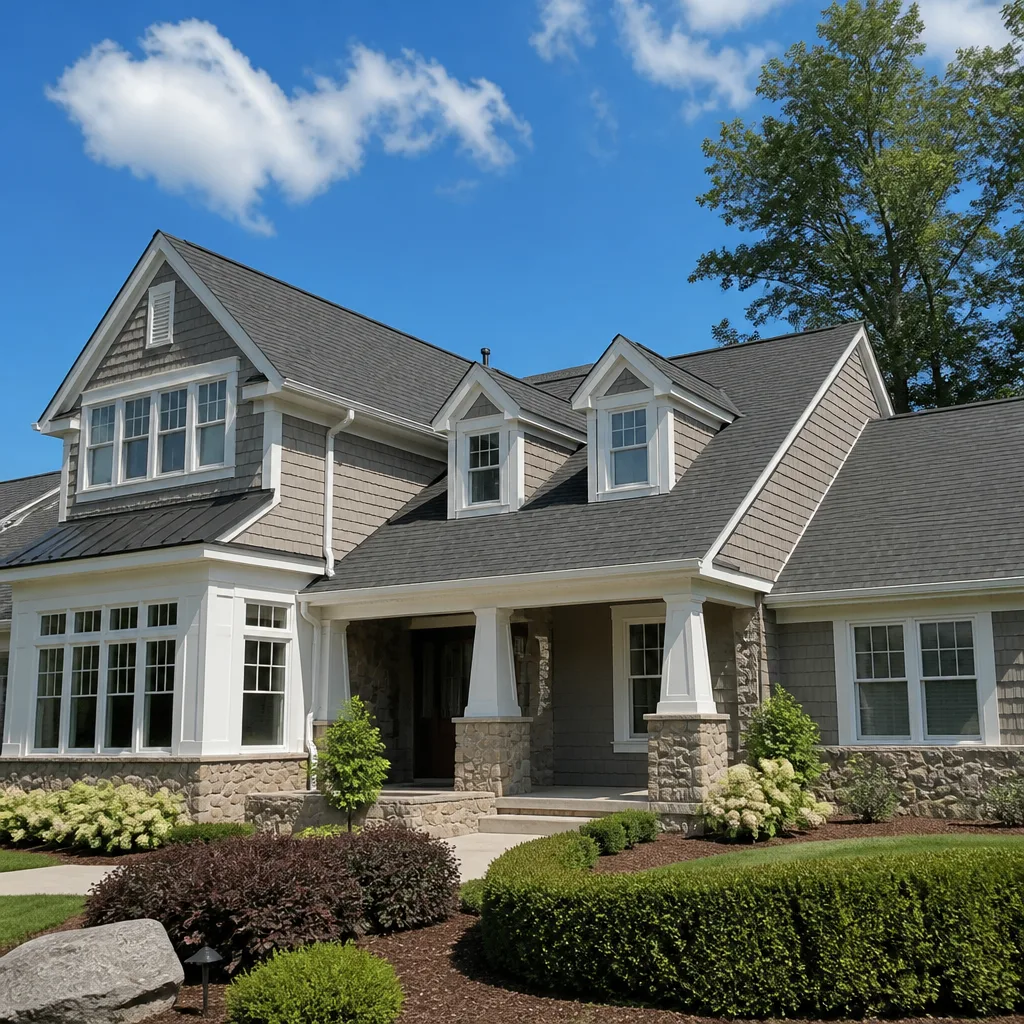
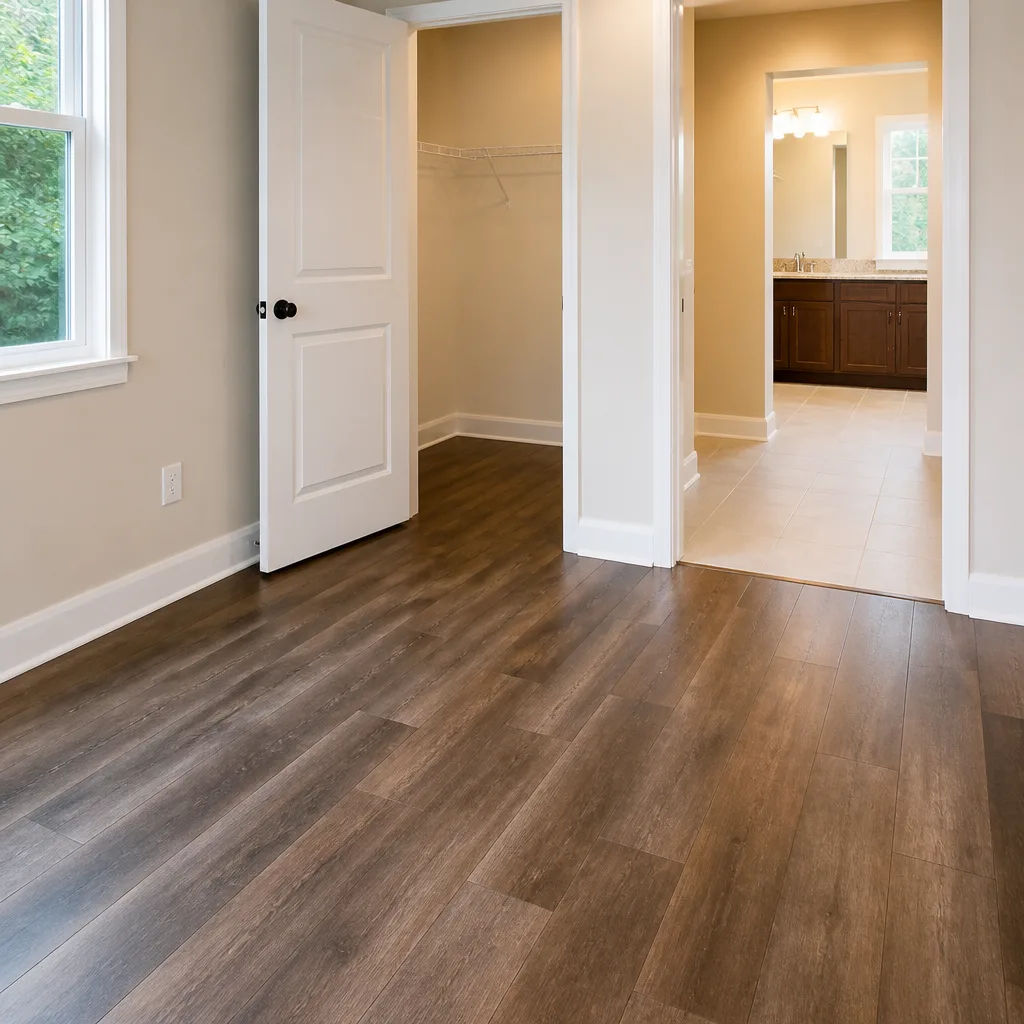
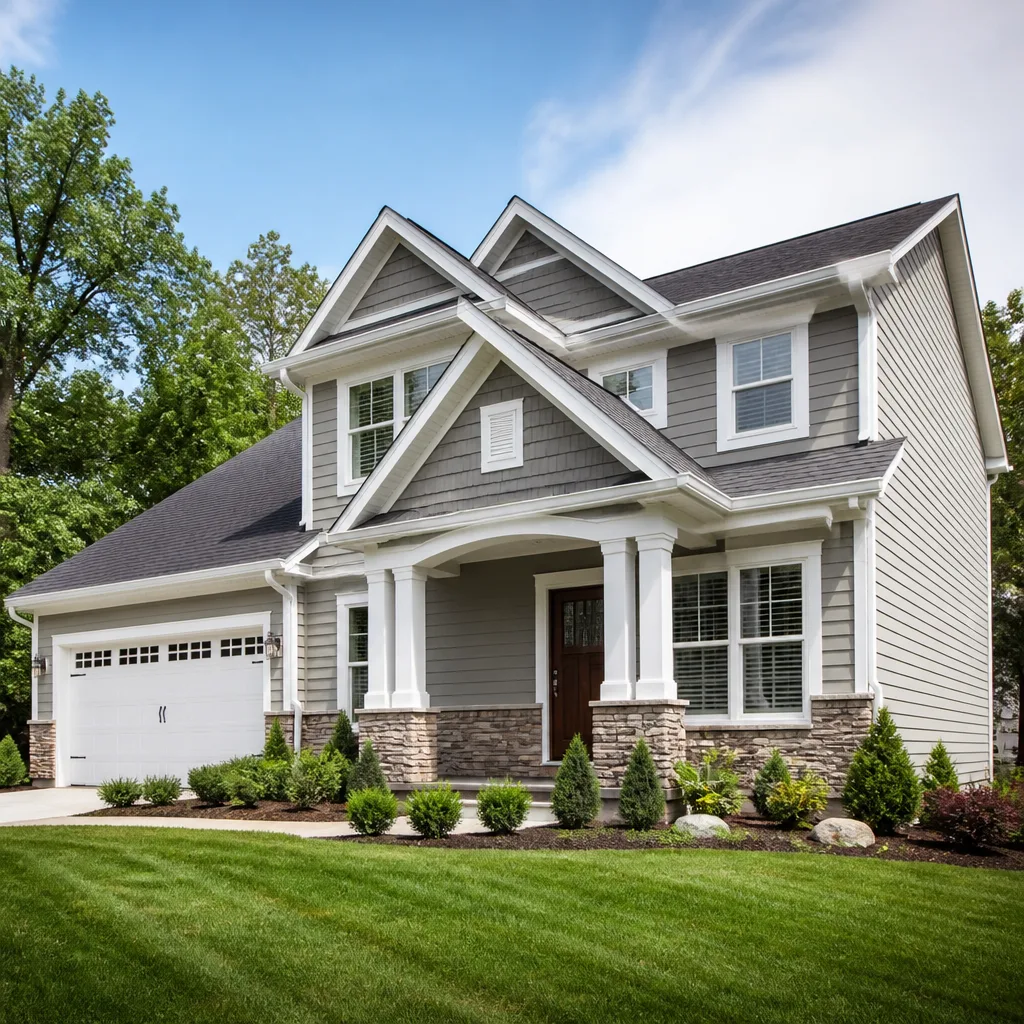
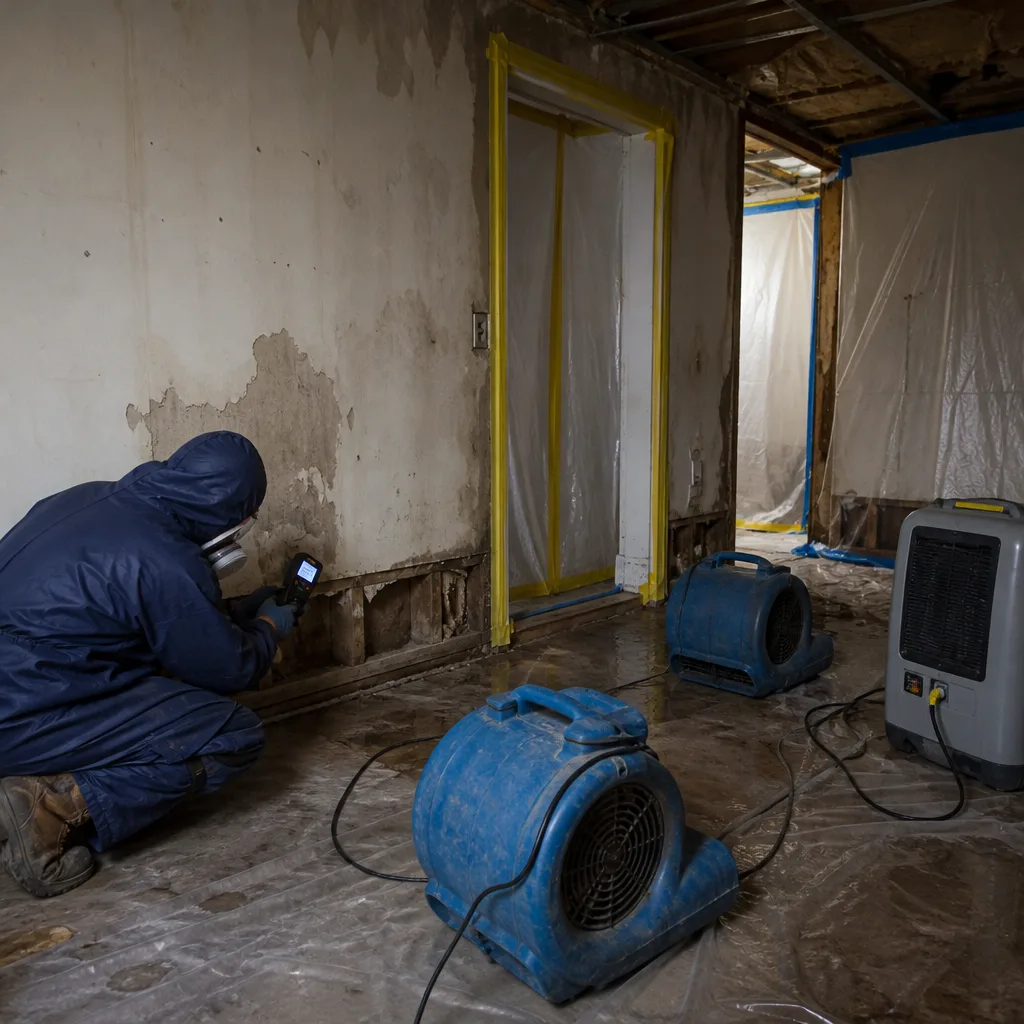 Before
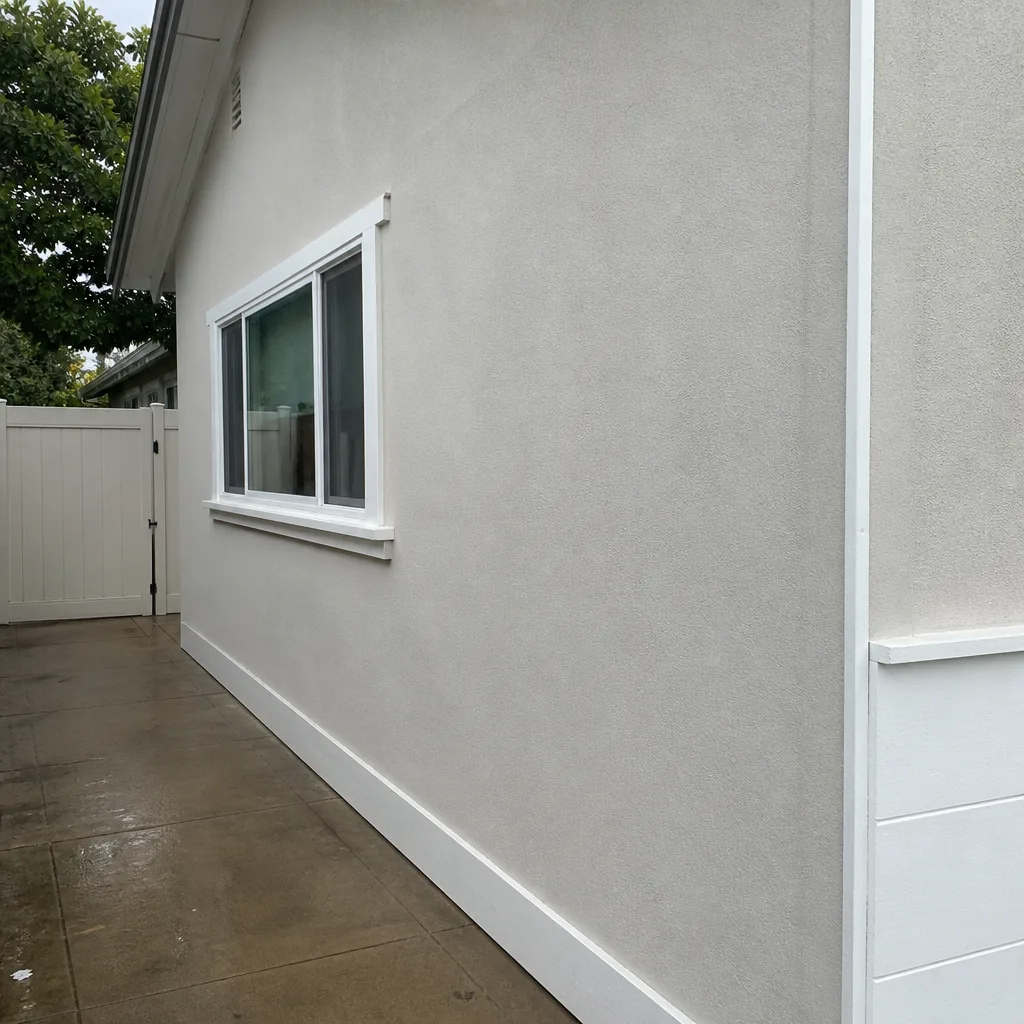 After
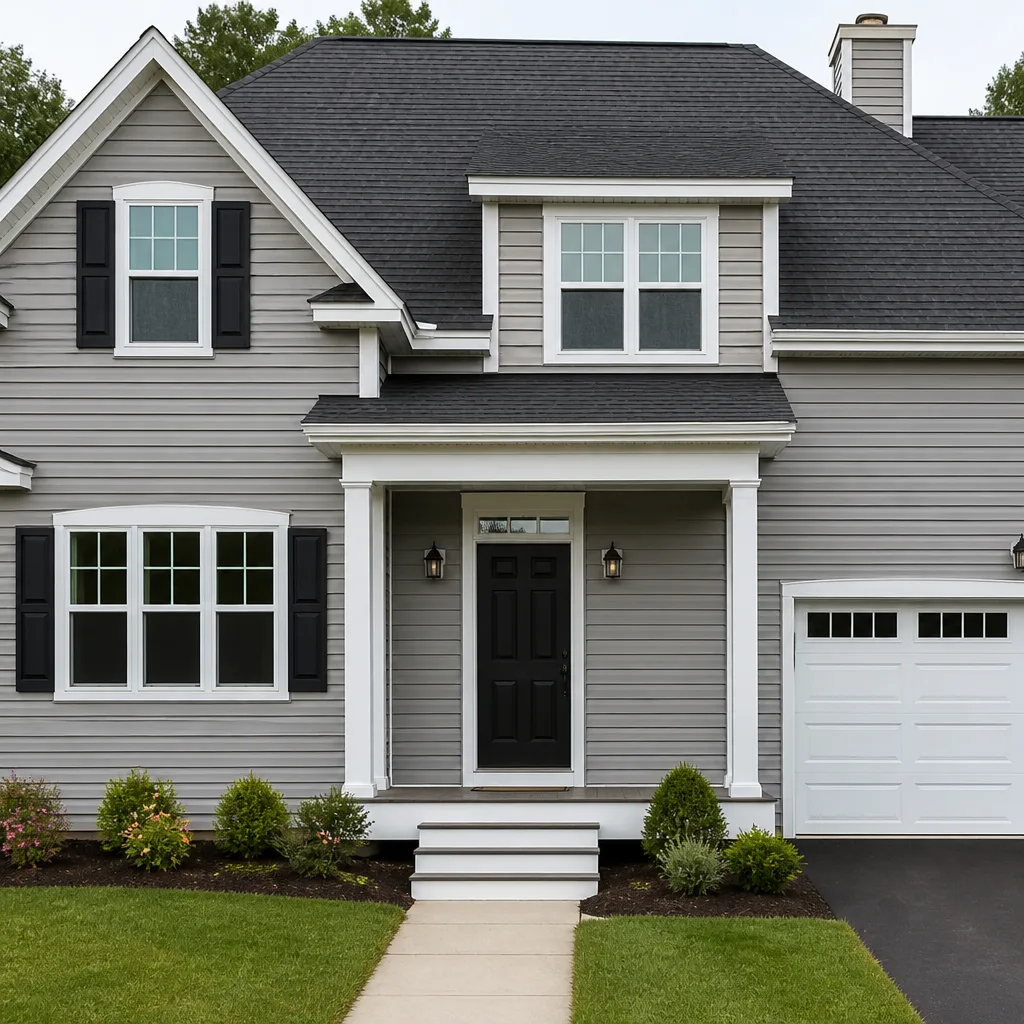
After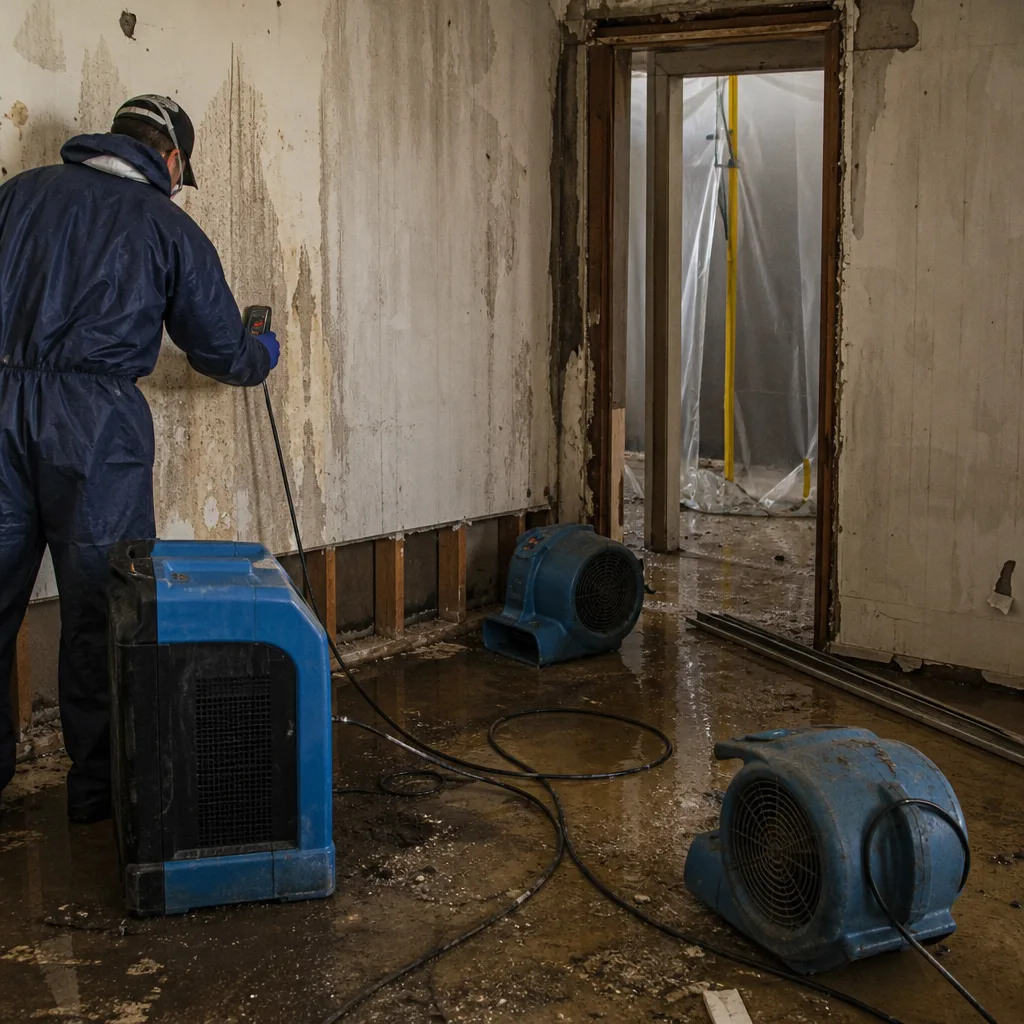 Before
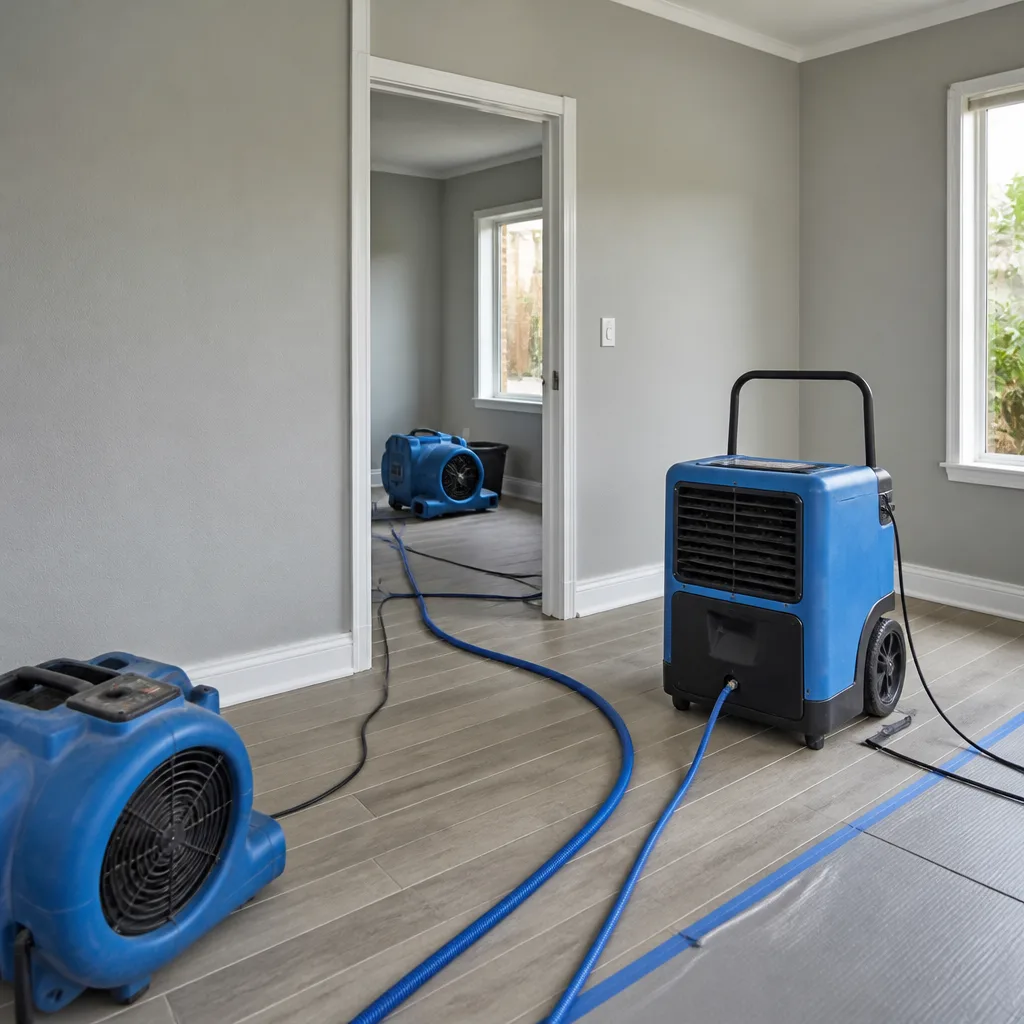 After
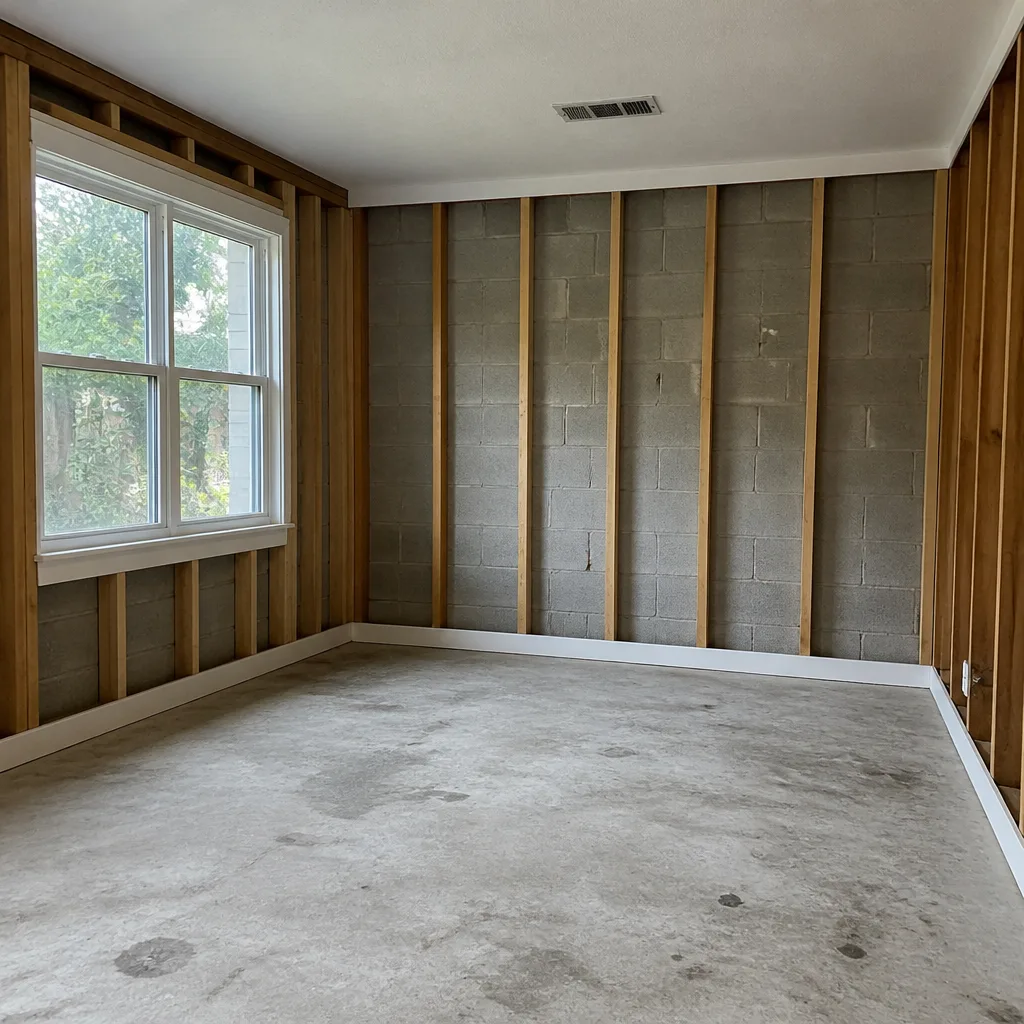
After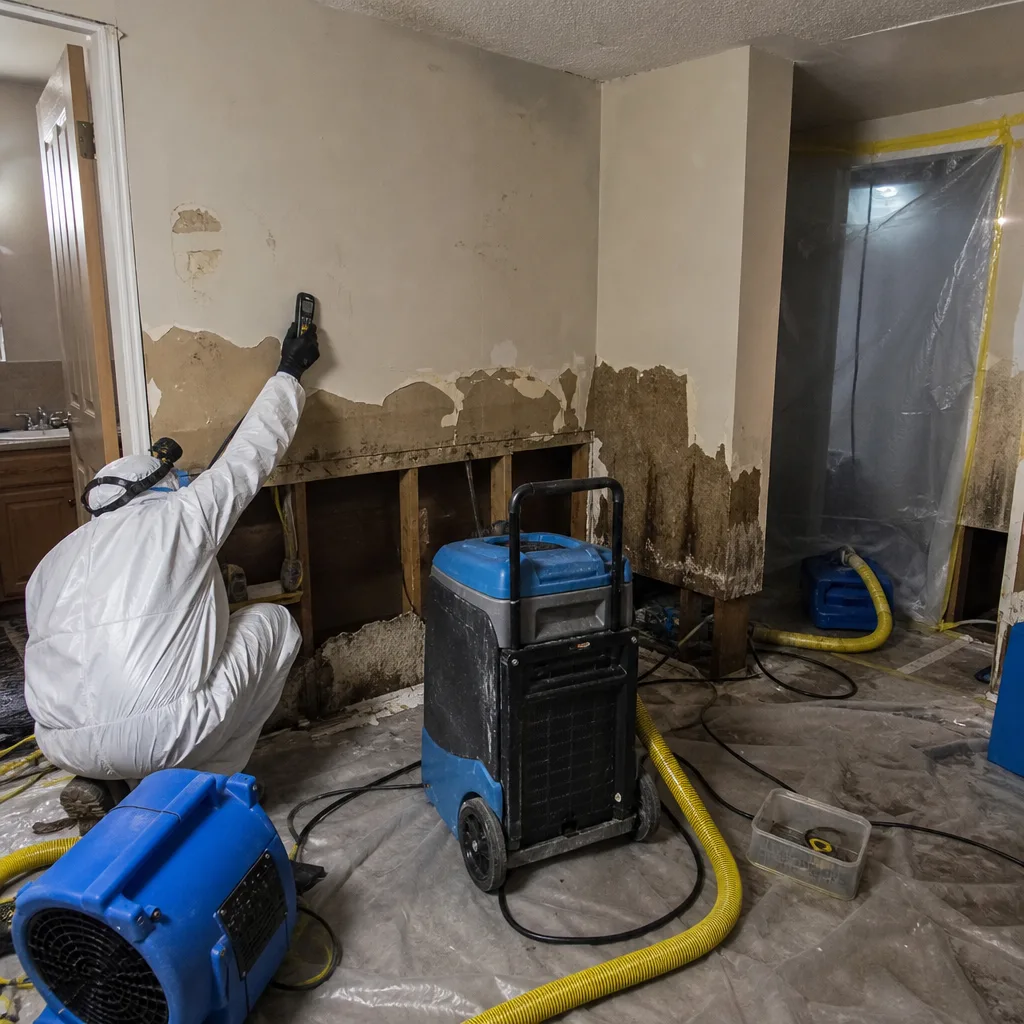 Before
 After
AfterFast, Reliable Storm Damage Restoration Across Camarillo
Storm damage in Camarillo rarely looks like a single problem by the time it reaches your front door. What starts as a wind-driven leak or a smoke event becomes a moisture problem, then a mold problem, often inside walls you can’t see. That’s the pattern we know best, especially in the hillside tracts and Las Posas corridor homes built between 1970 and 1995. Marsh Water Damage Restoration responds to Camarillo storm losses with commercial-grade drying equipment, written pricing before any work starts, and a live person answering when you call (910) 613-6568. Our Storm Damage Restoration teams arrive knowing Camarillo’s marine layer slows structural drying, and we stage equipment accordingly.
Why Marsh Water Damage Restoration Is Camarillo’s Preferred Storm Damage Restoration Company
We’ve worked enough losses in Camarillo Heights, Mission Oaks, and the Las Posas corridor to know this city’s damage patterns before we walk in. The 1970s and 1980s wood-frame tract homes that dominate these neighborhoods were built without modern vapor barriers, so wall cavities hold moisture longer than surface readings suggest. We run moisture mapping with penetrating meters, not just pins, because Camarillo’s fog-fed humidity fools the quick checks. Homeowners here tell us the same thing: they want to know who’s coming through the door. Every Marsh technician is background-checked, identity-verified, and sent to you by name and photo before arrival. That’s the Threshold Verified standard, and it matters when you’re letting someone into a damaged home.
Tobias Reyner, who leads our restoration operations, insists on one rule above all: a written price before demo begins, and a written scope you approve. In Camarillo, where restoration timelines stretch because of the marine layer, an honest scope matters even more. We get calls from homeowners who had another company declare a wall “dry” on day three, only to find mold inside it three weeks later. Our 365-Day Done Right Promise means if the repair isn’t right within a full year, we make it right, with a free second visit included automatically. Not something you argue for.
Flood Cleanup in Camarillo
Flood cleanup in Camarillo almost always involves water that came in fast and sat in materials that dry slow. A storm-damaged sunroom in Mission Oaks or a garage flood in Las Posas Estates usually means standing water extraction same day, then days of dehumidification because the coastal air won’t pull moisture out on its own. We use Phoenix and XPOWER air movers paired with Dri-Eaz dehumidifiers, the same combination used on commercial losses, scaled to a 1,200-square-foot ranch or a two-story Las Posas home. Most residential storm water extractions in Camarillo run between $1,800 and $3,400 before drying equipment staging, depending on affected square footage and whether water reached wall cavities. A seepage-only loss with no drywall saturation can come in closer to $900 to $1,400.
Extraction and Containment
We start every flood cleanup by mapping moisture in the framing, not just the carpet. In Camarillo’s older homes, that distinction decides whether the job is a three-day dry-out or a full drywall removal. Containment goes up before extraction if we suspect the water carried contaminants, and we photograph every step for your insurance file.
Drying That Accounts for the Camarillo Marine Layer
The mistake inland crews make is trusting day-three readings. In Camarillo, relative humidity stays high for weeks, so we stage dehumidifiers for longer than a Fresno or Bakersfield crew would. Psychrometric readings (measuring moisture in the air) tell us when framing is genuinely dry, not just dry at the surface. That’s the only way to prevent the 24-to-48-hour mold window from reopening after we leave.
Flooded House in Camarillo
A flooded house in Camarillo is a different animal from a flooded house in Moorpark or Fillmore. Here, the water sits in wall cavities and attics that were built without modern vapor barriers, and the coastal fog keeps those cavities damp for days after the visible water is gone. We treat a flooded Camarillo home as a structural drying project, not just a floor replacement. After extracting standing water, we remove baseboards to expose wall cavities, drill small inspection holes, and run air movers inside the wall chase. For a typical 1,500-to-2,200-square-foot Camarillo home with water in multiple rooms, full mitigation runs $3,200 to $7,500. If the water reached the subfloor and underlayment, expect the higher end because drying under vinyl or tile in this climate adds days, not hours.
Fog, Ash, and Rehydrated Materials
After the Hill Fire in 2018, we saw homes in Camarillo Heights that had been smoke-damaged during evacuation, then rehydrated by the returning marine layer before remediation could start. The char-damaged drywall absorbed fog moisture within days, and mold took hold inside wall cavities. That compounded sequence, fire first, then fog, then mold, is something inland crews rarely encounter. We run HEPA scrubbing for ash and char while simultaneously setting up dehumidification and containment, because both problems are active at the same time.
Scope Decisions That Save the Original Framing
The question we hear most from Camarillo homeowners is, “Can you save the original structure?” In many 1970s wood-frame builds, yes, but it depends on how quickly the water was extracted and whether the wall cavity was opened. We’ve saved original Douglas fir framing in Camarillo Heights homes by removing wet drywall and insulation, treating the exposed framing with antimicrobials, and running targeted drying for 72 to 96 hours. The only honest way to know is to inspect, remove the cosmetic layers, and read the framing with penetrating meters.
Trusted Brands We Service in Camarillo
Most storm damage in Camarillo affects homes with systems and materials from a handful of common manufacturers, and we service what we find. We regularly work in homes with original 1970s plywood subfloors beneath carpet, original drywall with no vapor barrier, and one-piece garage doors that failed during wind events. We stock local parts and have supplier relationships in Ventura County for fast turnaround on B-Air and Injectidry drying accessories, so we’re not waiting on a truck from Los Angeles when a Camarillo job needs another air mover. Our techs are IICRC, RIA, and IFA credentialed, so the recommendation you get, repair or retrofit, comes from someone who’s seen your home’s vintage perform under stress. For Storm Damage Restoration in Camarillo, we bring the right equipment to the right problem.
Common Storm Damage Restoration Problems We See in Camarillo Homes
- Water in wall cavities behind original 1970s drywall, invisible at the surface. Camarillo’s pre-vapor-barrier builds trap moisture inside walls, and the recurring fog keeps it there. By the time a homeowner sees a stain, the cavity has often been wet for days.
- Smoke and ash infiltration from Santa Ana wind-driven fire events. Homes in Camarillo Heights and the hillside tracts are closest to Very High Fire Hazard Severity Zones, and smoke particles work into attic insulation and wall vents even when flames never reach the property.
- Mold colonization within 24 to 48 hours of a water event. Camarillo’s year-round humidity means mold moves faster here than in drier inland cities. We stage antimicrobial treatment as a standard part of mitigation, not an add-on.
- Failed one-piece garage doors and openers after heat stress or wind. We’ve seen garage doors left stuck open after fire events, exposing interiors to the marine layer and turning a smoke job into a full water and mold loss.
Pricing for Storm Damage Restoration in Camarillo, CA
Storm damage restoration in Camarillo runs a wide range because the job changes once the marine layer gets involved. A simple wind-driven leak with minor drywall damage in a one-room area usually lands between $800 and $1,500. A flooded house with water in multiple rooms and wall cavities runs $3,200 to $7,500, and if the loss involves smoke damage plus rehydrated materials, expect costs at the higher end because we’re running fire, water, and mold protocols simultaneously. What affects the final price: affected square footage, whether wall cavities or attics are involved, how long the water sat before extraction, and whether original 1970s framing has to be exposed and treated. We write the scope before we cut anything open, and that written price is what we stand behind. Call (910) 613-6568 for a free estimate, and we’ll tell you what we’re seeing before we touch a wall.
We Also Serve Cities Near Camarillo
Our Camarillo teams also take calls from Camarillo‘s surrounding communities, including Somis, Oxnard, Newbury Park, and Santa Paula. The response time to these areas is comparable to Camarillo, though the drying strategy shifts once you leave the marine-layer zone. Inland homes in Santa Paula dry faster than Camarillo’s fog-fed tracts, and we stage equipment accordingly. If you’re nearby and have storm damage, call the same number: (910) 613-6568.
Serving Camarillo, CA - Our Local Coverage Area
We’re based in the Camarillo area and know this community well. Use the map below to see our service coverage - if you’re nearby, we can almost certainly help.
FAQs About Storm Damage Restoration in Camarillo
Camarillo’s position at the foot of the Santa Monica Mountains traps marine fog against the hills, keeping relative humidity elevated even on sunny afternoons. Moorpark and Fillmore sit farther inland and benefit from drier air that pulls moisture out of framing naturally. In Camarillo, structural drying depends almost entirely on mechanical dehumidification, which adds two to four days to a typical mitigation timeline. If a restoration crew treats Camarillo like an inland dry-out, they’ll pull equipment too early and leave moisture in wall cavities. That’s a mold time bomb. Call (910) 613-6568 if you suspect a previous restoration company under-dried your home.
The Hill Fire forced evacuations that lasted days, and during that time the returning coastal fog saturated smoke-damaged drywall in homes that had been scorched by Santa Ana winds. Char-damaged materials absorb moisture faster than intact drywall, and the combination of ash, heat stress, and fog created ideal mold conditions inside wall cavities within 48 to 96 hours of the fire. Restoration crews discovered mold already colonizing behind exterior sheathing when they began remediation. That’s why we now run moisture mapping as a standard step on any Camarillo fire or wind damage call, not after the fact.
Yes, and it’s the single biggest reason Camarillo storm losses escalate. Homes built before modern vapor-barrier standards in the Las Posas corridor and hillside tracts hold moisture in wall cavities that a surface reading will miss. The drywall can read dry on the face while the framing behind it sits at 25% moisture content. In those cases, we remove the baseboards and drill inspection holes to read the cavity directly. That’s not a scope increase; it’s the difference between a real dry-out and a hidden mold problem six weeks later.
We use three factors: the material’s moisture content, its age, and how long it has been wet. Original 1970s Douglas fir framing that’s been wet for less than 72 hours can often be dried and treated with antimicrobials. Drywall and insulation that’s been saturated, especially with storm water that may carry contaminants, usually comes out. In Camarillo, where the fog extends wet-time significantly, we’re more conservative about removing drywall than we would be in a drier climate. The decision is made with penetrating moisture meters, visual inspection, and a written scope you approve before anything is cut.
We run Phoenix and XPOWER air movers, Dri-Eaz dehumidifiers, and Injectidry vacuum drying systems on Camarillo jobs. The brand matters less than the staging strategy, which accounts for Camarillo’s elevated humidity by keeping equipment running longer and monitoring with psychrometric readings. A big-box dehumidifier from a rental counter won’t pull moisture out of a wall cavity in this climate. Our equipment matches or exceeds what national franchises deploy, and it’s the reason we can dry a Camarillo wall cavity in four days instead of eight. Call (910) 613-6568 to talk through what your home needs.
Written by Tobias Reyner, Operations Lead at Marsh Water Damage Restoration, serving Camarillo storm damage calls with the Threshold Verified standard since 2005.