
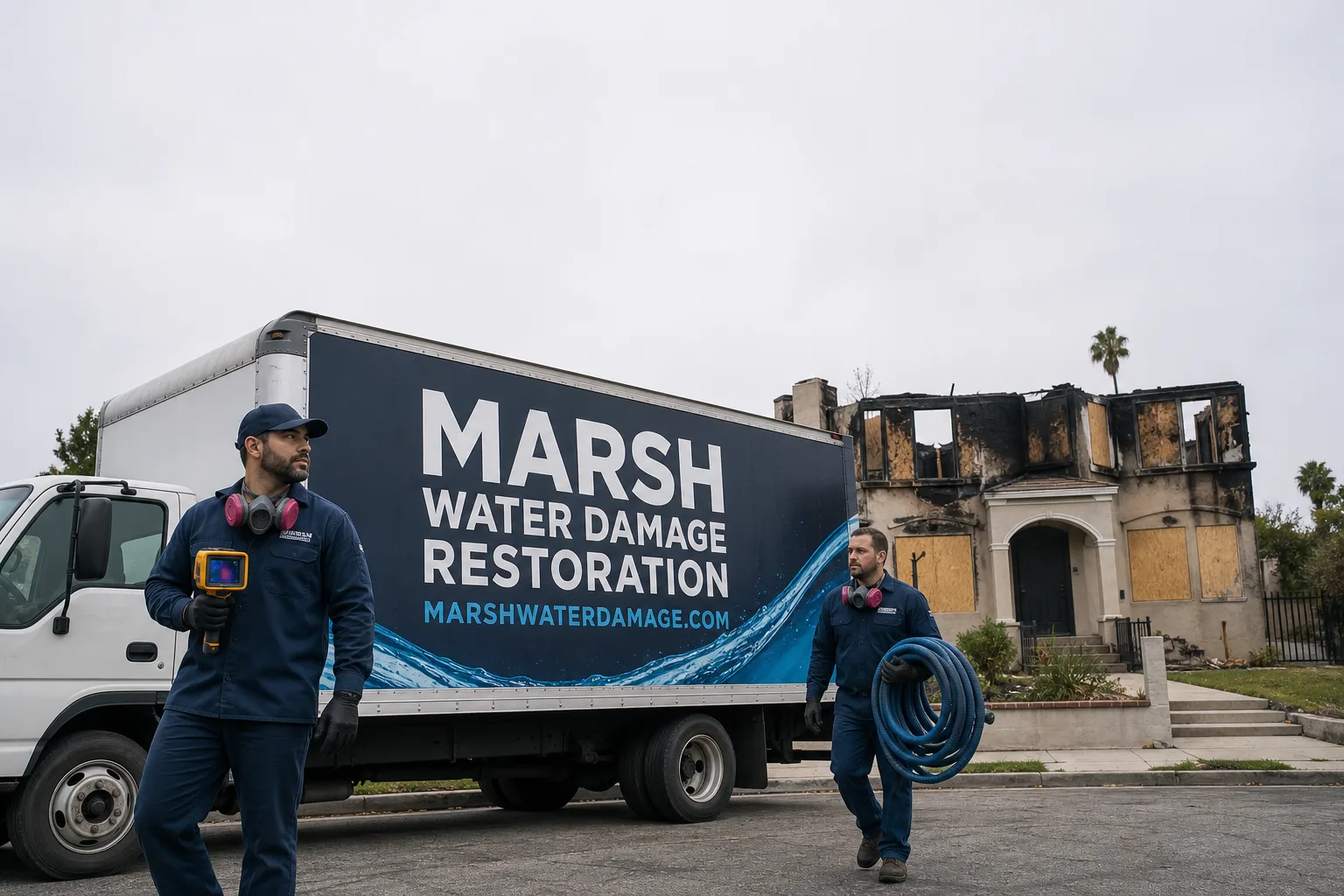
Free visual inspection and a written scope of work before any mitigation begins - photos, moisture readings, and drying logs go in your claim file
The scope we write is the scope we bill. Anything new gets shown to you, in writing, before we touch it.
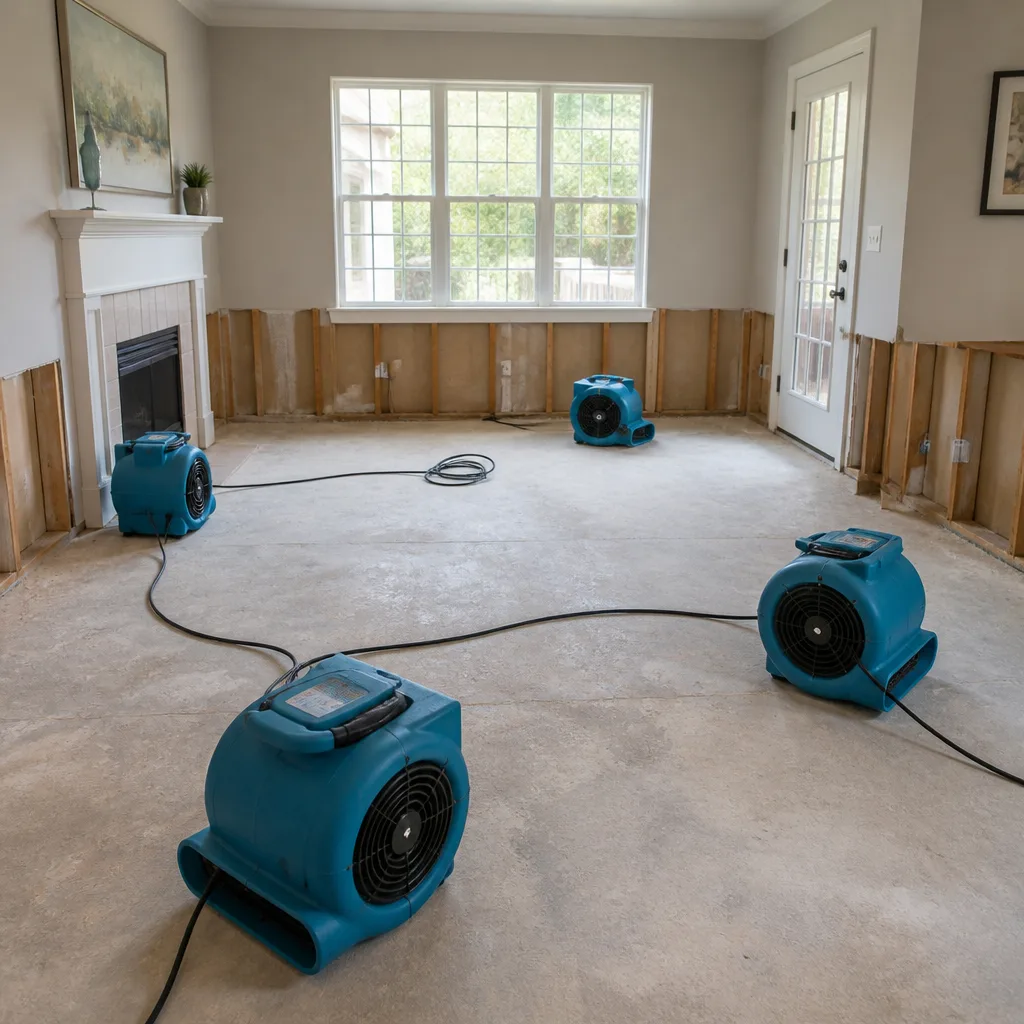
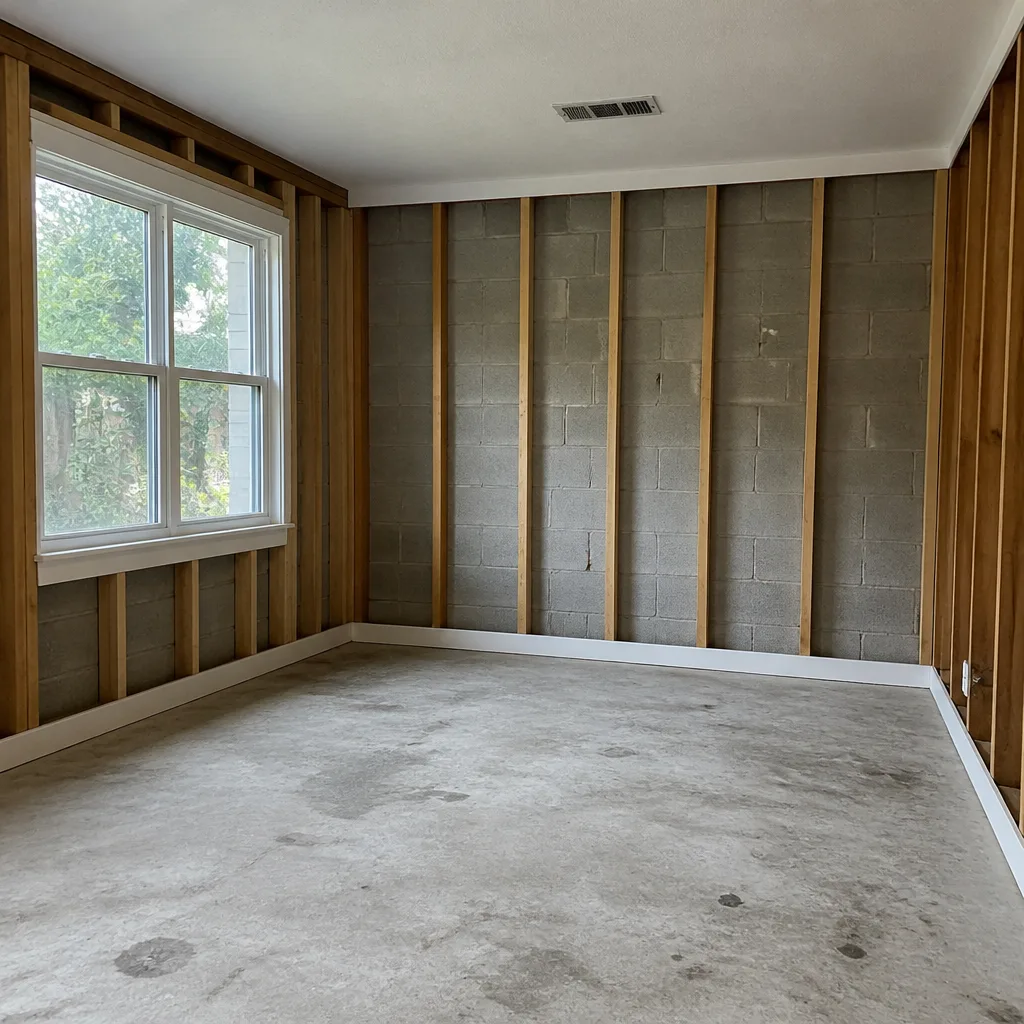
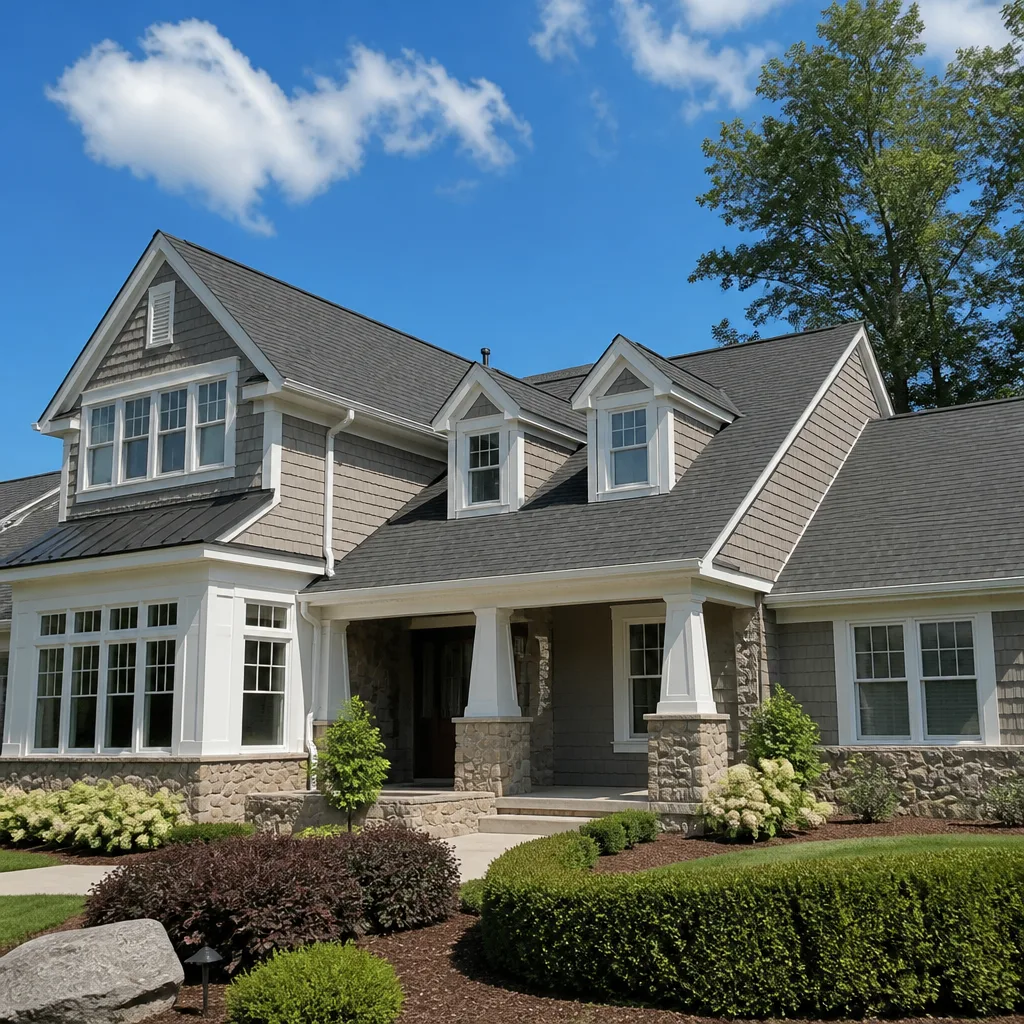
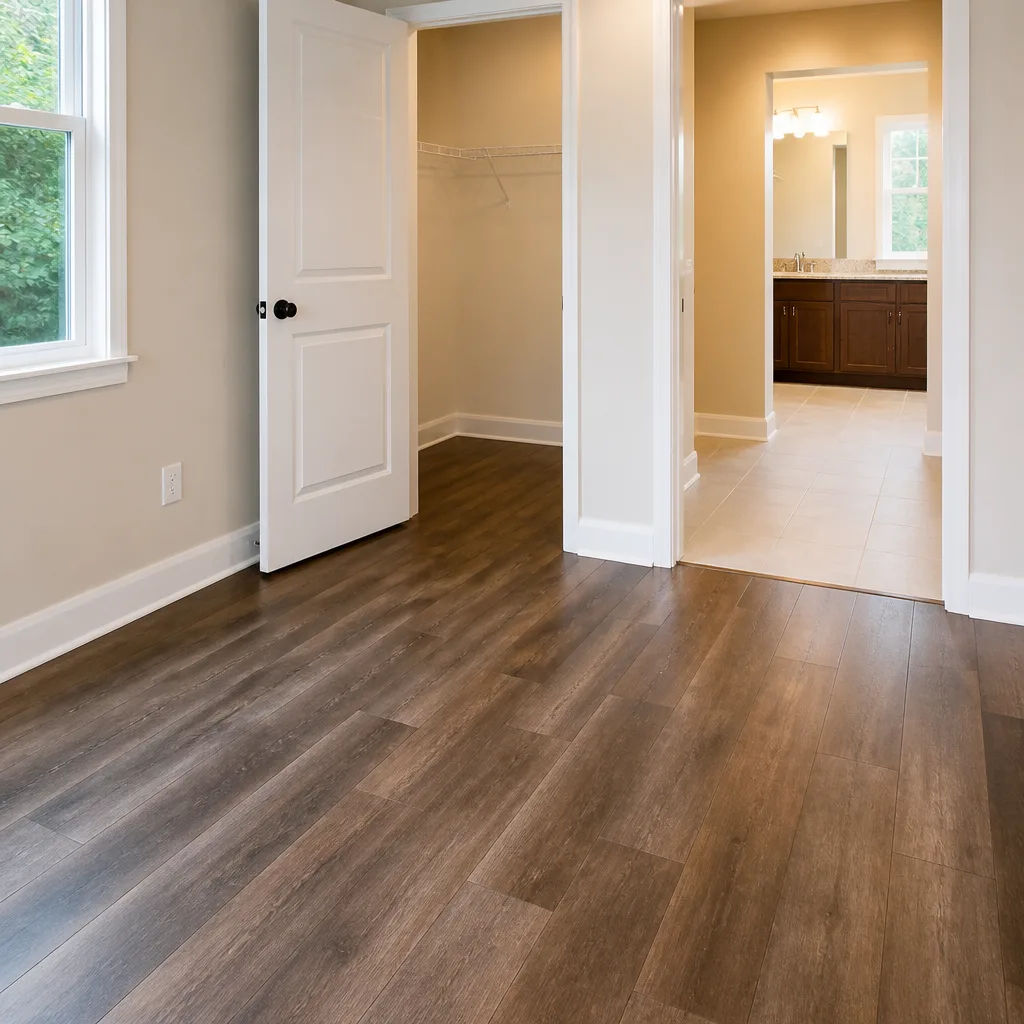
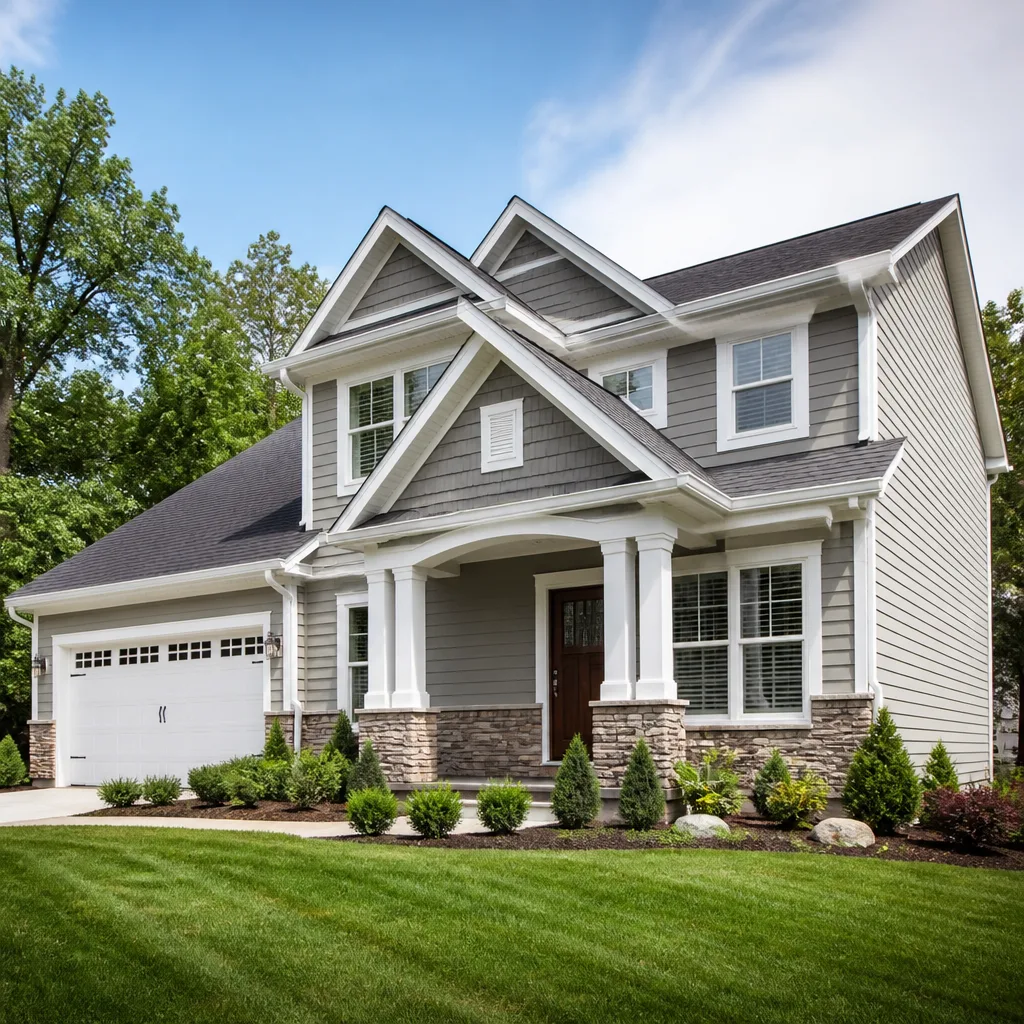
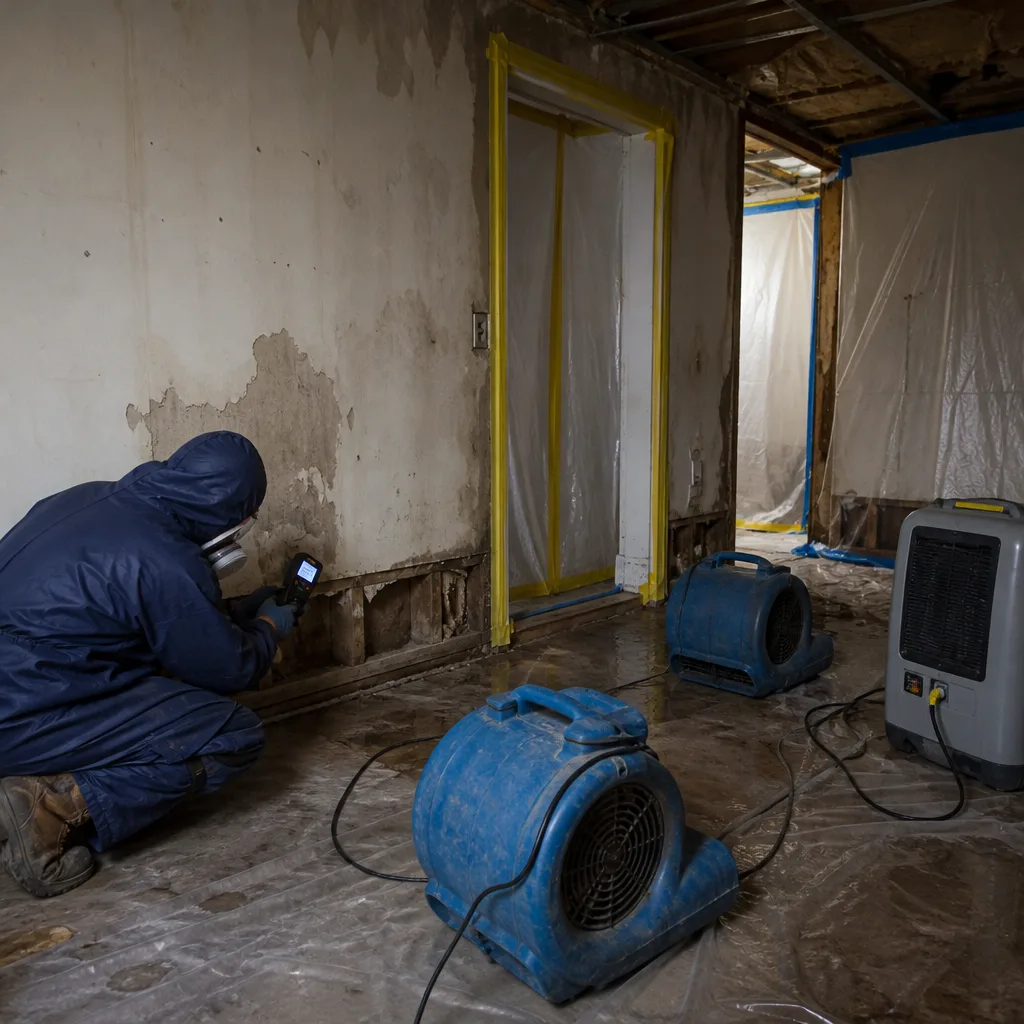 Before
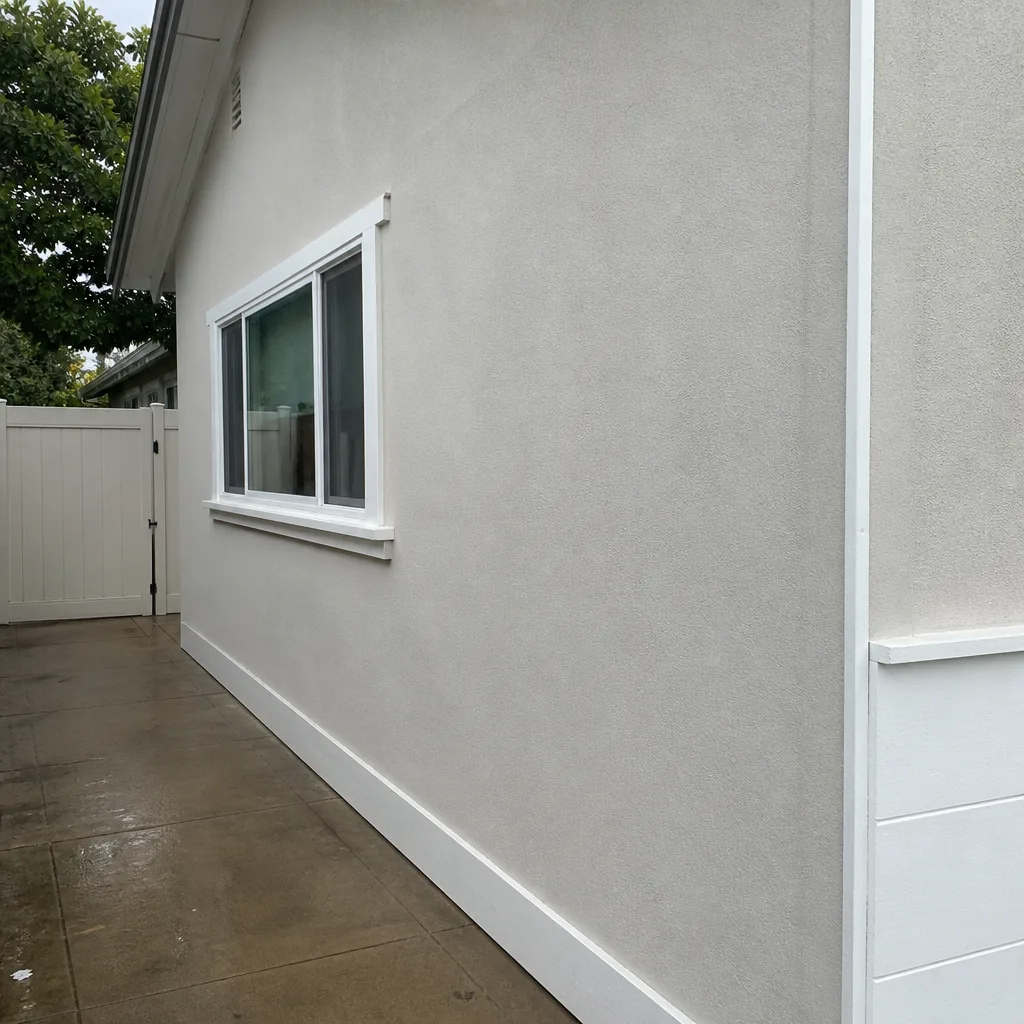 After
After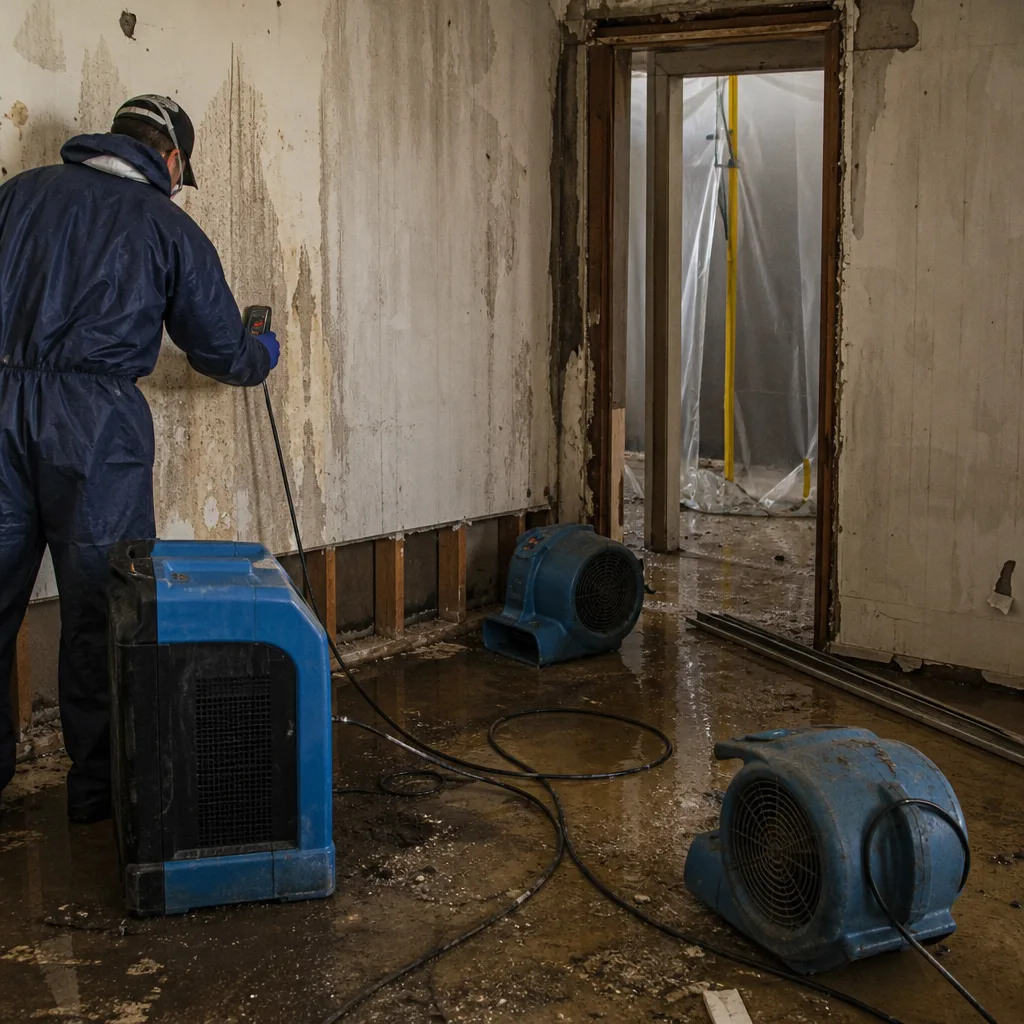 Before
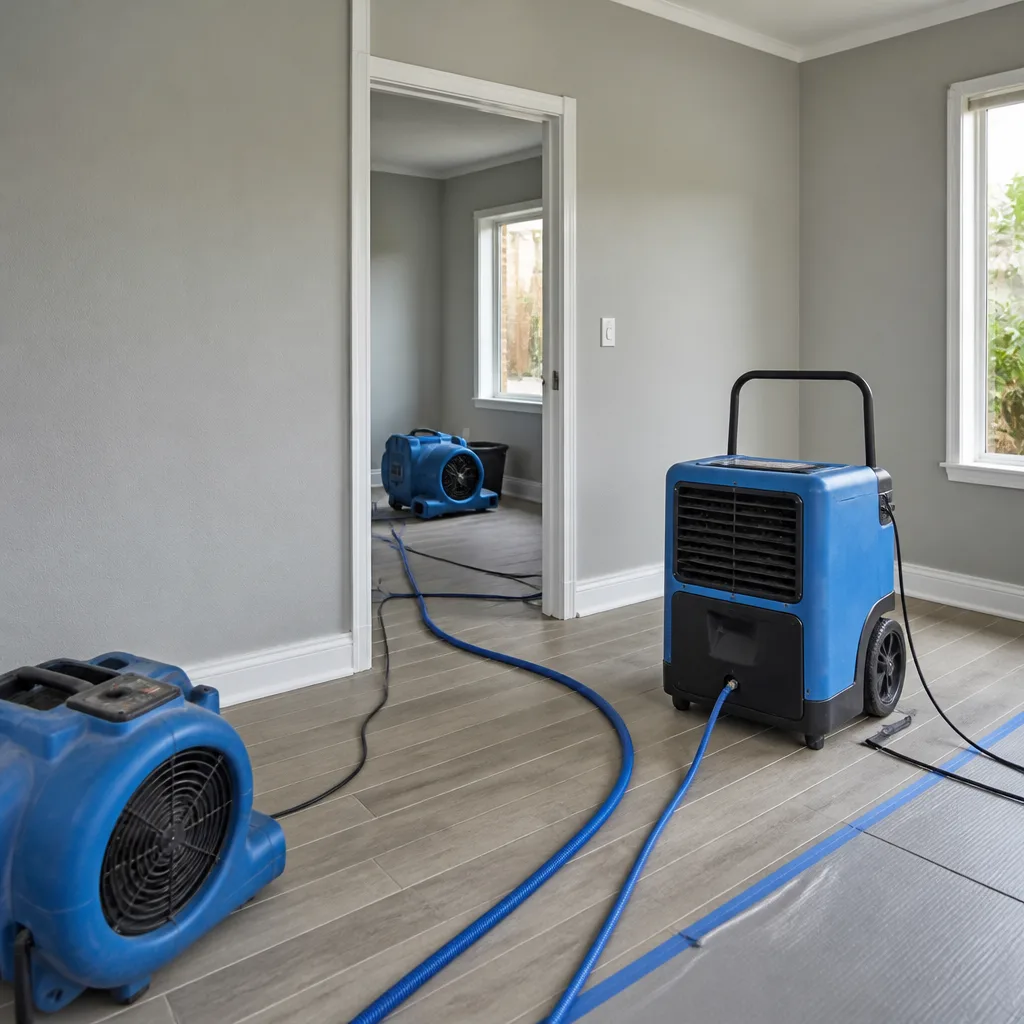 After
After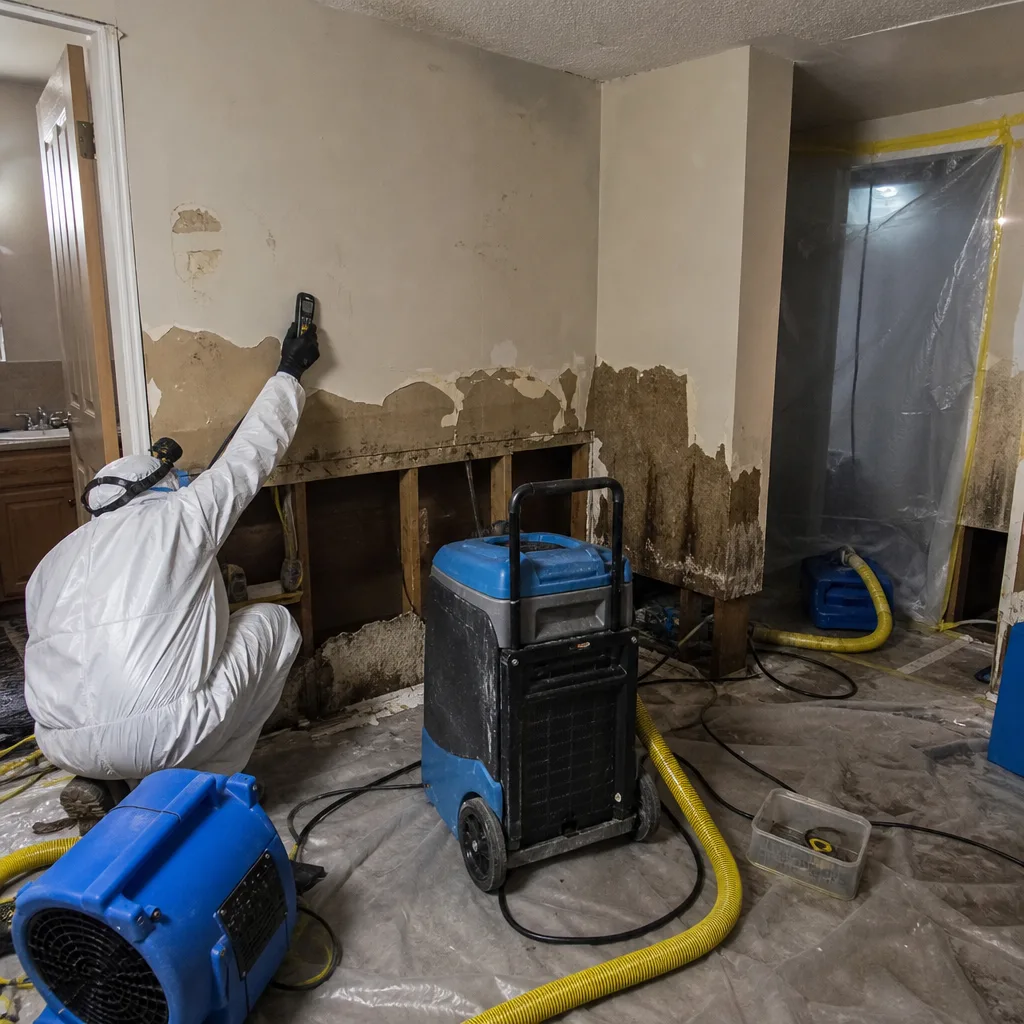 Before
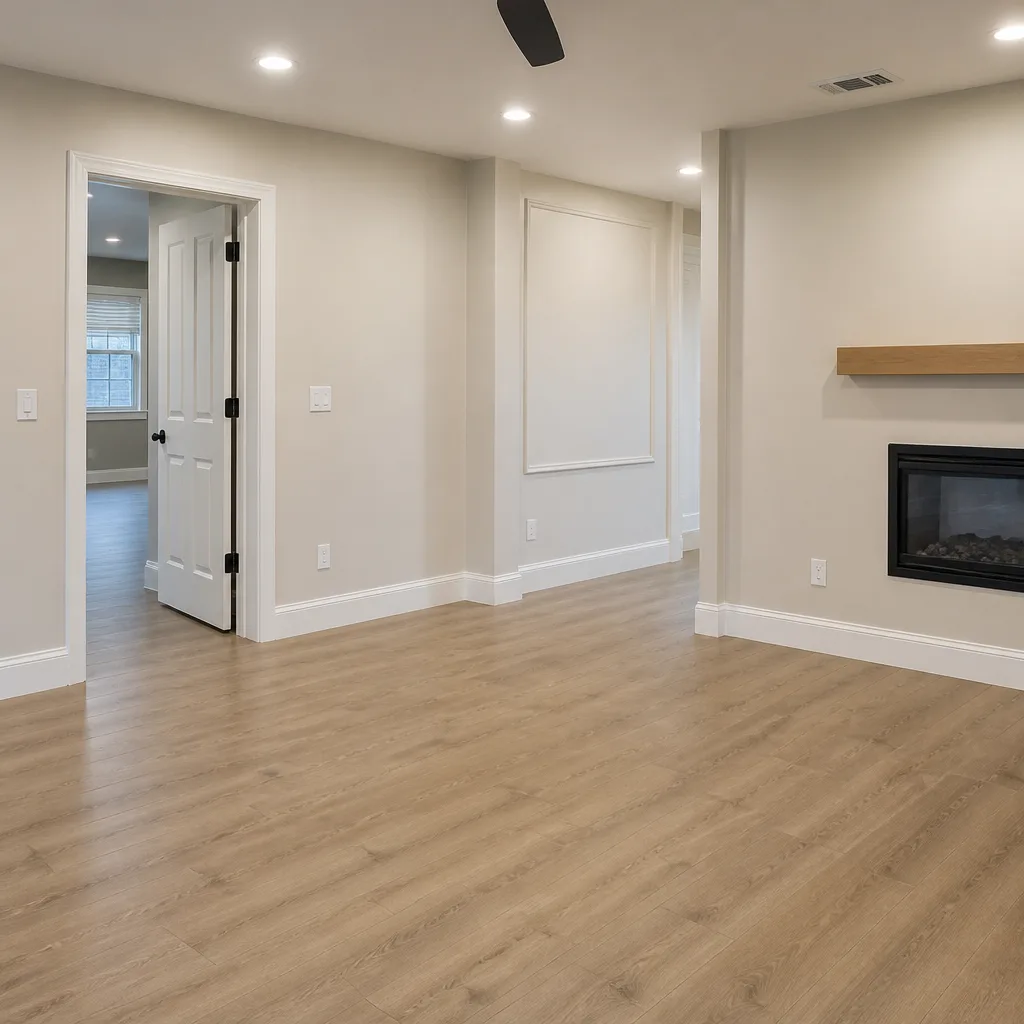 After
AfterFast, Reliable Storm Damage Restoration Across Glen Cove
Storm damage restoration in Glen Cove typically runs between $2,800 and $11,500 for a full mitigation and rebuild scope, and we can usually have a crew at your door within 90 minutes. Glen Cove homeowners face a specific problem: Hempstead Harbor’s funnel shape pushes nor’easter surge directly into low-lying waterfront blocks, which means saltwater, not freshwater, is what floods your basement and crawls through your plaster walls. That changes everything about how a loss gets categorized, dried, and documented. Marsh Water Damage Restoration has been handling these losses since 2005, and our crews on the North Shore understand what happens inside a pre-1940 home when harbor water gets in. Call (910) 613-6568 any hour, and a live person picks up.
Why Marsh Water Damage Restoration Is Glen Cove’s Preferred Storm Damage Restoration Company
We’re not a national franchise rolling a van into Glen Cove for the first time. Our Storm Damage Restoration crews work the harbor blocks, the historic downtown streets, and the postwar Cape Cod and ranch neighborhoods on the city’s outer edges, and we know which ones flood first when a nor’easter comes up the Sound. Local adjusters in this area have come to expect our documentation style: moisture logs with a documented pre-loss baseline, photo records, and clear categorization of saltwater losses as what they are. It saves Glen Cove homeowners weeks of claim back-and-forth.
Every technician who arrives is part of our Threshold Verified protocol. That means before the knock, you get the tech’s name and photo. At the door, they show a photo ID badge. Background-checked, identity-verified, uniformed. You know exactly who is walking in. Tobias Reyner runs our technical team, and the standard he set applies to every job, not just first impressions.
We also answer the phone. A live person, 24/7, not a voicemail tree. Tobias Reyner’s team understands that when harbor water is in your living room at 2 a.m., you need to hear a human voice say “we’re on the way,” not press 3 for dispatch.
Flood Restoration in Glen Cove
Flood Restoration in Glen Cove means treating saltwater intrusion from Hempstead Harbor, not a typical inland freshwater leak. The job involves water extraction, removal of saturated materials that cannot be dried, antimicrobial treatment, structural drying, and rebuild. On waterfront blocks like Morgan Park and lower Landing Road, a flood restoration scope in Glen Cove typically runs $3,200 – $9,800 depending on how far the surge traveled and what it touched. A pre-1940 Colonial Revival with horsehair plaster and old-growth framing will cost more than a 1960s ranch with drywall and modern subfloor.
Saltwater Categorization and Why It Matters
Storm surge that enters through a foundation is Category 3 water: contaminated, carrying harbor sediment, bacteria, and salt. Calling it a Category 1 or 2 loss and drying it in place is a known failure mode on Glen Cove waterfront jobs. Salt corrodes fasteners, wicks through plaster, and accelerates mold colonization far faster than freshwater.
Documented Pre-Loss Baseline
We photograph and document the affected areas before mitigation starts. For a storm loss on lower Landing Road, that baseline matters because adjusters familiar with these blocks expect supplemental claims for concealed prior-event salt damage. We flag it when we see it, and our written report gives you and your adjuster a clear record.
Basement Flood Cleanup in Glen Cove
Basement Flood Cleanup in Glen Cove is the single most common storm restoration call we take, and most residential cleanups in this city run between $2,800 and $7,500. Nor’easter surge pushes into low-lying basements through foundation cracks, window wells, and failed bulkhead doors. Once inside, the water sits, and in these older homes, it wicks upward through plaster-and-lath and old-growth floor joists far beyond what you can see on the surface.
Structural Drying With Marine-Grade Equipment
We run Dri-Eaz and Phoenix air movers with Injectidry panel drying systems, exactly because older Glen Cove walls are not modern drywall. Psychrometric readings, which measure the moisture in the air and in materials, tell us when the structure is genuinely dry. Surface dry is not dry.
Prior-Event Salt Deterioration
We routinely find rim joists and structural lumber in waterfront homes carrying residual salt-moisture damage from Sandy and other prior events. It reads dry at the surface, but it is compromised underneath. Our documentation flags that condition for your adjuster before a new scope balloons mid-job.
Trusted Brands We Service in Glen Cove
Glen Cove homeowners run their homes on equipment from every major brand, and we service the restoration side for most of them. Our work involves Dri-Eaz, Phoenix, and B-Air drying equipment because those are the tools that match commercial-grade drying standards, and we stock replacement parts and consumables locally for Glen Cove jobs. If your home’s heating or electrical systems took harbor water during storm surge, we coordinate the mechanical restoration alongside structural drying, which keeps your rebuild moving faster.
Common Storm Damage Restoration Problems We See in Glen Cove Homes
- Saltwater wicking through horsehair plaster: In pre-1940 homes, plaster-and-lath walls absorb saltwater upward far beyond the visible water line, and the salt residue keeps attracting moisture even after the visible water is gone.
- Corroded galvanized supply lines: Many Glen Cove homes still have original galvanized plumbing, and saltwater contact accelerates pinhole corrosion. We often find failing supply lines after a flood loss that were not part of the original visible damage.
- Concealed prior-event damage in harbor blocks: Homes near Morgan Park and lower Landing Road frequently carry residual salt damage from earlier storms, which new moisture readings won’t predict but which surfaced once walls are opened.
- Pre-existing salt-air corrosion on HVAC: The persistent salt air along Hempstead Harbor corrodes condenser coils and exterior components. After a storm loss, restoring to true pre-loss condition requires documenting that baseline first.
Pricing for Storm Damage Restoration in Glen Cove, NY
A straightforward basement flood cleanup with extraction, drying, and antimicrobial treatment in Glen Cove starts around $2,800. A full storm restoration that includes plaster removal, structural drying, and rebuild typically lands between $5,500 and $11,500, and severely damaged waterfront homes can exceed that. What drives the price: how far the surge traveled, whether horsehair plaster must be removed, whether galvanized plumbing needs replacement, and whether concealed prior-event damage is present. Every job gets a written price before any work starts, and that price is printed on the work order. Call (910) 613-6568 for a free estimate to your Glen Cove property.
We Also Serve Cities Near Glen Cove
Our crews routinely work the blocks around Glen Cove, including Sea Cliff, Port Washington, Bayville, and Oyster Bay. Same protocols, same response time, same written price guarantee applied to every job on the North Shore.
Serving Glen Cove, NY - Our Local Coverage Area
We’re based in the Glen Cove area and know this community well. Use the map below to see our service coverage - if you’re nearby, we can almost certainly help.
FAQs About Storm Damage Restoration in Glen Cove
Because Hempstead Harbor’s funnel geometry concentrates surge into low-lying blocks, and the water is saltwater, which corrodes fasteners, wicks further through plaster, and accelerates mold far faster than a freshwater leak from a supply line. Waterfront homes also carry concealed prior-event salt damage that only becomes visible once walls are opened. Call (910) 613-6568 and we will walk you through what your specific home likely needs.
Within 24 to 48 hours, although saltwater makes the timeline more aggressive: salt residue keeps drawing moisture into plaster and wood even after standing water is removed. We aim to arrive within 90 minutes anywhere in Glen Cove and start extraction immediately because mold colonization on harbor water happens faster than on freshwater.
Category 3 water is grossly contaminated, carrying harbor sediment, bacteria, and whatever else the surge brought in. It means we cannot dry materials in place without antimicrobial treatment, and in many older Glen Cove homes it means removing saturated plaster-and-lath and compromised framing rather than attempting to save it. If you’re unsure whether your loss is Category 3, call (910) 613-6568 and describe what came in and how.
Yes. For larger Glen Cove storm losses where we have to remove saturated plaster, flooring, or framing, we handle the pack-out of your belongings and coordinate cleaning for anything that took harbor water. The pack-out is documented with photos, and the written scope before work starts includes exactly what is being removed and where it is going.
Because homes near Morgan Park and lower Landing Road have a well-documented pattern of concealed prior-event salt damage in structural lumber and rim joists that becomes visible only after mitigation opens the walls. We document every such finding with photos and moisture readings, and our written reports are designed to support the supplemental claim without you having to argue it. For a free consultation on your Glen Cove storm loss, call (910) 613-6568.
At a pre-1940 Colonial Revival on lower Landing Road, surge pushed through the foundation during a nor’easter and we found Category 3 saltwater wicking up horsehair plaster-and-lath and old-growth rim joists behind a finished basement wall. We ran water extraction, set Dri-Eaz and Phoenix air movers with Injectidry panel drying on the plaster, logged moisture readings against a documented pre-loss condition, and applied antimicrobial treatment, then flagged the corroded galvanized supply and prior-event deterioration to the adjuster. That is standard work for these harbor blocks, and it is exactly what Glen Cove homeowners should expect from a storm restoration company.
Storm damage in Storm Damage Restoration in Glen Cove is not a generic cleanup job. It is a saltwater and pre-WWII-materials problem specific to Hempstead Harbor’s surge funnel, and that changes categorization, drying strategy, and claim documentation. We treat it that way on every job. Call (910) 613-6568 now, or whenever the water shows up. A live person answers.
Written by Tobias Reyner, Owner at Marsh Water Damage Restoration, serving Glen Cove since 2005.