
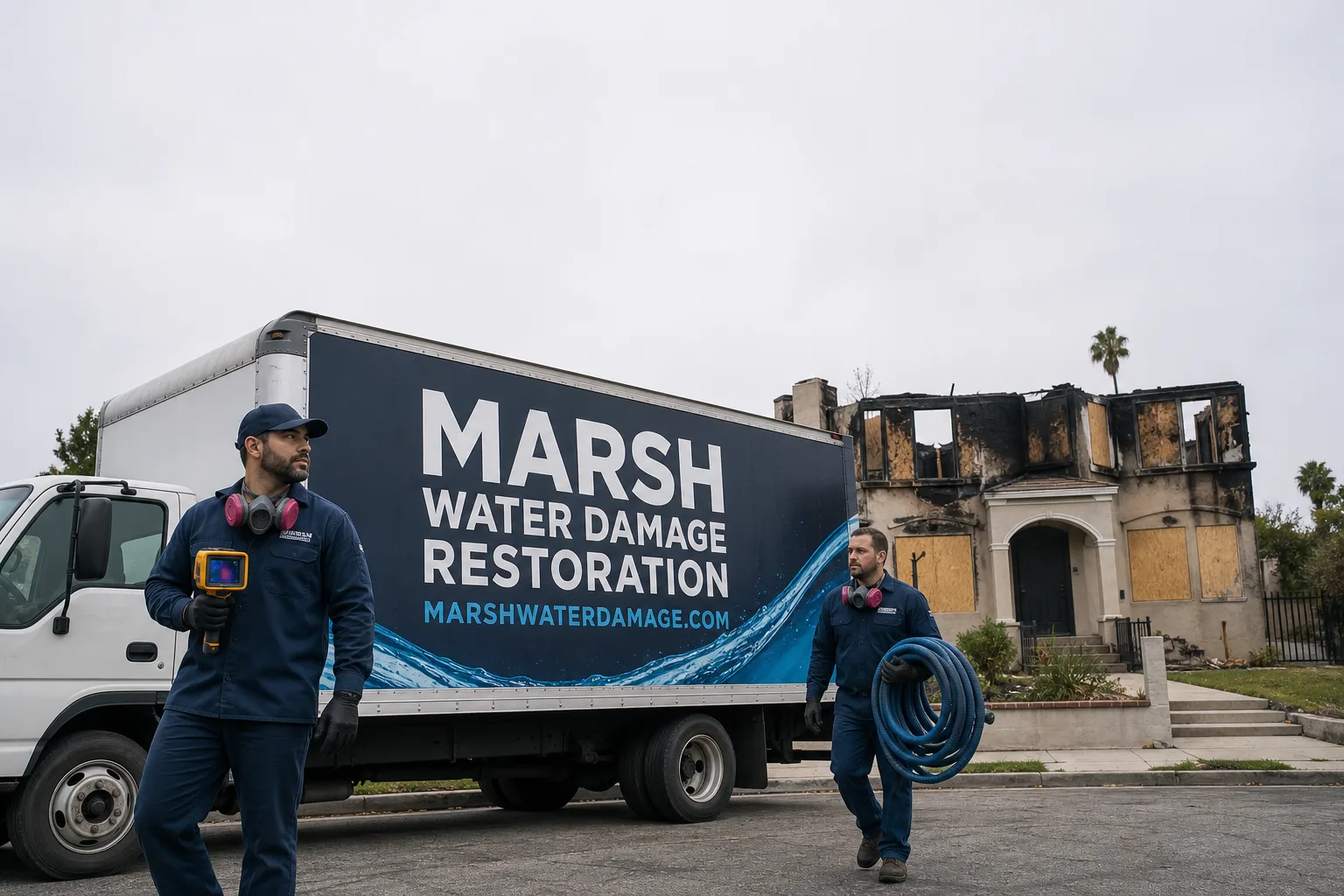
Free visual inspection and a written scope of work before any mitigation begins - photos, moisture readings, and drying logs go in your claim file
The scope we write is the scope we bill. Anything new gets shown to you, in writing, before we touch it.
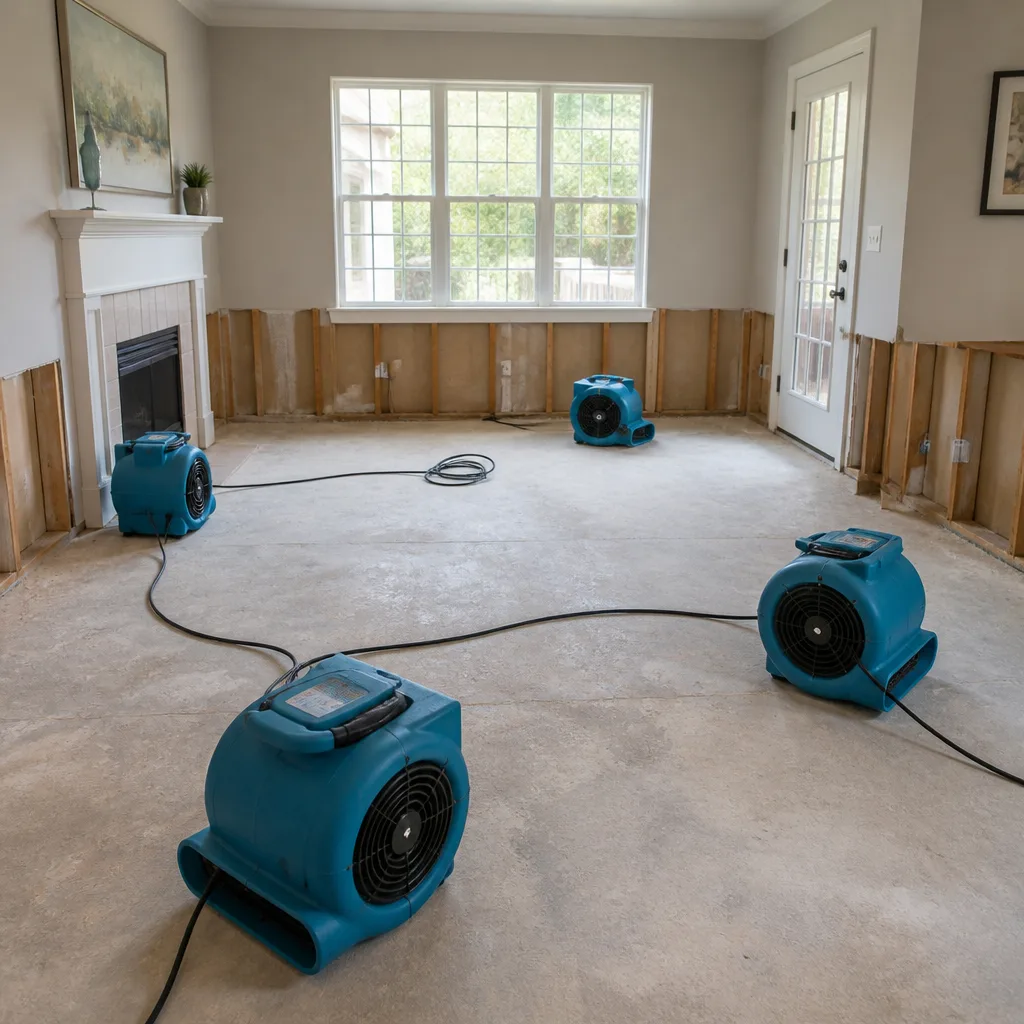



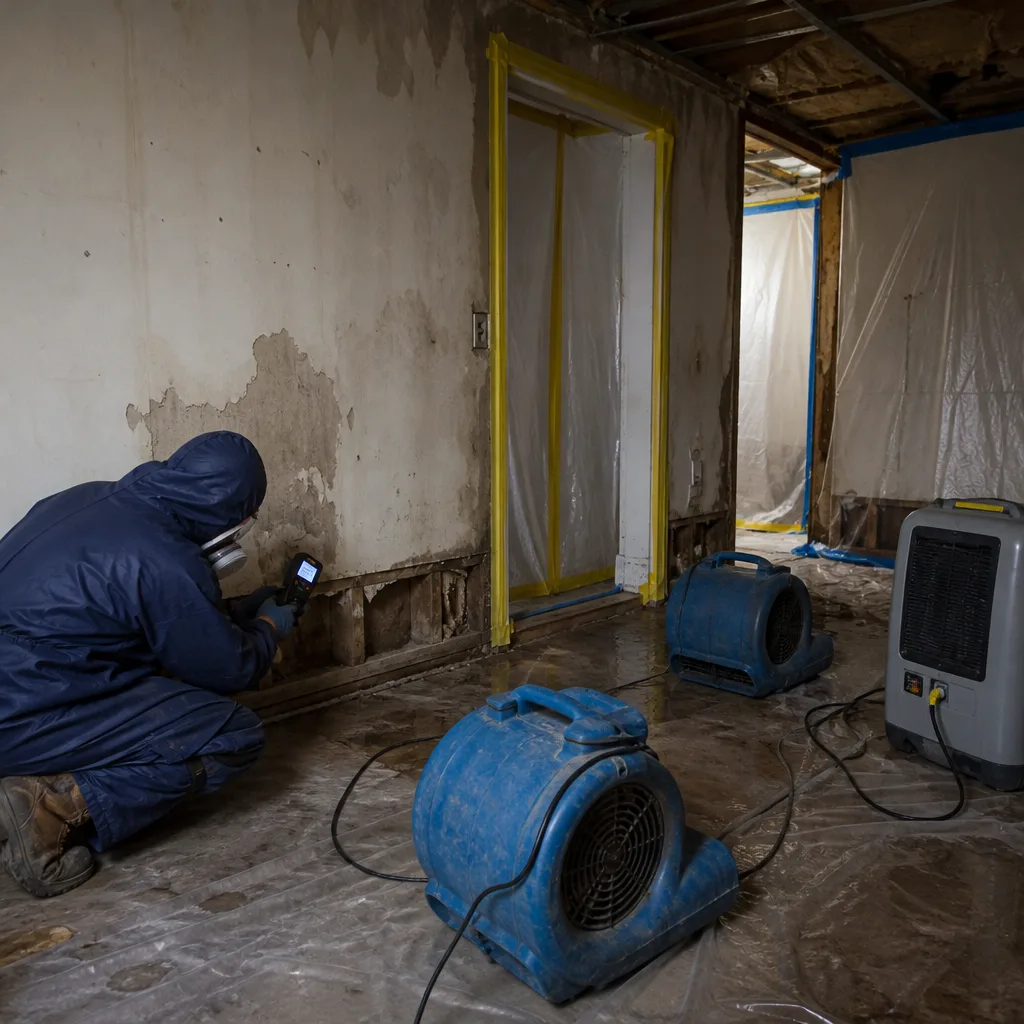 Before
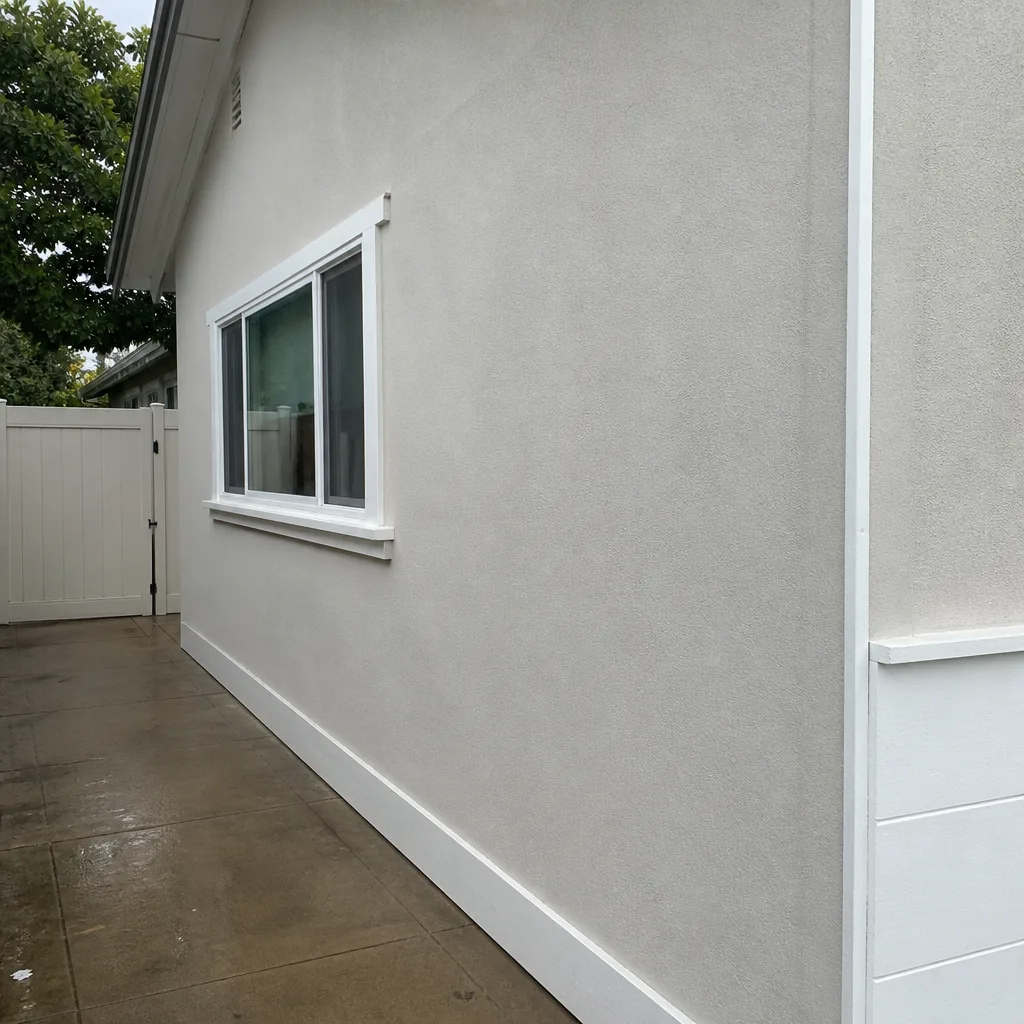 After
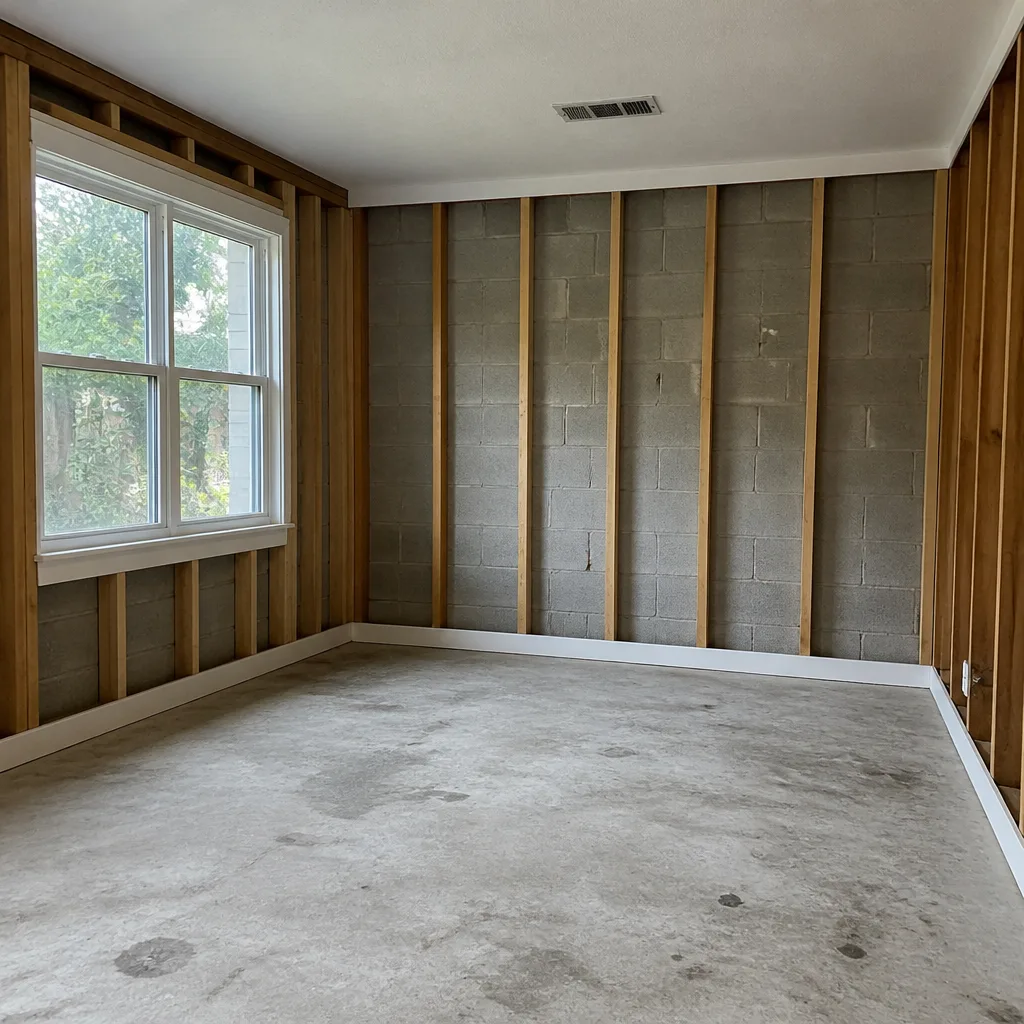
After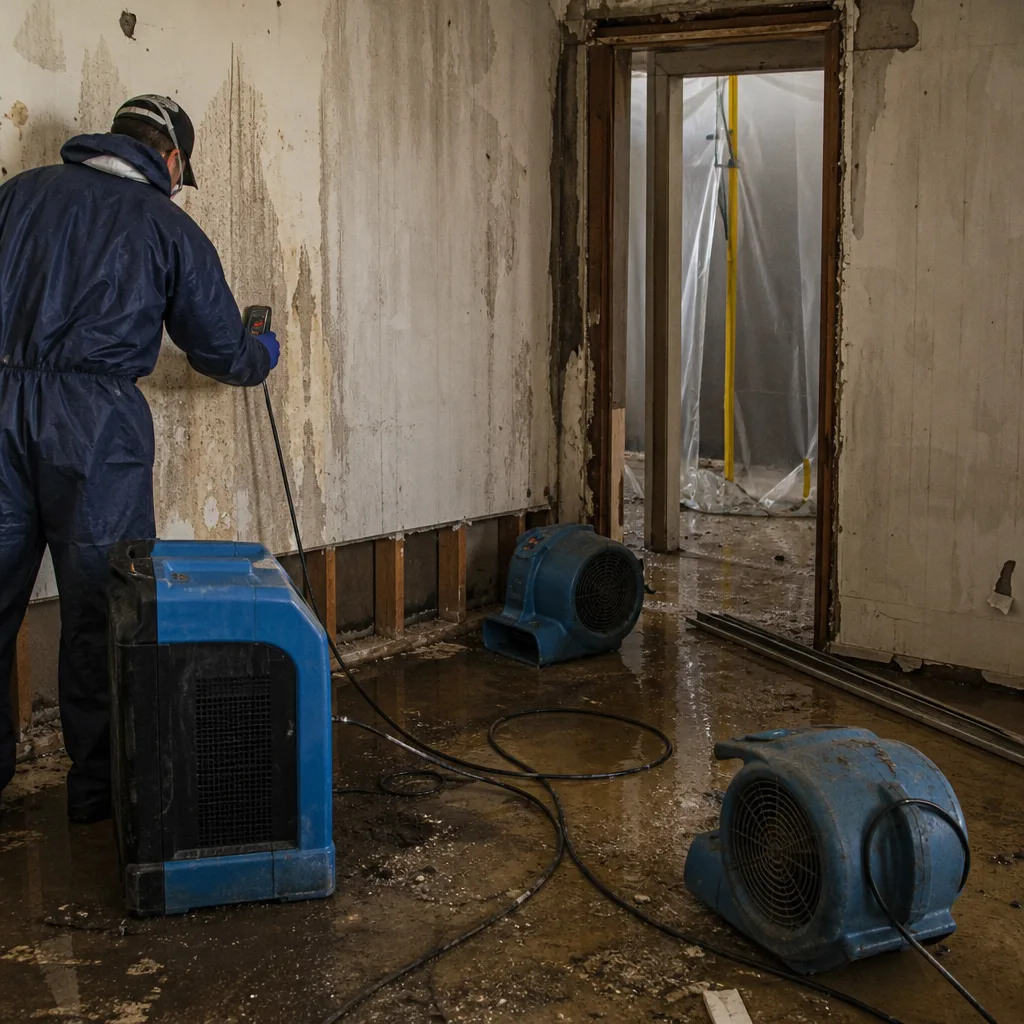 Before
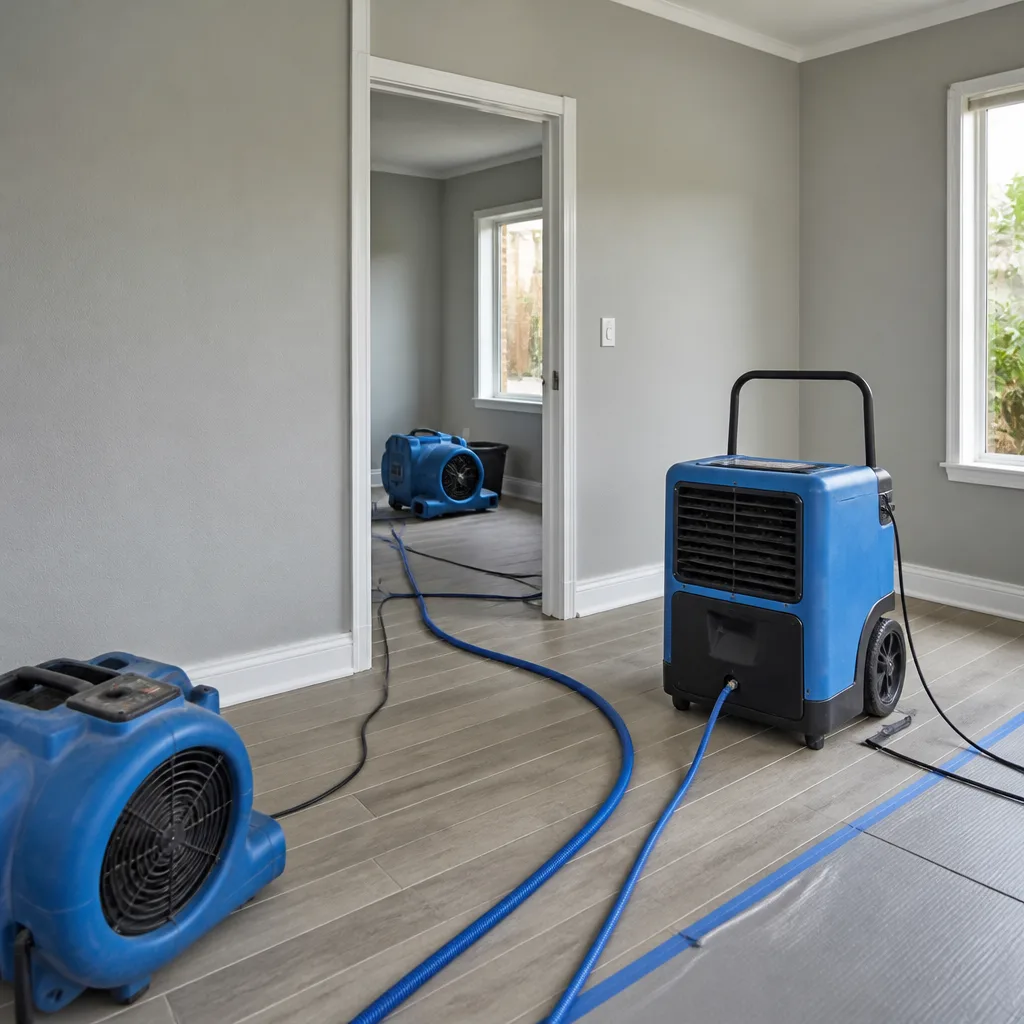 After
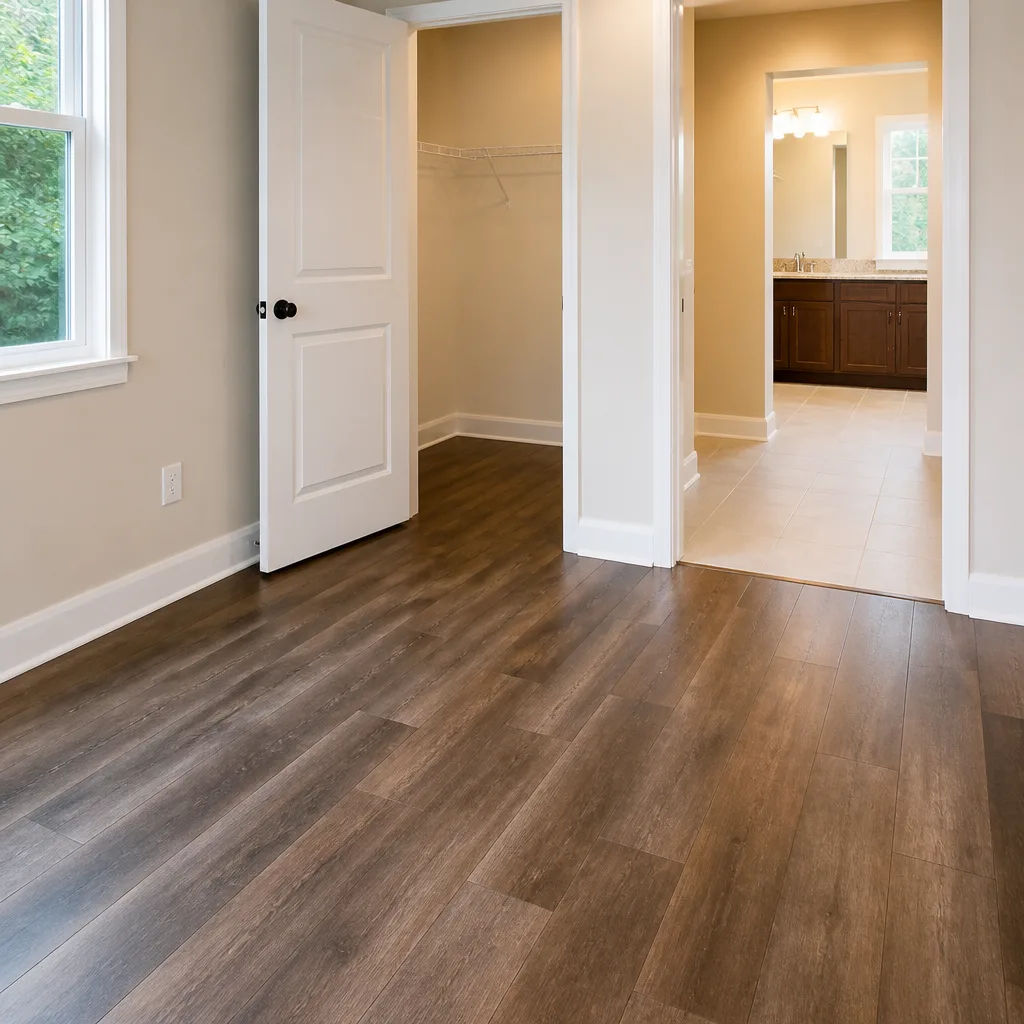
After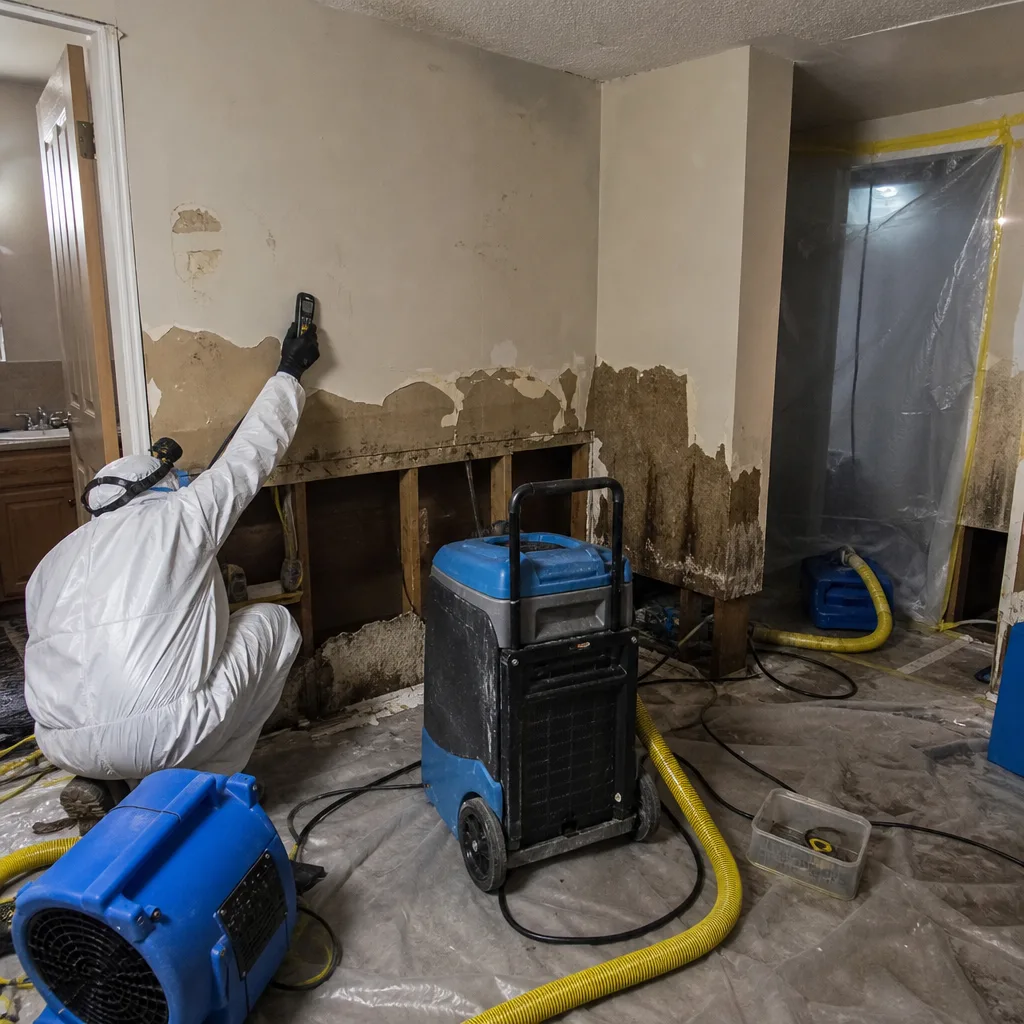 Before
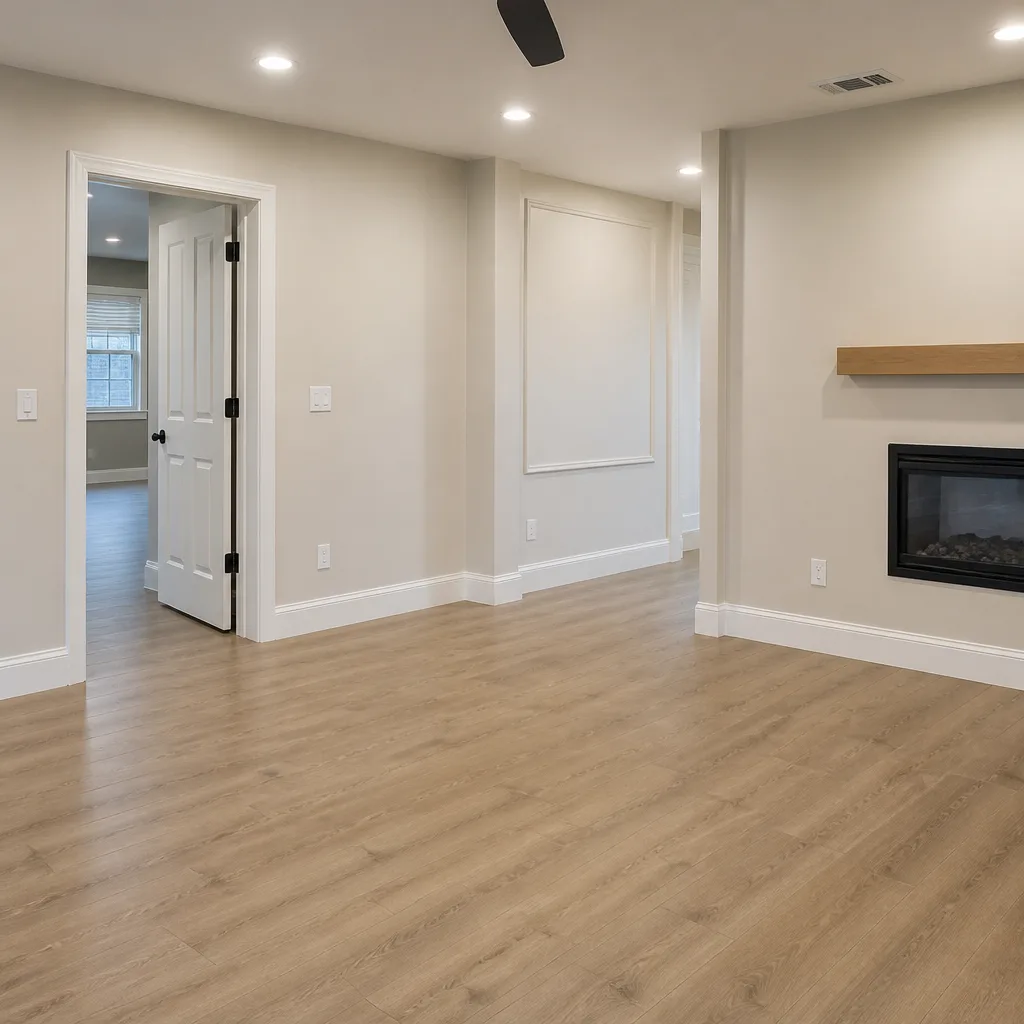 After
AfterFast, Reliable Storm Damage Restoration Across Homeland
Storm damage in Homeland hits differently than it does in Menifee or Hemet. Most of the homes here are manufactured or mobile, sitting on concrete pads or pier-and-beam systems, and when the San Jacinto Valley floor floods, water doesn’t pool on a slab the way it does in stick-built housing. It gets underneath. It wicks into belly wrap. We’ve been working on these structures since 2005, so we know exactly where to look and what to do. If storm water just got into your Homeland home, call (910) 613-6568 right now. A live person answers, day or night, and we’ll have a Threshold Verified crew dispatched to your address with names and photos sent to your phone before they arrive.
Why Marsh Water Damage Restoration Is Homeland’s Preferred Storm Damage Restoration Company
Homeland homeowners don’t have time to teach a restoration crew how manufactured homes work. Our technicians already know. The unincorporated parts of Riverside County around Ritter Street, Juniper Flats Road, and the communities off Highway 74 have a housing stock unlike anything in the surrounding cities. When we respond to a flood in Homeland, we’re not guessing at the structure. We’re checking the belly wrap, the OSB floor deck, the vinyl-composite wall assemblies, and the condition of the pad or pier system underneath. That’s the difference between a dry house and a house that looks dry.
Tobias Reyner leads our technical team, and every tech who steps onto a Homeland property has been background-checked, identity-verified, and photo-badged under the Threshold Standard. You get their name and photo before the knock. They show a badge at the door. No exceptions. Our crews carry commercial drying equipment from Phoenix, XPOWER, and Injectidry, and every job gets a written price before work starts. If it’s not right within 365 days, we make it right. Free second visit. Not something you argue for, something that’s printed on the work order.
Flood Cleanup in Homeland
Flood cleanup in Homeland means extracting standing water from homes that were not built to handle standing water. When the valley floor floods around Homeland’s manufactured home communities, the water moves fast and shallow, and it finds the lowest point under the home. What starts as a few inches of surface water on the floor of a home near Ritter Street can mean saturated belly wrap and a hidden moisture load that feeds mold for months. Most residential flood extractions in Homeland run between $1,200 and $4,800 depending on how far the water traveled and whether it reached the underbelly.
Extraction and moisture mapping
We start with commercial extraction pumps to pull standing water from the living space, then run moisture mapping across the floor, walls, and ceiling. The critical part in Homeland is what happens underneath the home. We take crawl-space moisture readings, not just surface readings, because a manufactured home can look bone dry on top while the belly wrap below is soaked and feeding mold into the OSB floor deck.
Underbelly and vapor barrier work
When storm water reaches the polyethylene vapor barrier under a Homeland mobile home, it doesn’t dry out on its own. We pull the failing material, dry the floor framing with Injectidry panels and Phoenix dehumidifiers, log moisture readings daily, and apply antimicrobial treatment to the framing. This is the step that gets skipped by crews who only know stick-built homes. We don’t skip it.
Flooded House in Homeland
A flooded house in Homeland is rarely just a wet carpet situation. Because so many homes here are manufactured on pier-and-beam or concrete pads, floodwater behaves differently than it does in a conventional Riverside County tract home. It travels through the belly, soaks the floor assembly from below, and often gets misattributed to a roof leak by restoration companies that never looked underneath. Water damage restoration on a flooded Homeland home typically runs $3,000 to $9,000 when the underbelly is involved, and most jobs are begun within hours of your call.
Structural drying for manufactured assemblies
Thin-wall vinyl-composite panels and OSB sheathing can’t be dried on a standard stick-built timeline. Over-drying these materials causes the panels to warp and trap moisture behind them. We use psychrometric readings (measuring the moisture in the air) to track when the structure is genuinely dry, not just dry on the surface. Drying times in Homeland’s manufactured homes often run longer than in conventional housing because the underbelly traps humidity.
Foundation and pad assessment
Homeland sits on expansive adobe clay that swells in winter rain and shrinks in 100°F+ summer heat. After a flood, that clay heaves and can crack pier-and-beam pads, opening pathways for water to come back. We inspect the foundation as part of every flooded house response in Homeland. If the pad moved, drying the interior won’t fix the problem. We document everything with photos and coordinate with your adjuster directly.
Trusted Brands We Service in Homeland
We service and operate restoration equipment from the brands Homeland homeowners already trust when it comes to drying performance. Our crews run Phoenix dehumidifiers and air movers on flooded manufactured homes because they’re built for tight, low-clearance underbelly spaces. We use XPOWER axial fans for rapid surface drying when a home just needs fast evaporation. And for the belly-wrap and floor-cavity work that defines storm damage restoration in Homeland, we run Injectidry panels that pull moisture from cavities without ripping out the entire floor. Parts and replacement units are stocked locally for Homeland customers, which means faster turnaround when equipment needs to be swapped mid-job.
Common Storm Damage Restoration Problems We See in Homeland Homes
- Saturated belly wrap under manufactured homes: Shallow valley-floor flooding wicks into the polyethylene vapor barrier under the home and breeds mold invisible from above. Homeowners get told it’s a roof leak until a crawl-space moisture reading exposes the real source.
- Cracked and heaving pier-and-beam pads: Homeland’s adobe clay soaks up winter rain, swells, and cracks the pads under older manufactured homes. That creates a hidden entry point for water long after the storm passes.
- Misdiagnosed flash flooding on the valley floor: Storm runoff funnels into the San Jacinto basin and pools around low-lying Homeland properties. Water that sits for more than 48 hours becomes a category 2 contamination problem requiring antimicrobial treatment, not just extraction.
- Over-dried vinyl-composite walls: Standard structural drying timelines used on stick-built drywall can ruin Homeland’s thin-wall manufactured assemblies. The panels warp, moisture gets trapped behind them, and mold grows inside the wall cavity.
Pricing for Storm Damage Restoration in Homeland, CA
We Also Serve Cities Near Homeland
Marsh Water Damage Restoration crews cover the entire San Jacinto Valley and surrounding Riverside County communities. We run Storm Damage Restoration jobs in Nuevo, Menifee, Hemet, and Winchester, with the same Threshold Verified techs and the same 365-Day Done Right Promise on every call. Dispatch is coordinated from our Inland Empire office, but the crews you’ll meet live and work locally in the Homeland area.
Serving Homeland, CA - Our Local Coverage Area
We’re based in the Homeland area and know this community well. Use the map below to see our service coverage - if you’re nearby, we can almost certainly help.
FAQs About Storm Damage Restoration in Homeland
My Homeland manufactured home flooded only a few inches – do I really need a belly-wrap inspection?
Yes, and this is the single most common mistake we see in Homeland. A few inches of water on the living space floor means water traveled under the home and entered the belly wrap. The surface can dry in a day while the underbelly stays wet for weeks, feeding mold into the OSB floor deck. A belly-wrap inspection takes about 30 minutes and tells us whether you have a simple drying job or a hidden moisture problem. Call (910) 613-6568 and we’ll check it before you spend money on interior-only remediation.
How fast does mold start after storm water gets into a Homeland home?
Mold can begin growing within 24 to 48 hours when moisture is trapped in a warm, dark space like a manufactured home’s belly wrap or wall cavity. Homeland’s summer heat speeds up the timeline because temperature drives microbial growth. The faster we get air movement and dehumidification into the affected area, the less mold you’ll deal with later.
Does my flood water get categorized differently because of Homeland’s clay soils?
It can. Storm water that sits on Homeland’s clay basin floor longer than 48 hours picks up soil bacteria, agricultural runoff, and whatever else the valley floor carries. That becomes category 2 or 3 water, which requires antimicrobial treatment and more thorough drying protocols. Water from a burst pipe inside your home is category 1 and much simpler to handle. We test water source and category on every flood job in Homeland and document it for your insurance claim.
Why do Homeland storm floods keep coming back to the same homes near the valley floor?
Because Homeland sits in a natural flood basin. The San Jacinto Valley funnels runoff from surrounding mountains during winter storms, and the low-lying properties near the valley floor catch that water repeatedly. The fix isn’t just drying the house, it’s identifying where the water entered and whether the pad or foundation has shifted. If the clay heaves and opens a gap under the home, the next storm finds it again. We document that in writing for your adjuster.
Can storm-damaged OSB and vinyl-composite walls in a Homeland mobile home be saved?
Often yes, if we get to them before the moisture saturation causes delamination. OSB floor decking and vinyl-composite wall panels can be dried in place using Injectidry panels and targeted dehumidification, but only if the moisture is caught within the first few days. After that, the adhesive bonds break down and the material loses structural integrity, which means replacement. We’ll give you a written assessment of what can be dried and what needs to be replaced before any work starts.
Call Marsh Water Damage Restoration in Homeland, CA
If storm water just found its way into your Homeland home, the fastest way to stop the damage is to call (910) 613-6568. A live person answers. You’ll get a Threshold Verified technician’s name and photo before they arrive, a written price before work begins, and a 365-Day Done Right Promise on every repair. We’ve been doing this since 2005, and we know Homeland’s manufactured homes, belly wraps, and clay foundations better than anyone. Call now for a free estimate.
Written by Tobias Reyner, Owner at Marsh Water Damage Restoration, serving Homeland and the San Jacinto Valley since 2005.