
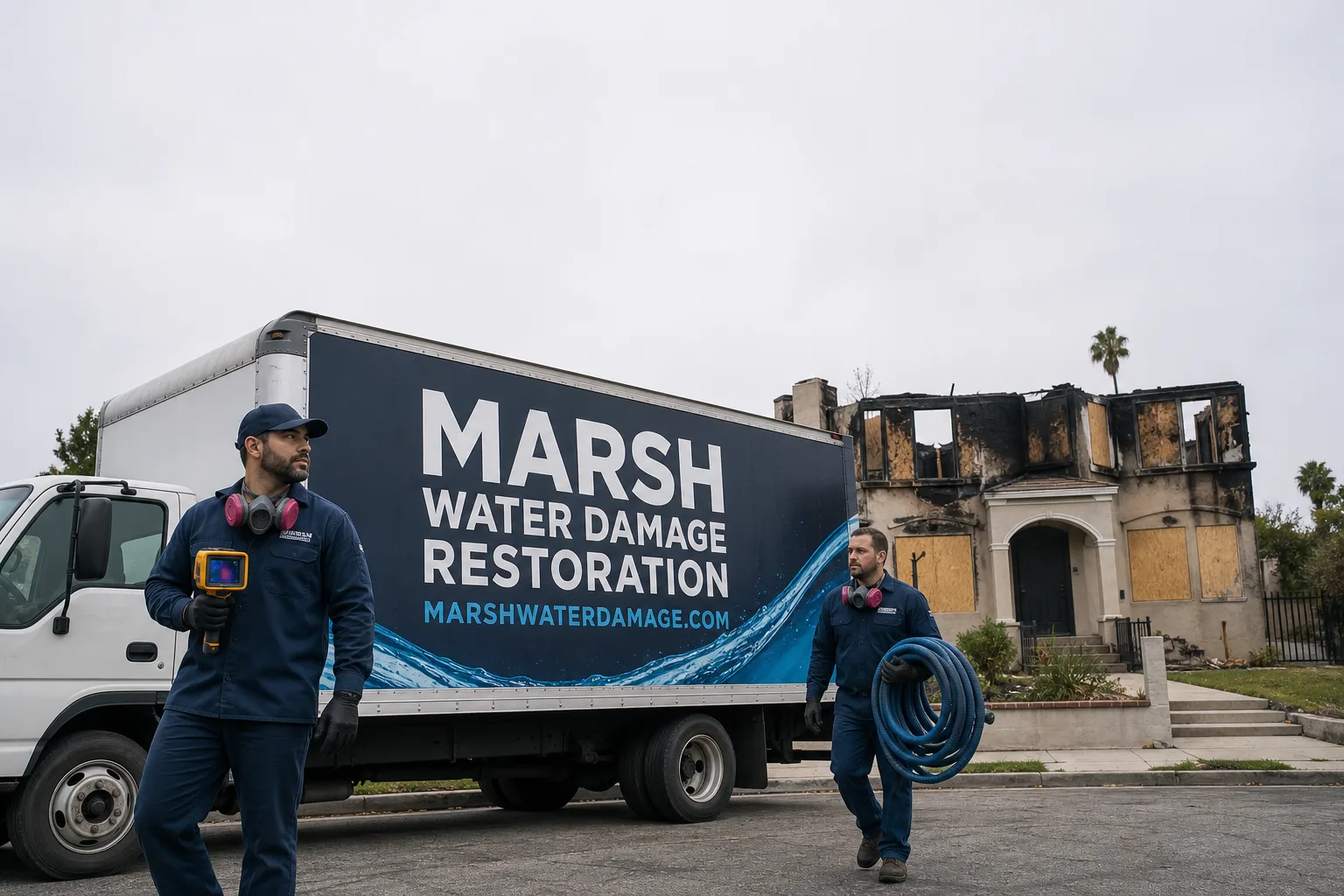
Free visual inspection and a written scope of work before any mitigation begins - photos, moisture readings, and drying logs go in your claim file
The scope we write is the scope we bill. Anything new gets shown to you, in writing, before we touch it.
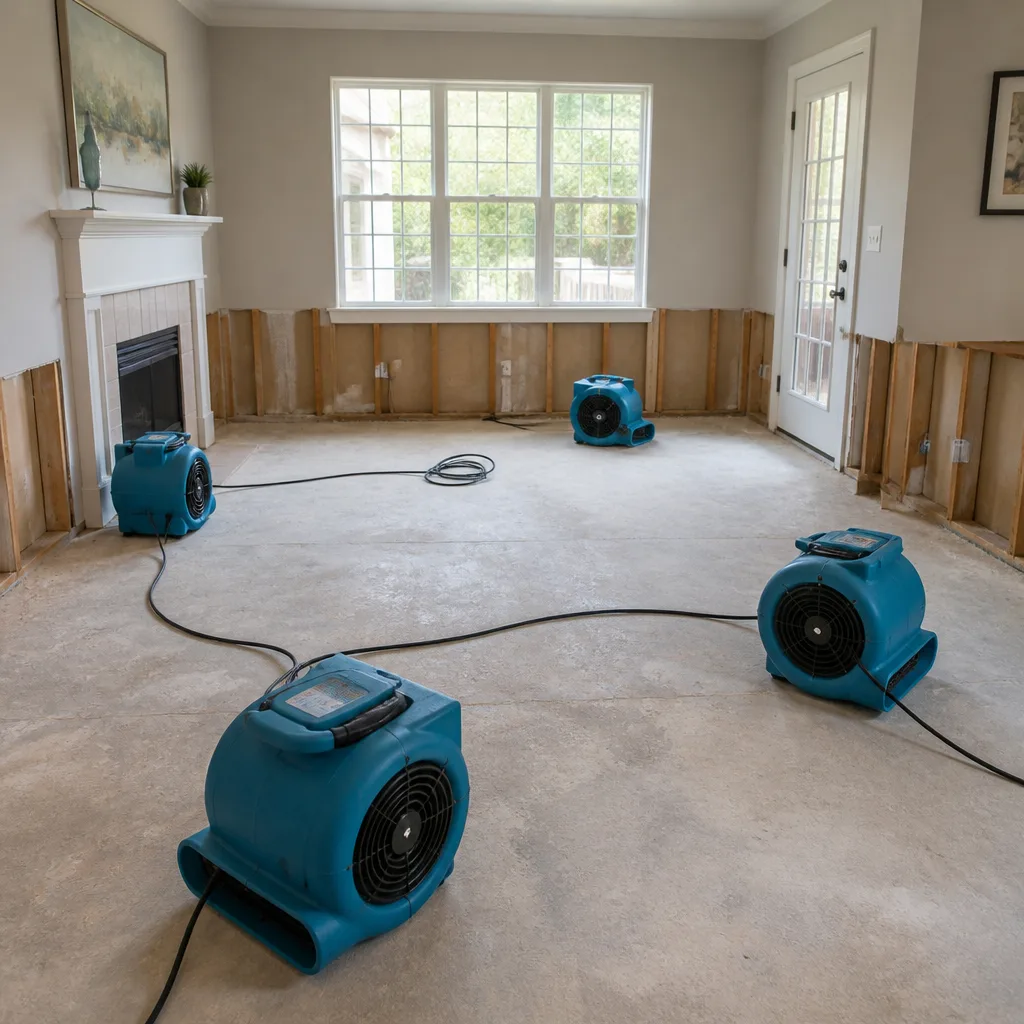
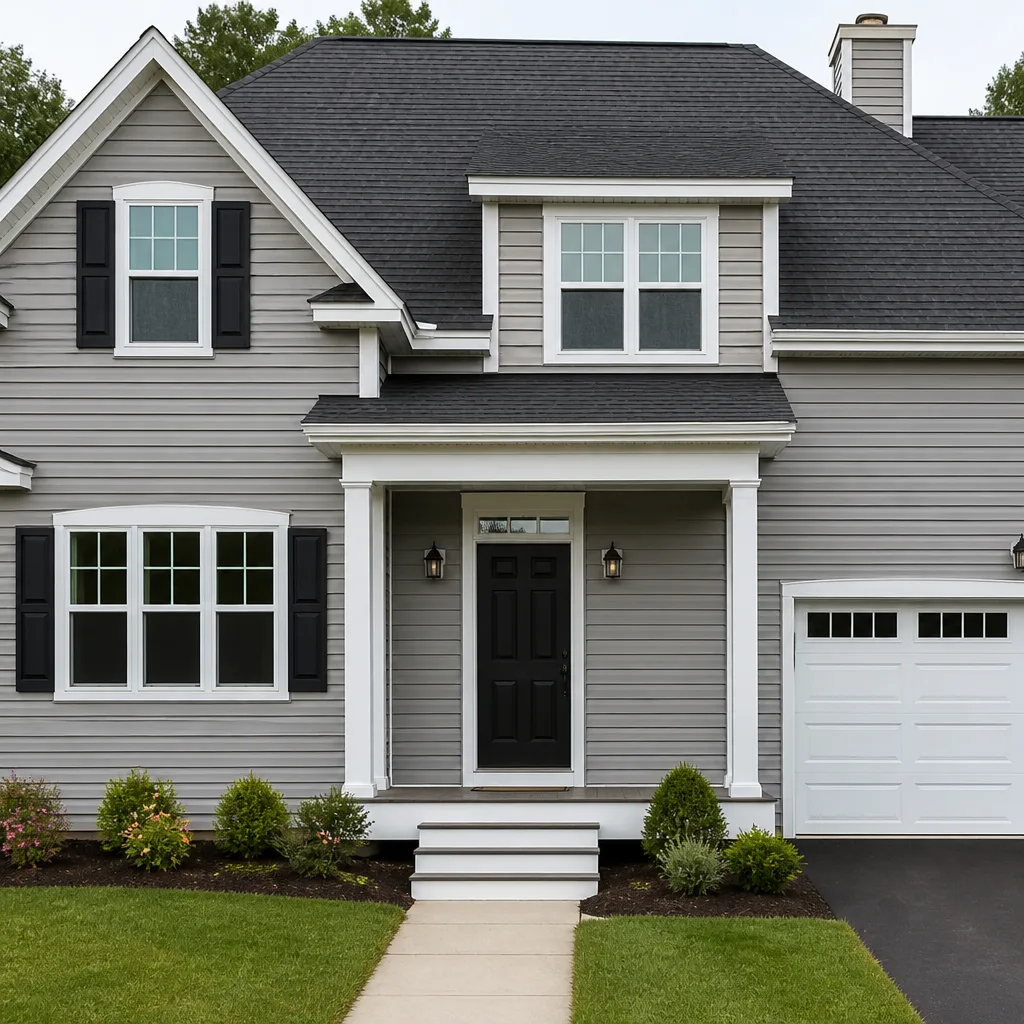
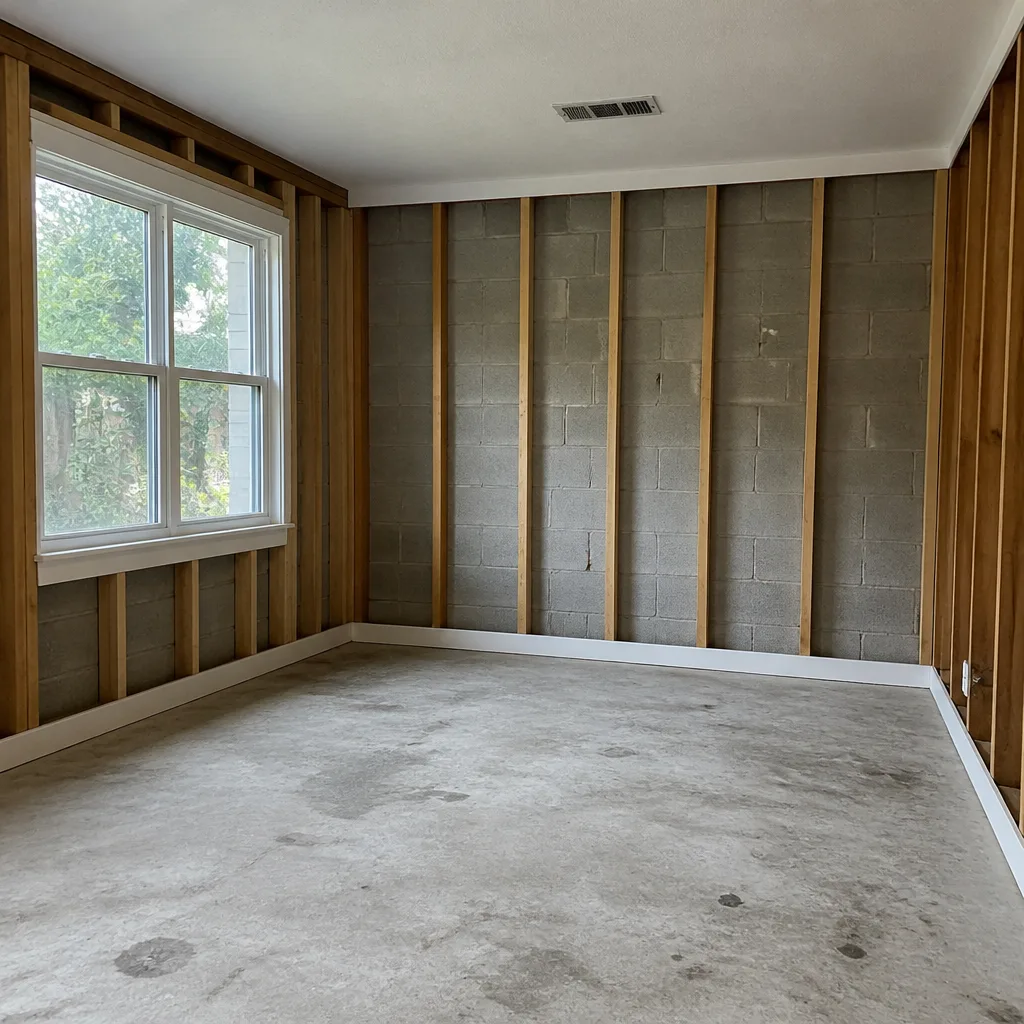
 Before
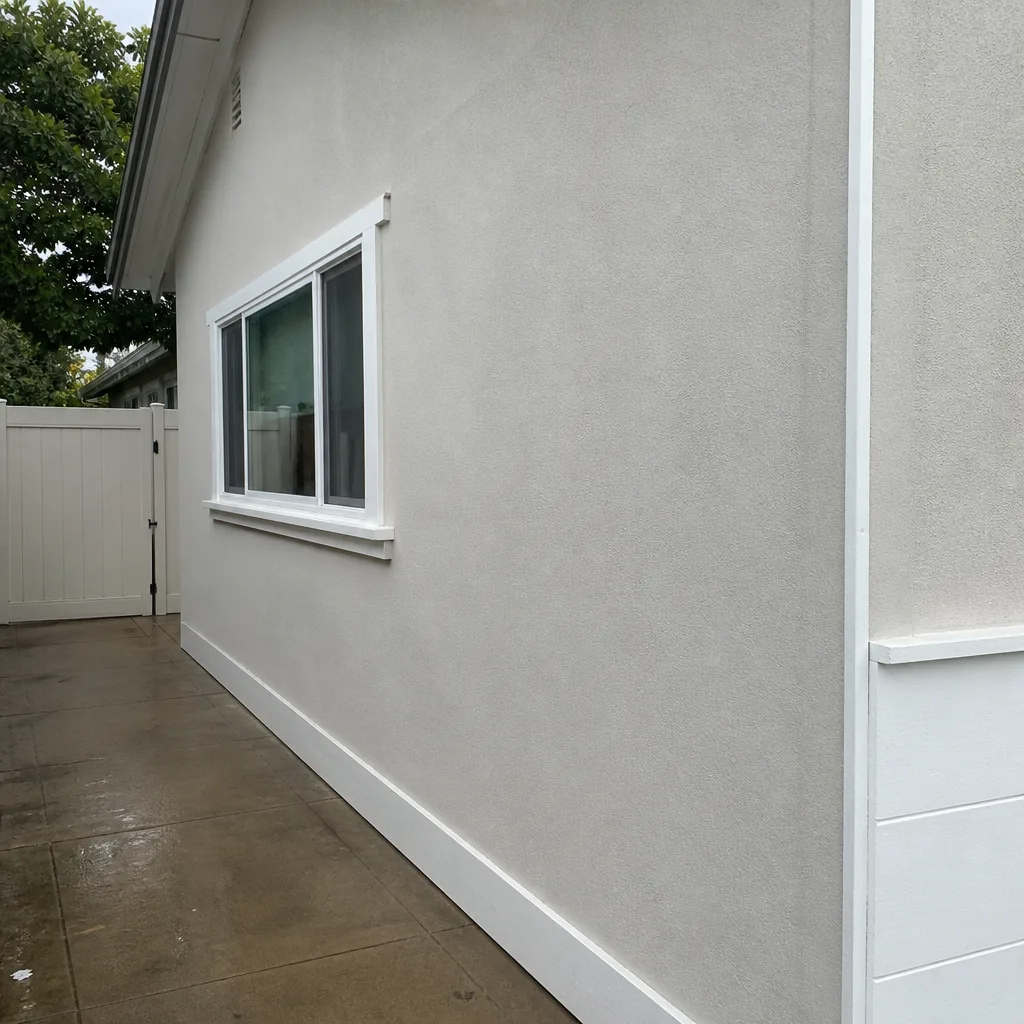 After
After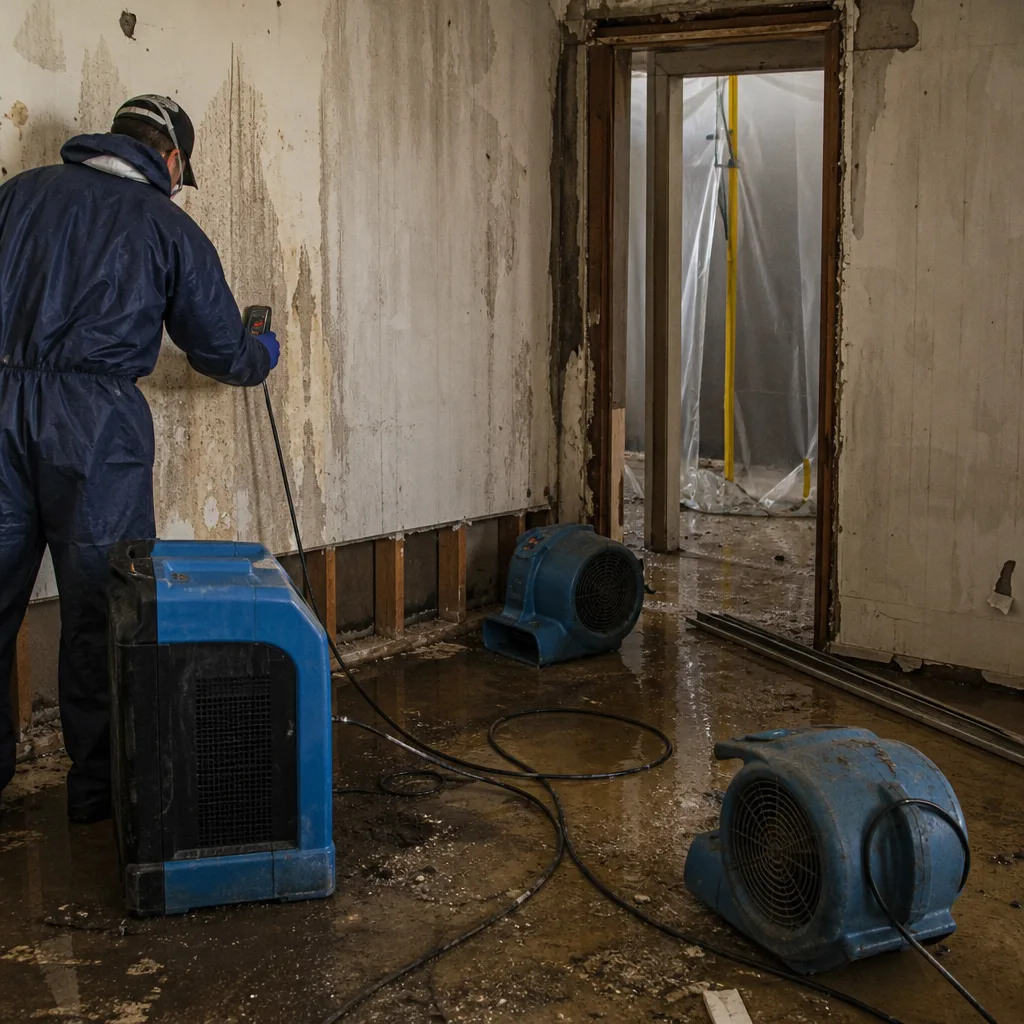 Before
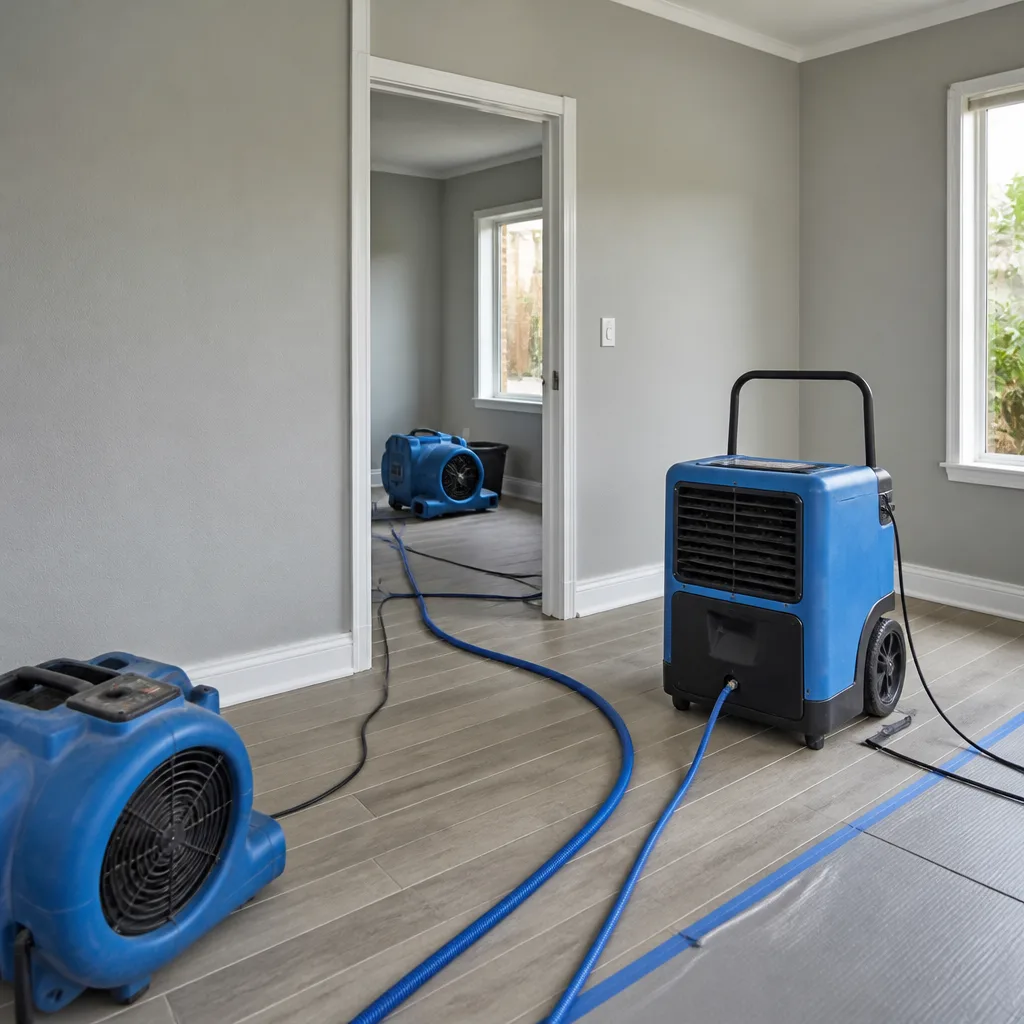 After
After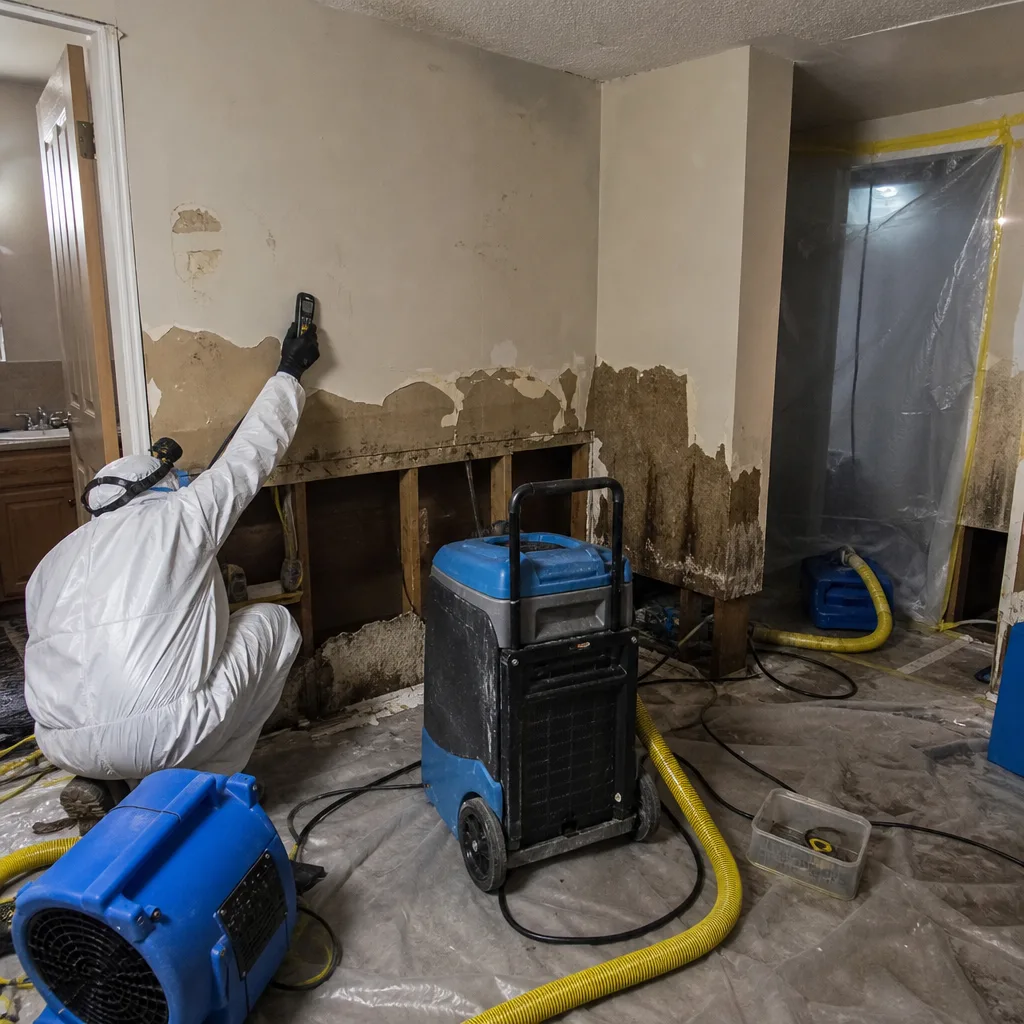 Before
 After
AfterFast, Reliable Storm Damage Restoration Across Pleasantville
Storm damage in Pleasantville moves fast. A Nor’easter pushes runoff off the Westchester hills, the Saw Mill River rises, and within hours a fieldstone basement has taken on water that’s already wicking sideways through the masonry. Our crews reach Pleasantville homes quickly because we know exactly how the valley drains and where the water goes. If your roof, foundation, or exterior door just took a hit, call (910) 613-6568. A live person answers, nights and weekends included, and we’ll tell you who’s coming to your door before they knock.
This page is about storm damage restoration the way it actually happens in Pleasantville: older homes, fieldstone foundations, plaster ceilings, and a drying clock that runs differently than it does in newer Westchester towns.
Key Takeaways for Pleasantville Homeowners
- Most storm cleanup in Pleasantville runs $1,800 to $6,400 for a typical basement flood event; full restoration after structural damage can reach $15,000+.
- Pleasantville’s pre-WWII housing stock holds storm water longer than modern construction, so drying timelines often run 3 to 5 days longer than a contractor’s standard estimate.
- Fieldstone foundations wick moisture laterally beyond the visible stain. If your restoration crew only uses thermal imaging, they’ll miss the wet masonry behind the plaster.
- Marsh Water Damage Restoration sends a background-checked, photo-badged technician by name and photo before arrival, every time.
Why Marsh Water Damage Restoration Is Pleasantville’s Preferred Storm Damage Restoration Company
We’ve worked enough Pleasantville flood and ice-dam losses to know the failures that repeat here. Village-center homes off Bedford Road and Manville Road, Colonials near Nannahagan Park, older stock up toward the Jacob Burns Film Center: the construction is similar across most of the village, and so are the failure modes. Fieldstone foundations without dampproofing. Original plaster-and-lath ceilings that stay wet long after the surface reads dry. Roof decking from the 1920s that channels ice-dam meltwater behind exterior walls. We plan for these before we set up equipment.
Tobias Reyner leads our restoration team and has made photo-verified dispatch a non-negotiable on every Pleasantville job. Homeowners who are home alone, parents putting kids to bed, older residents who don’t want to open the door to a stranger: they get the technician’s name, photo, and background-check confirmation before the visit. Then the tech shows a photo ID badge at the door. That’s the Threshold Verified standard, and it applies to every single visit, not just the first impression.
Our Storm Damage Restoration team holds IICRC, RIA, and IFA credentials, and we run Dri-Eaz, Phoenix, and XPOWER equipment on residential losses: the same professional-grade drying tools used on commercial flood jobs. Every job gets a written price before any work starts, a written guarantee on the repair, and a free second visit if something isn’t right within the year. That’s the 365-Day Done Right Promise, printed on every work order we’ve written since 2005.
Storm Damage Cleanup in Pleasantville
Storm Damage Cleanup in Pleasantville means removing what the storm pushed in: standing water, saturated debris, wind-blown materials, mud and silt from the Saw Mill River corridor, and the soaked drywall, plaster, or insulation that follows. It’s the first stage of restoration, and it has to happen fast before categories of water contamination escalate. A typical Pleasantville basement cleanup runs $1,800 to $4,200 when the water is clean and the damage is contained. If Category 3 water, the kind that carries river overflow or sewage, is involved, the work scope jumps and so does the price: $4,500 to $8,000 is common for a full contaminated-water cleanup with antimicrobial treatment and disposal.
Extraction and Initial Drying
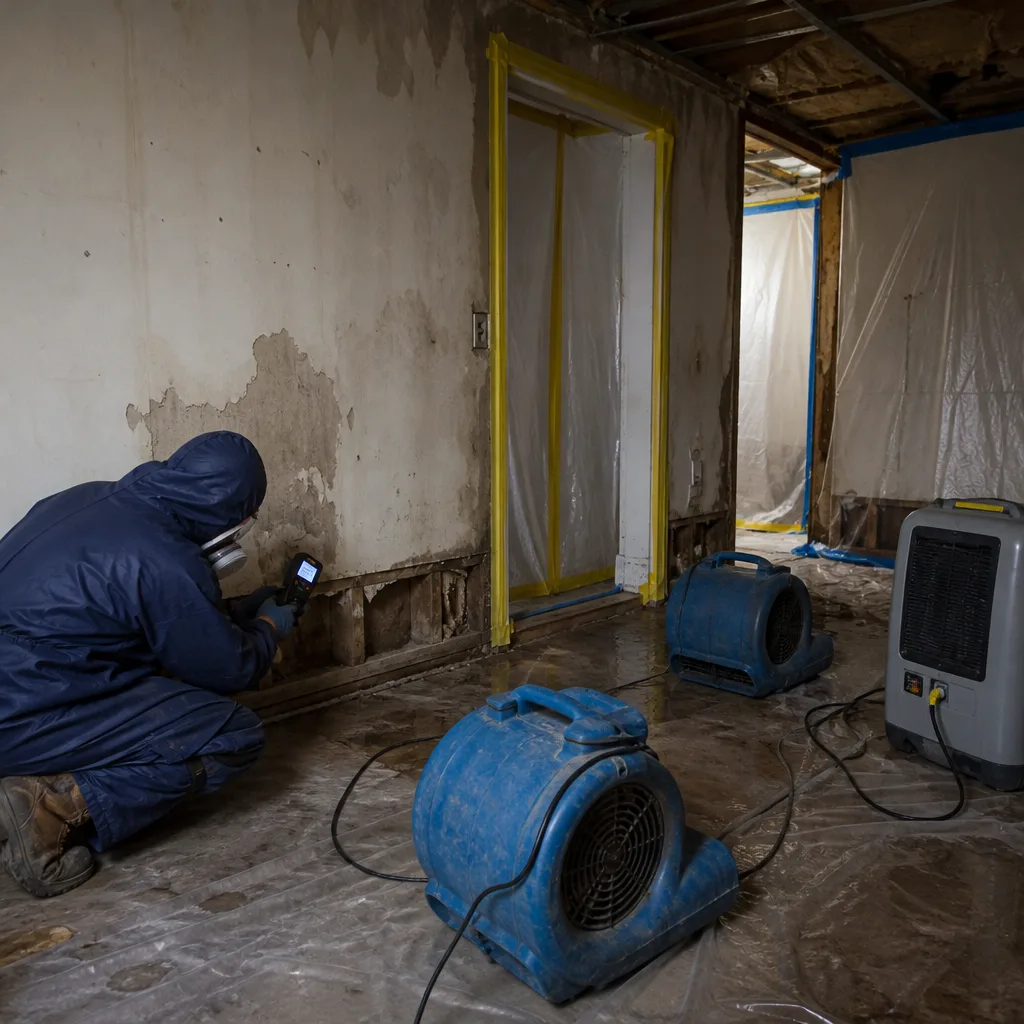
We start by figuring out where the water actually is, not just where it’s pooled. That means probing the fieldstone, checking behind baseboards, and pulling moisture readings from the masonry itself, not just the drywall surface. In Pleasantville’s older stock, the water has usually traveled farther than the visible stain suggests.
Storm Debris and Contamination
Wind-driven rain through a broken window or failed exterior door often carries silt, leaves, and roof grit into the house. When the Saw Mill River corridor floods, that water brings everything it’s touched. We treat contamination by the category the water actually falls into, and we scope the job truthfully before any demo starts.
Flood Cleanup in Pleasantville
Flood Cleanup in Pleasantville is a specialized subset of storm restoration, and it’s the one most tied to the valley floor. Homes near the Saw Mill River, lower-lying streets feeding down from Chappaqua and Briarcliff Manor, and basements with original stone foundations all share the same vulnerability: runoff channels in fast, and the masonry doesn’t let it go. A typical basement flood cleanup in Pleasantville runs $2,200 to $6,400 depending on square footage, water category, and how long the water sat before we arrived. The extraction itself is fast; the drying is what takes time.
Fieldstone Foundation Drying
Modern concrete block dries from the surface inward. Fieldstone doesn’t. The stone and original lime mortar hold water in a way that fools standard moisture meters set for modern substrates. We monitor masonry moisture daily, not just the drywall, and we run drying equipment past the point where the drywall reads dry. In Pleasantville, that extra time is the difference between a closed job and a mold problem six months later.
Plaster-and-Lath Ceilings and Walls
Water loves plaster. It soaks in, travels, and stays. Many Pleasantville homes still have their original plaster-over-lath interiors, and those surfaces hold storm water for days longer than modern drywall. A drying log that closes on the drywall timeline will close too early on a Pleasantville plaster house. We log moisture readings from the masonry, the lath, and the plaster itself before we call a job dry.
Trusted Brands We Service in Pleasantville
We stock and service the pro-grade equipment Pleasantville jobs actually require. Our drying setups run Dri-Eaz dehumidifiers, Phoenix air movers and dehumidification units, and XPOWER axial fans on smaller cavities. When a Pleasantville homeowner needs a specific fan or dehumidifier part, we can usually have it on the truck rather than ordered in, because we keep local parts available for the equipment we know these older homes demand. That matters when the drying clock is already running against you.
Common Storm Damage Restoration Problems We See in Pleasantville Homes
- Fieldstone foundation wicking. Water enters through the stone and mortar and travels laterally well past the visible damage zone. Standard thermal imaging won’t catch it; only probing the masonry itself will show how far the moisture has spread.
- Ice-dam meltwater behind original cedar or slate sheathing. Pleasantville’s steep older roofs generate recurring ice dams from January through March, and the meltwater often tracks behind exterior walls before it shows up as a ceiling stain. By then the water category has shifted and more material has to come out.
- Drying logs that close too early on plaster. Plaster-over-lath holds water for days longer than modern drywall. Contractors who don’t know Pleasantville’s older stock close the job when the surface reads dry, then the mold blooms behind the lath weeks later.
- Wind-rated door failures before the storm even hits. A failing exterior door on a Bedford Road or Manville Road home lets wind-driven rain into the envelope during a Nor’easter, which converts a simple repair into a full mitigation job. Reinforcing the door before the storm is cheaper than restoring the house after it.
Pricing for Storm Damage Restoration in Pleasantville, NY
Let’s talk actual numbers. A typical storm cleanup with clean-water extraction in Pleasantville runs $1,800 to $4,200. A contaminated flood cleanup with antimicrobial treatment and disposal usually lands between $4,500 and $8,000. Full storm restoration that includes structural drying, plaster or drywall replacement, and trim repair commonly runs $6,000 to $15,000, and a severe ice-dam event with roof decking and wall cavity work can exceed $20,000. What moves the price: the number of affected rooms, the water category, whether the fieldstone foundation has wicked moisture beyond the visible zone, and how long the water sat before extraction started. We put the price in writing before any work begins, and we don’t change it after demo uncovers more. Call (910) 613-6568 for a free estimate on your Pleasantville storm loss.
We Also Serve Cities Near Pleasantville
If you’re in Thornwood, Chappaqua, Briarcliff Manor, or Valhalla, our Storm Damage Restoration team covers those communities too. The housing stock differs slightly, but the valley drainage patterns and storm behavior are similar enough that our drying approach transfers directly. Learn more about how we serve the broader area on our Pleasantville page.
Serving Pleasantville, NY - Our Local Coverage Area
We’re based in the Pleasantville area and know this community well. Use the map below to see our service coverage - if you’re nearby, we can almost certainly help.
FAQs About Storm Damage Restoration in Pleasantville
Drying in Pleasantville takes longer because of the pre-WWII construction: original plaster-over-lath walls, fieldstone or poured-concrete foundations without modern dampproofing, and old-growth timber framing that absorbs water slowly and releases it even slower than modern kiln-dried lumber. A post-1980s home in Chappaqua or Briarcliff Manor built with drywall and modern concrete block might dry in 3 to 4 days. A Pleasantville village-center home with plaster walls and a fieldstone foundation commonly needs 5 to 8 days, sometimes more if the masonry has wicked laterally. If your contractor’s drying log closes on the drywall timeline, the stone is still wet, and that wet stone will feed mold behind the plaster for months. Call (910) 613-6568 and ask us to look at the masonry, not just the surface.
A failing exterior door before a Pleasantville Nor’easter means wind-driven rain is going to get into your house, full stop. Pleasantville sits in a valley that channels wind and runoff from the surrounding hills, and a door that’s lost its seal, rotted at the threshold, or is no longer square in its frame won’t hold back the pressure-driven rain that accompanies these storms. The water enters the wall cavity, soaks the insulation, and runs down into the basement or the floor below. What starts as a door repair becomes a wall-cavity drying job and possibly a contaminated-water cleanup. We recommend addressing door reinforcement before storm season rather than after the envelope has already failed. If the storm has already hit, call us: we’ll assess the envelope, extract what’s entered, and scope the drying truthfully.
No. Thermal imaging finds temperature differences, and in Pleasantville’s older homes, fieldstone foundations and lime mortar often hold water at close to the same temperature as the surrounding stone, so the thermal signature is weak or nonexistent. The water is there, but the camera won’t see it. Technicians have to probe the masonry directly with moisture meters designed for dense substrates, and they have to do it at multiple depths, because the moisture has often wicked laterally well past the visible stain. We’ve seen jobs where a thermal scan read clean and the fieldstone was saturated two feet beyond the damage zone. That’s why our crews probe the stone on every Pleasantville flood or storm job, not just the ones where the camera suggests a problem.
Mold can begin growing within 24 to 48 hours after a storm leak in Pleasantville, especially in the older homes where plaster and fieldstone hold moisture. The indoor humidity in a closed-up valley home after a Nor’easter is often high, and the old-growth lumber and original plaster provide exactly the food and moisture mold needs. The portion of the house that’s affected also matters: a wall cavity behind original cedar roof sheathing can stay damp for weeks without anyone seeing it, and mold will be well underway by the time a stain appears. The faster you start extraction and drying, the less mold remediation becomes necessary. Call (910) 613-6568 as soon as the water is discovered.
Ice-dam meltwater starts out clean, but by the time it reaches your Pleasantville ceiling, it rarely counts as Category 1. The water travels from the roof deck, behind exterior walls, through old insulation and past dust, rodent debris, and decades of accumulated attic material. Under IICRC water classification standards, water that has traveled through building materials and picked up contaminants is often Category 2, and if it’s sat in the wall cavity long enough to breed bacteria, it can present as Category 3. That distinction changes what has to come out and what the cleanup costs. We scope ice-dam jobs by the actual water category at the time of inspection, not the category it was when it started as snowmelt on the roof. For an honest assessment in Pleasantville, call (910) 613-6568.
Contact Marsh Water Damage Restoration in Pleasantville
We’re Marsh Water Damage Restoration, founded in 2005 as part of the Threshold Group family. Every technician we send to Pleasantville is background-checked, identity-verified, uniformed, and photo-badged, and you’ll see their name and photo before they arrive. We show up fast, we scope the job truthfully, and we put the price in writing before any work begins. If the repair isn’t right within 365 days, we make it right, with a free second visit included automatically. For storm damage restoration in Pleasantville, call (910) 613-6568 for a free estimate. A live person answers, day or night.
Written by Tobias Reyner, Owner at Marsh Water Damage Restoration, serving Pleasantville since 2005.