
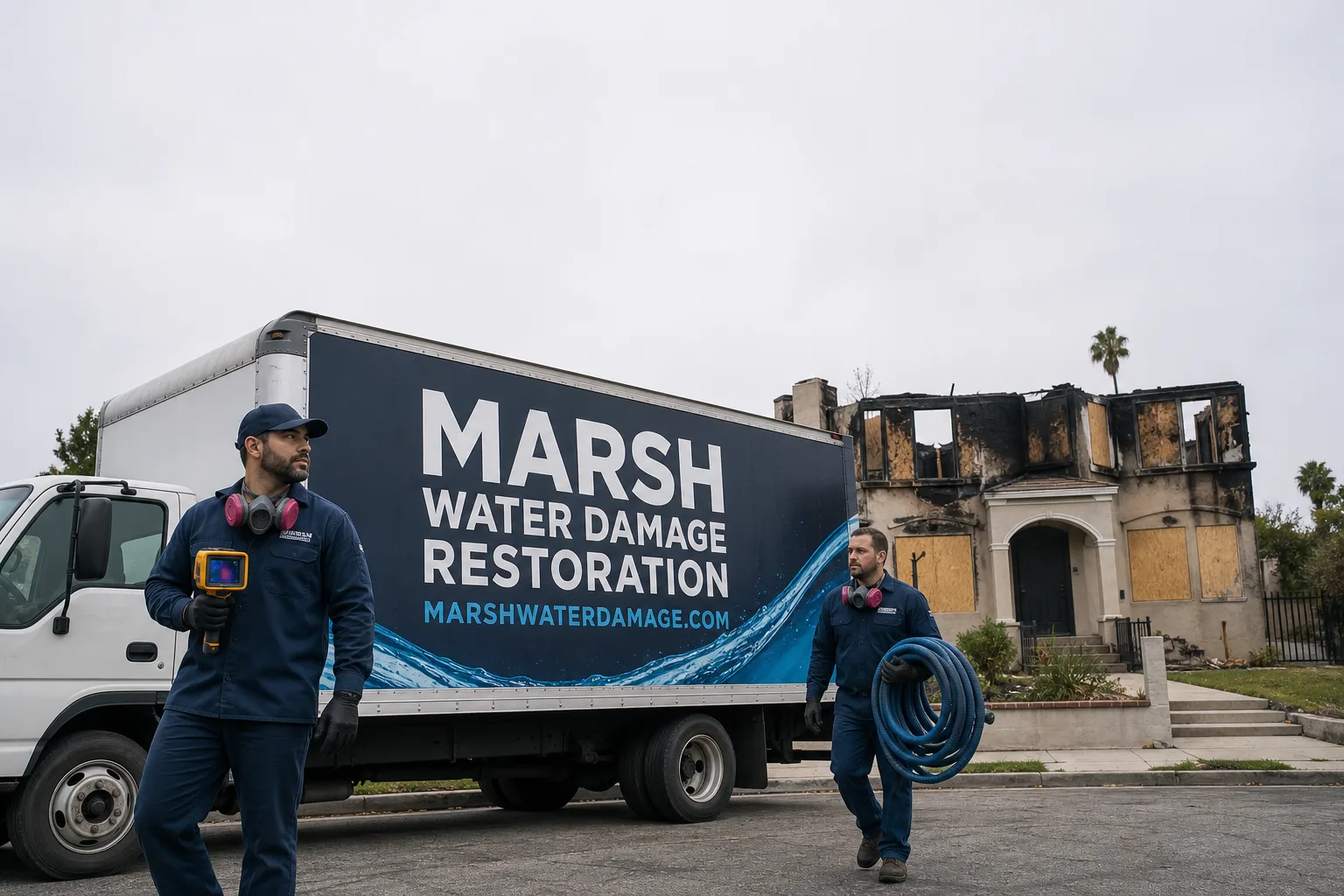
Free visual inspection and a written scope of work before any mitigation begins - photos, moisture readings, and drying logs go in your claim file
The scope we write is the scope we bill. Anything new gets shown to you, in writing, before we touch it.
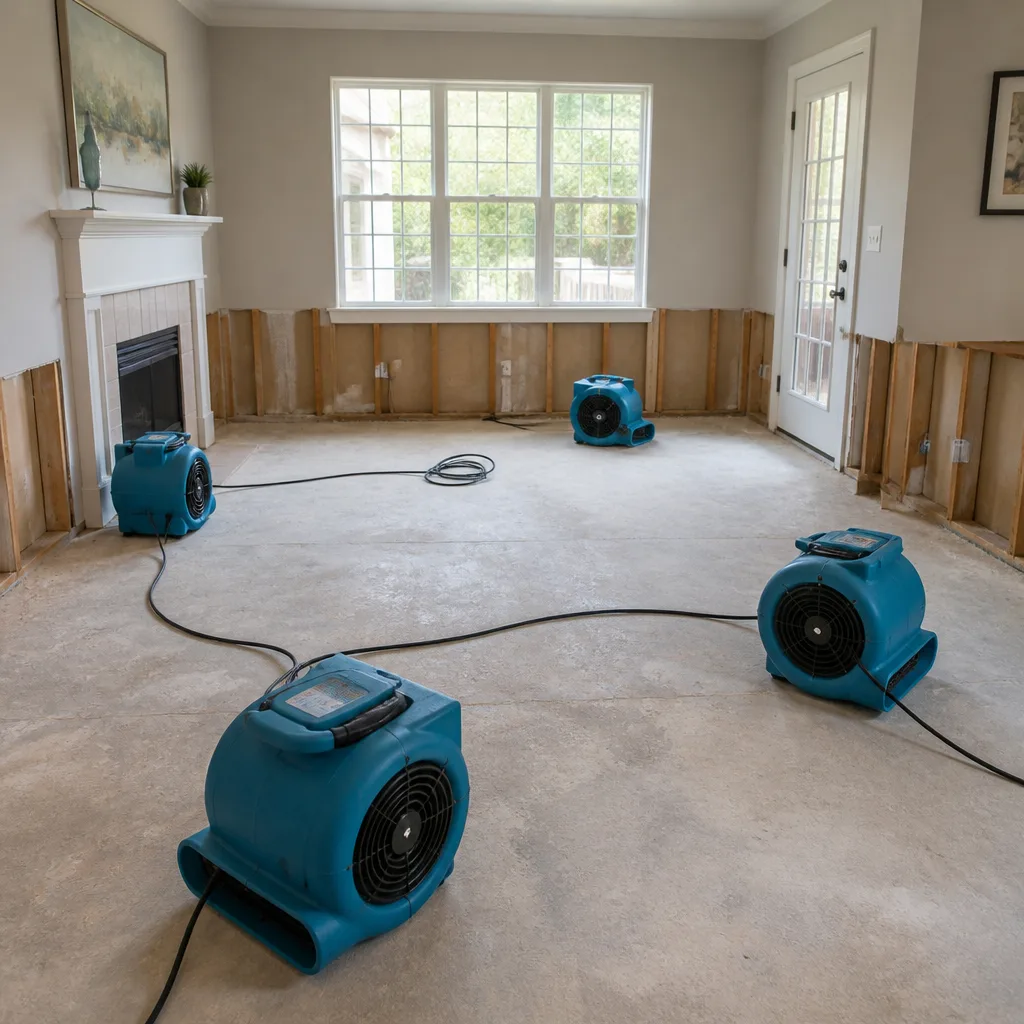
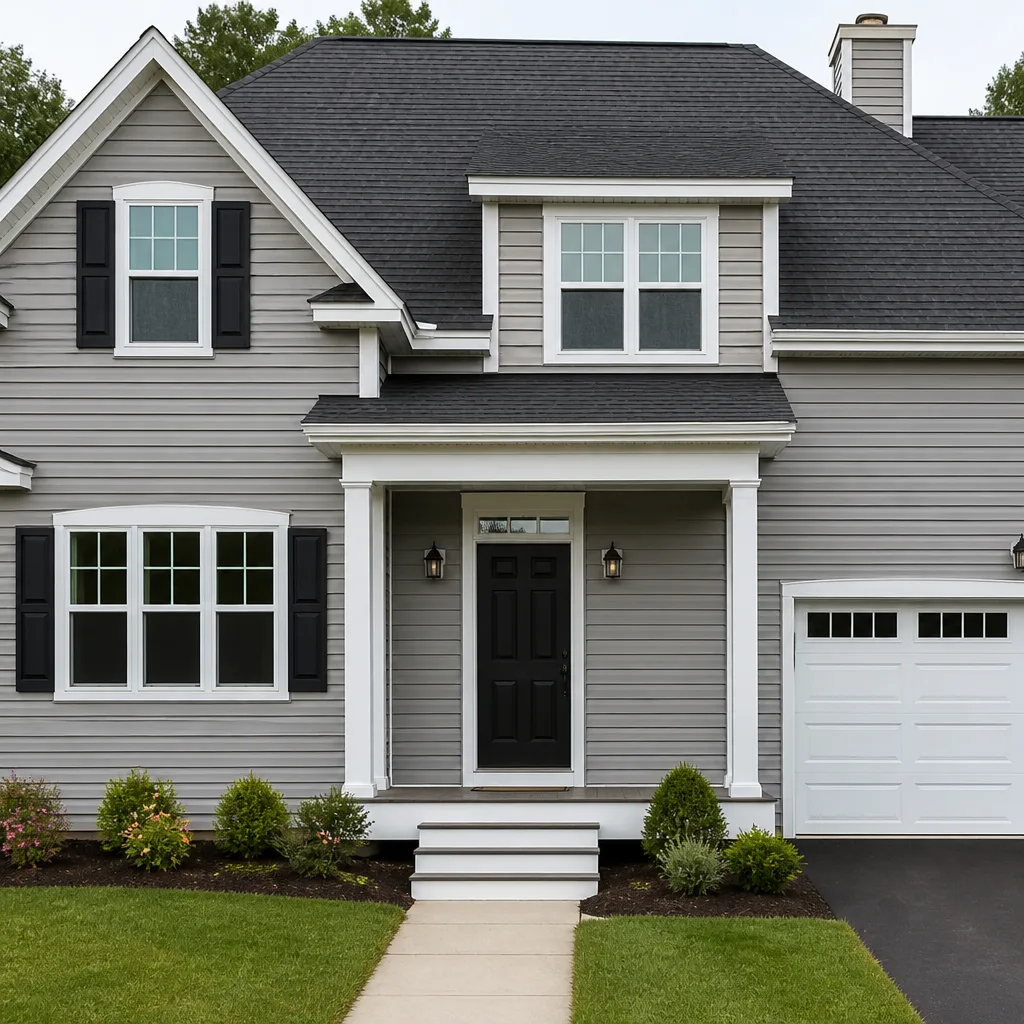
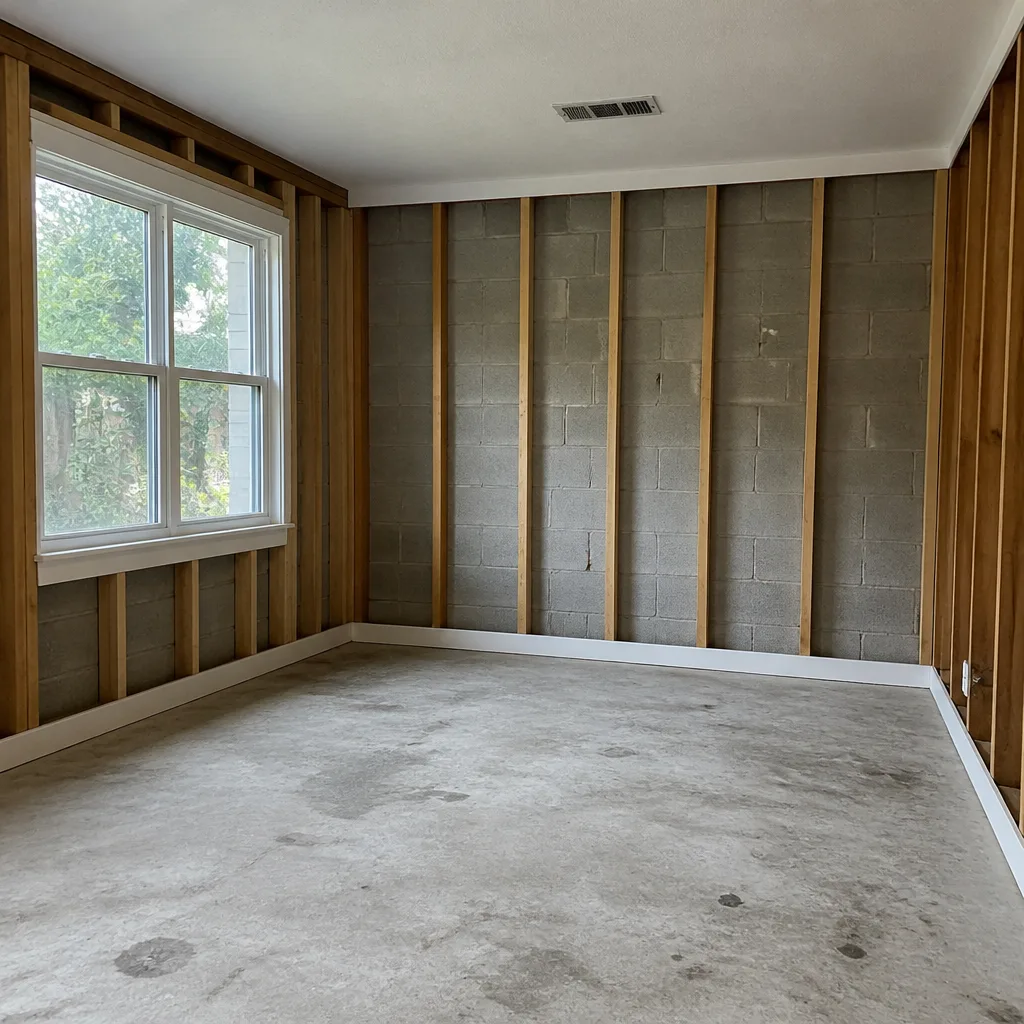
 Before
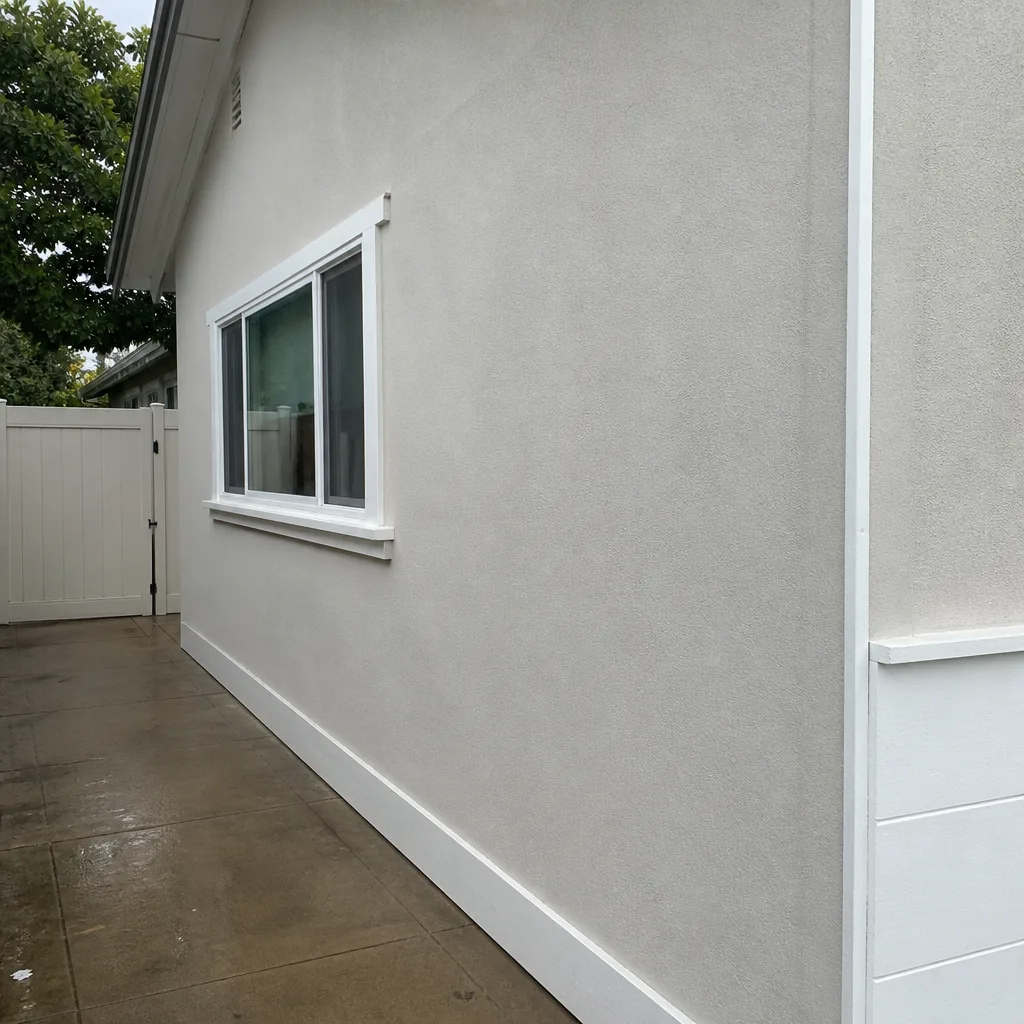 After
After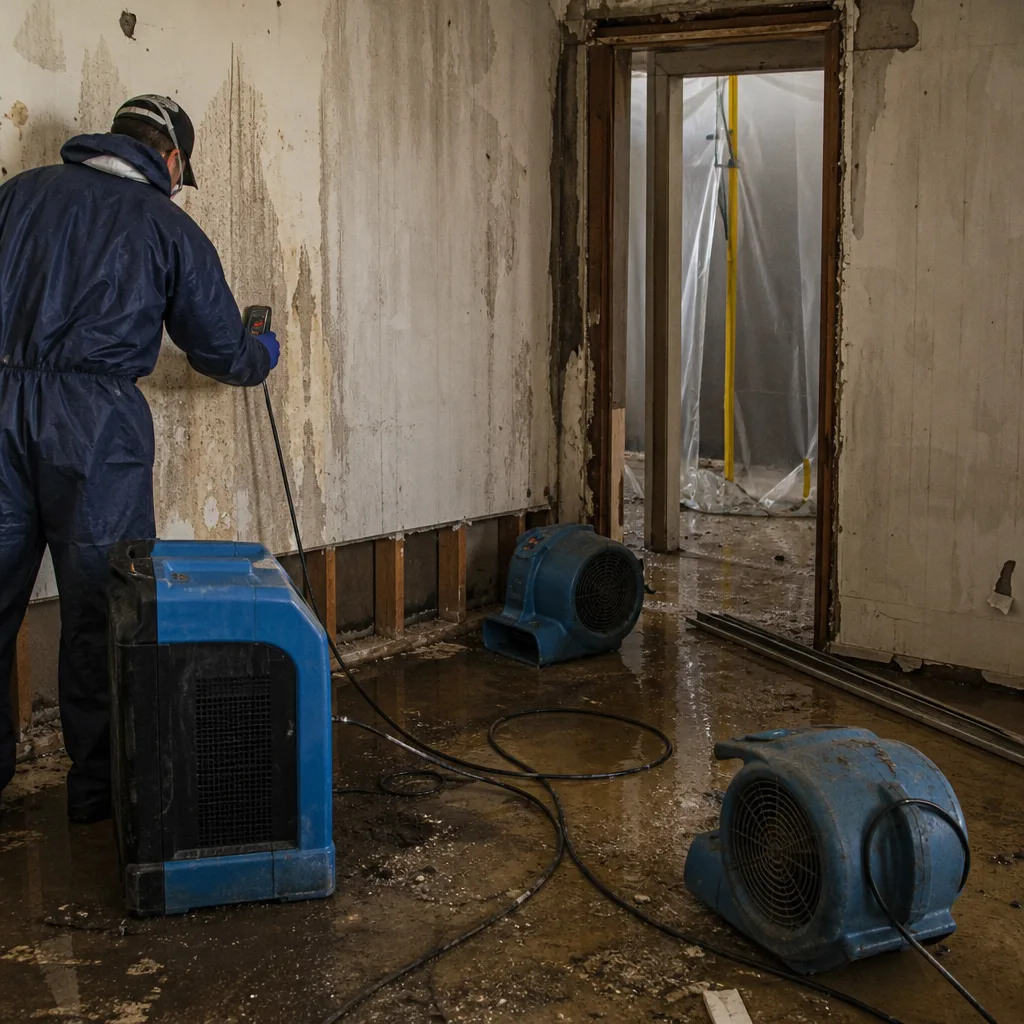 Before
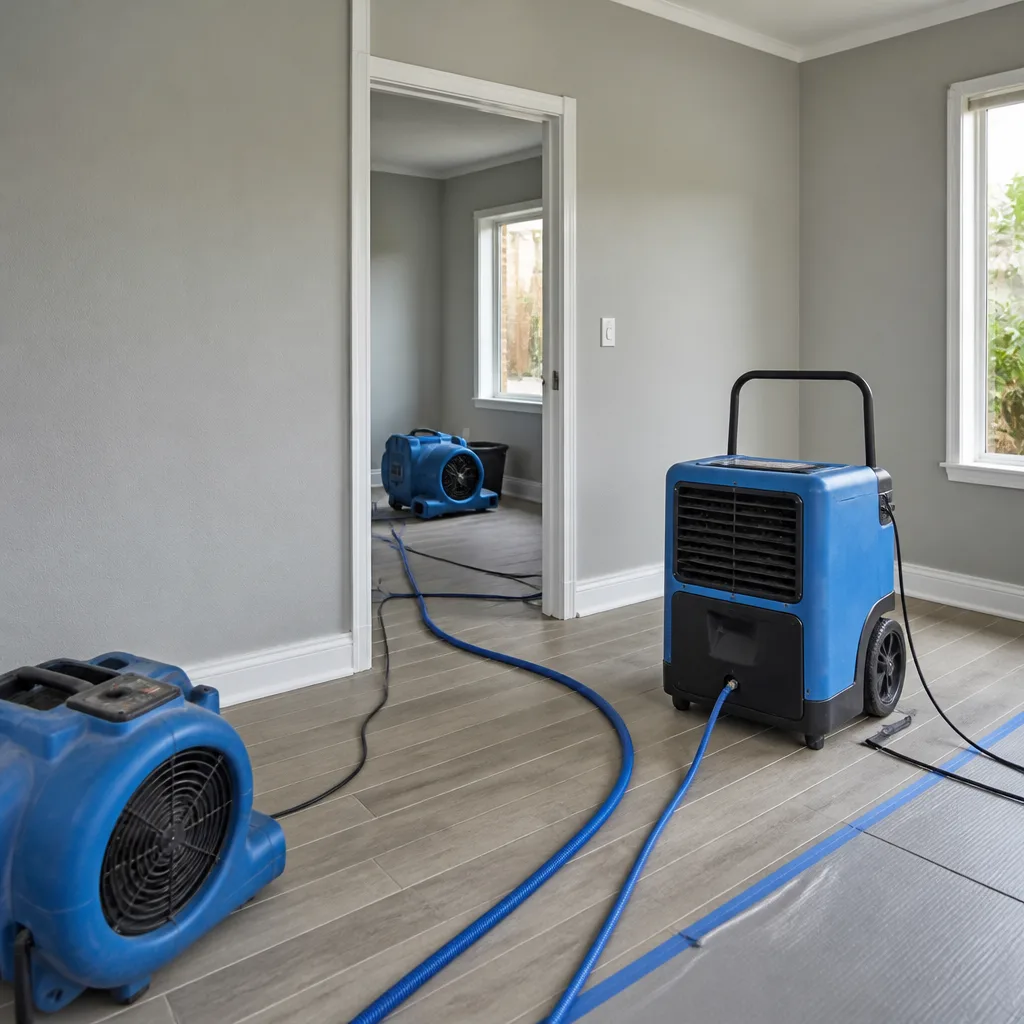 After
After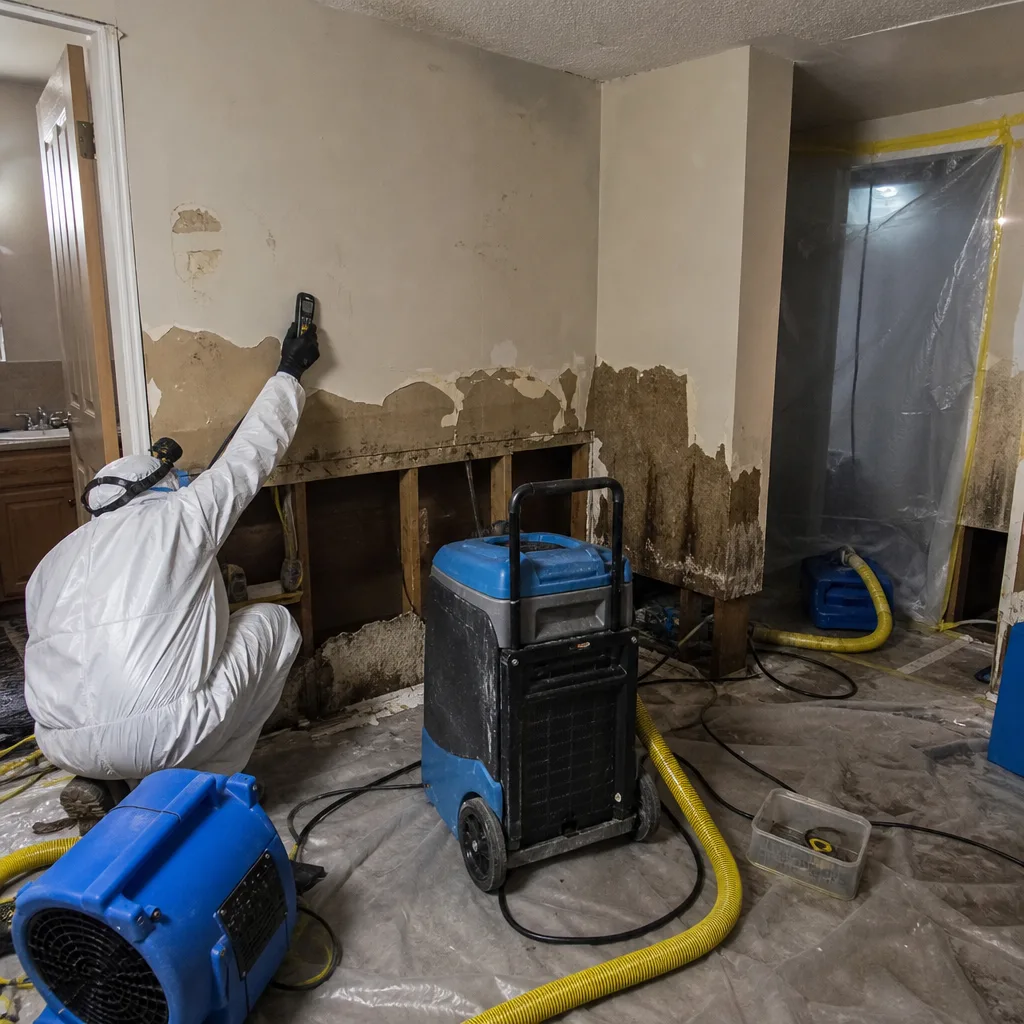 Before
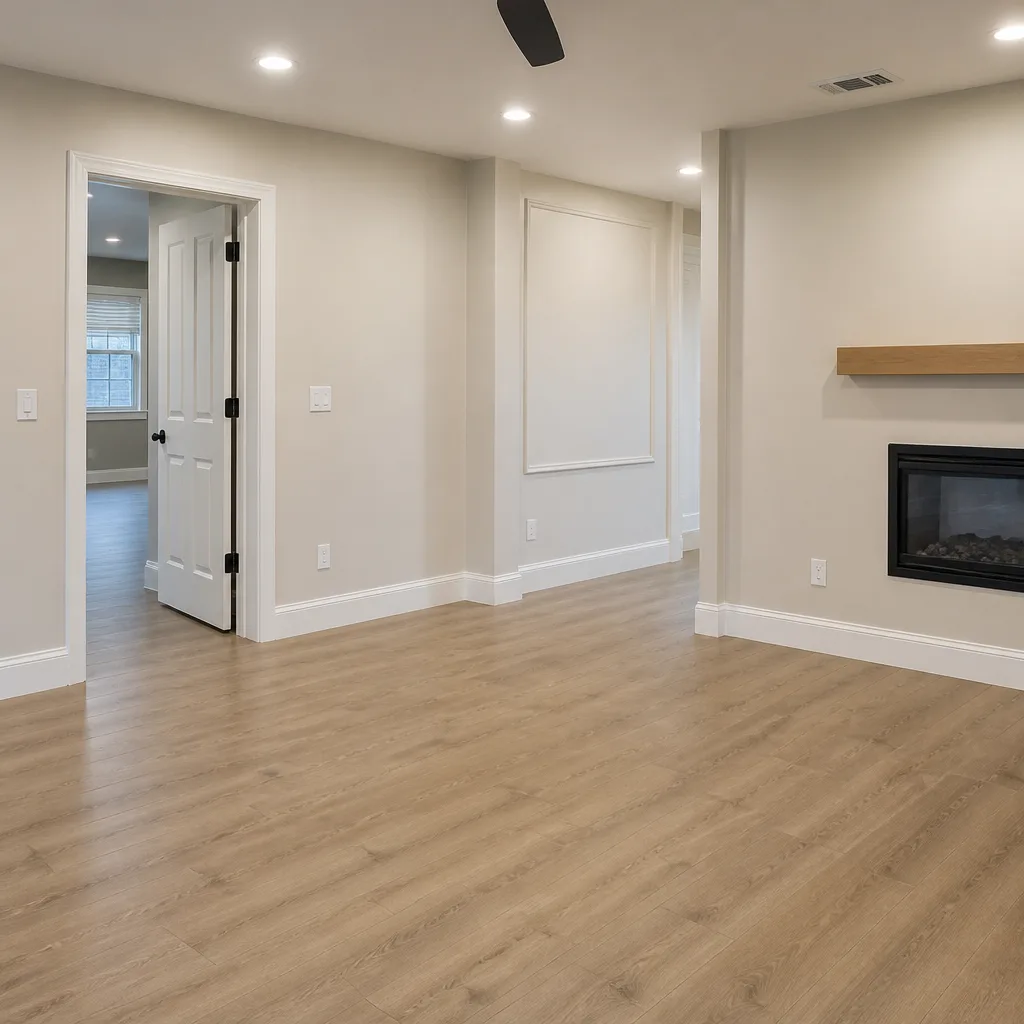 After
AfterFast, Reliable Storm Damage Restoration Across Solana Beach
Storm damage restoration in Solana Beach carries a complication most San Diego County homes never face: the California Coastal Commission. When a winter northwest swell undercuts a bluff on Pacific Avenue or drives water through a crawl space off Granados Avenue, the emergency water extraction can start immediately. The structural rebuild often cannot. That split between what we can do today and what requires a Coastal Development Permit is the single most important thing to understand about storm restoration here, and it’s why our Storm Damage Restoration team always flags permitting reality on day one, not after the drying equipment comes out. Call us at (910) 613-6568 the moment water is where it shouldn’t be. A live person answers, and we’ll tell you exactly who’s coming to your door before the truck rolls.
Why Marsh Water Damage Restoration Is Solana Beach’s Preferred Storm Damage Restoration Company
We’ve worked enough storm losses along the Solana Beach bluffs to know what a marine-layer climate does to a water-damaged house. It’s not just the standing water. It’s the humidity that never burns off, the salt air that’s been quietly corroding fasteners for thirty years, and the crawl space that was built without a vapor barrier in 1965 and has been holding moisture ever since. Homeowners here don’t need a generic water extraction crew. They need someone who knows what a 1970s wood-frame cottage west of I-5 looks like behind the drywall when category 2 water gets in.
Our response time to Solana Beach is typically under an hour for emergency calls, and every technician who arrives is Threshold Verified: background-checked, identity-verified, and sent to you by name and photo before the visit. They show a photo ID badge at the door. Every time. Tobias Reyner leads our restoration team, and he built that protocol because homeowners should never have to wonder who’s walking through their front door at 2 a.m. after a storm.
The reviews from Solana Beach customers repeatedly mention two things: the written price before work starts, and the 365-Day Done Right Promise printed on every work order. That promise is simple. If the repair isn’t right within a full year, we make it right. Free second visit included. No argument, no fine print. For a coastal town where salt air and trapped moisture create problems that can surface months after the storm, that guarantee matters.
Basement Flood Cleanup in Solana Beach
Basement Flood Cleanup in Solana Beach looks different than it does inland because most homes here don’t have true basements at all – they have raised crawl spaces over coastal sandstone, and those crawl spaces flood differently. A 1970s ranch home west of I-5 sits low enough that a heavy winter rain can push surface water under the foundation instead of into a finished lower level. The water collects against floor joists and sill plates, wicks up through the subfloor, and starts degrading what’s already been weakened by decades of marine air. Most residential flood mitigation in Solana Beach runs between $3,200 and $9,800, depending on the square footage of affected framing and whether antimicrobial treatment is needed in wall cavities and subfloor pockets.
Crawl Space Water Extraction and Drying
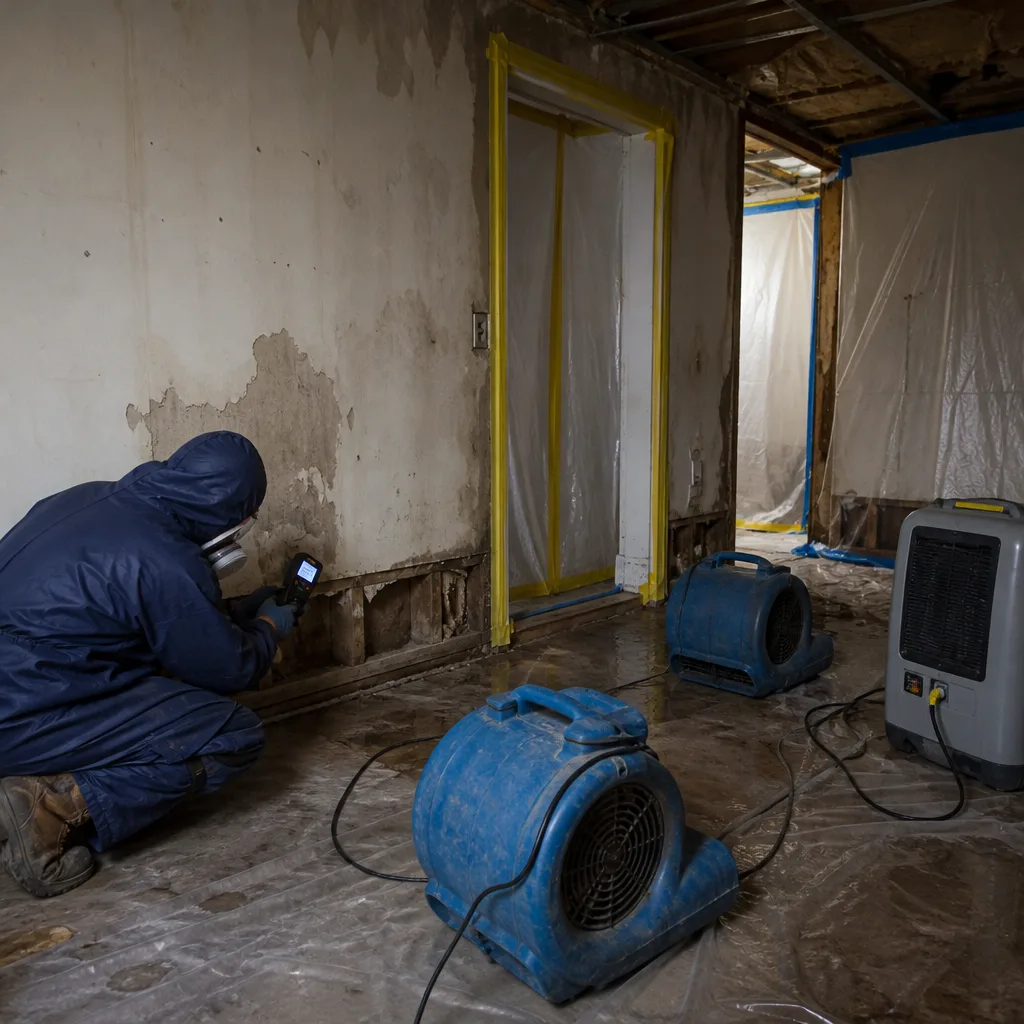
We don’t just pump out standing water and set a few fans. We run moisture mapping with penetrating meters to find elevated readings in materials that look dry on the surface. In Solana Beach, that hidden moisture frequently extends 15 to 20 feet past the visible damage zone because the original crawl space never had a vapor barrier to stop groundwater from wicking through the structure. We set Dri-Eaz dehumidification and XPOWER air movers, then document drying logs daily so you have a record of exactly when materials reached dry standard.
Antimicrobial Treatment and Containment
Salt-corroded sill plates and decades of trapped humidity mean that standing water in a Solana Beach crawl space rarely stays sterile for long. Once the source water is removed and materials begin drying, we build containment and apply antimicrobial treatment to prevent what the industry calls microbial remediation – which is just plain English for killing mold and bacteria before they get established. Skipping this step on a coastal cottage is how a one-time flood becomes a recurring mold problem.
Storm Damage Contractors in Solana Beach
Storm Damage Contractors in Solana Beach have to handle two jobs at once: the emergency mitigation that can start immediately, and the structural reconstruction that may wait on the California Coastal Commission. Any work touching a bluff face, seawall, or revetment typically requires a Coastal Development Permit, which can take weeks or months to clear. A contractor who doesn’t flag that upfront will leave you with a dried-out house and no legal path to rebuild the exterior. General storm reconstruction in Solana Beach typically runs between $8,500 and $42,000, with the wide range reflecting whether the damage is cosmetic drywall and flooring replacement or structural framing tied to foundation movement.
Emergency Mitigation vs. Permitted Reconstruction
The emergency side of storm restoration – water extraction, moisture mapping, structural drying, antimicrobial treatment – starts the day we arrive. No permit needed to stop the damage from spreading. The reconstruction side, especially anything that touches the bluff or foundation of a Pacific Avenue or Granados Avenue property, is a different timeline. We prepare the site, document pre-loss conditions, and leave you with a complete scope of work so the rebuild can start the day the permit issues.
Salt-Air Corrosion Assessment
Every storm restoration in Solana Beach includes a secondary look at what salt air has done to fasteners, HVAC components, and electrical panels around the damage zone. Winter storms push salt-laden water into framing, and what started as a leak can expose corrosion that’s been building for a decade. Skipping that scope of work means a callback no one wants six months after the rebuild. We put it in writing and price it before any work starts.
Trusted Brands We Service in Solana Beach
Our restoration equipment is the same gear large commercial franchises deploy: Dri-Eaz for dehumidification, Phoenix for high-capacity drying, XPOWER for air movement across damp framing and subfloor materials. We maintain local parts inventory and service relationships that let us keep drying equipment running through a multi-day storm restoration instead of waiting on a warehouse two hours away. For Solana Beach homeowners, that means the equipment stays on site, the drying logs stay current, and the job doesn’t stall because a pump failed on day three.
Common Storm Damage Restoration Problems We See in Solana Beach Homes
- Hydrostatic pressure wicking through foundations. Bluff-top homes take direct wave energy during winter northwest swells, and moisture pushes up through the foundation and into framing. It’s a damage pattern you don’t see three miles inland, and it requires moisture mapping that goes far beyond the visible wet spot.
- Hidden wall-cavity mold from 1950s-1970s construction. The older cottages west of I-5 were built with minimal vapor barriers and original crawl spaces that have absorbed marine air for fifty years. Storm water hitting those cavities feeds mold that’s been waiting for the right conditions.
- Salt-air corrosion on fasteners, HVAC, and electrical panels. The marine layer that blankets Solana Beach nearly year-round keeps salt in the air long after inland communities have burned off. Add storm water, and the corrosion accelerates fast enough that structural fasteners can fail during drying rather than in the original storm.
- Coastal Commission permitting stalls. A water-damaged bluff-front home that would be dried and rebuilt in two weeks elsewhere in the county can sit in permitting limbo for months. The mitigation is done, but the exterior reconstruction can’t legally proceed without a Coastal Development Permit.
Pricing for Storm Damage Restoration in Solana Beach, CA
Here’s what Solana Beach homeowners should expect. Emergency water extraction and initial structural drying for a single-room storm intrusion typically runs $2,800 to $6,500. Adding crawl space flood cleanup with antimicrobial treatment and containment pushes that to $3,200 to $9,800. Full storm reconstruction, including drywall, flooring, framing repair, and any foundation work, lands between $8,500 and $42,000. The spread exists because a bluff-top home on Pacific Avenue needing Coastal Commission review and foundation repair costs more than a cottage on the east side of I-5 with cosmetic water damage. We put every number in writing before any work starts, and you’ll get a free estimate by calling (910) 613-6568.
We Also Serve Cities Near Solana Beach
Beyond Solana Beach, our crews regularly handle storm damage restoration in Solana Beach, Del Mar, Cardiff By The Sea, Rancho Santa Fe, and Encinitas. If you’re in any of these coastal communities and storm water has found its way inside, same process applies: call, get a live person, get a written price, and know exactly who’s coming to the door.
Serving Solana Beach, CA - Our Local Coverage Area
We’re based in the Solana Beach area and know this community well. Use the map below to see our service coverage - if you’re nearby, we can almost certainly help.
FAQs About Storm Damage Restoration in Solana Beach
Storm restoration on bluff-top properties along Pacific Avenue and Granados Avenue takes longer because any structural work touching the bluff face, seawall, or revetment requires a California Coastal Commission Coastal Development Permit. The emergency mitigation – water extraction, drying, antimicrobial treatment – can start immediately. But the exterior rebuild cannot legally proceed until the permit clears, which can take weeks or months. A contractor who doesn’t flag that on day one leaves you waiting without knowing why. Call (910) 613-6568 and we’ll tell you on the first visit what can start today and what needs the permit.
Flood cleanup matters for a raised-foundation cottage because the crawl space floods instead of a basement, and that water sits against floor joists, sill plates, and subfloor. That’s the same structural damage a basement flood causes, just accessed from below. A 1970s-era wood-frame home west of I-5 has a crawl space that’s been holding marine humidity for decades, so standing storm water in that environment goes from wet to moldy faster than you’d think. The cleanup, antimicrobial treatment, and drying work the same way and cost roughly the same $3,200 to $9,800 range.
The mold clock is shorter in Solana Beach than inland because the marine layer keeps indoor relative humidity above 80% for long stretches, even in summer. Mold can begin establishing in water-damaged drywall within 48 to 72 hours, and in a coastal cottage with original 1960s framing, that window shrinks. We treat the clock seriously: emergency extraction within hours, structural drying started the same day, and antimicrobial treatment on any material that remained wet long enough to support microbial growth. Waiting a week to “see if it dries on its own” is how a $4,000 extraction becomes a $15,000 mold remediation.
Salt air changes restoration in two ways. First, it means secondary corrosion on fasteners, HVAC components, and electrical panels is often present far beyond the storm damage zone. We inspect those areas and write them into the scope rather than discovering them during reconstruction. Second, salt-laden storm water is more aggressive on building materials than freshwater, so we’re more conservative about what can be dried and saved versus what should be removed and replaced. The call gets made with moisture meters and engineering judgment, not guesswork.
We make that call with moisture mapping, material sampling, and an understanding of what category of water we’re dealing with. Category 1 water – clean storm water that entered directly – is generally dryable if materials haven’t been saturated long. Category 2 water, which includes storm water that ran through a crawl space or picked up soil and debris, requires antimicrobial treatment and more aggressive drying, and some materials like saturated drywall and insulation usually come out rather than get dried in place. The answer depends on what the meters say when we test the structure, not on a one-size-fits-all rule. We’ll show you the readings and explain what they mean before we write the scope.
Written by Tobias Reyner, Owner at Marsh Water Damage Restoration, serving Solana Beach.
Storm water in your Solana Beach home isn’t going to wait while you research options. A live person answers at (910) 613-6568, 24 hours a day, every day. We’ll give you a straight answer on what you’re dealing with, what it costs, and exactly who’s coming to your door. Free estimates, written prices, and the 365-Day Done Right Promise on every work order.