
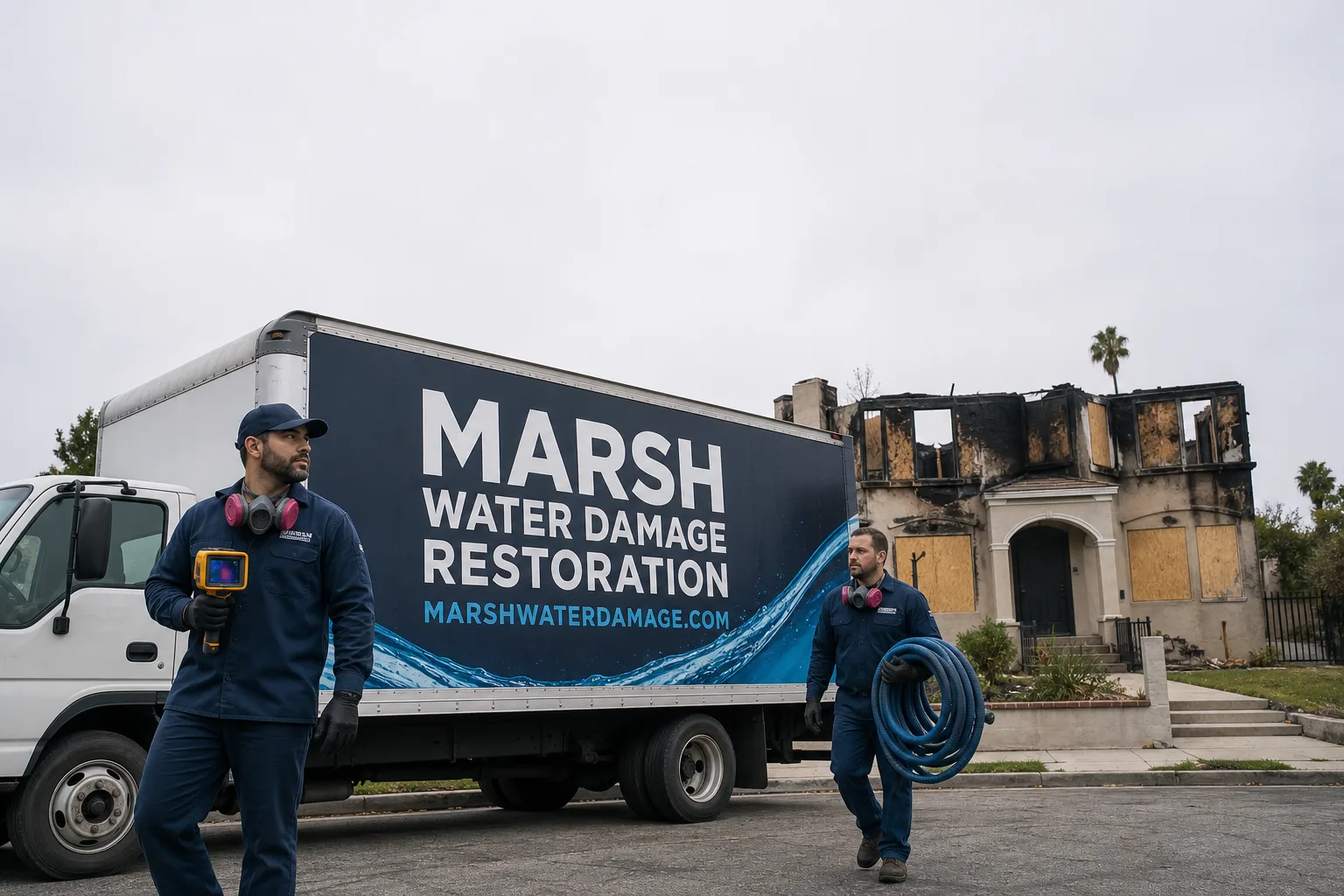
Free visual inspection and a written scope of work before any mitigation begins - photos, moisture readings, and drying logs go in your claim file
The scope we write is the scope we bill. Anything new gets shown to you, in writing, before we touch it.
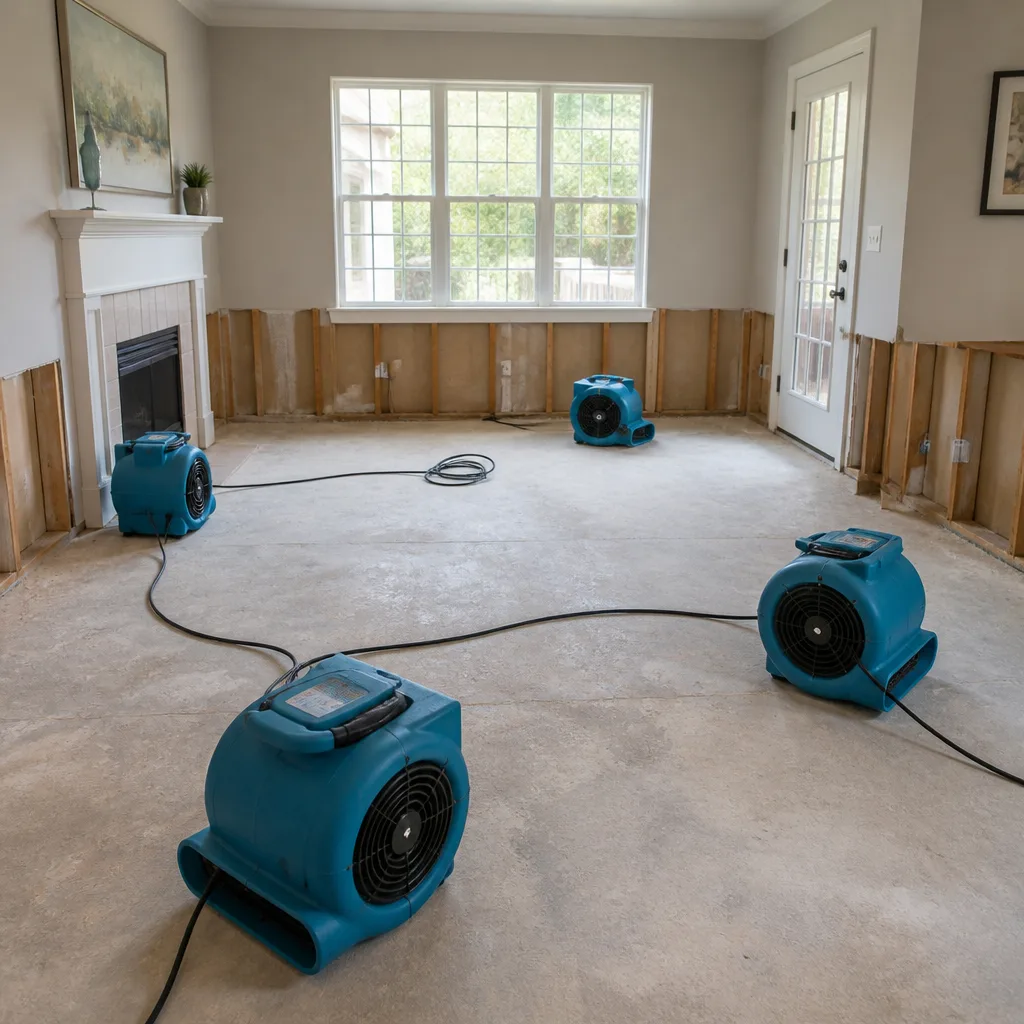

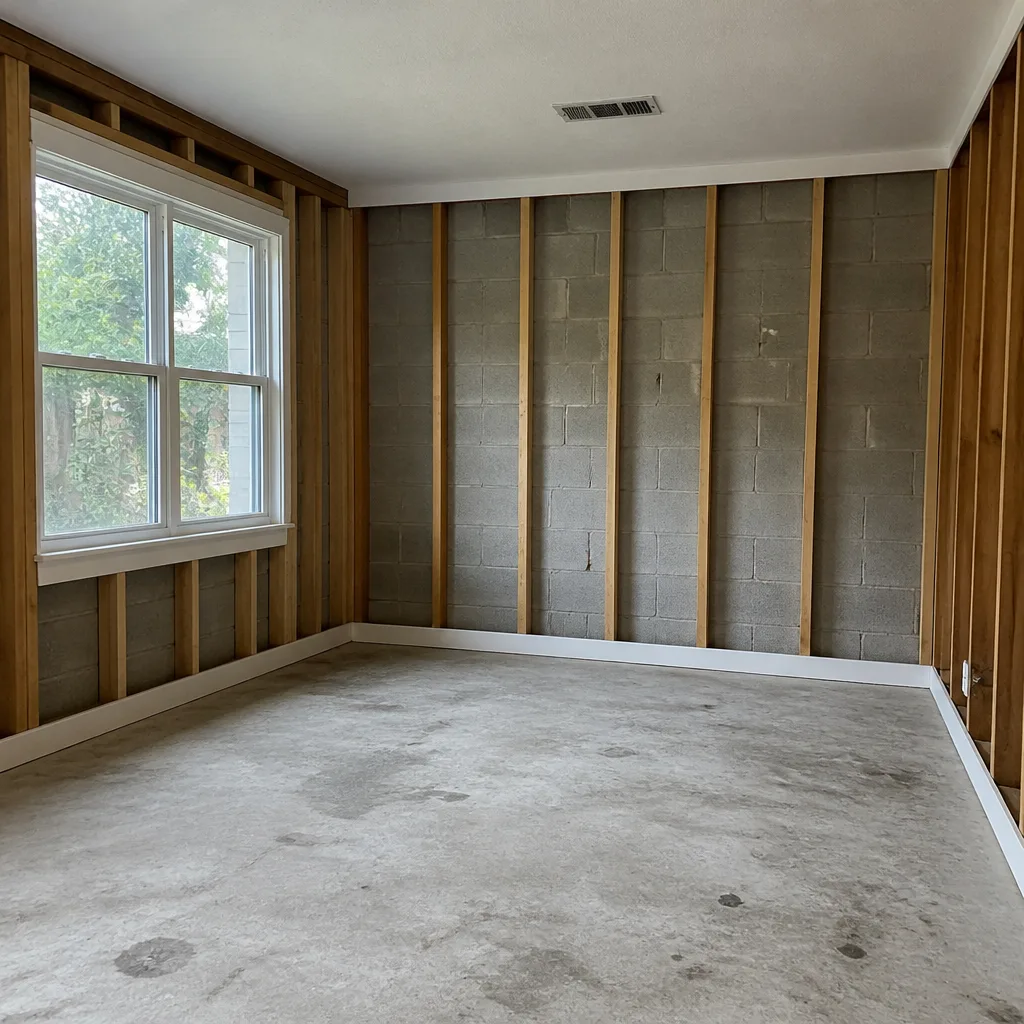

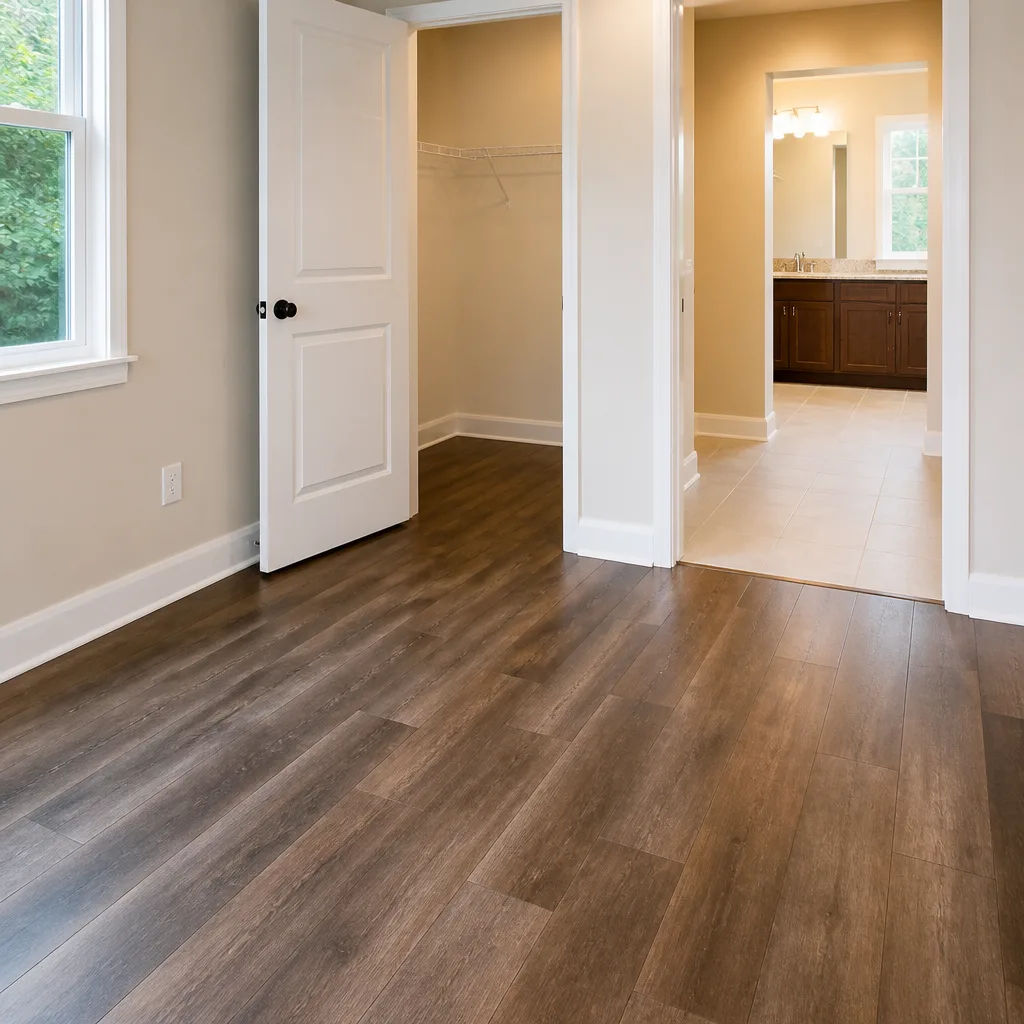
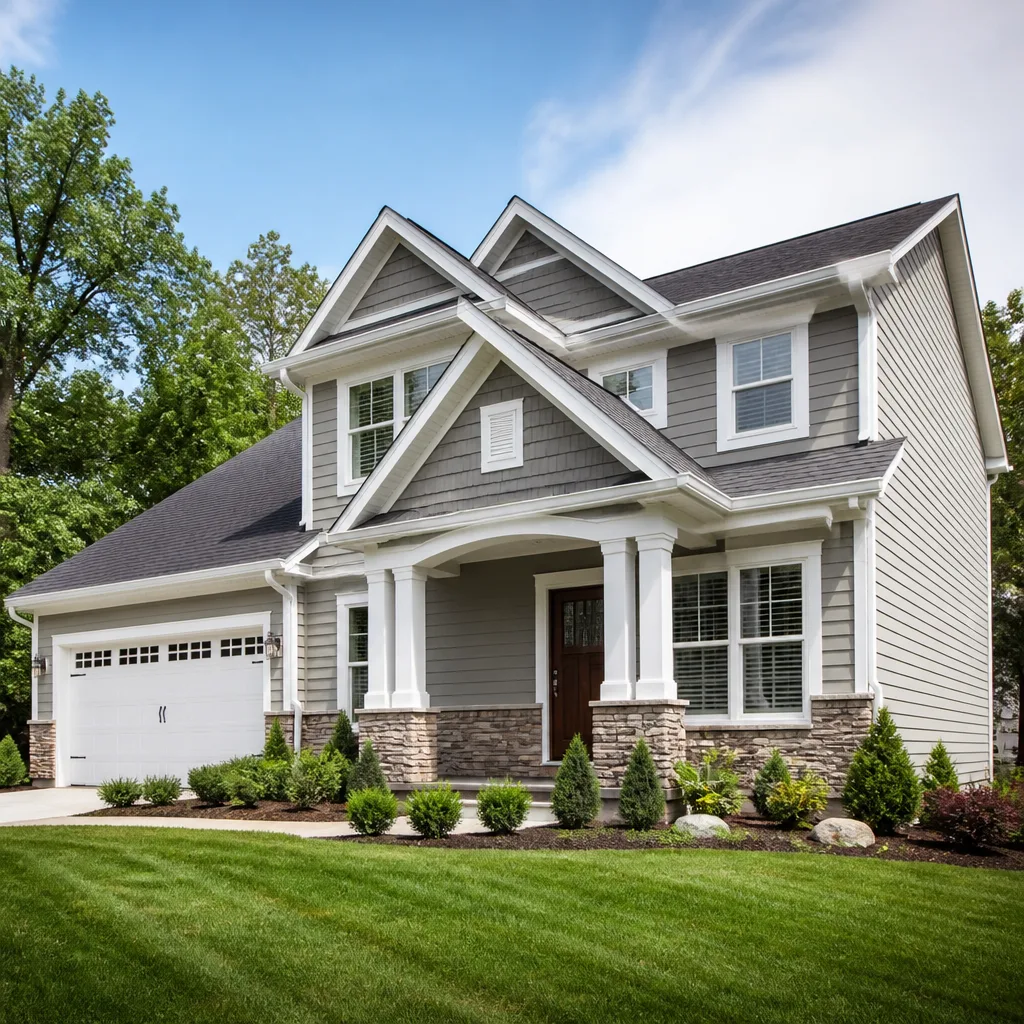
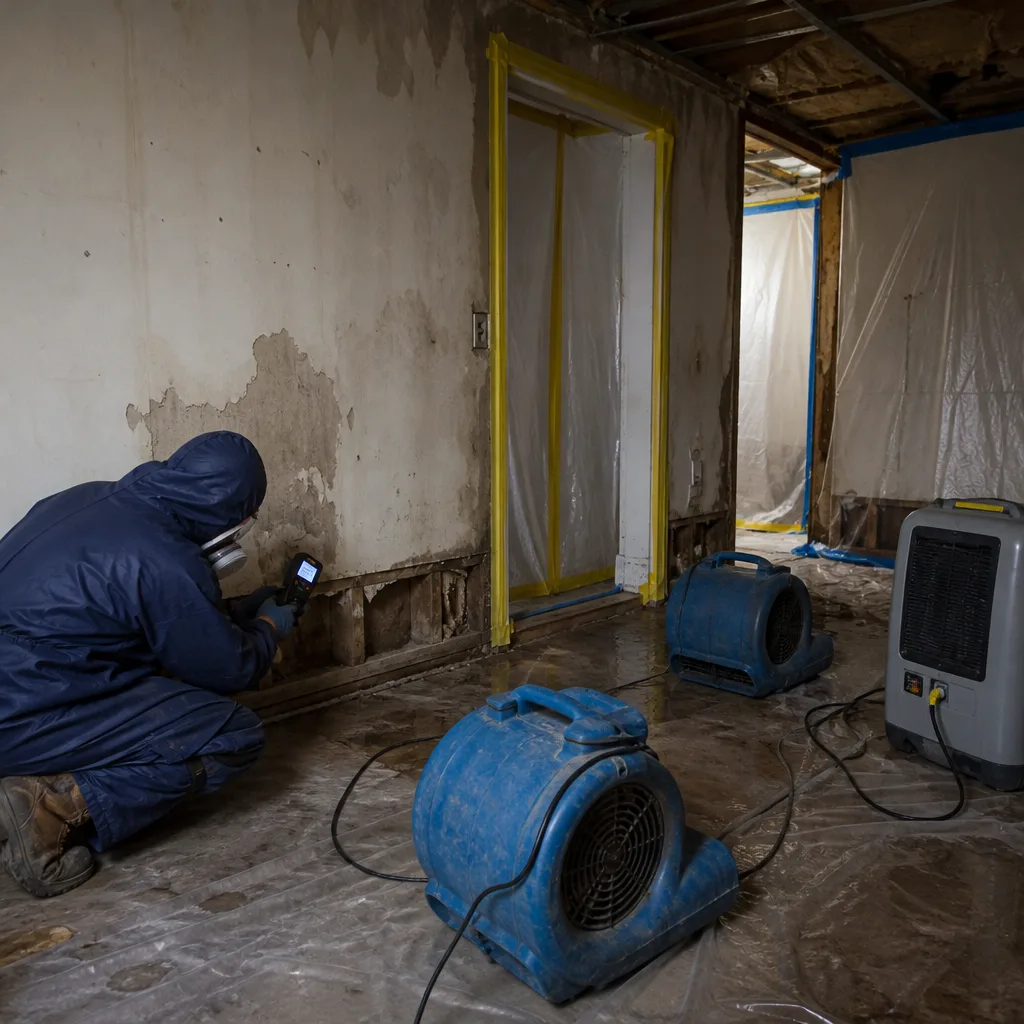 Before
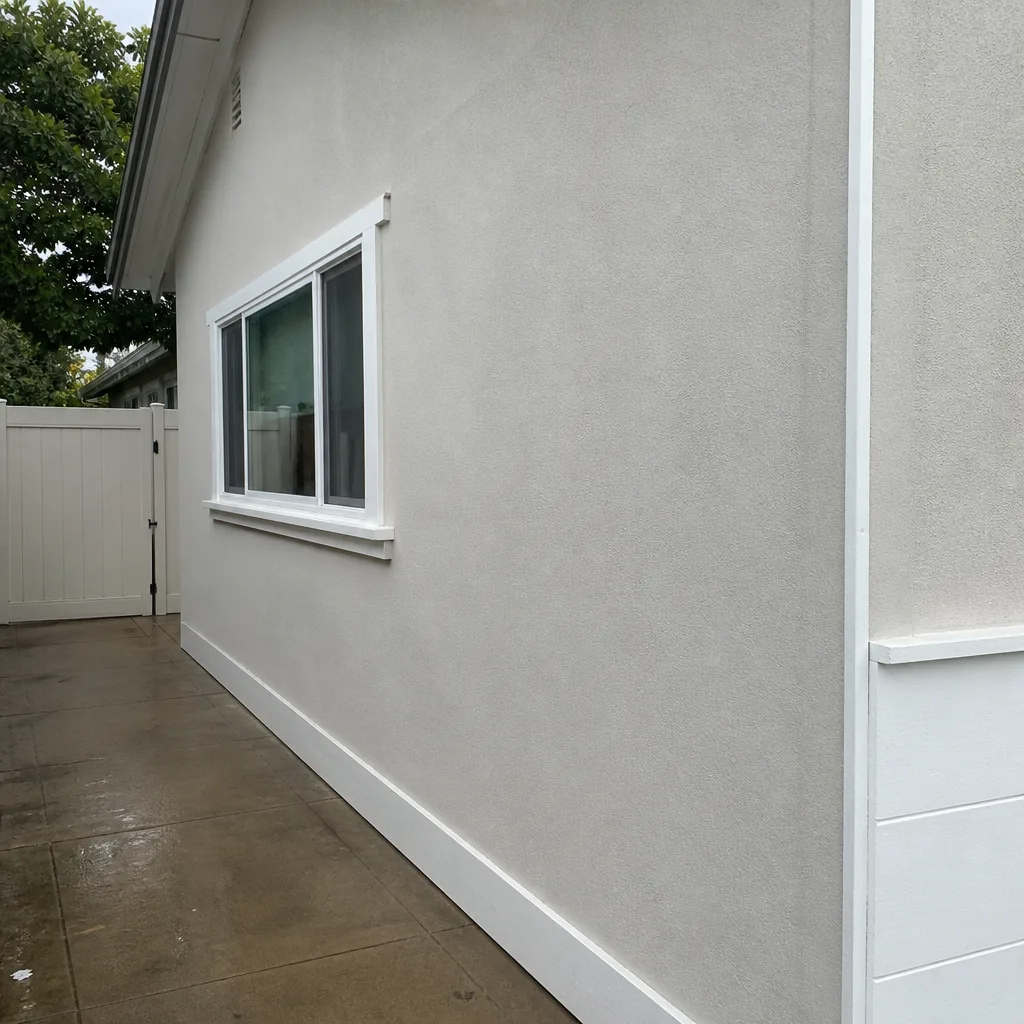 After
After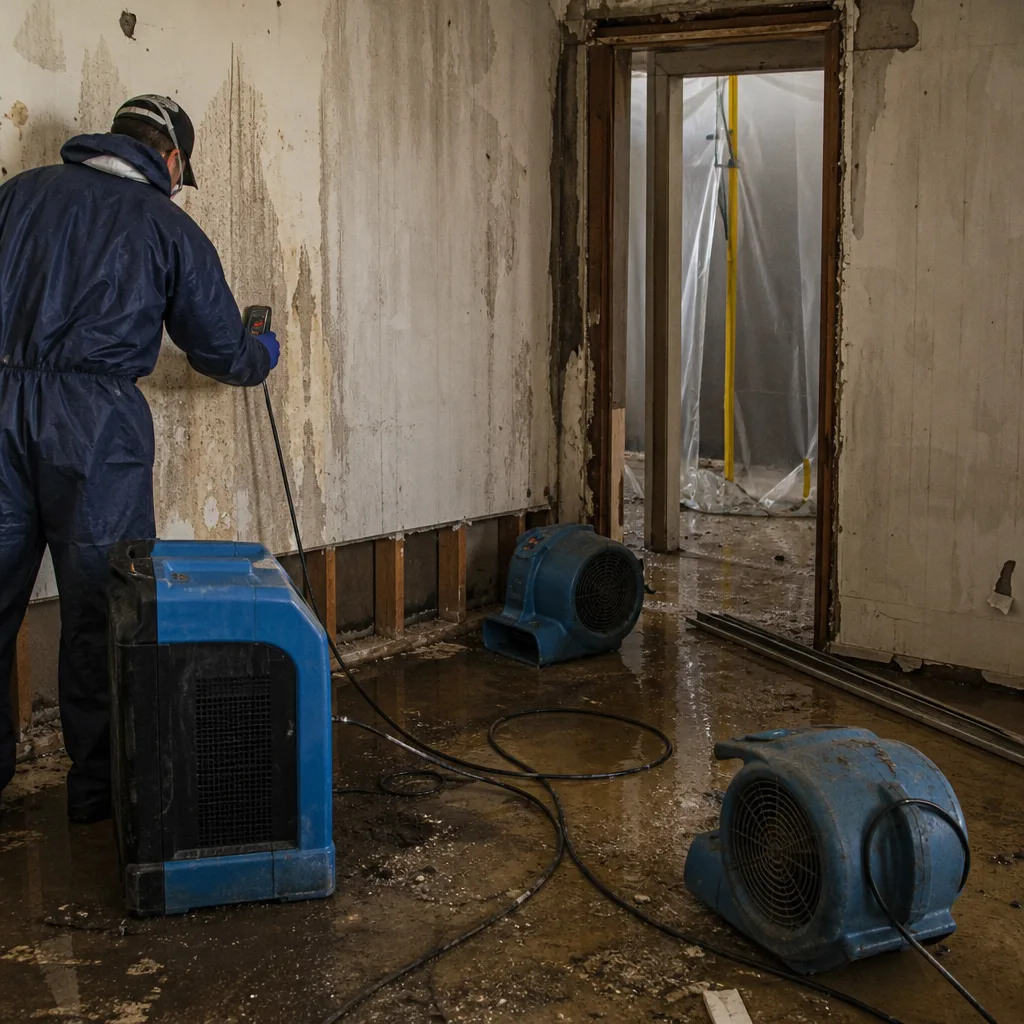 Before
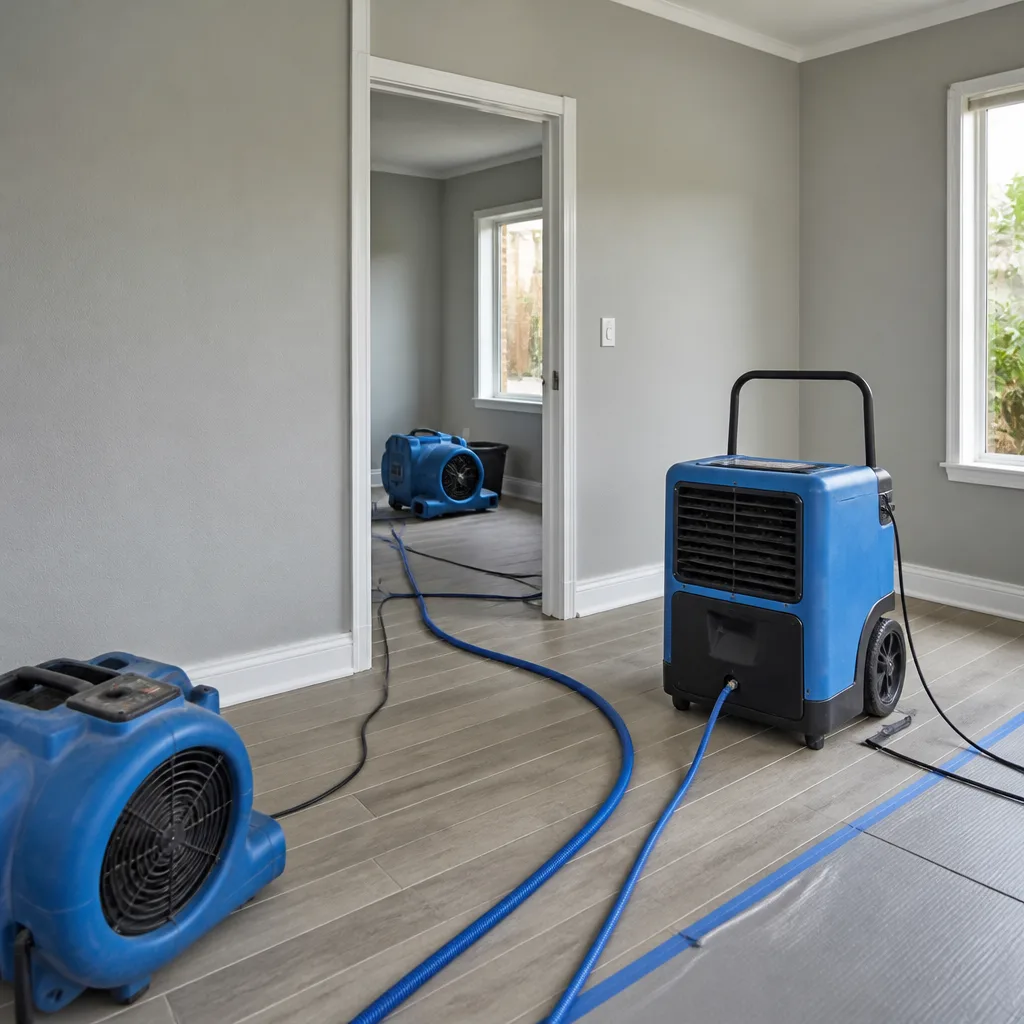 After
After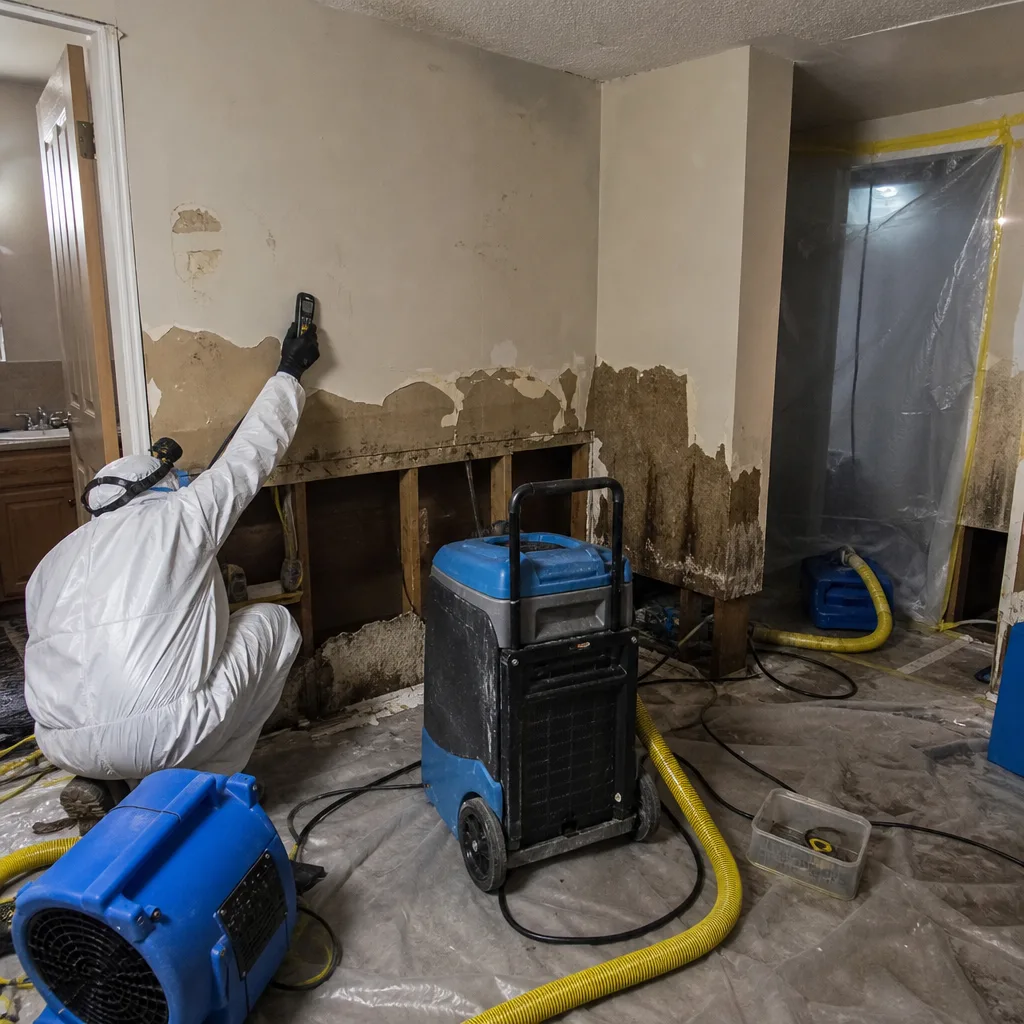 Before
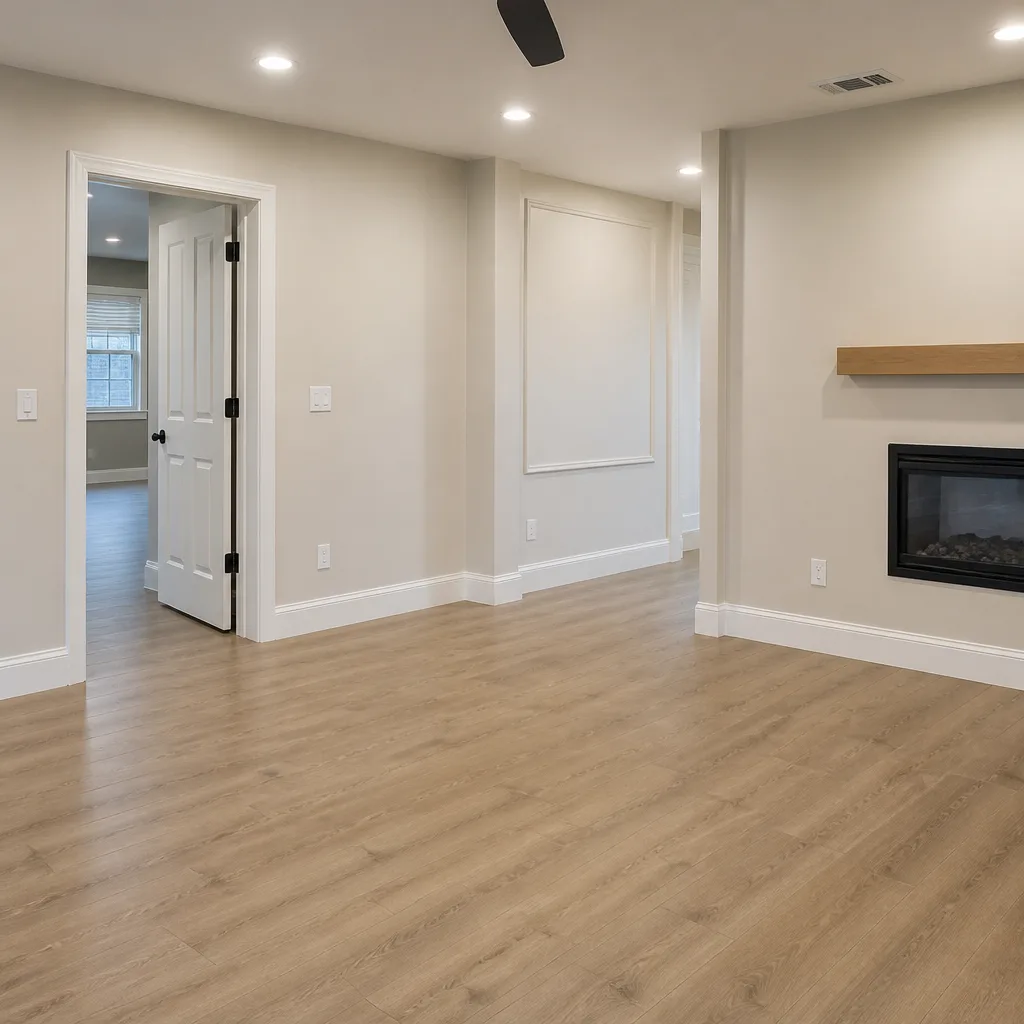 After
AfterFast, Reliable Storm Damage Restoration Across South Valley Stream
Storm damage restoration in South Valley Stream typically runs $3,200 – $8,500 for a standard basement flood cleanup with drying equipment, and $12,000 – $30,000+ when brackish water intrusion requires full gut-out of a finished basement and antimicrobial treatment. The reality here is different from what generic restoration companies describe. South Valley Stream sits low against the Jamaica Bay backbay system, and when a coastal storm pushes the Mill River watershed over its banks, water arrives carrying salt, sewage, and silt. It doesn’t drain. It lingers. And it keeps wicking upward through slab floors for days after the street looks dry.
Our crews know this pattern because we work it every storm season. Call (910) 613-6568 and a live person answers, any hour, any day. We’ll tell you exactly who’s coming to your door before the truck rolls.
Why Marsh Water Damage Restoration Is South Valley Stream’s Preferred Storm Damage Restoration Company
Our Storm Damage Restoration team has worked this corridor through nor’easters, tropical remnants, and the tidal events that define South Shore flooding. Tobias Reyner, who leads our restoration division, built our protocols around what actually happens in low-lying Nassau communities: prolonged groundwater rise, salt-laden water in finished basements, and insurers who need documentation that matches the full saturation timeline, not just the day the water arrived.
Every Marsh technician who arrives in South Valley Stream is background-checked, identity-verified, and sent to you by name and photo before the visit. That’s the Threshold Standard, and it runs on every job we do here, not just first impressions. The tech at your door shows a photo ID badge. Every time. No exceptions.
Storm Damage Cleanup in South Valley Stream
Storm Damage Cleanup in South Valley Stream often starts with standing water that’s been sitting longer than a homeowner realizes, because the water table itself has risen beneath the neighborhood. In a typical job here, we extract category 2 or category 3 water (contaminated by sewage, groundwater, or salt), remove ruined drywall and insulation, treat framing and subflooring with antimicrobial agents, and set commercial drying equipment. Most residential storm cleanup in this market runs $3,200 – $8,500 before reconstruction.
Extraction and Salt Treatment
Brackish floodwater isn’t the same as a burst supply line. Salt chemically draws moisture into wood and plaster. If we skip the antimicrobial and salt-neutralizing step, mold appears behind wall cavities within 24 to 48 hours. We don’t skip it.
Extended Drying with Documentation
Drying a South Valley Stream basement takes longer than inland Nassau jobs. We run Dri-Eaz and Phoenix dehumidifiers with Injectidry mats on slab floors and log moisture readings daily. Those logs matter when your adjuster reviews the claim.
Flood Cleanup in South Valley Stream
Flood Cleanup in South Valley Stream means dealing with water that came up through the slab as much as water that came through a window. When the Mill River backs up, sump pumps across the neighborhood fail not because they break but because the water table has risen across the entire grid. A basement that reads dry on day two can show active moisture on day five. Our flood cleanup protocols are built for that reality, with costs typically between $3,500 and $9,000 for extraction, drying, and antimicrobial treatment, depending on finished basement square footage.
Category 3 Water Handling
Category 3 water carries sewage, bacteria, and in this corridor, salt from the backbay system. It requires full PPE, containment, and disposal protocols. We treat every tidal flood here as category 3 unless testing proves otherwise.
Slab and Subfloor Drying
Original wood subflooring under carpet or vinyl in 1950s ranches absorbs brackish water fast and releases it slowly. We set XPOWER air movers and Phoenix dehumidifiers by psychrometric readings (measuring moisture in the air) to pull water through the slab, not just off the surface.
Trusted Brands We Service in South Valley Stream
We work on homes every week where the equipment installed was never designed for South Valley Stream’s groundwater conditions. Whether you have a Liberty, Zoeller, Wayne, or Basement Watchdog sump system, and whether your drying setup includes Dri-Eaz, Phoenix, or XPOWER equipment, we’re familiar with the hardware and its failure points in this specific environment. Parts availability matters after a storm, and our local stock means we aren’t waiting on a distributor while your subfloor keeps absorbing water. If your sump failed during the last storm, we’ll tell you honestly whether a retrofit makes sense or whether repair is enough.
Common Storm Damage Restoration Problems We See in South Valley Stream Homes
- Post-WWII construction absorbing salt water. Cape Cods and ranches built between 1945 and 1965 used materials that hold salt differently than modern builds. Plaster walls and original wood subflooring wick moisture upward and sideways, hiding damage behind surfaces that look dry.
- Sump pumps overwhelmed by neighborhood-wide water table rise. When the entire grid’s water table rises, no single pump keeps up. Homeowners call us thinking the pump broke. The pump is fine. The hydrology changed.
- Remnant knob-and-tube wiring in flood zones. Some of the oldest homes here still have original wiring. Salt water and live electrical systems are a dangerous combination. We flag this early and coordinate with licensed electricians before full drying begins.
- Insurers disputing prolonged drying timelines. If your drying logs don’t show the groundwater-rise phase specific to South Valley Stream’s FEMA AE zones, adjusters push back. We document every day, including readings on day five and six when inland claims would already be closed.
Pricing for Storm Damage Restoration in South Valley Stream, NY
A standard finished-basement flood cleanup in South Valley Stream runs $3,500 – $8,500 when it requires extraction, antimicrobial treatment, and structural drying. A full gut-out with drywall removal, trim work, and rebuild runs $12,000 – $30,000+, driven by square footage, category of water, and whether your home sits in an active FEMA AE zone requiring elevation documentation. The two biggest cost drivers here are salt remediation (more thorough than freshwater jobs) and the extended drying timeline (more equipment days). We give you a written price before any work starts. That number doesn’t balloon after demo begins. Call (910) 613-6568 for a free estimate with actual line-item ranges, not vague gestures.
We Also Serve Cities Near South Valley Stream
While this page covers Storm Damage Restoration in South Valley Stream specifically, our crews serve neighboring New York communities including Brooklyn, Queens, Manhattan, and The Bronx. Coastal flooding patterns differ from one borough to the next, and our protocols adapt accordingly.
Serving South Valley Stream, NY - Our Local Coverage Area
We’re based in the South Valley Stream area and know this community well. Use the map below to see our service coverage - if you’re nearby, we can almost certainly help.
FAQs About Storm Damage Restoration in South Valley Stream
Because the water table under your slab is still elevated. South Valley Stream’s shallow water table is tidally linked to Jamaica Bay, so after a coastal storm, groundwater keeps wicking upward through concrete slabs for several days. What looks like a dry basement on day two can show active moisture on day five. Call (910) 613-6568 and we’ll run moisture mapping on your slab before you trust that dry surface.
Yes, and the difference is salt. Tidal surge from the backbay system pushes brackish water through the Mill River watershed into residential streets. Salt residue left in wood and plaster keeps drawing moisture long after visible water is removed. Standard freshwater drying protocols fail here. Our crews use antimicrobial and salt-neutralizing treatments on every tidal flood job in South Valley Stream.
Within 24 to 48 hours behind plaster walls and original wood subflooring. Older construction materials hold moisture longer, and the salt content accelerates hidden growth. If you’re past the 48-hour mark, call (910) 613-6568 and we’ll inspect behind wall cavities rather than treating only what’s visible.
Because insurance claims in designated AE zones require documentation that matches the full saturation timeline. If your drying logs don’t show the groundwater-rise phase specific to South Valley Stream, your adjuster has grounds to dispute the scope. We write logs that hold up to scrutiny, including days when slab moisture is still climbing.
Probably not, if the last one didn’t. When the water table rises across the whole neighborhood, a single pump can’t out-pump hydrogeology. What often helps is a battery backup, a secondary pump, or in some homes, a retrofit with interior drainage. We’ll give you an honest assessment of what your specific house needs, not what’s cheapest to install. Call (910) 613-6568 for that conversation.
Call Marsh Water Damage Restoration in South Valley Stream
After the remnants of Hurricane Ida pushed Mill River floodwater into a 1958 Cape Cod off Mill Road, our techs pulled category 3 water from a finished basement, then found salt residue still drawing moisture into the original wood subfloor three days later. We set up Injectidry mats and Phoenix dehumidifiers, ran moisture mapping daily, and logged the neighborhood-wide water-table rise that kept the slab damp through day six. That data is what the homeowner’s adjuster needed to approve the full scope rather than a surface dry-out. That’s the difference between a crew that works here and a crew that just showed up.
Marsh Water Damage Restoration has been part of the Threshold Group family since 2005. Every job here comes with a written price before work starts, a written guarantee, and the 365-Day Done Right Promise: if the repair isn’t right within a year, we return and make it right. A free second visit is included automatically. Not something you argue for.
Call (910) 613-6568 now. A live person answers. You’ll know exactly who’s coming before the knock.
Written by Tobias Reyner, Restoration Lead at Marsh Water Damage Restoration, serving South Valley Stream.