
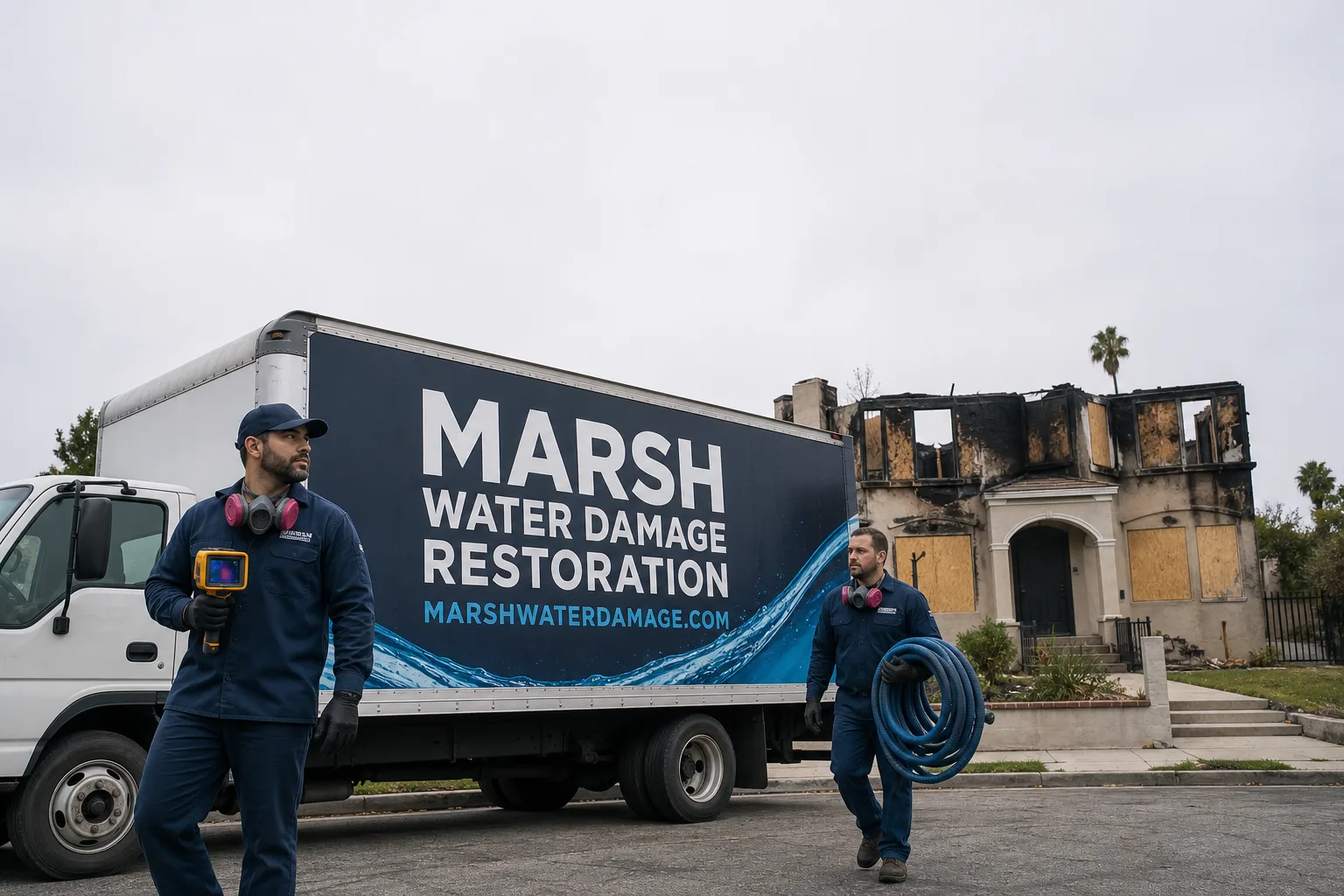
Free visual inspection and a written scope of work before any mitigation begins - photos, moisture readings, and drying logs go in your claim file
The scope we write is the scope we bill. Anything new gets shown to you, in writing, before we touch it.
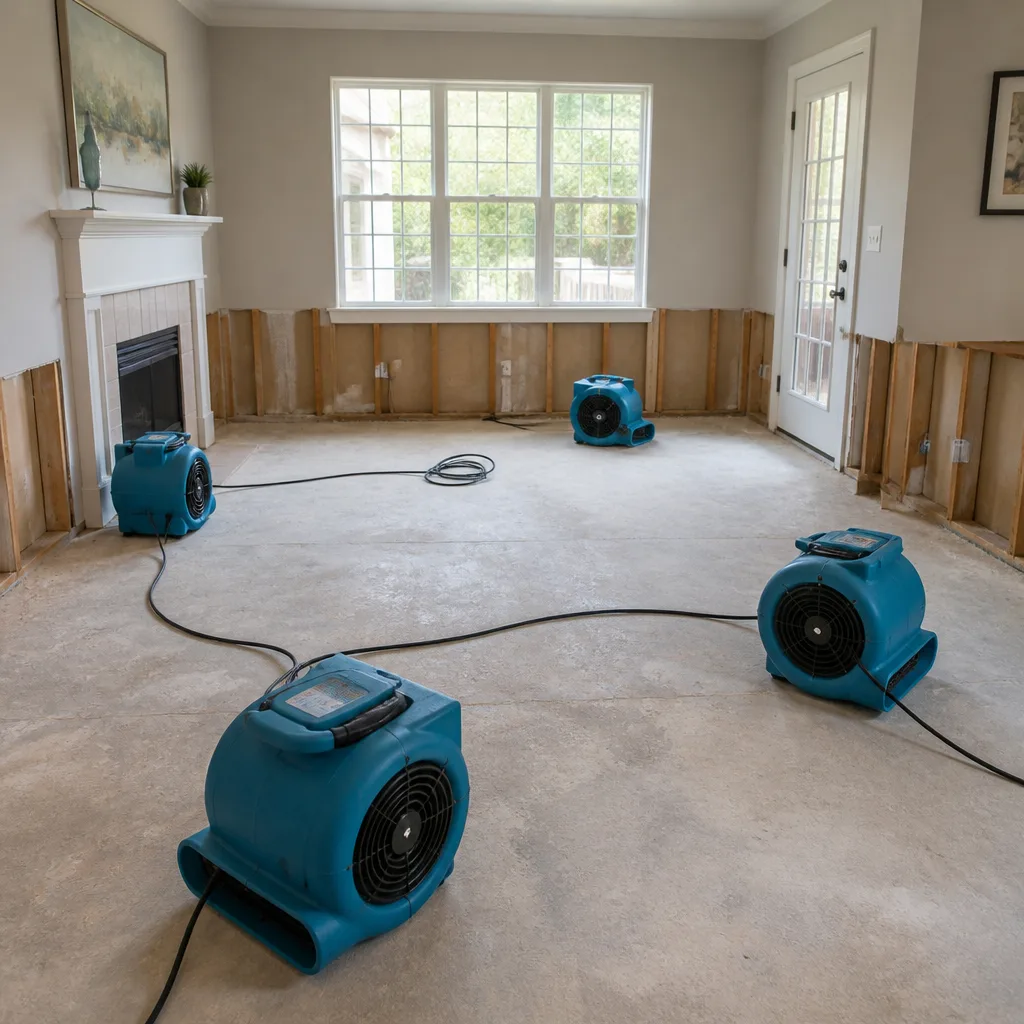
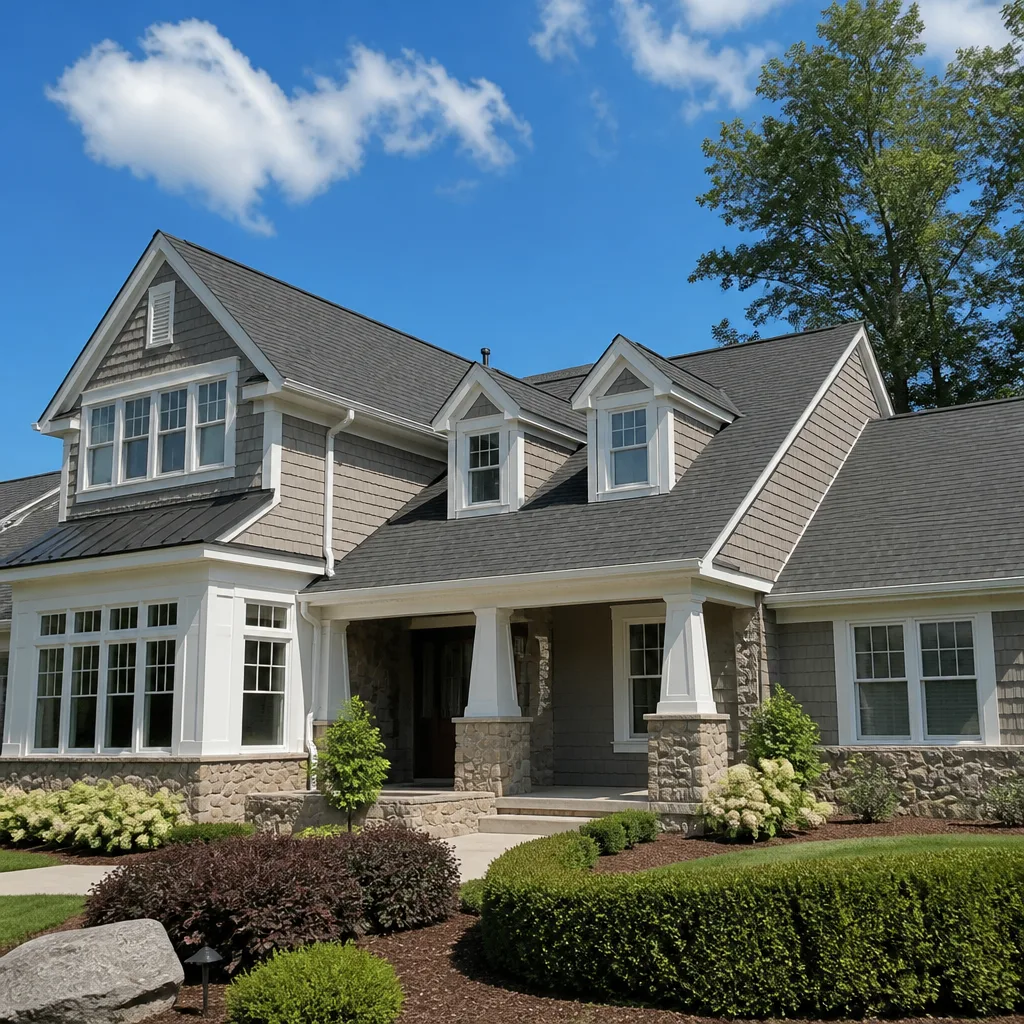
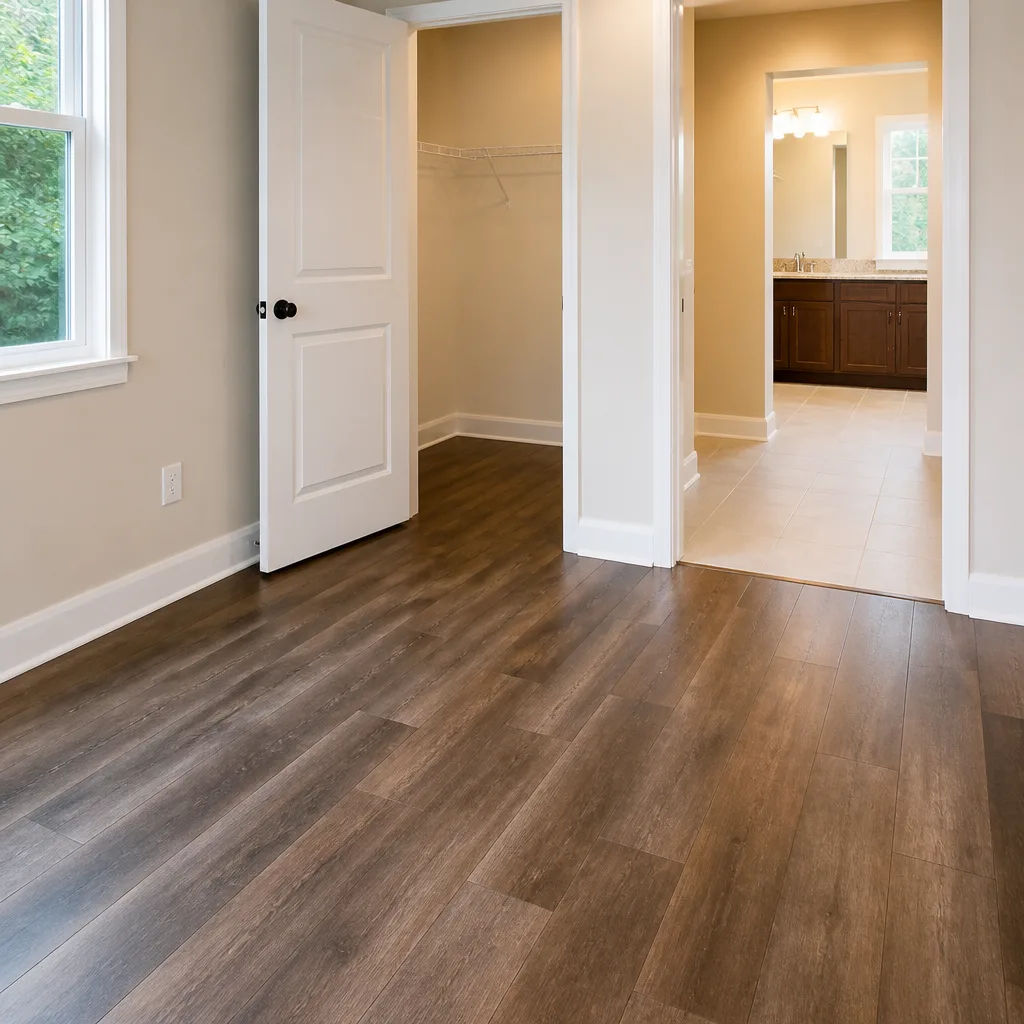
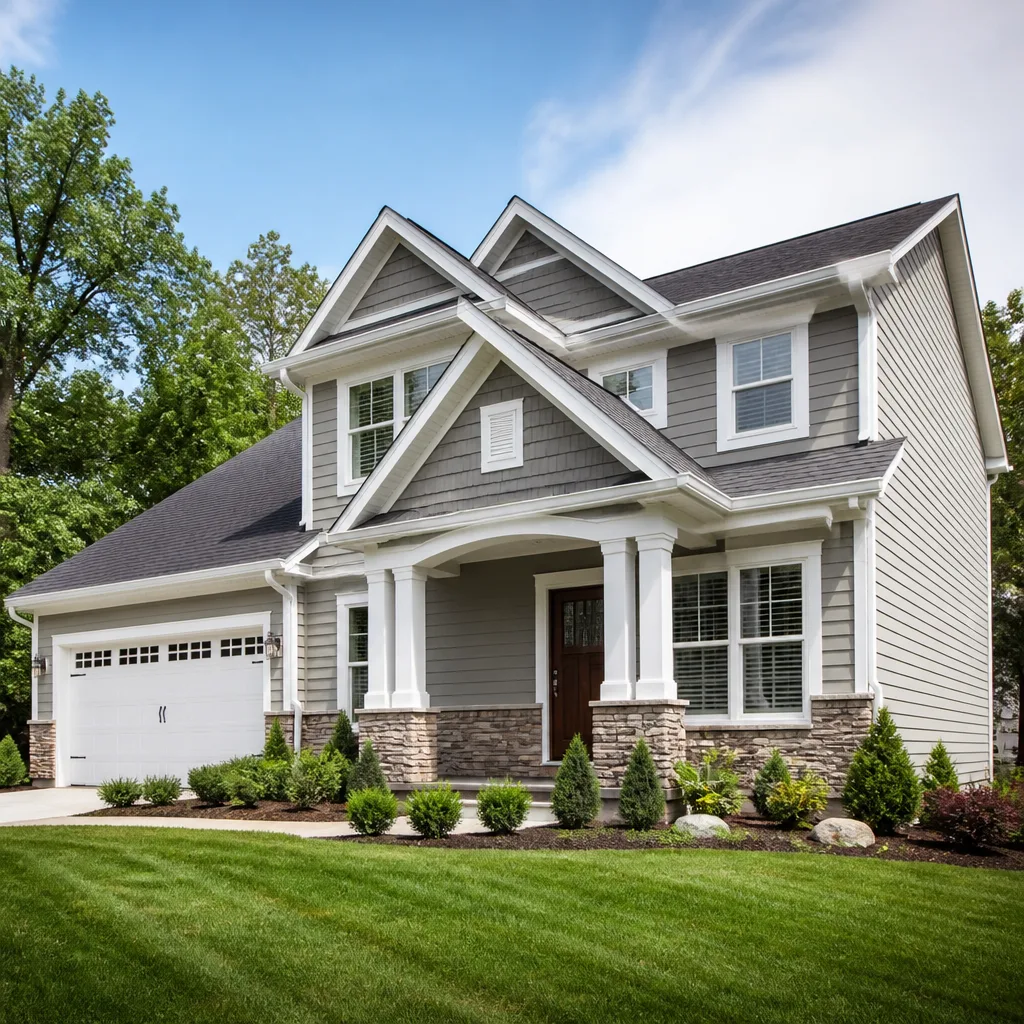
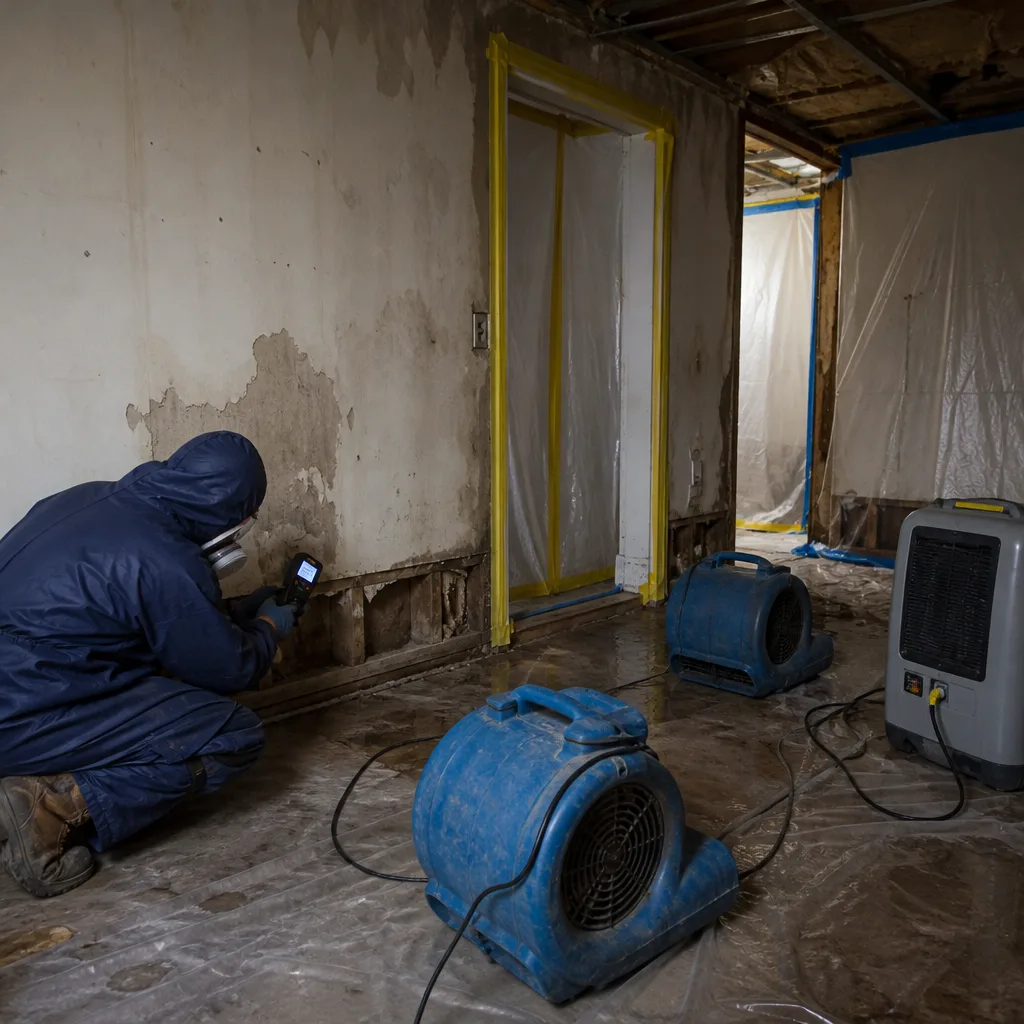 Before
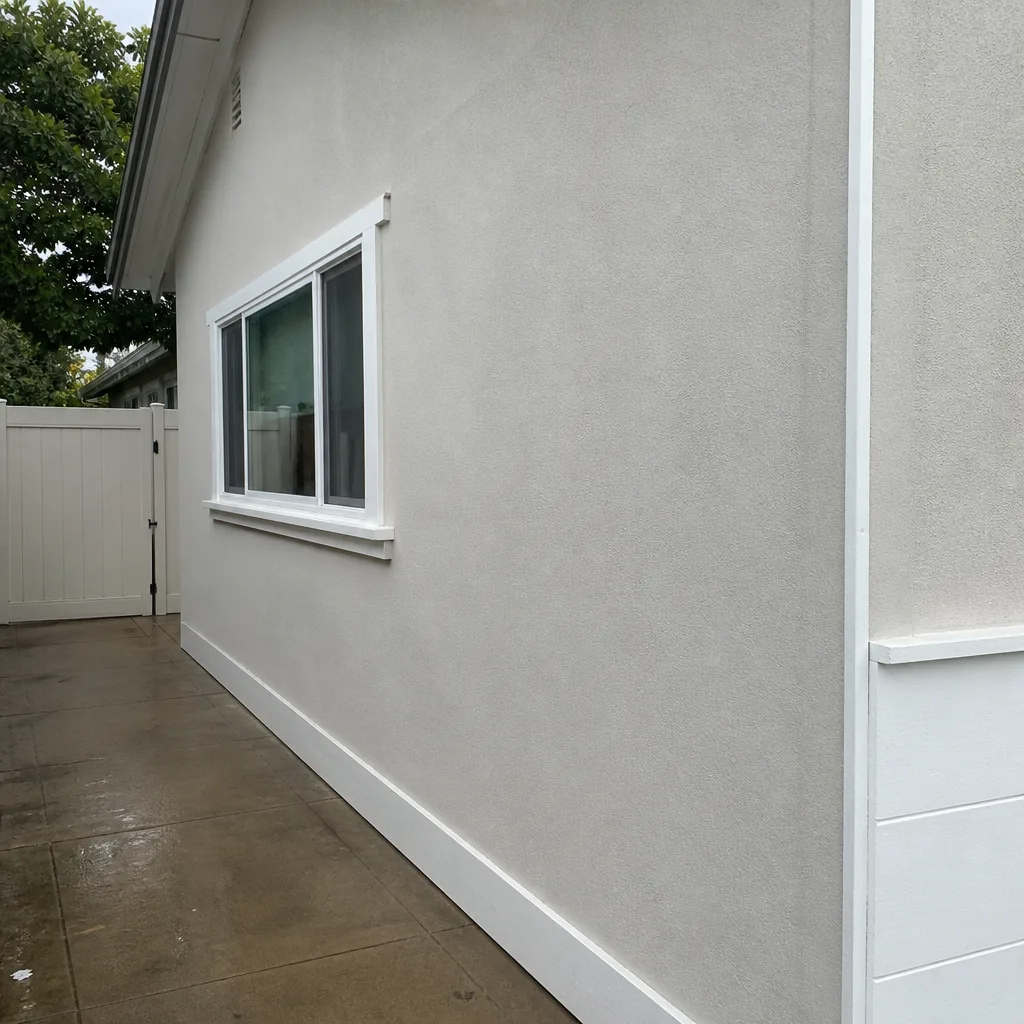 After
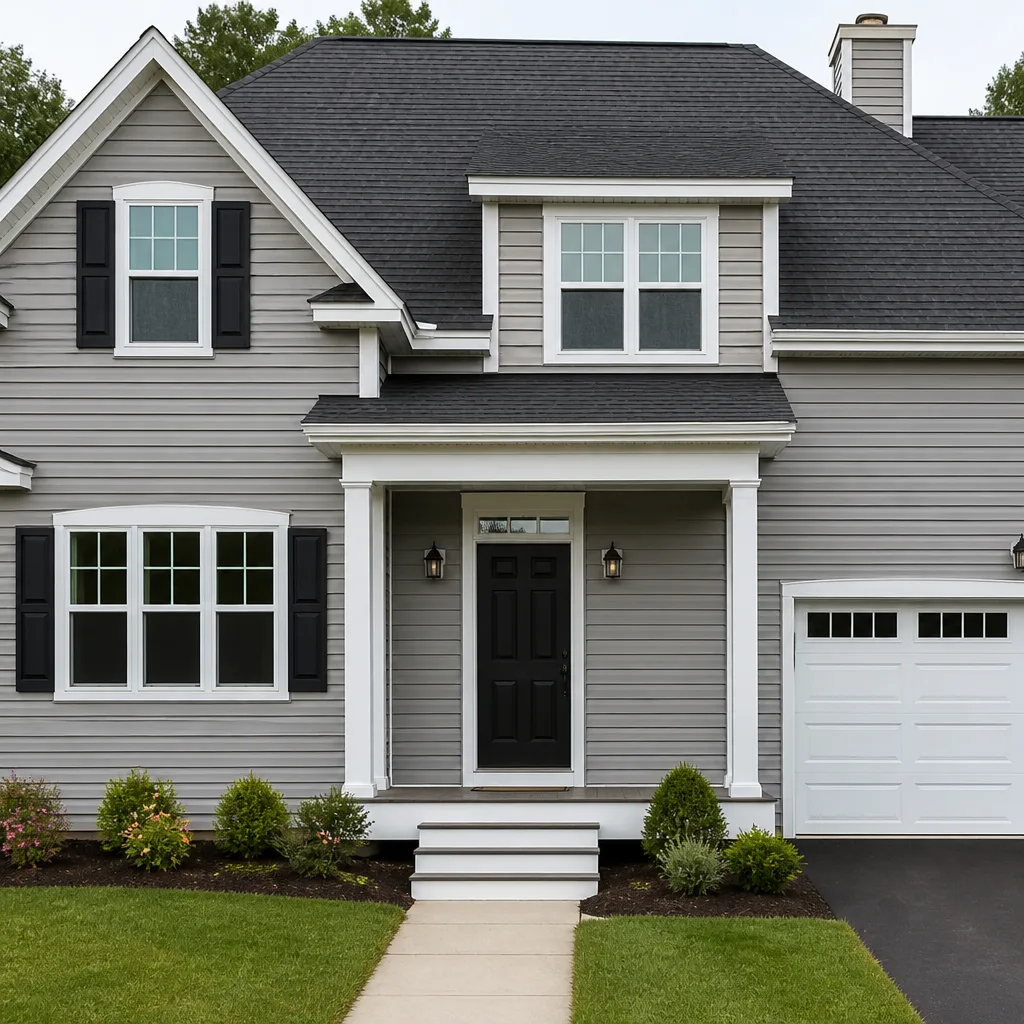
After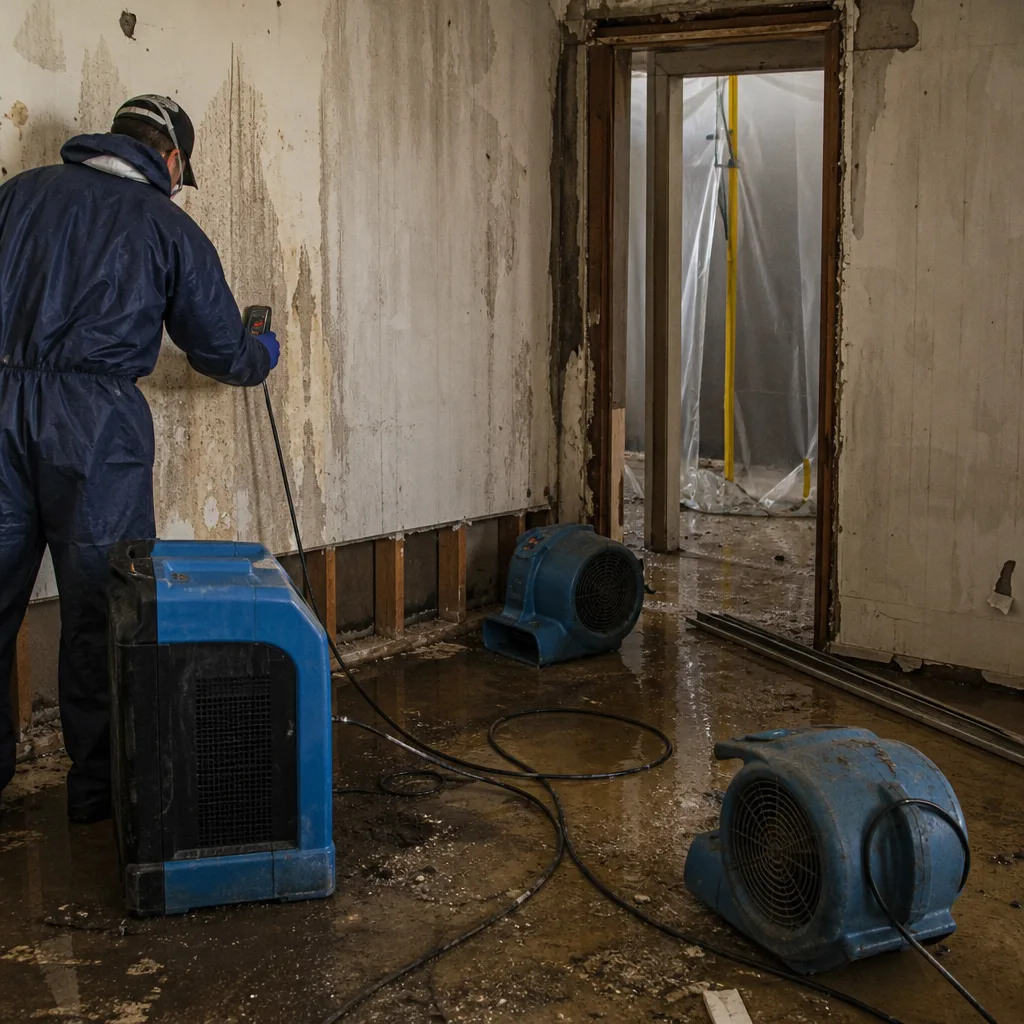 Before
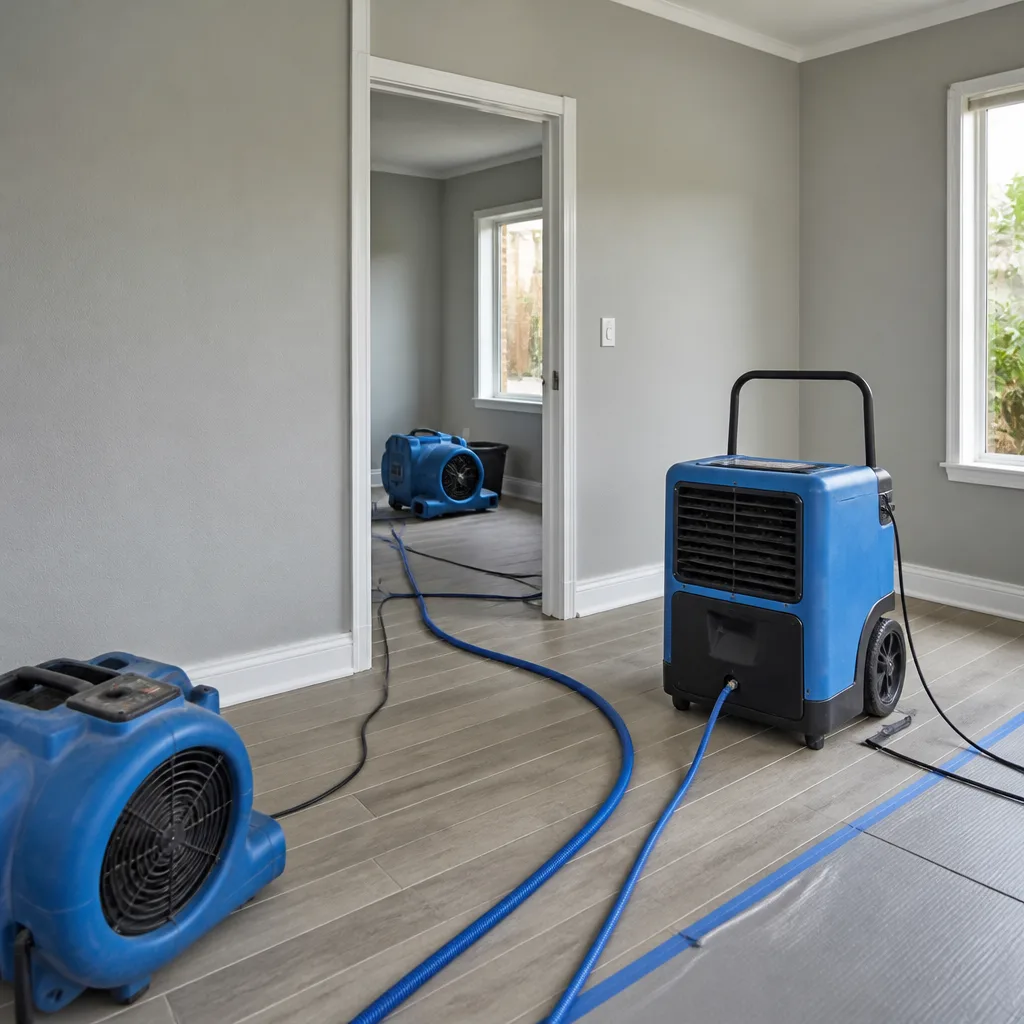 After
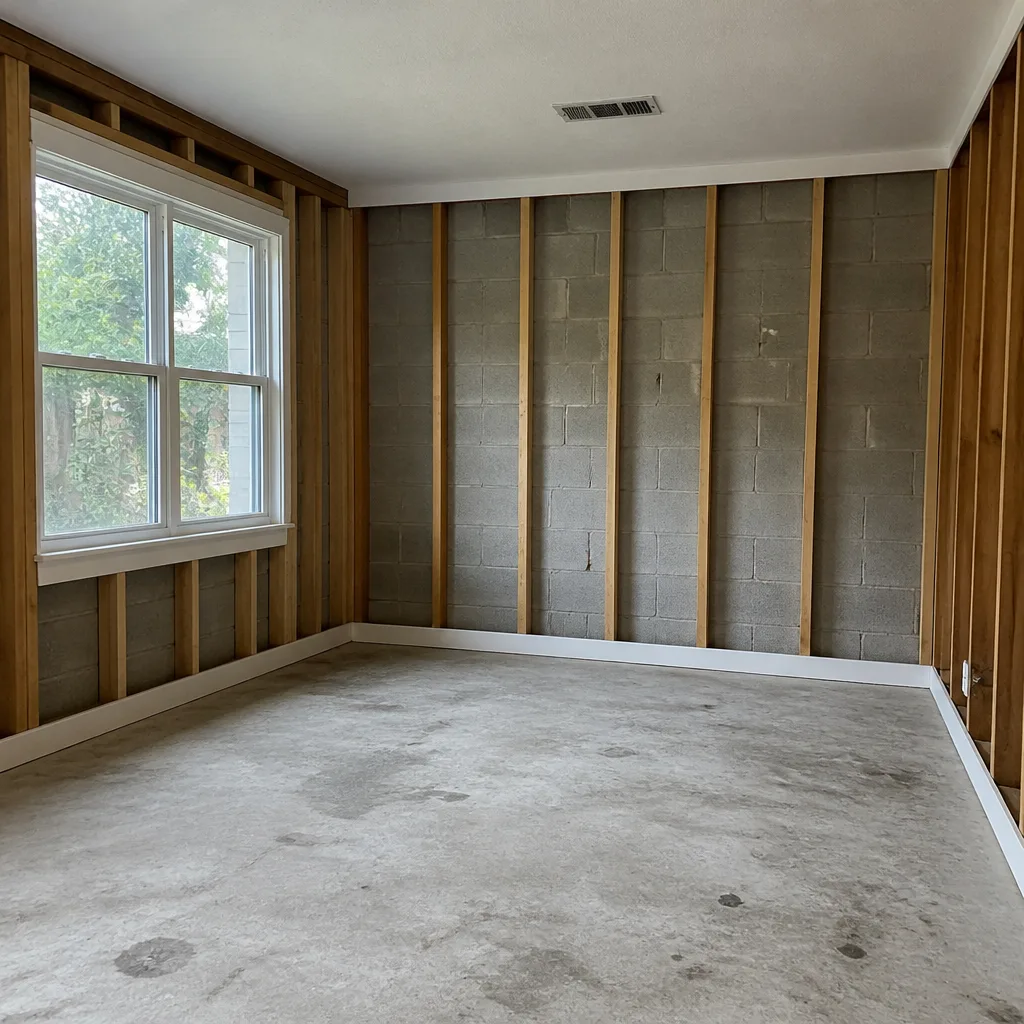
After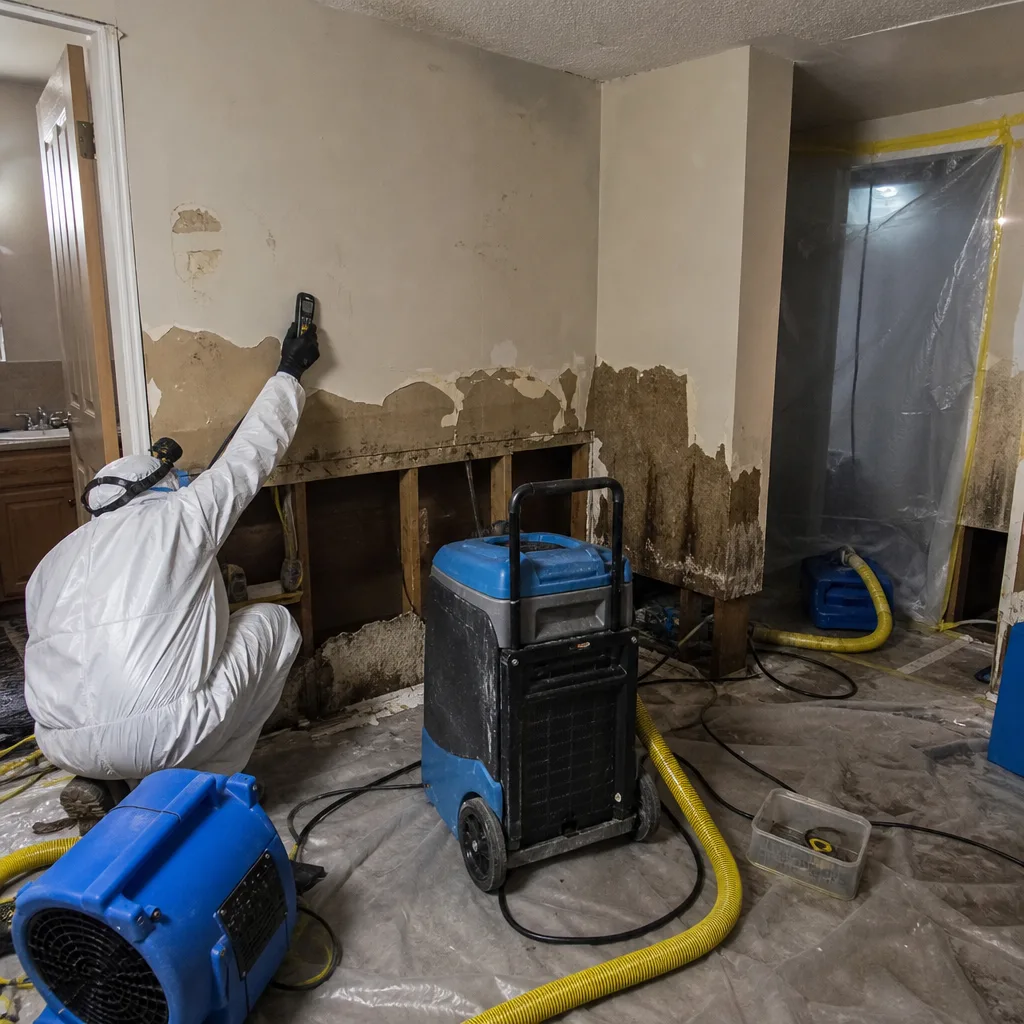 Before
 After
AfterFast, Reliable Water Damage Restoration Across Bloomingdale
A flooded basement or a burst pipe in Bloomingdale needs a crew that knows exactly what they’re walking into. The Pequannock River valley doesn’t flood like the rest of Passaic County. Converted Glenwild Lake cottages don’t dry like standard ranches. We’ve worked both, repeatedly, and we know what to do before we even pull up to your house. If water is coming in right now, call (910) 613-6568. A live person answers, and we’ll tell you who’s coming to your door before they arrive.
Why Marsh Water Damage Restoration Is Bloomingdale’s Preferred Water Damage Restoration Company
We started operating in this area in 2005 as part of the Threshold Group family of restoration companies, and we’ve spent the years since learning the specific ways water moves through Bloomingdale’s homes. The borough sits at the base of the Ramapo Mountains, where the Pequannock River gathers runoff and spills into basements with near-annual regularity. That’s not a generic flooding problem. It’s a borough-specific one, and the crews who understand it best are the ones who have been wading into those basements for years.
Every technician we send into Bloomingdale is background-checked, identity-verified, uniformed, and photo-badged through the Threshold Verified standard. You’ll get the tech’s name and photo before the visit. They’ll show a photo ID badge at the door. For homeowners who are alone during the day, parents with young children, or older residents, that proof of identity removes a real fear: the uncertainty of who exactly is standing on the porch. We take that seriously because we know it matters.
Water Mitigation in Bloomingdale
Water Mitigation in Bloomingdale means stopping the water at the source and stabilizing the structure before secondary damage sets in, and in this borough it often means working against the clock in a way that upland towns don’t experience. When the Pequannock River overflows, water enters through foundation cracks, floor drains, and sump pits that can’t keep up. The first 48 hours determine whether you’re dealing with cleanup or a full mold remediation. Most residential water extractions in this area run between $1,200 and $3,800 before drying equipment is set, depending on square footage and how long water has been sitting.
What Mitigation Actually Involves
We extract the standing water with truck-mounted and portable units, remove saturated carpet and pad that can’t be saved, and set professional drying equipment from Dri-Eaz and Phoenix. Then we take psychrometric readings (measuring the moisture in the air and materials) daily until the structure hits dry standard. In converted Glenwild Lake cottages, that can take twice as long as a standard Passaic County basement because the wall cavities are shallow and slab foundations hold moisture against framing.
When Bloomingdale Homeowners Call Us
Most mitigation calls come on nights and weekends, right when a pipe lets go or a sump pump fails during heavy rain. We answer the phone around the clock, seven days a week. Not a voicemail, not a callback queue. A person who can dispatch a crew to your street within hours.
Flooded Basement in Bloomingdale
Flooded Basement in Bloomingdale almost always means Pequannock River water or groundwater pushing up through a mid-century slab, and the depth and contamination level determine everything about the job. Original ranch and cape cod homes built between the 1950s and 1970s throughout the borough frequently have older cast-iron drain lines and minimal basement waterproofing. Water that enters through those systems brings silt, sewage, and whatever the river carried with it. A typical Bloomingdale flooded basement runs $2,800 to $7,500 for extraction, drying, and sanitation, with structural repairs priced separately after we see what’s behind the walls.
The Glenwild Lake Difference
Those seasonal lake cottages off Glenwild Road were never built for year-round living. Thin wall assemblies, pier or slab foundations, and no vapor barriers mean river water saturates structural lumber, not just carpet and drywall. We dry those structures in place over days, sometimes five to seven, while monitoring with moisture meters and thermal imaging. A standard three-day drying cycle fails there. We know that from doing it.
Mold Behind Finished Drywall
Bloomingdale’s flood history creates a specific problem: basements that flooded during Hurricane Irene in 2011, and in smaller events since, often already had mold growing behind finished drywall before the latest incident. If a crew skips thermal imaging and just dries the visible surface, they leave active growth in place and generate callbacks. We always check. Always.
Trusted Brands We Service in Bloomingdale
We work on all the water-damage and drying equipment brands Bloomingdale homeowners actually have in their basements and utility rooms. That includes Dri-Eaz and Phoenix dehumidifiers, XPOWER air movers, and Injectidry drying panels, plus the plumbing and sump systems they connect to. We’re credentialed through IICRC, RIA, and IFA, so the gear gets handled by technicians who know the manufacturer specs. Because we’re serving Bloomingdale regularly, we keep common replacement parts and drying panel accessories on hand. Faster turnaround, less waiting on a parts delivery from a distribution center across the state.
Common Water Damage Restoration Problems We See in Bloomingdale Homes
– Repetitive floodplain moisture causing hidden mold. Basements near the Pequannock River that flooded during Irene and subsequent storms often have mold colonies behind finished drywall that look dry from the outside. Thermal imaging catches what the eye misses, and skipping it means the next flood compounds an existing problem.
– Converted Glenwild Lake cottages that won’t release moisture. Slab foundations, thin walls, and missing vapor barriers hold water against structural lumber far longer than standard suburban builds. These homes need extended drying cycles and antimicrobial treatment on framing, not just air movement.
– Freeze-thaw pipe failures from the Ramapo Mountain base. Bloomingdale’s elevated terrain produces a harder freeze-thaw cycle than lower Passaic County towns. Ice dams form at roof edges, and pipes in uninsulated crawl spaces burst from late fall through early spring. These calls spike when temperatures swing sharply.
– Ice-dam intrusion during nor’easters. When nor’easters dump snow and then rain on the Ramapo slopes, water backs up under shingles at roof edges and travels down wall cavities. By the time it shows up as a ceiling stain in a Bloomingdale living room, the insulation is already saturated and needs replacement, not just drying.
Pricing for Water Damage Restoration in Bloomingdale, NJ
We Also Serve Cities Near Bloomingdale
Beyond Bloomingdale, our crews cover Water Damage Restoration in Bloomingdale and the surrounding Passaic County towns. We regularly work in Totowa, Pompton Lakes, Wanaque, and Butler. Same Threshold Verified standard, same written price commitment. If water is moving into a finished space anywhere in this part of the county, call before it spreads further.
Serving Bloomingdale, NJ - Our Local Coverage Area
We’re based in the Bloomingdale area and know this community well. Use the map below to see our service coverage - if you’re nearby, we can almost certainly help.
FAQs About Water Damage Restoration in Bloomingdale
Because those converted seasonal cottages were built without vapor barriers, with slab or pier foundations, and with wall cavities too shallow for standard drying equipment to move air effectively. River water saturates structural lumber, and that lumber has to be dried in place over five to seven days while we monitor moisture readings daily. A three-day drying cycle simply doesn’t get it done there. If you’re in the Glenwild Lake colony, ask any contractor how long they plan to dry the framing, not just the visible surfaces. Then call (910) 613-6568 for an honest answer.
Thermal imaging and moisture mapping show temperature differences and elevated moisture behind finished walls that look dry from the outside. Bloomingdale’s flood history makes this common, especially in basements near the Pequannock that flooded during Irene. If past floods were never properly remediated, active mold colonies are often already there. We screen for it on every flood job before we set drying equipment. Call (910) 613-6568 and we’ll check before remediation starts, not after the drywall comes down.
Yes, and it’s noticeable if you’ve worked both areas. Bloomingdale sits higher against the Ramapo Mountains, so temperatures swing harder and faster. That means more ice dams at roof edges, more burst pipes in uninsulated crawl spaces, and more late-winter calls than towns at lower elevation. Our fall and winter work in Bloomingdale leans heavily toward freeze-related failures. If a pipe has already burst, call (910) 613-6568 now, and we’ll walk you through shutting off the water while we dispatch.
Category 2 means the water is significantly contaminated, like sump pump failures with gray water or water that carried chemicals and silt. Category 3 means the water is grossly contaminated, the kind that arrives with sewage, river overflows, and floodwater that has picked up whatever the Pequannock was carrying. Category 3 requires full containment, disposal of saturated porous materials, and antimicrobial treatment on structural surfaces. We classify the water before we start, in writing, so you know exactly what standard we’re working to. Call (910) 613-6568 to discuss what category your situation falls into.
Often yes, but it depends on how many rooms are affected and how long the water sat. For a single room or a contained area, we use Injectidry panels to pull moisture from hardwood floors, and Dri-Eaz and Phoenix dehumidifiers to dry in place. That avoids hauling your furniture out. When the slab is saturated and framing behind walls is involved, containment and extended drying become necessary. We’ll give you the answer and the written price before any equipment gets set. Call (910) 613-6568 to talk it through.
Water Damage in Bloomingdale? Call the Crew That Knows This Borough
If you’re standing in water or watching a ceiling stain spread, the first call is the hardest. We get that. You’re inviting people into your home during a bad moment, and you want to know who they are. Here’s what happens when you call (910) 613-6568: a live person answers, asks what’s going on, and schedules a Threshold Verified technician for your Bloomingdale address. You get the technician’s name and photo before the visit. They show a photo ID badge at the door. You get a written price before any work starts, a written guarantee on the repair, and a 365-Day Done Right Promise that says if it’s not right within a year, we make it right with a free second visit. That’s the deal, every time, in Bloomingdale.
*Written by Tobias Reyner, Owner at Marsh Water Damage Restoration, serving Bloomingdale since 2005. Our Water Damage Restoration team handles mitigation, extraction, and structural drying throughout the Pequannock River valley.*