
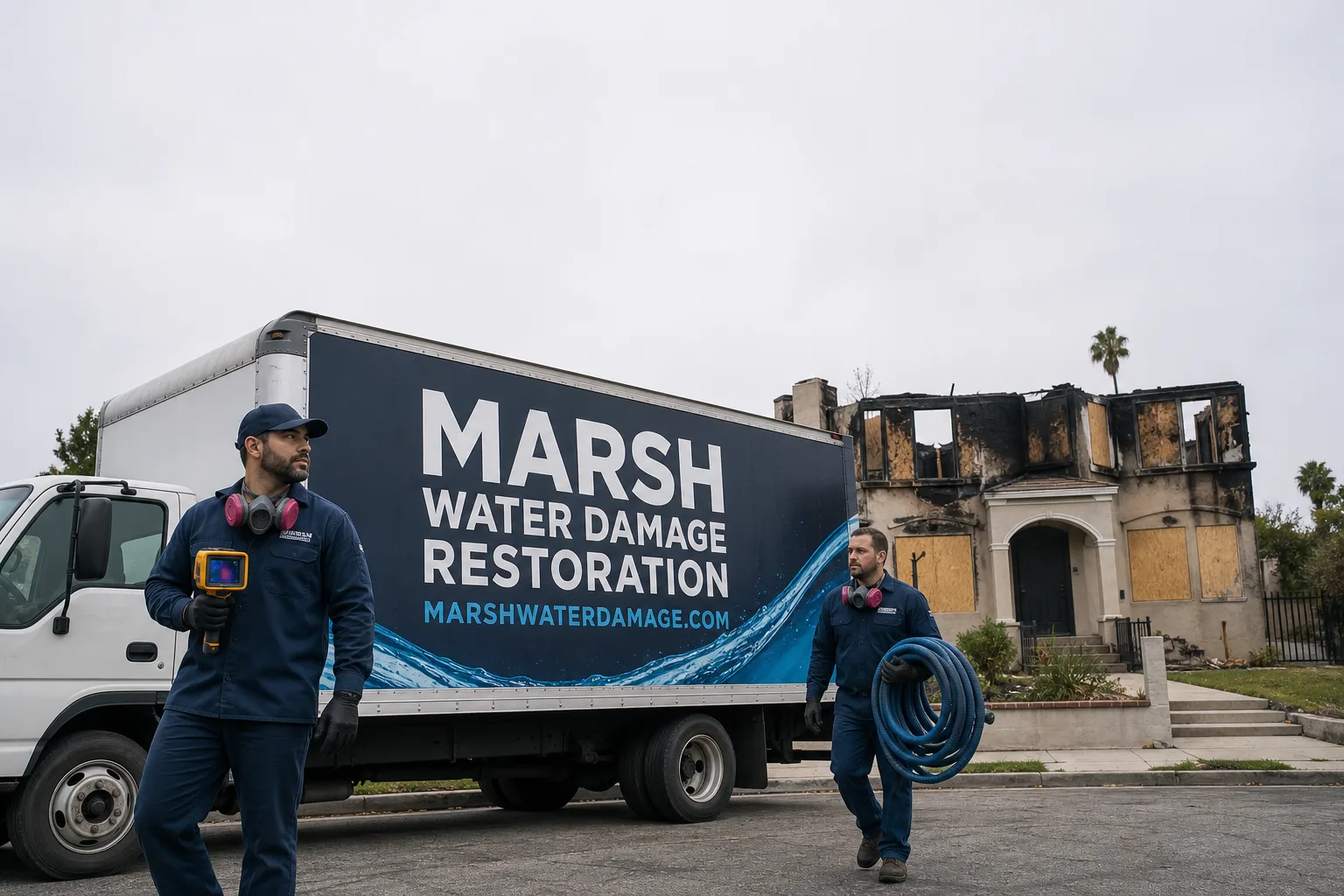
Free visual inspection and a written scope of work before any mitigation begins - photos, moisture readings, and drying logs go in your claim file
The scope we write is the scope we bill. Anything new gets shown to you, in writing, before we touch it.
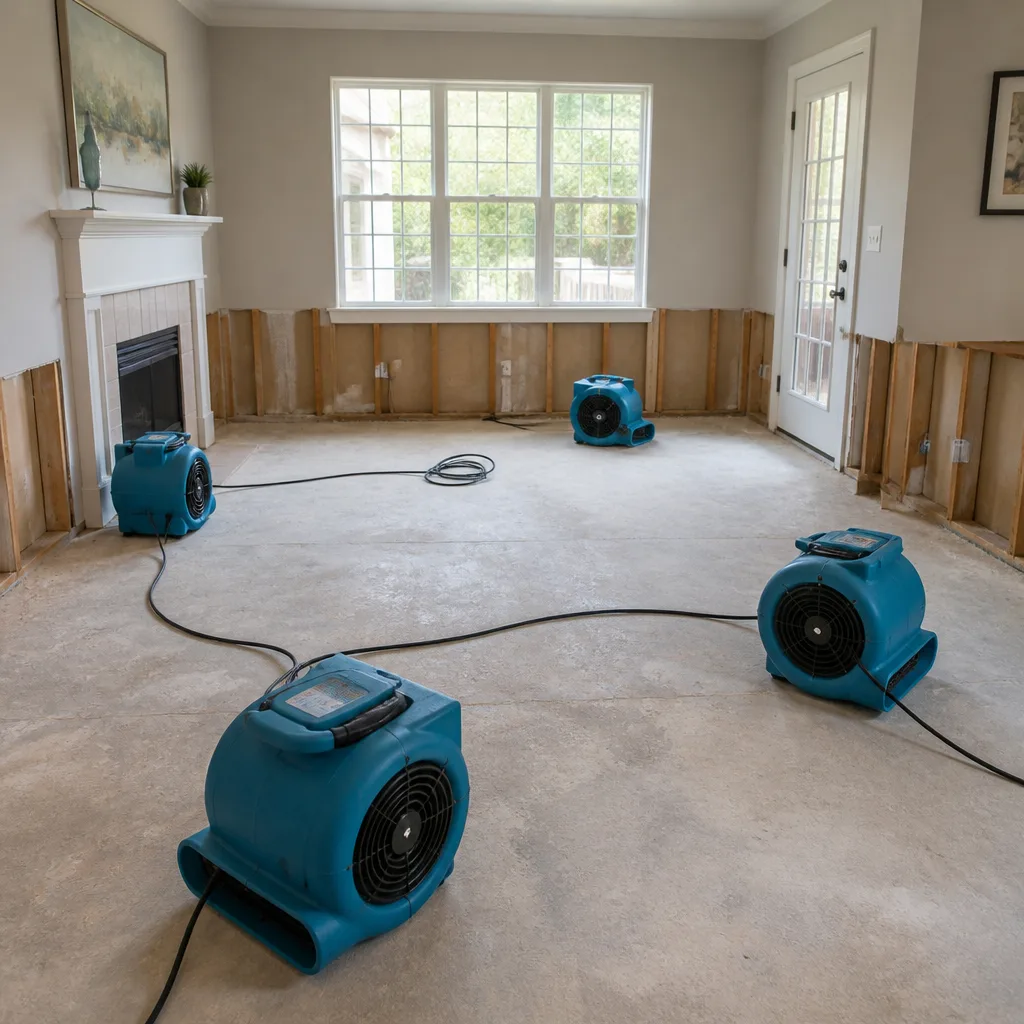
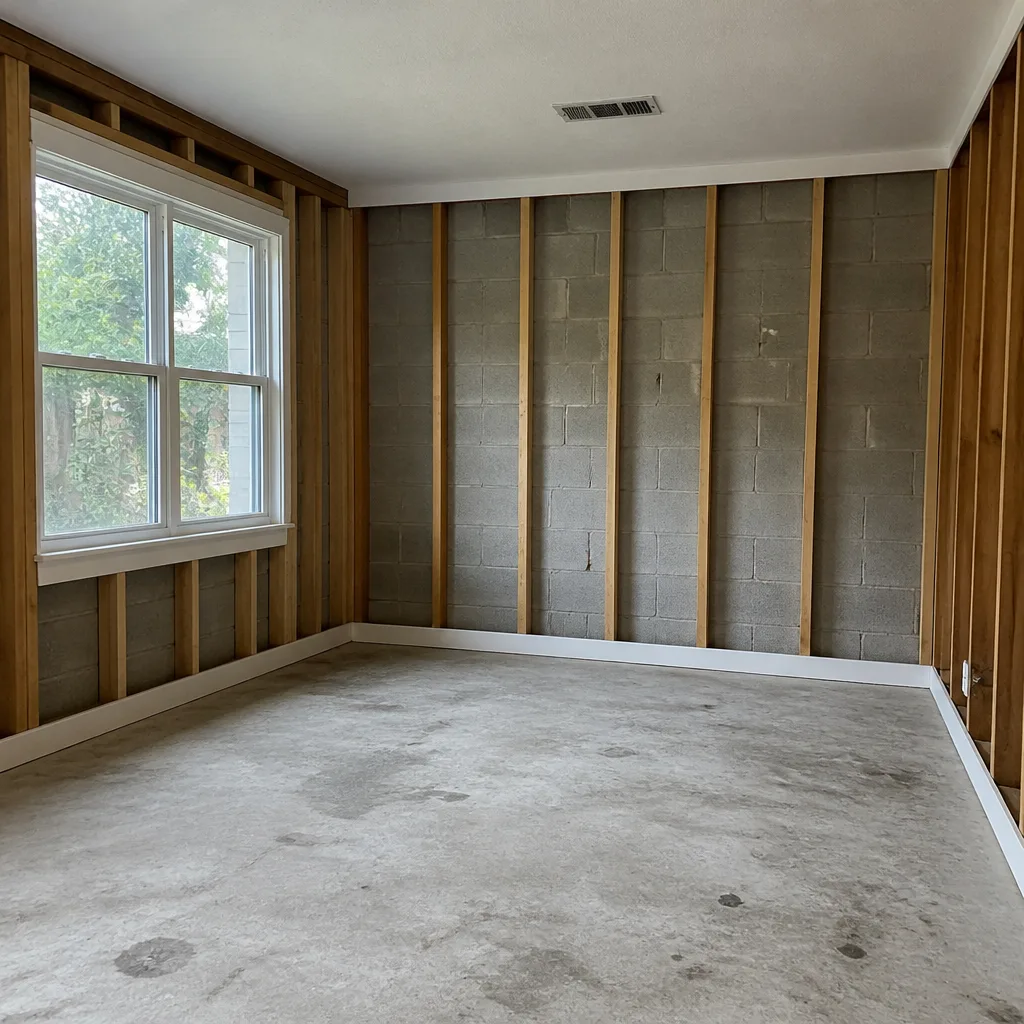
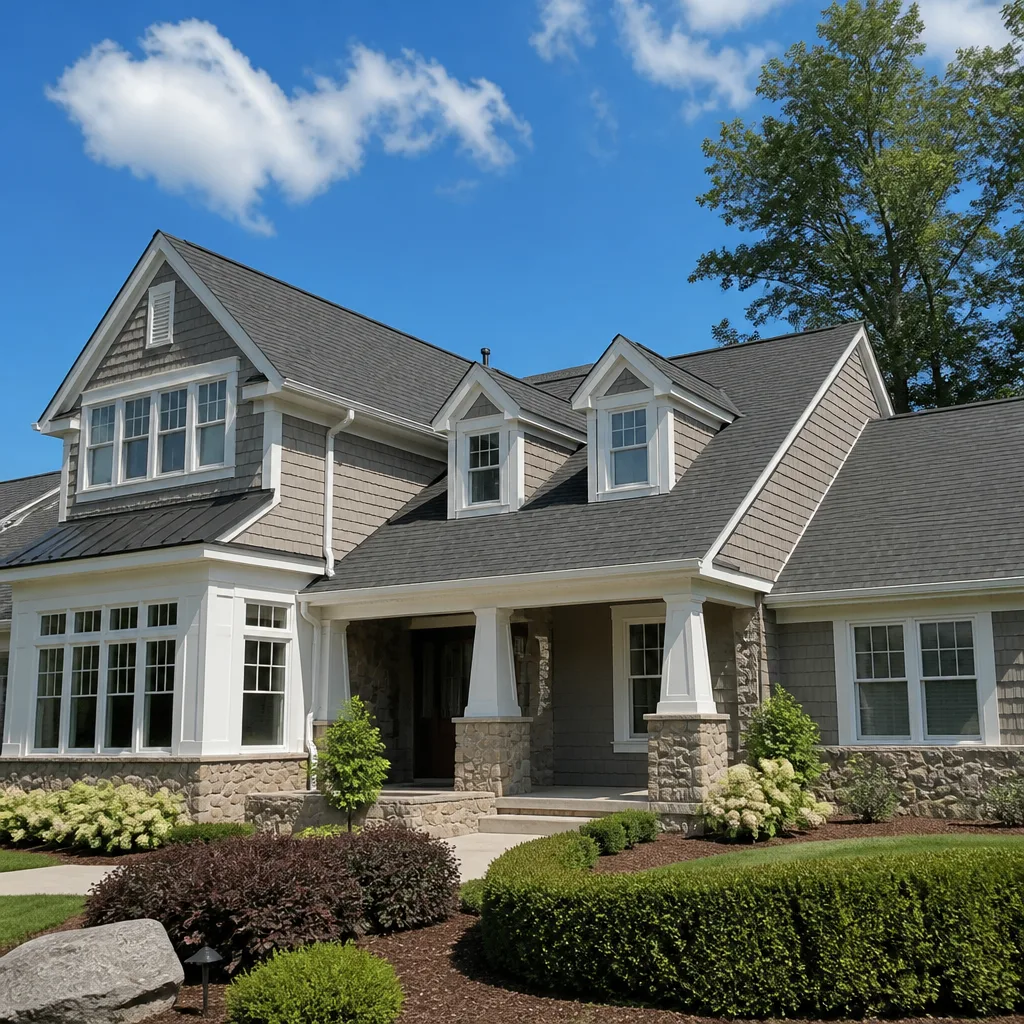
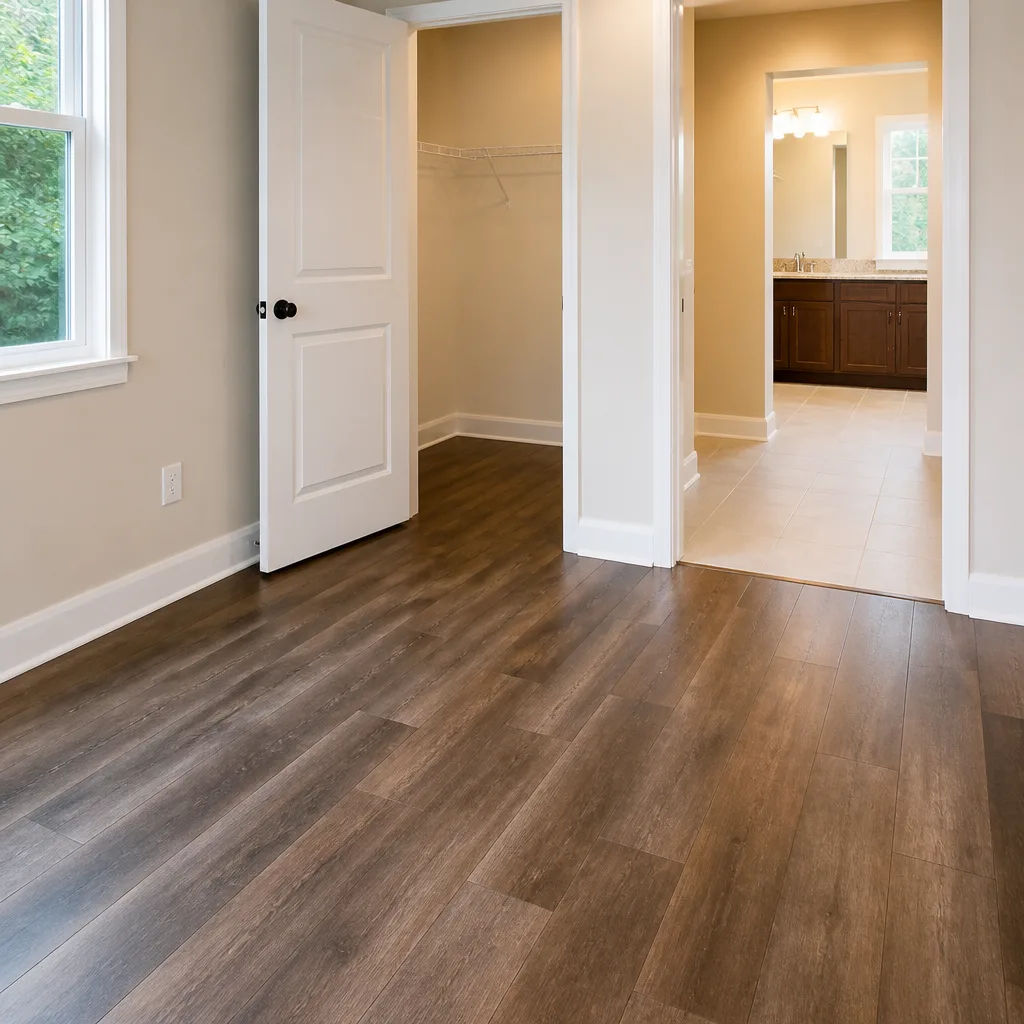
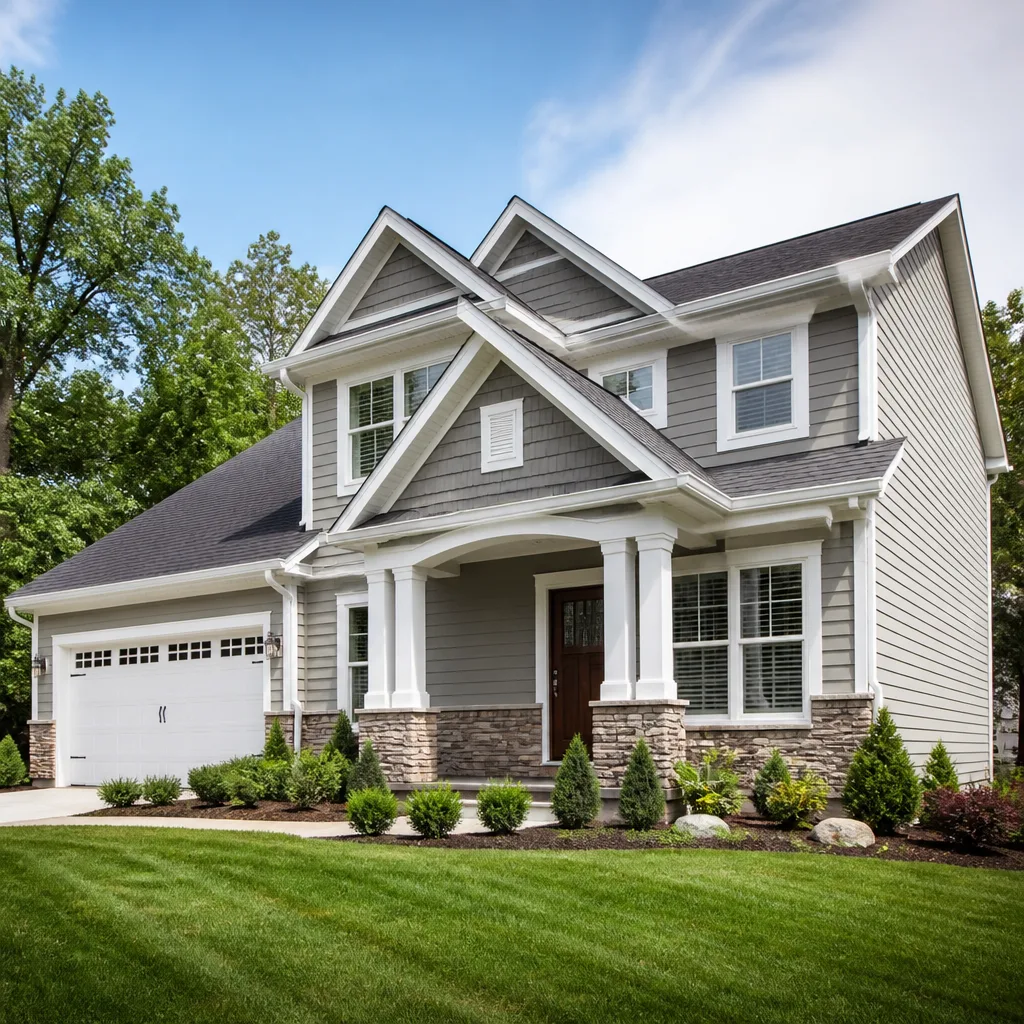
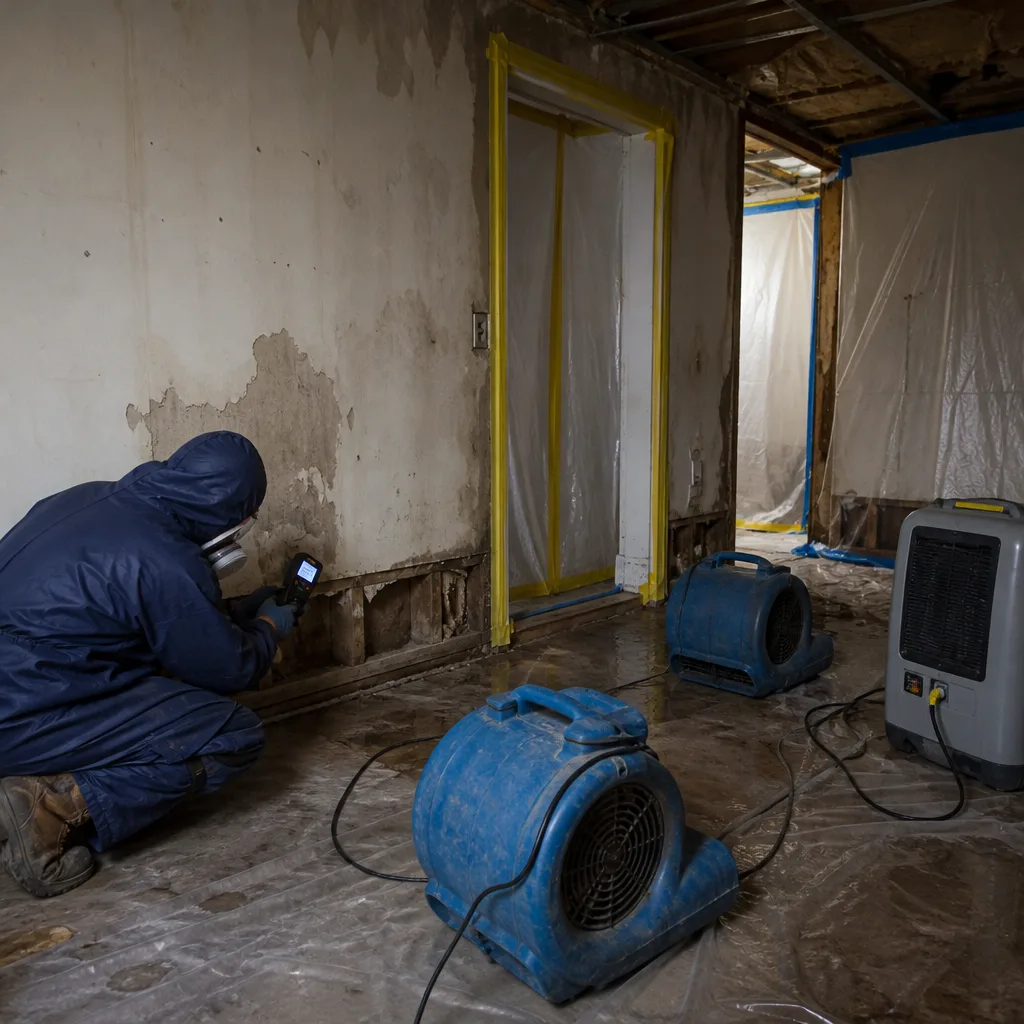 Before
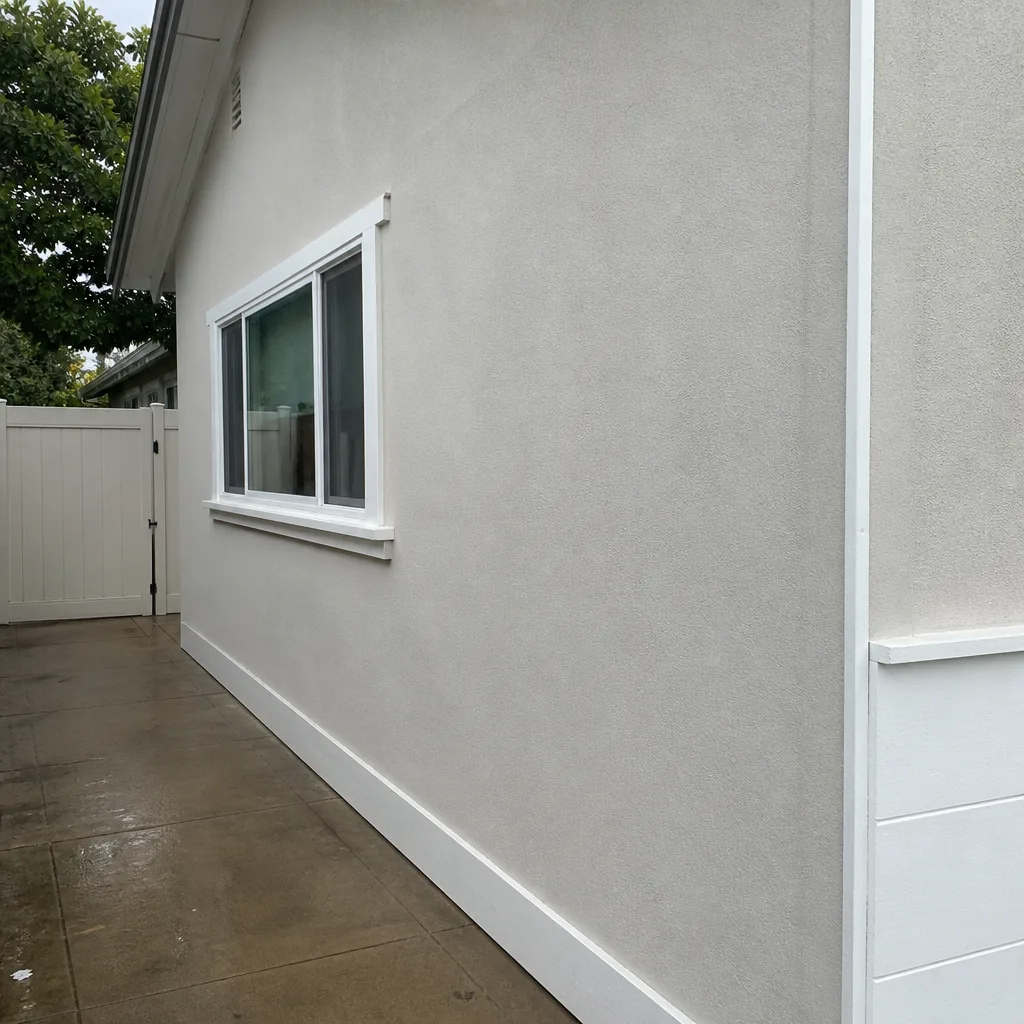 After
After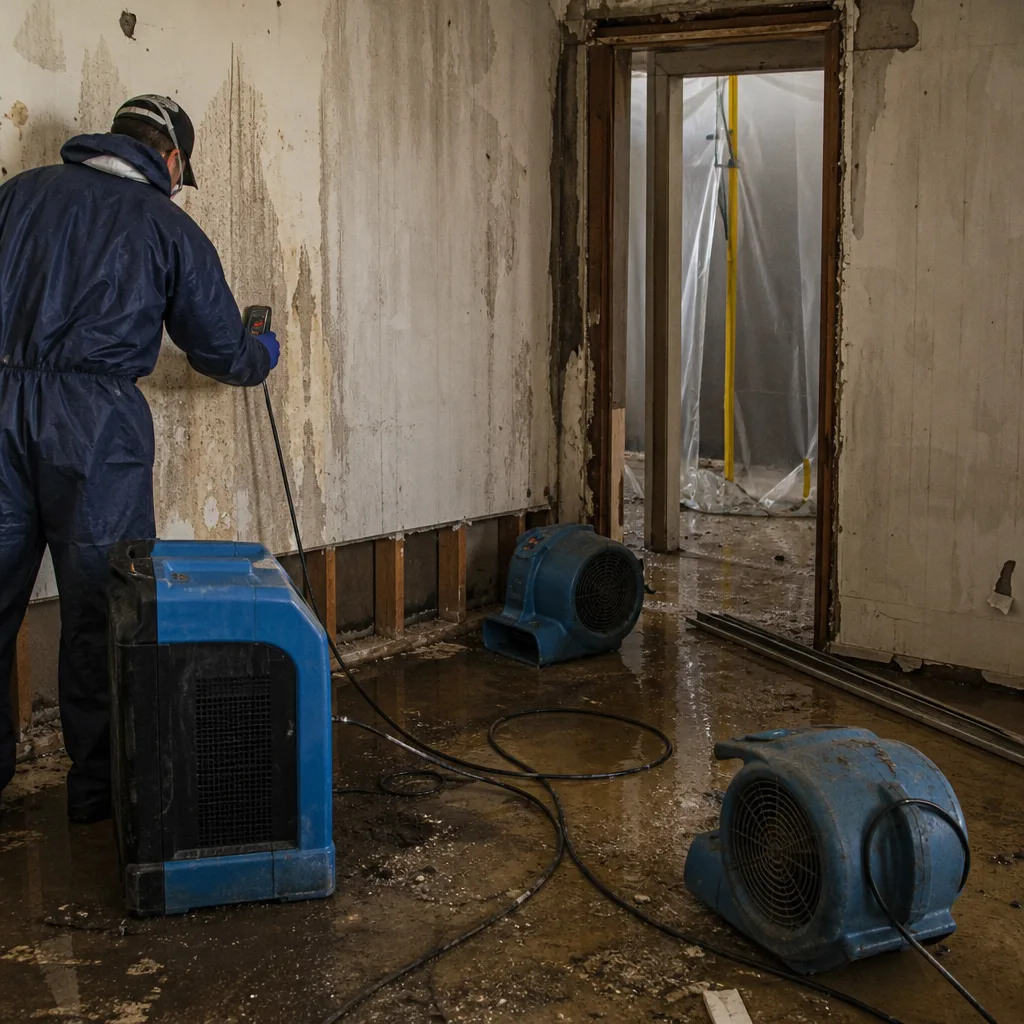 Before
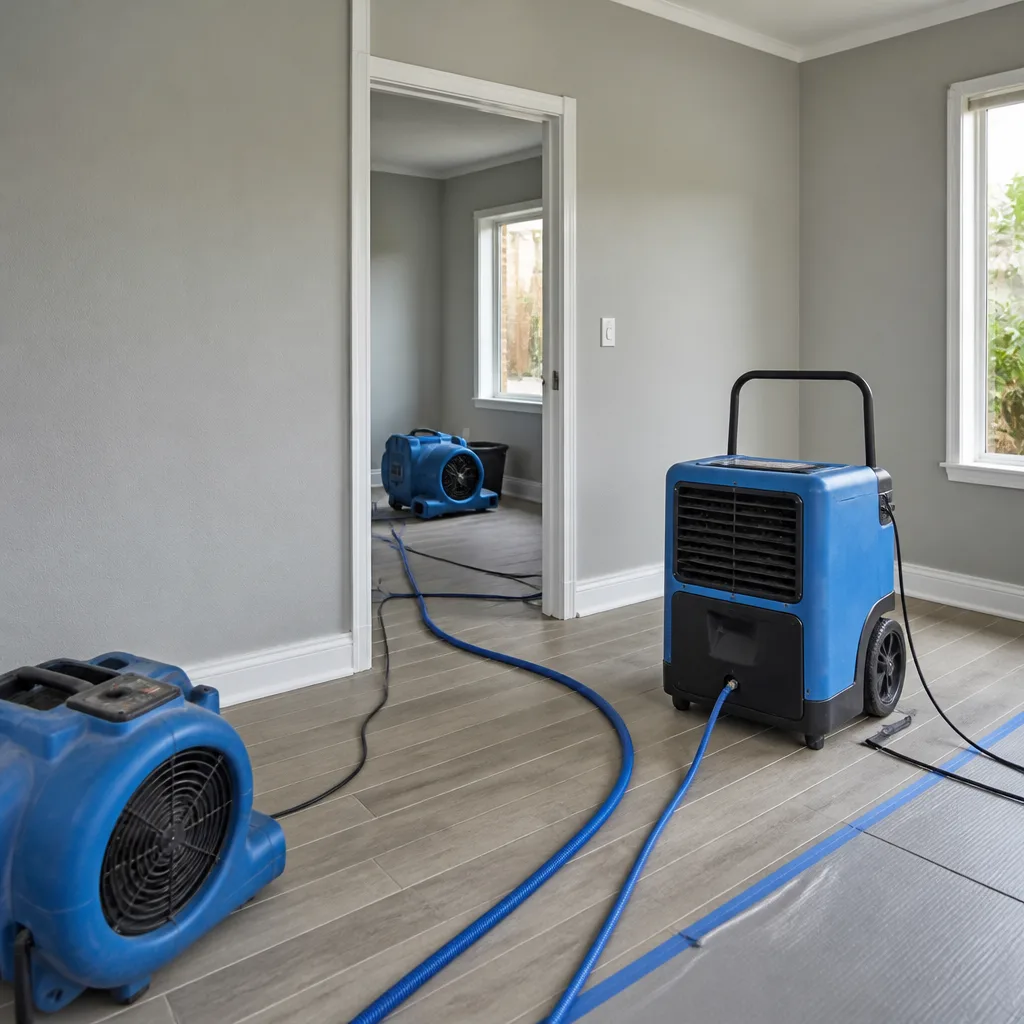 After
After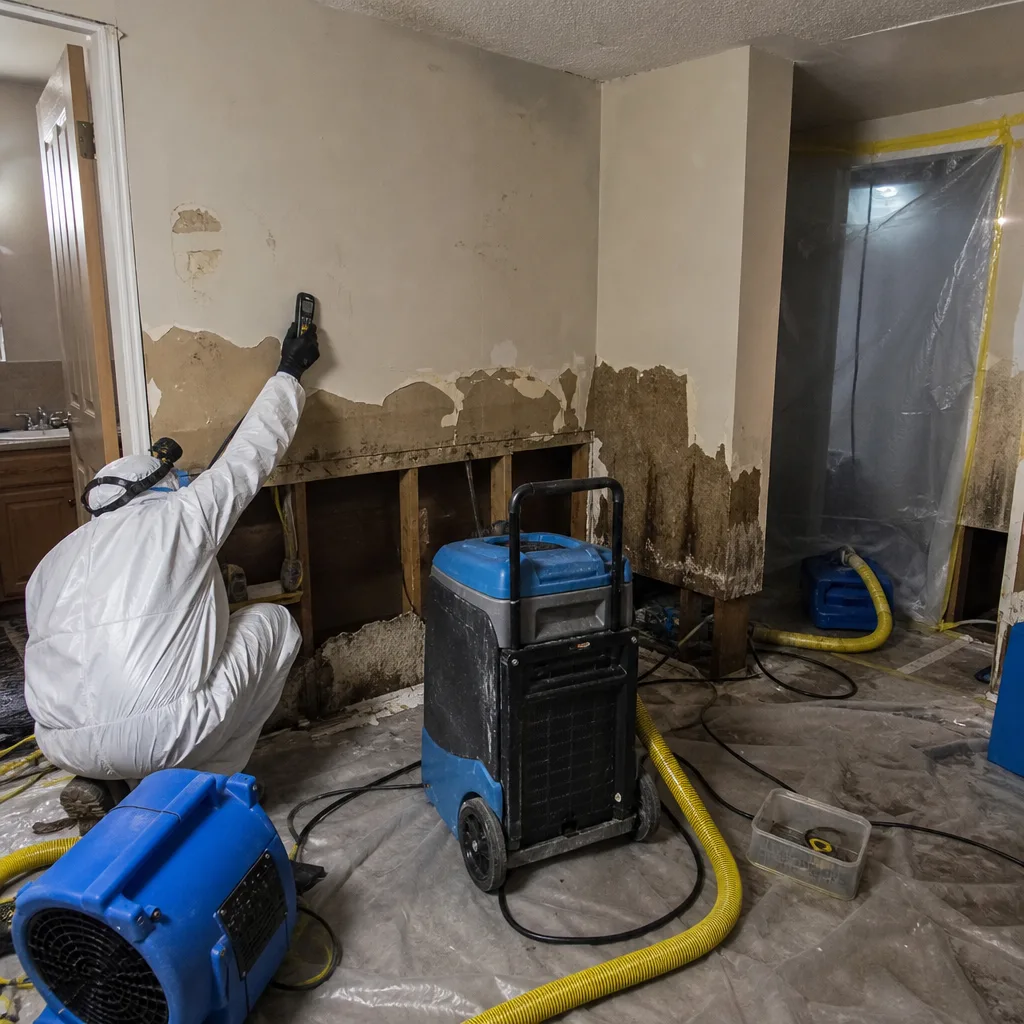 Before
 After
AfterWater Damage Restoration in Freehold: What It Costs and How Fast We Arrive
Water damage restoration in Freehold typically costs between $2,500 and $7,500 for a standard basement extraction and structural drying job, with flood cleanup from groundwater intrusion running higher when category 3 water is involved. Most Freehold calls we take are answered by a live person at (910) 613-6568 within seconds, and our Freehold crews are typically on site within 60 to 90 minutes for emergency extraction. The real variable in Freehold isn’t the water itself. It’s what the water reveals once we start pulling baseboards and paneling in this town’s specific housing stock.
Freehold sits in the upper Manasquan River watershed, and its clay-heavy Monmouth County soils hold groundwater for days after a nor’easter or tropical remnant passes through. That means a flooded basement here doesn’t drain fast like it does in Shore towns a few miles east. The water lingers, soaks into block walls and wood framing, and starts the mold clock running sooner than most homeowners realize. Our Water Damage Restoration team works that clock hard because we know exactly how Freehold’s geology accelerates it.
Key takeaways for Freehold homeowners:
- Emergency extraction in Freehold runs $800 – $2,200 before drying equipment is set.
- Full structural drying with professional equipment typically adds $1,500 – $4,000 depending on square footage and how long water sat.
- Freehold Borough and Freehold Township have separate permitting processes. Confirming jurisdiction before work starts keeps insurance repairs on schedule.
- Paper-faced drywall against below-grade block in 1970s – 80s Township homes routinely hides mold that requires category 3 remediation.
Why Marsh Water Damage Restoration Is Freehold’s Preferred Water Damage Restoration Company
We’ve worked enough basements off Route 537, throughout the Borough’s Victorian streets, and across the Township’s colonial developments to know that water damage in Freehold rarely matches the homeowner’s first impression. A sump pit that overflows in a split-level near Route 9 isn’t the same job as a burst supply line in a late-1800s wood-frame on Main Street. The construction is different. The soil is different. The permitting is different. And the way water moves through wall cavities is different.
Every Marsh technician who arrives at a Freehold door is background-checked, identity-verified, uniformed, and photo-badged under the Threshold Verified standard. Before the truck pulls up, you get the technician’s name and photo. At the door, they show a photo ID badge. Every time. That matters when you’re opening your home to a crew at 2 a.m. during a storm, or when you’re home alone with young kids and a basement filling up.
We’ve been doing this since 2005 as part of the Threshold Group family of restoration companies. Our techs carry IICRC, RIA, and IFA credentials, and they run Dri-Eaz, Phoenix, and XPOWER equipment on Freehold jobs, the same gear used on large commercial losses. Tobias Reyner leads our restoration team, and the standard he holds is simple: a written price before any work starts, a written guarantee on every repair, and the 365-Day Done Right Promise printed on every work order. If the repair isn’t right within a full year, we make it right. That includes a free second visit, automatically. Never something you have to argue for.
Flood Damage Restoration in Freehold
Flood Damage Restoration in Freehold is a different animal than it is in Shore towns, and understanding that difference changes how the job gets scoped. Here, flooding rarely comes from storm surge. It comes from inland freshwater, nor’easters and tropical remnants that funnel up the Jersey Shore corridor and sit over Monmouth County, pushing the Manasquan River and its tributaries over their banks and driving groundwater up through Freehold’s clay-heavy soils into basements. Floodwater from outside is category 3 water by definition, carrying bacteria, sewage, and whatever else washed into the watershed. That means extraction alone doesn’t finish the job. It barely starts it.
Groundwater Extraction and Contaminant Removal
When Freehold Township basements flood from groundwater intrusion, the water has usually been in contact with soil and often with sanitary lines backed up by the same storm. We extract with truck-mounted and portable units, then cut and remove saturated drywall and insulation that can’t be saved. The rule is simple: if floodwater touched it and it’s porous, it goes.
Sanitizing and Structural Drying After a Flood
After extraction and removal, we apply antimicrobial treatment to affected framing and concrete, then set Phoenix and Dri-Eaz air movers and dehumidifiers. We run psychrometric readings, which is measuring the moisture in the air, until wall cavities and floor assemblies hit dry standard. In Freehold’s clay soil, the concrete slab keeps wicking moisture for days after the visible water is gone. That’s why we don’t pull equipment on a schedule. We pull it when the readings say the structure is dry.
Flood cleanup in Freehold, including extraction, removal, sanitizing, and drying, typically runs $3,500 to $9,000 depending on how much finished space got wet and how long the water sat before we arrived.
Water Damage Cleanup in Freehold
Water Damage Cleanup in Freehold covers the full range of what happens after a supply line bursts, a water heater lets go, or a plumbing joint fails inside a wall. This is category 1 clean water when it first escapes, but give that water 48 to 72 hours in a warm Freehold basement and it breeds bacteria and mold. Cleanup here is about speed and about knowing what’s behind the finishes in this town’s two very different housing stocks.
Burst Pipe and Supply Line Cleanup
A burst pipe in a Freehold Borough Victorian behaves differently than one in a Township colonial. In the Borough’s older homes, we’re working around plaster walls, knob-and-tube-era wiring, and cast iron drain lines that shatter rather than bend when waterlogged floors shift. Extraction and drying in those homes requires slower, more deliberate demo and more careful equipment placement. In the Township’s 1970s – 90s colonials, fiberglass insulation and OSB sheathing wick moisture through interconnected wall cavities fast. What looks like a wet ceiling under a bathroom often means we’re cutting into the adjacent room’s wall too.
Basement Water Removal and Drying
Freehold Township’s finished basements are the wildcard. Many were built with paper-faced drywall installed directly against below-grade concrete block, a local construction shortcut from that era. When water gets in, that paper face feeds mold like a petri dish. We routinely scope what homeowners call a small sump failure and find full-wall mold colonies behind paneling. That’s when a $1,200 extraction becomes a category 3 remediation. We’ll tell you that before we start cutting, not after.
Typical water damage cleanup in Freehold runs $1,800 to $6,500 for clean-water losses, with the higher end covering multiple rooms, ceiling repairs, and extended drying time.
Trusted Brands We Service in Freehold
Our Freehold technicians maintain and replace equipment from Dri-Eaz, Phoenix, XPOWER, and B-Air, and we keep common parts stocked for fast turnaround on local jobs. When a dehumidifier sensor fails or an air mover burns out mid-job, we’re not waiting on a shipment from a warehouse in another state. The parts that keep drying jobs moving are on our trucks or at our local staging, which matters when you’re watching moisture readings climb and the permit clock is ticking.
Common Water Damage Restoration Problems We See in Freehold Homes
- Paper-faced drywall against below-grade block. In Freehold Township’s 1970s – 80s colonials, finished basements were often built with drywall pressed directly against concrete block walls. Any moisture turns that paper layer into a mold farm hidden behind paneling until the paneling comes off.
- Clay-soil groundwater that won’t drain. Freehold’s Monmouth County clay holds water against foundations for days after a storm passes. Homeowners see the floor dry and think the job is done, but the slab keeps wicking moisture into framing long after extraction.
- Borough/Township permit confusion on boundary streets. A single street can fall under Freehold Borough’s inspector on one side and Freehold Township’s office on the other. Pulling the wrong permit stalls re-inspection weeks into a restoration, after mitigation is complete and the insurance adjuster is waiting.
- Plaster walls and knob-and-tube wiring in Borough Victorians. Late-1800s wood-frame homes in Freehold Borough need slower drying and more careful demo. Saturated plaster ceilings are heavy and dangerous to cut, and old wiring hidden in wall cavities makes moisture mapping essential before any cutting starts.
Pricing for Water Damage Restoration in Freehold, NJ
Most emergency water extraction jobs in Freehold run $800 to $2,200, and that’s before drying equipment gets set. Structural drying with professional-grade dehumidifiers and air movers typically adds $1,500 to $4,000. Flood damage with category 3 water pushes the range to $3,500 to $9,000 because of the extra containment, removal, and sanitizing work. Full mold remediation that starts as a water job can reach $8,000 to $15,000 when wall systems and insulation have to be removed and rebuilt. Every Marsh job in Freehold gets a written price before any work starts, so you know the number before we cut anything. Estimates are free. Call (910) 613-6568 and we’ll send a tech who can give you real numbers on site.
We Also Serve Cities Near Freehold
Marsh Water Damage Restoration serves homes throughout Freehold and the surrounding Monmouth County communities, including Marlboro, Morganville, Lincroft, and Old Bridge. Response times to these nearby areas vary by call volume and road conditions, but our dispatch is coordinated so a Freehold-based crew is never far from your door when water is involved.
Serving Freehold, NJ - Our Local Coverage Area
We’re based in the Freehold area and know this community well. Use the map below to see our service coverage - if you’re nearby, we can almost certainly help.
FAQs About Water Damage Restoration in Freehold
The short answer is paper-faced drywall against below-grade block. In many Freehold Township colonials built in the 1970s through 1980s, finished basements were framed with drywall pressed directly against concrete block walls. When a sump fails or groundwater seeps in, the paper face of that drywall absorbs moisture and feeds mold that stays hidden behind paneling until someone pulls it off. By the time you see it, it’s category 3. Call (910) 613-6568 and we’ll scope it before it gets worse.
Yes. Freehold Borough and Freehold Township are separate municipalities with separate code offices, permit processes, and re-inspection schedules. A job on one block can require Borough permits while the next block falls under the Township. Getting the jurisdiction wrong stalls re-inspection weeks into a restoration, which is why we confirm it before any work begins.
Freehold floods slowly and drains slowly. It’s not storm surge. It’s freshwater from nor’easters and tropical remnants pushing the Manasquan River and its tributaries up, then groundwater saturating clay-heavy soils for days. Shore towns flood fast and drain fast. Here, the water lingers against your foundation and keeps wicking into the structure long after the visible water is gone.
We work slowly and deliberately around them. Plaster walls in late-1800s Borough homes get heavy and dangerous when saturated, so we map moisture before cutting. Old wiring means we run moisture readings and confirm what’s behind a wall before any demo. These are not tract-home jobs, and they get treated accordingly.
Expect containment, removal, and documentation. We set up plastic containment barriers to keep mold spores from spreading, remove saturated porous materials, apply antimicrobial treatment, and run professional drying equipment until moisture readings confirm the structure is dry. We document every step with photos and daily moisture logs, then hand that to you and your adjuster. The drying logs and scope of work are usually what gets a claim approved without a fight. Call (910) 613-6568 for a free estimate.
Call Marsh Water Damage Restoration in Freehold Today
Water in your Freehold home won’t wait, and neither should you. Call (910) 613-6568 and a live person answers. We’ll send a Threshold Verified technician whose name and photo you’ll have before they arrive, and they’ll show a photo ID badge at your door. Every job gets a written price before any work starts, a written guarantee, and the 365-Day Done Right Promise in print. Tobias Reyner and our Freehold crews are ready to extract the water, dry the structure, and handle whatever the walls reveal.
Written by Tobias Reyner, Owner at Marsh Water Damage Restoration, serving Freehold since 2005.