

Free visual inspection and a written scope of work before any mitigation begins - photos, moisture readings, and drying logs go in your claim file
The scope we write is the scope we bill. Anything new gets shown to you, in writing, before we touch it.
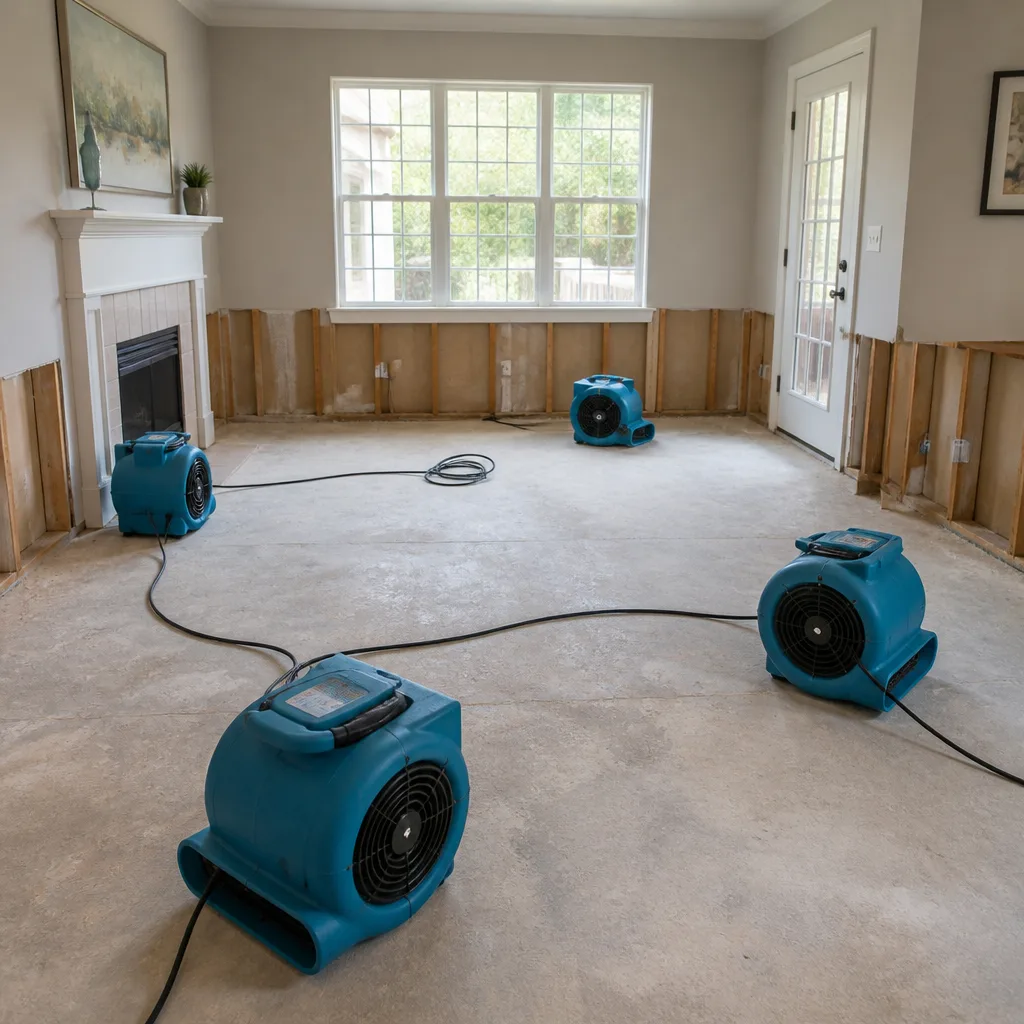

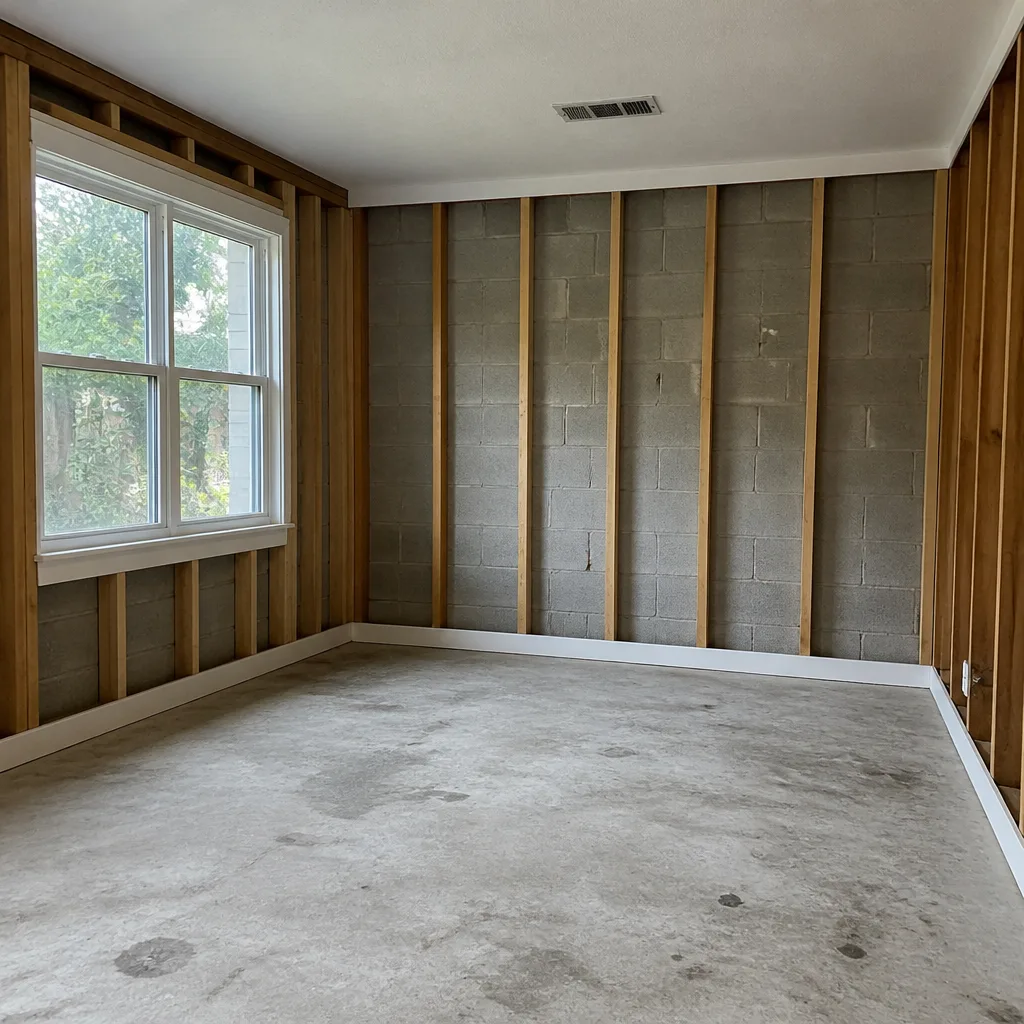

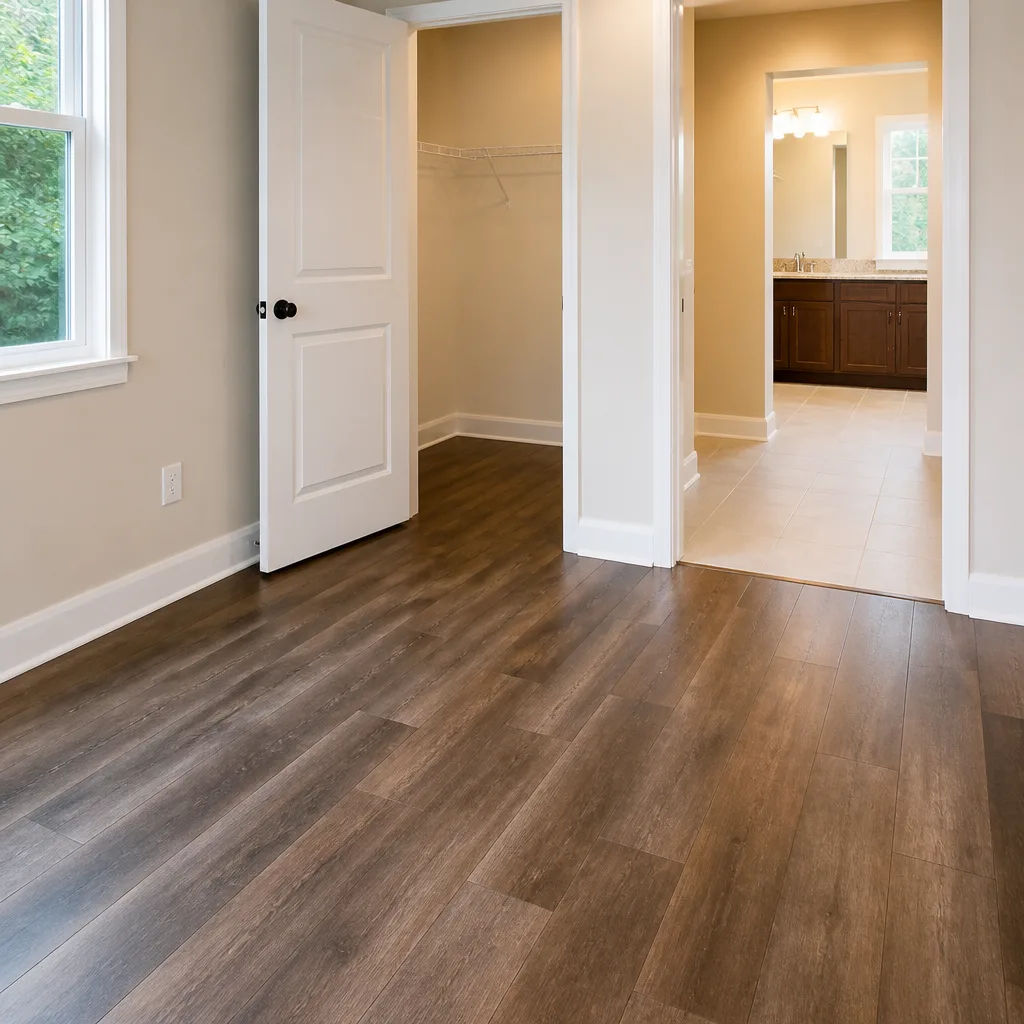

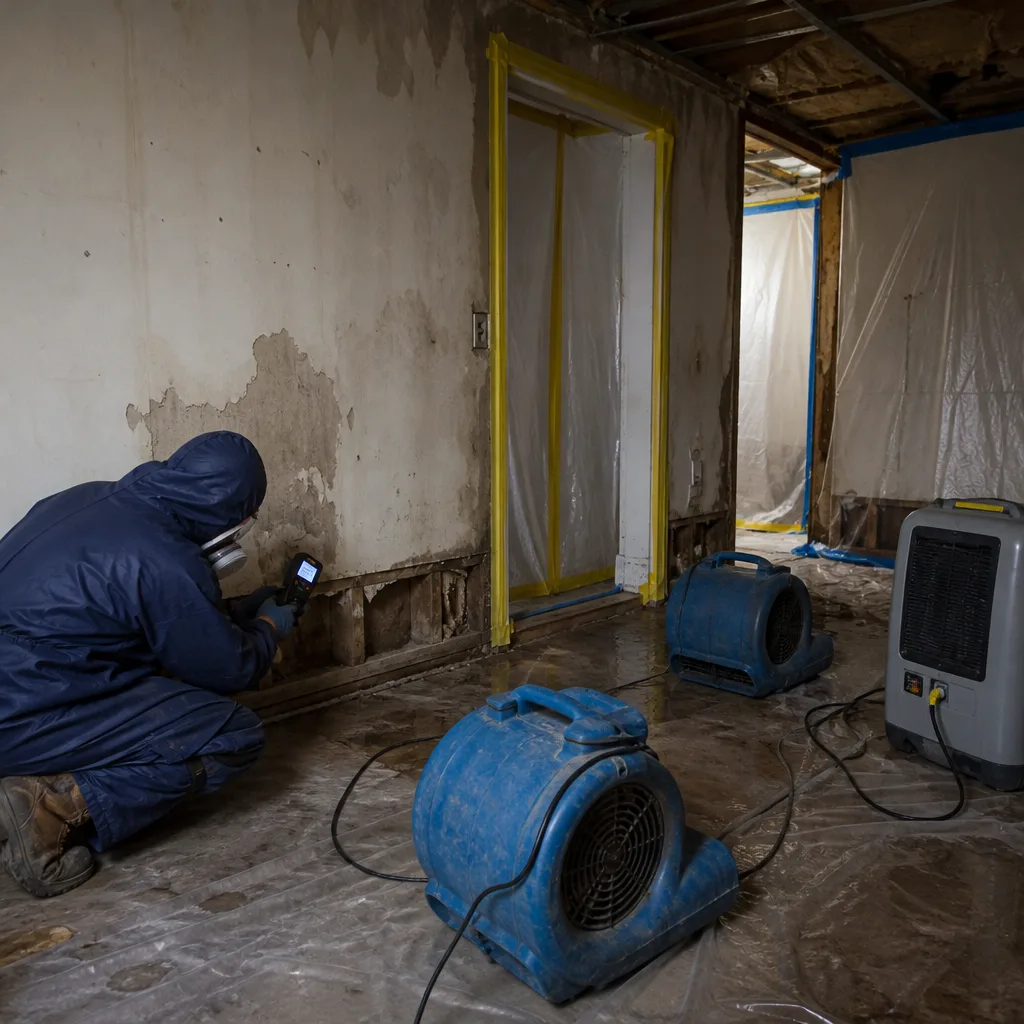 Before
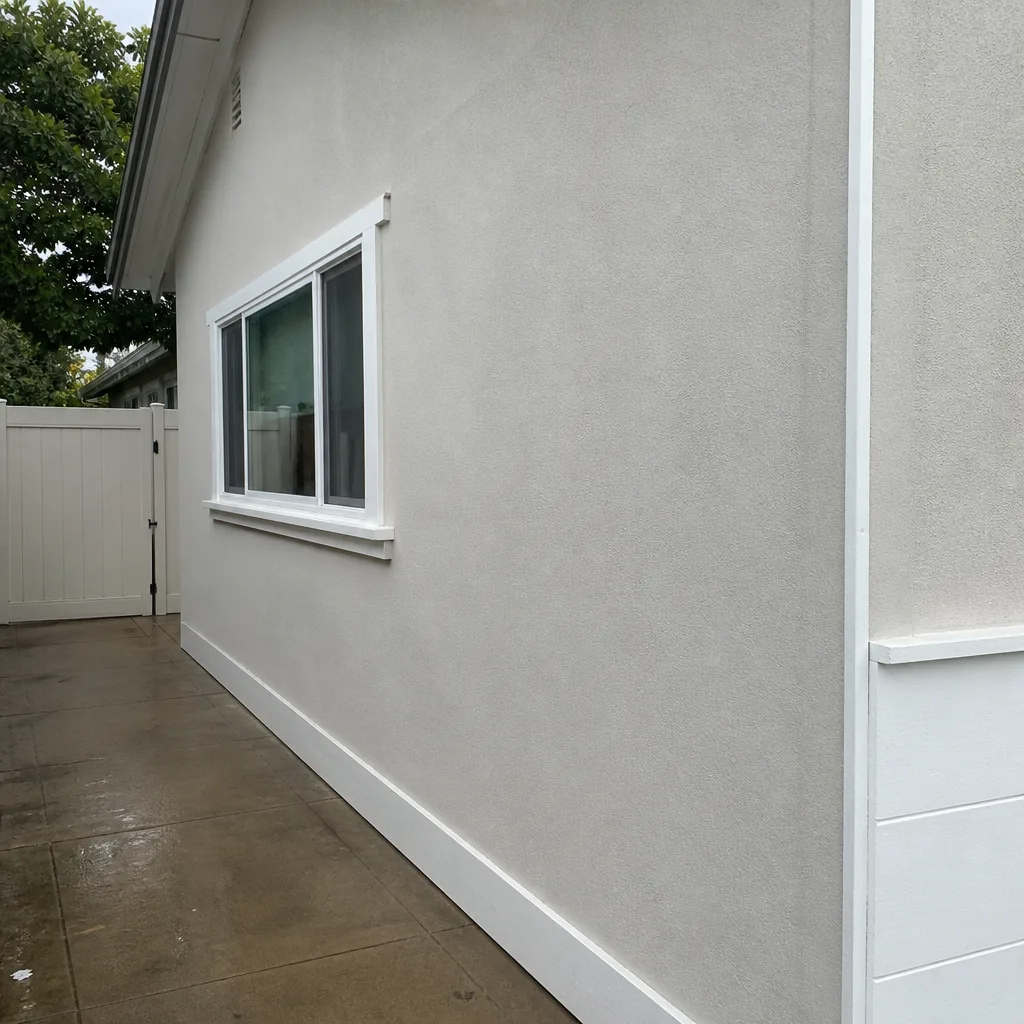 After
After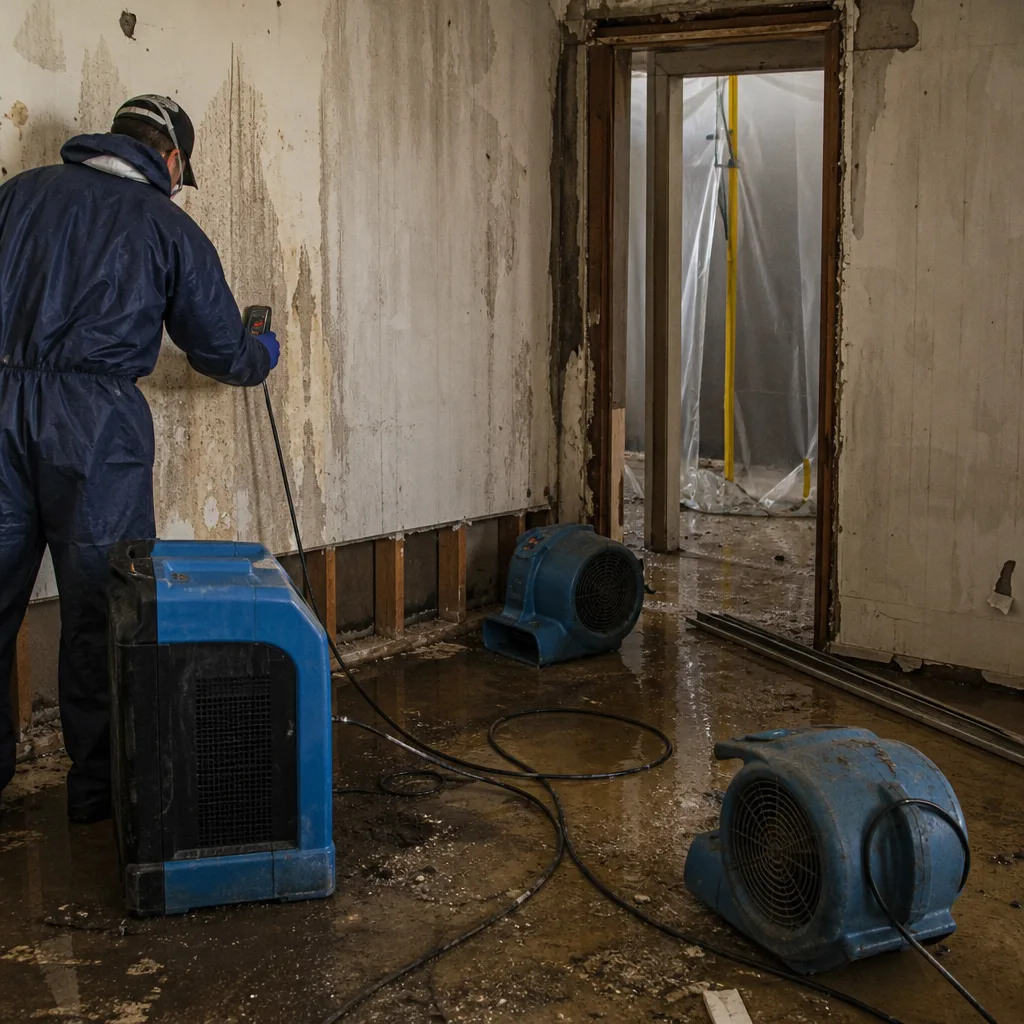 Before
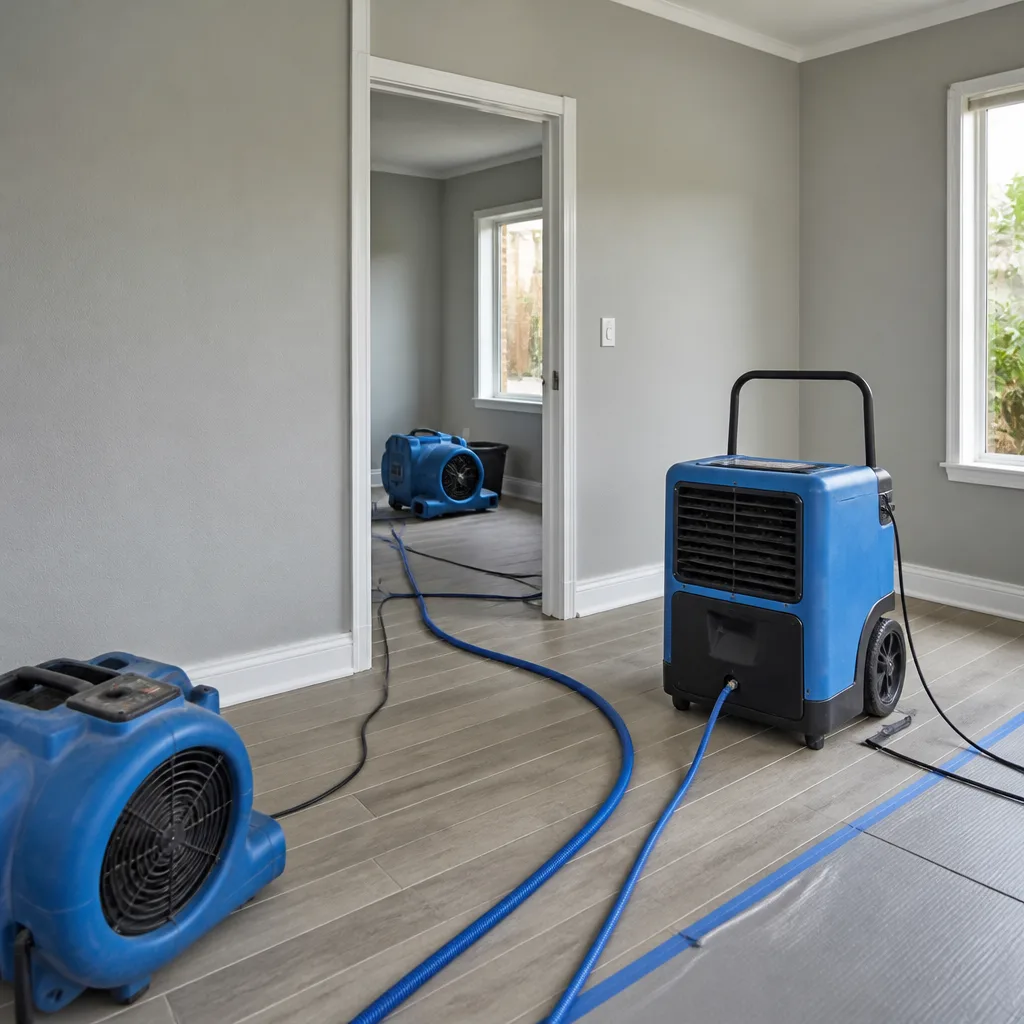 After
After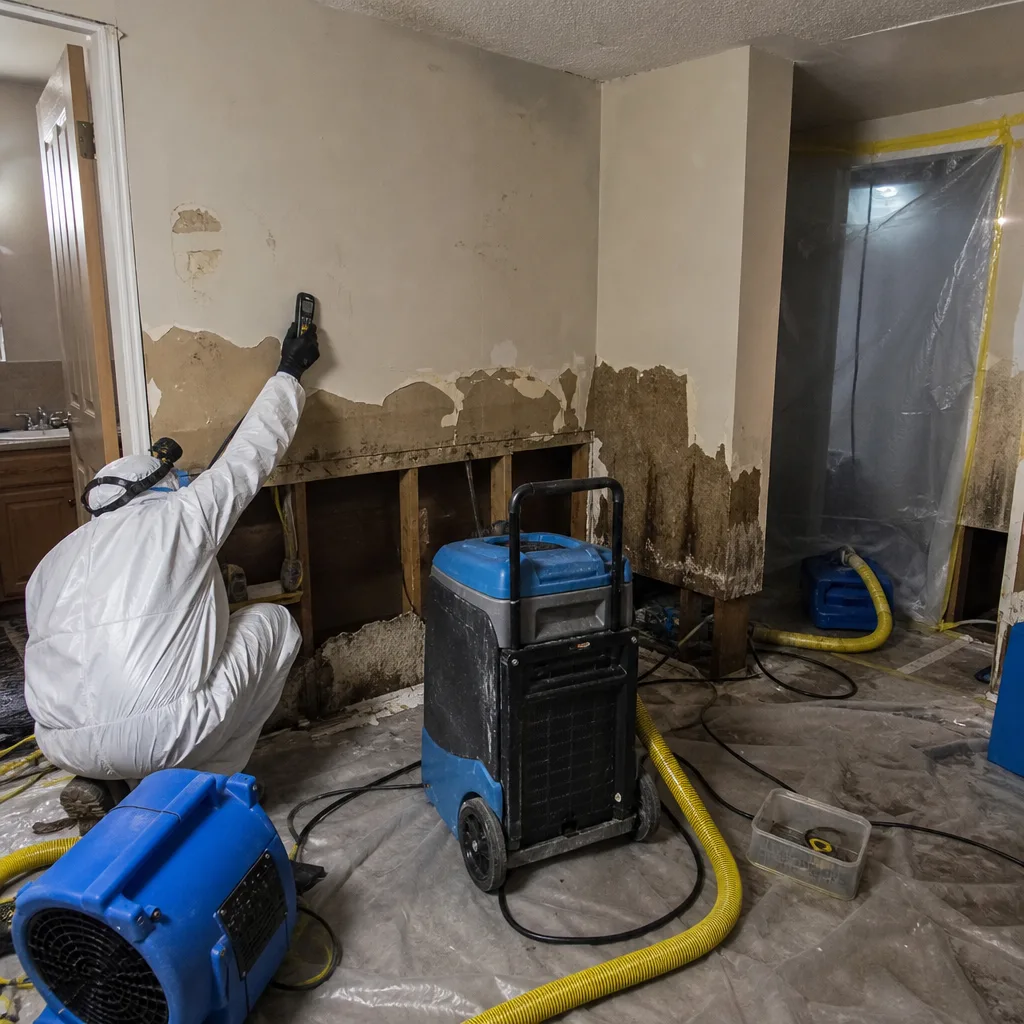 Before
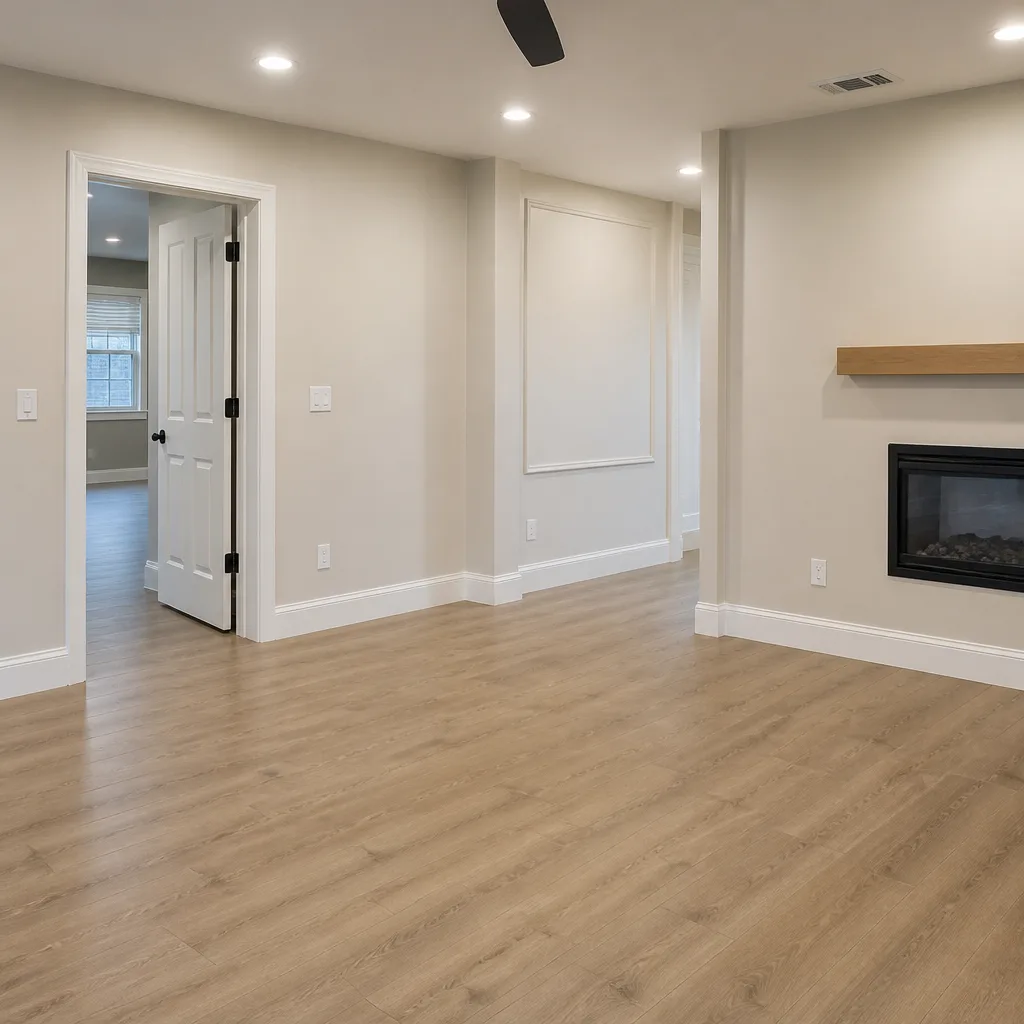 After
AfterFast, Reliable Water Damage Restoration Across Littlerock
When water finds its way into your Littlerock home, it doesn’t wait. Neither do we. Our crews know Littlerock’s high-desert terrain, its aging ranch homes, and the hard caliche soil that turns a modest storm into a fast-moving flood. Most Littlerock water extractions run between $1,200 and $4,800 before drying equipment is set, depending on how far the water has traveled and what it has soaked into. Call (910) 613-6568 any hour and a live person answers – not a voicemail tree, not a chatbot. We’ll tell you who’s coming, when they’ll arrive, and what the work will cost before anything begins.
Why Marsh Water Damage Restoration Is Littlerock’s Preferred Water Damage Restoration Company
Littlerock homeowners deal with a specific kind of water damage: sudden, sediment-heavy floodwater from the San Gabriel range moving through Littlerock Creek. That’s different from a slow pipe leak in Palmdale or a roof drip in Lancaster. It’s fast, it’s dirty, and it leaves behind silt that hardens like concrete once it dries. Our team has worked enough Littlerock properties to know what that means for wall cavities, subfloor voids, and slab perimeters.
Every Marsh technician who knocks on a Littlerock door is background-checked, identity-verified, and sent to you by name and photo before the visit. Then they show a photo ID badge at the door. That’s the Threshold Standard, and it applies to every visit, not just the first one. Tobias Reyner, who leads our restoration operations, built this protocol because homeowners told us the same thing again and again: the water is bad, but not knowing who’s coming through the door is worse.
We don’t ask you to trust us on faith. Every job gets a written price before any work starts, a written guarantee on the repair, and a free second visit if something isn’t right within 365 days. That guarantee is printed on the work order. It isn’t a sales line.
Flood Damage Restoration in Littlerock
Flood Damage Restoration in Littlerock almost always starts with Littlerock Creek or the dam upstream. When atmospheric river storms push runoff down from the San Gabriels, the water picks up mountain silt and hits the desert floor hard. The caliche soil under most Littlerock properties is compacted and nearly impermeable. It doesn’t absorb water. It forces it sideways, into slab perimeters, crawl spaces, and door thresholds. A typical creek-silt flood cleanup in Littlerock runs between $2,400 and $7,200 depending on square footage, silt load, and how deep the intrusion went.
Silt Removal and Structural Dry-Out
Here’s what most people don’t expect: the water leaves, and then the real problem starts. Littlerock Creek silt dries into a cement-like fill inside wall cavities and under floor joists. Standard extraction gets the water out but leaves the silt behind. Our crews remove the packed debris, then run structural drying with equipment from Phoenix and B-Air – air movers, dehumidifiers, and moisture meters that tell us when the framing is genuinely dry, not just dry on the surface.
Category 3 Floodwater Handling
Creek floodwater carries agricultural runoff, animal waste, and whatever else it picked up on the way down. That’s a Category 3 classification: contaminated water that requires containment, antimicrobial treatment, and proper disposal of affected porous materials. We treat Littlerock flood jobs with that protocol from the first assessment, not after we discover what we’re dealing with.
Water Damage Cleanup in Littlerock
Water Damage Cleanup in Littlerock covers the jobs that don’t start with a creek overflow: a burst supply line under a crawl space, an aging swamp-cooler penetration leaking into a wall cavity, a roof leak that’s been seeping for weeks. These jobs tend to run between $950 and $3,800 in Littlerock, with the spread driven mostly by how long the water has been sitting and whether it reached drywall, insulation, or subfloor.
Hidden Moisture from Older Penetrations
Littlerock’s mid-century ranch and manufactured homes often have minimal vapor barriers. Builders assumed the desert air would handle moisture. It doesn’t. A swamp-cooler penetration that’s been slowly leaking for a season can saturate the wall cavity and grow mold behind the drywall long before a stain shows. We use moisture mapping to find those hidden pockets, not guesswork.
Slab Perimeter and Crawl Space Drying
Standing water in a Littlerock crawl space doesn’t evaporate the way people expect. The diurnal temperature swing can exceed 40°F, which drives moisture deeper into framing at night. We set dehumidification and air movement specifically for the subfloor environment, and we use psychrometric readings (measuring the moisture in the air) to confirm drying is complete before we remove equipment.
Trusted Brands We Service in Littlerock
We stock extraction and drying equipment from Phoenix, XPOWER, and B-Air, the same brands commercial restoration companies run on large losses. Because Littlerock is a smaller market than Palmdale or Lancaster, parts runs aren’t a 15-minute errand. We keep common components on our trucks so a Littlerock job doesn’t stall waiting for a delivery. That’s part of the reason we can typically have a crew on-site in Littlerock within 60 to 90 minutes of a call.
Common Water Damage Restoration Problems We See in Littlerock Homes
- Caliche soil pushing floodwater sideways. The hard, compacted ground under Littlerock doesn’t absorb water well, so runoff pools against foundations and finds its way through any gap. This is the single most common flood pattern we see.
- Creek silt hardening inside wall cavities. Sediment from Littlerock Creek packs into framing voids and dries like concrete. Extraction alone won’t remove it; the cavities have to be opened and cleaned.
- Owners waiting on the desert air to dry things out. Littlerock’s climate creates a false sense of security. Standing water in a crawl space feeds mold on wet drywall within 24 to 48 hours, even when the daytime air feels bone-dry.
- Swamp-cooler and roof penetrations from mid-century construction. Older Littlerock homes were built without modern waterproofing. A small penetration leak can run down inside a wall for months before anyone notices, and the damage is often far from the visible water mark.
Pricing for Water Damage Restoration in Littlerock, CA
Here are the ranges we give Littlerock homeowners over the phone, so you’re not walking in blind:
| Service | Typical Littlerock Range |
|---|---|
| Emergency water extraction (single room) | $1,200 – $2,400 |
| Full structural drying with equipment | $1,800 – $4,800 |
| Flood cleanup with silt removal | $2,400 – $7,200 |
| Burst pipe restoration | $1,400 – $5,600 |
| Ceiling or roof leak water damage | $950 – $3,800 |
What moves the number is how long the water sat, how far it traveled, and whether silt or sewage is involved. That’s it. We give you a written price before any work starts, and that price doesn’t change after demo begins unless we find something you didn’t authorize. Call (910) 613-6568 for a free estimate.
We ran a mitigation call on a wood-frame ranch home near the Littlerock Creek wash after an atmospheric river pushed silty floodwater through the slab perimeter and into the crawl space. Our techs pulled standing water with water extraction, captured moisture mapping and moisture readings across the subfloor, set air movers and dehumidification for structural drying, and found the creek sediment had already packed the wall cavities like concrete. We contained the affected rooms, applied antimicrobial treatment, and documented drying logs because the owner assumed the desert air would dry it out on its own – it doesn’t.
We Also Serve Cities Near Littlerock
Our Water Damage Restoration team covers Littlerock and the surrounding Antelope Valley communities, including Palmdale, Acton, Lancaster, and Mount Wilson. If you’re in one of those areas and need a crew, the same Threshold Standard applies: verified techs, written pricing, and a live person on the phone.
Serving Littlerock, CA - Our Local Coverage Area
We’re based in the Littlerock area and know this community well. Use the map below to see our service coverage - if you’re nearby, we can almost certainly help.
FAQs About Water Damage Restoration in Littlerock
Written by the team at Marsh Water Damage Restoration, serving Littlerock since 2005.
Littlerock Creek floodwater carries a heavy silt load that settles inside wall cavities and subfloor voids and dries into a deposit that’s nearly as hard as concrete. A standard water extraction gets the standing water out but leaves the silt behind, so the job becomes a full structural dry-out and debris-removal scope, which takes longer and costs more than a clean-water leak. Call (910) 613-6568 and we’ll tell you what your specific situation requires.
Mold can establish on wet drywall within 24 to 48 hours, even in Littlerock’s dry climate. The high-desert air doesn’t stop microbial growth inside a saturated wall cavity or crawl space – it just makes the surface feel dry. That’s why we start drying within hours, not days.
Littlerock’s compacted caliche soil prevents water from draining down, so it sits in the crawl space and soaks upward into framing and flooring. Standard floor drying isn’t enough. We use dehumidification and air movers placed specifically for the subfloor environment, and we verify moisture levels with psychrometric readings before we pack up.
Yes. Older Littlerock homes often have swamp-cooler penetrations that weren’t waterproofed well, and a storm can drive water into the wall cavity through those openings. The damage shows up as moisture far from the visible water line, and by the time a stain appears, mold and rot may already be established. If you suspect a penetration leak, call (910) 613-6568 for an inspection.
Category 3 water is contaminated: it carries sewage, agricultural runoff, or creek sediment with pathogens that can make you sick. Littlerock floodwater from the creek almost always falls into this category. That means containment, antimicrobial treatment, and proper disposal of affected porous materials – not just extraction and drying. We handle Category 3 jobs with the full protocol, every time.
Written by Tobias Reyner, Owner at Marsh Water Damage Restoration, serving Littlerock since 2005.