
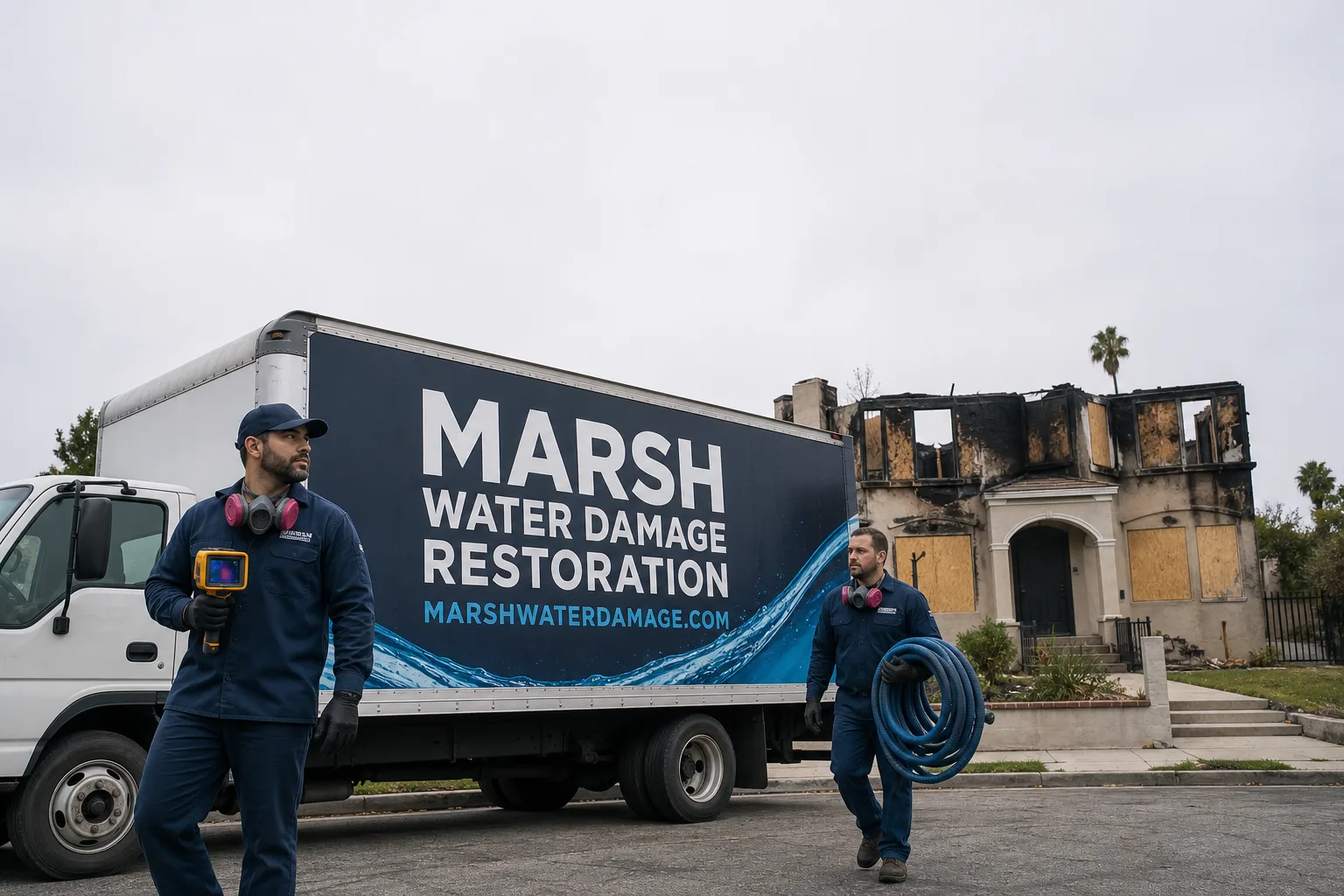
Free visual inspection and a written scope of work before any mitigation begins - photos, moisture readings, and drying logs go in your claim file
The scope we write is the scope we bill. Anything new gets shown to you, in writing, before we touch it.
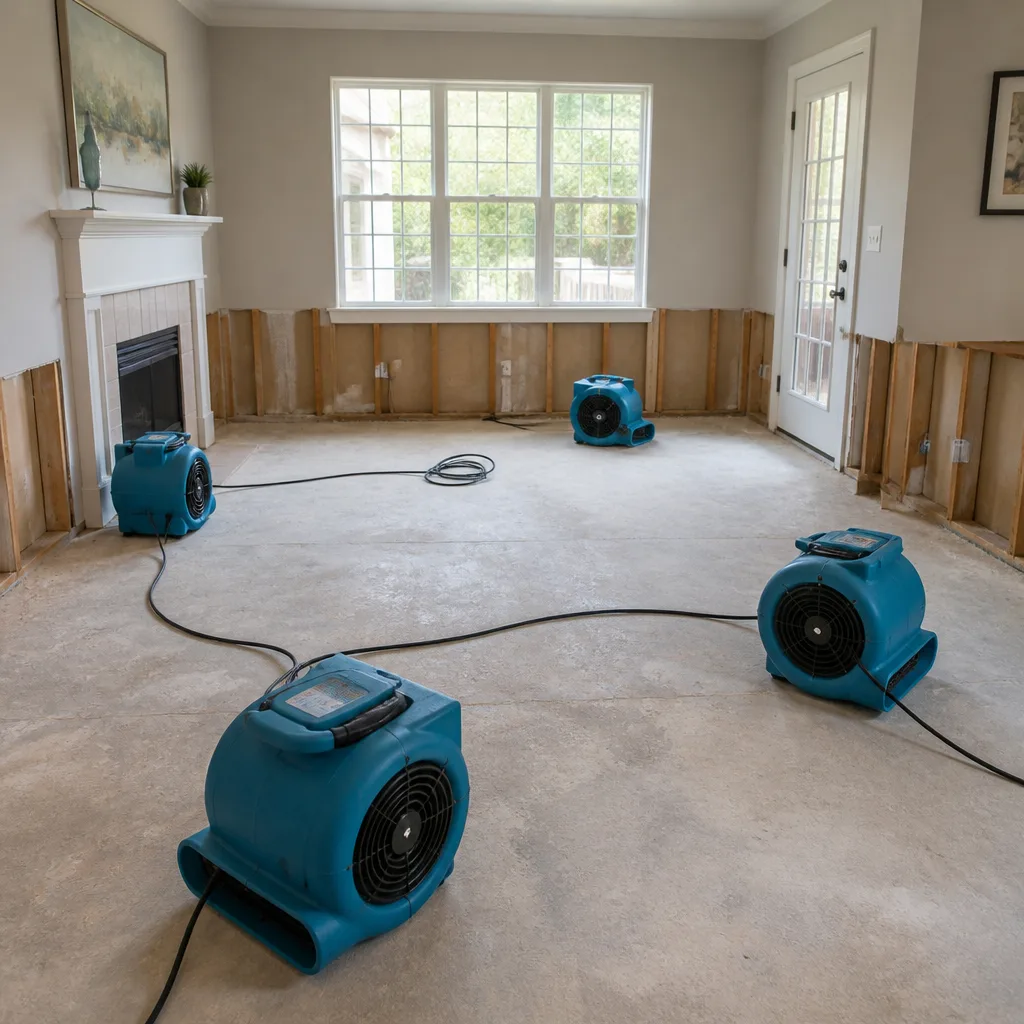
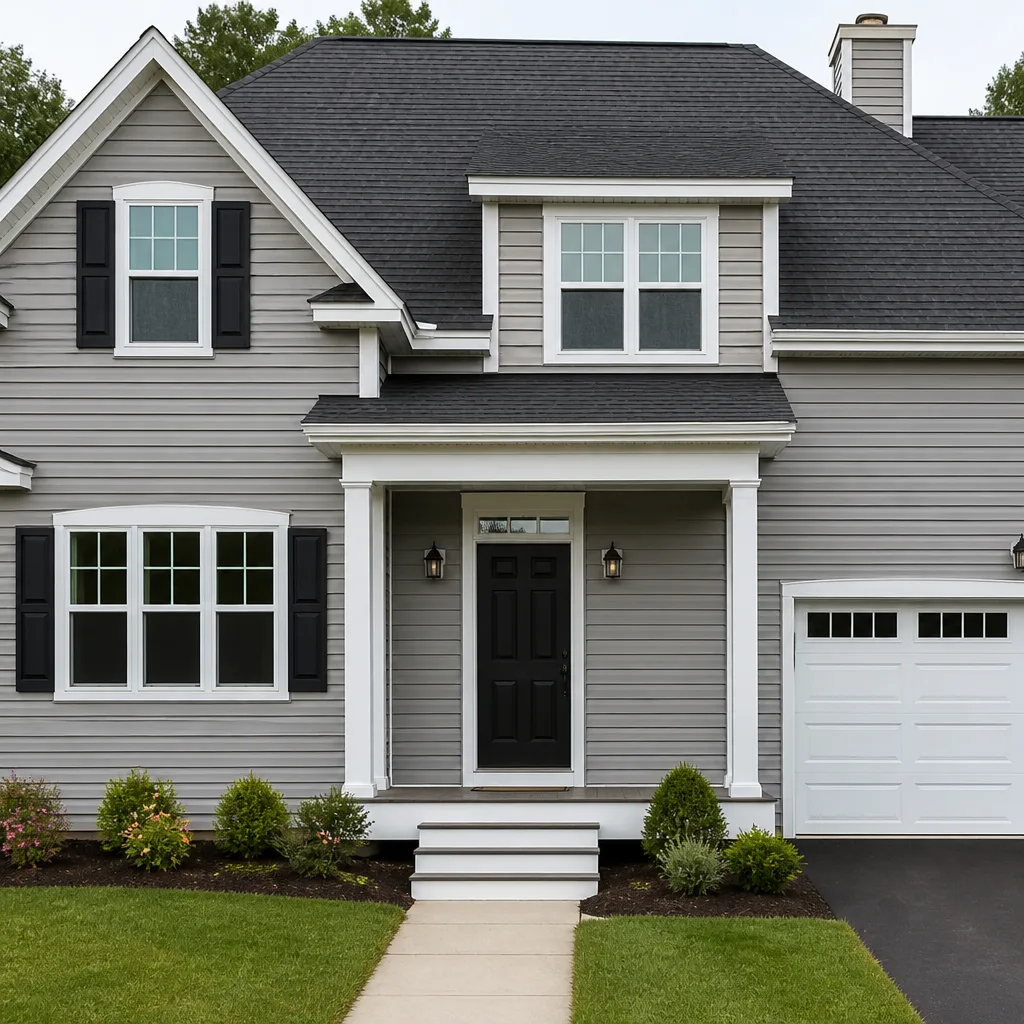
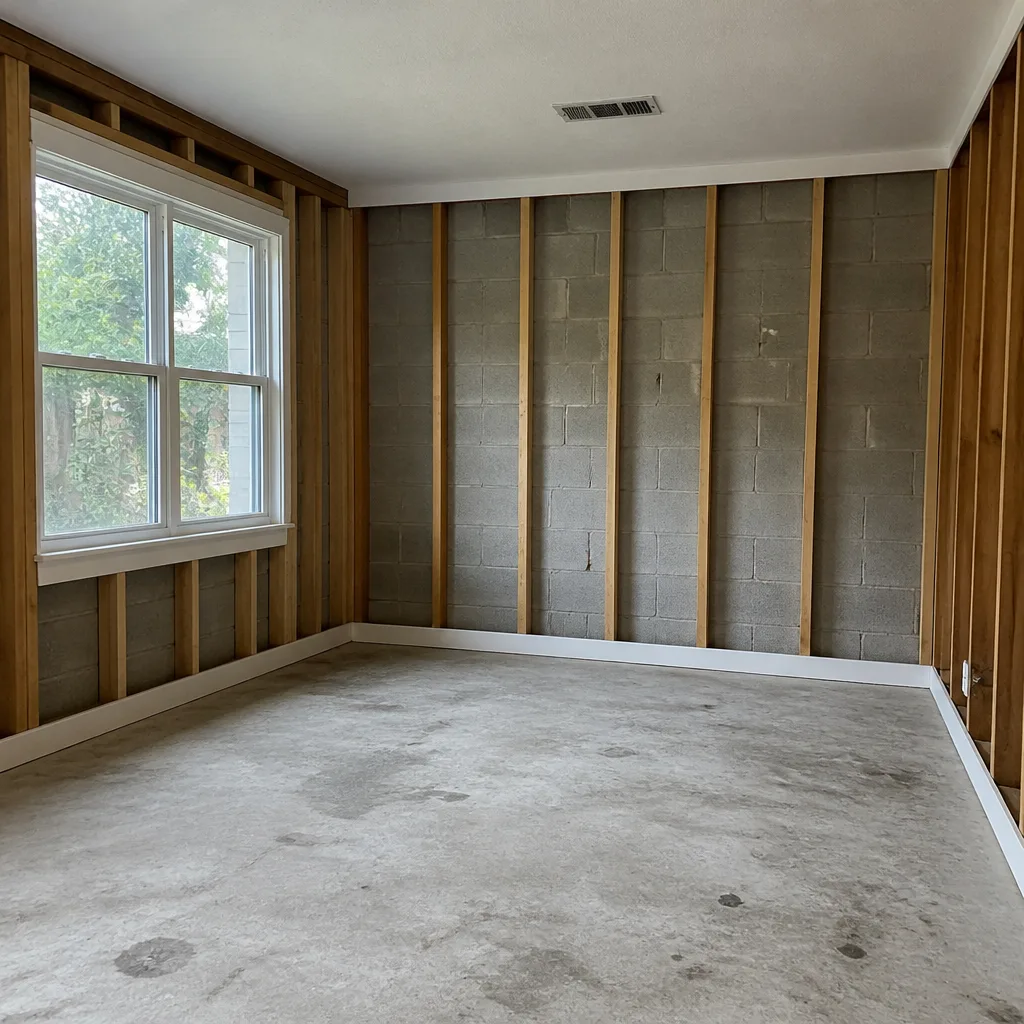
 Before
 After
After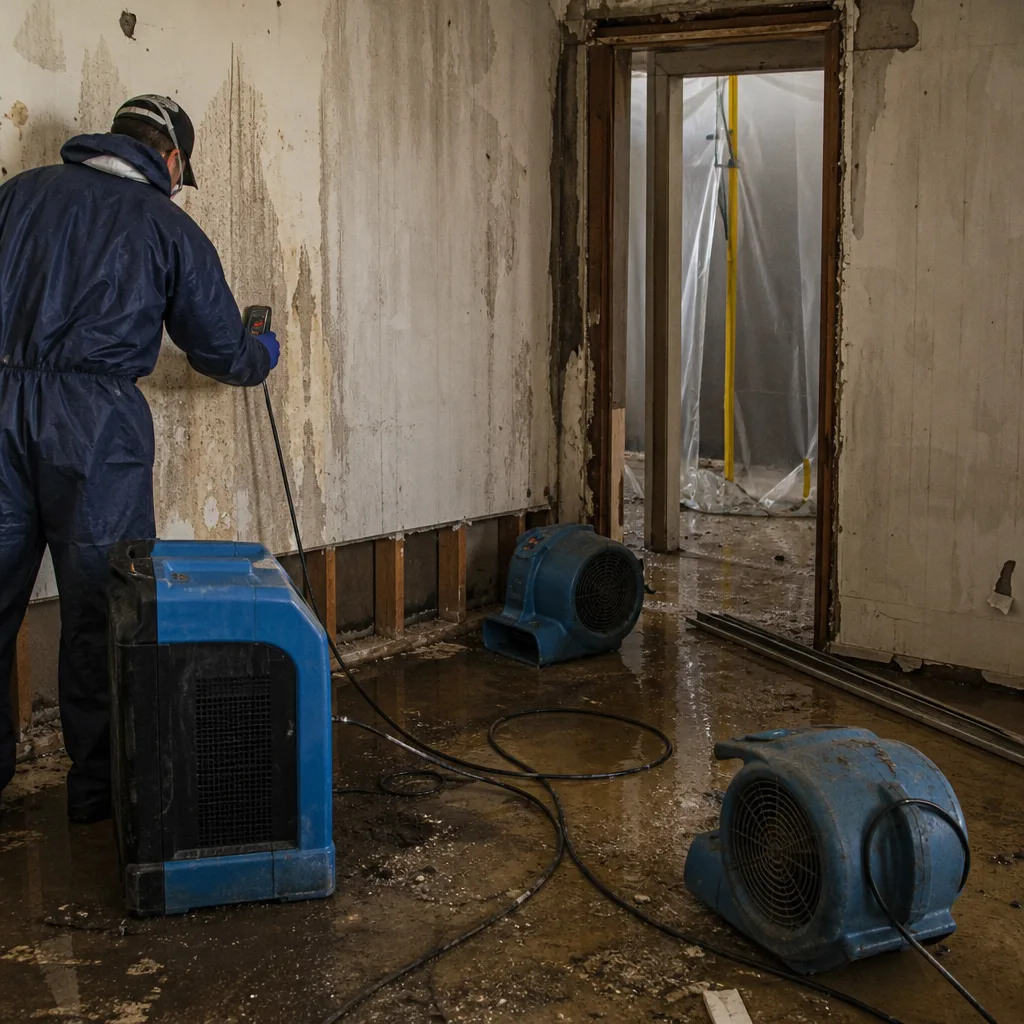 Before
 After
After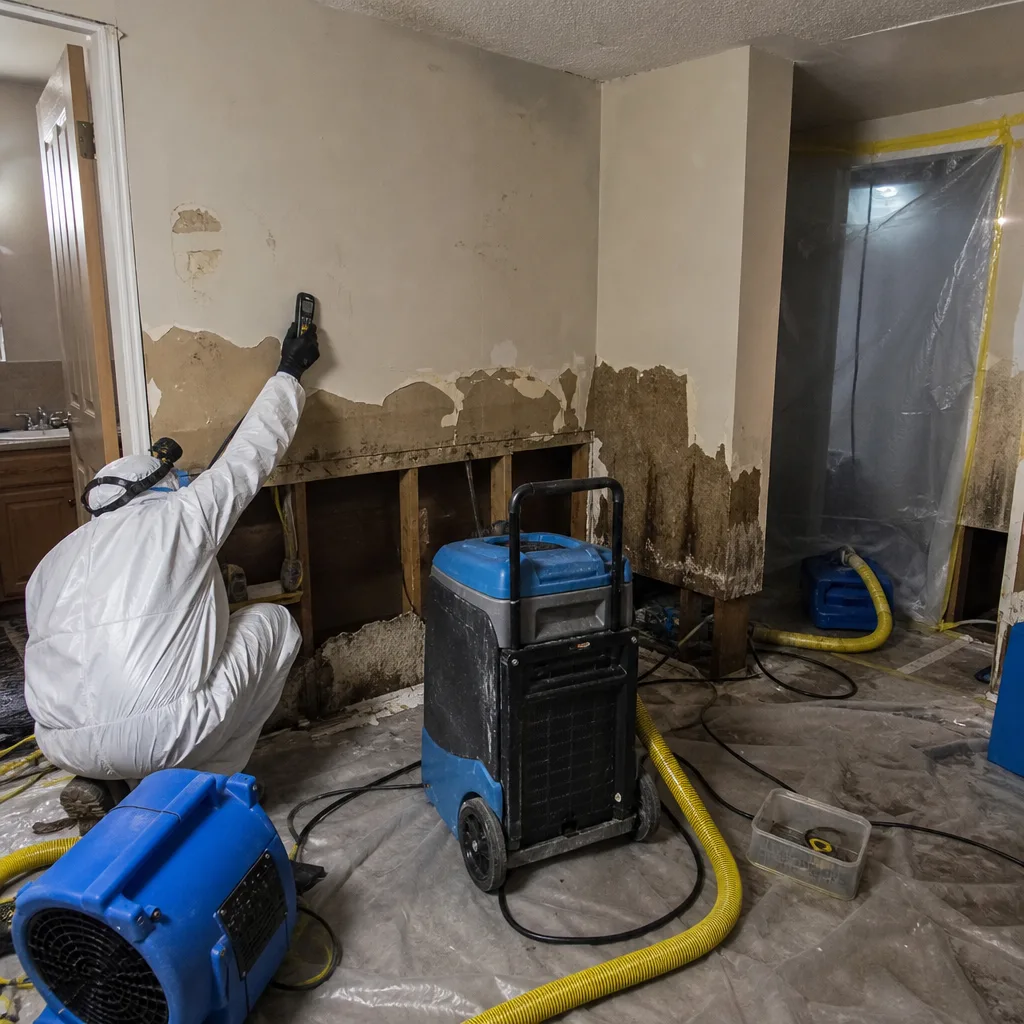 Before
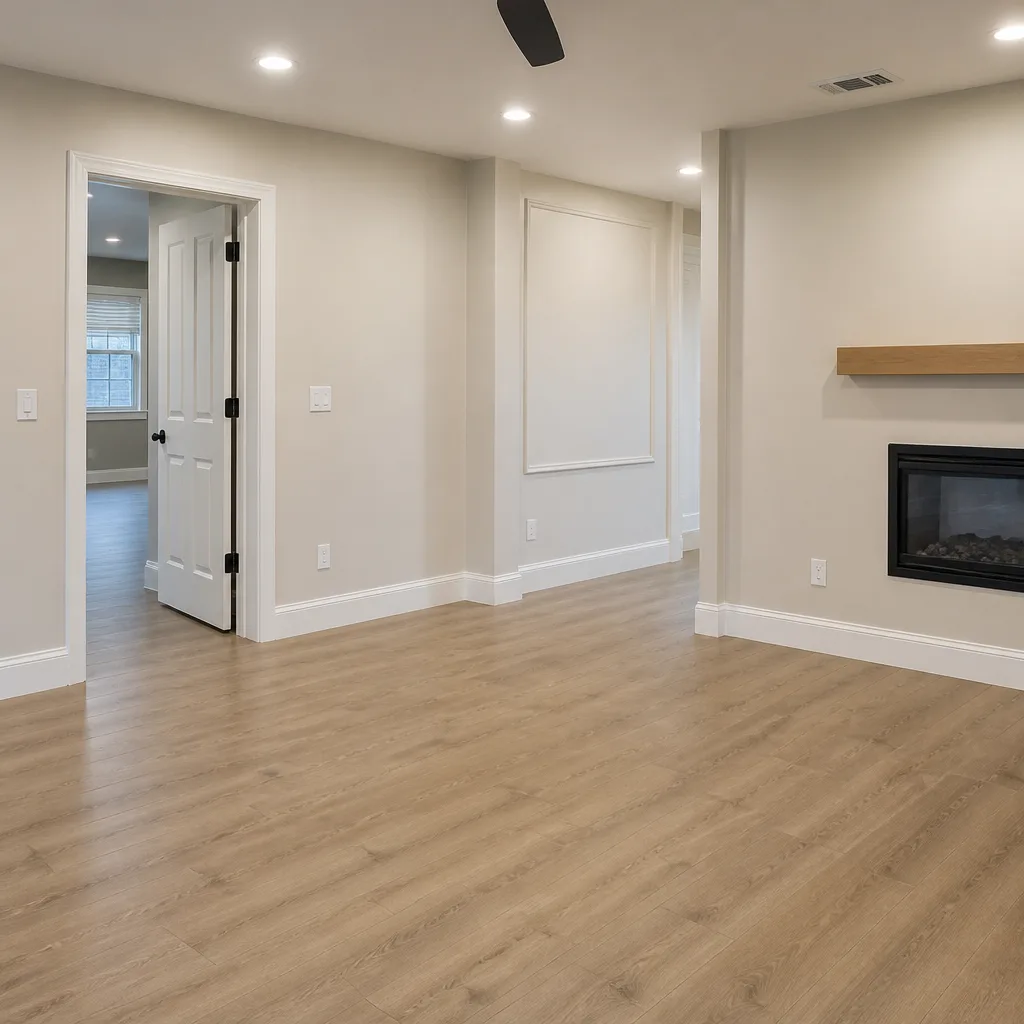 After
AfterFast, Reliable Water Damage Restoration Across Plainview
Water damage restoration in Plainview means pulling water out of a 1960s split-level basement that flooded because the original dry well out back stopped percolating a decade ago, not because a pipe burst. That’s the job we do most often in this town, and we do it with commercial drying equipment, a written price before we start, and a name and photo of your technician sent to your phone before the knock. Call (910) 613-6568 and a live person answers, day or night, including holidays. We’ll have a crew dispatched to Plainview from our New York City office within hours, and every job ends with a 365-Day Done Right Promise printed on the work order.
Why Marsh Water Damage Restoration Is Plainview’s Preferred Water Damage Restoration Company
Plainview homeowners call us because we know what floods these houses. The post-war Cape Cods, split-levels, and ranches along Old Country Road, around the Plainview-Old Bethpage area, and west toward Woodbury Road were built fast between 1955 and 1975, and most of their below-grade drainage drains into dry wells that are now decades past their lifespan. That’s a diagnosis out-of-area contractors consistently miss. Our Water Damage Restoration technicians have walked hundreds of these basements, which means we don’t guess at why water is coming in. We trace it, document it, and fix it.
Tobias Reyner, who leads our technical team, holds IICRC, RIA, and IFA credentials, and he’s built our process around one principle: you never open your door to a stranger. Every technician is background-checked, identity-verified, uniformed, and photo-badged under the Threshold Standard. Before we arrive, you get the tech’s name and photo. When they knock, they show a photo ID badge. Every time. That matters in a town where older residents and parents with young children are often home alone when water damage hits.
Plainview’s aging drainage systems and original galvanized supply lines mean the problem isn’t always what it looks like. A wet basement after a nor’easter is frequently a failed dry well, not a foundation crack. A ceiling stain is sometimes a slow supply-line leak inside a wall cavity, not a roof flashing failure. We moisture-map walls, floors, and ceilings with meters and thermal imaging, then give you a written scope and a written price before any extraction begins. No estimate that balloons after demo starts.
Flooded Basement in Plainview
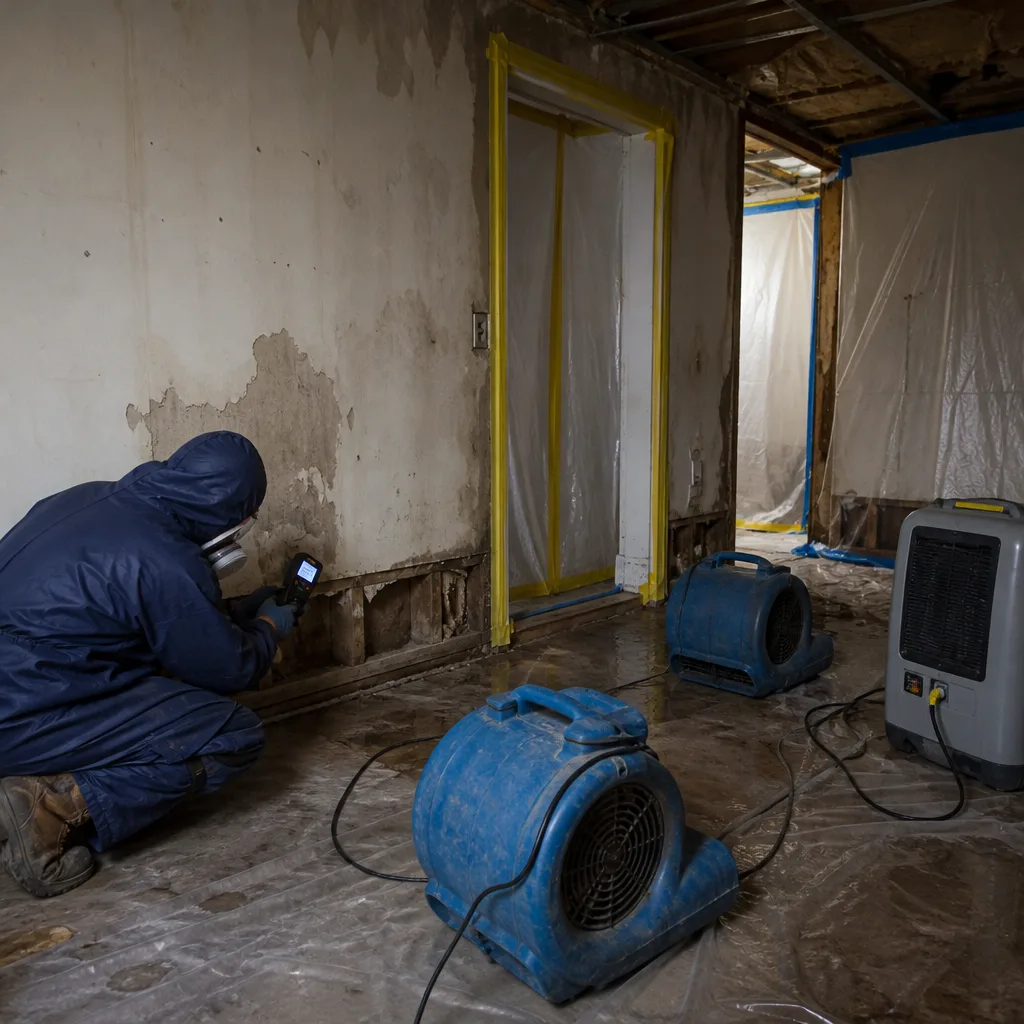
Flooded Basement calls in Plainview are the single most common water damage job we handle, and the cause is almost never what the homeowner expects. When a split-level on Washington Avenue flooded after a nor’easter with no pipe leak and no visible foundation crack, we taped off containment, ran moisture mapping, and traced the water to the original 1960s dry well out back that had long since stopped percolating. The groundwater had no place to go, so it migrated laterally toward the foundation and came up through the slab. That’s the Plainview signature, and we see it on calls across the town’s residential core. A flooded basement in Plainview with standing water typically runs $1,800 to $4,200 for extraction, removal of saturated drywall and pad, antimicrobial application, and the first 48 hours of structural drying, depending on the square footage of affected space and how long water sat before we arrived.
Standing Water Removal
We pull standing water with truck-mounted extraction systems that move hundreds of gallons per hour. From a 700-square-foot Plainview basement room we can have the bulk water out within two hours of arrival, then we set containment and start drying.
Category and Contamination Assessment
Before we touch anything, we classify the water. Dry well backup and French drain failure usually mean Category 2 grey water, which requires antimicrobial treatment of lower wall plates and any saturated building materials. Crews that treat it as clean rainwater skip a step your insurance adjuster will notice.
Water Extraction in Plainview
Water Extraction in Plainview homes starts with the slab, but it doesn’t end there. Most of the moisture in these post-war basements hides in finished lower-level wall cavities, behind drywall that wicks water up from saturated sill plates and framing. Water extraction for a standard Plainview basement with moderate saturation typically runs $900 to $2,600, which covers truck-mounted extraction, moisture mapping, pad removal, and the initial placement of drying equipment. If the lower level is finished and drywall needs cutting, that’s part of the written scope, not a surprise add-on.
Moisture Mapping Before We Touch a Wall
Original galvanized and early copper supply runs in 1950s and 1960s Plainview homes burst during the freeze-thaw cycle, and techs who dry only the visible wall cavity miss saturated framing behind it. We map every affected surface with penetrating and non-penetrating moisture meters before extraction begins.
Psychrometric Drying
Psychrometric readings (measuring the moisture in the air and materials) tell us when the structure is genuinely dry, not just dry on the surface. We log those readings daily and share the drying log with you and your adjuster, so the job doesn’t end until the numbers prove it.
Trusted Brands We Service in Plainview
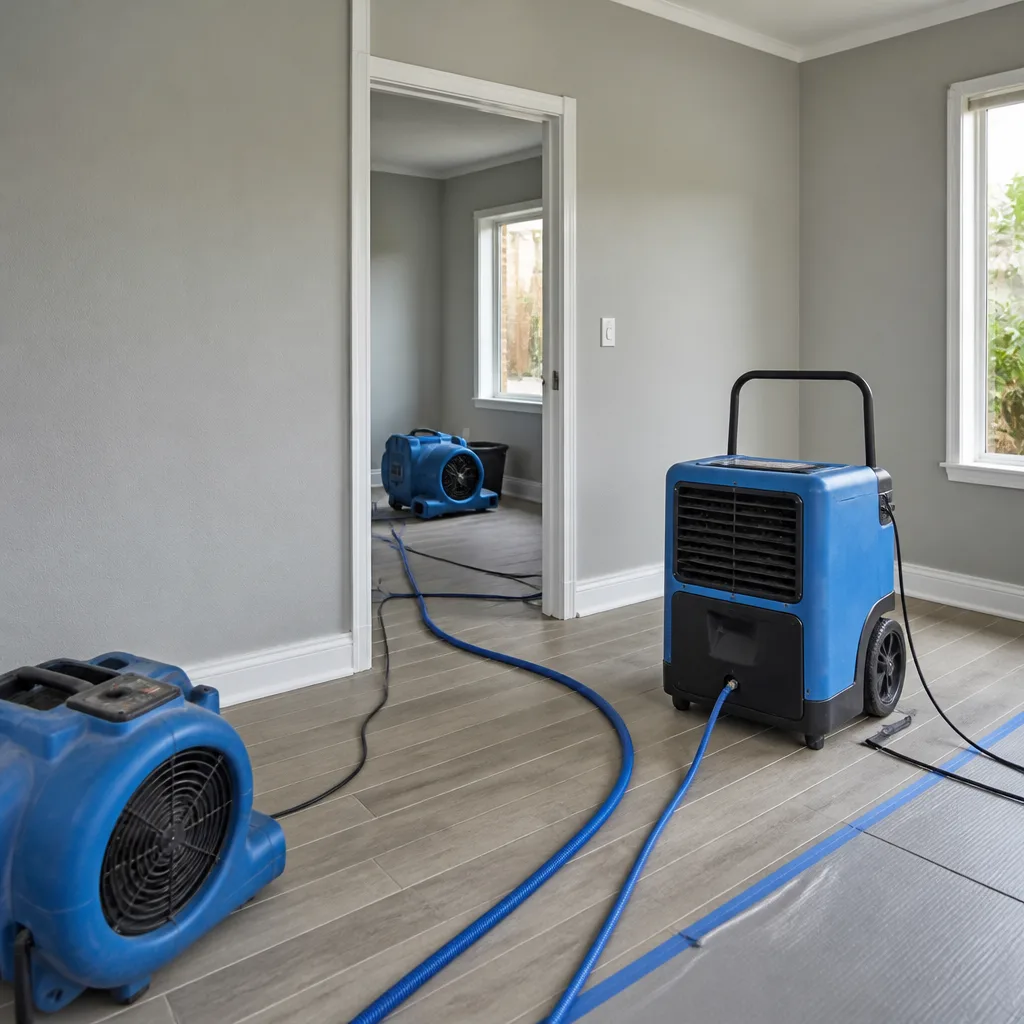
We operate equipment from Dri-Eaz, Phoenix, XPOWER, B-Air, and Injectidry, and we know the quirks of each. For Plainview basements with low ceiling clearance, we run XPOWER axial air movers and LGR dehumidifiers that fit under ductwork without tearing out more of your finished space. For hard-to-reach wall cavities behind paneling, we use Injectidry injection drying mats to pull moisture out without full demolition. We stock parts and replacement components for these systems locally, which means no waiting on a distributor when a dehumidifier needs a filter swap mid-job. The gear matches what a large commercial restoration franchise deploys, applied to your Cape Cod on a residential street.
Common Water Damage Restoration Problems We See in Plainview Homes
- Failed 1960s dry wells backing water toward foundations. The leaching pools behind Plainview’s original homes were built to last 30 – 40 years. Most are now 50 – 60 years old and stopped percolating long ago, so groundwater migrates laterally and comes up through the slab after every nor’easter.
- Original galvanized supply lines failing in freeze-thaw cycles. Pipes buried in finished lower-level wall cavities burst quietly, then soak framing for days before anyone knows. We moisture-map behind finished surfaces to find damage hidden from view.
- Shallow post-war foundations wicking groundwater through sill plates. The 1955 – 1975 construction era gave Plainview homes shallow footings and minimal damp-proofing. Grey water pushed toward those foundations requires antimicrobial treatment, not just drying.
- Federal Pacific and Zinsco electrical panels complicating restoration scopes. These older panel brands are well-documented in this housing stock and can pose fire risks when water reaches electrical systems. We coordinate with licensed electricians and Nassau County permitting before demo or drying proceeds.
Pricing for Water Damage Restoration in Plainview, NY
Most residential water extractions in Plainview run between $1,200 and $3,500 before structural drying equipment is set, with full flood remediation of a finished basement typically landing between $4,000 and $9,000 depending on square footage, category of water, and how long the water sat. Antimicrobial treatment for Category 2 or 3 water adds materially, and insurance carriers generally cover it when the scope is documented properly. A drying-only job where we caught the leak early might cost as little as $800. We give you a written price before any work starts, and we never revise it after demo begins unless you approve a written change order first. Call (910) 613-6568 for an exact quote. Estimates are free, and you’ll get the technician’s name and photo before anyone arrives.
We Also Serve Cities Near Plainview
Our crews respond to water damage calls across central Nassau County, including Plainview and the surrounding communities. If you’re in Old Bethpage, Hicksville, Woodbury, or Bethpage, the same Threshold Verified crews, commercial drying equipment, and written pricing apply. The dry well problems we see in Plainview show up across these neighboring towns too.
Serving Plainview, NY - Our Local Coverage Area
We’re based in the Plainview area and know this community well. Use the map below to see our service coverage - if you’re nearby, we can almost certainly help.
FAQs About Water Damage Restoration in Plainview
The likeliest cause is your original 1960s dry well. Plainview homes from the 1955 – 1975 building boom drained basement runoff into leaching pools that were designed to last 30 – 40 years, and nearly all of them are now past that lifespan. When the dry well stops percolating, groundwater migrates laterally back toward your foundation and comes up through the slab. We see this exact scenario on the majority of Plainview flooded basement calls. Call (910) 613-6568 and we’ll camera-scope the dry well before recommending any rebuild.
Category 1 is clean water from a supply line or rain. Category 2 is grey water, meaning it may carry biological or chemical contamination; failed dry wells and French drain backup usually fall here. Category 3 is black water from sewage or outside flooding. Plainview’s dry well failures are typically Category 2, which means antimicrobial treatment of wall plates and saturated materials is required – not just drying. We classify every job in writing before extraction starts.
Mold colonization begins within 24 to 48 hours of water sitting in a warm, finished lower level. Plainview’s post-war basements have drywall and organic framing that wick water fast, and hidden cavities behind paneling speed that up. We set drying equipment within hours of arrival and log daily psychrometric readings to prove the structure is dry. If mold has already started, we stop it with antimicrobial treatment and containment before drying proceeds.
Yes. These panel brands are common in 1955 – 1975 Plainview housing and are known fire hazards when water reaches them. If water has contacted your electrical system, we stop work until a licensed electrician evaluates the panel, and we coordinate with Nassau County’s permit process. That’s a protective step, not an upsell; crews that ignore panel condition are gambling with your safety.
A drying log is a dated record of daily moisture readings taken from walls, floors, and the air showing how the structure is drying. It matters because your adjuster needs proof the job was done correctly, not just a dry surface. We log readings daily and give the log to you and your insurance carrier. It also protects you from a premature rebuild over a still-wet frame. Call (910) 613-6568 for a free inspection and a drying plan with a written price.
Written by Tobias Reyner, Owner at Marsh Water Damage Restoration, serving Plainview since 2005.