
Dri-Eaz Water Damage Restoration in Los Angeles: A Homeowner’s Guide
Dri-Eaz is the most recognized equipment brand in professional water damage restoration, but the equipment itself is only half the story. A dehumidifier sitting in the wrong spot, running at the wrong setting, with nobody checking moisture levels, is just an expensive fan. What you’re actually paying for is the person who knows how to read what the machine is telling them. If you need help right now, call (910) 613-6568 for a free estimate from Marsh Water Damage Restoration home.
What Dri-Eaz Equipment Actually Does
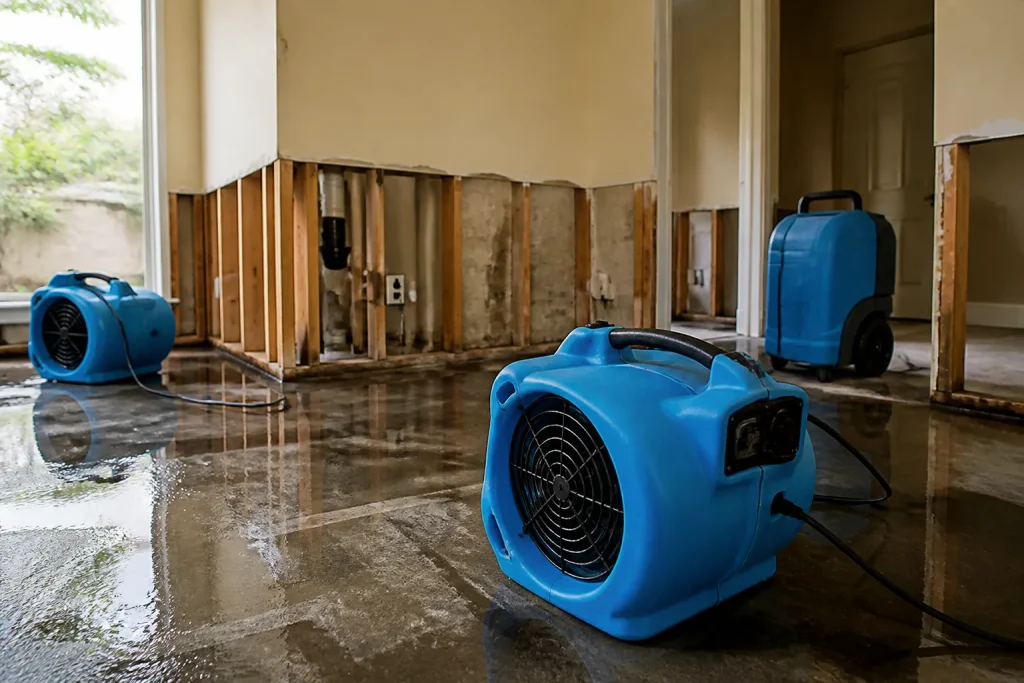
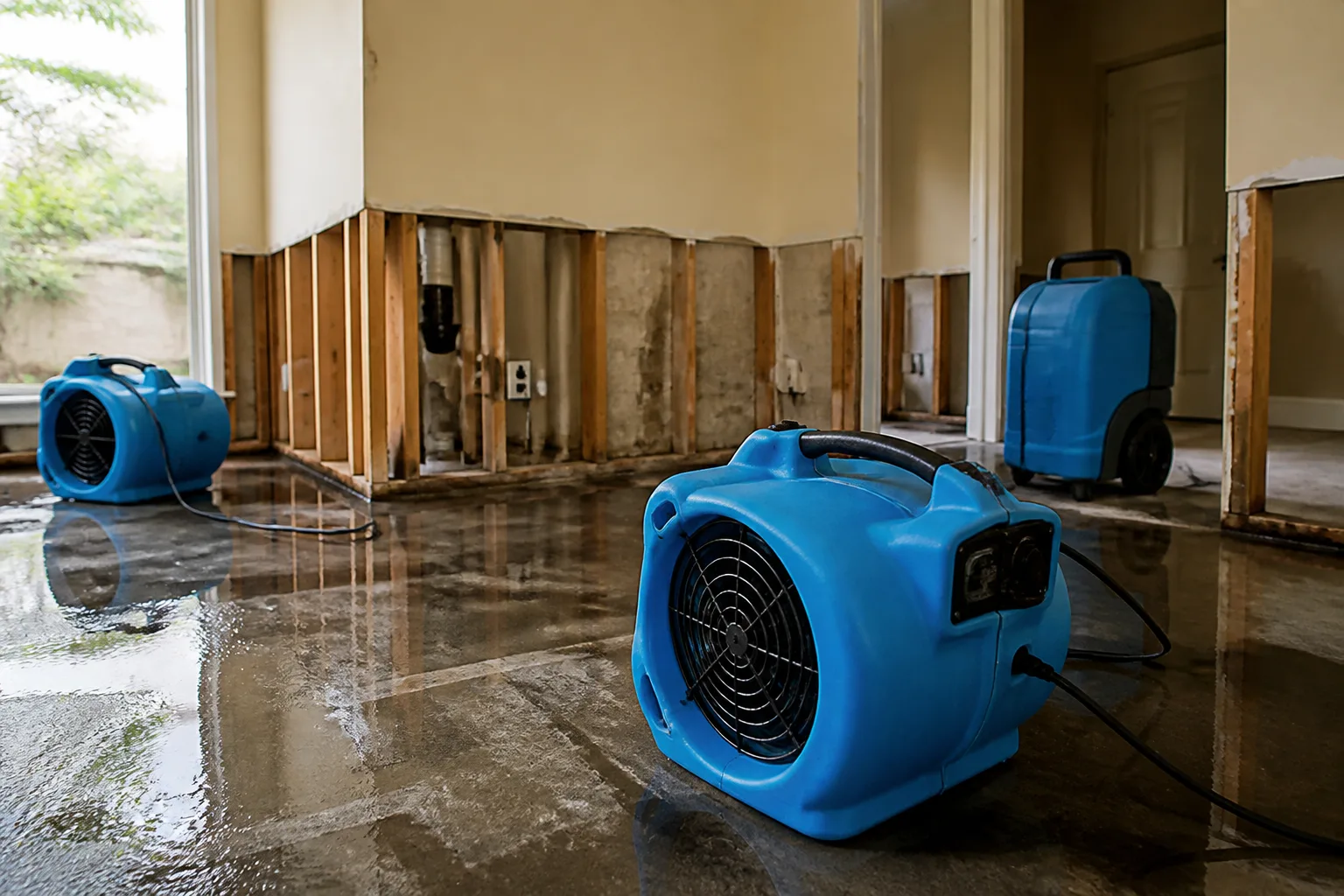
Dri-Eaz makes two categories of equipment that show up on water damage jobs in Los Angeles: extractors and dehumidifiers. The extractors pull standing water out of carpet, padding, and hard surfaces. The dehumidifiers remove moisture from the air so the structure can release the water trapped in drywall, baseboards, and framing. The workhorse is the LGR dehumidifier. LGR stands for low grain refrigerant, and it’s not marketing language. It describes the machine’s ability to keep pulling moisture out of air even when that air is already fairly dry. A standard household dehumidifier from a hardware store will give up once the air hits about 50 percent relative humidity. An LGR keeps working down into the low 30s or high 20s. That’s the range where drywall and wood actually release their trapped moisture. In Los Angeles, this matters even more than it does in cooler climates. Our summers run hot, and hot air holds more water than cool air. A standard dehumidifier in a 90-degree room is going to struggle. An LGR is designed to work in high-ambient-temperature conditions, which is exactly what a water-damaged house in the San Fernando Valley becomes in July.
Why Equipment Placement Matters More Than the Equipment Itself
Here’s something most homeowners never hear: the best dehumidifier in the world, placed in the center of the room, usually does almost nothing. That seems backwards, since the center of the room feels like the logical spot. But water damage doesn’t dry from the center out. It dries from wet areas toward dry areas, and the equipment has to be positioned to create that path. Professionals use a psychrometric drying map. Psychrometrics sounds technical, and it is, but the plain-English version is simple: we measure the moisture in the air and the moisture in the materials, then we place equipment so the air moves across the wet surfaces and into the dehumidifier. In a typical Los Angeles living room with a wet wall, the dehumidifier often belongs against that wall, not in the middle of the floor. The air mover, or fan, goes at an angle that pushes air across the wet drywall and toward the dehumidifier. It’s a system. A dehumidifier in the center of the room is just taking a walk.
This is where the crew matters more than the brand on the machine. A technician who sets up one dehumidifier and one fan, takes a photo, and leaves, isn’t doing it right. Proper placement follows a documented reading taken before equipment goes in, and it gets adjusted as the drying progresses. We reposition equipment on almost every multi-day job we handle in Los Angeles, because the wet spots move as the structure dries. The dehumidifier that was perfect on day one is often wrong by day three.
How to Read the Daily Moisture Logs
A professional water damage restoration company should be leaving a daily moisture log on every job that runs more than a single day. If the crew isn’t generating one, that’s a red flag. The log shows readings from a moisture meter, taken at specific, repeatable points in the affected materials, along with the humidity and temperature readings from the air. You don’t need to be an expert to understand it. Here’s what to look for:
- Numbers going down daily. Wood and drywall should show lower moisture percentages each day. Not huge drops, but steady ones.
- Consistent reading locations. The log should reference the same spots each time: “baseboard, north wall, 18 inches from corner” rather than vague “wall reading.” If the locations keep changing, the comparison is meaningless.
- A drying goal listed. Every material has a target moisture level. Drywall in Los Angeles typically needs to hit the low single digits on most meters. Wood framing usually targets somewhere around 10 to 14 percent, depending on the meter and the species. The log should state the target and show progress toward it.
- A drying curve that makes sense. If the numbers plateau for two days with no explanation, the equipment positioning is probably wrong, or there’s hidden water somewhere. That’s when a professional rethinks the drying map.
We include daily logs on every drying job, and we explain the numbers in plain English. Homeowners should never have to guess whether their house is actually drying or just looking dry on the surface. Psychrometric readings tell us when the structure is genuinely dry, not just dry to the touch. If you’re working with a company that won’t show you the numbers, ask for a Water Damage Restoration in Los Angeles professional who will.
The Rental Risk: Dri-Eaz Equipment Without Dri-Eaz Expertise
Here’s the uncomfortable truth about Dri-Eaz brand recognition: it’s strong enough that rental shops now stock it. That means a handyman, a general contractor, or a well-meaning homeowner can walk into a tool rental counter in Glendale or Torrance and walk out with genuine Dri-Eaz LGR dehumidifiers and air movers. The equipment is real. The problem is that equipment without a drying plan can make things worse. A powerful LGR dehumidifier pulling moisture out of the air can create negative pressure if it’s not accounted for. Negative pressure pulls air from wherever it can get it, and in a house with water damage, that often means pulling moisture from wall cavities, crawl spaces, or even adjacent rooms that weren’t wet to begin with. The machine isn’t failing. It’s doing exactly what it was designed to do. But without daily monitoring, repositioning, and moisture readings, it’s solving one problem while quietly creating another. We’ve seen this in houses across Los Angeles, from West Adams to Sherman Oaks. A homeowner rents equipment for a week, the carpet feels dry, they return the units, and three months later the baseboard pulls away from the wall because the framing behind it never dried. The surface lied.
Dri-Eaz equipment is only as good as the person making decisions around it. When a professional restoration company deploys it, the equipment is part of a documented process that includes a drying goal, a daily monitoring schedule, and accountability for the result. When it’s rented, it’s just a machine in a room.
What the Threshold Verified Standard Means When Equipment Enters Your Home
This is the part that matters before the dehumidifier even comes off the truck. Water damage restoration means letting strangers into your home at a vulnerable moment, often when you’re home alone, or when you’re rushing back from work, or when your kids are in the next room. You should know exactly who is walking through your door. That’s why Marsh operates under the Threshold Verified standard. Every technician is background-checked and identity-verified before they’re dispatched. Before the visit, you get the technician’s name and photo sent to you. When they arrive, they show a photo ID badge at the door, every single time. There are no surprises about who is standing on your porch. This matters because the person operating the Dri-Eaz equipment is the one running the psychrometric readings, adjusting the drying map, and deciding when your house is actually dry. Their judgment determines whether the job is done right. You should know their certification level, their employer, and their name before the equipment ever enters. In our experience across Los Angeles, homeowners who ask about credentials up front are the ones who get the best outcomes. It’s your house, and it’s a reasonable question.
Our technical team holds credentials through IICRC, RIA, and IFA, the restoration industry’s recognized training bodies. That means the person reading the moisture meter has been trained on the science behind the drying process, not just shown where the power button is. If you’re also dealing with microbial growth, we handle Mold Remediation in Los Angeles with the same documented, written-price approach.
What Water Damage Restoration in Los Angeles Actually Costs
Let’s talk numbers, because homeowners deserve a straight answer. Most residential water extractions in Los Angeles run between $800 and $2,500 before drying equipment is set. The drying phase, which typically runs three to five days, adds another $150 to $350 per day depending on the equipment count and the size of the affected area. A small single-room job with clean water often lands between $1,500 and $3,500 total. A larger loss involving multiple rooms or contaminated water can push into the $5,000 to $12,000 range. Here’s the breakdown:
- Emergency extraction: $400 to $900, including initial assessment and standing water removal.
- Drying equipment per day: $150 to $350, including daily monitoring visits and moisture logs.
- Baseboard and drywall removal (if needed): $300 to $1,200 depending on linear feet and height.
- Antimicrobial treatment: $200 to $600 for standard application after drying is complete.
- Content manipulation and furniture blocking: $150 to $400 when furniture needs to be moved or raised for proper airflow.
At Marsh, you get a written price before any work starts. Not an estimate that balloons after demo begins, not a verbal range that changes once the crew is inside. A written scope and a written price, agreed to before equipment comes off the truck. We also put a written guarantee on every repair, and the 365-Day Done Right Promise is printed on every work order. If the repair isn’t right within a full year, we make it right. A free second visit is included automatically, never something you have to argue for. If storm damage is the source of your water, see Storm Damage Restoration in Los Angeles for what that process looks like.
The Bottom Line
Dri-Eaz equipment is outstanding, and it’s a meaningful signal that a restoration company invests in the right tools. But the brand on the machine doesn’t make the decisions. The technician does. When you’re choosing a water damage restoration company in Los Angeles, ask three questions: Who exactly is coming to my door, and how will I know it’s them? What drying plan are you using, and will I see the daily moisture numbers? What happens if it’s not dry in a week? If they can’t answer all three clearly, keep looking. If you’re in Los Angeles and dealing with water damage right now, Marsh Water Damage Restoration offers free estimates. A live person answers the phone 24/7 at (910) 613-6568, and we’ll send a technician you know by name before the knock.
Frequently Asked Questions
Yes, and the difference is measurable. Dri-Eaz LGR dehumidifiers pull moisture from air that household units can’t touch, which is what actually dries walls and framing. But the equipment only works when it’s placed correctly and monitored daily. The machine matters, and the operator matters just as much. If you’re unsure what you need, call (910) 613-6568 and we’ll help you figure it out over the phone.
You can, but the risk is real. Rental equipment without a drying plan can create negative pressure that pulls moisture into walls instead of out of them. Without daily moisture readings, you won’t know if the structure is actually dry or just dry on the surface. For a free professional assessment, call (910) 613-6568.
Most residential jobs in Los Angeles take three to five days of active drying, depending on the materials affected and the extent of the water migration. Los Angeles’s warm climate helps speed evaporation, but hot air also holds more moisture, which is why LGR dehumidifiers are essential. Your daily moisture log will show the progress toward the drying goal.
Most homeowner policies in Los Angeles cover sudden and accidental water damage, but coverage varies by policy and cause of loss. We document everything with photos and daily logs, and our team coordinates directly with adjusters to make the process smoother. Get a written scope and price first, then submit it to your carrier. Call (910) 613-6568 for a free estimate with full documentation.
Written by Tobias Reyner, Owner at Marsh Water Damage Restoration, serving Los Angeles since 2005.
Need Damage Restoration Help?
Call Marsh Water Damage Restoration - licensed & insured, here with fast after-hours help in Los Angeles.
(910) 613-6568