
5 Mistakes to Avoid With Mold Remediation
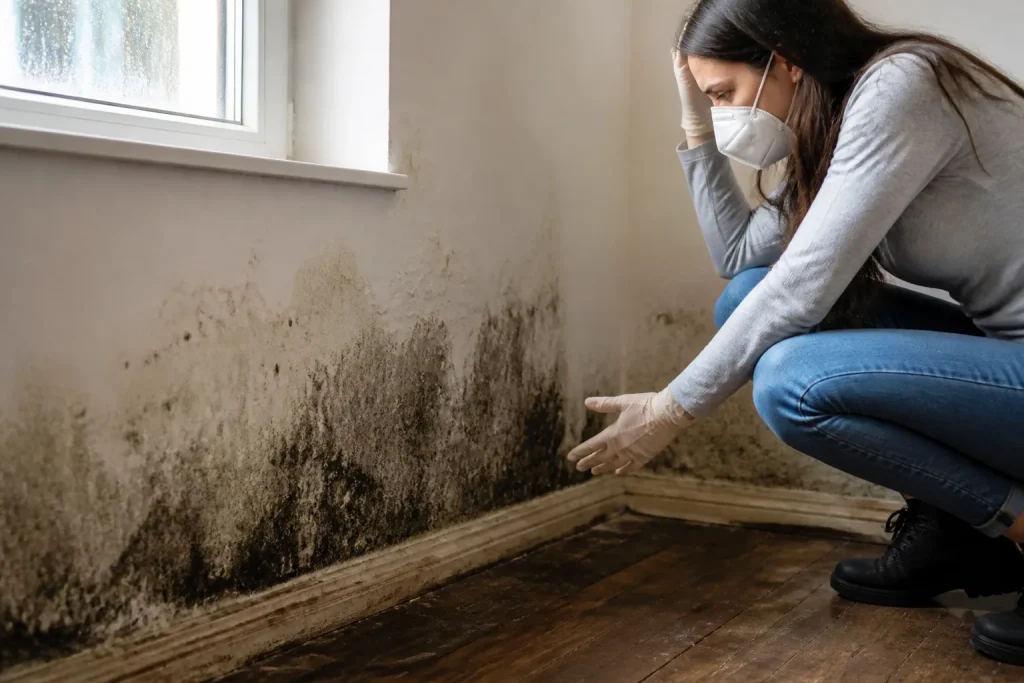
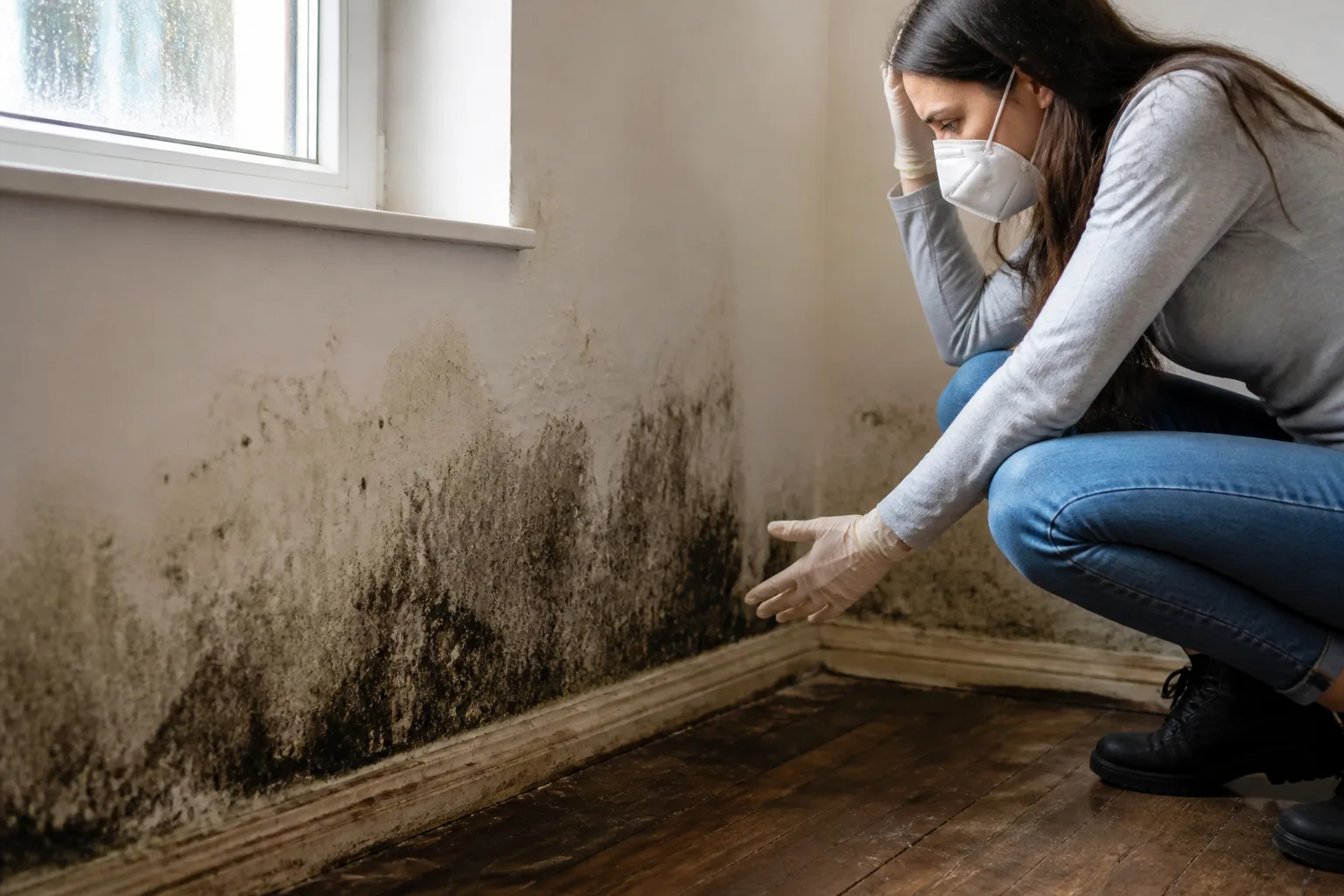
The mistakes that turn a small mold problem into a big one almost always happen before a contractor ever shows up. In our 20 years responding to Los Angeles homes, we’ve watched the same five errors play out again and again, each one costing homeowners thousands of dollars they didn’t need to spend. Here’s what you need to know to avoid them.
The Biggest Mistake: Running Fans to “Dry Things Out”
Running a box fan after discovering mold is the single most common mistake LA homeowners make. The instinct makes sense: air things out, dry the area, move on. But here’s what actually happens. A single box fan blowing across a mold colony can distribute spores to three additional rooms in under four hours. That turns a $1,200 containment-and-removal job into a $9,000 whole-house remediation. We’ve pulled that exact scenario out of a garage in Silver Lake last week, and the homeowner’s face when we showed him the air sample results is one we won’t forget.
Mold spreads through the air. That’s its entire reproductive strategy. When you force air across a contaminated surface, you’re not drying anything. You’re harvesting spores and launching them into rooms that were previously clean. Air movement is the enemy of containment.
The correct first move is sealing the affected room, not airing it out. Close the door. Block the gap under it with a rolled-up towel. Turn off HVAC systems that pull air through the house. If there’s a window in that room, leave it closed. Every hour of fan use before containment is an hour of spore distribution you’ll pay to clean up later.
Mistake 2: Bleaching Mold on Porous Surfaces
Bleach is the go-to mold killer in every supermarket aisle, and it’s the wrong tool for most of what it’s used on. Bleach kills surface growth on non-porous materials like tile or glass, but it does not penetrate drywall, wood, or insulation. What you can see on the surface is only part of the organism. The root structure, called hyphae, extends into porous materials like roots into soil. Bleach can’t reach it.
Worse, bleach is mostly water. When you apply it to drywall, you’re adding moisture to a material that’s already holding water. The surface mold dies, turns white, and looks gone. The roots stay alive, fed by the moisture you just introduced. Within two to four weeks, the mold grows back through the surface, often thicker than before because the colony was never actually removed.
For mold on drywall in Los Angeles, the standard remediation approach is removal, not treatment. Cut out the affected section, bag it in sealed plastic, and address the moisture that caused it. If the surface is porous and the mold has been there more than a few days, cleaning chemicals won’t solve the problem. They’ll just delay the invoice.
Mistake 3: Skipping Post-Remediation Air Testing
Looking at a cleaned wall and calling it done is how half-finished remediations happen. Visible mold removal is not the same as clearance. What matters is what’s floating in the air you breathe, because that’s what lands in your lungs.
A post-remediation verification, or PRV, is an air sample taken after cleanup is complete. A certified technician runs an air pump that pulls a measured volume of air through a collection cassette. That cassette goes to a lab, and the lab counts spores per cubic meter. The result is compared against an outdoor control sample taken at the same time, because outdoor air in Los Angeles naturally contains mold spores. What matters is the indoor-outdoor ratio. If indoor spore counts are significantly higher than outdoor, or if the indoor sample contains mold types not present outside, the remediation wasn’t complete.
This is also the only proof your insurer will accept that the job was done correctly. Without a PRV, an adjuster has no documentation that the remediation actually cleared the problem. You’re left arguing that the walls “look clean,” which doesn’t hold up in a claim file.
Mistake 4: Remediating Before Fixing the Moisture Source
Mold is a symptom. Water is the cause. If you remove the symptom without addressing the cause, the symptom returns, usually within days. We’ve walked into homes where a previous contractor spent thousands on remediation but never fixed the roof leak, the failed shower pan, or the uninsulated cold-water pipe that was condensing in the wall cavity. The mold came back exactly where it started because the moisture source was still actively feeding it.
Every mold problem in Los Angeles has a moisture source somewhere upstream. It might be the seasonally high humidity in a poorly ventilated bathroom, a slow drain leak under a sink that’s been dripping for months, or standing water in a crawl space after winter rains. If you don’t find and fix that source first, you’re not remediating. You’re gardening.
The sequence matters. Find the moisture source. Fix the moisture source. Then remediate the mold. Then verify with air testing. Skip any step in that chain and you’ll pay for the whole job twice.
Mistake 5: Hiring Without Verifying IICRC S520 Compliance
The IICRC S520 is the restoration industry’s written standard for professional mold remediation. It’s not a certification you buy. It’s a set of procedures that defines what a proper remediation actually requires. When a contractor claims they “do mold,” the question to ask is whether they follow S520. If they can’t answer that question, they’re probably not doing the job correctly.
What S520 requires in plain English: containment barriers to isolate the affected area from the rest of the house, HEPA air filtration to capture airborne spores, and negative air pressure so air flows into the containment zone rather than out of it. That last point matters. Negative pressure means the containment area is always pulling air in through controlled openings, never pushing contaminated air out into your living space. Without it, every opening of the containment door sends spores into the hallway.
At Marsh Water Damage Restoration, every mold job follows S520 protocols, and our technicians carry IICRC credentials that verify they’ve been trained to the standard. Before any tech arrives at your door, you get their name and photo through the Threshold Verified protocol. They show up uniformed, background-checked, and carrying a photo ID badge they’ll present at the door. You’ll know exactly who’s walking in before the knock happens.
Key Takeaways
- Never run fans or open windows to “dry out” a moldy room before containment. You’ll spread spores and multiply the cost.
- Bleach doesn’t kill mold roots in porous materials. Drywall and wood need removal, not surface treatment.
- Post-remediation air testing is the only proof that cleanup actually worked, and the only evidence your insurer will accept.
- Fix the moisture source before you remediate. Mold returns within days if the water problem isn’t corrected first.
- Ask any contractor whether they follow IICRC S520 standards for containment, HEPA filtration, and negative air pressure. If they hesitate, call someone else.
When to Call a Pro
If the affected area is larger than about 10 square feet, if the mold is in your HVAC system, or if you have respiratory issues, mold exposure, or a compromised immune system, don’t attempt this yourself. Professional remediation requires containment equipment, commercial HEPA air scrubbers, and the training to prevent cross-contamination. One mistake in setup can spread the problem to your entire house.
If you’re in Los Angeles and dealing with mold, call (910) 613-6568. We’ll walk you through what you’re seeing, give you a written price before any work starts, and send a Threshold Verified technician you’ll know by name and photo before they arrive.
Related Services in Los Angeles
Mold is rarely a standalone problem. It usually starts with water. If you’re dealing with mold in the Los Angeles area, take a look at our Mold Remediation in Los Angeles page for the full process. If the mold came from a leak, our Water Damage Restoration in Los Angeles service covers the extraction and drying that prevents mold from taking hold. And for damage from winter rains, our Storm Damage Restoration in Los Angeles page explains how we handle storm water intrusion before it becomes a mold problem. You can also learn more about who we are on the Marsh Water Damage Restoration home page.
What happens when you call
- 1
A real person answersNo phone trees - you reach a local pro.
- 2
You get an upfront price rangeHonest numbers before anyone is dispatched.
- 3
A background-checked tech heads outLicensed & insured, dispatched right away.
- 4
You approve before work beginsNothing starts until you say go.
The Bottom Line
Mold remediation mistakes are almost always made in the first 72 hours, before a contractor is even involved. Running fans spreads spores. Bleach feeds the roots. Skipping air testing leaves you with no proof. Ignoring the moisture source guarantees a return visit. And hiring a contractor who can’t explain S520 containment procedures means you’re paying someone to half-do the job.
The good news: all five mistakes are avoidable if you know what they are. If you’re in Los Angeles and need help, Marsh Water Damage Restoration offers free estimates. Call (910) 613-6568. A live person answers, day or night, every day of the year.
Frequently Asked Questions
Small areas under 10 square feet on non-porous surfaces can sometimes be cleaned with proper protection, but anything larger or on drywall should be handled by a remediation professional. The risk with DIY removal is spreading spores through the rest of your home, which turns a small job into a whole-house problem. Call (910) 613-6568 if you’re not sure what you’re dealing with.
Mold can begin releasing spores within 24 to 48 hours of establishing on a damp surface, and airborne spores can reach adjacent rooms within hours when air is moving through the house. That’s why containment and turning off HVAC systems matters so much in the first day after discovery.
Coverage depends on your policy and the source of the moisture. Sudden, accidental water damage that leads to mold is often covered; long-term neglect or maintenance issues generally are not. We document every job with photos and lab results to give your adjuster exactly what they need. If you’re filing a claim, a PRV air sample is essential evidence that remediation was actually completed.
That musty odor is caused by microbial volatile organic compounds released by mold and bacteria. Removing the mold removes the odor source, but the smell can linger in porous materials like carpet and curtains even after remediation. Professional deodorization after the mold is removed usually handles any remaining smell. Call (910) 613-6568 for a free assessment if the musty smell persists after a cleanup.
Written by the team at Marsh Water Damage Restoration.
Need Damage Restoration Help?
Call Marsh Water Damage Restoration - licensed & insured, here with fast after-hours help in Los Angeles.
(910) 613-6568