
IICRC Water Damage Restoration in Los Angeles: A Homeowner’s Guide
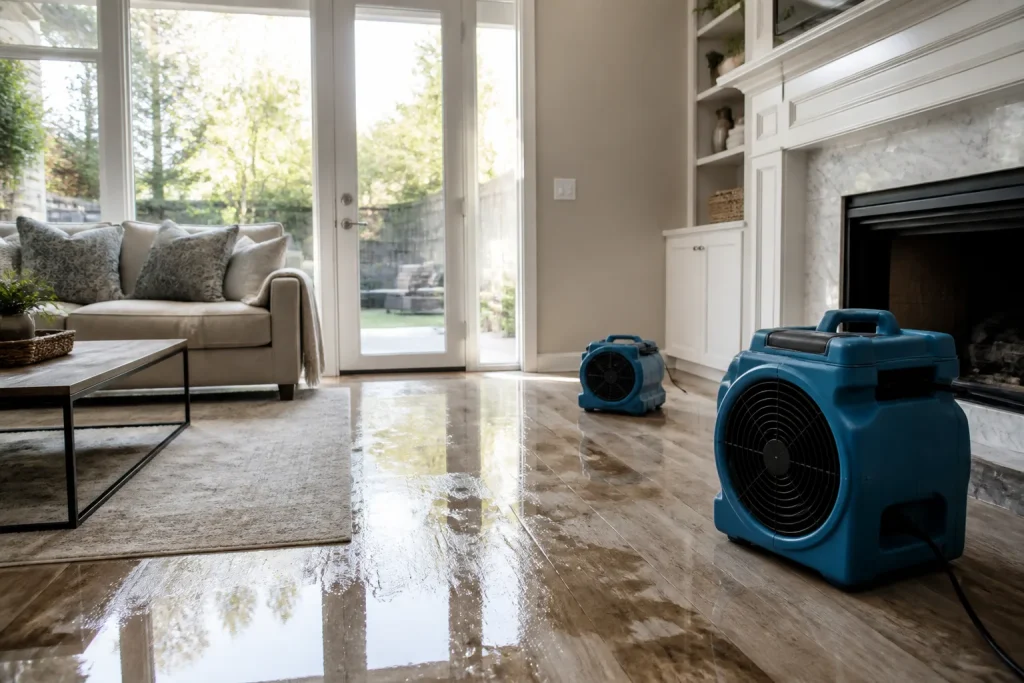
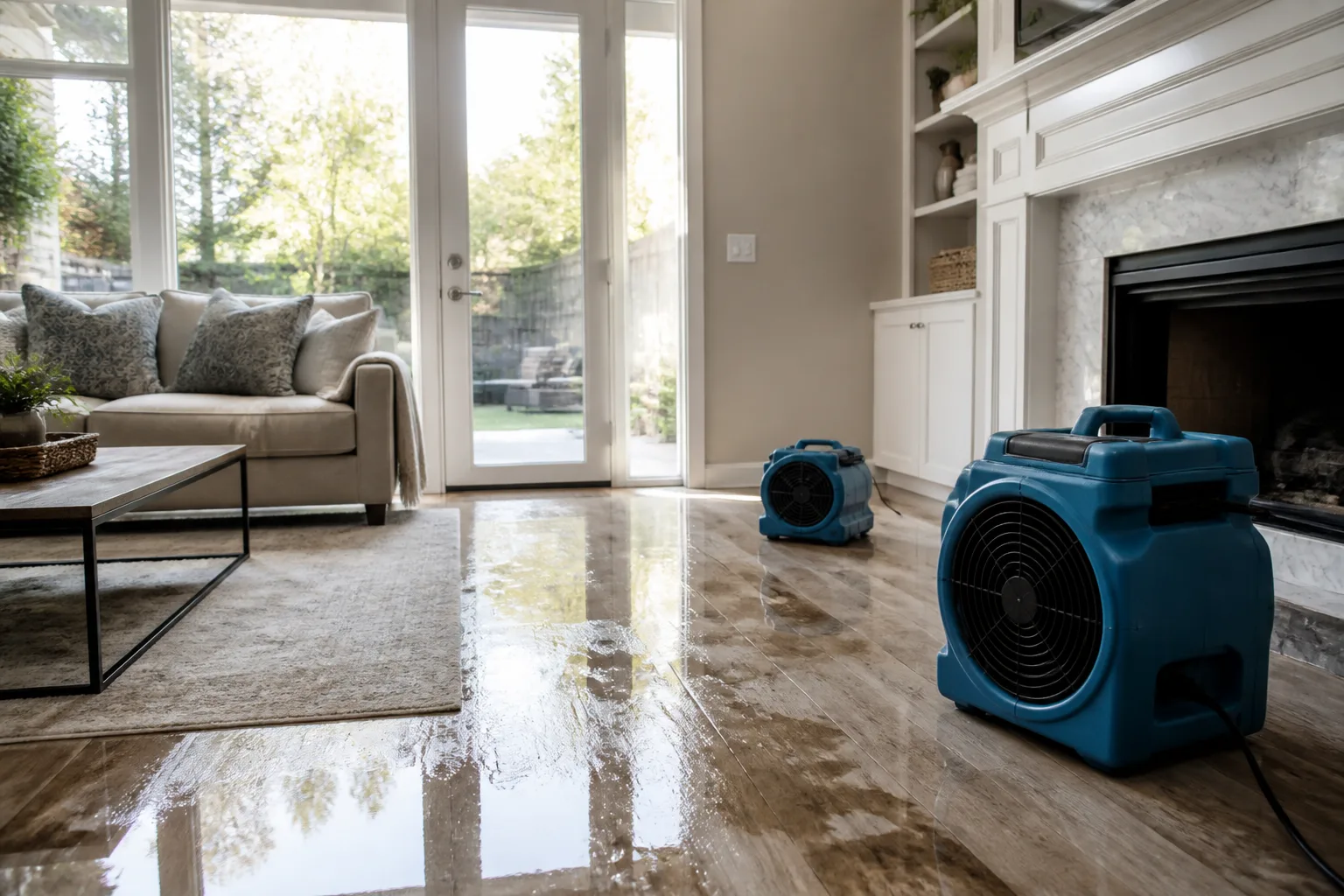
IICRC certification means the company follows the S500 water damage restoration standard, a documented drying protocol with specific checkpoints. In Los Angeles, a genuine IICRC job includes written drying goals on day one, daily moisture readings, and a final drying completion report, not just fans and a dehumidifier left running. If a crew can’t or won’t show you the paperwork, they’re not following the standard they’re advertising. If you’re dealing with a leak or flood right now and would rather skip the research, call Marsh Water Damage Restoration home at (910) 613-6568.
What the IICRC Actually Is (And What It Isn’t)
The IICRC, or Institute of Inspection, Cleaning and Restoration Certification, is the non-profit body that writes the restoration industry’s technical standards and certifies the people who follow them. The relevant standard for water damage is called the S500. It’s a reference guide for professional water damage restoration, covering everything from the initial extraction to the final moisture check. The key distinction most Los Angeles homeowners miss: the IICRC certifies people, not companies. A company can print “IICRC certified” on a van, but what matters is whether the technician who enters your home holds the specific certification for the work being done.
We see this confusion weekly in Los Angeles. A neighbor gets a flooded hallway, calls the first name on Google, and assumes the certification claim means something about quality. It may. But without understanding what the S500 actually mandates, you’re trusting a logo, not a process. The S500 isn’t a plaque on a wall. It’s a specific drying protocol with measurable checkpoints: the initial moisture mapping, a written drying goal, daily monitoring logs, and a documented drying completion. When someone from our team explains this to a homeowner in Echo Park or Sherman Oaks, the response is usually the same: “Nobody else ever told me that.” That’s the problem.
The Three Water Categories: Plain English
Before anyone sets equipment, the standard requires classifying the water. It’s not classification for the sake of paperwork. The category changes the safety protocol, the scope of drying, and what insurance will or won’t cover. Los Angeles homes range from new builds in Playa Vista to 1920s bungalows in Highland Park, and the age of the plumbing usually dictates which category you’re facing.
- Category 1: Clean water. This comes from a supply line, a burst pipe, or a failed water heater. It’s water that starts out safe. But time changes everything. After 48 to 72 hours sitting in a wall cavity or under a floor, warm air and embedded dust and debris mean Category 1 water degrades. We’ve done extractions in Los Angeles where a simple fridge line leak turned into a Category 2 situation because the homeowner waited a week for the “musty smell” to go away on its own.
- Category 2: Gray water. This is water with significant contamination. It comes from dishwashers, washing machines, overflows from toilet tanks (not the bowl), and sump pump failures. Gray water can make you sick if ingested. In older Los Angeles homes with cast-iron or galvanized plumbing, we see Category 2 losses more often because those pipes corrode from the inside and back up. Gray water doesn’t get dried and walked away from. It requires antimicrobial treatment, not just air movement.
- Category 3: Black water. This is sewage, floodwater, or any water containing harmful bacteria and pathogens. It’s the category nobody wants. The protocol requires containment, removal of non-salvageable materials, and full antimicrobial application. If you’re in a Los Angeles neighborhood that flooded during an atmospheric river event, the water coming in is Category 3, full stop. You don’t dry it out and paint over it.
The insurance scope changes with each category. Category 1 is often limited to drying and cleaning. Category 2 and 3 typically involve material removal and replacement. If your adjuster is treating a Category 3 loss like a Category 1 because nobody documented the category properly, you’re underpaid before the job starts.
What IICRC S500 Actually Mandates (And What to Ask)
If you remember one thing from this guide, remember this: the S500 requires documentation. Not vague promises. Documentation. Here are the five checkpoints to ask about before any crew starts work in your Los Angeles home.
- Initial moisture mapping. The technician must map the affected area, measure moisture in the materials, and record baseline readings. You should see this on paper or on a tablet. If the tech walks through with a damp meter, grunts, and walks out to the truck for fans, the standard is not being followed.
- A written drying goal. The S500 calls this the “drying standard.” It’s a specific moisture content target for each affected material. Drywall has a different goal than hardwood. Without a written target, how does anyone know when the job is actually finished?
- Daily monitoring logs. Moisture readings must be taken every 24 hours. Every single day. Each reading goes on a log that shows the progress against the drying goal. This is how you know the equipment is working and not just running.
- A documented drying completion. When the readings hit the target, the standard is met, and that gets documented. The job is not complete when the equipment gets picked up. It’s complete when the numbers say so.
- A final report. You should receive a record of what was done, the category of water, the drying goal, the daily readings, and the final readings. This file matters for insurance and for peace of mind.
If your crew cannot produce these five things, they’re not following IICRC S500. They’re renting equipment and hoping for the best. In Los Angeles, where humidity can swing dramatically from Santa Monica to the Valley, hoping is not a drying method.
IICRC Technician Certifications: WRT, ASD, AMRT
The IICRC certifies technicians at different levels, and the letters mean specific, verifiable things. When we send a technician to a home in Los Angeles, we can tell you which certifications that person actually holds. You should be able to get the same answer from any company you call.
- WRT: Water Restoration Technician. This is the foundational certification. A WRT has demonstrated understanding of water damage principles, extraction methods, drying theory, and the practical skills to run a drying job. It’s the minimum you should accept for any water damage restoration work.
- ASD: Applied Structural Drying. This is the next level up. An ASD-certified technician has been trained and tested on advanced drying strategies for complex structural drying: wall cavities, under hardwood floors, multiple rooms, multi-level structures. In Los Angeles, where a leak on the second floor of a split-level can migrate through the ceiling, the subfloor, and into the garage, ASD-level training matters.
- AMRT: Applied Microbial Remediation Technician. This certification covers mold and sewage remediation. If your loss is Category 2 or Category 3, you want an AMRT-trained technician on site because the job involves containment, removal of contaminated material, and antimicrobial application, all done safely.
Ask a simple question: “Which certifications does the technician who is actually coming to my home hold?” If the answer is vague, that’s your answer. We hold IICRC, RIA, and IFA credentials across our technical team, and every technician we send carries that information on a badge, not just a website.
Los Angeles-Specific: Why Gray Water Hits Harder Here
The housing stock in Los Angeles is old. A significant percentage of homes in neighborhoods like West Adams, Jefferson Park, and Boyle Heights were built before 1950, and many of them still have original cast-iron or galvanized plumbing. Cast iron corrodes from the inside. Galvanized pipe rusts and narrows over decades. When a clog forms in an old line, the backup isn’t clean water. It’s Category 2, sometimes Category 3, and the homeowner had no idea the line was compromised until the water came up through a drain.
This is why we repeat the same thing to Los Angeles homeowners: Category 2 and Category 3 losses require antimicrobial treatment, not just drying. A gray water backup from a washing machine carries bacteria. Drying it out with fans and a dehumidifier makes the problem invisible for a few weeks and then the smell returns, the staining appears, and the insurance claim is now complicated because the initial category was never documented. Our Water Damage Restoration in Los Angeles process starts with the category determination and the moisture mapping, every single time.
One job we pulled out of a garage in Atwater Village last month turned out to be a washing machine drain line that had been slowly leaking Category 2 water under the slab for weeks. The homeowner thought it was just garage humidity. The psychrometric readings (measuring the moisture in the air and in the materials) told a different story. The drying goal was written on day one, the daily logs showed the progress, and the final report documented the standard was met.
How the 365-Day Done Right Promise Connects to IICRC S500
If you’ve never had water damage before, the fear is understandable: what happens if the crew leaves, everything looks dry, and then a month later the floor warps or the smell returns? That’s where the paperwork from the S500 process earns its keep. When the drying goal is documented, the daily readings are logged, and the final completion is recorded, there’s a baseline for what “done right” actually means.
Our 365-Day Done Right Promise is built on that baseline. It’s printed on every work order. If the repair is not right within a full year, we make it right. That’s not a vague pledge; it’s a time-bound, documented commitment. A free second visit is included automatically, never something you have to argue for. This kind of guarantee is only possible when the drying process is documented. A company that doesn’t keep daily logs cannot distinguish between a failed drying job and a new, separate problem. We can.
When to call a pro: if water has touched drywall, flooring, or baseboards and has been present for more than 24 hours, you are past the point of towels and box fans. Call a professional restoration company. If the water is gray or black, do not attempt to clean it yourself. The health risk is real, and the insurance documentation matters.
Related services in Los Angeles: for contaminated water or sewage backups, see our Storm Damage Restoration in Los Angeles page. If you suspect mold has developed after water exposure, our Mold Remediation in Los Angeles service addresses that directly. Both are built on the same S500 foundation: document the problem, write the plan, log the progress, and prove the completion.
Key Takeaways
- “IICRC certified” means nothing unless the technician holds the certification and the S500 process is documented from day one.
- Know your water category: clean, gray, or black. Each changes the safety protocol and the insurance scope.
- Demand five documents: initial moisture mapping, written drying goal, daily monitoring logs, drying completion report, and final summary.
- Gray water in older Los Angeles homes is common and requires antimicrobial treatment, not just drying.
- Ask which certification the person at your door holds: WRT at minimum, ASD for complex drying, AMRT for microbial or sewage work.
The Bottom Line
IICRC water damage restoration in Los Angeles is either a documented process with measurable checkpoints or a logo on a van. The standard exists so homeowners don’t have to trust luck or marketing. You can ask for the paperwork. You can demand the drying goal and the daily logs. You can verify the certification of the person who walks through your door. If you’re in Los Angeles and need help right now, Marsh Water Damage Restoration offers free estimates. Call (910) 613-6568. A live person answers, any hour, any day.
Frequently Asked Questions
IICRC certification means the technician has completed training and passed an exam on the S500 water damage restoration standard. It means that person has demonstrated knowledge of water classification, moisture measurement, drying theory, and documentation. Ask which certification level the person entering your home holds: WRT, ASD, or AMRT.
Most residential water extractions in Los Angeles run between $1,200 and $4,500 before drying equipment is set, depending on the square footage, the water category, and the materials affected. Category 2 and 3 losses cost more because of antimicrobial treatment and material removal. Call (910) 613-6568 for a written, exact quote before any work starts.
Most homeowner policies cover sudden and accidental water damage, including Category 2 and 3 losses, but the payout depends on documentation. If the category is not recorded, the drying standard is not written, and the daily logs are missing, your adjuster has room to underpay. A restoration company that follows S500 documentation helps protect your claim. We coordinate directly with insurance adjusters.
At Marsh Water Damage Restoration, a live person answers every call 24/7, including holidays. For active water intrusion, we prioritize same-day dispatch in Los Angeles. Call (910) 613-6568 and you’ll speak to a person, not a voicemail.
Written by Tobias Reyner, Owner at Marsh Water Damage Restoration, serving Los Angeles since 2005.
Need Damage Restoration Help?
Call Marsh Water Damage Restoration - licensed & insured, here with fast after-hours help in Los Angeles.
(910) 613-6568