

Free visual inspection and a written scope of work before any mitigation begins - photos, moisture readings, and drying logs go in your claim file
The scope we write is the scope we bill. Anything new gets shown to you, in writing, before we touch it.
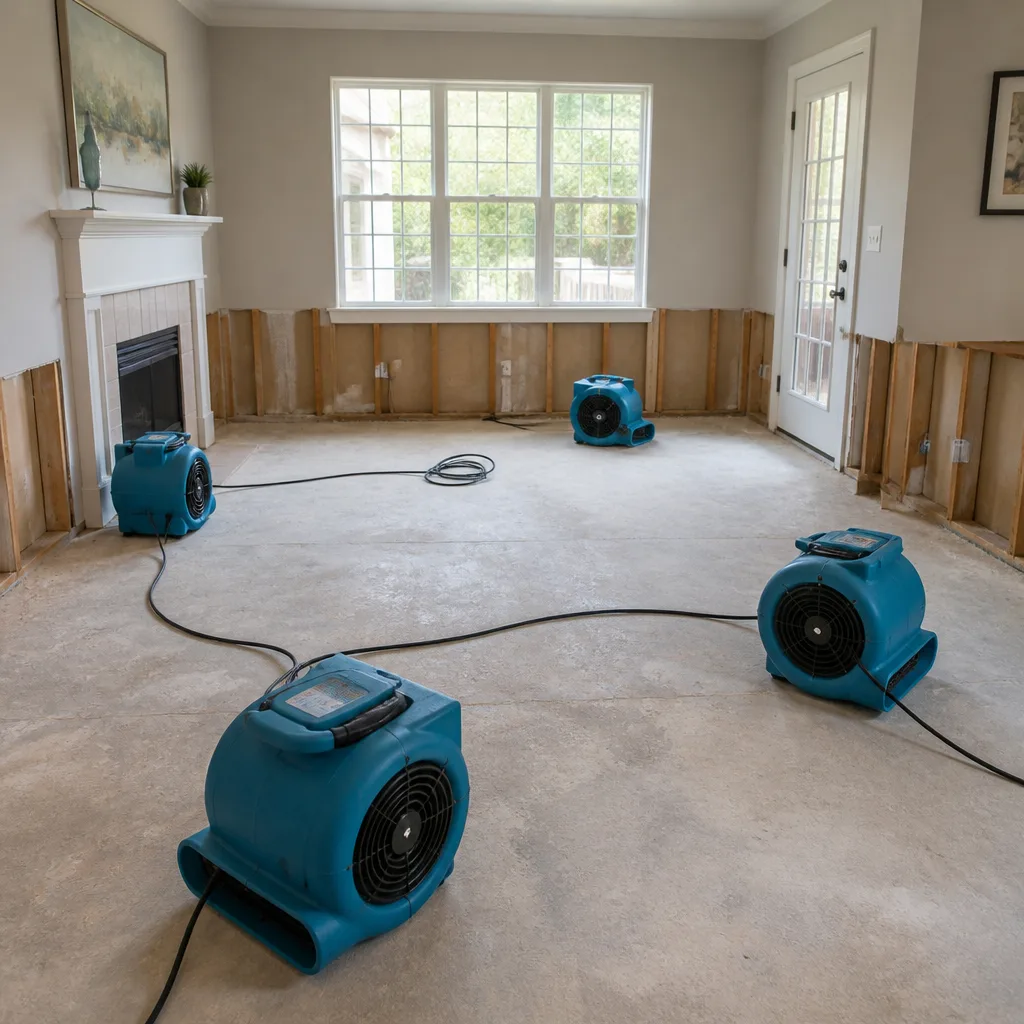
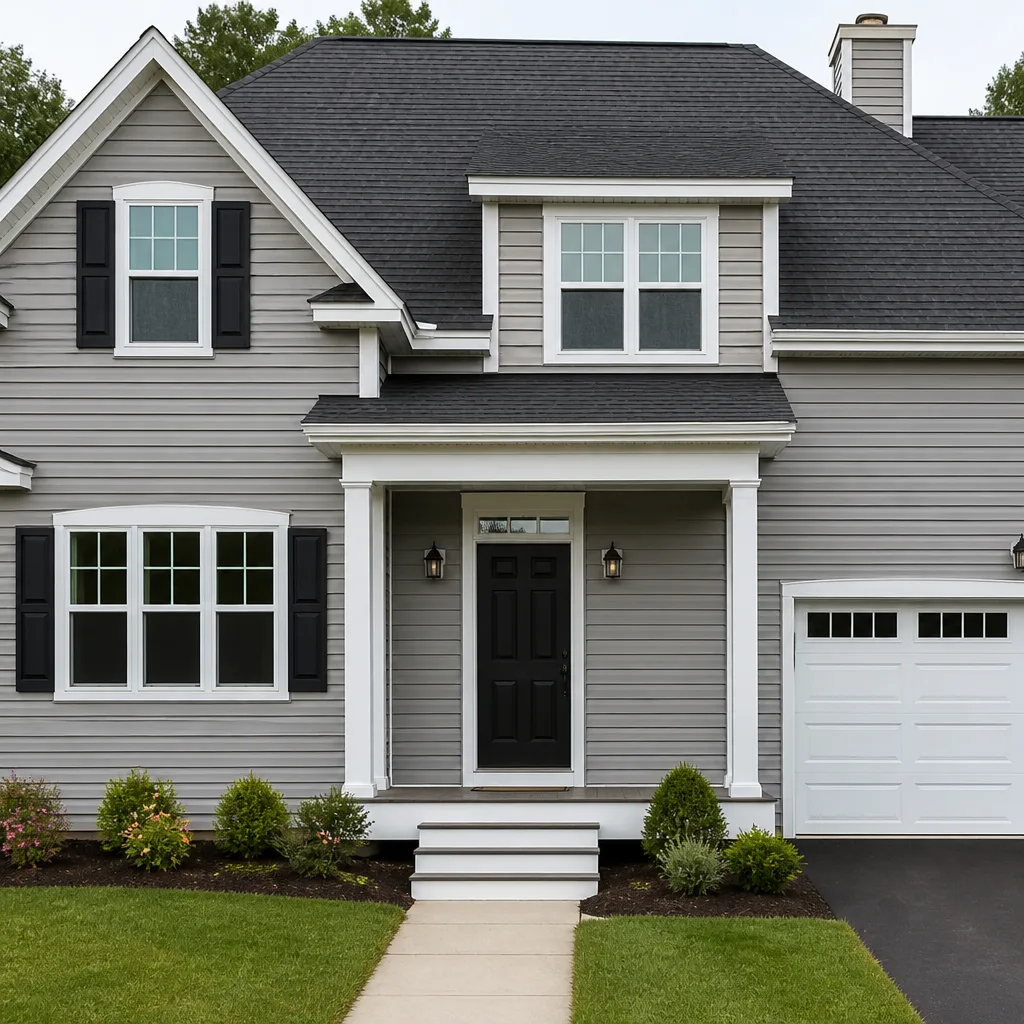
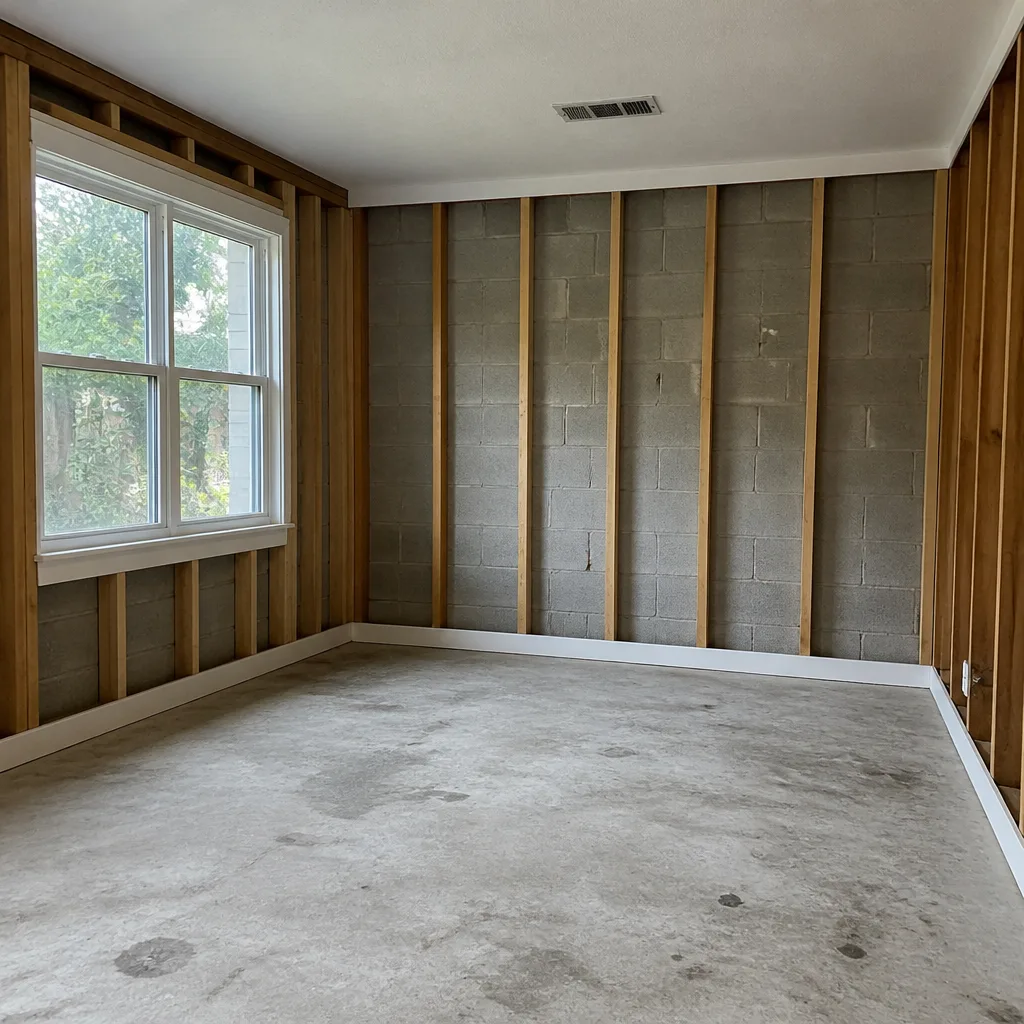
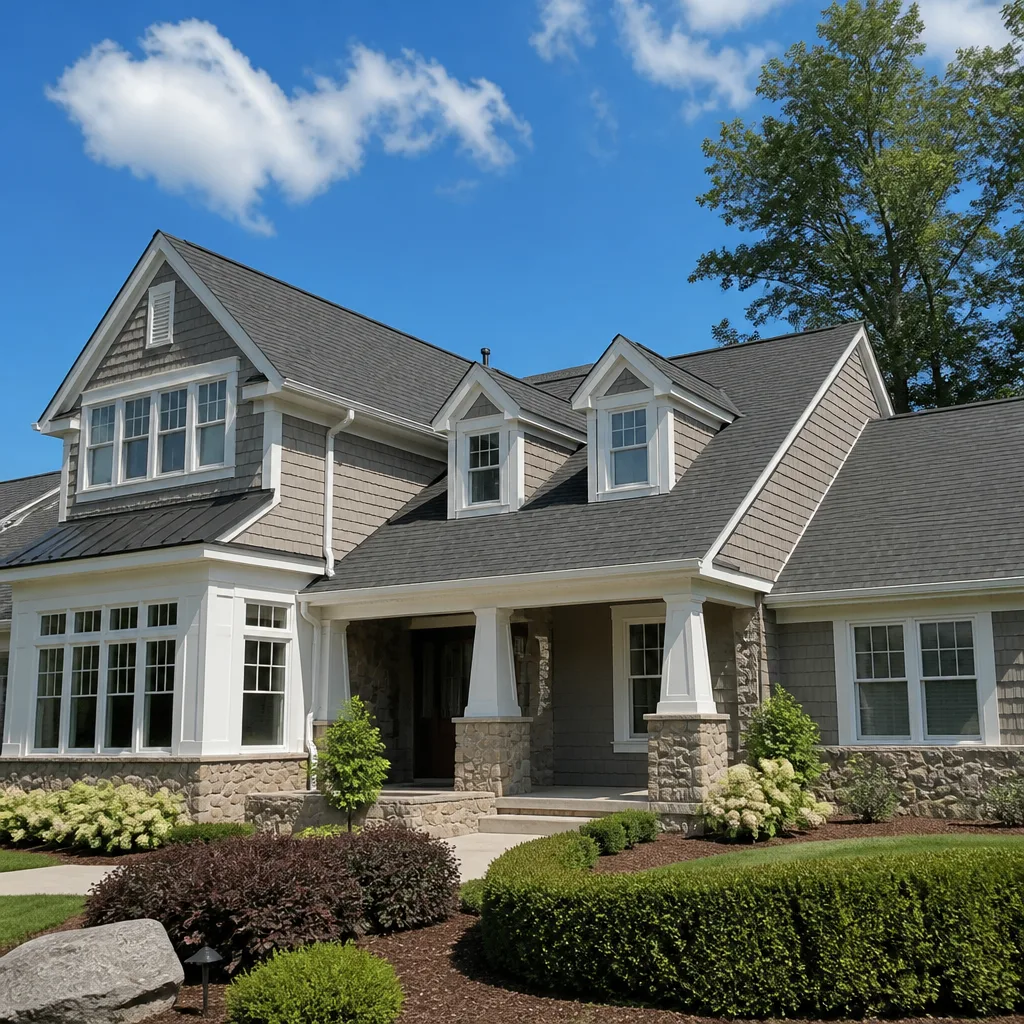
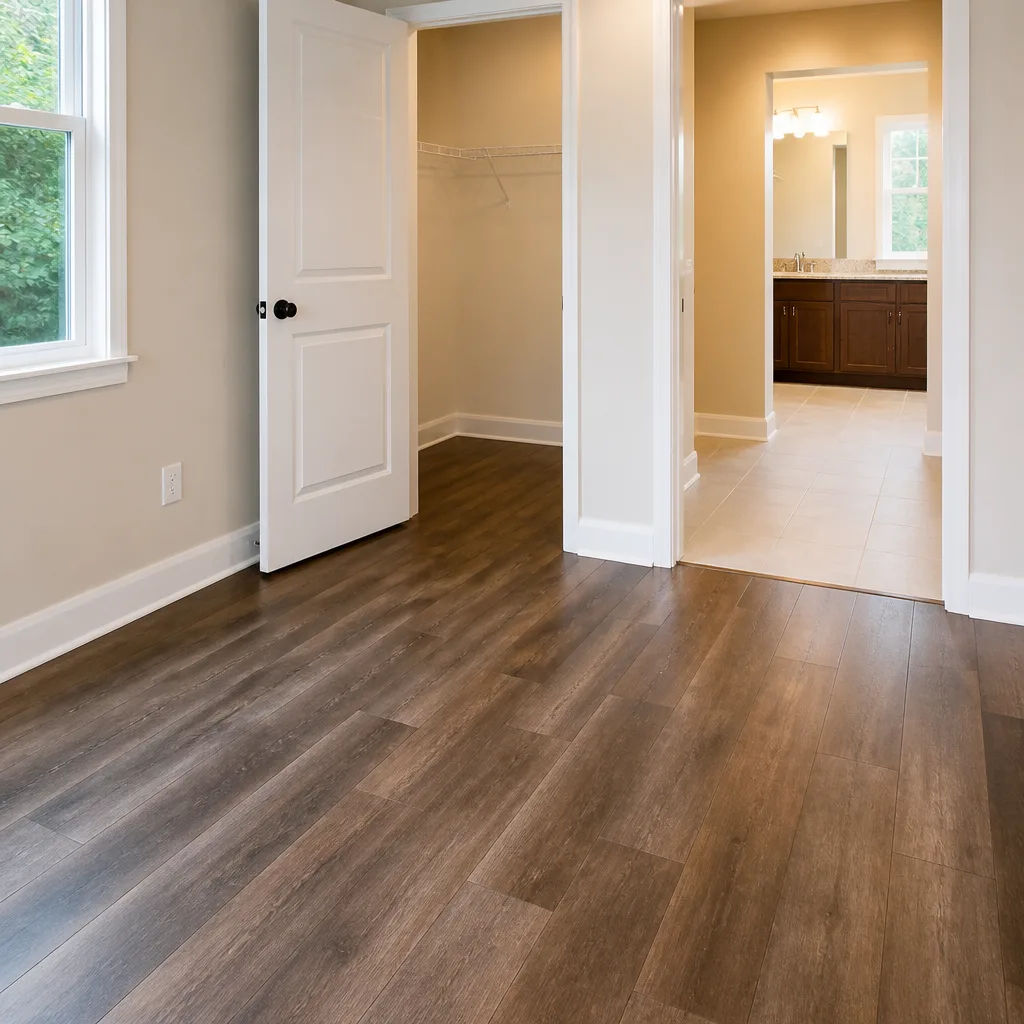
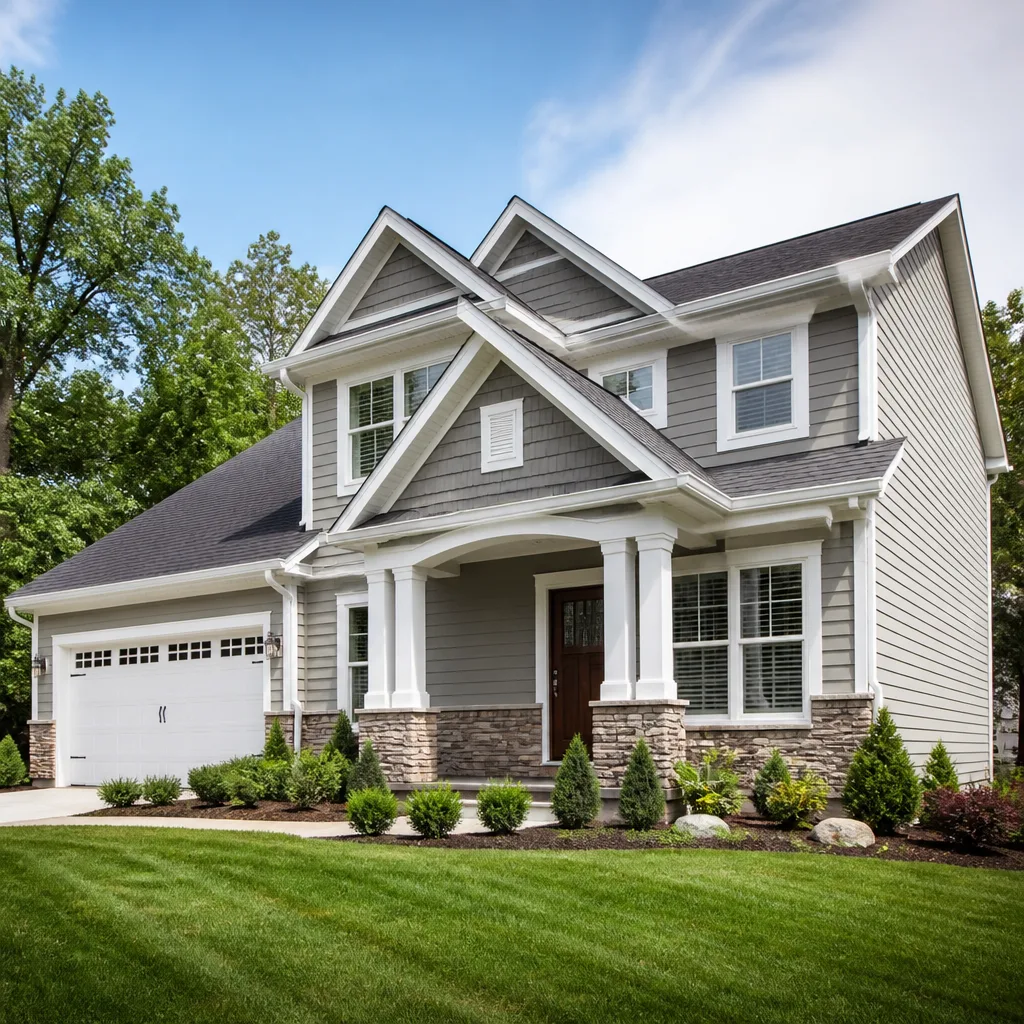
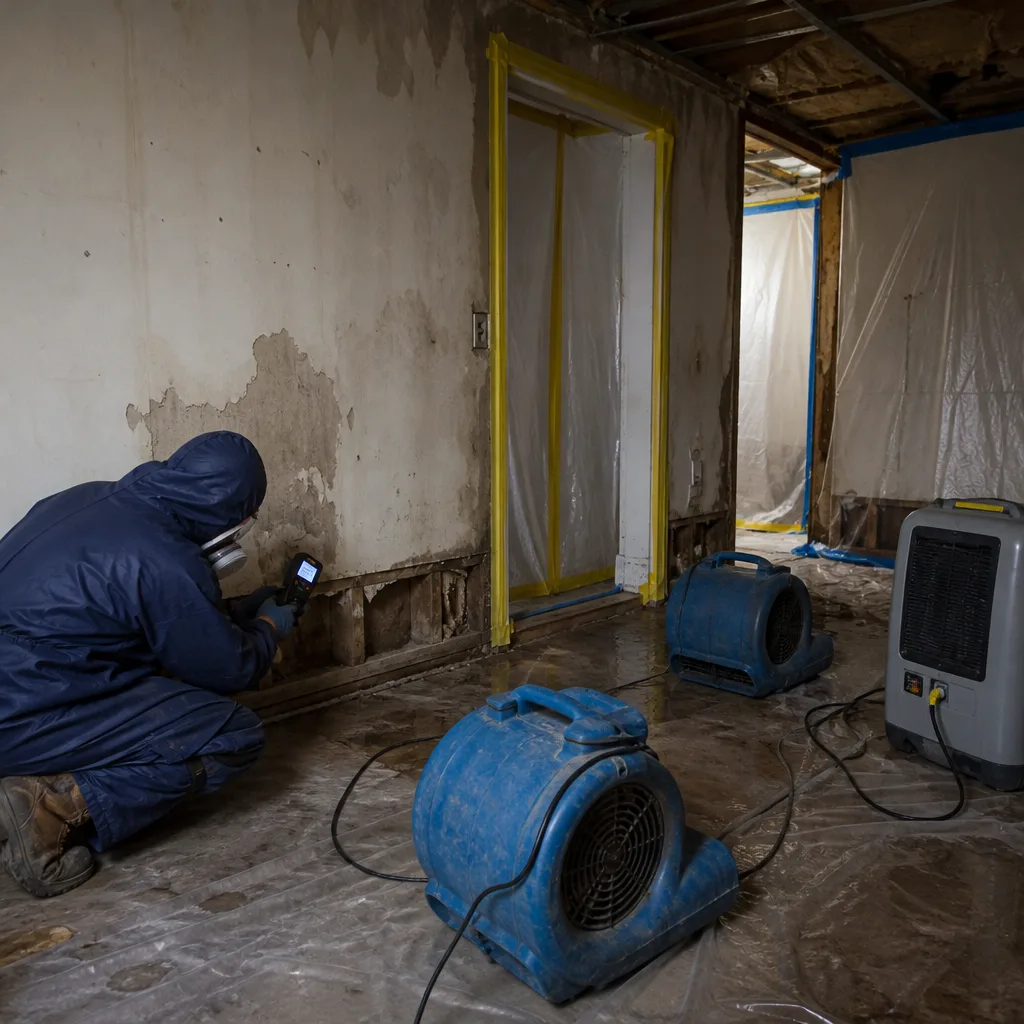 Before
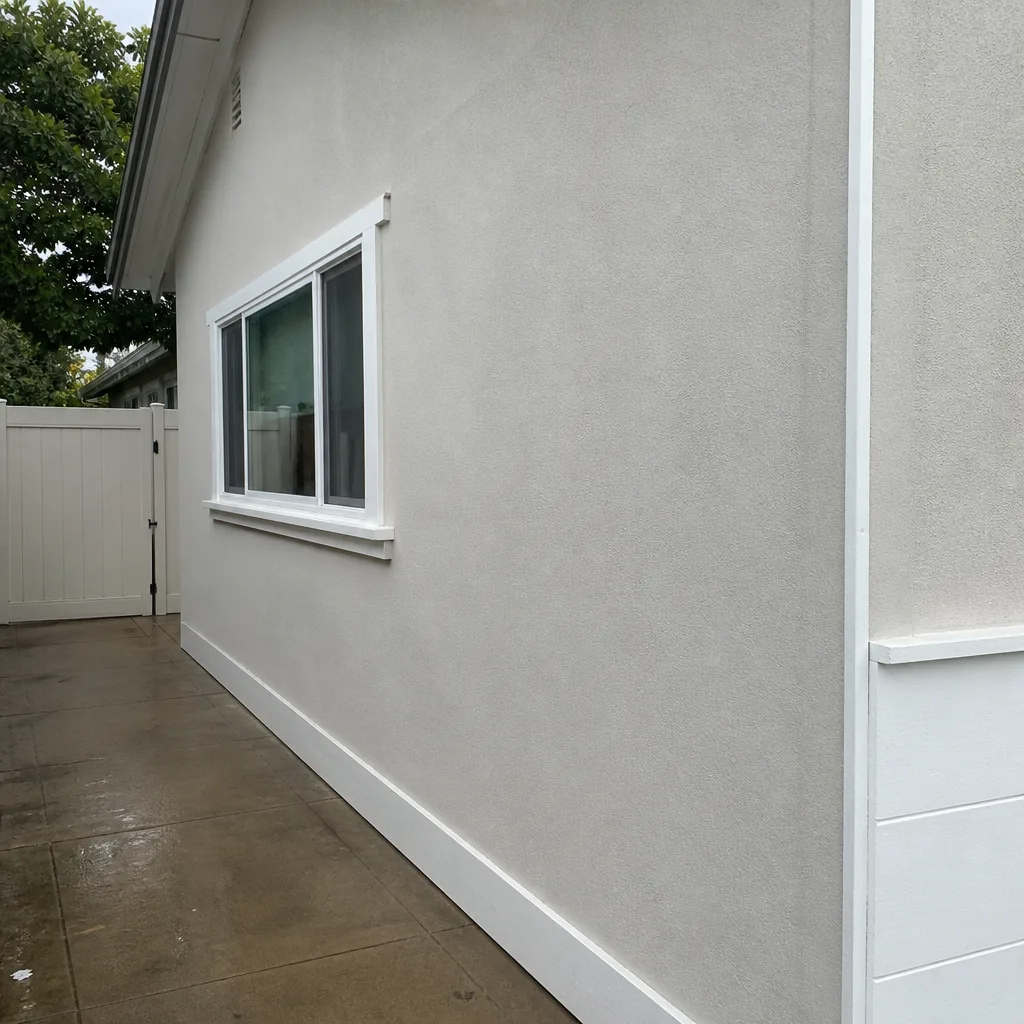 After
After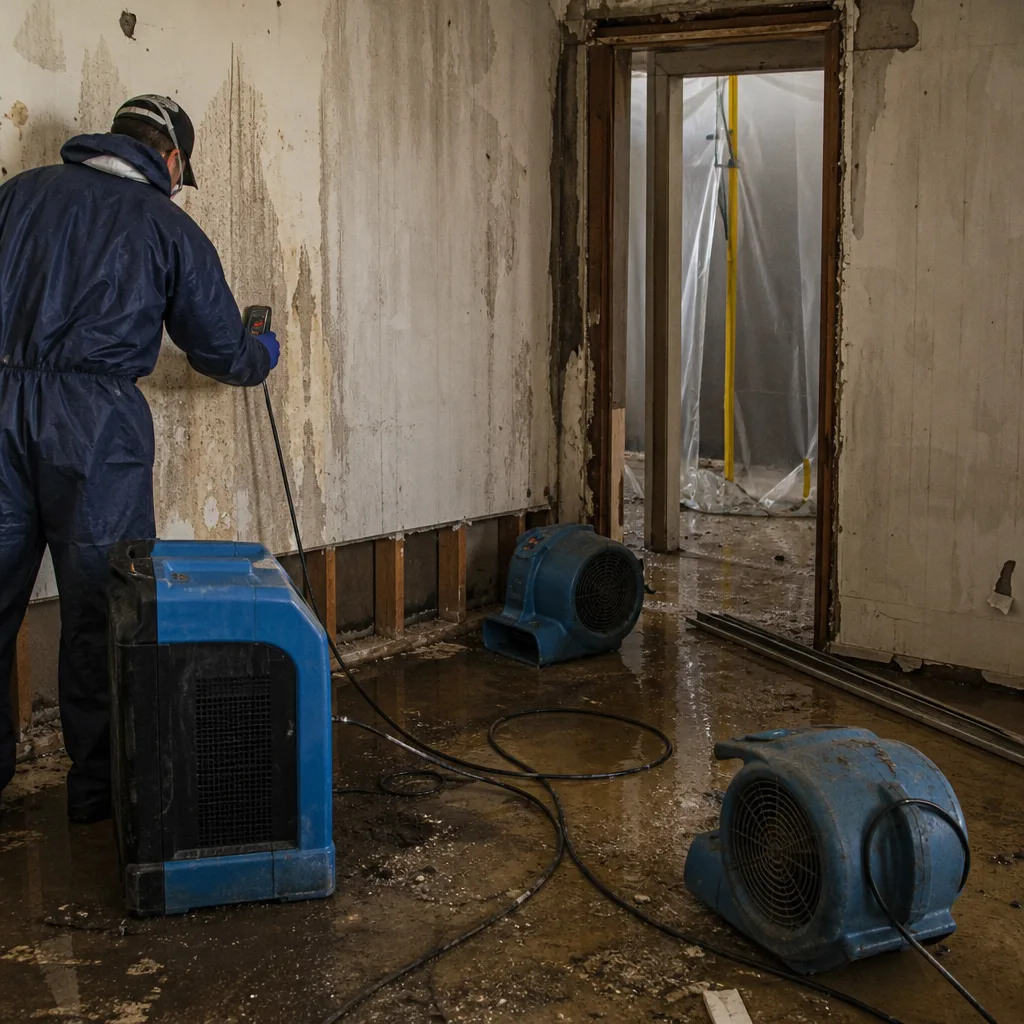 Before
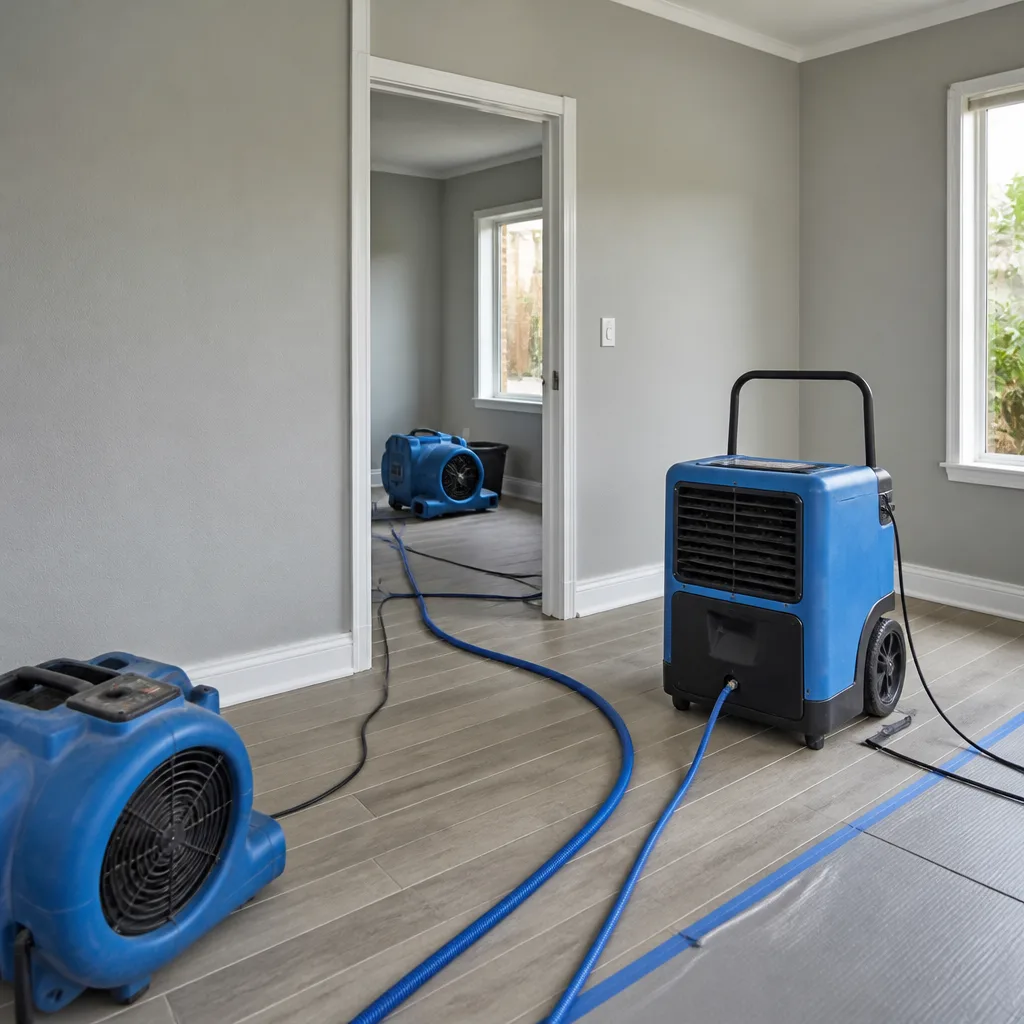 After
After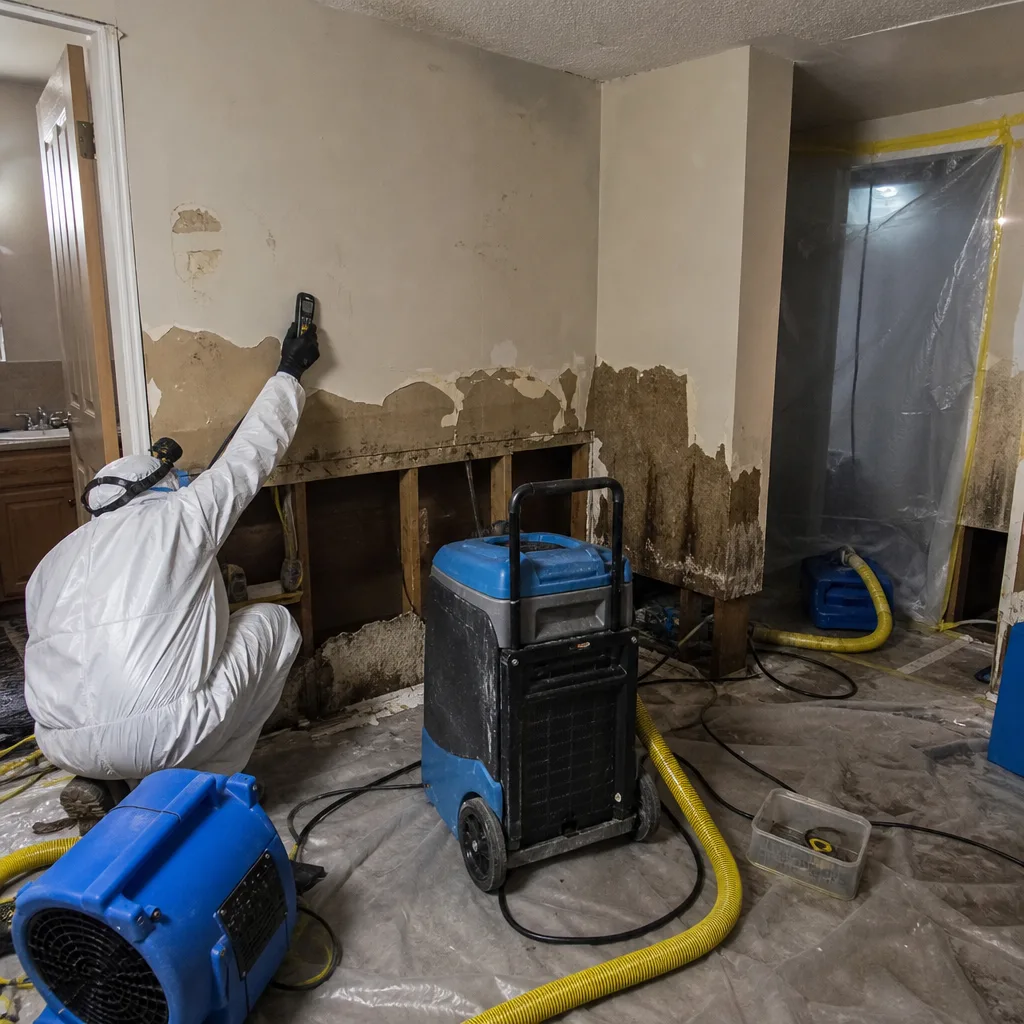 Before
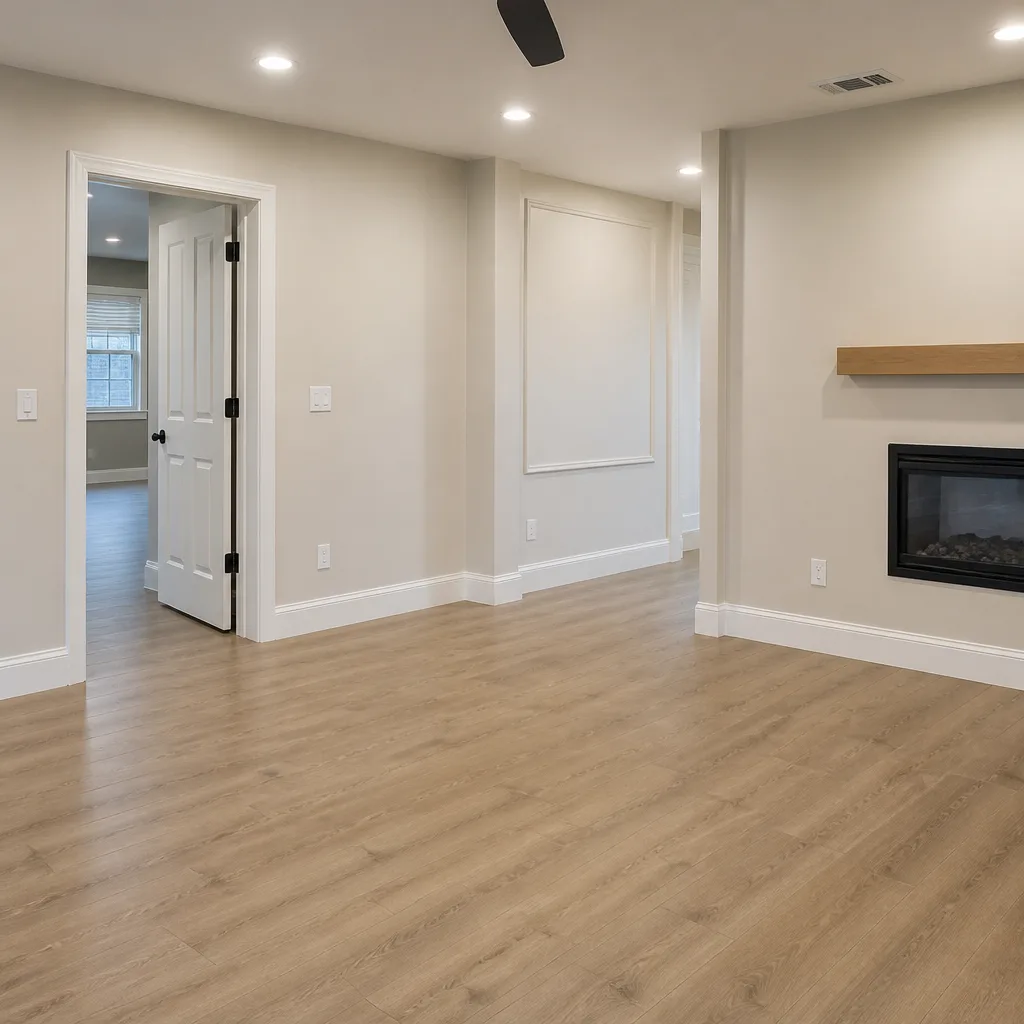 After
AfterFast, Reliable Mold Remediation Across Lancaster
Mold remediation in Lancaster, CA typically costs between $1,800 and $6,500 depending on how far the colony has spread and whether it reached wall cavities or subfloor framing. Most jobs in Lancaster take 2 to 5 days from containment to final clearance testing. If you’ve spotted discoloration on drywall, smelled a musty odor near a bathroom or laundry wall, or just had a pipe burst during a hard freeze, call (910) 613-6568 and a live person will answer, day or night.
We know Lancaster’s housing stock. We know that a 1980s stucco tract home near Lancaster Boulevard behaves differently after water intrusion than a newer build on the west side. Our Mold Remediation team has worked in El Dorado, Desert View, and neighborhoods along Avenue K and 10th Street West. We’re familiar with the slab-on-grade foundations, the flat tile roofs, and the way Mojave air hides moisture better than anywhere else in Los Angeles County.
Why Marsh Water Damage Restoration Is Lancaster’s Preferred Mold Remediation Company
We’ve been restoring homes since 2005 as part of the Threshold Group family, and the reason Lancaster homeowners call us back or refer us to a neighbor on the same block comes down to two things we never compromise. First, every technician who arrives at your door is background-checked, identity-verified, and sent to you by name and photo before the visit under the Threshold Verified standard. You will see a photo ID badge at the door, every time. Second, you get a written price before any work starts. Not an estimate that balloons after demo begins. A printed number on a work order, along with a written guarantee and our 365-Day Done Right Promise: if the remediation is not right within a full year, we return and make it right, free second visit included automatically.
Our technical team holds IICRC, RIA, and IFA credentials. The equipment we run in Lancaster is the same Dri-Eaz, Phoenix, XPOWER, and Injectidry gear used on large commercial losses, because residential jobs here deserve that standard. When a hard freeze splits a copper line in an exterior wall at 2 a.m., you call and a live person answers. Not a voicemail. Not a chatbot. Then a technician whose name and face you already have shows up ready to work.
Tobias Reyner leads our restoration crew, and he is adamant about one thing on Lancaster jobs: no visual drywall check counts as a drying confirmation in the Antelope Valley. We’ll get to why that matters more here than anywhere else.
Mold Removal Contractor in Lancaster
As a Mold Removal Contractor serving Lancaster, we handle the full sequence: containment, source correction, removal of colonized material, antimicrobial treatment, structural drying, and post-remediation verification. A Lancaster homeowner needs this when mold has moved beyond surface staining into drywall, base plates, insulation, or subfloor. In the Antelope Valley, that boundary gets crossed faster than people expect because the same desert air that makes drywall feel dry also pushes moisture deeper into framing and slab areas where it cannot evaporate quickly.
Typical mold removal contractor work in Lancaster runs $2,400 to $5,800 for a contained bathroom or laundry wall, including HEPA filtration and post-remediation clearance. A larger loss involving multiple rooms or crawl space treatment lands between $5,000 and $9,500. We write every number down before demolition begins.
Containment and Source Correction
Before we remove anything, we seal the affected area with negative air pressure so spores do not travel through your HVAC system into bedrooms or kitchens. Then we find the water source. In Lancaster’s 1980s and 1990s homes, that source is frequently a pinhole leak in a copper supply line inside an exterior wall, or condensation at the eave where wind-damaged tile roofing let water in unnoticed for months.
Removal and Verification
We cut out colonized drywall and insulation with the containment still in place, treat framing and base plates with antimicrobial products, and dry the cavity to a verified moisture content. The verification step matters. We use thermal imaging and deep-cavity moisture mapping because Lancaster’s hardpan soil and slab-on-grade foundations hold moisture under the slab where nobody sees it.
Bathroom Mold Removal in Lancaster
Bathroom Mold Removal in Lancaster almost always involves more than scrubbing tile and repainting. In the city’s 1980s to 1990s stucco tract homes, bathrooms built without adequate exhaust ventilation trap shower humidity against drywall and behind vanity cabinets. What starts as dark spots on the ceiling above the tub often extends into the wall cavity behind the tile backer board within three to six months. Once that happens, surface cleaning will not resolve it.
A typical bathroom mold removal in Lancaster runs $1,600 to $4,200 when the mold is confined to ceiling drywall, the area around the tub surround, or a vanity wall. If the subfloor or wall base plates show colonization after a pipe burst under the slab or behind the shower valve, the job shifts into the $3,800 to $6,500 range because we are pulling tile, treating framing, and rebuilding the wet area to dry standard before closing it back up.
Behind the Tile Is Where We Look First
Tile and grout can look clean while the backer board behind them holds active mold. On Lancaster bathroom jobs, we check for moisture at the tub flange, behind the shower valve, and at the base plate where the wall meets the slab. Those are the three places the Antelope Valley’s low humidity hides the worst colonization.
Air Quality After Bathroom Remediation
After removal and treatment, we run air scrubbing with HEPA filtration and re-check moisture readings before we consider the bathroom dry. If your bathroom has a window or vent fan that has not worked in years, we will tell you, because the next mold problem starts the day the fan stops running again.
Trusted Brands We Service in Lancaster
We work with what is already in your home, regardless of brand. Our Lancaster jobs regularly involve older Panasonic and Broan exhaust fans that have failed silently, and we see a lot of original 1980s fiberglass tub surrounds hiding moisture behind them. We stock common replacement fittings, drain pans, and vent components locally for fast turnaround, and our drying equipment uses Phoenix dehumidifiers and Dri-Eaz air movers matched to the room size and the moisture load we measured, not a one-size-fits-all setup. XPOWER air scrubbers and Injectidry cavity drying systems are standard on crawl space and wall cavity jobs in Lancaster.
Common Mold Remediation Problems We See in Lancaster Homes
- Day-one visual checks passing while walls stay wet: Lancaster’s single-digit relative humidity in summer and even winter afternoons pulls surface moisture out of drywall fast. The wall feels dry to the touch within 24 hours while the back side of that same drywall, facing the stud cavity, stays above 20% moisture content. We see this on almost every pipe-burst job in the Antelope Valley.
- Freeze-burst supply lines in exterior walls and attics: Lancaster regularly drops below 25°F in winter, colder than the LA Basin by a wide margin. Homes built in the 1980s and 1990s often routed copper supply lines through unconditioned attics and exterior wall cavities with no insulation. When those burst, the water travels down inside the wall and pools at the base plate, where mold starts within 48 to 72 hours.
- Slab-on-grade foundations trapping moisture underneath: Most Lancaster tract homes sit on concrete slabs over hardpan soil. Water from a burst pipe or a shower pan leak flows under the slab edge or through cracks and stays there. Surface materials dry, but the subfloor stays wet long enough for mold to colonize the bottom of the wall base plates.
- Wind-driven water intrusion at eaves and fascia: The same Tehachapi Pass corridor that powers the wind farms north of Lancaster regularly sends 60 to 70 mph gusts across the valley. Those winds lift tile and shingle edges at the eave, and over several seasons, small amounts of water work into the fascia and top plate. By the time staining appears on an interior ceiling, the mold has been active inside that cavity for months.
Pricing for Mold Remediation in Lancaster, CA
Freeze-related pipe burst remediation in Lancaster, where one wall cavity and a section of base plate need treatment, typically runs $2,200 to $4,800. A contained bathroom mold removal with tile demolition and rebuild lands between $3,200 and $6,500. If the loss reached the crawl space or involved multiple rooms, $5,500 to $9,500 is the honest range. What moves the number: how much drywall comes out, whether tile or flooring is removed, how many air scrubbers run, and how long drying takes. High summer temperatures above 105°F accelerate mold growth, which means faster response times can keep the job smaller. Estimates are free, and the written price you approve is the price you pay. Call (910) 613-6568 to schedule.
We Also Serve Cities Near Lancaster
Our Mold Remediation in Lancaster coverage extends to nearby Antelope Valley communities, including Palmdale, Acton, Rosamond, and Littlerock. If you live just outside Lancaster proper, call us anyway. We send the same Threshold Verified technicians, the same written pricing, and the same equipment.
Serving Lancaster, CA - Our Local Coverage Area
We’re based in the Lancaster area and know this community well. Use the map below to see our service coverage - if you’re nearby, we can almost certainly help.
FAQs About Mold Remediation in Lancaster
Mold can begin colonizing within 48 to 72 hours after a pipe burst in Lancaster, and in summer when indoor temperatures climb past 90°F inside an unconditioned wall cavity, that window tightens toward 24 to 48 hours. The Antelope Valley’s low humidity does not stop this process; it only hides it by drying the outer surface. Call (910) 613-6568 the day you find the water.
Because Lancaster’s desert air dries drywall surfaces within 24 hours, but the wall cavity and slab area underneath stay wet for days or weeks. Mold grows on the back side of the drywall and on the base plates where you cannot see it until the colony works its way through to the visible surface. That is why we run deep-cavity moisture mapping on every Lancaster pipe-burst job, even when the wall looks and feels bone-dry.
No, not always. A Category 1 pipe-burst loss, meaning clean water from a supply line, can often be handled with fast extraction, aggressive structural drying, and antimicrobial treatment on affected framing before mold colonizes. What matters is how long the water sat and how deep it traveled. If the water reached a slab edge, wall base plate, or subfloor cavity in a Lancaster tract home, remediation-level drying and treatment are usually necessary. We can tell you after moisture mapping, not after a visual check. Estimates are free.
Surface mold on tile and grout can sometimes be cleaned, but if moisture has penetrated behind the tile backer board, cleaning the visible surface will not stop the colony behind it. In 1980s and 1990s Lancaster bathrooms, the original tile work often sits over green board or drywall that was never meant to hold up against decades of shower humidity. When our moisture readings show elevated levels behind the tile, removal and proper remediation are the only fix that holds.
Mold remediation in Lancaster manufactured and mobile homes requires different containment and drying methods than a slab-on-grade stucco home. The floor systems are built over a crawl space or belly board, the wall cavities are thinner, and the vapor barriers under the floor can trap moisture after a leak. We treat these homes with cavity drying and belly access where needed, and we adjust negative air pressure because the smaller envelope changes how air moves during containment. Call (910) 613-6568 and tell us what kind of home you have; we will send the right setup.
Written by Tobias Reyner, Owner at Marsh Water Damage Restoration, serving Lancaster since 2005.