
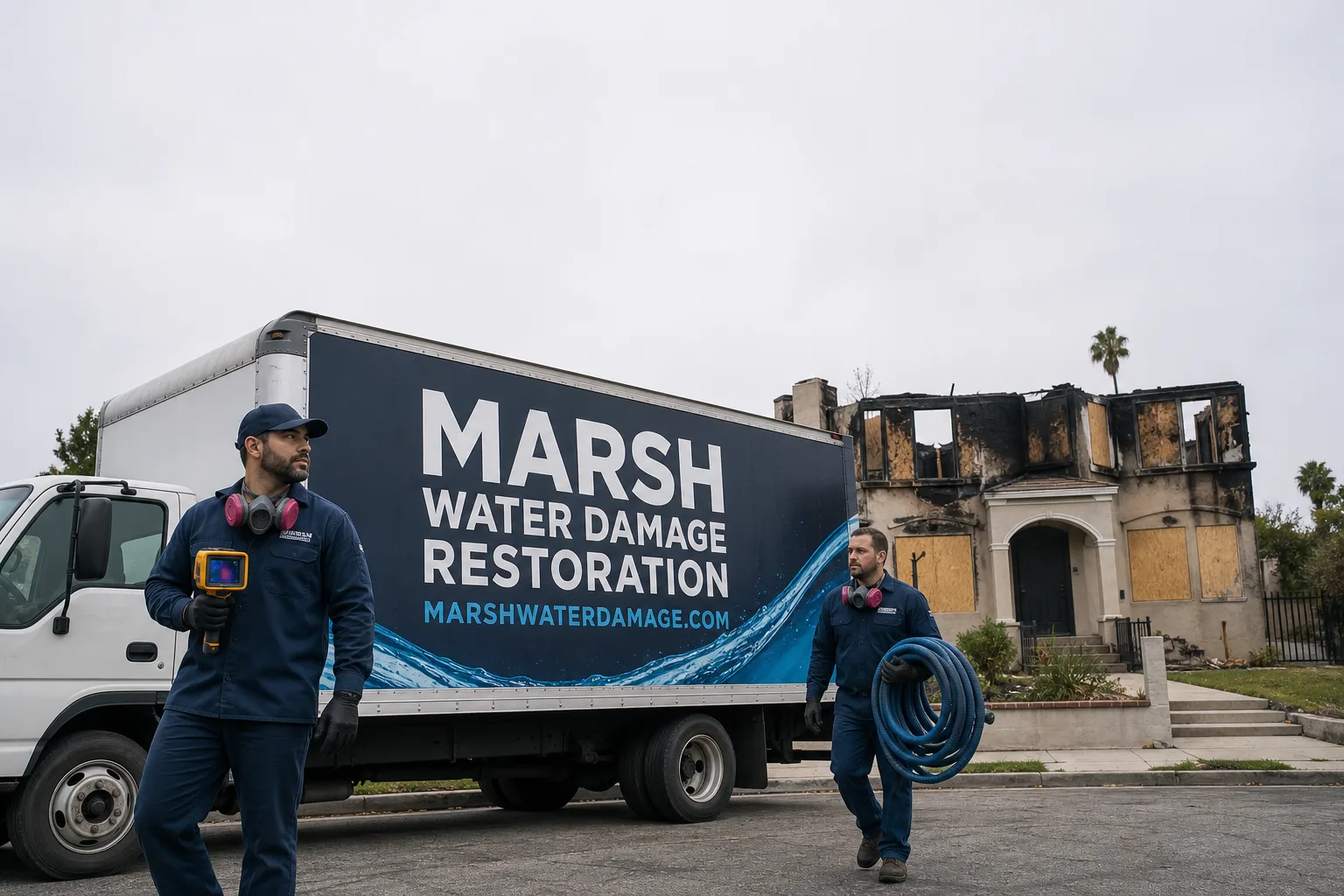
Free visual inspection and a written scope of work before any mitigation begins - photos, moisture readings, and drying logs go in your claim file
The scope we write is the scope we bill. Anything new gets shown to you, in writing, before we touch it.
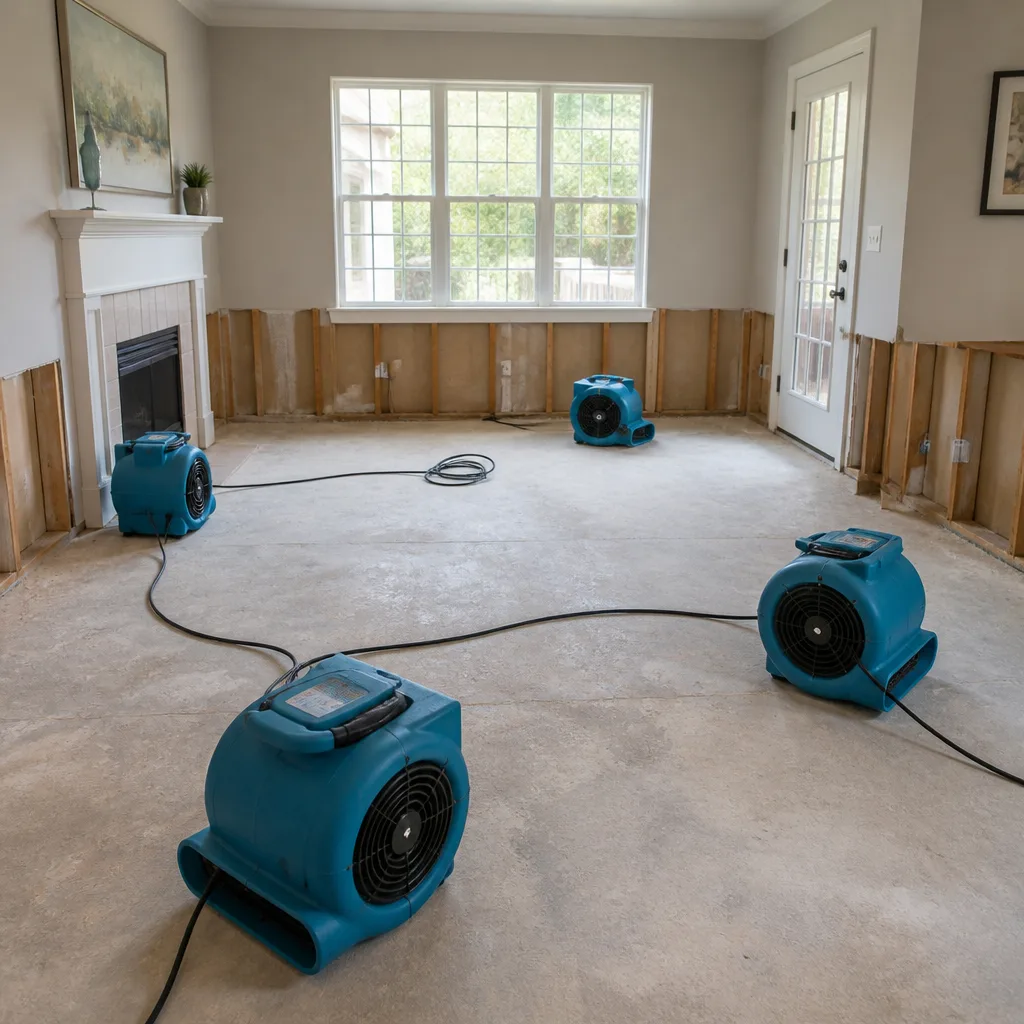
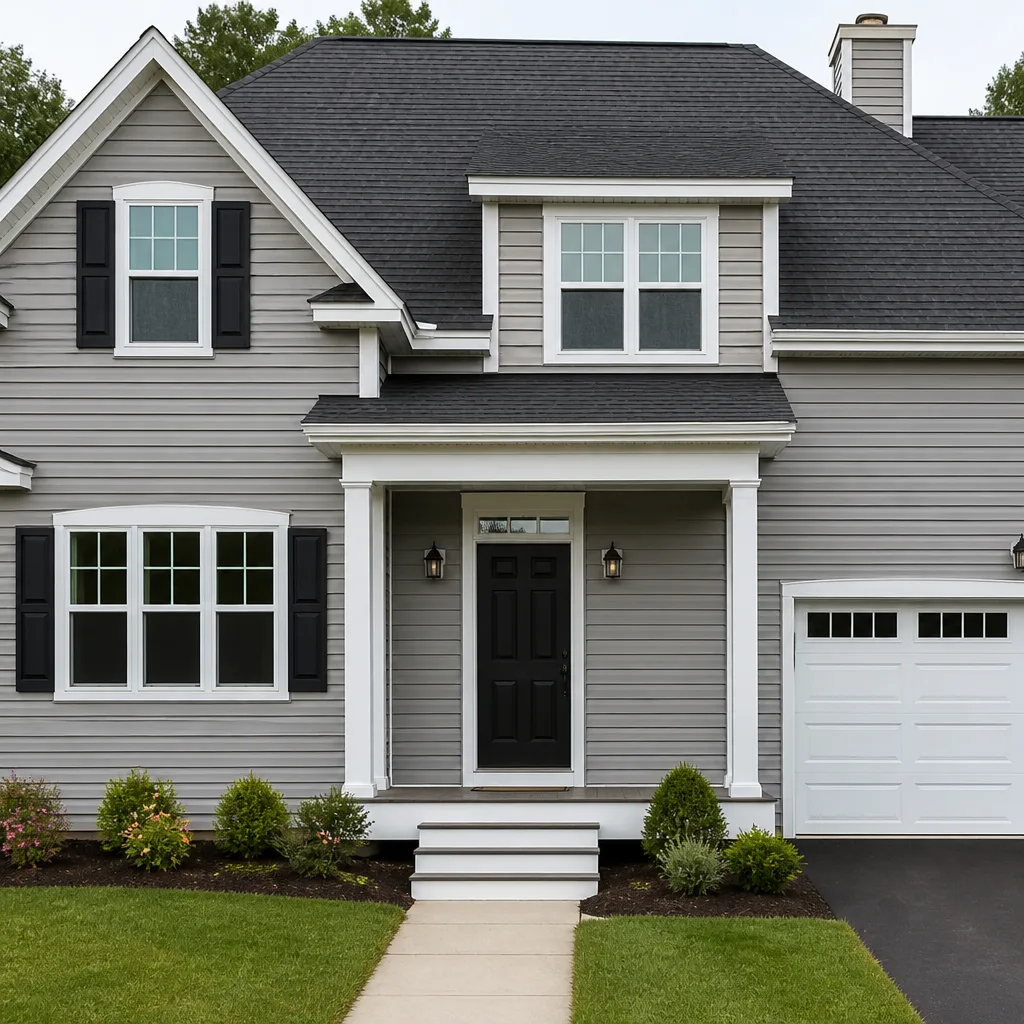
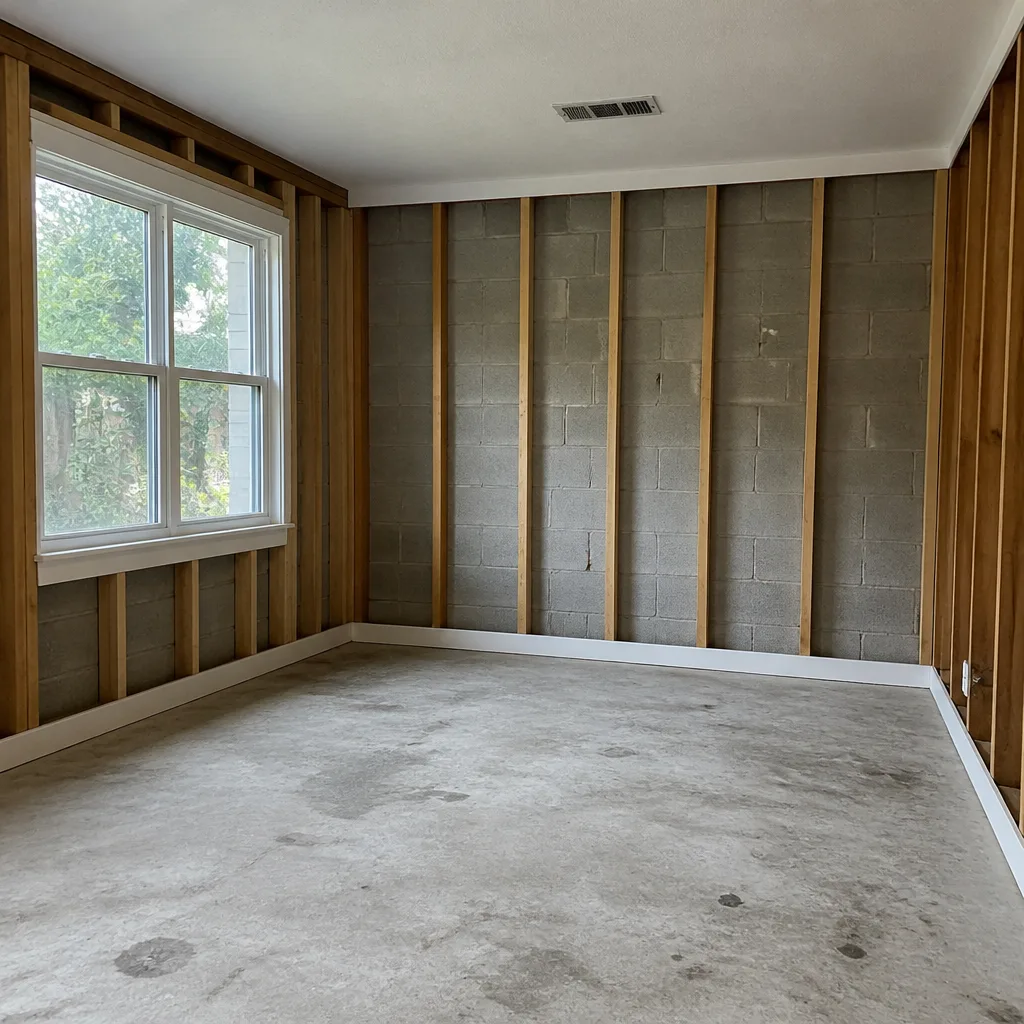
 Before
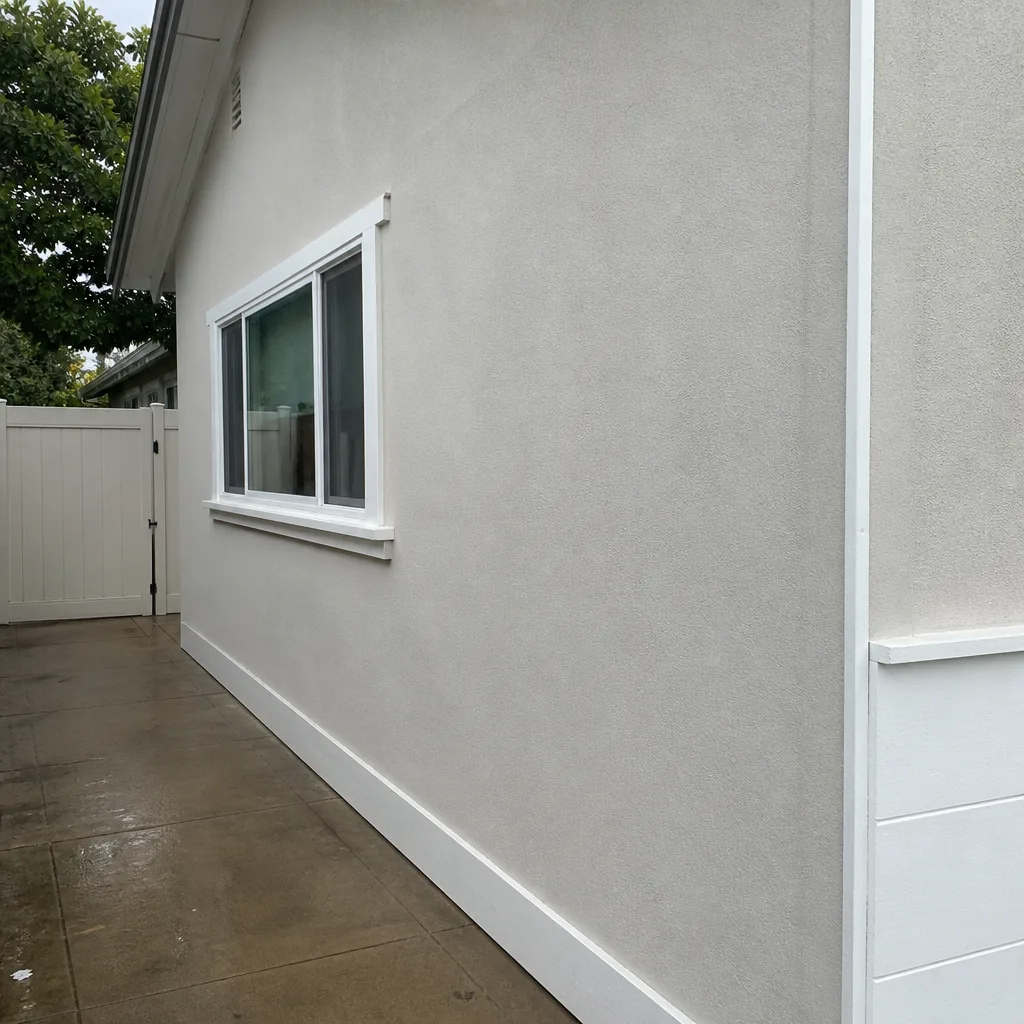 After
After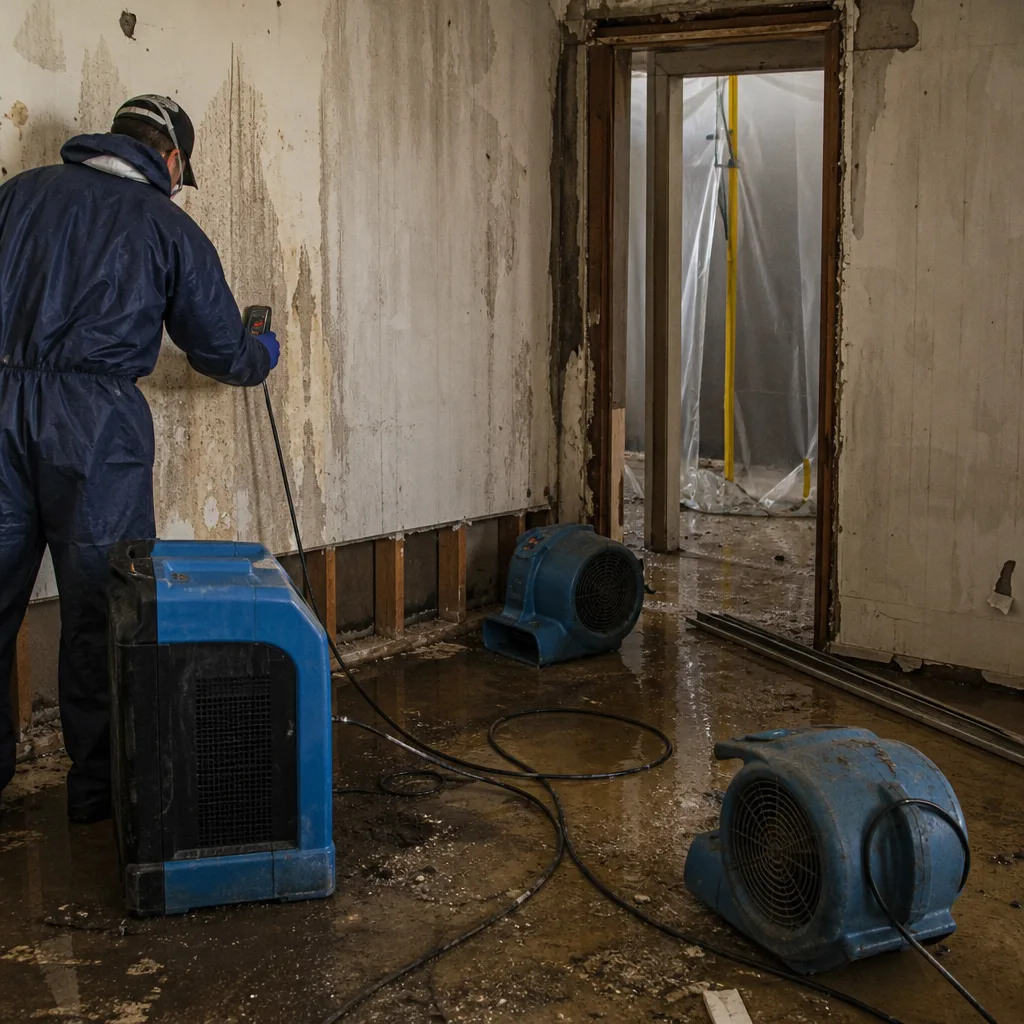 Before
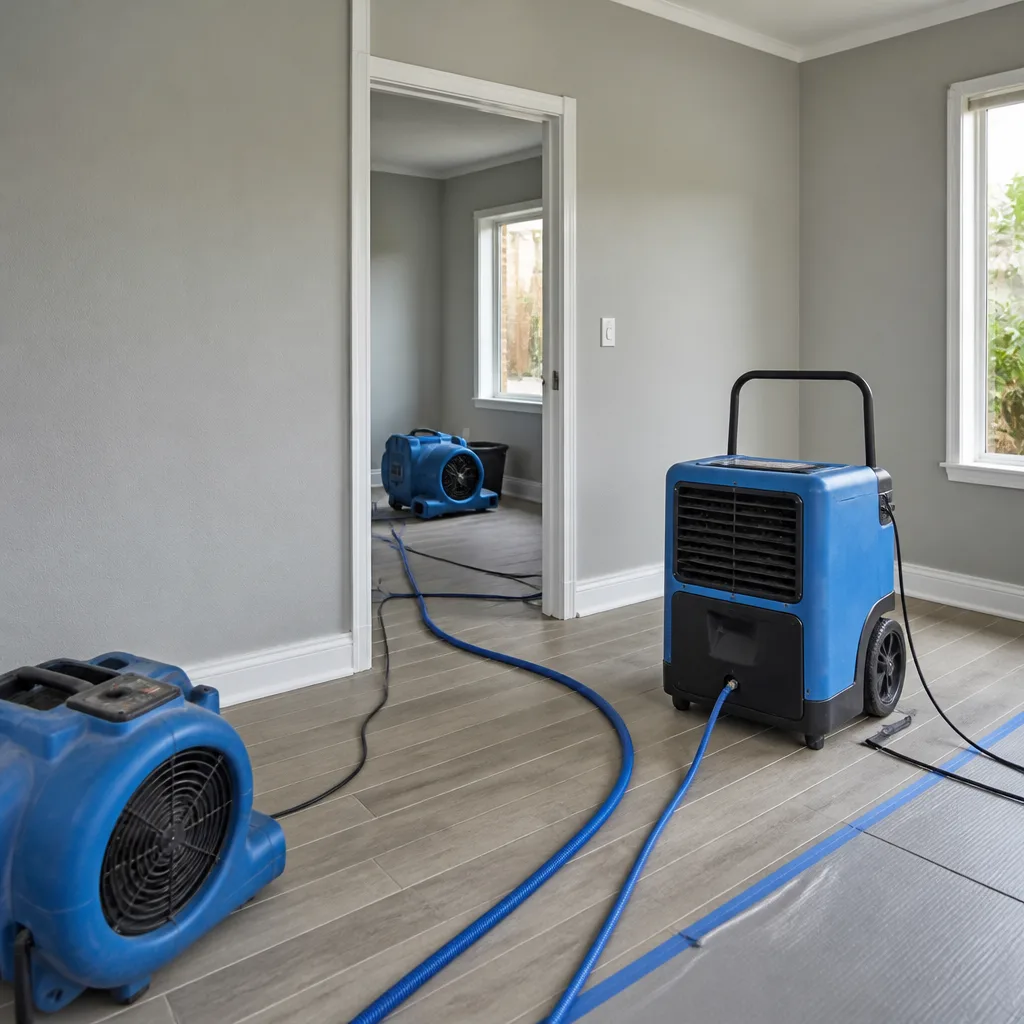 After
After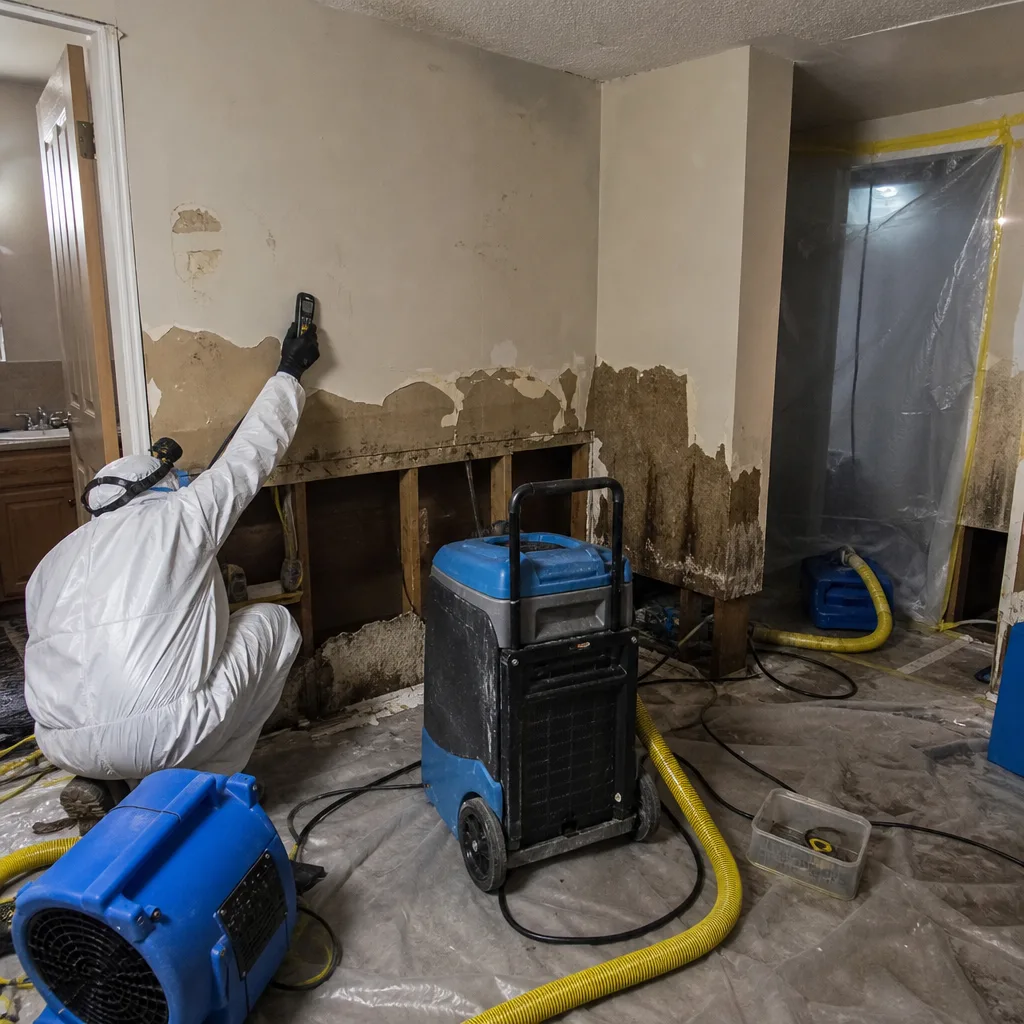 Before
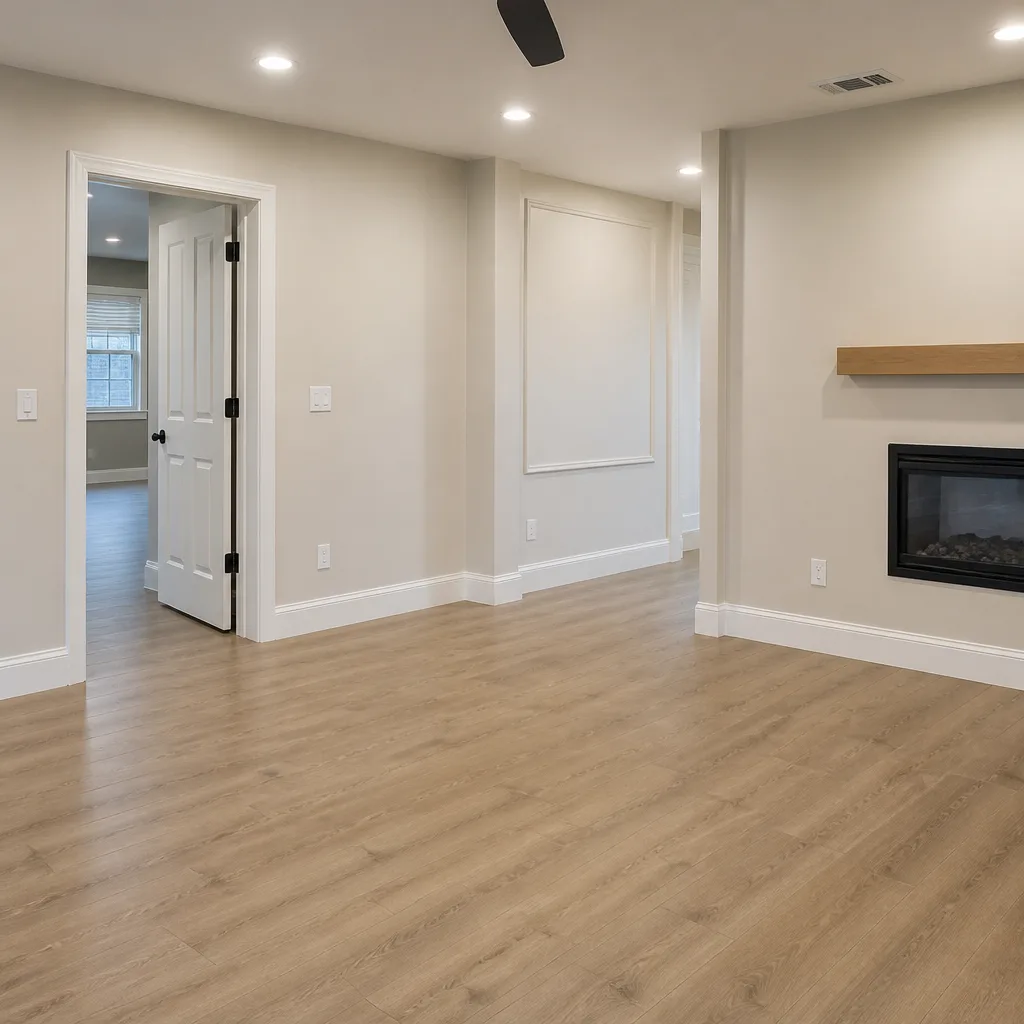 After
AfterFast, Reliable Mold Remediation Across Newark
Mold remediation in Newark typically costs $1,800 – $6,500 for a full basement job, and in most row houses here the real problem isn’t the mold itself. It’s the combined sewer system backing up Category 3 black water through the foundation and party walls, then the mold growing behind original plaster and pre-1978 materials. That’s the job we’re built for. We’re the Mold Remediation team from Marsh Water Damage Restoration, and we know Newark’s housing stock block by block. Call (910) 613-6568 and a live person answers: day, night, flood, or sewer backup.
Why Marsh Water Damage Restoration Is Newark’s Preferred Mold Remediation Company
Newark homeowners call us because we show up knowing what we’re walking into. The Ironbound’s attached brick row houses, the Central Ward’s multi-family tenements, the basement units off Ferry Street: each has its own failure pattern, and we’ve seen most of them since 2005. Every technician sent to a Newark home is background-checked, identity-verified, and you get their name and photo before the knock, then a photo ID badge at the door. That’s the Threshold Standard, and it’s non-negotiable on every job, including yours.
Response time to Newark runs 90 minutes or less for water and mold emergencies, because our crews stage locally and know the routes: McCarter Highway, Broad Street, Bloomfield Avenue, all of it. We don’t route you through a call center queue. We answer live, dispatch live, and price in writing before any work starts. Newark customers have been clear about what they want: a crew they can identify, a written price that doesn’t balloon, and a guarantee that’s actually spelled out. That’s exactly what Mold Remediation in Newark means when Marsh does it.
Black Mold Removal in Newark
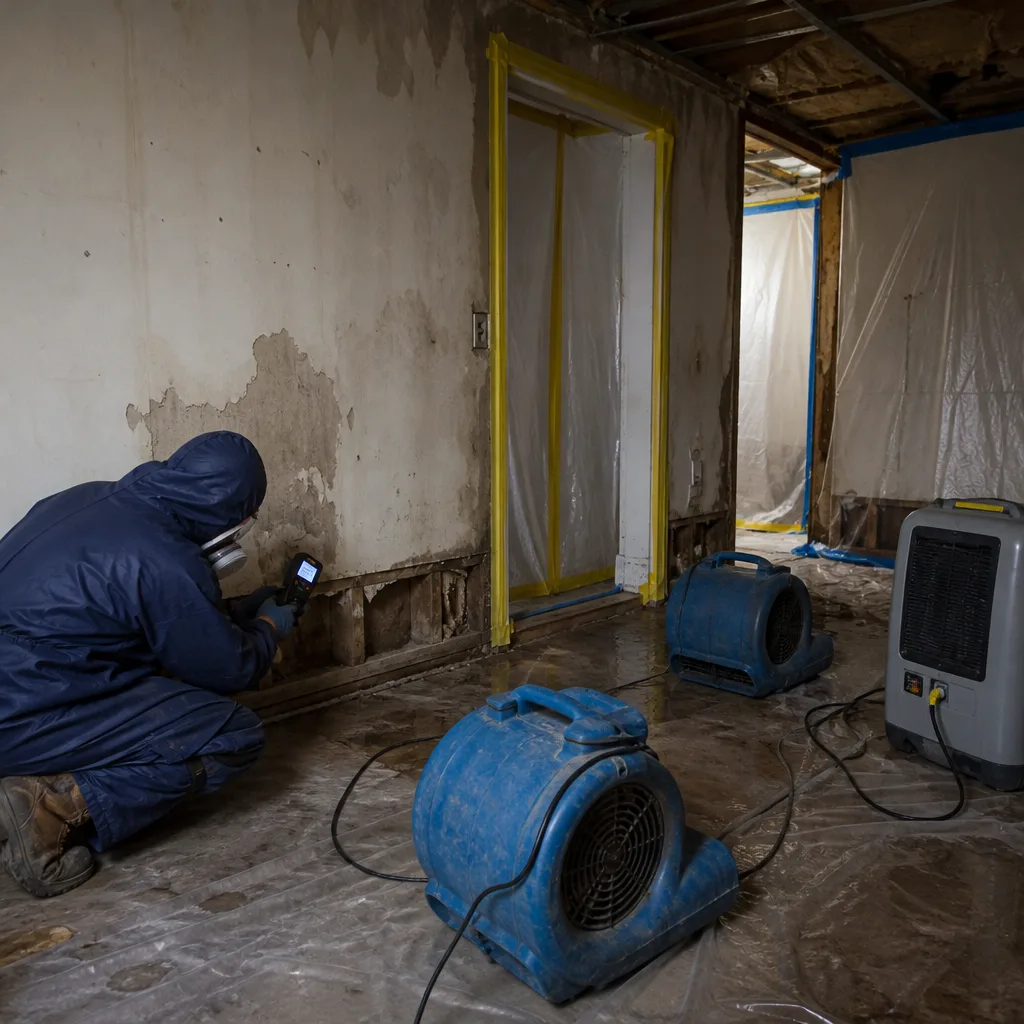
Black mold removal in Newark is often the second job on the same property, because the first was a sewer surcharge nobody diagnosed correctly. When the Passaic River swells or a moderate rain overwhelms the combined sewer, raw sewage pushes into basements through floor drains and foundation seams. Homeowners see black staining on the walls weeks later and call for mold. We arrive, pull moisture readings, and often find Stachybotrys feeding on drywall that should have been removed as Category 3 contaminated material, not dried in place. That distinction changes everything: the removal, the containment, the disposal, and the final clearance testing.
Containment and Source Removal
Black mold removal in a Newark row house means full containment before any cutting starts. We seal the work area with 6-mil poly, run HEPA-filtered negative air, and remove affected drywall, plaster, and baseboard down to the frame. In pre-war construction, that often means discovering asbestos floor tile or pipe insulation mid-job, which is why we recommend environmental testing before the saw comes out, not after.
Air Clearance and Moisture Reset
After source removal and antimicrobial treatment, we re-set the room’s moisture profile with Dri-Eaz dehumidification and XPOWER air movers. Then we pull final air samples and moisture readings. A black mold job in Newark is only closed when the air is clear, the structure is dry, and the reason it got wet is fixed, which usually means addressing the sewer backflow or the party wall drainage, not just the mold itself.
Mold Removal Contractor in Newark
A mold removal contractor in Newark has to understand that most “mold” jobs here are water-intrusion jobs wearing a mold costume. Sewer surcharges, roof leaks through flat tar roofs, failed gutters on brick walls, shared party wall seepage: these are the actual causes. We don’t spray bleach on the stain and call it done. We find the moisture source, fix or refer the repair, remove the contaminated material under containment, and document the entire process with photo evidence and written scope before work begins. That’s the contract you sign: a written price, a written guarantee, and the 365-Day Done Right Promise printed on the work order.
Multi-Unit and Party Wall Work
In neighborhoods like the Ironbound and the Central Ward, a single-unit job often becomes a two- or three-property job. Shared masonry party walls and continuous attic runs mean mold doesn’t respect property lines. Tobias Reyner and our Newark crews routinely coordinate two owners, two insurance adjusters, and one abatement plan. That coordination burden is the real price of attached housing, and we’re used to it.
Asbestos-Aware Demolition
Newark’s 1900 – 1945 brick row houses still carry asbestos floor tile, pipe insulation, and plaster in a significant share of units. Getting an environmental test before cutting into a moldy wall cavity is not an upsell here. It’s standard practice, because finding asbestos mid-demolition halts the job and triggers abatement delays no homeowner should absorb. We build that testing into the initial scope and price it up front when the construction age warrants it.
Trusted Brands We Service in Newark
We run Phoenix and XPOWER air movers and dehumidifiers on Newark mold jobs, because these units move the kind of air volume a damp basement in a brick row house actually needs. B-Air and Injectidry equipment also come out for targeted drying behind plaster and inside wall cavities where access is tight. Because we stock parts and filters locally, we don’t lose a day waiting on a shipping box: a failed sensor or clogged HEPA filter gets swapped same day, and the job keeps moving. That speed matters when your basement has been wet for a week.
Common Mold Remediation Problems We See in Newark Homes
- Combined sewer surcharges mistaken for clean-water leaks. When the city’s aging combined sewer backs up into a pre-war basement, crews who treat it as Category 1 water damage dry the contaminated materials instead of removing them. Mold returns weeks later, and the whole job doubles in cost.
- Skipping asbestos testing on 1900 – 1945 construction. Cutting into a moldy wall cavity only to hit asbestos floor tile or pipe insulation stops the job cold. The abatement delay alone can add a week or more, and the cost lands on the homeowner if testing wasn’t scoped up front.
- Drying without checking the party wall. In attached brick row houses, the moisture source is often the adjacent unit’s leak or the shared attic run. If you dry your side without addressing the neighbor’s side, mold recolonizes through the masonry and you’re back at square one in weeks.
- Ignoring urban heat island humidity. Newark’s dense brick and asphalt hold heat, which accelerates post-flood mold colonization in poorly ventilated basement units. A basement that stays damp after extraction will show visible mold faster here than in Maplewood or South Orange.
Pricing for Mold Remediation in Newark, NJ
We Also Serve Cities Near Newark
If you’re in Irvington, South Orange, Maplewood, or Orange, the same protocols apply. Those municipalities have different sewer systems and newer construction in some sections, which changes the job. But the pricing structure, the written scope, and the Threshold Standard technician process are identical across our Newark service area.
Serving Newark, NJ - Our Local Coverage Area
We’re based in the Newark area and know this community well. Use the map below to see our service coverage - if you’re nearby, we can almost certainly help.
FAQs About Mold Remediation in Newark
Why does mold come back in my Newark basement after we dry it?
Because the moisture source was never removed. In Newark, the usual culprit is a combined sewer surcharge that pushed Category 3 black water through the foundation or floor drains. If the contaminated materials were dried in place instead of removed under containment, the mold spores remain in the drywall and plaster, and the first humid week brings them back. The fix is source removal, not more drying.
Does my 1920s Ironbound row house need asbestos testing before mold remediation?
Yes, and it should happen before any cutting starts. Newark’s 1900 – 1945 brick row houses commonly contain asbestos floor tile, pipe insulation, and plaster. If our crew hits asbestos mid-demolition, work stops, abatement gets scheduled, and you absorb a delay that could have been avoided with a $400 – $800 environmental test scoped up front. We price that test into the written quote whenever construction age suggests it’s warranted.
My neighbor’s unit flooded – can mold spread through the party wall?
Yes, and it does. Shared masonry party walls in Newark row houses are porous, and when the adjacent unit floods or has a chronic leak, moisture migrates through the brick and feeds mold on your side. The same happens through continuous attic runs. If your neighbor’s job isn’t addressed, your side will recolonize. That’s why we coordinate with both owners and both adjusters on multi-unit jobs.
How fast does mold grow in a Newark basement after a flood?
Faster than in surrounding suburbs. Newark’s urban heat island effect holds heat in the dense brick and asphalt, which accelerates mold colonization in poorly ventilated basement units. Visible mold can appear within 48 – 72 hours after a flood or sewer backup, and Stachybotrys (black mold) can establish in as little as a week on wet drywall. Speed matters: the longer you wait, the more material has to come out.
What’s the difference between Category 2 and Category 3 water damage in Newark?
Category 2 is contaminated water that hasn’t yet carried sewage, like a washing machine overflow or a sump pump discharge. Category 3 is black water: raw sewage, river water from the Passaic, or combined sewer surcharge water. In Newark, a disproportionate share of basement jobs are Category 3 because the combined sewer system carries stormwater and raw sewage in the same pipes, and moderate rain is enough to push that mix into your basement. Category 3 requires full containment, removal of all porous contaminated materials, and antimicrobial treatment. Category 2 can sometimes be dried in place. Get that classification right and the whole job changes, including the price.
If you’re looking at mold in a Newark basement, don’t guess at the category or the source. Call (910) 613-6568. We’ll tell you what you’re dealing with, what it costs to fix, and exactly who’s showing up at your door – before the door opens.
Written by Tobias Reyner, Owner at Marsh Water Damage Restoration, serving Newark and the surrounding communities since 2005.