
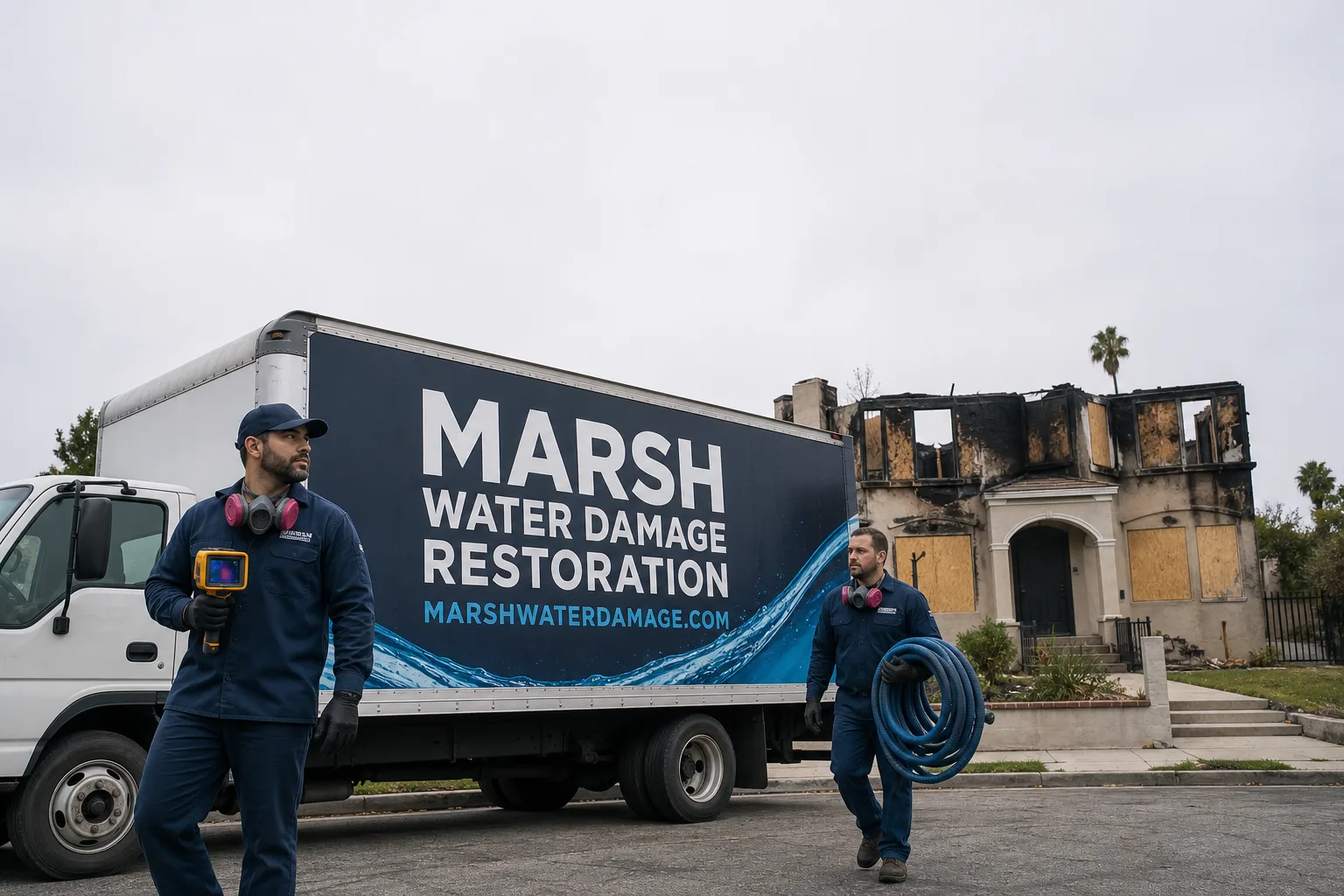
Free visual inspection and a written scope of work before any mitigation begins - photos, moisture readings, and drying logs go in your claim file
The scope we write is the scope we bill. Anything new gets shown to you, in writing, before we touch it.
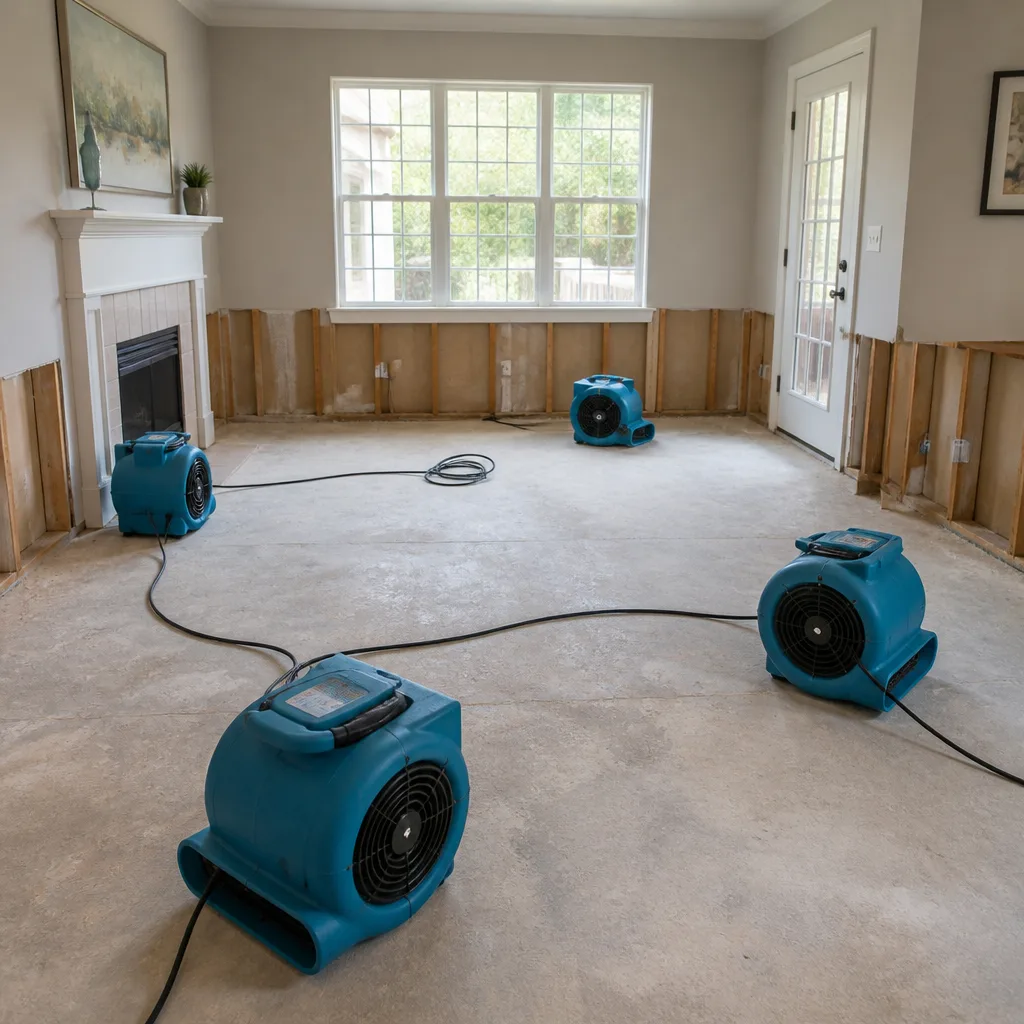
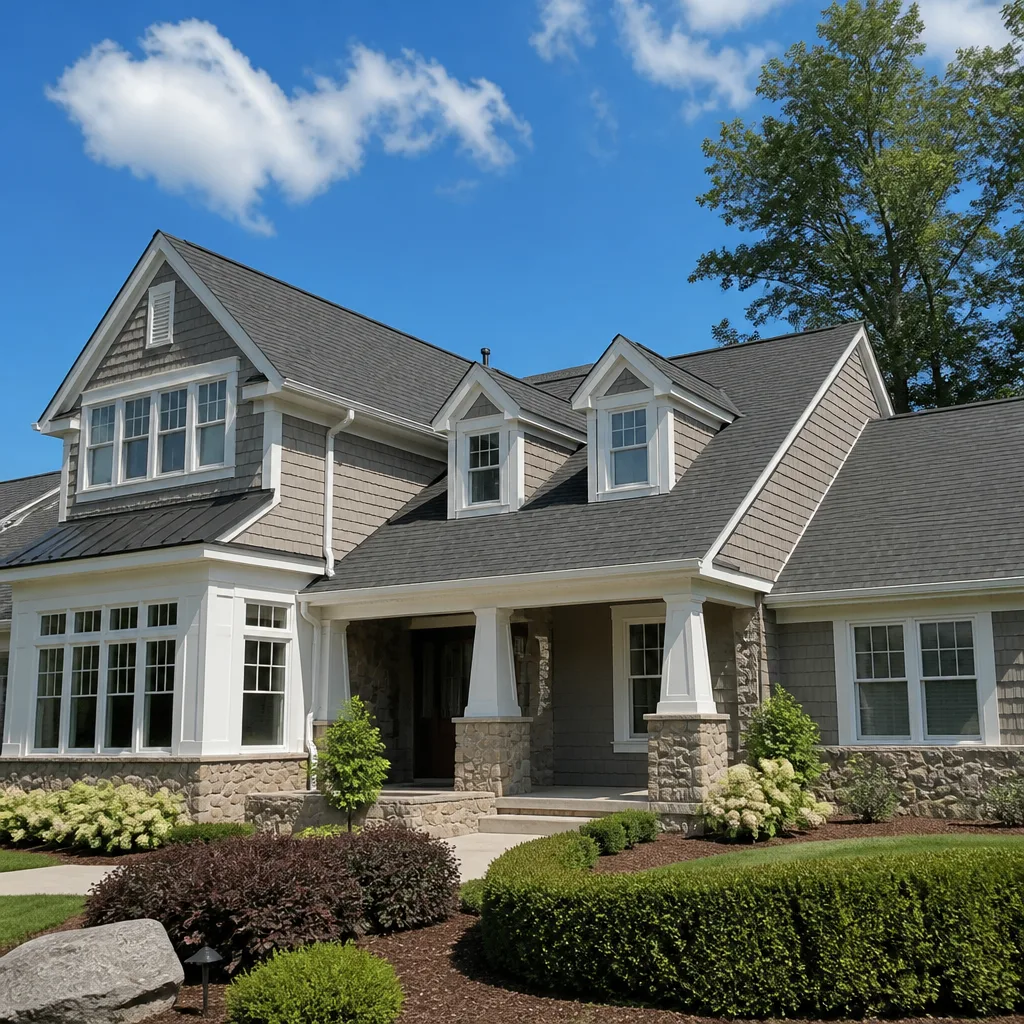
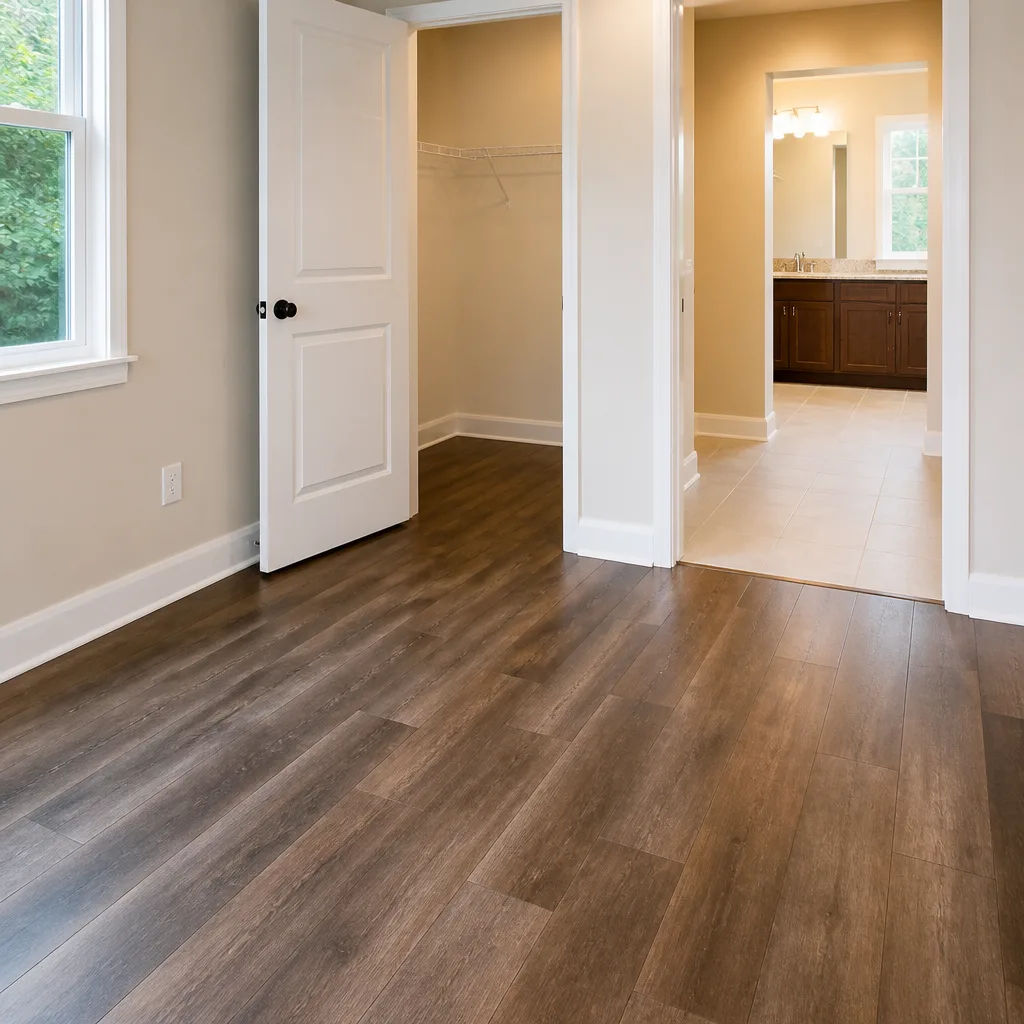
 Before
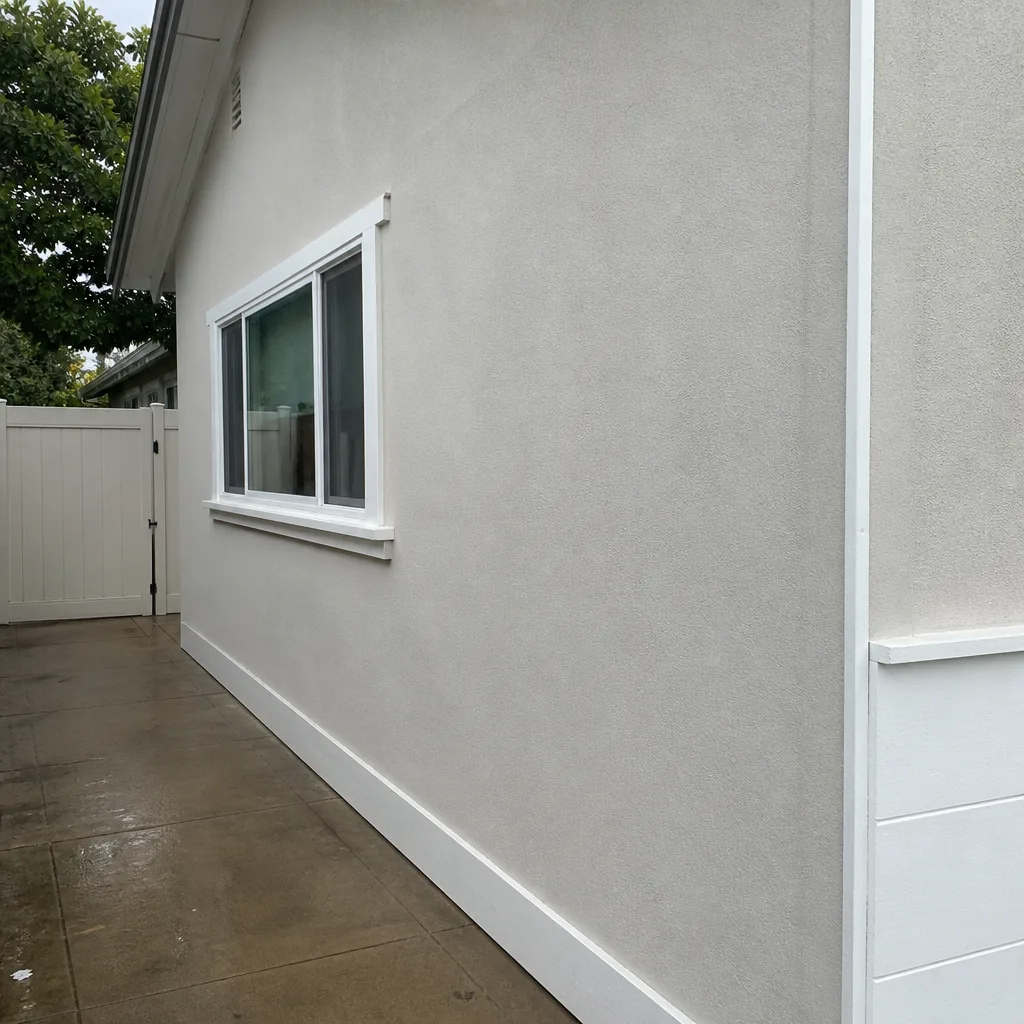 After
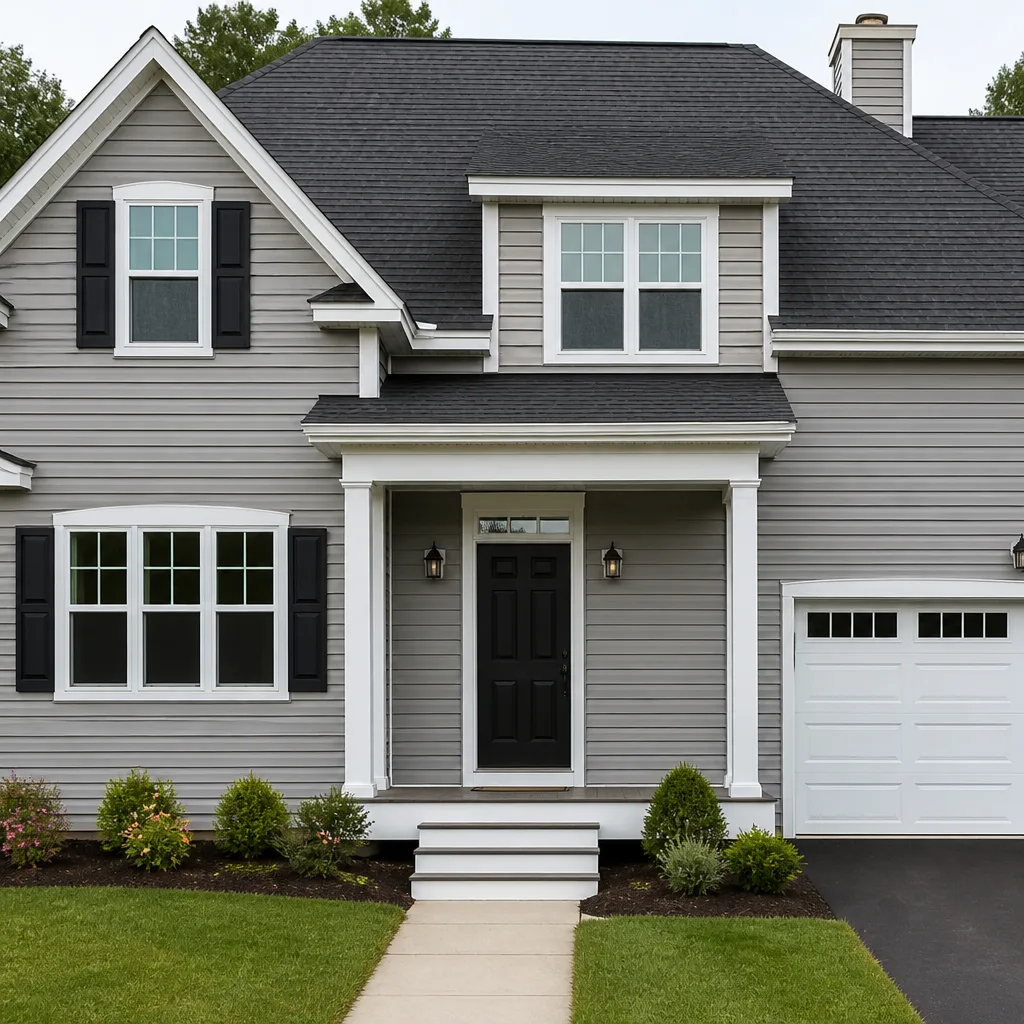
After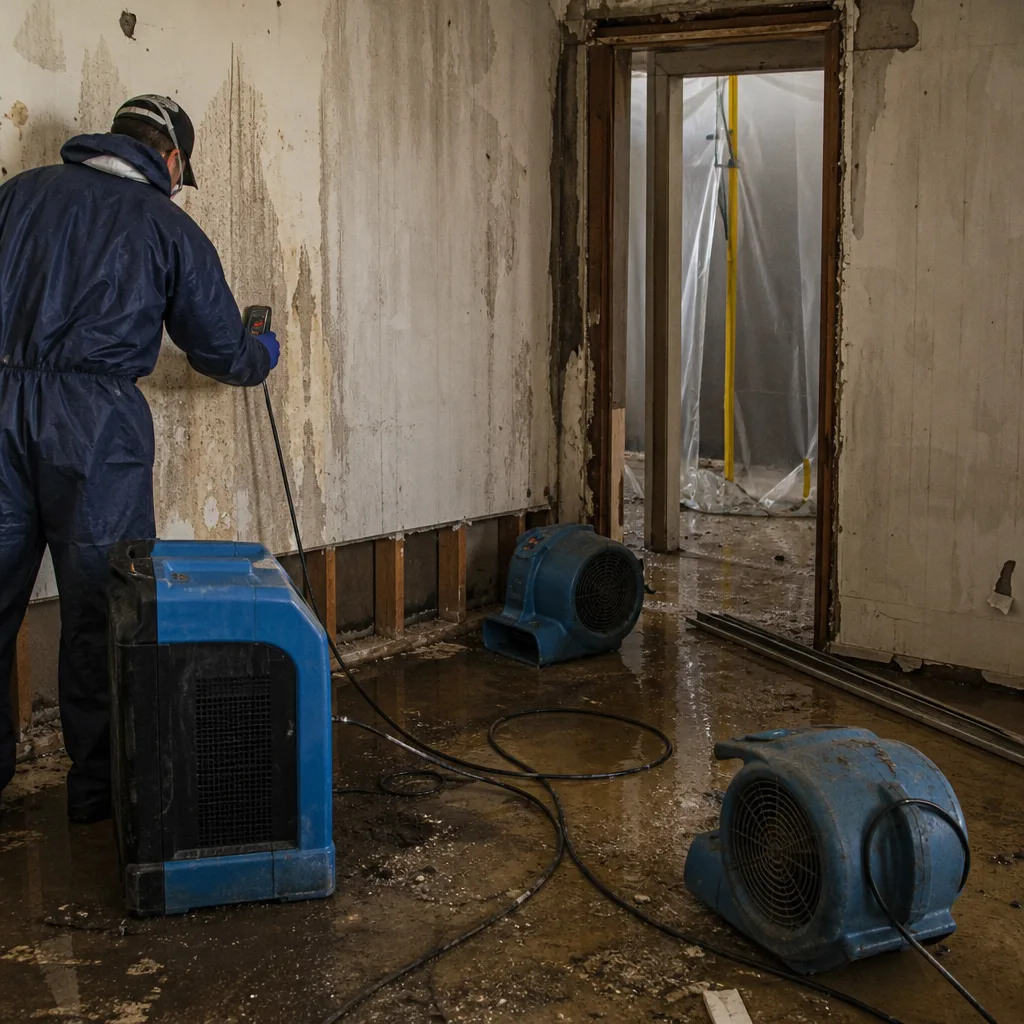 Before
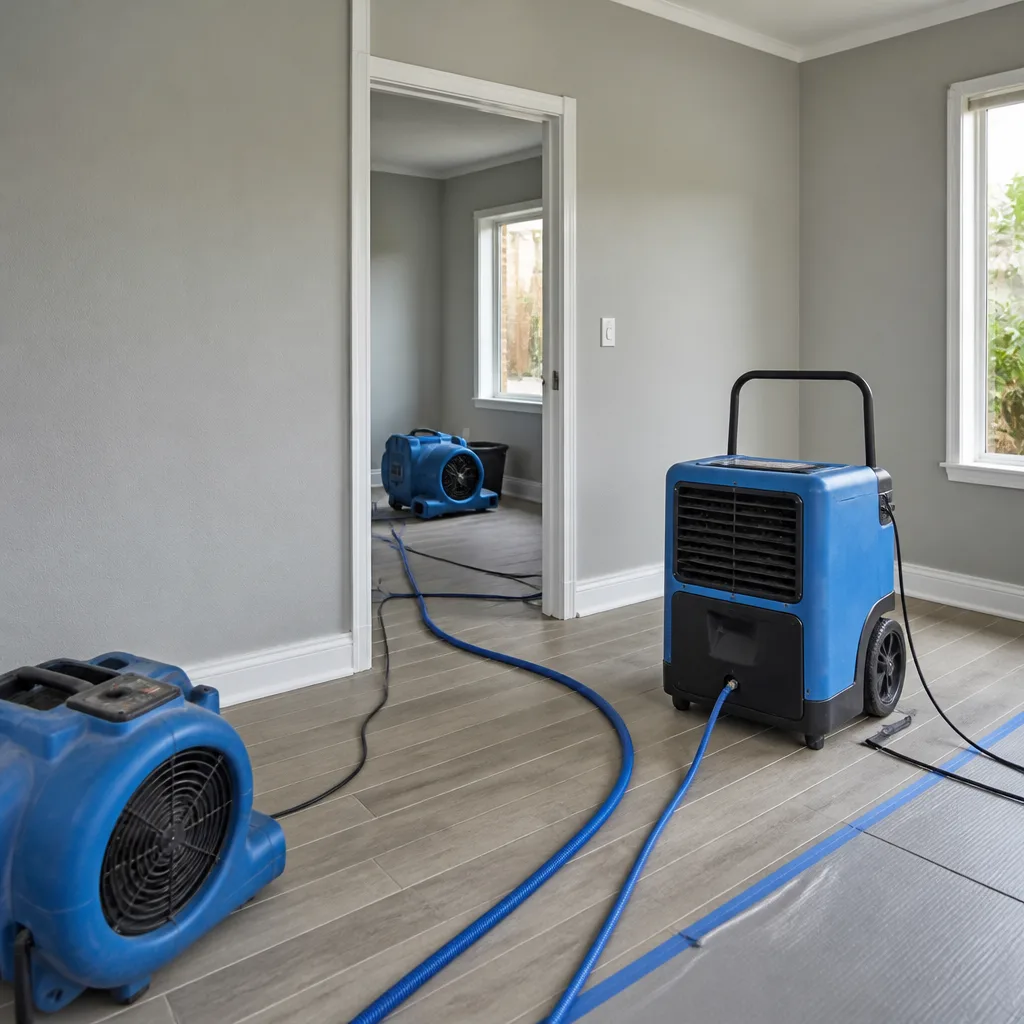 After
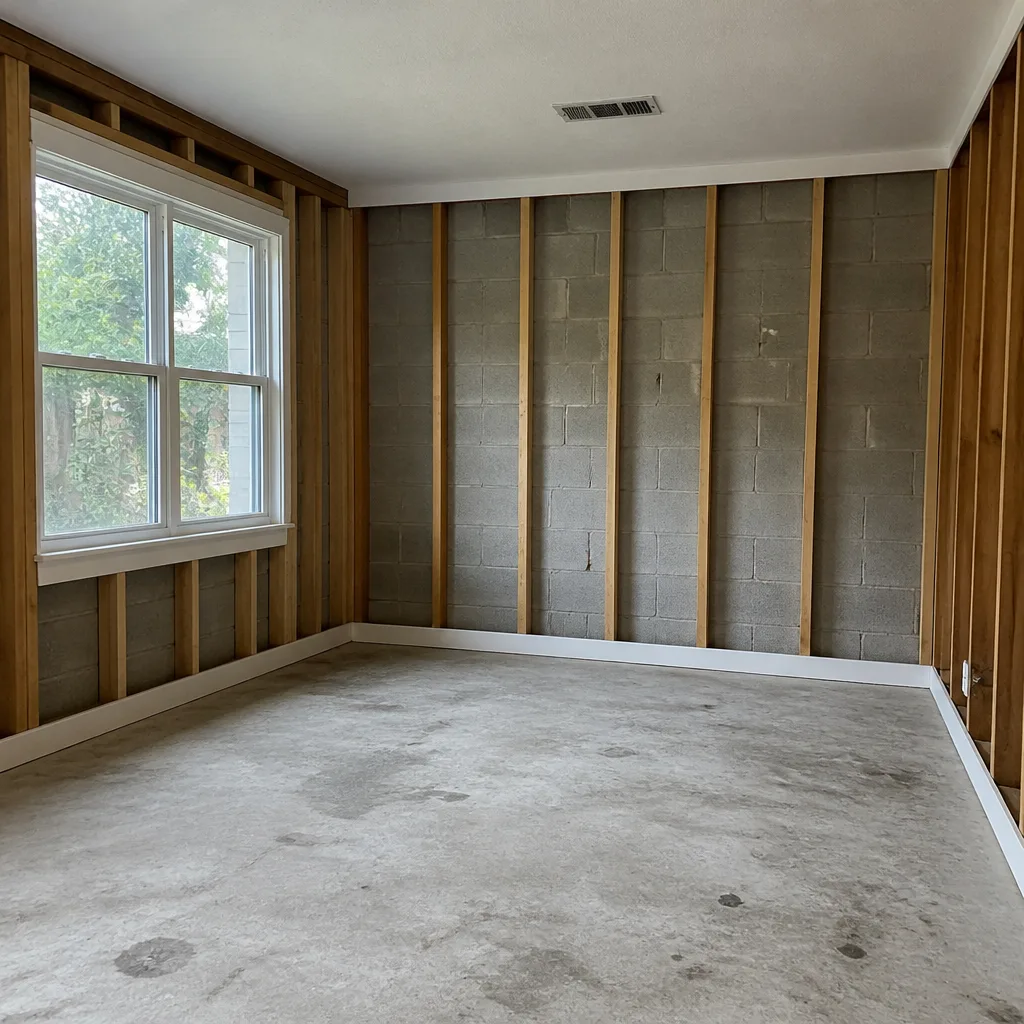
After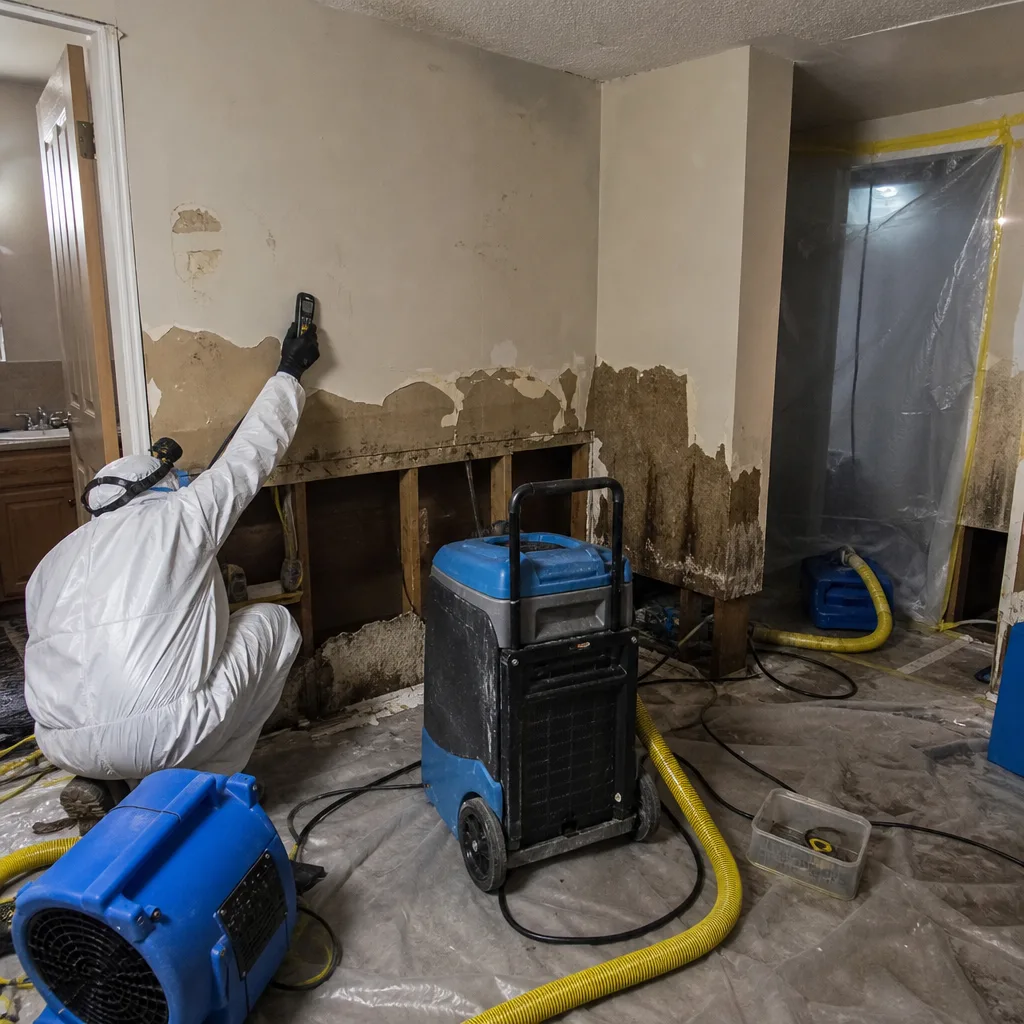 Before
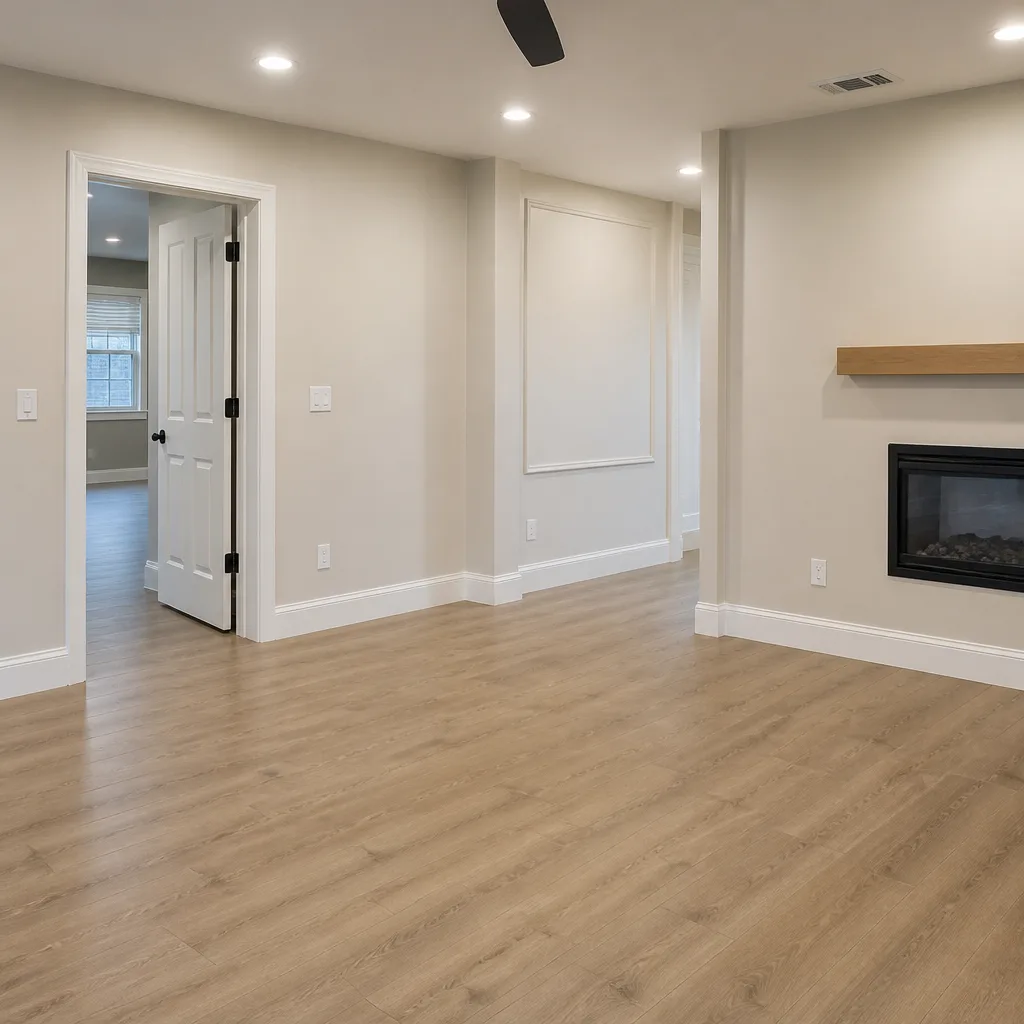 After
AfterFast, Reliable Mold Remediation Across Nyack
Mold remediation in Nyack usually costs between $1,800 and $6,500 depending on how far the growth has spread and whether hidden cavities inside plaster-and-lath walls are involved. Most jobs we handle in the village are done within three to five days of the first call. That timeline matters here more than in most towns, because Nyack’s riverfront sits inside FEMA AE flood zones where post-Sandy remapped base flood elevations mean a past flood claim can leave mold hiding behind walls that never got properly dried. If you’re seeing dark staining, smelling something earthy, or noticing peeling paint near the baseboards of an older home, call us at (910) 613-6568. A live person answers day or night, and we’ll tell you straight what you’re dealing with.
Why Marsh Water Damage Restoration Is Nyack’s Preferred Mold Remediation Company
Nyack homeowners call us because we understand what this village’s housing stock actually does when it gets wet. The late Victorian and early 20th-century homes that line streets off Broadway and along the Hudson aren’t built like modern drywall boxes. They’re plaster-and-lath over rubble or stone foundations, with aged cast-iron plumbing that sweats and leaks into cavities you can’t see. That changes how mold grows here, how long drying takes, and how a remediation job has to be scoped. We’ve worked in enough of these houses to know where the moisture hides.
Our Mold Remediation team has handled everything from small bathroom outbreaks in Upper Nyack to full basement remediations in the riverfront blocks below Main Street. The reviews from Nyack customers consistently mention two things: we show up when we say we will, and we explain what we’re doing in plain English. Every technician arrives in uniform, shows a photo ID badge at the door, and has already been introduced to you by name and photo before the visit. That’s the Threshold Verified standard, and it applies to every visit, not just the first one.
Response time to Nyack is typically same-day or next-morning for active mold problems. We coordinate dispatch from our New York City office, and crews serve the Nyack area directly. Tobias Reyner leads the technical team, and he holds the kind of field experience that matters when a Victorian basement has been wet for weeks and nobody caught it.
Professional Mold Removal in Nyack
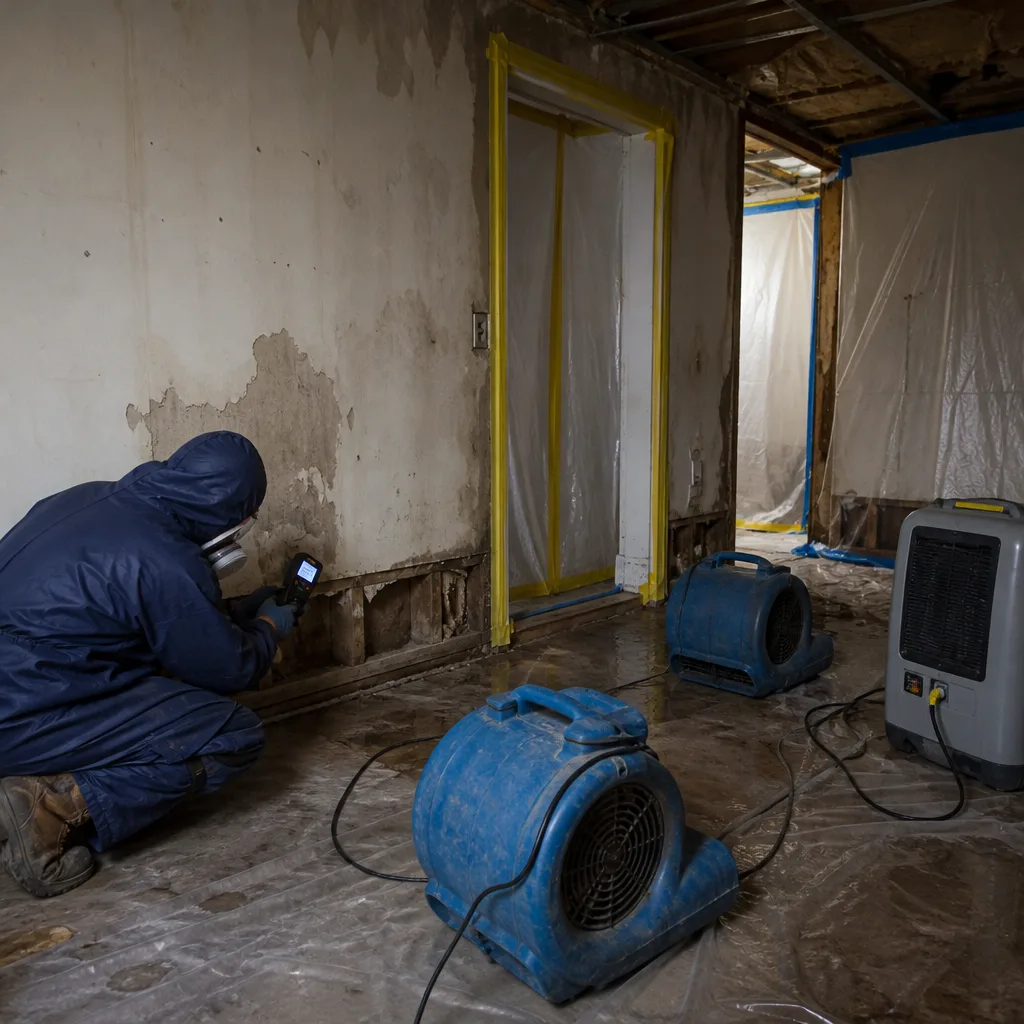
Professional Mold Removal in Nyack is what we do when visible growth has to be physically removed and the underlying moisture problem corrected, not just painted over or bleached. Bleach does not kill mold below the surface of plaster-and-lath, and in a river town where humidity runs high from May through October, surface-only treatment fails fast. Here’s what a proper removal involves in a Nyack home: containment barriers to keep spores from spreading into clean rooms, HEPA air scrubbers running the entire time, removal of saturated materials, antimicrobial treatment of the remaining structure, and drying equipment from Dri-Eaz or Phoenix left in place until moisture readings confirm the cavity is actually dry.
Containment and Air Filtration
We set up negative-air containment around the affected area before any demolition starts. HEPA-filtered scrubbers pull air from the work zone and exhaust it outside, so mold spores released during removal don’t drift into your living room or your kids’ bedrooms. This is standard on every job we do, not an upsell.
Hidden-Cavity Remediation
In Nyack’s older homes, the mold you see on a wall is often only a fraction of what’s behind it. We use moisture meters and thermal imaging to map where water traveled inside the wall cavity, then open only what needs to be opened. The goal is to remove all the mold the first time, not leave a reservoir that regrows after the next nor’easter.
Mold Inspection in Nyack
Mold Inspection in Nyack typically runs $350 to $700 for a visual assessment with moisture mapping, and $800 to $1,400 if you need air sampling and lab analysis for a real estate transaction or an insurance claim. We recommend an inspection when you smell mold but can’t see it, when you’ve had a past water event that was never professionally dried, or when you’re buying an older home in the village and want to know what’s behind those freshly painted basement walls. Nyack’s riverfront properties carry an extra risk: a flood that was cleaned up years ago may have left mold in cavities that only a moisture survey will catch.
Moisture Mapping and Thermal Imaging
We scan walls, ceilings, and floors with moisture meters and infrared cameras to find wet pockets that visual inspection misses. In plaster-and-lath construction, water can sit behind the plaster for months while the surface feels dry to the touch. The scan shows us exactly where to look.
Air Quality Testing and Lab Results
When you need documentation, we collect air samples inside and outside the home and send them to an independent lab. You get a written report showing spore counts and species, which matters for closing a sale or supporting an insurance claim. We walk you through the results in plain language, not lab jargon.
Trusted Brands We Service in Nyack
We run Dri-Eaz dehumidifiers, Phoenix air movers, and XPOWER air scrubbers on our Nyack jobs because these are the machines that get commercial-grade drying done in residential settings. The equipment matters in a village where late Victorian homes with stone foundations hold moisture stubbornly. We keep replacement parts and filters stocked for quick turnaround, so a job in Nyack doesn’t stall waiting on a shipment. When you call, we can tell you exactly what equipment is going into your house and why.
Common Mold Remediation Problems We See in Nyack Homes
- Hidden mold behind plaster-and-lath after a past flood. A finished basement that got wet during Sandy or a spring nor’easter may look fine on the surface while mold grows unseen behind the plaster. We’ve opened walls in Nyack that had been “dried and repainted” years ago and found active growth the homeowner never knew about.
- Basements rebuilt without checking the current FEMA FIRM panel. Post-Sandy remaps changed base flood elevations for many Nyack riverfront properties. If a basement was rebuilt to pre-remap standards, the elevation may not meet current requirements, and a mold problem in that space becomes an insurance and compliance headache.
- Contractors drying visible surfaces only. Air movers pointed at a plaster wall dry the plaster, not the cavity behind it. Without proper moisture mapping and containment, the mold just goes dormant until humidity returns. We see this pattern repeatedly in homes built before 1930.
- Hillside sheet-flow compounding river flooding. Homes on the Palisades-foothills slopes behind downtown get stormwater running downhill toward the river at the same time the Hudson rises. That double source of water means two separate moisture pathways inside the house, and a remediation plan has to account for both.
Nyack sits directly on the west bank of the Hudson, and the village’s relationship with water is the defining fact of the local mold market. In October 2012, Hurricane Sandy inundated the waterfront blocks along the lower village, and the FEMA flood zone remaps that followed put many properties into stricter AE zones with updated base flood elevation requirements. What that means for a homeowner today is this: a flood claim from years ago may have left mold in a finished basement that was never properly dried, and that mold is sitting behind plaster-and-lath walls where surface cleaning can’t reach it. A homeowner on Gedney Street called us after a hillside sheet-flow flood soaked their finished basement, which had already been rebuilt once after Sandy. Our techs ran moisture mapping on the plaster-and-lath walls, found elevated moisture readings behind the baseboard, and set up containment with HEPA air scrubbers and dehumidification. We removed the saturated lower drywall, scored as Category 3 water from river contact, and applied antimicrobial treatment before documenting pre-loss conditions for their insurance claim. That’s the kind of layered problem Nyack throws at you: a flood on top of a flood, inside a house that was old when the flood maps were first drawn.
Pricing for Mold Remediation in Nyack, NY
We Also Serve Cities Near Nyack
Our mold remediation crews regularly work in Nyack and the surrounding Rockland County communities. Homeowners in Valley Cottage, West Nyack, Blauvelt, and Piermont call us for the same reason Nyack residents do: these are older river-adjacent towns where water finds its way into places newer construction doesn’t have. If you’re in one of those villages and you’ve got a mold concern, the same team, the same equipment, and the same written-price guarantee apply.
Serving Nyack, NY - Our Local Coverage Area
We’re based in the Nyack area and know this community well. Use the map below to see our service coverage - if you’re nearby, we can almost certainly help.
FAQs About Mold Remediation in Nyack
Salt air itself doesn’t feed mold directly, but Nyack’s river-humidity environment keeps building materials damp longer after a water event, and that extended damp window is what accelerates growth. The village’s location on the Hudson means indoor relative humidity runs high from late spring through early fall, especially in basements with stone foundations. Once water gets into plaster-and-lath or old framing, it doesn’t dry on the three-day timeline you’d expect from a modern drywall home. That’s why we leave commercial dehumidifiers running longer in Nyack and verify dryness with moisture meters, not just a hand on the wall. If you’ve had water inside the house and you’re not sure whether it dried completely, call (910) 613-6568 and we’ll check it.
Mold can absolutely return if the original remediation didn’t address the moisture source and didn’t reach all the hidden cavities in the structure. In a Nyack AE flood zone, the risk is higher than in inland homes because flood water often sat in the building longer before remediation began, and the post-Sandy remapped base flood elevations mean some homes were rebuilt to standards that no longer match current FEMA requirements. A proper job includes moisture mapping behind walls, antimicrobial treatment, and drying that’s verified with instruments before we close anything up. If mold comes back within 365 days of our work, our Done Right Promise means we return and make it right at no charge.
Plaster-and-lath walls and stone or rubble foundations hold moisture in ways modern drywall and poured concrete don’t. In a house built between 1880 and 1930, water travels through the wall cavity and hangs there, feeding mold behind a surface that looks and feels dry. The plaster itself acts like a sponge, and the lath strips behind it create dozens of tiny air gaps where spores can thrive. Remediation in these homes takes longer because we have to find every wet cavity, remove the saturated material, and dry the structure to a standard measured with moisture meters, not a visual check. Skipping that step is exactly how hidden mold resurfaces after the next nor’easter or spring snowmelt, which is a pattern we’ve seen enough times in Nyack to know better.
Both hillside sheet-flow and Hudson River surge produce Category 3 water, which is the classification for water that carries contaminants and requires full containment, antimicrobial treatment, and removal of saturated porous materials. River water brings sediment, sewage overflow, and whatever else the Hudson picks up, while sheet-flow picks up road runoff, soil, and debris as it moves downhill from the Palisades foothills. In a Nyack flood event, you’re usually dealing with both at once, which means the contaminated water got pushed into wall cavities and under flooring from two directions. That’s a full remediation job, not a drying job, and it’s the scenario where our HEPA containment and written documentation matter most for your insurance claim.
Yes. We document pre-loss conditions with photos and moisture readings, write a detailed scope of work, and provide everything your adjuster needs to review the claim. Our team has worked through enough post-Sandy Nyack claims to know what FEMA and the insurance carriers look for, including the current FIRM panel and base flood elevation for your property. We coordinate directly with your adjuster when you want us to, and every job gets a written scope before work starts, so the claim file matches what actually happened in your house.
Call Marsh Water Damage Restoration for Mold Remediation in Nyack
If you’ve got mold in your Nyack home, or you suspect it and want a straight answer, call (910) 613-6568 right now. A live person picks up, no phone tree. We’ll talk through what you’re seeing, give you a real price range, and schedule an inspection if you want one. Tobias Reyner and the team know Nyack’s houses, its flood zones, and the way moisture behaves in this river climate. The estimate is free, the price is written before anything starts, and every job carries the 365-Day Done Right Promise in writing.
Written by Tobias Reyner, Owner at Marsh Water Damage Restoration, serving Nyack since 2005.