
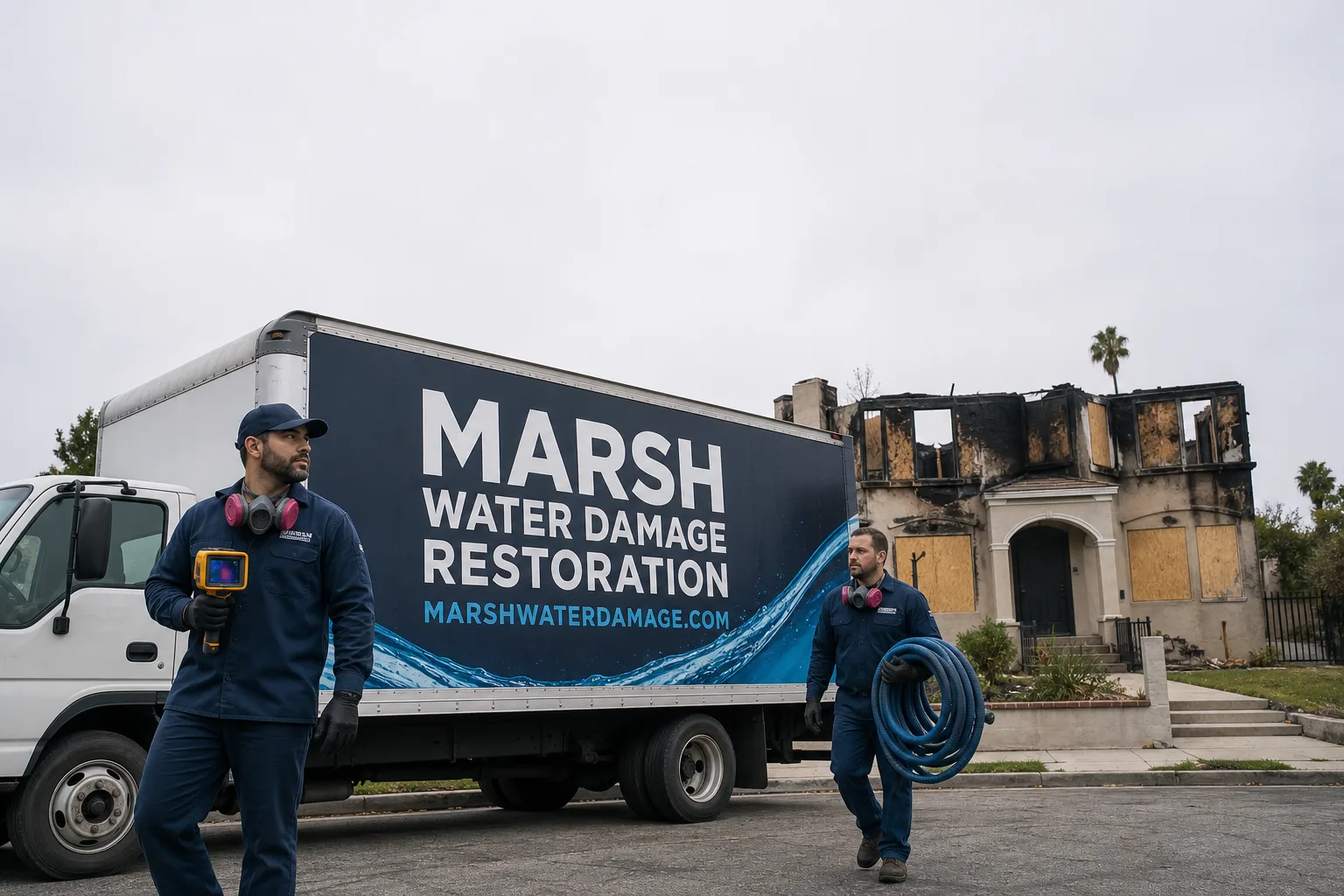
Free visual inspection and a written scope of work before any mitigation begins - photos, moisture readings, and drying logs go in your claim file
The scope we write is the scope we bill. Anything new gets shown to you, in writing, before we touch it.
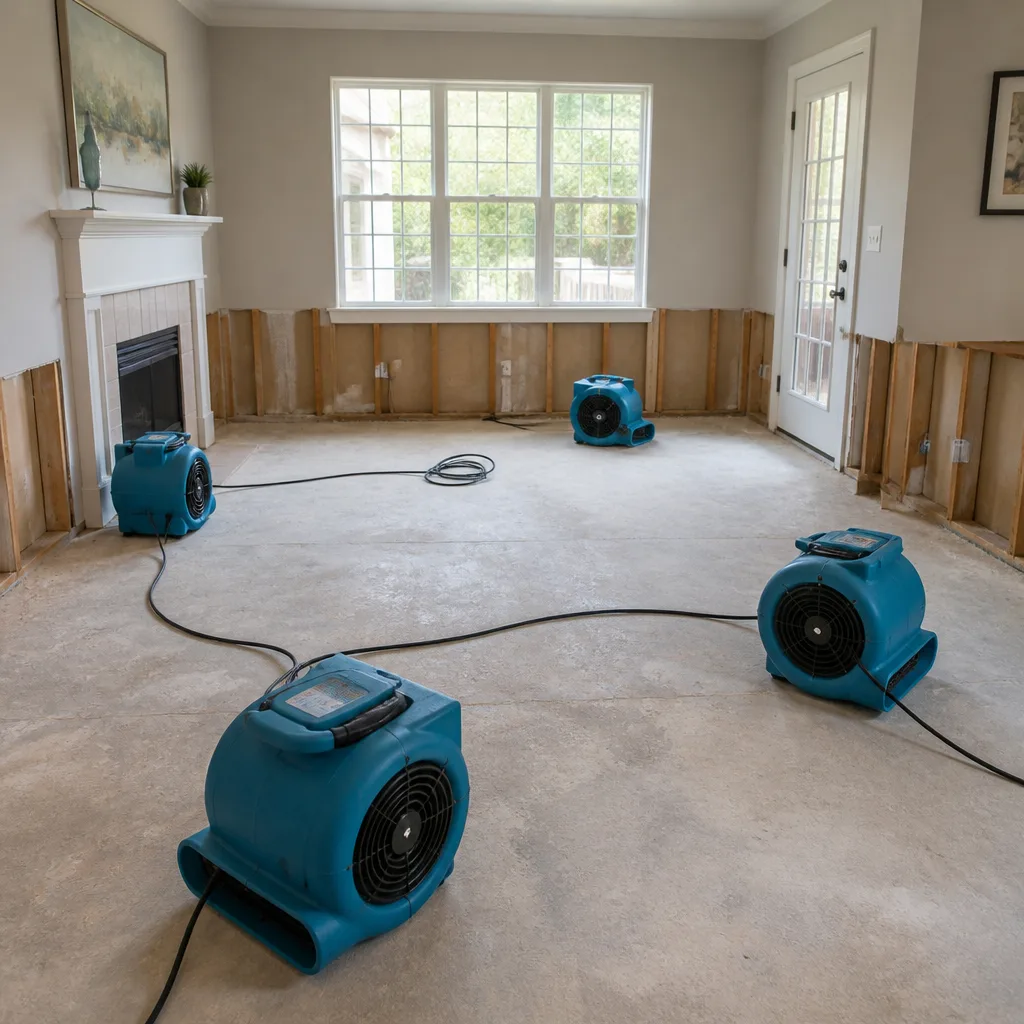
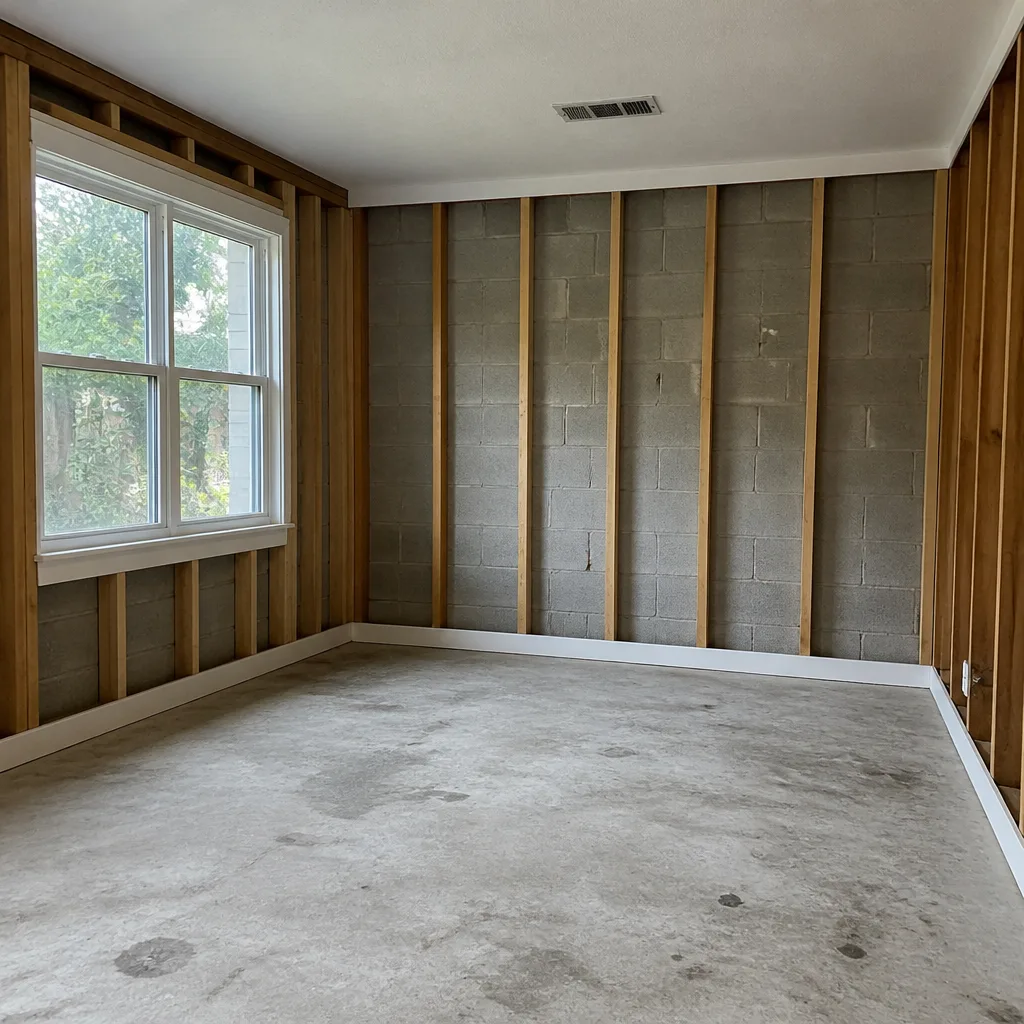
 Before
 After
After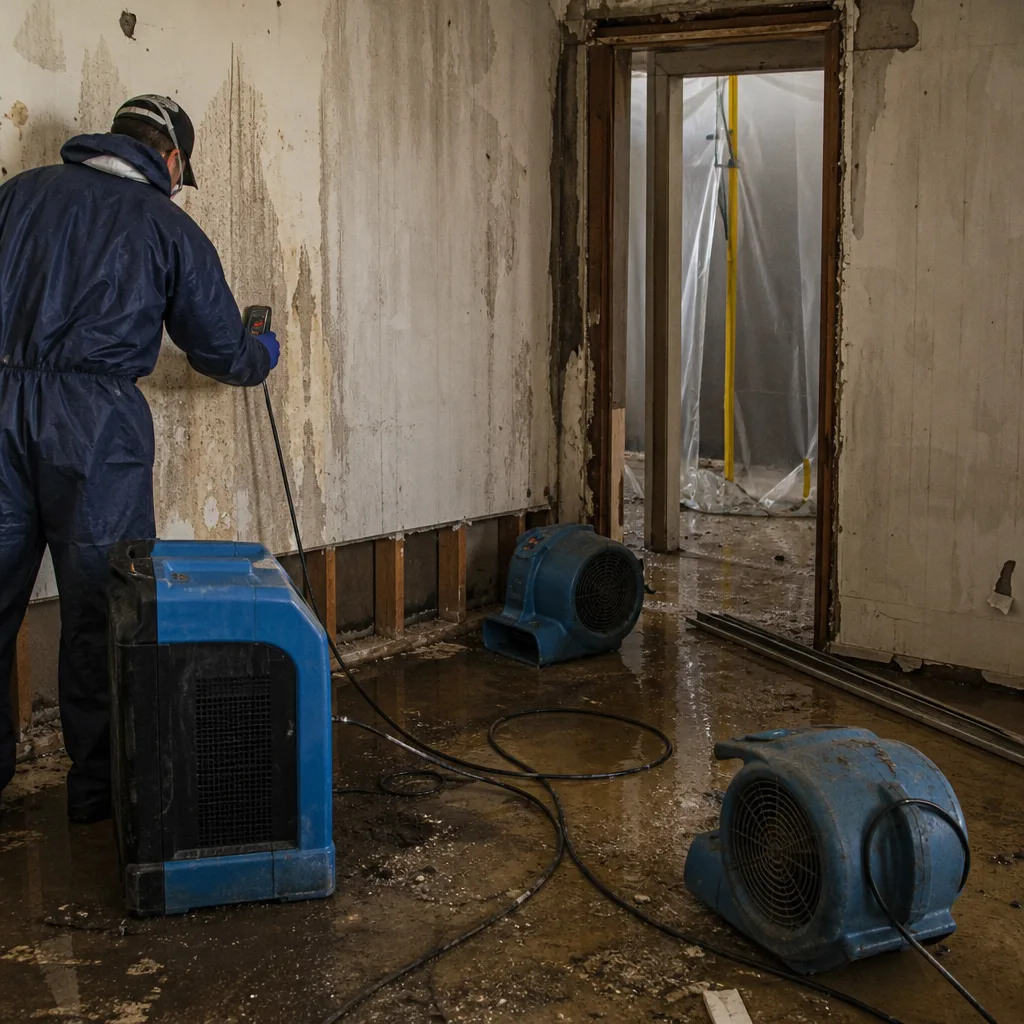 Before
 After
After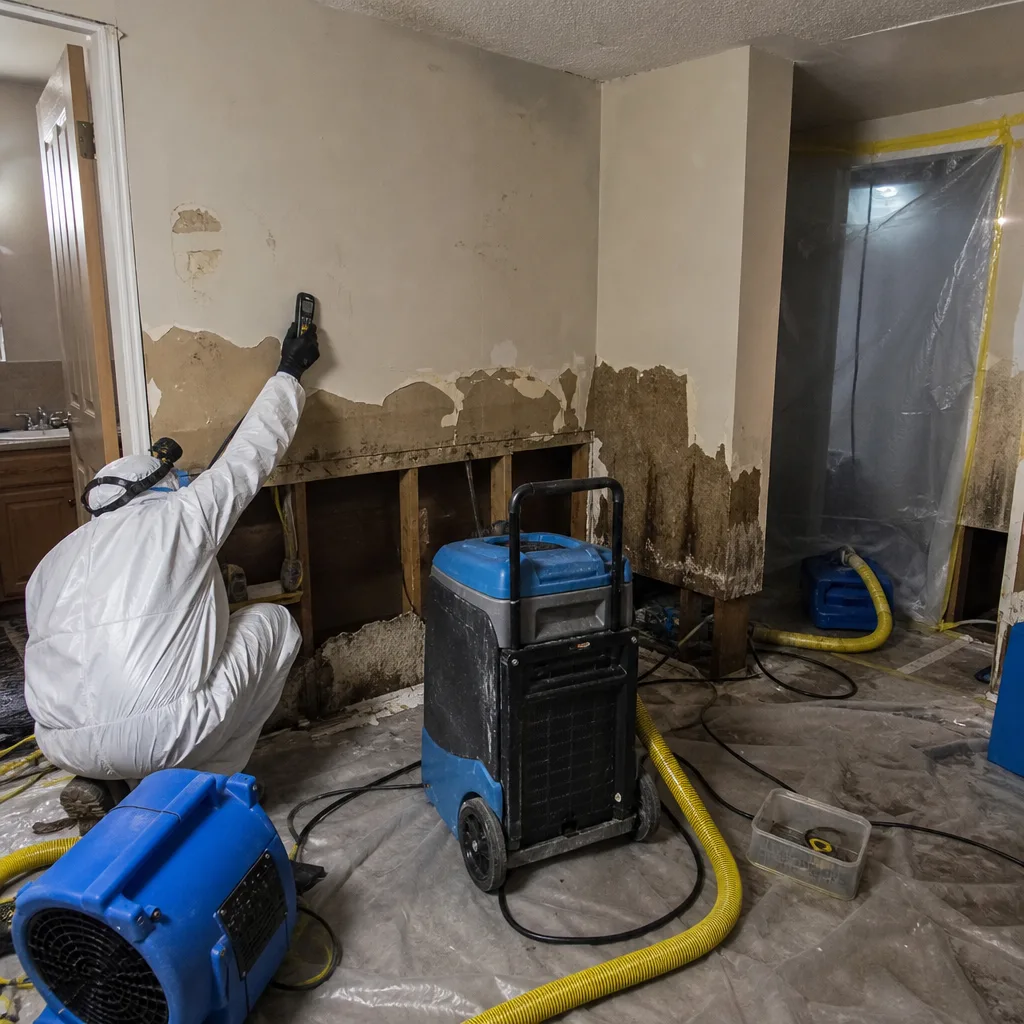 Before
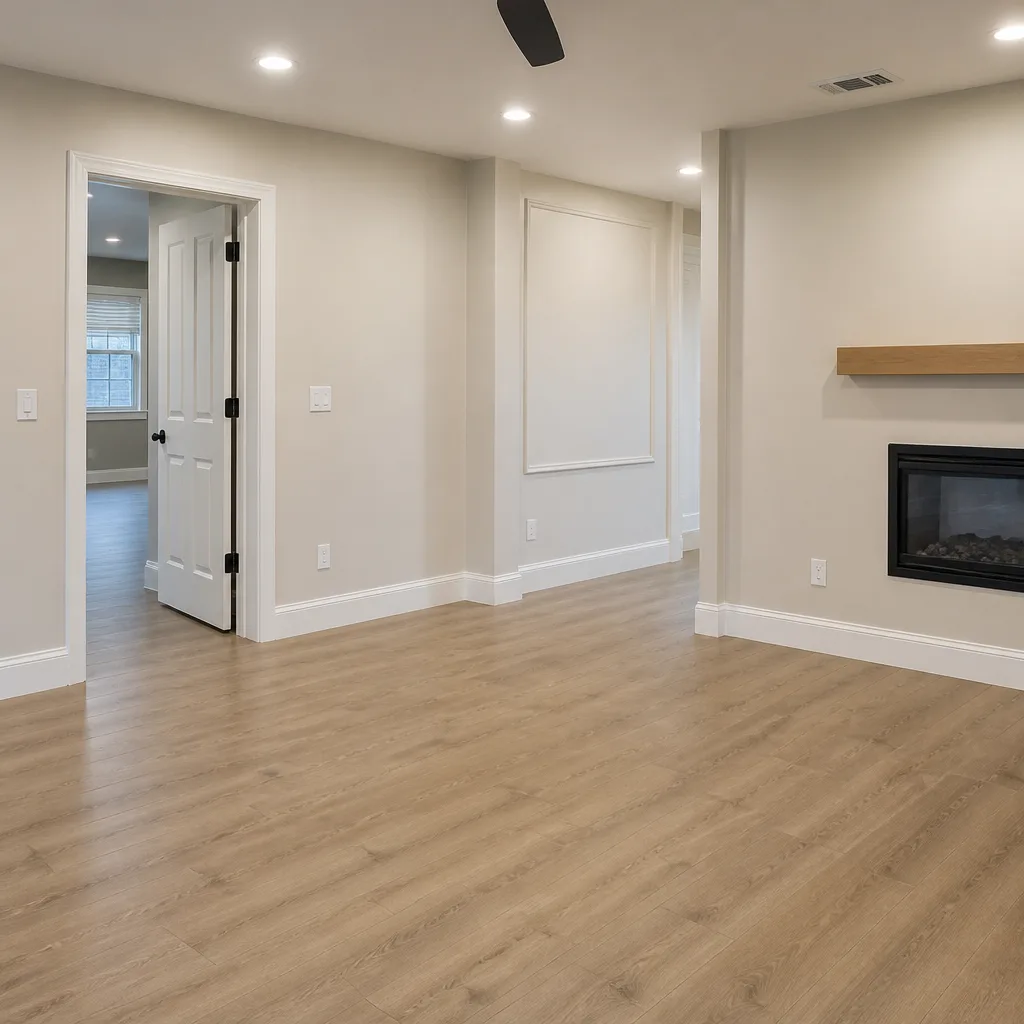 After
AfterFast, Reliable Mold Remediation Across Pompton Lakes
Mold remediation in Pompton Lakes typically runs $1,800 to $6,500 for a full basement job, and a stand-alone mold inspection with air sampling starts around $400. If you’re in the Ramapo River floodplain or near Wanaque Avenue, you already know water doesn’t wait around here. Neither do we. A live person answers at (910) 613-6568 any hour, and we can usually have a crew at your door within hours, not days. Pompton Lakes is our service area, and we know what these homes are up against.
Why Marsh Water Damage Restoration Is Pompton Lakes’s Preferred Mold Remediation Company
Pompton Lakes homeowners deal with a specific kind of water damage: repeat riverine flooding from the Ramapo and Wanaque Rivers, compounded by older housing stock that hides moisture inside original plaster walls and below-grade framing. That’s the work we’ve been doing since 2005, under the Threshold Verified standard. Tobias Reyner leads the technical team, and every crew member who shows up in Pompton Lakes is background-checked, identity-verified, and sent to you by name and photo before the visit. When they knock, they show a photo ID badge. Every time. That matters when a crew is walking through your flooded lake bungalow.
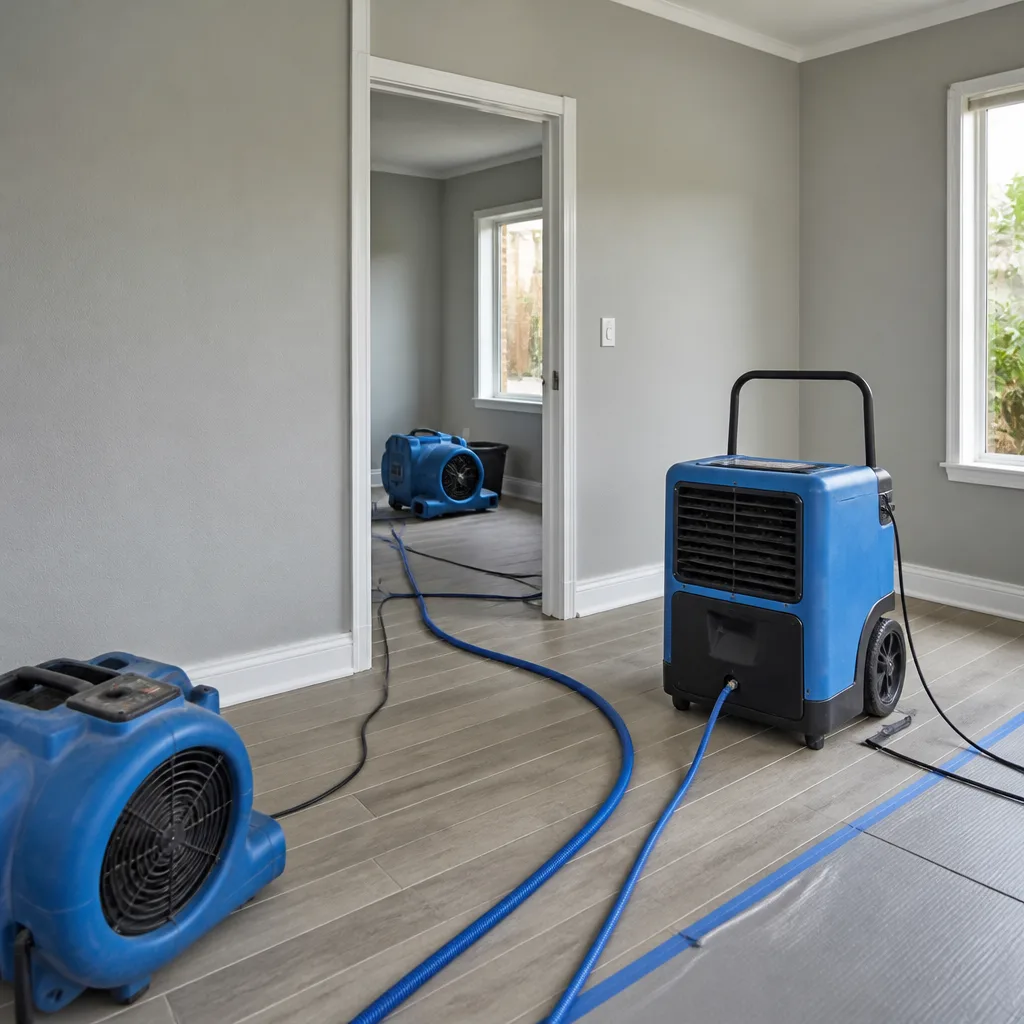
We hold IICRC, RIA, and IFA credentials, and we run the same drying gear on Pompton Lakes jobs that commercial loss teams use: Dri-Eaz refrigerant dehumidifiers, Phoenix high-capacity air movers, and Injectidry panels for wall cavities behind plaster. But the credential that matters most in this borough is the 365-Day Done Right Promise, printed on every work order. If the mold comes back or the repair fails inside a year, we come back free. No adjusting, no arguing: it’s stamped on the page.
Pompton Lakes residents don’t always know this, but a written price comes before any work starts. Not after demo opens a wall. Not after the scope expands. Before. The price you sign is the price you pay, and the guarantee is written on the same sheet.
Professional Mold Removal in Pompton Lakes
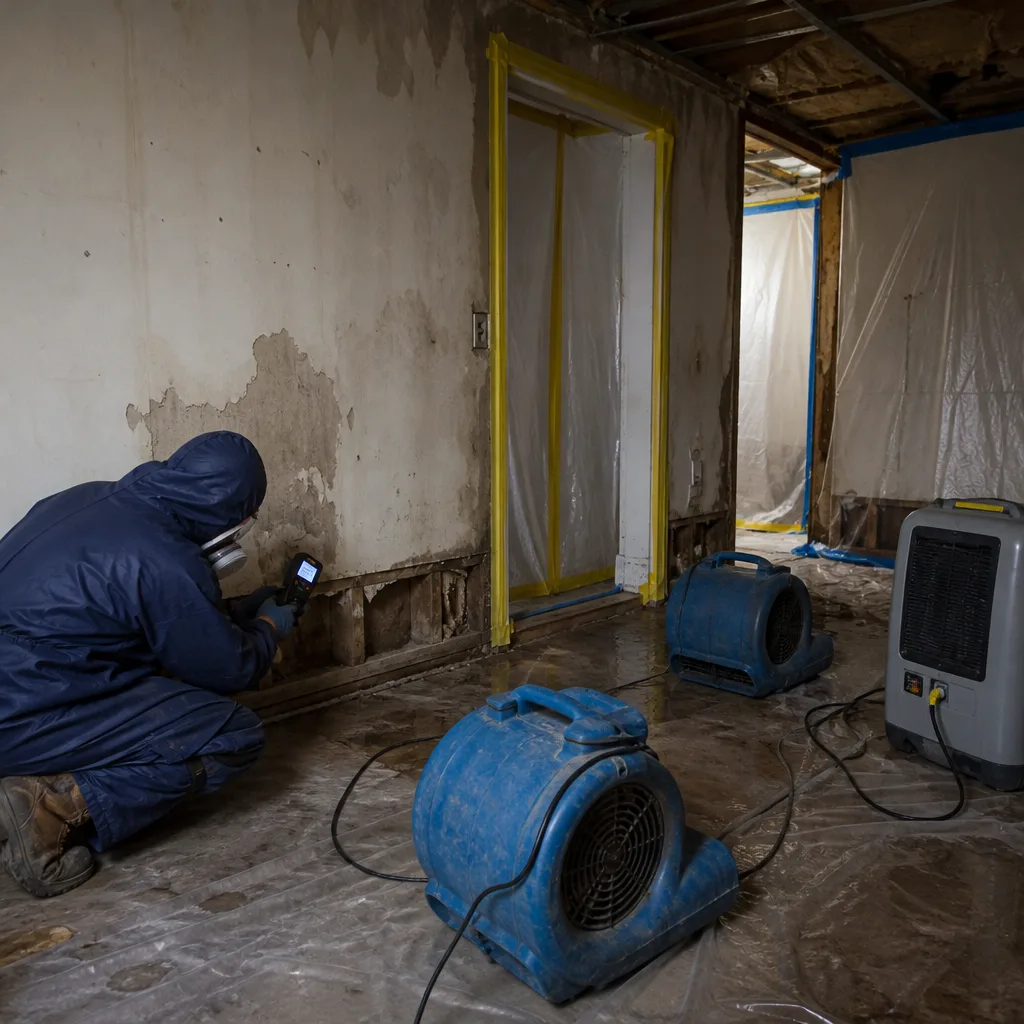
Professional Mold Removal in Pompton Lakes is the full remediation process, not a wipe-down with bleach. Bleach doesn’t kill mold on porous surfaces. It bleaches the color while the colony remains alive underneath. What we do instead is structured: establish negative-air containment with a HEPA-filtered air scrubber, physically remove the contaminated material (often drywall, base trim, carpet pad, or insulation on flooded lower levels), wire-brush or HEPA-sand the framing, vacuum with a true HEPA vac, and apply an EPA-registered antimicrobial to the remaining surfaces. If the job involves Category 3 river water, like Pompton Lakes sees after Ramapo Highlands rain events, we remove affected porous material entirely rather than trying to salvage it. That’s the only correct protocol for floodwater loaded with upstream silt and watershed contaminants.
Most full basement mold removal jobs in Pompton Lakes run $2,200 to $6,500 depending on square footage, the number of rooms contained, and whether plaster walls or sub-slab areas are involved. A smaller crawl space or closet job might start closer to $1,800. You’ll get a written line-item scope before any tools come out.
Containment and Air Filtration
Every Pompton Lakes mold removal job starts with containment. We build a 6-mil poly barrier around the work area, set up negative air pressure, and run HEPA-scrubbed exhaust so spores don’t spread through a bungalow’s open floor plan while we’re cutting out drywall. The air you’re breathing while we work stays cleaner than the air we started with.
Material Removal and Surface Treatment
We cut out every square foot of contaminated material rather than masking it. Studs and framing get HEPA-sanded or wire-brushed, then treated with an antimicrobial registered for the specific mold species present. The lab report from our inspection tells us exactly which species we’re dealing with before treatment starts.
Mold Inspection in Pompton Lakes
Mold Inspection in Pompton Lakes starts with a visual assessment and moisture mapping, then moves to air and surface sampling when we need to know what’s behind walls or under slab edges. A lot of what we inspect follows floods: a homeowner smells something musty near baseboards on Hamburg Turnpike, or sees stains bleeding through original plaster. The inspection tells you what’s there, how far it goes, and whether the air in the home is spore-loaded enough to need remediation. We don’t inspect with a clipboard and call it done. We use pinless moisture meters and thermal imaging to trace hidden water paths through old framing assemblies.
A standard mold inspection with two or three air samples in Pompton Lakes runs $400 to $700. If thermal imaging of plaster walls is involved, add roughly $150. The lab report is third-party. We don’t send samples to a lab we own, so the results are what they are, not what we’d prefer them to be.
Moisture Mapping Behind Plaster
Plaster-on-lath walls from the 1920s through 1940s hold water differently than drywall. Surface moisture readings aren’t enough. We use penetrating meters and thermal imaging to find saturation points inside the wall cavity, then mark the affected area before any cutting. On Pompton Lakes capes and lake cottages with balloon framing, that means tracing moisture vertically: water travels up the wall cavity fast in old framing, and a floor-level flood can wet a wall ten feet above the water line.
Post-Remediation Verification
After every completed job, we re-test the air and compare spore counts to the outdoor baseline. If the air inside your Pompton Lakes home doesn’t clear, the job isn’t done. It’s that simple. The verification is part of the written scope, not an add-on.
Trusted Brands We Service in Pompton Lakes
We service a range of drying, HEPA-vac, and dehumidification equipment in Pompton Lakes because every restoration company’s dollar depends on having gear working when it matters. We fix and run our own gear, of course, but we also service Dri-Eaz refrigerant dehumidifiers, Phoenix axial air movers, and XPOWER centrifugal fans for other local contractors and property owners. The brands we run in-house are chosen because they handle the long-duration drying cycles that Pompton Lakes’s humid river-valley summer requires: deep-set dehumidification on old plaster assemblies, not just surface drying. Parts availability is rarely a problem because our local supply runs keep common filters, impellers, and capacitors in stock. You shouldn’t lose three days waiting on a fan motor while mold grows behind your lath and plaster.
Common Mold Remediation Problems We See in Pompton Lakes Homes
- Mold hidden behind original plaster-on-lath walls after floods. The plaster holds water deep in the assembly, and surface moisture readings miss it entirely. By the time a homeowner sees staining, the colony can be feet above the original water line.
- Recurrence after a prior remediation job that only dried surfaces. Companies that run drying equipment for three days and call it done leave the wall cavity wet. Pompton Lakes flooding is repeat flooding: what wasn’t fully dried last time grows mold back this time.
- Numbed sub-slab depressurization systems on Superfund-affected properties. Homes near the former DuPont/Chemours Pompton Lakes Works often have NJ DEP-mandated systems to control vapor intrusion. A restoration crew that doesn’t know what that piping is can breach or disable it during below-grade work, re-exposing occupants to VOCs and triggering compliance problems.
- Category 3 contamination that gets treated like Category 1. Ramapo and Wanaque river water is not clean rain water. It carries silt, debris, and upstream watershed contaminants. Treating it as a clean-source flood is how houses get left with contaminated materials someone promised were “just wet.”
Pricing for Mold Remediation in Pompton Lakes, NJ
Expect to pay $1,800 to $6,500 for mold remediation in Pompton Lakes, with most residential basement jobs landing between $2,400 and $4,200. Inspection with lab sampling runs $400 to $700. What moves the price: square footage of affected area, whether original plaster walls need surgical drying and treatment rather than replacement, whether containment spans multiple floors, and whether a sub-slab depressurization system must be protected and documented during the work. We give a written price before work begins, and that exact number is the one you’ll see on the final work order. Call (910) 613-6568 for a free in-person estimate, including moisture mapping and a scope you can hold in your hand.
We Also Serve Cities Near Pompton Lakes
Beyond Pompton Lakes, our Mold Remediation team covers Totowa, Bloomingdale, Oakland, and Wanaque. If you’re on the edge of the borough or know someone in an adjacent town dealing with water damage or chronic mold, call (910) 613-6568. We’ll be there the same way we are for Pompton Lakes: named technician, photo sent before arrival, written scope before any work begins.
Serving Pompton Lakes, NJ - Our Local Coverage Area
We’re based in the Pompton Lakes area and know this community well. Use the map below to see our service coverage - if you’re nearby, we can almost certainly help.
FAQs About Mold Remediation in Pompton Lakes
It makes hidden mold the rule rather than the exception. Pompton Lakes sits at the confluence of the Ramapo and Wanaque Rivers, so flood damage here is driven by upstream rainfall in the Ramapo Highlands, not just local storms, which gives residents almost no warning. Older homes with plaster-on-lath walls and balloon framing trap that water internally, and mold develops behind surfaces where no visible staining appears for weeks. Our remediation protocol on flooded Pompton Lakes homes assumes hidden moisture is present until proven otherwise. That means thermal imaging, penetrating moisture meters, and cavity sampling before we call anything dry. Call (910) 613-6568 for an inspection if you suspect hidden mold after any flood event, even a small one.
Tell every contractor who enters the property, and insist they protect it. Homes near the former DuPont/Chemours Pompton Lakes Works may have NJ DEP-mandated sub-slab depressurization systems installed to control vapor intrusion of volatile organic compounds. Flooding can compromise those systems, but a restoration crew must never breach or disable the piping while doing below-grade work. On jobs we handle near the Superfund site, we document the system’s condition, protect it throughout containment and drying, and coordinate with the property owner’s Superfund obligations before sealing any below-grade assemblies. That’s not optional, it’s required by DEP consensus protocol. Call (910) 613-6568 before any work starts if your home has one of these systems.
Sometimes, if the water was clean and we get there within hours, we can save original plaster by drilling small access points, installing Injectidry panels into the wall cavity, and drying the assembly in place. But with Category 3 river water, like Pompton Lakes sees after Ramapo or Wanaque flood events, contaminated porous material including plaster, lath, and insulation in the affected area has to come out. There’s no responsible way to salvage material soaked in that water. The written scope we give you before work starts tells you exactly which walls can be saved and which need cut removal.
Visible mold can appear in 24 to 48 hours on soaked drywall or carpet pad after a Pompton Lakes flood. Hidden mold behind plaster on lath may not show itself for a week or more, because the plaster face reads dry while the cavity behind stays saturated. That’s why we recommend moisture mapping within 24 hours of any flood in Pompton Lakes, especially in homes along the Ramapo River corridor or in finished basements near FEMA AE flood zones. The faster we get fans and dehumidifiers running, the less material comes out. Call (910) 613-6568 the day you see water.
Yes, on every remediation job we apply an EPA-registered antimicrobial to remaining surfaces after physical removal and HEPA vacuuming. The specific product depends on the mold species identified in the lab report and the substrate. Antimicrobial treatment is not a substitute for material removal, but it’s essential on cleaned framing, concrete, and substrate surfaces to prevent regrowth. Our 365-Day Done Right Promise covers this: if mold regrows on any treated surface within a year, we return and remediate again at no charge.
Written by Tobias Reyner, Owner at Marsh Water Damage Restoration, serving Pompton Lakes since 2005.