
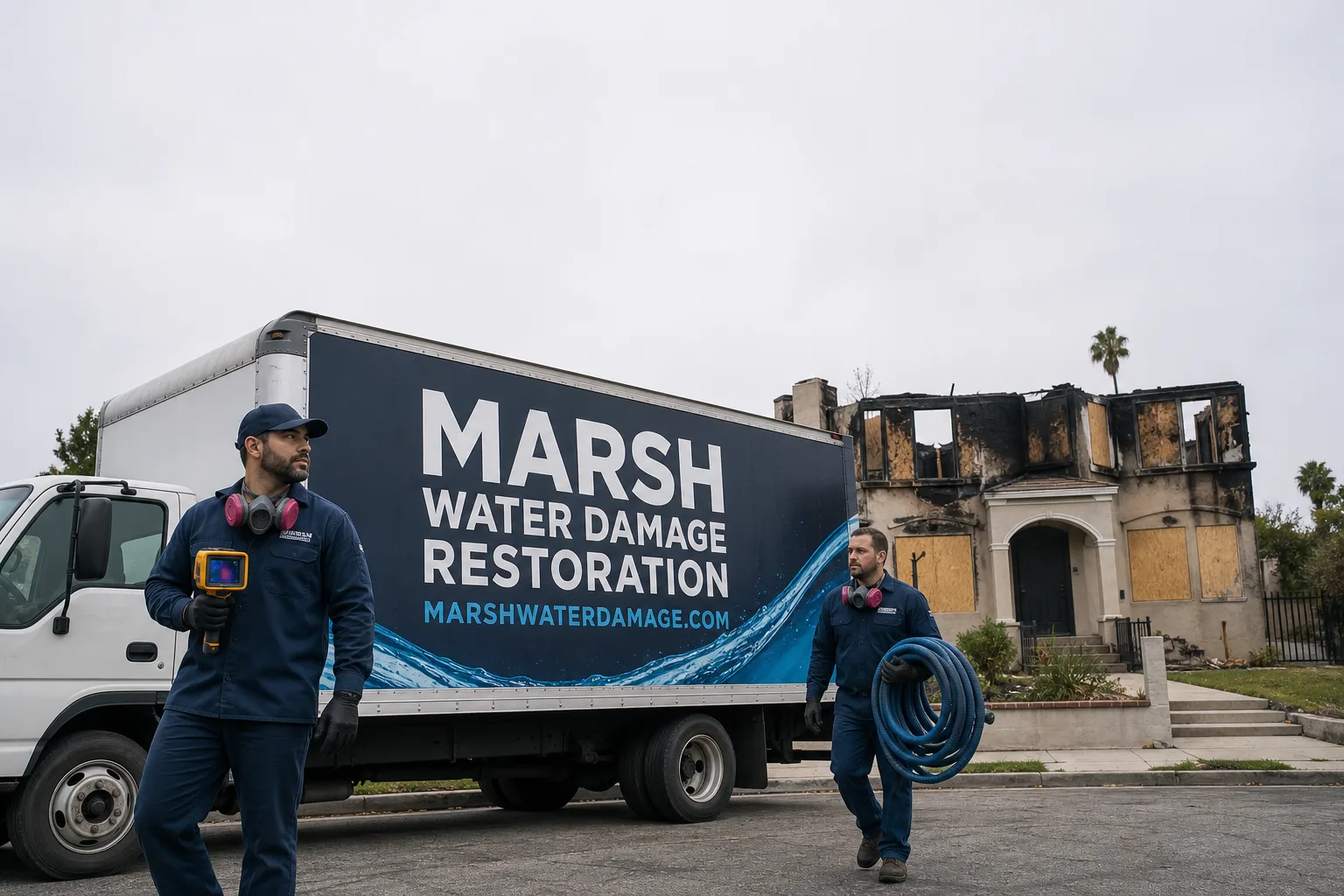
Free visual inspection and a written scope of work before any mitigation begins - photos, moisture readings, and drying logs go in your claim file
The scope we write is the scope we bill. Anything new gets shown to you, in writing, before we touch it.
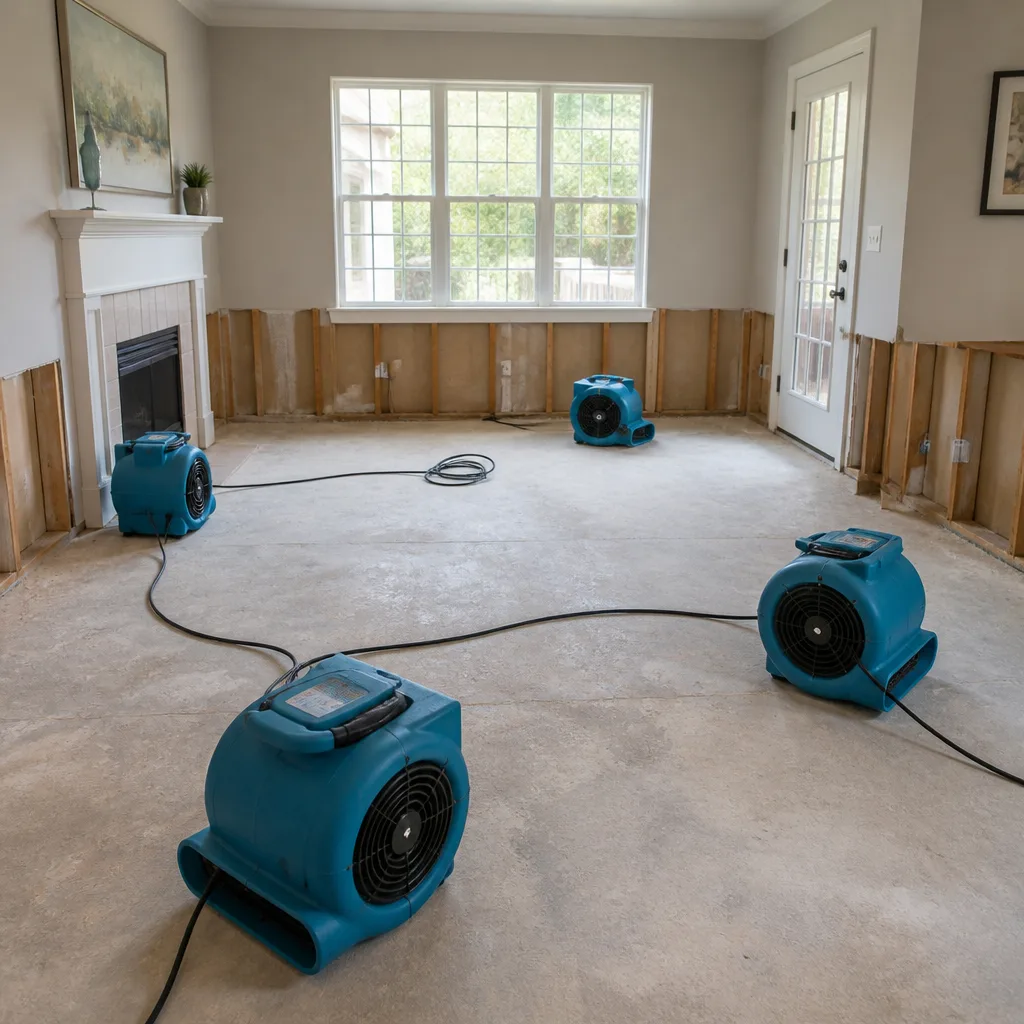
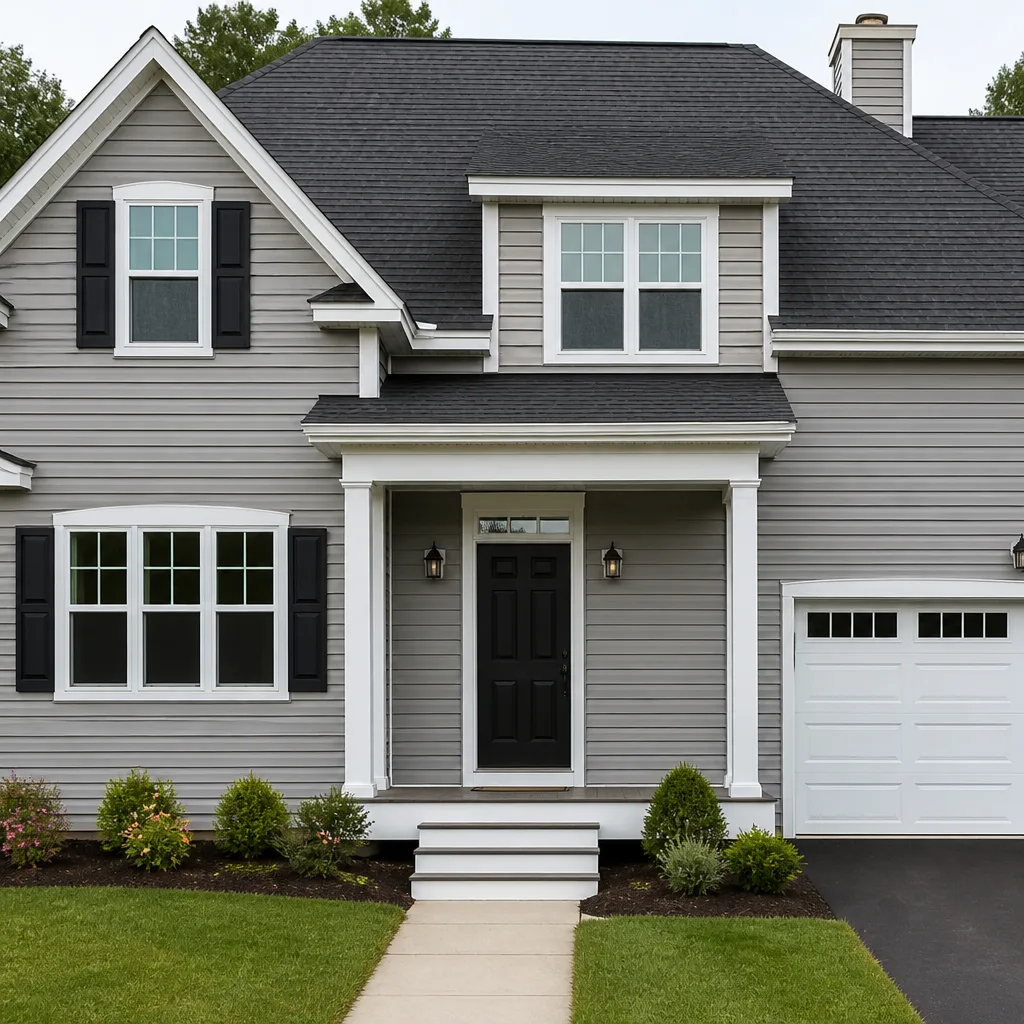
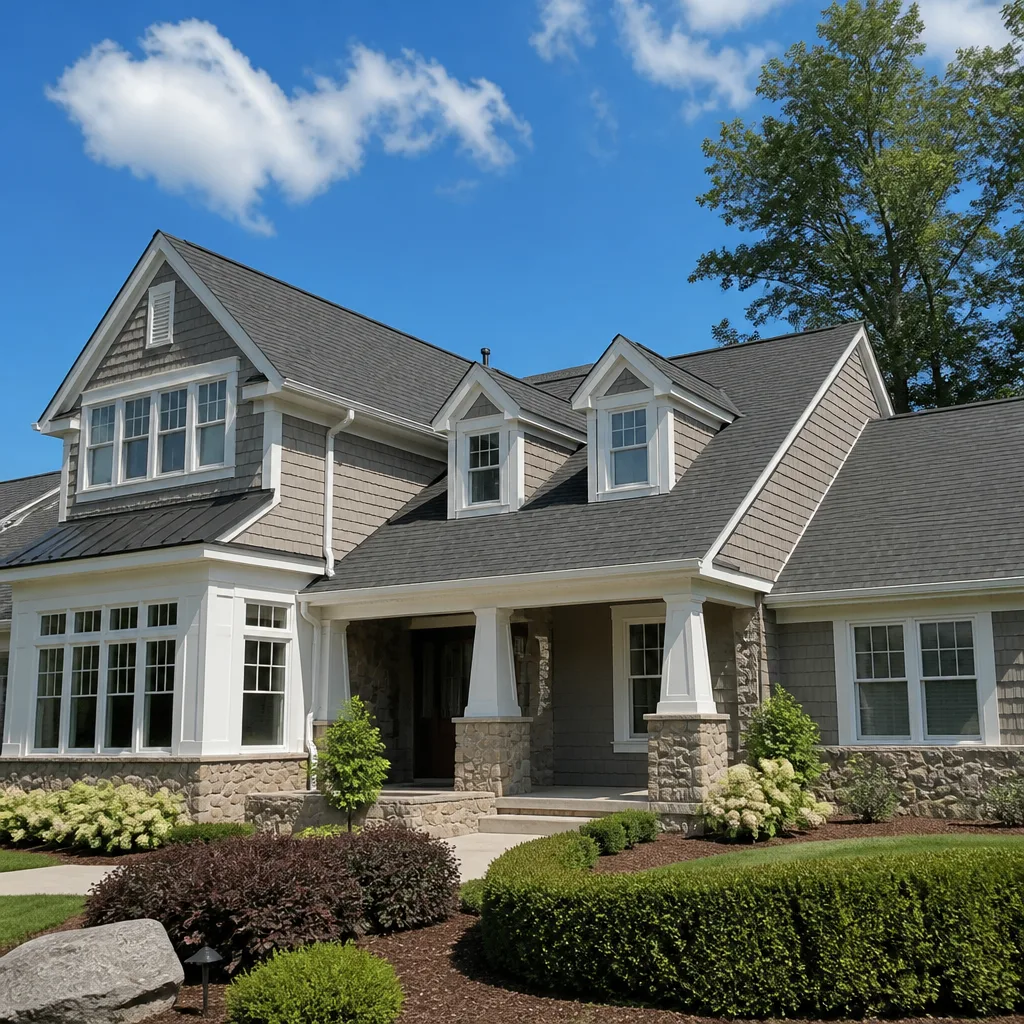
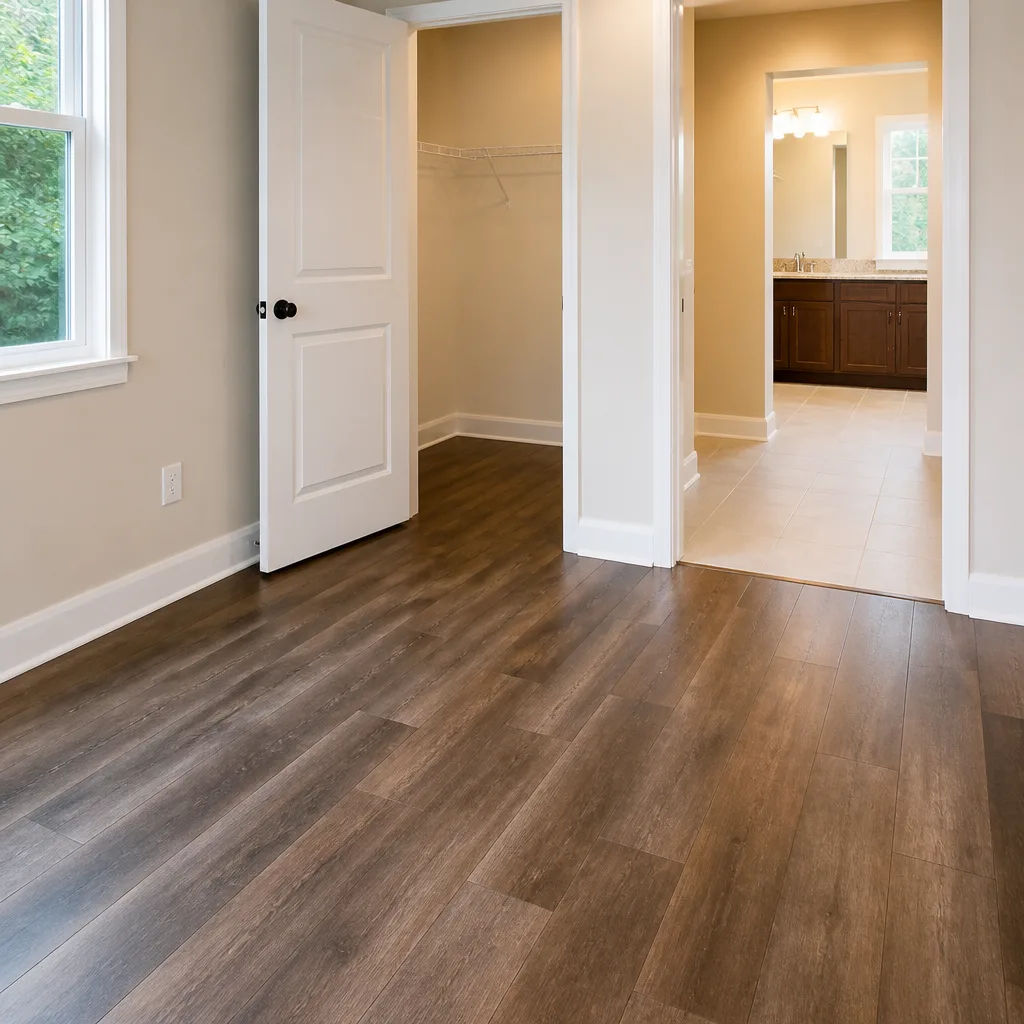
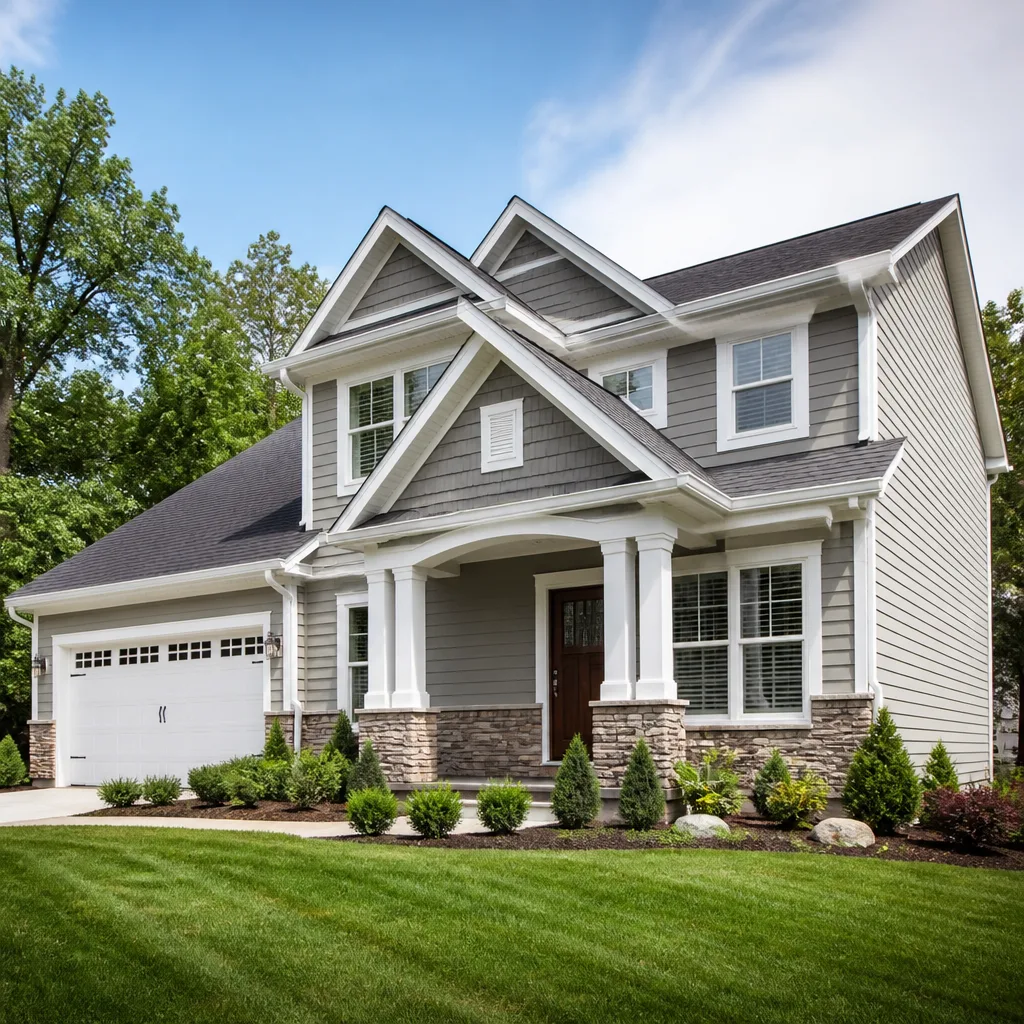
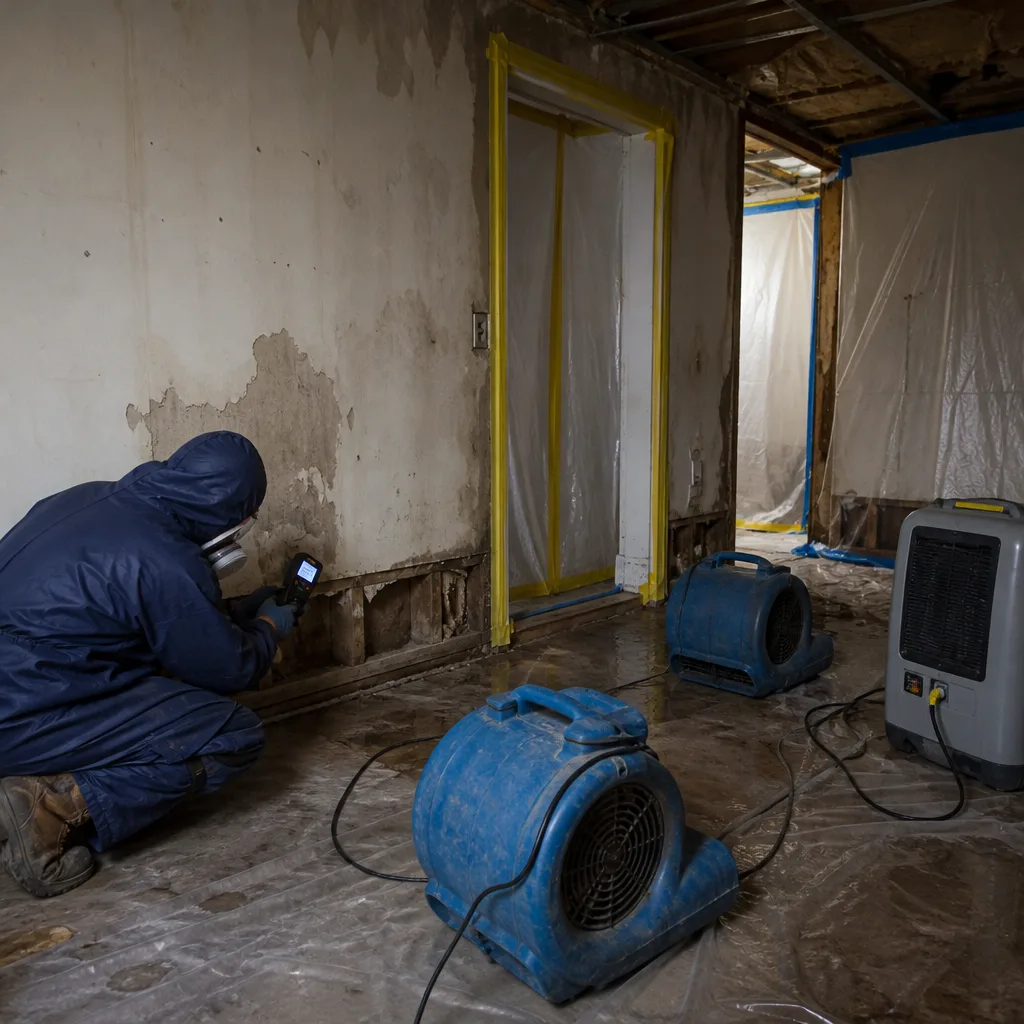 Before
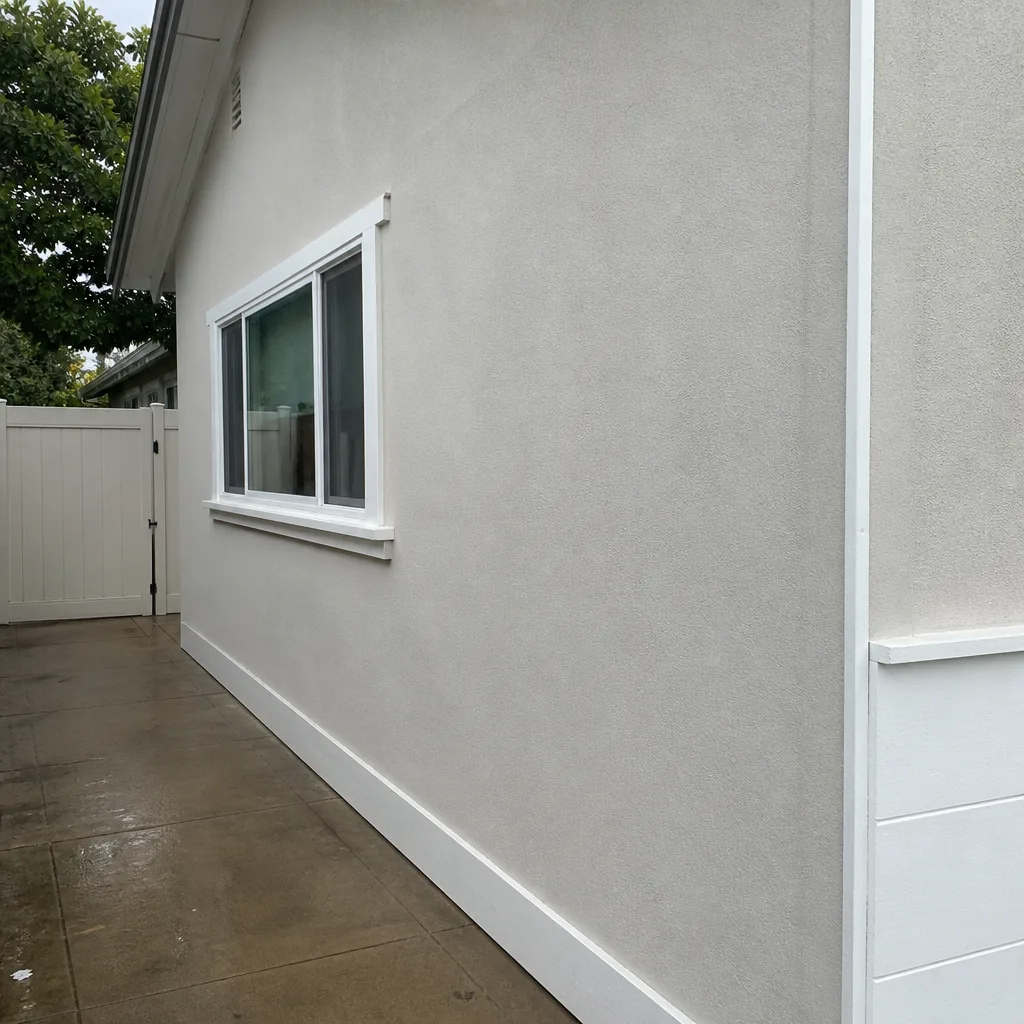 After
After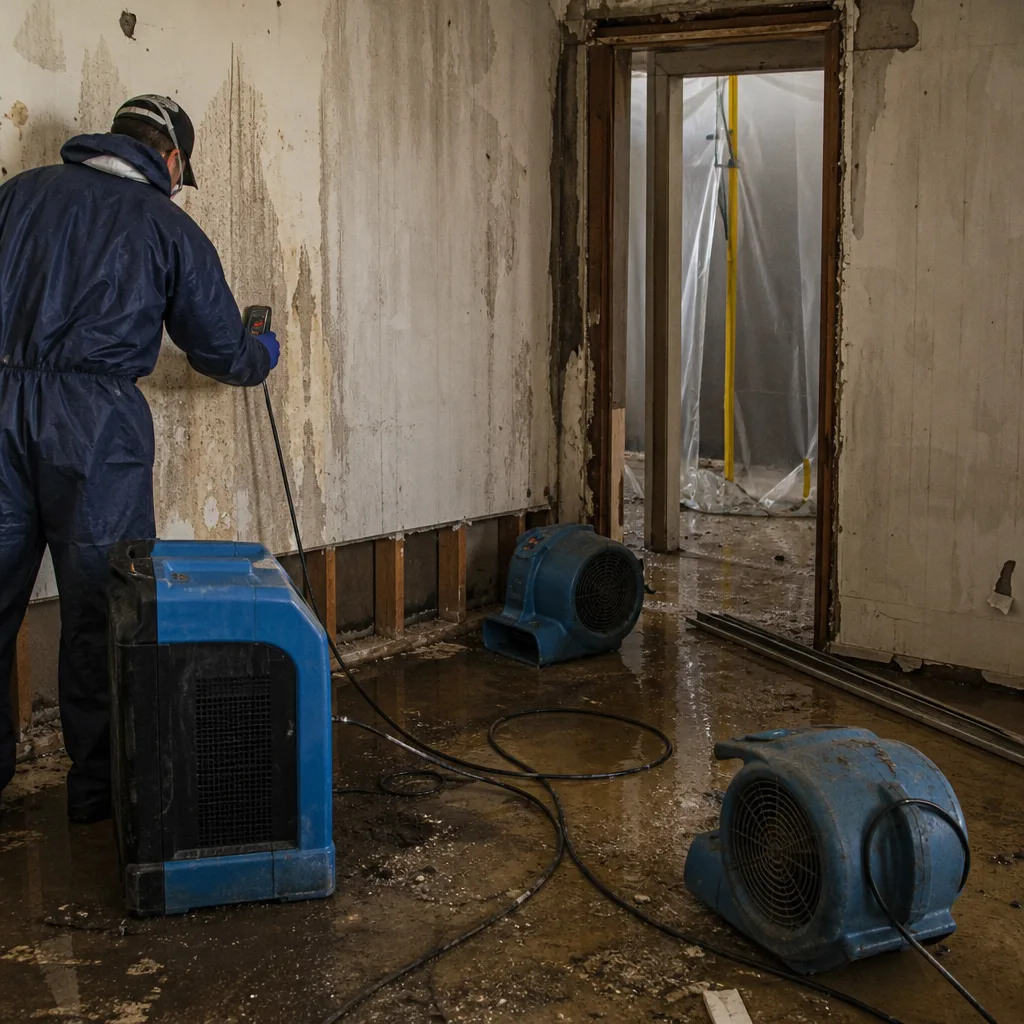 Before
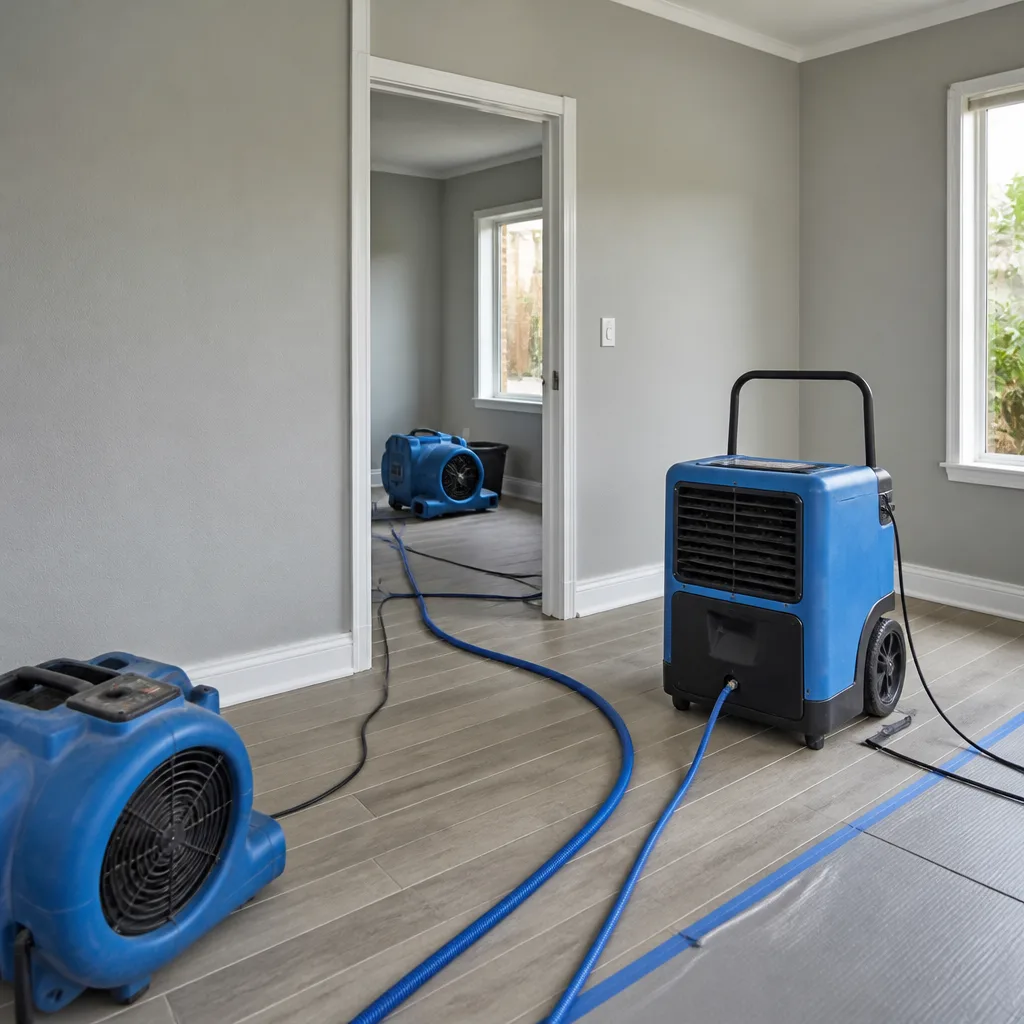 After
After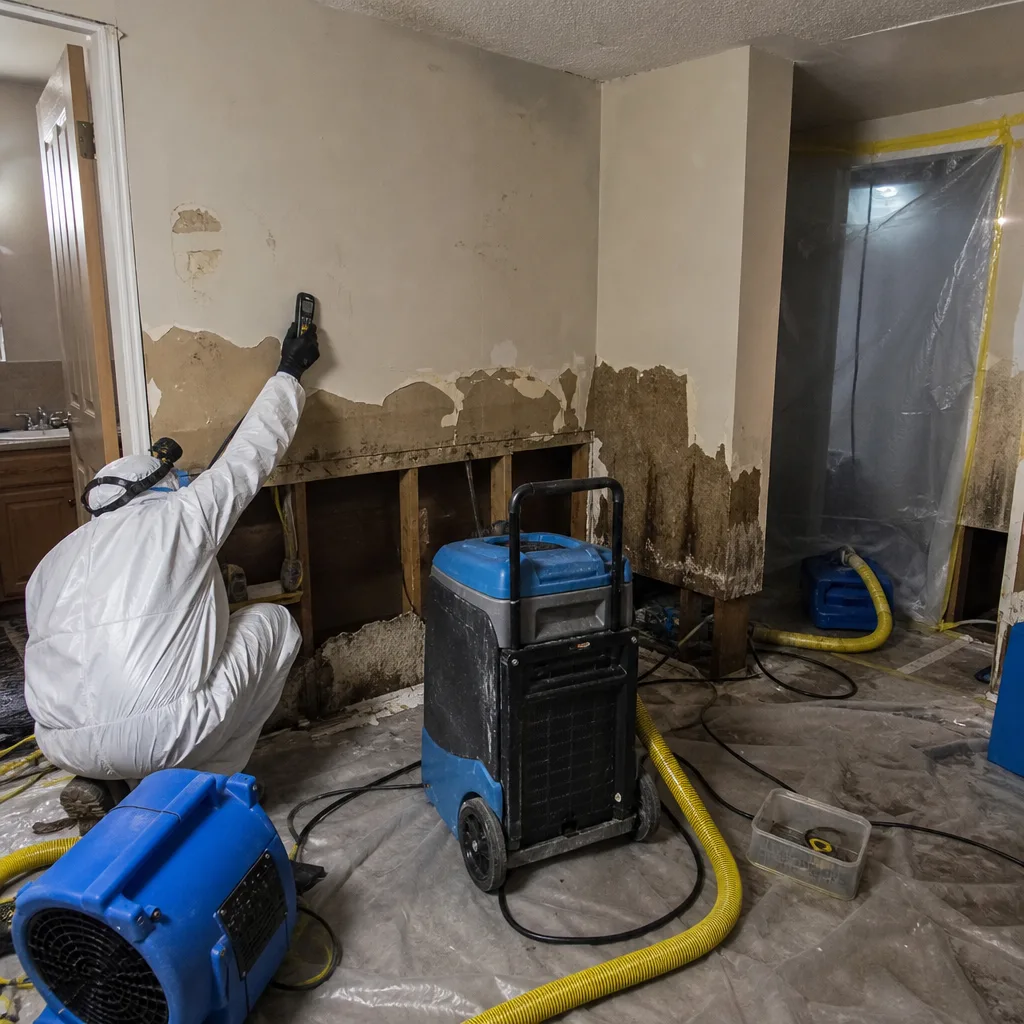 Before
 After
AfterFast, Reliable Storm Damage Restoration Across Bay Harbor Islands
Storm damage restoration in Bay Harbor Islands typically runs $2,800 – $7,400 for a standard ground-floor flood cleanup with drying equipment, and $9,500 – $28,000 when walls, cabinetry, and flooring need removal after saltwater intrusion. Most jobs here start with emergency extraction, because the longer brackish water sits against CBS block and tile, the deeper the salt wicks and the faster mold takes hold. We answer live 24/7 at (910) 613-6568, and our crews reach Bay Harbor Islands fast from the Miami metro office, usually within 60 to 90 minutes for a standard call. No voicemail maze, no chatbot. A real person picks up, gets your address, and tells you exactly who is rolling and when.
Bay Harbor Islands is not like the mainland. The town sits on two barrier islands completely ringed by Biscayne Bay, so the flooding pattern here is salt-laden and relentless. King tides alone push water into ground-floor garages and units without any storm on radar. That changes what restoration means here, and it is why a generic water extraction company is the wrong tool for this town.
Why Marsh Water Damage Restoration Is Bay Harbor Islands’s Preferred Storm Damage Restoration Company
We have worked Bay Harbor Islands long enough that our technicians know the bay-fronting streets off 96th Street by name, and we know what they do when the tide turns. Homeowners here do not need a national franchise that treats their condo like any other job. They need a team that already understands concrete block construction from the 1950s – 1970s, flat-roof water intrusion, and the way saltwater behaves once it meets aged CBS walls and slab. We are that team.
Every technician who walks up to a Bay Harbor Islands door is background-checked, identity-verified, and sent by name and photo before the knock. They arrive uniformed, show a photo ID badge at the door, and explain what they are about to do before any equipment comes off the truck. That is the Threshold Verified standard, and it applies to every visit, not just the first one. For a homeowner home alone, or a parent with young kids, that level of clarity is not a nice-to-have. It is the entire point.
Our Storm Damage Restoration team is IICRC, RIA, and IFA credentialed, and we run Dri-Eaz, Phoenix, and XPOWER equipment on residential jobs here. The same gear used on commercial losses. Every job gets a written price before any work starts, a written guarantee on the repair, and the 365-Day Done Right Promise printed on the work order. If the repair is not right within a full year, we return and make it right. Free second visit included, automatically. That is not a promotional gimmick. It is a contractual term.
Tobias Reyner leads our technical operations, and he has built the team around one practice: document everything, explain everything, and never ask a homeowner to trust a stranger without proof.
Flood Cleanup in Bay Harbor Islands
Flood cleanup in Bay Harbor Islands usually starts at extraction and ends with drying logs your adjuster can actually use. As a reference point, many Bay Harbor Islands homeowners file storm damage claims after king-tide events where no named storm ever touched the county. The water they are dealing with is not clean rainwater. It is brackish, salt-laden, and often mixed with storm-drain backflow, which puts it firmly in Category 2 or Category 3 territory depending on the source. So cleanup here involves more than removing visible water. It means getting salt out of materials before corrosion and mold become the next problem.
Expect basic flood cleanup on a single ground-floor room or garage in Bay Harbor Islands to run $1,900 – $4,600, depending on square footage, water category, and how long the water sat. That covers extraction, antimicrobial application to affected surfaces, and the first day of drying equipment placement. Deeper jobs climbing into baseboard removal, drywall cuts, and full containment run higher, typically $6,000 – $14,000.
Extraction and Salt Mitigation
Saltwater behaves differently than the freshwater our crews see in inland Miami-Dade. It does not just evaporate. It leaves chloride residue that keeps pulling moisture from the air and keeps corroding whatever it touched. Our process after a king-tide backflow event on a bay-fronting block off 96th Street starts with water extraction, then moisture mapping of concrete and baseboards, then antimicrobial treatment along the plate line. We log category readings and set Dri-Eaz dehumidifiers with containment to hold the rest of the unit dry while we work.
Drying Logs and Insurance Documentation
Your adjuster wants evidence. We photograph everything, log psychrometric readings (measuring the moisture in the air) daily, and hand you a drying record you can forward directly. That takes the documentation burden off your shoulders at exactly the moment you do not need more paperwork.
Flooded House in Bay Harbor Islands
A flooded house in Bay Harbor Islands is rarely a one-room problem. Because the town is so low and so flat, water that gets in tends to travel, moving from the garage into adjoining ground-floor spaces and wicking up CBS block walls fast. We treat every flooded house here as a structural drying job, not a carpet job. Expect full-house flood restoration in Bay Harbor Islands to run $8,500 – $22,000 on average, with complete rebuilds of lower levels reaching $30,000+ when flooring, drywall, and kitchen cabinets cannot be saved.
Whole-Home Drying and Wall Cavity Access
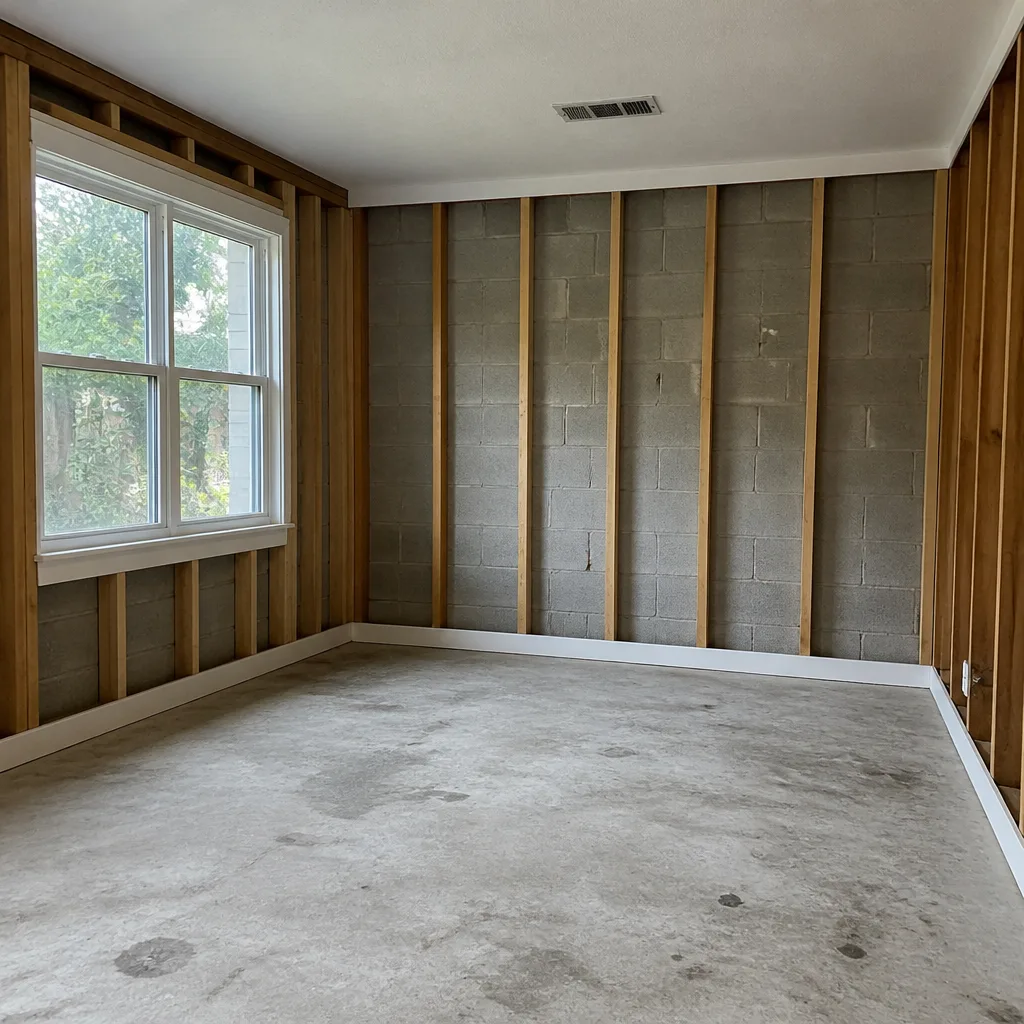
CBS block walls hold moisture for weeks after surface water is gone. If we do not open baseboards and check what is happening behind tile and drywall, we leave behind exactly what reactivates later. We drill small access points where needed, measure moisture inside wall cavities, and only close things up when the numbers say the structure is genuinely dry, not just dry to the touch. Calls come into our team at (910) 613-6568 around the clock for exactly this reason. A flooded house does not wait for a callback.
Packing Out and Inventory
When a ground-floor unit floods, stored items become part of the job. In the garage on a bay-fronting block off 96th Street, our tech packed out the homeowner’s stored items before equipment went in. We inventory what we move, where it goes, and what condition it is in. Your adjuster gets that list too.
Trusted Brands We Service in Bay Harbor Islands
Most Bay Harbor Islands homes run mid-century builder systems or replacements installed by previous owners, and we service all of it. We routinely work on garage openers, spring assemblies, and roller systems from LiftMaster, Genie, Chamberlain, and Craftsman in this town, and we stock common replacement parts for Bay Harbor Islands customers so a simple hardware failure does not turn into a two-visit job. Because we also carry Phoenix, XPOWER, and B-Air drying equipment, the same tech who extracts a flooded garage can also assess what the saltwater just did to the opener chain, torsion springs, and track fasteners. That saves you a second service call and a second stranger at the door.
Common Storm Damage Restoration Problems We See in Bay Harbor Islands Homes
- Salt-corroded garage hardware. Opener chains, torsion springs, hinges, roller brackets, and track fasteners on Bay Harbor Islands fail years earlier than identical hardware in mainland Miami. The salt-air exposure alone is enough, and when saltwater actually floods a garage, surface corrosion appears within days.
- Re-wicking CBS walls and slabs. Ground-floor walls along bay-fronting streets absorb salt-saturated water deep into the block and concrete. Surface drying looks successful, but hidden mold reactivates behind tile within weeks unless the original intrusion path is closed.
- Flat-roof membrane failures. The town’s 1950s – 1970s buildings feature flat or low-slope roofs that degrade faster under constant salt-air and humidity. Roof membrane failures become recurring water intrusion points that keep indoor moisture elevated even in non-hurricane years.
- Storm-drain backflow into garages. King tide events push brackish water back through storm drains and into low ground-floor garages and units. Homeowners often call us after discovering two inches of water across a slab with no storm in sight.
Pricing for Storm Damage Restoration in Bay Harbor Islands, FL
Here are real numbers for Bay Harbor Islands, so you can plan before you call. Flood cleanup on a single ground-floor room or garage starts around $1,900 and typically lands between $2,800 and $7,400 with drying equipment and antimicrobial treatment. Full flooded-house restoration runs $8,500 – $22,000 for most homes here, rising past $30,000 when lower-level rebuilds include flooring, drywall, and cabinets. Roof-related storm intrusion work depends on membrane repair or replacement but commonly lands between $4,000 and $18,000. Salt exposure extends drying times, which is why two very similar-looking jobs in Bay Harbor Islands and Fort Lauderdale can carry different price tags. Call (910) 613-6568 and we will give you a written scope and price before any work starts. Estimates are free.
We Also Serve Cities Near Bay Harbor Islands
In addition to our Storm Damage Restoration work in Bay Harbor Islands, our Miami metro crews cover Miami, Hialeah, Fort Lauderdale, and Pembroke Pines. If your property sits on the mainland but still faces the same salt-air and flood pressure, the same Threshold Verified standard applies on every visit. Learn more about our Storm Damage Restoration in Bay Harbor Islands or our broader Storm Damage Restoration coverage across the region.
Serving Bay Harbor Islands, FL - Our Local Coverage Area
We’re based in the Bay Harbor Islands area and know this community well. Use the map below to see our service coverage - if you’re nearby, we can almost certainly help.
FAQs About Storm Damage Restoration in Bay Harbor Islands
Your garage is breathing salt-air every day, and when bay-side surge or king tides push water in, that water is already saline. Salt accelerates corrosion on opener chains, torsion springs, hinges, roller brackets, and track fasteners by pulling moisture out of the air and holding it against metal surfaces. In mainland Miami, those same parts get wet only from rain. Here, the air itself is a slow rust agent, and a flood event speeds the process up by years. We address this with galvanized springs or coated hardware when replacement is needed, plus a corrosion inspection any time we are on site. If your hardware is already pitted or red-brown, call us at (910) 613-6568 and we will assess replacement options.
Almost certainly Category 2, and often Category 3 if storm-drain backflow is involved. Category 1 is clean water from a supply line. Category 2 is contaminated water that can cause illness. Category 3 is grossly contaminated, typically from sewage or ground runoff mixed with drain water. Bay Harbor Islands king tide water is brackish, carries whatever the street and drain system brought with it, and is not safe to leave sitting. We treat it with appropriate antimicrobial application and full containment while drying. The exact category matters for your insurance claim, and we document the readings and source observations for your adjuster.
Within hours, not days. Saltwater begins corroding metal hardware within the first day, and mold growth in this humidity can start within 48 hours. The longer water sits against CBS walls and tile, the deeper it wicks and the more material has to be removed. Every hour you wait expands the scope and the cost. Call (910) 613-6568 as soon as you see water, and we will walk you through what to do while the crew is on the way.
Because the water path was never closed. Salt-saturated water wicks deep into aging CBS walls and concrete slabs, and surface evaporation does not touch what is inside the pores. The hidden mold colonies reactivate behind tile finishes weeks after a “successful” dry-out, and the homeowner is right back where they started. The only fix that lasts is addressing the storm-drain backflow path that let water in, then drying the substrate to measured standards. We map moisture inside wall cavities and slabs before we declare a job done, and we document all of it.
No. King tide flooding, bay-side surge during routine heavy rainfall, and storm-drain backflow all qualify as storm damage under most policies. Many Bay Harbor Islands homeowners file claims for floods that occur with no named storm anywhere near Florida. The key is documentation: photographs, moisture readings, source observations, and a clear timeline. Our team provides all of that in a format your adjuster can drop straight into the file. Call (910) 613-6568 for a free assessment, and we will help you build the claim from day one.
Written by Tobias Reyner, Owner at Marsh Water Damage Restoration, serving Bay Harbor Islands and the surrounding Miami metro since 2005.