
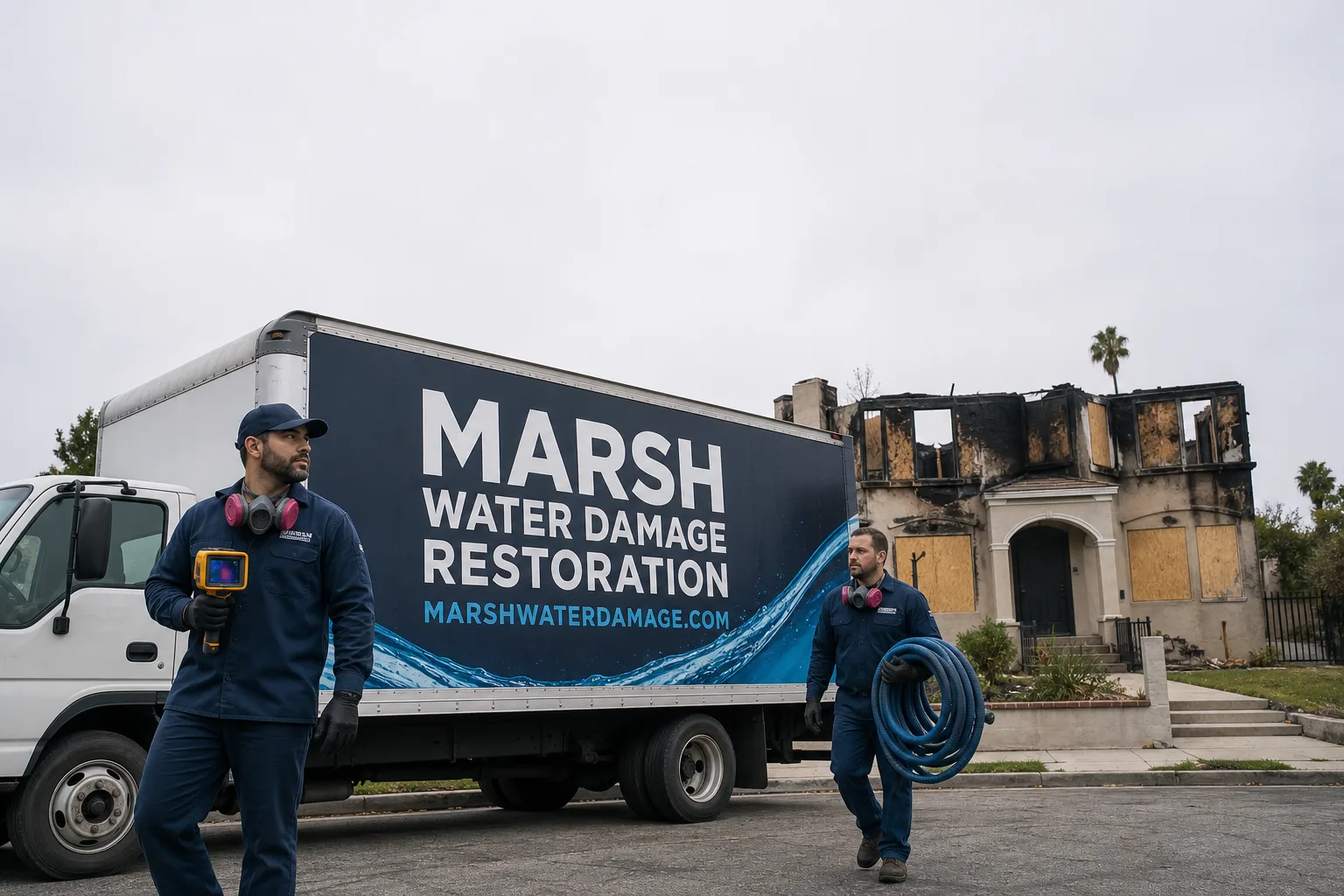
Free visual inspection and a written scope of work before any mitigation begins - photos, moisture readings, and drying logs go in your claim file
The scope we write is the scope we bill. Anything new gets shown to you, in writing, before we touch it.
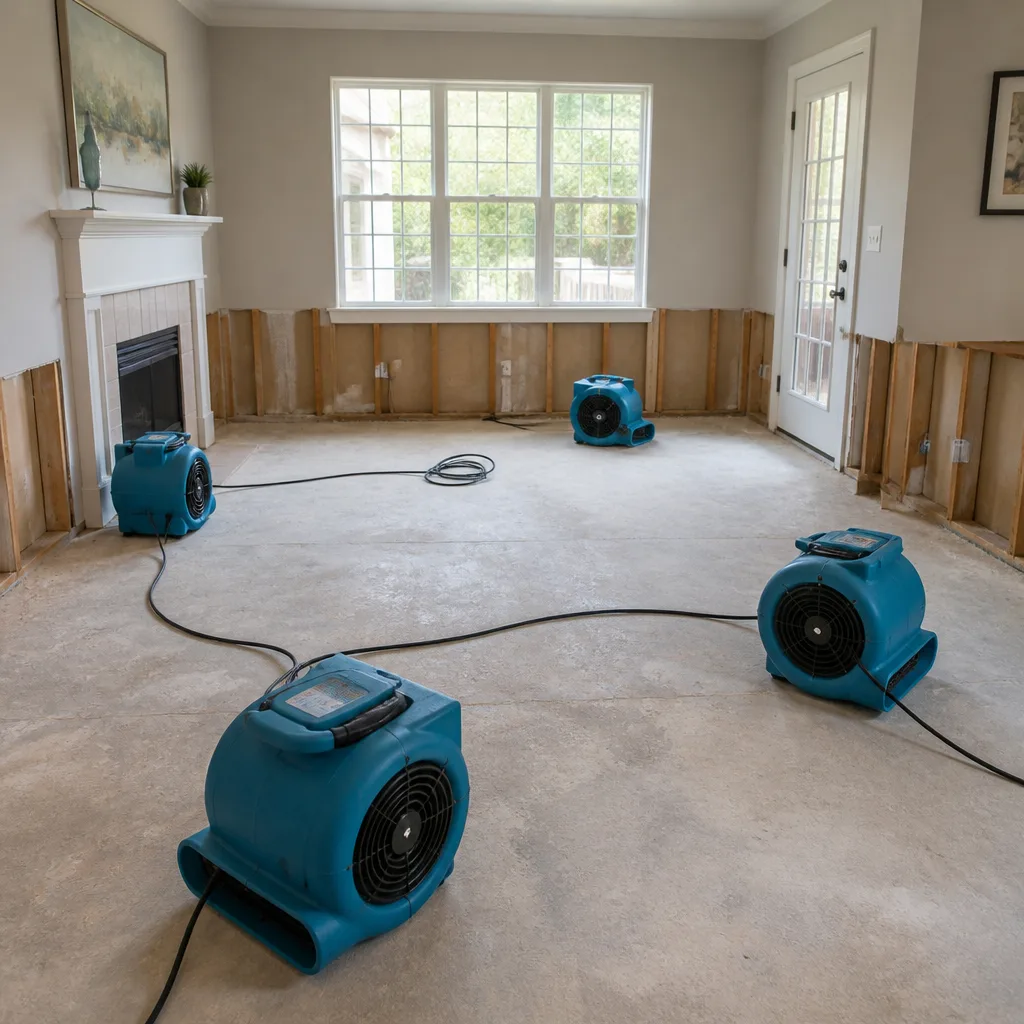
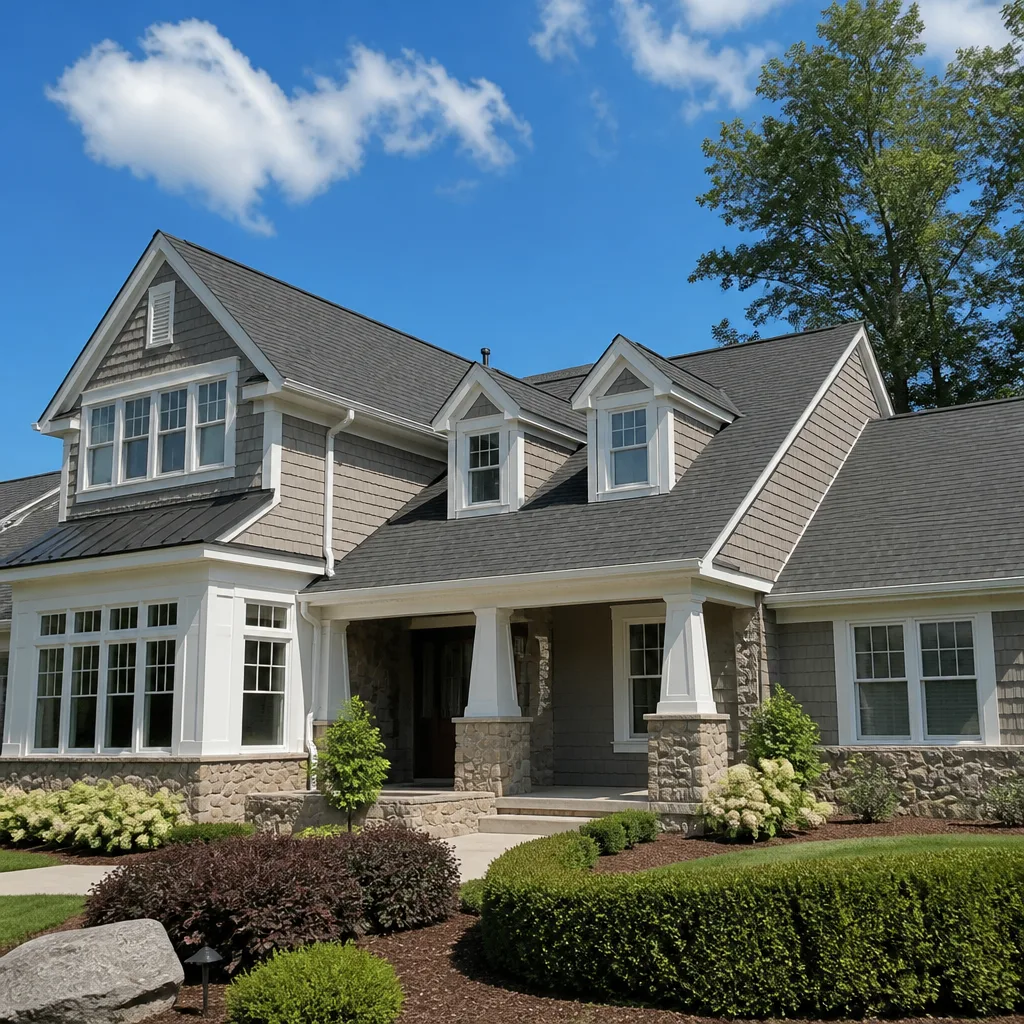
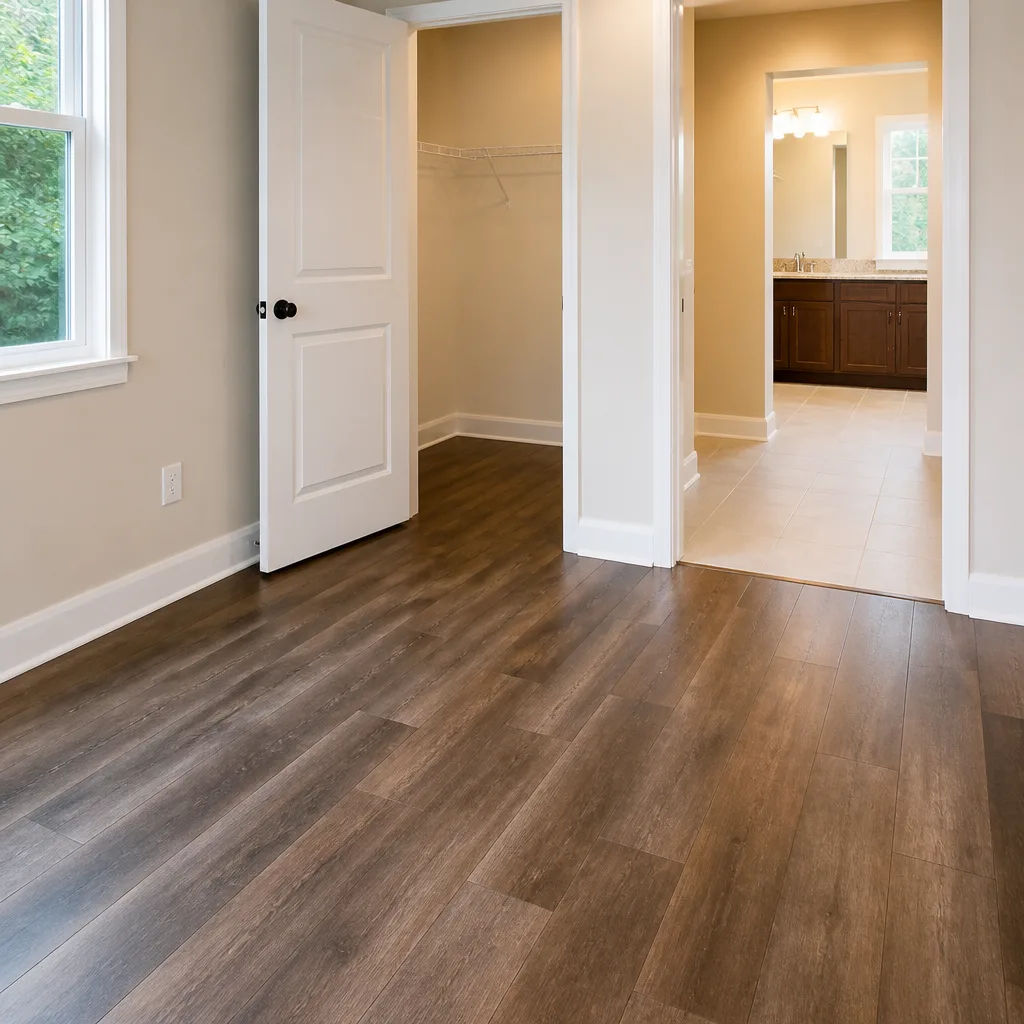
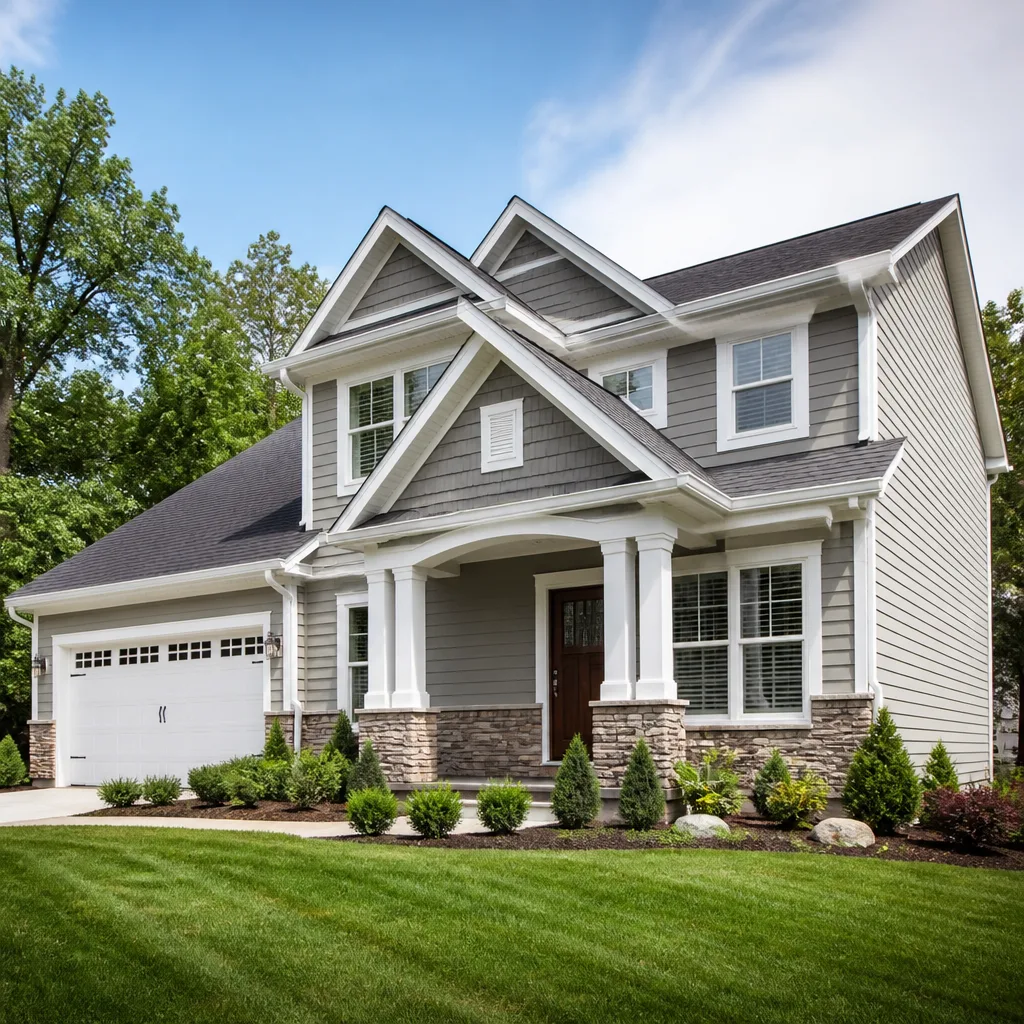
 Before
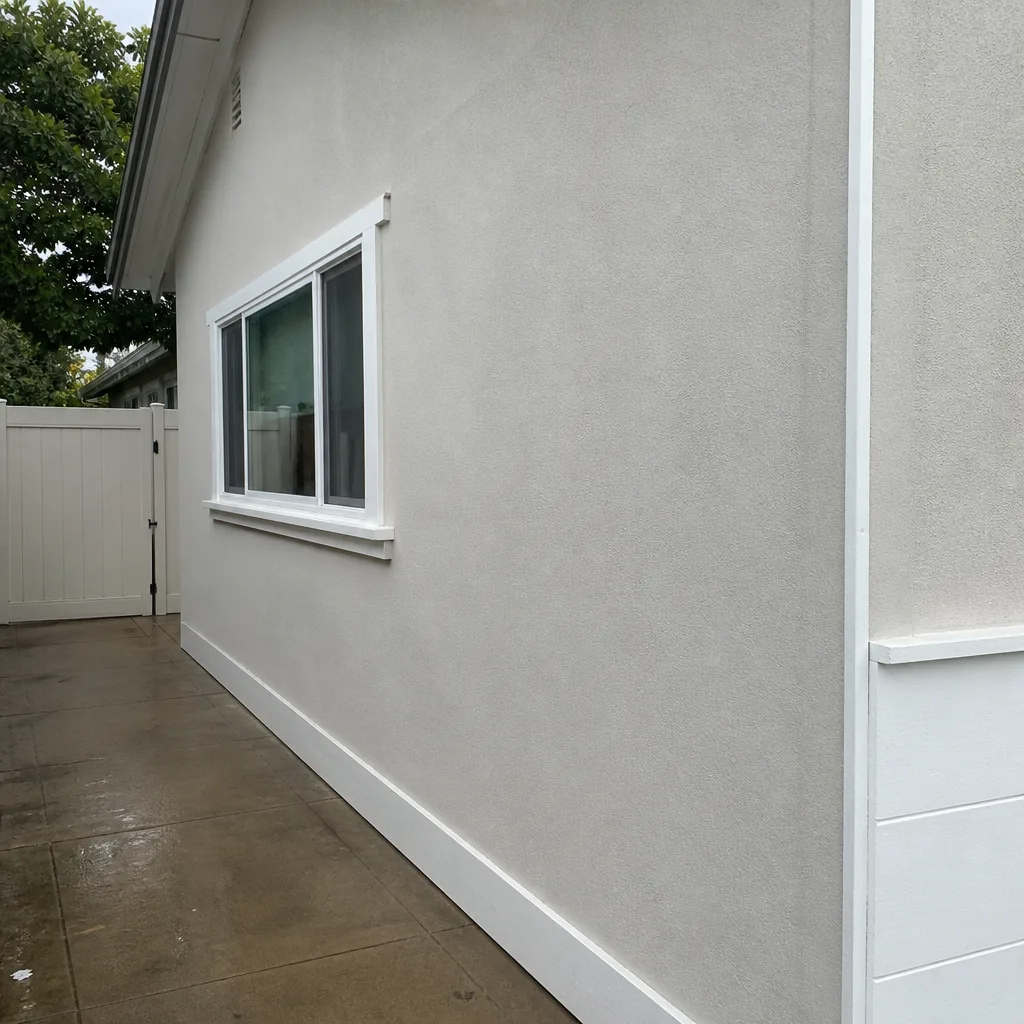 After
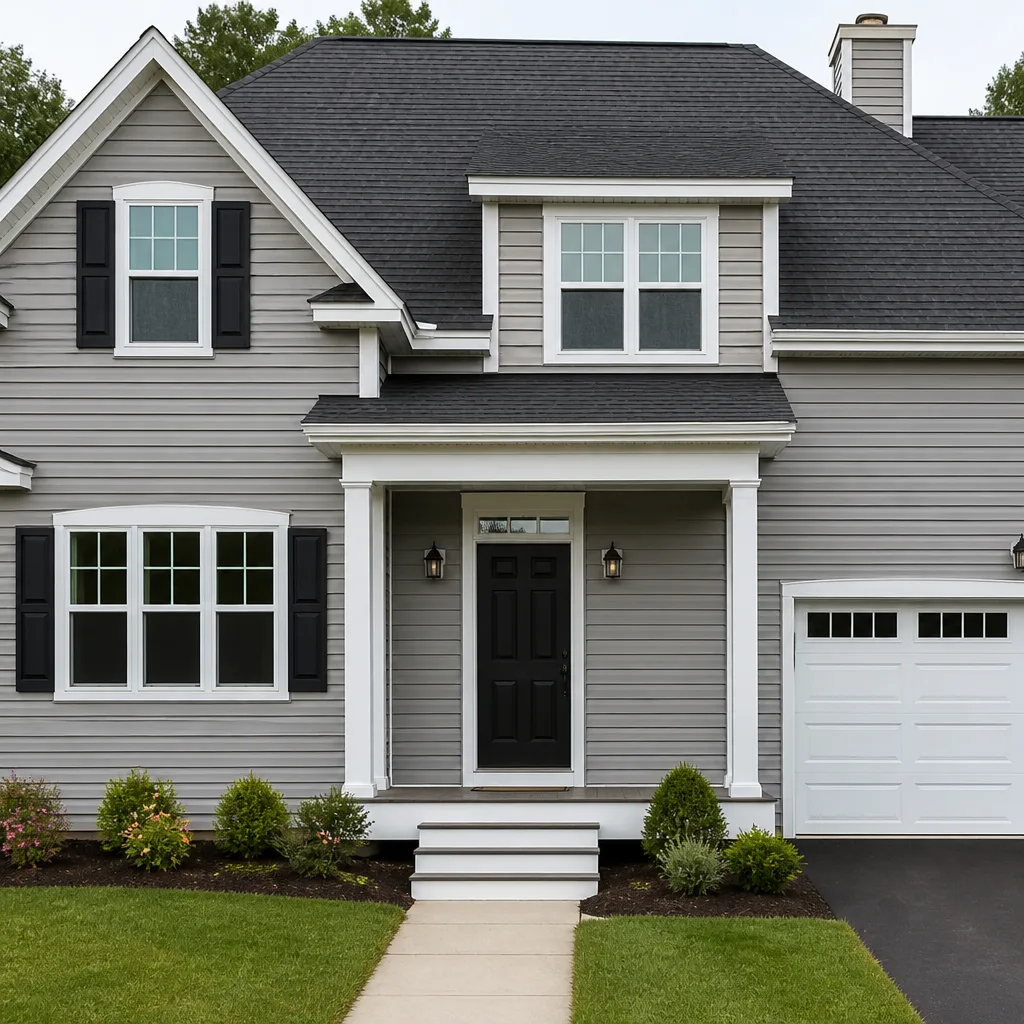
After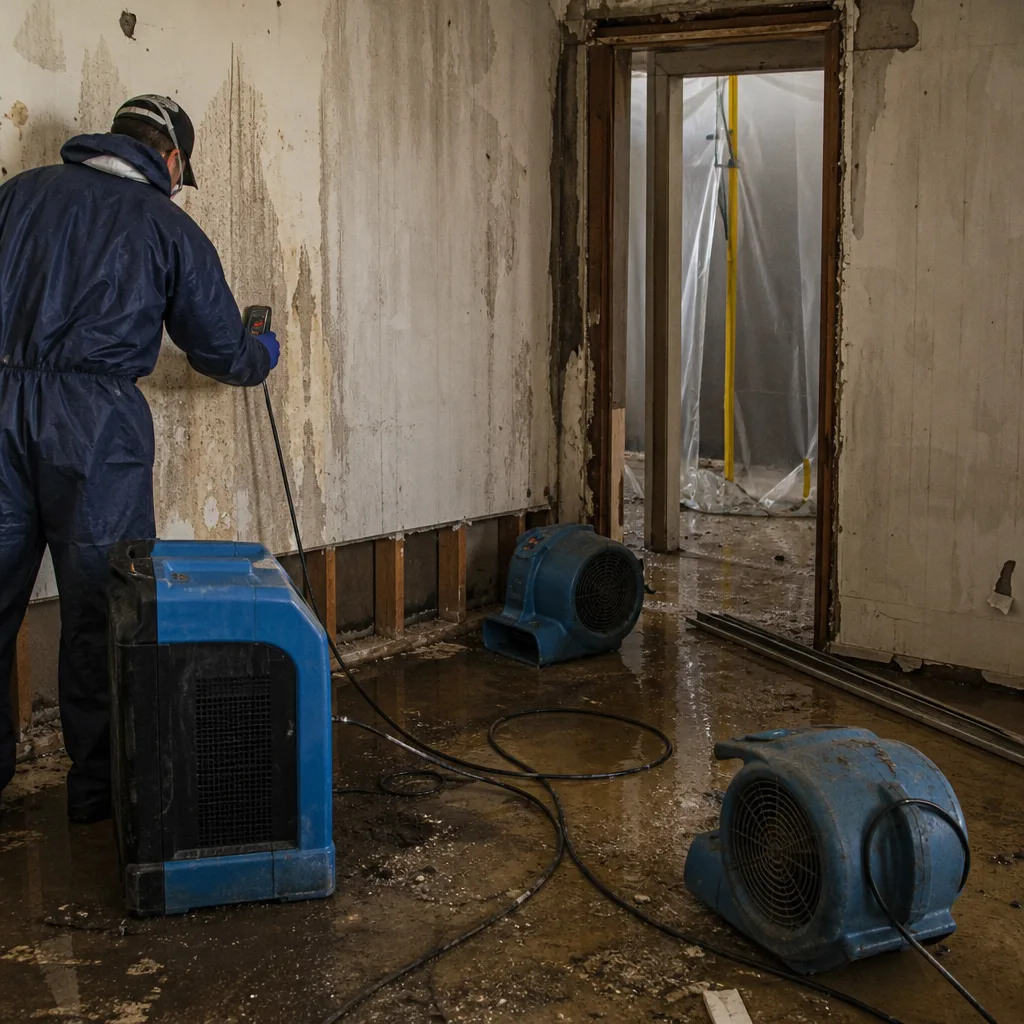 Before
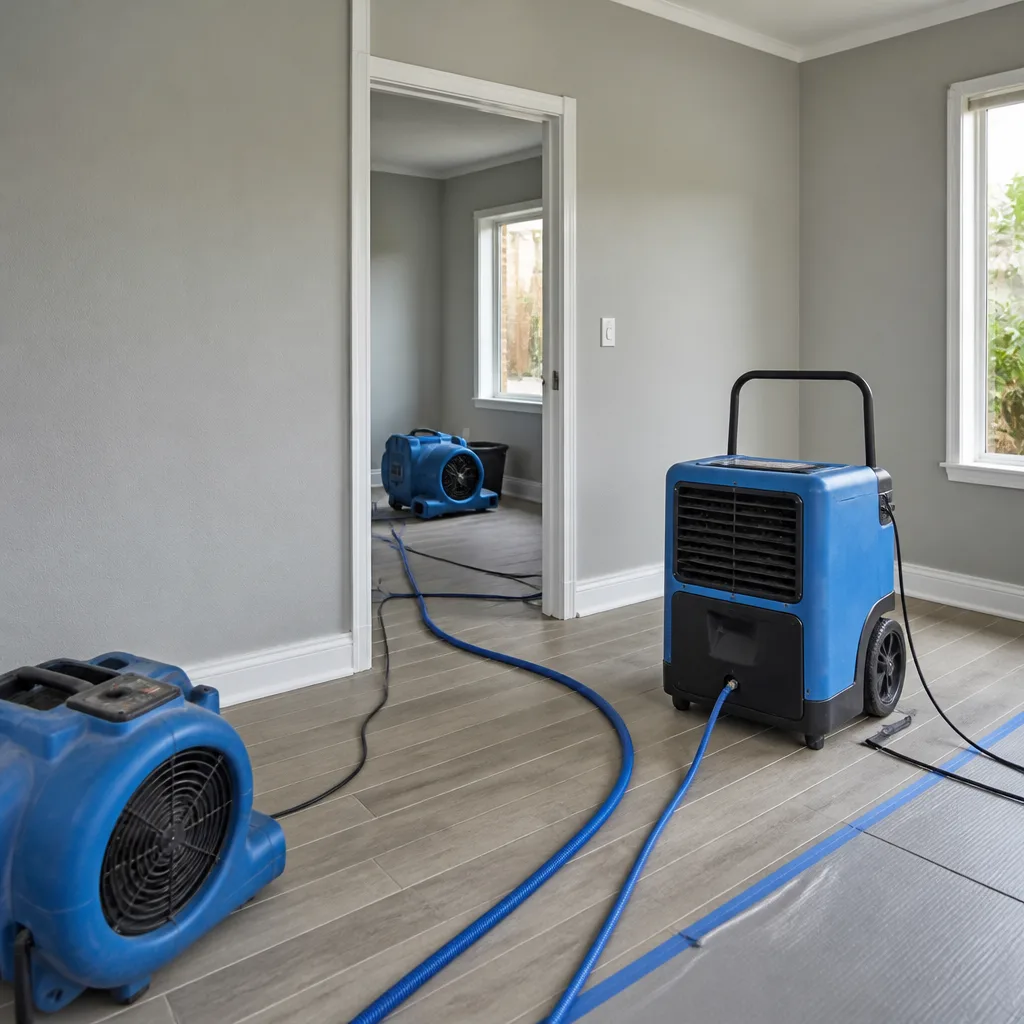 After
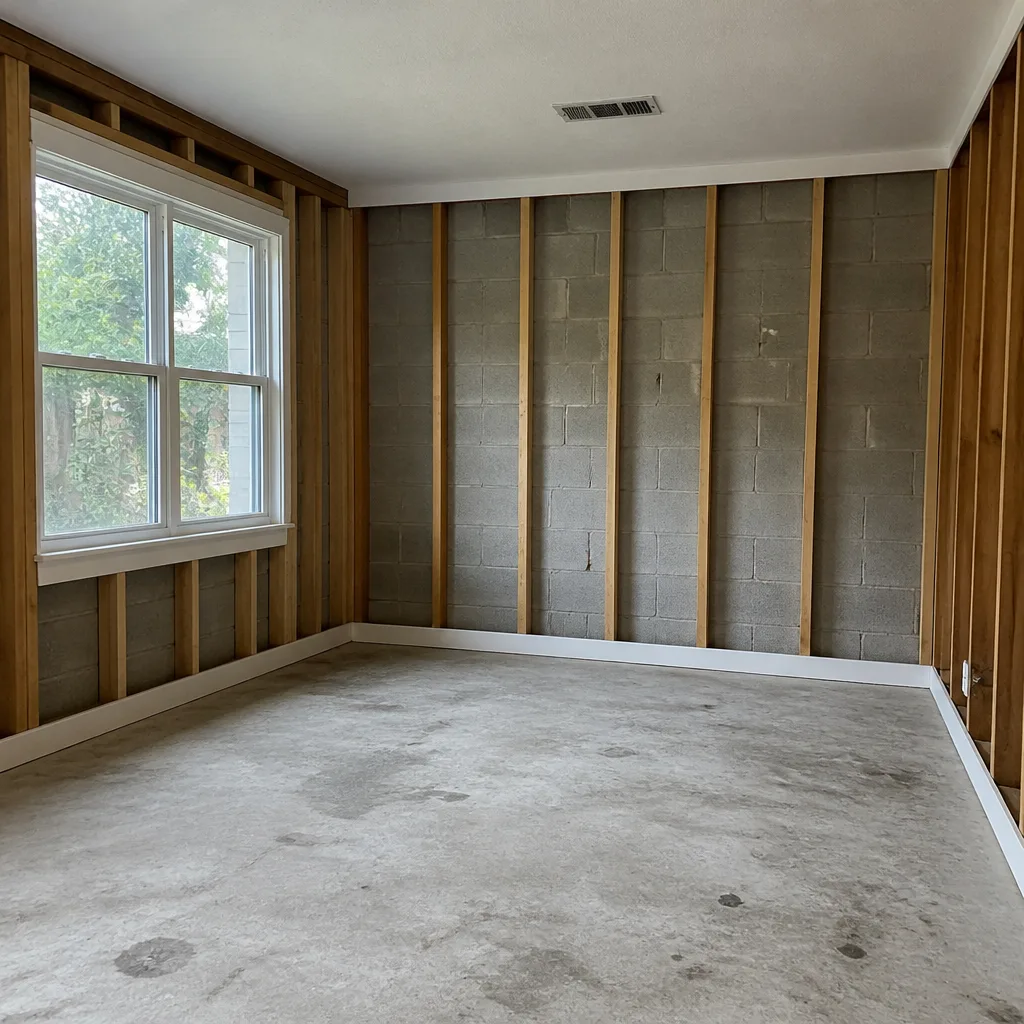
After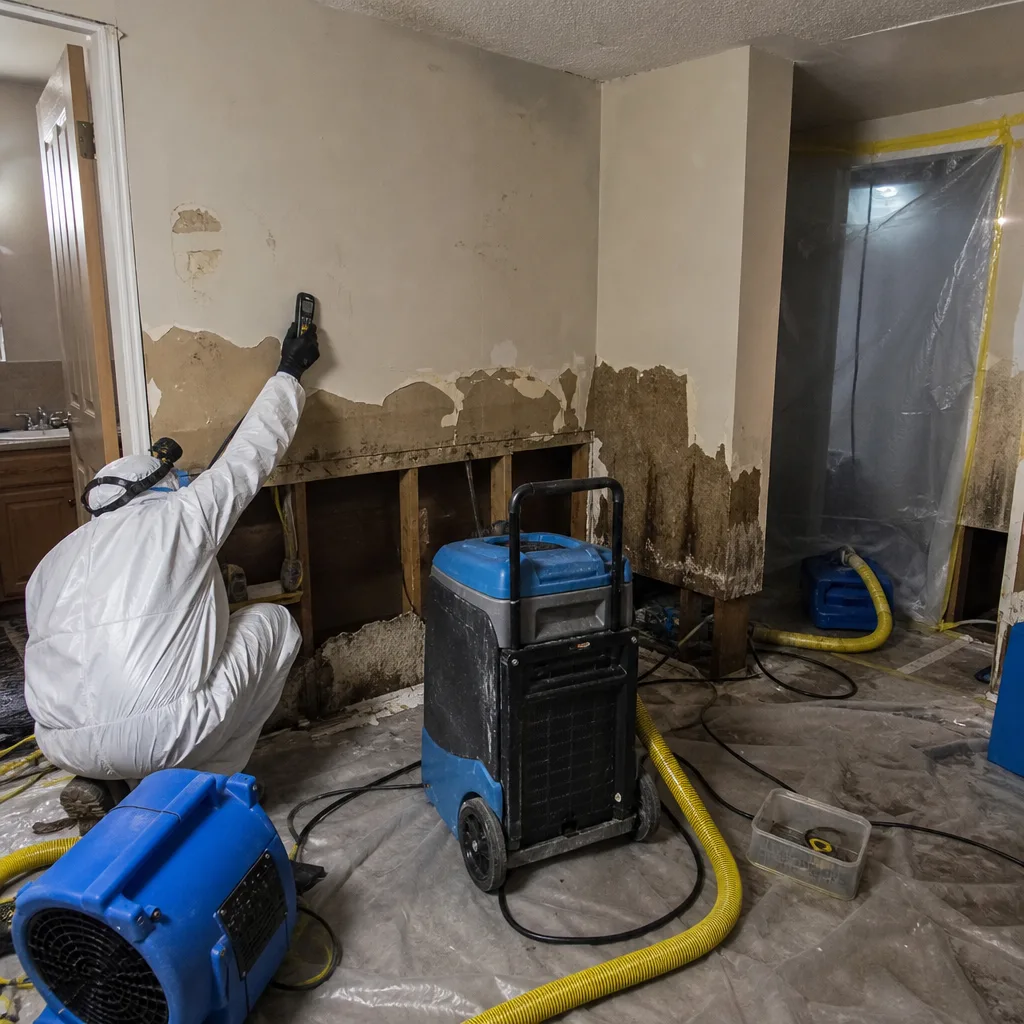 Before
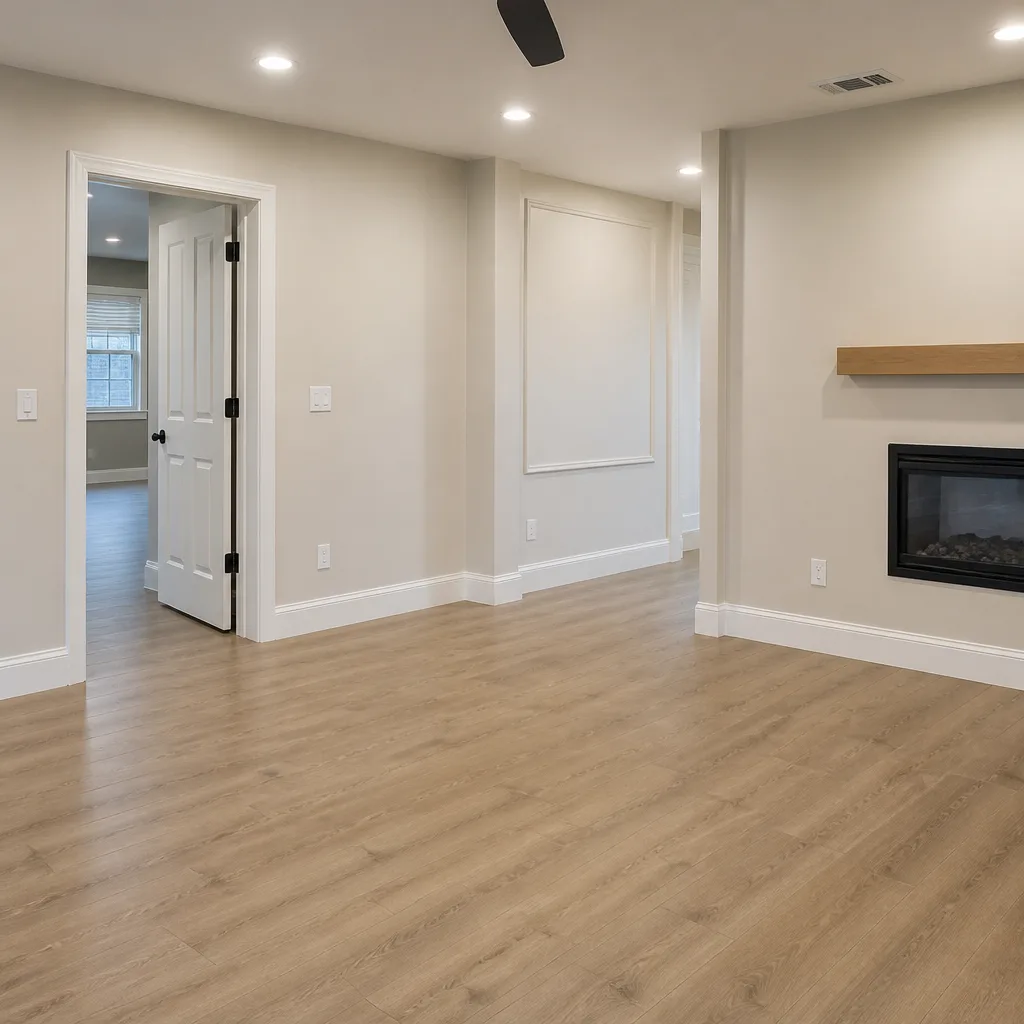 After
AfterFast, Reliable Storm Damage Restoration Across Cliffside Park
Storm damage restoration in Cliffside Park usually runs between $2,800 and $9,400 depending on how far water has traveled through shared concrete slabs and party walls. The real problem in this borough isn’t the initial leak. It’s that water from a flat-roof breach or wind-driven rain doesn’t stay in one unit. By the time you see the stain, the moisture has often moved 20 feet or more through the slab, saturating framing and insulation in two or three neighboring apartments. We respond to Cliffside Park within 60 to 90 minutes for storm-related water intrusion. Call (910) 613-6568 and a live person answers, day or night.
Our Storm Damage Restoration team has spent years working inside buildings along Boulevard East, Anderson Avenue, and Palisade Avenue. We know what happens when a nor’easter pushes rain horizontally into riverside brick. We know what a ceiling stain on the third floor means for the fifth-floor roof membrane. And we know how to dry a building without tearing apart three tenants’ kitchens to do it.
Why Marsh Water Damage Restoration Is Cliffside Park’s Preferred Storm Damage Restoration Company
Cliffside Park’s housing stock doesn’t forgive guesswork. These are 1940s through early 1970s brick mid-rises and garden-apartment complexes built tight against each other on the Palisades. Shared plumbing chases, common roof membranes, concrete slab floors that wick water laterally. When storm water gets in, every hour it sits wet pushes the repair bill higher and spreads the claim across more parties. Homeowners and building managers in Cliffside Park call us because we’ve already solved this exact problem in buildings on Riverview Place, Lawton Avenue, and Gorge Road.
Every Marsh technician who walks into a Cliffside Park building is background-checked, identity-verified, and sent to you by name and photo before arrival. That’s the Threshold Standard. When the tech knocks, they show a photo ID badge. You know exactly who is in your home. Tobias Reyner, who leads our restoration operations, built this protocol because a storm loss is stressful enough without wondering whether the person at the door is legitimate. We print a written price before any work starts, and every repair carries our 365-Day Done Right Promise. If something isn’t right within a year, we come back and make it right, free. That’s written on every work order, not spoken as a sales line.
Basement Flood Cleanup in Cliffside Park
Basement Flood Cleanup in Cliffside Park is less about basements and more about lower-level garden apartments and utility spaces in mid-rise buildings, where storm water pools after a flat-roof overflow, a failed sump pump, or wind-driven rain pushed through below-grade window wells. Most residential jobs of this type run $2,200 to $5,600, depending on how far water has migrated through the slab and into adjacent rooms. In the garden-apartment complexes off Anderson Avenue, we regularly see water entering one lower unit and spreading through the shared slab into two neighboring units before anyone notices the baseboards are wet.
Water Extraction and Slab Drying
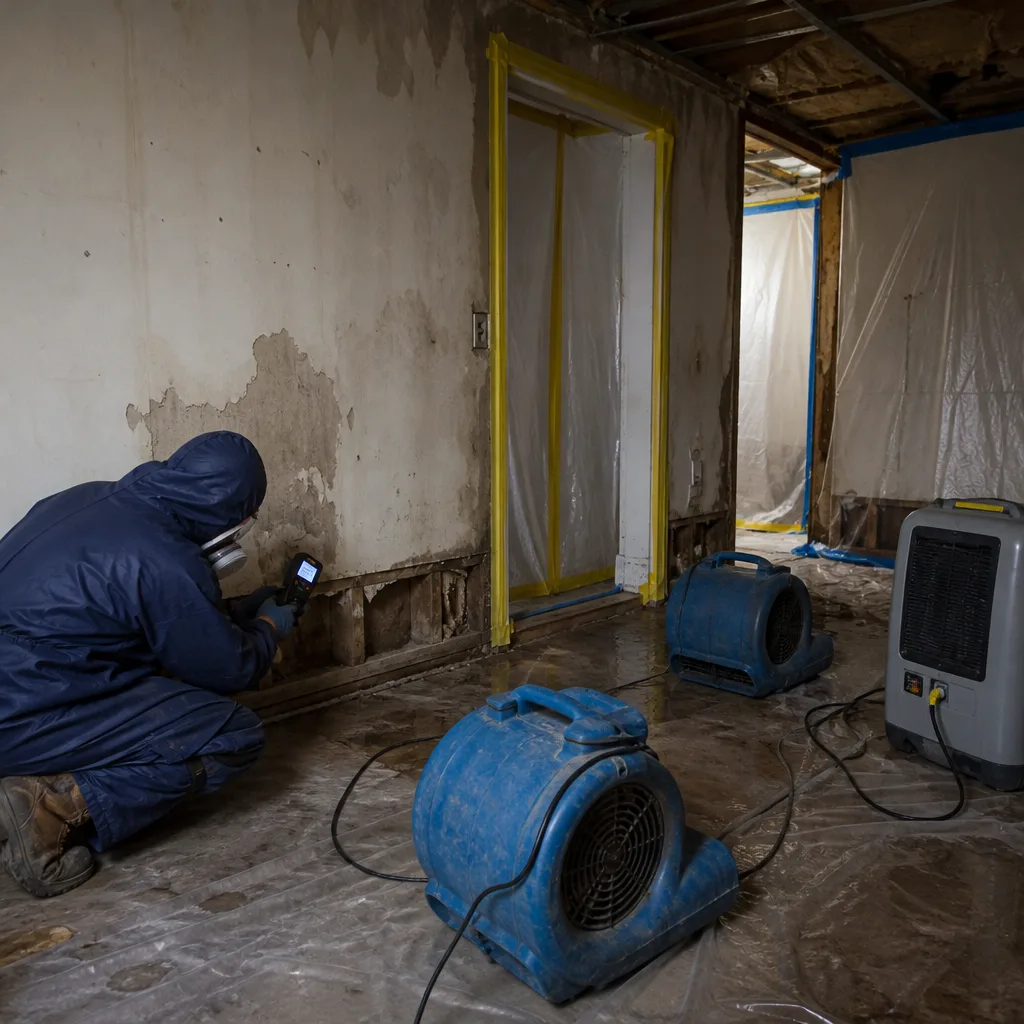
We remove standing water with truck-mounted extraction equipment, then map moisture across the entire slab, not just the visible wet area. Concrete holds water and releases it slowly. If we only dry the room that flooded, the slab keeps feeding moisture back into the walls and flooring for weeks. We track moisture with psychrometric readings (measuring the moisture in the air and materials) until the slab, framing, and drywall are genuinely dry, not just dry on the surface.
Mold Prevention After Basement Flooding
Mold starts forming in 24 to 48 hours inside wet drywall and insulation. In Cliffside Park’s older masonry buildings, that timeline is often shorter because the buildings don’t breathe well. We apply antimicrobial treatment to wetted surfaces as part of the extraction job, and we set up containment and structural drying with Dri-Eaz dehumidifiers and air movers before we leave. That’s standard, not an add-on.
Storm Damage Contractors in Cliffside Park
Storm Damage Contractors in Cliffside Park should understand that the borough’s storm losses are almost always multi-unit events. When a landlord or homeowner calls us after a storm, we’re typically looking at a flat-roof membrane breach, saturated parapet wall framing, and lateral water migration through a concrete slab that has affected three or four units across multiple insurance policies. Scoped and scheduled like a remodel, this work runs $4,800 to $9,400 for a typical mid-rise unit cluster. We don’t promise same-day completion on reconstruction. We show up fast to stop the spread, then we scope the repair in writing before any rebuild starts.
Roof Breach and Parapet Wall Repair
Wind-driven rain off the Hudson hits the east-facing elevations of Boulevard East’s brick mid-rises hardest. The parapet walls and window lintels take the brunt. We trace the actual entry point, open the affected area, and dry the saturated framing behind the brick before patching and sealing. Surface repairs without interior drying are how one storm loss becomes a recurring mold problem every spring.
Multi-Unit Coordination and Claims
A storm loss in a Cliffside Park apartment building rarely belongs to one owner. The roof belongs to the association. The slab serves three units. The plumbing chase runs through all of them. We document everything with photo reports and drying logs, and we coordinate directly with adjusters so three policies don’t become one finger-pointing contest. Your insurance carrier gets the same detailed scope we give you.
Trusted Brands We Service in Cliffside Park
We run commercial-grade equipment on Cliffside Park jobs: Dri-Eaz dehumidifiers, Phoenix air movers, and XPOWER extraction tools. The same gear large commercial restoration firms deploy, applied to a three-unit apartment loss on Gorge Road. We stock parts and maintain our equipment specifically for the building types we see in Cliffside Park, so we’re not waiting on a supply house in Secaucus when a drying chamber needs to go up before the weekend. Our technicians hold IICRC, RIA, and IFA credentials, and every one of them has worked inside occupied multi-family buildings during active storm response.
Common Storm Damage Restoration Problems We See in Cliffside Park Homes
- Flat-roof membrane failures on 1940s – 1970s buildings. Aging roof membranes on Boulevard East and Palisade Avenue mid-rises pond water after heavy rain, then release it into the concrete slab. The breach is often 20 to 30 feet from where the ceiling stain appears.
- Wind-driven rain soaking riverside brick and parapet walls. Brick looks impermeable but it isn’t. East-facing facades absorb rain from nor’easters, and the moisture wicks inward into framing and insulation behind the masonry.
- Shared-slab water migration across unit lines. A leak in one apartment travels through the concrete slab and shows up as a stain in a neighbor’s ceiling. If only one unit is dried, the slab keeps feeding water back into both spaces.
- Mold forming faster in older masonry buildings. Cliffside Park’s brick and concrete mid-rises hold moisture longer than wood-framed suburban homes. The 24 to 48 hour mold window often shrinks to under 24 hours in poorly ventilated garden-apartment units.
Pricing for Storm Damage Restoration in Cliffside Park, NJ
A straightforward ceiling stain from a roof breach in one Cliffside Park unit typically costs $1,800 to $3,200 to dry and patch. Once water has migrated through the slab into adjacent units, the job becomes a multi-unit mitigation running $4,800 to $9,400. Full reconstruction after severe storm damage on a mid-rise unit cluster can reach $15,000 to $25,000, depending on cabinetry, flooring, and structural repairs. What drives the price in Cliffside Park specifically is shared-slab migration and multi-insurer coordination. A suburb single-family home rarely has these costs. Call (910) 613-6568 for a free, written estimate. We’ll tell you the number before any work starts, and that number doesn’t move once demo begins.
We Also Serve Cities Near Cliffside Park
Our storm damage response covers Cliffside Park and the surrounding communities: Fairview, Edgewater, Ridgefield, and Palisades Park. If your building sits near the town line off Walker Street or down by the river, we’re already familiar with the housing stock and the older plumbing and roof systems that fail during coastal storms. Call (910) 613-6568 and tell us what you’re seeing.
Serving Cliffside Park, NJ - Our Local Coverage Area
We’re based in the Cliffside Park area and know this community well. Use the map below to see our service coverage - if you’re nearby, we can almost certainly help.
FAQs About Storm Damage Restoration in Cliffside Park
Water from a flat-roof breach travels horizontally through the concrete slab before it finds a path downward. Your neighbor’s ceiling may simply have a seam, light fixture, or crack that lets water exit before yours does. The leak is still over your unit; the water just surfaced two units over. We moisture-map the entire slab to find the actual entry point and the full extent of saturation, then dry the whole affected area, not just the visible stain.
Almost always, yes. The roof is typically association property, the slab serves multiple units, and the plumbing chases run through all of them. We produce separate drying logs, photo documentation, and scope reports for each affected owner’s carrier, and we coordinate directly with adjusters so the mitigation isn’t scoped as a one-unit claim. Call (910) 613-6568 and we’ll handle the paperwork side with you.
Mold can begin forming within 24 to 48 hours, and in Cliffside Park’s older brick and concrete buildings that timeline often runs shorter because the assemblies retain moisture longer than wood framing. That’s why we respond to storm losses in the borough within 60 to 90 minutes and set up structural drying with Dri-Eaz dehumidification the same day. Quick extraction and drying are the difference between a $2,000 mitigation and a $20,000 mold remediation.
In most cases, yes. We use containment barriers, targeted air movement, and desiccant or refrigerant dehumidification to dry the affected framing and slab while the tenants stay in the unit. Some cases, like saturated party-wall framing that requires opening a shared wall, may need temporary relocation of one unit, but we scope that in writing before any work starts. Our goal is always to keep people in their homes.
Water extraction is the emergency mitigation: removing standing water, mapping moisture, setting up drying equipment, and applying antimicrobial treatment to stop mold. Storm damage contractor work is the repair and reconstruction that happens after drying is complete: patching the roof breach, replacing damaged drywall and flooring, and rebuilding any structural framing. We do both, and we give you a written price for each phase before the next one begins. Call (910) 613-6568 for a free estimate.
If you’re looking at a fresh ceiling stain anywhere in Cliffside Park, whether on Boulevard East, Anderson Avenue, or a garden apartment off Gorge Road, call (910) 613-6568. A live person answers, we send a photo-verified technician by name, and you get a written price before any work starts. No pressure, no inflated scope. Just a clear plan to dry the building and fix what the storm broke.
Written by Tobias Reyner, Owner at Marsh Water Damage Restoration, serving Cliffside Park since 2005.