
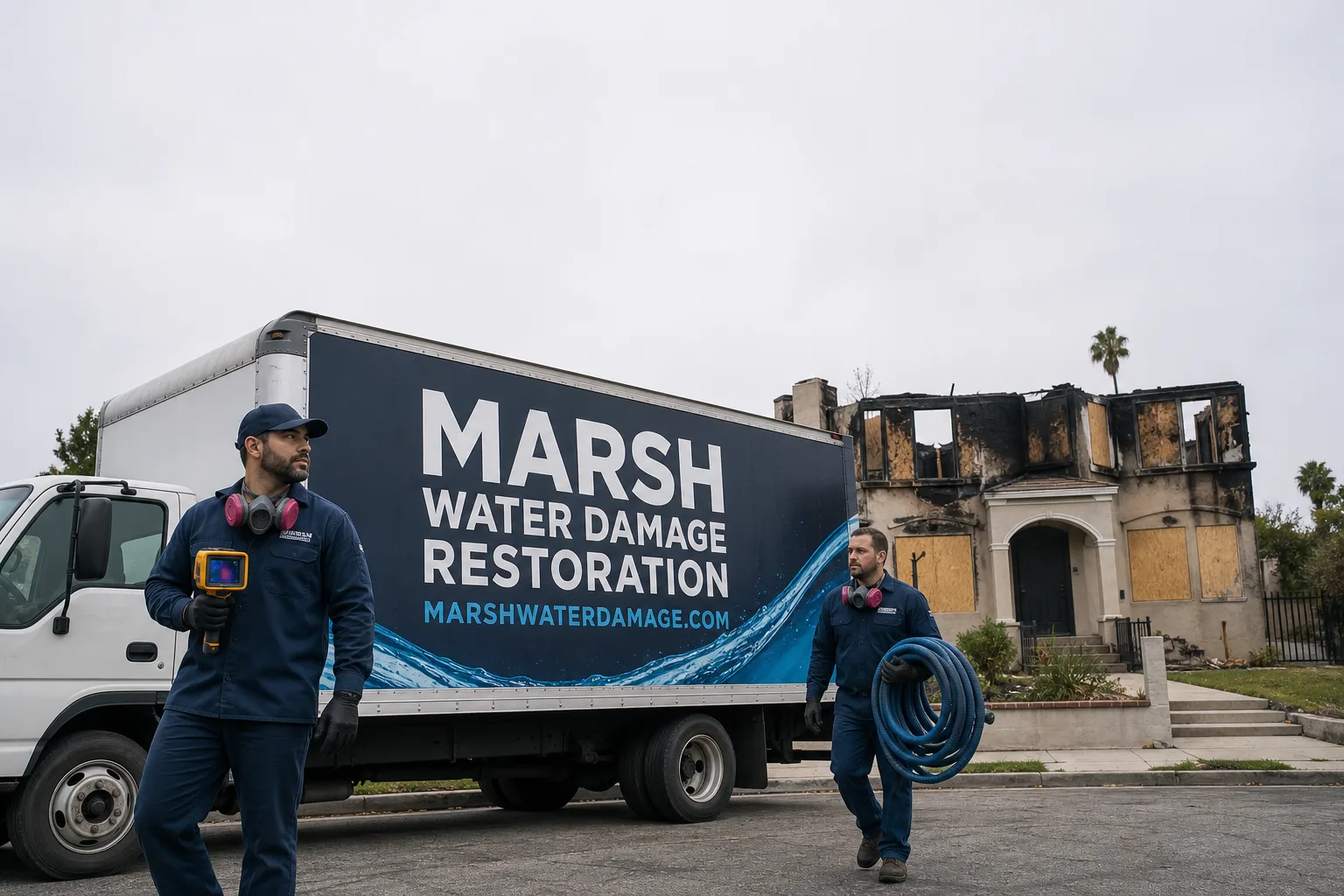
Free visual inspection and a written scope of work before any mitigation begins - photos, moisture readings, and drying logs go in your claim file
The scope we write is the scope we bill. Anything new gets shown to you, in writing, before we touch it.
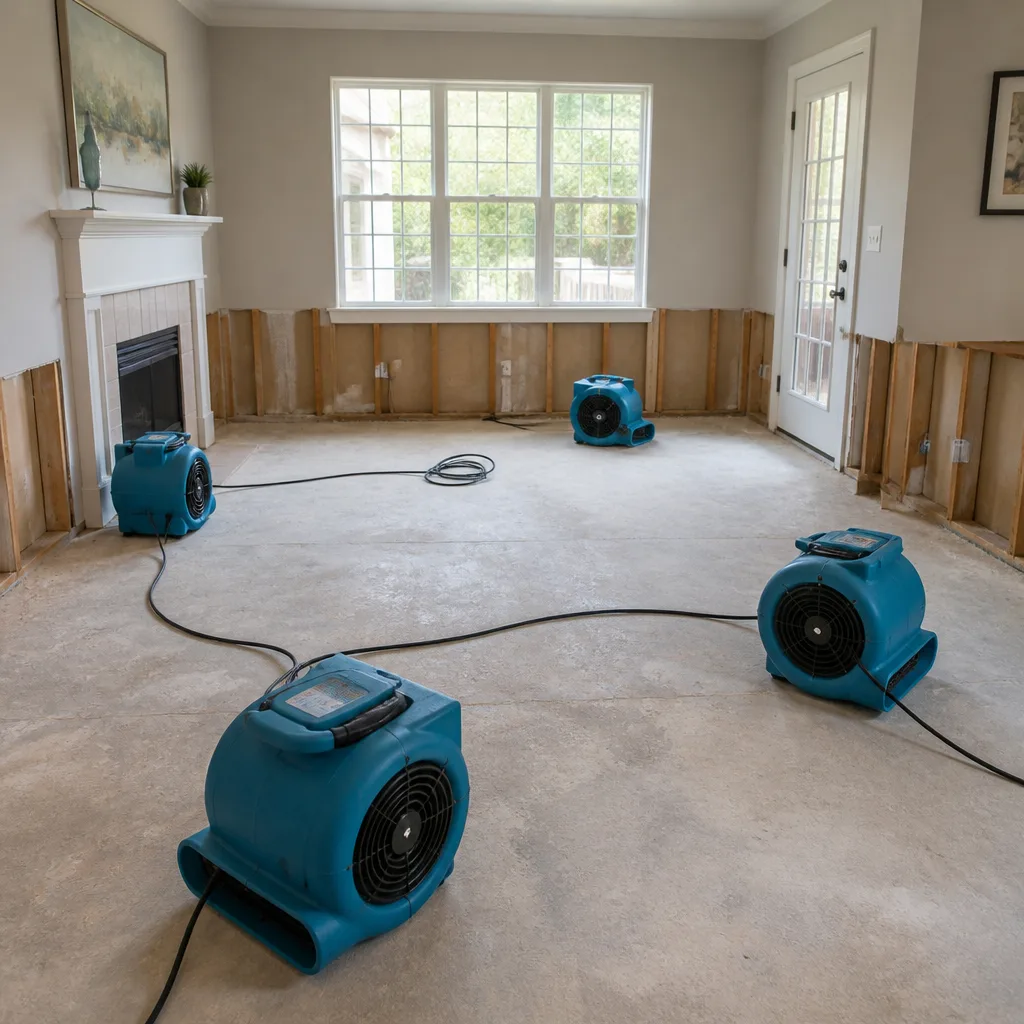
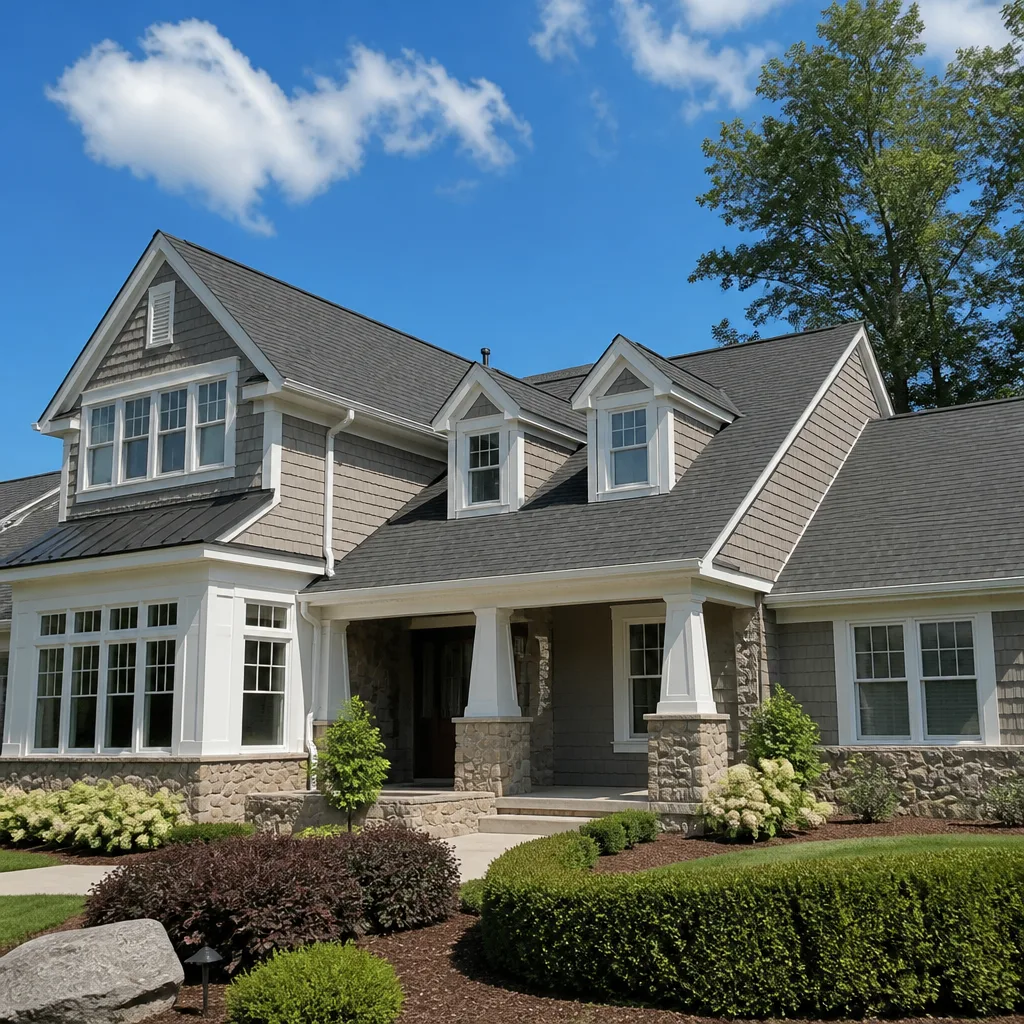
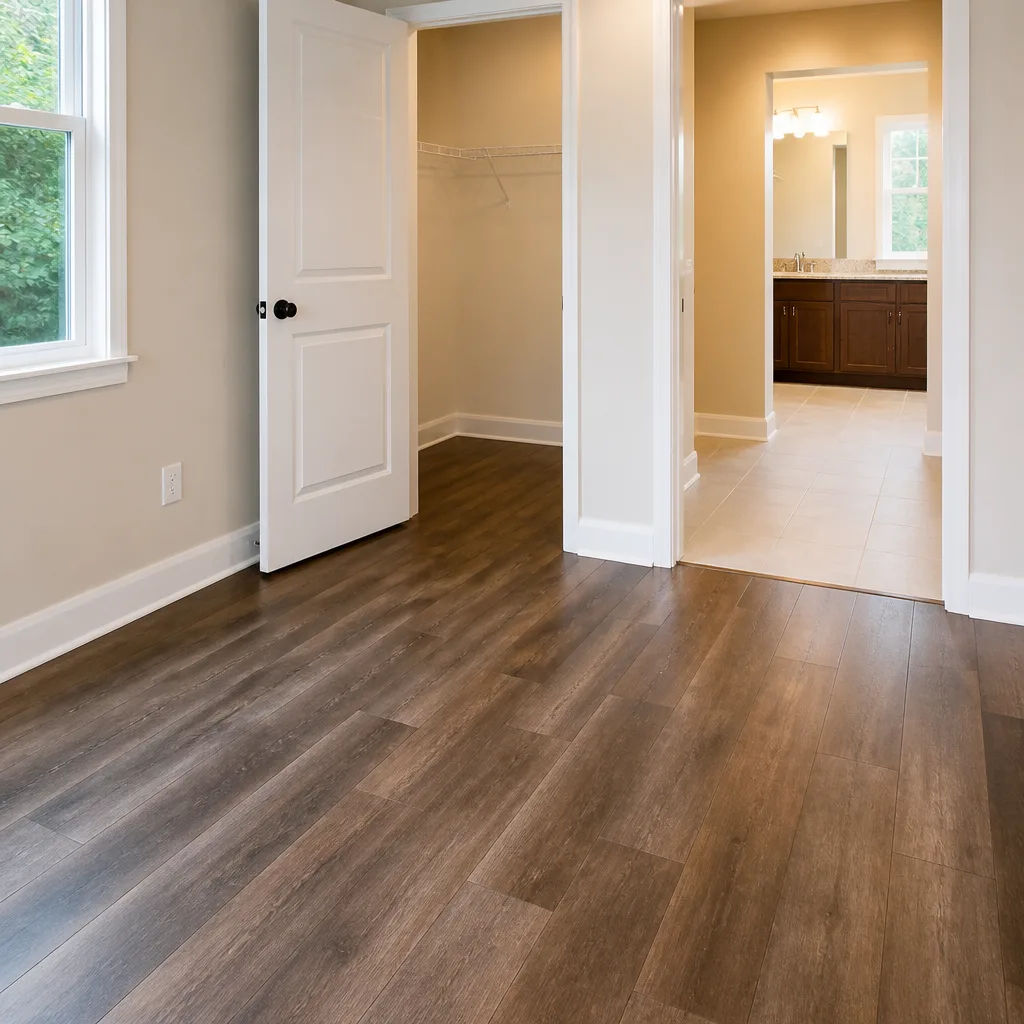
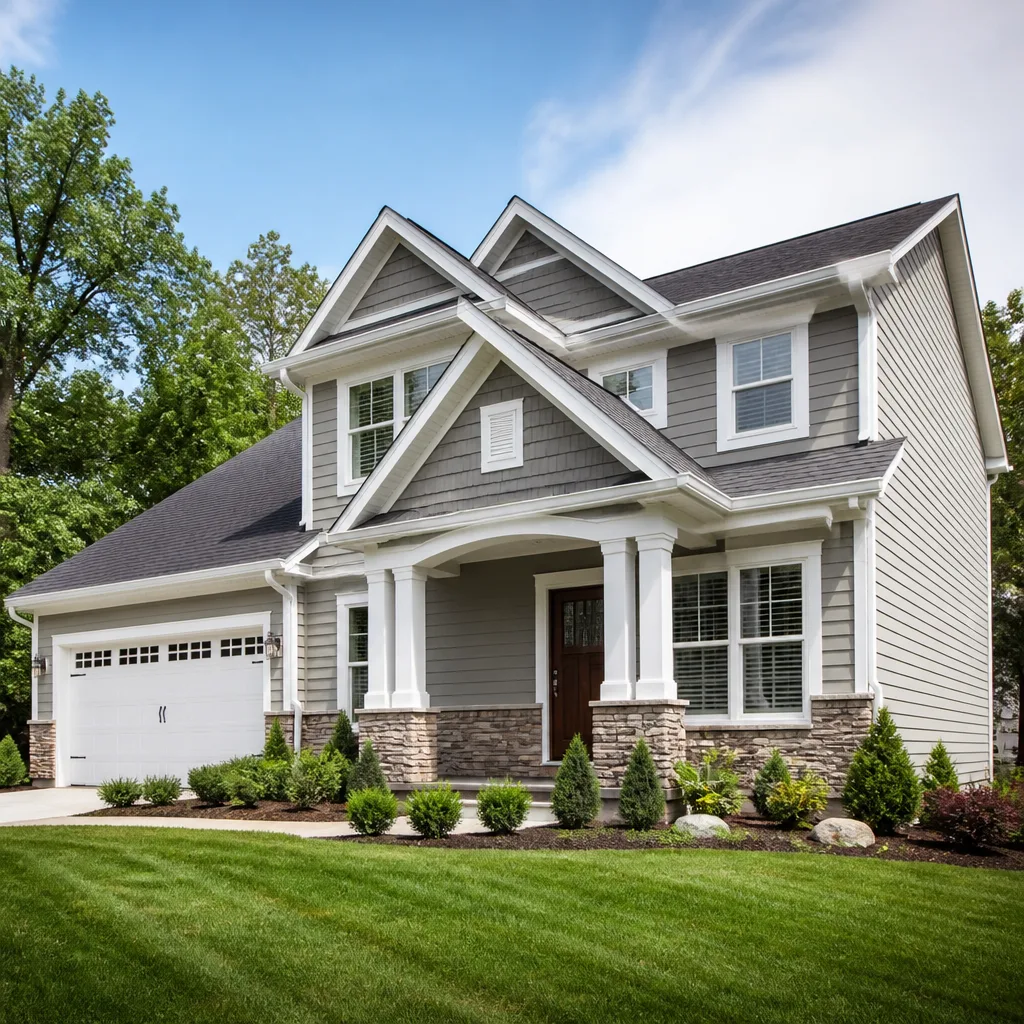
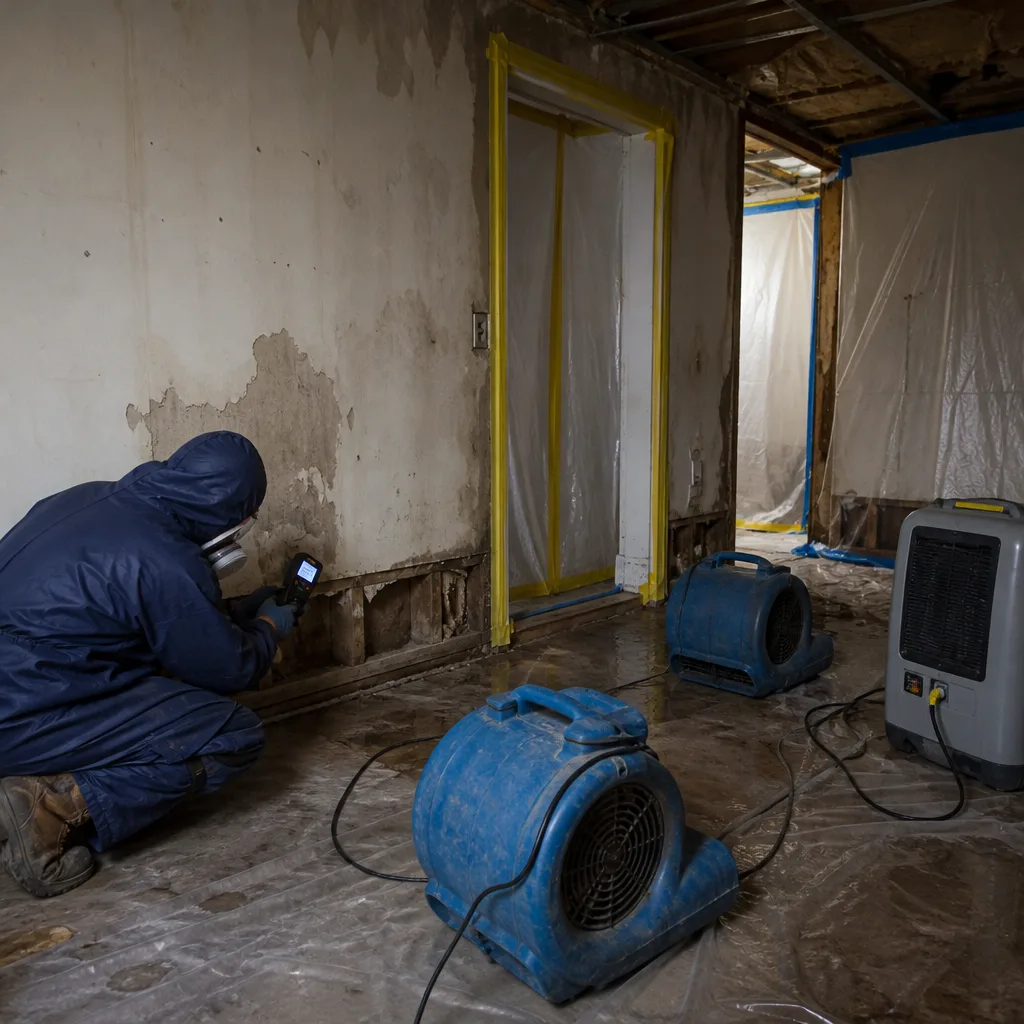 Before
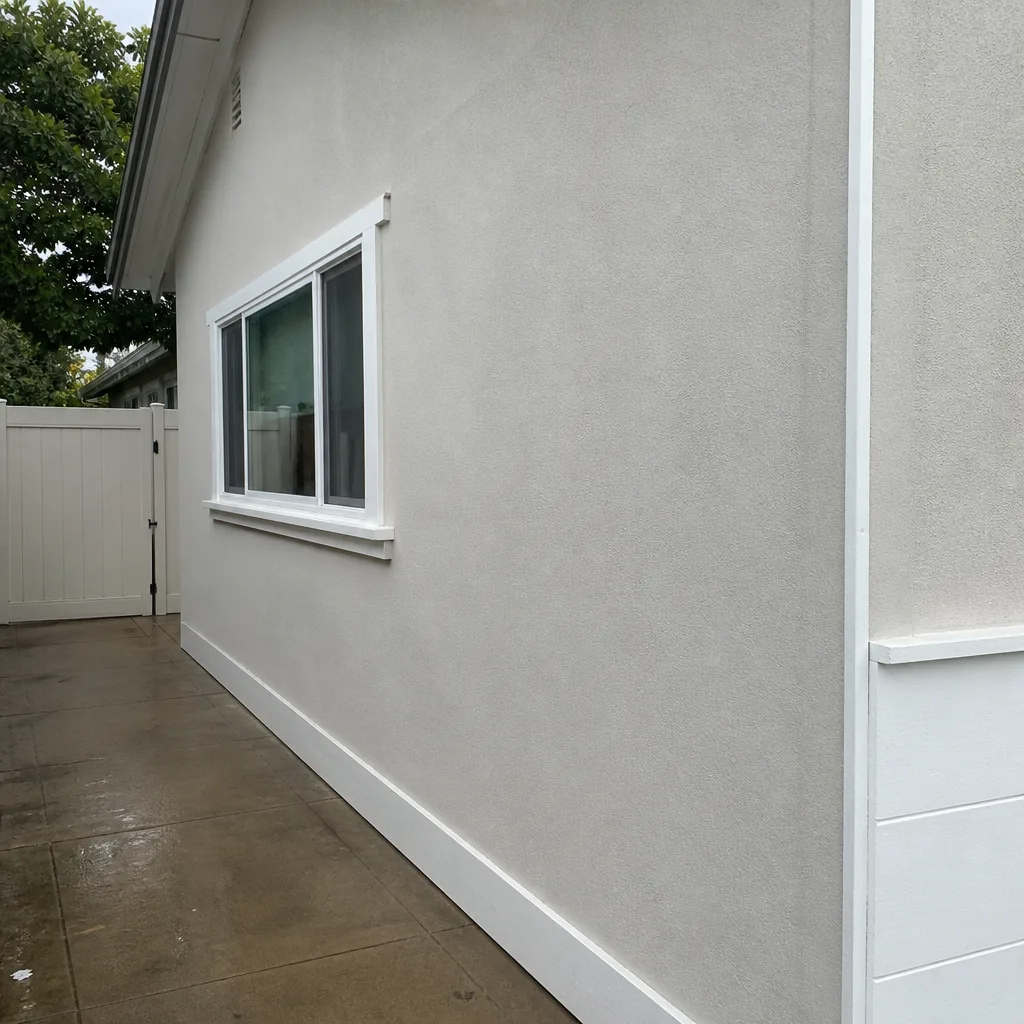 After
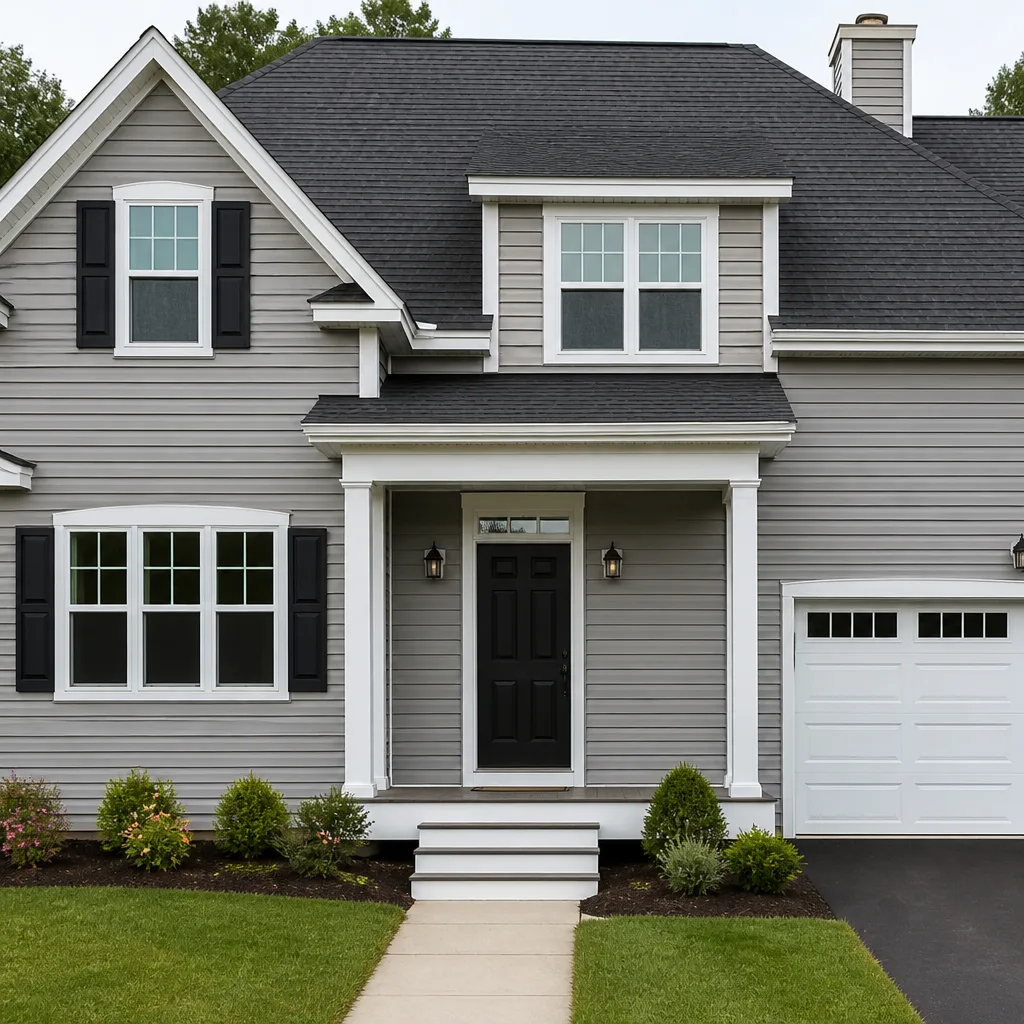
After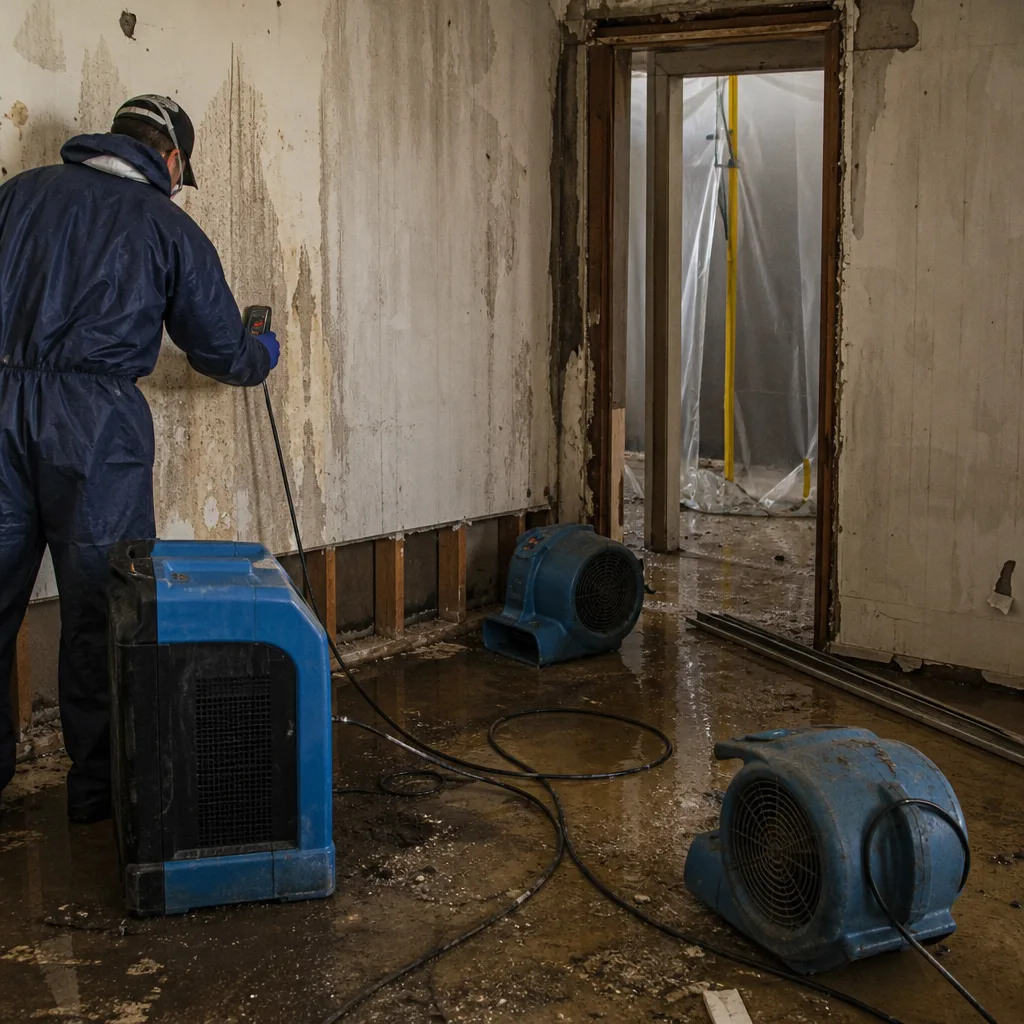 Before
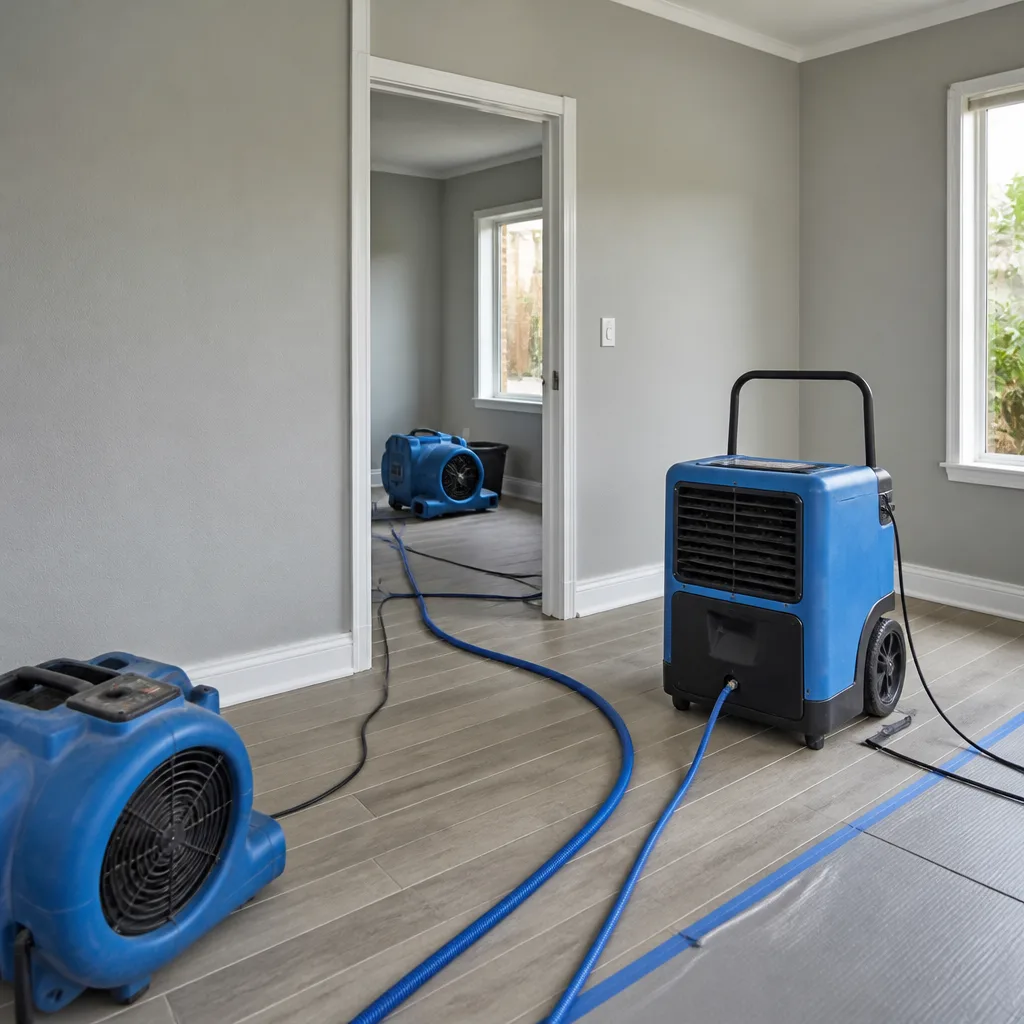 After
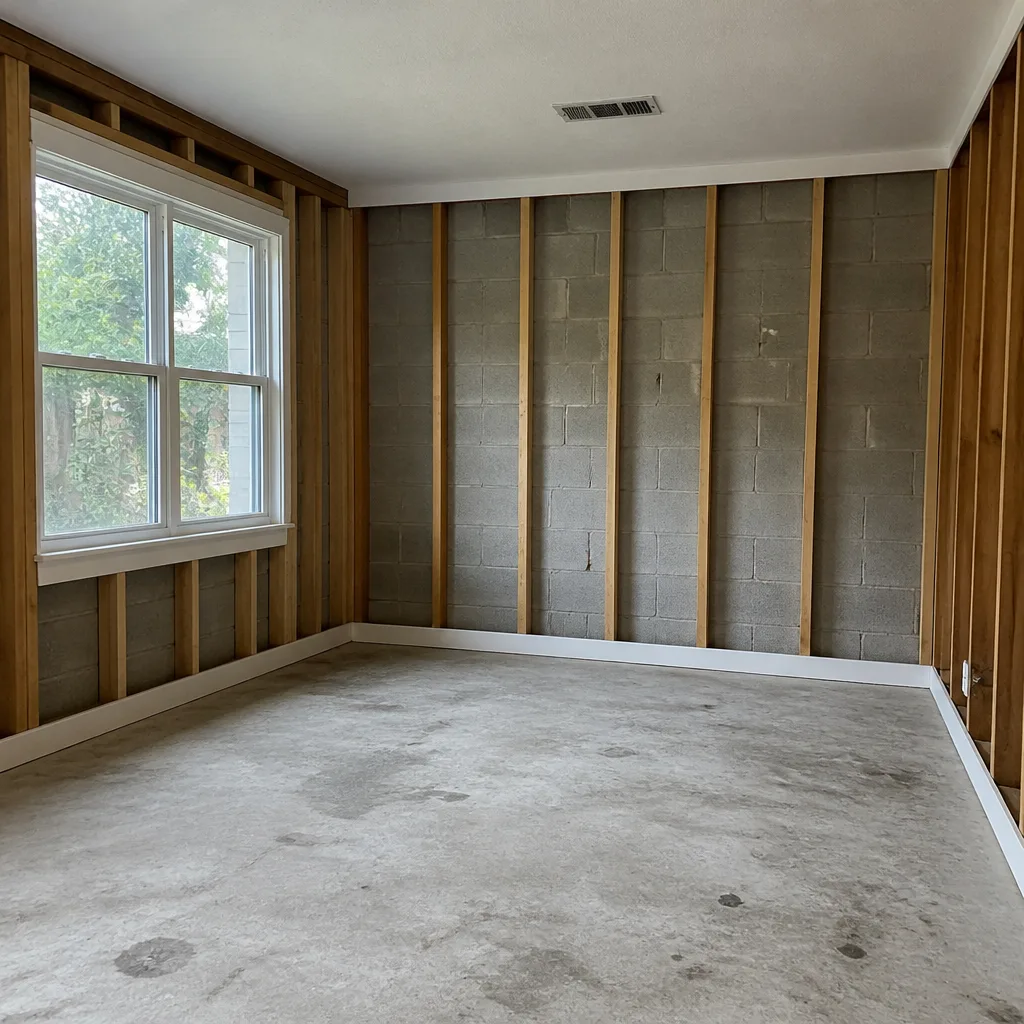
After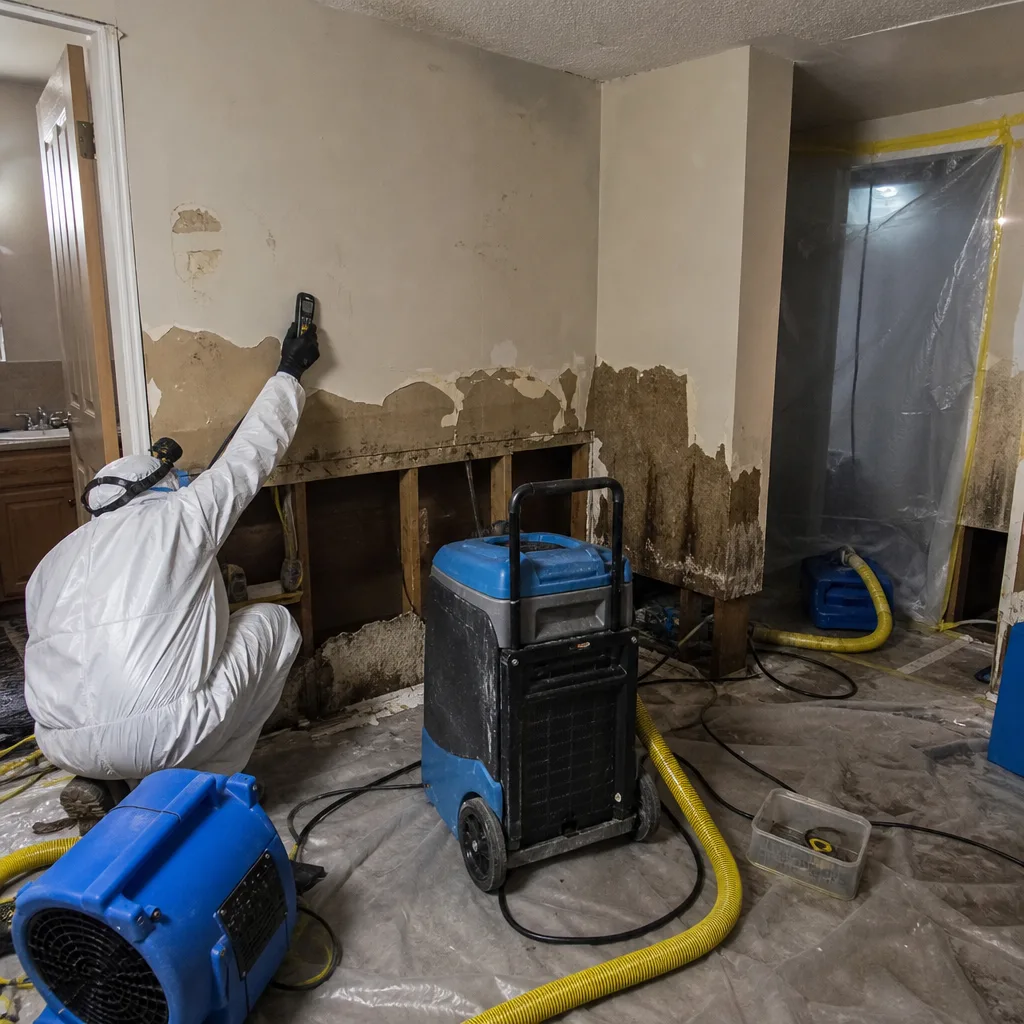 Before
 After
AfterFast, Reliable Storm Damage Restoration Across East Glenville
Storm damage in East Glenville most often means one thing: Mohawk River water where it shouldn’t be. When an ice jam breaks upstream, low-lying streets near the floodplain can see debris-laden water rise in under an hour. That water is not clean. It carries river silt, ice fragments, and everything the Mohawk picked up along the way. Our crews know this profile well, and we respond to East Glenville calls with extraction equipment, containment, and drying gear sized for sediment-heavy Category 3 intrusions. A live person answers at (910) 613-6568 any hour, any day. We tell you who is coming before they knock, and we put the price in writing before any work starts.
Why Marsh Water Damage Restoration Is East Glenville’s Preferred Storm Damage Restoration Company
We have worked enough flood calls in East Glenville to know what a Mohawk ice jam actually does to a 1960s ranch with a full basement. The water is not just wet. It is loaded with silt that packs into furnace plenums, duct boots, and sump pits. A standard pipe-burst protocol misses that. Ours doesn’t. Homeowners here tell us the same thing: the damage is bad, but the thought of an unknown crew inside the house is worse. So every technician who arrives in East Glenville has been background-checked, identity-verified, and sent to you by name and photo before the visit. At the door, they show a photo ID badge. Every time. That is the Storm Damage Restoration standard we built, and it applies to every job, not just the first impression.
Tobias Reyner leads the technical team, and he holds the same expectation for East Glenville jobs that he does for large commercial losses: written scope, written price, written guarantee. East Glenville homeowners get a 365-Day Done Right Promise printed on the work order. If the repair is not right within a full year, we make it right. That includes a free second visit if something fails. No argument, no fine print.
Storm Damage Contractors in East Glenville
Storm Damage Contractors in East Glenville handle the structural and systems work that follows a flood, wind event, or ice-dam intrusion. You need this when water has moved past the surface, into wall cavities, subfloor, or mechanical systems. In East Glenville, a typical storm damage contractor scope runs between $3,800 and $9,500 for a basement flood that requires extraction, demolition of wet materials, drying, and basic reconstruction. If the HVAC system has taken in silt and needs cleaning or duct replacement, expect to add $1,200 to $4,000 depending on how far the debris traveled.
Silt and Sediment Extraction
Mohawk flood water leaves a mud line you can feel. Our crews remove standing water first, then bag silt-laden debris before drying begins. Skipping this step, or treating the job like a clean pipe burst, is the single biggest mistake we see from out-of-area contractors. The sediment load changes the water classification, and it changes the cleanup.
Structural Drying and Material Removal
Postwar East Glenville basements hold moisture differently than modern construction. The 1950s-era insulation and wood bottom plates absorb river water fast and release it slowly. We cut out what cannot be dried, and we dry what can, using Dri-Eaz dehumidifiers and XPOWER air movers with daily moisture logging. You see the readings. We don’t declare the job done until the numbers say so.
Storm Damage Cleanup in East Glenville
Storm Damage Cleanup in East Glenville is the emergency-stage work that stops the damage from growing. It starts the moment water enters and covers extraction, debris removal, antimicrobial treatment where warranted, and setting up containment and drying equipment. For a typical East Glenville basement flood, cleanup runs between $2,200 and $5,800 before any reconstruction. That range covers extraction, silt removal, equipment placement, and the first several days of drying. Heavier sediment loads and HVAC involvement push toward the upper end.
Category 3 Water Handling
Mohawk ice-jam water is classified Category 3 because it carries contaminants from the river and everything upstream. That means antimicrobial treatment and containment are not optional add-ons in East Glenville. They are part of doing the job correctly. Our techs set up containment zones so contaminated air does not move through the rest of the house while drying happens.
HVAC and Duct Cleaning
River silt gets into furnace plenums and supply boots. If we don’t clean that, the HVAC system re-disperses contaminated debris after the structure is dry. We inspect, clean, and when necessary replace affected duct sections. It is a piece of East Glenville flood work that a standard water job never touches.
Trusted Brands We Service in East Glenville
East Glenville homes run on a mix of oil and gas furnaces, older central air systems, and hydronic setups from the mid-century building boom. We service all of them. Our techs carry parts and supplies suited to the equipment most common in the area’s 1950s and 1960s homes, which means less waiting on order shipments when a furnace has swallowed river water. Phoenix and Dri-Eaz drying equipment stays stocked on our trucks because East Glenville flood calls need drying power that matches the moisture load a full basement holds. When we need specialized drying for wall cavities or under cabinets, we deploy XPOWER air movers and Phoenix desiccants. The gear on an East Glenville job is the same gear a commercial restoration firm uses on a hotel loss. That matters when the difference between a dry basement and a mold problem is 48 hours.
Common Storm Damage Restoration Problems We See in East Glenville Homes
- Sediment-packed HVAC plenums. River silt travels with flood water and settles in the furnace plenum and supply boots. If not cleaned, the system blows contaminated dust and debris through the house for months after the water is gone.
- Saturated mid-century insulation behind dry walls. The fiberglass and mineral wool in 1950s-era East Glenville basements drinks water and hides it. Surface readings can look fine while the wall cavity is still wet, and mold shows up within 48 hours.
- Wood bottom plates left in place because they feel dry. A bottom plate that took on Category 3 water is not salvageable. Attempting to dry it in place fails, and the rot or mold shows up two weeks later. We cut out what cannot be saved.
- Freeze-thaw foundation stress opening cracks before a storm even arrives. East Glenville’s repeated freeze-thaw cycles from November through March stress foundation walls and pipe runs in exterior walls. When a storm or ice-jam flood hits, water enters through cracks that were already forming.
Pricing for Storm Damage Restoration in East Glenville, NY
We Also Serve Cities Near East Glenville
Our crews cover the surrounding metro area, including Brooklyn, Queens, Manhattan, and The Bronx. The same written-price standard and Threshold Verified technician protocol apply everywhere we work. If you’re outside East Glenville proper, call (910) 613-6568 and we’ll confirm dispatch availability for your neighborhood. Learn more about our full coverage at Storm Damage Restoration in East Glenville.
Serving East Glenville, NY - Our Local Coverage Area
We’re based in the East Glenville area and know this community well. Use the map below to see our service coverage - if you’re nearby, we can almost certainly help.
FAQs About Storm Damage Restoration in East Glenville
Why does a Mohawk River flood in East Glenville get classified differently than a burst pipe?
A Mohawk flood carries river water classified as Category 3 because it contains silt, bacteria, and contaminants from everything upstream. A burst pipe inside your wall is typically Category 1 or 2, clean or lightly contaminated. Category 3 water requires antimicrobial treatment, containment, and removal of porous materials like insulation and carpet padding. East Glenville flood calls almost always land in Category 3, which changes both the scope and the cost. If your place flooded from the river, call (910) 613-6568 and we’ll explain what the classification means for your specific situation.
How fast does mold become an issue in an East Glenville basement after a storm soak?
Mold growth can begin within 24 to 48 hours when organic materials stay wet and temperatures are above freezing. East Glenville’s older insulation and wood framing make this window shorter because those materials hold moisture longer than modern equivalents. The fastest way to beat it is to get extraction and drying equipment running the same day. We dispatch to East Glenville within hours of your call and stay until moisture readings hit dry standard.
What does river silt do to a home’s HVAC system after a flood?
River silt settles into the furnace plenum, duct boots, and sometimes the blower motor housing. If the system runs before cleaning, it disperses contaminated dust through every room. In East Glenville flood calls, we inspect the full duct path. We clean what can be cleaned and replace sections that are too heavily packed or corroded. Skipping this step is how a “dried” house still smells like the Mohawk months later.
Does East Glenville’s freeze-thaw pattern cause storm damage outside of flood season?
Yes. The Capital District’s temperature swings from November through March stress foundations and pipe runs in uninsulated exterior walls. You may not see a crack form, but it is there when the next heavy rain or snowmelt arrives. We see ice-dam water intrusion in roof valleys and frozen-pipe bursts in exterior wall chases throughout the colder months. If you suspect freeze-thaw damage, call (910) 613-6568 for an inspection before the next storm turns a small crack into a big loss.
What should East Glenville homeowners document before a restoration crew arrives?
Photograph everything: water lines on walls, silt deposits, damaged belongings, the furnace area, and any visible foundation cracks. Film a walkthrough with your phone before anything is moved. This documentation goes to your insurance adjuster and supports the scope we write. We coordinate with adjusters directly and provide our own photo documentation of the damage and the restoration work. More documentation means a smoother claim. Call (910) 613-6568 and we’ll walk you through what to shoot before we arrive.
If your East Glenville home has taken on storm water or river flood water, call (910) 613-6568 now. We answer live, 24 hours a day. You’ll know who is coming before they arrive, and you’ll have a written price before any work begins. That is how we do every job in East Glenville, New York.
Written by Tobias Reyner, Owner at Marsh Water Damage Restoration, serving East Glenville, NY with storm, water, and mold restoration since 2005.