

Free visual inspection and a written scope of work before any mitigation begins - photos, moisture readings, and drying logs go in your claim file
The scope we write is the scope we bill. Anything new gets shown to you, in writing, before we touch it.
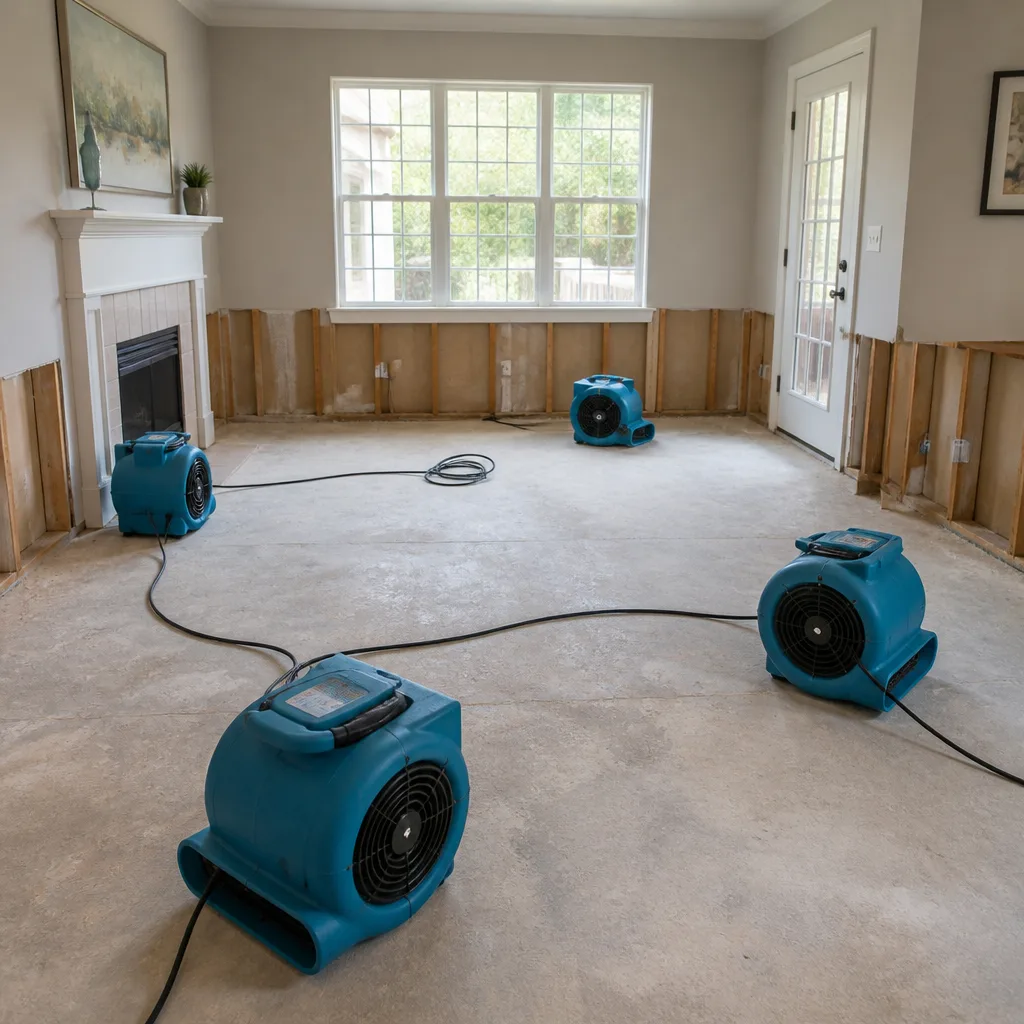
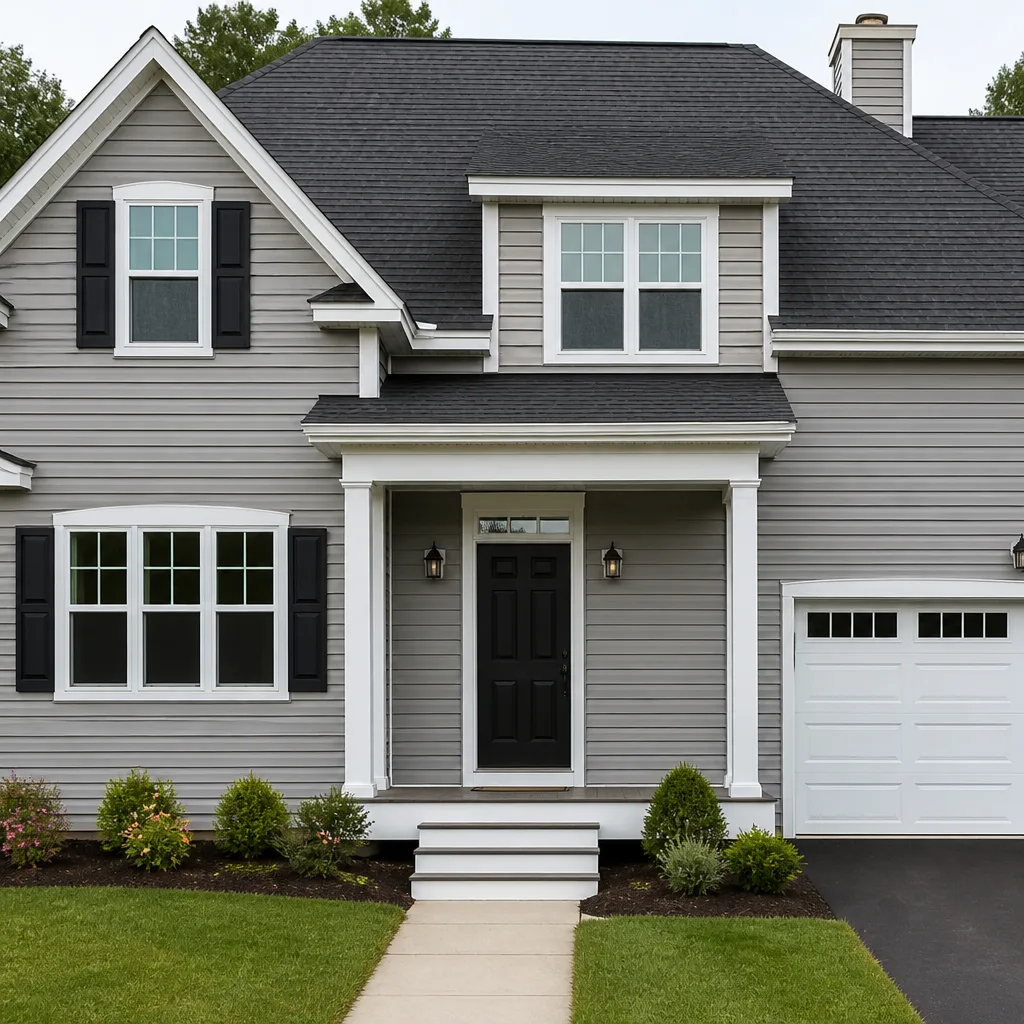
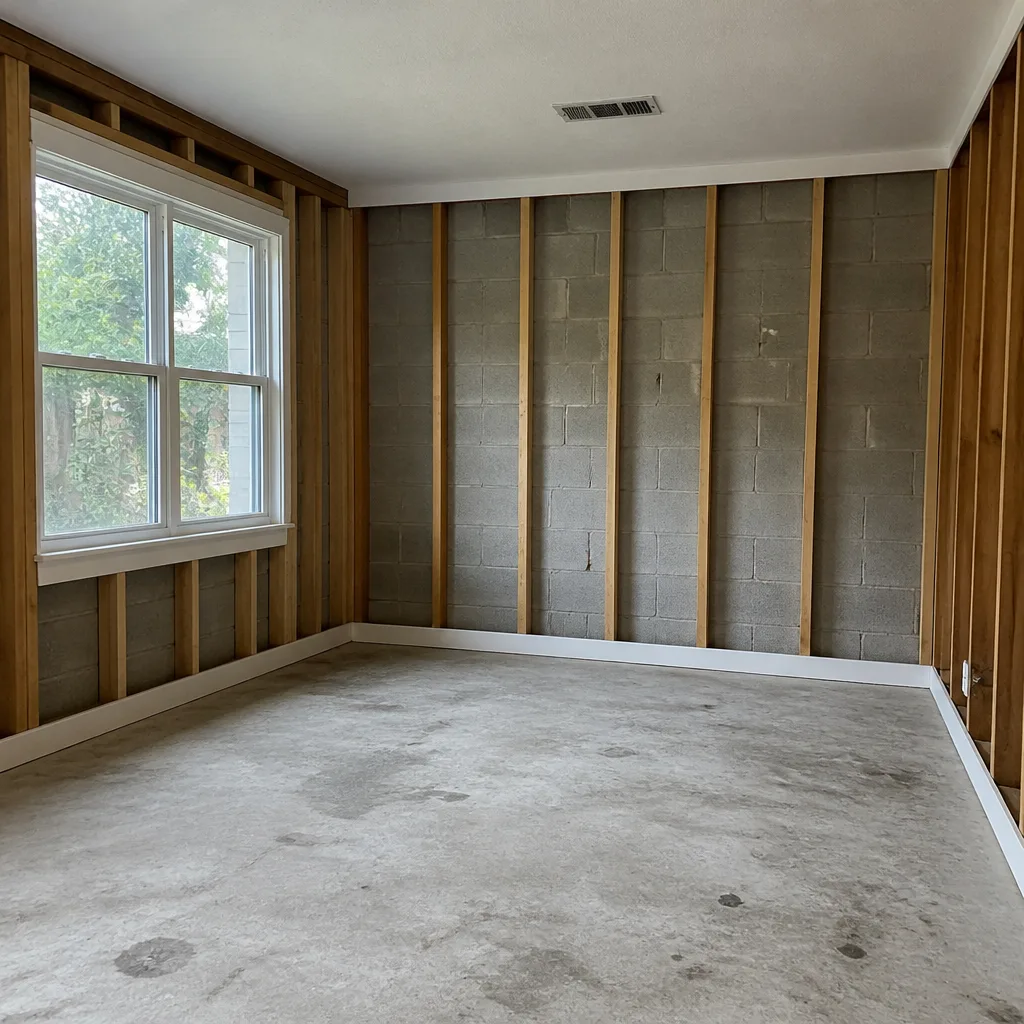

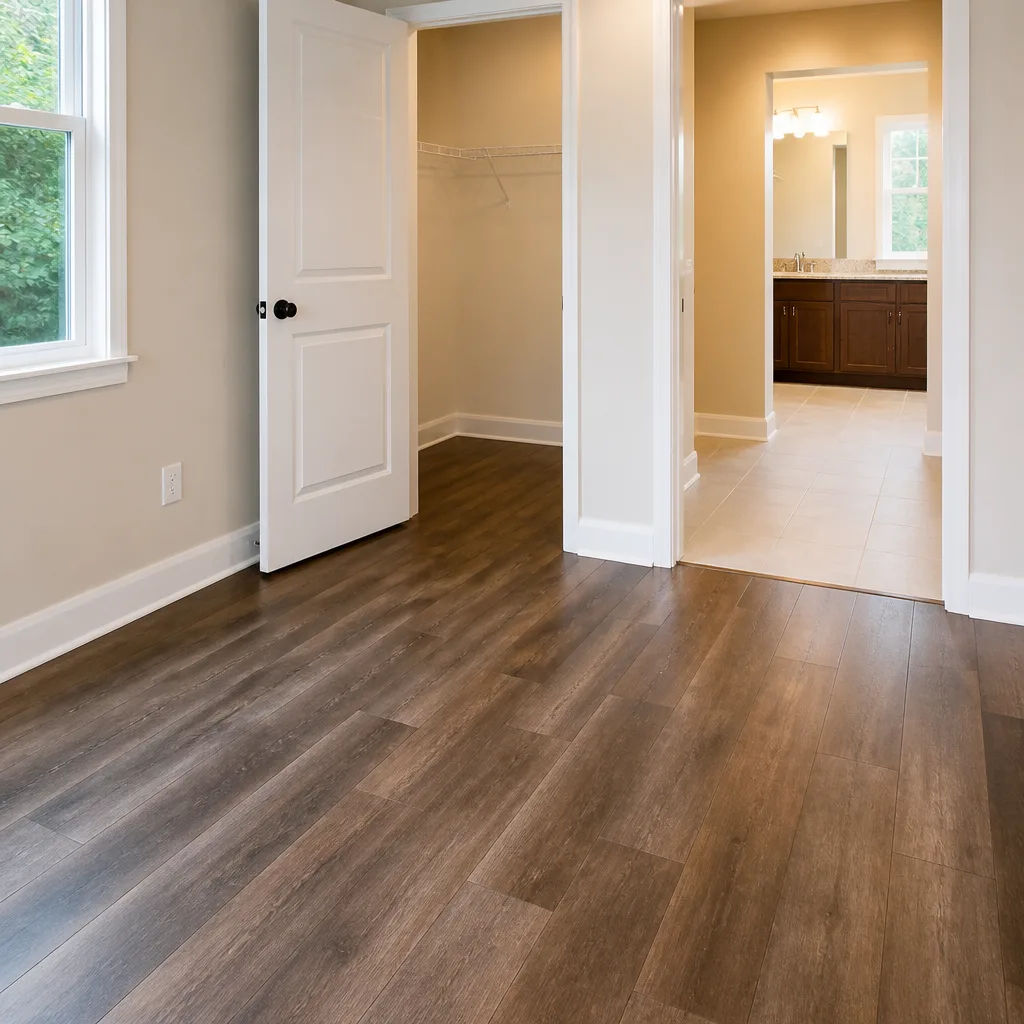
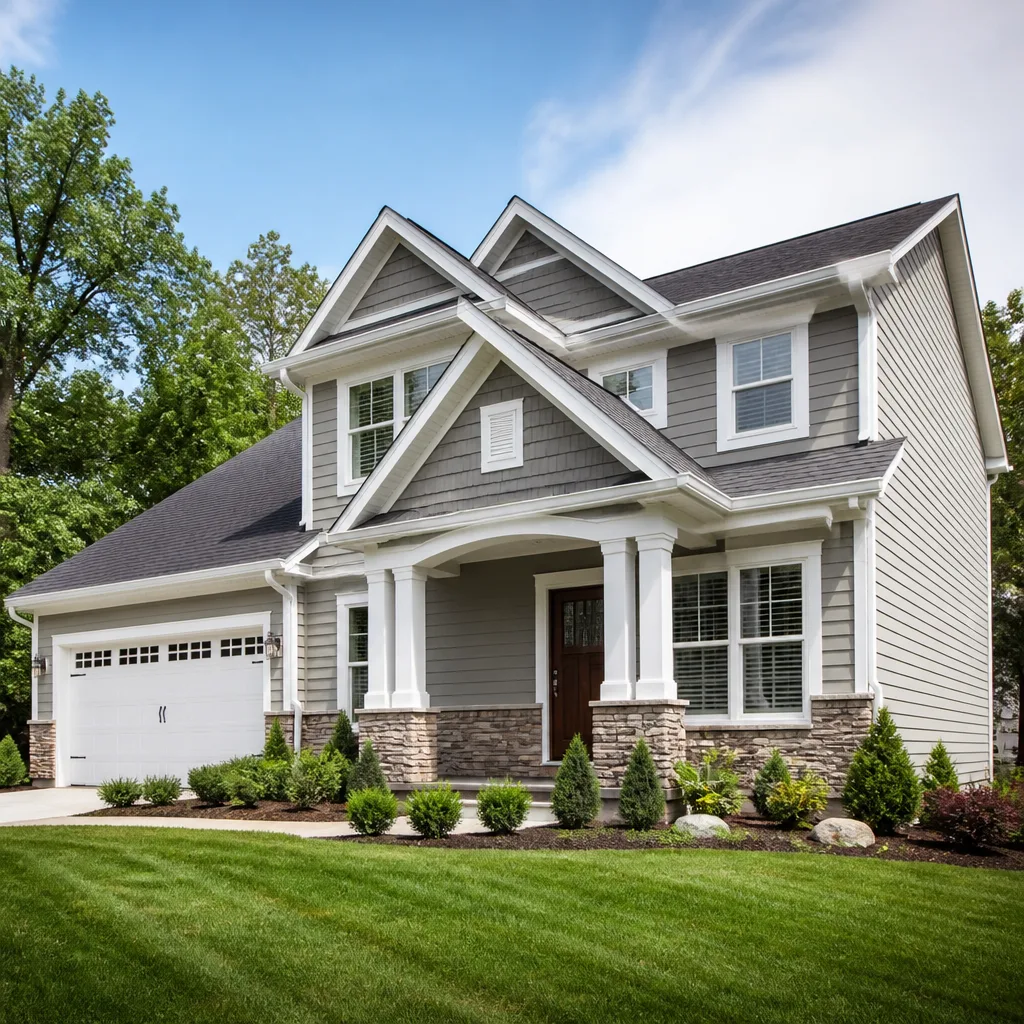
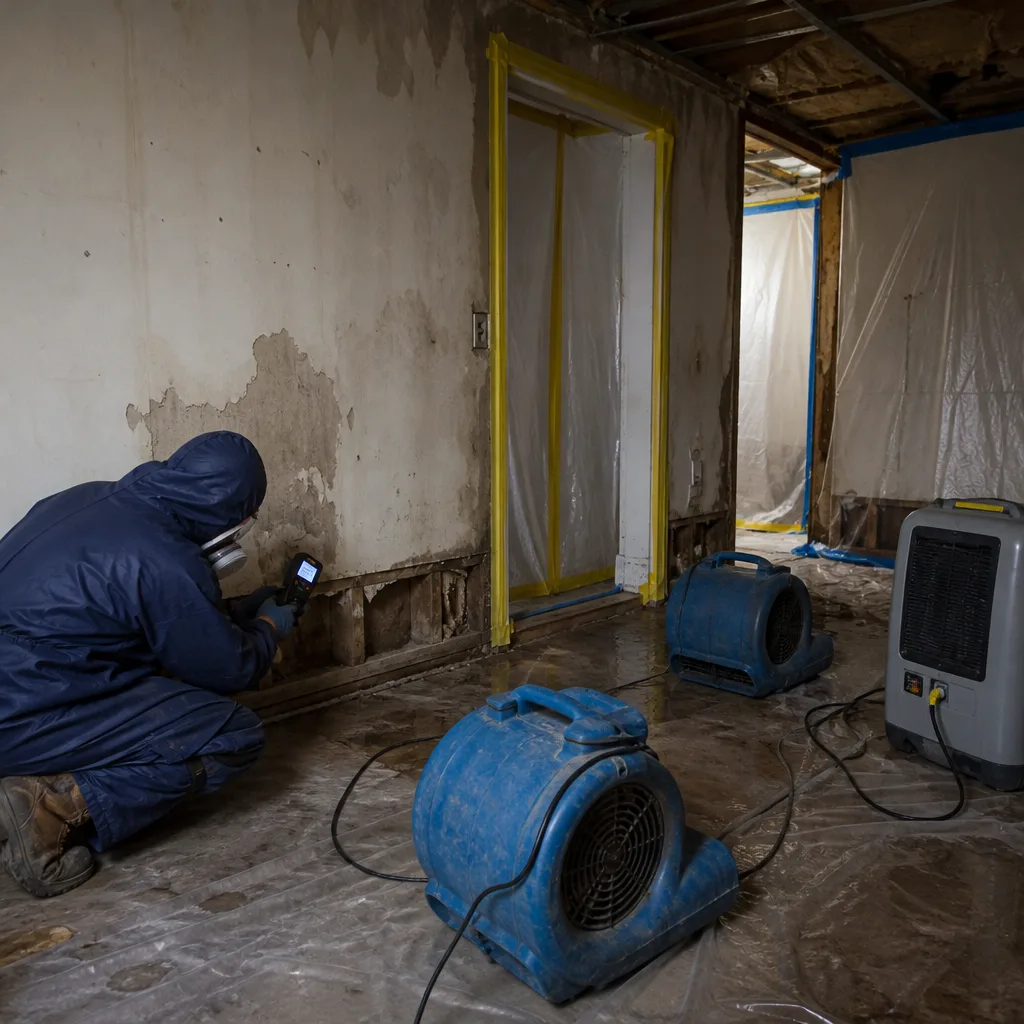 Before
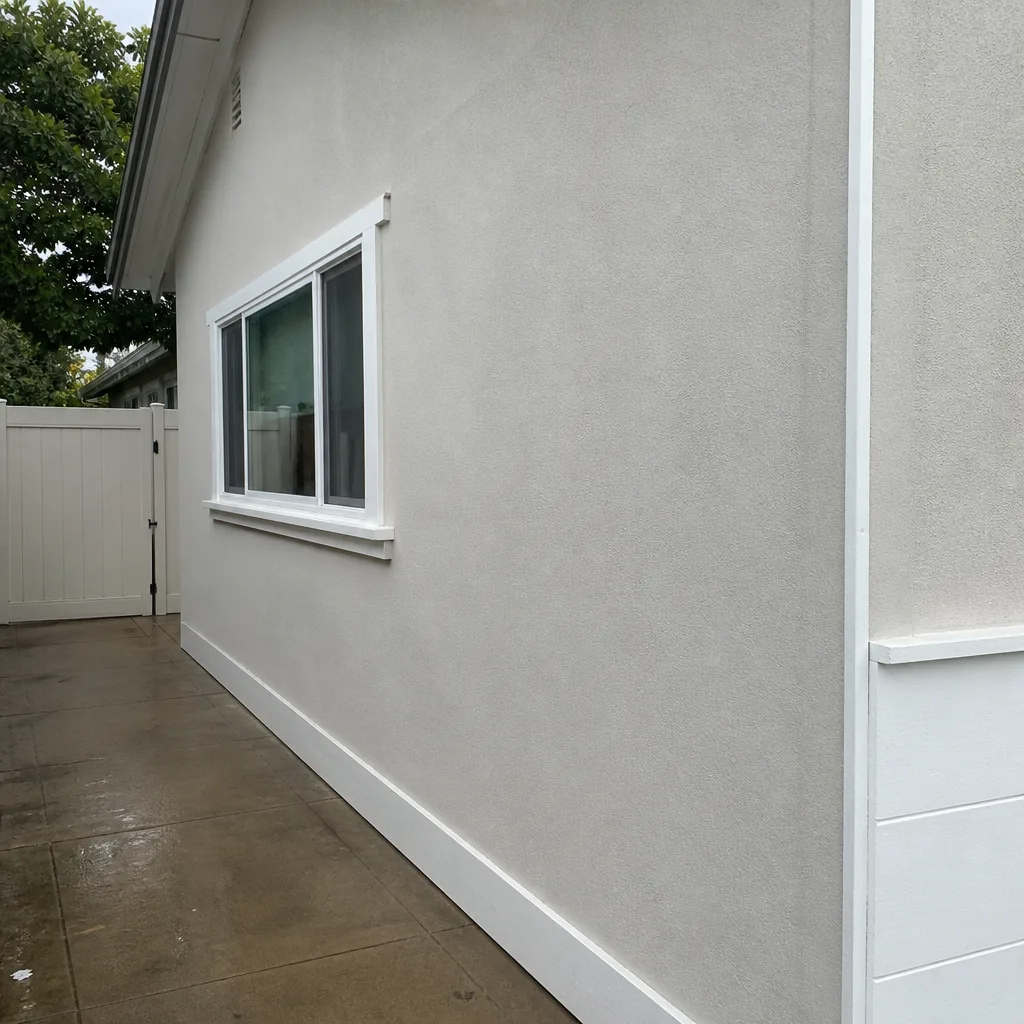 After
After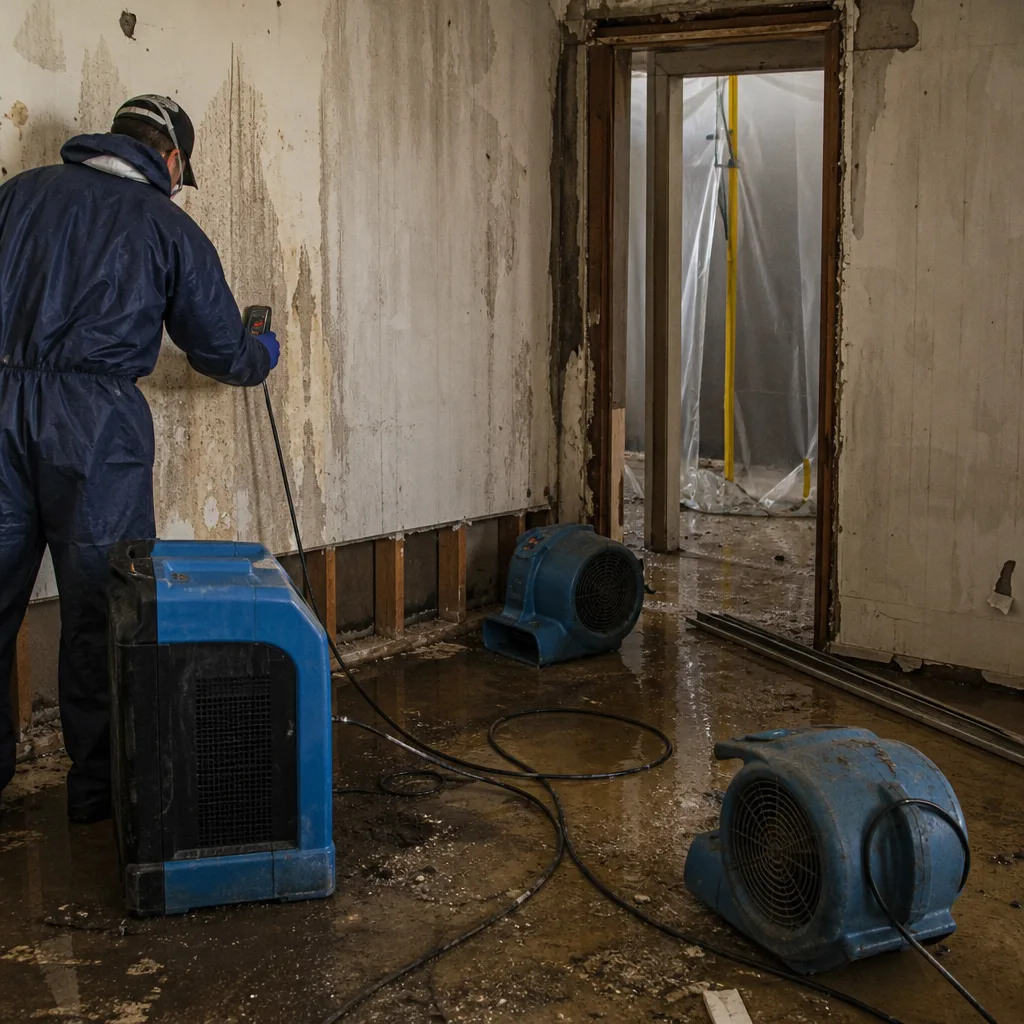 Before
 After
After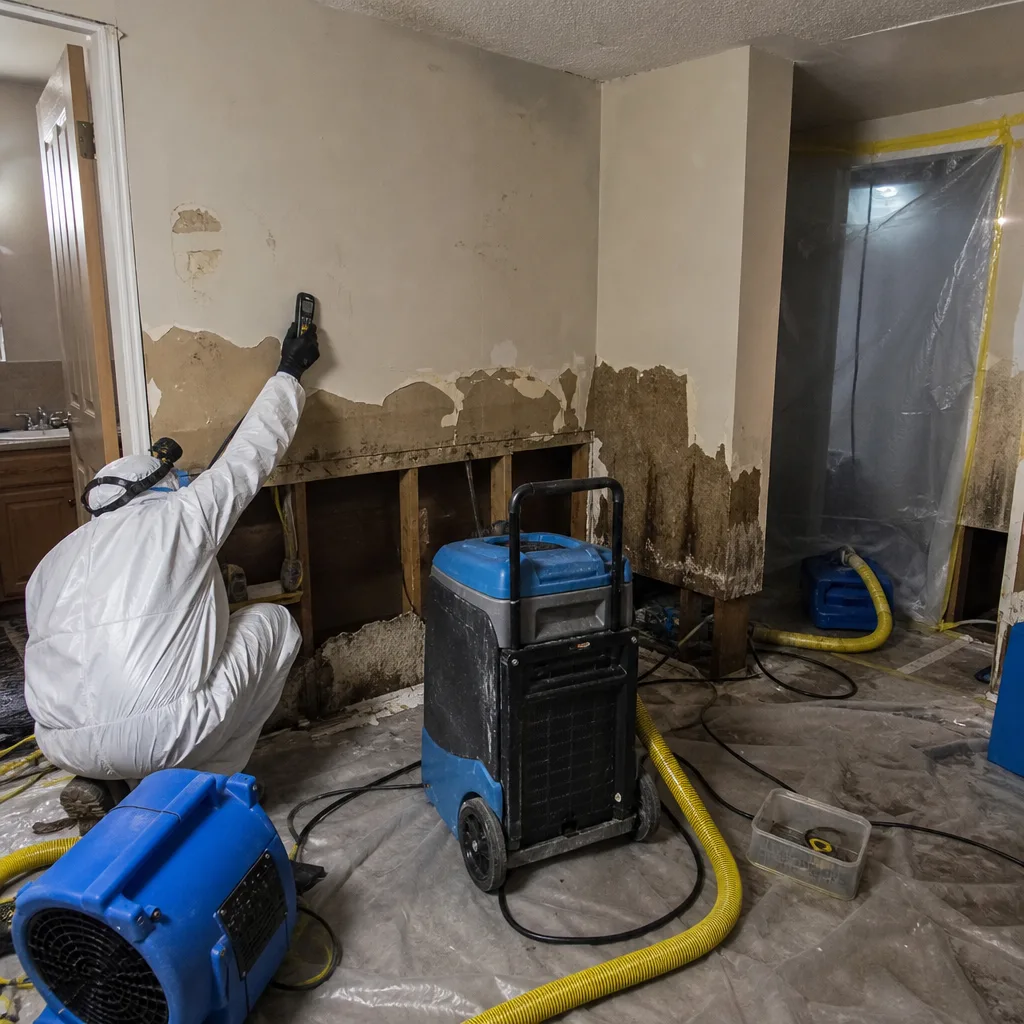 Before
 After
AfterFast, Reliable Storm Damage Restoration Across Fanwood
Storm damage in Fanwood almost always means water in the basement. The borough’s 1.2-square-mile grid of 1940s – 1960s Cape Cods and colonials sits inside the Rahway River watershed, so when a nor’easter or tropical remnant stalls over Union County, the same low-lying blocks flood at once and the calls start coming in before the rain stops. Our crews know those blocks well enough to stage on foot before the streets clog with parked cars. Storm damage restoration in Fanwood typically runs $2,800 – $7,400 for a full basement extraction, drying, and antimicrobial treatment, depending on the water category and how far it wicked into framing. Call (910) 613-6568 day or night and a live person answers, not a voicemail queue.
Why Marsh Water Damage Restoration Is Fanwood’s Preferred Storm Damage Restoration Company
Fanwood homeowners keep our number because we show up fast and we show up identified. Every technician dispatched to a Fanwood address is background-checked and identity-verified under the Threshold Standard. You get the tech’s name and photo before the knock, then they show a photo ID badge at the door. No mystery crew, no clipboard stranger standing in your basement at 2 a.m.
We’re part of the Threshold Group family, restoring homes since 2005, and our team holds IICRC, RIA, and IFA credentials. On Fanwood jobs we run the same Dri-Eaz and Phoenix drying equipment the large commercial-loss franchises deploy, but sized for a tight Cape Cod basement. Tobias Reyner leads our restoration team, and he insists on a written price before any work begins, plus a printed 365-Day Done Right Promise on every work order. If the repair isn’t right within a year, we return and fix it, free second visit included, automatically. That’s not a promotional line. It’s stamped on the paperwork.
Storm Damage Contractors in Fanwood
Storm damage contractors in Fanwood are only as good as their access plan, because half the borough’s flood-prone streets won’t fit a full-size box truck. The first thing we do on any Fanwood job is stage equipment on foot where alley-load and tightly parked blocks make vehicle positioning useless. If a contractor tells you they’ll just “drive up to the door” on a west-side block, they haven’t worked Fanwood.
Hand-Carry Access and Tight Clearances
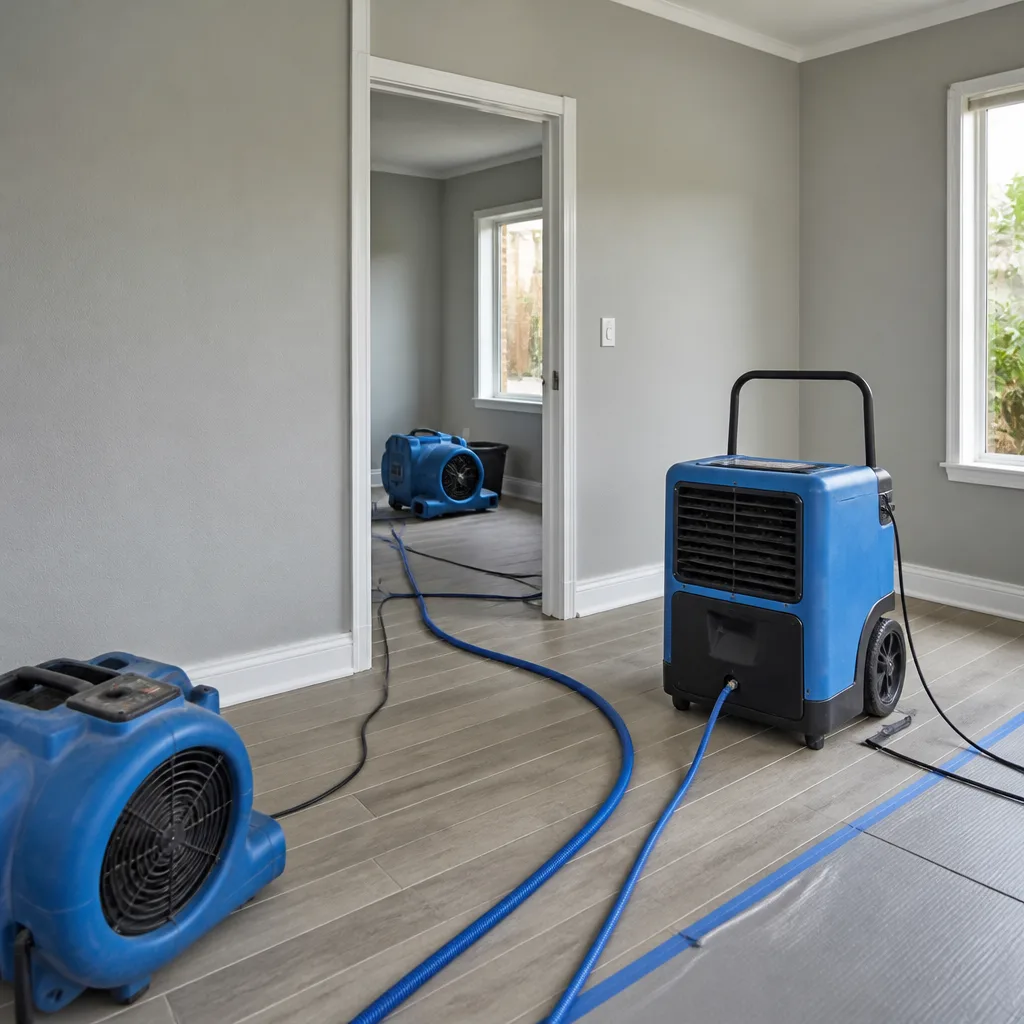
Your Cape Cod’s narrow side passage and basement staircase aren’t obstacles to us; they’re the reason we keep hand-carry kits of Phoenix dehumidifiers and XPOWER air movers on every Fanwood dispatch. We don’t lose hours repositioning a truck. We walk the equipment in, set it, and start extraction within the first hour.
Moisture Mapping Before Anything Else
We don’t trust how a basement “looks.” Fanwood’s 1950s framing behind finished walls wicks category 2 and 3 water invisibly, and the identical floor plans across entire blocks make it easy for a lazy crew to assume all four basements are the same. We run moisture mapping and drying logs in every room, including behind baseboards, so the dry-out is documented, not guessed.
Storm Damage Cleanup in Fanwood
Storm damage cleanup in Fanwood has a hard clock: 24 – 48 hours before mold gets a foothold in saturated drywall and framing. When a tropical remnant like Ida saturates the ground and the municipal drains on the low-lying central and western streets back up, every hour matters. A full category 2 basement cleanup in Fanwood, including extraction, removal of ruined material, antimicrobial treatment, and structural drying, runs $3,200 – $6,800 on average. Category 3 backflow from a failed clay-tile drain lateral pushes the low end higher because more material comes out.
Category 2 and 3 Backflow from Aging Laterals
Fanwood’s post-WWII homes still carry original clay-tile drain laterals. After a heavy storm, those lines can backflow sewage-adjacent water into basements that would otherwise stay dry. We classify the water correctly, treat the affected framing with antimicrobial solution, and document everything with photos for your insurer.
The 24 – 48 Hour Mold Clock
Water in Fanwood basements doesn’t dry on its own, no matter how many box fans get pointed at the floor. The original 1950s joists and sills hold moisture for weeks, and that’s exactly the window mold needs. Our drying equipment brings the structure to a genuine dryness target, not a surface one. We use psychrometric readings, which simply means we measure the moisture in the air and the materials until they’re actually dry.
Trusted Brands We Service in Fanwood
We’re equipped to restore storm damage in any Fanwood home regardless of what equipment or system is already installed. Our crews regularly service homes with Dri-Eaz dehumidifiers, Phoenix air movers, XPOWER extraction units, and B-Air ventilation systems, along with the sump pumps, battery backups, and water alarms common in the borough’s basements. Because we keep replacement parts and compatible fittings locally stocked for Fanwood customers, we can often complete repairs without a second visit for parts. You’ll know the exact brand and model of equipment we’re setting before we set it.
Common Storm Damage Restoration Problems We See in Fanwood Homes
- Identical Cape Cod basements flooding at once: On the dozen chronically low-draining blocks in central and western Fanwood, four or five homes may take water in the same storm. Neighbors compare notes from their front stoops while crews pump out the same basement layout, so response speed and honesty travel fast on those streets.
- Original cast-iron and galvanized supply lines corroding in hard water: Fanwood’s moderately hard water eats away at 60-to-80-year-old supply lines, and storm pressure surges finish the job. We see pinhole leaks and sudden splits behind basement walls after every major weather event.
- Undersized sump pits overwhelmed by watershed runoff: Many Fanwood homes still run the original shallow sump pits installed in the 1950s. When the Rahway River watershed saturates, those pits fill faster than small pumps can discharge, and the water line climbs the foundation wall.
- Ice damming on low-pitched ranch and Cape roofs: January – March freeze-thaw cycles create ice dams on the low-pitched roofs common in Fanwood’s housing stock, sending attic and interior water down through ceilings weeks after the storm itself passed.
Pricing for Storm Damage Restoration in Fanwood, NJ
Here’s what Fanwood homeowners should expect to pay. A straightforward category 1 water extraction from a single basement with minor drying runs $2,800 – $4,200. Category 2 storm water cleanup with antimicrobial treatment and structural drying lands between $3,200 and $6,800. Category 3 backflow work, where sewage-adjacent water requires material removal and deeper sanitization, runs $5,500 – $8,900. What moves the number: how far water wicked into original 1950s framing, whether finished walls and flooring come out, and whether clay-tile laterals backflowed. Every job gets a written price before we start, so the number you approve is the number you pay. Call (910) 613-6568 for a free estimate.
We Also Serve Cities Near Fanwood
Our storm damage crews work throughout this corner of Union County. You’ll find us in Storm Damage Restoration service areas covering Scotch Plains, Westfield, Plainfield, and Mountainside, and our familiarity with Fanwood street access and flood patterns carries into every neighboring borough.
Serving Fanwood, NJ - Our Local Coverage Area
We’re based in the Fanwood area and know this community well. Use the map below to see our service coverage - if you’re nearby, we can almost certainly help.
FAQs About Storm Damage Restoration in Fanwood
Your Cape Cod sits in the Rahway River watershed, and Fanwood’s municipal storm drains on the low-lying central and western blocks simply can’t keep up once the ground saturates. Water tables rise, undersized 1950s sump pits fill, and clay-tile drain laterals backflow. The rain stopping doesn’t mean the water stops. Call (910) 613-6568 and we’ll map your basement’s specific entry points before the next storm.
Category 1 is clean water from a leak or overflow. Category 2 contains contaminants, like sump-pit overflow or ground water. Category 3 is sewage-adjacent, including backflow from a failed clay-tile drain lateral. In Fanwood’s older basements, we frequently classify category 2 on homes where neighbors only did a quick mop-up, because the water wicked into original 1950s framing behind finished walls. Each category determines removal, treatment, and drying scope. We’ll classify it correctly and show you the documentation.
Within 24 – 48 hours. That’s the window before mold takes hold in saturated drywall, baseboards, and framing. Fanwood’s identical basement layouts mean the first visible water is rarely the full story. A same-day extraction can save you thousands in teardown and rebuild. Call (910) 613-6568 as soon as water appears, not after the floor dries on its own.
Yes. We stage on foot from the nearest legal parking, hand-carrying Phoenix dehumidifiers and XPOWER air movers through narrow side passages and basement staircases. Full-size box trucks are useless on half of Fanwood’s flood-prone blocks, and we planned around that reality from day one.
Yes, and it’s a real safety issue. Knob-and-tube wiring doesn’t tolerate moisture, and running drying equipment on circuits with hidden older wiring is exactly when fires start. We map the electrical layout before we set equipment on any pre-WWI Fanwood home, and we coordinate with a licensed electrician when the wiring is in the affected area. Do not attempt DIY drying in a home with knob-and-tube; call us instead.
Written by Tobias Reyner, Owner at Marsh Water Damage Restoration, serving Fanwood since 2005.
Storms don’t wait for business hours, and neither do we. A live person answers (910) 613-6568 around the clock. You’ll get a straight answer, a name and photo of the technician coming to your door, and a written price before any work starts. If your Fanwood basement has water in it right now, call.