
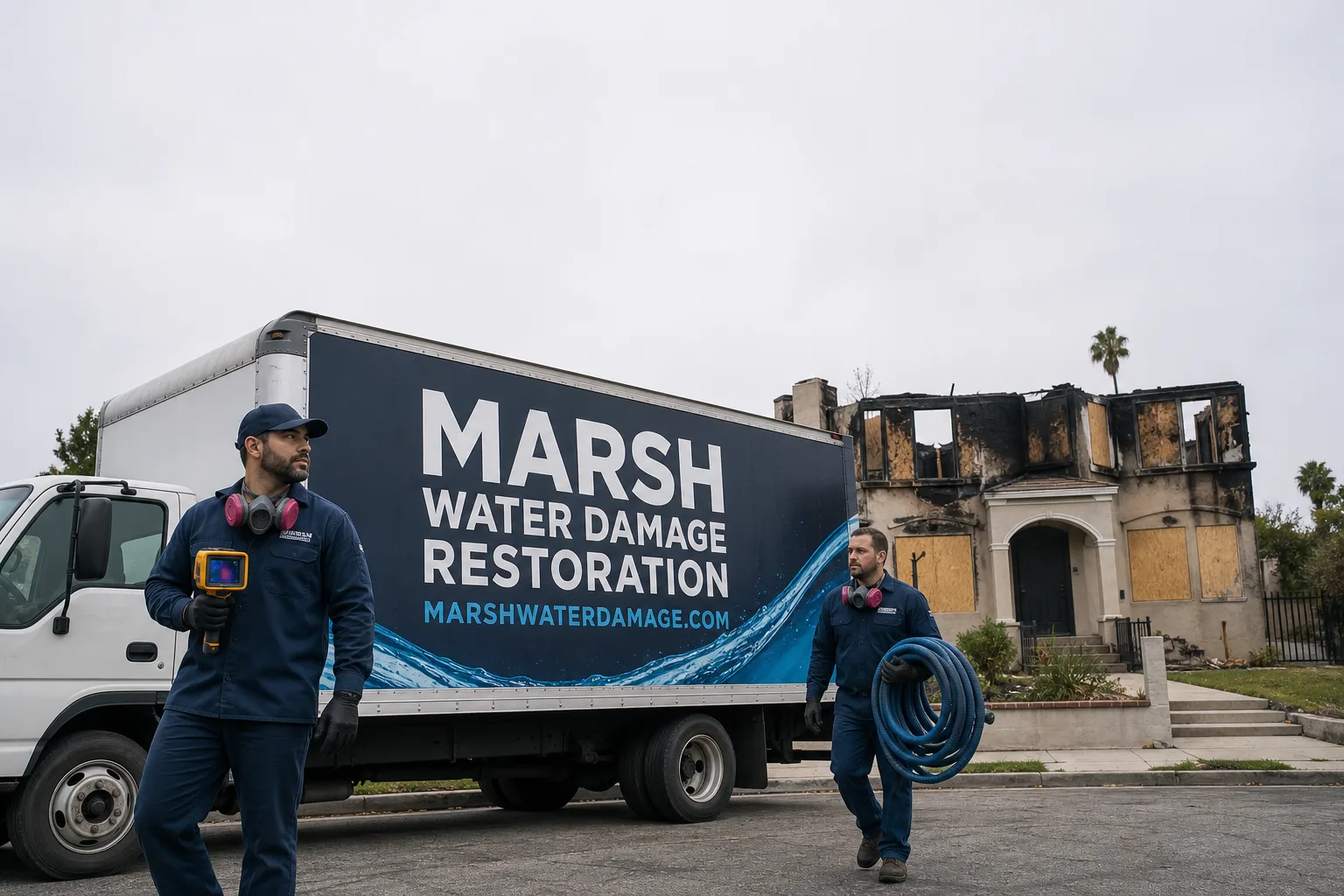
Free visual inspection and a written scope of work before any mitigation begins - photos, moisture readings, and drying logs go in your claim file
The scope we write is the scope we bill. Anything new gets shown to you, in writing, before we touch it.
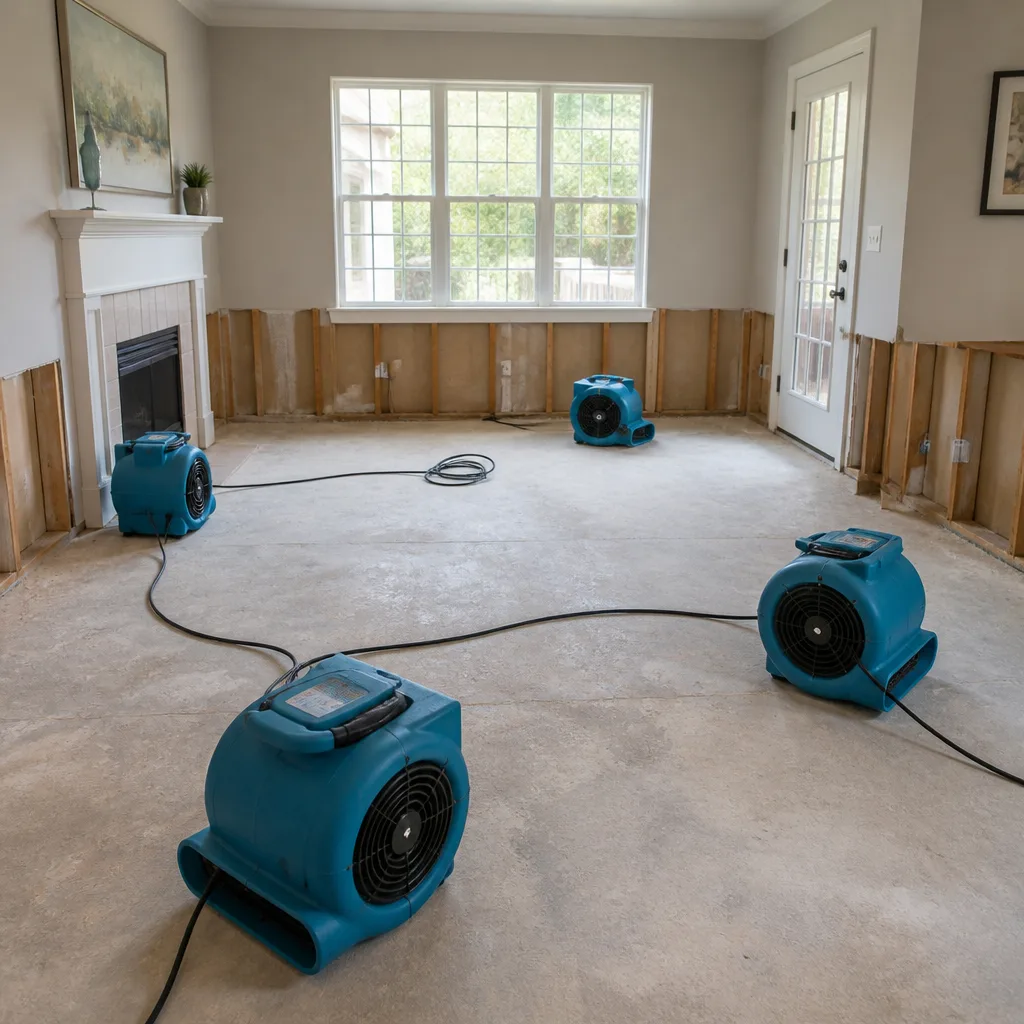
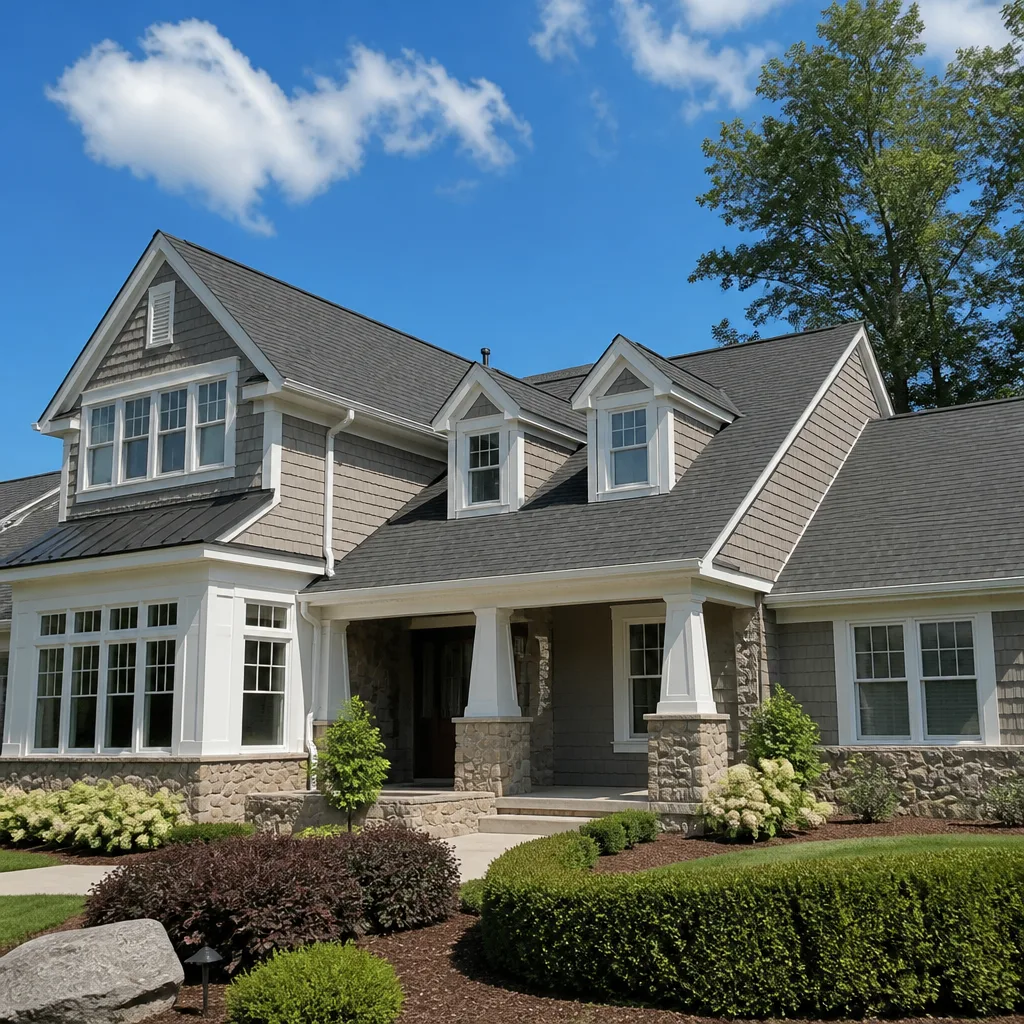
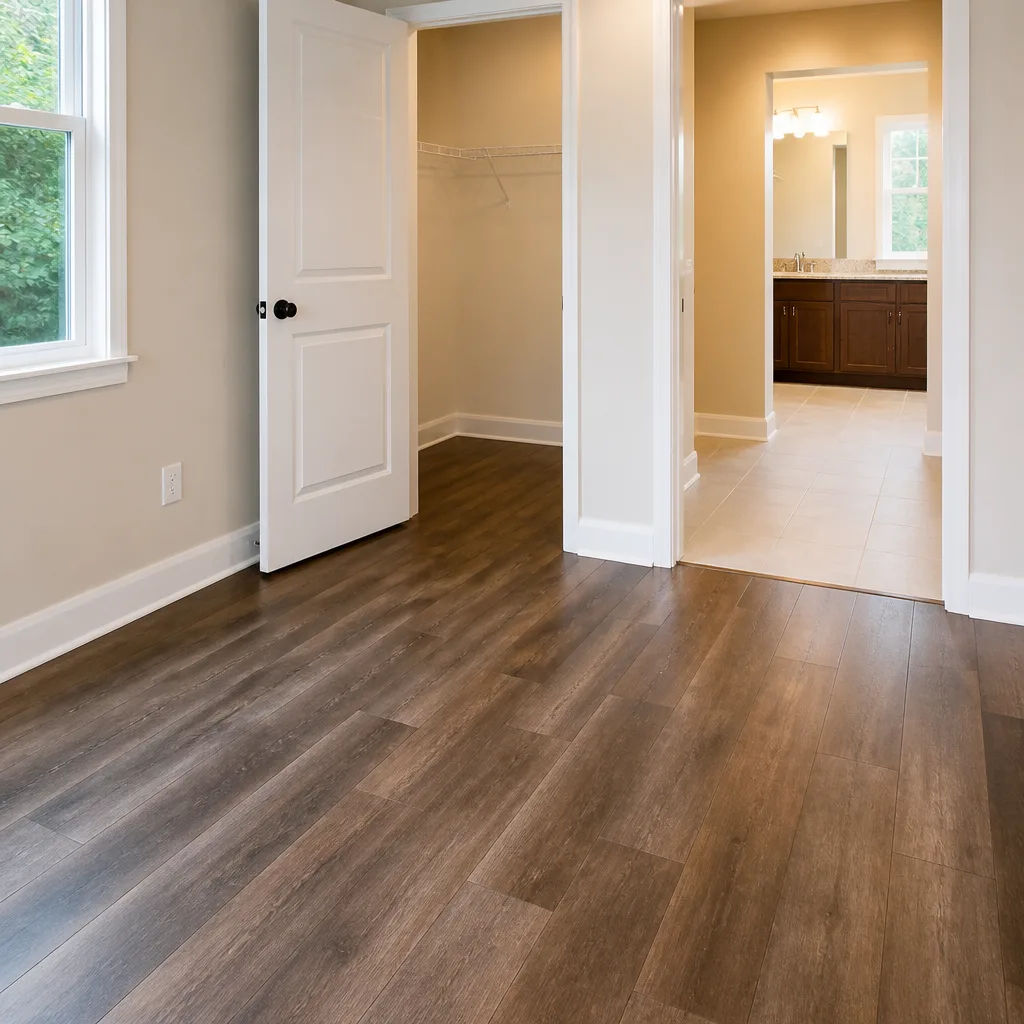
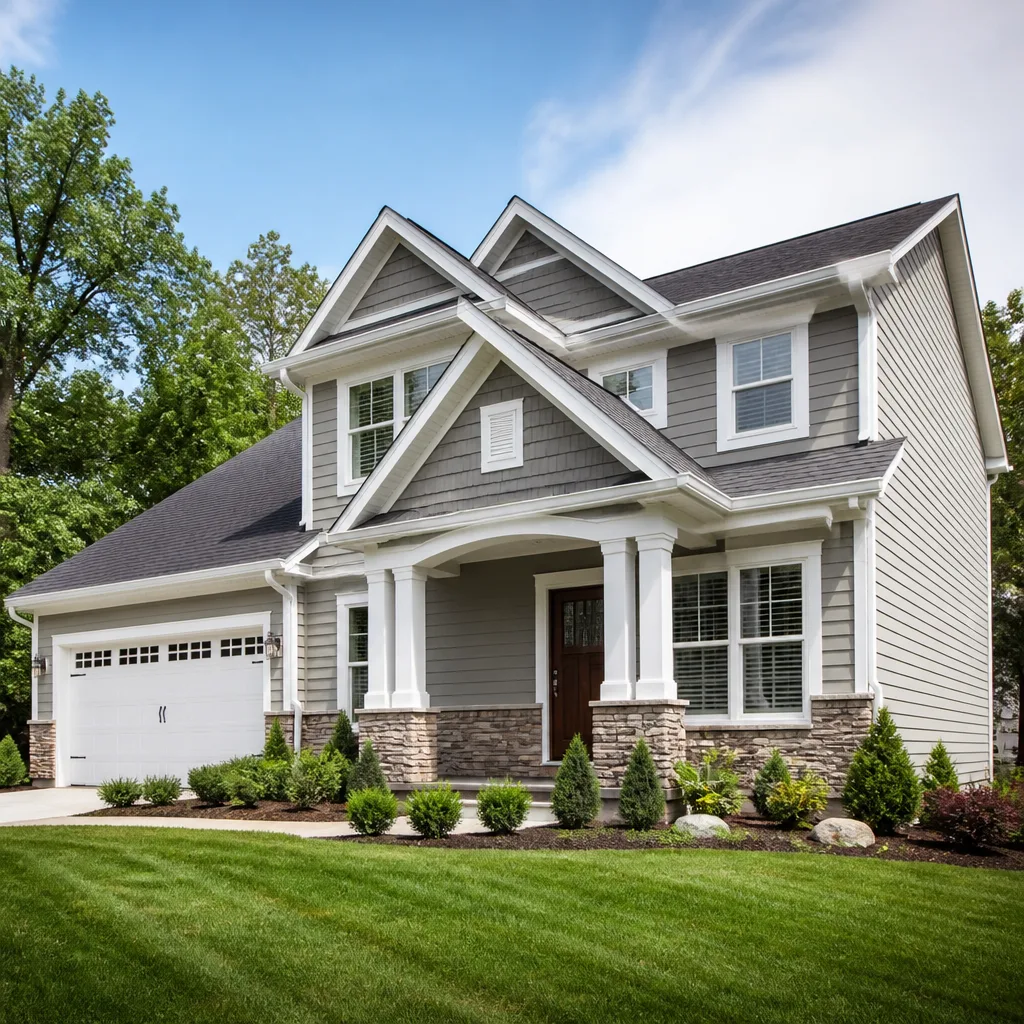
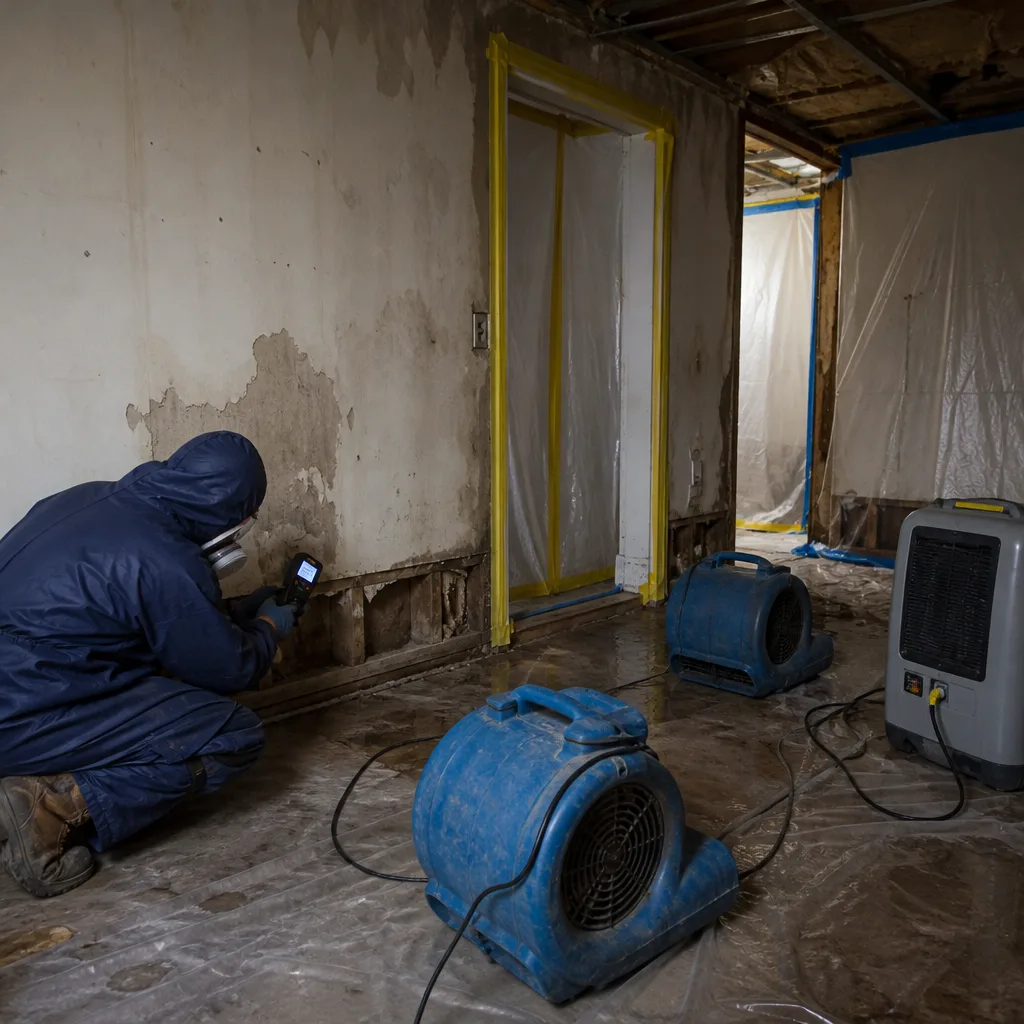 Before
 After
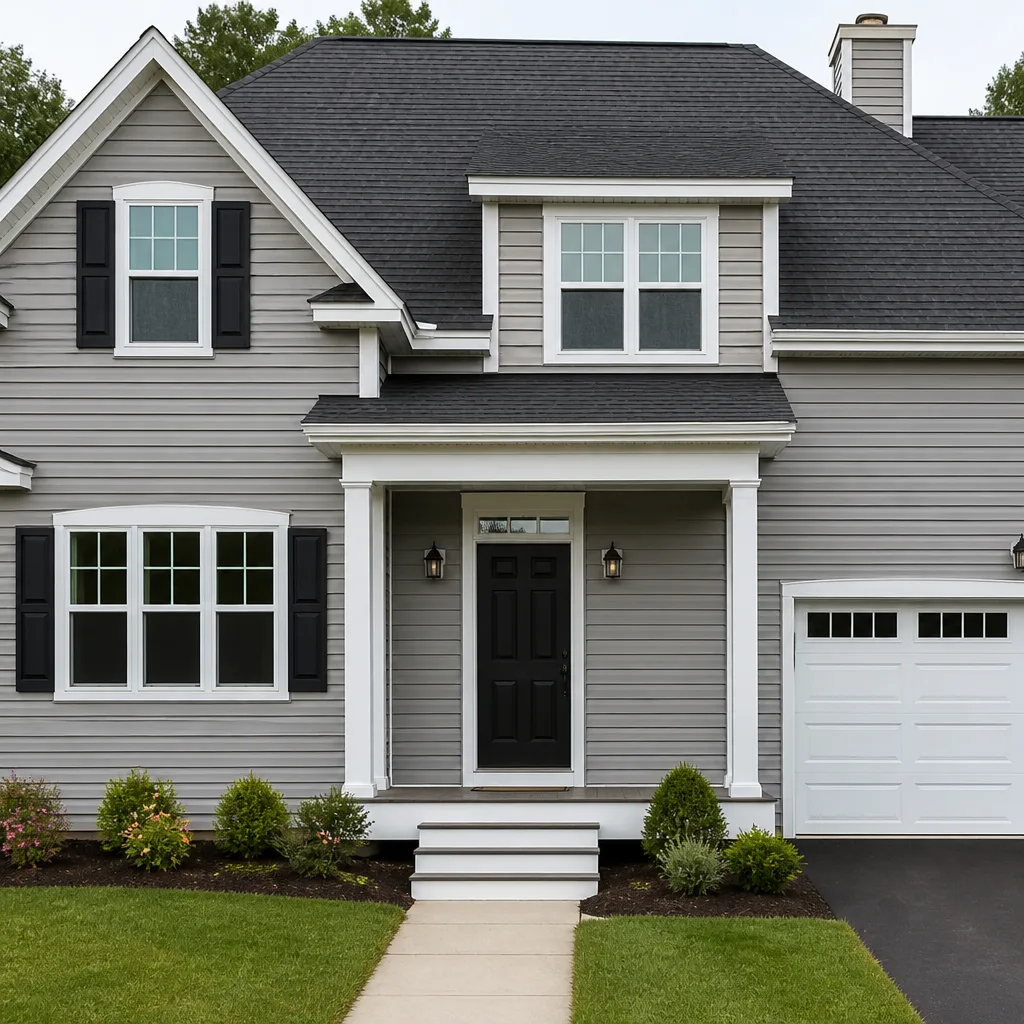
After Before
 After
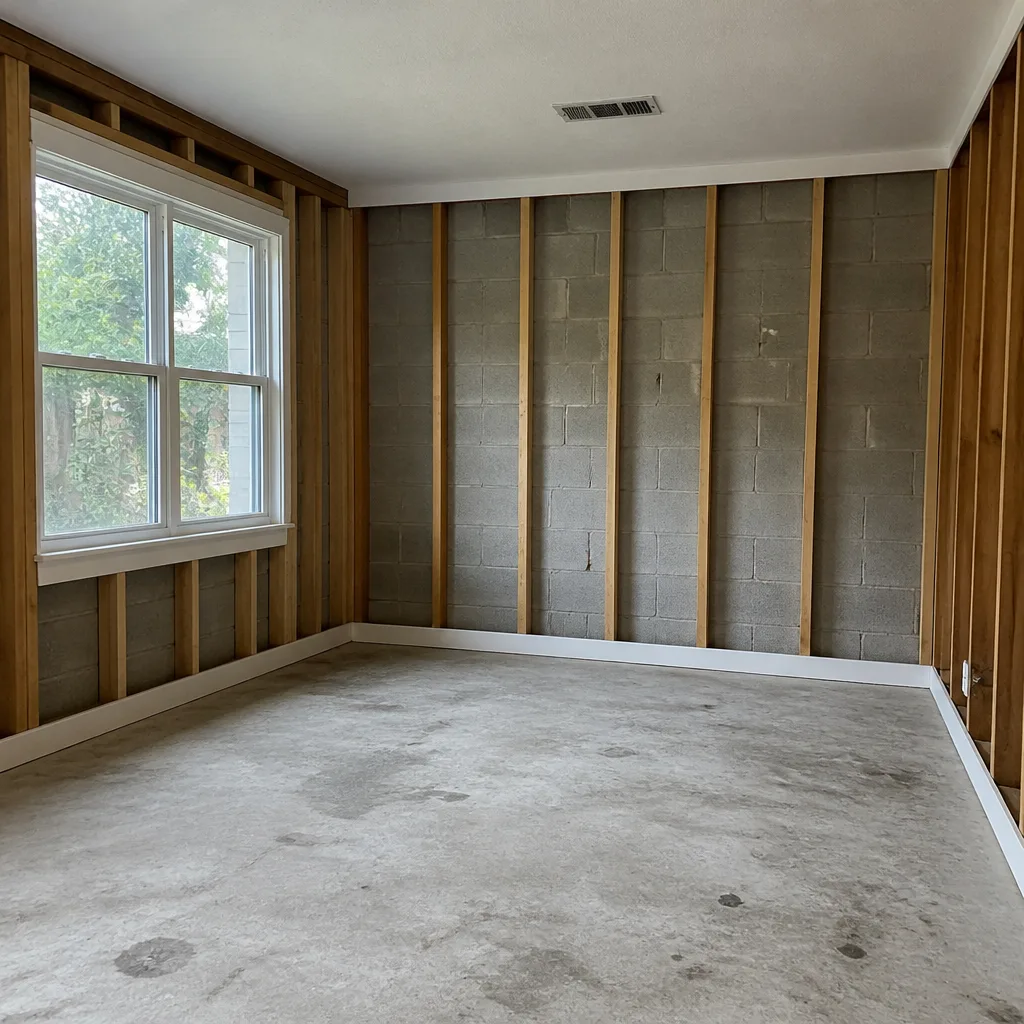
After Before
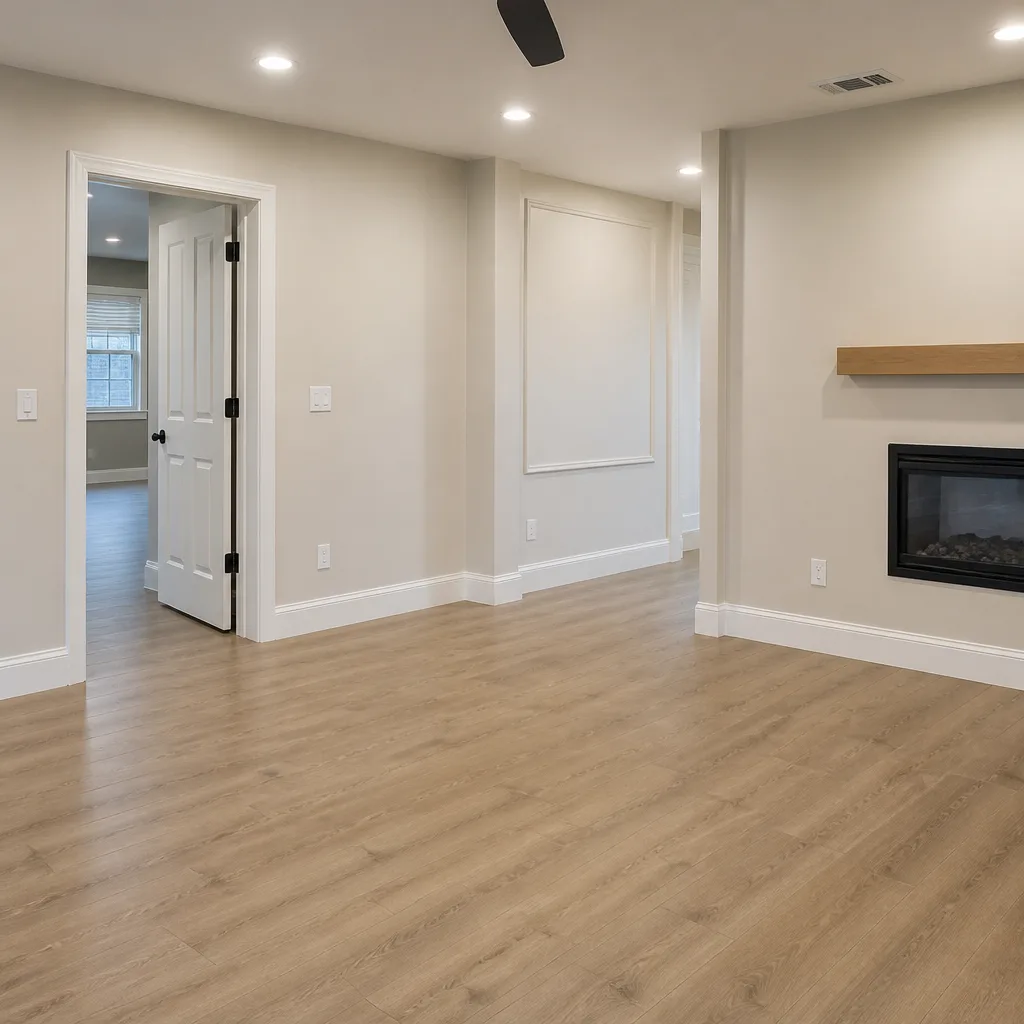 After
AfterFast, Reliable Storm Damage Restoration Across Harlem
Storm damage restoration in Harlem usually means one of three things: a nor’easter drove water through a failing parapet or roof flashing, a summer downpour backed up the combined sewer into a cellar, or a burst supply line sent water sideways through a party wall into two or three attached units. Most residential storm jobs in Harlem run between $1,800 and $6,500 depending on how many floors got wet and whether pre-1930 materials like asbestos pipe insulation or lead paint are now in play. We’ve been doing this work across Harlem since 2005, and we know the difference between a plumbing leak and storm water migration through a shared brick wall. Call (910) 613-6568 and a live person answers, day or night.
Key Takeaways
- Storm damage in Harlem brownstones and tenements often spreads laterally through party walls, not just downward.
- Most storm restoration work in Harlem triggers NYC DEP asbestos and Local Law 1 lead-paint protocols.
- We send a written price before any work starts, and every tech arrives with a photo ID badge you can check against the name and photo we sent you.
- Our 365-Day Done Right Promise is printed on every work order. If the repair isn’t right within a year, we fix it, free second visit included.
Why Marsh Water Damage Restoration Is Harlem’s Preferred Storm Damage Restoration Company
Harlem homeowners call us because we show up knowing what we’re walking into. A call from a brownstone on Strivers’ Row is not the same as a call from a walk-up on Lenox Avenue, and we treat them differently. The brownstone likely has original plaster-over-lath walls and a coal-converted steam system. The walk-up probably has patchwork plumbing from the 1970s and a cellar that floods every time the sewer main on 125th Street backs up. That local knowledge changes how we scope, dry, and document the job.
Every technician we send into Harlem is background-checked, identity-verified, and introduced to you by name and photo before the knock. That’s the Threshold Verified standard, and it’s not a marketing line. It’s five printed steps on every work order: who’s coming, what they’re doing, what it costs, what we guarantee, and what happens if it’s not right. Tobias Reyner leads our restoration team, and he holds every job in Harlem to the same standard we’d want in our own homes.
Reviews from Harlem customers consistently mention two things: the crew arrived when we said they would, and the final bill matched the written price. We don’t do open-ended estimates here. You get a number in writing before demo starts, and that number stays.
Flood Restoration in Harlem
Flood restoration in Harlem usually begins with storm water coming in from above, not below. The neighborhood’s dense stock of unreinforced brick facades and old parapet walls means wind-driven rain finds its way into top-floor units, stairwells, and the shared walls between attached rowhouses. When a nor’easter hits Upper Manhattan, we get calls from Hamilton Heights, Sugar Hill, and Central Harlem within hours, all describing the same thing: water running down an interior wall that nobody can see the source of.
Roof and Parapet Water Entry
Harlem’s brownstones were built with parapet walls that shed water onto flat or low-slope roofs. A hundred years of freeze-thaw cycles crack the flashing and open the mortar joints. Storm water enters, travels down through the partition wall, and soaks plaster on multiple floors before anyone notices a stain. We don’t treat that as a plumbing leak. We moisture-map the entire vertical channel, open the wall only where the water actually sits, and dry the structure with Phoenix dehumidifiers and Dri-Eaz extractors, not guesswork.
Lateral Party Wall Migration
In Harlem’s continuous attached blocks, water doesn’t respect property lines. We’ve walked jobs expecting one unit and found three. A single damaged roof scupper on a West 121st Street brownstone can send water into the neighboring building through the shared brick wall, and the neighbor’s tenant notices dampness before the owner of the source property even knows there’s a leak. Moisture mapping across every unit in the affected block isn’t optional here. It’s the only way to know where the drying actually needs to happen. Flood restoration in Harlem typically runs $2,200 to $5,800 for a multi-floor brownstone event with containment and structural drying.
Basement Flood Cleanup in Harlem
Basement flood cleanup in Harlem is a different animal than in the outer boroughs, because the basements here are often cellars under a hundred-year-old building sitting below the level of a combined sewer that goes back to the Taft administration. When a heavy storm rolls through, the sewer main near 125th Street and the East Harlem waterfront can’t take the volume, and the water comes up through floor drains and sump pits instead of coming down through the roof.
Sewer Backups from Combined Mains
That water isn’t clean storm water. It’s category 2 or category 3, meaning it’s been mixed with sewage and carries contaminants that require full extraction, anti-microbial treatment, and proper disposal, not just mopping and fans. We categorize the water on arrival, set up containment if the water touched pre-1930 pipe insulation or lead-painted surfaces, and run psychrometric readings (measuring the moisture in the air) until the structure is genuinely dry, not just dry on the surface. Basement flood cleanup in Harlem generally runs $1,800 to $4,200 for a typical cellar, more if category 3 water requires full pack-out and decontamination.
Cellar Drying in Subdivided Tenements
Many Harlem tenements were carved into units decades ago without permits, which means the cellar might serve three different apartments’ mechanical systems, with patchwork electrical and plumbing crossing through every shared wall. We dry those cellars with B-Air air movers and XPOWER extraction gear, but we also document everything with photos and moisture logs, because three landlords and three insurers are usually involved before the job is done.
Trusted Brands We Service in Harlem
We run Dri-Eaz extractors, Phoenix dehumidifiers, and B-Air air movers on Harlem jobs, the same gear we’d bring to a commercial loss in Manhattan. We keep replacement parts and common accessories stocked for these brands, which means when a dehumidifier sensor fails on a job near Marcus Garvey Park, we’re not waiting on a shipment from Ohio to get drying back online. If you already own restoration equipment from Phoenix, XPOWER, or B-Air in a Harlem building, we’ll service it and get it working alongside our own. Fast turnaround, no lecture about buying new gear.
Common Storm Damage Restoration Problems We See in Harlem Homes
- Parapet and flashing failures misread as plumbing leaks. Storm water enters through the top of an unreinforced brick parapet, runs down the inside of a party wall, and shows up as a stain on a ceiling two floors down. Homeowners call a plumber, the plumber finds nothing, and the wall keeps getting wet with every rain.
- Party wall moisture stops a job too early. A crew dries one unit’s walls and declares victory. Meanwhile, moisture has migrated laterally through the shared brick into the neighboring building, and mold is growing inside a wall nobody opened. We moisture-map every adjacent unit before we call a job dry.
- Hazmat triggers nobody warned the homeowner about. Pre-1930 brownstones routinely contain lead paint and asbestos pipe insulation or floor tile. Once storm water touches those surfaces, the job becomes regulated. Harlem homeowners need a contractor who carries EPA RRP and NYC DEP asbestos handler credentials as standard, not one who discovering this mid-demo.
- Subdivided units with undocumented plumbing. A cellar flood in a tenement walk-up usually means water crossing through electrical panels and plumbing that was installed without inspection during the 1960s through 1980s. We don’t know what’s behind those walls until we open them, so our written scope includes contingency lines for exactly that discovery, and we document it for the landlord and insurer before proceeding.
Pricing for Storm Damage Restoration in Harlem, NY
Most storm damage restoration jobs in Harlem fall between $1,800 and $6,500. A straightforward basement flood cleanup in a single-family brownstone near St. Nicholas Park runs $1,800 to $4,200. A multi-unit flood restoration that requires containment, hazmat handling, and structural drying across three floors of a tenement near 125th Street runs $3,500 to $6,500. What moves the number: how many floors got wet, whether asbestos or lead protocols kick in, and how many adjacent units got water through a party wall. You’ll get a written price before any work starts, not after demo begins. Call (910) 613-6568 for a free estimate.
We Also Serve Cities Near Harlem
Our Storm Damage Restoration team covers the neighborhoods of Harlem and the boroughs immediately around it. We handle storm and flood work in Brooklyn, Queens, Manhattan, and The Bronx with the same Threshold Verified standard on every job, no matter the ZIP code. Dispatch is coordinated from the brand’s New York City office, and crews serve Harlem locally.
Serving Harlem, NY - Our Local Coverage Area
We’re based in the Harlem area and know this community well. Use the map below to see our service coverage - if you’re nearby, we can almost certainly help.
FAQs About Storm Damage Restoration in Harlem
Because Harlem’s brownstone blocks are attached continuously, with shared brick party walls between each building. Storm water entering one rowhouse can migrate laterally into the structures on either side without visible surface wetness. We routinely arrive expecting one unit and end up coordinating drying logs, scopes of work, and insurance claims with two or three building owners. If you suspect storm water from a neighboring building is affecting your unit, call (910) 613-6568 and we’ll moisture-map your side of the wall.
Usually yes. Harlem’s building stock dates from roughly 1885 to 1930, which means lead paint and asbestos-containing pipe insulation or floor tile are common. Once storm water touches those materials, the job falls under NYC DEP asbestos rules and Local Law 1 lead-paint protocols. We carry the required EPA RRP and NYC DEP asbestos handler credentials, and our techs set up containment before opening walls in older buildings. If you’re not sure whether your building is affected, call us and we’ll tell you what we’d need to check.
Within 24 to 48 hours. Mold can establish in damp building materials in 48 to 72 hours, and in a cellar near the 125th Street corridor, the heat and humidity of a Harlem summer accelerate that timeline. We answer calls with a live person 24/7, and we can typically have a technician on site in Harlem the same day you call. Call (910) 613-6568 as soon as you see standing water, and we’ll get a crew moving.
Category 1 is clean water from a supply line or rainwater that hasn’t touched anything contaminated. Category 2 has significant contamination, like storm water that backed up through a combined sewer. Category 3 is grossly contaminated, carrying sewage or other pathogens. Most Harlem cellar floods during heavy storms are category 2 or 3, which means full extraction, anti-microbial treatment, and often containment. We categorize the water on arrival and document it in writing before any work starts.
Yes. We’re used to setting up drying equipment in cellars accessed by narrow stairwells, alley-load doors, and stoops with tight clearances. Our techs coordinate parking and staging with building owners before arrival, and we use compact equipment placement that doesn’t block the sidewalk or the building entrance. If your building has an especially tight access point, mention it when you call (910) 613-6568 and we’ll plan for it.
Call (910) 613-6568 for a free estimate on storm damage restoration in Harlem. A live person answers, day or night, and we’ll send you the name and photo of the technician before they arrive.
Written by Tobias Reyner, Owner at Marsh Water Damage Restoration, serving Harlem since 2005.