

Free visual inspection and a written scope of work before any mitigation begins - photos, moisture readings, and drying logs go in your claim file
The scope we write is the scope we bill. Anything new gets shown to you, in writing, before we touch it.
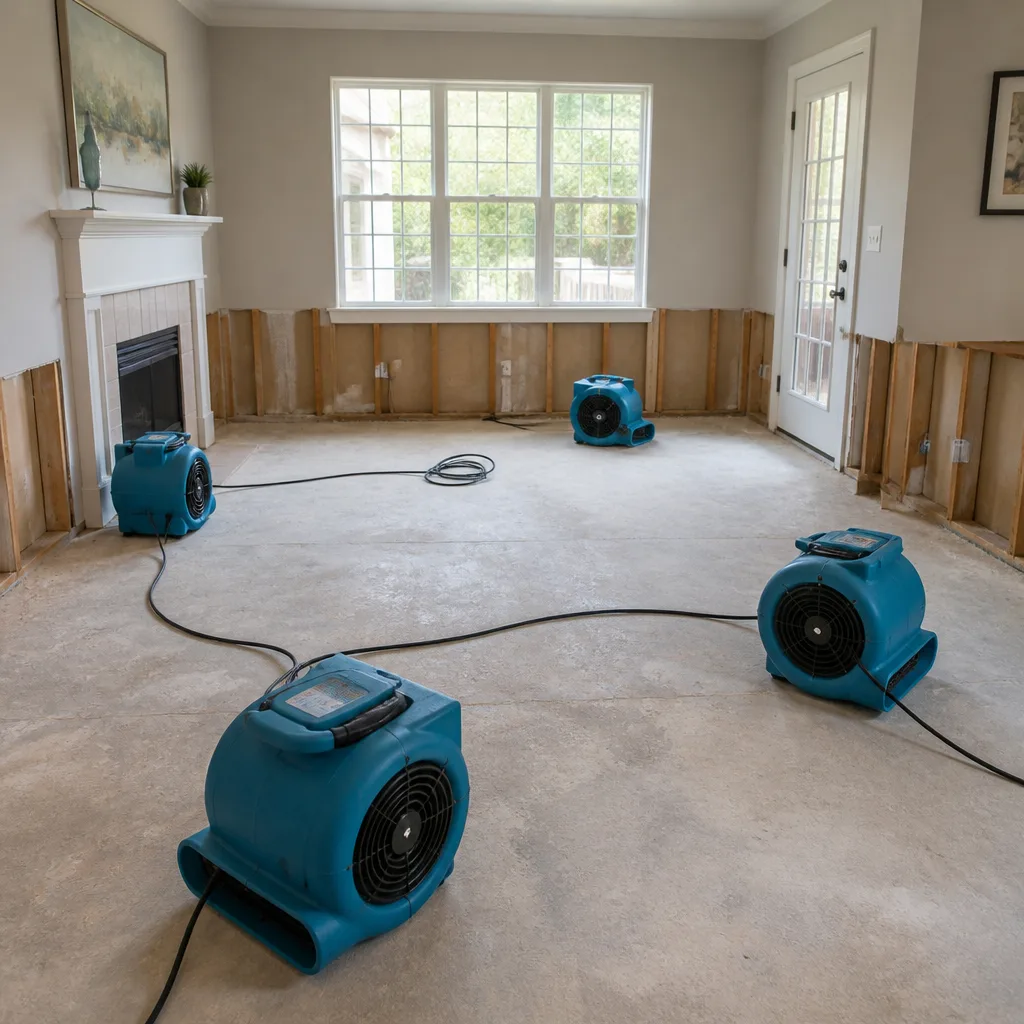
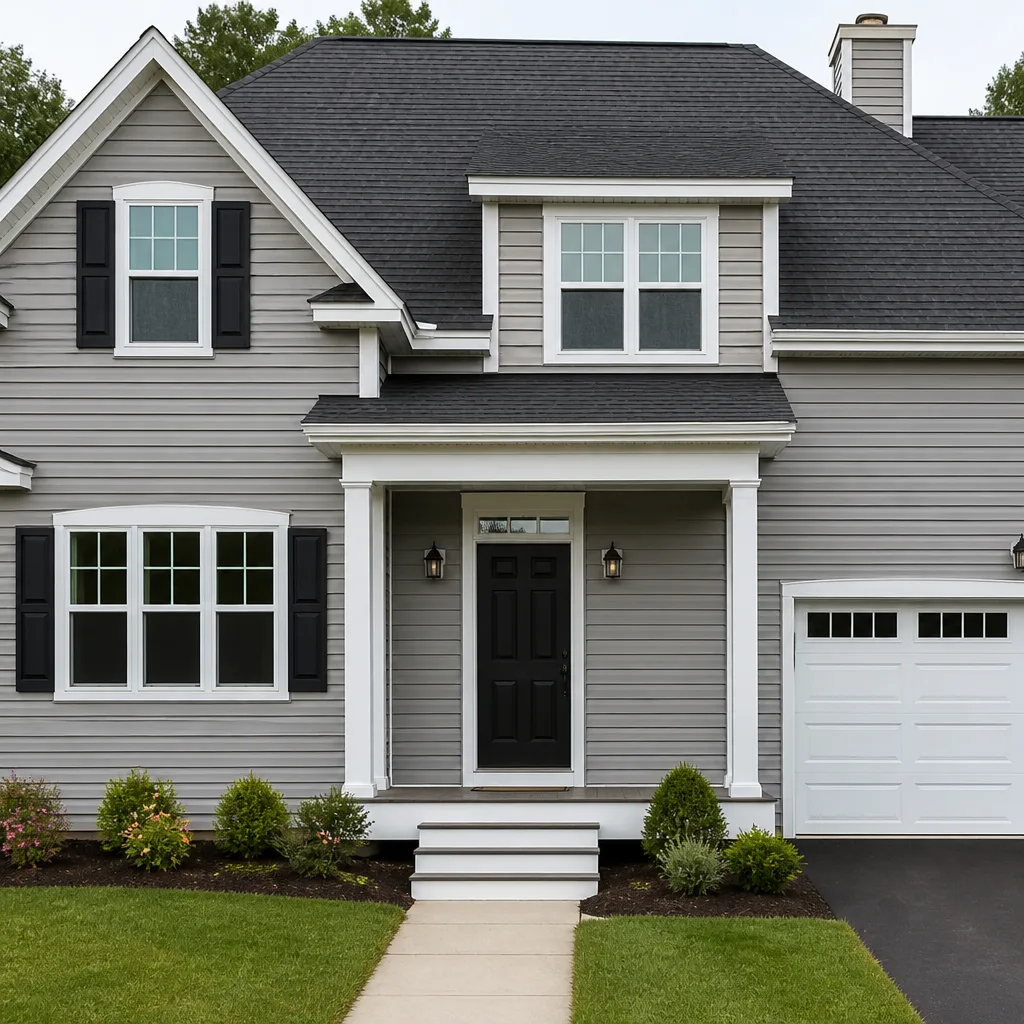
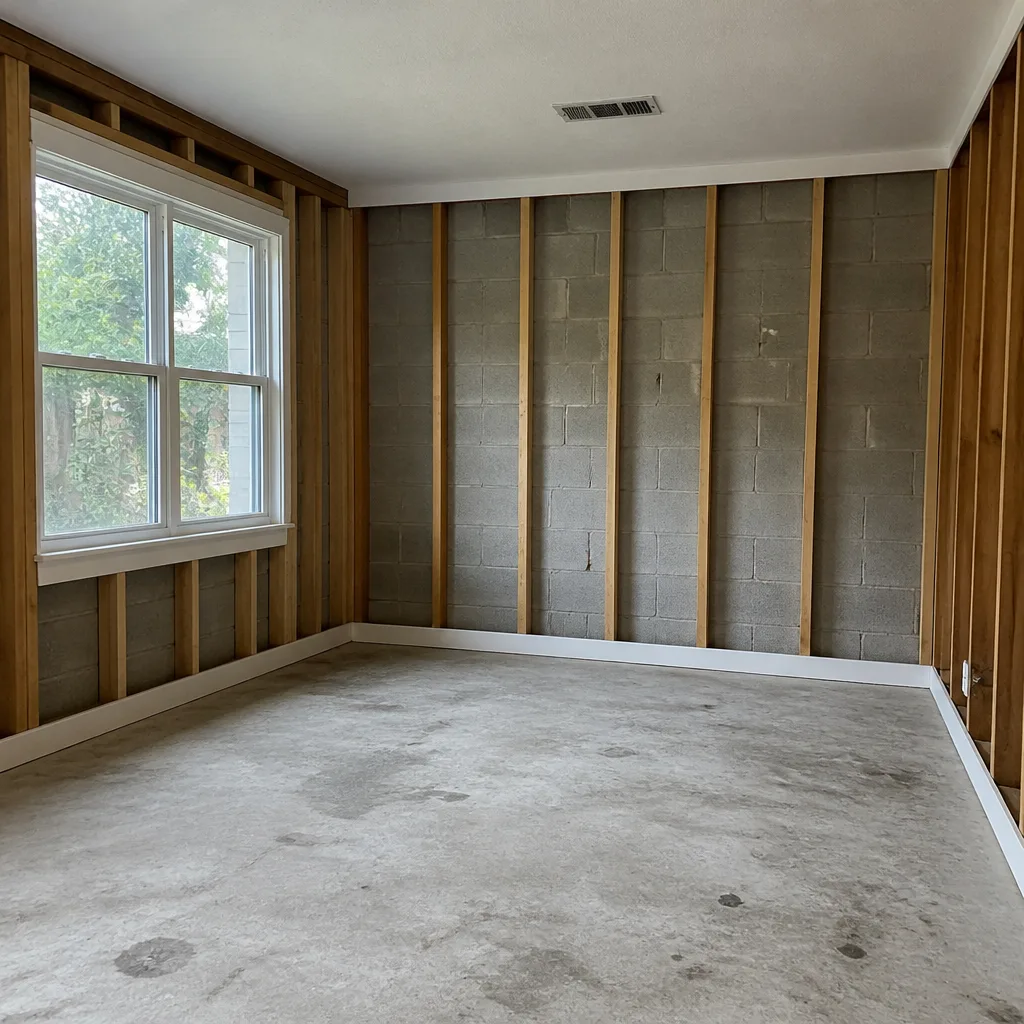
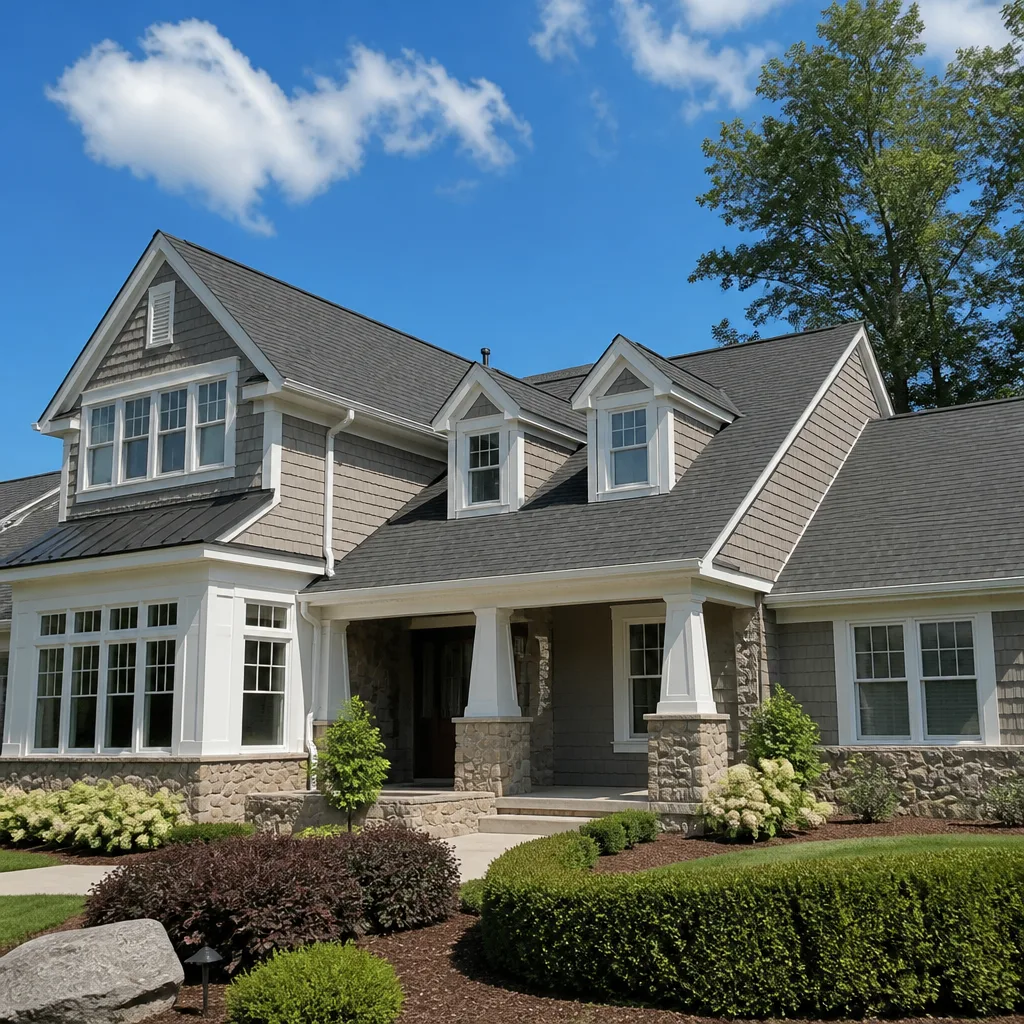
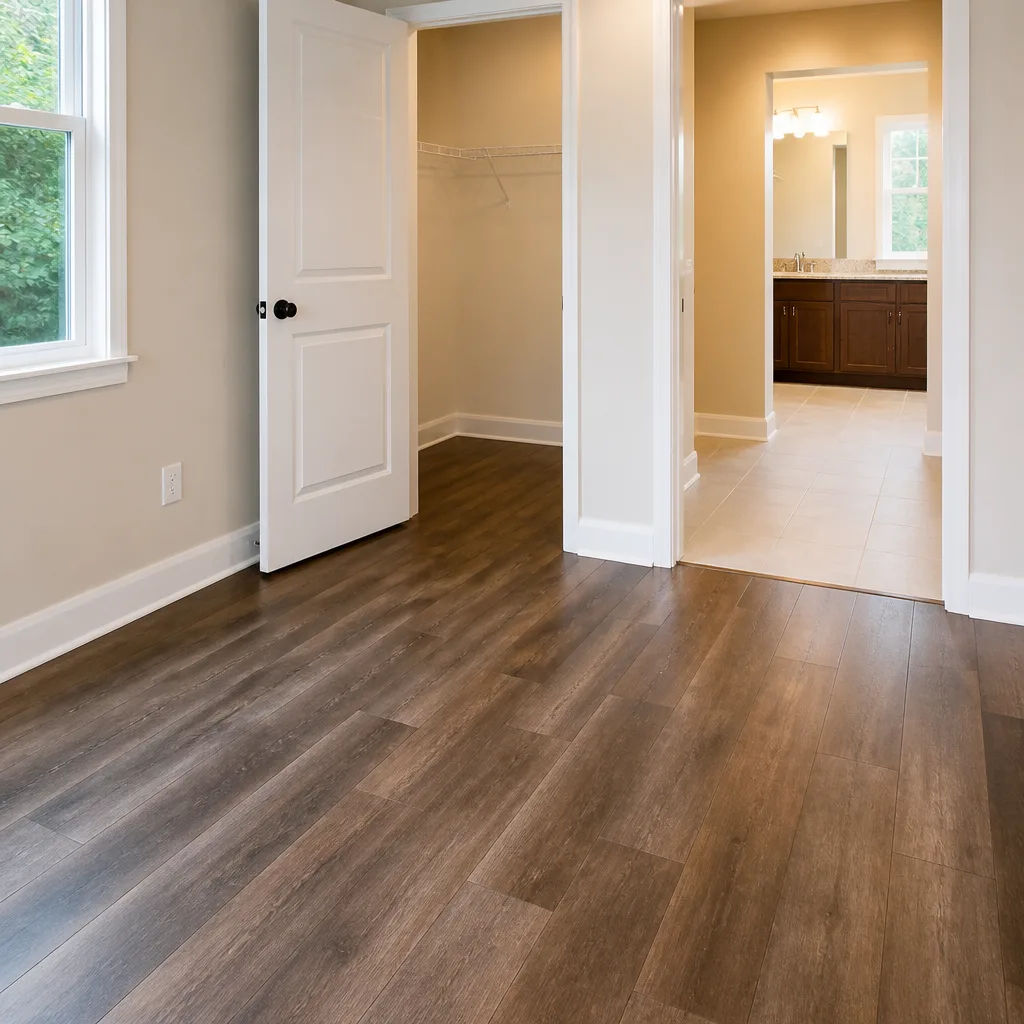
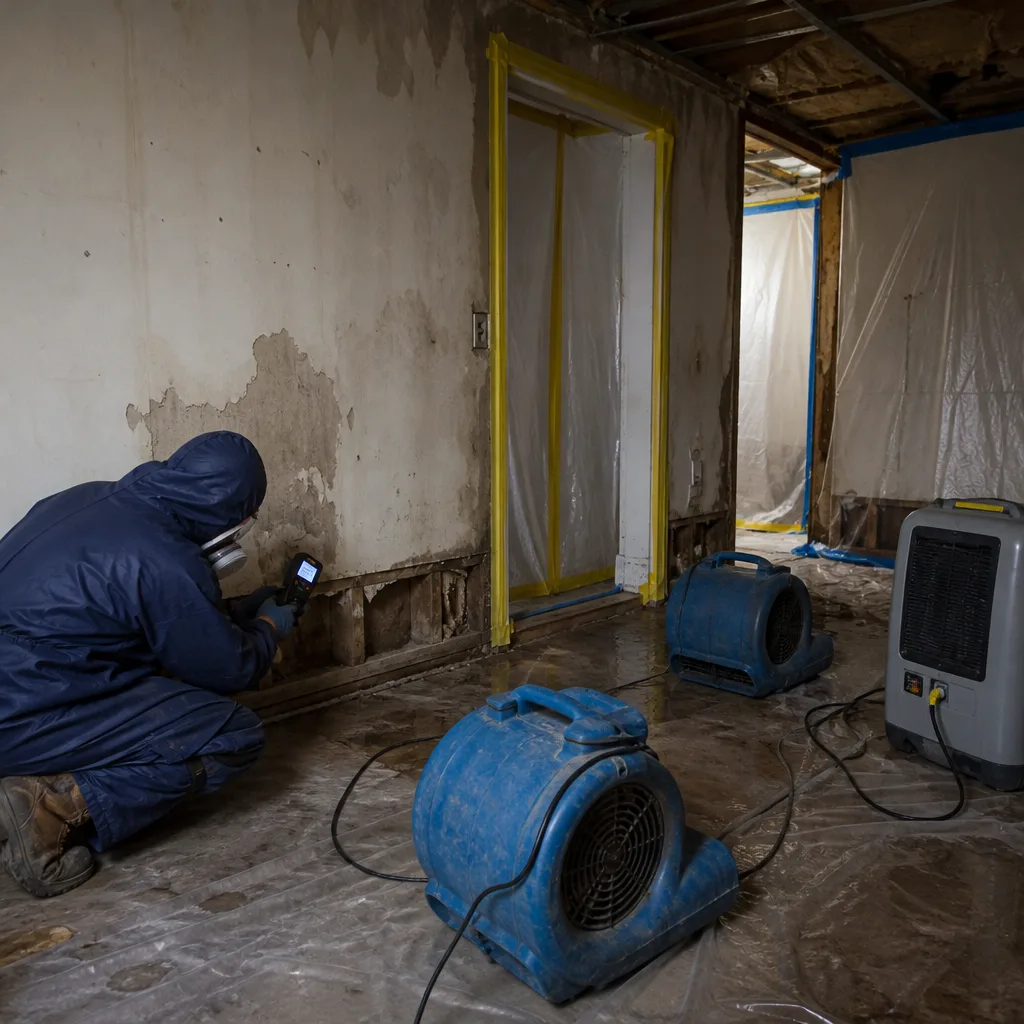 Before
 After
After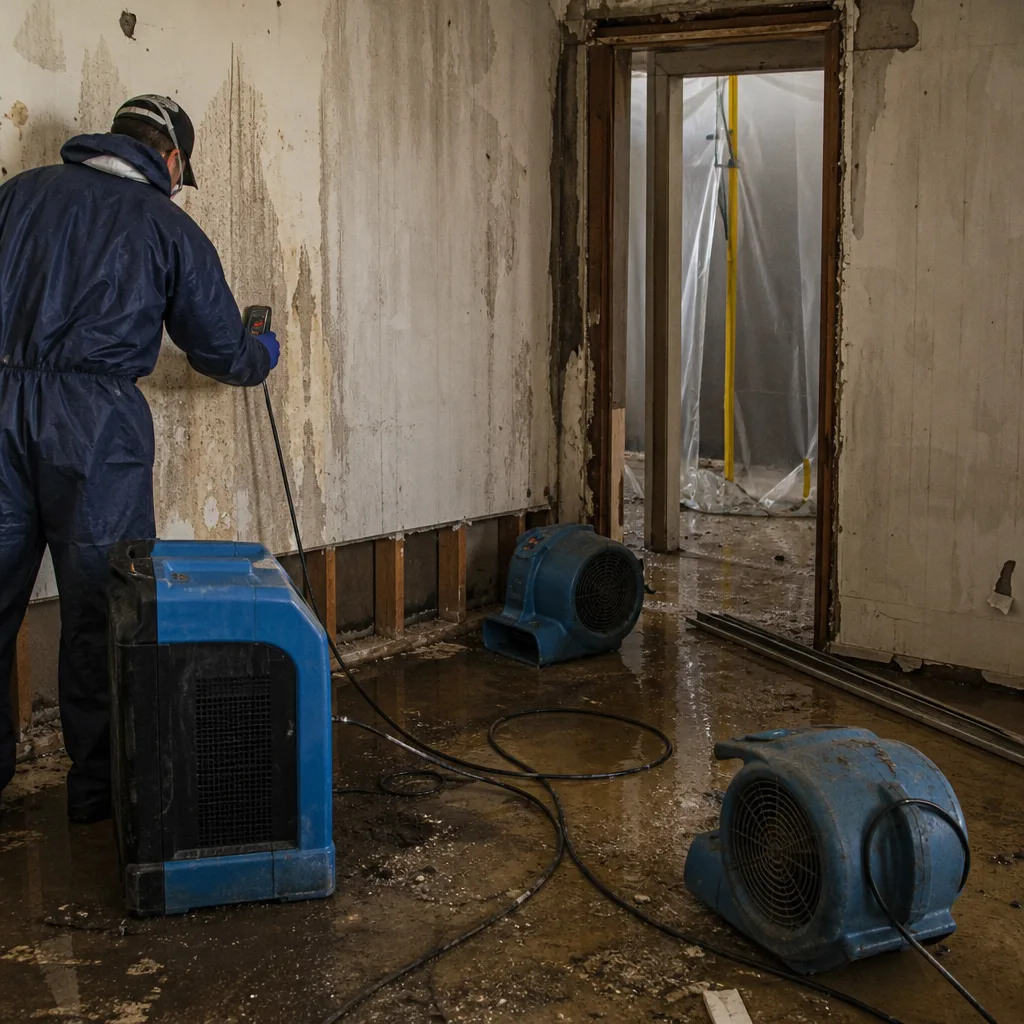 Before
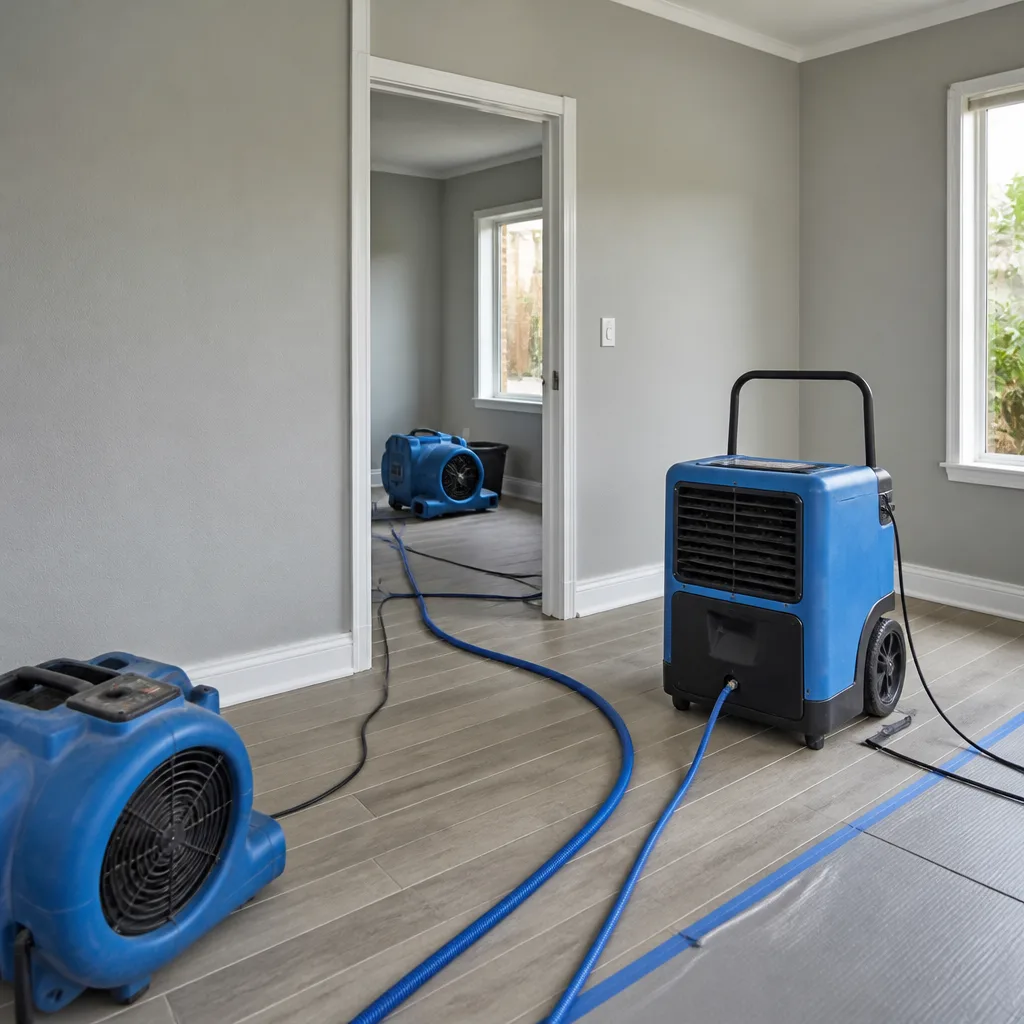 After
After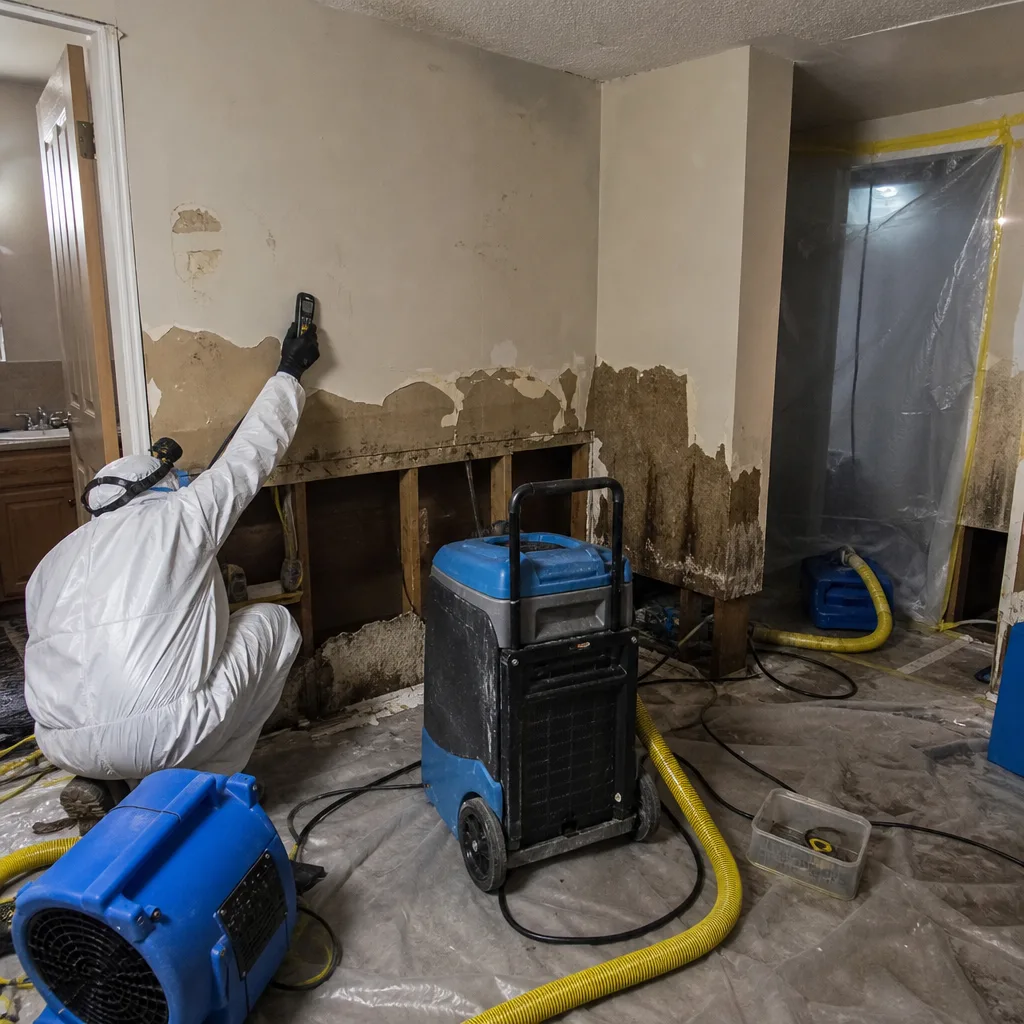 Before
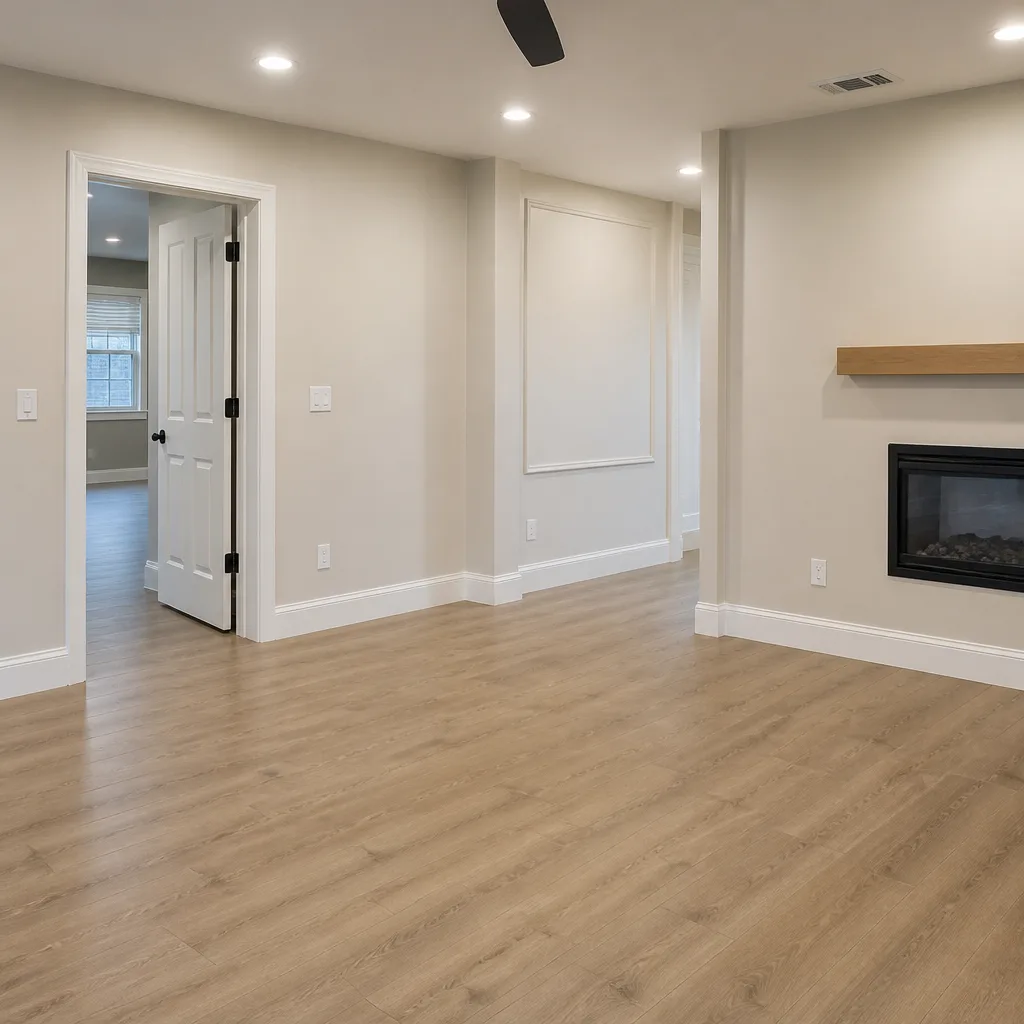 After
AfterFast, Reliable Storm Damage Restoration Across Hopatcong Hills
When a storm hits Hopatcong Hills, it rarely causes just one problem. The low-pitched roofs on those converted 1920s – 1950s cottages along Lake Hopatcong shed meltwater poorly, so ice dams form fast. Meanwhile, the shallow foundations those same cottages sit on let groundwater push up through crawl spaces and slab floors. That’s why our Storm Damage Restoration team responds to Hopatcong Hills calls with one clear priority: stop the water at every entry point, not just the obvious one. We dispatch crews from our New York City office to Hopatcong Hills neighborhoods, and a live person answers when you call (910) 613-6568, day or night.
Why Marsh Water Damage Restoration Is Hopatcong Hills’s Preferred Storm Damage Restoration Company
Since 2005, Marsh Water Damage Restoration has worked inside the specific housing stock that defines Hopatcong Hills: small hillside and lakeside cottages with pine-board interiors, aging galvanized supply lines, and foundations that offer little resistance to lake-elevated groundwater. Homeowners here don’t need a generic restoration crew. They need technicians who know that what looks like a roof leak often traces back to an ice dam, and that what looks like a simple wet floor often involves Category 2 or 3 water already wicking through an uninsulated stud bay.
Every technician who arrives in Hopatcong Hills follows the Threshold Verified standard. That means a background check, identity verification, and a photo sent to you before the visit. At the door, they show a photo ID badge. Tobias Reyner, who leads our restoration teams, enforces that standard on every job, because the house you’re about to open up to a stranger is your home, not a commercial job site.
Our response time to Hopatcong Hills neighborhoods, including the lanes above Lake Hopatcong and the streets running off Maxim Drive, is measured in hours, not days. Written pricing comes before any tool leaves the truck. The 365-Day Done Right Promise is printed on every work order we leave behind, and it means what it says: if the repair isn’t right within a full year, we make it right, and the second visit is free. No argument, no fine print.
Storm Damage Cleanup in Hopatcong Hills
Storm Damage Cleanup in Hopatcong Hills typically starts with extracting standing water, then moves to removing waterlogged materials that can’t be dried: soaked drywall, saturated carpet padding, and any insulation that’s been compromised. In the cottage-era homes here, that often includes pulling sections of pine-board tongue-and-groove paneling to check the wall cavity behind it. A typical residential storm cleanup in Hopatcong Hills runs $1,800 to $4,200 depending on how many rooms are affected and how much material has to go.
Ice Dam Water Removal
Low-pitched roofs on Hopatcong Hills cottages allow ice to build along the eaves, and when that ice melts, water moves upward into the wall assembly, not down onto the floor until it’s already traveled through insulation and framing. We cut out the wet drywall or paneling, dry the stud bays, and document everything for your insurance file.
Emergency Board-Up and Tarping
When a nor’easter tears shingles off or a tree limb punctures a roof, we install temporary protection before extraction begins. In Hopatcong Hills, that often means working on steep hillside lots where access is tight and equipment has to be set up carefully.
Flood Cleanup in Hopatcong Hills
Flood Cleanup in Hopatcong Hills deals with water that has risen from the ground or entered from a water source outside the home, and that water is rarely clean. In the spring, when Lake Hopatcong levels are managed by NJ DEP and snowmelt from the Morris/Sussex highlands combines with heavy rain, groundwater presses against shallow foundations and pushes up through slab-on-grade floors and crawl spaces. A typical Hopatcong Hills flood cleanup runs $2,500 to $6,800, with the higher end reflecting Category 3 water that requires antimicrobial treatment and containment.
Groundwater Intrusion Drying
This is not a mop-and-fan job. We use Dri-Eaz dehumidifiers and air movers with psychrometric readings (measuring the moisture in the air) to confirm the structure is genuinely dry, not just dry on the surface. Moisture mapping tells us how far the water has traveled through the slab and into wall assemblies.
Category 2 and 3 Water Remediation
When lake-elevated groundwater mixes with soil, it carries contaminants that health departments classify as Category 2 or Category 3. That requires containment, antimicrobial treatment, and careful disposal of porous materials. We handle all of that in Hopatcong Hills with written documentation for your insurer.
Trusted Brands We Service in Hopatcong Hills
Our crews work on every major storm damage scenario and use professional-grade equipment from Phoenix, XPOWER, and B-Air on Hopatcong Hills jobs. These are the same drying and extraction brands used on commercial losses, but applied to your cottage or ranch home. For Hopatcong Hills customers, we keep common parts stocked on our vehicles so the work doesn’t stall while someone runs across the county for a fitting. Whether it’s a 1930s cottage on a hillside lane or a mid-century ranch with a crawl space, we arrive with the right gear and the right parts to move from extraction to drying in the same visit.
Common Storm Damage Restoration Problems We See in Hopatcong Hills Homes
- Ice dams on low-pitched cottage roofs: Snow melts, refreezes at the eaves, and backs water up under the shingles. That water then travels into wall cavities behind original pine-board paneling, where it gets misread as a plumbing leak.
- Groundwater wicking through shallow foundations: When spring thaw raises the water table on high-groundwater lots, water moves upward through crawl spaces and slab-on-grade floors. A quick surface dry never resolves it, and the damp returns within weeks.
- Frozen and burst galvanized supply lines: The original plumbing in seasonal-to-year-round cottages gives out at freeze-thaw transitions. The water travels inside uninsulated stud bays and hits moisture-map dead zones that a visual inspection misses.
- Pre-existing mold behind tongue-and-groove paneling: Pine-board paneling has trapped lake-humidity moisture for decades. A single storm event often exposes black mold colonies spanning wall sections that predate the current owner, turning a storm loss into a mold remediation project.
Pricing for Storm Damage Restoration in Hopatcong Hills, NJ
Storm damage restoration in Hopatcong Hills runs from about $1,800 for a contained ice-dam leak with basic drying to $12,000 or more when Category 3 floodwater has permeated multiple rooms, wall cavities, and a crawl space. Most single-source storm losses fall between $2,200 and $5,500. What moves the number: how many wall sections are wet, whether containment and antimicrobial treatment are required, and how much pine-board paneling or drywall has to be removed to access the damage. We give you a written price before any work begins. Call (910) 613-6568 for a free estimate, and we’ll map the moisture, show you exactly where the water went, and give you a line-by-line scope of work to hand to your adjuster.
We Also Serve Cities Near Hopatcong Hills
Our Storm Damage Restoration crews work throughout northern New Jersey. In addition to Hopatcong Hills, we handle storm and flood cleanup in Newark, Jersey City, Paterson, and Elizabeth. If you’re on the border of any of those cities, we’ll verify which crew can reach you fastest when you call.
Serving Hopatcong Hills, NJ - Our Local Coverage Area
We’re based in the Hopatcong Hills area and know this community well. Use the map below to see our service coverage - if you’re nearby, we can almost certainly help.
FAQs About Storm Damage Restoration in Hopatcong Hills
Because Hopatcong Hills’ converted 1920s – 1950s cottages sit on the Morris/Sussex highlands with more freeze-thaw cycles than the rest of New Jersey, spring thaw arriving with high NJ-DEP-managed Lake Hopatcong levels can push simultaneous groundwater flooding against multiple shallow foundations in a single block. Storm-driven ice dams on the low-pitched cottage roofs then leak into the same homes, compounding one event with another. We check both entry points on every Hopatcong Hills storm call, because treating only the roof leak leaves the groundwater doing damage on the other side of the house. Call (910) 613-6568 if you suspect both.
We test for contamination. The answer changes how we treat the material. Category 1 is clean water, like a burst supply line. Category 2 carries biological or chemical contaminants, and that happens when the water passes through soil, building materials, or sits too long on finished surfaces. Category 3 is grossly contaminated water, like lake water that has mixed with soil and entered your crawl space. What determines the category in Hopatcong Hills is usually the path the water traveled, not how it looks. We document that path, and we match the treatment to the category. If your insurance asks for the classification, it’s in the written drying logs we hand over. Call (910) 613-6568 and we’ll explain what we’re seeing in plain terms.
Pine-board tongue-and-groove paneling was the cheap interior finish when most Hopatcong Hills cottages were built, and that cavity traps lake-humidity-driven moisture for decades. What looks like a single water-loss event often reveals black mold colonies spanning entire wall sections that predate the current owner. We probe behind the paneling on every Hopatcong Hills storm job. If we find mold, we’ll show you photos and give you a written scope for remediation that’s separate from the storm cleanup, so your insurer can see what’s new and what was already there.
Yes. Freeze-thaw cycling in the Morris/Sussex highlands means moisture moves through wall assemblies differently than it does in coastal or central New Jersey homes. Condensation forms inside uninsulated stud bays, and water from an ice dam can freeze on its way down, then thaw and travel farther. We extend drying times on Hopatcong Hills cottage jobs and monitor with psychrometric readings (measuring the moisture in the air) until the numbers hold steady. That costs a little more than a quick surface dry, but it means the wall doesn’t stay wet behind the paneling and grow mold six months later.
It includes both full extraction and structural drying. Our approach is staged: we stop the roof leak, extract the standing groundwater, remove saturated materials, and set drying equipment in the affected areas. Then we treat the Category 2 or 3 water with antimicrobial, contain the workspace, and run drying logs with daily psychrometric readings until the structure is genuinely dry. We also document everything for your insurance: photos, moisture maps, drying logs, and a written scope of work for the rebuild. That’s what we gave the owner of a converted 1930s cottage on a hillside lane above Lake Hopatcong during a March nor’easter, and it’s what we’ll give you. Call (910) 613-6568 for a free estimate, and we’ll start with a walk-through that shows you exactly what you’re dealing with.
Contact Marsh Water Damage Restoration today. Call (910) 613-6568 for a free storm damage assessment in Hopatcong Hills. A live person answers, we send you a photo of your technician before they arrive, and the written price comes before any work begins. When the next nor’easter hits, you’ll know exactly who’s coming to your door.
Written by Tobias Reyner, Owner at Marsh Water Damage Restoration, serving Hopatcong Hills since 2005.