
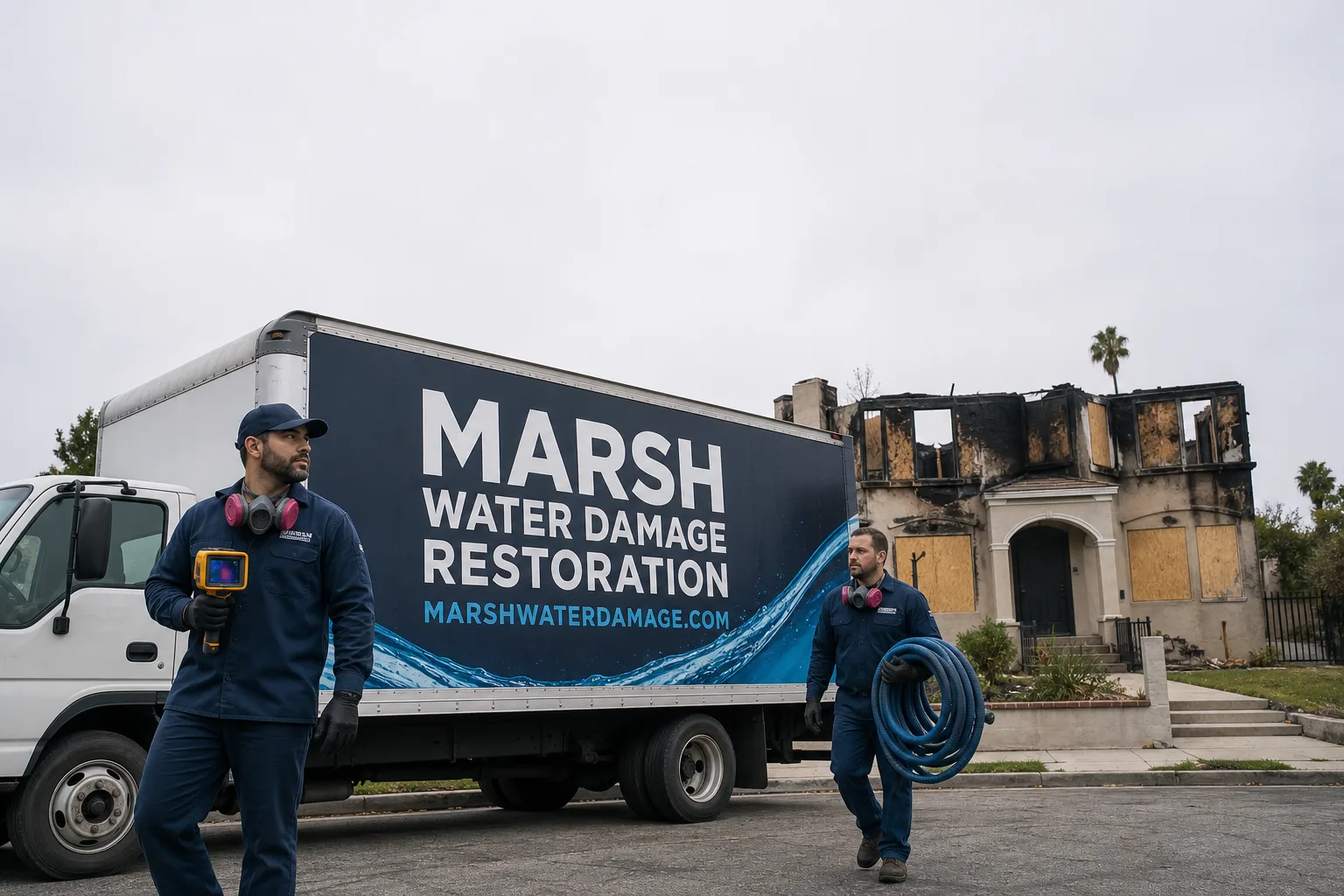
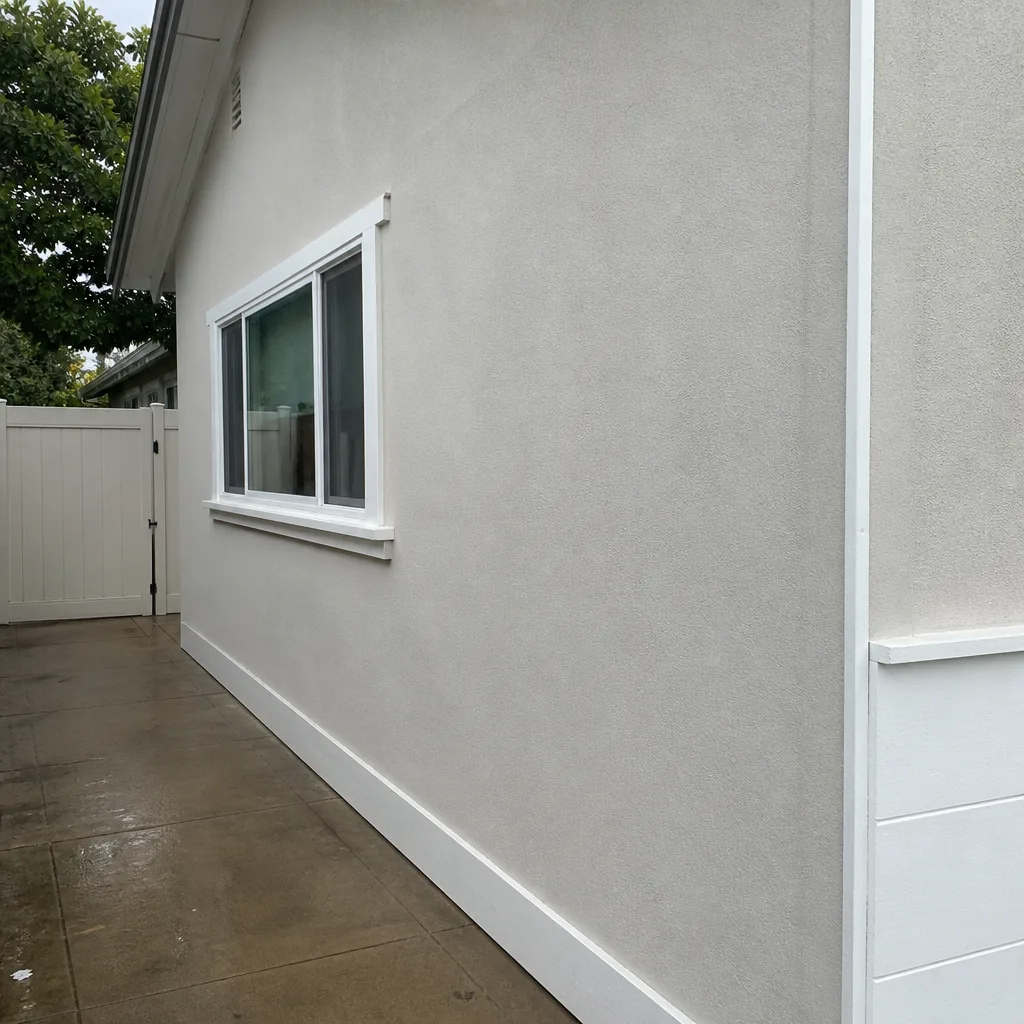
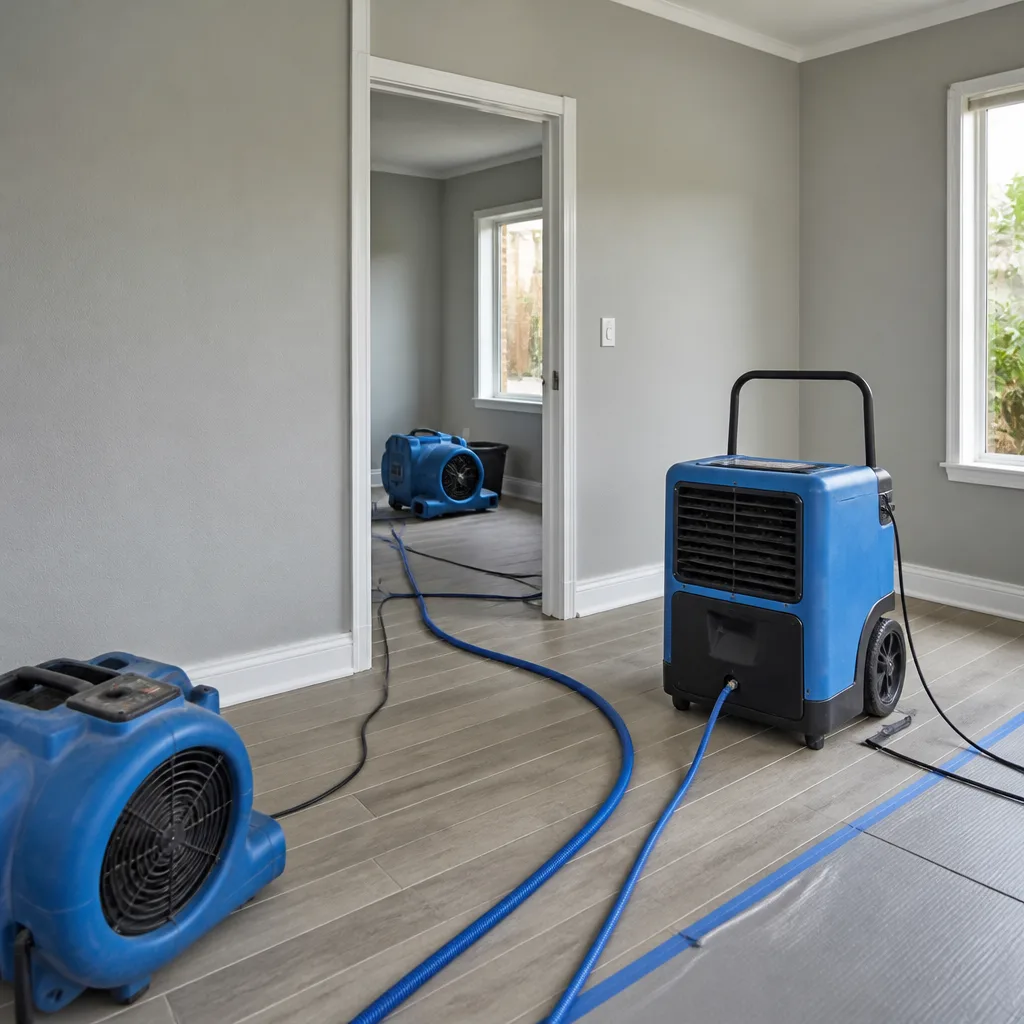
Free visual inspection and a written scope of work before any mitigation begins - photos, moisture readings, and drying logs go in your claim file
The scope we write is the scope we bill. Anything new gets shown to you, in writing, before we touch it.
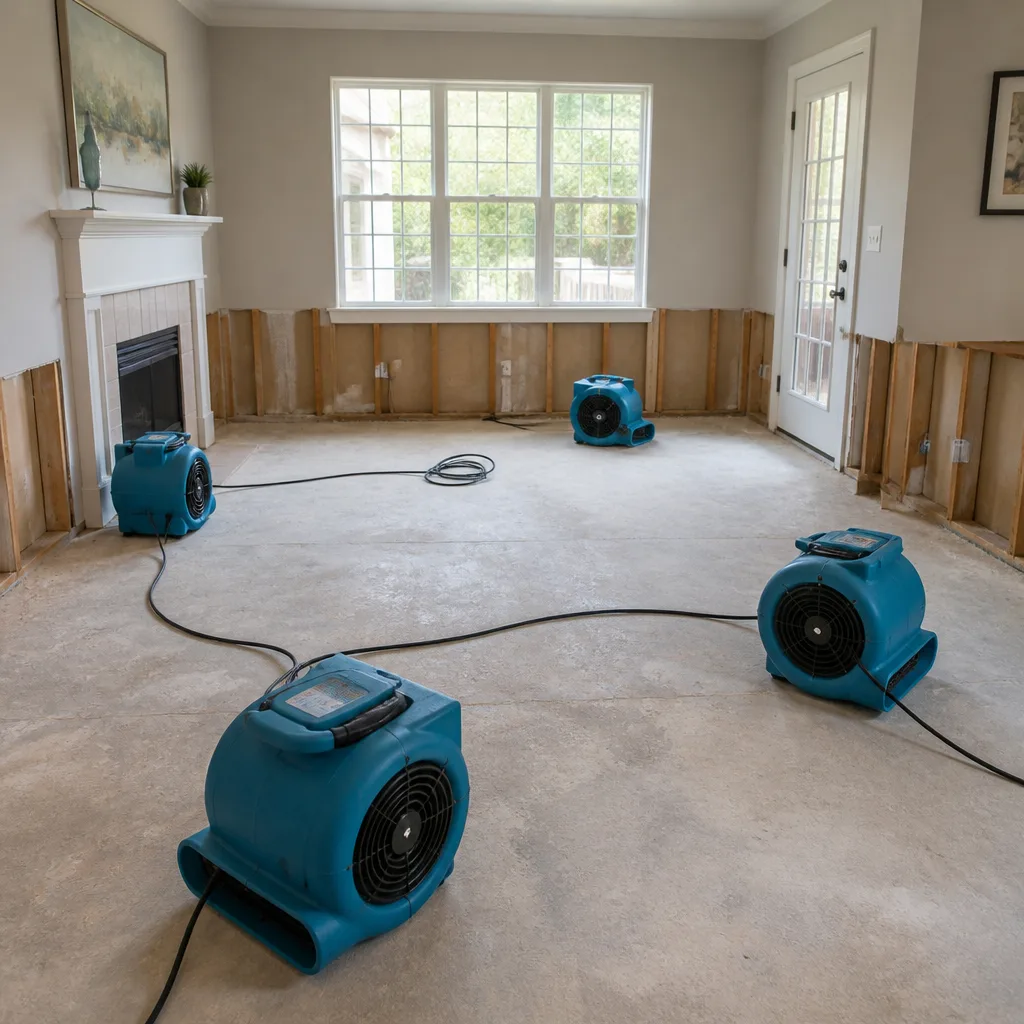
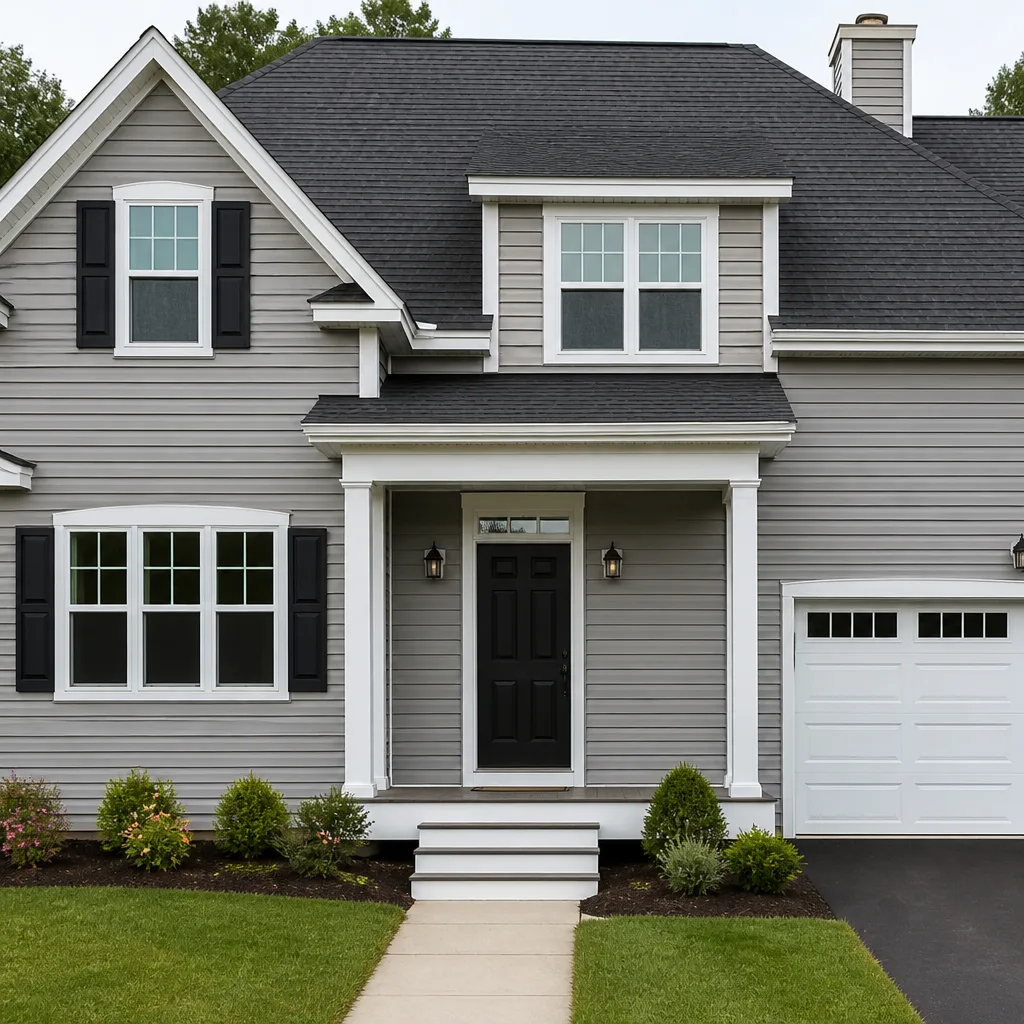
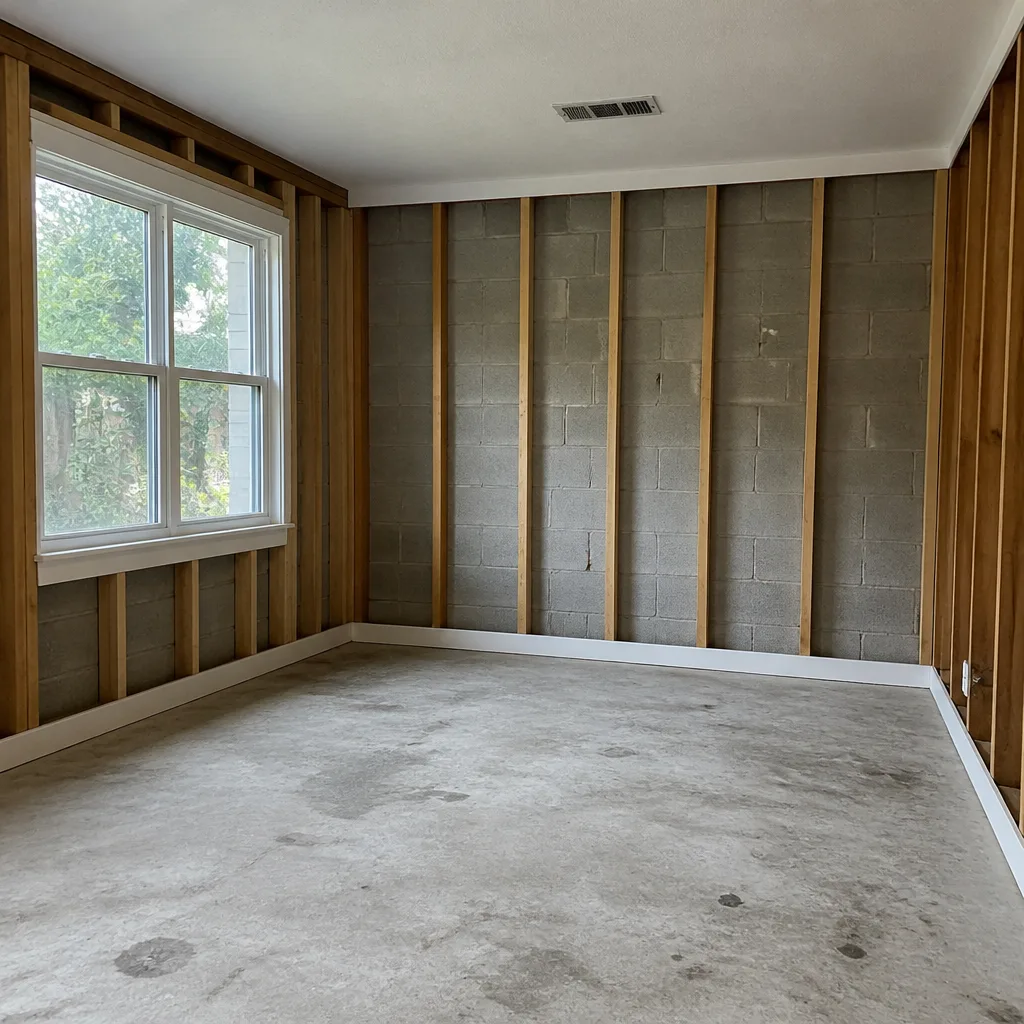
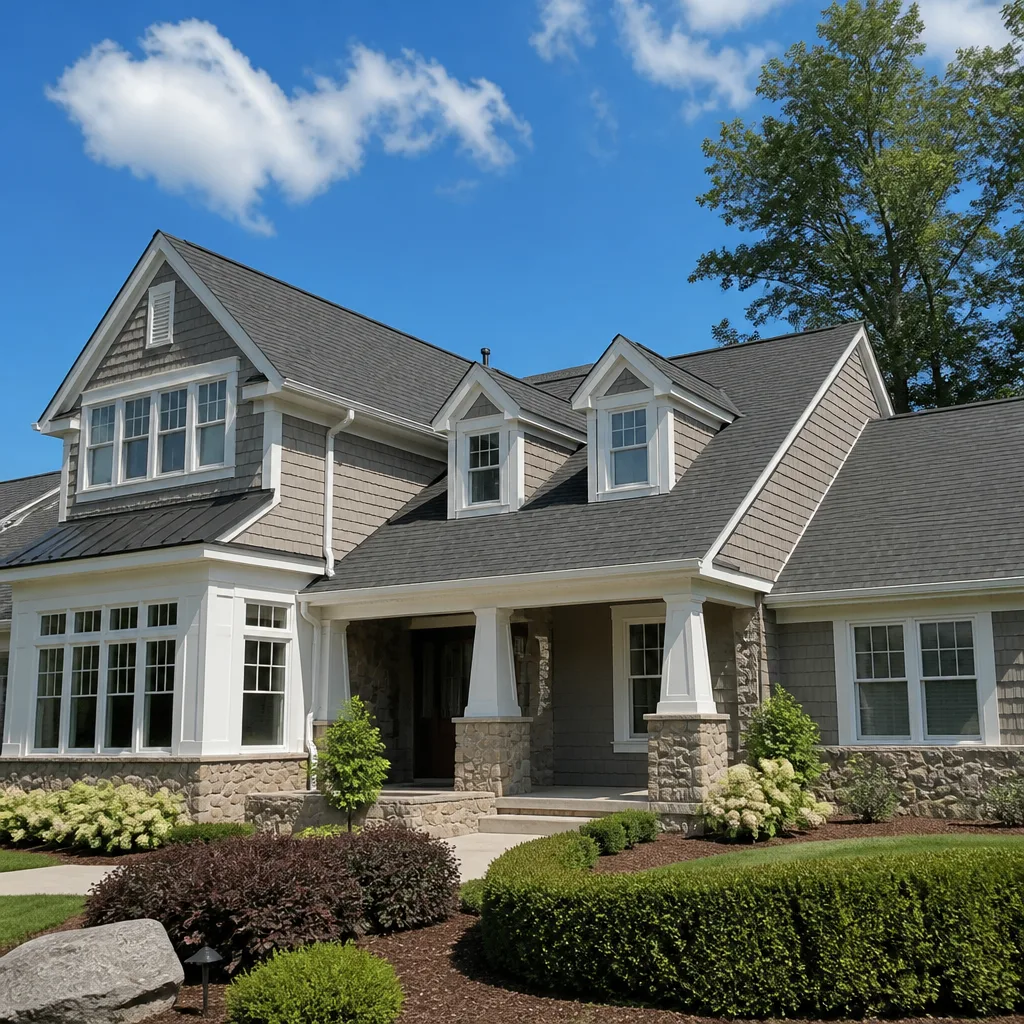
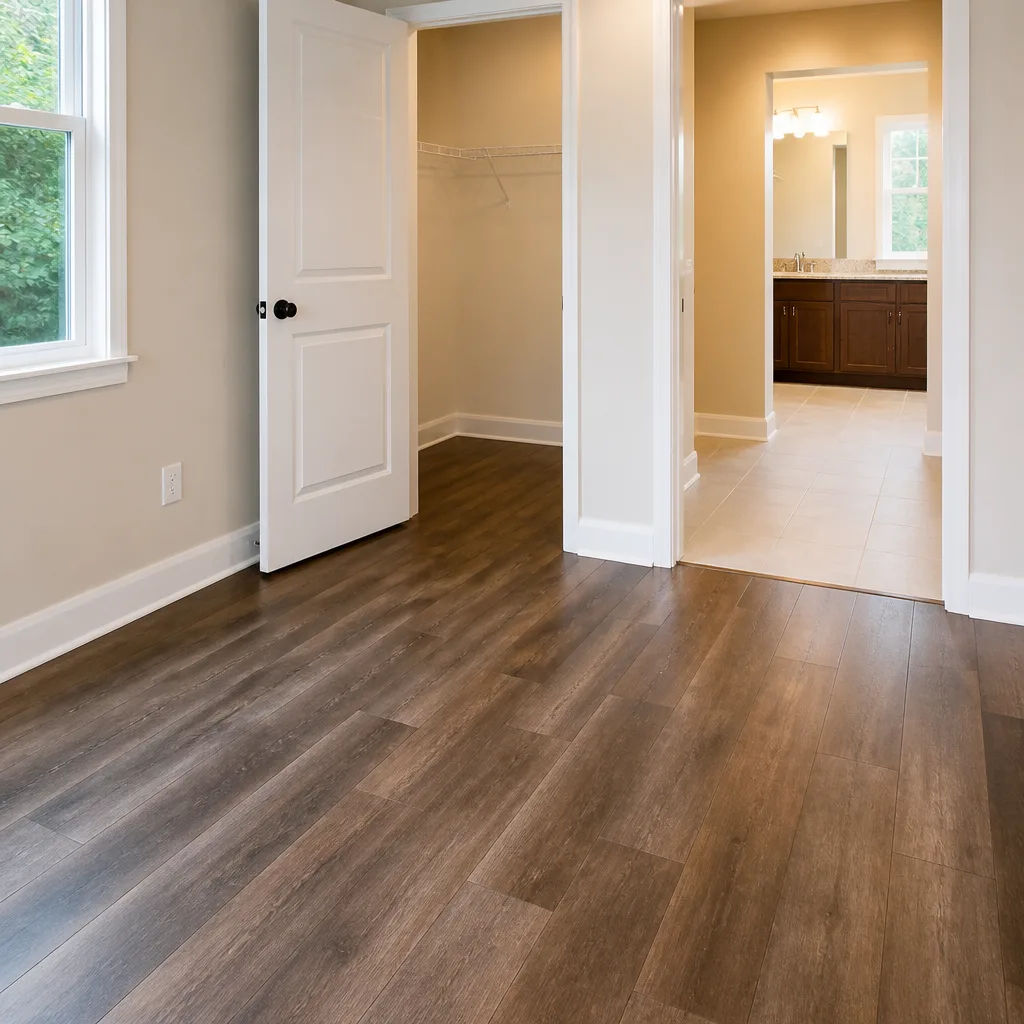
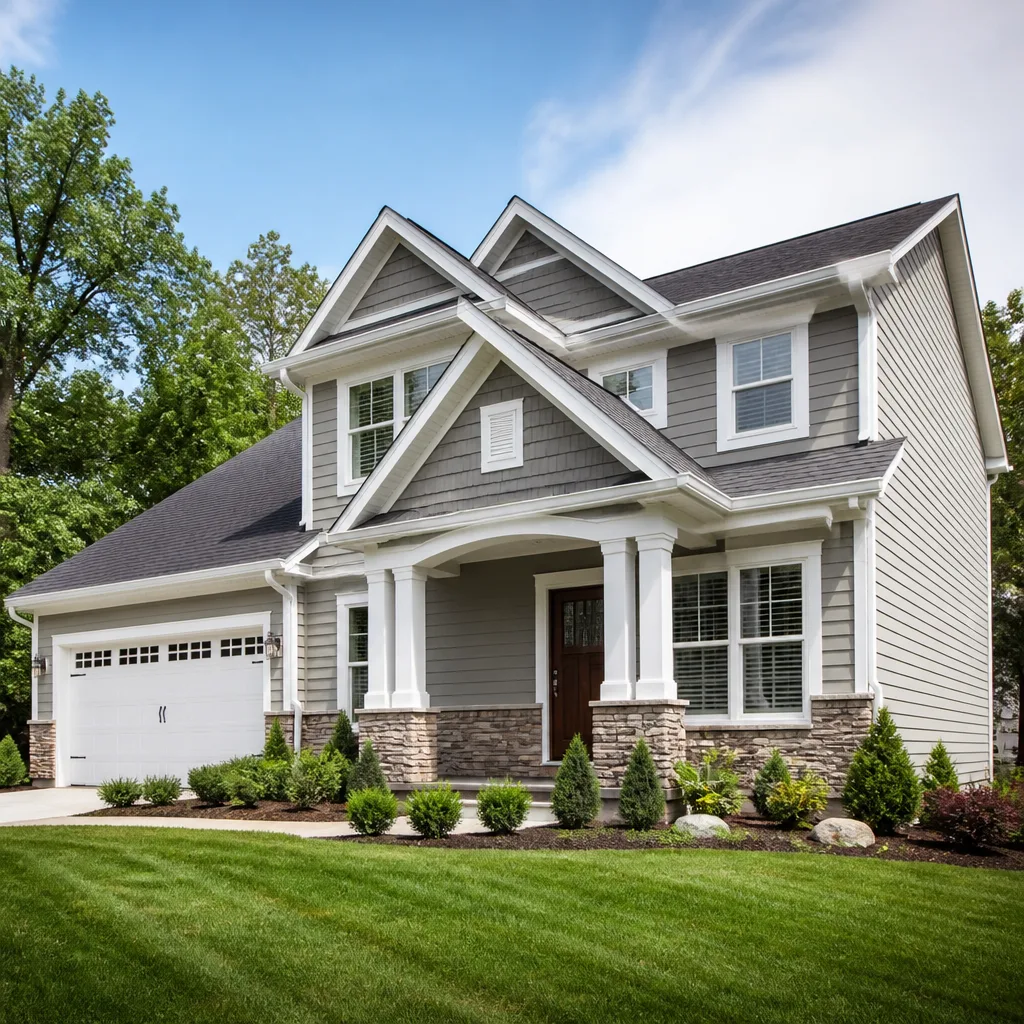
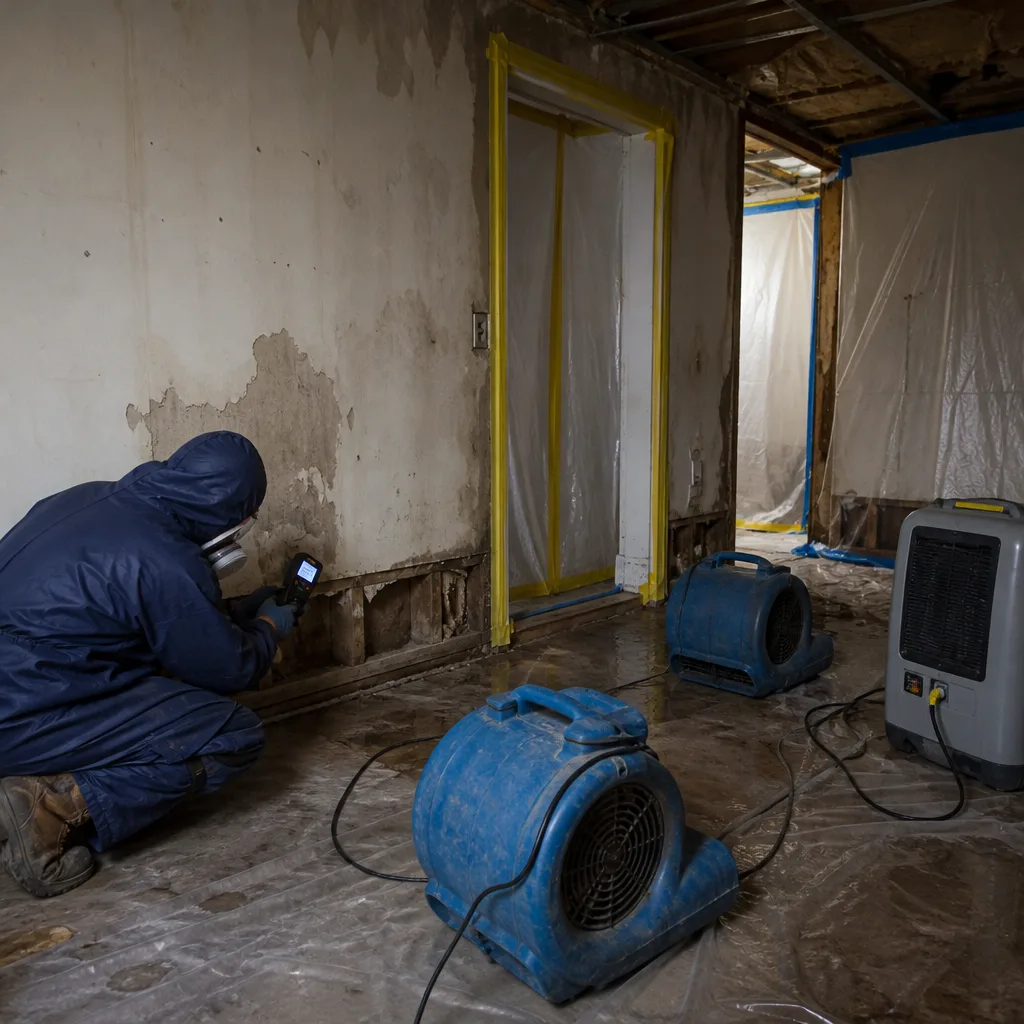 Before
 After
After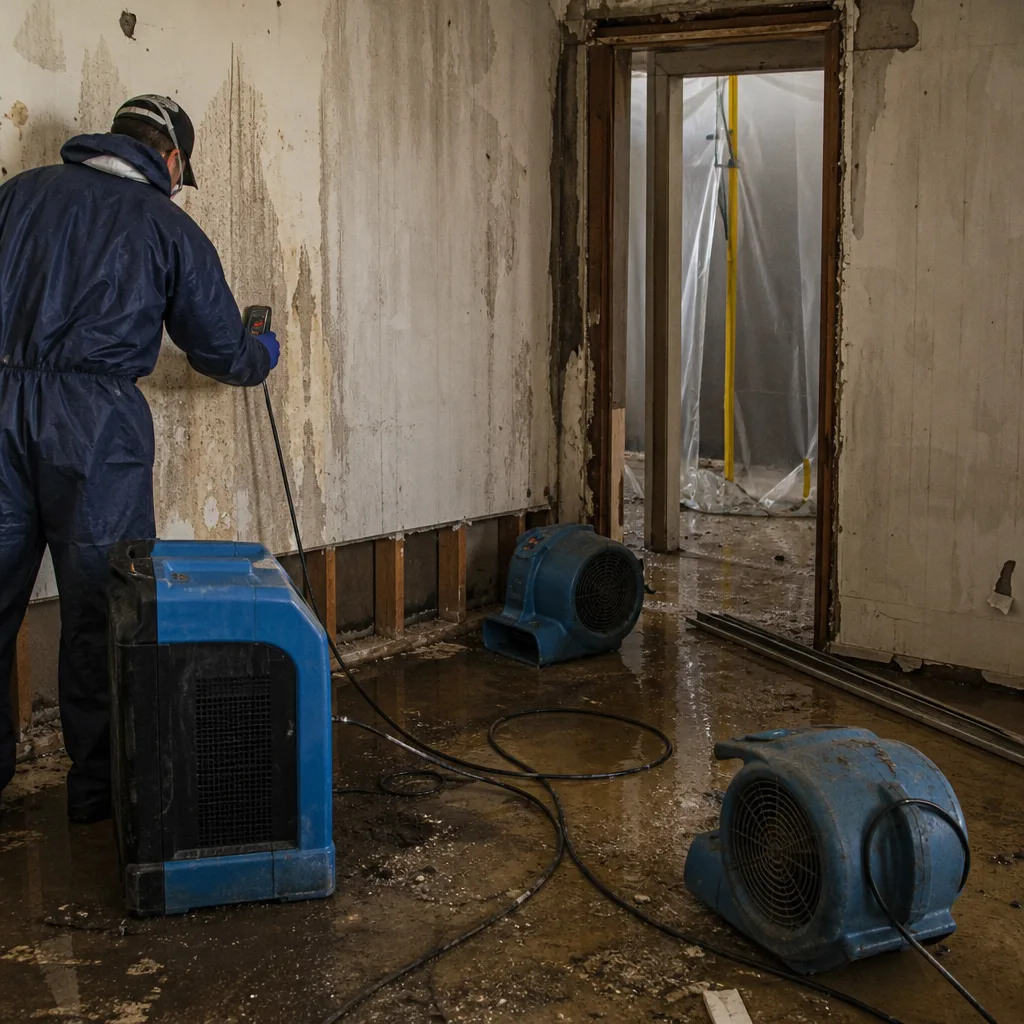 Before
 After
After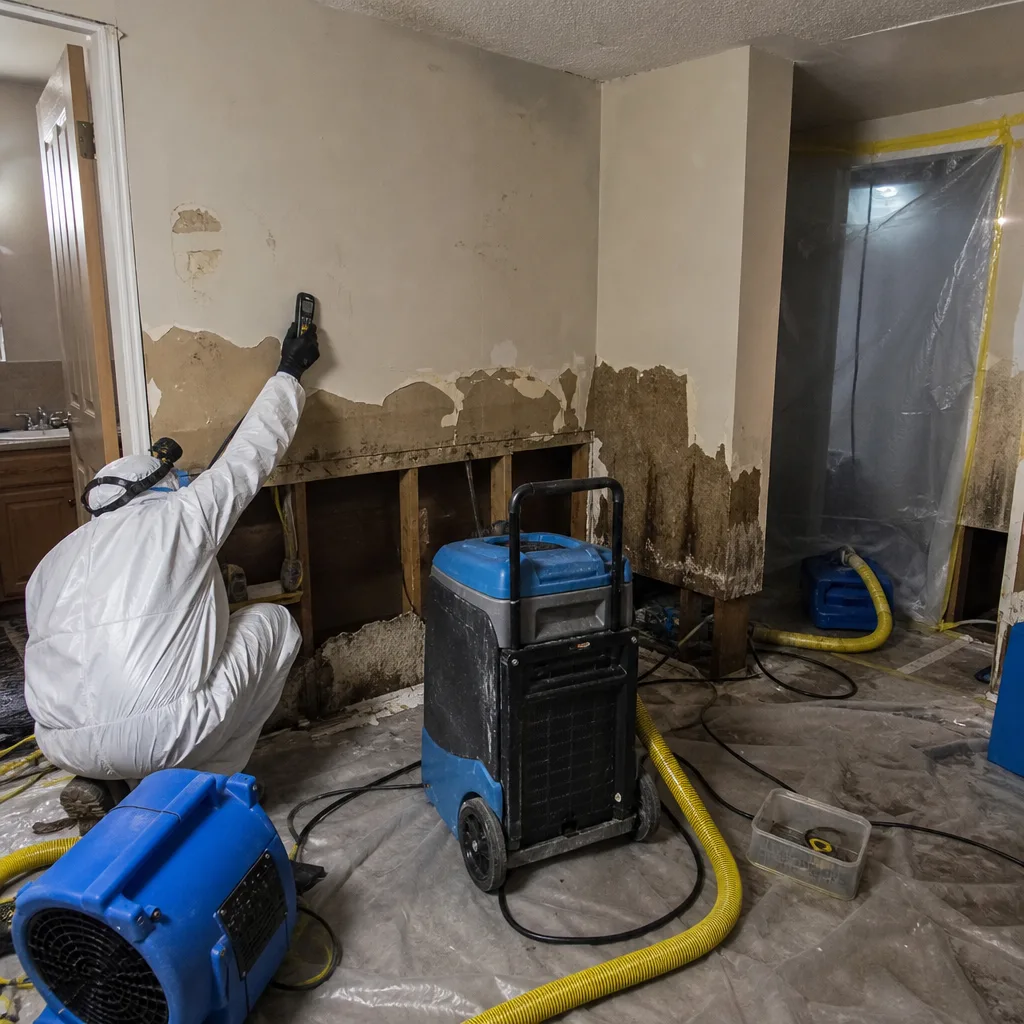 Before
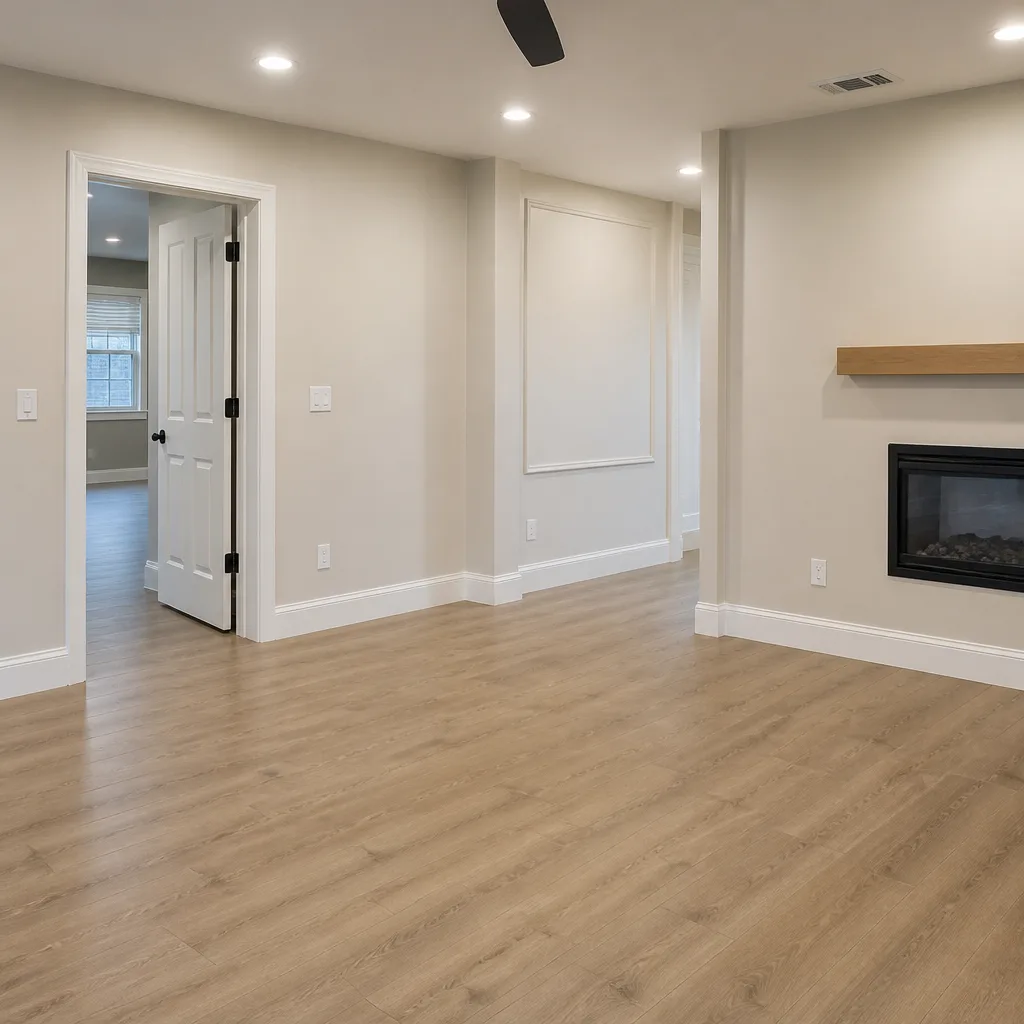 After
AfterFast, Reliable Storm Damage Restoration Across Little Silver
Storm damage in Little Silver usually means one of two things: a nor’easter pushed Shrewsbury River surge into your basement, or wind tore a garage door, soffit, or section of roofing loose before the rain even arrived. Most residential storm repairs here run between $1,800 and $7,500 depending on how far the saltwater traveled and what the wind opened up. We answer the phone day and night at (910) 613-6568, and we can typically have a crew on your street within 60 to 90 minutes because we know exactly how to get into Little Silver from the Garden State Parkway and Route 35 without losing time at the bridge crossings.
We’re Storm Damage Restoration specialists who work the tidal streets of this borough year round, not a franchise that shows up after big storms and leaves once the news cameras do. The saltwater chemistry of the Shrewsbury River makes Little Silver different from Red Bank or Eatontown, even though they’re ten minutes away. We treat every storm call here with that difference in mind from the first knock.
Why Marsh Water Damage Restoration Is Little Silver’s Preferred Storm Damage Restoration Company
Little Silver homeowners call us because we show up with a name and a face before we show up with a truck. Every technician is background-checked, identity-verified, and sent to you by name and photo before the visit. That’s the Threshold Standard, and it matters when you’re opening your door at 2 a.m. after a tree limb went through a window and the rain is still coming in.
Our crews know the housing stock here. The 1920s colonials off Prospect Avenue, the 1950s capes along Rumson Road, the riverfront homes with original lumber that’s been through a dozen tidal surges since construction. Tobias Reyner, who leads our storm restoration team, has walked more Little Silver basements after nor’easters than most people have walked the sidewalk on Church Street. That kind of local repetition means we know where the water hides in these older frames.
Response time to Little Silver is straightforward: a live person answers 24/7, not a voicemail tree. From the moment you call, we’re moving. The trucks are stocked with Dri-Eaz dehumidifiers, Phoenix air movers, and XPOWER extraction units before the phone rings, because we dispatch crews toward the river towns the minute a nor’easter is forecast.
Basement Flood Cleanup in Little Silver
Basement Flood Cleanup here in Little Silver starts with a question most restoration companies never ask: is this freshwater or brackish Shrewsbury River surge? If a nor’easter pushed tidal backwater up into your foundation, that water carries salt. Salt changes everything about drying. A typical Little Silver basement flood cleanup runs $2,000 to $6,500 depending on square footage, water category, and whether your home sits along the riverfront AE flood zone or further inland near the train station corridor.
Saltwater-Specific Extraction
We pull standing water with truck-mount extraction, then map moisture across every affected surface. The salt in tidal surge leaves a crust on framing that keeps pulling moisture from the air for months. Without desalination cleaning and aggressive dehumidification, that hidden brine feeds mold behind walls a homeowner can’t see.
Plaster and Old Hardwood Drying
Little Silver’s older homes near the station were built with plaster over lath, not drywall. Plaster holds water differently and hides it deeper. We log moisture readings daily and hold drying equipment in place until the structure is genuinely dry, not just dry on the surface. Your insurance carrier gets the logs, and so do you.
Storm Damage Contractors in Little Silver
Storm Damage Contractors in Little Silver handle two distinct jobs: the wind damage that opens a structure, and the water damage that follows. We do both, which means you’re not coordinating three companies while your living room fills with rain. A wind-damaged garage door, broken window, or torn soffit repair typically runs $900 to $3,800 depending on the opening size and whether original millwork needs matching rather than replacement. Full storm restoration combining water and structural work runs $4,000 to $12,000 on homes along the riverfront.
Garage Door and Window Reinforcement Before the Next Storm
Many Little Silver homeowners call us after the storm, but the smart ones call before. Wind-rated garage door bracing and impact-rated window film cost less than a quarter of the damage a failed door causes when it breaches. If your garage door bows more than an inch under hand pressure, it’s already failed by Miami-Dade standards. We can reinforce it at a fraction of the post-storm replacement cost.
Track, Panel, and Soffit Repair After Wind Events
When wind pries a garage door track loose or peels soffit panels back, the opening lets rain pour into wall cavities for hours. We respond same day to tarp, board, and reinforce, then write a full scope for the permanent repair before we start. You get a written price before any work begins. That’s a printed commitment on every job, not a verbal estimate.
Trusted Brands We Service in Little Silver
We run our drying chambers on Dri-Eaz dehumidifiers, Phoenix air movers, and XPOWER extraction units because these are the machines that hold up through repeated storm cycles along the Shrewsbury River. But we also service and restore equipment from other manufacturers, and our technicians hold IICRC, RIA, and IFA credentials so the gear in your basement is operated by people who actually understand psychrometric drying, measuring the moisture in the air and materials at the same time. For Little Silver customers with whole-home dehumidification or backup sump systems, we stock common replacement parts in our trucks to keep turnaround tight in the middle of a storm response.
Common Storm Damage Restoration Problems We See in Little Silver Homes
- Brackish surge treated as freshwater. The most expensive mistake in this borough is triage that skips salt-specific cleaning. The brine wicks into framing along riverfront blocks and feeds mold for months after the space looks dry.
- Plaster-over-lath walls holding hidden moisture. Homes built near the train station corridor in the 1920s and 1930s dry differently than drywall homes. Surface readings lie. We pull insulation samples and log in-cavity moisture until the numbers say dry.
- Storm-damaged original millwork replaced with off-the-shelf trim. Riversider homes often have custom profiles and period woodwork. If the adjuster’s scope calls for painted MDF replacement on a 1930s staircase, we document pre-loss condition and match the original. Claims go smoother with that documentation.
- Corroded HVAC and electrical components after saltwater exposure. Tidal surge eats condenser coils, junction boxes, and any fastener that holds galvanic potential. A restoration that dries the drywall but leaves salted electrical components alone creates a fire hazard and a callback. We scope for it every time.
Pricing for Storm Damage Restoration in Little Silver, NJ
Storm restoration here runs on actual work, not square foot alone. A small wind intrusion with minor water cleanup in a 1950s cape off Branch Avenue starts around $1,800 to $2,500. A full basement flood cleanup from Shrewsbury River surge in a riverfront colonial typically runs $4,500 to $8,000 before structural repairs. If wind tore off roofing and water saturated plaster ceilings, a full restoration scope with structural drying and rebuild runs $9,000 to $15,000. Saltwater adds a desalination and antimicrobial step that freshwater jobs don’t need, and older plaster homes add drying time. Every job gets a written price before work starts. Call (910) 613-6568 for a free on-site estimate in Little Silver, and we’ll tell you what it will cost before you sign anything.
We Also Serve Cities Near Little Silver
Our crews work the river towns and the land between them. Fair Haven, Oceanport, Red Bank, and Eatontown are all within our regular response area, and we run the same Threshold Verified protocol in every one of them. If you’re just over the line from Little Silver, you’re still getting a named, photo-badged technician at your door. Learn more about Little Silver service specifics here.
Serving Little Silver, NJ - Our Local Coverage Area
We’re based in the Little Silver area and know this community well. Use the map below to see our service coverage - if you’re nearby, we can almost certainly help.
FAQs About Storm Damage Restoration in Little Silver
Because the Shrewsbury River is tidal and connected to Sandy Hook Bay, so storm surge here is brackish saltwater, not freshwater. That salt corrodes metal framing, fasteners, and HVAC components on contact, and it leaves a brine crust on wood that keeps wicking moisture and feeding mold long after a freshwater flood would have dried out. Any restoration crew working Little Silver should treat riverside calls as saltwater contamination jobs by default. If you’re not sure whether your flood was tidal or rain-fed, call (910) 613-6568 and we’ll test the water and the materials.
Mold starts colonizing wet organic material in 24 to 48 hours, and in Little Silver’s humid coastal climate it often moves faster in the summer months. Salt residue extends that window invisibly, because the surface feels dry while the brine underneath keeps holding moisture. We set containment and start structural drying within hours of arriving, not days. The sooner you call, the less demolition becomes necessary.
Category 3 is grossly contaminated water, and tidal surge from the Shrewsbury River falls into that category every time. It carries sewage, marine bacteria, and industrial runoff from upstream. That means full containment, antimicrobial treatment, and removal of affected porous materials, not just extraction and drying. Our crew follows IICRC Category 3 protocols on every riverfront storm call, and we document the process for your insurer as we go.
Yes. The borough’s 1920s to 1950s housing stock is largely plaster over lath, and plaster holds and releases moisture differently than modern drywall. It hides elevated moisture behind a surface that feels dry to the touch, which means standard freshwater drying timelines can fail. We use moisture mapping and in-cavity probes on older Little Silver homes, and we dry them longer than a modern drywall house of the same size would need.
If your home sits in an AE flood zone along the Shrewsbury River, your insurer already knows it and that affects claim scope, coverage limits, and what documentation they’ll demand. We photo-document pre-existing condition, log moisture readings daily, and write scopes that match FEMA flood insurance requirements, which reduces back-and-forth with adjusters. If you’re in the AE zone and dealing with storm damage now, call (910) 613-6568 before you sign anything with anyone.
Written by Tobias Reyner, Owner at Marsh Water Damage Restoration, leading storm restoration teams across the Little Silver riverfront and surrounding Monmouth County boroughs since 2005.