
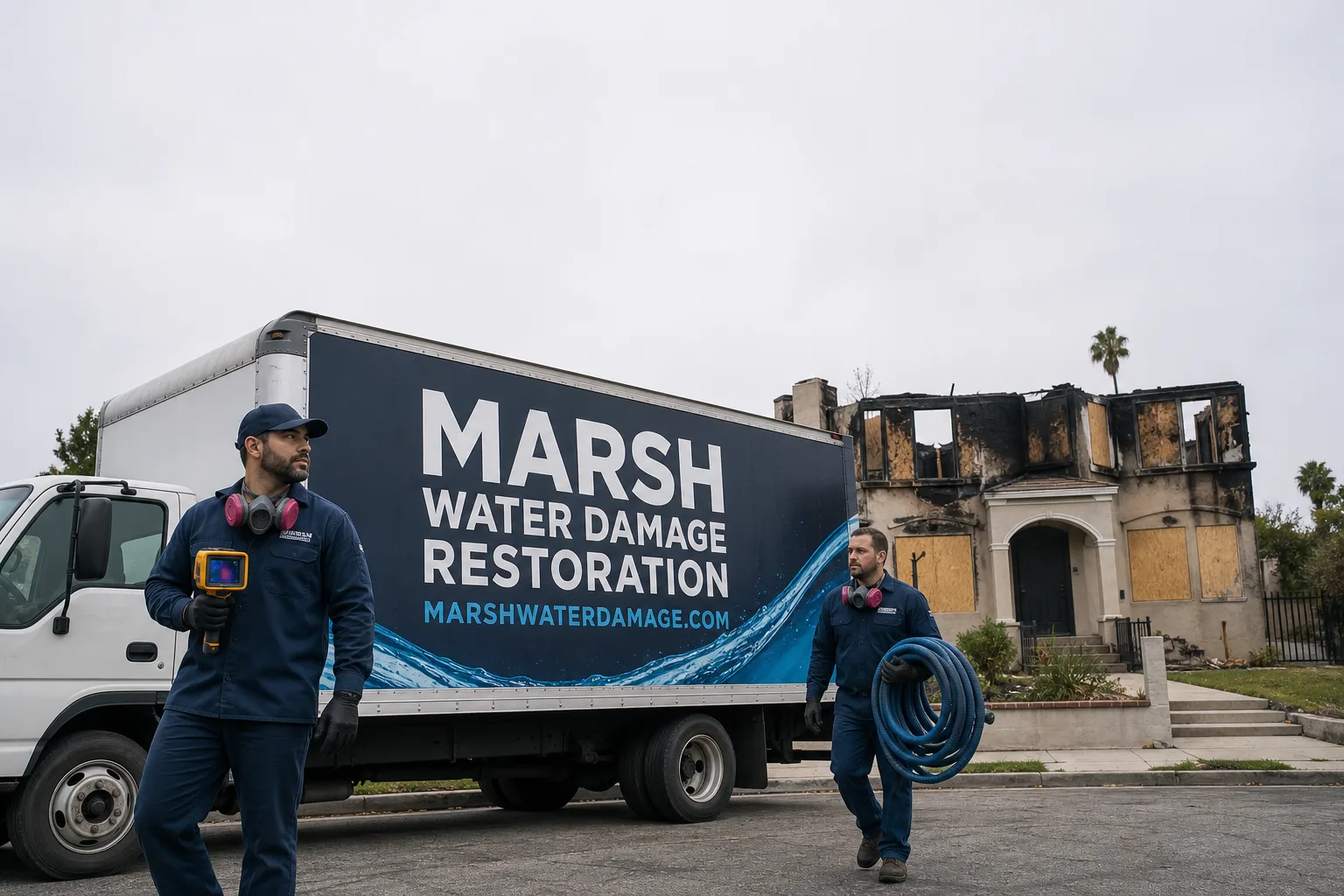
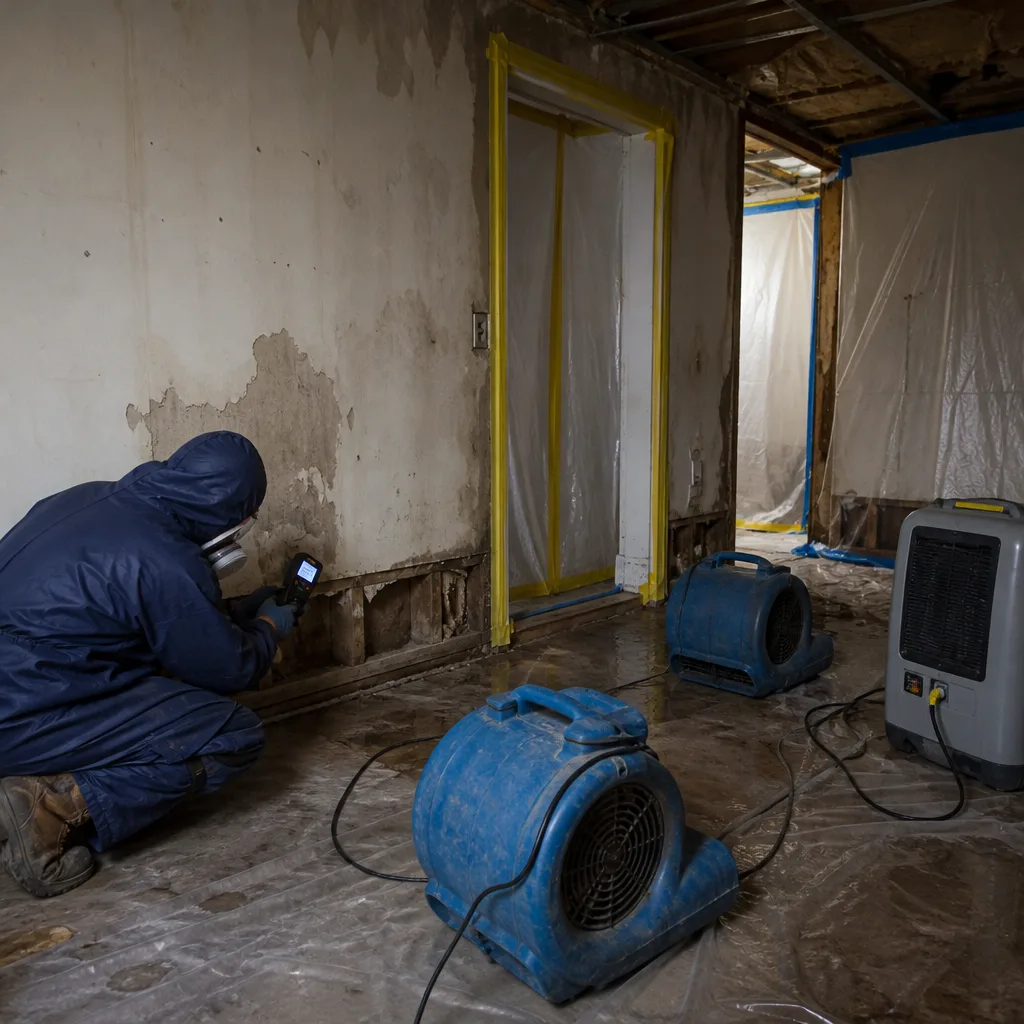
Free visual inspection and a written scope of work before any mitigation begins - photos, moisture readings, and drying logs go in your claim file
The scope we write is the scope we bill. Anything new gets shown to you, in writing, before we touch it.
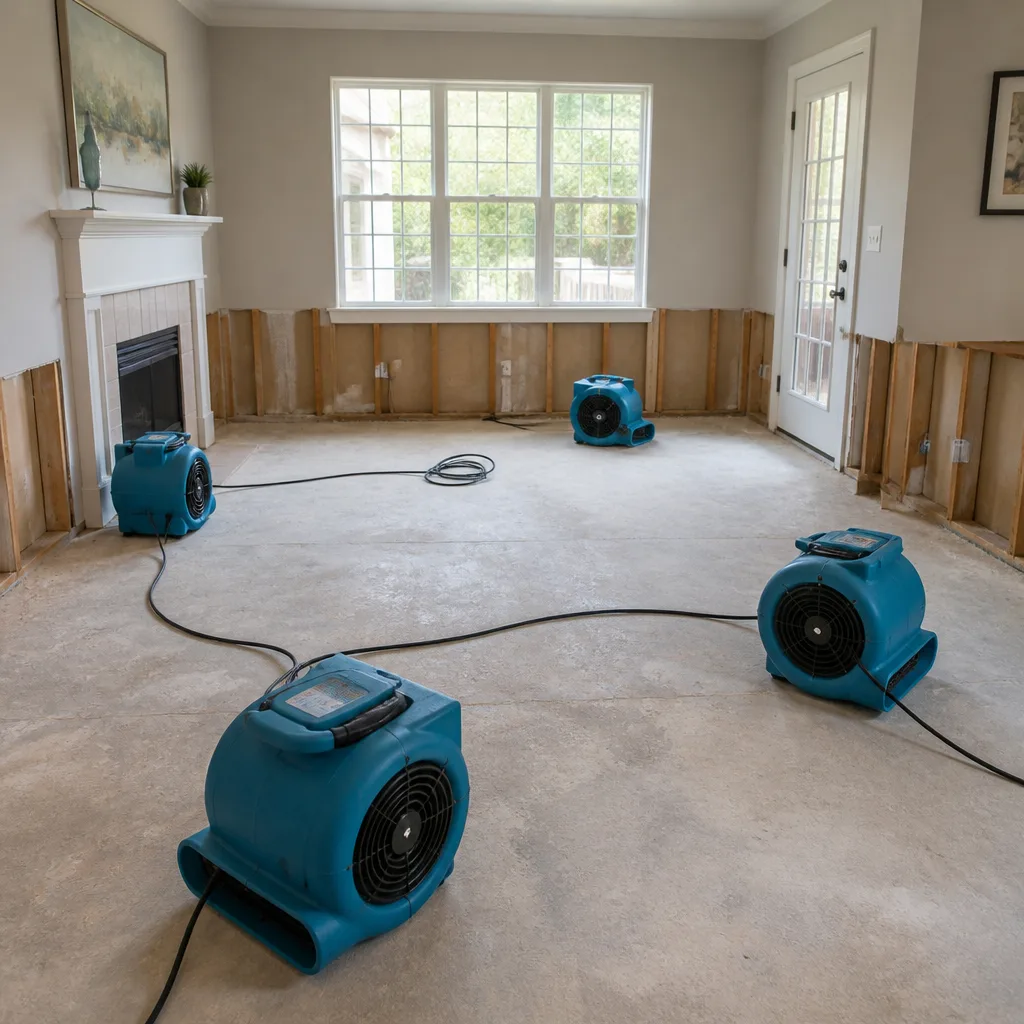
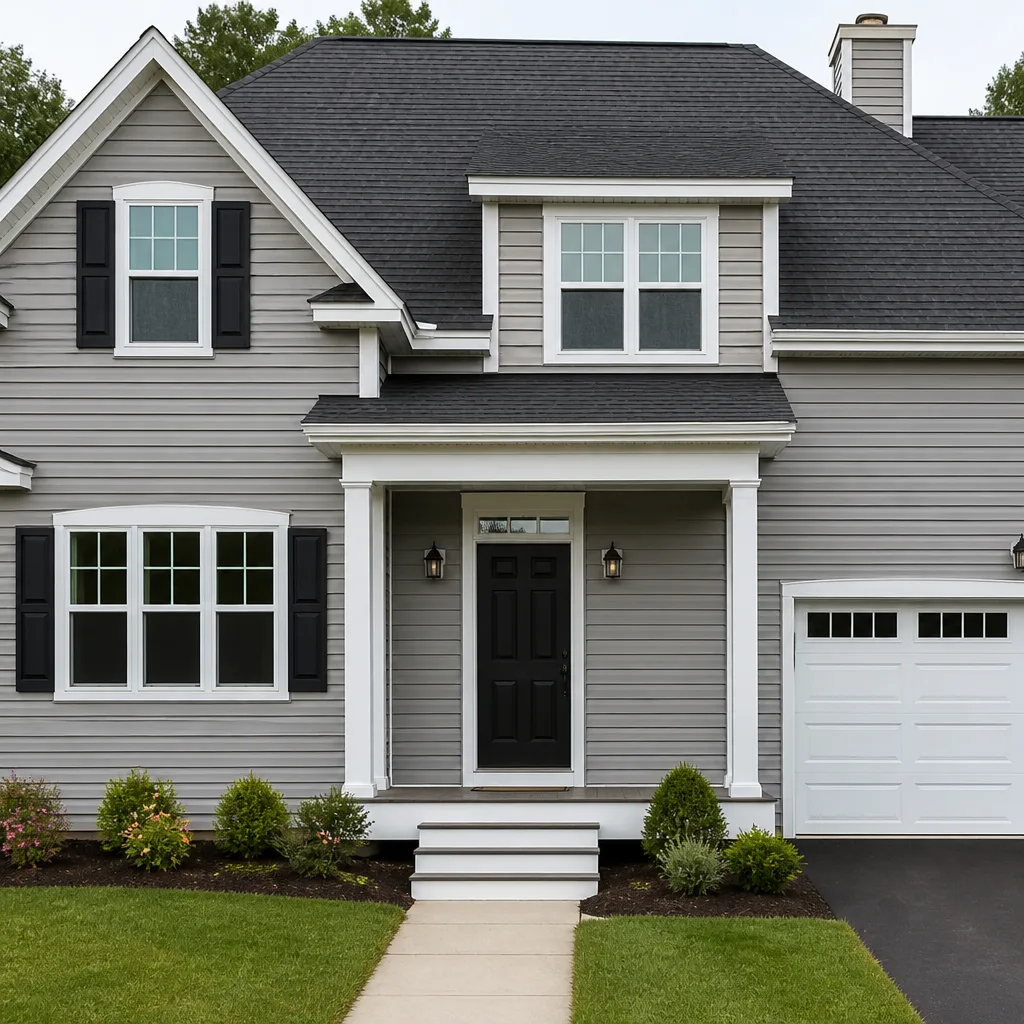
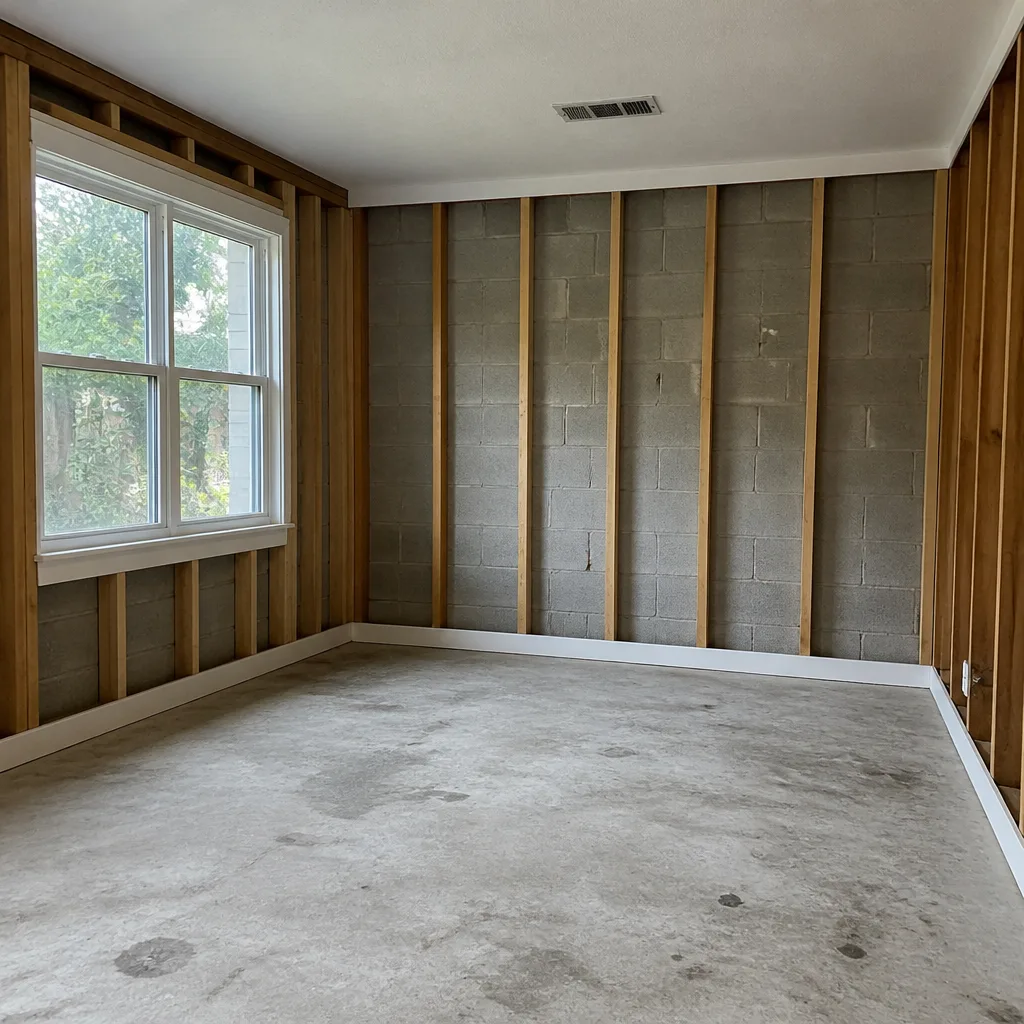
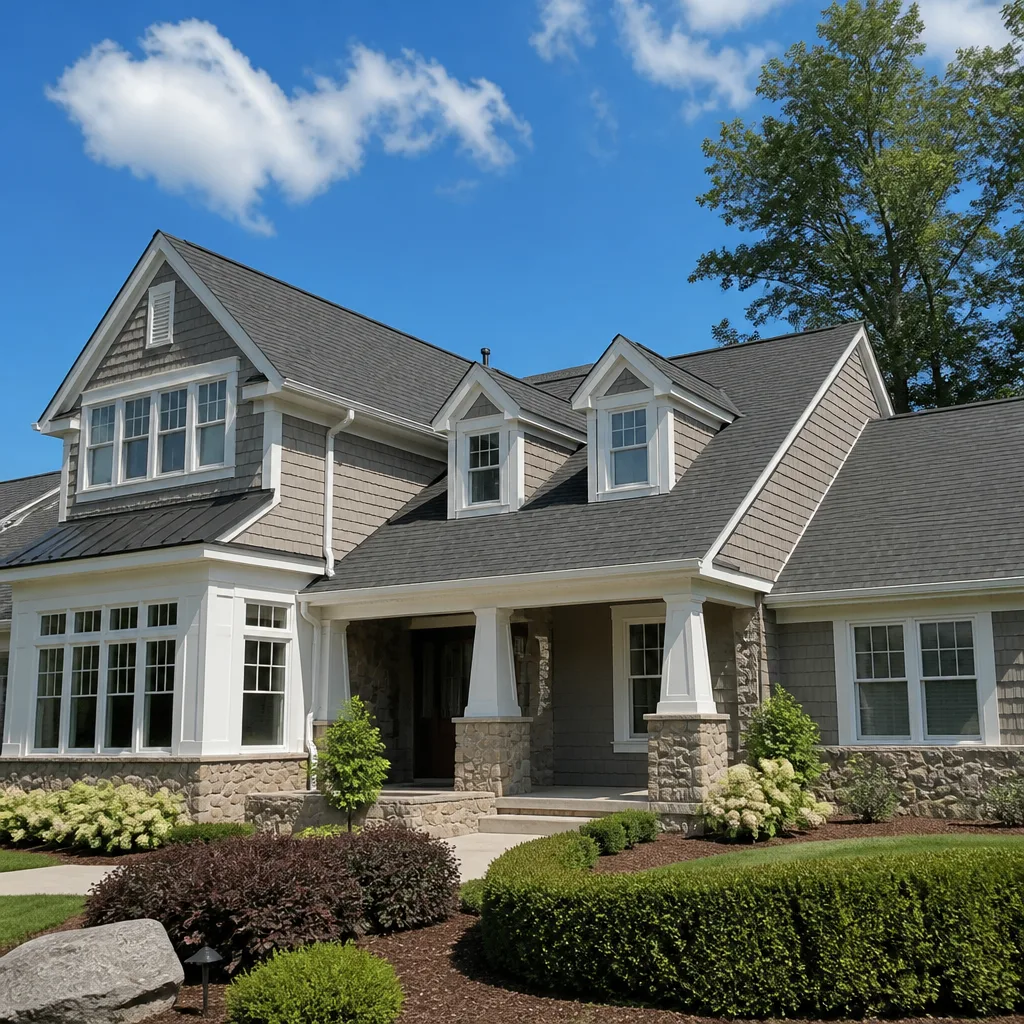
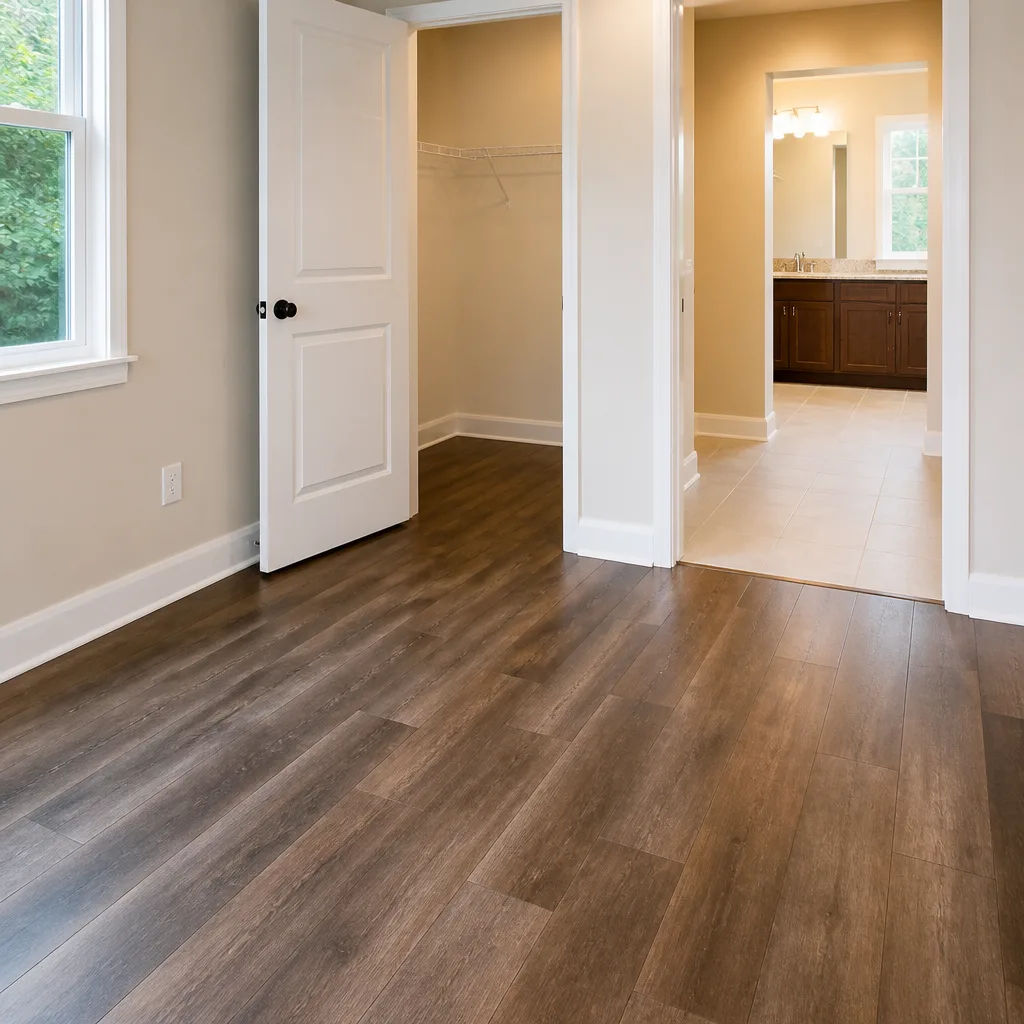
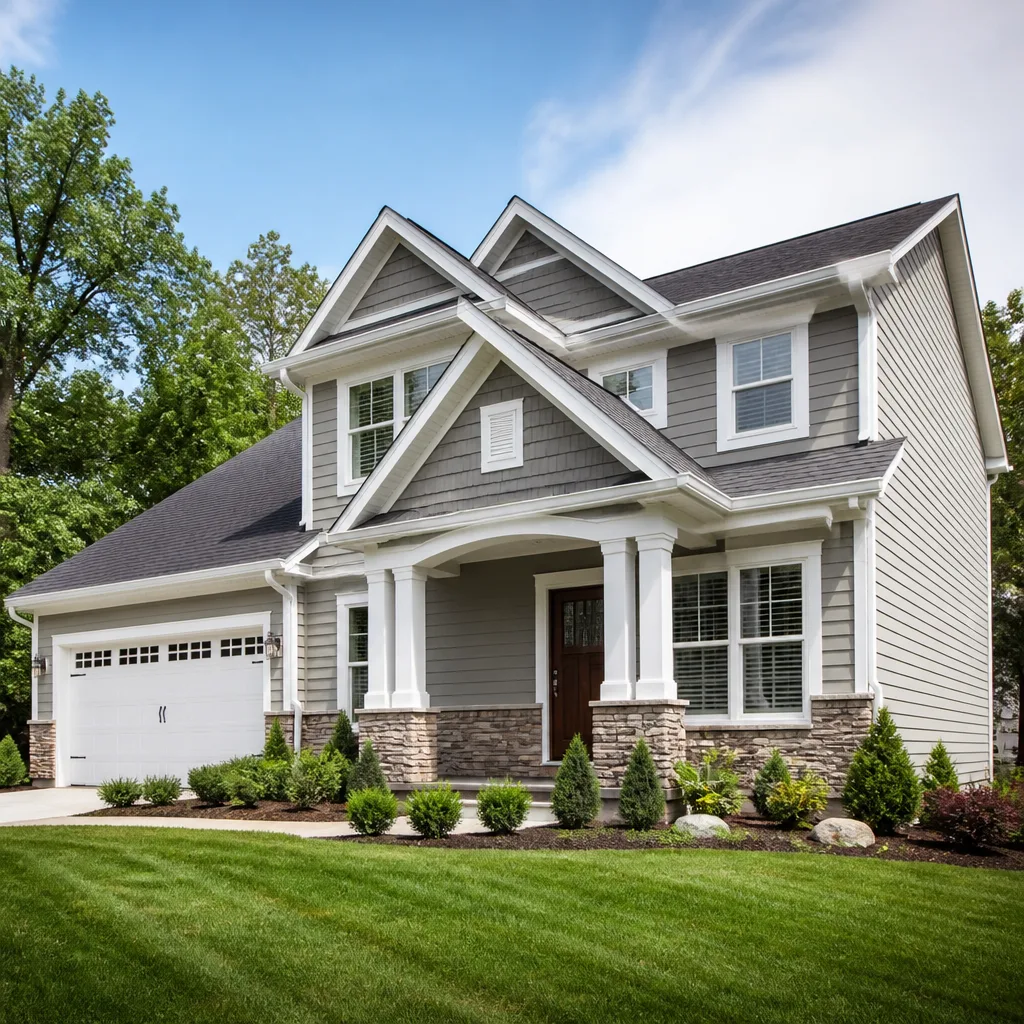
 Before
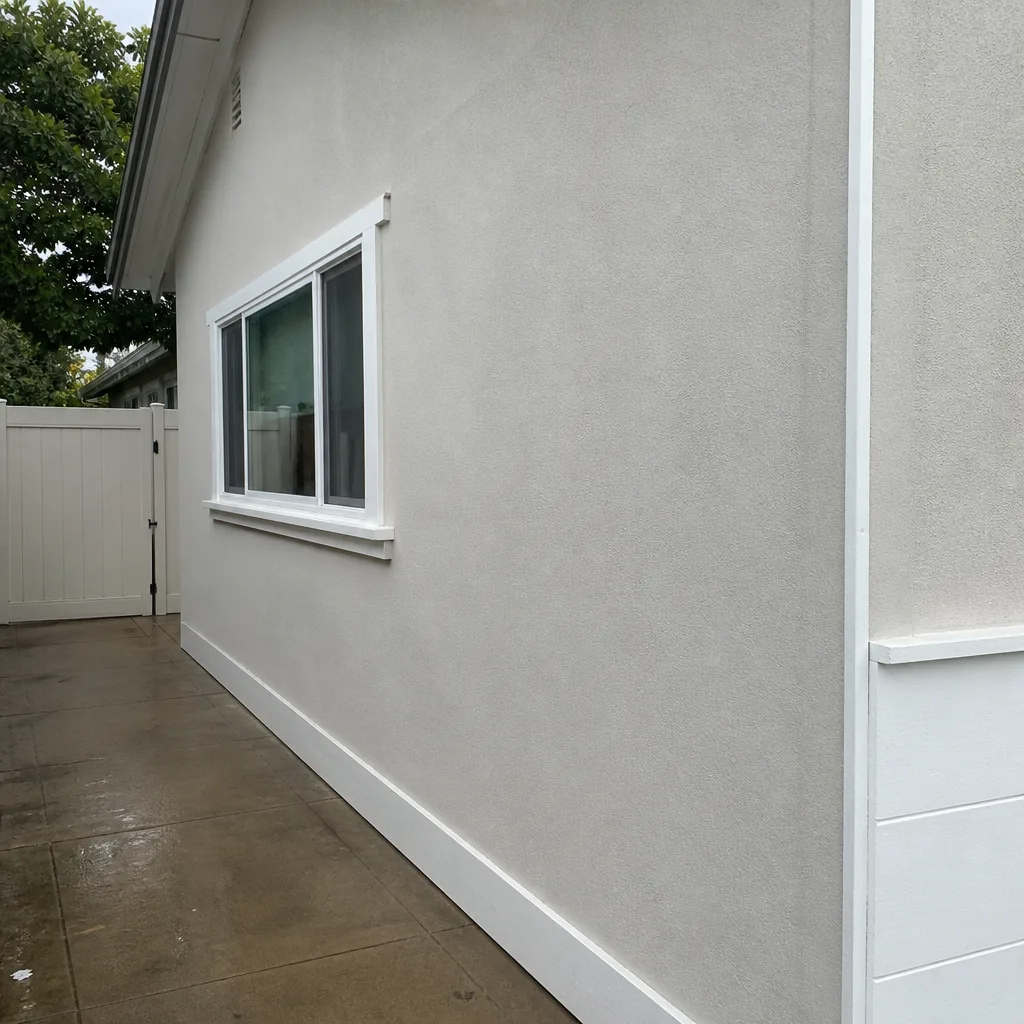 After
After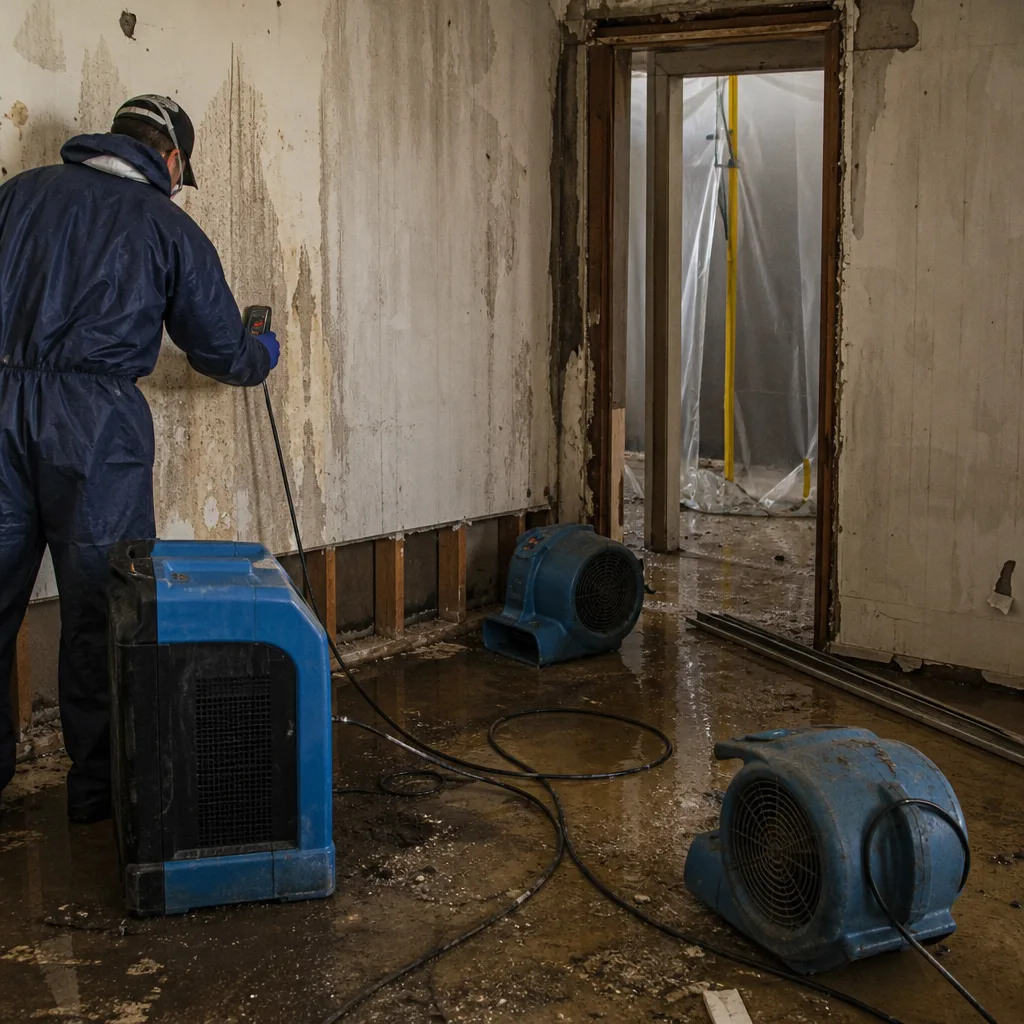 Before
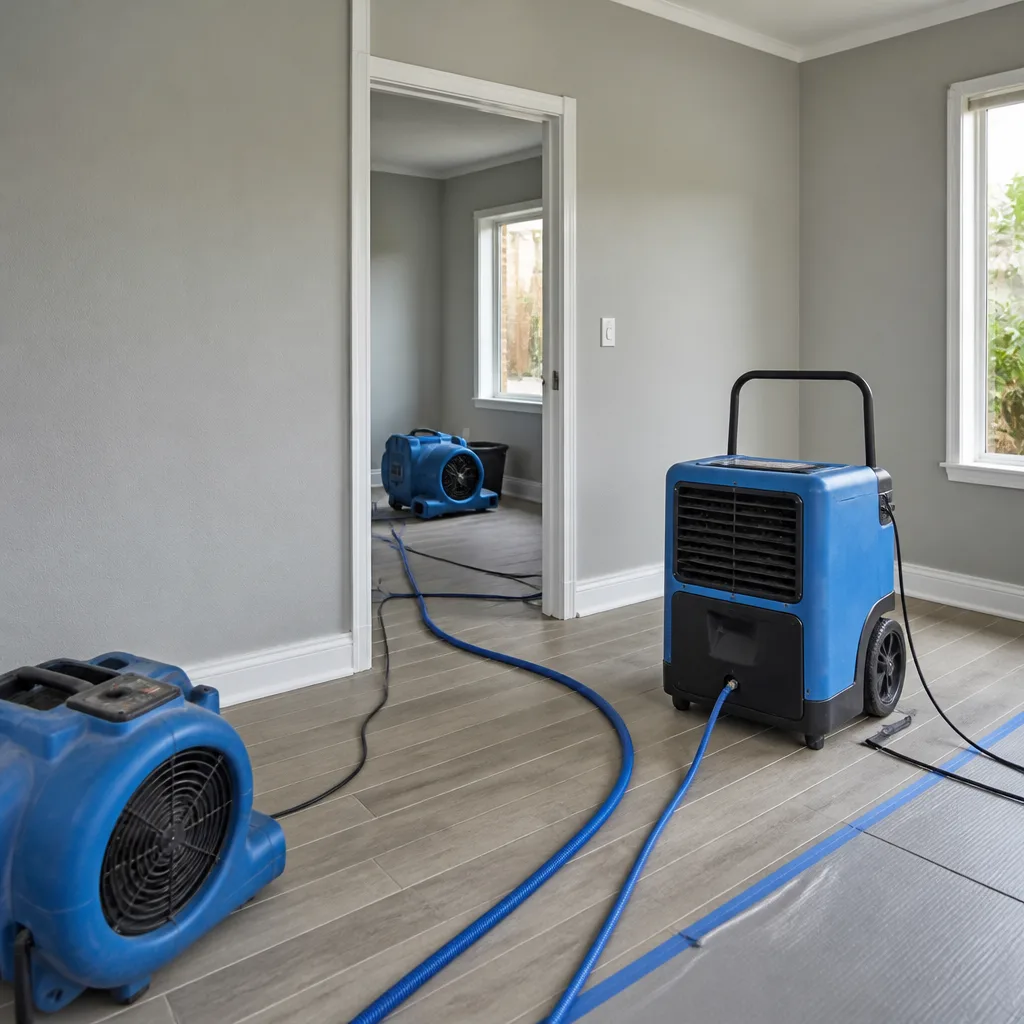 After
After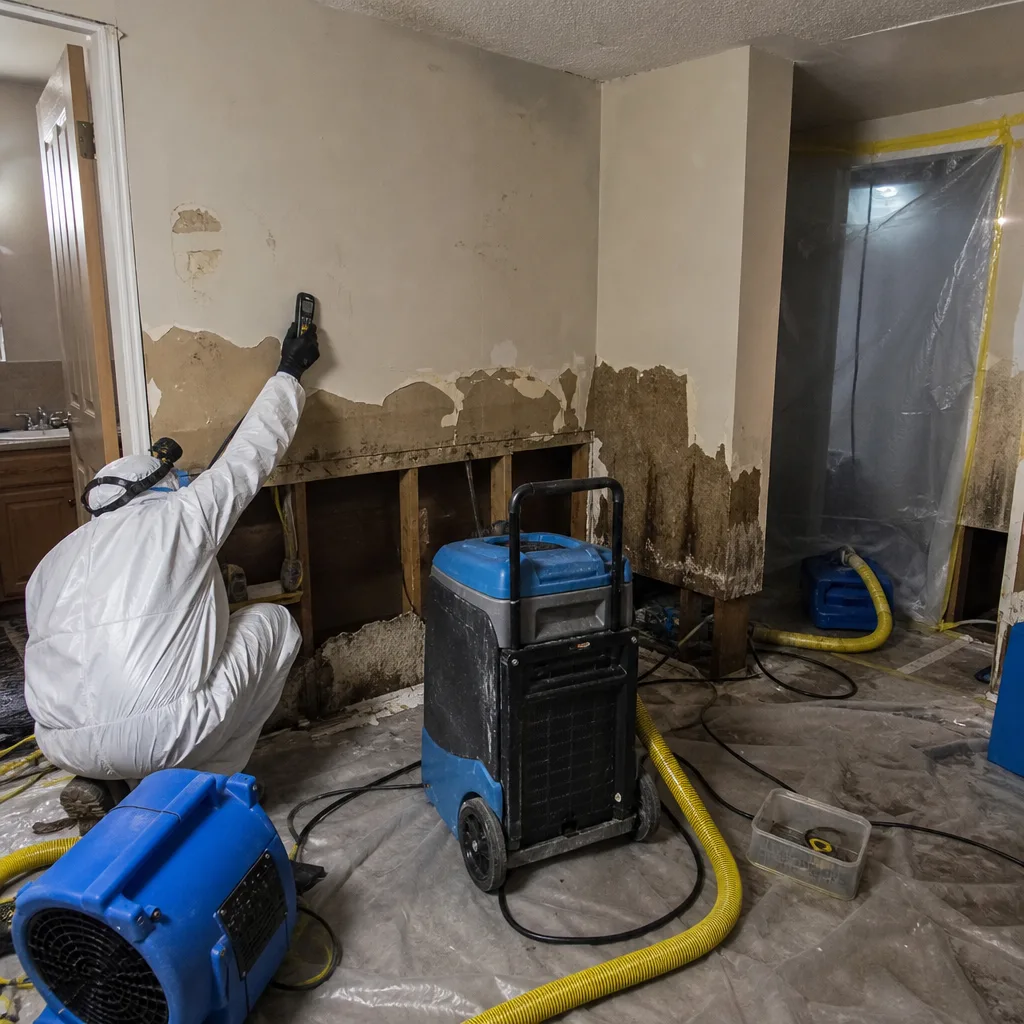 Before
 After
AfterFast, Reliable Storm Damage Restoration Across Massapequa Park
Storm damage restoration in Massapequa Park usually means one thing: saltwater got where it doesn’t belong. When a nor’easter pushes Great South Bay water through the canal network and into your Cape Cod or split-level, you need a crew that knows this village’s housing stock and its flood patterns cold, not a generic water company learning the block from a GPS. We respond to Massapequa Park calls within hours, not days, because we know that wicking water climbs 1950s wall cavities fast. Call (910) 613-6568 and a live person answers, day or night. That person will tell you exactly who’s coming, by name and photo, before they knock.
Why Marsh Water Damage Restoration Is Massapequa Park’s Preferred Storm Damage Restoration Company
We’ve spent enough time on the canal streets off Ocean Avenue and the blocks around Walker Street to know that every Massapequa Park flood job hides a second problem behind the first. Homes here were built tight to the ground, with original subfloors and minimal insulation, and many were patched after Hurricane Sandy without full cavity drying. That means our crews open walls expecting to find what a previous contractor missed. Homeowners tell us this candor is why they refer us to neighbors. We don’t sugarcoat scope, and we don’t pad it either.
Our Storm Damage Restoration team operates under the Threshold Verified standard. Every technician is background-checked, identity-verified, and sent to you by name and photo before arrival. They show a photo ID badge at the door, every single time. That matters most in a village where many residents are home alone during a storm, or managing kids and an elderly parent while water creeps across the basement slab.
We carry professional gear from Dri-Eaz, Phoenix, and XPOWER, and our technicians hold IICRC, RIA, and IFA credentials. Our dispatchers coordinate from the brand’s New York City office, but the crews serving Massapequa Park know the south-end canal streets by name. When you call, you get a written price before any work begins, and every repair carries our 365-Day Done Right Promise: if it’s not right within a full year, we come back and make it right. Free second visit, printed on the work order.
Flood Cleanup in Massapequa Park
Flood Cleanup in Massapequa Park is different from anywhere north of Sunrise Highway, because the water coming through your doors is saltwater, and saltwater is corrosive long after it’s extracted. When a canal-front home on the south end takes on surge, our first job is category classification. Bay water is category 3 black water, contaminated, and it demands full removal of saturated porous materials, not surface drying. Then we set commercial LGR dehumidifiers and air movers to drive moisture out of structural cavities. A typical flood cleanup in Massapequa Park runs $4,200 – $8,500 depending on how far the water climbed and whether the walls are original plaster or drywall.
Saltwater Intrusion and Corrosion
Saltwater does what fresh water doesn’t: it corrodes fasteners, electrical connections, and even the nails holding your subfloor. We inspect for hidden corrosion in wall cavities and under baseboards. Where we find it, we document it for your flood claim and recommend replacing the affected components rather than sealing them over.
Drying Beyond the Visible Waterline
Moisture wicks upward through gypsum and framing at speeds that surprise people. In a 1950s ranch with original subfloors, water that topped out at six inches on the wall can register elevated moisture at twenty inches from wicking alone. We set drying equipment based on moisture mapping, not eyeballing the waterline, and we log daily readings until the structure meets dry standard.
Flooded House in Massapequa Park
A Flooded House in Massapequa Park almost always means a south-end home within the FEMA-designated flood zones along the canal network. When surge water enters through the slab, the door, or the foundation, the scope is rarely just extraction. We inspect cavities, assess subfloor saturation, and check for the decade-old mold that post-Sandy repairs left behind. A fully flooded house on the canal streets, with category 3 water, typically costs $9,000 – $18,000 to extract, dry, and remediate to a scope you’ll agree to in writing before we start.
Post-Sandy Encapsulated Mold
This is the finding that separates us from companies that only chase the new water. Homes repaired after Sandy often had new drywall installed over framing that never fully dried. That trapped moisture grew mold inside the cavity, and it stays dormant until a new surge opens the assembly again. When that happens, surface treatment won’t cut it. Full cavity tear-out is the correct scope, and we document every layer for your adjuster.
Insurance Documentation
We photograph every step: the standing water, the cut drywall, the moisture readings, the containment, the drying logs. That documentation is what turns a denied claim into a paid one. We deal directly with adjusters on behalf of Massapequa Park homeowners, and we’ll walk you through what FEMA flood insurance covers versus what it doesn’t before the demo begins.
Trusted Brands We Service in Massapequa Park
We run Dri-Eaz, Phoenix, and XPOWER equipment on every Massapequa Park storm job because these are the machines that hold up on multi-day drying projects in saturated coastal air. Phoenix LGR dehumidifiers pull moisture from tight wall cavities, XPOWER air movers keep airflow moving across 1950s subfloors, and our Injectidry systems handle wall-cavity drying without removing every piece of drywall. Because we stock spare parts locally for these units, a failed sensor or a clogged filter doesn’t add days to your drying time. The equipment shows up working, and it stays working.
Common Storm Damage Restoration Problems We See in Massapequa Park Homes
- Wicking that climbs beyond the paint line. On canal-street homes, water saturates the slab and wicks up through wall cavities far past the visible watermark. Only moisture mapping catches the full extent; skipping it means setting the equipment too small and leaving hidden moisture in the wall.
- Encapsulated mold from the Sandy era. We regularly open walls in Massapequa Park and find old mold colonies sealed behind fresh drywall from a 2013 repair. The new leak is usually the trigger, but the real scope is the old contamination. A contractor who doesn’t inspect cavities will paint over it and call it done.
- Category 3 water treated as category 2. Bay water from the canal network is black water, full of contaminants from the Great South Bay and everything that drains into it. Treating it as category 2 leaves contaminated materials in place, and that’s a health hazard, not just a drying shortcut.
- Original 1950s subfloors holding moisture for weeks. The oak and pine subfloors in these post-WWII homes are dense, and when they’re saturated, they release moisture slowly. Drying times run longer than modern construction, and cutting drying short means buckling floors and persistent mustiness.
Pricing for Storm Damage Restoration in Massapequa Park, NY
Here’s what you’re walking into, in real numbers. Flood cleanup in Massapequa Park runs $4,200 – $8,500 for a typical single-level intrusion with extraction, drying, and minor material removal. A fully flooded house on the canal streets, with category 3 water and cavity remediation, runs $9,000 – $18,000. Mold remediation following a surge loss, where old encapsulated colonies are found, adds $2,500 – $7,000 depending on how many walls come open. What drives the price: how far water climbed, whether original subfloors are saturated, and whether prior repairs left hidden mold. We give you a written price before any work starts, and that price doesn’t change after demo. Call (910) 613-6568 for a free estimate with no obligation.
We Also Serve Cities Near Massapequa Park
Our storm damage restoration crews cover the entire southern Nassau corridor. We regularly respond to flood and surge losses in Massapequa, Amityville, Seaford, and Copiague, all within a short drive of our Massapequa Park dispatch routes. If you’re a few blocks over a village line, call us anyway. Same crew, same written pricing, same Threshold Verified standard.
Serving Massapequa Park, NY - Our Local Coverage Area
We’re based in the Massapequa Park area and know this community well. Use the map below to see our service coverage - if you’re nearby, we can almost certainly help.
FAQs About Storm Damage Restoration in Massapequa Park
Because bay water from the canal network is category 3 black water, not clean water from a failed pipe. It carries contaminants, and it introduces salt that corrodes fasteners, wiring, and subfloor nails long after the water is extracted. The correct scope for surge flooding includes full removal of saturated porous materials, cavity inspection, and corrosion checks. A burst-pipe job doesn’t require that depth of inspection. In Massapequa Park, skipping the saltwater protocol leaves contaminated materials in your walls. Call (910) 613-6568 for a surge-loss assessment.
In warm, humid South Shore air, mold spores can colonize wet drywall and framing within 48 to 72 hours. That timeline shortens in homes with original 1950s subfloors that hold moisture longer. The window is shorter than most homeowners expect, and it’s why we begin extraction and drying equipment setup on the same visit. Waiting even a few days transforms a simple drying job into a full remediation project.
We frequently find encapsulated mold colonies spanning entire wall cavities, sealed behind drywall that was installed over framing that never fully dried. The mold stayed dormant until a new surge opened the assembly. This is a scope issue, not just a cosmetic problem: proper remediation means tearing out the cavity, treating the framing, and drying to standard before replacing materials. Companies that skip cavity inspection will miss it entirely.
Yes, and it’s measurable. The Cape Cods, split-levels, and ranches built between the late 1940s and early 1960s have minimal wall insulation and original dense subfloors that release moisture slowly. Drying times on these homes run 20 to 40 percent longer than newer construction. We set expectations honestly: a thorough dry on a 1950s ranch might take four to seven days of equipment runtime, and cutting it short means mold and buckling floors later.
We document everything: standing-water photos, moisture readings, cut-line photos, drying logs, and scope-of-work narratives. We coordinate directly with your adjuster, and because we know FEMA flood insurance and the standard NFIP claim process, we flag what’s covered and what’s not before demolition starts. Every documentation file is time-stamped and handed to you. Call (910) 613-6568 to have a technician on site while the adjuster is there.
Call Marsh Water Damage Restoration Now
If water is in your Massapequa Park home right now, the most important call you make today is the one that gets a verified crew to your door. We answer live 24/7, send you the technician’s name and photo before they arrive, and put a written price in your hand before any work starts. Our 365-Day Done Right Promise means this job is guaranteed, in writing, for a full year. Call (910) 613-6568 now.
Written by Tobias Reyner, Owner at Marsh Water Damage Restoration, serving Massapequa Park since 2005.