
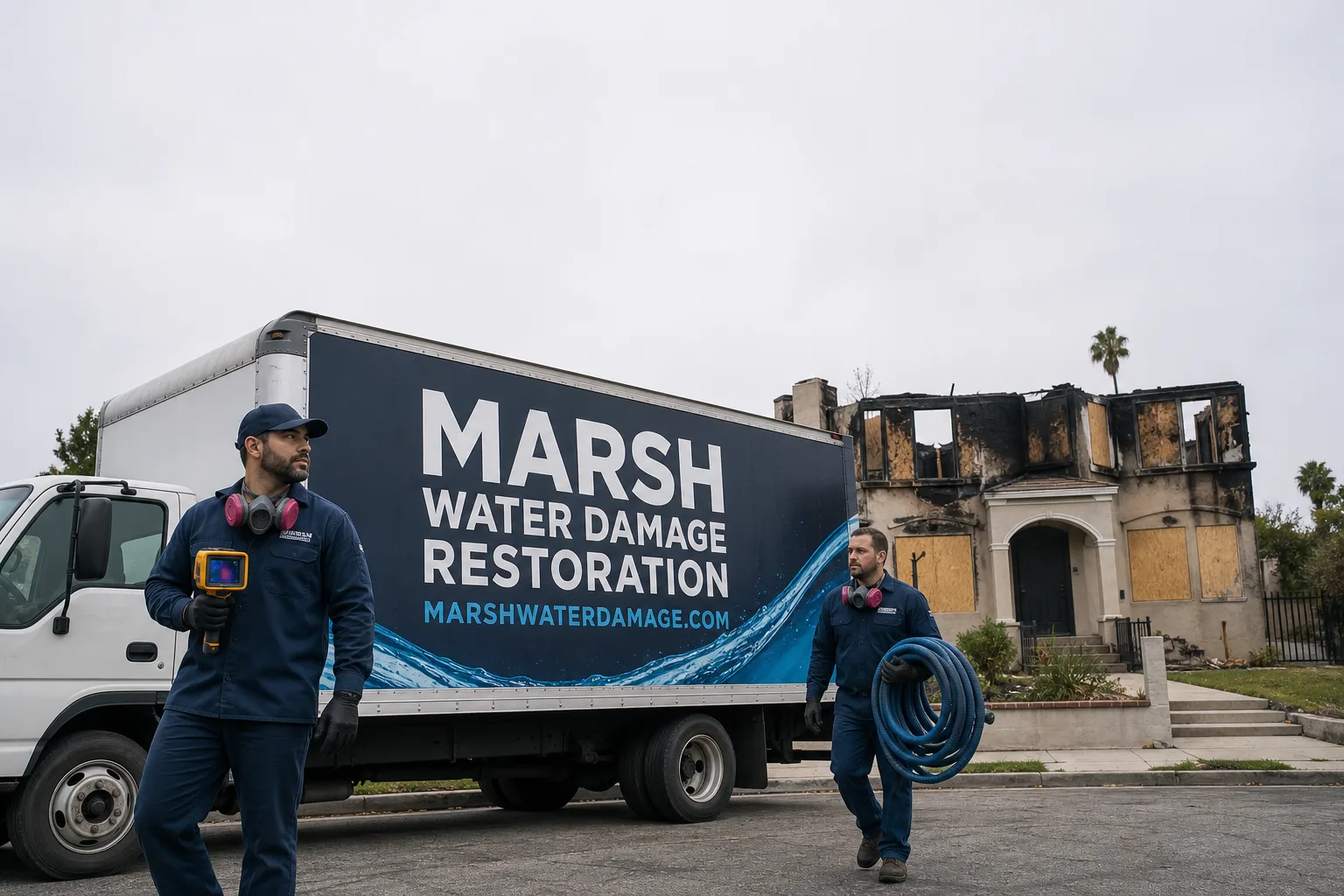
Free visual inspection and a written scope of work before any mitigation begins - photos, moisture readings, and drying logs go in your claim file
The scope we write is the scope we bill. Anything new gets shown to you, in writing, before we touch it.
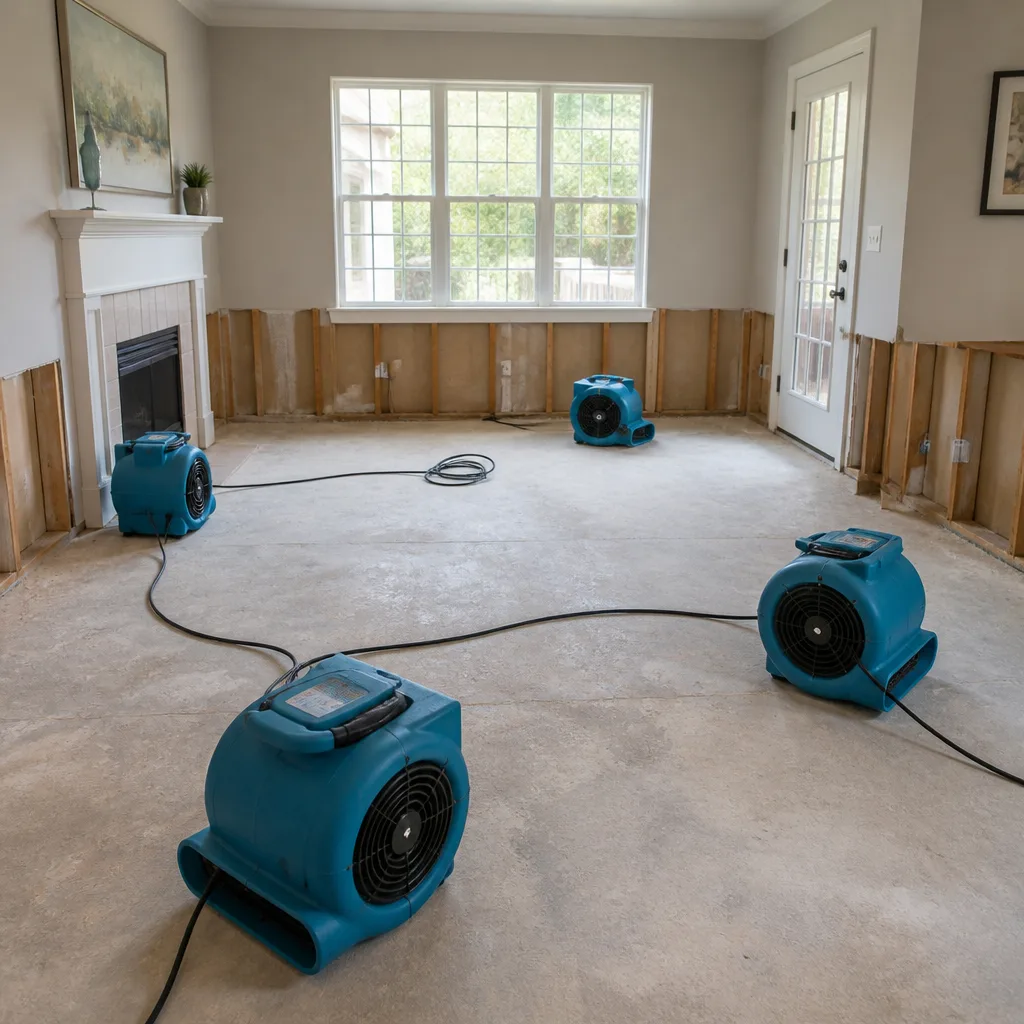

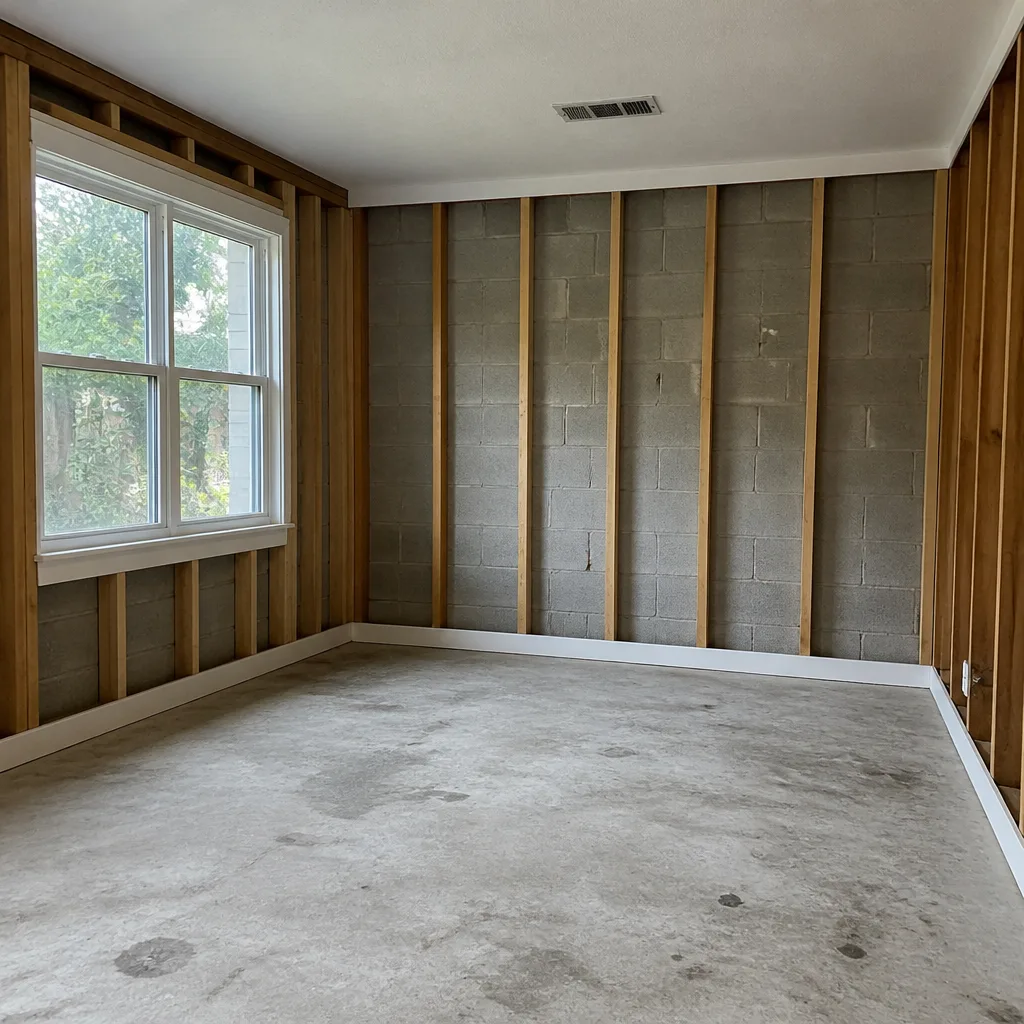

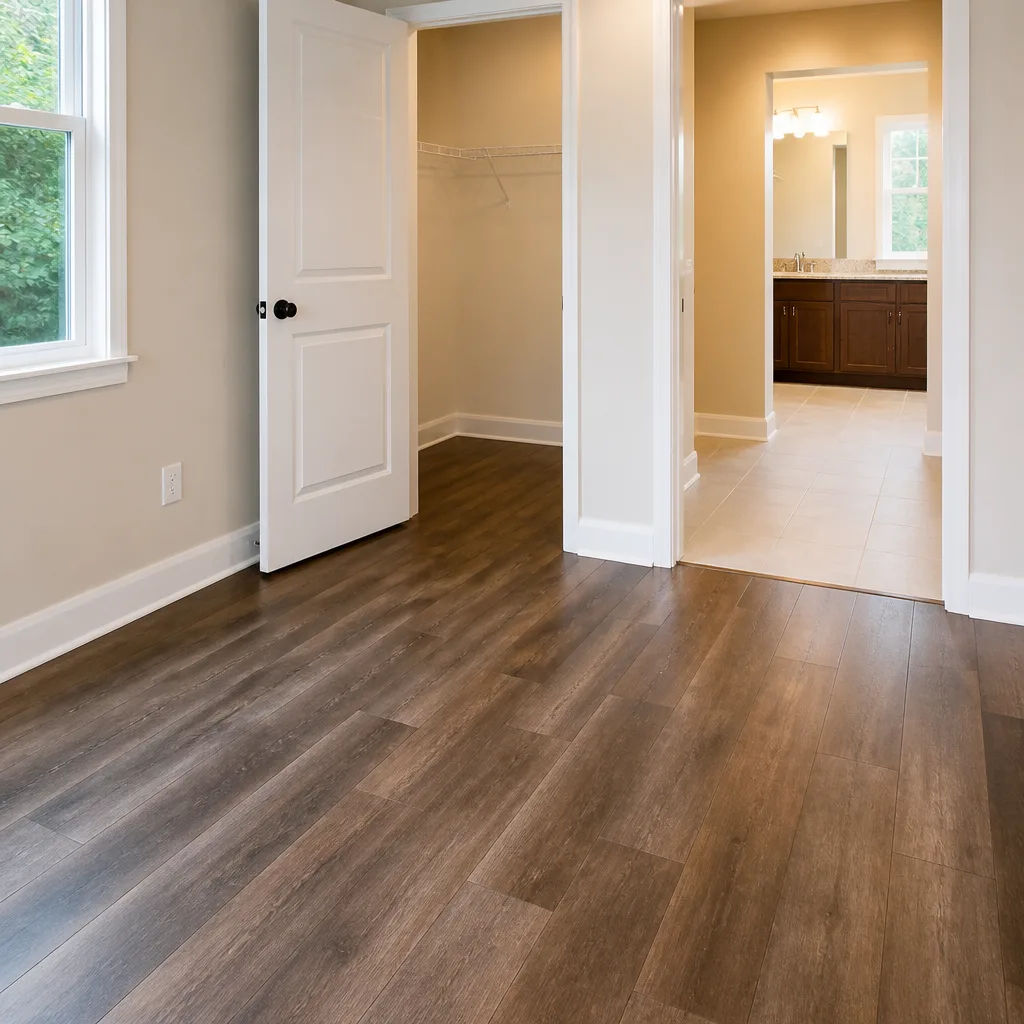

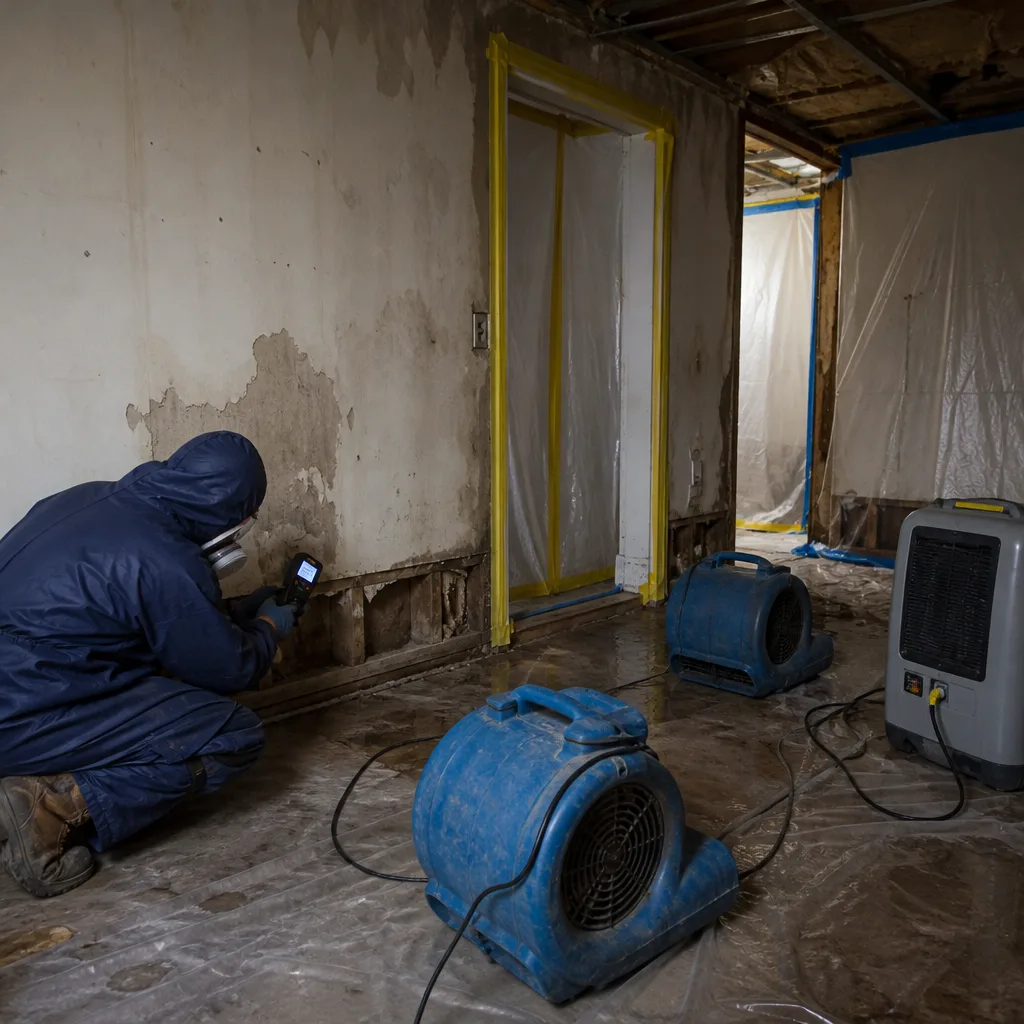 Before
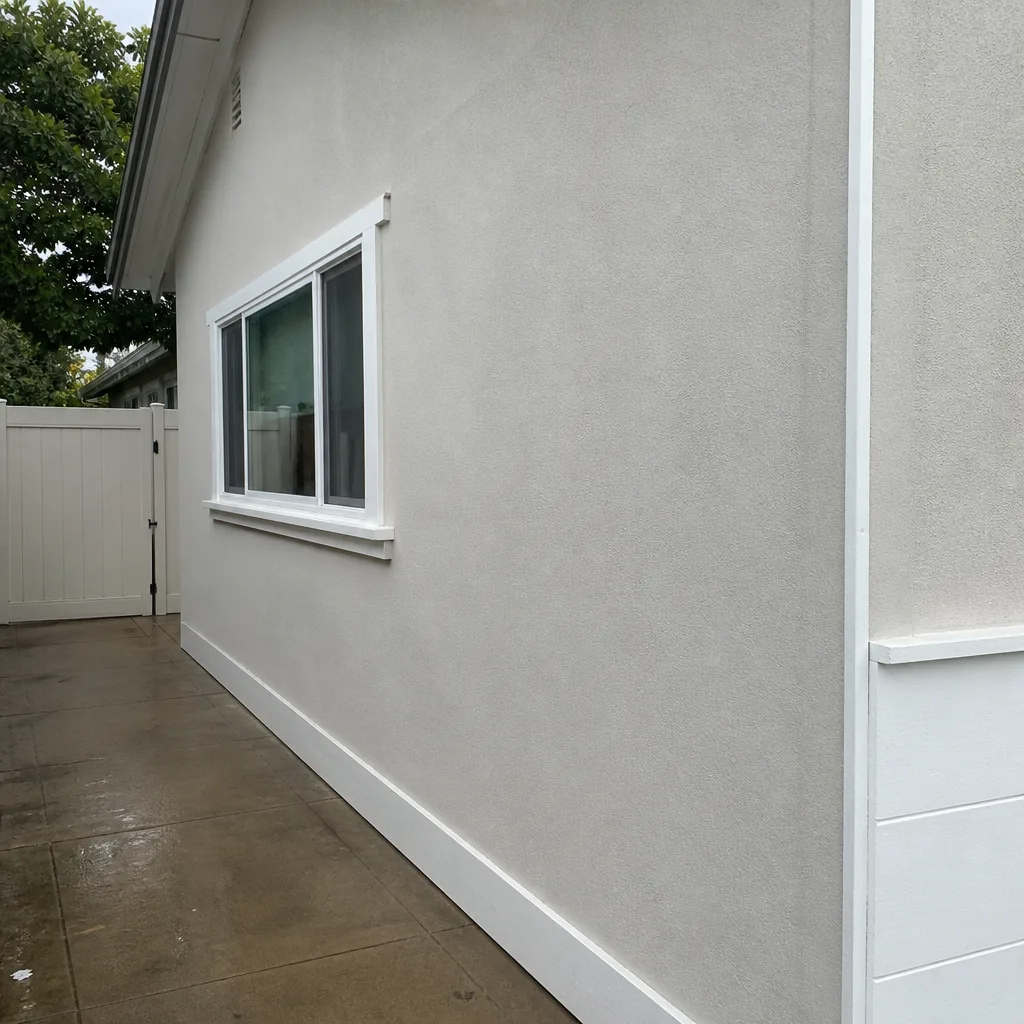 After
After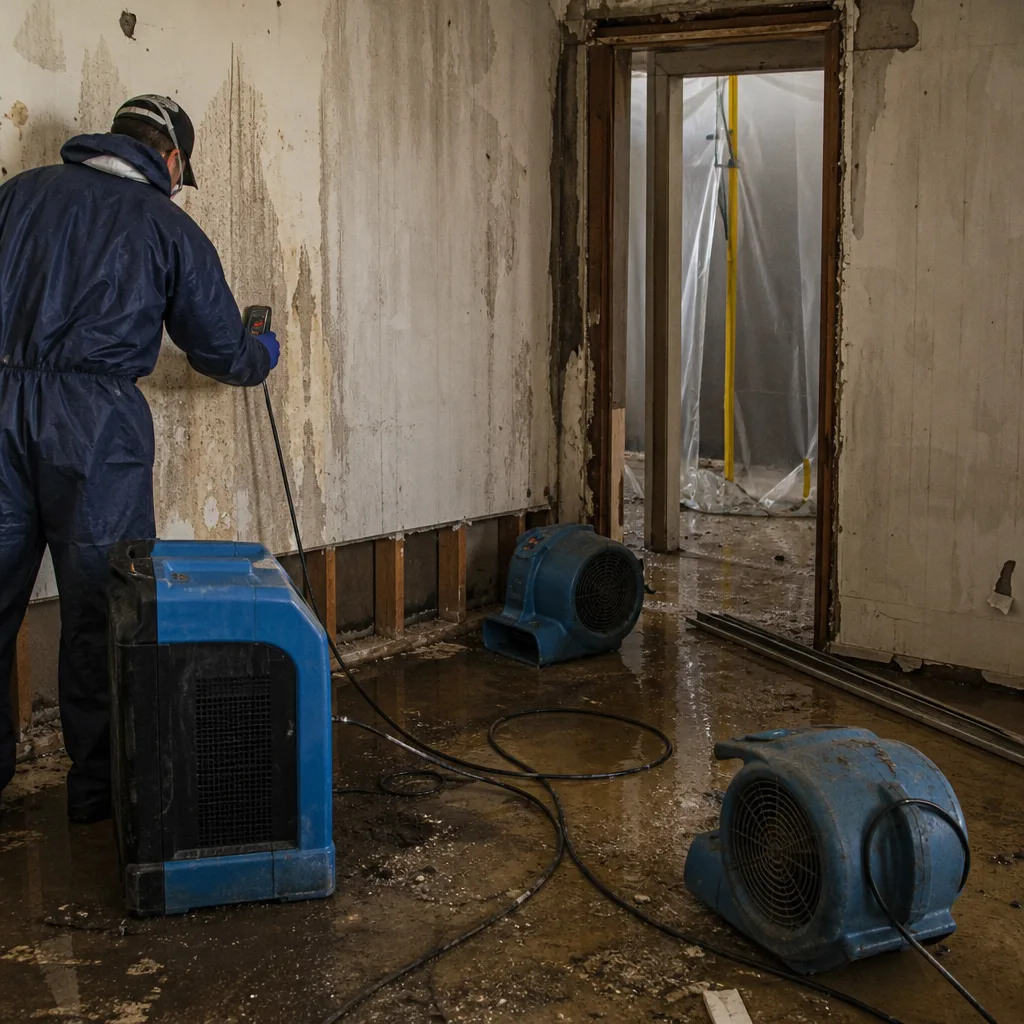 Before
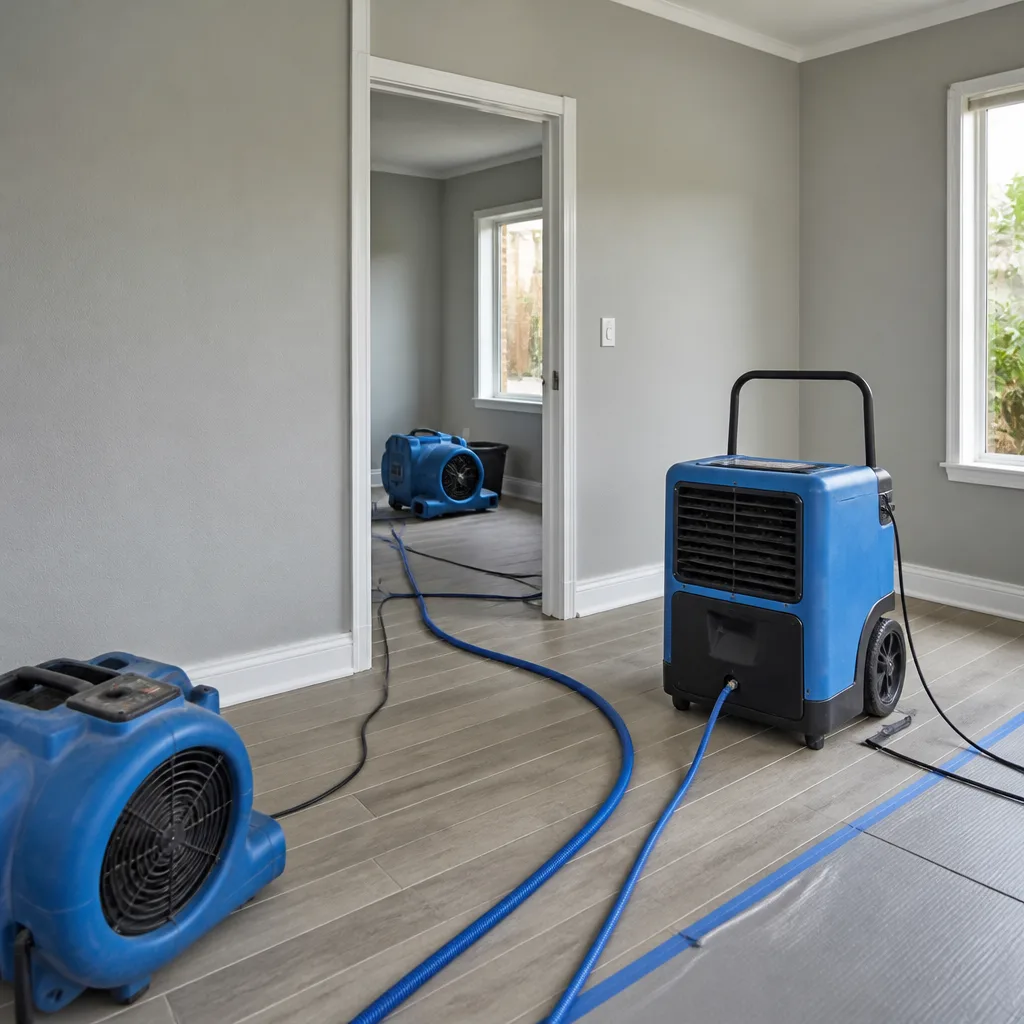 After
After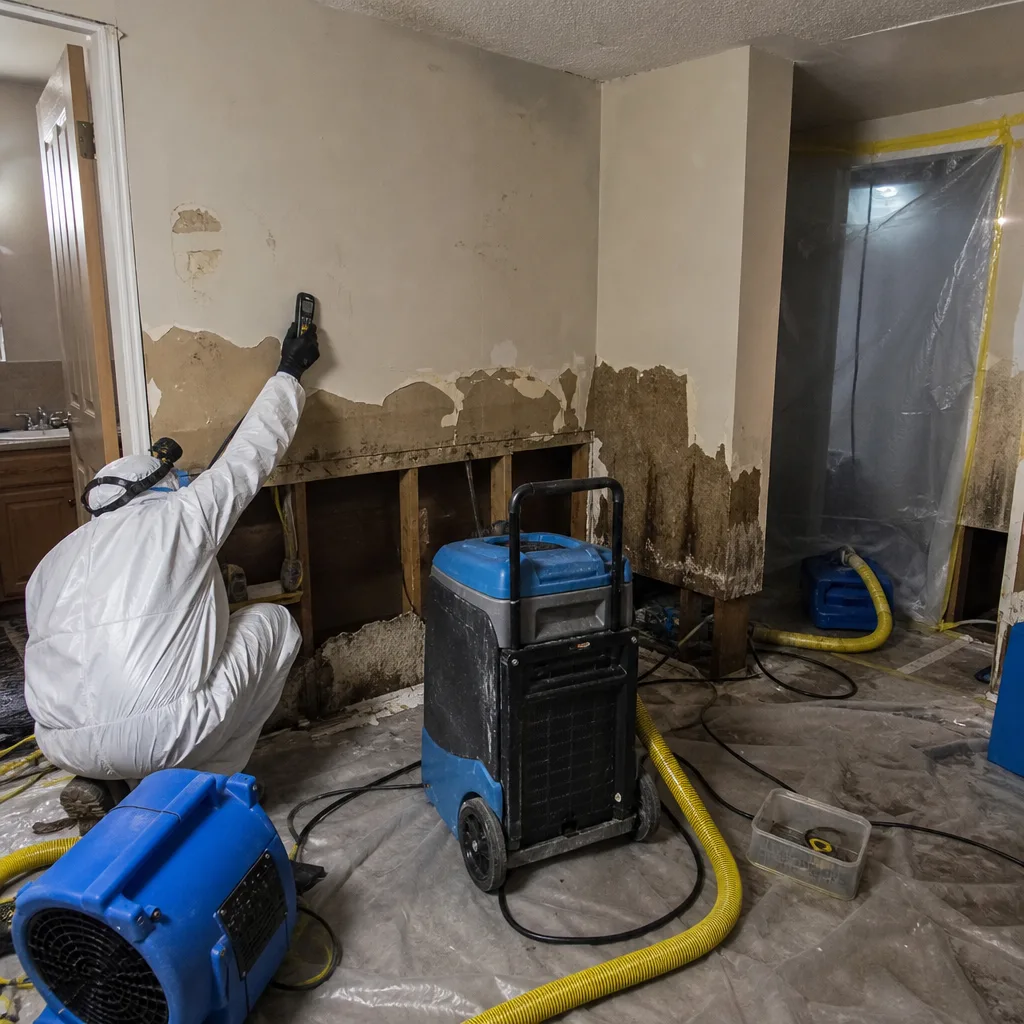 Before
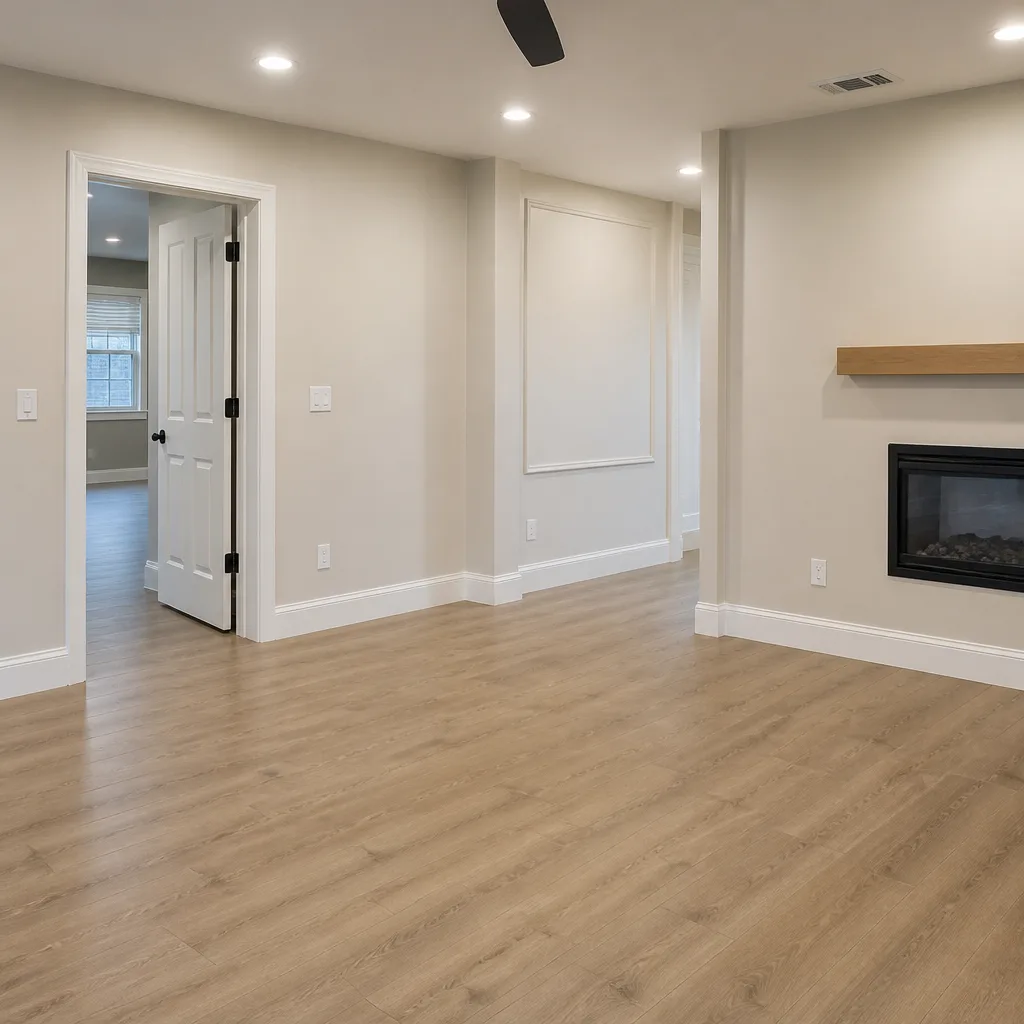 After
AfterFast, Reliable Storm Damage Restoration Across Miami Springs
Storm damage restoration in Miami Springs usually starts with one phone call, and the crew that shows up matters as much as the equipment on the truck. Marsh Water Damage Restoration has been responding to Miami Springs homes since 2005, and we know these streets, these roofs, and the way water moves through a 1930s masonry house differently than it does through a modern stucco box in Doral. If you’re standing in a wet living room off Curtiss Parkway or watching a ceiling stain spread on Deer Run, call (910) 613-6568 and a live person answers, day or night. We’ll tell you exactly who’s coming to your door before they arrive.
Why Marsh Water Damage Restoration Is Miami Springs’s Preferred Storm Damage Restoration Company
Miami Springs homeowners face a particular kind of storm damage, and they tend to call us after a bad experience with someone who didn’t understand these houses. Our team works on Curtiss-era construction weekly, not occasionally. We know that a displaced clay barrel tile on a Fairway Drive roof can send water sideways under the intact tile field and into the attic long before any ceiling stain shows. We know that pre-1980 floor tile mastic under a South Royal Poinciana bathroom is a hazmat trigger, not just a demo detail. The Storm Damage Restoration work we do in Miami Springs starts with that local knowledge, and it’s reinforced by our Threshold Verified standard: every technician who walks onto a Hook Square property is background-checked, identity-verified, uniformed, and sent to you by name and photo before the visit. They show a photo ID badge at the door. Every time.
Our reputation in Miami Springs is built on showing up fast and writing down the price before any work begins. No estimate that grows after demo starts. No surprise line items. We hand you a written scope, we explain what’s wet and what’s not, and we guarantee the repair in writing for 365 days. If something isn’t right within a full year, we come back and make it right, free. That’s the Done Right Promise, and it’s printed on every work order we’ve ever written for Miami Springs homes.
Storm Damage Cleanup in Miami Springs
Storm Damage Cleanup in Miami Springs typically begins with water extraction and structural drying, but on these older homes it immediately involves something most contractors don’t think about until they’re already in violation: legacy materials. A standard extraction and drying job on a 1940s Miami Springs house runs $1,800 to $4,200 before any tear-out or rebuild, depending on square footage and how far the water traveled. If the damage involved Category 3 water, meaning floodwater from the canal corridor or storm surge, expect additional antimicrobial treatment and possibly disposal of saturated lower-wall materials, which pushes the job toward $5,000 to $9,000. We use Dri-Eaz LGR dehumidifiers, Phoenix air movers, and XPOWER extraction units on every job, the same equipment commercial adjusters expect on large losses.
What We Do First
We map the moisture profile of the entire affected area before we move anything. On a Miami Springs home, that means checking the attic sheathing above the stain, not just the drywall below it, because water from a barrel tile roof travels laterally. We then set containment, extract standing water, and place drying equipment with a written drying log that gets updated daily until psychrometric readings, which measure the actual moisture in the air and materials, confirm the structure is genuinely dry.
When Cleanup Becomes a Lead or Asbestos Abatement
On pre-1978 homes, which is nearly all of Miami Springs, we test before we tear. Disturbing textured stucco coatings or floor tile mastic without testing can release asbestos fibers. Layered paint from the Curtiss era frequently contains lead. We handle the testing submittals, we coordinate the abatement if it’s triggered, and we don’t cut corners just to move faster.
Flood Cleanup in Miami Springs
Flood Cleanup in Miami Springs is a different animal than storm cleanup, because floodwater from the drainage canal corridor that threads through this city is Category 3 water by definition, meaning it carries sewage, bacteria, and whatever else washed off the airport tarmac and streets. A typical flood cleanup on a single-story Miami Springs home runs $3,500 to $9,500, depending on how high the water rose and whether original terrazzo floors and plaster walls can be salvaged. If you’re in the low-lying blocks near Miami Springs Golf & Country Club or along the canal side of Westward Drive, you know how fast this water moves in after a deluge, and speed matters more than anything else. Call us the moment the water is receding, not after the drywall starts to smell.
What Flood Cleanup Involves
We extract standing water, remove unsalvageable drywall and insulation, treat affected framing and masonry with antimicrobials, and set commercial drying equipment. On terrazzo floors, we don’t automatically tear them out. We dry them, monitor with moisture meters, and only scope removal if readings show they won’t dry in place. Terrazzo is part of what makes a Miami Springs house a Miami Springs house, and we treat it that way.
Why Flood Cleanup on Curtiss-Era Homes Needs a Local Crew
The dense masonry walls and original plaster in these homes hold water differently than drywall-on-wood-framing. Add the heat island effect from Miami International Airport’s tarmac immediately to the west, and interior humidity after a flood can seed mold inside walls within 24 to 48 hours, significantly faster than in newer South Florida suburbs. A crew that doesn’t understand that timeline will under-dry the house and hand you a mold problem six months later.
Trusted Brands We Service in Miami Springs
Miami Springs homes carry original-era equipment and finishes, and when they fail after a storm, parts availability matters. We service and restore homes with the full range of Curtiss-era construction details, and our technicians are credentialed through IFA, IICRC, and RIA. We run Dri-Eaz drying systems, Phoenix air movers, and XPOWER extraction equipment, and because we’re in and out of Miami Springs every week, we keep the consumables and filters these jobs need stocked and ready. That means faster setup on your Devonshire Boulevard living room, not a Tuesday order showing up Thursday.
Common Storm Damage Restoration Problems We See in Miami Springs Homes
- Lateral water migration under barrel tile. A handful of displaced clay tiles on a Curtiss Parkway roof lets rainwater run sideways beneath the intact tile field and soak the attic sheathing. By the time you see ceiling staining, the top plates and insulation are saturated and mold is already starting in the dense masonry walls.
- Skip-testing legacy materials during tear-out. Pre-1980 floor tile mastic, textured stucco coatings, and pre-1978 lead paint are common in these houses. Crews that demo without testing turn a straightforward storm claim into a regulatory problem, and the homeowner owns it. We test first, every time.
- Category 3 water dried in place without antimicrobial treatment. Floodwater from the canal corridor looks cleaner than it is. Without proper category determination and documented antimicrobial treatment, the terrazzo and plaster might look fine for a month, then fail as mold blooms inside the wall cavity.
- Under-performing drying plans for masonry construction. Miami Springs homes are solid masonry, not air-gap wood framing. They dry differently, slower in some ways and faster in others, and the MIA tarmac heat island pushes post-flood humidity high enough to complicate every drying log. A modern suburban formula won’t work here.
Pricing for Storm Damage Restoration in Miami Springs, FL
A typical storm damage restoration job in Miami Springs runs $1,800 to $4,200 for extraction and structural drying on a standard single-story home, before any tear-out or rebuild. If floodwater, as opposed to roof leakage, is involved, expect $3,500 to $9,500 due to category determination, antimicrobial treatment, and more extensive material removal. What pushes the number higher on these homes specifically is the legacy layer: if testing triggers asbestos or lead abatement before we can start structural drying, that abatement adds $2,500 to $8,000 depending on the material and area. We write the entire scope, including any testing and abatement triggers, before we start, and we don’t start until you’ve approved it in writing. Call (910) 613-6568 for a free estimate specific to your house.
We Also Serve Cities Near Miami Springs
If you’re in Miami, Hialeah, Fort Lauderdale, or Pembroke Pines, our crews serve those areas too. Many of our Miami Springs customers refer us to family in neighboring cities, and we bring the same Threshold Verified standard, written pricing, and equipment to every job, regardless of zip code.
Serving Miami Springs, FL - Our Local Coverage Area
We’re based in the Miami Springs area and know this community well. Use the map below to see our service coverage - if you’re nearby, we can almost certainly help.
FAQs About Storm Damage Restoration in Miami Springs
Yes, and usually more than you’d think. A displaced barrel tile on a Curtiss-era roof allows water to run laterally beneath intact tiles and travel deep into the attic before any ceiling staining appears. By the time you see a stain, the sheathing and top plates have typically been saturated for days or weeks. We recommend a roof and attic inspection after any storm that moves tiles, even if the inside looks fine. Call (910) 613-6568 and we’ll map the moisture before it becomes a full tear-out.
Often, yes. Terrazzo is surprisingly resilient when dried properly and promptly. We use Injectidry mats and Dri-Eaz dehumidification to pull moisture through the dense material rather than automatically tearing it out. If the terrazzo sits in floodwater for days or the underlying mastic tests positive for asbestos requiring abatement, removal may be unavoidable, but we always try to preserve it first. Our written scope will tell you exactly what can and can’t be saved, and why.
Because the materials used in Miami Springs homes built between 1926 and the early 1950s frequently contain pre-1980 asbestos in floor tile mastics and textured stucco coatings, plus pre-1978 lead paint in layered finishes. Disturbing those materials during demolition without testing can release hazardous fibers and dust, and it creates a regulatory problem on top of the storm damage. Testing is quick, it protects your family, and it tells us exactly what the tear-out will require before we touch a wall. We handle the testing and any required abatement submittals as part of the scope.
Within 24 to 48 hours in most cases, and faster in summer. Miami Springs sits in a low-lying flood zone beside Miami International Airport’s tarmac, which intensifies the local heat island effect and pushes post-leak interior humidity high enough to seed mold inside dense masonry walls quickly. The window to dry the structure before mold establishes is shorter here than in newer South Florida suburbs. That’s why we answer calls 24/7 and dispatch same-day whenever possible.
It covers the full sequence from emergency response to a dry, stable structure: extraction, moisture mapping, containment, structural drying with documented daily logs, antimicrobial treatment where floodwater is involved, testing for legacy materials before any tear-out, and dehumidification until the structure is genuinely dry, not just dry on the surface. It also includes a written scope that spells out exactly what is covered, what is not, and what the repair will cost before any work begins. All of it is backed by the 365-Day Done Right Promise. Call (910) 613-6568 for an exact quote on your home.
Written by Tobias Reyner, Owner at Marsh Water Damage Restoration, serving Miami Springs and surrounding South Florida since 2005.