
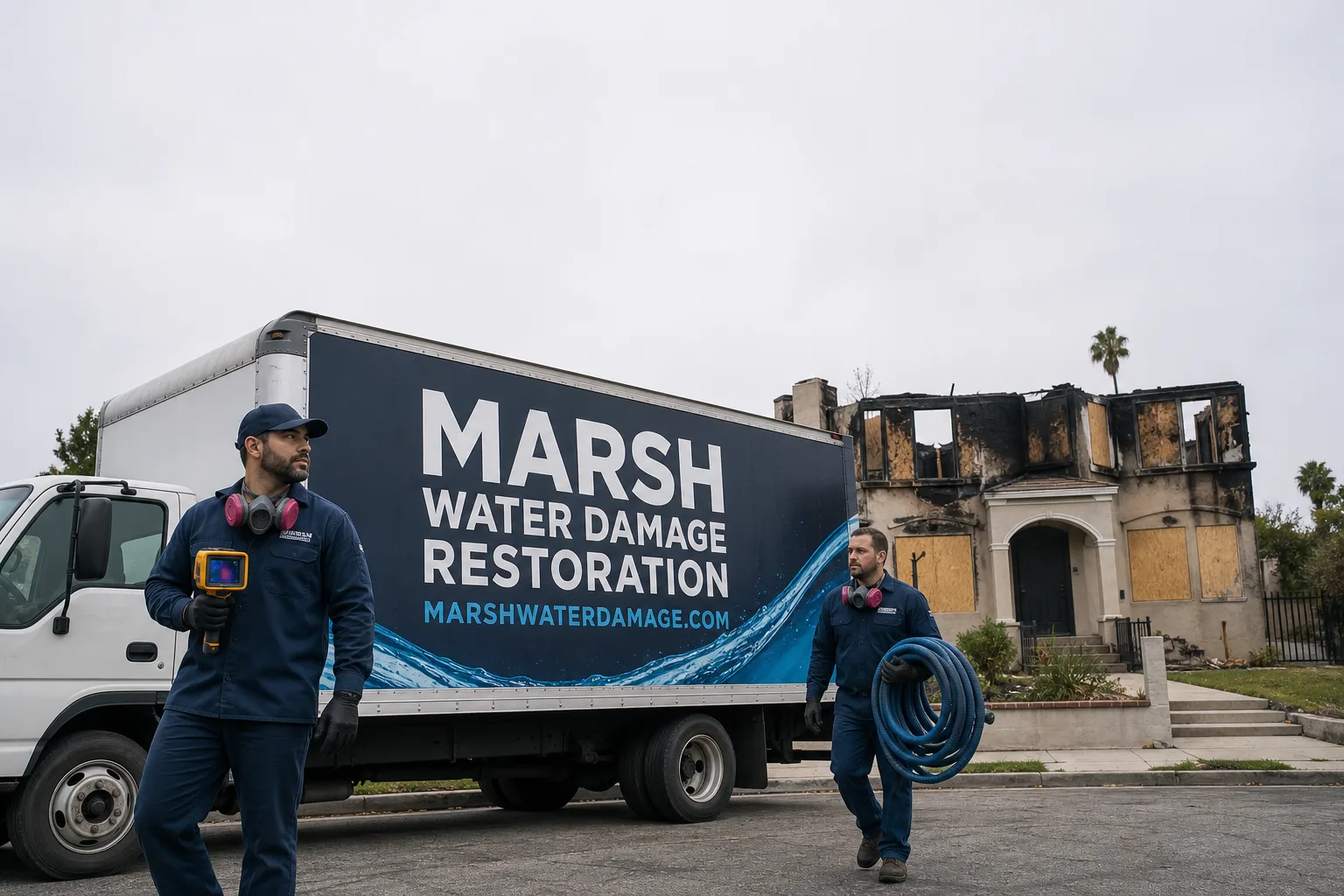
Free visual inspection and a written scope of work before any mitigation begins - photos, moisture readings, and drying logs go in your claim file
The scope we write is the scope we bill. Anything new gets shown to you, in writing, before we touch it.
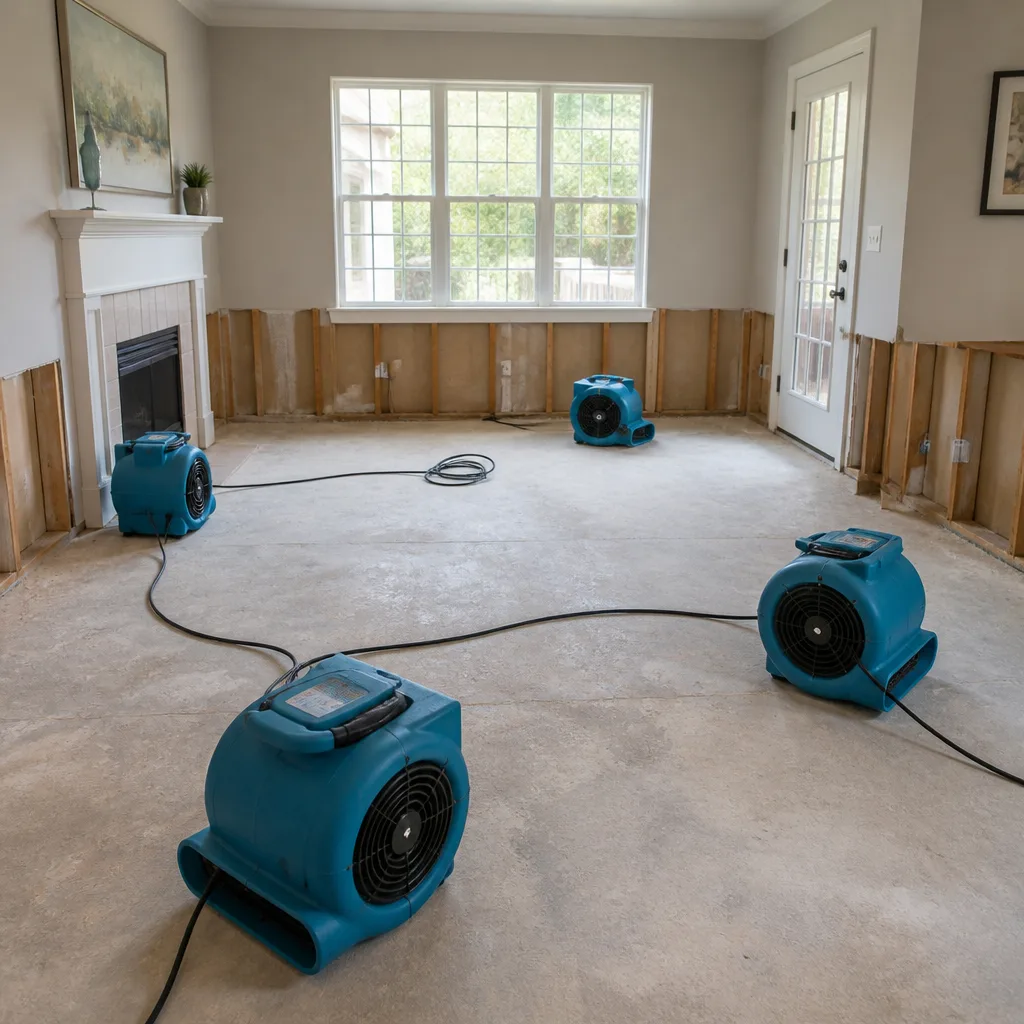
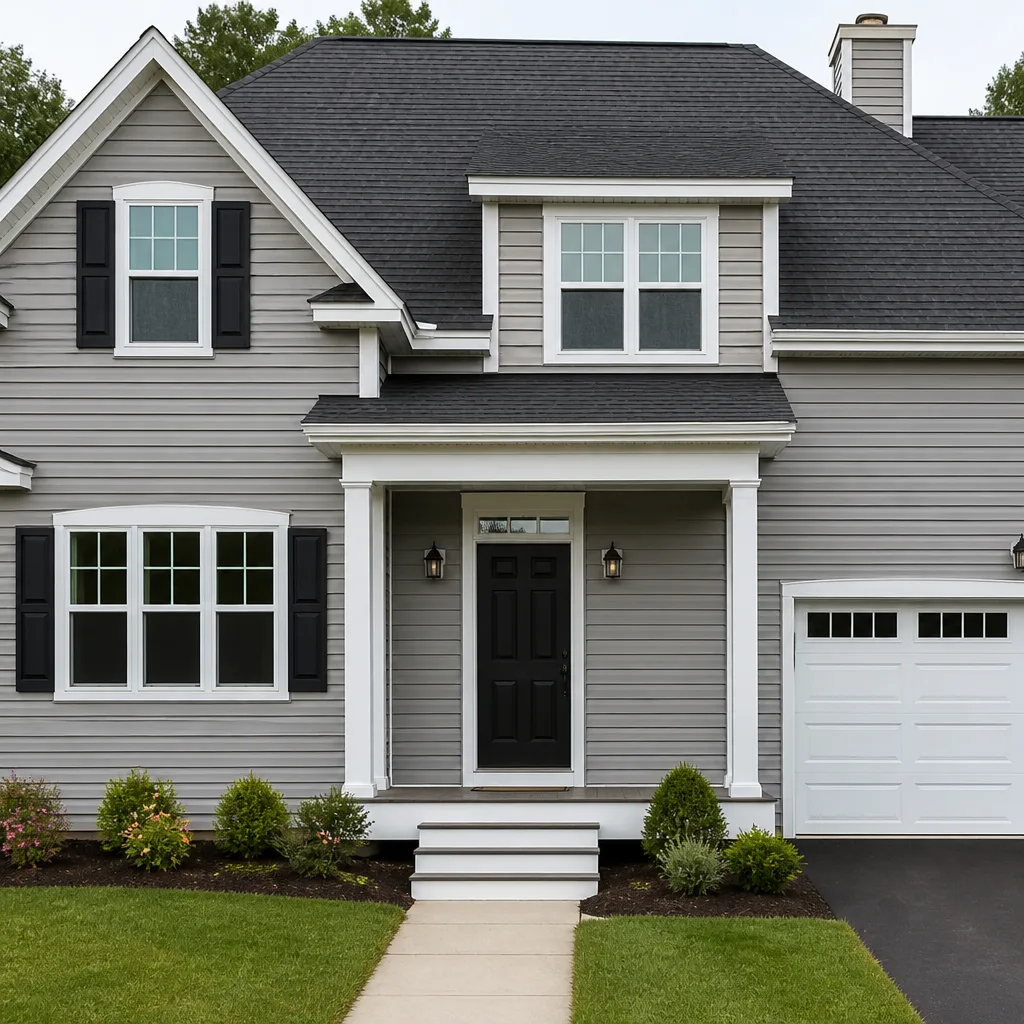
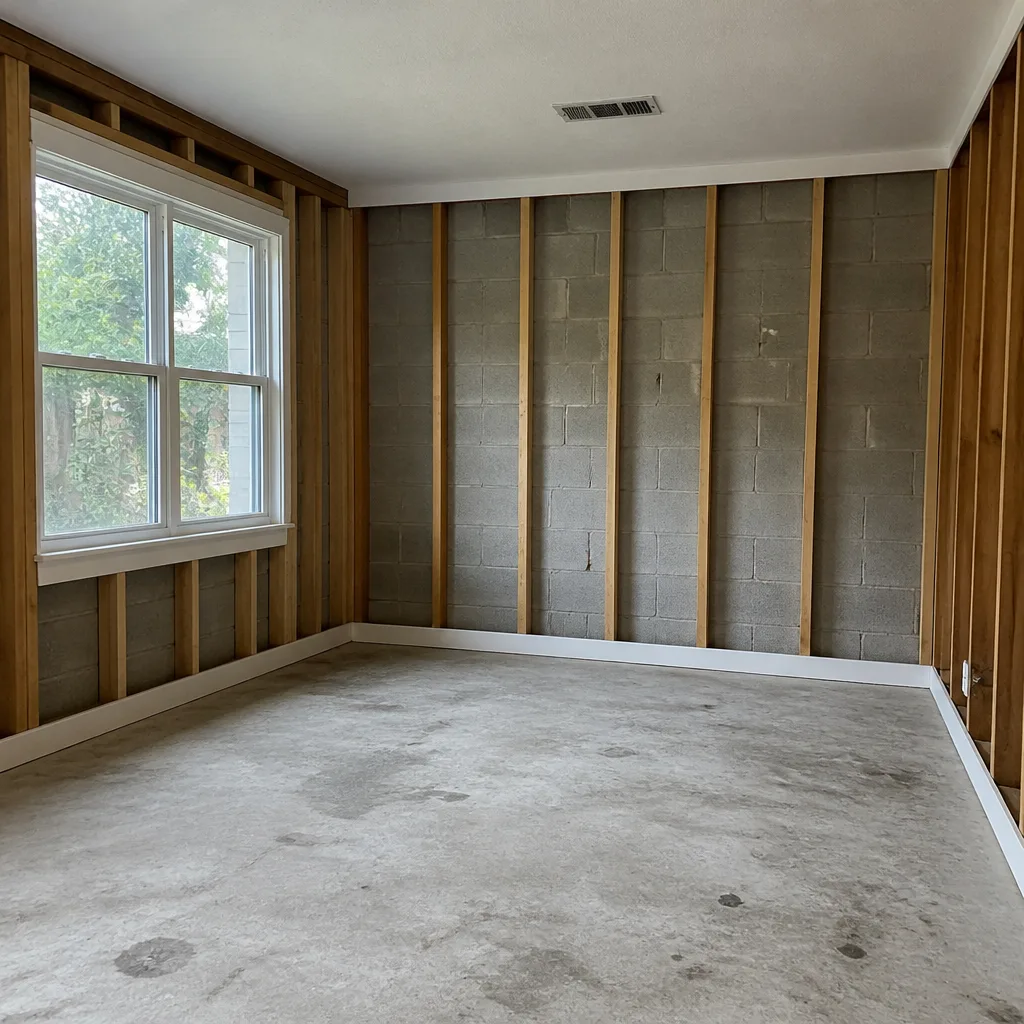

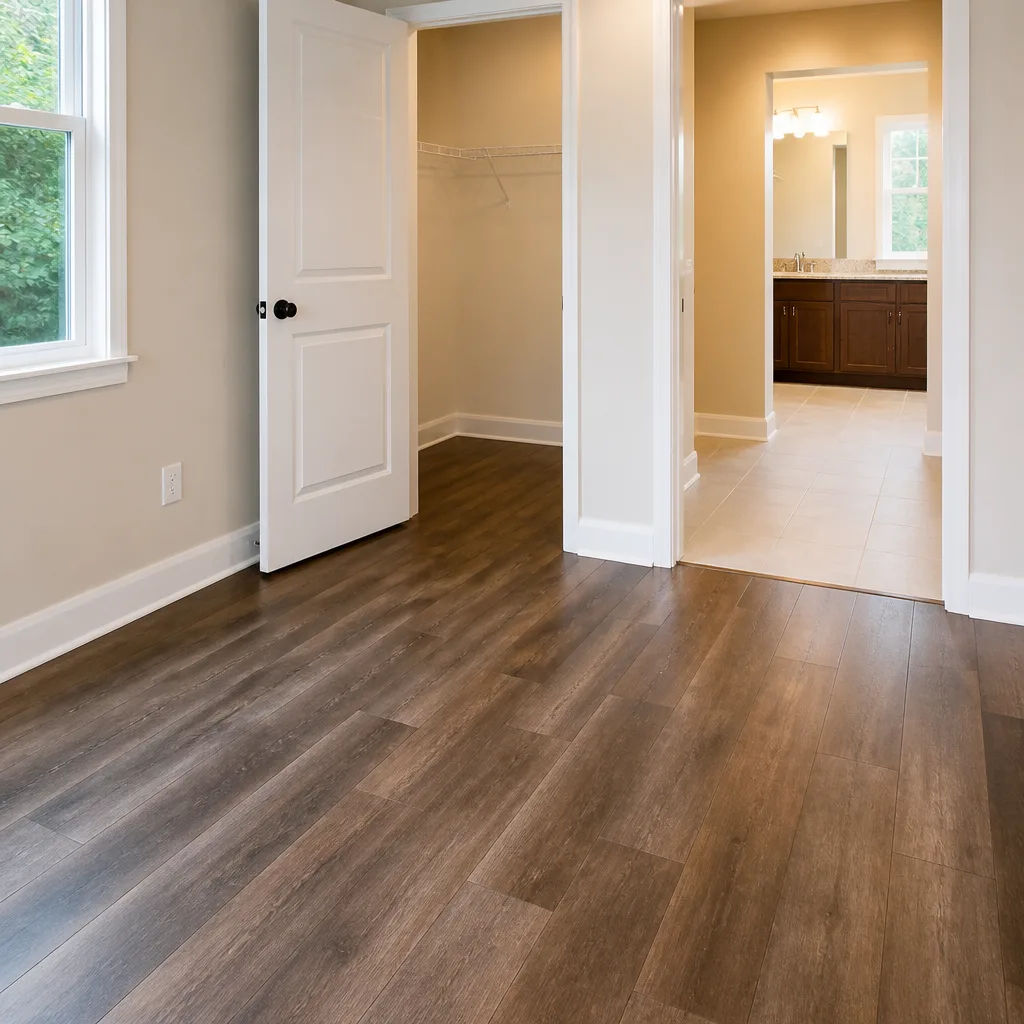
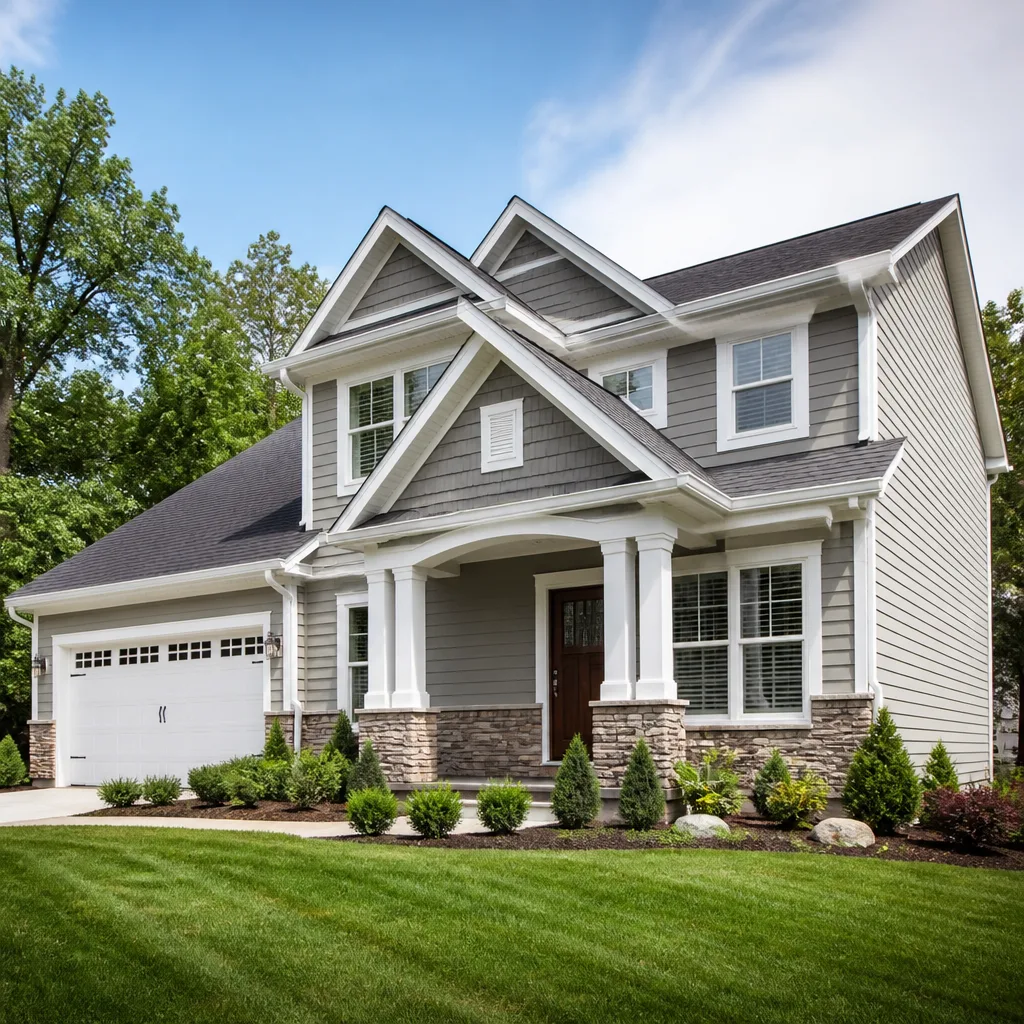
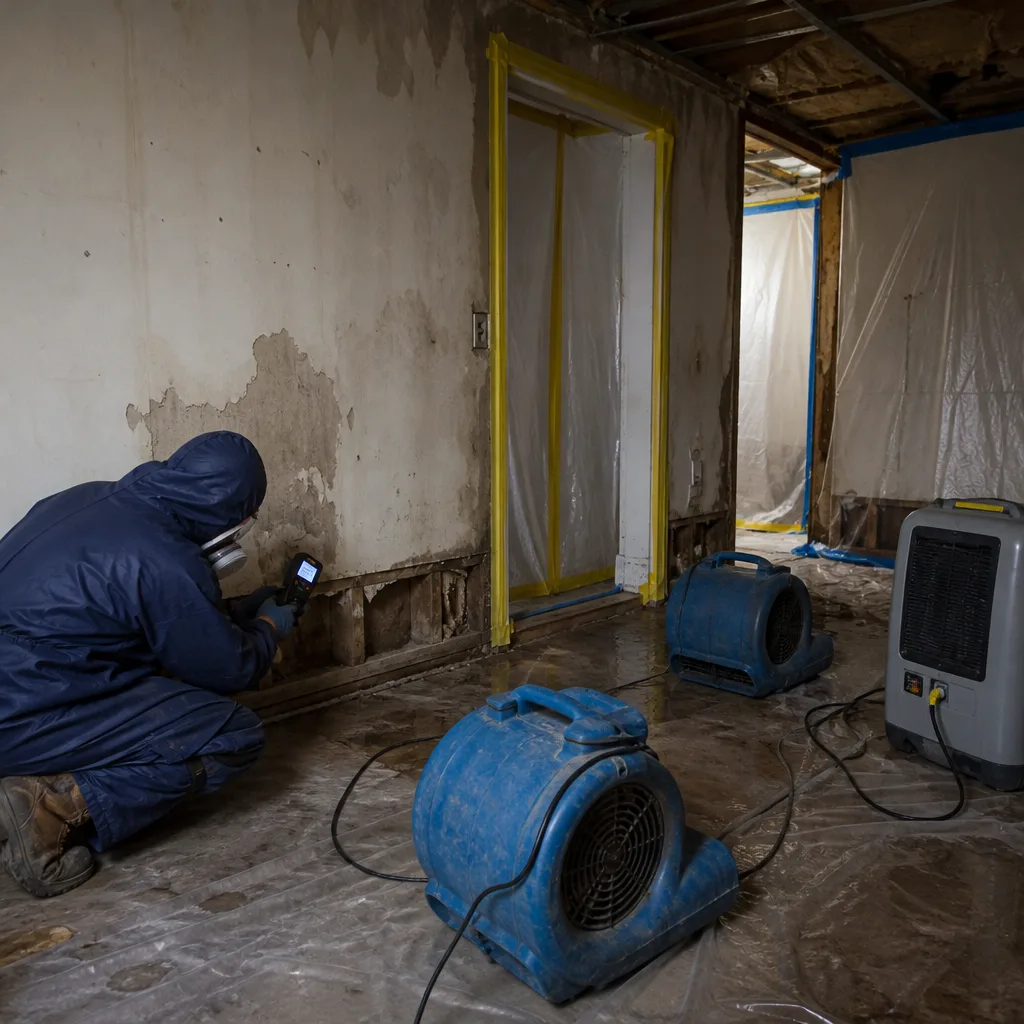 Before
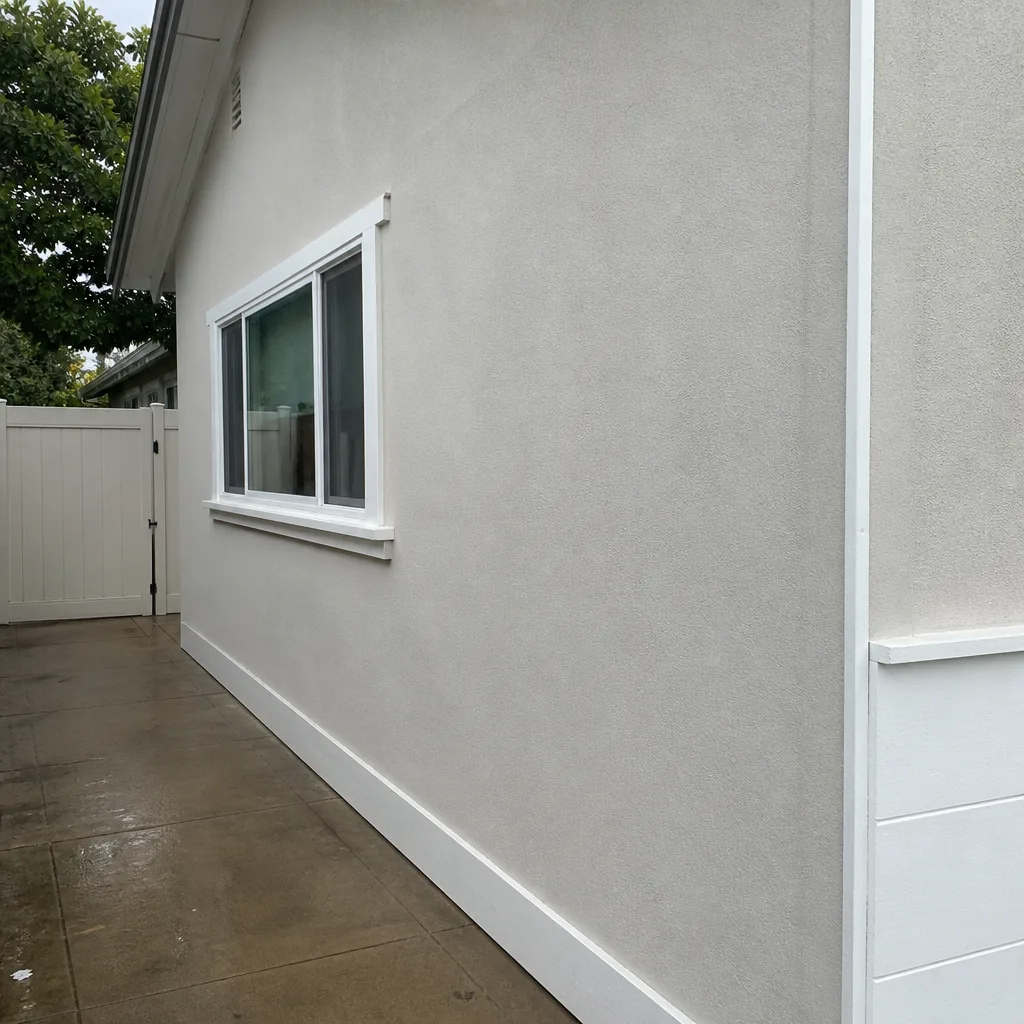 After
After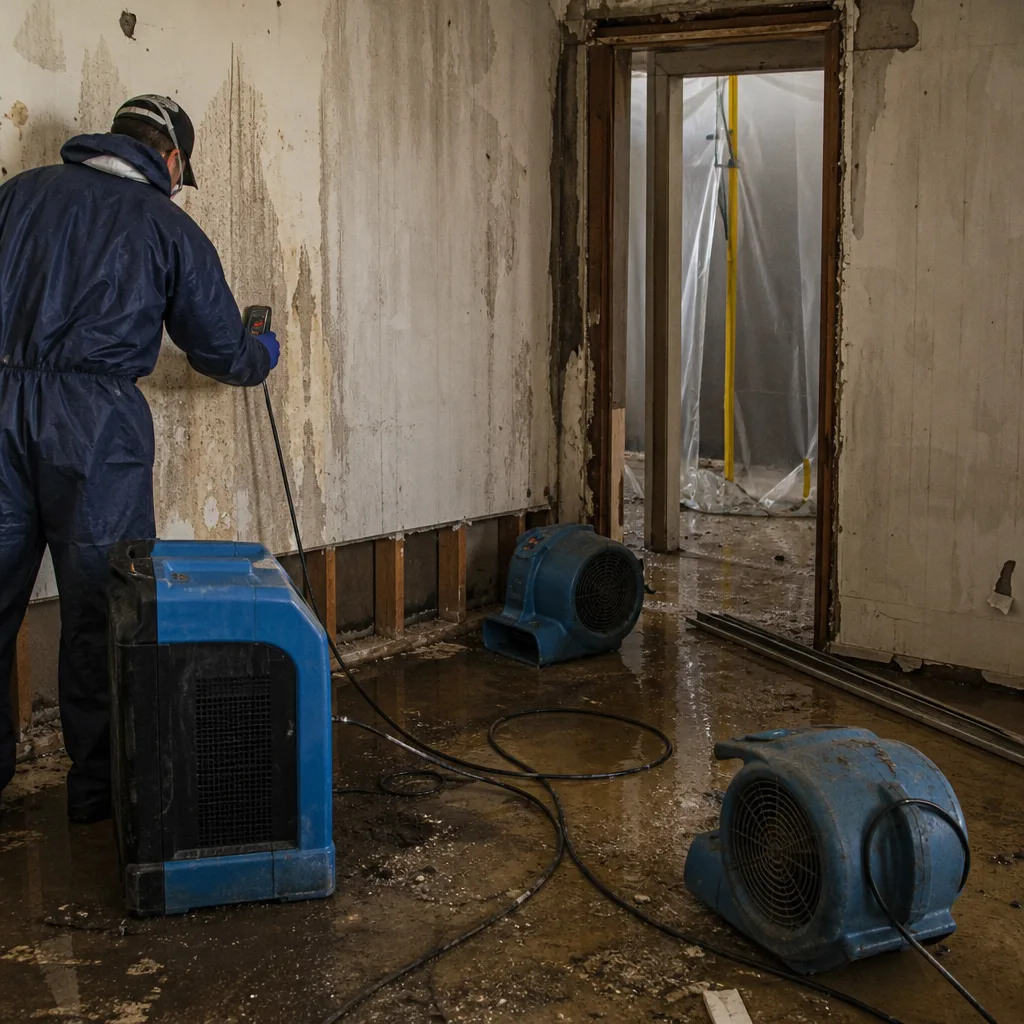 Before
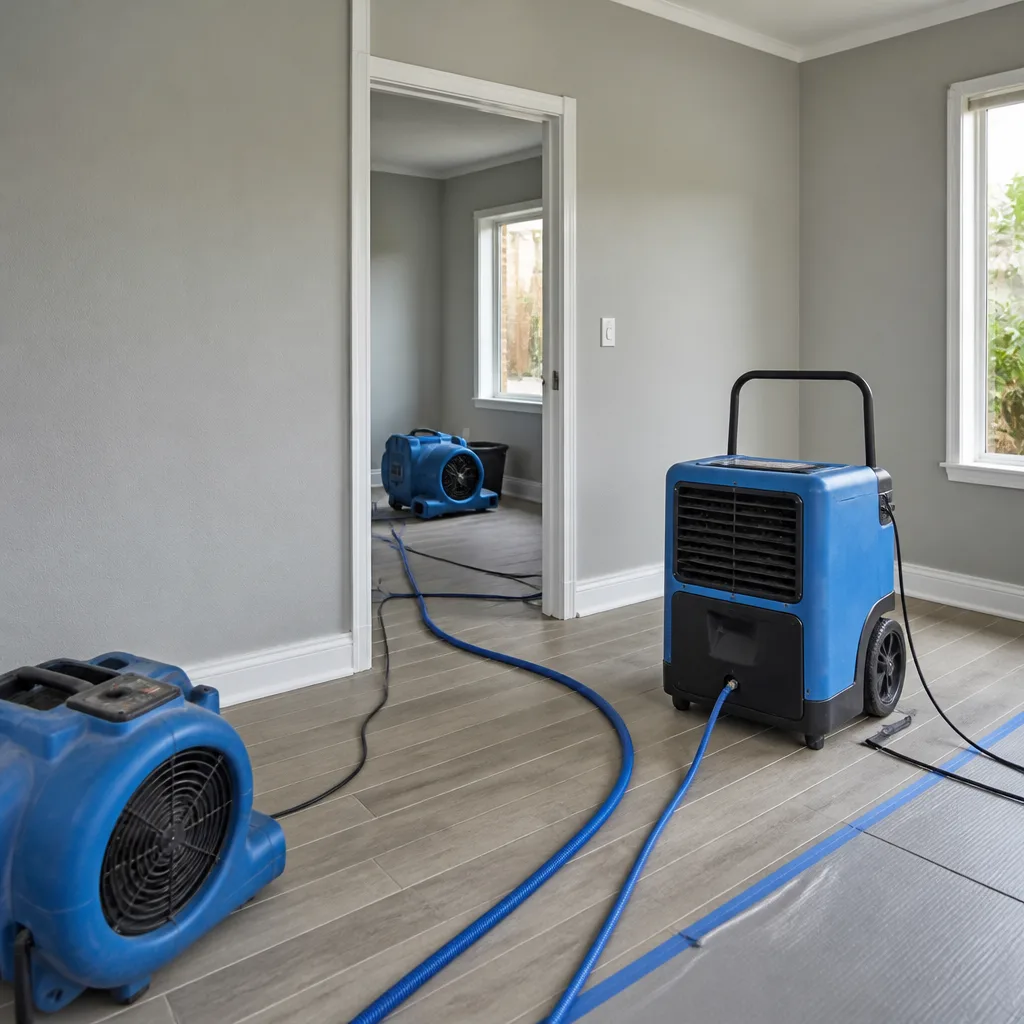 After
After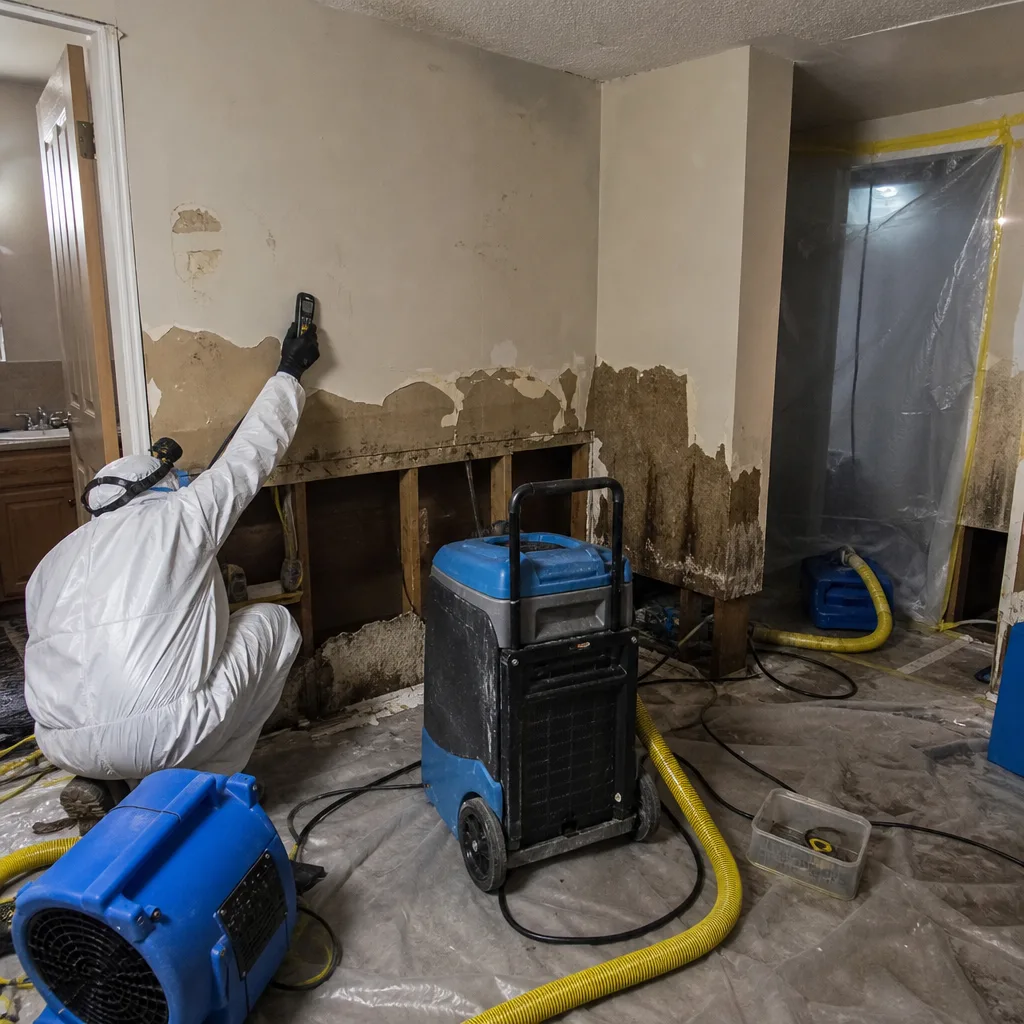 Before
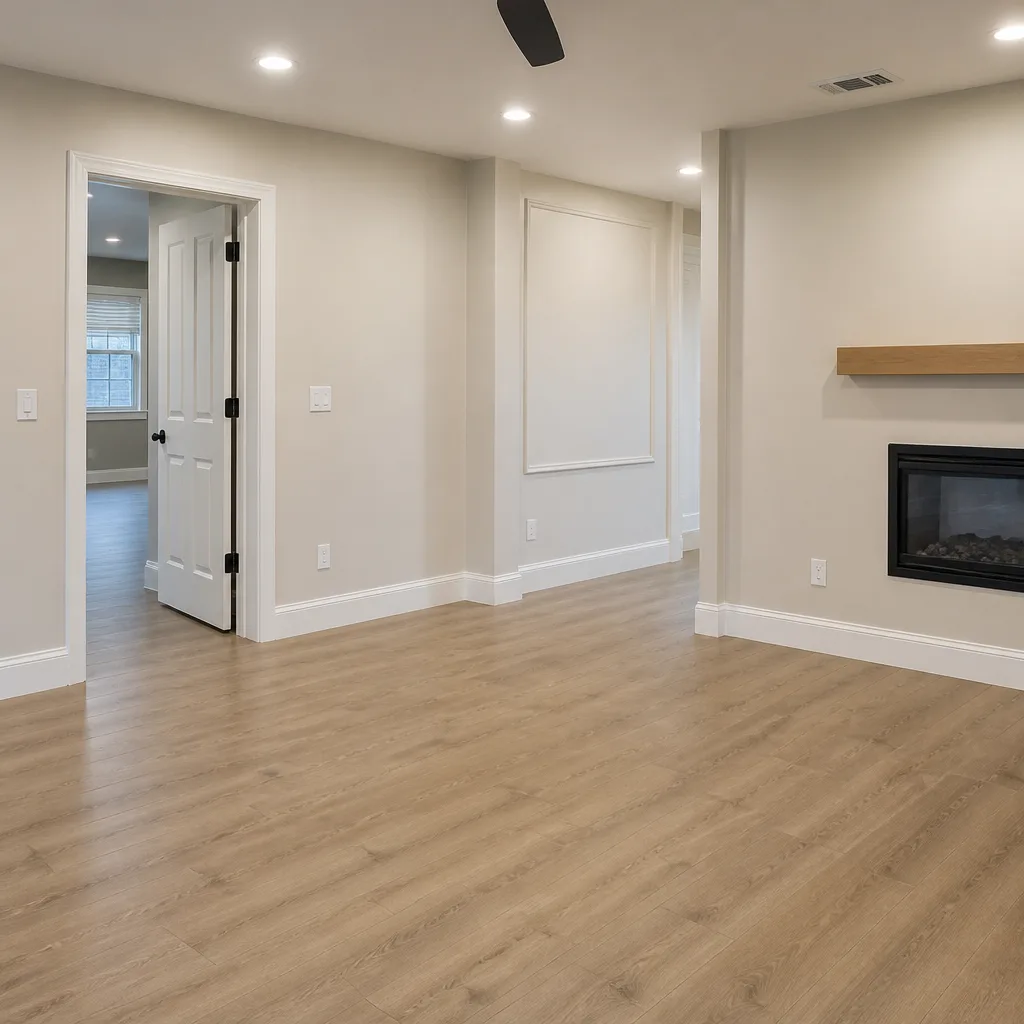 After
AfterFast, Reliable Storm Damage Restoration Across Morris Park
Storm damage in Morris Park moves fast, and so do we. When a nor’easter tears through the northeast Bronx or a summer thunderstorm overwhelms the neighborhood’s combined sewer lines, water finds its way into basements, behind plaster walls, and through shared masonry in days, not weeks. Our Storm Damage Restoration team knows this housing stock: attached 2-3 family brick row houses from the 1920s-1950s, built with party walls that don’t respect property lines when water is involved. We answer live 24/7 at (910) 613-6568, and a Threshold Verified technician who is background-checked and identity-verified reaches Morris Park fast, with a photo ID badge in hand before the first tool comes off the truck.
Why Marsh Water Damage Restoration Is Morris Park’s Preferred Storm Damage Restoration Company
Morris Park homeowners ask us the same thing after every storm: “How do I know who’s walking through my door?” We solve that before the knock. Every technician Marsh sends into Morris Park is Threshold Verified. That means background-checked, identity-verified, and sent to you by name and photo before arrival, then confirmed at the door with a photo ID badge. No exceptions, every visit, even the 3 a.m. calls. Tobias Reyner leads our team, and he built the Threshold Standard around one idea: a restoration company earns trust by being exactly who it says it is.
We’re part of the Threshold Group family, founded in 2005. Our technicians carry IICRC, RIA, and IFA credentials, and we run Dri-Eaz, Phoenix, and XPOWER equipment on residential jobs, the same commercial-grade drying gear large loss projects use. Every job gets a written price before any work starts, a written guarantee, and the 365-Day Done Right Promise. That promise is printed on every work order: if the repair is not right within a full year, we make it right, with a free second visit included automatically.
Basement Flood Cleanup in Morris Park
Basement flood cleanup in Morris Park carries a complication most other neighborhoods don’t face: the water rarely stays in one unit. Attached brick row houses built in the 1920s-1950s share foundation walls, utility spaces, and sometimes basement stairwells. A flood in one basement often wicks through the shared masonry and shows up as moisture or efflorescence in the neighboring property days later. Our crews check for that proactively, mapping moisture on both sides of the party wall before we start drying. It’s the difference between one storm claim and two.
When we arrive, the first call is classification. If the water came from a burst supply line or roof leak, it may be Category 1 or 2, which means drying in place is often possible. But when a heavy Bronx thunderstorm overwhelms the combined sewer infrastructure and sewage backs up into a basement apartment, that’s Category 3 black water. Black water requires full removal of affected materials, not drying. We scope it correctly the first time because treating black water as clean water is a health hazard, not a shortcut.
What a Typical Morris Park Basement Cleanup Involves
First, extraction. We pull standing water with truck-mounted or portable extraction units, then set containment if the damage involved sewage or disturbed asbestos pipe insulation. Next, structural drying with air movers and dehumidifiers, running psychrometric readings (measuring the moisture in the air) until the structure is genuinely dry, not just dry on the surface. Finally, we write a scope for reconstruction, which in Morris Park almost always includes EPA RRP compliance because lead-paint plaster and asbestos-containing materials are a baseline assumption in this housing era.
Costs for Basement Flood Cleanup in Morris Park
Most residential basement flood cleanups in Morris Park run between $2,800 and $6,500 depending on the square footage affected, water classification, and whether abatement steps are required before drying. When sewage is involved, expect the higher end. When asbestos pipe insulation or floor tile must be contained and removed under NESHAP rules, the scope grows, but the number is in writing before we start. Call (910) 613-6568 for a free estimate, and you’ll get a live person, not a voicemail.
Storm Damage Contractors in Morris Park
Storm damage contractors in Morris Park work a specialized problem: parapet leaks, roof flashing failures, and party-wall water intrusion that moves through aging brick masonry. Morris Park sits in the northeastern Bronx and gets the full nor’easter cycle. Repeated freeze-thaw events stress the mortar joints and roof flashings on these now-80-to-100-year-old row houses, and water finds the weak point. When a parapet flashing fails on a 3-family brick row house off Morris Park Avenue, the rain doesn’t just wet one apartment, it travels through the wall cavity into every unit along the shared masonry.
After a nor’easter drove rain through a failed parapet flashing on a 3-family brick row house off Morris Park Avenue, our crew extracted standing water from the basement apartment, ran moisture mapping along the shared foundation wall, and found elevated moisture readings bleeding into the adjacent unit. We set containment around friable asbestos pipe insulation before any drying, then placed air movers and a Dri-Eaz dehumidifier on structural drying protocols and logged daily moisture readings while our technician coordinated with the neighboring household’s adjuster.
What We Handle on Morris Park Storm Jobs
Water extraction from basements and garden-level apartments, structural drying of plaster-and-lath walls, containment and removal of asbestos pipe insulation or floor tile disturbed by water, lead-safe work practices under EPA RRP, and full reconstruction scoping once drying is complete. We write the scope before demo starts, not after. You’ll know the price before we open a wall because that’s the only way we work.
Costs for Storm Damage Restoration in Morris Park
Storm damage restoration in Morris Park typically runs $4,000 to $12,000 for a single-unit basement or first-floor event that requires extraction, drying, and targeted reconstruction. Multi-unit party-wall events with abatement steps can run $15,000 to $40,000 depending on how far the water traveled through shared masonry and how much asbestos or lead-containing material must be handled. Insurance typically covers the bulk of these costs, and our team photographs everything and coordinates directly with your adjuster. We document what we found, what we did, and what it cost, with time-stamped photos your insurer will accept.
Trusted Brands We Service in Morris Park
We run Dri-Eaz dehumidifiers, Phoenix air movers, and XPOWER extraction units on Morris Park jobs because this housing stock demands precision drying. Plaster-and-lath walls hold moisture differently than drywall, and cast-iron drain stacks and shared basements mean we need equipment that can run quietly and continuously for days without disturbing the neighbors on the other side of a party wall. We stock common replacement parts and drying supplies locally, so there’s no waiting on a warehouse order when a Morris Park basement needs equipment today.
Common Storm Damage Restoration Problems We See in Morris Park Homes
- Shared party-wall wicking. Water from one unit’s burst pipe or parapet leak seeps through the shared foundation wall and appears in the neighbor’s basement days later. We check the adjacent unit proactively because that neighbor’s claim often follows within a week if we don’t.
- Category 3 black water from combined sewer backups. Heavy summer thunderstorms overwhelm Morris Park’s older combined sewer infrastructure, pushing sewage into basement apartments. This is not clean water, and drying without full removal is a serious health risk.
- Asbestos and lead-paint abatement triggering mid-job stops. Plaster-and-lath interiors from the 1920s-1950s virtually guarantee asbestos pipe insulation, asbestos floor tiles, and lead paint. Any restoration job must run NESHAP and EPA RRP compliance before structural drying can legally proceed. Missing this step halts the job and forces a re-scope.
- Parapet and roof flashing failures from freeze-thaw cycling. Aging mortar joints and flashings on brick row homes weaken over repeated winters. Water intrusion at parapets and copings is chronic in this housing stock, and it often travels farther inside the wall than the visible stain suggests.
Pricing for Storm Damage Restoration in Morris Park, NY
Here’s the straight answer. Basement flood cleanup in Morris Park runs $2,800 to $6,500 for a typical single-unit event. Full storm damage restoration, including structural drying and reconstruction, runs $4,000 to $12,000 for a first-floor or basement event. When the event crosses a party wall into a neighboring unit, or when asbestos and lead abatement become part of the scope, costs rise to $15,000 to $40,000. The factors that move the number: square footage affected, water classification (clean vs. black), the extent of masonry water travel, and the amount of regulated material requiring containment or removal. Every estimate is free, every price is in writing before work starts, and every job carries the 365-Day Done Right Promise. Call (910) 613-6568 and a live person will answer, day or night.
We Also Serve Cities Near Morris Park
Our crews work throughout the Bronx and across the surrounding boroughs. Beyond Storm Damage Restoration in Morris Park, we serve Brooklyn, Queens, Manhattan, and The Bronx, with the same Threshold Verified technician protocol, the same written pricing, and the same live-answer phone line on every job.
Serving Morris Park, NY - Our Local Coverage Area
We’re based in the Morris Park area and know this community well. Use the map below to see our service coverage - if you’re nearby, we can almost certainly help.
FAQs About Storm Damage Restoration in Morris Park
If the water came from rain entering through a parapet, roof flashing, or wall leak, it’s likely Category 1 or 2 water, which means drying in place is often acceptable. If the same storm overwhelmed the combined sewer system and sewage backed up through a floor drain, it’s Category 3 black water, and full removal of affected materials is required. In Morris Park, both happen in the same storm. We classify the water on arrival and give you a written scope based on what we actually find, not an assumption. Call (910) 613-6568 and we’ll assess it fast.
Water in attached brick row houses doesn’t respect property lines. Shared foundation walls and party-wall masonry allow water to travel horizontally through mortar joints and wall cavities, which is why one unit can show visible damage while the neighbor’s is just starting to wick moisture. We check both sides of every party wall on Morris Park jobs because catching the neighbor’s side early prevents a second claim and a second round of drying. It’s a pattern we see regularly in this housing stock.
Because the 1920s-1950s brick row houses in Morris Park were built with asbestos pipe insulation, asbestos floor tiles, and lead-paint plaster as standard materials. When water disturbs these materials, federal NESHAP and EPA RRP rules require containment and, in some cases, removal before structural drying can legally proceed. Skipping this step is not an option, it’s a compliance violation that halts the job and creates a health exposure in your home. We scope for it on every storm job in this neighborhood before we start.
Within 24 to 48 hours is the window where structural drying stops mold from taking hold in plaster, wood framing, and flooring. Past 48 hours, the probability of microbial growth rises sharply, especially in the humid months when Morris Park basements stay damp. Our crews answer live 24/7 and can typically reach Morris Park properties within hours, not days. Starting fast is the single biggest factor in keeping a storm event from becoming our Mold Remediation in Morris Park. Call (910) 613-6568 the moment you see water.
It depends on the cause and how the policy is written, but party-wall water travel often triggers two separate claims under two separate policies. Our team photographs moisture mapping on both sides of the shared wall, logs daily drying data, and coordinates directly with both adjusters so no one has to argue about what happened. We document everything with time-stamped photos and written moisture readings, which is what insurers actually need to process a multi-unit claim cleanly. We’ll handle the adjuster coordination so you don’t have to.
Written by Tobias Reyner, Owner at Marsh Water Damage Restoration, part of the Threshold Group family since 2005, serving Morris Park storm damage restoration.