

Free visual inspection and a written scope of work before any mitigation begins - photos, moisture readings, and drying logs go in your claim file
The scope we write is the scope we bill. Anything new gets shown to you, in writing, before we touch it.
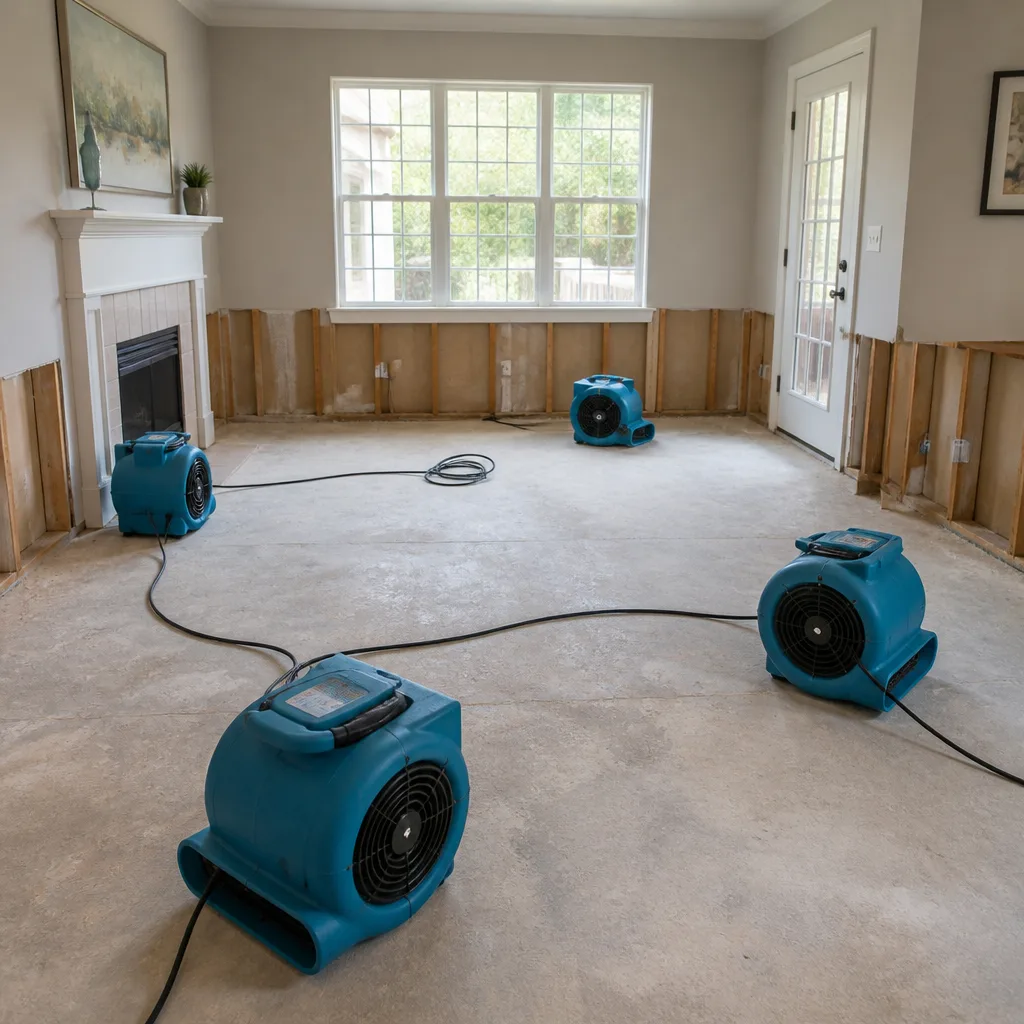

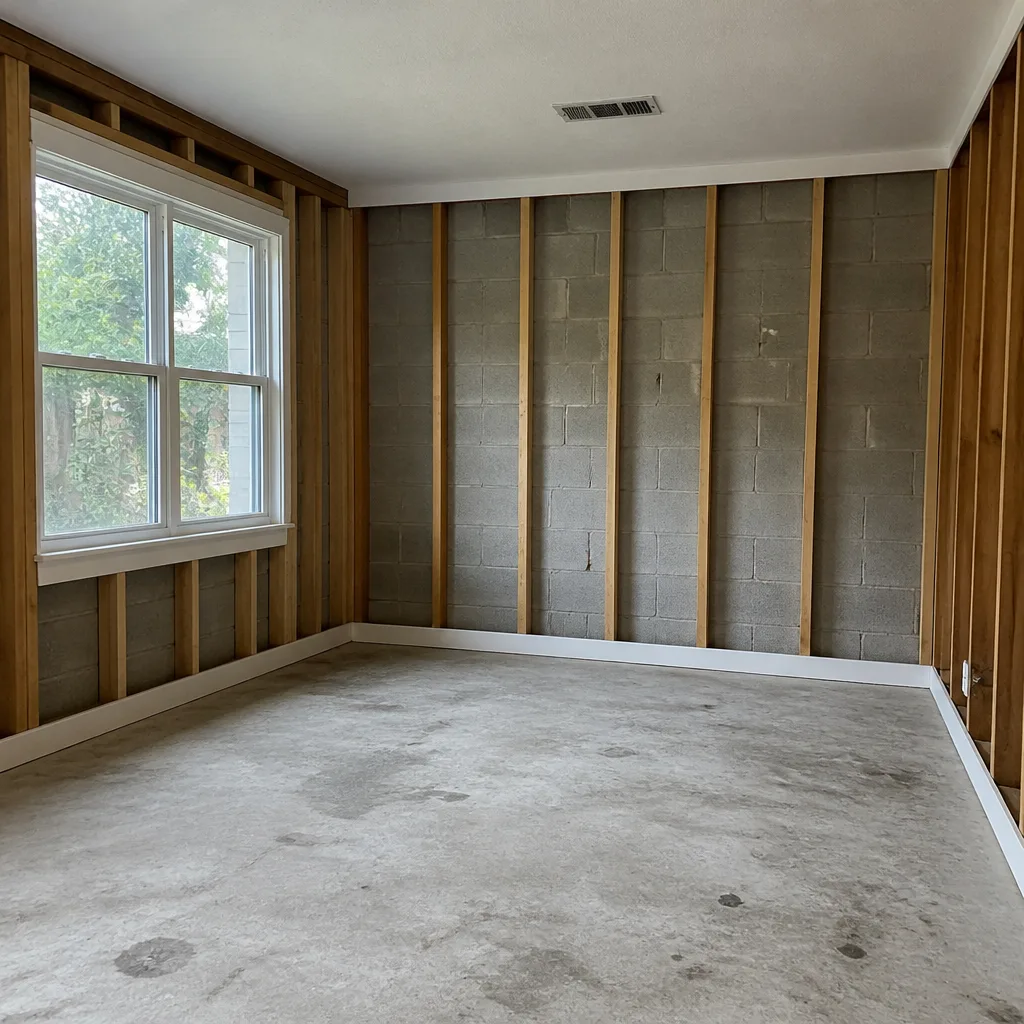



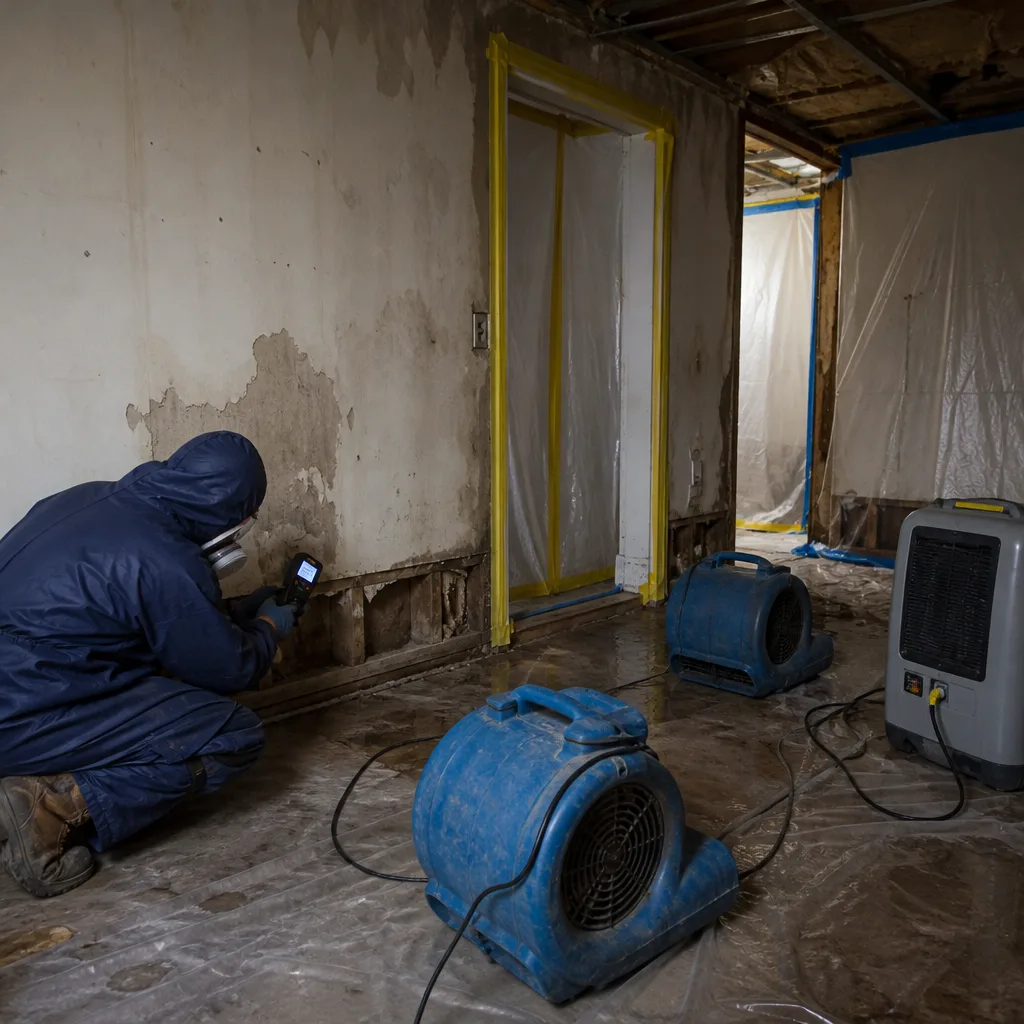 Before
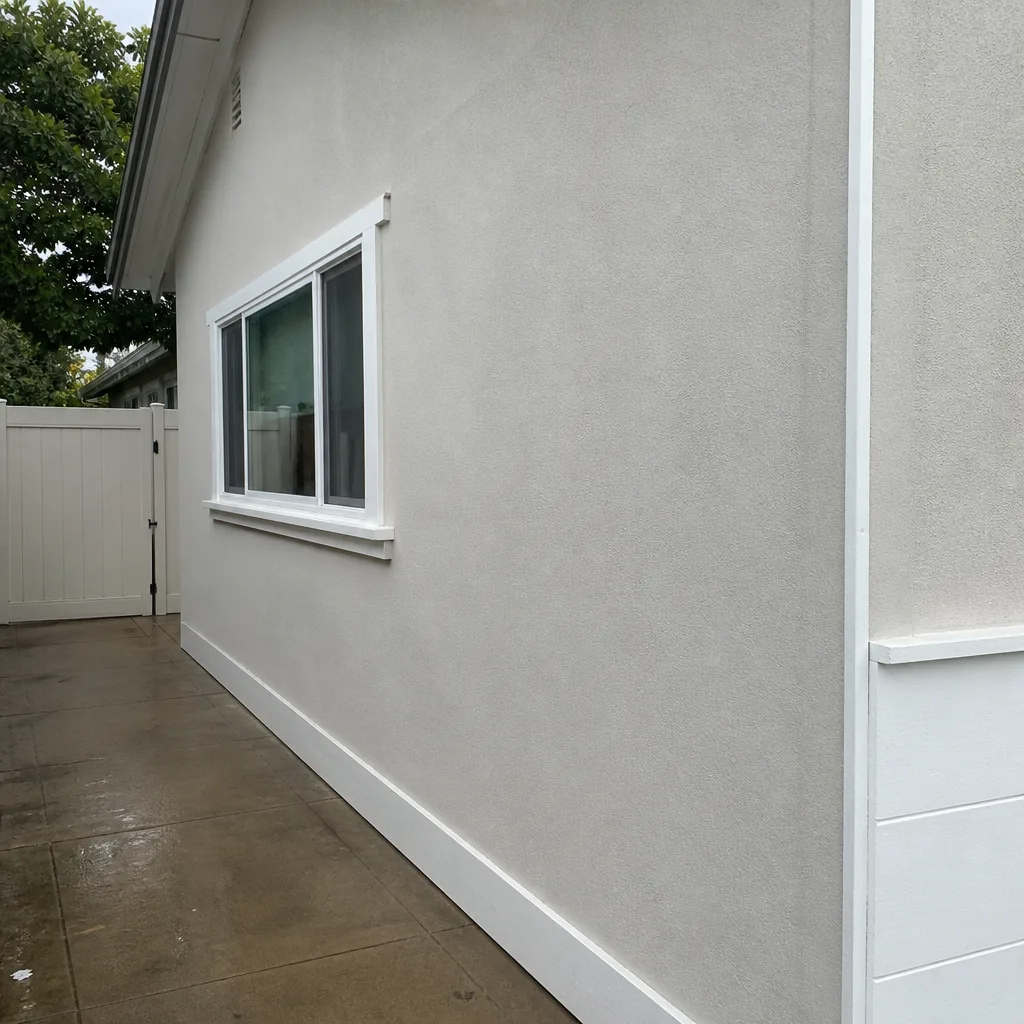 After
After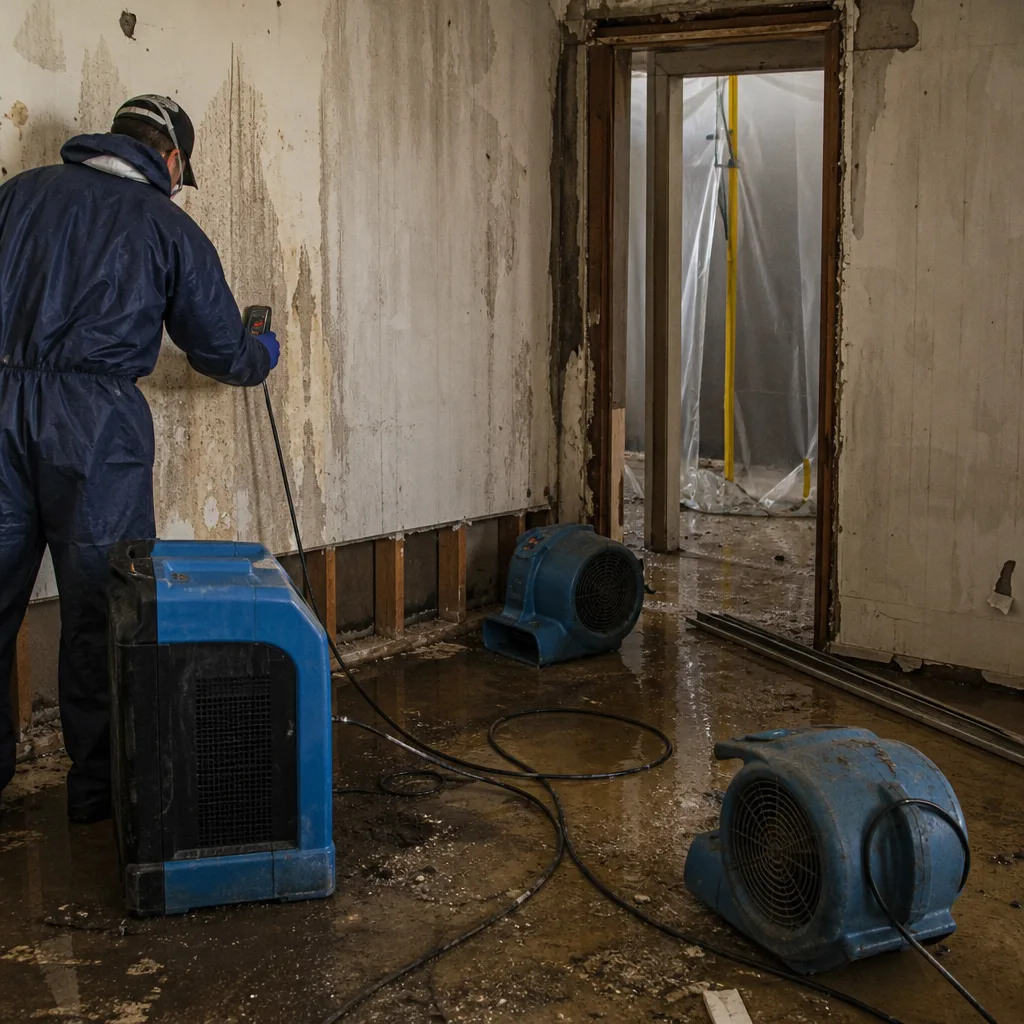 Before
 After
After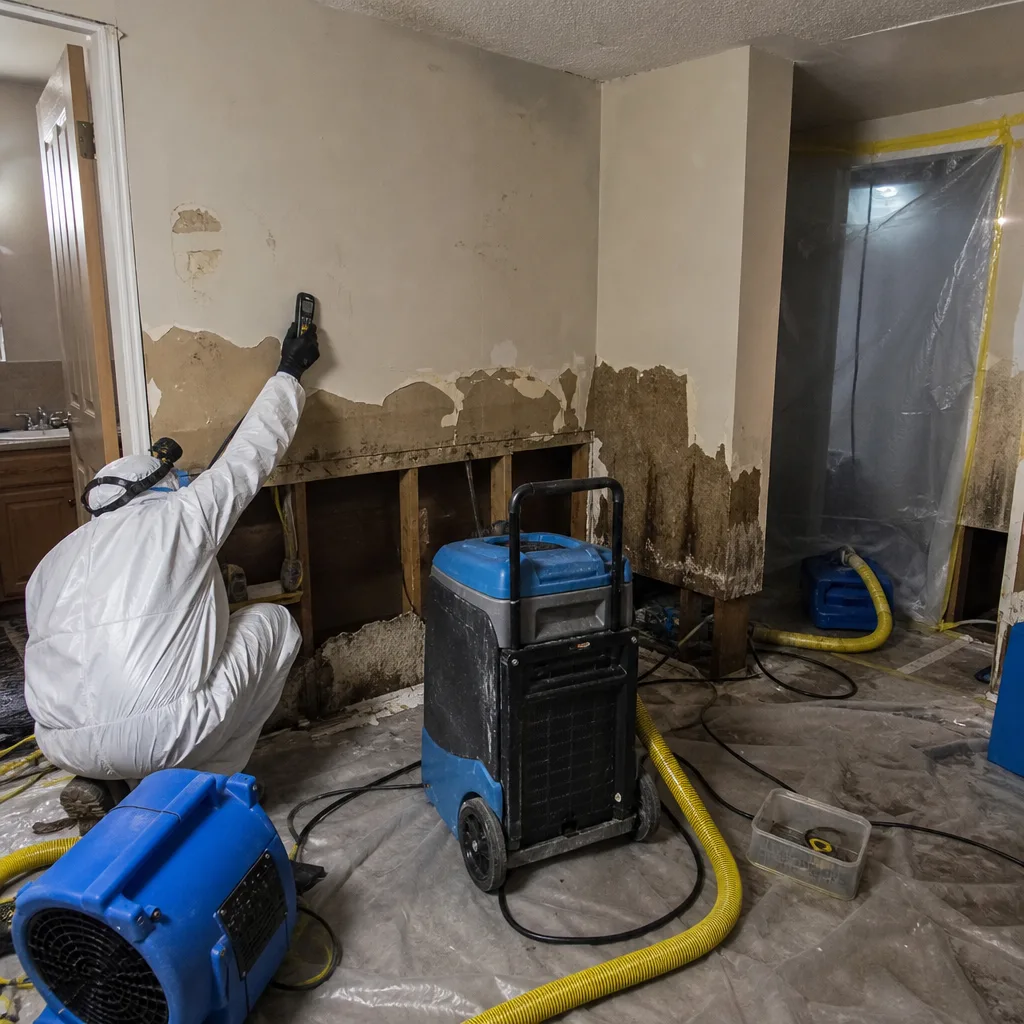 Before
 After
AfterFast, Reliable Storm Damage Restoration Across San Marcos
Storm damage in San Marcos rarely looks like the hurricane footage on the evening news. It looks like a water stain spreading across a hallway ceiling two days after an atmospheric river, or a musty smell you can’t place in a bedroom that never flooded. We respond to storm calls across San Marcos within hours, not days, because what starts as a roof leak or window-flash failure here moves into wall cavities fast. If you’re seeing water where it shouldn’t be, call (910) 613-6568 and a live person answers, day or night.
Why Marsh Water Damage Restoration Is San Marcos’s Preferred Storm Damage Restoration Company
Our Storm Damage Restoration team has spent years working the specific failure patterns of San Marcos housing stock. The 1985 – 2005 stucco tract homes that dominate neighborhoods around Twin Oaks Valley Road and Cal State San Marcos don’t fail the way coastal homes do. They crack. They wick. They hide moisture behind facades that look perfectly intact from the street. Homeowners in Discovery Hills, San Elijo Hills, and the creek-adjacent valley floor call us because we already know what’s inside their walls before we cut the first inspection hole.
Every technician who arrives at a San Marcos home is background-checked, identity-verified, and sent to you by name and photo before the visit. That’s the Threshold Verified standard, and it means the person at your door is exactly who we said was coming. Tobias Reyner leads our technical team, and the IICRC, RIA, and IFA credentials carried by our crews are the same standards applied to large commercial losses. We just apply them to your house.
Flooded House in San Marcos
A flooded house in San Marcos after a storm usually means one of three things happened: a roof or flashing failure let atmospheric-river rain pour into the attic, a stucco weep-screed crack wicked water into wall cavities, or San Marcos Creek and its tributaries overtopped into a lower-lying neighborhood. None of those are addressed by mopping the floor and pointing fans at the drywall. A proper flooded house response starts with a full moisture map of the structure, then water extraction, then controlled structural drying with equipment placed inside wall cavities, not just in rooms.
Water Extraction and Category Assessment
We pull standing water with professional extraction equipment, then test the water itself. Storm water that ran through a roof is often Category 1. Storm water that sat in a cracked stucco cavity for days or backed up from a saturated drain line near the creek is Category 2 or 3, and that changes everything about how we build the drying plan and what materials come out. Most residential water extractions in San Marcos run between $1,200 and $2,800 before drying equipment is set, depending on how much water moved and how long it sat.
Structural Drying Inside San Marcos Wall Assemblies
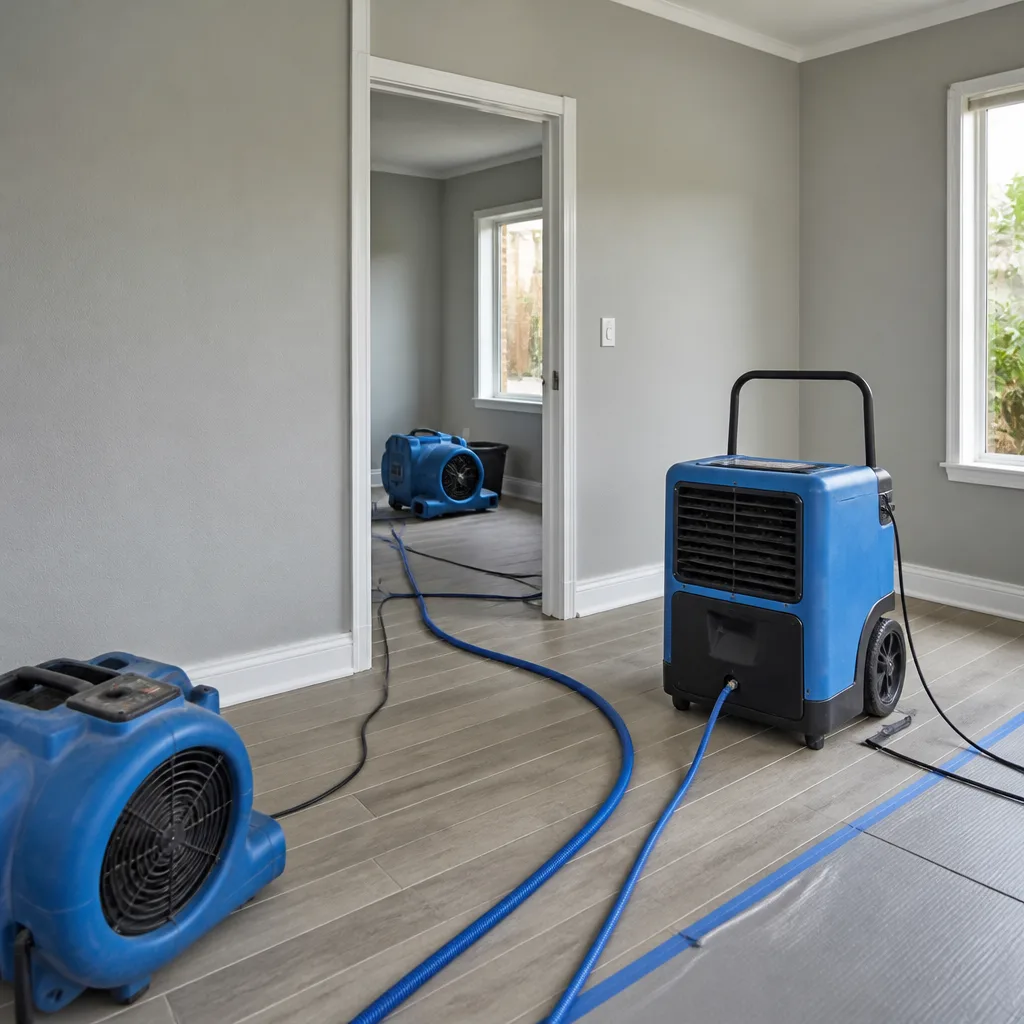
The difference between a San Marcos stucco home that dries clean and one that reeks of mold in six months is whether anyone dried the wall cavity itself. Our crews route air from Dri-Eaz and Phoenix equipment directly into the envelope. Psychrometric readings (measuring the moisture in the air) tell us when the structure is genuinely dry, not just dry on the surface.
Flood Restoration in San Marcos
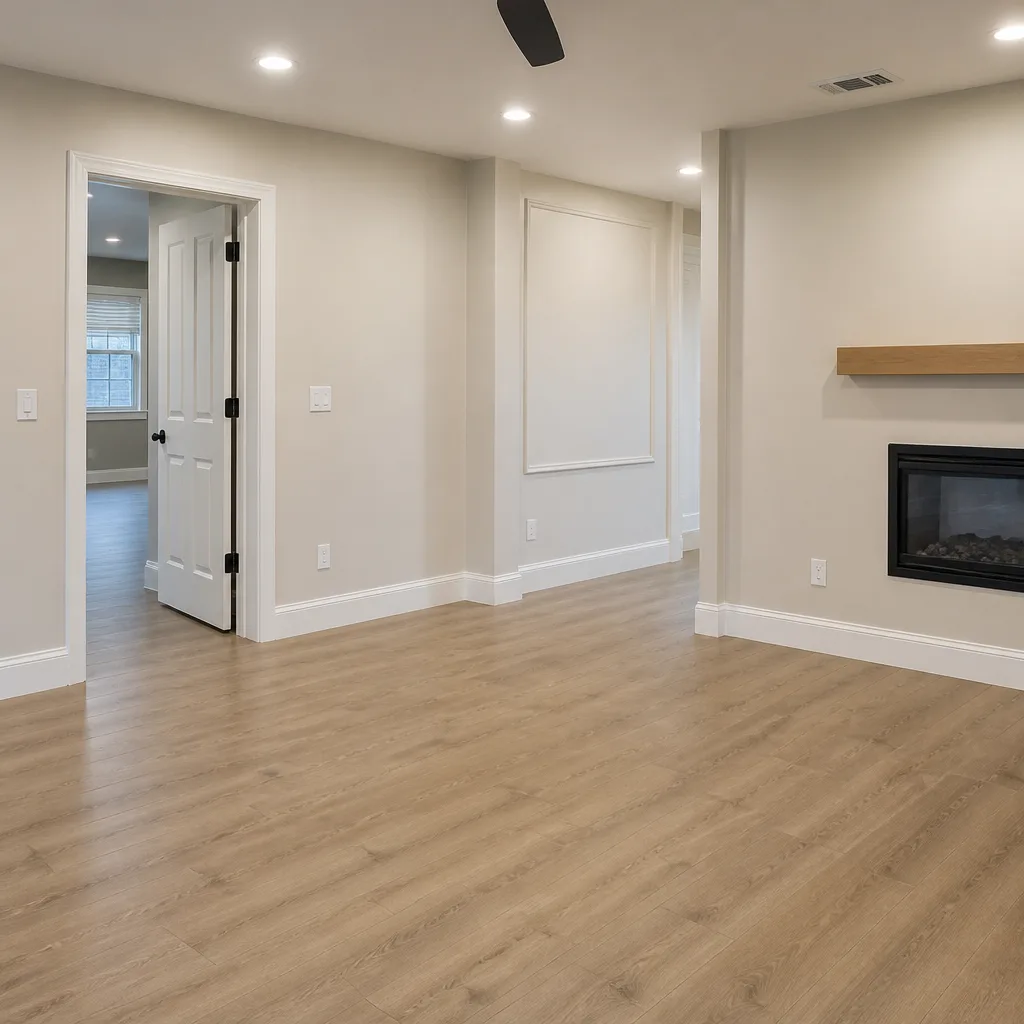
Flood Restoration in San Marcos means bringing a home back to pre-loss condition after water has compromised structural materials, not just extracting the visible puddle. In this city, that frequently includes opening stucco walls that looked fine before the storm, because the water traveled through a cracked weep-screed joint and fed hidden mold growth for weeks or months. A typical flood restoration in San Marcos, including demolition of wet drywall and insulation, runs between $4,500 and $12,000 depending on how far the water wicked and what Category it is.
Hidden Mold Discovery Behind Intact Stucco
Our crew was called to a graded-fill slope home off Twin Oaks Valley Road near CSUSM after a February atmospheric river. The homeowner reported a first-time stained ceiling, but moisture mapping showed the stucco weep-screed joint had been cracked by the prior fall’s Santa Ana winds. We ran water extraction on the saturated wall cavity, set up containment, and used Injectidry and Dri-Eaz air movers plus a Phoenix dehumidifier to bring the assembly back to pre-loss condition. The moisture readings confirmed Category 2 water and a month-old mold bloom that the exterior had concealed. This is not a rare call for us. It’s the standard San Marcos pattern.
When Replacement Outpaces Drying
If hidden moisture has been wicking since the last Santa Ana event, the drywall, insulation, and sometimes the framing itself have to come out. We write the demo scope in plain English, give you a written price before any work starts, and document every cut with photos your adjuster can use. No surprises after the wall is open.
Trusted Brands We Service in San Marcos
We run equipment from Phoenix, XPOWER, and Injectidry on San Marcos jobs, and we keep replacement parts and filters stocked for quick turnaround when a dehumidifier goes down mid-dry. Homeowners off Rancho Santa Fe Road or near the 78 corridor don’t wait on parts shipped from a warehouse. The same goes for when we service San Marcos homes with older equipment setups that need retrofitting during a flood restoration. We know which hardware lasts on stucco tract homes and which doesn’t.
Common Storm Damage Restoration Problems We See in San Marcos Homes
- Santa Ana cracks before the rain arrives. The inland valley funnel that makes San Marcos windier than Carlsbad also desiccates stucco and micro-cracks weep-screed joints and window flashing. The storm then drives water straight into the wall cavity through openings nobody can see from outside.
- Category 2 or 3 water where Category 1 was assumed. A stained ceiling after an atmospheric river is often water that has been wicking through the wall assembly since the prior fall. By the time it shows up on drywall, it’s been feeding mold for weeks.
- Stucco envelope failures on graded-fill slopes. Homes along Twin Oaks Valley Road and the hillside tracts near CSUSM sit on engineered fill that shifts subtly over time. The stucco cracks first at the bottom, then at windows. Every storm after that is a repeat leak.
- San Marcos Creek flash flooding in lower neighborhoods. When the creek and its tributaries rise during heavy rain, homes on the valley floor take on water that carries silt and sewage. That’s a structural-drying and decontamination job, not a mop-and-fan situation.
Pricing for Storm Damage Restoration in San Marcos, CA
We Also Serve Cities Near San Marcos
Our Storm Damage Restoration crews regularly handle calls in Vista, Escondido, Carlsbad, and Rancho Santa Fe. Dispatch and scheduling are coordinated from the brand’s San Diego office, and crews stage locally in San Marcos for faster response when storms hit the 78 corridor.
Serving San Marcos, CA - Our Local Coverage Area
We’re based in the San Marcos area and offer our Mold Remediation in San Marcos - we know this community well. Use the map below to see our service coverage - if you’re nearby, we can almost certainly help.
FAQs About Storm Damage Restoration in San Marcos
Why do San Marcos homes near Twin Oaks Valley Road and CSUSM get hidden mold after storms?
Homes in these zones sit on graded fill slopes with stucco exteriors that micro-crack at weep-screed joints and window flashing during Santa Ana wind events. The next atmospheric river drives water into the wall cavity, and because the exterior facade stays intact, the moisture sits hidden for weeks or months until mold colonizes behind the stucco. By the time a homeowner sees a stain, the mold is already established. Call (910) 613-6568 if you suspect hidden moisture after a storm, and we’ll run a full moisture map before anything is opened.
How fast does mold grow after a San Marcos storm leak?
Mold can begin colonizing within 48 to 72 hours in a warm wall cavity, and San Marcos’s inland valley heat speeds that timeline compared to coastal cities. The problem here is that the leak often started months earlier, during a Santa Ana cycle, so by the time the storm reveals it, you’re looking at established growth, not early colonization. Drying the visible interior without routing equipment into the wall cavity won’t stop it.
Is storm water in my San Marcos home always Category 1?
No. Rainwater that moves through a roof or window and is extracted quickly is usually Category 1, which is the cleanest classification. But if water traveled through a cracked stucco cavity or backed up from a saturated drain line near San Marcos Creek, it picks up contaminants and becomes Category 2 or 3. We test the water on every job and write the drying plan around what the results show.
What does structural drying look like for a San Marcos stucco tract home?
Structural drying means routing air movement and dehumidification into the wall cavity itself, not just the room. On a San Marcos stucco tract home, that means drilling controlled access points at the base of the wall, running Injectidry hoses or Dri-Eaz air movers into the cavity, and monitoring with psychrometric readings until the moisture content in the framing returns to pre-loss levels. The exterior stucco isn’t touched until the cavity is verified dry.
When should a San Marcos storm-damaged stucco wall be dried versus replaced?
If the wall assembly has been wet for less than a week and the water is Category 1, drying is often the right call. If moisture has been wicking since the last Santa Ana cycle and the readings show Category 2 or 3 water with mold growth, the drywall and insulation come out and the framing gets treated. We’ll show you the moisture readings and explain the recommendation in plain terms before any demo begins, with a written scope and price.
If storm water is inside your San Marcos home right now, call (910) 613-6568. A live person answers, a Threshold Verified technician comes to your door by name and photo, and you get a written price before any work starts.
Written by Tobias Reyner, Owner at Marsh Water Damage Restoration, serving San Marcos with storm damage restoration and flood recovery since 2005.