
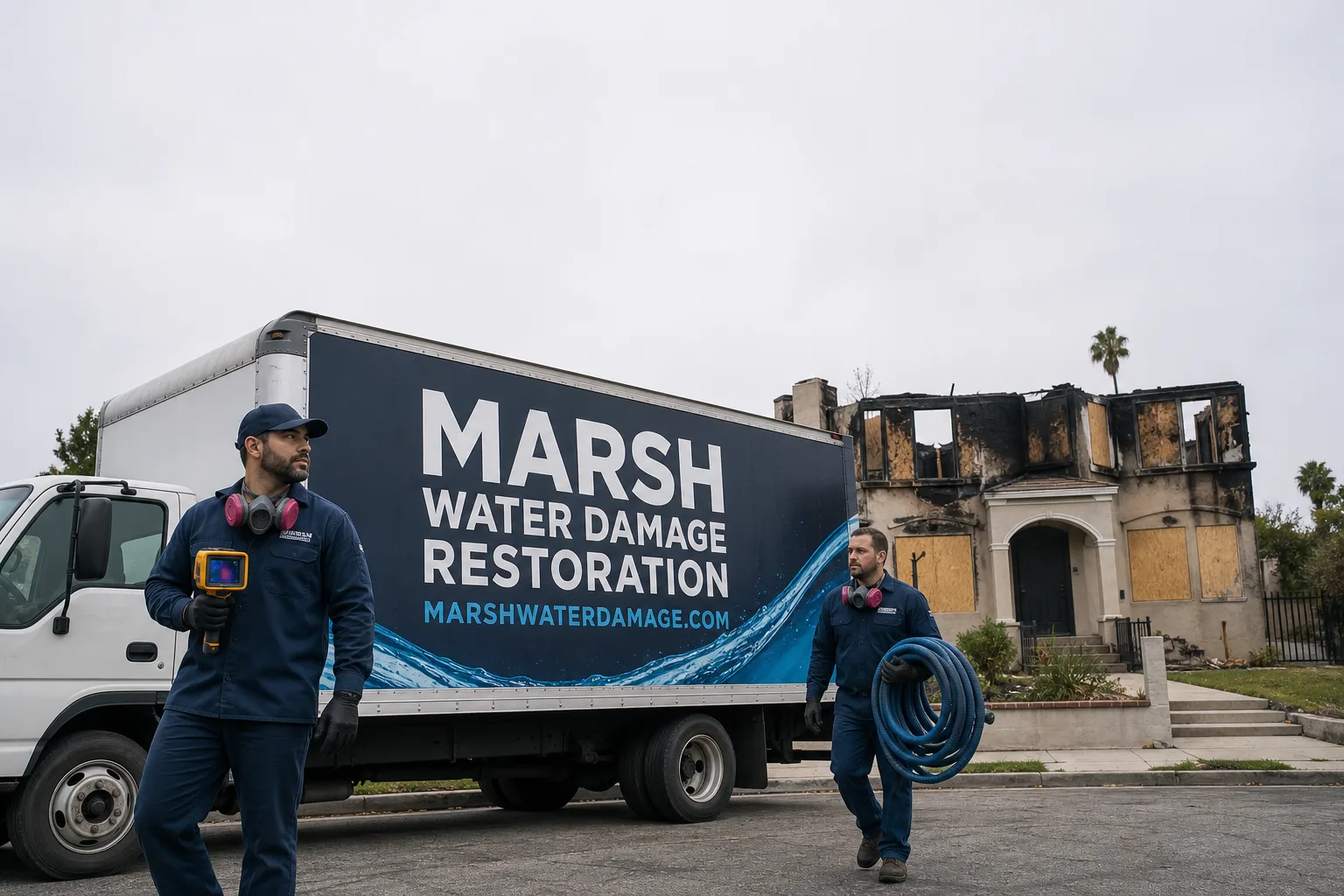
Free visual inspection and a written scope of work before any mitigation begins - photos, moisture readings, and drying logs go in your claim file
The scope we write is the scope we bill. Anything new gets shown to you, in writing, before we touch it.
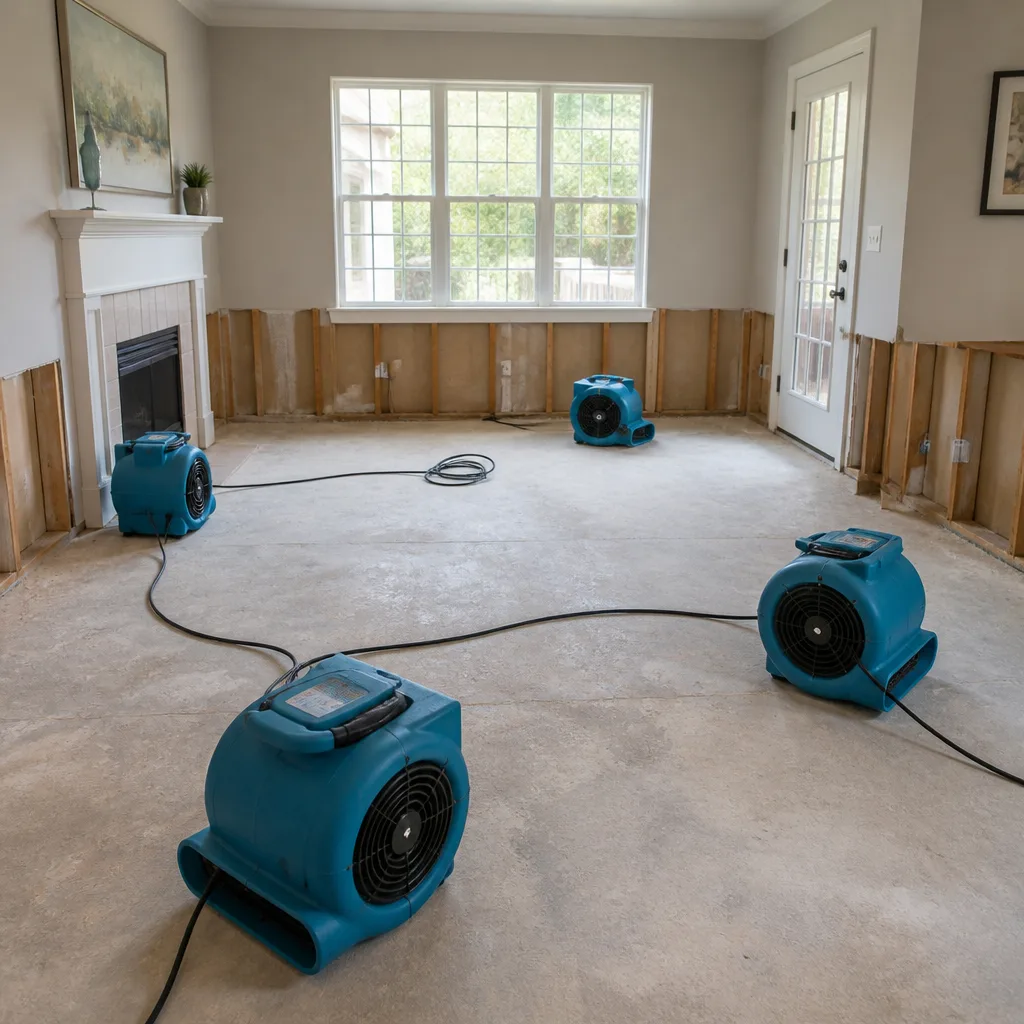
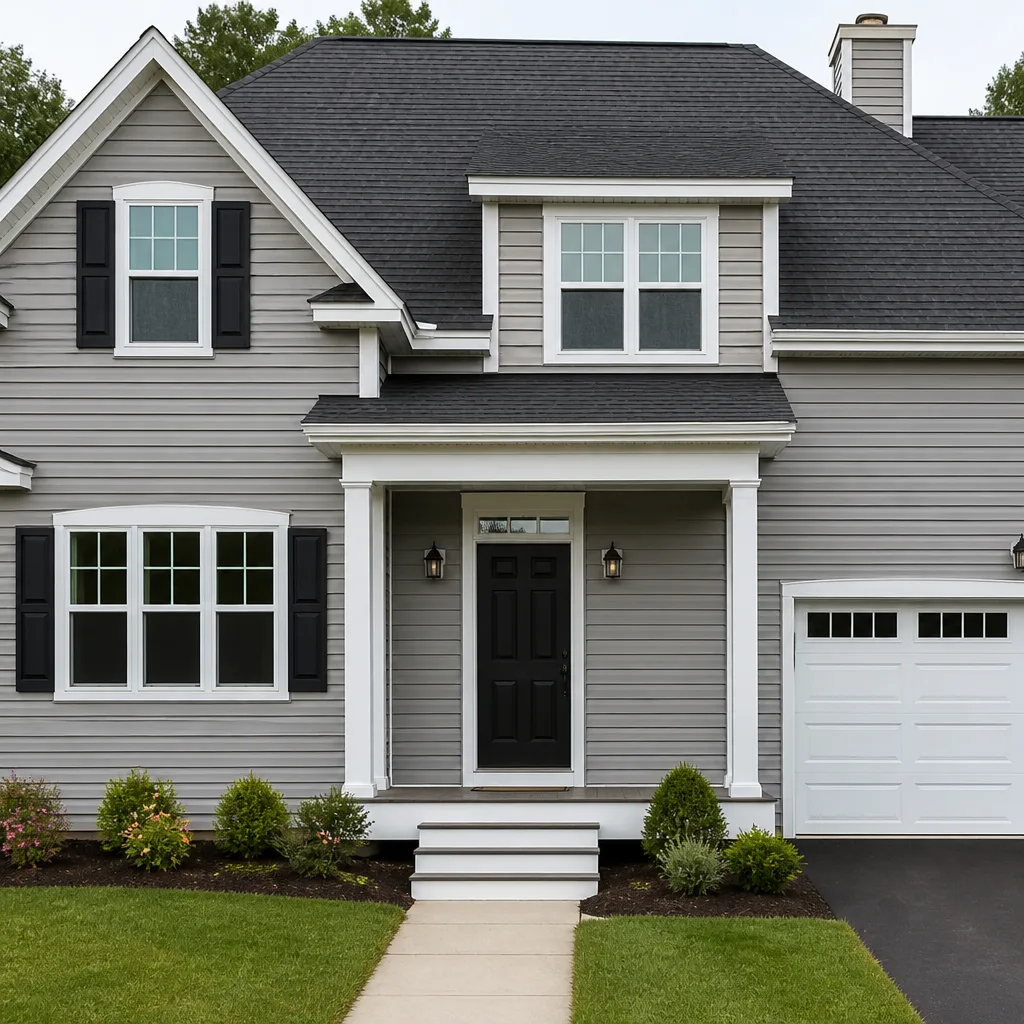
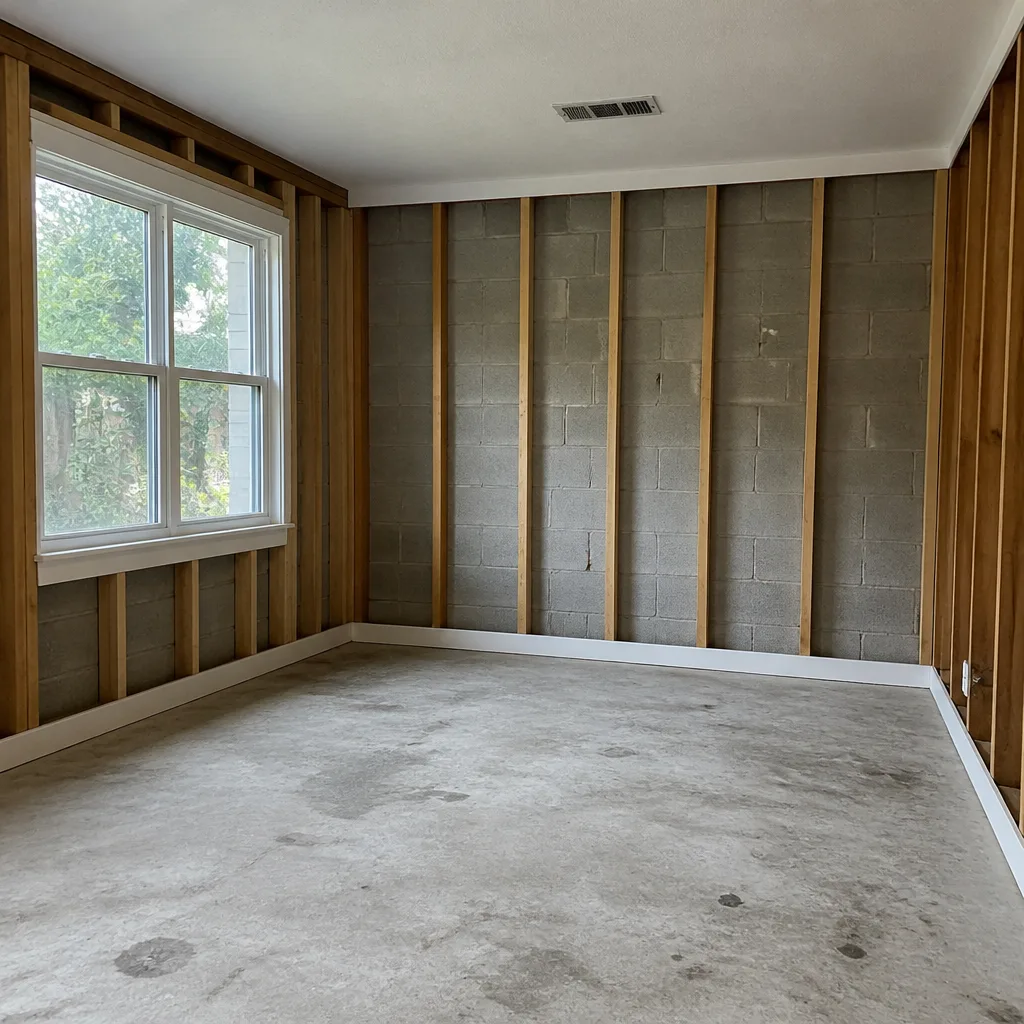
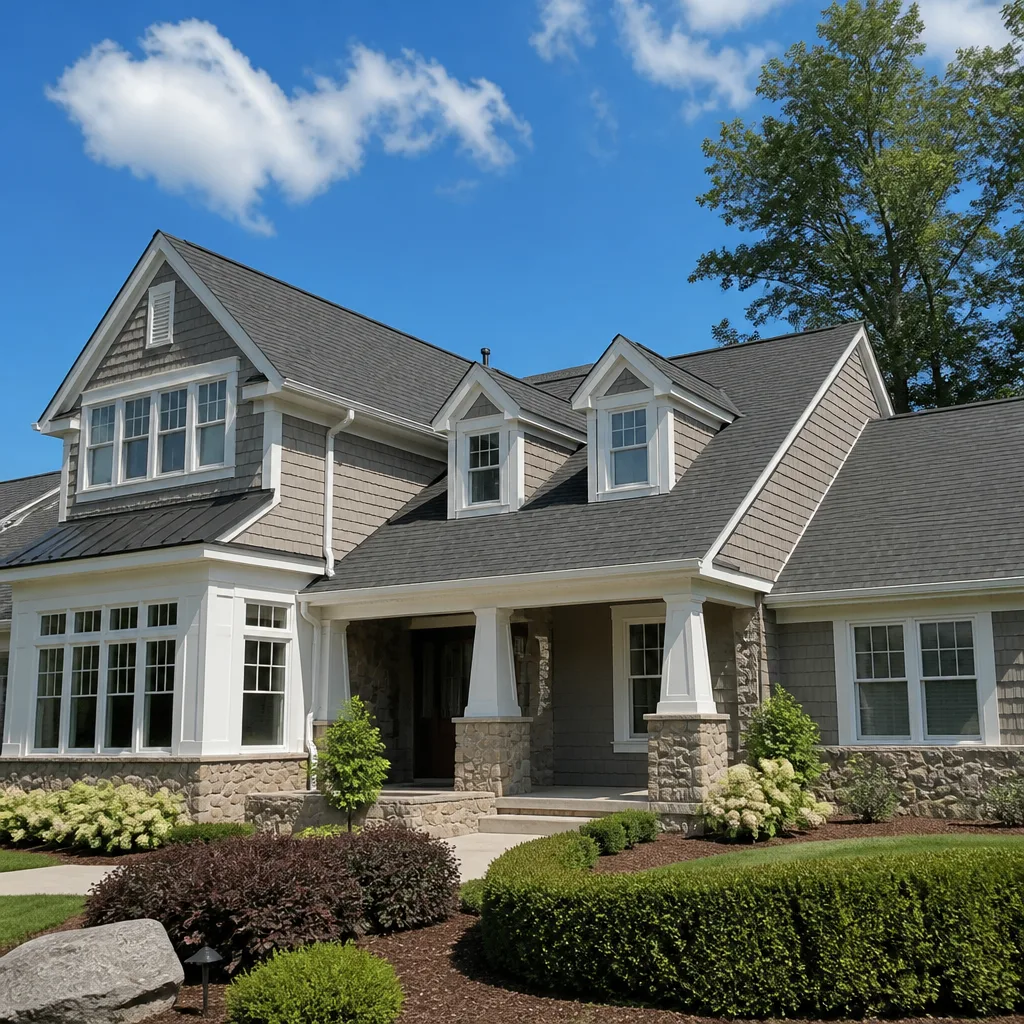
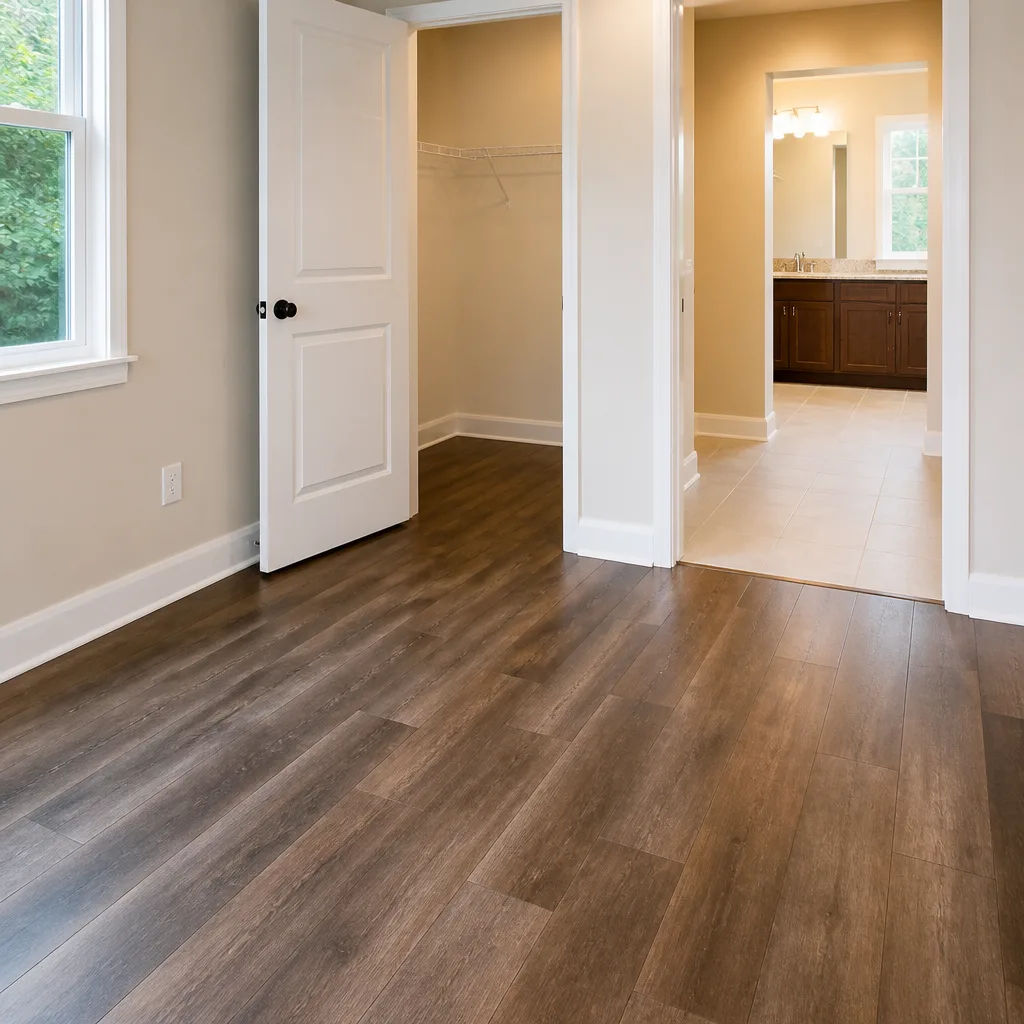
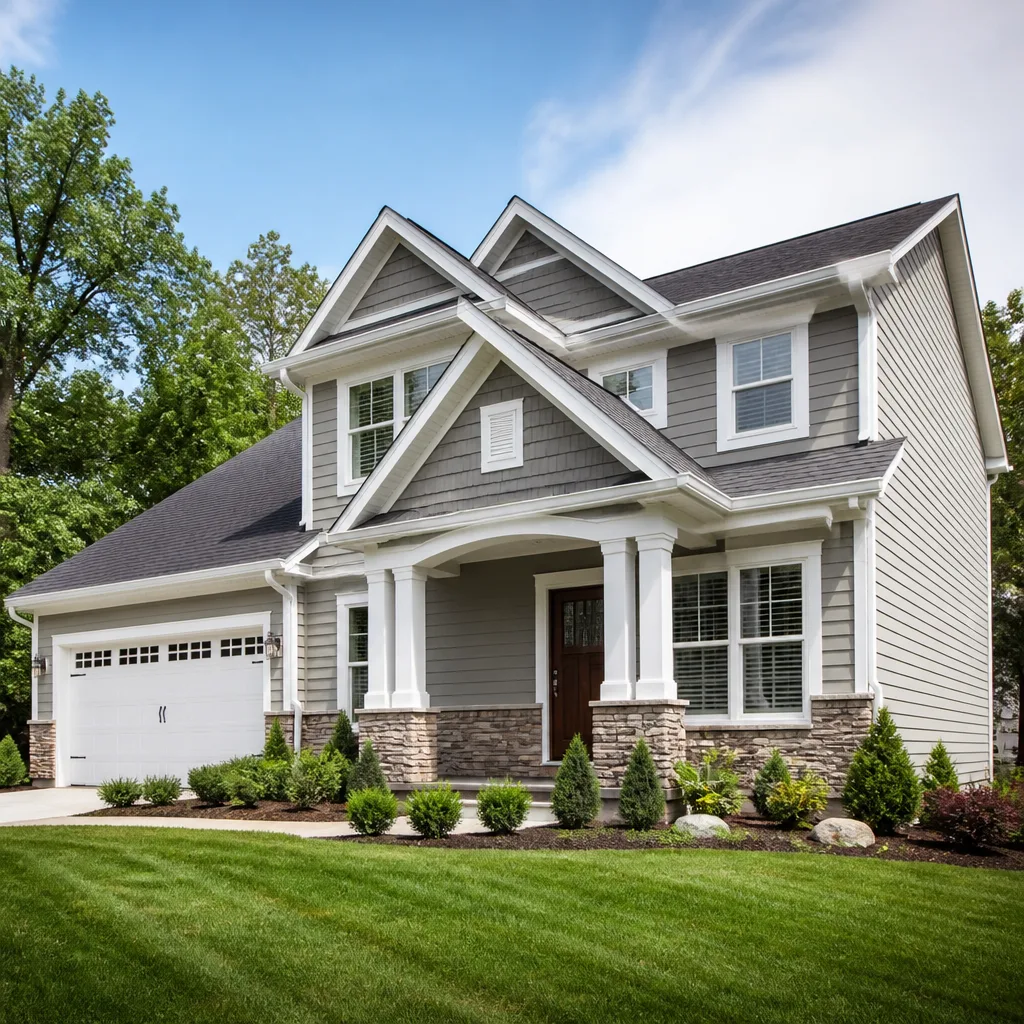
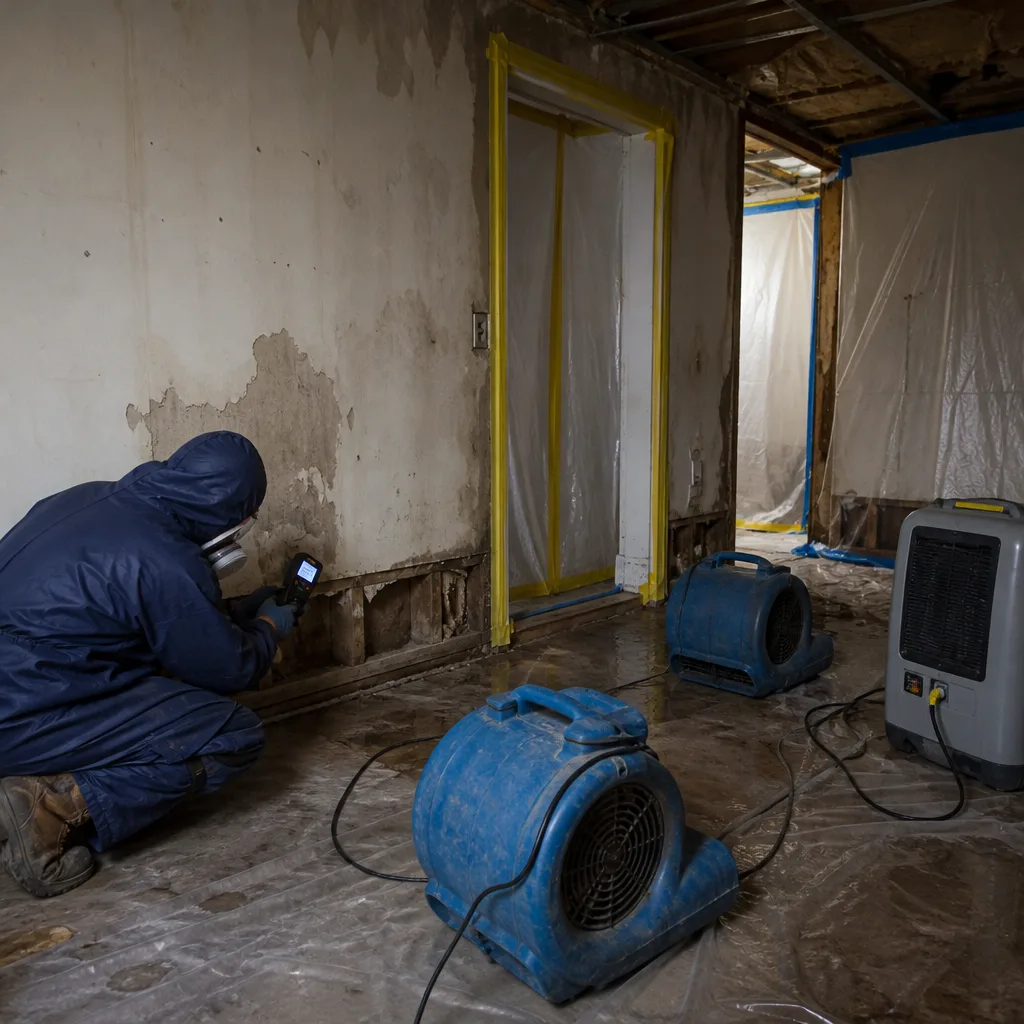 Before
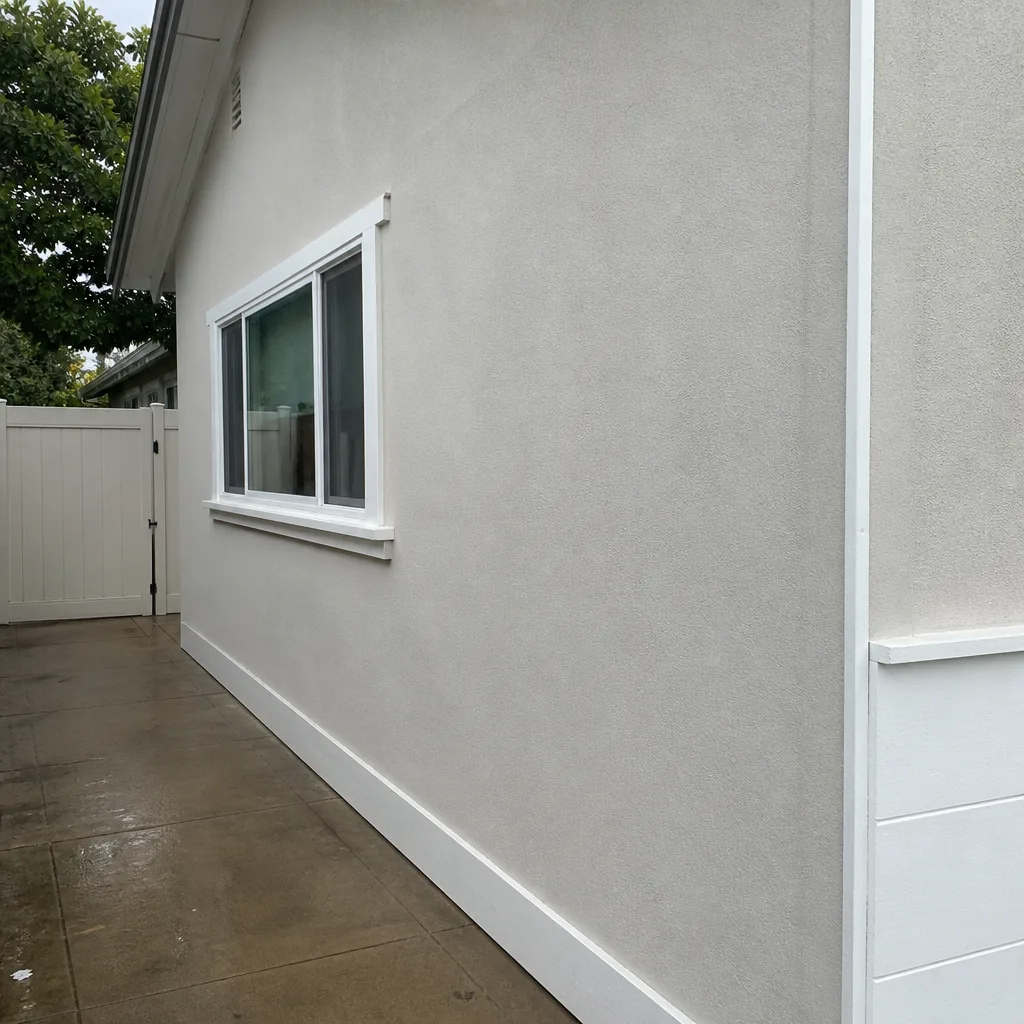 After
After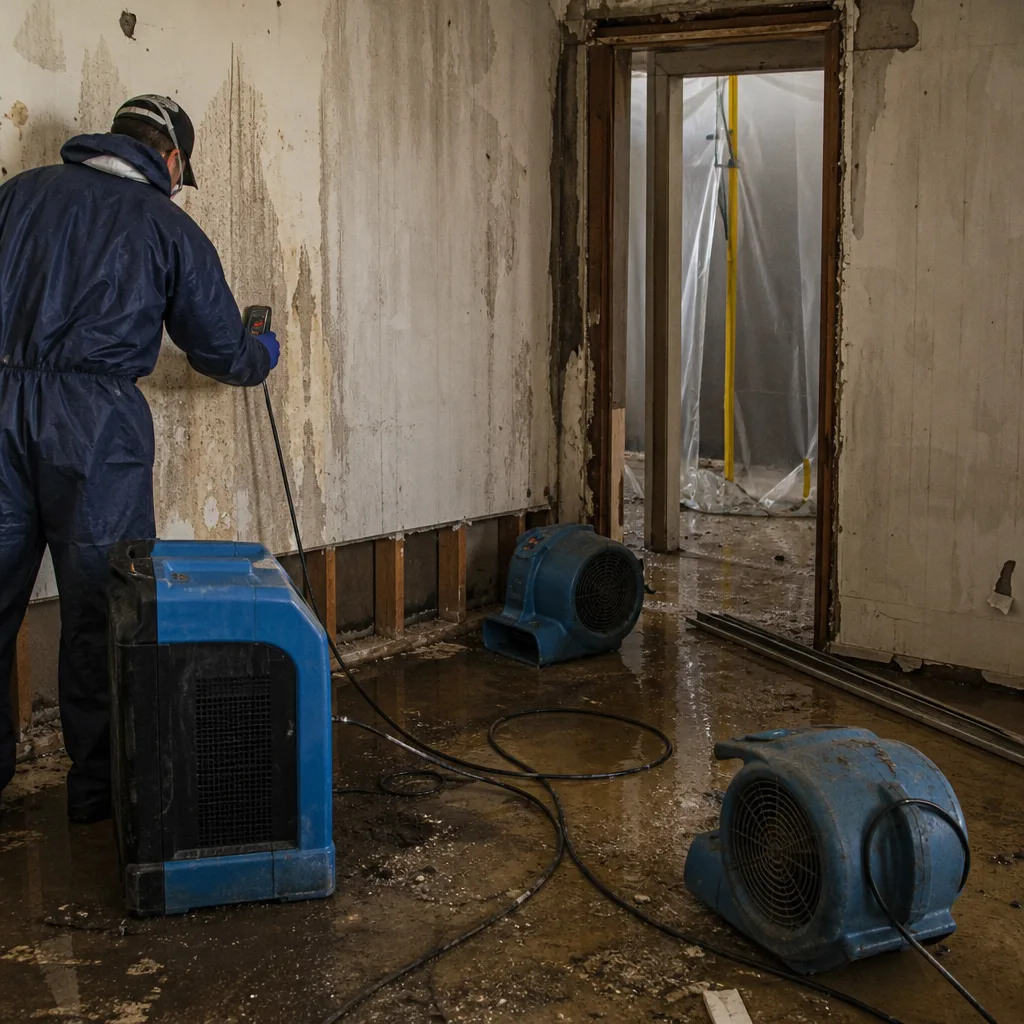 Before
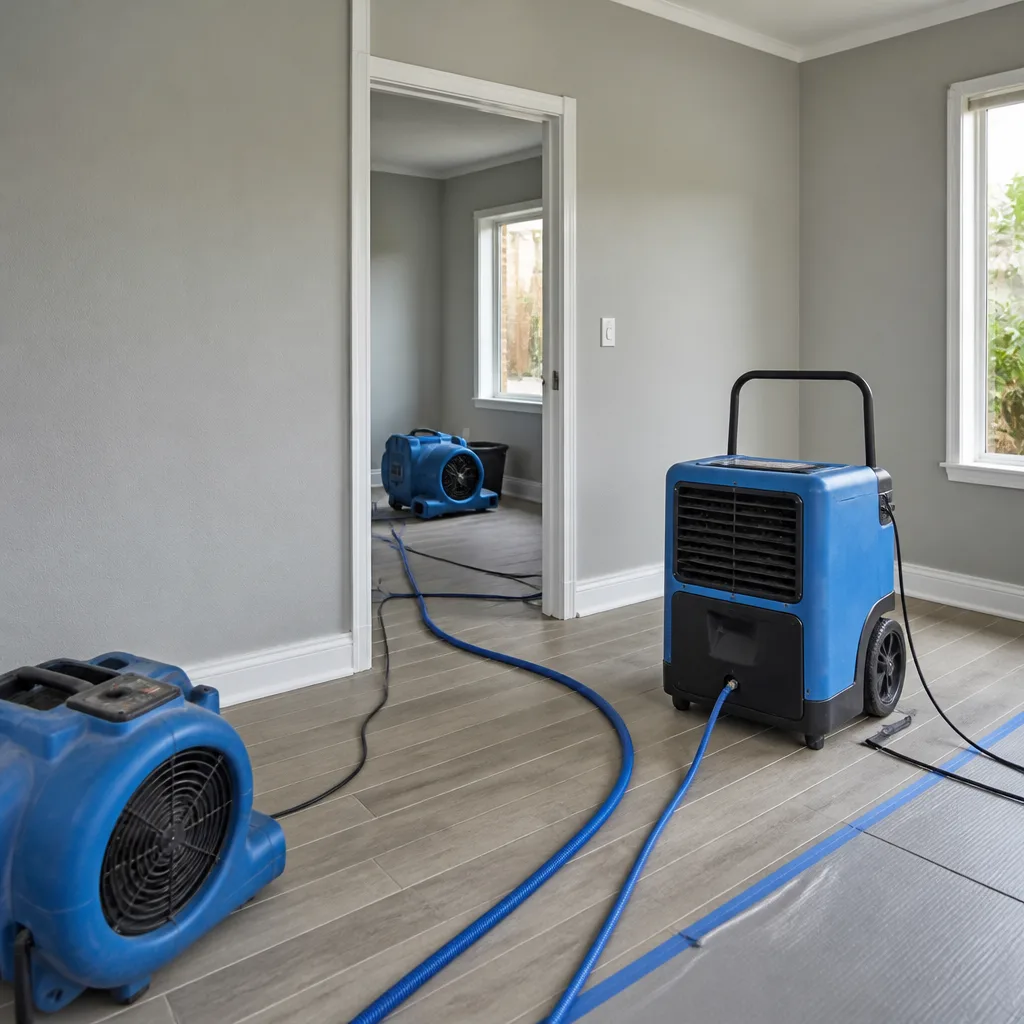 After
After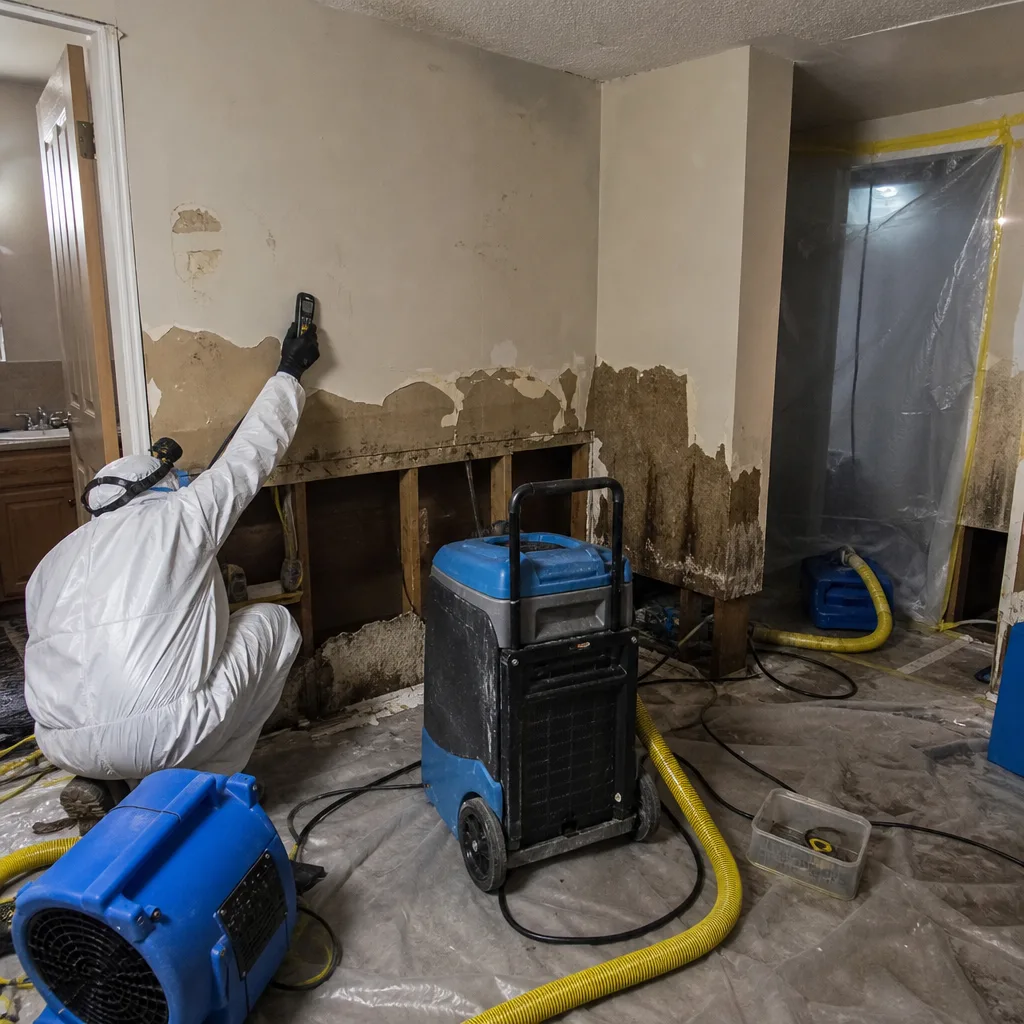 Before
 After
AfterFast, Reliable Storm Damage Restoration Across Santa Monica
Storm damage in Santa Monica rarely looks like a hurricane. It looks like a 1963 dingbat apartment on Ocean Park Blvd with water weeping through a soft-story retrofit penetration, or a Craftsman bungalow near Main Street with a cast-iron drain backing up Category 3 water into the crawlspace. That’s the work we do. Our Storm Damage Restoration team responds to Santa Monica addresses seven days a week, with crews dispatched from the LA office and a live person answering every call at (910) 613-6568, 24 hours a day, even during the atmospheric rivers that hit between December and March.
Tobias Reyner leads our restoration team, and every technician who arrives at your door is background-checked, identity-verified, and sent to you by name and photo before they knock. That’s the Threshold Verified standard, and it matters in Santa Monica, where you shouldn’t have to choose between a flooded living room and a stranger at the door.
Why Marsh Water Damage Restoration Is Santa Monica’s Preferred Storm Damage Restoration Company
We’ve been restoring storm-damaged homes since 2005 as part of the Threshold Group family, and the calls we take from Santa Monica have a pattern: older buildings, hidden moisture, and a lot of uncertainty about what’s actually behind the stucco. Our techs know the difference between a dingbat on Pico that needs cavity drying and a Sunset Park bungalow with knob-and-tube wiring that changes the electrical scope. That local knowledge means we don’t overscope, and we don’t miss what’s hiding.
Every Santa Monica customer gets a written price before any work begins. Not a verbal estimate. A printed line-item scope you sign before demo starts. And every repair carries our 365-Day Done Right Promise: if it’s not right within a year, we come back and make it right, free second visit included. That’s printed on the work order, not buried in fine print.
Response time matters here because the marine layer doesn’t wait. Morning humidity along the coast runs 85 – 90%, and a wet wall cavity that sits unaddressed for 48 hours becomes a mold colony. We dispatch fast, and our crews arrive with the drying equipment sized for coastal conditions, not inland jobs.
Flood Cleanup in Santa Monica
Flood cleanup in Santa Monica is a race against the marine layer. The first sentence out of our mouth on a call is usually: get the water extracted, get the air moving, and map the moisture before the coastal humidity stalls evaporation. That’s what this job actually involves here. Extraction first, then a psychrometric survey (measuring the moisture in the air and inside the wall cavities) to find what’s wet that you can’t see, then structural drying with equipment that can out-work 85% morning humidity.
Most residential flood cleanup in Santa Monica runs between $1,800 and $4,500 for a single-unit water extraction with containment and drying, depending on how far the water traveled and what it soaked. If the water was sitting overnight and the drywall is wicked up past the baseboards, expect the higher end. A one-room overflow from a failed toilet supply line might land at the lower end.
Extraction and Moisture Mapping
We pull standing water with truck-mounted extraction, then run thermal imaging and pin meters across every affected room. In Santa Monica’s dingbat stock, water almost never stays where it pooled. It migrates under vinyl plank flooring, into wall cavities, and down into the carport ceiling below multi-story units. We map all of it before we set equipment.
Structural Drying Against the Marine Layer
This is where Santa Monica beats up on inland drying charts. Standard dehumidifier math that works in Culver City barely moves the needle here when the outside air is at 90% RH and the stucco shell won’t breathe. We run extra capacity from Dri-Eaz and Phoenix when the bay moisture is heavy.
Flooded House in Santa Monica
A flooded house in Santa Monica almost always means water in more than one plane of the structure: the floor, the wall cavities, and the ceiling below the leak. Which is why we treat every flooded house here as a Category assessment first, not a mop job. The question we’re answering is: what did this water touch before it hit your floor, and where is it hiding now. In Santa Monica’s older stock, the answer is often inside stucco cavities that haven’t been open since the building went up.
Full flooded-house mitigation in Santa Monica typically runs $3,500 to $9,000 when it involves multiple rooms, cavity drying, and antimicrobial treatment. If the water came through a roof failure during a storm and soaked insulation above the ceiling, you’re looking at the upper end. A slab-level flood that stayed in one room with quick extraction will land closer to the lower end.
Hidden Water in Dingbat Wall Cavities
The worst calls we get in Santa Monica are the ones where the living room looks dry and the wall cavity is still at 28% moisture content. That happens when a retrofit penetration lets storm water into the wall assembly and the stucco shell never dries it out. We open a small inspection port, treat with antimicrobial, and dry the cavity directly.
Electrified Water and Old Wiring
If the water reached any wiring, especially knob-and-tube in pre-war Craftsman bungalows around Ocean Park, we shut down the affected circuit and bring in an electrician before anyone steps into standing water. Salt-laden coastal air has often already degraded connections, and water makes it worse fast.
Trusted Brands We Service in Santa Monica
We field calls from Santa Monica homeowners and building managers asking us to take over jobs started by other companies. The brand names we see most often on the equipment left behind are Dri-Eaz dehumidifiers, Phoenix air movers, XPOWER axial fans, and B-Air filtration units. We service and operate all of them, and because we run the same gear, we can swap or supplement equipment on day one rather than waiting on a parts order. That matters when the marine layer is pushing your drying window shut. If a previous company walked away from a storm job, we can re-scope it, tell you what’s still wet, and get it done.
Common Storm Damage Restoration Problems We See in Santa Monica Homes
- Soft-story retrofit penetrations leaking: When new steel moment frames were punched through dingbat stucco walls during Santa Monica’s mandatory seismic retrofit, the original building wrap often wasn’t fully restored. Those penetrations become hidden storm-water entry points that feed mold inside cavities the stucco never let dry out.
- Undersized drying equipment stalling jobs: Companies that do most of their work in Burbank or Pasadena bring drying math that doesn’t survive the 85 – 90% morning humidity at the coast. The air movers run, the meters look fine on day two, and then a Category 1 water loss quietly becomes Category 2 or 3 because the cavity never dropped below 16% moisture content.
- Cast-iron drains and salt air corrosion: Pre-war bungalows in Ocean Park and Sunset Park often still have original cast-iron drain lines. Salt-laden coastal air has been eating those pipes for decades, and a storm surge of water through a compromised line turns a simple backup into a full Category 3 sewage loss with tenant relocation duties under SMMC Chapter 4.36.
- Craftsman bungalow electrical complications: When storm water reaches knob-and-tube wiring in a 1920s Ocean Park home, the scope changes. You’re not just drying drywall; you’re dealing with saturated cloth insulation on energized conductors that may have been degrading for decades before the storm.
Pricing for Storm Damage Restoration in Santa Monica, CA
Flood cleanup for a single unit in Santa Monica runs $1,800 – $4,500. A full flooded-house mitigation across multiple rooms with cavity drying and antimicrobial treatment runs $3,500 – $9,000. If the water is Category 3, meaning sewage or exterior flood water, add containment and disposal costs that typically push the job toward $6,000 – $12,000. The biggest cost variables here are how fast the water was caught, whether it reached wall cavities, and whether the building is a dingbat with retrofit penetrations or a standard wood-frame home with a breathable envelope. Estimates are free, and every one is a written scope before any work starts. Call (910) 613-6568 and we’ll walk you through what your specific loss will cost.
We Also Serve Cities Near Santa Monica
Beyond Santa Monica, our storm damage restoration crews cover Venice, Pacific Palisades, Marina del Rey, and Playa Del Rey. If your property sits on the border of Santa Monica and Venice, or up in the Palisades bluffs where drainage behaves differently, give us a call at (910) 613-6568 and we’ll confirm dispatch right away.
Serving Santa Monica, CA - Our Local Coverage Area
We’re based in the Santa Monica area and know this community well. Use the map below to see our service coverage - if you’re nearby, we can almost certainly help.
FAQs About Storm Damage Restoration in Santa Monica
Because the marine layer won’t stop feeding the structure moisture. Morning relative humidity in Santa Monica routinely hits 85 – 90%, which means the evaporation gradient between a wet wall cavity and the surrounding air is dramatically smaller than it is 10 miles inland. Drying equipment sized for Culver City conditions leaves cavities stuck at 20% moisture content for days, and that’s where mold starts. We run extra dehumidification capacity on coastal jobs to beat the ambient moisture.
Look at every point where the retrofit steel moment frame penetrates the exterior stucco. Those penetrations, if the original building wrap wasn’t replaced around them, are the most common hidden storm-water entry points in Santa Monica’s dingbat stock. Water enters the wall cavity, the non-breathable stucco shell traps it, and mold grows inside a space you can’t see. We check these points during every storm damage assessment in Pico and Sunset Park. If you’ve had a retrofit and then had a musty smell after rain, that’s your first clue. Call (910) 613-6568 and we’ll moisture-map the wall.
Under Santa Monica’s coastal humidity, mold can begin colonizing in 48 to 72 hours. That’s faster than inland because the ambient moisture feeds the spores even before the wall cavity is fully saturated. If a storm leak reached drywall or insulation, don’t wait a week to see if it dries on its own. By then it’s a mold remediation job, not just a drying job.
Yes, SMMC Chapter 4.36 imposes strict habitability timelines and tenant relocation obligations on landlords after a storm loss, which means the pace and sequencing of the work are often dictated by the city’s requirements, not just the water damage itself. If tenants are displaced, the clock is running, and we coordinate with building owners and property managers to hit the required deadlines while doing the drying properly, not faster than the physics allows. That’s a real tension in Santa Monica that doesn’t exist in most LA County cities.
No. Rain water that enters through a roof or window is technically clean, but once it saturates carpet, drywall, and insulation for more than a day or two, it degrades to Category 2 or Category 3 because of microbial growth and building material contamination. And if that storm water mixed with a backed-up drain or exterior street runoff, it’s Category 3 from the start, which changes the entire scope. We test and classify every flooded house before we write the scope.
Call Marsh Water Damage Restoration in Santa Monica
If you have water where it shouldn’t be in Santa Monica, call us. A live person answers, day or night, at (910) 613-6568. We’ll send a Threshold Verified technician to your door, by name and photo, with a written scope before any work begins. Tobias Reyner and our crew know Santa Monica’s buildings, its marine layer, and its retrofit problem. You don’t have to guess what’s wet behind the stucco. We’ll tell you, and we’ll dry it right.
Written by Tobias Reyner, Owner at Marsh Water Damage Restoration, serving Santa Monica and the coastal LA basin.