
Free visual inspection and a written scope of work before any mitigation begins - photos, moisture readings, and drying logs go in your claim file
The scope we write is the scope we bill. Anything new gets shown to you, in writing, before we touch it.
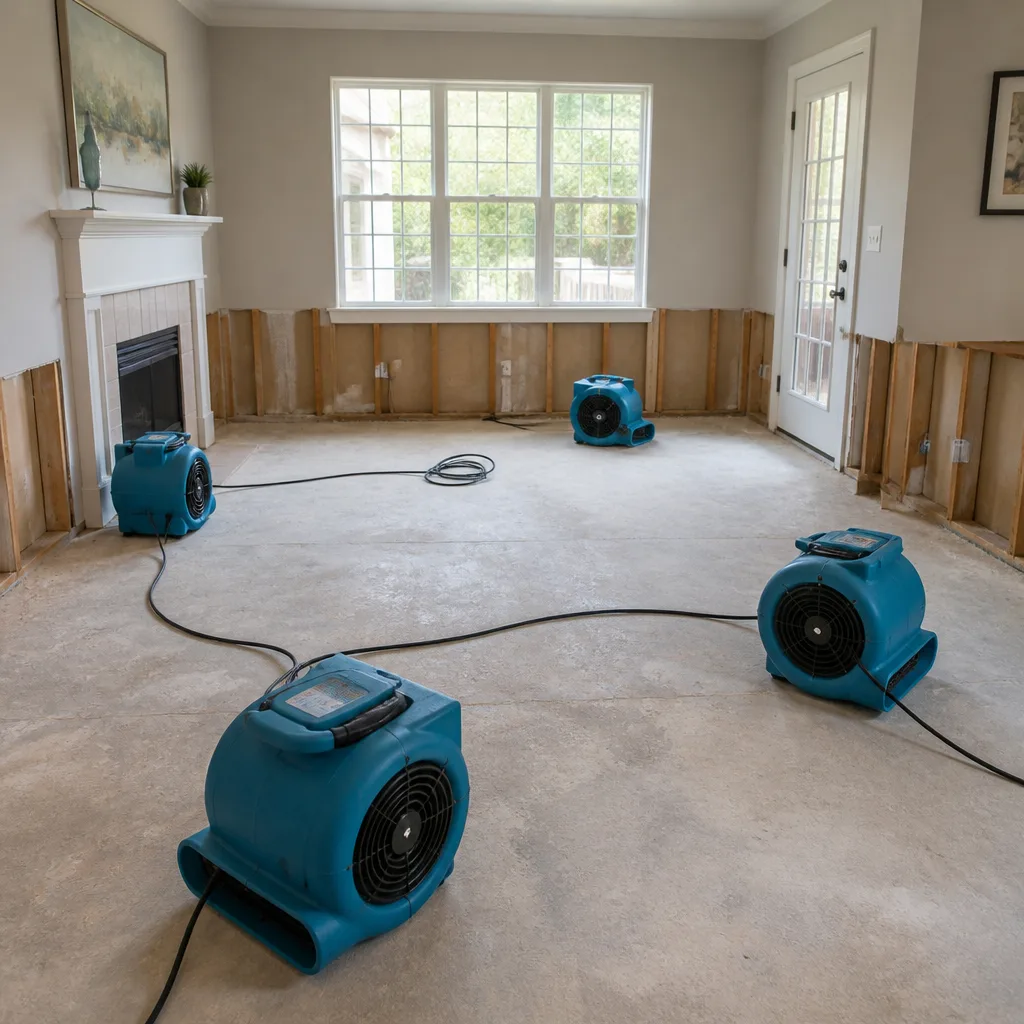




 Before
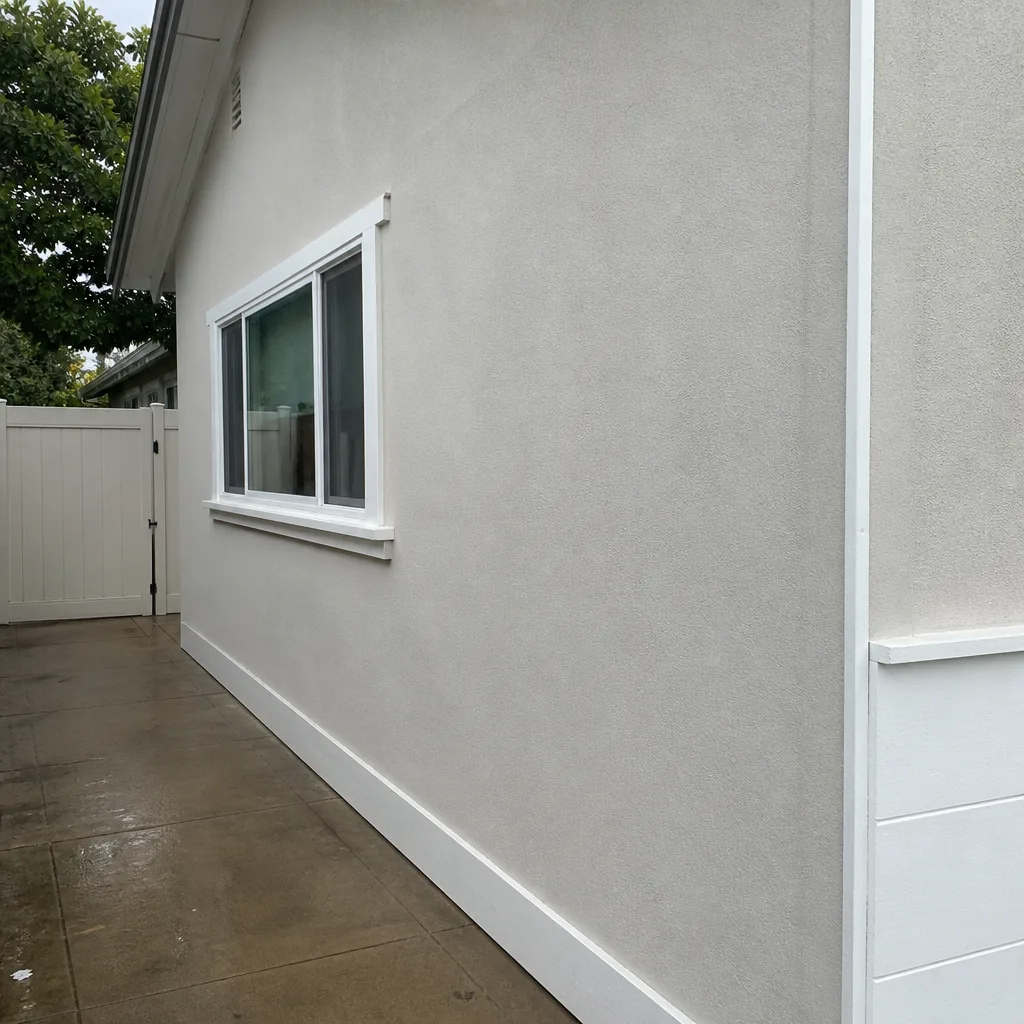 After
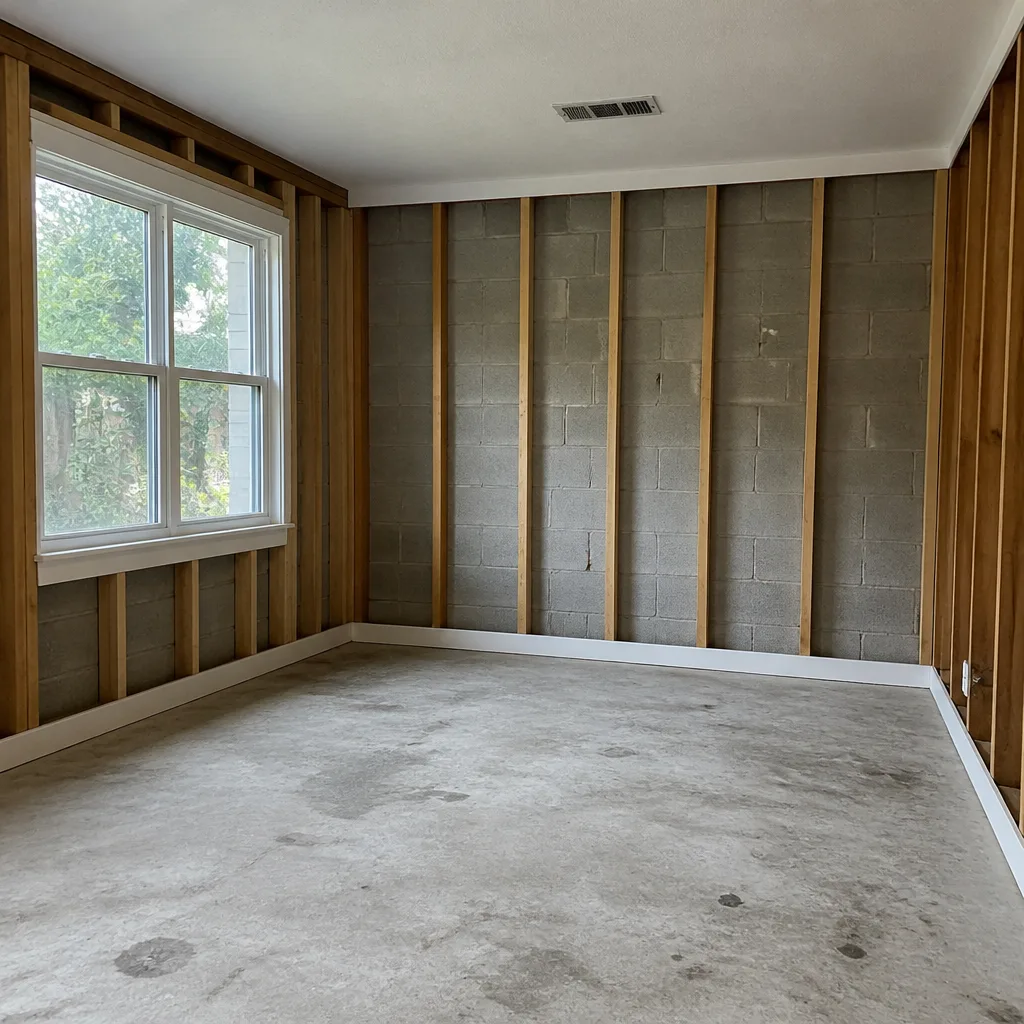
After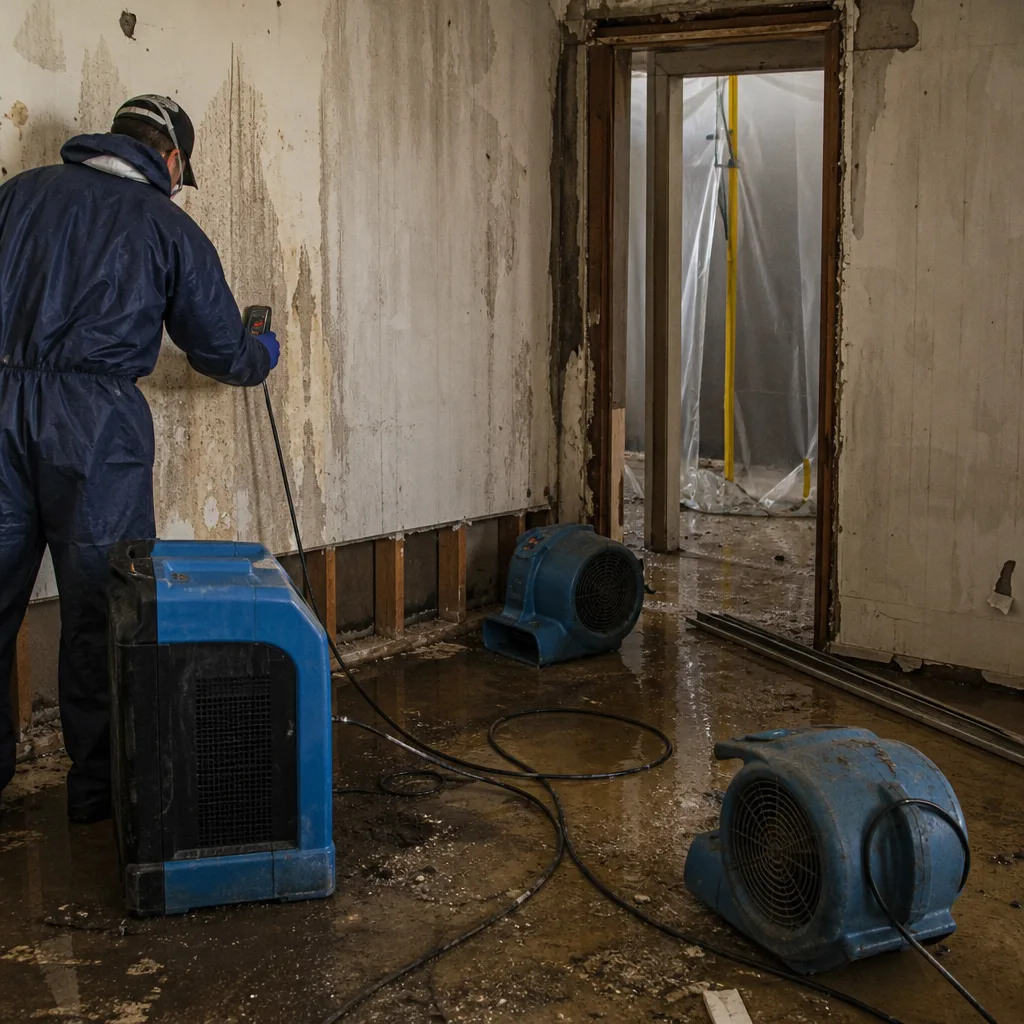 Before
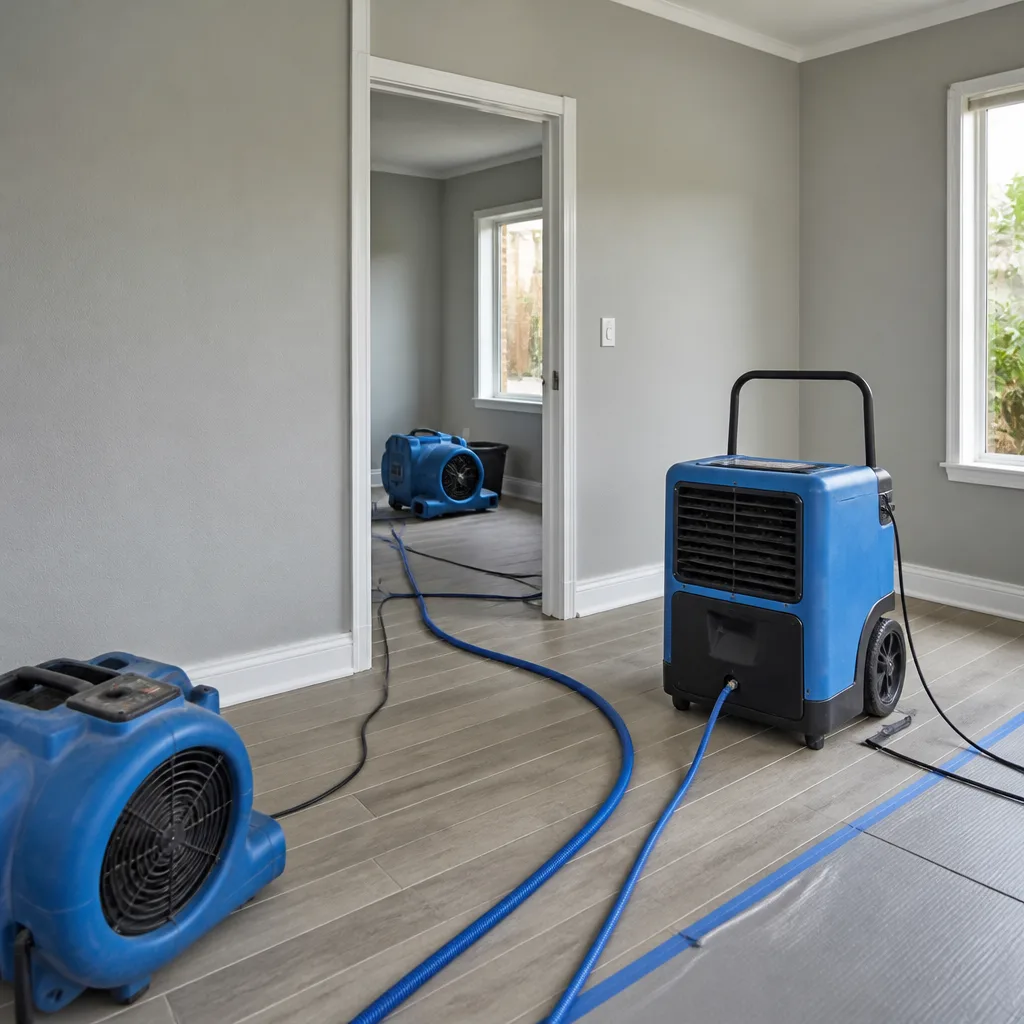 After
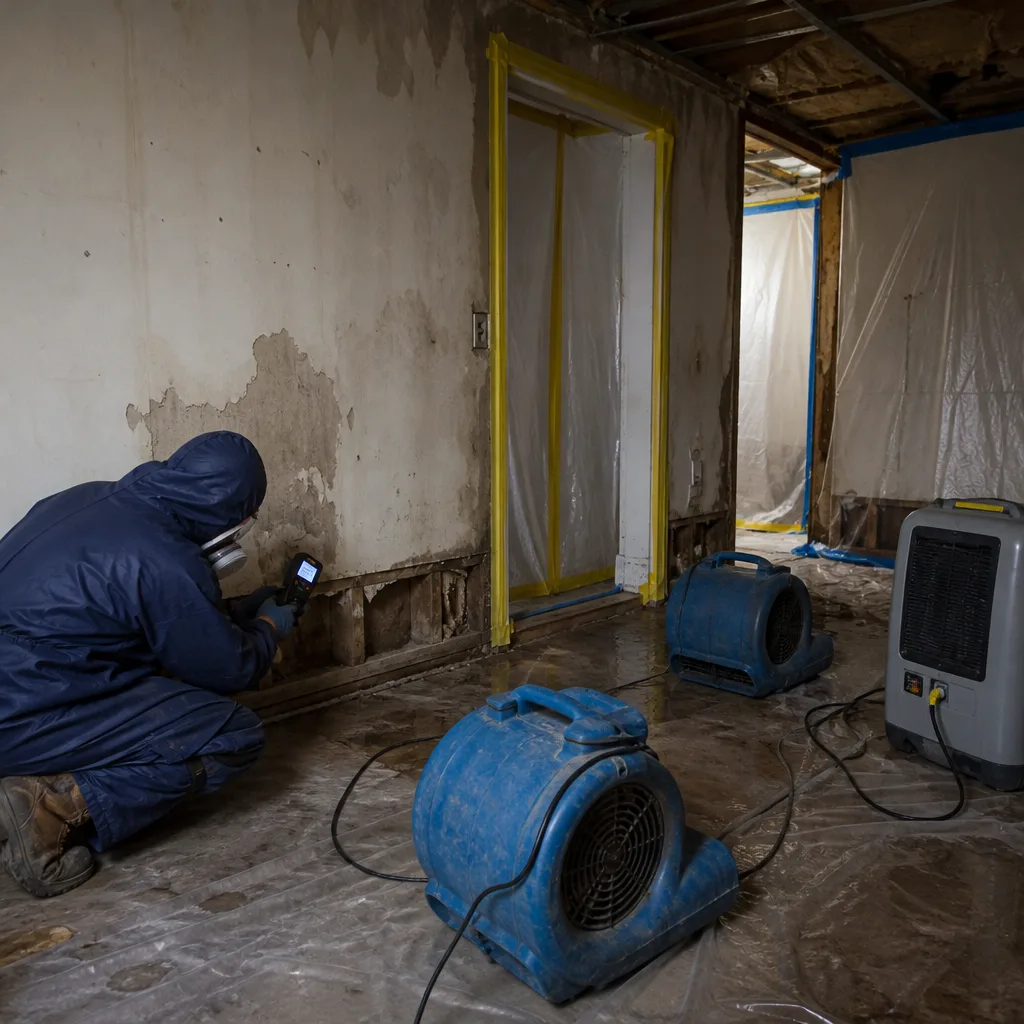
After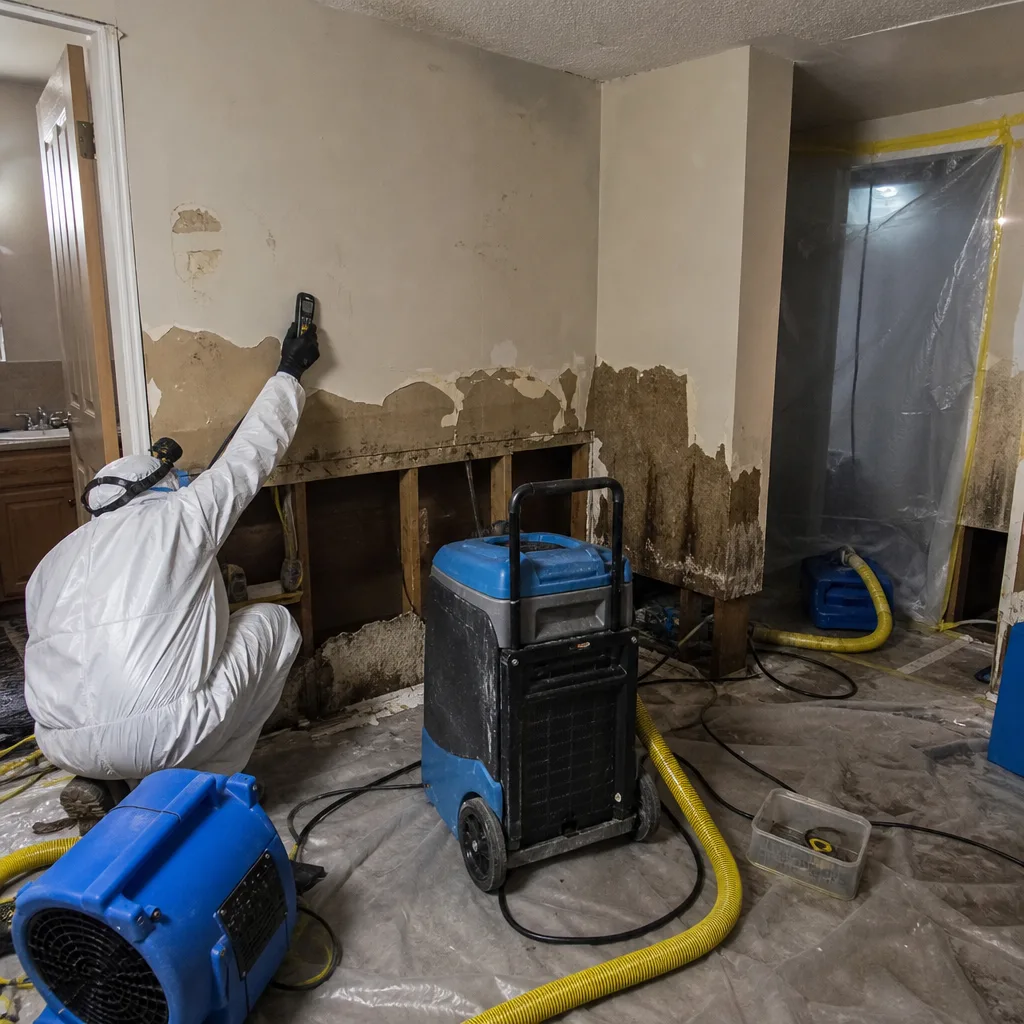 Before
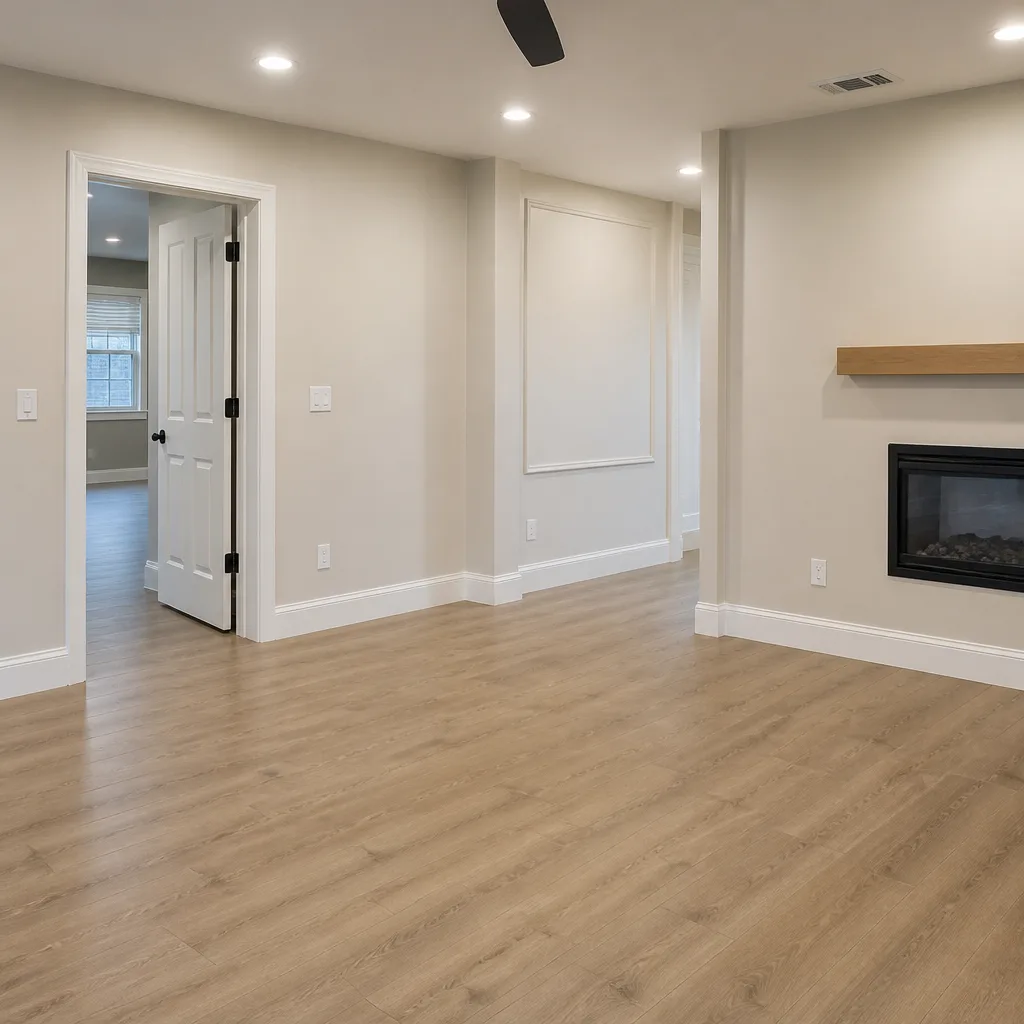 After
AfterFast, Reliable Storm Damage Restoration Across Scotchtown
When a nor’easter rips through Orange County and the Wallkill River system backs up, Scotchtown homeowners face a specific kind of storm damage: groundwater pressure pushing into shallow basements for days after the rain stops, not just the initial flood. We know this terrain because our crews work the valley floor weekly, and we plan drying timelines around the clay subsoil rather than fighting it. If water is in your basement right now, call us at (910) 613-6568 – a live person answers 24 hours a day, and we’ll get a crew to Scotchtown fast.
Our Storm Damage Restoration team handles everything from water extraction and structural drying to drywall removal, antimicrobial treatment, and the rebuild work that follows. The difference in Scotchtown isn’t just the equipment we run. It’s knowing that moisture readings on basement walls will spike again around 48 hours into drying as the ground slowly releases stored water. That’s the detail that separates a completed job from one that comes back as mold.
Why Marsh Water Damage Restoration Is Scotchtown’s Preferred Storm Damage Restoration Company
Scotchtown homeowners call us after storm events because we show up with a plan that accounts for the Wallkill watershed’s slow drainage, not a generic three-day drying template. Our techs understand that the hamlet’s post-WWII ranch homes and cape cods sit on dense clay that holds hydrostatic pressure against foundation walls long after surface water has receded. We build that extra drying time into every scope of work before we set the first air mover, and we log moisture readings daily so you see exactly when your structure is actually dry.
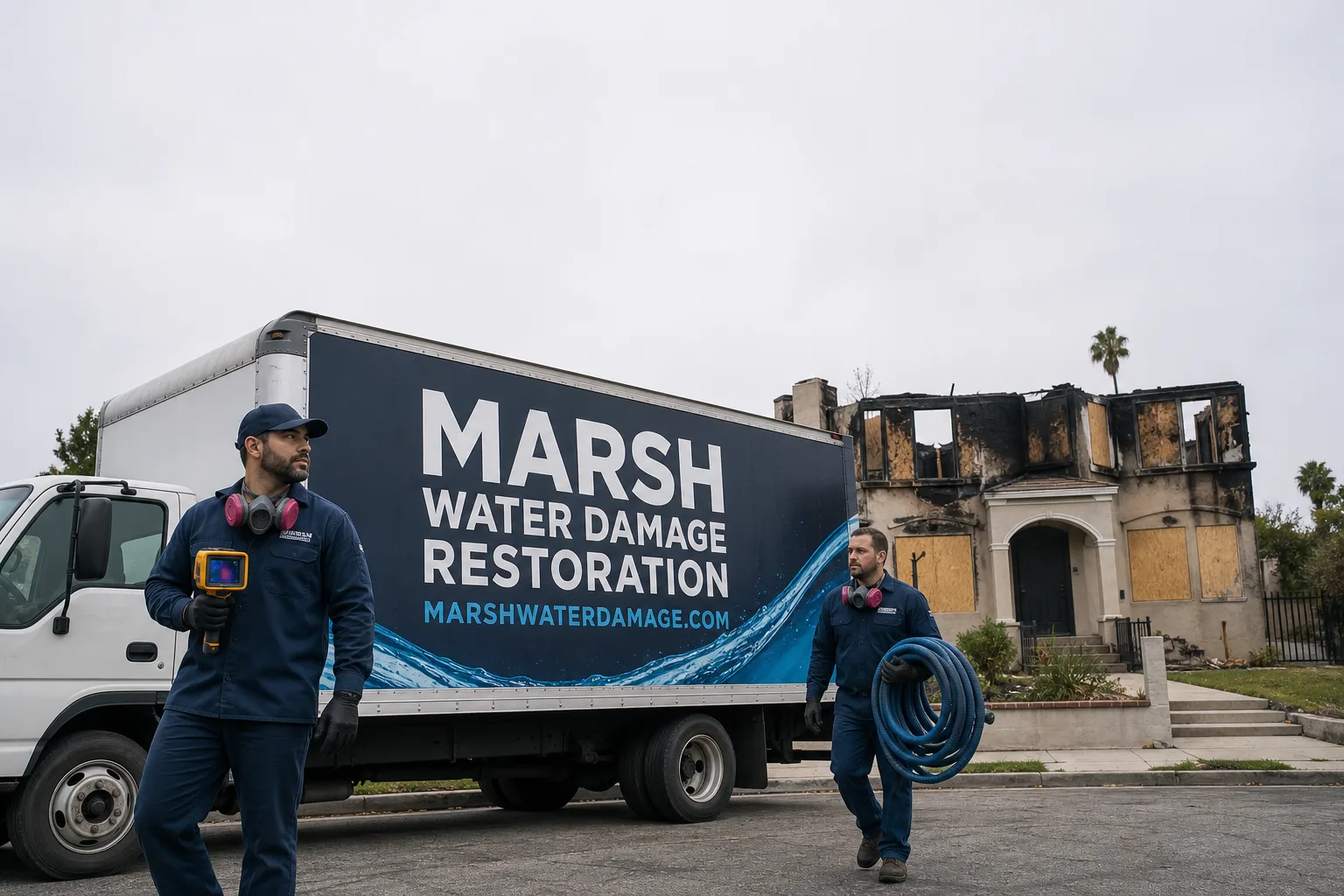
Every technician who walks onto a Scotchtown property carries a photo ID badge and arrives in uniform. Before the crew leaves our dispatch point, you receive the tech’s name and photo by text, so the person at your door is the person you expected. This Threshold Verified standard matters to the Scotchtown homeowners who call us – many are home alone during the day, have young children, or simply want to know who they’re letting into a wet basement at 9 p.m. The protocol is background checks, identity verification, photo badges, and a name sent in advance. Every visit, not just the first one.
Tobias Reyner, who leads our restoration operations, has built the Scotchtown response around the reality of the Wallkill drainage basin: prolonged saturation cycles, not quick events. That’s why we keep Dri-Eaz, Phoenix, XPOWER, and Injectidry equipment staged locally with drying capacity matched to mid-century ranch basements. We also coordinate every job with a written scope and written price before any equipment gets unloaded, so there’s no point where the estimate balloons after demo starts.
Basement Flood Cleanup in Scotchtown
Basement Flood Cleanup in Scotchtown usually starts with groundwater pushing through cove joints or floor cracks, not a burst pipe. The Wallkill River watershed’s northward drainage through flat terrain means stormwater moves slowly, and the clay subsoil holds it against foundation walls for days. That’s why our first step on a Scotchtown basement flood call is extracting standing water, then setting up moisture mapping to see how far water has wicked into block walls and drywall. A typical basement flood cleanup in Scotchtown runs between $1,800 and $4,200 before drying equipment is set, depending on how much of the basement finished space is affected and whether the water is category 2 or category 3.
Groundwater Extraction and Structural Drying
We remove standing water with truck-mounted extraction equipment, then position Dri-Eaz and Phoenix air movers with dehumidification to pull moisture from the structure itself. In Scotchtown, we expect a 48-hour moisture rebound as the clay subsoil releases stored water, so drying timelines get an extra one to two days baked in from the beginning. We do not close a job because a wall feels dry to the touch.
Antimicrobial Treatment and Material Removal
Storm-driven groundwater is frequently category 2 or category 3 water, meaning it carries contaminants. Wet drywall and old fiberglass insulation in Scotchtown’s mid-century homes typically need removal rather than drying, and we scope every job for asbestos-containing materials before cutting anything. We treat remaining surfaces with antimicrobials after extraction, then verify dryness with psychrometric readings measuring the moisture in the air and materials, not just surface appearance.
Storm Damage Contractors in Scotchtown
Storm Damage Contractors in Scotchtown handle more than water removal: they manage the structural consequences of freeze-thaw cycles, ice dams, and wind-driven rainwater intrusion that hit the hamlet’s ranch homes each winter and early spring. Our storm damage contractor work in Scotchtown typically runs $2,500 to $7,500 for a full scope including extraction, drying, material removal, and antimicrobial treatment, with the range reflecting how much finished space was affected and whether original single-layer drywall or asbestos-containing materials need careful removal.
Ice Dam and Roof Leak Response
Scotchtown’s valley-floor position means it catches nor’easter precipitation fully, and the region’s pronounced freeze-thaw cycles drive ice dams along roof edges every winter. Water backs up under shingles and travels down into walls, soaking insulation and drywall. We trace the moisture path with thermal imaging, dry the affected cavities, and document everything with photos for your insurance adjuster.
Slab-on-Grade and Shallow Basement Scoping
Many Scotchtown ranch homes were built slab-on-grade or with shallow basements using original fiberglass insulation and galvanized plumbing. After a storm intrusion, we scope these spaces carefully because old materials absorb moisture fast and can hide contamination. We test before demolition, log every moisture reading, and give you a written scope that lists exactly what comes out and what stays.
Trusted Brands We Service in Scotchtown
We run professional restoration equipment from Dri-Eaz, Phoenix, and XPOWER on Scotchtown jobs because these are the platforms our technicians are credentialed on through IICRC, RIA, and IFA training. When a Scotchtown basement needs extended structural drying after a storm, we’re not guessing at capacity – we’re running commercial-grade dehumidifiers and air movers sized to the wet-wall square footage, and we stock local consumables and replacement parts so a failed dehumidifier doesn’t add a day to your drying window. The same gear we use on large commercial losses gets applied to residential Scotchtown jobs because mid-century ranch basements with clay-soil hydrostatic pressure do not forgive underpowered drying.
Common Storm Damage Restoration Problems We See in Scotchtown Homes
- Scheduling a standard three-day dry and closing early. In Scotchtown’s clay subsoil, basement wall moisture readings spike again about 48 hours into drying as the ground releases stored water. Techs who pack up on day three are leaving wet walls behind.
- Skipping asbestos scoping on original drywall and old fiberglass insulation. The post-WWII ranch and cape cod stock in Scotchtown often still has single-layer drywall and original insulation. Cutting into it without testing can force a stop-work and re-scope mid-mitigation.
- Treating storm groundwater like clean water. Storm-driven water pushing through foundations is frequently category 2 or 3, meaning it carries contaminants. Drying it with category 1 protocols leaves contamination in the drywall and sets up mold.
- Pulling equipment when a basement “feels dry.” A humid day on the Wallkill valley floor can make surfaces feel dry while the wall cavities hold moisture. Drying logs and psychrometric readings tell us when the structure is genuinely dry, not just dry to the hand.
Pricing for Storm Damage Restoration in Scotchtown, NY
Storm damage restoration in Scotchtown spans a wide range because the village’s housing stock varies from small slab-on-grade ranches to larger cape cods with finished basements. A basic basement flood extraction with three days of structural drying runs $1,800 to $3,500. A full storm damage contractor scope with material removal, antimicrobial treatment, and rebuild coordination starts around $3,500 and reaches $7,500 when multiple rooms or asbestos-containing materials are involved. The biggest cost drivers are how much finished space got wet, whether category 2 or 3 groundwater is present, and how many extra drying days the clay subsoil demands. We write every price down before we start, and estimates are free. Call (910) 613-6568 to schedule an assessment.
We Also Serve Cities Near Scotchtown
Scotchtown sits within reach of our metro dispatch network, so when we’re not managing a Wallkill watershed drying job, our crews respond across the region. We regularly run Scotchtown storm restoration jobs alongside work in Brooklyn, Queens, Manhattan, and The Bronx, using the same Threshold Verified technician protocol and written-scope standard on every call, whether it’s a ranch basement in Orange County or a multi-unit building in the boroughs.
Serving Scotchtown, NY - Our Local Coverage Area
We’re based in the Scotchtown area and know this community well. Use the map below to see our service coverage - if you’re nearby, we can almost certainly help.
FAQs About Storm Damage Restoration in Scotchtown
Scotchtown sits on the flat, clay-soiled floor of the Wallkill River watershed, and that dense subsoil holds groundwater against foundations for days after rain stops. Here’s what that means in practice: around 48 hours after extraction, moisture readings in basement walls climb again as the clay slowly releases stored water back into the structure. We add one to two drying days compared to hillside jobs, and we log those rebound readings rather than pulling equipment when the first dry reading happens. If you’re getting a quote from anyone who says a Scotchtown basement dries in three days flat, ask to see the drying logs.
Old fiberglass insulation and single-layer drywall are rarely worth drying after a category 2 or 3 storm intrusion. Fiberglass batt insulation loses its structure when saturated and holds contaminants; original drywall wicks water up to four feet and crumbles at the bottom edge. In most Scotchtown mid-century ranches, we scope removal of affected drywall and insulation rather than trying to dry them in place, and we test for asbestos-containing materials before any cutting begins. That’s the difference between a clean scope and a stop-work order.
Mold spores germinate in 48 to 72 hours on wet porous materials, and storm groundwater in Scotchtown often carries organic material that accelerates that timeline. If your basement flooded with Wallkill drainage water and the drywall is still damp after two days, assume active growth is beginning. The faster you get extraction and dehumidification running, the less drywall you’ll have to remove. Call us at (910) 613-6568 and we’ll get to Scotchtown the same day.
Category 2 water is significantly contaminated; category 3 is grossly contaminated, carrying sewage, heavy metals, or agricultural runoff from the Wallkill watershed. Storm groundwater in Scotchtown pushing through foundations is frequently category 2 or 3 because the water table has mixed with surface runoff that crossed fields, roads, and drainage ditches. Drying that as clean water leaves contaminants behind in wall cavities and under baseboards, which is why the correct protocol includes material removal and antimicrobial treatment, not just fans.
We document every moisture reading on drying logs with time stamps, and we share those logs with you and your adjuster. In Scotchtown, the reason this matters is the 48-hour rebound: if a contractor only takes a reading when the room feels dry and then leaves, you get a reassessment a week later when mold shows up. Our logs provide the proof that structural drying was completed against the actual moisture content of the wood and concrete, not against how the air felt on a dry afternoon.
Storm damage in Scotchtown is a prolonged moisture-management job, not an acute event. If water is in your home now, call (910) 613-6568. A live person answers, we’ll send a photo-verified technician to Scotchtown, and you’ll get a written price before any equipment goes in.
Written by Tobias Reyner, Owner at Marsh Water Damage Restoration, serving Scotchtown since the company’s founding in 2005.