

Free visual inspection and a written scope of work before any mitigation begins - photos, moisture readings, and drying logs go in your claim file
The scope we write is the scope we bill. Anything new gets shown to you, in writing, before we touch it.
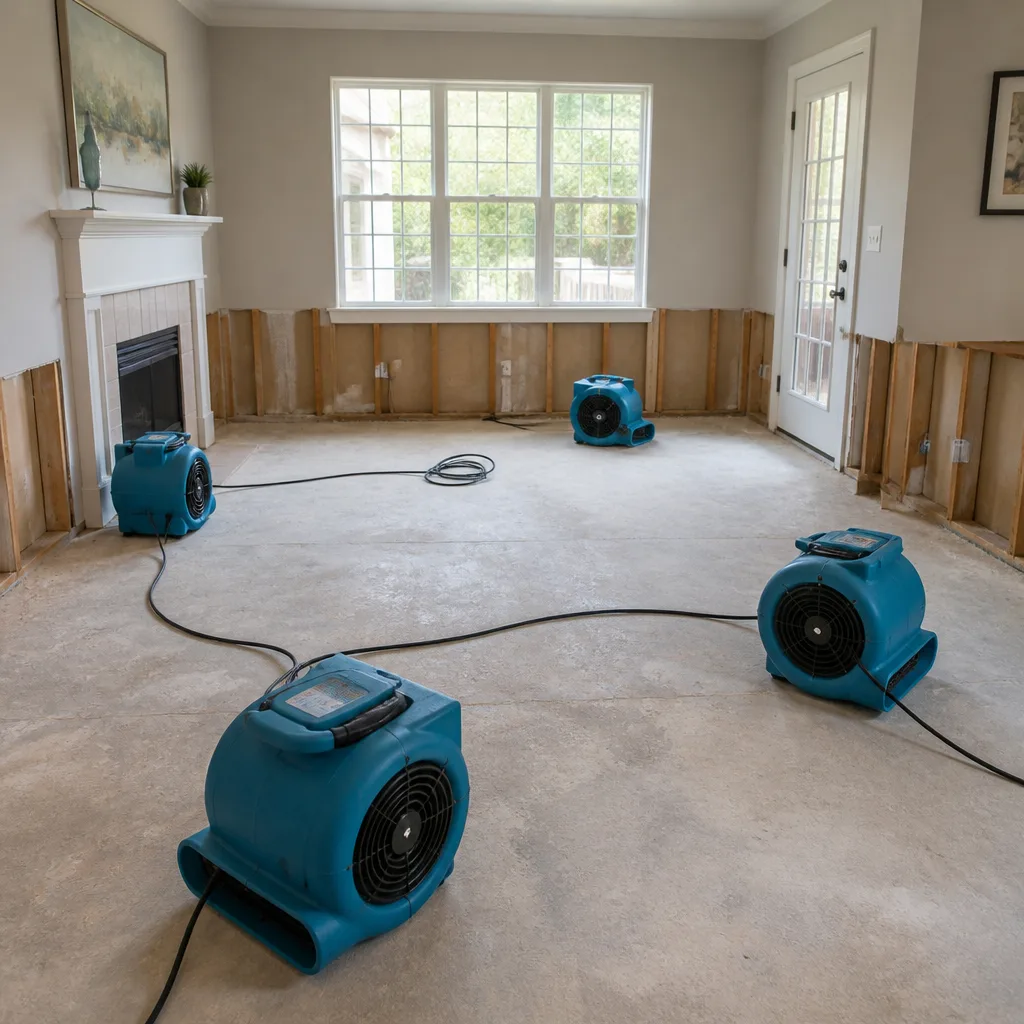
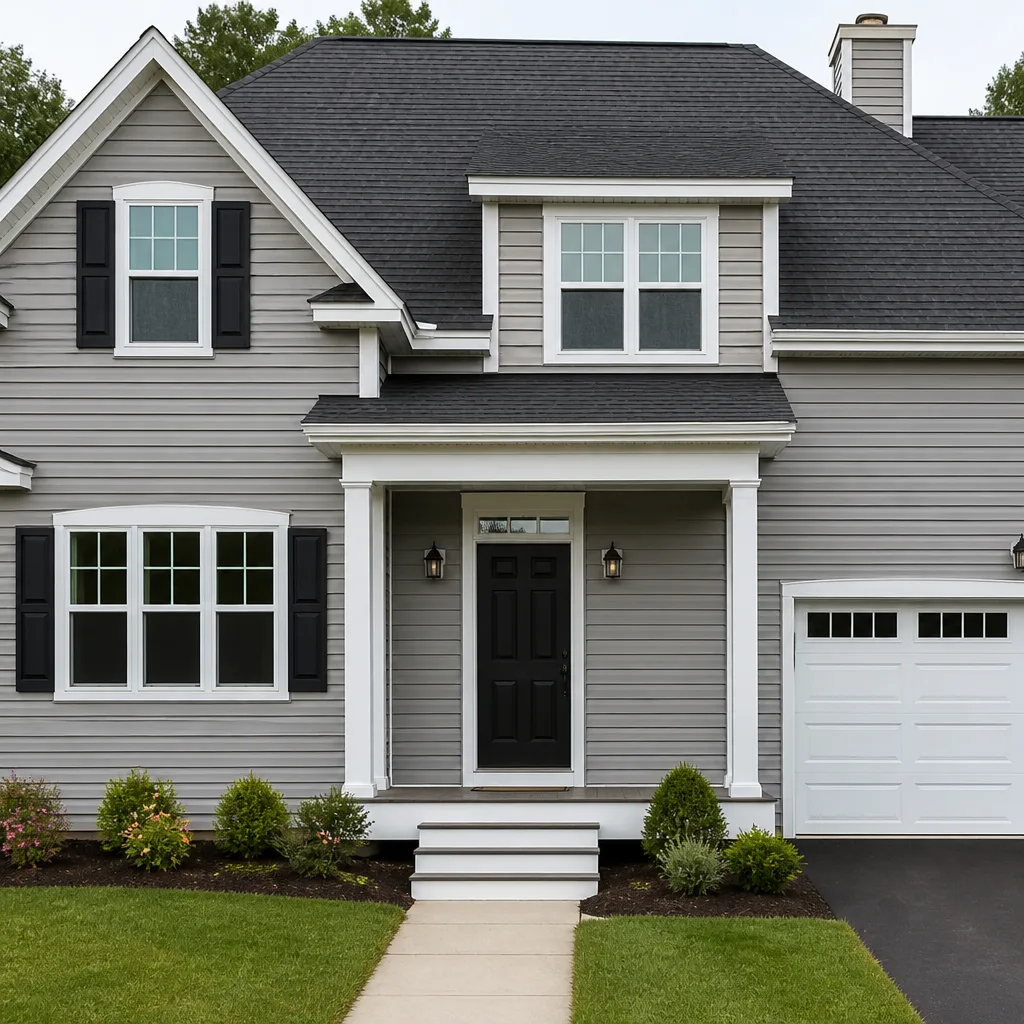
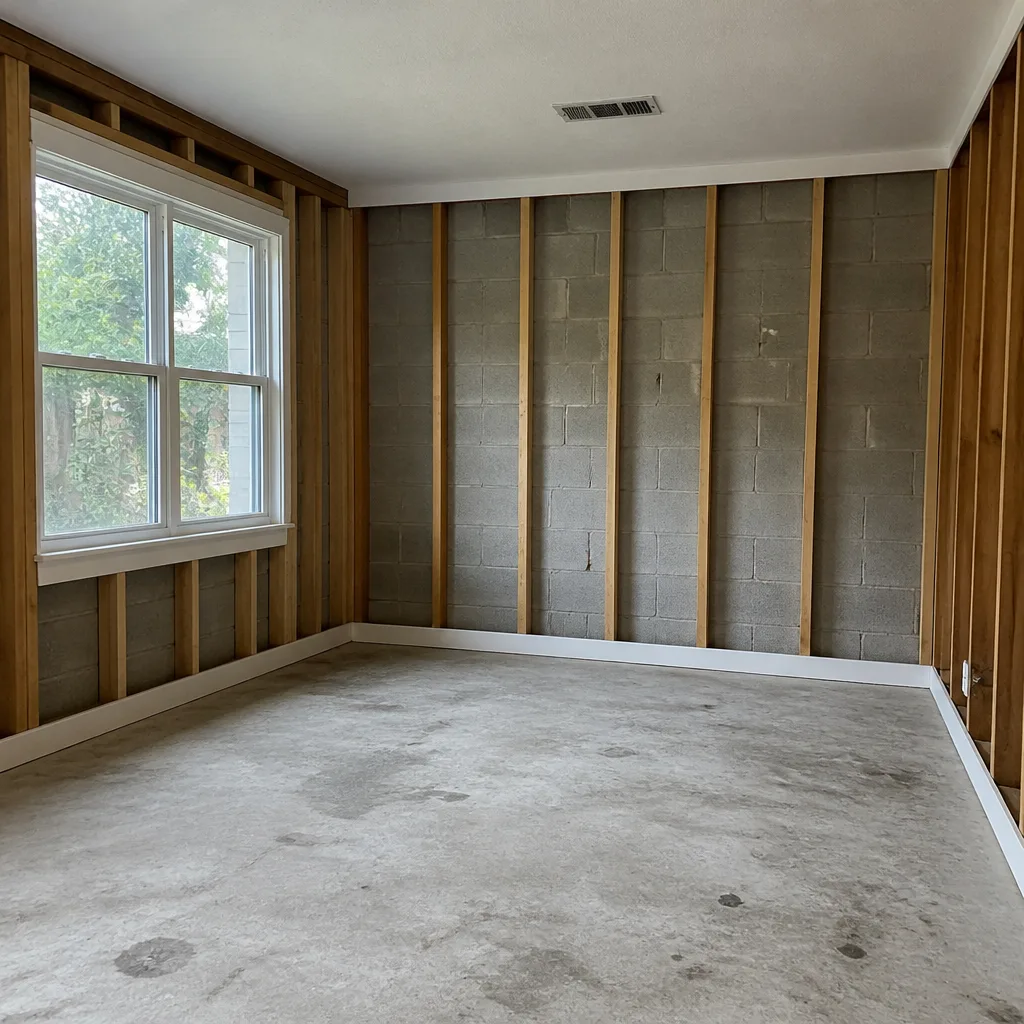
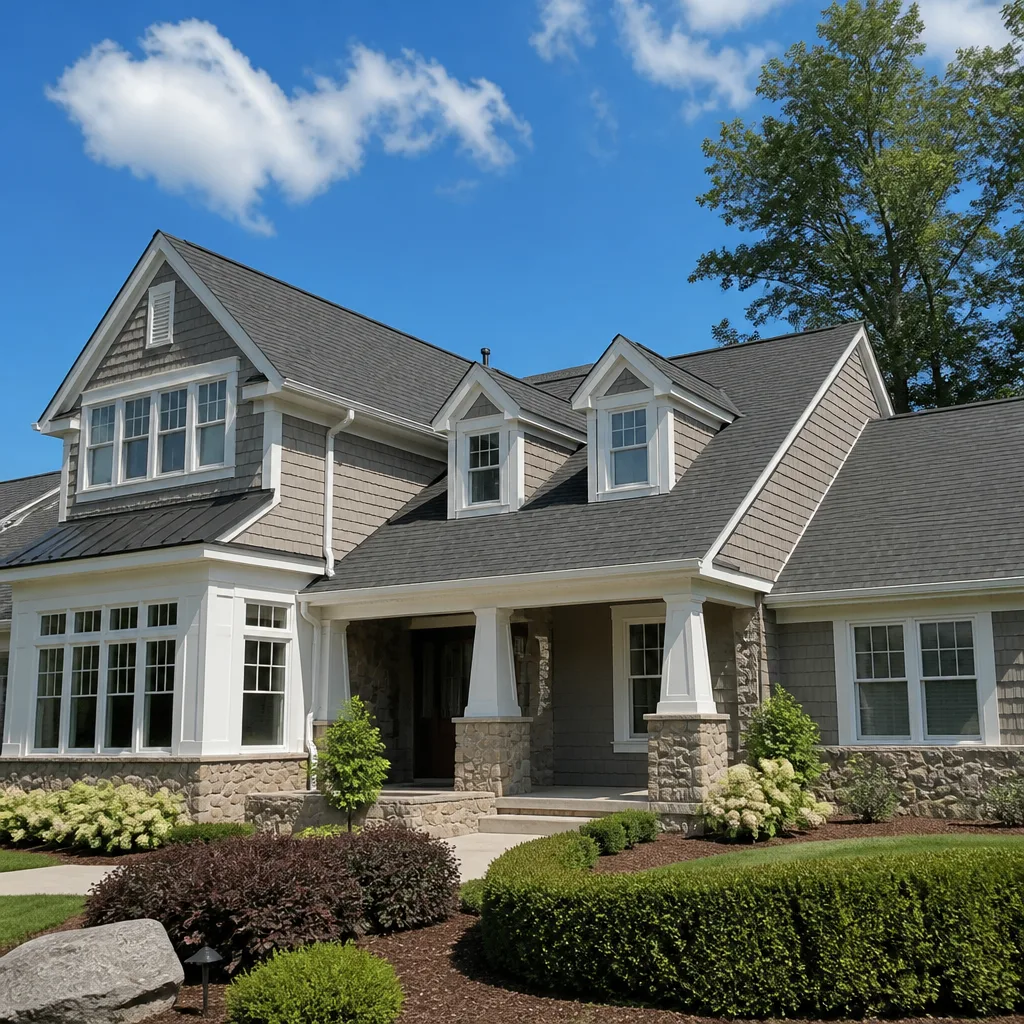
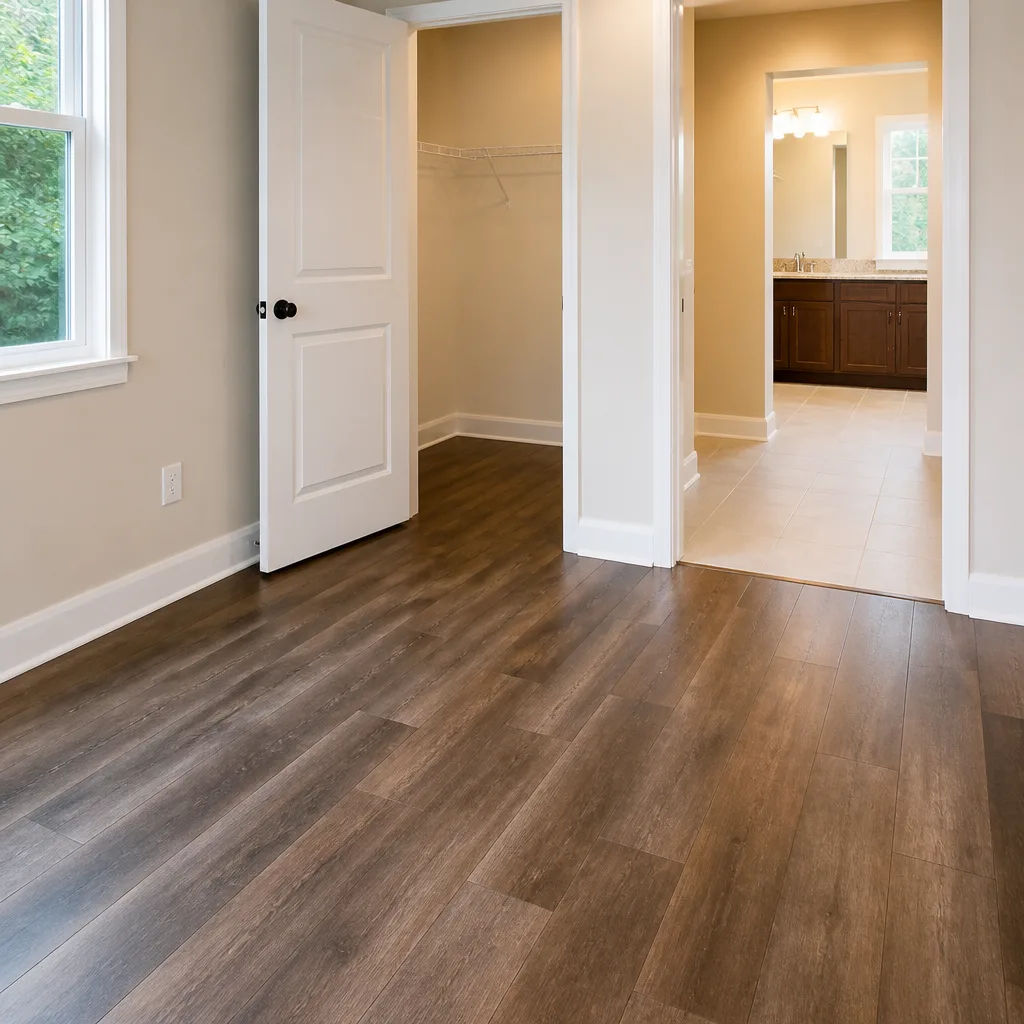
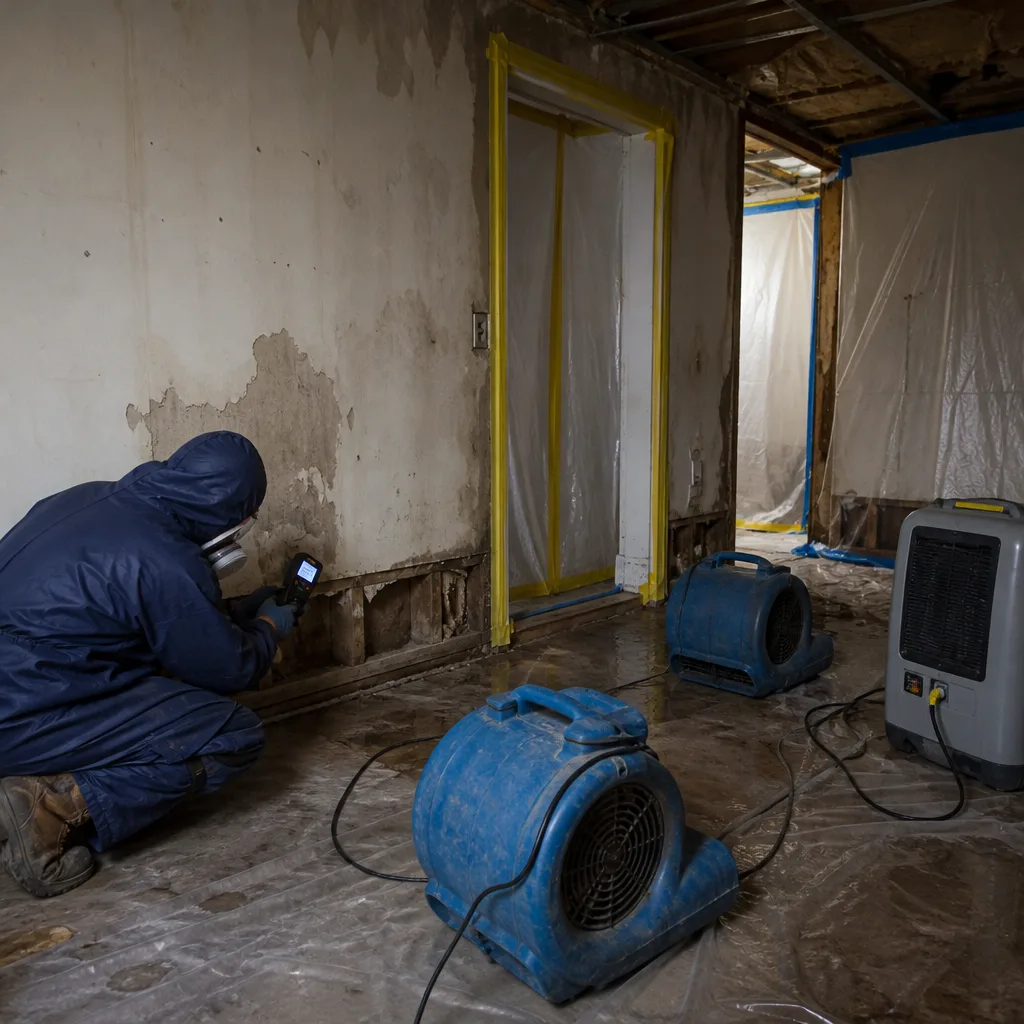 Before
 After
After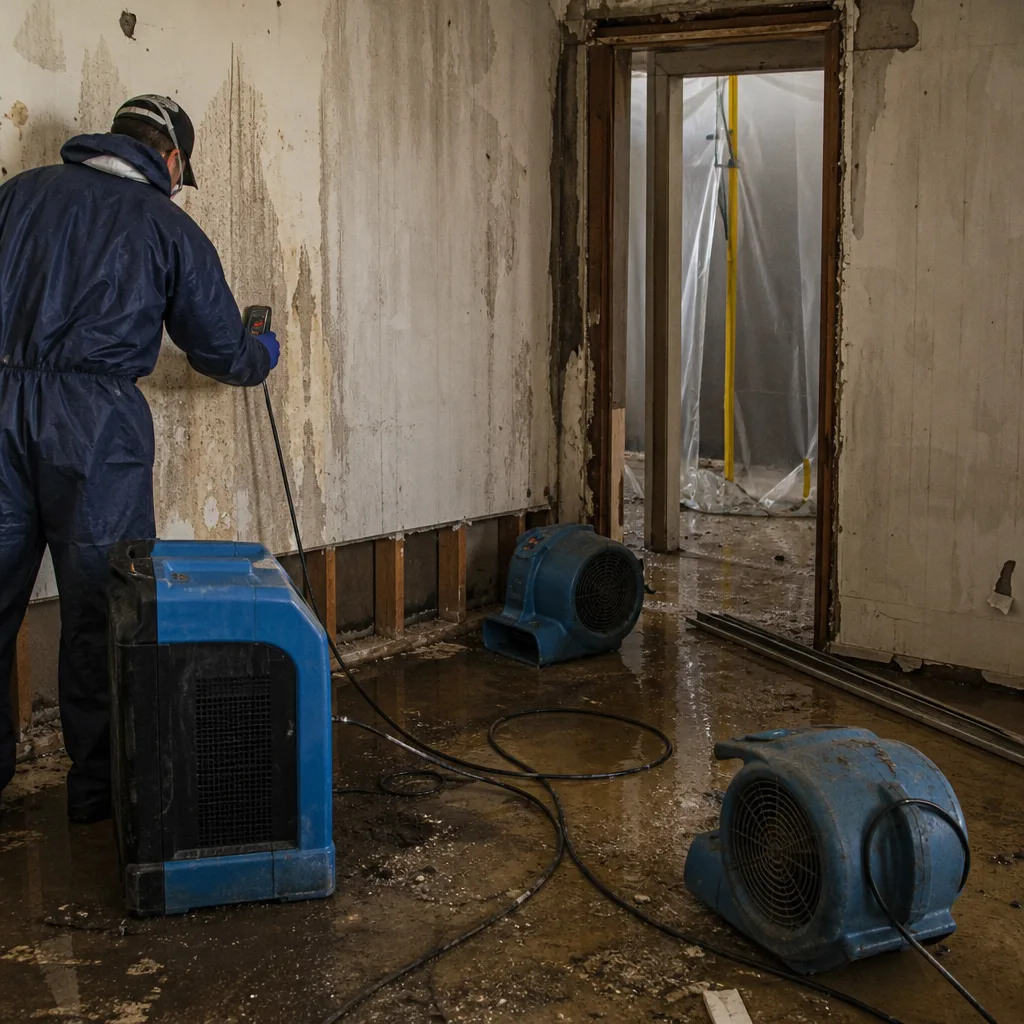 Before
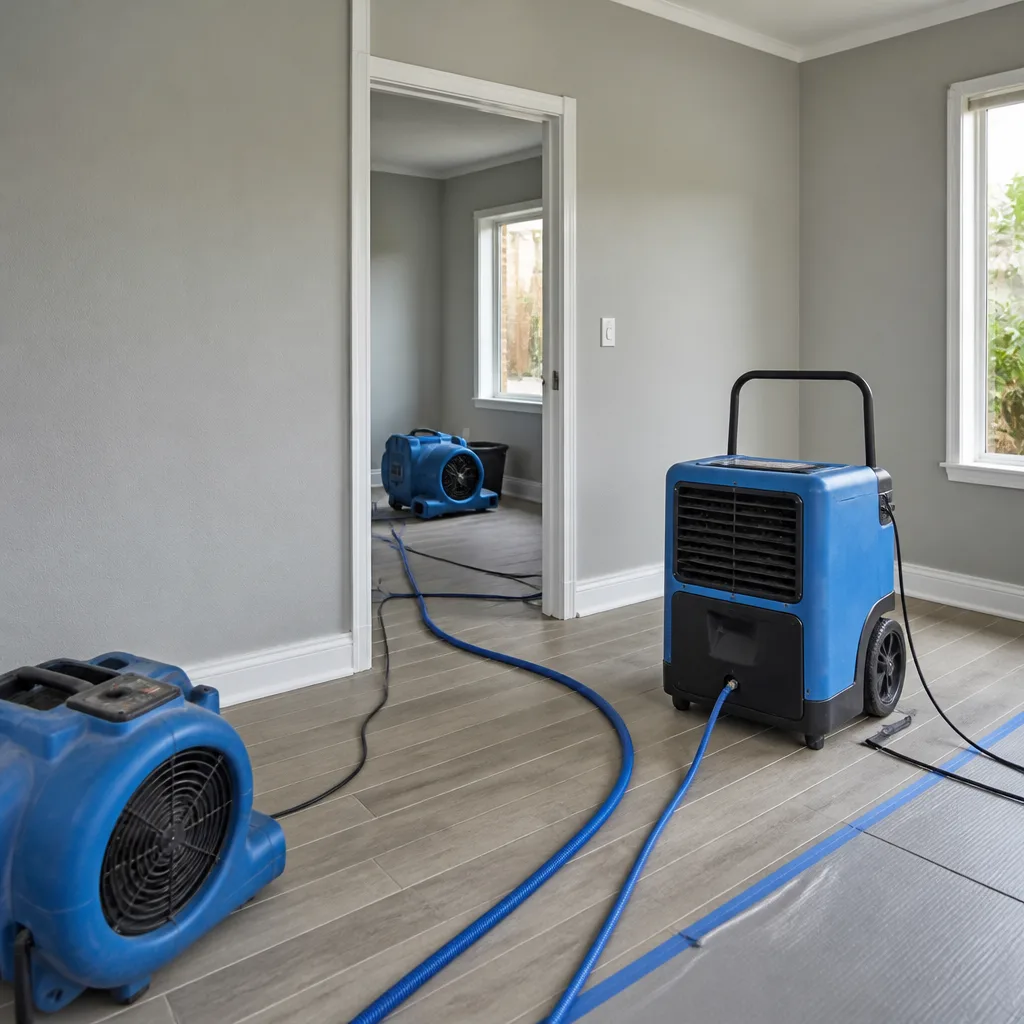 After
After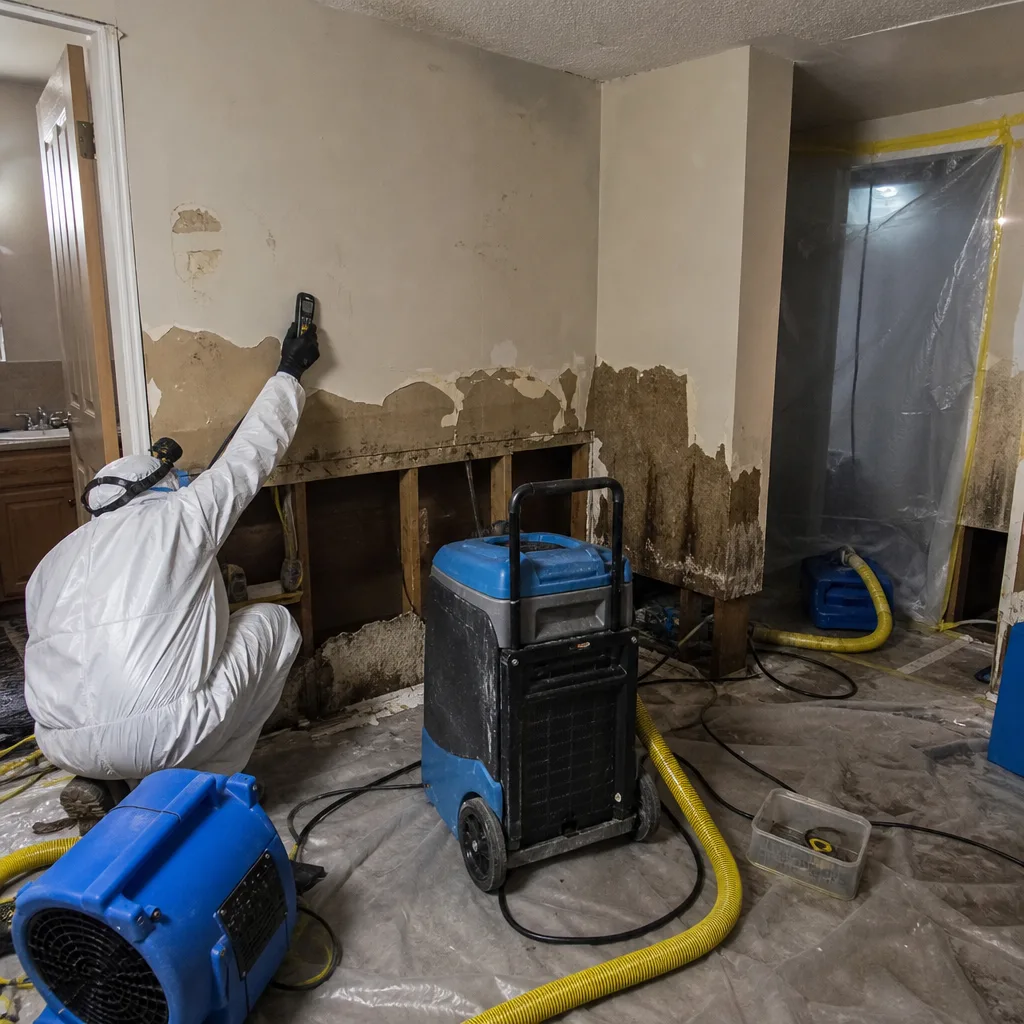 Before
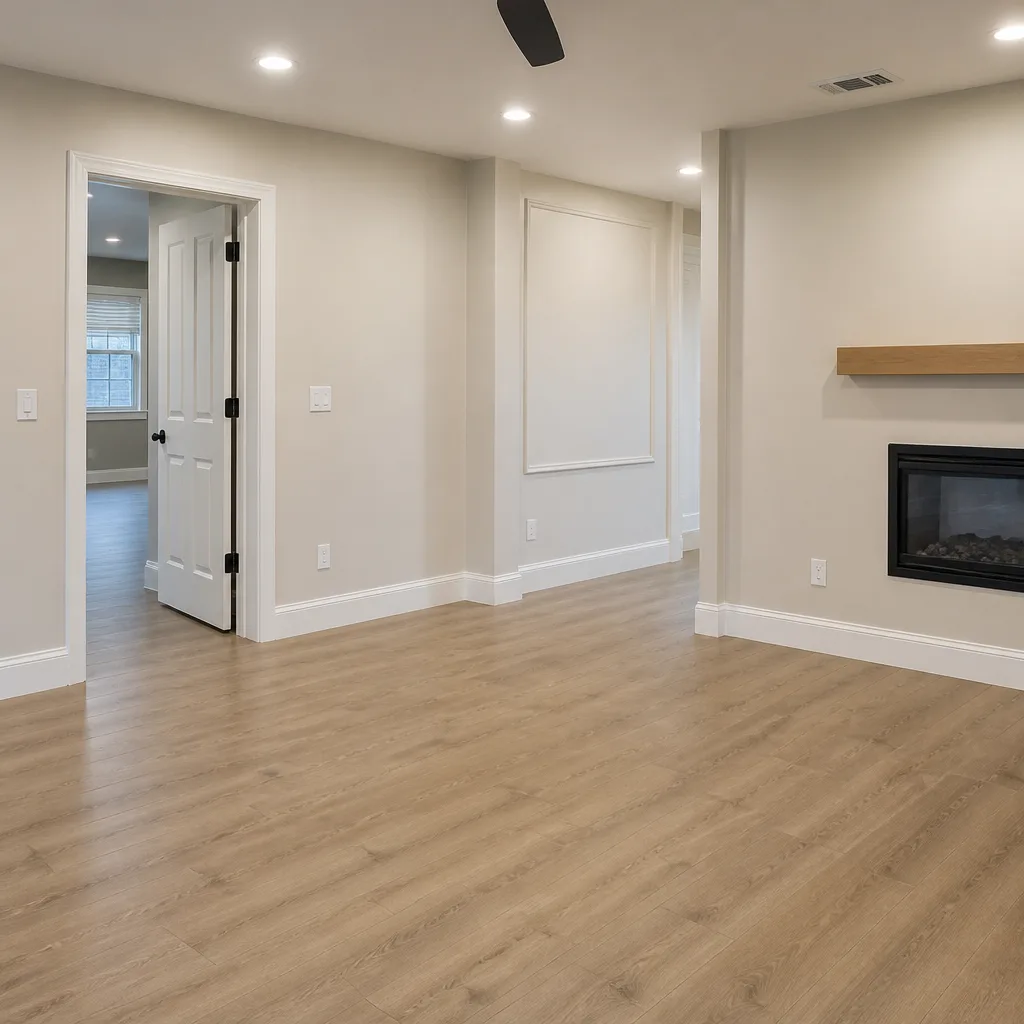 After
AfterFast, Reliable Storm Damage Restoration Across Summit
Storm damage restoration in Summit, NJ typically runs from $2,800 to $11,500 depending on whether you’re dealing with a flooded basement from a nor’easter, an ice-dam leak through a slate roof, or wind-driven rain that pushed through old flashing. Most Summit jobs we handle start with water extraction within hours of your call. Our crews reach Summit neighborhoods like the Hill District, Franklin, and the area around Lincoln-Hubbard quickly from our metro dispatch. Call (910) 613-6568 and a live person answers, day or night.
Summit’s older homes don’t dry the way newer construction does. Horsehair plaster, original hardwood floors, and stone foundations hold water differently, and that changes everything about how a restoration should run. Tobias Reyner, who leads our restoration team, has spent years working on exactly this kind of housing stock. We know what a Summit storm leak does inside a 1920s Colonial, and we bring the right equipment and the right timeline to the job.
Why Marsh Water Damage Restoration Is Summit’s Preferred Storm Damage Restoration Company
Summit homeowners call us because we show up prepared for what this town’s houses actually throw at restoration crews. We’re not a franchise outfit sending a rotating cast of technicians. Every tech who arrives at your door is background-checked, identity-verified, and sent to you by name and photo before the visit through our Threshold Verified protocol. When the knock comes, we show a photo ID badge. You know exactly who is in your home, every time. That matters when you’re already dealing with the stress of a flooded dining room or a collapsed ceiling.
Our Storm Damage Restoration team runs commercial-grade equipment from Dri-Eaz, Phoenix, and XPOWER, the same machines used on large commercial losses, applied to Summit’s residential jobs. IICRC, RIA, and IFA-credentialed technicians handle every extraction, every moisture map, every drying log. We give you a written price before any work begins, and every repair carries our 365-Day Done Right Promise: if it’s not right within a year, we come back and make it right, free second visit included. That’s printed on the work order, not spoken as a sales line.
Flooded House in Summit
A flooded house in Summit usually means one of three things: a nor’easter drove water through a foundation wall, an ice dam on the ridge melted into a ceiling cavity, or a slate-to-asphalt roof patch failed after a hard freeze. When water crosses old framing, horsehair plaster, or a century-old stone foundation, it picks up contaminants fast. Summit’s older construction means floodwater that enters a pre-1950 home is almost always Category 2 or 3 by the time we extract it, which changes what can be dried in place versus what has to come out.
Extraction and Containment First
We arrive, set containment to keep contaminated air from spreading through the house, and begin extraction immediately. Standing water in a Summit basement with original stone walls and a dirt or old concrete floor needs aggressive pumping and dehumidification. Dri-Eaz dehumidifiers and XPOWER air movers go in the same day, not the next morning.
Drying Old Materials Takes Longer
Here’s the Summit-specific reality: horsehair plaster holds moisture 3 to 4 times longer than drywall. A crew that reads only the surface with a moisture meter will call your walls dry while the plaster keys and wood lath behind them are still saturated. We moisture-map inside wall cavities and above ceilings, and we log readings daily until the assembly hits pre-loss condition. That’s not optional on a flooded house in Summit. It’s the only honest way to call a job dry.
Flood Restoration in Summit
Flood restoration in Summit means more than pulling water out. It means preserving what makes these houses worth restoring in the first place. The original old-growth hardwood floors, the period millwork, the plaster walls that can’t simply be replaced with drywall without destroying the character and value of the home. Our approach on every Summit flood restoration is to dry what can be salvaged and remove only what cannot be saved. We fight to keep your original materials, not tear them out for convenience.
When Plaster Has to Come Out
Sometimes saturated horsehair plaster and lath can’t be saved. When that happens, we remove it carefully, document everything for your insurance claim, and leave clean, prepared framing that’s ready for a plaster reinstatement, not just a drywall patch-over. The goal is a repair that looks like it belongs in a 1920s Summit Colonial, not a rental-unit patch job.
Documentation for Your Adjuster
Photo documentation happens at every stage: before extraction, during tear-out, after drying, and at final repair. We coordinate directly with your insurance adjuster, including the moisture logs and drying records that show why a Summit home needed more time and more equipment than a newer build would. When adjusters push back on extended drying for plaster, our logs and reading history give them what they need to approve the claim.
Trusted Brands We Service in Summit
Summit’s housing stock runs on original and legacy systems, and that includes the brands homeowners have trusted for decades. We service and restore storm damage in homes with a wide range of vintage fixtures and hardware, and we stock local parts for older Summmit systems so we’re not waiting on a distributor in another state. Our equipment includes Dri-Eaz dehumidifiers, Phoenix axial air movers, and XPOWER air scrubbers, plus Injectidry floor mats for drying original hardwood in place. If your flood restoration requires matching period fixtures or sourcing old hardware, we know where to get it and we move fast.
Common Storm Damage Restoration Problems We See in Summit Homes
- Ice dams on slate-to-asphalt patched roofs: Summit’s ridge-top position means the town collects more ice and snow than the valley towns below. Where original 1890s-1940s slate has been patched with asphalt over the decades, meltwater follows irregular channels and dumps inside at ceiling lines instead of the eaves. That’s water nobody sees until the plaster bulges.
- Surface-dry plaster hiding saturated lath: A moisture meter reading the surface of horsehair plaster says “dry.” The plaster keys and wood lath behind it are still wet. We see this constantly in Summit because crews unfamiliar with pre-1950 construction call the job done too early. Mold follows. Sometimes a ceiling comes down.
- Freeze-thaw cracking in stone foundations: Summit’s masonry and stone foundations cycle through hard freezes and thaws every winter. Water finds every micro-crack, and after a nor’easter, that means basement water intrusion through walls that look fine from the inside until the flood arrives.
- Wind-driven rain through original flashing: Summit’s older Tudors and Victorians often still have their original copper flashing. When wind drives rain sideways against a ridge-top home, compromised flashing lets water into wall cavities that haven’t been opened since the house was built. By the time it’s visible, it’s been wet for days.
Pricing for Storm Damage Restoration in Summit, NJ
A flooded house in Summit with standing water extraction and initial drying equipment typically runs $2,800 to $4,900. Full flood restoration that includes plaster and lath removal, structural drying, and final repairs usually lands between $5,500 and $11,500 depending on the square footage affected and how much original material can be salvaged. Ice-dam ceiling repairs with drying and plaster restoration commonly fall in the $3,200 to $6,800 range. These are honest Summit market numbers, not lowball bait. We give you a written price before any demo begins, and that number holds unless you approve a change. Call (910) 613-6568 for a free estimate with a real scope, not a verbal guess.
We Also Serve Cities Near Summit
Our crews work throughout the Summit area, including New Providence, Chatham, Springfield, and Short Hills. If you’re in one of those towns and dealing with storm or flood damage, we’ll get the same Threshold Verified crew and the same written-price guarantee to your door. Learn more about our Storm Damage Restoration in Summit coverage area and how we handle the specific housing stock in each community.
Serving Summit, NJ - Our Local Coverage Area
We’re based in the Summit area and know this community well. Use the map below to see our service coverage - if you’re nearby, we can almost certainly help.
FAQs About Storm Damage Restoration in Summit
Summit’s homes built before 1950 have horsehair plaster walls and ceilings that absorb and release moisture 3 to 4 times slower than the drywall used in Springfield’s mid-century tract housing. A Summit plaster ceiling that feels dry on the surface is often still saturated behind the lath. We use moisture mapping and daily readings to confirm the entire assembly is dry, and we won’t call a job finished because the surface meter says “dry.” That extra diligence adds days, sometimes a week or more, compared to a newer home. If your adjuster questions the extended drying, our logs justify every day. Call (910) 613-6568 and we’ll explain what your specific plaster situation needs.
Yes. A water stain means water entered the cavity, and in Summit’s plaster-built homes that water is almost certainly still behind the surface even when the stain looks old and dry. Surface readings don’t tell you what’s happening at the plaster keys and lath. If the leak was from an ice dam, that water crossed old slate and framing before it reached your ceiling, so it’s likely contaminated. We’ve pulled open stained Summit ceilings that looked dry for weeks and found saturated lath and mold starting. Call (910) 613-6568 for an assessment. Free estimate, no obligation, and we’ll map the moisture before anyone touches a wall.
Not automatically. We save original plaster and old-growth hardwood whenever the science says it can be saved. For hardwood floors, we use Injectidry floor mats to dry the wood in place rather than ripping it out. For plaster, we dry slowly with targeted dehumidification and daily moisture readings. Tear-out only happens when the plaster keys have failed, the material is contaminated beyond drying, or the structural lath is damaged. When we do remove it, we document everything for your insurance claim so you can restore with period-appropriate materials, not a quick drywall patch.
In Summit’s older homes, mold growth can start within 24 to 48 hours after water intrusion, especially where horsehair plaster and old framing stay warm and damp behind the surface. Because our winters push water into wall cavities that don’t breathe like drywall, the window is often tighter than homeowners expect. If you’ve had a leak and it’s been more than a day without professional drying equipment running, you should assume mold is possible and get moisture readings done immediately. Call (910) 613-6568 and we’ll send a Threshold Verified tech to assess it.
Most homeowners policies cover the extended structural drying that Summit’s plaster-built homes require, but the claim often needs documentation showing why more days and more equipment were necessary. That’s where our moisture logs and daily readings matter. We provide your adjuster with the data showing the plaster assembly was still reading wet at day seven, nine, or twelve, and we coordinate directly with them so you’re not fighting the claim alone. The key is not calling the job dry off a surface reading, which is exactly the mistake that gets claims denied. Free estimate and full documentation on every job: call (910) 613-6568.
Written by Tobias Reyner, Owner at Marsh Water Damage Restoration, serving Summit since 2005.
Storm damage doesn’t wait for business hours in Summit, and neither do we. If you have water coming in, a bulging ceiling, or a flooded basement after a storm or ice dam, call (910) 613-6568 now. A live person answers 24 hours a day, every day. You’ll get a written price before any work starts, a Threshold Verified technician by name and photo before the visit, and a 365-Day Done Right Promise on every repair. That’s how restoration should work in Summit.