
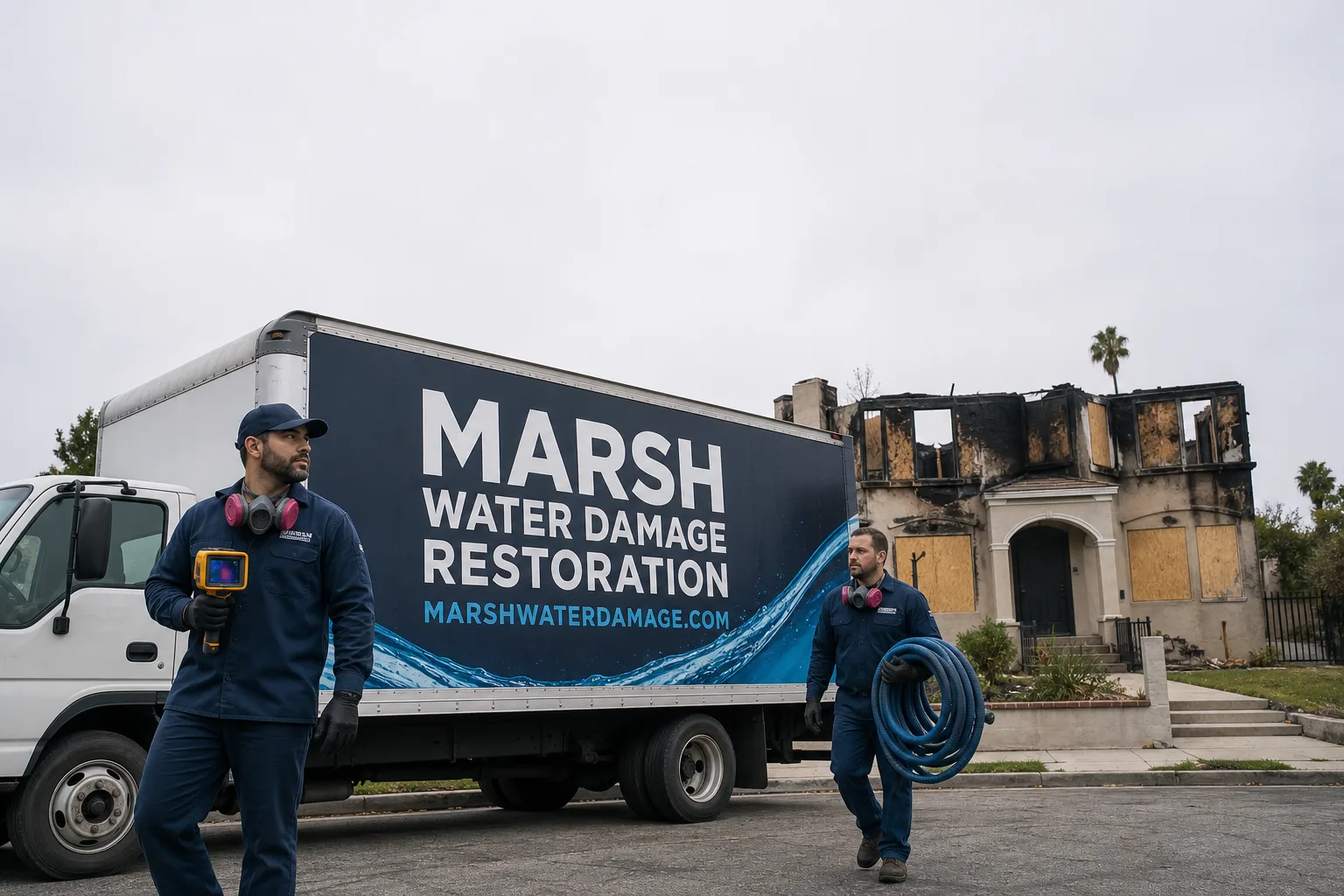
Free visual inspection and a written scope of work before any mitigation begins - photos, moisture readings, and drying logs go in your claim file
The scope we write is the scope we bill. Anything new gets shown to you, in writing, before we touch it.
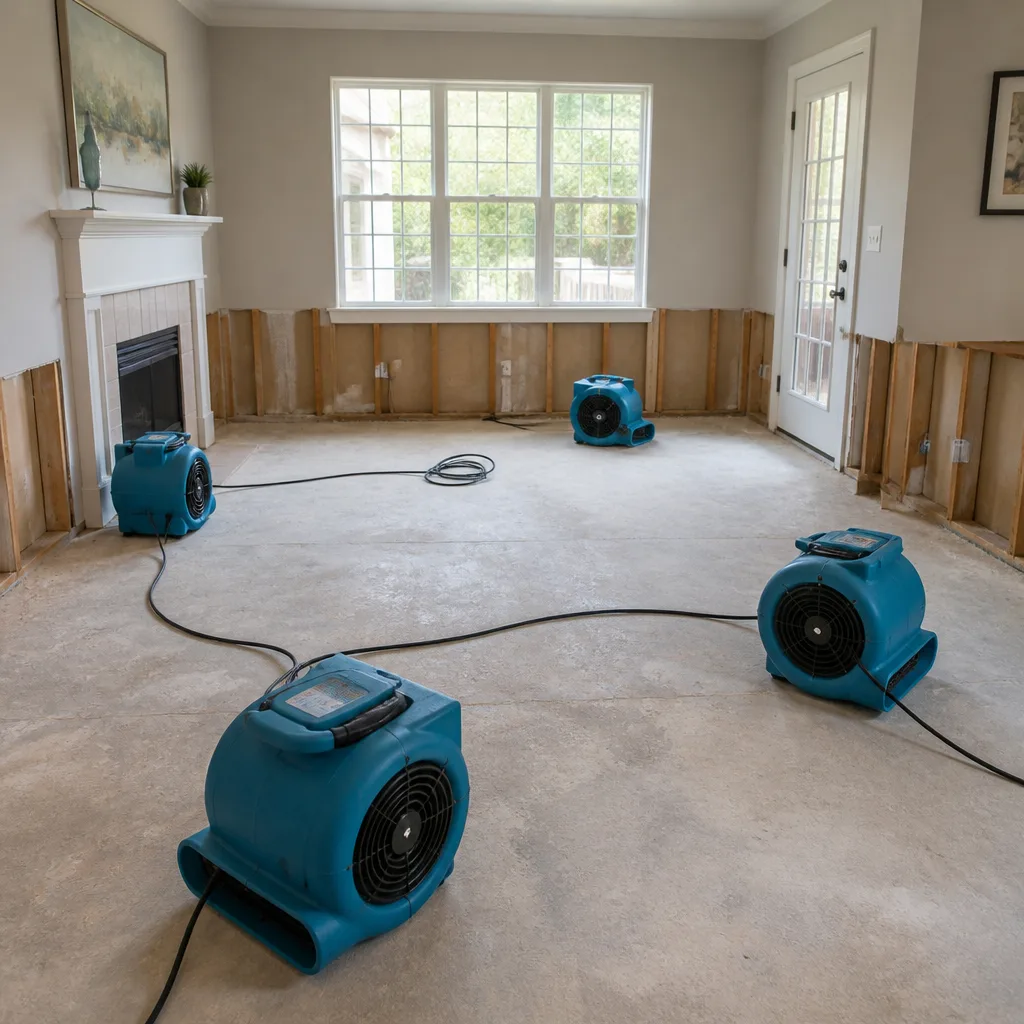

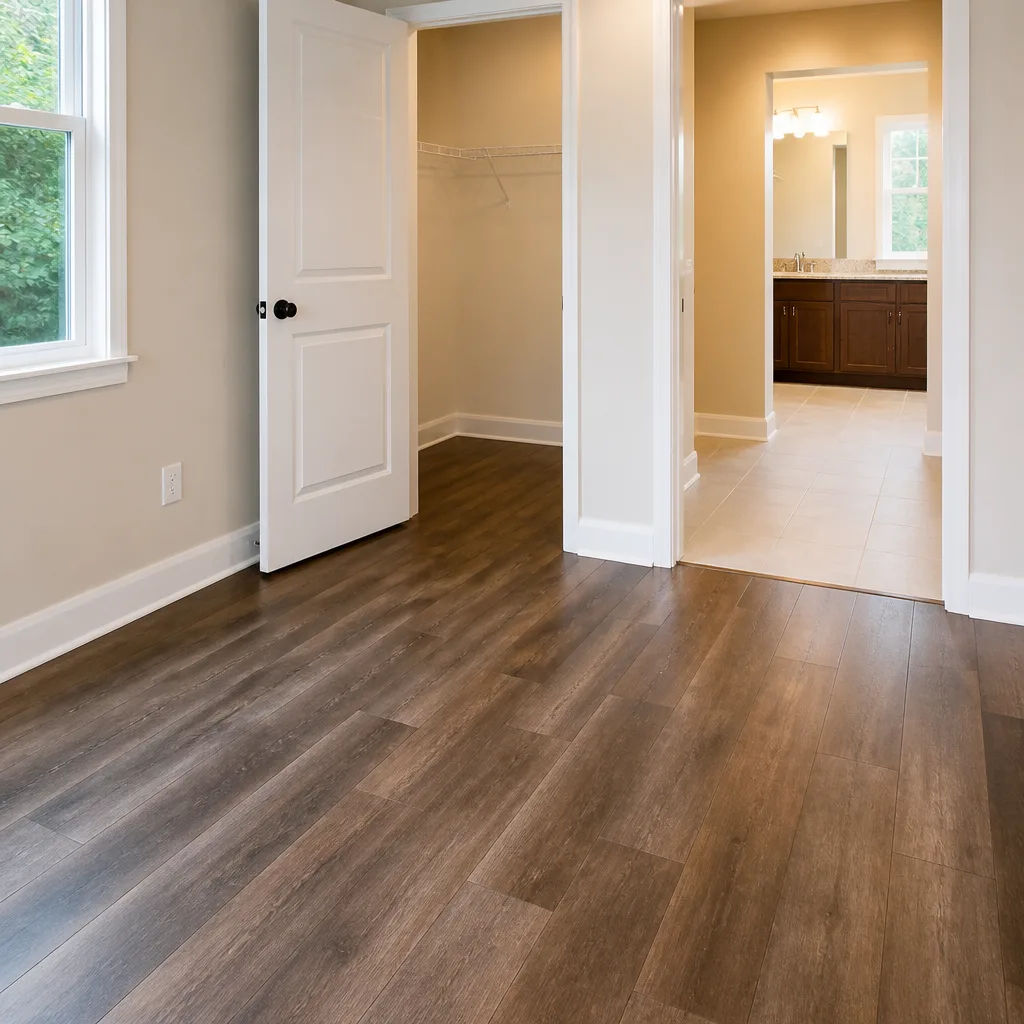
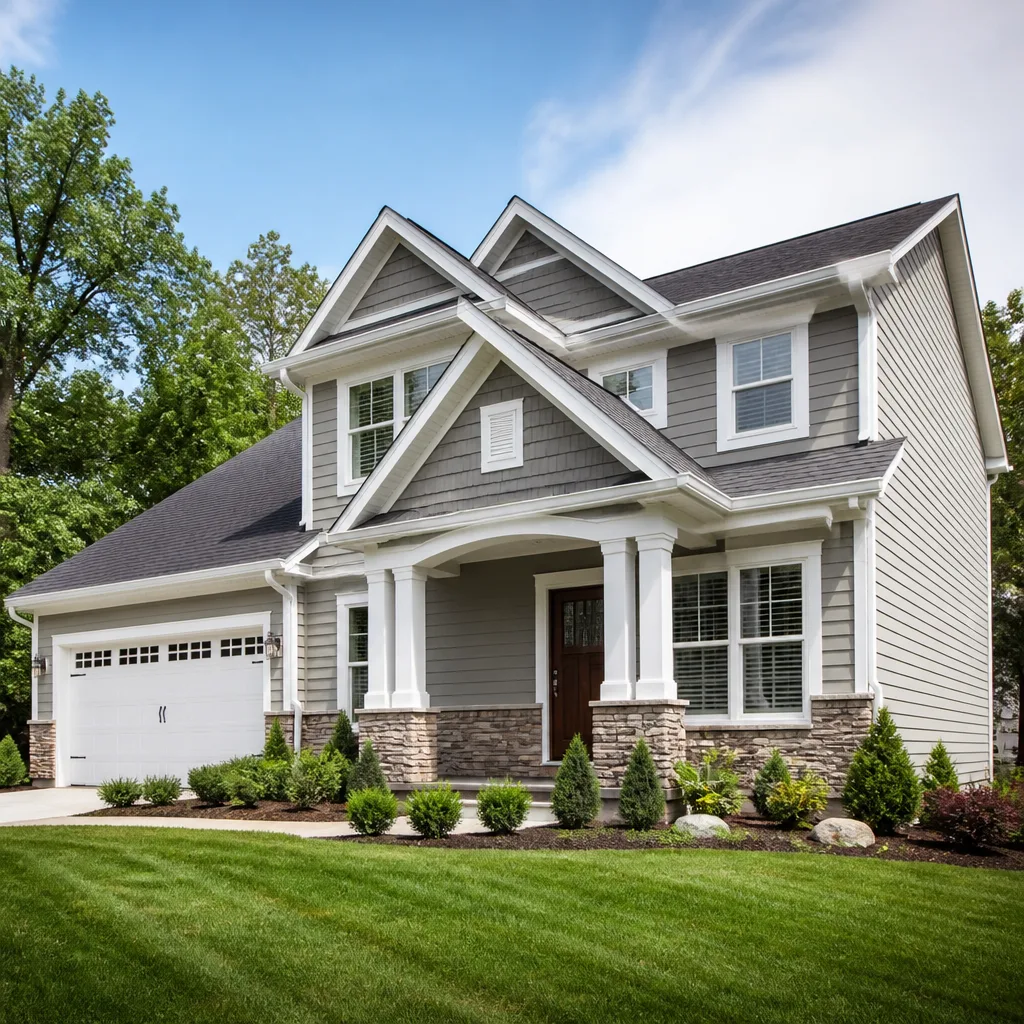
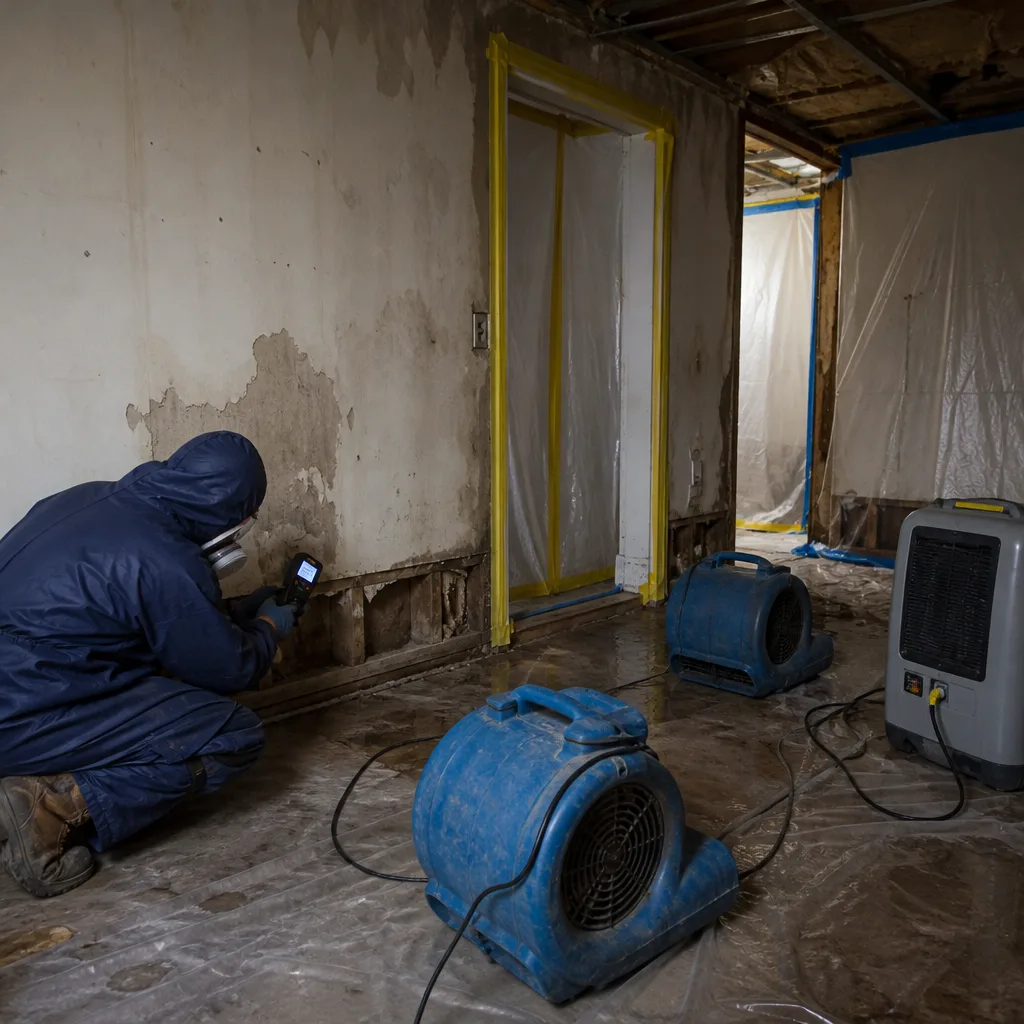 Before
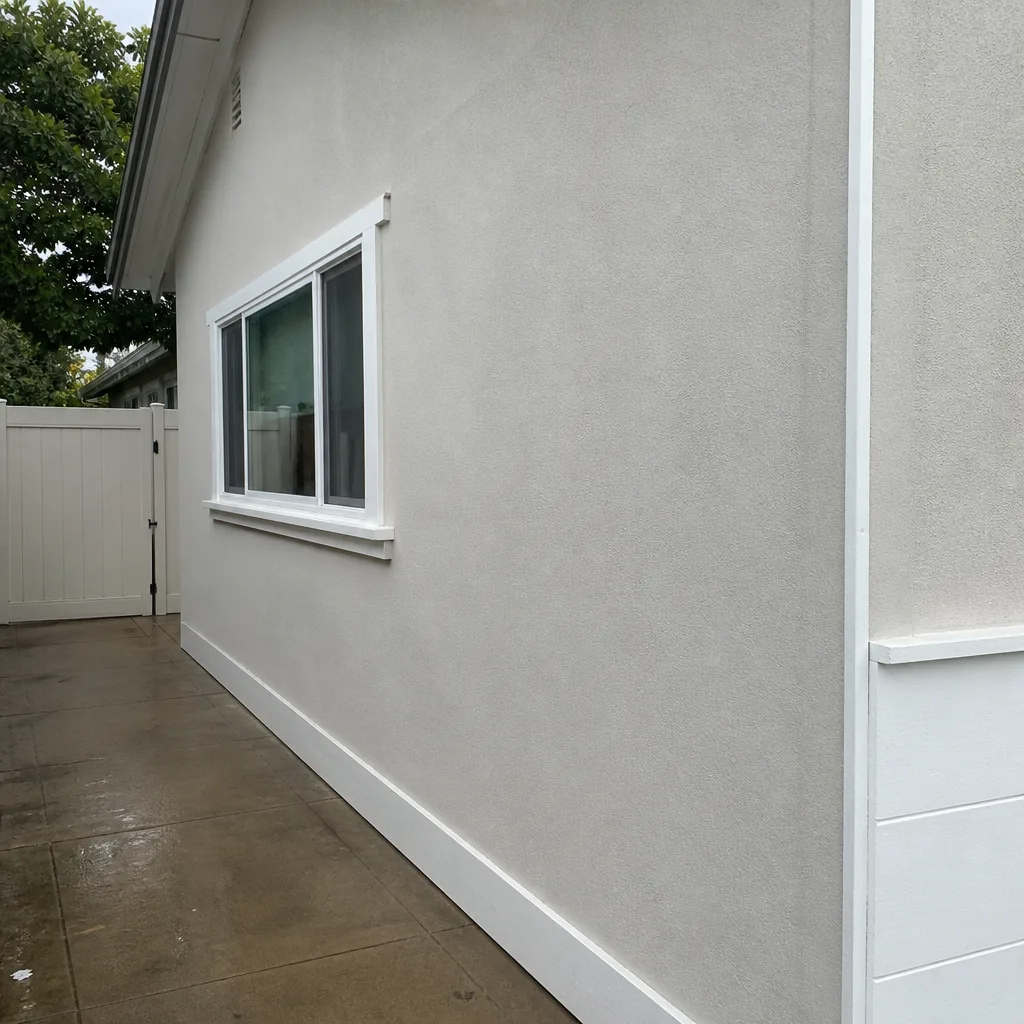 After
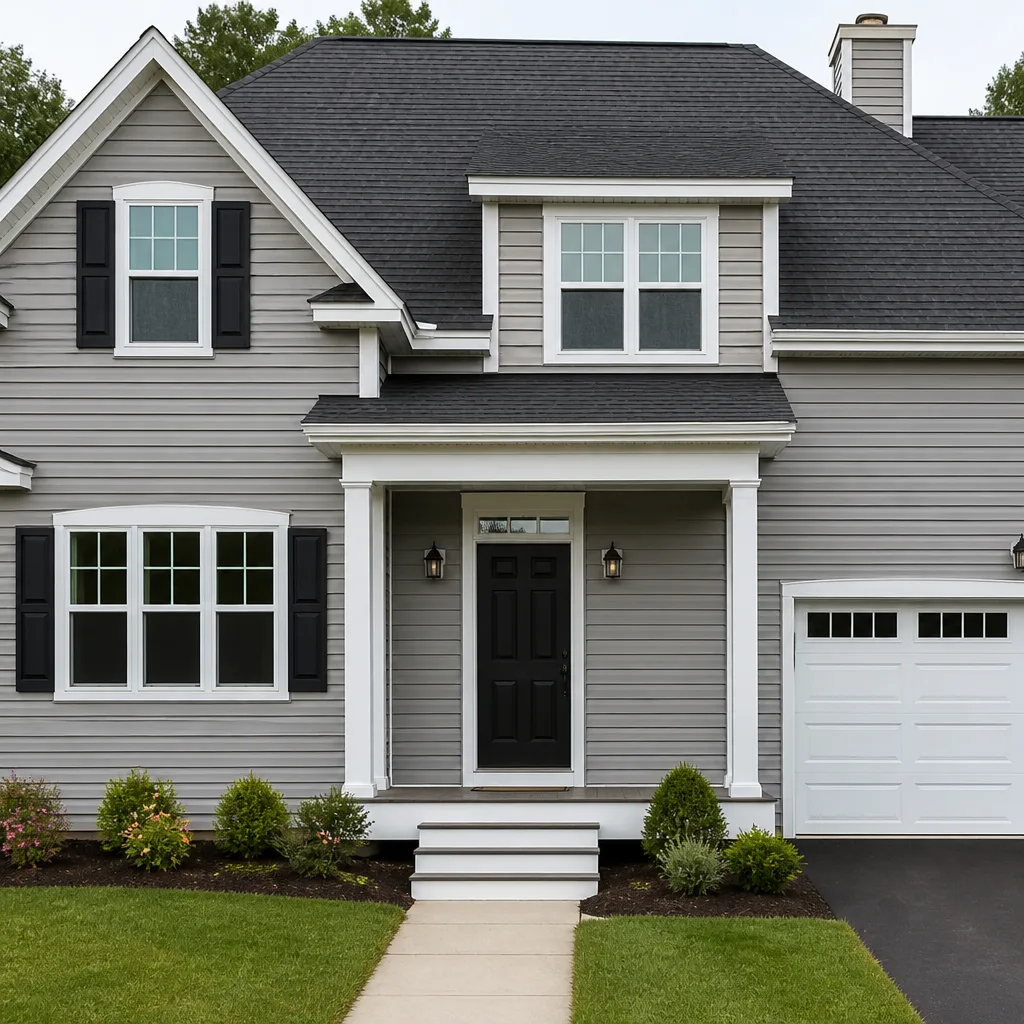
After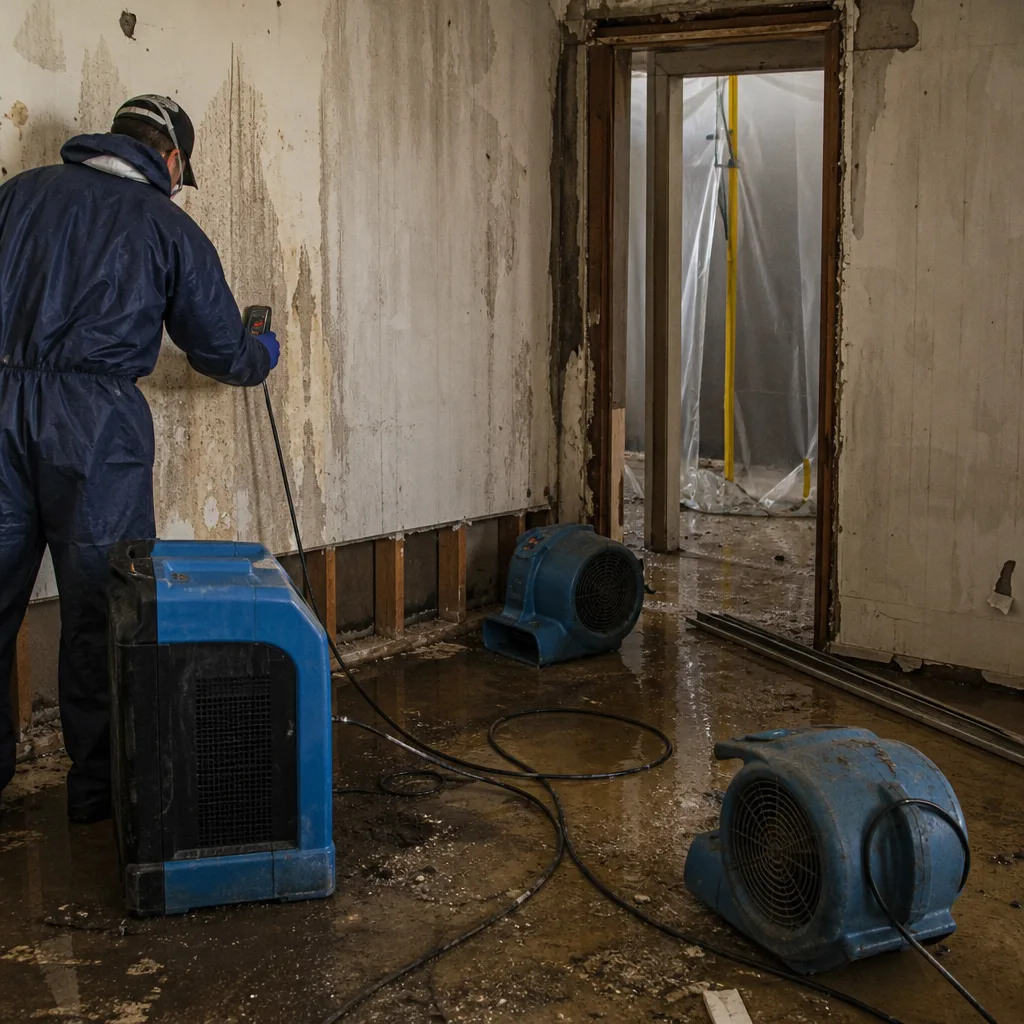 Before
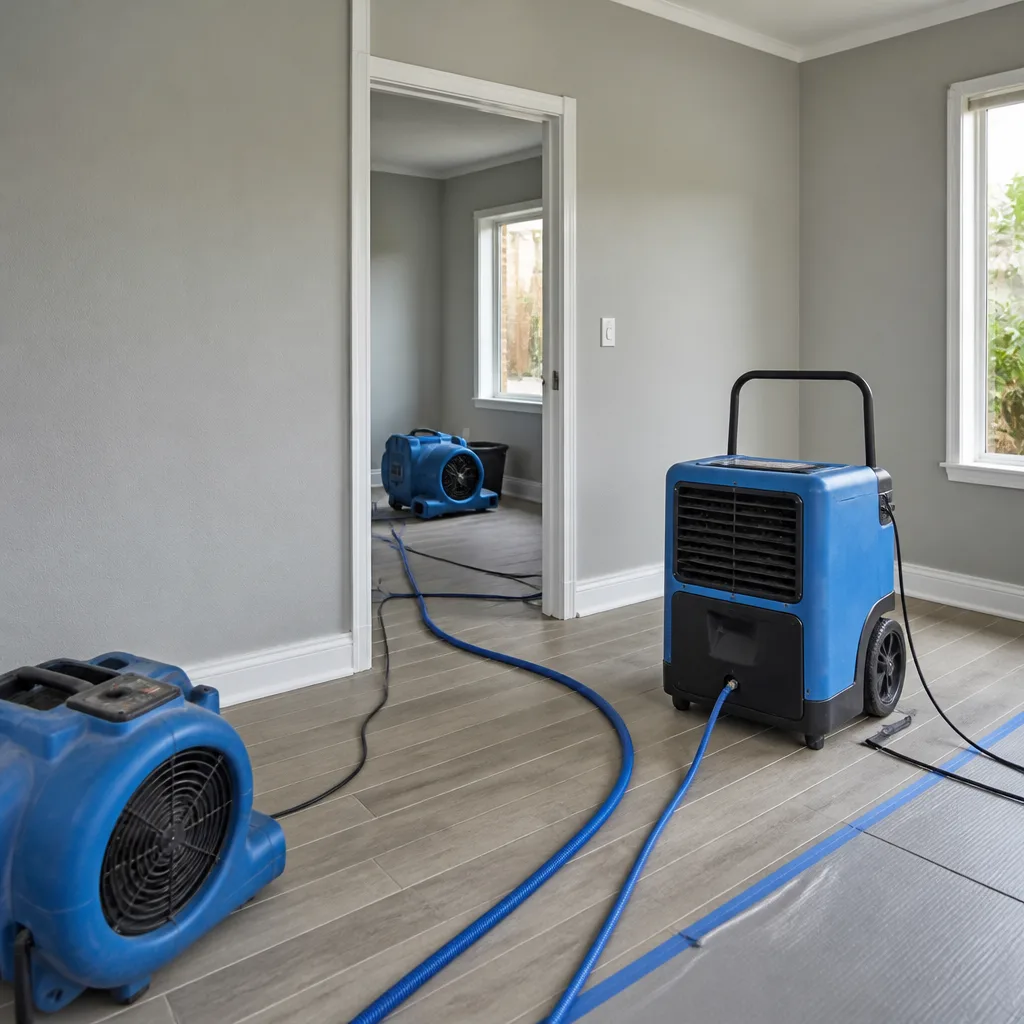 After
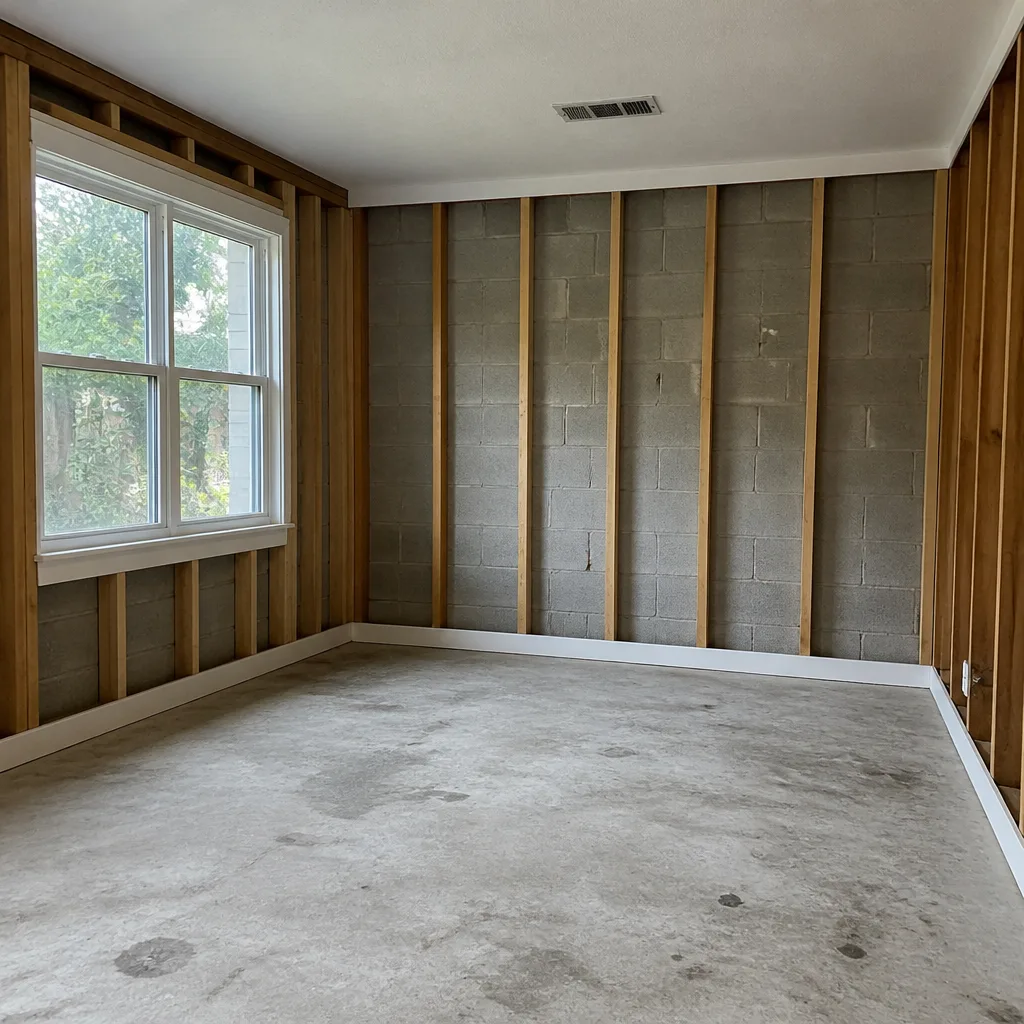
After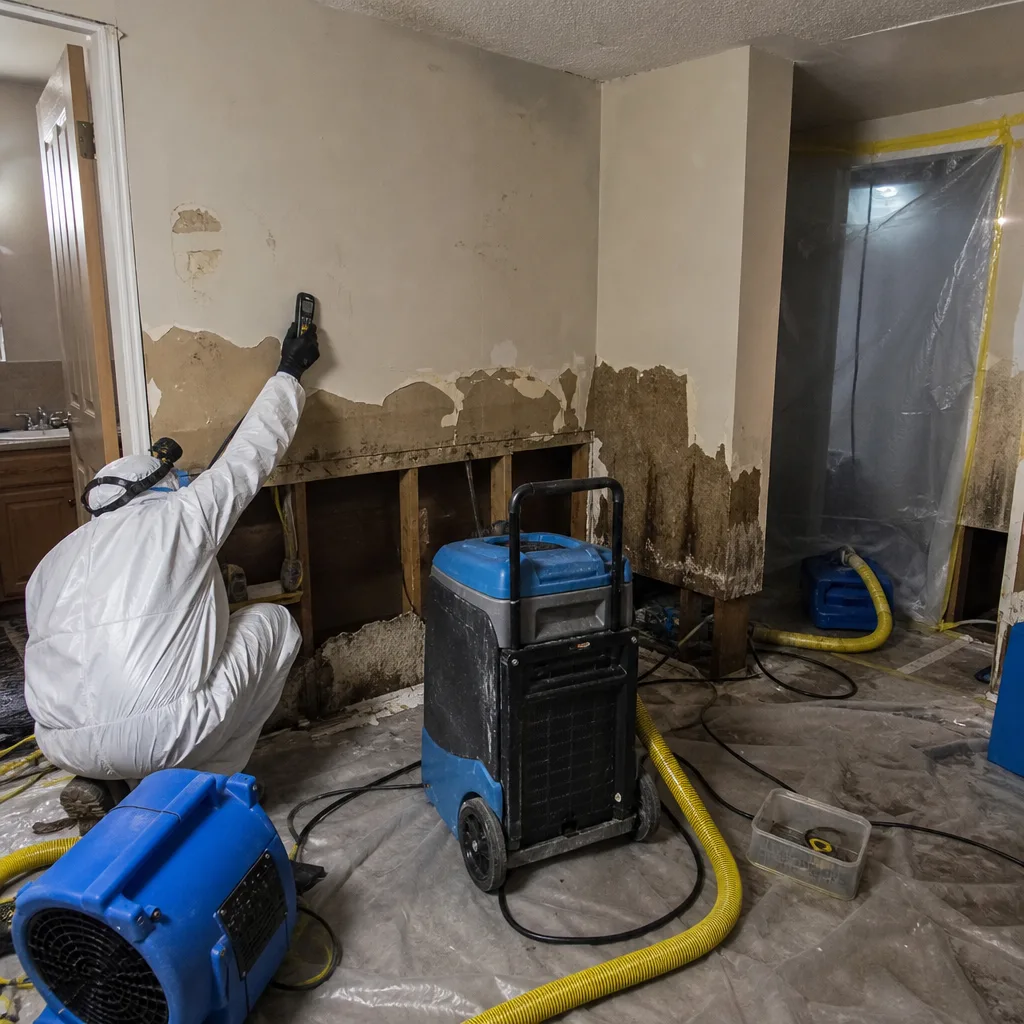 Before
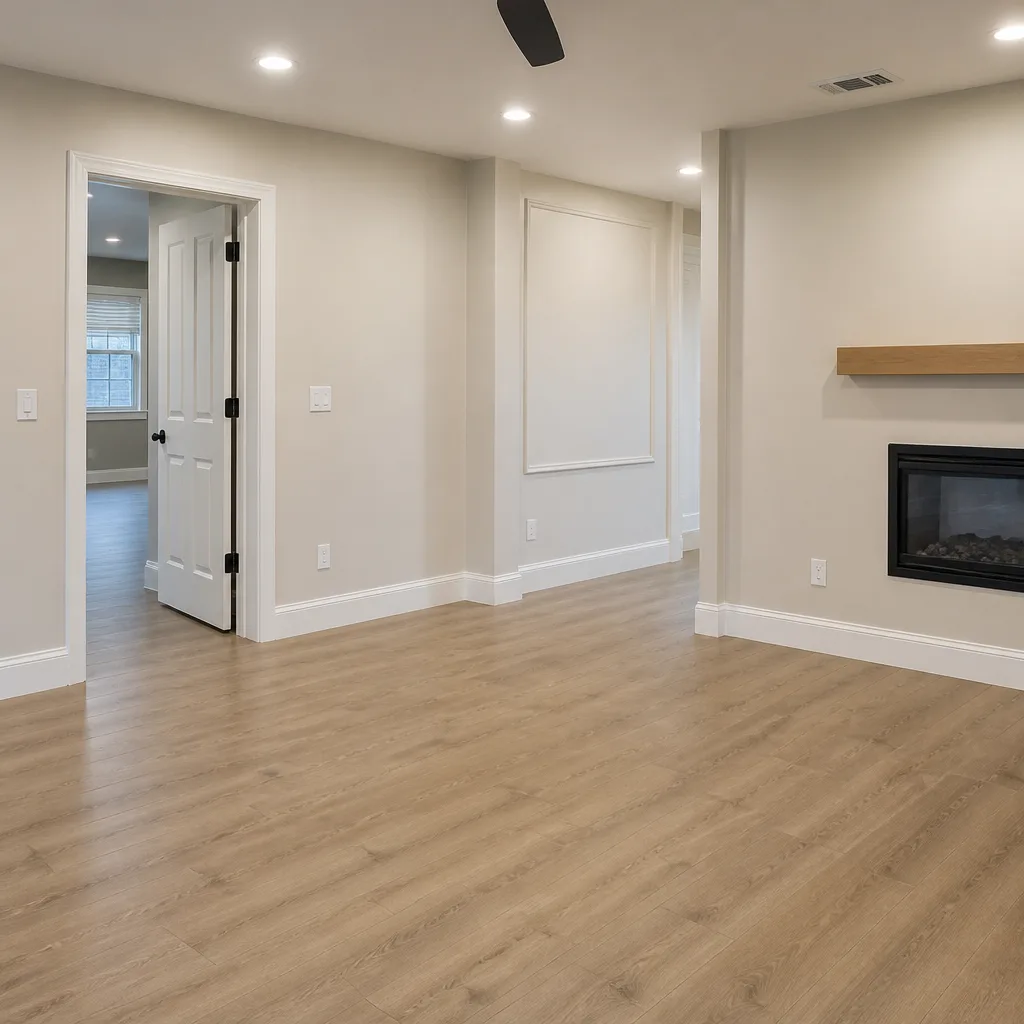 After
AfterFast, Reliable Storm Damage Restoration Across Tara Hills
Storm damage in Tara Hills rarely announces itself the way it does in flatter Bay Area cities. Here, the problem usually isn’t a roof leak or a burst supply line. It’s ground water pushing into downslope homes through stem walls and slab edges after heavy rain saturates the hills above. We’ve run enough calls off Tara Hills Drive and through the residential streets above San Pablo Bay to know exactly where water enters these 1950s and 1960s tract homes, and we get crews to any Tara Hills address fast. If water is coming in right now, call (910) 613-6568 and a live person will answer, day or night.
Marsh Water Damage Restoration has been handling storm damage since 2005. We’re the restoration brand of the Threshold Group family, and every crew member who arrives at your Tara Hills door is background-checked, identity-verified, and sent to you by name and photo before the visit. You’ll know exactly who’s knocking. That matters when you’re standing in water at 2 a.m. and a stranger needs access to your home. We don’t do anonymous crews.
Why Marsh Water Damage Restoration Is Tara Hills’s Preferred Storm Damage Restoration Company
We know the difference between a typical storm response and a Tara Hills storm response. Most restoration companies start by looking up for roof damage. In this community, you start by looking down at the base of the house. The topographic break between the inland hills and the bay-edge flatlands sends saturated soil runoff directly into the stem walls and slab edges of downslope homes. Locals call it “hillside surge.” We know to check there first because we’ve seen it repeatedly across Tara Hills, including after the atmospheric river events that have hit this part of Contra Costa County hard.
Because Tara Hills is unincorporated, storm damage permits and inspections don’t route through a city building department. They go through Contra Costa County’s unincorporated services division. That procedural layer surprises contractors who work mostly in Richmond or San Pablo. It doesn’t surprise us. We file the right paperwork with the right agency the first time, which keeps your mitigation work moving instead of stalled at a counter that doesn’t have jurisdiction.
Every job gets a written price before any work begins. No estimate that balloons after demo starts. Every repair carries the 365-Day Done Right Promise: if something isn’t right within a full year, we come back and make it right. A free second visit is included automatically, printed on the work order, not something you have to argue for. Tobias Reyner, who leads Marsh Water Damage Restoration, wrote those standards into the way we operate because storm damage is stressful enough without wondering who’s going to show up and what they’ll actually charge.
Local Know-How That Saves Your Floors and Framing
Tara Hills sits at the southeastern edge of San Pablo Bay, and that location comes with a marine layer that keeps interior humidity elevated year-round. After a storm event, drywall and framing in a Tara Hills home dries slower than the same materials would in Concord or Walnut Creek. Our technicians account for that with longer structural drying times and psychrometric readings (measuring the moisture in the air) to confirm the structure is genuinely dry, not just dry on the surface.
Crews serving Tara Hills arrive with commercial equipment from Dri-Eaz and Phoenix, including air movers and dehumidifiers rated for large commercial losses. We don’t bring homeowner-grade fans. We bring the same gear hospitals and office buildings use, applied to your living room and crawl space.
Flood Cleanup in Tara Hills
Flood Cleanup in Tara Hills usually means removing standing water from a ground-level intrusion event, then drying the structure before mold takes hold. After the hillside surge pattern pushes water through a stem wall or slab edge, you’ll often find several inches of contaminated water against the foundation. That’s exactly what we found on a call off Tara Hills Drive after an atmospheric river: a 1960s tract ranch with four inches of Category 3 water standing against the stem wall. Not a burst pipe. Hillside surge. We pumped the water out, set Dri-Eaz air movers and Phoenix dehumidifiers, documented moisture mapping at every wall cavity, applied antimicrobial treatment, and routed the scope of work through Contra Costa County before any rebuild started. One trip, because we packed the heavy-duty gear and the county paperwork together.
A typical flood cleanup in Tara Hills runs $2,800 to $5,400 depending on the square footage affected and how far the water migrated. That range covers extraction, antimicrobial application, and structural drying with professional equipment. If the water sat overnight or longer, expect the higher end because more surfaces will need removal and replacement. You get a written price before any work begins.
Standing Water Removal
We remove standing water with truck-mounted and portable extraction units rated for high-volume removal. In Tara Hills, that usually means pulling water off concrete slab floors, out of carpet bonded to original 1950s pad, and from the low point where the floor meets the exterior wall. The faster this water comes out, the less demolition follows.
Structural Drying and Moisture Monitoring
After extraction, we map moisture at wall bases, under baseboards, and inside any raised-foundation crawl space. Tara Hills crawl spaces trap bay-influenced moisture even without a storm, so we monitor those areas longer than a crew might on an inland East Bay job. We don’t pull drying equipment until the psychrometric readings show the materials are genuinely dry through, not just dry on the surface.
Flooded House in Tara Hills
A Flooded House in Tara Hills is almost never a single-event failure. It’s typically a combination: saturated uphill soil from an atmospheric river plus the bay’s marine layer slowing evaporation, which means water sits against framing for days and wicks upward through drywall. Once water touches your floor in one of these 1950s and 1960s homes, it can spread into original materials that were never designed to handle saturation. That includes raised-foundation crawl spaces that become mold reservoirs if not dried properly.
The cost to restore a flooded house in Tara Hills typically runs $7,000 to $18,000 depending on how many rooms are affected and whether asbestos-containing materials from the original construction need abatement before we can rebuild. Many Tara Hills homes still carry asbestos floor tiles and insulation under the original finishes. When storm water forces removal of those materials, Contra Costa County requires abatement protocols that add legitimate cost but protect your household air quality.
Raised-Foundation Crawl Space Drying
Storm water that enters a Tara Hills raised-foundation crawl space doesn’t just evaporate. The marine layer keeps ambient humidity high enough that wood framing stays damp for weeks. We set containment and run commercial dehumidification inside the crawl space, with moisture readings logged daily until the wood drops below the threshold where mold can colonize. That threshold is typically below 16% wood moisture content.
Tear-Out and Rebuild Coordination
When drywall, insulation, or flooring can’t be saved, we handle the tear-out and the rebuild under one written scope of work. For a Tara Hills home, that rebuild often requires the same county-level permits as the mitigation phase. We coordinate both so you’re not left with a gutted room while paperwork grinds through the system.
Trusted Brands We Service in Tara Hills
Most Tara Hills homes we service carry equipment and fixtures from the original construction era or from a remodel done years later. Our technicians work on systems from every major brand common in Contra Costa County tract housing, and we stock the local parts needed to get your home dry and your structure sound without waiting on a warehouse in another state. That includes fast access to materials and components for raised-foundation homes, original slab-edge construction, and crawl space encapsulation setups. We run Dri-Eaz and Phoenix drying equipment on every storm job in Tara Hills because those brands are built for the sustained moisture conditions this microclimate creates.
Common Storm Damage Restoration Problems We See in Tara Hills Homes
- Hillside surge through stem walls and slab edges. Saturated uphill soil pushes ground-level water directly into downslope homes, bypassing roofs and plumbing entirely. If you see water at the base of the house during or after a storm, that’s the likely entry point, not a leak above.
- Marine-layer humidity slowing every drying phase. The year-round damp air from San Pablo Bay keeps materials wet longer, so days of structural drying become weeks. Pulling dehumidifiers too early means mold colonizes in the crawl space or wall cavity within 24 to 48 hours.
- Asbestos materials from 1950s and 1960s construction. Storm water can force removal of original floor tiles and insulation that contain asbestos. Abatement through Contra Costa County protocols adds time and cost, but skipping it puts your indoor air and your legal standing at risk.
- County permitting through unincorporated services. Tara Hills has no city building department. Contractors who file through Richmond or San Pablo channels stall the whole project. We file through Contra Costa County’s unincorporated services division from day one.
Pricing for Storm Damage Restoration in Tara Hills, CA
Flood cleanup in Tara Hills runs $2,800 to $5,400. A flooded house with multiple affected rooms, crawl space drying, and possible asbestos abatement typically runs $7,000 to $18,000. The two biggest cost drivers are how long the water sat before extraction and whether original asbestos materials require abatement. Homes on the steeper streets above the flats tend to see more hillside surge force, which can push water farther across a slab in a shorter window. Call (910) 613-6568 for a written quote. Estimates are free, and every quote is fixed in writing before any work begins. You’ll know the price before a single tool comes off the truck.
We Also Serve Cities Near Tara Hills
Our Storm Damage Restoration crews work throughout the Bay Area. In addition to Tara Hills, we handle calls in Los Angeles, San Diego, San Jose, and San Francisco. If you own a property in one of those cities and a storm has pushed water where it shouldn’t be, the same Threshold Verified technicians and written-price standard apply.
Serving Tara Hills, CA - Our Local Coverage Area
We’re based in the Tara Hills area and know this community well. Use the map below to see our service coverage - if you’re nearby, we can almost certainly help.
FAQs About Storm Damage Restoration in Tara Hills
Because Tara Hills sits at the topographic break where the inland hills drop toward the San Pablo Bay flats. During heavy atmospheric river rain, saturated uphill soil pushes ground-level water into the stem walls and slab edges of downslope homes, a pattern locals call hillside surge. Roof and plumbing failures still happen, but the base of the house is where we check first in this community.
It extends drying time significantly. The persistent marine layer off San Pablo Bay keeps indoor and outdoor humidity elevated year-round, so water that would evaporate quickly in Concord or Walnut Creek lingers in Tara Hills framing for weeks. We run longer structural drying phases and log daily moisture readings until wood drops below the mold threshold, usually under 16% moisture content.
They go through Contra Costa County. Tara Hills is an unincorporated CDP, so there’s no city building department to file with. Permits and inspections route through the county’s unincorporated services division. Contractors who file through Richmond or San Pablo city channels lose weeks, which is why we handle the county paperwork directly from the first scope of work.
Expect that the crawl space won’t dry on its own. The bay-influenced humidity keeps raised-foundation framing damp for weeks after the standing water is gone, which gives mold time to establish. We set containment and run commercial dehumidification inside the crawl space, with daily moisture readings until the wood is genuinely dry. In homes with original vapor barriers, expect replacement as part of the scope.
Yes. We run it as one continuous scope: extraction, drying, tear-out, rebuild, and the Contra Costa County permit sequence for each phase. Because we do both the mitigation and the construction sides, you deal with one crew, one written price, and one point of contact instead of two companies pointing at each other. Call (910) 613-6568 to get the full scope in writing before we start.
If storm water has found its way into your Tara Hills home, call (910) 613-6568 now. A live person answers 24/7, we’ll tell you who’s coming before they arrive, and you’ll get a written price before any work begins.
Written by Tobias Reyner, Owner at Marsh Water Damage Restoration, serving Tara Hills since 2005.