
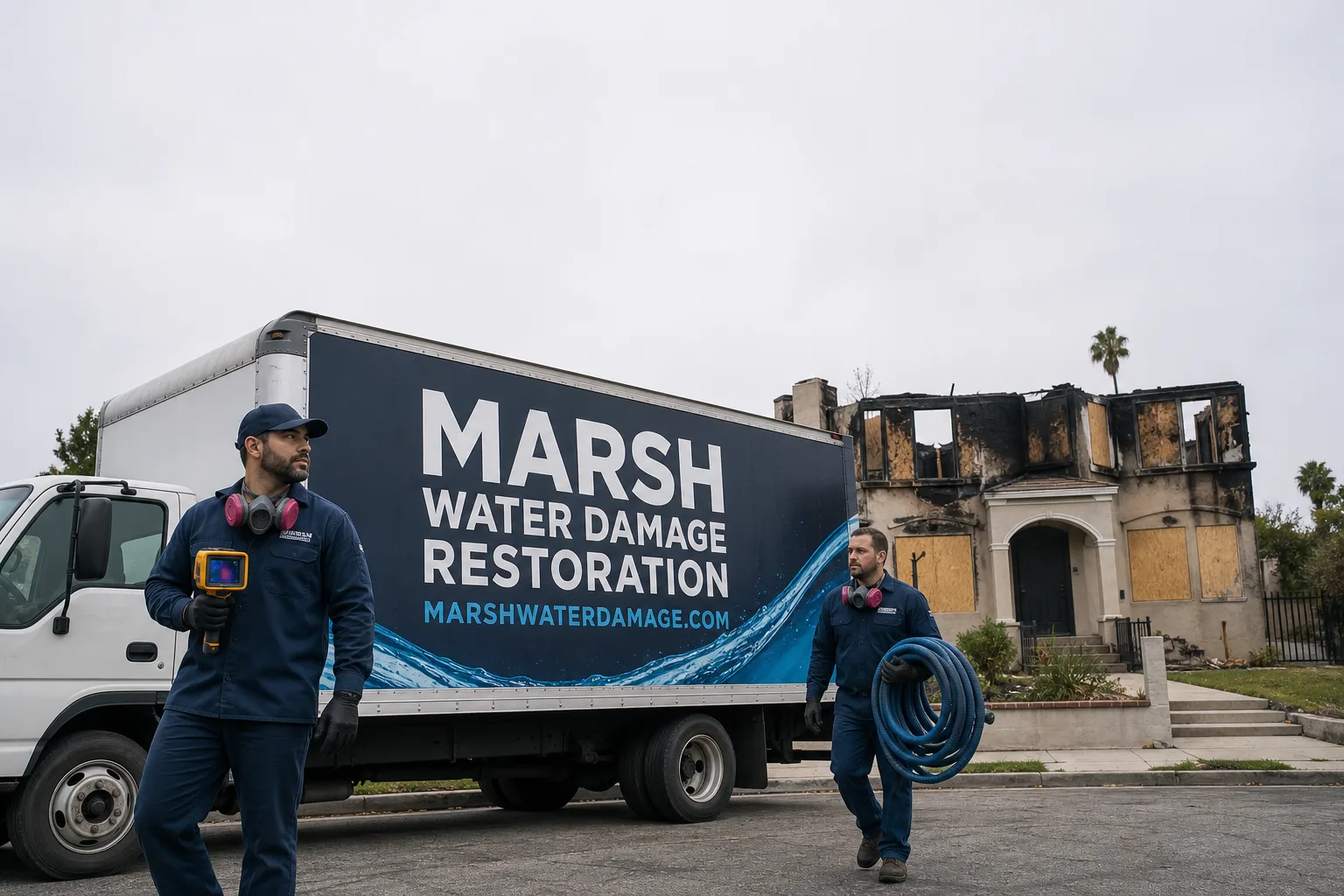
Free visual inspection and a written scope of work before any mitigation begins - photos, moisture readings, and drying logs go in your claim file
The scope we write is the scope we bill. Anything new gets shown to you, in writing, before we touch it.
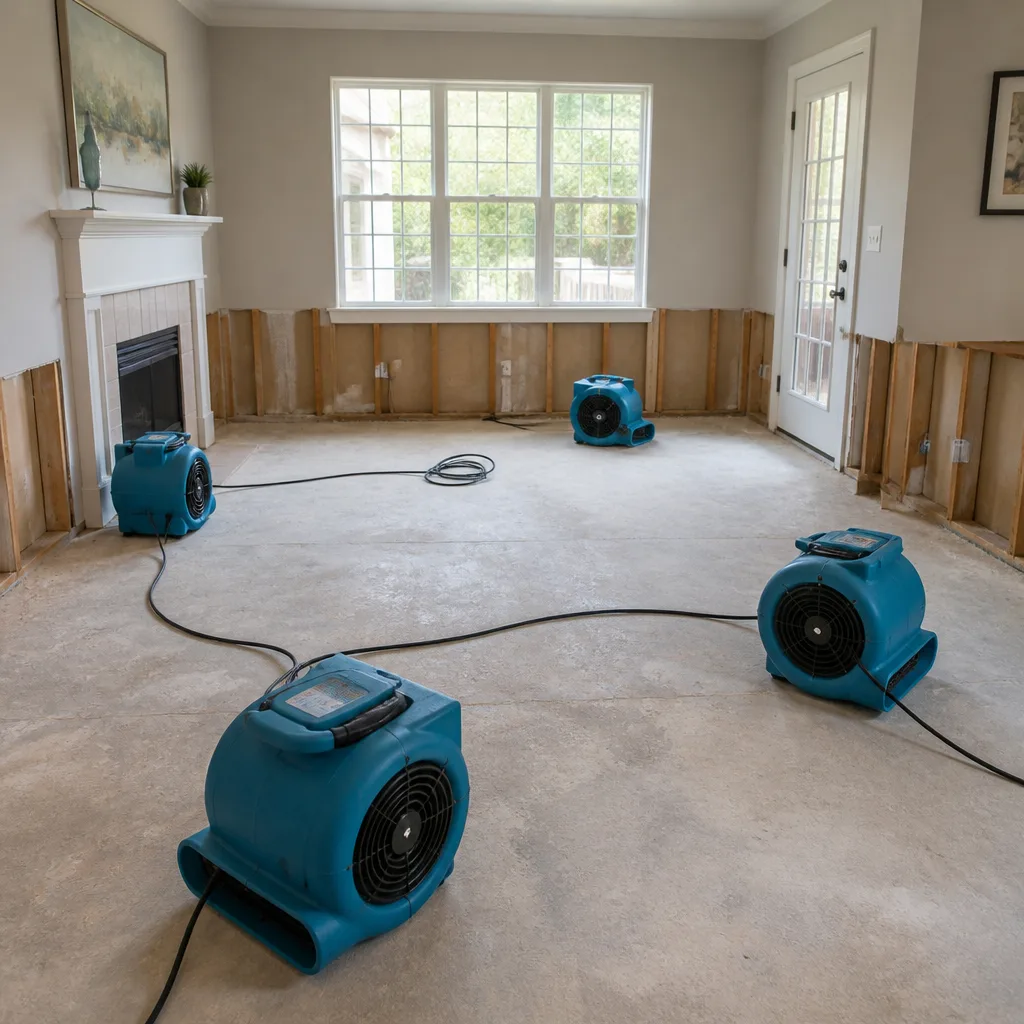
 Before
 After
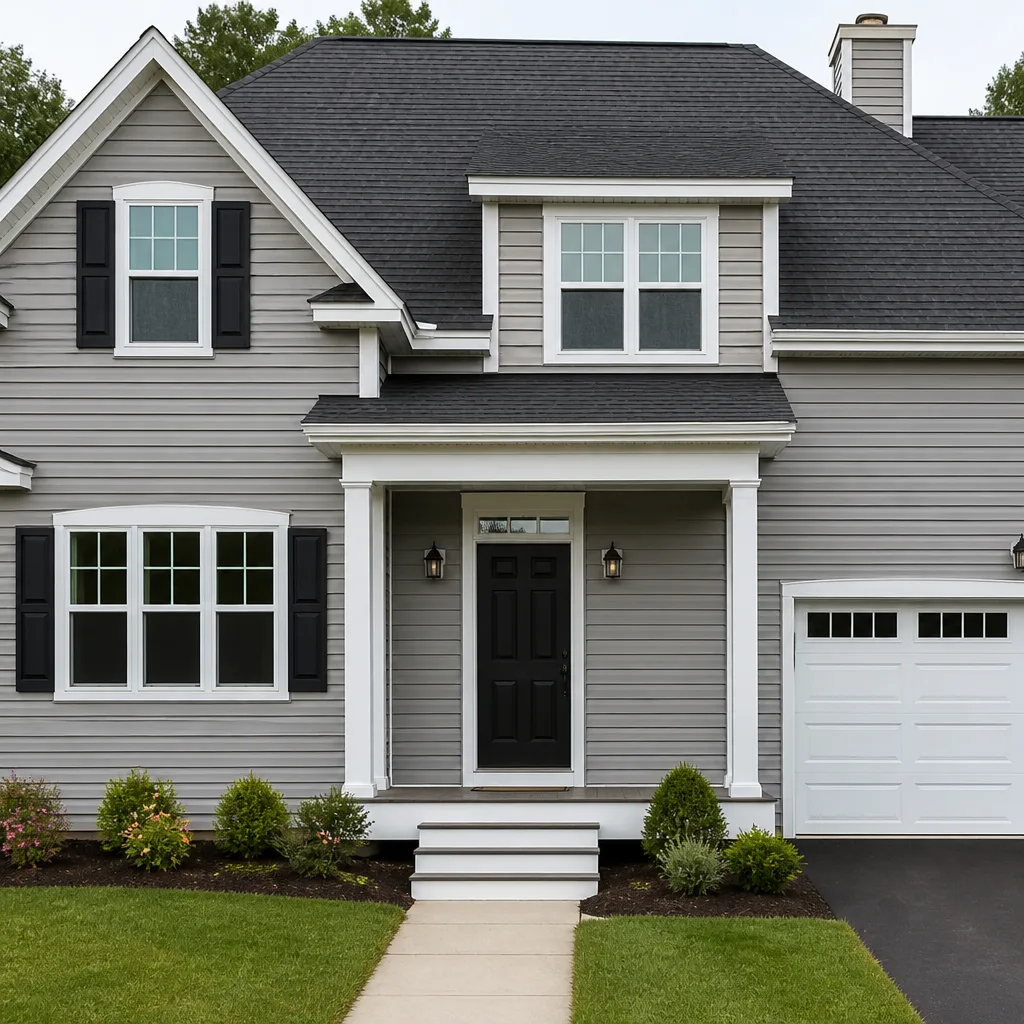
After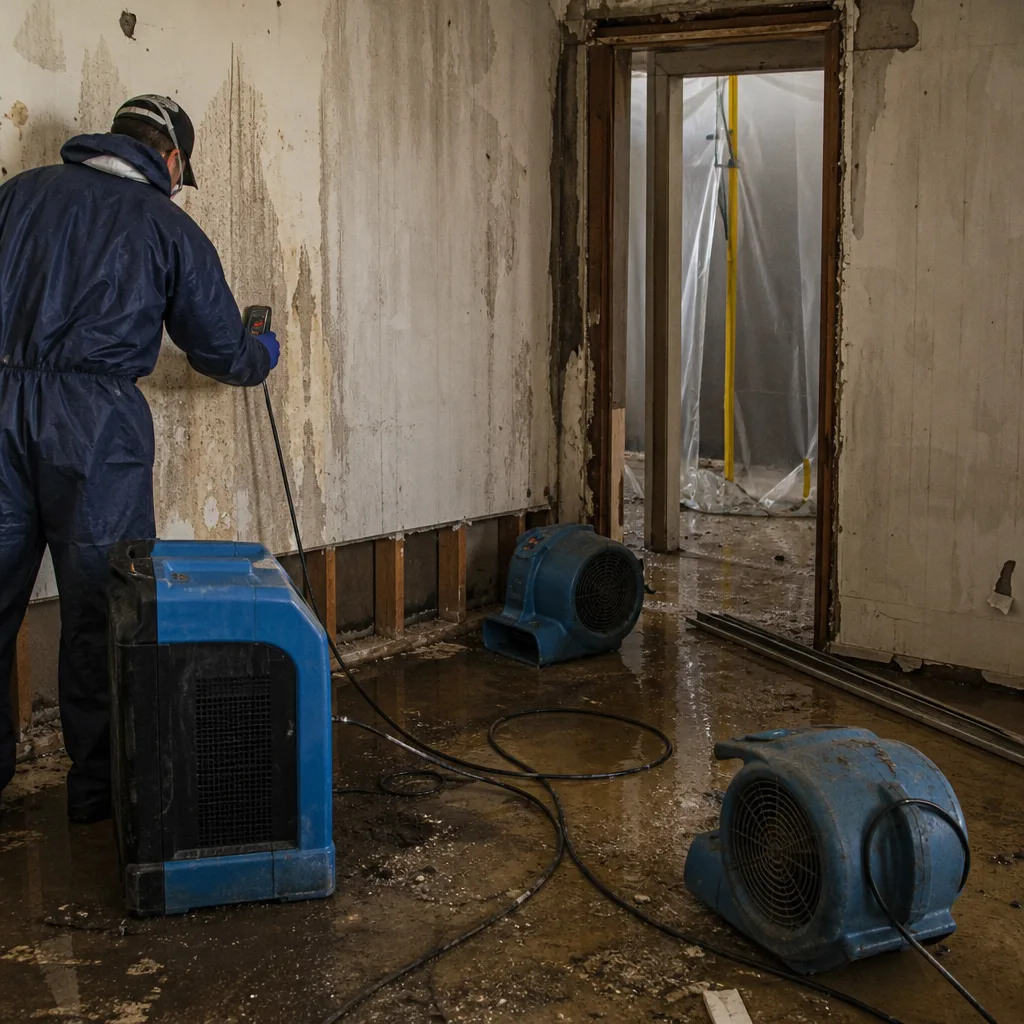 Before
 After
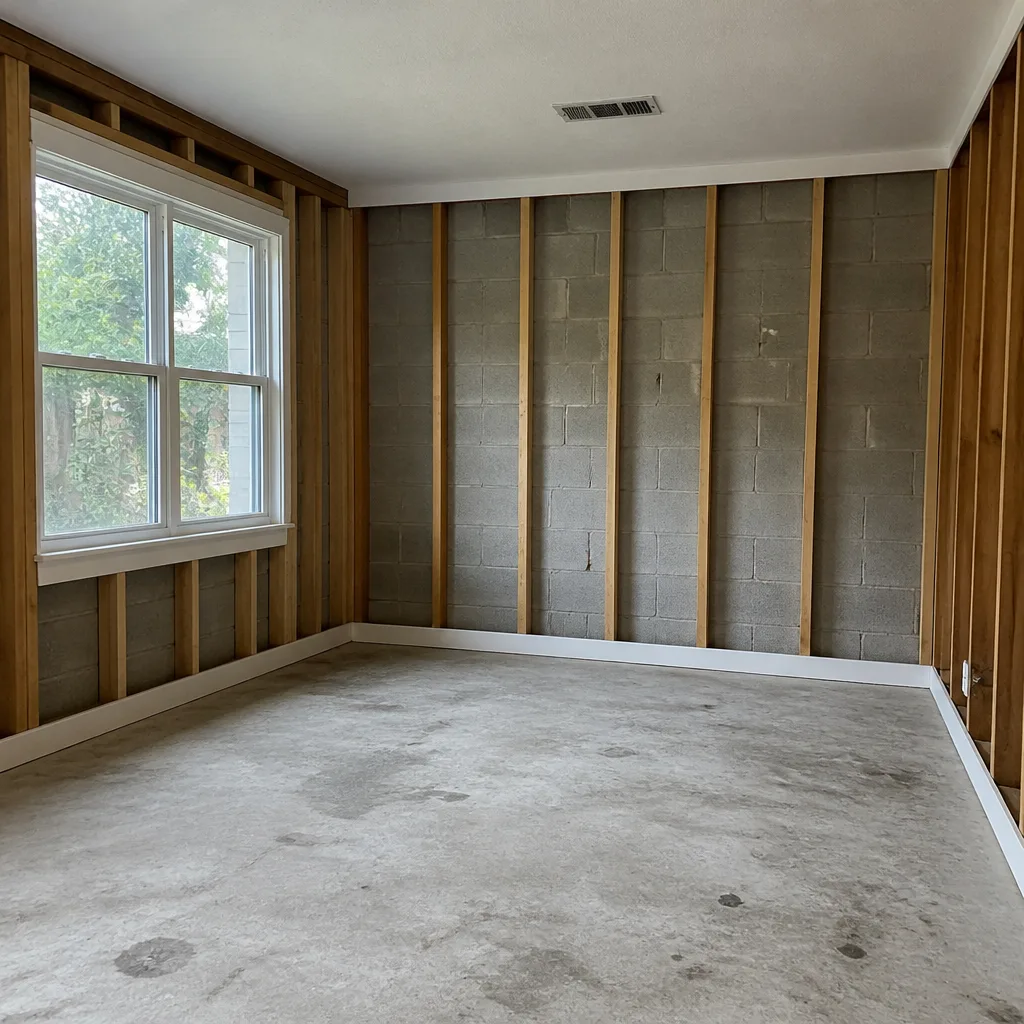
After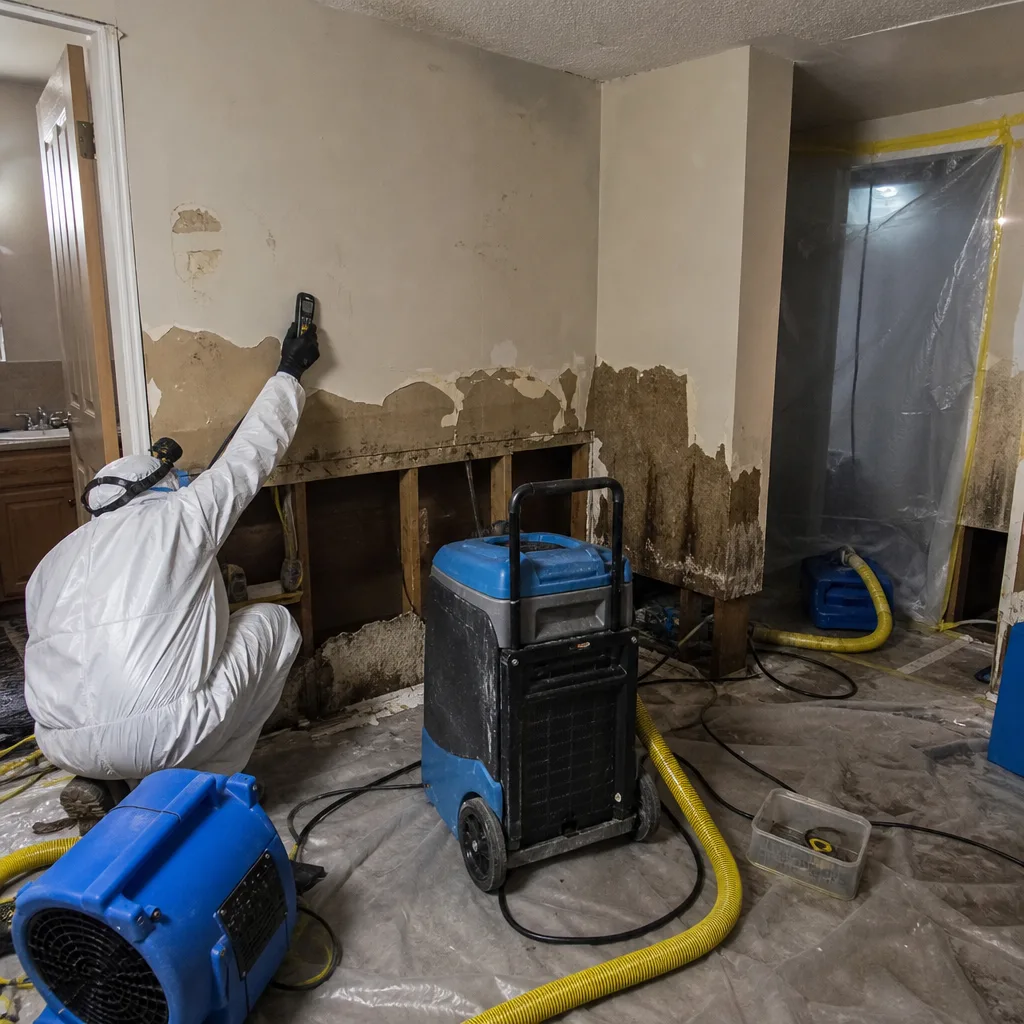 Before
 After
AfterFast, Reliable Water Damage Restoration Across Belleville
Water damage in Belleville moves fast, and so do we. Most residential water extractions in the township run between $1,200 and $3,800 before drying equipment is staged, depending on how far the water traveled and what it soaked into. Our Water Damage Restoration crews reach Belleville neighborhoods typically within 60 to 90 minutes of your call, because we know the Passaic River doesn’t wait and neither should you. Call (910) 613-6568 and a real person answers, day or night.
Belleville is different from Bloomfield or Nutley. The river corridor, the 1920s housing stock, the high water table: all of it shapes how water behaves in your home and how it needs to be dried. We’ve worked basements on Holmes Street, two-families near Washington Avenue, and the low blocks east of Franklin Avenue where the Second River backs up. This page is written for Belleville homeowners specifically, because your water damage isn’t like anyone else’s.
Why Marsh Water Damage Restoration Is Belleville’s Preferred Water Damage Restoration Company
Marsh Water Damage Restoration has served Belleville since 2005 as part of the Threshold Group family of restoration companies. Every technician who steps onto your property is background-checked, identity-verified, uniformed, and photo-badged under the Threshold Standard, so you know exactly who is coming before the knock. We send you their name and photo in advance. They show a matching ID badge at the door. Every time.
Belleville homeowners call us because the work is documented, priced in writing before any equipment rolls in, and backed by the 365-Day Done Right Promise. If a repair isn’t right within a full year, we make it right, and a second visit is free. Not something you have to ask for. It’s printed on every work order. Tobias Reyner leads our restoration team, and he holds the crews to a standard that matches what commercial losses require, applied to your living room.
Response time matters here. When the Passaic floods, Belleville basements stay wet for days, and every hour of standing water compounds the damage. A live person answers our phones 24/7, including holidays, because water doesn’t check a calendar. When you call from Belleville, you’re speaking to someone who knows the township’s flood patterns, not a call center reading a script.
Emergency Water Removal in Belleville
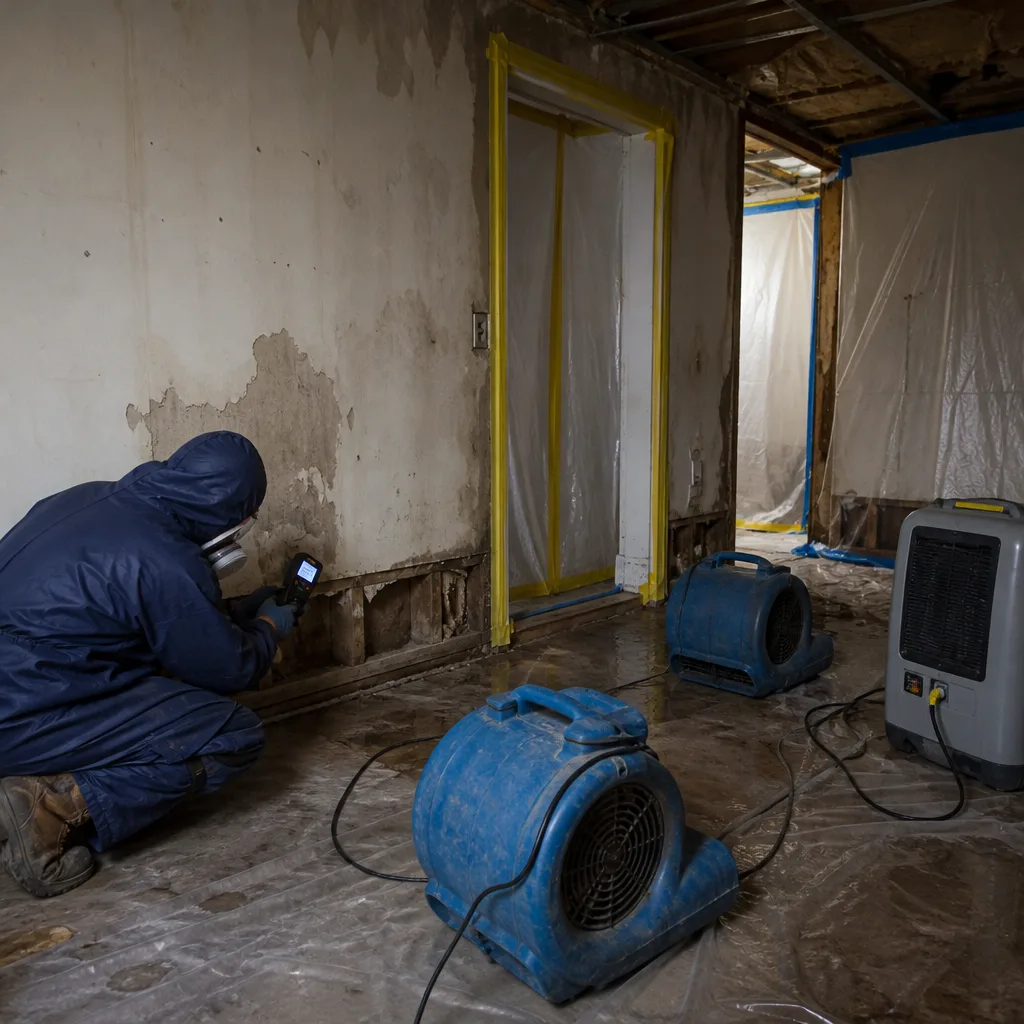
Emergency Water Removal in Belleville usually means a burst pipe, a failed sump pump, or a backed-up sewer line after heavy rain. The job starts with extraction, which for most Belleville basements runs $800 to $2,200. We pull standing water with truck-mounted extractors, map moisture in walls and floors, and only then decide what comes out and what stays in place to dry. In two-family and three-family homes, we contain the affected unit before we start moving air, because mold spores travel through shared stairwells faster than you’d think. Call (910) 613-6568 the moment you see water, and we’ll walk you through what to do before we arrive.
Basement and crawlspace extraction
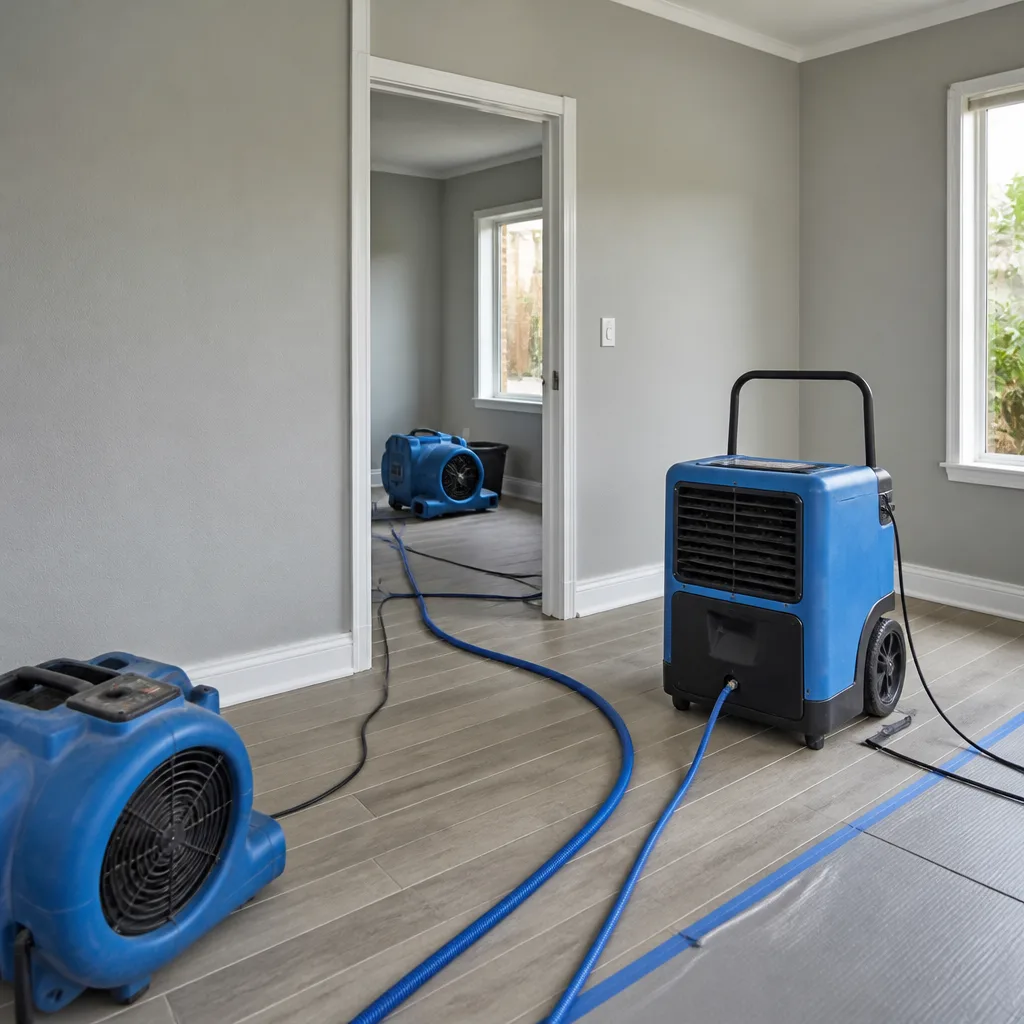
Most Belleville homes built between 1920 and 1950 have poured-concrete or hollow-concrete-block foundations. The block is porous, and when the water table rises near the rivers, hydrostatic pressure forces groundwater through the walls. We extract first, then run Dri-Eaz air movers and Phoenix dehumidification to dry the structure, not just the surface. A typical basement extraction in Belleville runs $1,200 to $2,800.
Burst pipe and supply-line failures
Old galvanized and copper supply lines in Belleville’s original plumbing fail under pressure, often at night when nobody notices for hours. By the time you walk down the stairs, water has moved through plaster-and-lath walls and into the joist cavities. We trace the migration with moisture meters, not just where you see the water, but where it went. Extraction and drying for a burst pipe on one floor typically runs $1,500 to $3,400.
Flood Damage Restoration in Belleville
Flood Damage Restoration in Belleville is repetitive-loss work. The township sits directly on the Passaic River and is crossed by the Second River, placing much of it inside a recognized FEMA flood plain. Some homes flood multiple times per decade and carry layered histories of prior repairs. That’s why our flood restoration in Belleville starts with environmental assessment, not just drying equipment. We need to know what’s behind the drywall before we write a scope of work. A flood restoration on a typical Belleville basement runs $3,500 to $9,000, depending on contamination category and demolition extent.
FEMA flood plain assessment
In the low-lying blocks east of Franklin Avenue near the Second River, we regularly open walls expecting fresh damage and find waterproofing membrane from one flood, spray-foam patches from another, and active mold behind drywall installed after the most recent event. That’s why moisture mapping and pre-loss documentation come before any drying equipment is staged. If you’ve flooded before, tell us on the phone, because it changes how we approach the job from minute one.
Category 2 and Category 3 water
River water is rarely clean. By the time Passaic floodwater reaches your basement, it has picked up sewage, fuel residue, and whatever else washed off Washington Avenue. We test the water and classify it: Category 2 means significantly contaminated, Category 3 means grossly contaminated with pathogens. Belleville flood restoration often requires full containment, antimicrobial application, and removal of saturated porous materials. The cost reflects that reality, not a generic room-and-subfloor formula.
Trusted Brands We Service in Belleville
We run Dri-Eaz, Phoenix, and XPOWER equipment on Belleville jobs because these are the same commercial-grade drying tools used on large-loss commercial claims. We keep common parts and filters stocked for quick turnaround, so when a dehumidifier needs a replacement component mid-job, we’re not waiting on a shipment. Your Belleville restoration continues without a pause. That’s how the equipment is supposed to work, and that’s why we run it.
Common Water Damage Restoration Problems We See in Belleville Homes
- Plaster-and-lath walls that look dry but aren’t. Original 1920s plaster in Belleville homes absorbs water and holds it far longer than modern drywall. Un-calibrated moisture readings show dry surface conditions while hidden mold grows in the cavity behind the plaster. We use psychrometric readings (measuring the moisture in the air) plus invasive probing to confirm true dryness, not just a dry touch.
- Repetitive flood history masking new damage. Homes east of Franklin Avenue near the Second River often have three or more generations of prior repairs layered inside the walls. What looks like a straightforward water loss is actually a multi-event contamination problem. We document every layer before we write a scope, because you need to know what you’re really dealing with.
- Two-family and three-family unit-to-unit spread. Belleville’s dense housing stock means water in one unit travels through party walls, shared joist cavities, and common stairwells. Drying one side of a wall while mold spreads into the neighboring unit is a failure mode we see constantly. We contain the affected area before air movement begins, every time.
- Category misclassification on river water. Passaic and Second River floodwater that looks clear is often Category 2 or 3 by the time it reaches saturated drywall and carpet pad. Treating it as clean water is a mistake that leads to secondary mold and health complaints. We test, classify, and only then set the drying protocol.
Pricing for Water Damage Restoration in Belleville, NJ
Here’s what Belleville homeowners can expect to pay, based on jobs we’ve done across the township in recent years:
- Emergency water extraction (single room, closed-door water event): $800 to $2,200
- Basement flood restoration (Passaic or Second River overflow, Category 2-3): $3,500 to $9,000
- Structural drying with containment (plaster-and-lath homes, two-to-three-family buildings): $2,400 to $5,800
- Burst pipe restoration (supply-line failure, one floor affected): $1,500 to $3,400
What shifts the price: square footage of wet material, contamination category, whether plaster-and-lath is involved, and how many prior repairs we have to document. Call (910) 613-6568 for a free estimate. We write the price before any work starts, and that number doesn’t change once demo begins.
We Also Serve Cities Near Belleville
Our Belleville crews also cover homes in Bloomfield, North Arlington, Nutley, and Kearny, applying the same Threshold Verified standard to every job. If you’re just across the border and the Passaic is rising, call the same number. Read more about our Water Damage Restoration in Belleville service area or reach us directly at (910) 613-6568.
Serving Belleville, NJ - Our Local Coverage Area
We’re based in the Belleville area and know this community well. Use the map below to see our service coverage - if you’re nearby, we can almost certainly help.
FAQs About Water Damage Restoration in Belleville
Mold colonization begins within 24 to 48 hours on saturated drywall and carpet pad after river water enters your Belleville basement. The Passaic River holds flood stage for days, so the wet-out period is longer here than in inland towns. Call (910) 613-6568 within hours, not days, and we’ll contain the area before spores get a foothold.
The Passaic and Second Rivers carry sewage, fuel, and street runoff, so water that looks clear to the eye frequently tests positive for coliform and other pathogens. In Belleville’s flood plain, we classify river water as Category 2 or 3 until proven otherwise, which changes the drying protocol, the demolition extent, and the cost. Get a written classification before anyone starts drying.
No. Plaster-and-lath absorbs and retains moisture far longer than modern drywall, so drying timelines in Belleville’s older homes run 20 to 40 percent longer than industry averages. We use psychrometric readings and invasive moisture probes to confirm genuine dryness behind the plaster, not just a surface reading. Rushing this is how hidden mold gets locked inside a wall.
Because that neighborhood sits directly in the Second River flood corridor, and many homes have flooded multiple times since 2011. We find waterproofing membrane from one event, spray-foam patches from Ida, and active mold on drywall installed after the most recent flood. That’s why we document pre-loss condition across every generation of repair before we write a scope of work. You need to know what’s actually behind the wall.
Yes. In Belleville’s two-family and three-family homes, water and mold spores travel through shared joist cavities, party walls, and common stairwells. Drying one unit in isolation spreads contamination into an adjacent unit. We set up containment, adjust air pressure zones, and sometimes pack out shared areas before starting air movement. It costs more and takes longer, but it keeps a one-unit loss from becoming a whole-building claim.
Call Marsh Water Damage Restoration in Belleville
If you have water where it shouldn’t be, call (910) 613-6568 right now. A live person answers, day or night. We’ll send a Threshold Verified technician to your Belleville home with a written price before any work starts, and every repair carries the 365-Day Done Right Promise. Tobias Reyner and the Marsh team know the Passaic, the Second River, and every block between them. You’ll know who’s coming to your door before they knock.
Written by Tobias Reyner, Owner at Marsh Water Damage Restoration, serving Belleville since 2005.