
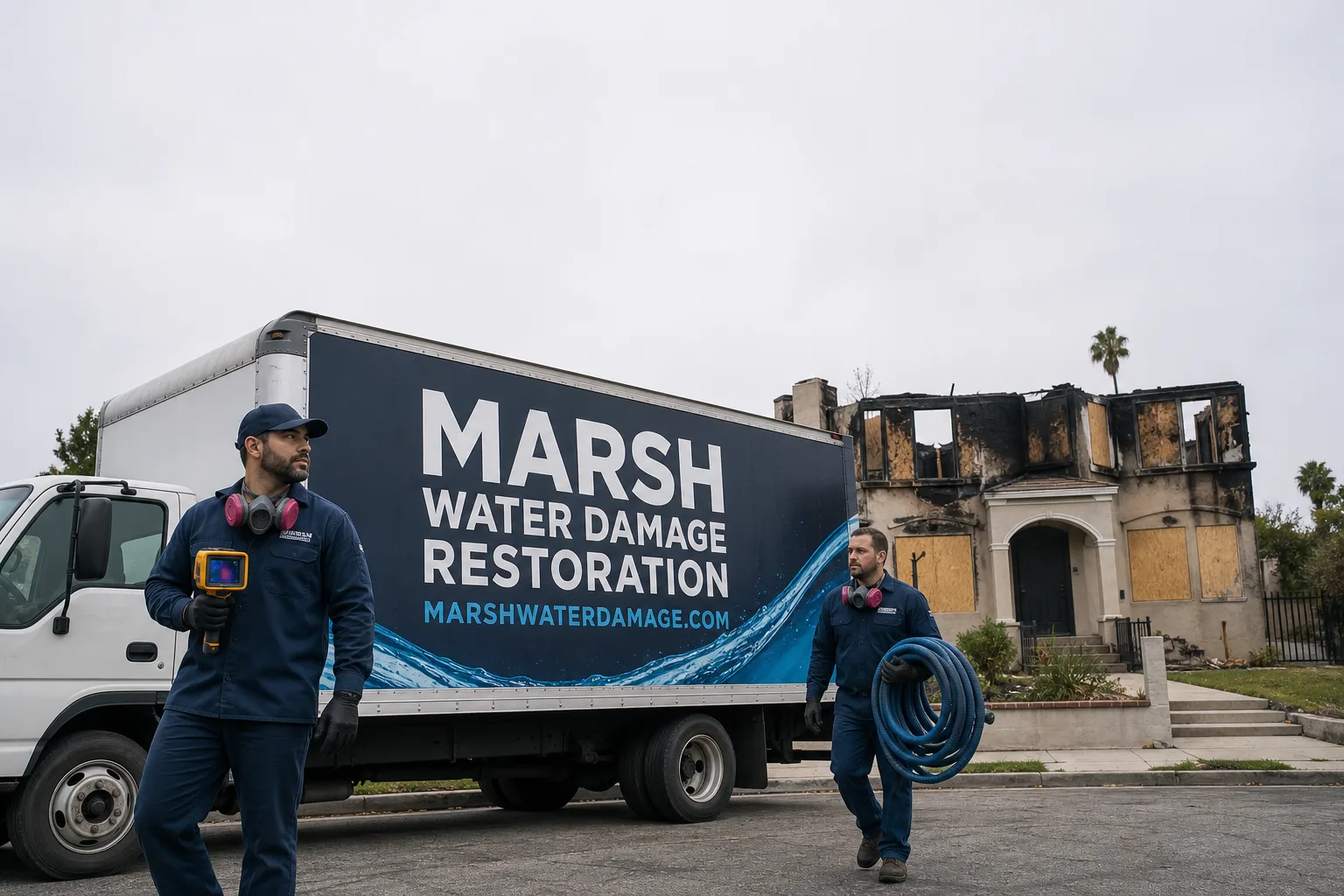
Free visual inspection and a written scope of work before any mitigation begins - photos, moisture readings, and drying logs go in your claim file
The scope we write is the scope we bill. Anything new gets shown to you, in writing, before we touch it.
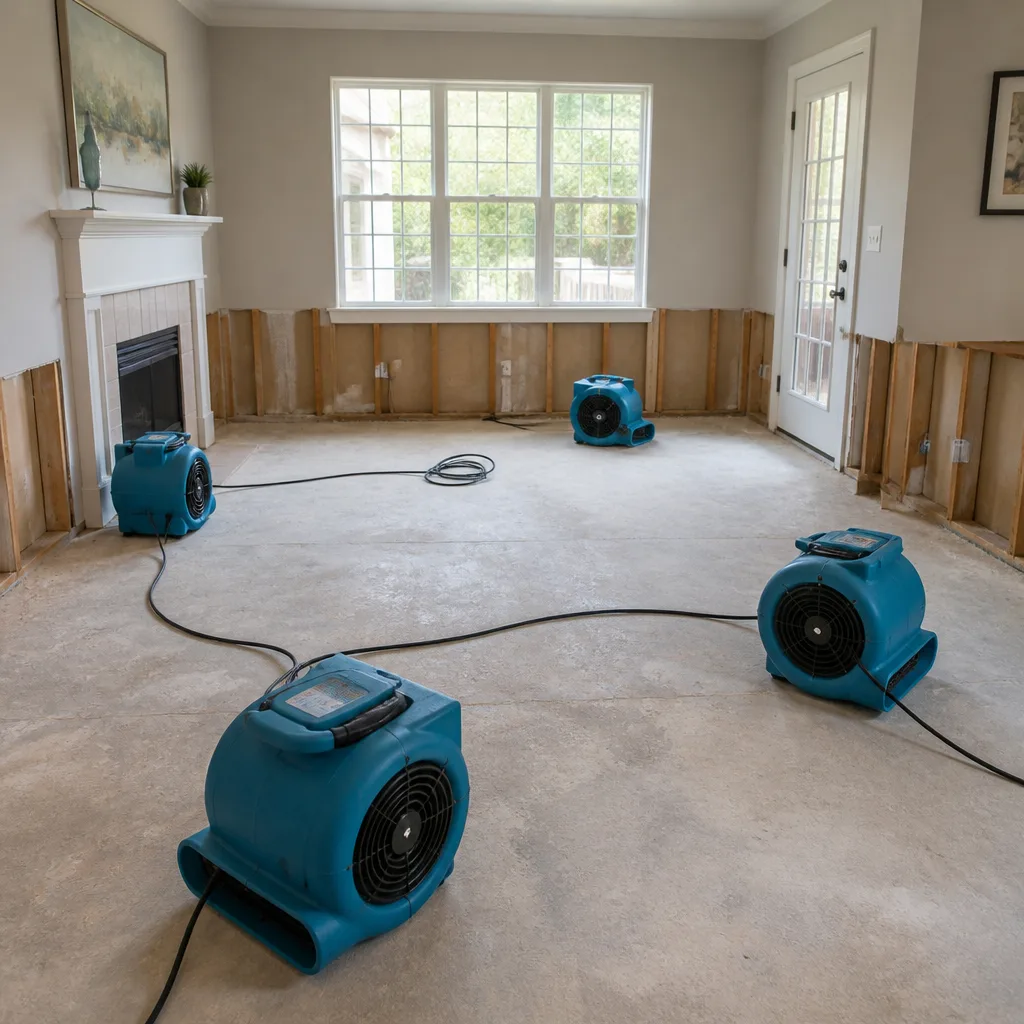
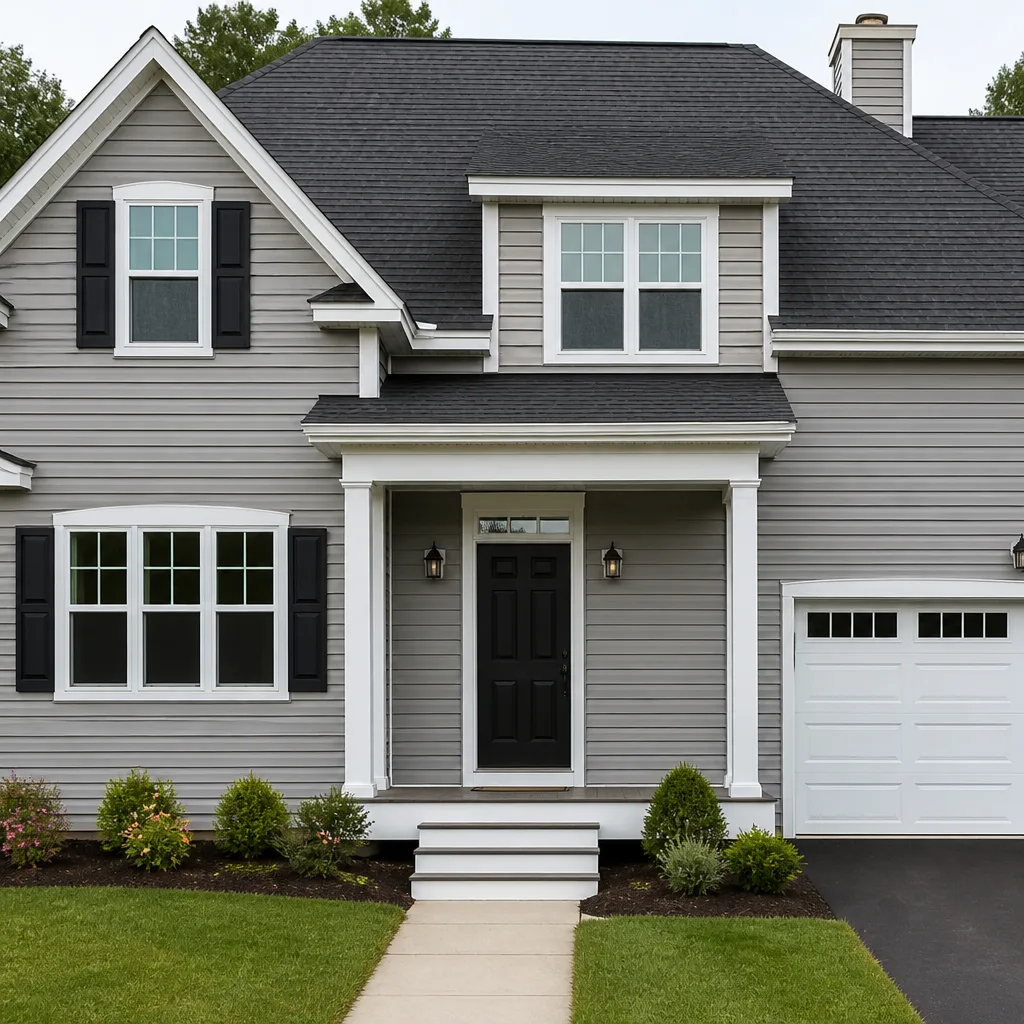
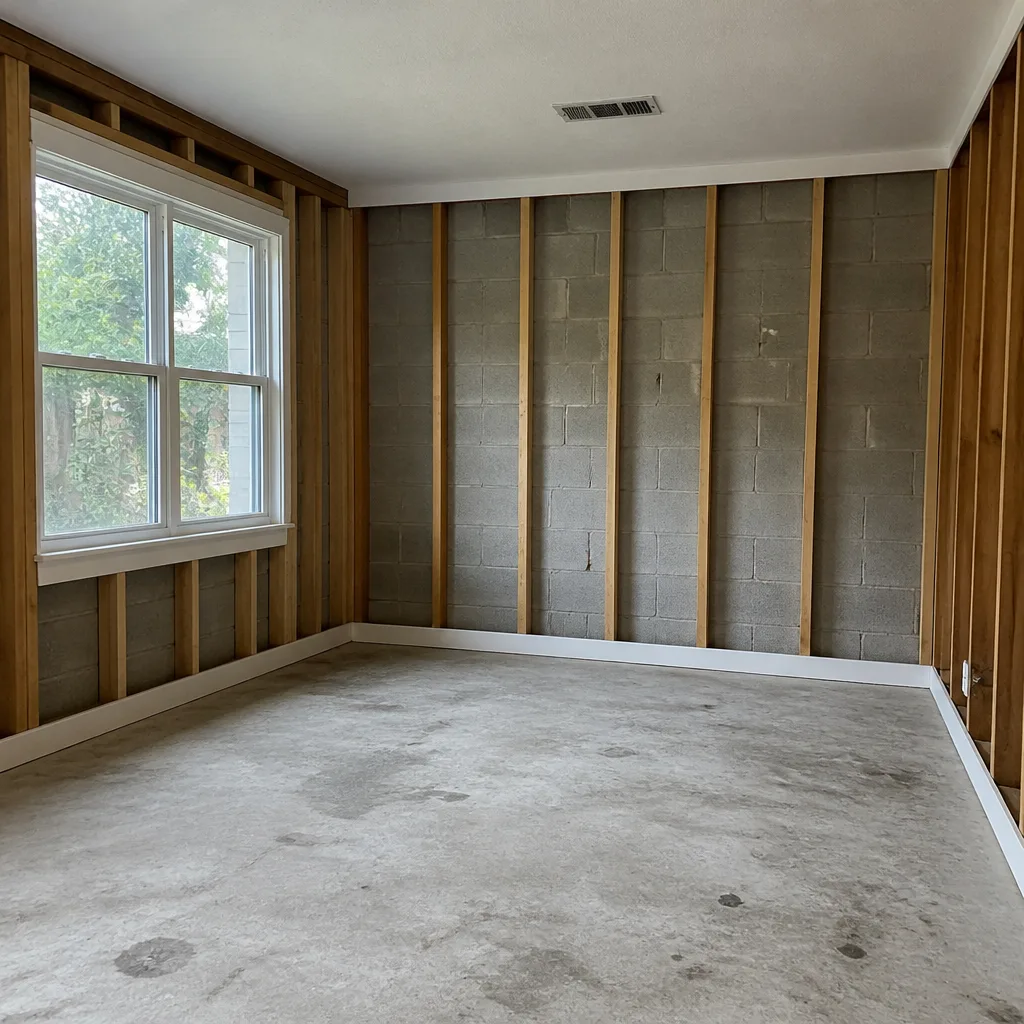
 Before
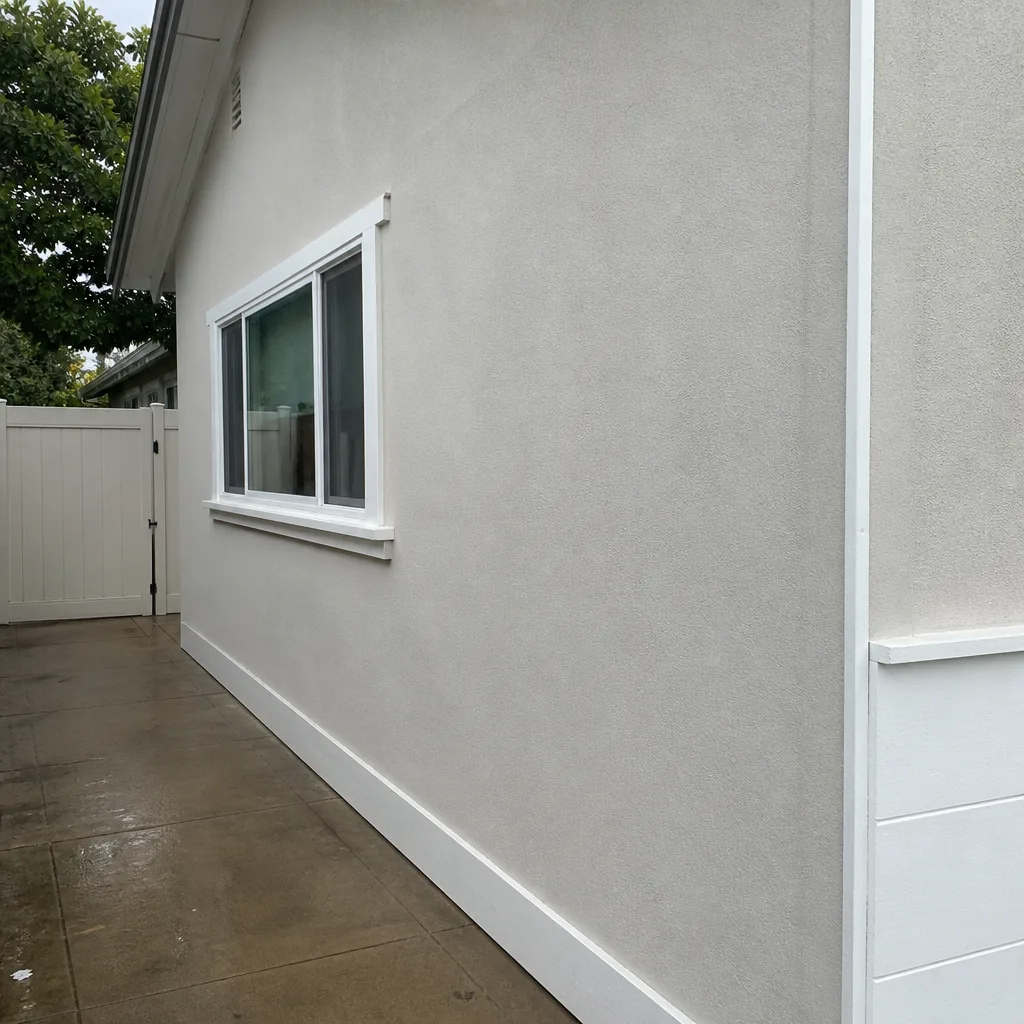 After
After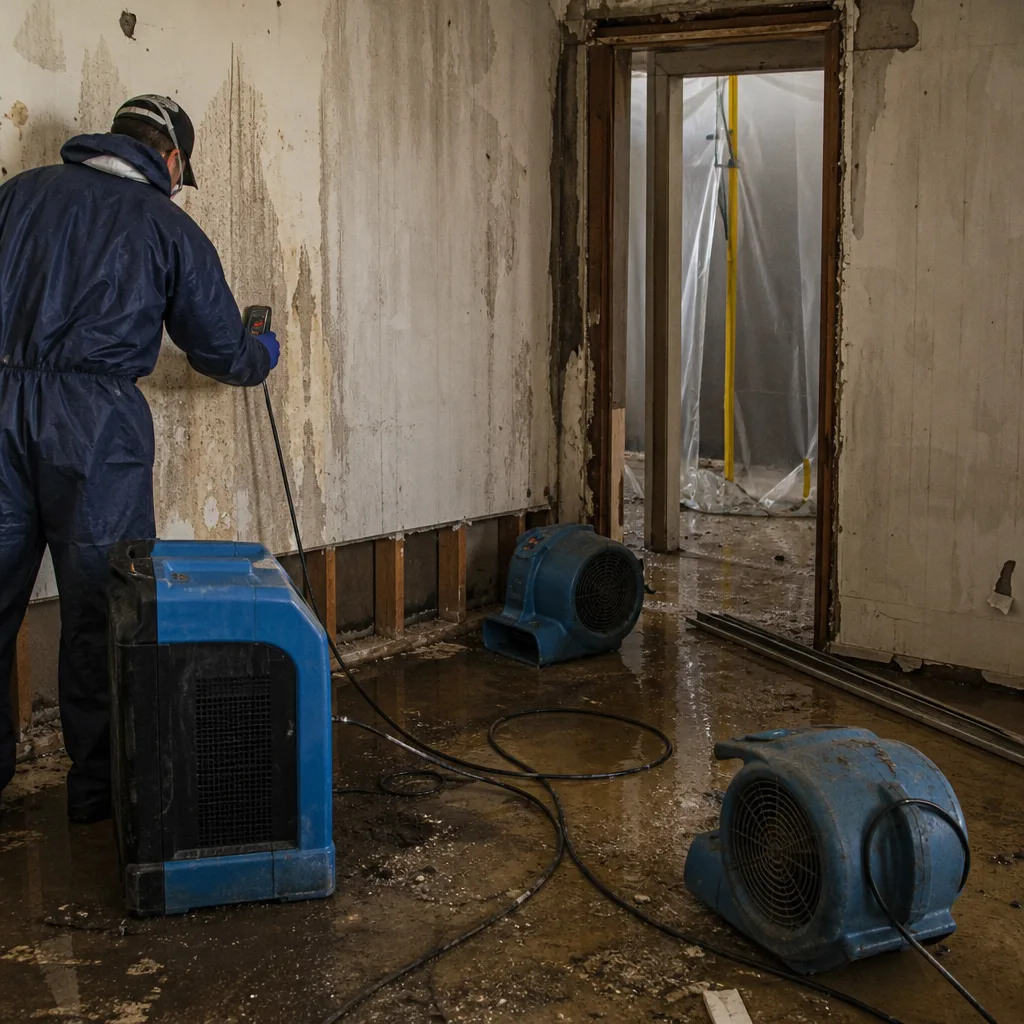 Before
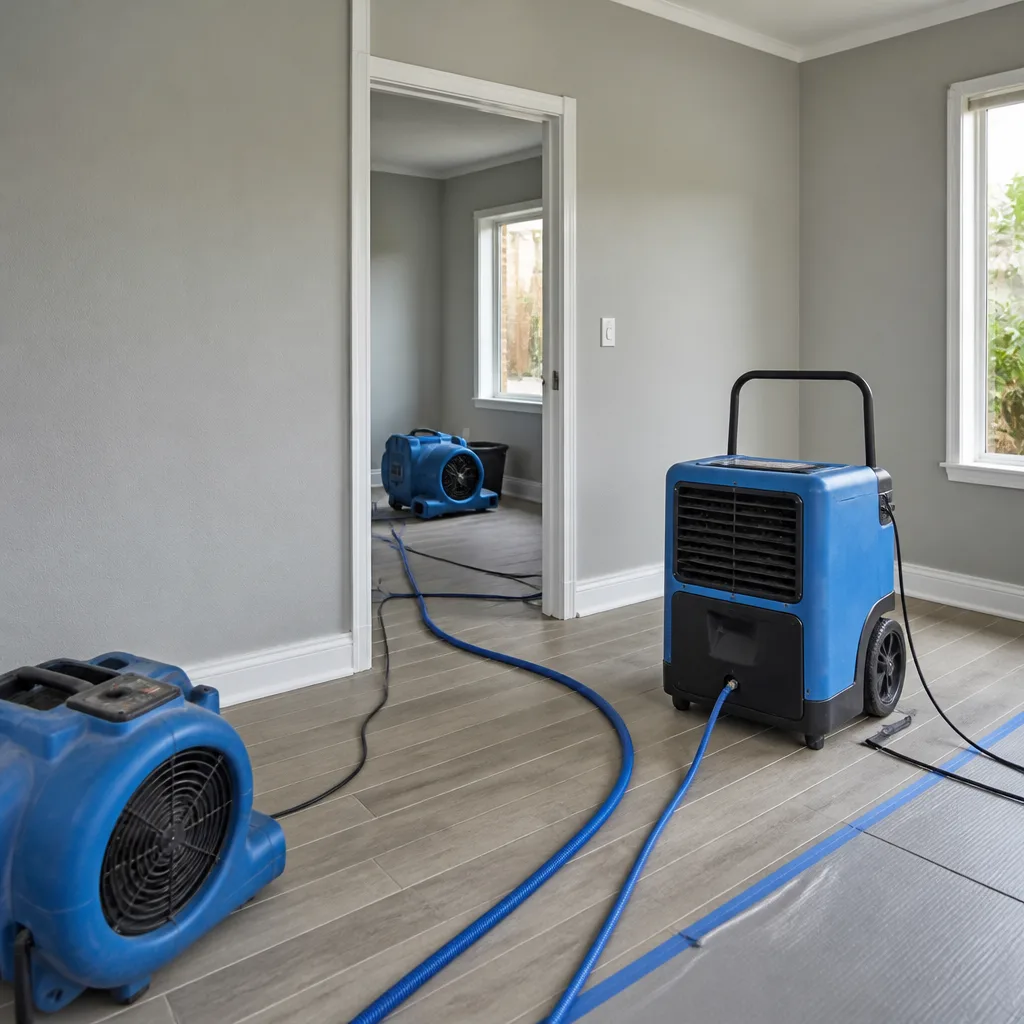 After
After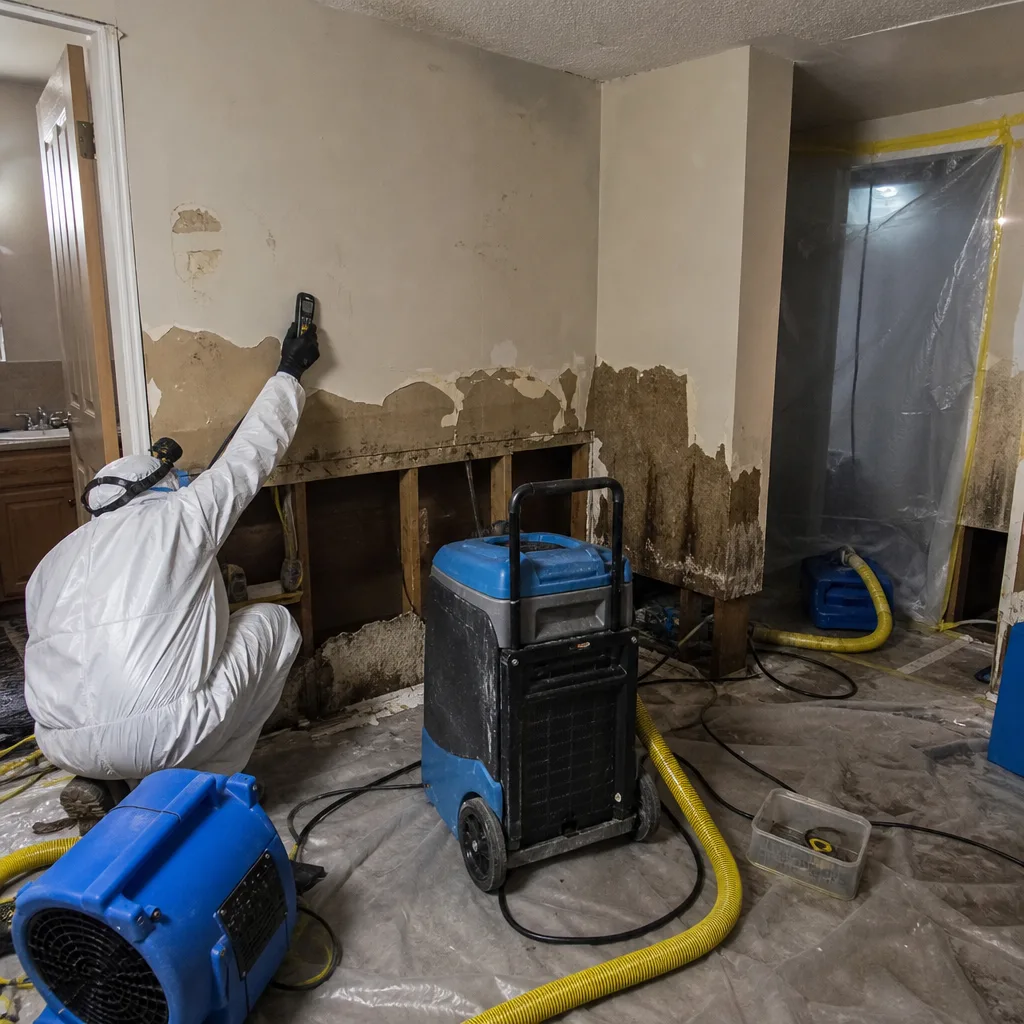 Before
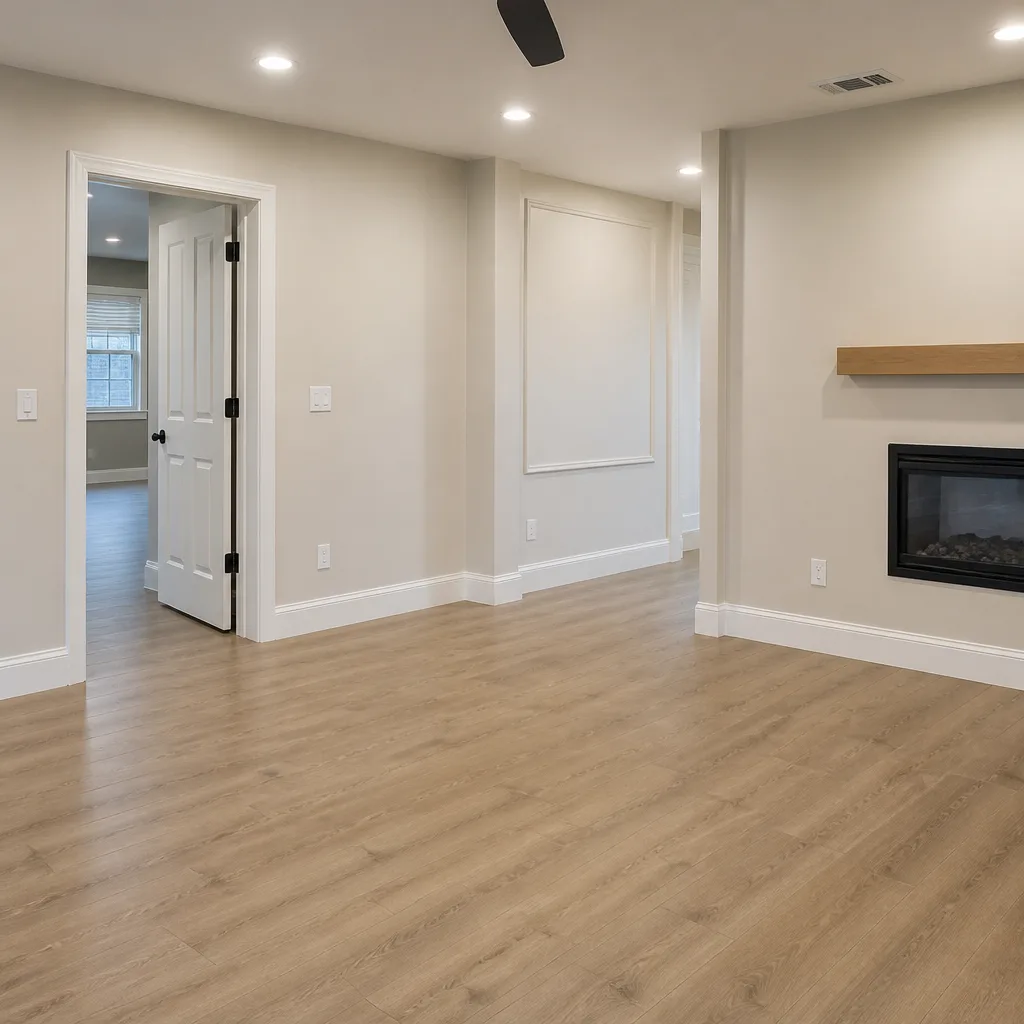 After
AfterFast, Reliable Water Damage Restoration Across Floral Park
Water damage in Floral Park moves fast, and so do we. Most residential water extractions in the village run between $1,200 and $4,800 before drying equipment is set, and a live person answers our phones 24/7 at (910) 613-6568 because water doesn’t wait for business hours. We know Floral Park’s housing stock better than most restoration companies: the 1920s and 1930s Cape Cods, the Tudor Revivals with their plaster-and-lath walls, the fieldstone basements on low interior lots that flood during every nor’easter. That local knowledge changes how we dry, what we abate, and which permits we pull before work starts. If you’re standing in water right now, call us. If you’re planning tomorrow, read on.
Key Takeaways:
- Emergency water extraction in Floral Park typically runs $1,200 – $4,800 before drying equipment is set.
- Floral Park is its own incorporated village with a building department separate from Nassau County; the wrong permit stalls your job.
- Homes built in the 1920s – 1940s here almost always contain asbestos pipe wrap, horsehair plaster, or lead paint that must be abated before reconstruction.
- Every Marsh technician is background-checked, identity-verified, and sent to you by name and photo before the visit. You’ll know exactly who is knocking.
Why Marsh Water Damage Restoration Is Floral Park’s Preferred Water Damage Restoration Company
When we show up to a flooded basement off Plainfield Avenue or a burst pipe on Jericho Turnpike, we already know what’s behind the walls. That’s not a guess. Floral Park’s housing stock was almost entirely built between the 1920s and 1940s, which means horsehair plaster, original cast-iron supply lines, and asbestos pipe wrap on the plumbing. A restoration crew that doesn’t know that will tear out drywall and then hit a wall of regulatory trouble. We scope for those materials before we start cutting.
Our Water Damage Restoration team carries IICRC, RIA, and IFA credentials, and we run the same drying equipment you’d see on a large commercial loss: Phoenix dehumidifiers, Dri-Eaz air movers, and Injectidry systems for hard-to-reach wall cavities. The owner, Tobias Reyner, built Marsh on a simple standard: every job gets a written price before work starts, a written guarantee, and the 365-Day Done Right Promise printed on the work order. If the repair isn’t right within a year, we make it right, free second visit included. No fine print, no argument.
And because we serve Floral Park regularly, our dispatch team knows that properties near the Nassau-Queens line sometimes require a different permit than properties two blocks west. We check jurisdiction before we pull anything. That’s the kind of detail that keeps a mitigation job from stalling while mold colonizes wet drywall.
Water Mitigation in Floral Park
Water mitigation in Floral Park means stopping the spread of water through a 1930s Tudor Revival before the horsehair plaster saturates and the original oak floors cup beyond saving. It’s the first 24 to 48 hours: extraction, containment, and setting up dehumidification and air movement so secondary damage never gets a foothold. In Floral Park, mitigation almost always runs $1,800 to $6,500 depending on how much water is standing, how many rooms are affected, and whether the water is Category 1 (clean supply lines) or Category 3 (sewage and storm-drain backflow). We start extraction the same day you call, and we don’t stage equipment before we’ve confirmed the permit jurisdiction.
Drying 1920s – 1940s Plaster and Lath
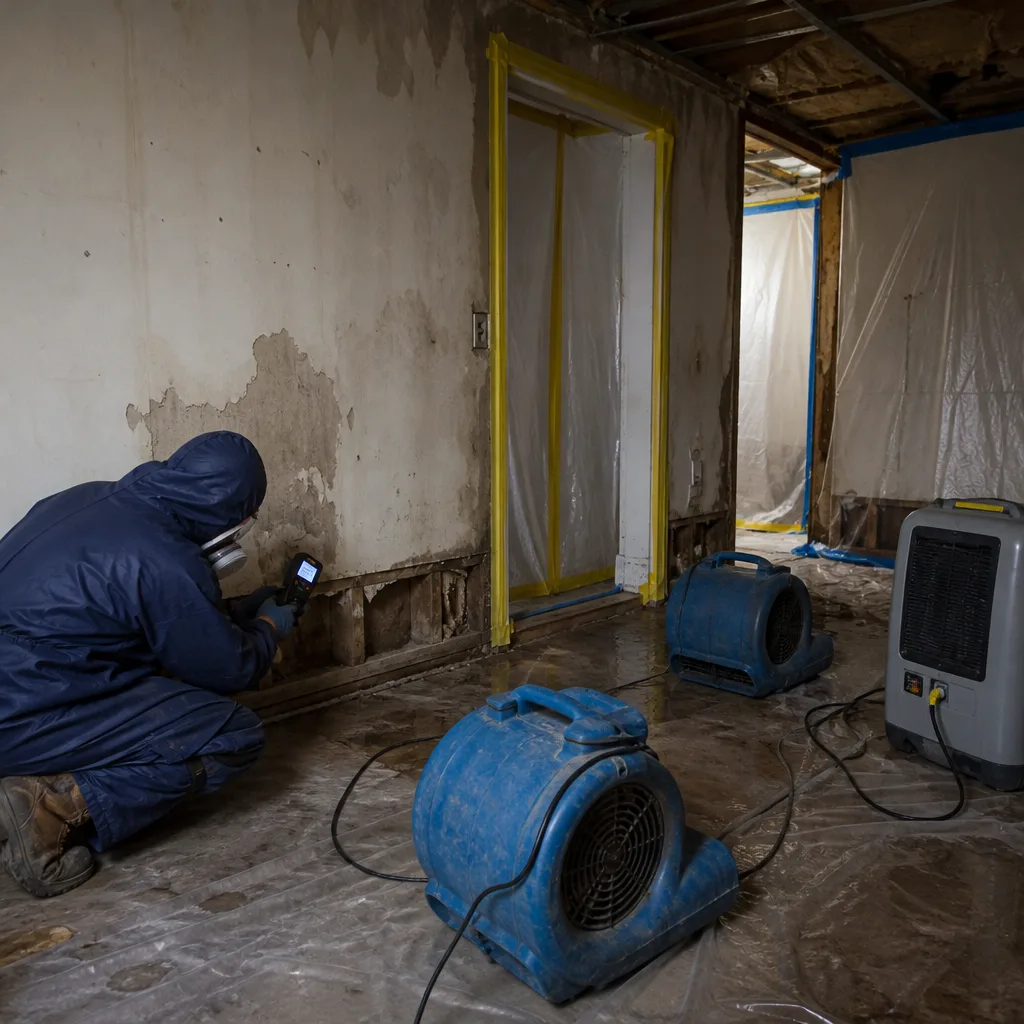
Plaster-and-lath walls hold water differently than modern drywall. A wall that feels dry on the surface can still be holding 20% moisture content behind the horsehair plaster, feeding mold and softening the lath. We use psychrometric readings (measuring the moisture in the air and material) to track drying progress, not just a moisture meter poke. This matters more in Floral Park than in newer neighborhoods because the original materials absorb water deeper and dry slower.
Asbestos and Legacy Material Abatement During Mitigation
Here’s the part most homeowners don’t hear until it’s too late: in Floral Park, the Village’s building department requires abatement of original asbestos pipe wrap and lead paint before reconstruction can proceed. If your mitigation crew opens a wall and finds friable asbestos on the cast-iron drain stack, the job pauses until a licensed abatement crew clears it. We factor that into our written scope from the start, so the price doesn’t balloon after demo begins.
Flooded Basement in Floral Park
A flooded basement in Floral Park is usually not clean water. The village sits on a high water table with relatively flat interior lots, and during nor’easters the municipal storm drains on streets like Plainfield Avenue and Tulip Avenue back up. Sump pumps in original fieldstone-foundation basements fail under the load, and what comes up is Category 3 water: sewage, storm runoff, and whatever else the drains were carrying. Basement flood extraction in Floral Park typically runs $1,500 to $7,000, depending on square footage, water depth, and whether the water saturated finished walls or just the concrete floor. We respond same-day, and we bring full containment so sewage-laced water doesn’t aerosolize into your living space.
Fieldstone Foundation Water Intrusion
Those original fieldstone basements are charming until they’re ankle-deep in storm water. Stone and mortar foundations are porous, and when the water table rises, hydrostatic pressure pushes water through the walls and up through the floor. We can’t fix that with a mop. We extract, set containment, dry the structure, and then give you a straight answer about drainage improvements, sump pump replacement, or waterproofing. No upsell, just what the structure needs.
Category 3 Water and Containment
If your sump pump failed during a nor’easter and storm-drain backflow entered the basement, that’s Category 3 water by IICRC definitions. It requires extraction with proper personal protective equipment, containment around the affected area, and removal of any porous materials that absorbed it: drywall, carpet, insulation, even the lower portions of plaster walls. We document everything with photos and itemize the loss for your insurer, because a Category 3 loss in Floral Park almost always involves an adjuster, and a written scope with photo documentation is the difference between a covered claim and a fight.
Trusted Brands We Service in Floral Park
We run Phoenix dehumidifiers and Injectidry drying systems on Floral Park jobs, plus XPOWER and B-Air air movers where the layout calls for them. These are the brands you’d find on commercial water-loss jobs in Manhattan and large industrial claims, and they’re overkill for many residential basements. That’s the point. When you’re drying horsehair plaster and original oak flooring, undersized equipment leaves moisture behind. We keep repair parts and replacement filters stocked locally, so a drying job off Jericho Turnpike doesn’t wait for equipment to ship from a regional hub. Fast turnaround on parts means your plaster dries before mold gets a chance to establish.
Common Water Damage Restoration Problems We See in Floral Park Homes
- Nor’easter sump pump failures: When storm drains back up and sump pumps quit, fieldstone basements flood with Category 3 water within an hour. These events account for a large share of our Floral Park emergency calls every winter and early spring.
- Asbestos-wrapped cast-iron supply lines: Original galvanized and cast-iron plumbing from the 1920s and 1930s is frequently wrapped in friable asbestos. When a pipe bursts and a wall is opened, the abatement trigger is immediate, and any contractor who doesn’t know the Village of Floral Park’s historic-character standards will have to tear out freshly dried cavities to fix the compliance problem.
- Wrong-permit stalls: Floral Park sits directly on the Nassau-Queens county line. Pull a Nassau County permit on the Queens side of the border and the job stalls mid-mitigation while the NYC Department of Buildings filing gets sorted. Mold colonizes wet drywall within 24 to 48 hours, which is why we verify jurisdiction before any work begins.
- Horsehair plaster saturation: Plaster-and-lath walls in 1930s Tudor Revivals absorb water like a sponge and dry slower than modern drywall. Surface readings lie; proper psychrometric monitoring over several days is the only way to know the wall is genuinely dry.
Pricing for Water Damage Restoration in Floral Park, NY
Most residential water extractions in Floral Park run between $1,200 and $4,800 before drying equipment is set. A flooded basement from a nor’easter-backed sump pump failure typically lands between $1,500 and $7,000, depending on water depth, square footage, and whether finished walls absorbed Category 3 water. Full mitigation, including containment, drying, and abatement coordination for a 1930s home with legacy materials, runs $4,000 to $15,000 or more. Those are real ranges, not placeholders. Factors that move the number in Floral Park specifically: asbestos abatement triggered by wall openings, village permit fees through the Village of Floral Park’s building department, and the slow-drying nature of plaster-and-lath construction. We give you a written price before any work starts. No estimate that balloons after demo begins, no after-the-fact surprises. Call (910) 613-6568 for a free estimate, even if you’re just trying to figure out whether you need mitigation or a full reconstruction.
We Also Serve Cities Near Floral Park
Our crews regularly respond to water damage in Bellerose, New Hyde Park, Glen Oaks, and Elmont. That means our dispatchers know the permit boundaries and the housing stock quirks on both sides of the Nassau-Queens line, and they know which municipality governs your street before we dispatch. If you’re near Floral Park but not inside the village limits, we still show up fast, still send a Threshold Verified technician by name and photo, and still put a written price in your hand before any tool comes off the truck.
Serving Floral Park, NY - Our Local Coverage Area
We’re based in the Floral Park area and know this community well. Use the map below to see our service coverage - if you’re nearby, we can almost certainly help.
FAQs About Water Damage Restoration in Floral Park
If your property is inside the incorporated Village of Floral Park, you need to work through the Village’s building department, not Nassau County. The Village has its own permit channels and its own historic-character review standards, which are known for strict enforcement. If your property is on the Queens side of the Nassau-Queens county line, you may need a NYC Department of Buildings filing instead. We verify the exact municipality before pulling any permit, because a wrong permit stall lets mold grow while the job sits. Call (910) 613-6568 and we’ll sort the jurisdiction first, then start drying.
Because Floral Park homes built in the 1920s through 1940s contain original materials that most neighboring unincorporated towns don’t have: horsehair plaster, lath, cast-iron supply lines wrapped in asbestos, and lead paint. When water saturates those walls or a burst pipe forces a wall open, the village’s historic-character standards require abatement of those legacy materials before reconstruction can legally proceed. That abatement cost, plus the slower drying times of plaster-and-lath, adds real dollars to a Floral Park job. You’re not paying more for the same work; you’re paying for a structurally different job. We itemize every dollar of it in writing before we start.
Yes. When storm drains back up and push sewage-laced water into your basement through a failed sump pump, the water is Category 3 under IICRC standards. That means it carries bacteria, sewage, and whatever else was in the municipal drains. Category 3 water requires extraction with proper protective equipment, full containment, and removal of porous materials that absorbed it. Don’t try to dry it yourself with a shop vac and fans; that spreads contaminated moisture into the air. Call (910) 613-6568 and we’ll handle extraction and containment same-day.
Yes, we can retrofit original cast-iron or galvanized supply lines with modern materials, and in many Floral Park homes that’s the better long-term fix. But there’s a catch: retrofitting requires opening the same walls that contain asbestos pipe wrap, and the Village of Floral Park’s historic-character standards require abatement of that wrap before the retrofit can proceed. That abatement is a separate line item on your claim, and it needs to be documented correctly for your insurer. We coordinate with adjusters directly, provide photo documentation of every step, and make sure the abatement trigger is filed as part of the covered loss, not as an afterthought. Call (910) 613-6568 for a written scope before you commit to repair or retrofit.
Mold can begin to colonize wet drywall and plaster within 24 to 48 hours in Floral Park’s climate, especially during warm, humid summers when interior humidity stays high. The clock starts when the water intrusion happens, not when you notice it. A slow pipe leak inside a 1930s horsehair-plaster wall can be feeding mold for a week before a stain appears on the surface. By the time you see it, the colonization is established deep in the lath. That’s why we respond same-day and set drying equipment immediately, even before the permit is confirmed where emergency mitigation is required. Call (910) 613-6568 the moment you suspect water damage. Waiting costs more every hour.
Written by Tobias Reyner, Owner at Marsh Water Damage Restoration, serving Floral Park since 2005.