
Free visual inspection and a written scope of work before any mitigation begins - photos, moisture readings, and drying logs go in your claim file
The scope we write is the scope we bill. Anything new gets shown to you, in writing, before we touch it.
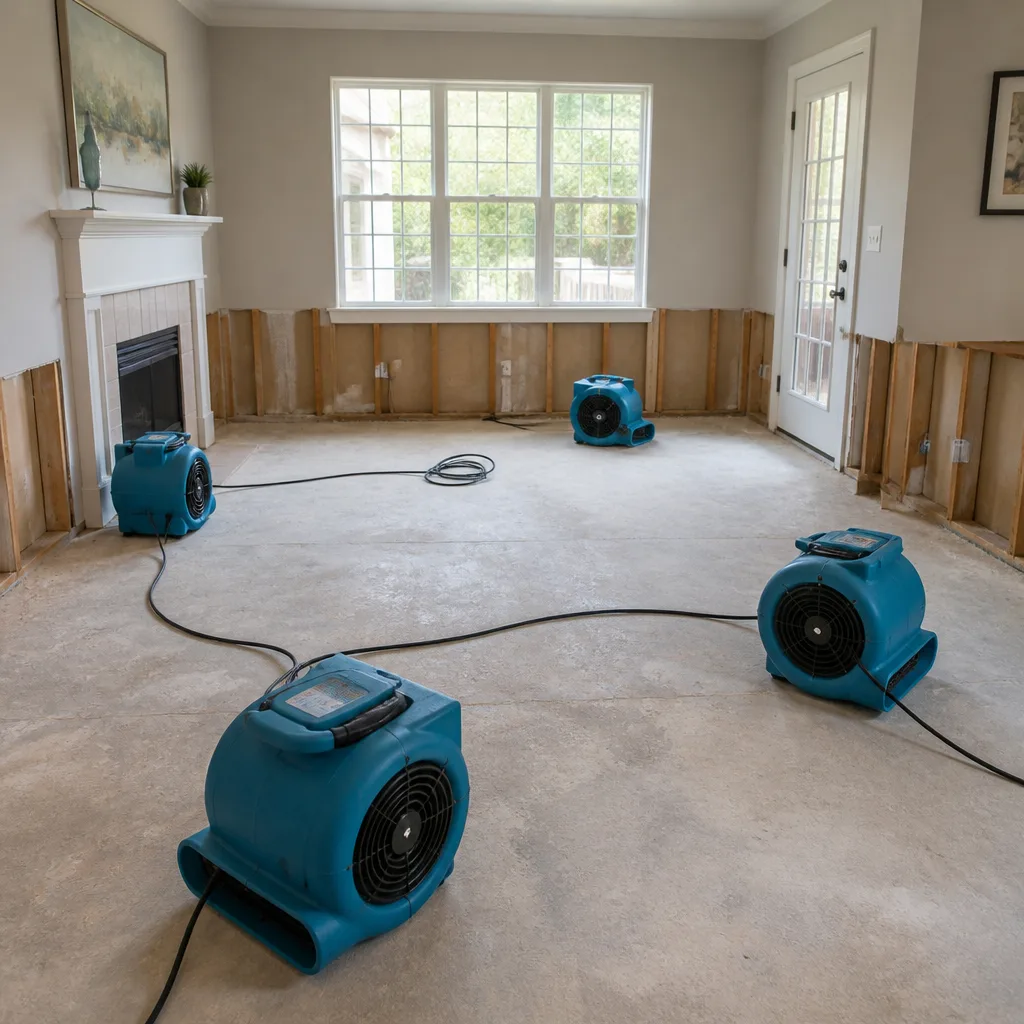



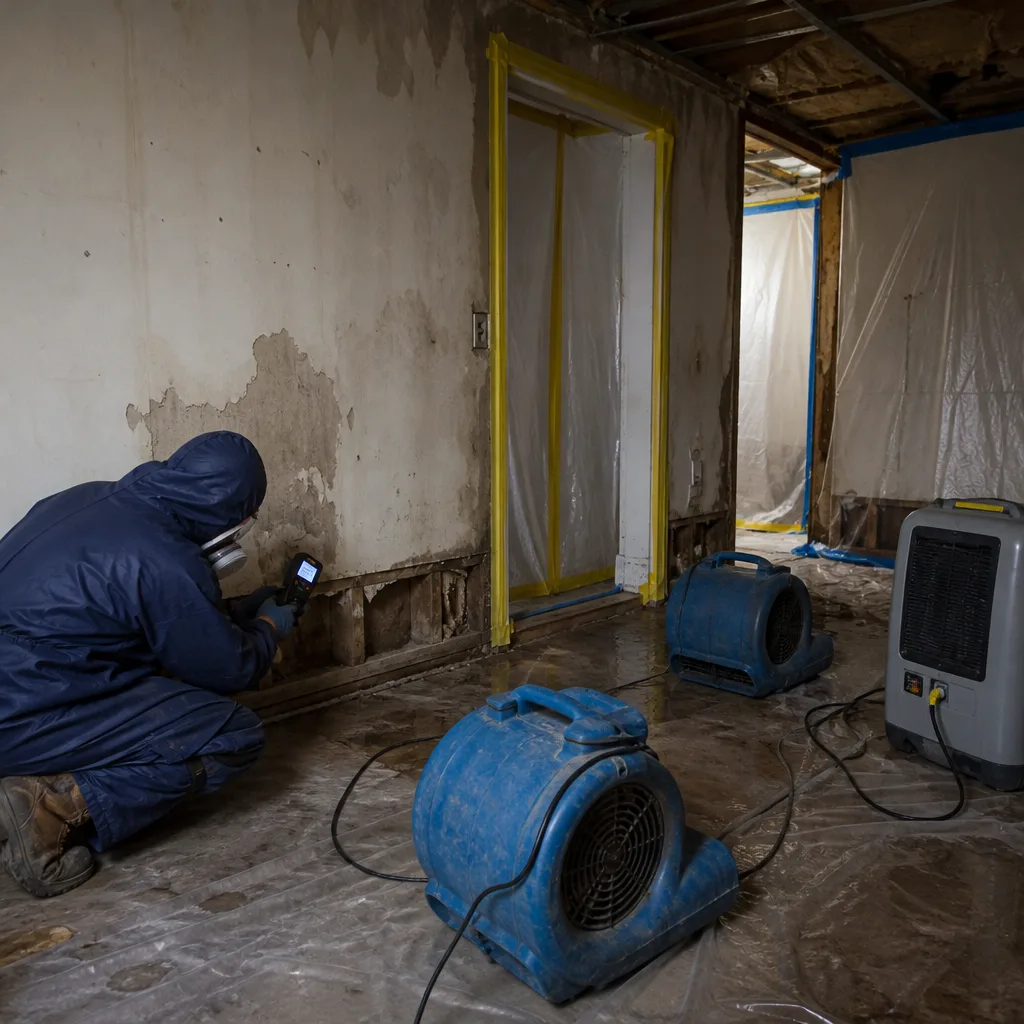 Before
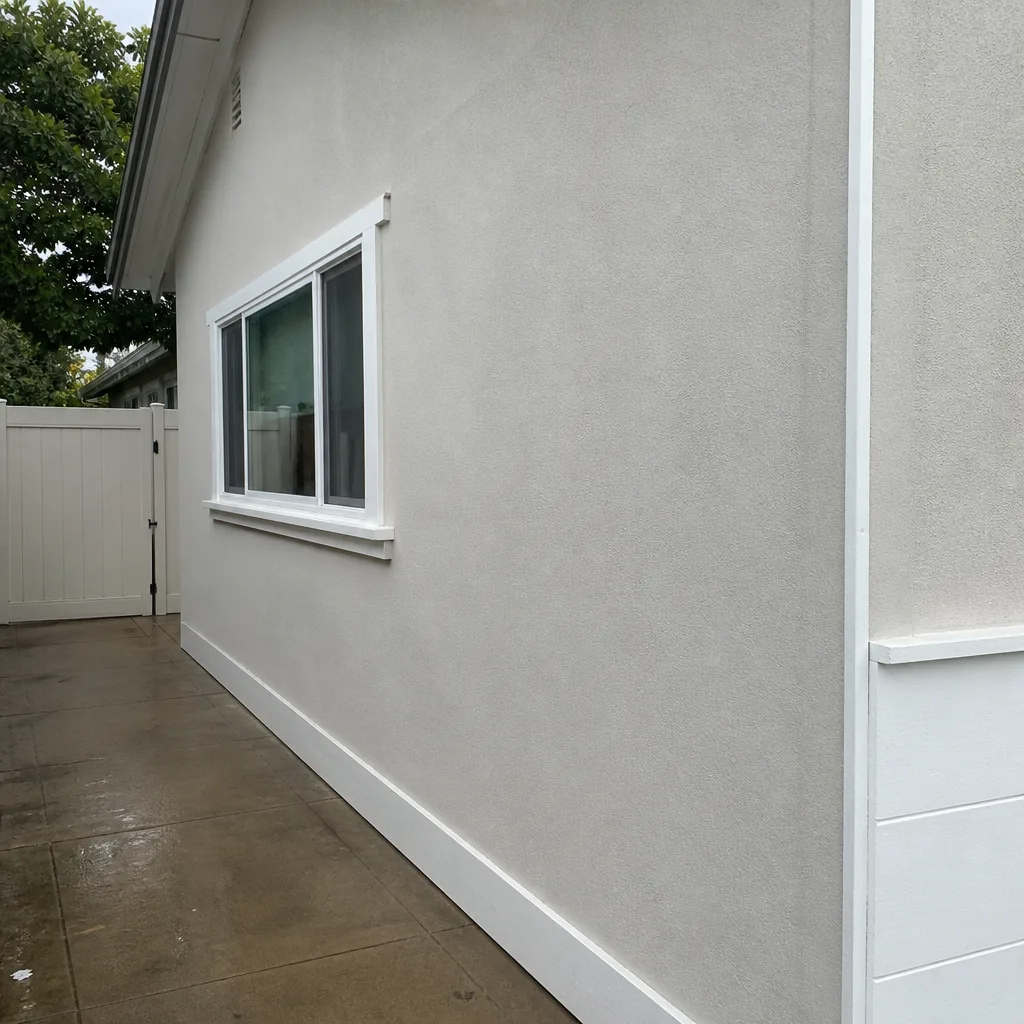 After
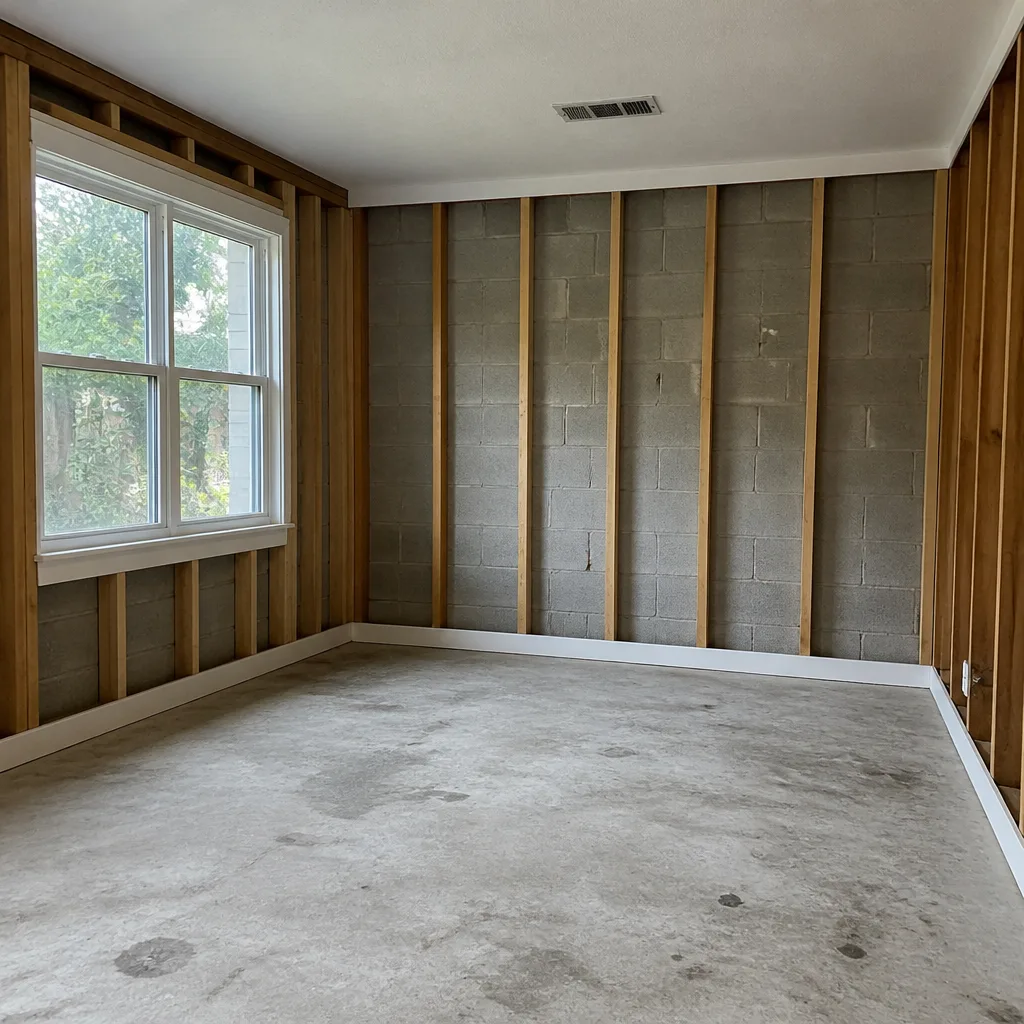
After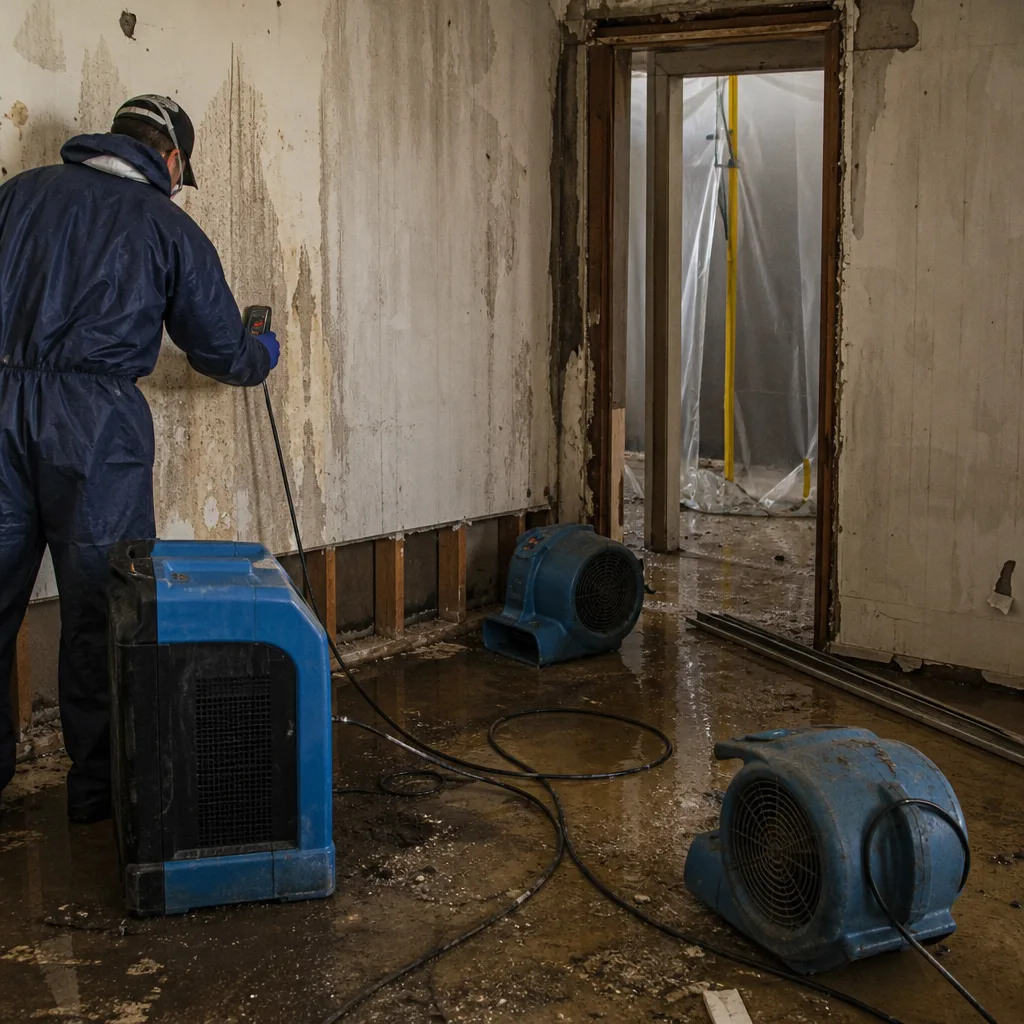 Before
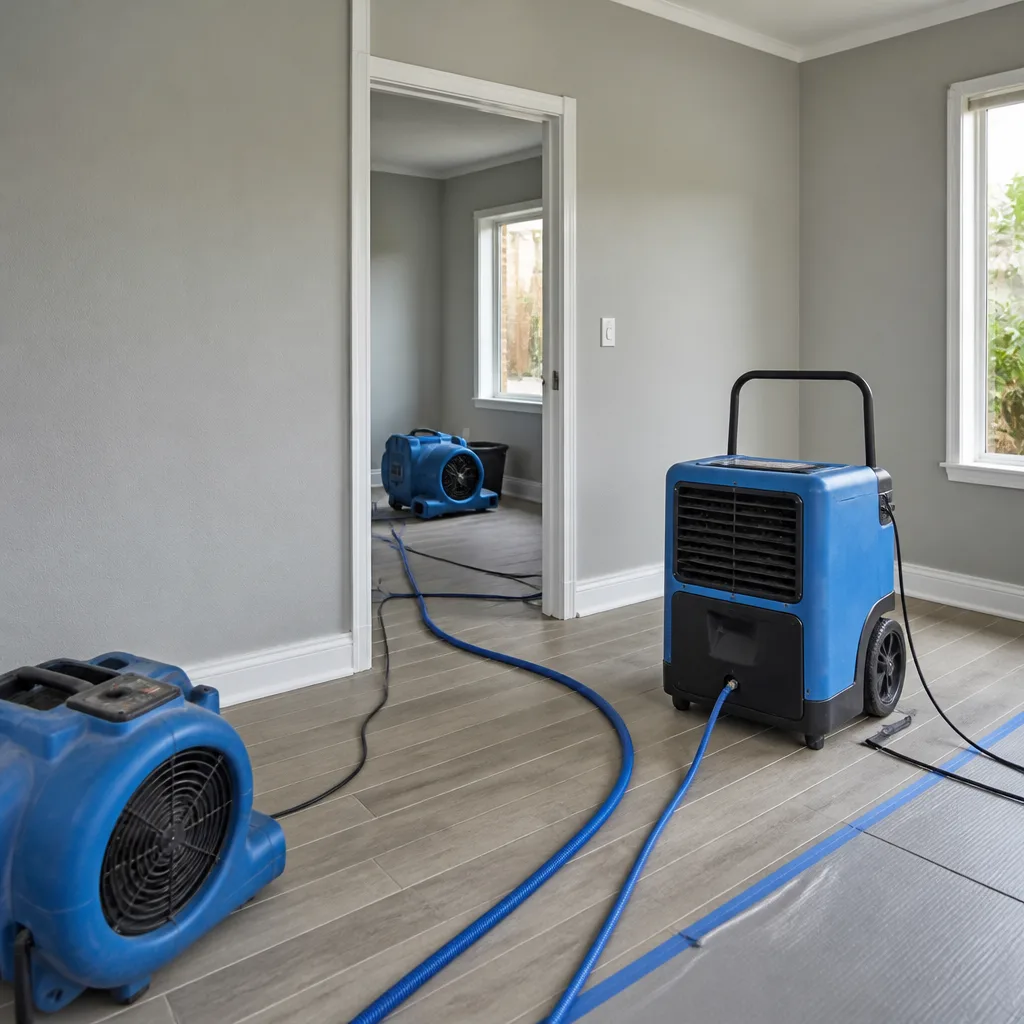 After
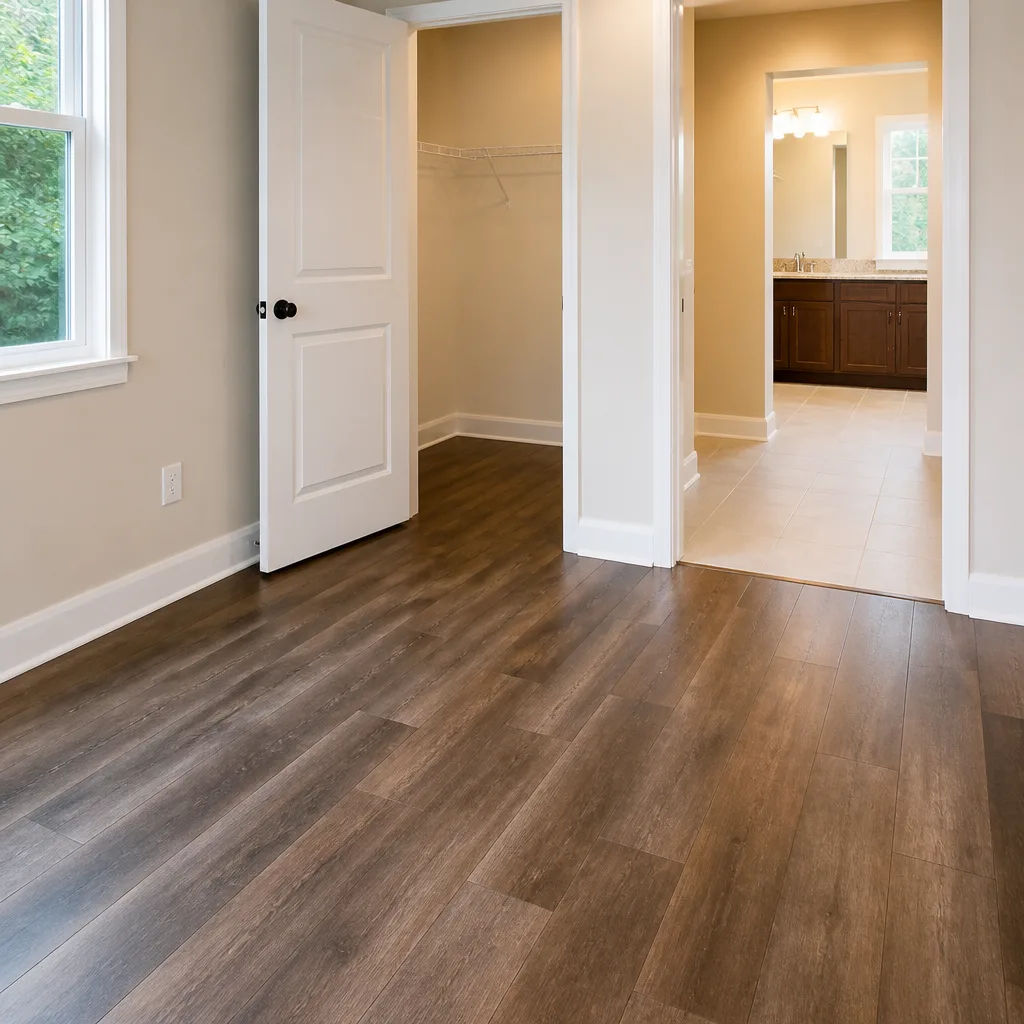
After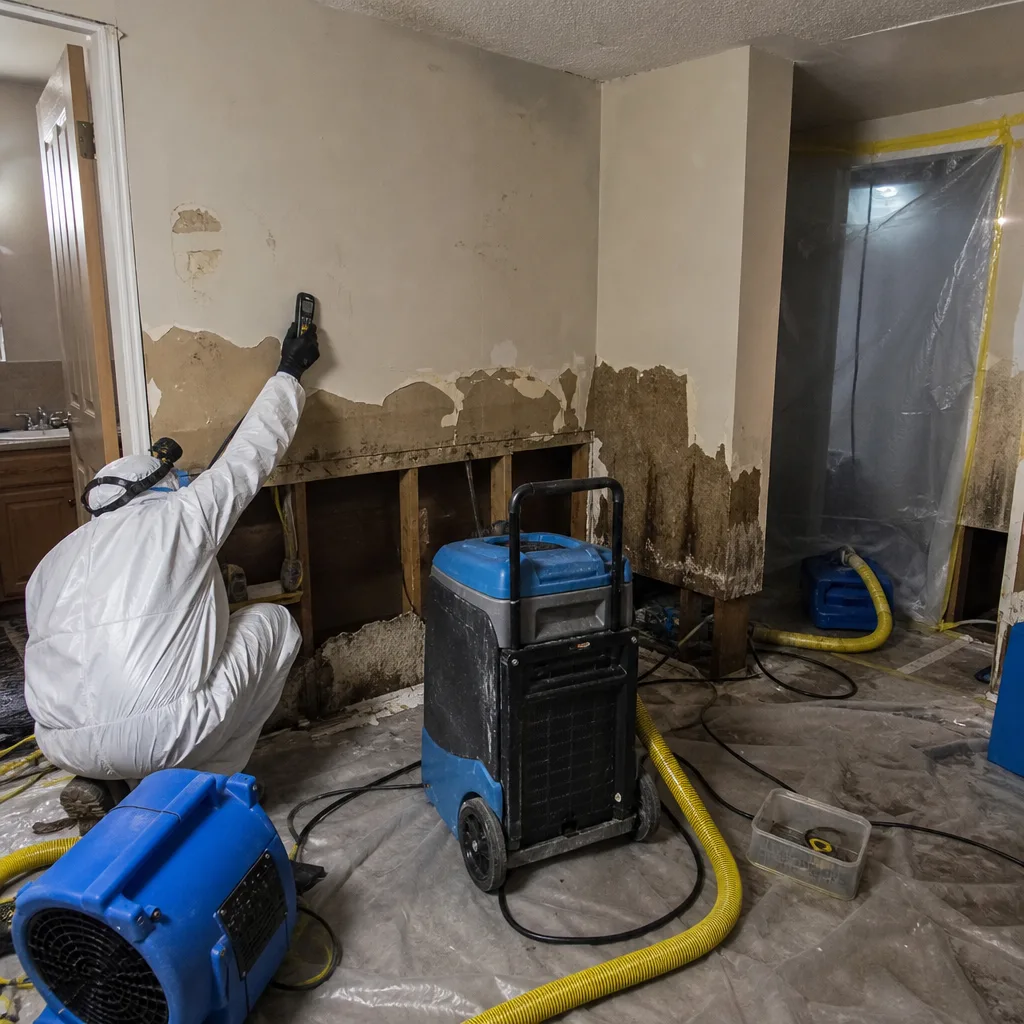 Before
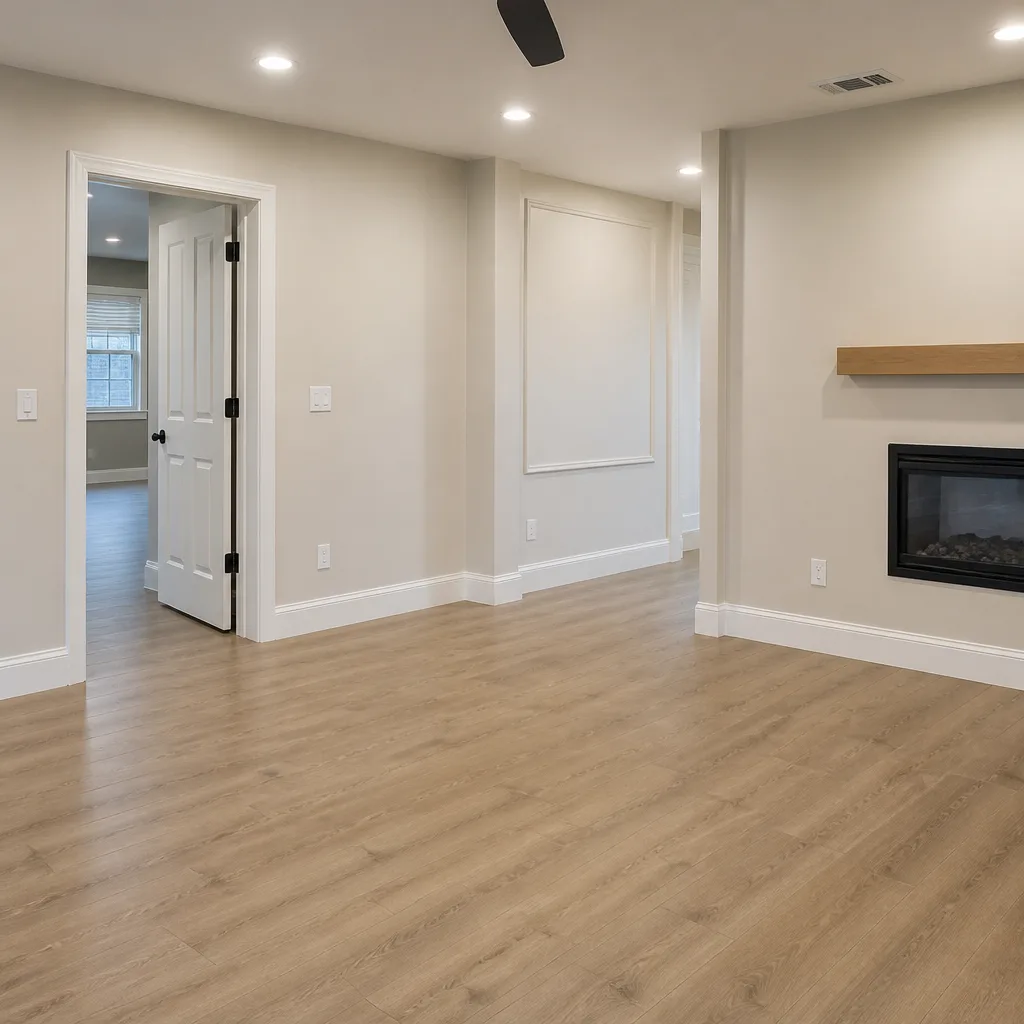 After
AfterFast, Reliable Water Damage Restoration Across Fulton
Water damage in Fulton rarely arrives as a single problem. Because this city sits squarely in the Lake Ontario snowbelt, a January storm can soak your ceiling from an ice dam and split a frozen supply line in the same night. That’s the reality we plan for on every call. Marsh Water Damage Restoration has been handling Water Damage Restoration since 2005, and our crew knows Fulton’s older wood-frame homes, its narrow lots off South First Street and along NY-481, and the way snow loads behave on low-pitch mill-era roofs. Call (910) 613-6568 any hour, and a live person answers. Not a voicemail tree, not a callback queue. You’ll know who’s coming before the truck leaves.
Why Marsh Water Damage Restoration Is Fulton’s Preferred Water Damage Restoration Company
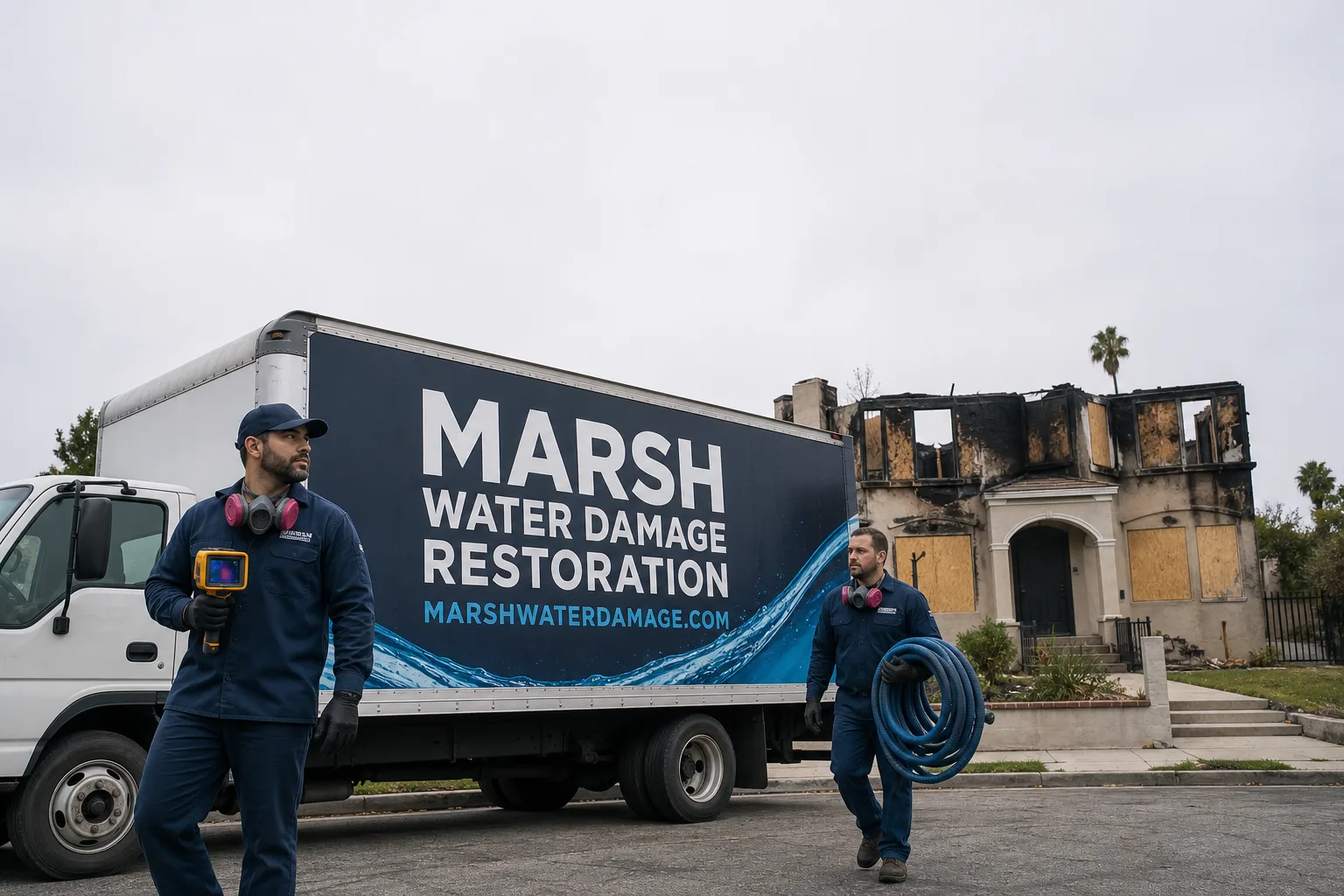
We built our name in Fulton on two promises: we show up fast, and we tell you exactly who’s walking through your door. Every technician is background-checked, identity-verified, and sent to you by name and photo before arrival. When the tech knocks, they hold up a photo ID badge. That’s the Threshold Verified standard, and it’s applied to every visit, not just the first one. For homeowners who are alone during the day, parents with young kids, or older residents on a fixed income, that matters as much as the drying equipment.
Our crew carries professional gear from Dri-Eaz, Phoenix, and XPOWER, the same commercial drying equipment used on large industrial losses. Technicians hold IICRC, RIA, and IFA credentials. More important, they know Fulton‘s houses: the 1890s two-story mill-worker homes off Broadway, the post-war ranches near G. Ray Bodley High School, the split-levels along Hannibal Street. When we open a wet wall here, we expect what those houses hold: knob-and-tube wiring, original cast-iron laterals, and pre-code framing that changes how we dry.
Water Extraction in Fulton
Water extraction in Fulton is the first move when standing water is present, whether it’s from a burst supply line, an ice-dam breach that poured through a ceiling, or a backed-up basement sump after a thaw. We extract the water before any drying begins because every hour standing water sits, it migrates: down through subfloor, into joist bays, behind baseboards. Most residential water extractions in Fulton run between $900 and $2,400 before drying equipment is set, depending on square footage and how far the water traveled.
When extraction alone isn’t enough
After a hard freeze-thaw cycle, we often find water pooled in first-floor wall cavities from a second-story pipe that split. Extraction handles the standing water; the hidden water inside the wall requires a different step. We cut a small access point, pull the wet insulation, and map moisture with probes to confirm the cavity is dry before closing.
What we document for your insurer
We photograph everything. Every extracted room, every moisture reading, every cut we make. If you file a claim, those photos and the written scope go to your adjuster directly. You get the same documentation, so there’s no mystery about what was found, what was done, and what it cost.
Emergency Water Removal in Fulton
Emergency water removal in Fulton means a crew on site within hours, not days. When a lake-effect band stalls over the city and ten houses on one street all report water at once, response speed separates a salvageable living room from a gutted one. Our emergency water removal for a typical Fulton basement or single-room loss runs between $1,100 and $3,200 depending on water volume and contamination class. A live person takes your call at (910) 613-6568 and dispatches a Fulton-area crew immediately.
What the first hour looks like
The tech arrives in a marked truck, shows a photo ID badge at the door, and walks the damage with you before opening any equipment. We explain what we’re seeing in plain words: this is clean water, this is contaminated, this wall needs to come out, this one can be dried. You approve nothing under pressure. You get a written price before any work starts.
When water won’t stop
If the source is still active, a burst pipe or a roof breach, we stop it or coordinate with a licensed plumber or roofer who can. Drying begins only after the source is controlled. Otherwise you’re paying to dry a room that keeps refilling, and no honest company should let that happen.
Trusted Brands We Service in Fulton
Fulton homes carry a mix of old and new plumbing, water heaters, sump pumps, and supply lines. We service extraction and drying around every major brand found in this city, and we stock the fittings, hoses, and adapters our Dri-Eaz, Phoenix, and XPOWER equipment requires for immediate deployment. That means when we arrive at a Fulton job, we don’t have to wait on parts from Syracuse. We carry what we need, and the drying starts the same hour.
Common Water Damage Restoration Problems We See in Fulton Homes
- Ice dams breaching ceilings while supply lines freeze at the same time. Heavy lake-effect snow sits on low-pitch mill-era roofs, melts at the ridge, freezes at the eave, and forces water under shingles. That same cold snap can split a galvanized line in an uninsulated wall cavity. We treat every Fulton winter water call as a potential two-source loss.
- Category 1 water turning Category 3 in old cast-iron laterals. When a freeze-thaw event cracks a buried cast-iron drain, clean supply water crosses contaminated soil before it pools in your basement. That reclassification changes the whole job: what gets removed, what gets disinfected, and what gets replaced.
- Wet drywall behind cosmetic patches. A previous owner or a handyman patches a ceiling stain from an ice dam, but the wall cavity behind it never dried. Mold starts on wet drywall within 24 to 48 hours. We find these hidden pockets with moisture mapping and thermal imaging before they become a bigger remediation.
- Original plumbing that can’t handle another freeze-thaw cycle. Fulton’s late-19th and early-20th century homes still carry threaded galvanized and cast-iron supply lines. They’ve survived a century of winters, but each freeze-thaw pushes them closer to failure. When they go, they go fast and wet, usually at a joint hidden inside a wall.
Pricing for Water Damage Restoration in Fulton, NY
Here are honest numbers for Fulton’s market. Emergency water extraction runs $900 to $2,400 for most residential jobs. Structural drying with professional dehumidifiers and air movers adds $1,200 to $3,800 depending on how many rooms and how long the equipment stays. A basement water removal from a failed sump or a sewer backup runs $1,500 to $4,500 when contamination is present. A burst pipe restoration inside a wall, including opening the cavity, extracting water, drying, and closing, runs $2,000 to $6,000. The biggest cost driver in Fulton is hidden water in old construction; when we find it during open-wall work, we stop and give you a revised written scope before proceeding. Estimates are free. Call (910) 613-6568 and we’ll give you a range before we ever roll a truck.
We Also Serve Cities Near Fulton
Marsh Water Damage Restoration serves Fulton and the surrounding Oswego County communities. We respond regularly to water damage calls in Fulton, Baldwinsville, Syracuse, Auburn, and Oneida. If you’re 20 miles east or south of Fulton, we can usually have a crew on site within a couple of hours. Dispatch and scheduling are coordinated from our New York City office, but the crews who arrive at your door are local to the Fulton service area.
Serving Fulton, NY - Our Local Coverage Area
We’re based in the Fulton area and know this community well. Use the map below to see our service coverage - if you’re nearby, we can almost certainly help.
FAQs About Water Damage Restoration in Fulton
Fulton sits in the Lake Ontario snowbelt and regularly sees 120 to 170-plus inches of snow per year. A single January storm can load your roof enough to cause an ice dam and simultaneously freeze an uninsulated supply line in an exterior wall. The thaw that follows releases both: water through the ceiling and water behind the drywall. Our intake here treats every winter call as a potential two-loss event, and our moisture mapping checks both floors, not just the visible damage. If you’ve had water show up in two places at once, call (910) 613-6568. We’ll scope it as a compound loss and dry both sources.
Within 24 to 48 hours, before mold begins on wet drywall. In Fulton’s older homes, that window is shorter because wood-frame construction with original plaster and lath absorbs water fast and hides it long. Our crews aim to arrive in Fulton within hours of your call, not days, and place air movers and dehumidifiers the same day. The faster drying starts, the less wall we have to cut out. Call (910) 613-6568 the moment you see water; a live person answers around the clock.
Yes, and it’s important. A burst supply line inside an 1890s Fulton home starts as Category 1, clean water. But if that water travels through a century-old wall cavity, crosses original framing with dust, lead paint residue, or old rodent paths, it picks up contaminants quickly. Water from a failed cast-iron drain or sewer lateral is Category 3 from the start. Classification drives what we remove, what we disinfect, and what we replace. We test and document every classification in writing, so you and your adjuster both know why a wall came out.
Our Fulton trucks carry Dri-Eaz and Phoenix dehumidifiers, XPOWER air movers, moisture meters, thermal imaging cameras, and Injectidry drying mats for hardwood floors and hard-to-reach cavities. On a two-story mill-worker home off South First Street, we arrived after a multi-day lake-effect band to find a ceiling stain from an ice-dam breach and a split galvanized supply line that let go during the thaw. A classic Fulton two-loss job. We ran water extraction on the second floor, placed air movers and a Dri-Eaz dehumidifier for structural drying, and because the wet drywall tested Category 2, we cut out the saturated section and started antimicrobial treatment before mold could take hold.
Yes, and we’ll tell you exactly what we’d prioritize after drying is complete. For most Fulton homes, that means adding insulation to exterior wall cavities where supply lines run, sealing attic bypasses that cause ice dams, and replacing original galvanized laterals before the next hard freeze. We don’t sell insulation or plumbing work. We’ll write it up, give you a scope, and point you to licensed trades who can do it, or coordinate with ones you already trust. A small retrofit now is cheaper than another two-loss winter event. Call (910) 613-6568 and we’ll walk you through what we’d do at your house.
Written by Tobias Reyner, Owner at Marsh Water Damage Restoration, serving Fulton since 2005.