
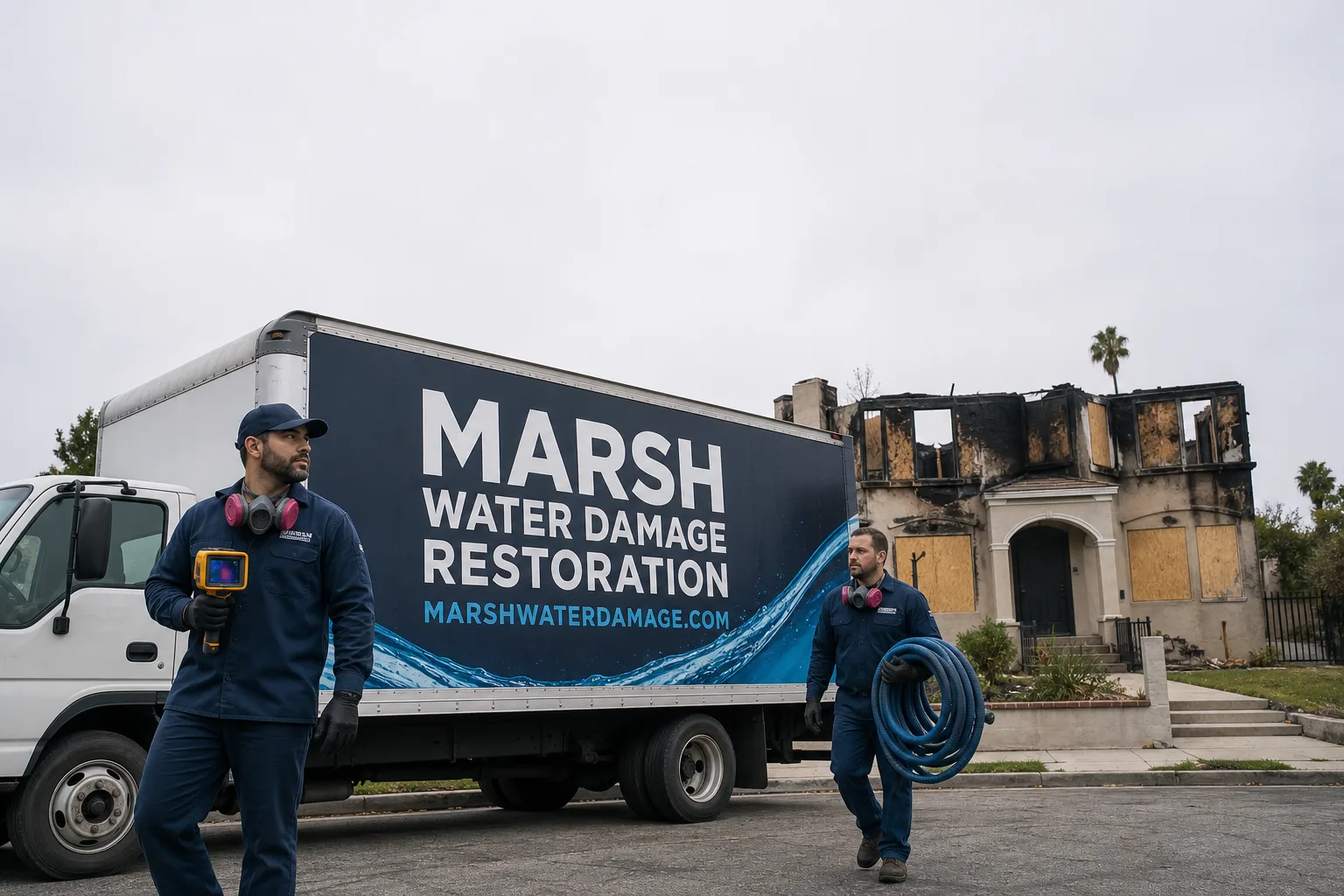
Free visual inspection and a written scope of work before any mitigation begins - photos, moisture readings, and drying logs go in your claim file
The scope we write is the scope we bill. Anything new gets shown to you, in writing, before we touch it.
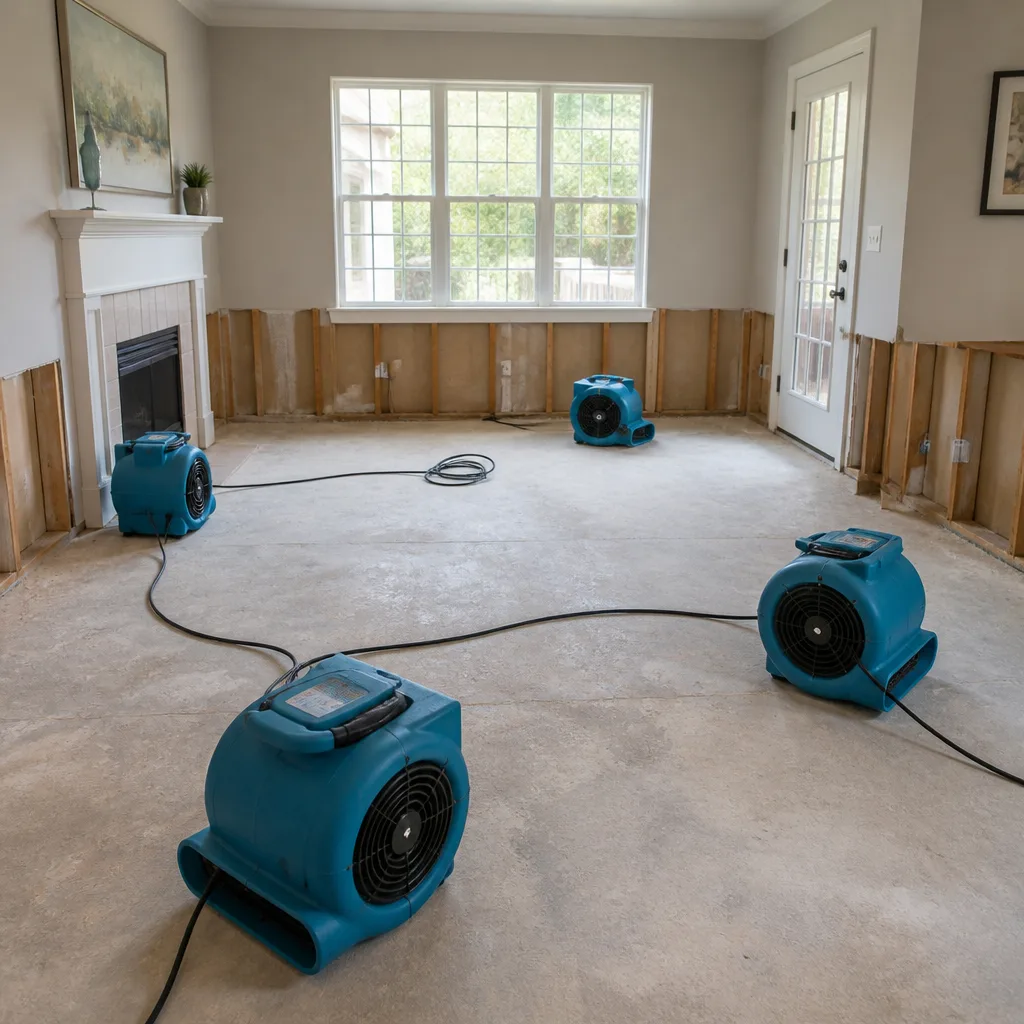

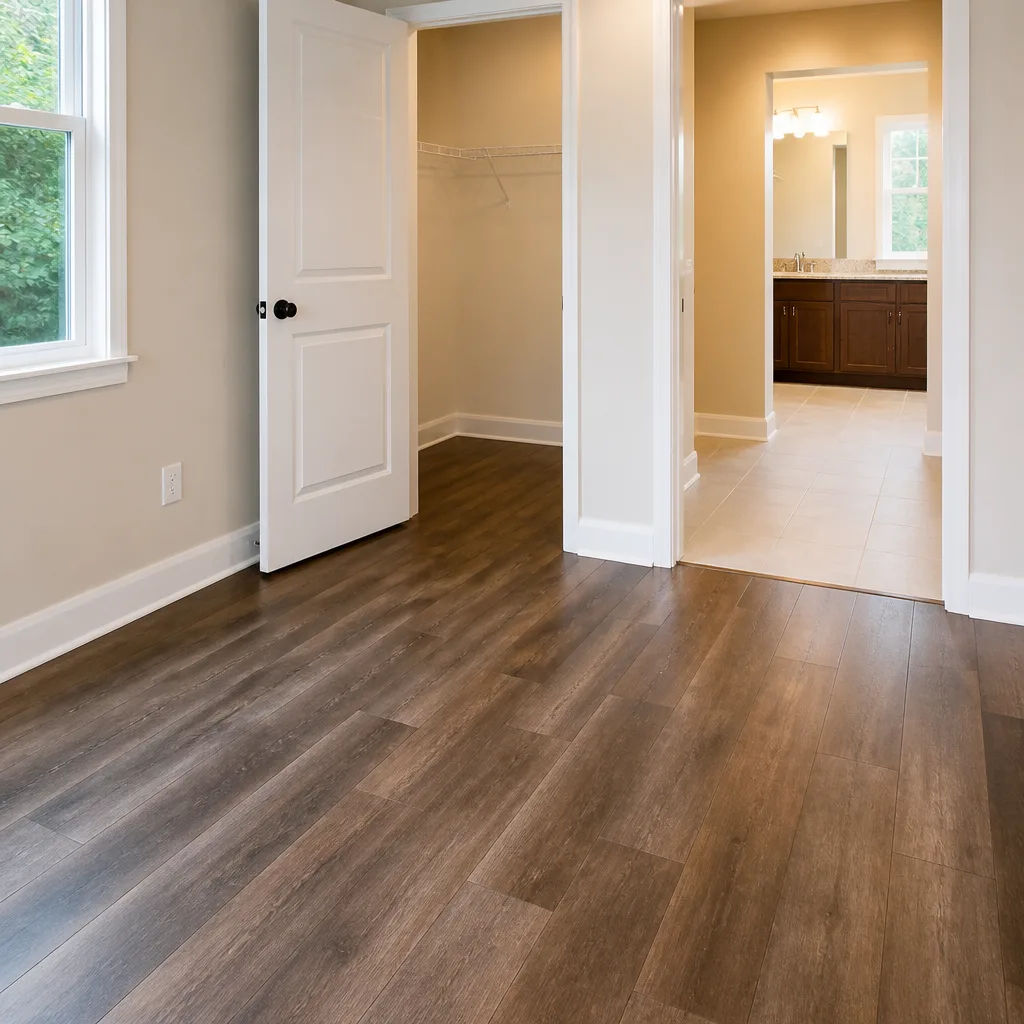
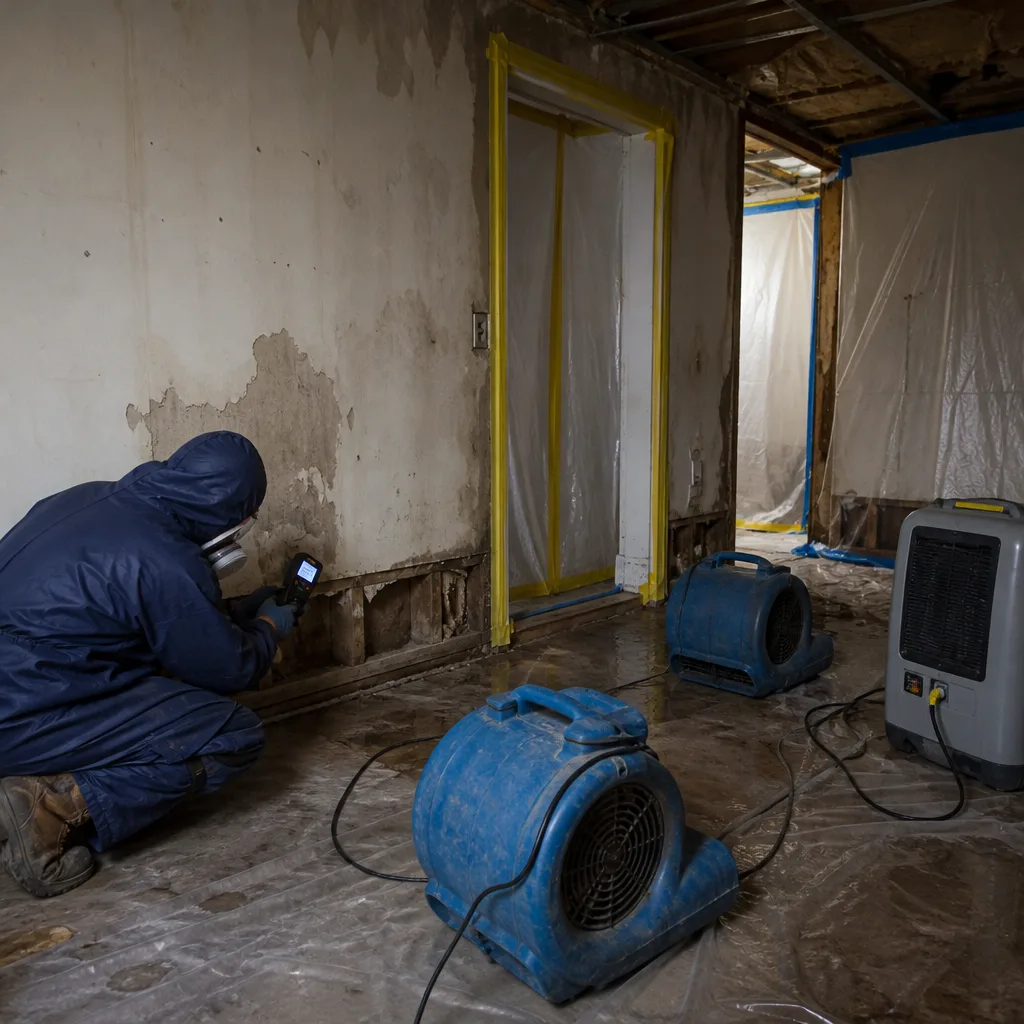 Before
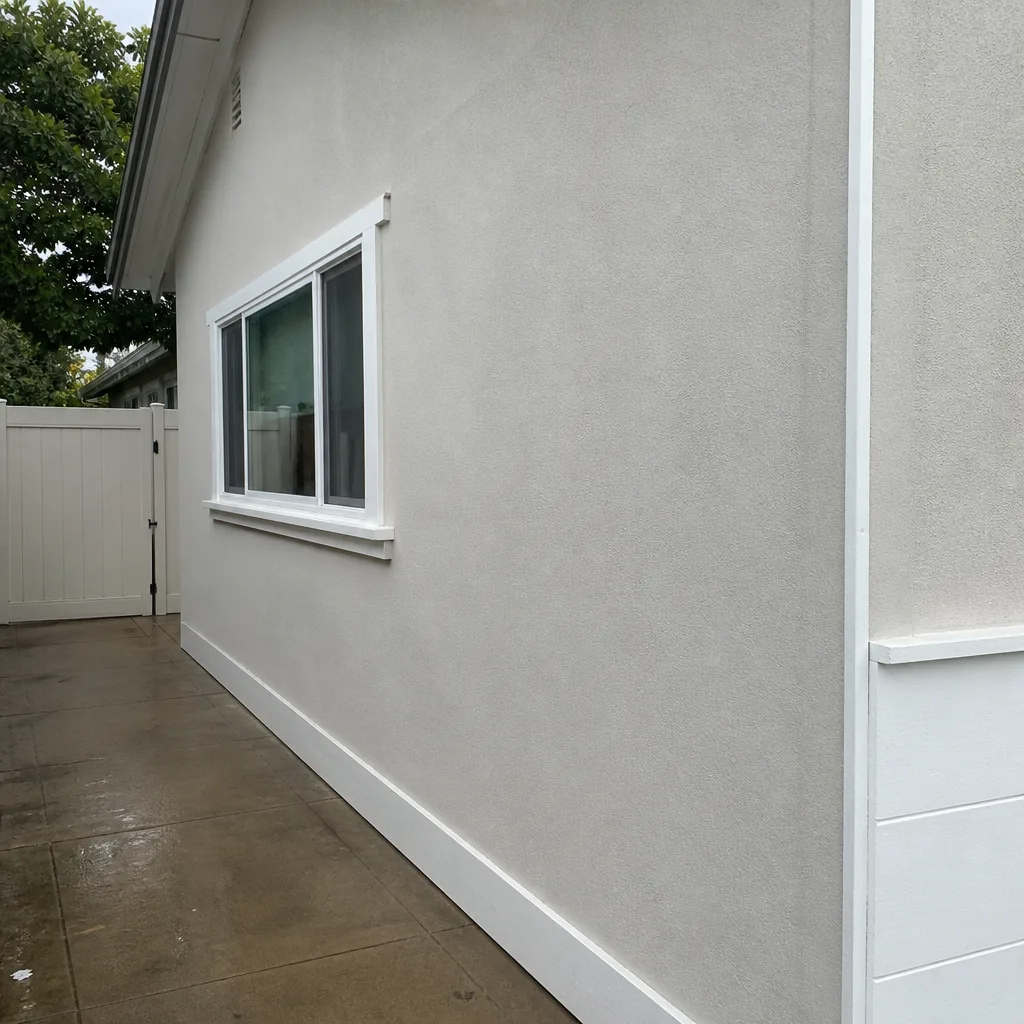 After
After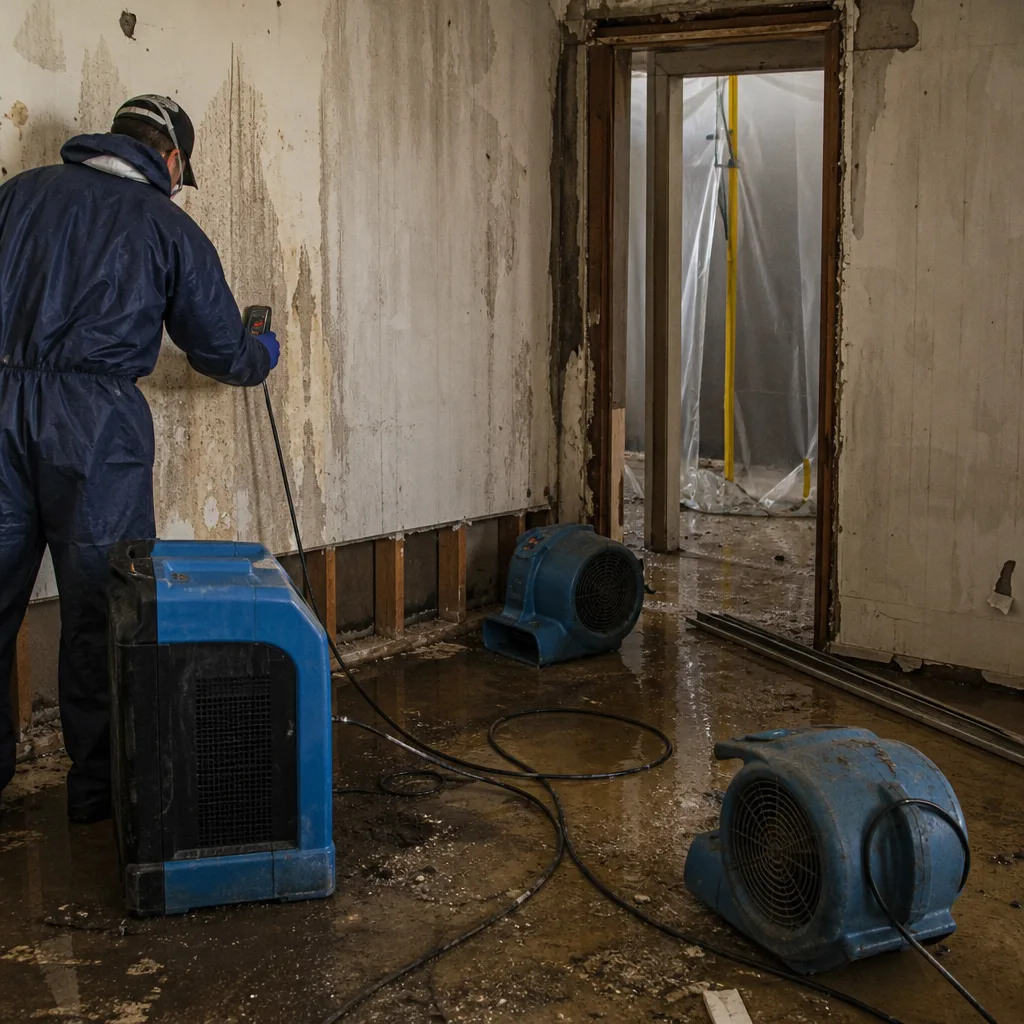 Before
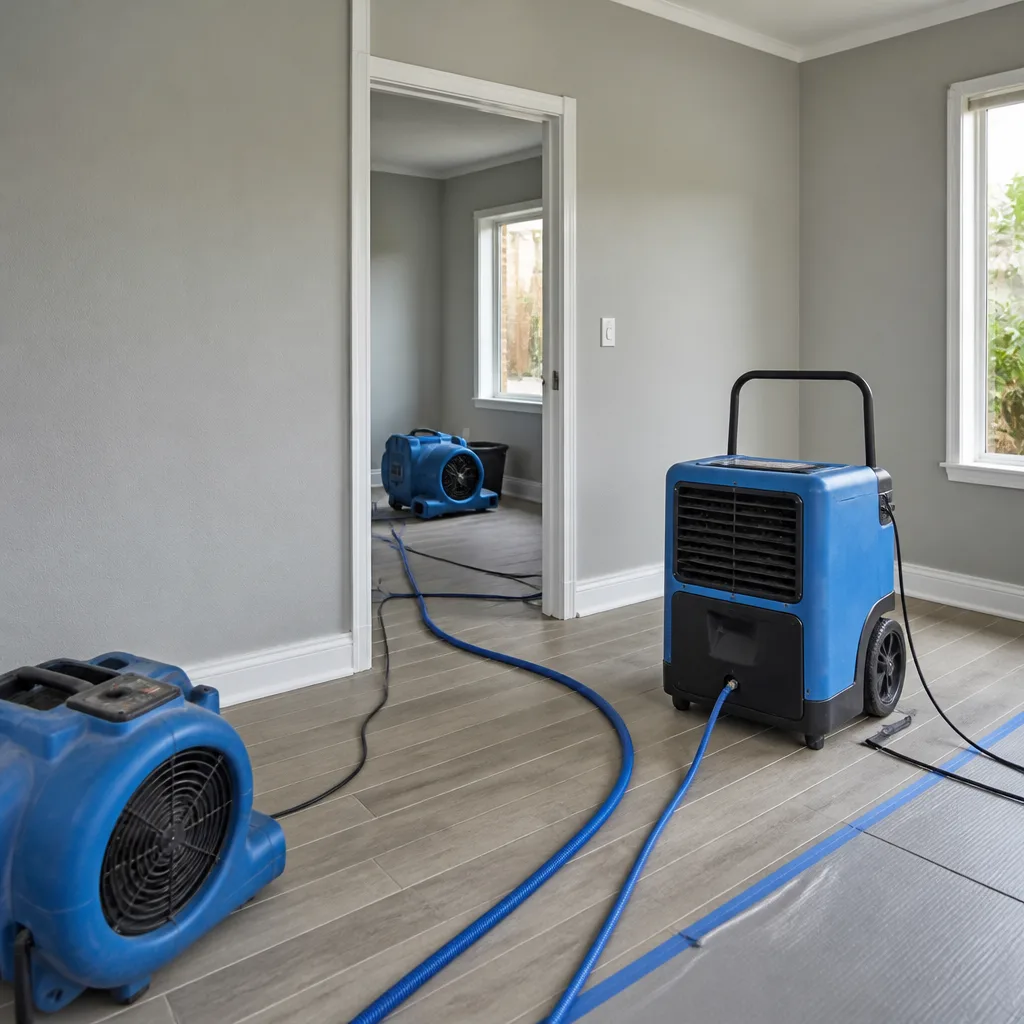 After
After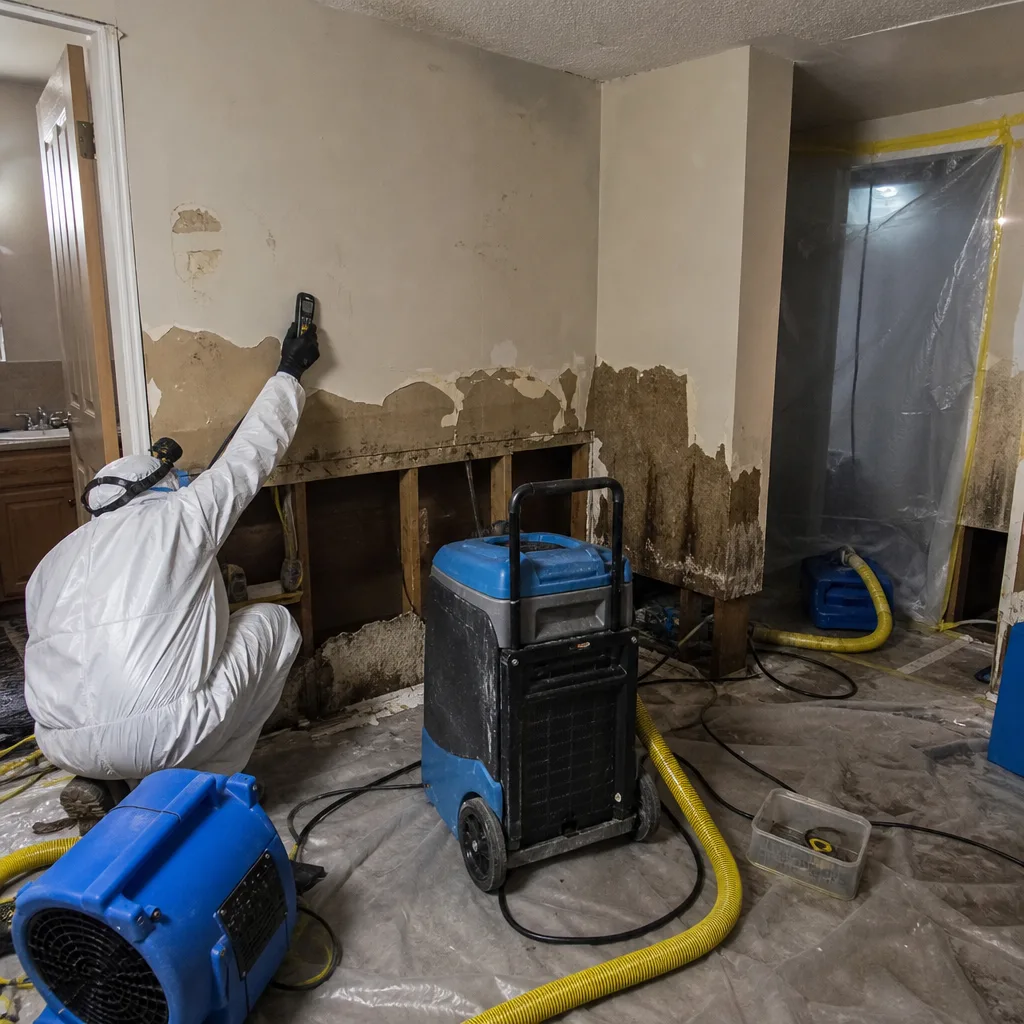 Before
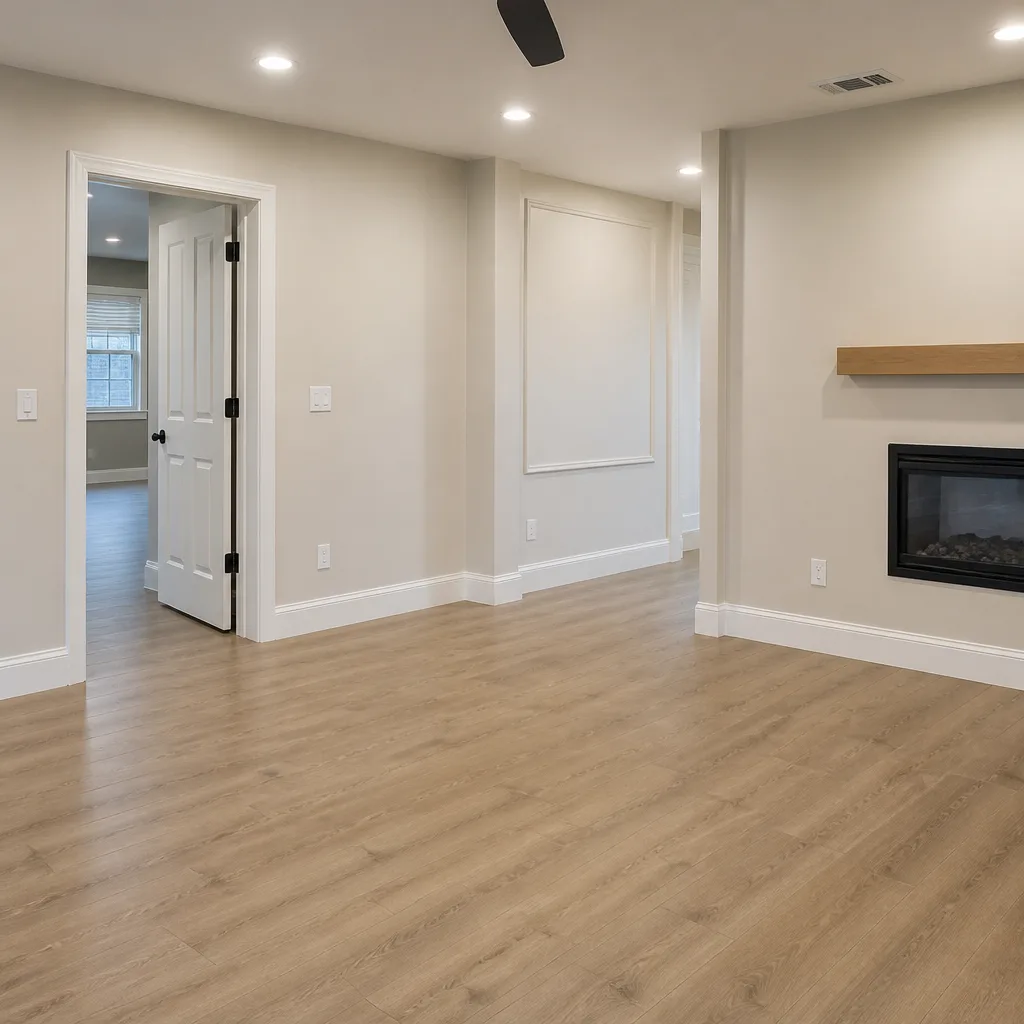 After
AfterFast, Reliable Water Damage Restoration Across Hoboken
Water damage restoration in Hoboken typically costs between $2,200 and $6,800 for a standard residential extraction and structural drying job, and our crews are on-site in Hoboken within 60 to 90 minutes of your call. We know Hoboken’s row houses, walk-ups, and converted condos the way an outsider never could. When you call (910) 613-6568, a live person answers and a Threshold Verified technician is dispatched with a name and photo sent to your phone before we ever knock. Water in a basement off Washington Street or a burst pipe on a fourth-floor walk-up near Stevens Park doesn’t wait, and neither do we.
Why Marsh Water Damage Restoration Is Hoboken’s Preferred Water Damage Restoration Company
Hoboken homeowners call us because we understand what’s behind these brick walls. The city’s housing stock, mostly built between 1870 and 1920, holds water differently than modern construction. Thick plaster on masonry stays wet for days longer than drywall on wood studs. That’s not a footnote. It changes how long equipment runs, what gets opened, and what the job actually costs. Our Water Damage Restoration team has spent years learning how these buildings dry, fail, and hide damage. We don’t guess at drying times. We take psychrometric readings (measuring the moisture in the air and inside the wall assembly) and keep equipment running until the numbers say the structure is actually dry.
Since 2005, Marsh Water Damage Restoration has carried the Threshold Group standard into homes like yours. Every technician who arrives at your door in Hoboken is background-checked, identity-verified, and sent to you by name and photo before the visit. At the door, they show a photo ID badge. Every time. No exceptions. That’s the Threshold Standard, and it exists because we know the second fear that comes with water damage: a stranger at the door. Tobias Reyner leads our team, and he’s built the company around a simple idea: you should know exactly who is walking into your home before the knock.
We also give you a written price before any work starts. Not an estimate that balloons after demo begins. A written price. And every job carries the 365-Day Done Right Promise: if the repair isn’t right within a full year, we come back and make it right. That’s printed on every work order we hand you, not buried in fine print.
Flooded Basement in Hoboken
Flooded Basement calls in Hoboken are rarely what they appear to be. A garden-level unit off Garden Street or a basement near the 9th Street light rail stop isn’t just wet. It’s often been wet before, and possibly more than once. The city’s rebuilt flood maps after Hurricane Sandy pushed nearly all of Hoboken into FEMA’s Special Flood Hazard Area. That means basements and garden-level apartments now flood repeatedly from combined sewer backups, not just from a single burst pipe. When we open a wall in one of these 1890s brick row houses, we regularly find two or three distinct flood-damage strata: a pre-Sandy nor’easter, Sandy itself, and a later tidal event, each patched over and painted without proper drying.
That hidden history changes the job. What starts as a small puddle becomes a full-scale extraction, containment, antimicrobial treatment, and structural drying project. A typical flooded basement in Hoboken runs $3,000 to $7,500 depending on square footage, how far the water wicked into the plaster, and whether sewage is involved. The category of water matters enormously. Clean water from a supply line is one thing. Water that backed up through Hoboken’s aging combined sewer system is Category 3, which means it carries bacteria and requires far more aggressive handling.
Plaster and Masonry Drying
Hoboken’s thick plaster walls are beautiful, but they dry slowly. Where a modern drywall job might be dry in three days, original plaster on brick can hold moisture for a week or more. We don’t pull air movers early. Moisture mapping across the brick tells us when the job is actually finished, and in these old row houses, patience isn’t optional.
Repeated Flood Damage in Garden Units
Garden-level apartments in Hoboken flood more than any other unit type. The combined sewer system backs up during moderate rainfall, and storm surge from the Hudson compounds it. If your garden unit has flooded even once before, expect us to look for old damage behind the finish. That’s not overselling. That’s knowing the building type.
Water Extraction in Hoboken
Water Extraction in Hoboken almost always involves more standing water than homeowners expect, and in older masonry buildings, it’s never just about the puddle you can see. Our crews run commercial truck-mounted extraction units and submersible pumps rated for the volumes Hoboken basements collect. A standard extraction before drying equipment is set runs between $1,800 and $3,400 for a Hoboken garden-level or basement unit.
The critical mistake we see is under-scoping. On a garden-level call off Garden Street, our techs found Category 3 sewage backup that had wicked into original plaster walls flooded twice before, patched without drying. Moisture mapping across the 1890s brick showed three distinct flood strata. The actual job came in roughly three times the presenting loss. After extraction and antimicrobial treatment, we ran Dri-Eaz dehumidification and air movers, and the drying logs showed the plaster held moisture far longer than any wood-frame build would have. That’s what years in Hoboken teaches you.
Extraction Before Drying
Water has to come out before drying starts. In Hoboken row houses, that often means pulling water from uneven masonry floors and low points under stairways. We don’t rush to set fans. We extract until the free water is gone, then we map the moisture and build a drying plan.
Sewer and Category 3 Water
When Hoboken’s combined sewers back up, the water isn’t clean. It’s Category 3, and it carries bacteria from the city’s waste systems. Extracting Category 3 water requires protective containment and antimicrobial treatment before drying even begins. Skipping that step is how mold colonies get sealed behind new drywall.
Trusted Brands We Service in Hoboken
We run Dri-Eaz dehumidifiers, Phoenix air movers, and XPOWER extraction systems because Hoboken’s older masonry buildings demand commercial-grade drying power. Residential-grade equipment from a hardware store won’t pull moisture out of 1870s plaster on brick. We keep our equipment calibrated and maintained for exactly the kind of structure Hoboken throws at us, and we stock replacement filters, hoses, and sensors so a repair never stalls waiting for parts. When you’re dealing with water in a Hoboken basement, you need equipment built for the job, not equipment built for a weekend DIY project.
Common Water Damage Restoration Problems We See in Hoboken Homes
- Stacked flood strata in old row houses. Hoboken’s brick row houses have flooded repeatedly since Sandy, and many repairs were cosmetic patches over wet plaster. We routinely uncover multiple distinct flood events behind one finished wall, meaning the real scope is often two to three times what the homeowner saw.
- Category 3 sewage backups in garden-level units. Hoboken’s aging combined sewer system sends contaminated water into basements during even moderate rainfall. Treating that water as clean is dangerous, and it’s a failure mode we see from contractors who don’t know Hoboken’s infrastructure.
- Plaster walls drying far slower than expected. Thick plaster on masonry holds water for days longer than drywall on wood studs. Pulling dehumidifiers too early leaves hidden moisture that feeds mold long after the job looks finished.
- Underscoped mold remediation on basement calls. Because Hoboken basements have often flooded multiple times, mold colonies are frequently hidden behind patched walls. We price mold scope conservatively from the start, because opening a wall in Hoboken usually reveals more than one loss.
Pricing for Water Damage Restoration in Hoboken, NJ
Here’s what Hoboken homeowners should expect to pay. A simple water extraction before drying equipment is set runs $1,800 to $3,400. A full flooded basement job including extraction, containment, antimicrobial treatment, and structural drying runs $3,000 to $7,500. Jobs involving Category 3 sewage backup or extensive mold remediation can reach $9,000 to $14,000 because of the containment and material removal required. The factors that move the price: square footage affected, whether the water is clean or contaminated, how far it wicked into plaster, and how many previous floods left damage behind the walls. You get a written price before work starts, every time. Call (910) 613-6568 for a free estimate, and we’ll tell you exactly what you’re looking at.
We Also Serve Cities Near Hoboken
Marsh Water Damage Restoration serves Hoboken and the neighboring communities of Union City, Weehawken, Jersey City, and North Bergen. If you’re in one of those cities and dealing with water damage, the same Threshold Verified technicians and written pricing apply. Call (910) 613-6568 and we’ll get a crew to you fast, whether you’re in a Hoboken walk-up or a Jersey City high-rise.
Serving Hoboken, NJ - Our Local Coverage Area
We’re based in the Hoboken area and know this community well. Use the map below to see our service coverage - if you’re nearby, we can almost certainly help.
FAQs About Water Damage Restoration in Hoboken
Because Hoboken’s 1870 – 1920 brick row houses have flooded repeatedly since Hurricane Sandy, and many previous repairs were cosmetic patches rather than proper drying. When we open a wall, we often find two or three distinct flood-damage strata behind a single finished surface. Homeowners see a small leak; the moisture mapping shows a much larger problem. That’s why written quotes include a realistic scope based on what Hoboken buildings actually hide, not just what’s visible on day one. Call (910) 613-6568 and we’ll explain what to expect before we open anything.
Hoboken’s combined sewer system carries both stormwater and sewage in the same pipes. During rainfall or tidal surge, that system backs up into low-lying basements and garden units. The water isn’t just dirty. It’s contaminated with bacteria from the city’s waste system, which classifies it as Category 3. Category 3 water requires containment, antimicrobial treatment, and careful disposal. Treating it like clean water from a supply line is a serious health risk. If you’re unsure what kind of water you’re dealing with, call (910) 613-6568 and we’ll assess it before anyone touches anything.
Expect structural drying in a Hoboken row house to take five to ten days, compared with three to five days for a modern wood-frame build. Thick plaster on brick holds moisture far longer than drywall on studs, and pulling equipment too early leaves hidden moisture that eventually feeds mold. We run psychrometric readings, which measure the moisture in the air and inside the wall cavity, and we keep dehumidifiers and air movers running until the numbers show the assembly is genuinely dry. Not dry on the surface. Dry throughout. That patience is what prevents a second mold problem six months later.
Yes. Tidal flooding from the Hudson and nor’easter storm surge is one of the most common causes of Hoboken basement floods. We extract the water, contain any Category 3 contamination, and run structural drying exactly as we would for a burst pipe. The difference in Hoboken is that storm-surge floods often come with sewer backup mixed in, so we treat every tidal flood as potentially contaminated until we confirm otherwise. We also document everything with photos for your insurance claim. Call (910) 613-6568 and we’ll get on it, whatever the water source.
In some cases, yes; if the water was clean and the moisture readings show no water wicked into the plaster, we can dry the space without demolition. But in Hoboken’s older brick row houses, water often travels behind the finished surface into the masonry. When readings show elevated moisture inside the wall assembly, drying in place isn’t enough, and leaving wet plaster behind a painted wall is how mold colonies get established. We’ll show you the moisture map and explain exactly what we’re seeing before any wall is opened. The decision is always yours, and the scope is always written down first.
Contact Marsh Water Damage Restoration in Hoboken
Water in your Hoboken home is a problem that gets worse by the hour. Call (910) 613-6568 now and you’ll talk to a live person, not a voicemail. We’ll send a Threshold Verified technician to your Hoboken address with a name and photo before arrival. You’ll get a written price before work starts, and every job carries the 365-Day Done Right Promise. When water shows up where it doesn’t belong, call the company that knows Hoboken’s masonry, Hoboken’s floods, and Hoboken’s hidden damage. Call (910) 613-6568 for a free estimate.
Written by Tobias Reyner, Owner at Marsh Water Damage Restoration, serving Hoboken since 2005.