
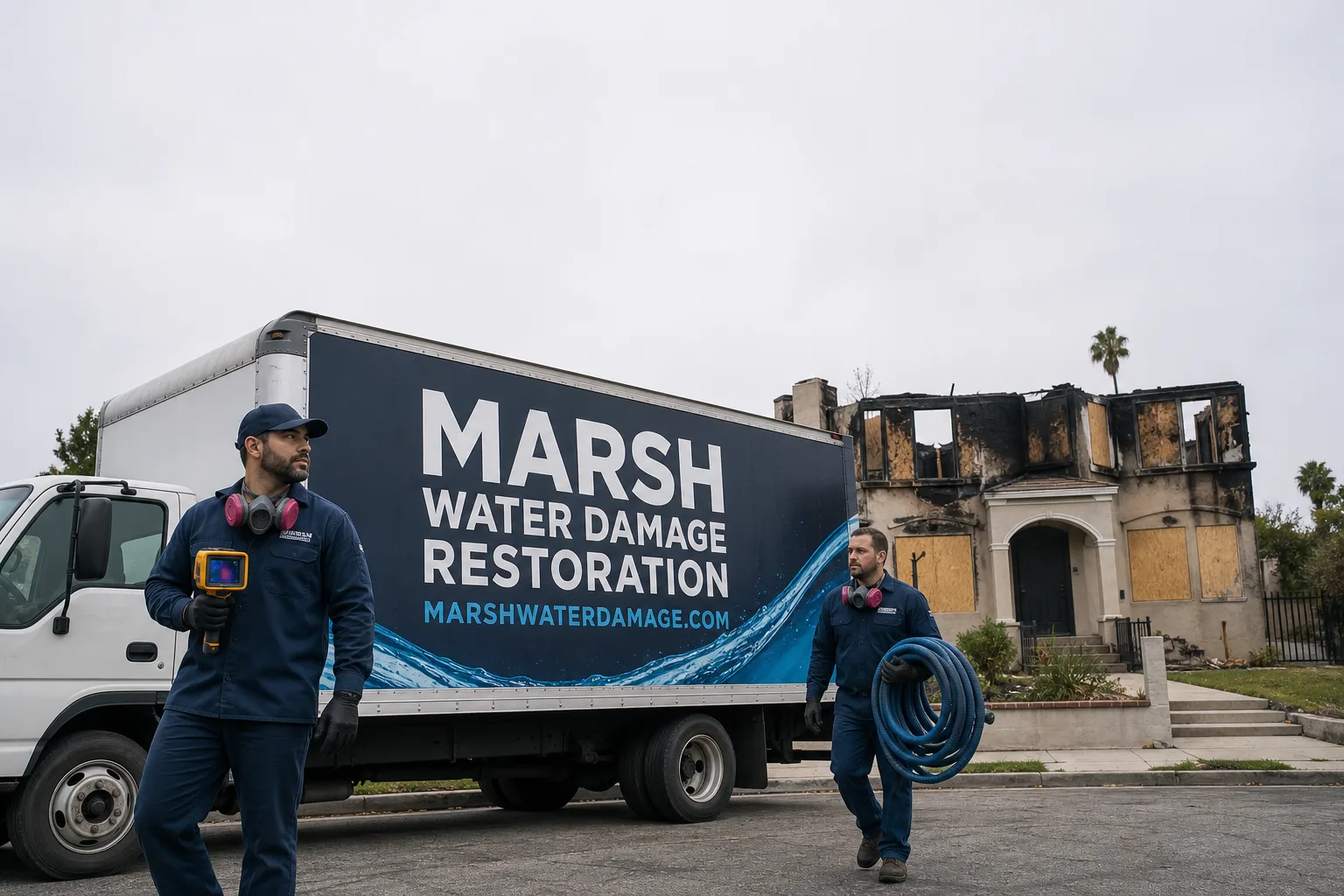
Free visual inspection and a written scope of work before any mitigation begins - photos, moisture readings, and drying logs go in your claim file
The scope we write is the scope we bill. Anything new gets shown to you, in writing, before we touch it.
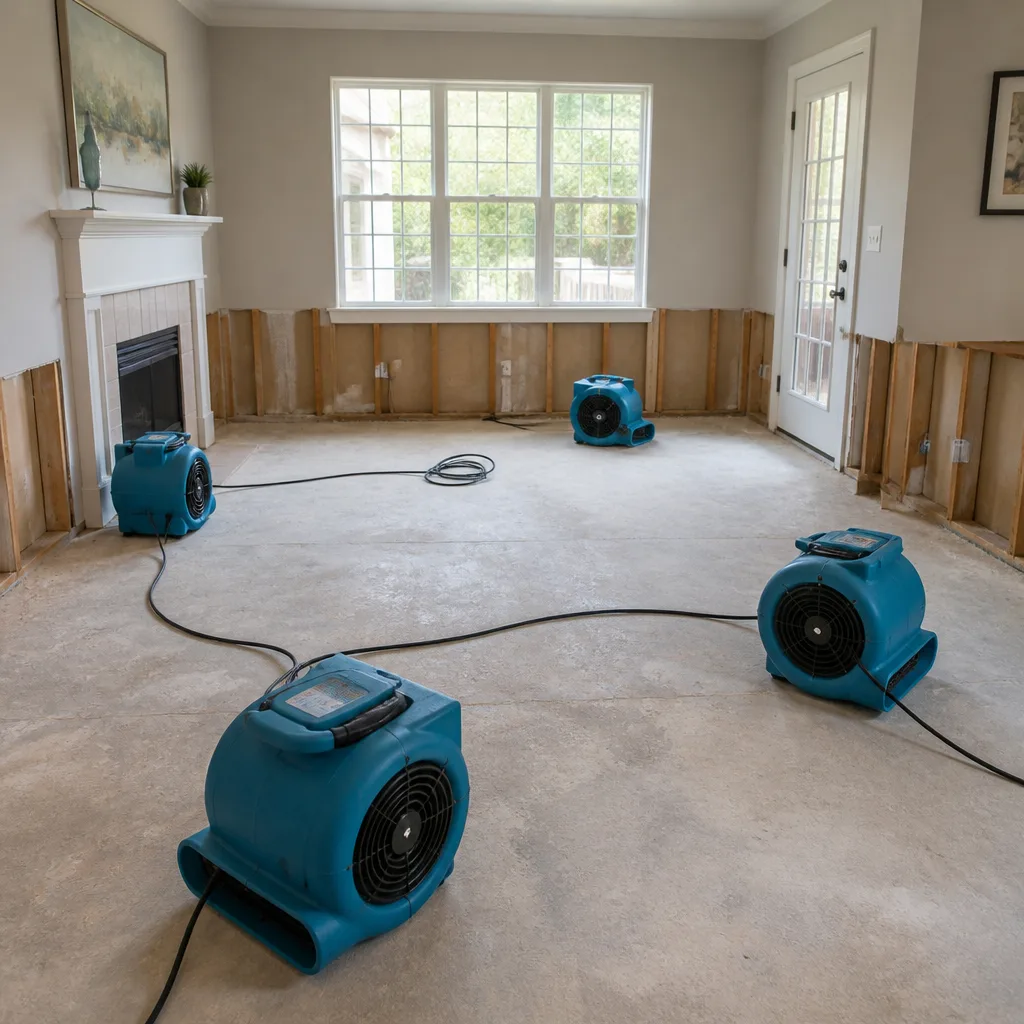
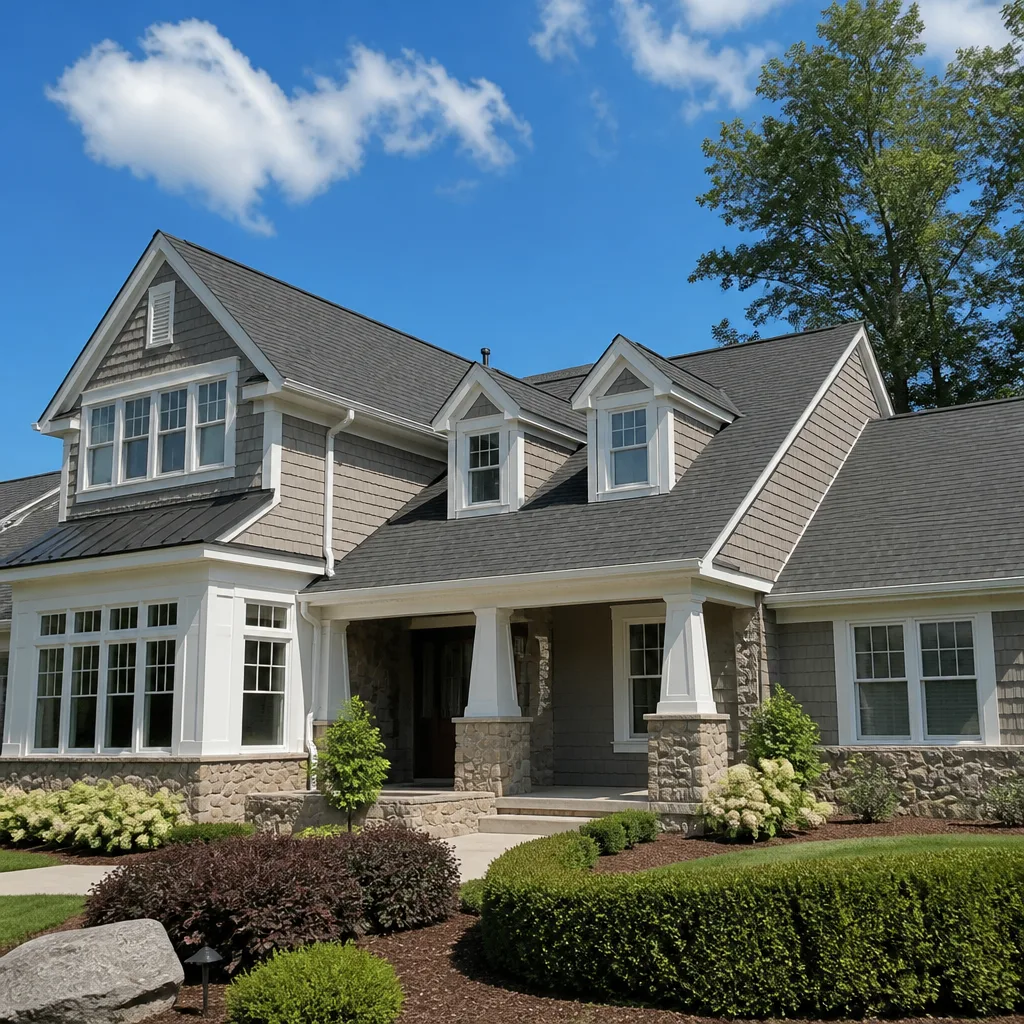
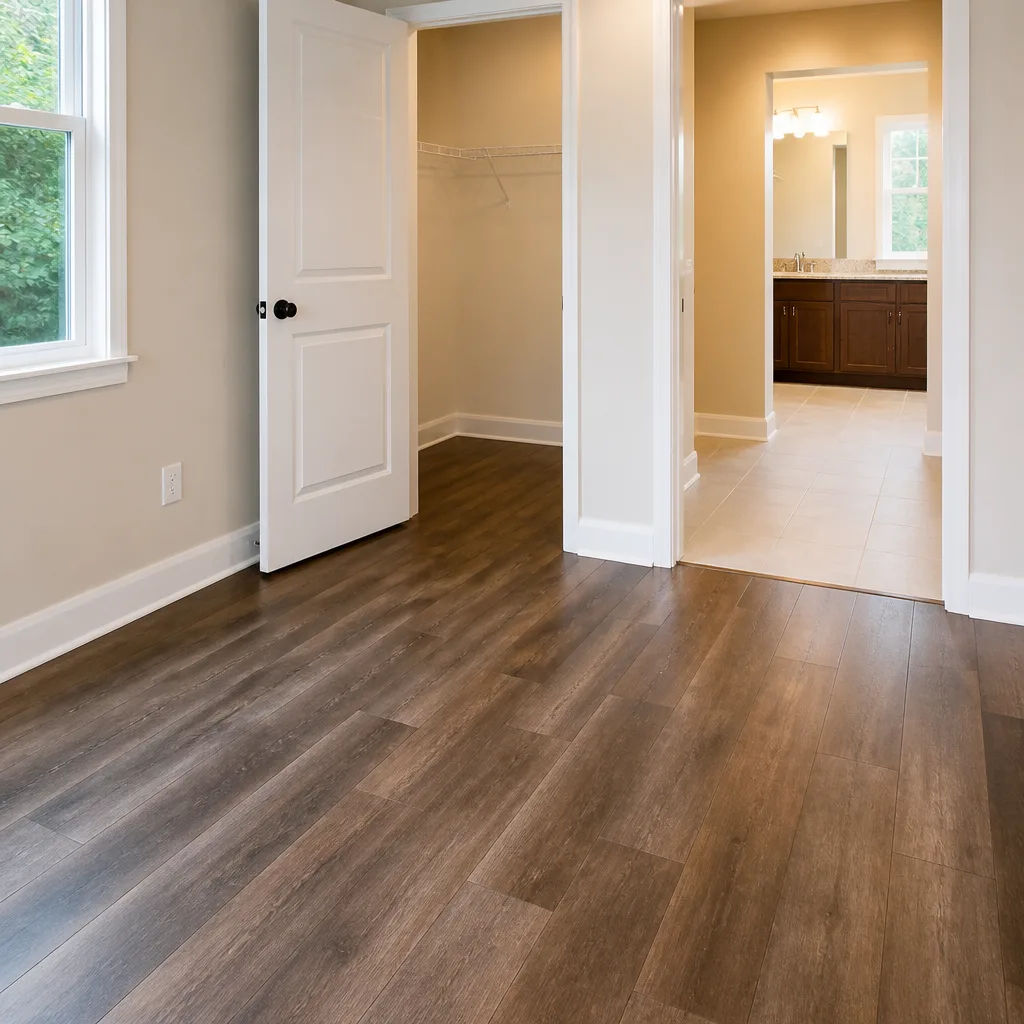
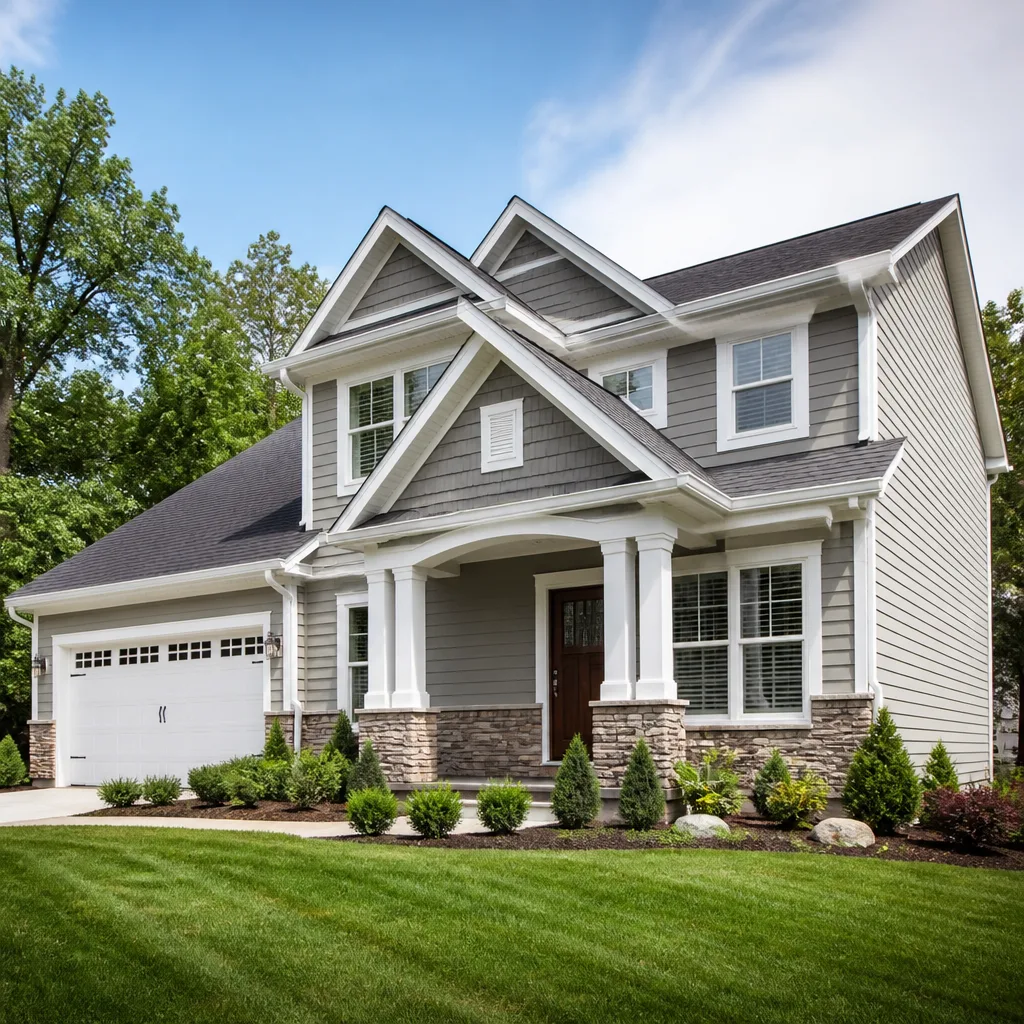
 Before
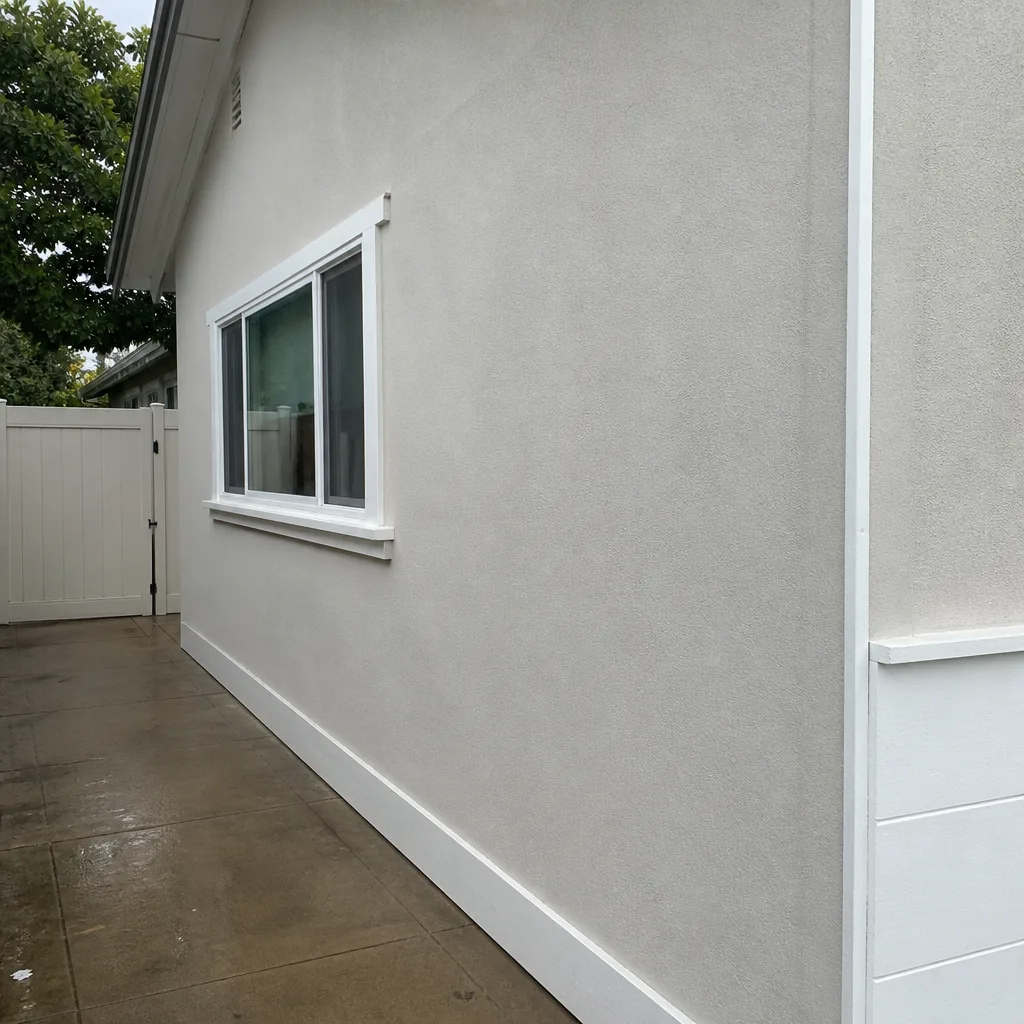 After
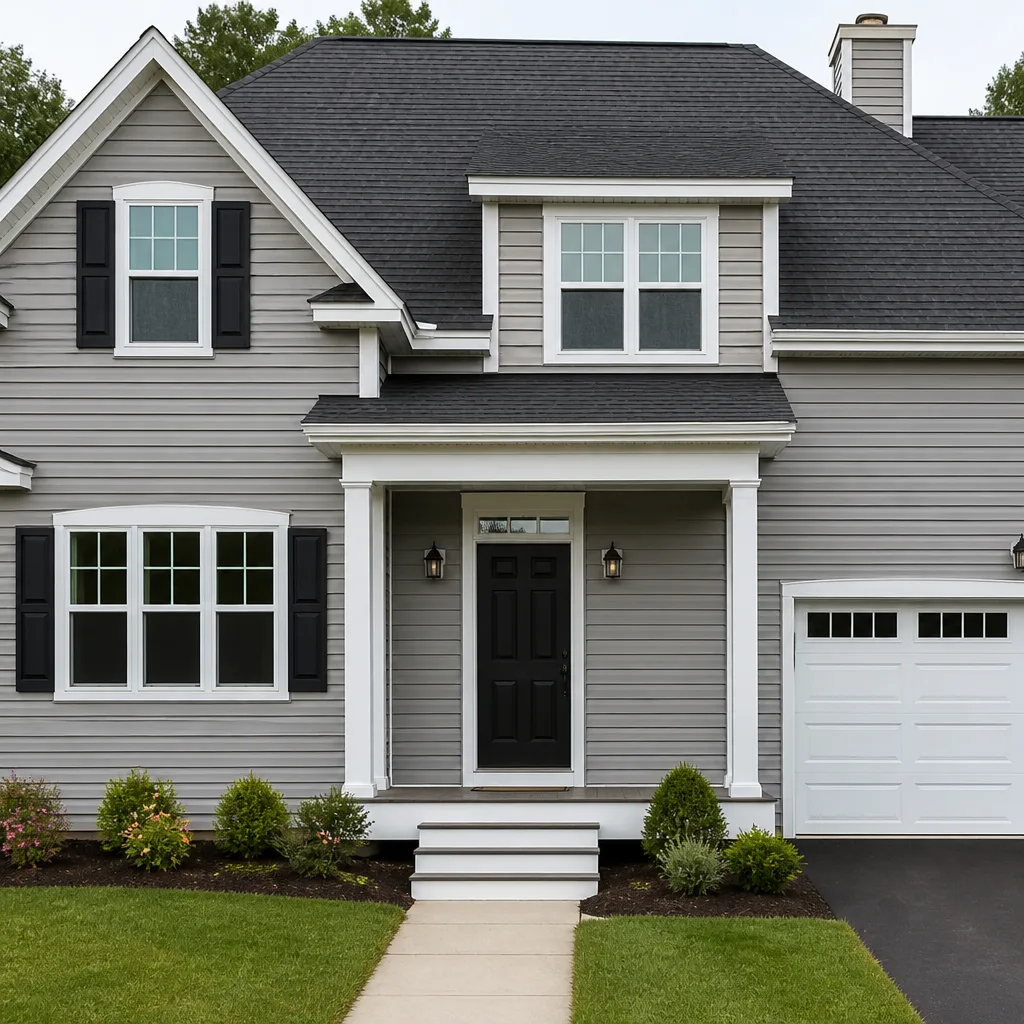
After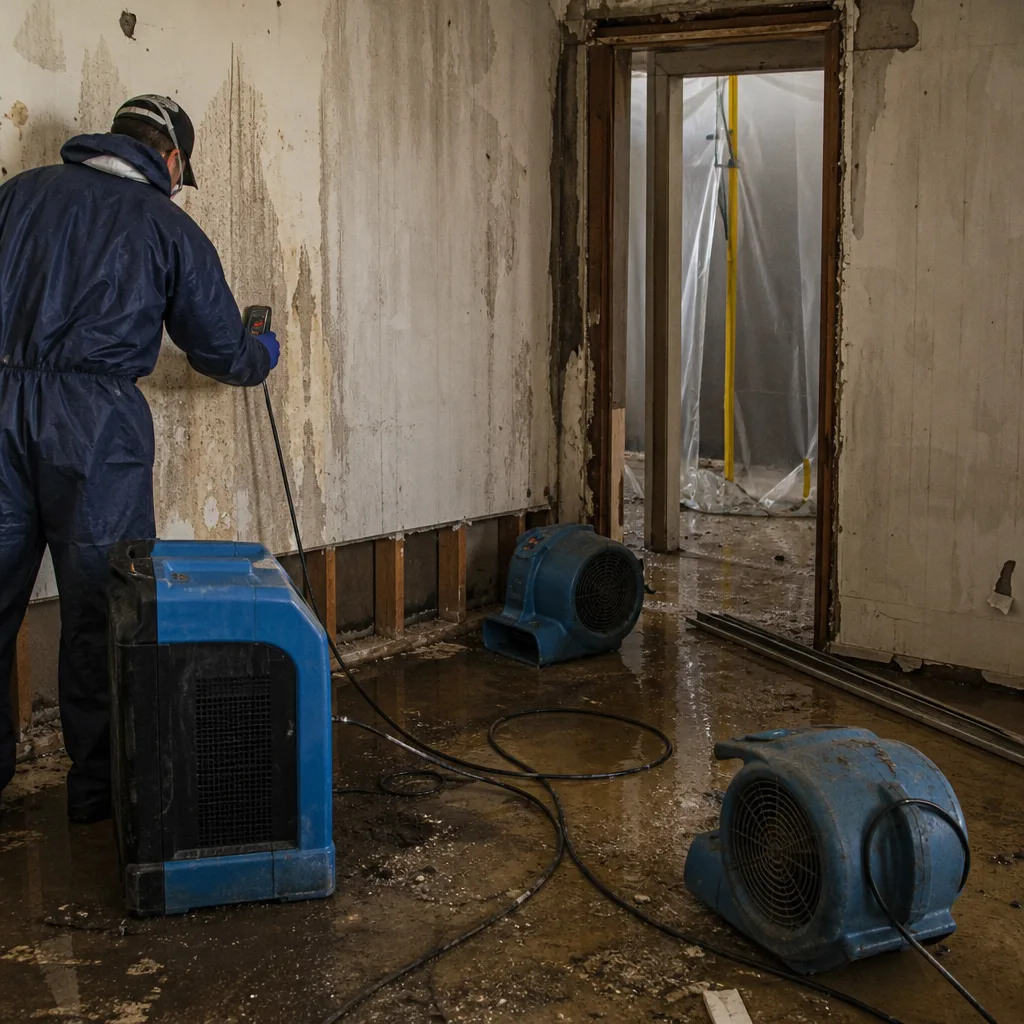 Before
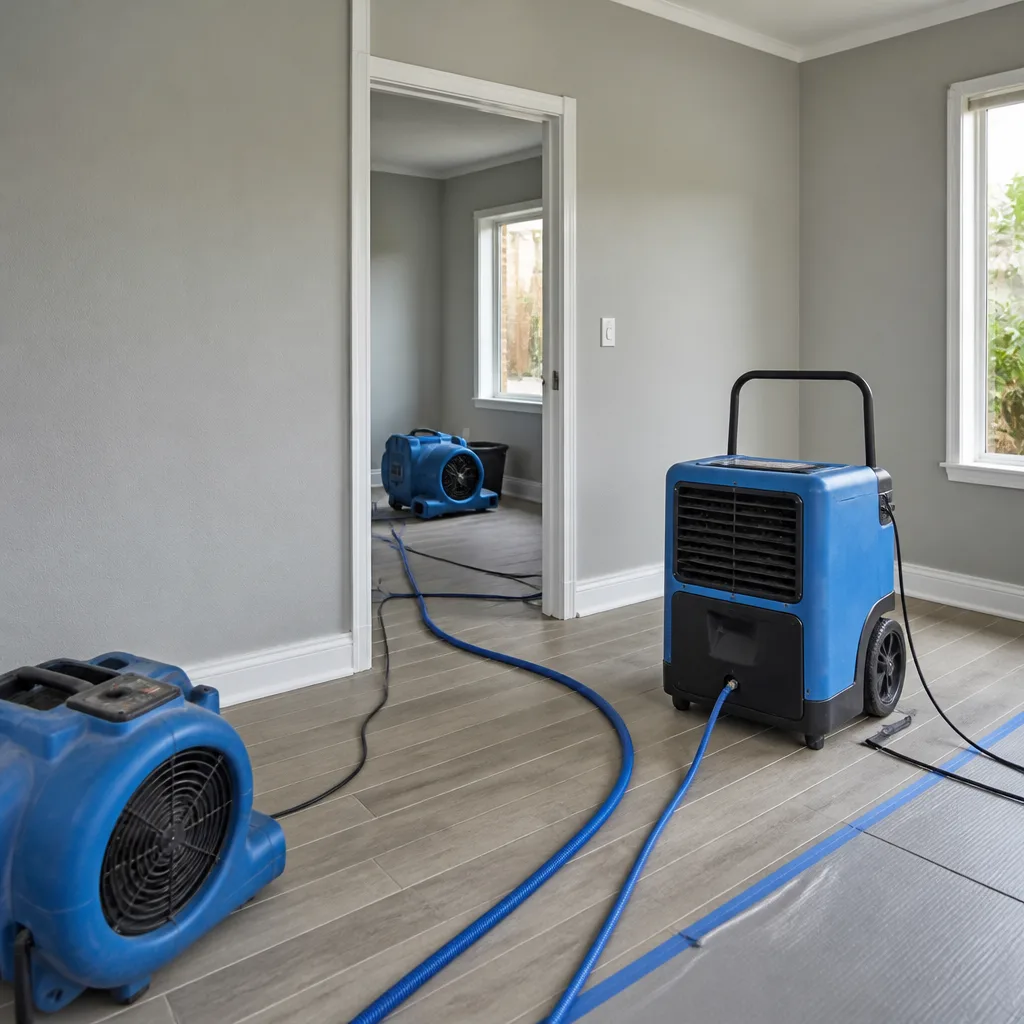 After
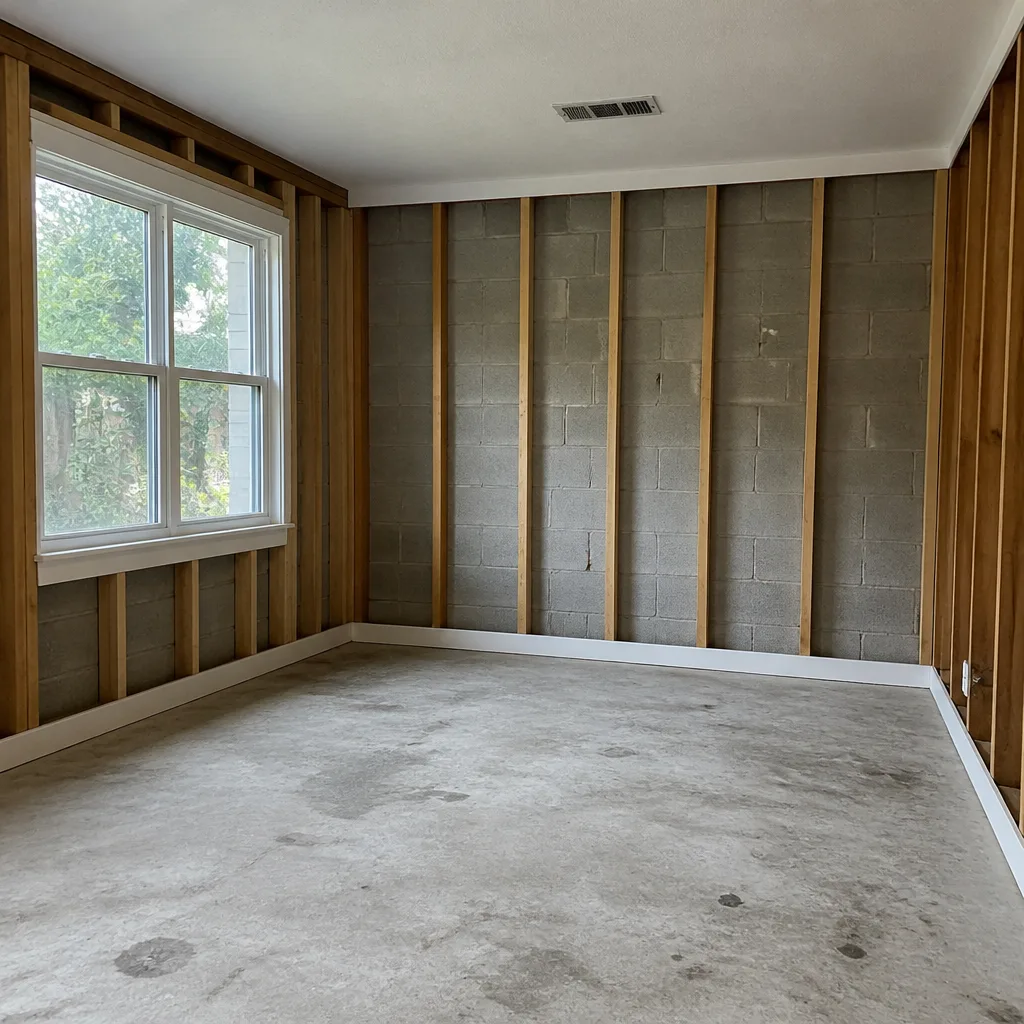
After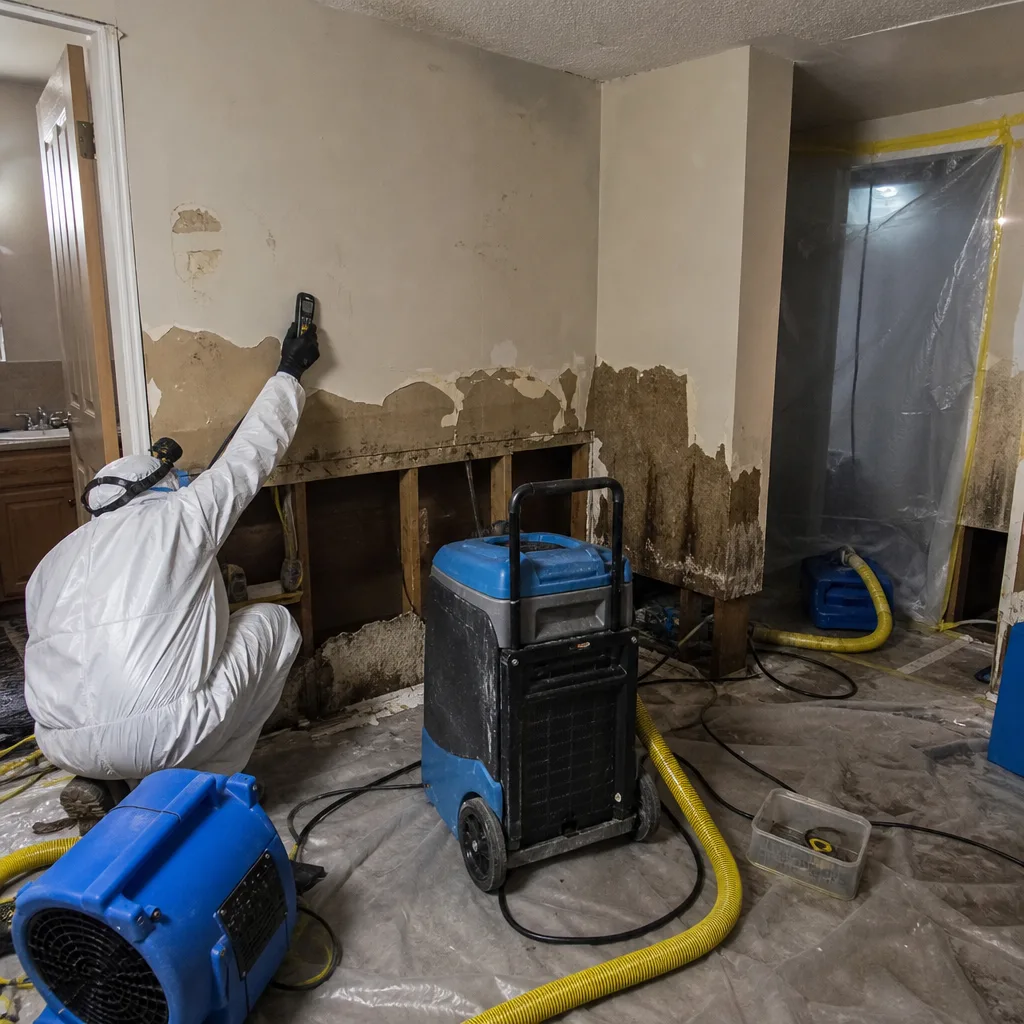 Before
 After
AfterFast, Reliable Water Damage Restoration Across Jamul
Water damage in Jamul rarely looks like the water damage in Chula Vista or El Cajon. Here, you’re dealing with private wells, septic systems, rural lots, and fire-suppression water that carries contamination most restoration companies never account for. Marsh Water Damage Restoration has worked Jamul properties long enough to know the difference. When you call (910) 613-6568, a live person answers, and we send a Threshold Verified technician to your door with a name, a photo, and a written price before any work starts. If you’re standing in water right now, that matters more than any website copy.
Why Marsh Water Damage Restoration Is Jamul’s Preferred Water Damage Restoration Company
Jamul homeowners tend to ask sharper questions than most. They want to know who’s showing up before the truck pulls in the driveway. That’s exactly why our Water Damage Restoration team runs every visit through the Threshold Verified standard: background-checked, identity-verified, uniformed, photo-badged technicians whose name and picture you receive before they arrive. Tobias Reyner built this process so the person at your door is the person you already know by name.
We’ve handled losses in the hillside ranches off Proctor Valley Road, the custom homes along Lyons Valley Road, and the older wood-frame builds scattered across one-acre parcels throughout the 91935 ZIP. What we’ve learned is that Jamul jobs fail when crews treat them like tract-home jobs. They’re not. We scope for the well. We scope for the septic. We scope for the ash. Most national franchises don’t even look for those, and that’s why adjusters call us back.
Every Jamul job gets a written guarantee and the 365-Day Done Right Promise printed on the work order. If the repair isn’t right within a full year, we make it right. That includes a free second visit, automatically. Not something you have to argue for.
Water Mitigation in Jamul
Water mitigation in Jamul is the first phase of any restoration: we stop the active water source, extract standing water, remove what cannot be dried, and set up professional drying equipment before structural damage spreads into framing and flooring. A typical mitigation in Jamul runs $1,800 – $4,200 for the initial extraction, containment, and first 72 hours of drying equipment, depending on how many rooms are involved and whether Category 3 contamination forces demolition. The crucial distinction here is the water source: on a rural lot with a private well and septic, what looks like a clean leak is often contaminated well beyond what a suburban job would be.
That First Call and What Actually Happens
You call. A live person answers. We dispatch a verified technician to Jamul, usually within 60 to 90 minutes depending on where off Lyons Valley Road you are. The tech maps the loss with moisture readings, then hands you a written scope and price before any tool leaves the truck. That’s the Threshold Standard applied to every job, no exceptions.
Why Drying Equipment Alone Won’t Fix a Well-Fed Loss
If water is entering from a failed well pressure tank or a septic drain field backup, you can run dehumidifiers for a month and the structure will still wick moisture. Mitigation in Jamul often starts with finding and valving off the well pump, not the street main. We do that before drying begins. It’s the difference between a job that converges and a job that doesn’t.
Flooded Basement in Jamul
Flooded basement work in Jamul usually means a hillside walkout lower level, a converted garage, or a below-grade addition attached to a 1970s-era ranch, and the water typically arrives through foundation cracks after heavy winter rain, a failed well line, or fire-suppression runoff from the uphill side of the property. A flooded basement extraction in Jamul runs $1,200 – $3,800 before structural drying, with the higher end applying when drywall, insulation, and flooring have to come out due to Category 3 water.
How We Handle an Active Flood Here
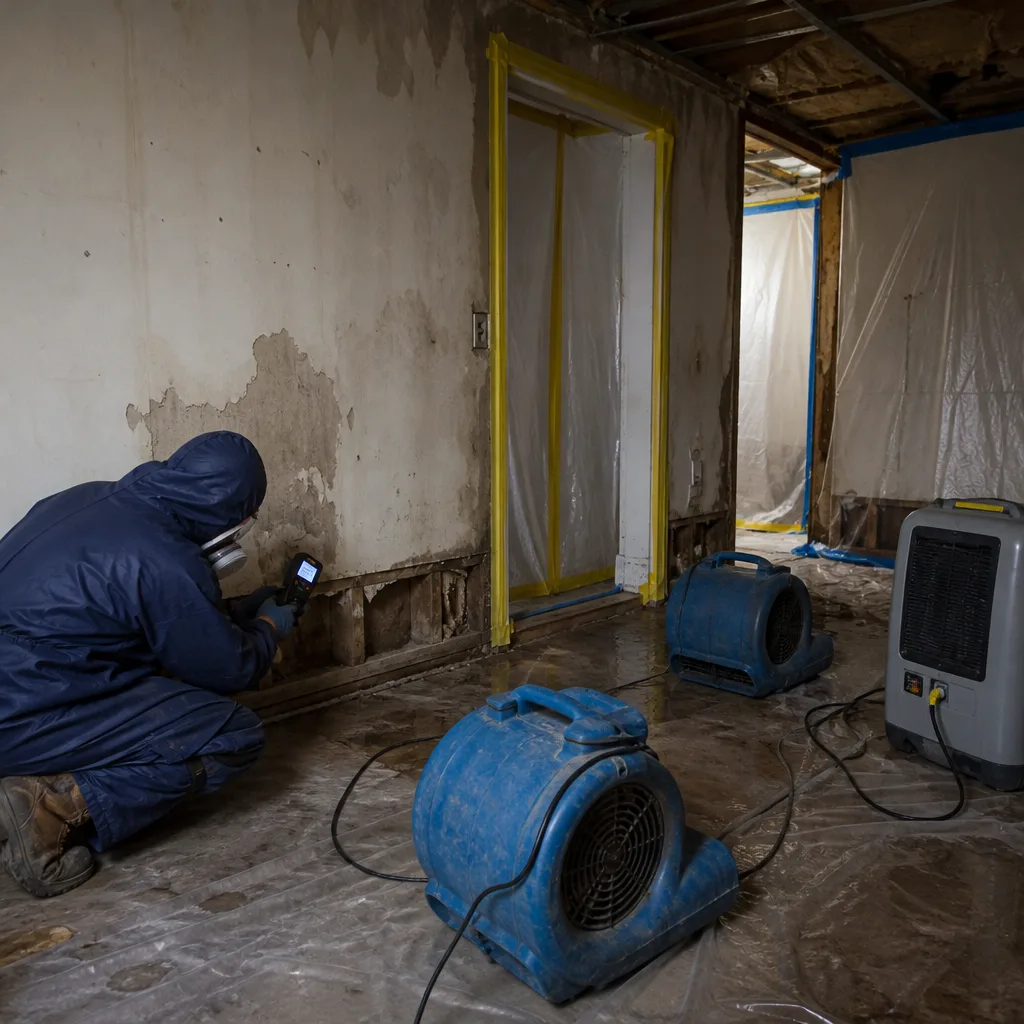
We extract the standing water with truck-mounted units and high-capacity XPOWER extractors, then perform psychrometric readings (measuring the moisture in the air) to find how far water has traveled into adjacent walls and flooring. In Jamul’s wood-frame homes, water follows the framing fast, so we open the affected cavities and dry them directly. No surface-dry illusions.
Septic Drain Field Proximity Changes the Cleanup
When a septic drain field sits close to a below-grade room, floodwater there is not a clean Category 1 loss and not even a typical storm Category 2. It’s Category 3. We treat it accordingly: full PPE containment, antimicrobial treatment on all affected framing, and removal of porous materials that cannot be properly sanitized. Most Jamul homeowners have never heard this explained before we arrive. It changes the whole scope.
Trusted Brands We Service in Jamul
Our Jamul crews run Dri-Eaz dehumidifiers, Phoenix air movers, and XPOWER extraction equipment on jobs from Alpine-adjacent ranches to homes near Lawson Valley. We keep replacement parts and accessory stock staged in the metro office, which means we’re not waiting on a distributor when your drying plan needs a different dehumidifier configuration. That matters on rural jobs where a second trip to a supply house burns an hour each way. One call to (910) 613-6568 gets a crew moving with the right equipment already loaded.
Common Water Damage Restoration Problems We See in Jamul Homes
- Post-suppression water treated as clean water. Firefighters spray tens of thousands of gallons on a structure, and the runoff mixing with soil, ash, and septic-adjacent ground becomes Category 3 fast. In Jamul’s well-and-septic setting, this water has to come out, not dry in place.
- Well pressure tanks and pumps still feeding the loss. The street-shutoff approach doesn’t work here. We find the pressure tank, valve the pump, and confirm the system won’t recharge before drying starts.
- Fine chaparral ash inside HVAC ducts and attic insulation. Homes that survive a wildfire without direct flame contact still need duct replacement and insulation tear-out. This is the most under-scoped line item we see on Jamul claims, and adjusters routinely miss it.
- Post-fire winter debris flows onto lower lots. Denuded hillsides above Jamul release mud and sediment into structures during the first heavy rains after a burn. That’s a second water damage event layered onto the first.
Pricing for Water Damage Restoration in Jamul, CA
A standalone water extraction with basic drying setup in Jamul typically runs $900 – $2,100. Full mitigation with demolition, Category 3 containment, and multiple drying zones runs $3,500 – $8,000+. Duct replacement and attic insulation tear-out after a chaparral fire adds $2,800 – $6,500 depending on home size. What moves the number: how many rooms are wet, whether the well is still feeding the loss, whether sewage or fire-suppression contamination is present, and how much porous material must come out. We hand you a written price before work begins, and we stick to it. Estimates are free. Call (910) 613-6568 and a live person will work through your specific situation.
We Also Serve Cities Near Jamul
Marsh Water Damage Restoration serves all of Jamul as well as the surrounding communities: El Cajon, Alpine, Spring Valley, and La Mesa. The same Threshold Verified crews, the same written guarantees, and the same live-answer phone line cover every one of these areas.
Serving Jamul, CA - Our Local Coverage Area
We’re based in the Jamul area and know this community well. Use the map below to see our service coverage - if you’re nearby, we can almost certainly help.
FAQs About Water Damage Restoration in Jamul
Water is Category 3 when it contains sewage, septic effluent, or other contaminants that create a health risk. In Jamul, most properties operate on private septic systems rather than municipal sewer, and fire-suppression runoff picks up ash, soil, and biological material as it moves across a rural lot. What starts as a hose line from a fire truck is Category 3 by the time it saturates drywall. That means the wet drywall and insulation are removed, not dried, and antimicrobial treatment is applied. If you’re unsure what category your loss falls into, call (910) 613-6568 and we’ll scope it before you make any decisions.
On a municipal system, you shut the street main and the water stops. On a Jamul well, you have to locate the pressure tank and pump, valve the pump off, and confirm the system won’t automatically recharge and re-wet the house. We do that as the first step in any Jamul mitigation, because a drying plan built on a still-active water source never converges. If your well is still live during a loss, call us, and we’ll walk you through shutting it down safely while the crew is en route.
Chaparral fire ash is fine, powdery, and pervasive. It penetrates attic insulation and HVAC ductwork through ridge vents, gable vents, and gaps in the building envelope that smoke from a structure fire would not get through. Even homes with no direct flame contact often need full duct replacement and insulation tear-out because the ash sitting in those spaces becomes airborne every time the system cycles. This is a scope item adjusters typically underwrite, and we document it with photos and measurements for direct adjuster coordination.
Wet drywall begins degrading within 24 to 48 hours, and in Jamul’s warm inland climate, mold colonization can start even faster during summer months. The sooner extraction and drying begin, the more drywall and insulation we can save. In most Jamul cases, we have a crew on site within 90 minutes of your call, and drying equipment running the same day. Delaying by a full day routinely doubles the demo scope. Call (910) 613-6568 as soon as you see water; every hour matters.
After a chaparral or wildfire burns the hills above Jamul, the ground loses the vegetation and root structure that normally holds soil in place. When winter rains arrive, saturated slopes release debris flows and mud into lower-lying lots and structures that already survived the fire. That sediment is contaminated, heavy, and destructive to the same framing and flooring the fire restoration was already addressing. We treat it as a separate Category 3 water loss and scope accordingly.
Water damage in Jamul asks a different set of questions than anywhere else in San Diego County. We’ve answered them on hundreds of rural properties. If you need help, call (910) 613-6568 now. A live person answers. We’ll send a verified technician with a written price. And we’ll stand behind the work for 365 days, in writing.
Written by Tobias Reyner, Owner at Marsh Water Damage Restoration, serving Jamul and the surrounding communities with professional restoration work since 2005.