
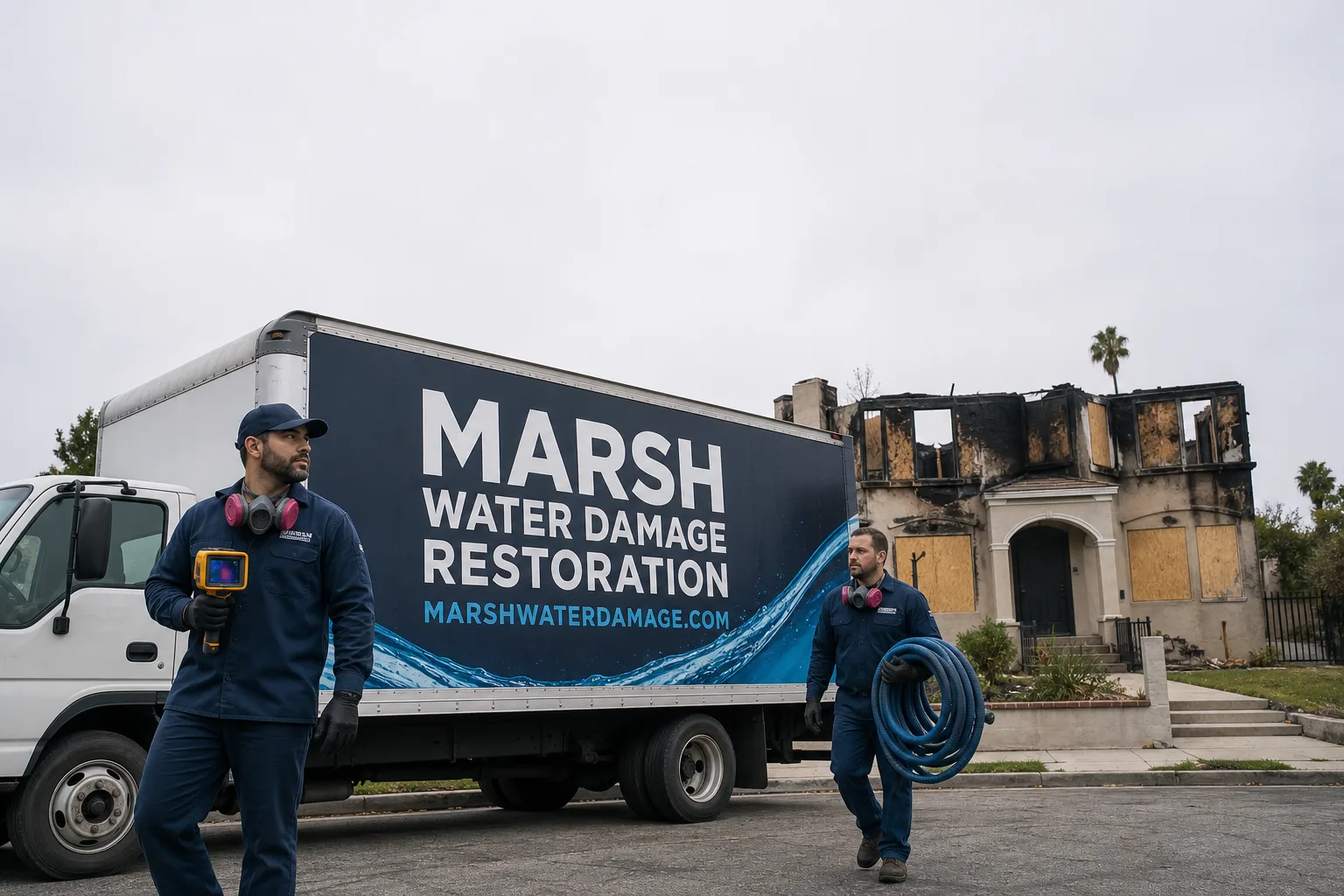
Free visual inspection and a written scope of work before any mitigation begins - photos, moisture readings, and drying logs go in your claim file
The scope we write is the scope we bill. Anything new gets shown to you, in writing, before we touch it.
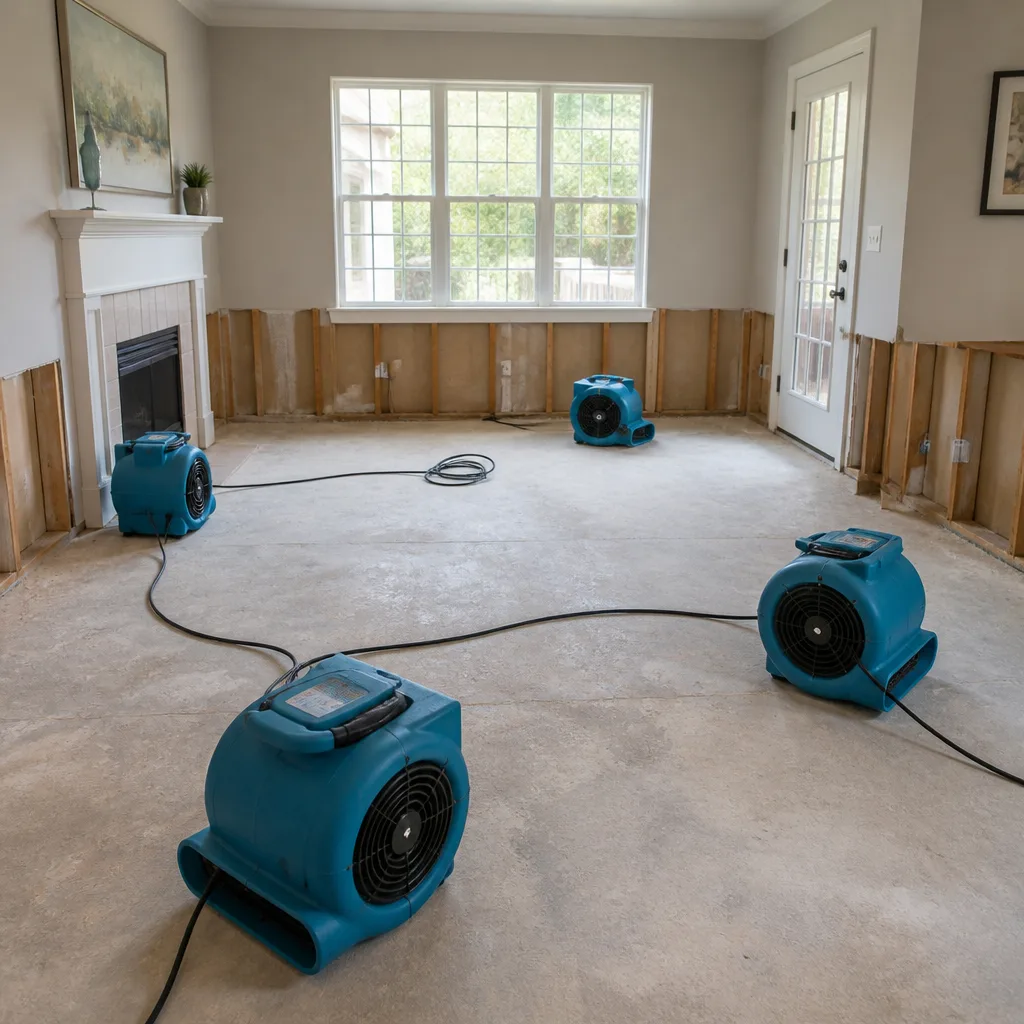
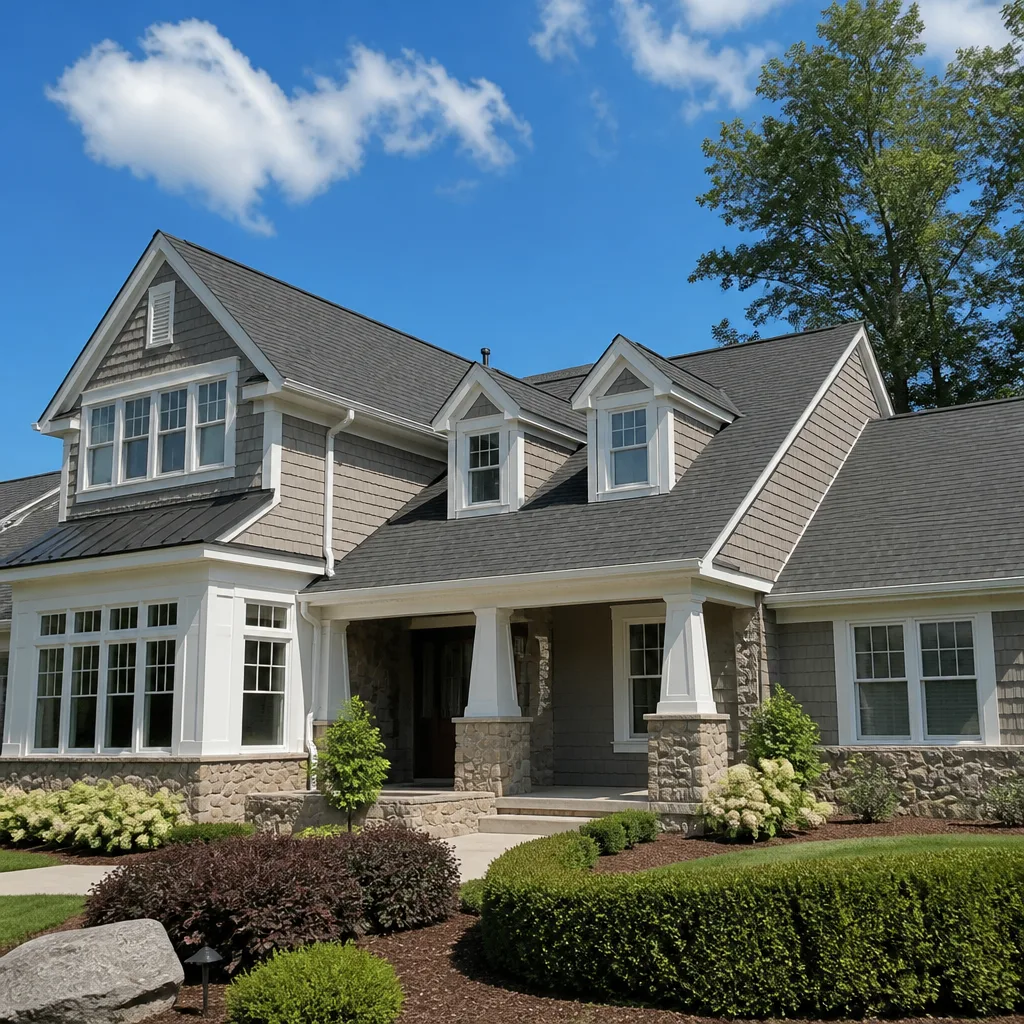
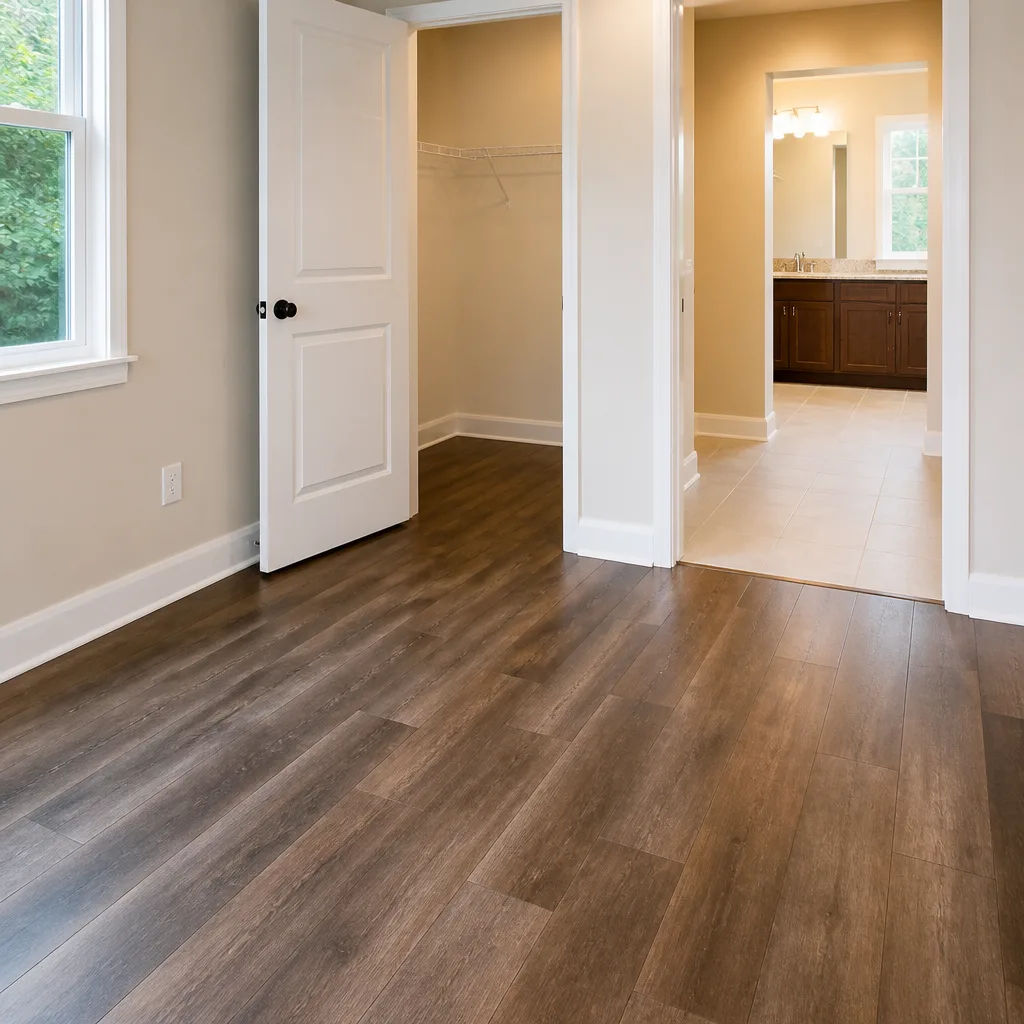
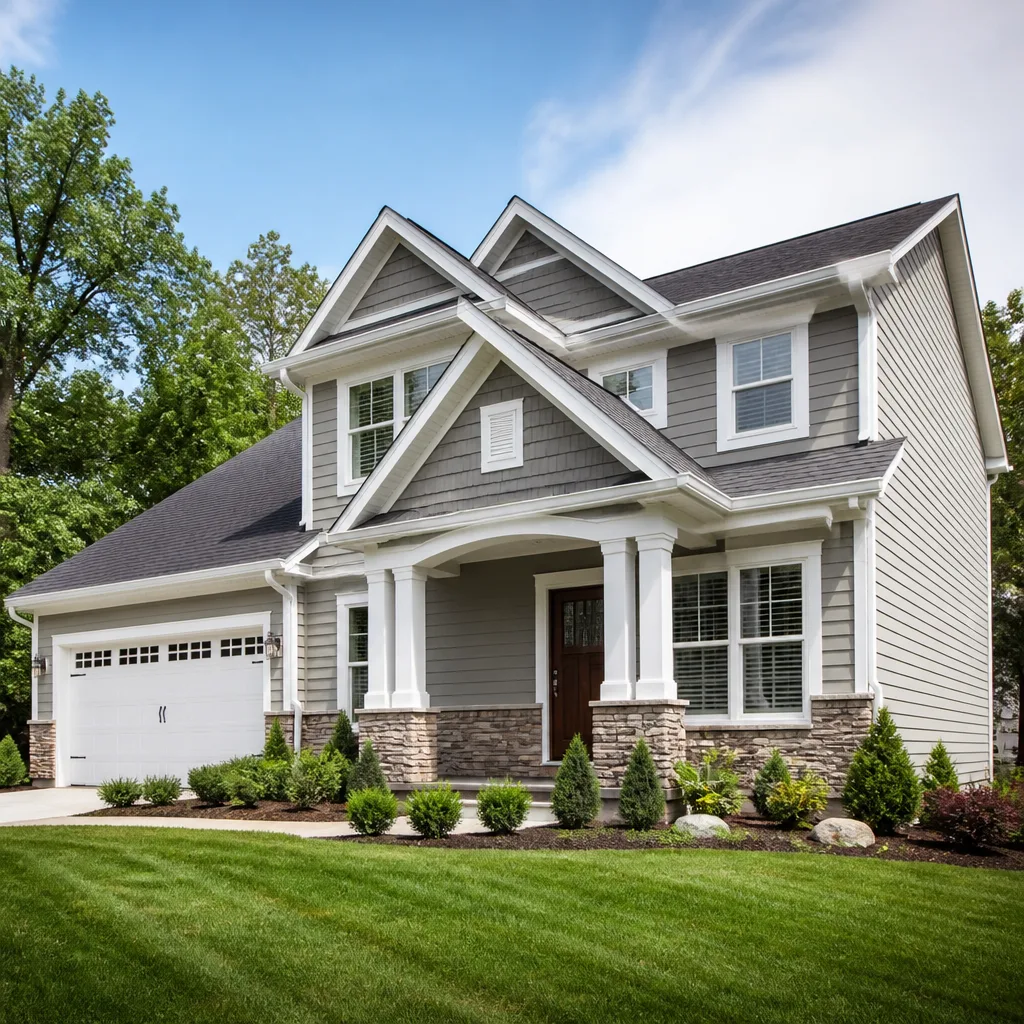
 Before
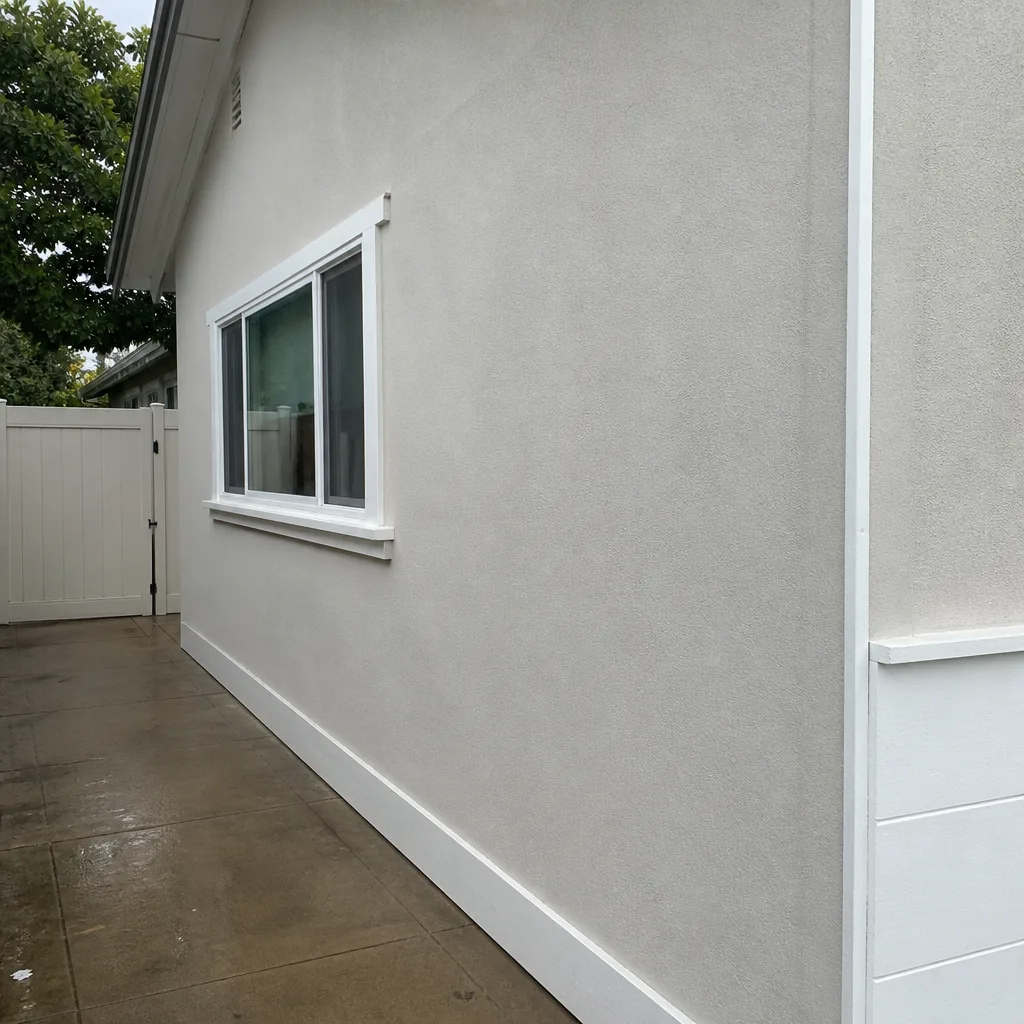 After
After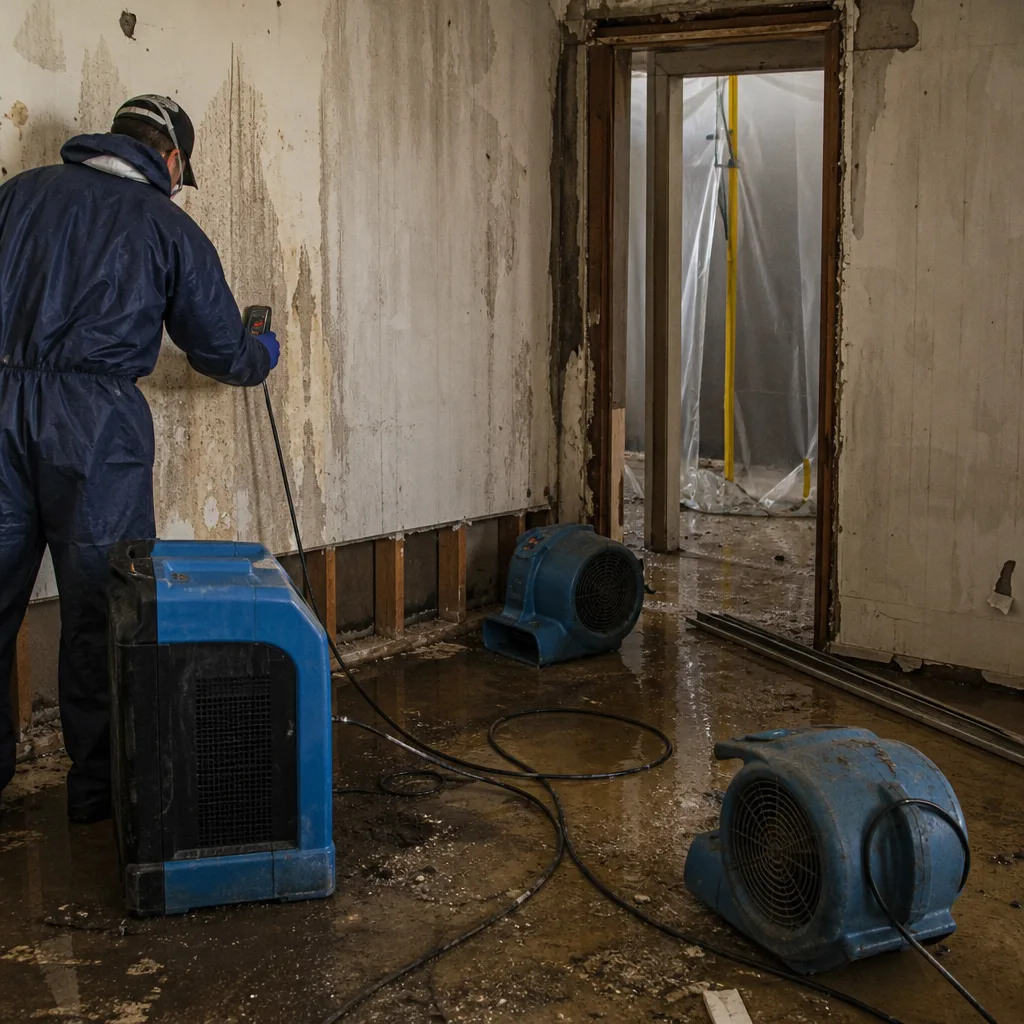 Before
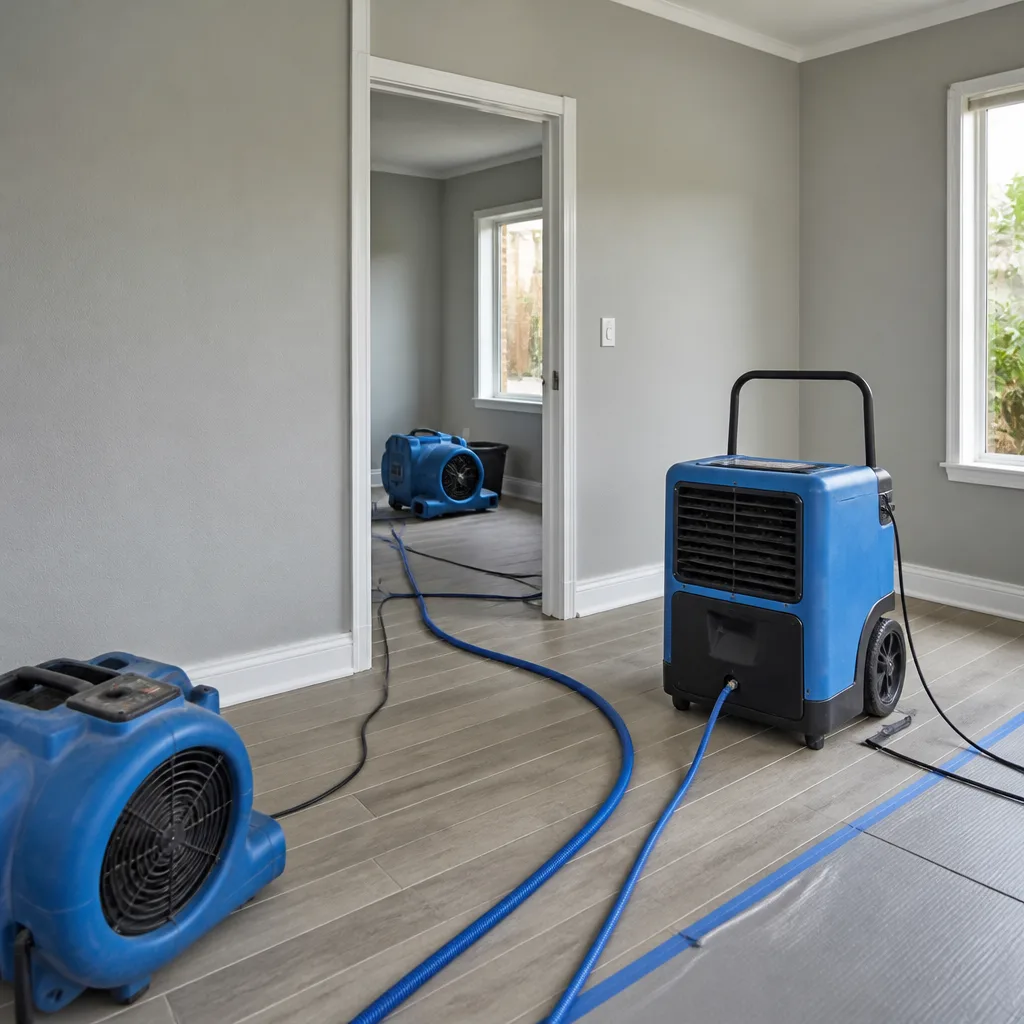 After
After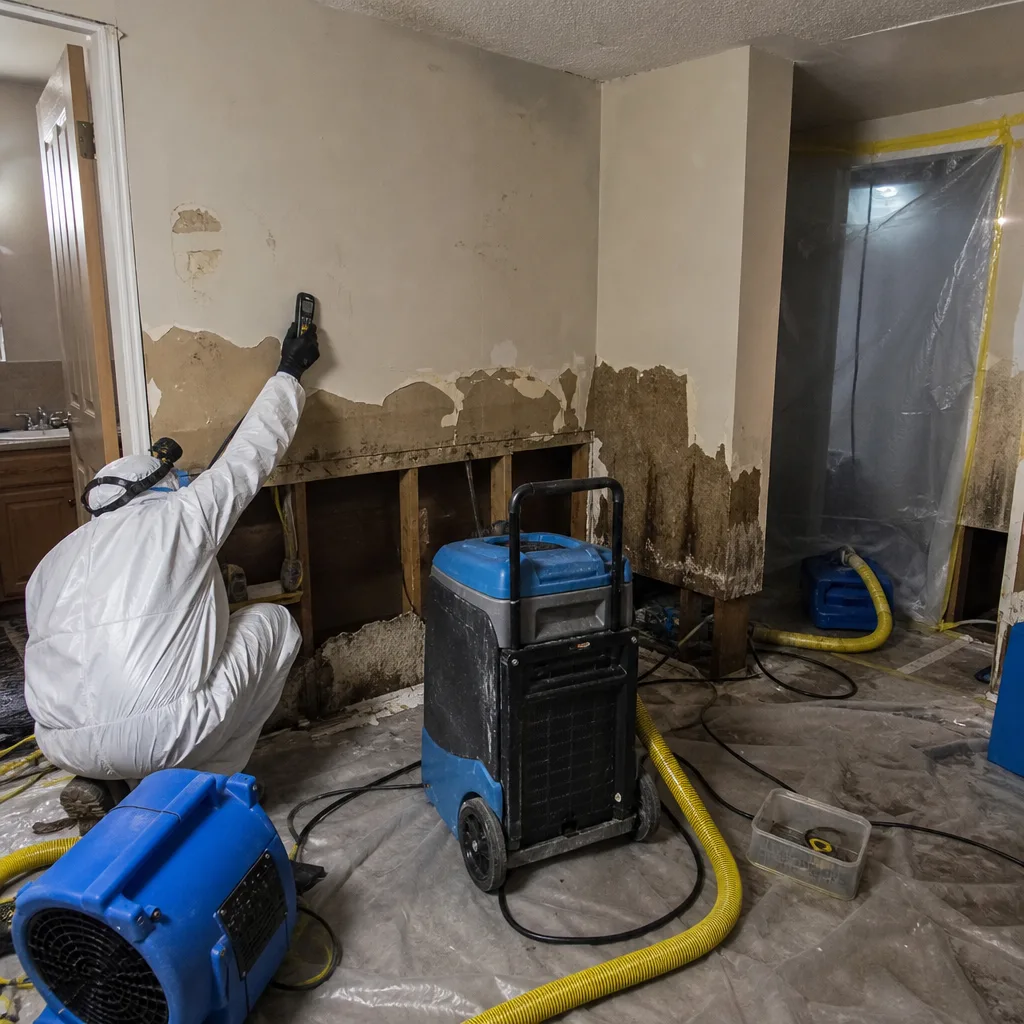 Before
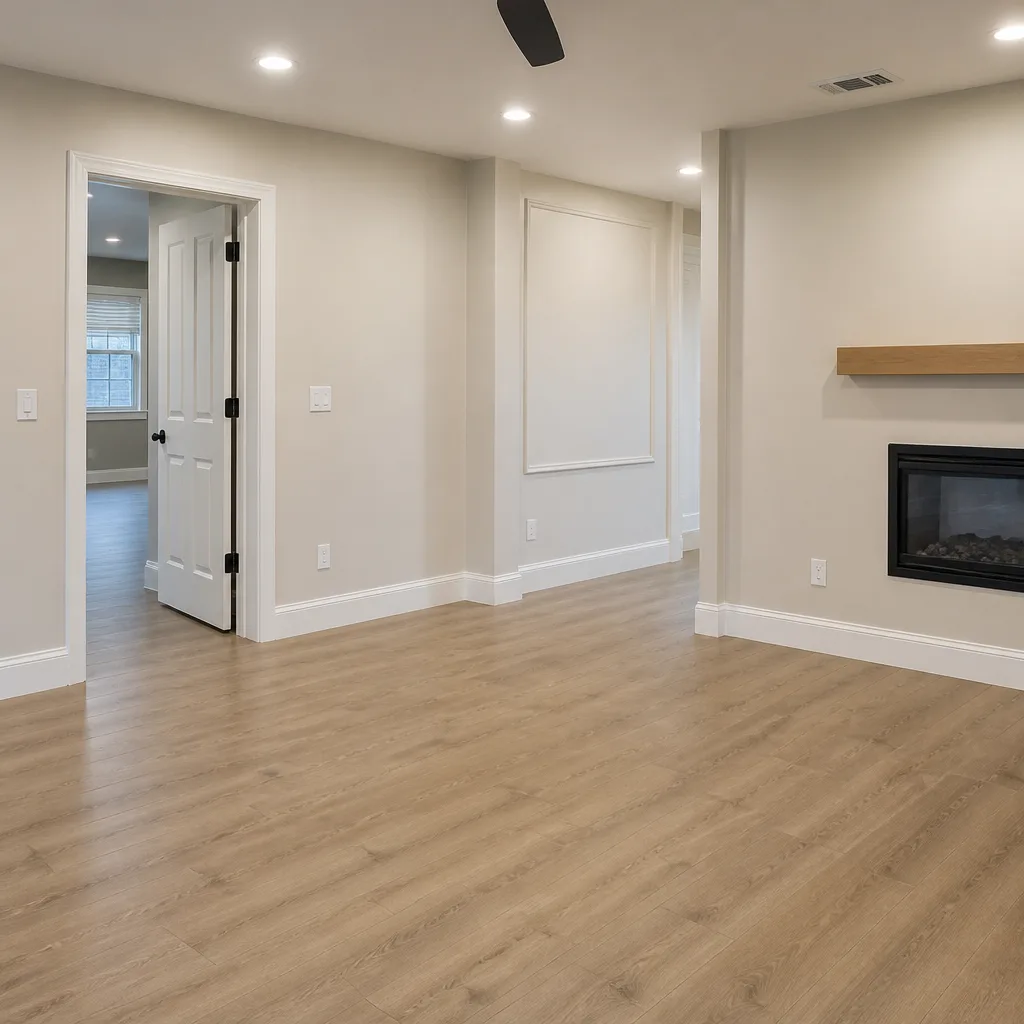 After
AfterFast, Reliable Water Damage Restoration Across Lodi
Water damage in Lodi doesn’t wait, and neither do we. When the Saddle River overflows its banks or a supply line lets go inside a 1930s two-family on Money Street, every hour of standing water pushes deeper into plaster, block, and framing. Marsh Water Damage Restoration has crews staged to reach Lodi homes quickly, with live dispatch answering calls at (910) 613-6568 around the clock. We know this borough’s floodplain, its older housing stock, and the specific ways water behaves inside a 1920s Cape Cod versus a 1950s finished basement. The faster extraction starts, the less demolition follows. That’s the whole game here, and we play it every day.
Key Takeaways:
– Lodi sits in the Saddle River floodplain, so much of the water damage we see is river-sourced Category 3 black water, not clean-water plumbing failures.
– Most residential water extraction in Lodi runs $1,200 – $2,800 before drying equipment is set; full flood gut-and-rebuilds with mold abatement can run $6,000 – $18,000.
– Every Marsh technician is background-checked, identity-verified, and sent to you by name and photo before the visit. They show a photo ID badge at the door, every time.
– We put a written price in your hands before any work starts, and every job carries the 365-Day Done Right Promise.
Why Marsh Water Damage Restoration Is Lodi’s Preferred Water Damage Restoration Company
Lodi homeowners don’t call restoration companies for fun. They call because water is actively moving through their basement floor, or because a musty smell came back six months after the last crew packed up. What they want is someone who knows exactly what’s happening and who is standing at the door. Marsh Water Damage Restoration was founded in 2005 as part of the Threshold Group family, and our Water Damage Restoration team has spent years working Lodi’s flood cycles, not just its plumbing failures. That local pattern recognition matters when a crew has to distinguish fresh Saddle River intrusion from a failed prior remediation hiding behind replacement drywall.
Our response time to Lodi neighborhoods like the streets around Main Street, the blocks near Lodi High School, and the low-lying sections east of Route 17 is short enough that we’re often on site within the hour. Reviews from Lodi customers consistently mention two things: the technician showed up exactly as described in the photo we texted ahead, and the written scope of work matched the final invoice. Tobias Reyner, who leads Marsh’s restoration operations, insists on that discipline on every job, every time. The 365-Day Done Right Promise is printed on every work order. If the repair is not right within a full year, we make it right, including a free second visit. That’s not marketing language. It’s a stamped commitment.
Emergency Water Removal in Lodi
Emergency Water Removal in Lodi usually means one of two scenes: a burst supply pipe flooding a finished basement on a quiet residential block, or Saddle River water pushing up through a floor drain during a nor’easter. When we arrive, the first move is extraction using truck-mounted and portable equipment from Phoenix and XPOWER. We get standing water out before it wicks into drywall, wicks into original plaster, or soaks into the block foundation walls that define Lodi’s older basements. Most residential water extraction jobs in Lodi run between $1,200 and $2,800 before drying equipment is set, and that’s a number we put in writing before the first hose is pulled.
What Extraction Looks Like on a Lodi Job
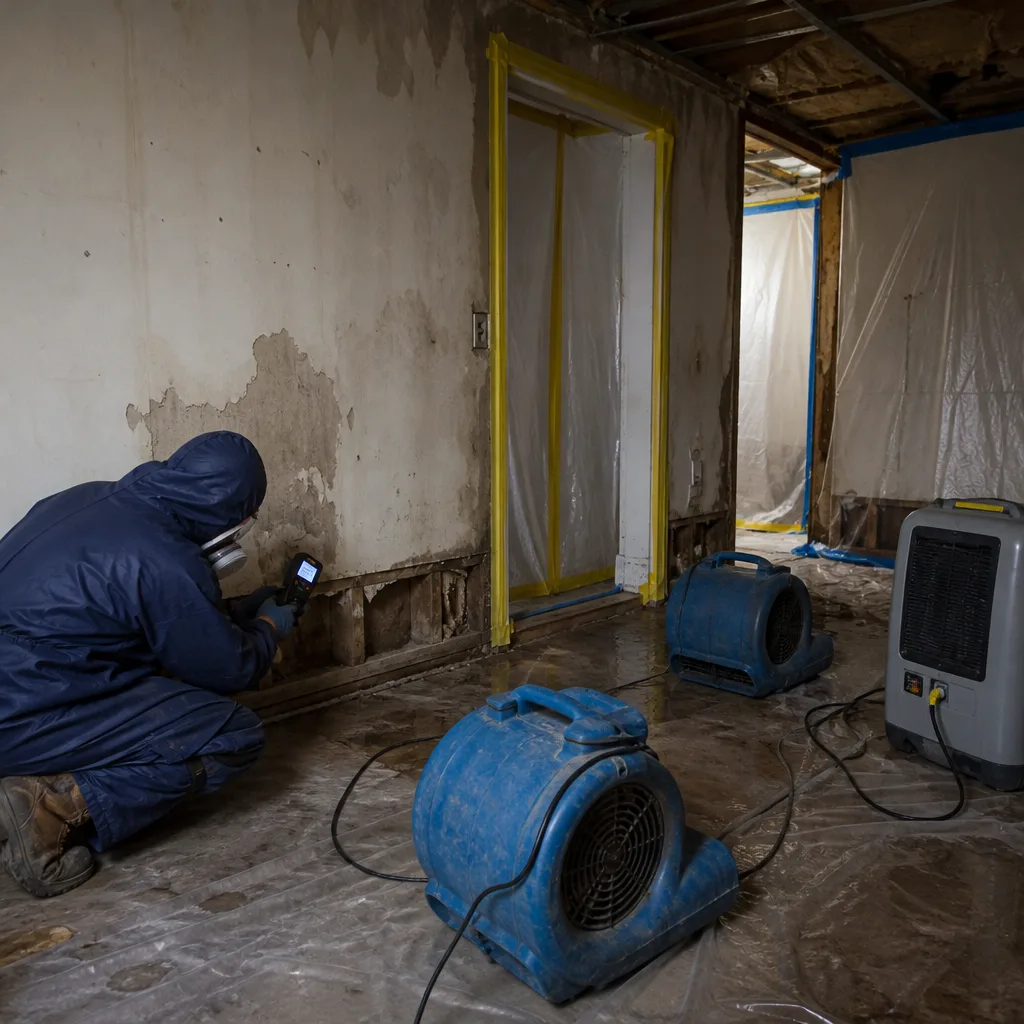
Our technicians map the moisture first, then extract, then set drying equipment. In a finished block-and-stone basement, that means pulling baseboards, drilling small weep holes in the drywall, and positioning Dri-Eaz air movers to create airflow across the wet surfaces. We log psychrometric readings (measuring the moisture in the air) daily so you know the structure is genuinely dry, not just dry on the surface.
When You Need Us Immediately
Call the moment water appears, not after you’ve tried towels and a shop vac. Standing water in a Lodi basement with a finished floor is doing permanent damage within hours. The number is (910) 613-6568. A live person answers 24 hours a day, including holidays. Not a voicemail, not a chatbot. A person who will dispatch a crew to Lodi.
Flood Damage Restoration in Lodi
Flood Damage Restoration in Lodi is a different animal from the plumbing leaks other Bergen County towns mostly deal with. When the Saddle River jumps its banks, the water entering Lodi basements is Category 3 black water: river-sourced, carrying sewage, agricultural runoff, and whatever else it picked up on the way. Restoration here requires antimicrobial treatment, containment barriers, and proper disposal of saturated materials, not just drying. A full flood gut-and-rebuild in a Lodi finished basement, including hidden mold abatement if prior remediation failed, typically runs $6,000 to $18,000 depending on square footage and how far the water climbed.
Category 3 Protocol for Saddle River Water
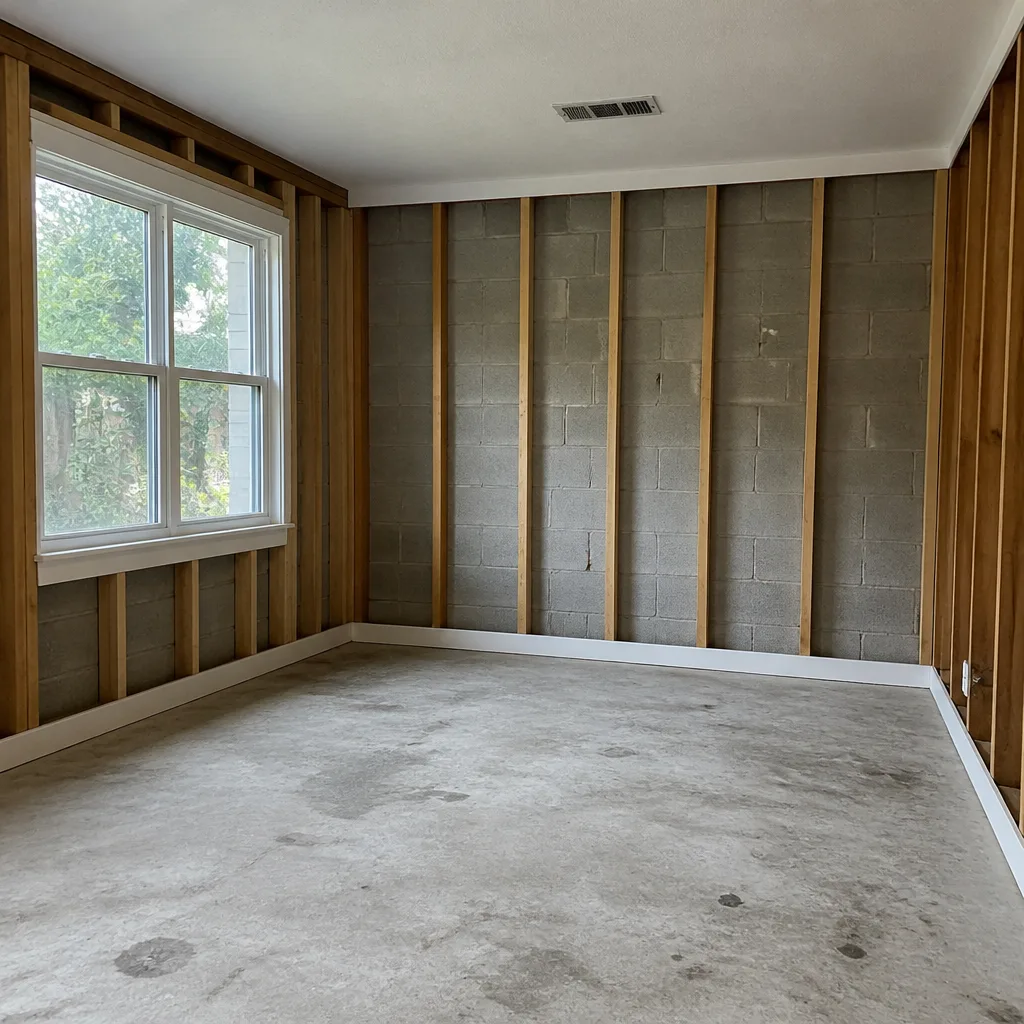
River water gets treated differently than a clean-water pipe break. We cut drywall that absorbed black water, remove insulation, treat framing with antimicrobial agents, and document everything with photo logs and moisture maps. If a flood-insurance claim is involved, which is common in Lodi’s NFIP-covered floodplain, that documentation becomes the backbone of your claim file.
What Hidden Mold Changes
Lodi restoration techs learn quickly that many flood-damaged basements they’re called to treat have already been improperly remediated after a prior Saddle River event. Hidden mold colonies behind re-drywalled walls are a routine discovery. That turns what looked like a dry-out into a full mold-abatement project with a much larger scope of work, and it’s why our moisture mapping always includes checking behind recent drywall patches in finished block-and-stone basements.
Trusted Brands We Service in Lodi
We run equipment from Dri-Eaz, Phoenix, XPOWER, B-Air, and Injectidry, the same machines used on large commercial losses, applied to Lodi residential jobs. Phoenix low-grain refrigerant dehumidifiers and XPOWER air movers handle the heavy drying in damp block basements. Injectidry systems get into wall cavities and under flooring without needless demolition. We stock the parts and accessories needed to service this equipment locally, so a failed dehumidifier on day two of a Lodi dry-out gets swapped fast, not shipped from somewhere else. Our technicians hold IICRC, RIA, and IFA credentials, which means they’ve trained on exactly this gear.
Common Water Damage Restoration Problems We See in Lodi Homes
- Saddle River floodwater treated as clean water. A generic contractor might extract and dry without antimicrobial treatment, skipping the containment black water demands. That leaves pathogens in wall cavities and under cove base, setting up a health problem and a re-open months later.
- Prior re-drywall hiding mold colonies. Lodi’s finished block-and-stone basements get flooded, re-drywalled, flooded again. We routinely find saturated framing and hidden mold behind drywall that a previous job closed up after Hurricane Irene. A simple dry-out becomes an abatement project.
- Knob-and-tube wiring and original plaster. Homes built before 1950 in Lodi often still have knob-and-tube circuits. Water in those wall cavities means we pause drying and coordinate with an electrician before moisture and electricity share a space. That coordination also keeps the flood-insurance scope of work clean.
- Finished basements that look dry but are not. Block walls wick moisture invisibly. A finished basement can feel dry to the touch while saturated framing hides behind the drywall. Psychrometric readings catch what a hand cannot.
Pricing for Water Damage Restoration in Lodi, NJ
We Also Serve Cities Near Lodi
Our crews run the same equipment and the same Threshold Verified standard into Hasbrouck Heights, Garfield, Teterboro, and Hackensack. If you’re across the Saddle River in Garfield or just up Route 17 in Hasbrouck Heights, the same written-price guarantee and photo-badged technicians apply. Read more about the neighborhoods we cover on our Lodi page, or call (910) 613-6568 to confirm dispatch to your street.
Serving Lodi, NJ - Our Local Coverage Area
We’re based in the Lodi area and know this community well. Use the map below to see our service coverage - if you’re nearby, we can almost certainly help.
FAQs About Water Damage Restoration in Lodi
Why is Saddle River floodwater in my Lodi basement treated as Category 3 black water instead of normal water damage?
Saddle River water is Category 3 because it carries sewage, agricultural runoff, road oils, and whatever else the river picked up on its way through Bergen County. That means it requires antimicrobial treatment, containment, and removal of saturated porous materials, not just drying. Treating it as clean water leaves pathogens in your walls. Call (910) 613-6568 and we’ll walk you through what Category 3 protocol looks like on a Lodi basement, in plain language, before any work starts.
My Lodi basement was already remediated after Hurricane Irene but smells musty again – what’s happening?
What’s happening, in most Lodi cases we see, is that the earlier remediation did not fully open and dry the wall cavities before re-drywalling. Hidden mold colonies have been growing between the block wall and the replacement drywall since that job closed up. We moisture-map behind the patches, remove the affected drywall, abate the mold, and dry the structure to a logged standard. This is not something a dehumidifier will fix. We’ll show you the moisture readings and the mold, in photos, before we touch anything.
Does remediation here need to pause for an electrician because of old wiring?
Yes, in many pre-1950 Lodi homes with knob-and-tube wiring, water in wall cavities means we pause before setting drying equipment in that space. Water and live knob-and-tube circuits do not belong together. We coordinate with a licensed electrician, isolate the circuits, and only then proceed with structural drying. That pause protects your home and keeps the scope of work clear for any flood-insurance claim. It’s factored into the written price we give you before starting.
How does the NFIP flood-insurance process change how you document a Lodi water job?
NFIP claims require pre-loss condition documentation, moisture mapping, drying logs, photo logs, and a scope of work that separates covered flood damage from excluded items like hidden mold that predates the event. We produce that documentation as a standard part of Lodi flood jobs, because a significant share of our Lodi clients carry flood policies rather than standard homeowners coverage. That paper trail is often the difference between a claim paid and a claim argued. We’ll work directly with your adjuster and make sure the file is complete.
How fast do we need to start drying after Saddle River water gets into a Lodi home?
Within hours, not days. Saddle River water is Category 3 black water, and it starts wicking into drywall, plaster, and block within the first hour. By 24 hours, finished drywall is usually saturated beyond drying; by 48 hours, hidden mold is actively growing in cavities. The faster extraction starts, the less gets cut out and the smaller the final scope of work. Call (910) 613-6568 now. A live person answers, and we dispatch to Lodi immediately.
Written by Tobias Reyner, Owner at Marsh Water Damage Restoration, serving Lodi since 2005.