
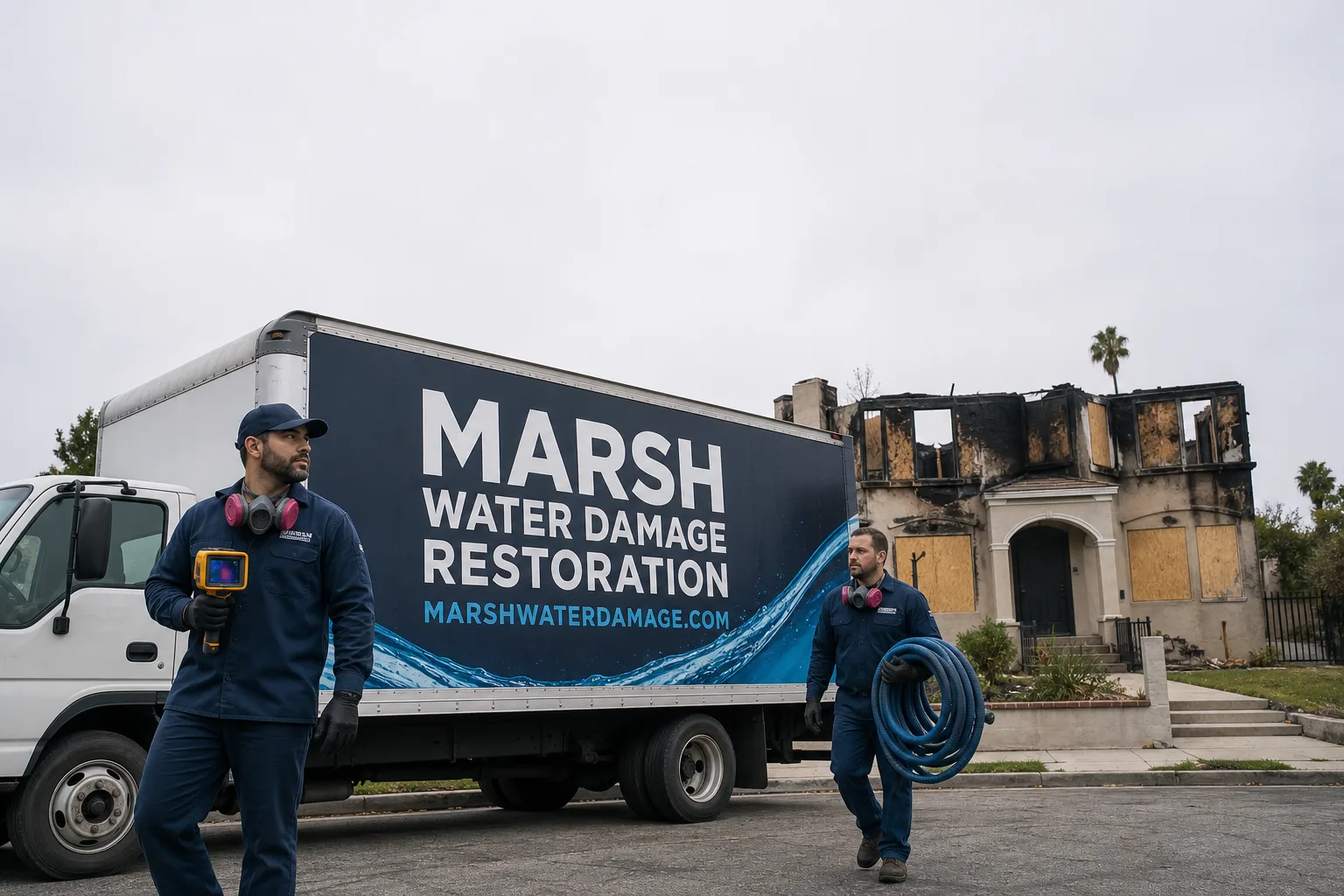
Free visual inspection and a written scope of work before any mitigation begins - photos, moisture readings, and drying logs go in your claim file
The scope we write is the scope we bill. Anything new gets shown to you, in writing, before we touch it.
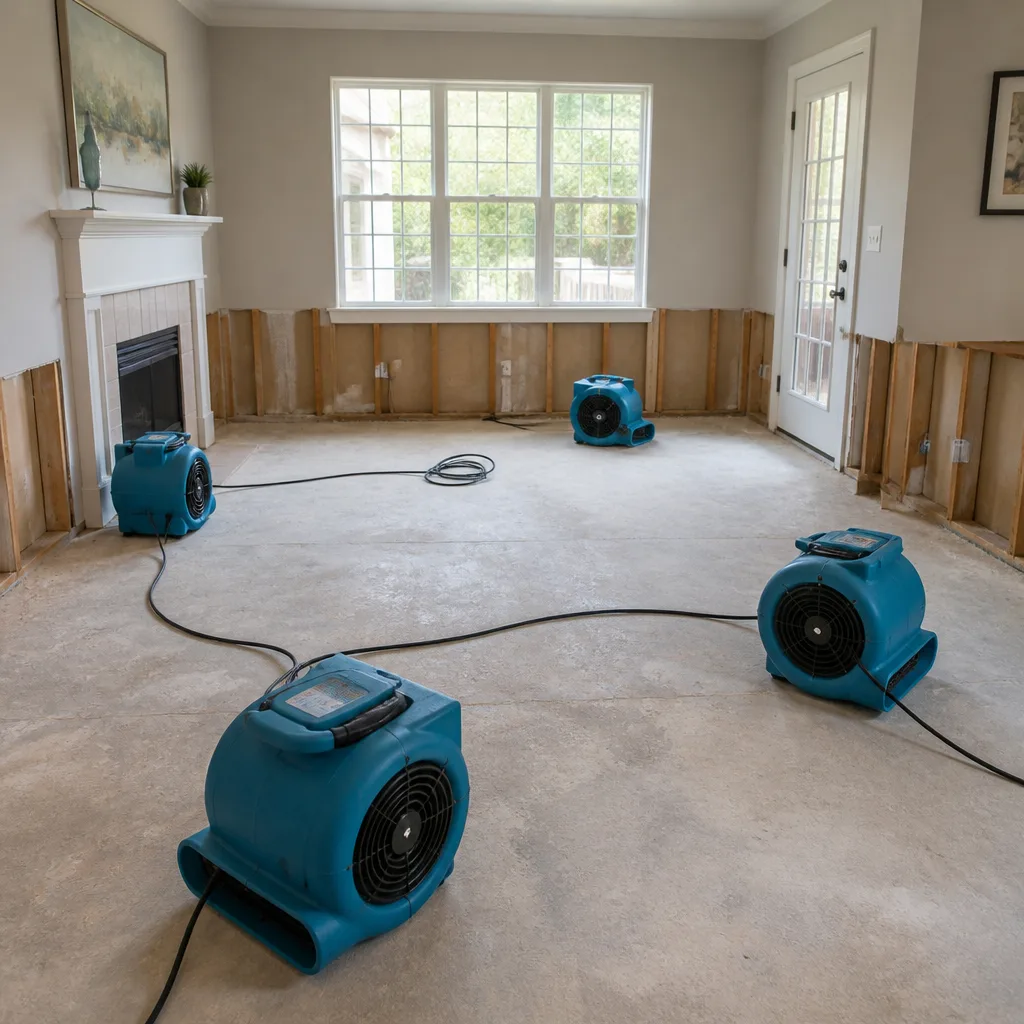
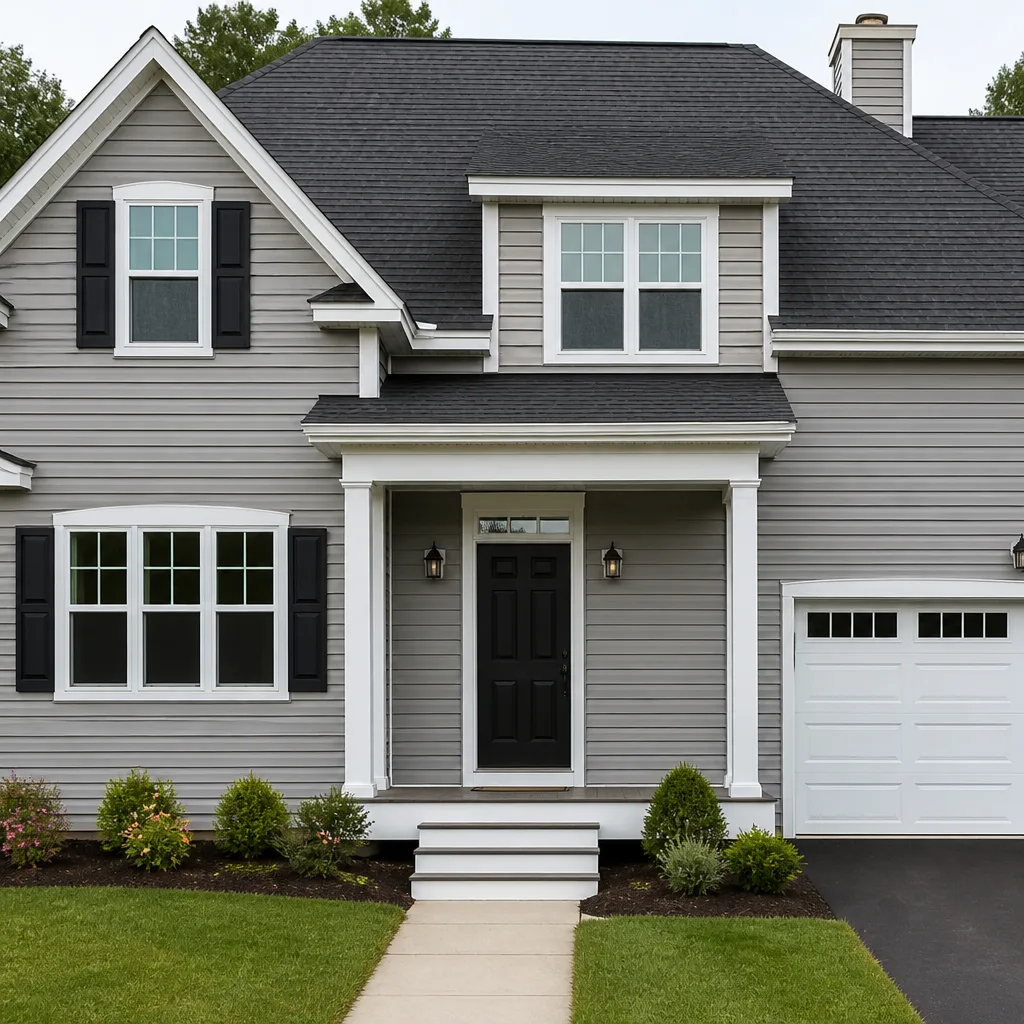
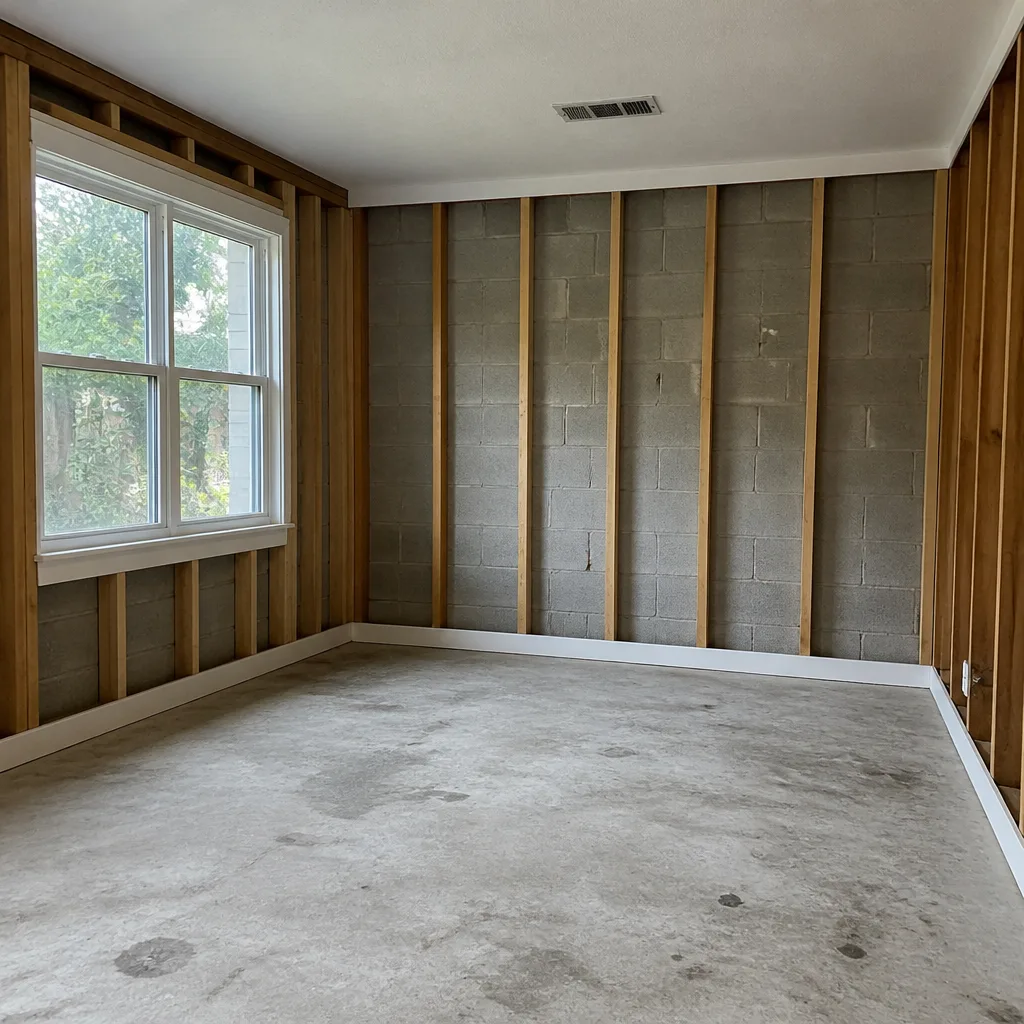
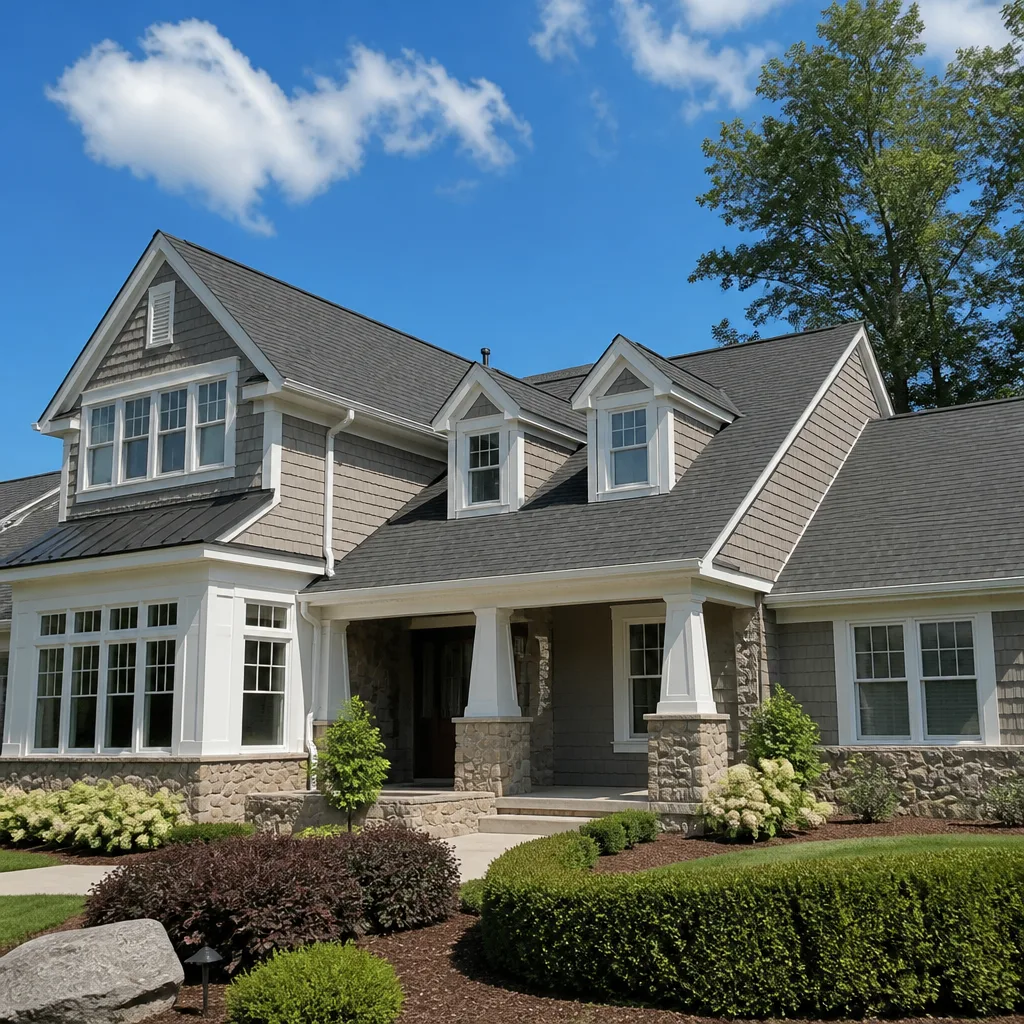
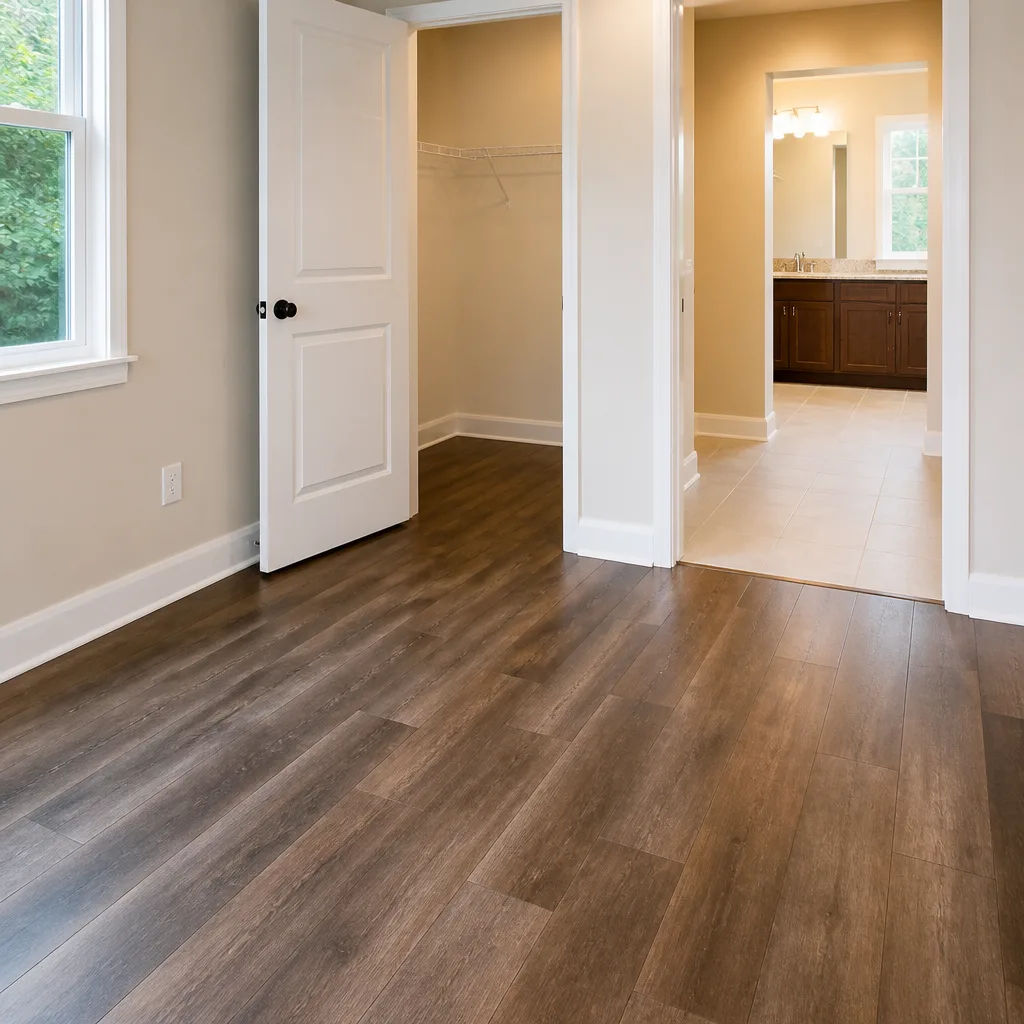
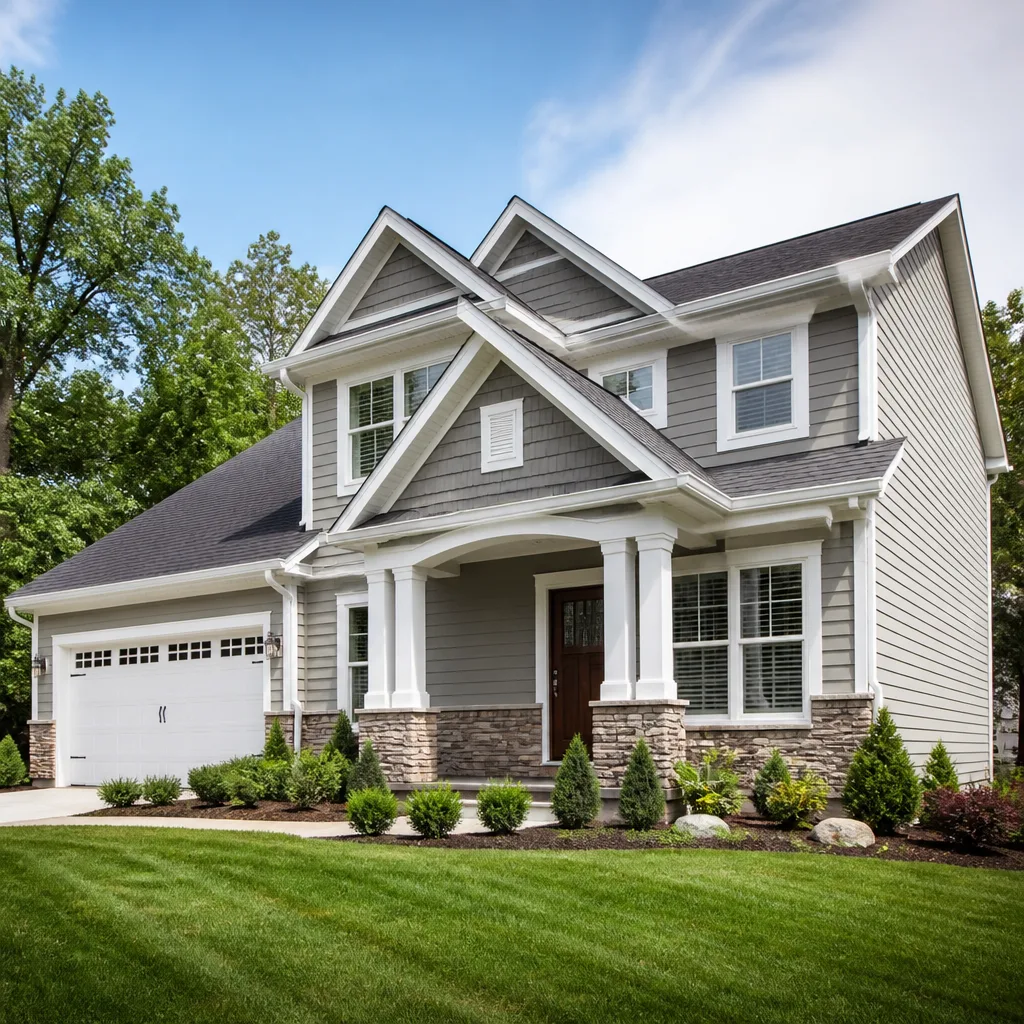
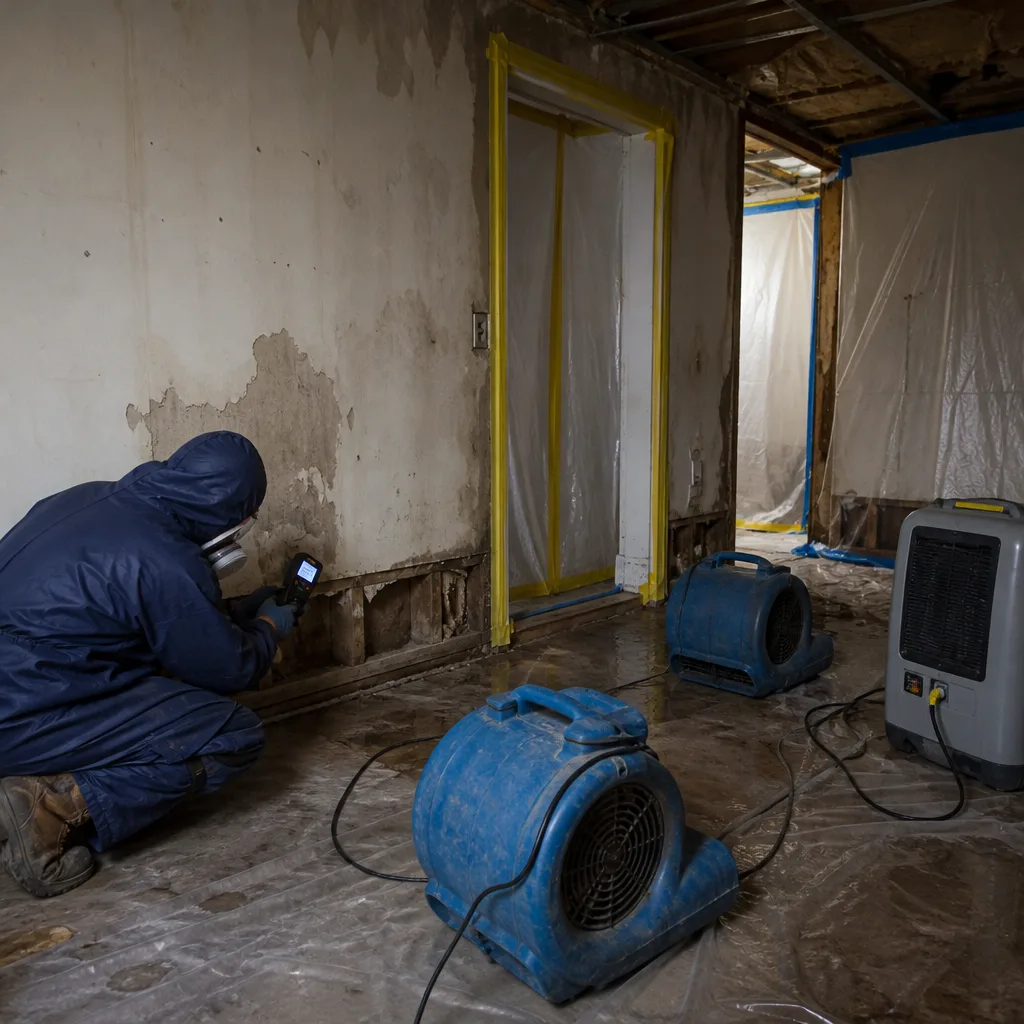 Before
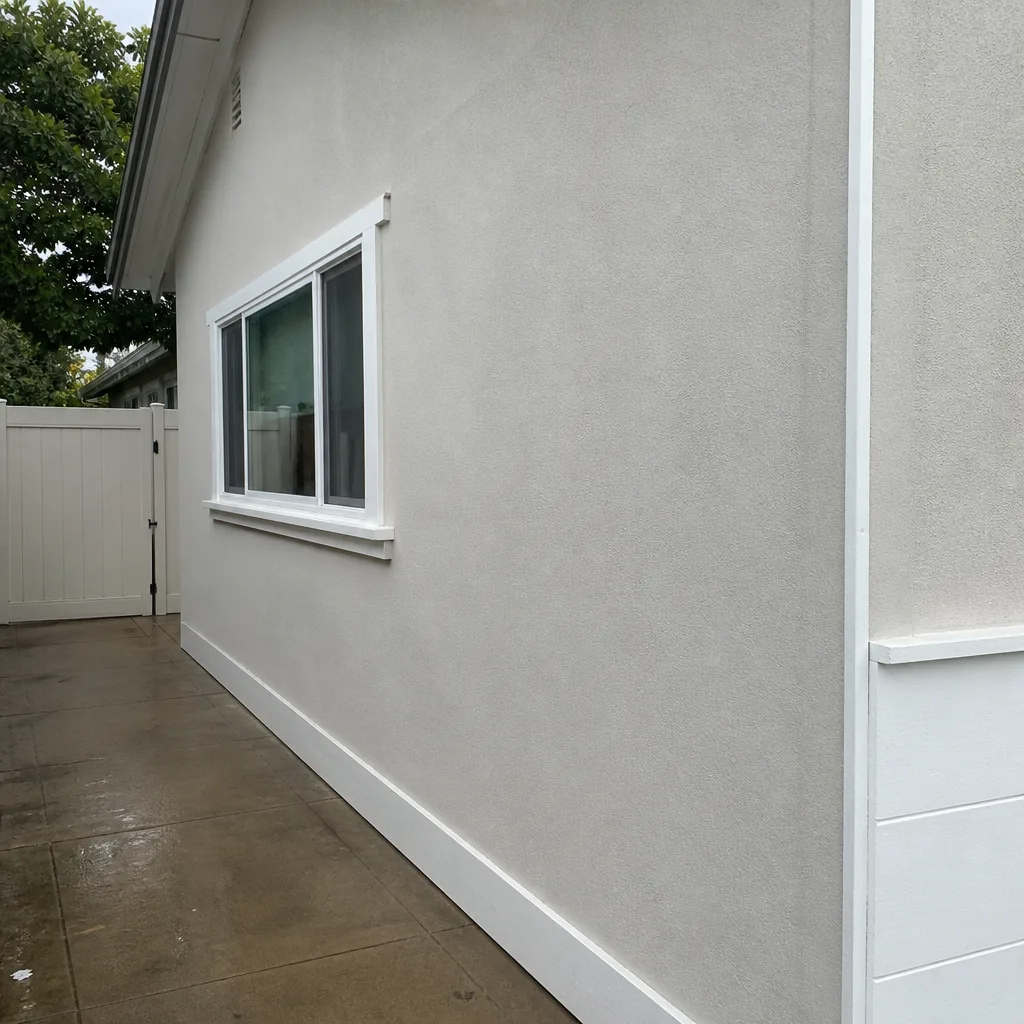 After
After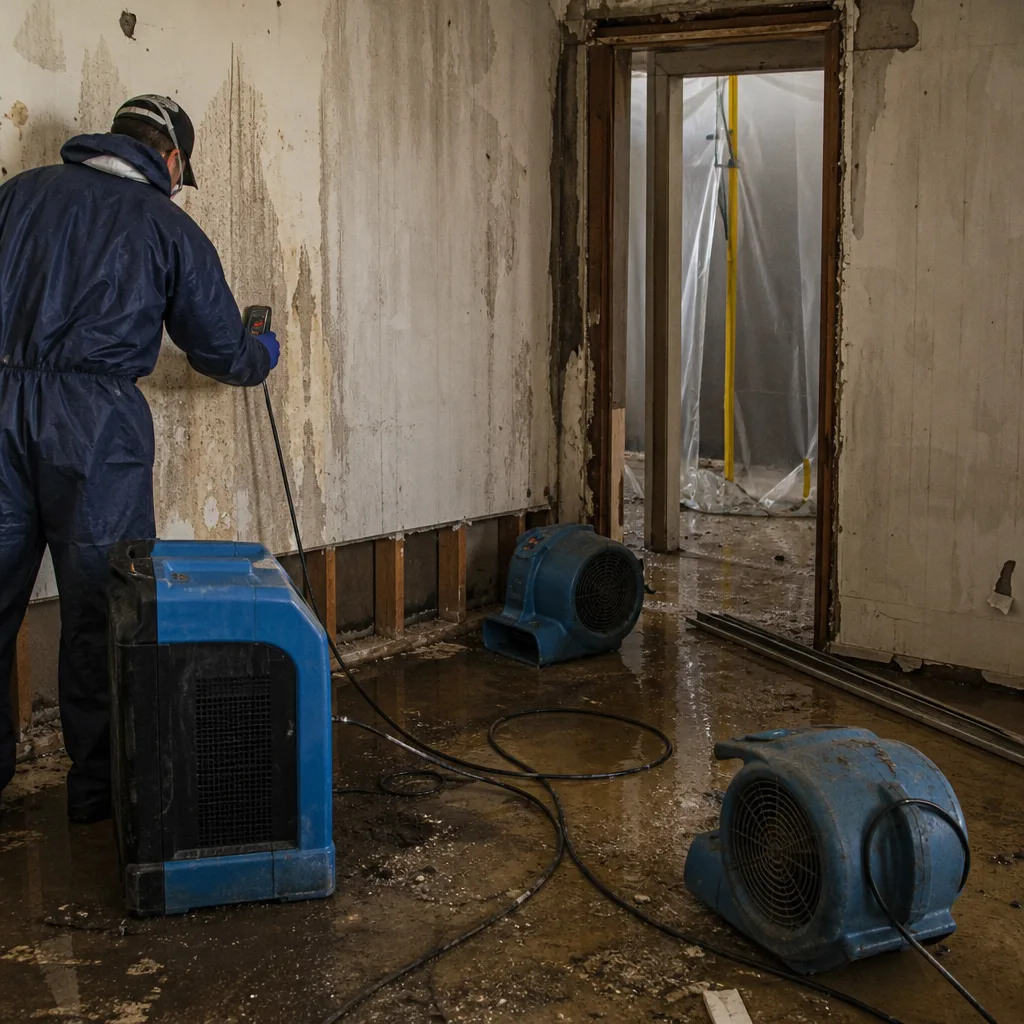 Before
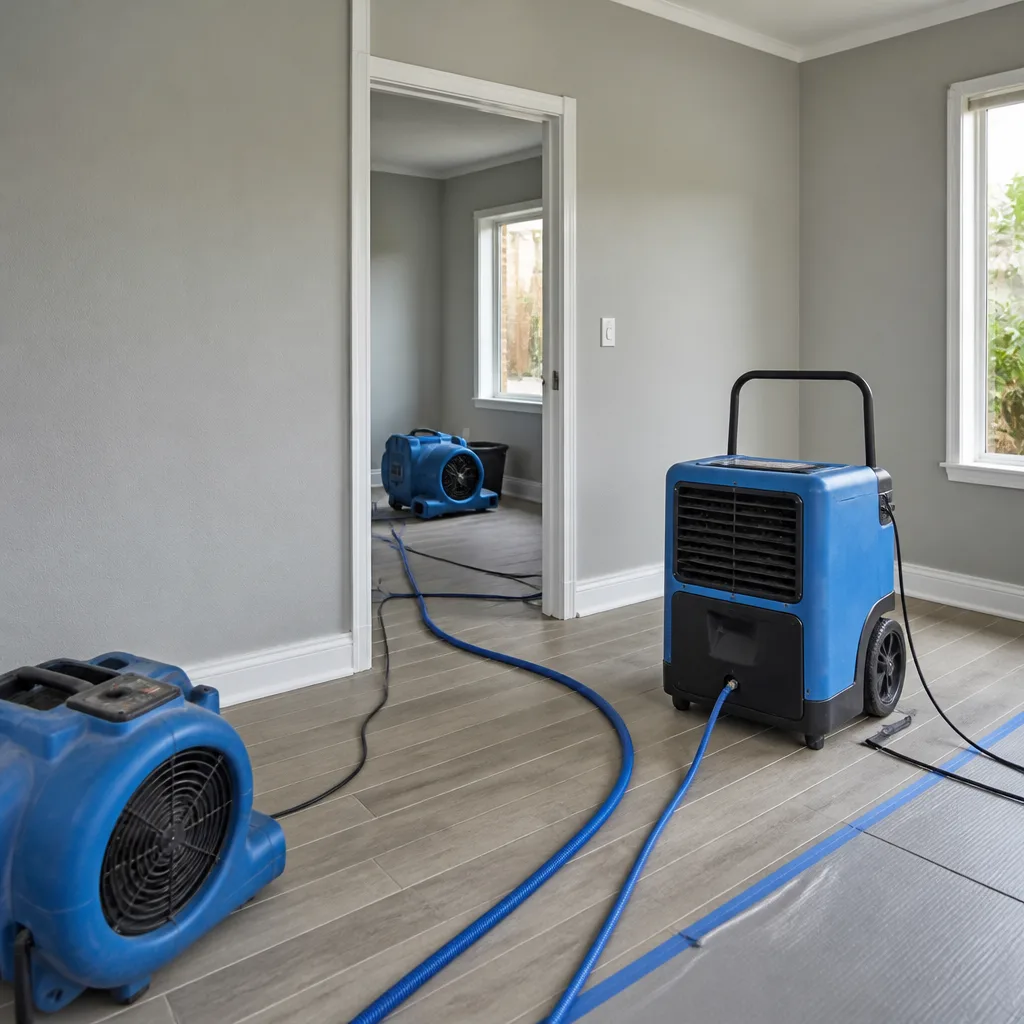 After
After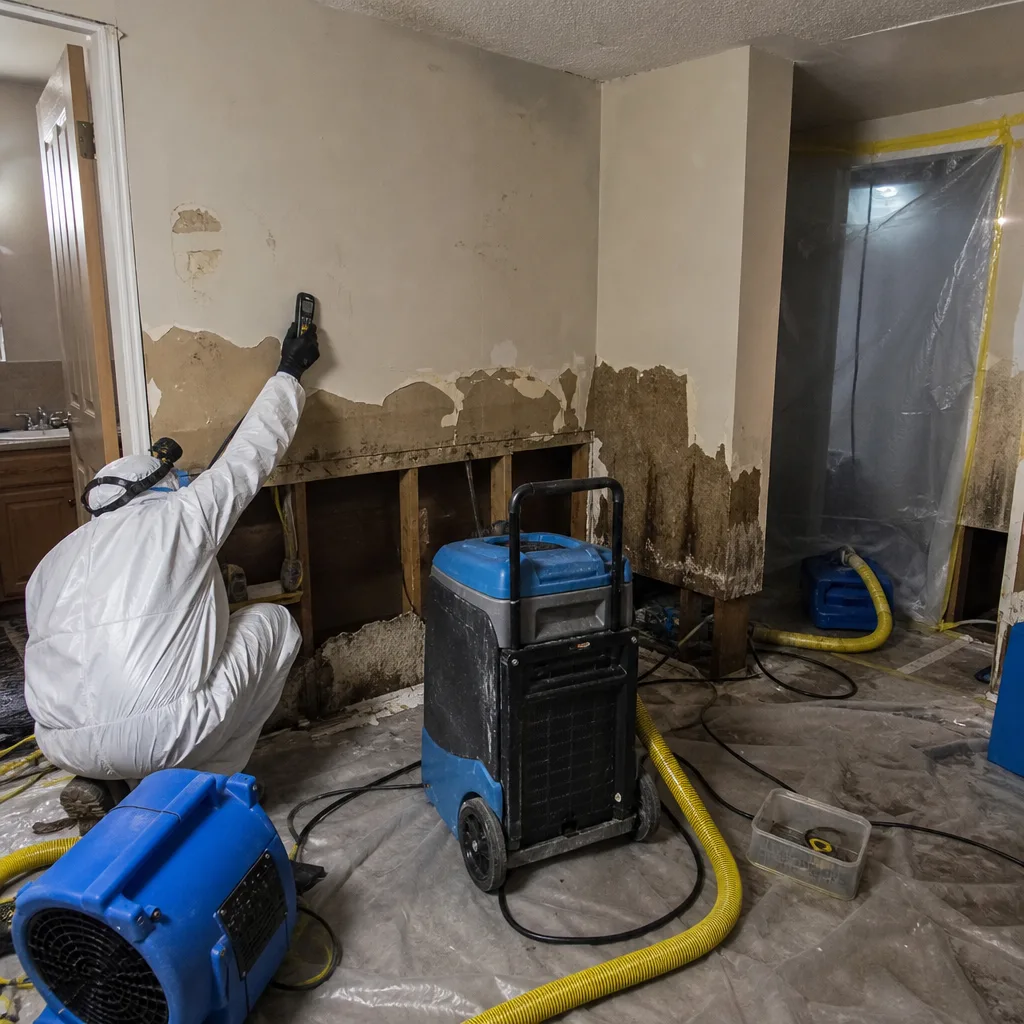 Before
 After
AfterFast, Reliable Water Damage Restoration Across Madison
Water damage in Madison moves fast, and so do we. When a burst pipe floods a Colonial Revival on Green Village Road or the Whippany River pushes groundwater into a basement off Keep Street, you need a crew that knows exactly what they’re walking into. Our Water Damage Restoration team has worked inside Madison’s old homes long enough to know that the water you see is usually only half the problem. Call (910) 613-6568 and a live person answers, day or night. We’ll tell you who’s coming, send their name and photo before they leave, and put a written price in your hand before any equipment comes off the truck.
Why Marsh Water Damage Restoration Is Madison’s Preferred Water Damage Restoration Company
Madison homeowners call us because we treat their houses like the century-old structures they are, not like interchangeable drywall boxes. The homes here, most built between 1885 and 1940, punish generic restoration methods. Horsehair plaster soaks water differently than drywall. Unlined stone foundations wick groundwater for decades. Original millwork warps in ways that require patience, not pry bars. Our technicians hold IICRC, RIA, and IFA credentials, and they apply them to the specific realities of Madison housing stock every single day.
The Threshold Verified standard matters here more than almost anywhere we work. Every technician who walks through your door is background-checked, identity-verified, and sent to you by name and photo before arrival. They show a photo ID badge at the door. You know exactly who is in your home, which matters when you’re standing in a flooded basement at 2 a.m. with a stranger on the way. The Threshold Standard is printed on every work order, alongside a written guarantee and our 365-Day Done Right Promise. If the repair is not right within a full year, we come back and make it right. Free second visit, included automatically.
Emergency Water Damage Restoration in Madison
Emergency Water Damage Restoration in Madison means getting water out of a 1920s Tudor before it soaks into original plaster and century-old framing. The first hour matters more than people realize. Water moves through horsehair plaster and lath in minutes, not hours, and once it reaches the framing behind those walls, you’re no longer dealing with a simple extraction. You’re dealing with hidden moisture that will colonize mold inside wall cavities.
For Madison homeowners, the typical emergency sequence looks like this: water hits the floor, someone calls us, and we dispatch immediately because every minute of standing water costs real money and real damage. A live person answers our phones 24/7, not a voicemail or a chatbot. The team arrives with Dri-Eaz and Phoenix extraction equipment, sets containment if needed, and starts pulling water out.
Rapid Extraction for Burst Pipes and River Flooding
Burst pipes from Morris County freeze-thaw cycles and Whippany River backup events are the two emergencies we see most in Madison. Either one requires extraction equipment rated for commercial losses, because residential shop vacs simply cannot move water fast enough from a flooded basement with 4 feet of headroom and a stone foundation.
Immediate Structural Assessment
Once water is out, we check what it touched. In a Madison Victorian, that means testing plaster moisture content, checking the lath, and evaluating whether the foundation absorbed groundwater. You get a written scope before any demolition starts, so there’s no surprise gut job after the first wall is opened.
Water Damage Repair in Madison
Water Damage Repair in Madison is rarely a simple patch-and-paint job. The water event itself is often only the visible trigger. What we’re actually repairing is the accumulated effect of moisture inside a 1905 Colonial Revival’s walls, where repeated small leaks from aging cast-iron plumbing have been quietly feeding mold for years before anyone noticed the ceiling stain.
Repair work here splits into two lanes. The first is structural: rotted sill plates, sagging joists, buckled original hardwood. The second is finish: plaster repair, millwork matching, paint. Both lanes require knowing what this house was built with, because modern materials don’t always play well with 1920s construction.
Plaster Restoration After Water Exposure
Original horsehair plaster can often be dried and saved with Injectidry panel drying systems, which pull moisture out from behind the wall without tearing it open. When removal is unavoidable, we match the original finish rather than slapping up drywall and walking away. Madison homeowners expect their historic homes to look like historic homes when we’re done.
Hardwood Floor Drying and Repair
Original oak and maple floors throughout Madison’s older homes respond to water differently than modern engineered flooring. We use specialized drying mats from Injectidry to pull water out of the wood itself, which preserves the floor rather than ripping it out. When boards are too far gone, we source salvage materials that match the existing grain and age.
Trusted Brands We Service in Madison
We run professional equipment from Dri-Eaz, Phoenix, and XPOWER on every Madison job, because these are the machines built for commercial-scale water losses, not weekend rentals. When a Whippany River corridor basement takes on two feet of groundwater, the difference between industrial extraction and a homeowner-grade pump is measured in thousands of dollars of saved framing. We keep our equipment maintained and calibrated, and we send it with technicians who know how to use it on old construction without making things worse.
Common Water Damage Restoration Problems We See in Madison Homes
- Recurring groundwater intrusion in river-corridor basements. On streets near the Whippany River, what looks like a first-time flood claim is often the third or fourth water event in the same 1885 – 1940 basement. Hidden mold behind original horsehair plaster is the rule rather than the exception here, because century-old framing was never designed to dry out quickly.
- Cast-iron and galvanized plumbing failures in pre-1940 homes. The original supply lines in Madison’s Victorians and Colonials are often 80 to 100 years old. They fail slowly and repeatedly, which means water has been seeping into walls and floors long before the visible pipe burst happens.
- Unlined stone and brick foundations that wick groundwater. Madison’s older basements were built to be cool and dry in an era before forced-air dehumidification. Without modern waterproofing, these walls absorb moisture after every heavy rain, and that moisture feeds mold in joist pockets and sill plates.
- Horsehair plaster that traps moisture behind the wall. Drywall dries outward. Horsehair plaster over wood lath does not. When water gets behind original plaster, it stays there unless you use panel drying systems like Injectidry to pull it out. Skipping this step means demolition that wasn’t necessary.
Pricing for Water Damage Restoration in Madison, NJ
We Also Serve Cities Near Madison
Our Water Damage Restoration crews cover Madison and the surrounding Morris County towns, including Florham Park, Chatham, New Providence, and Summit. If you’re a few minutes outside Madison and dealing with water in your basement, the same Threshold Verified team responds with the same written-price guarantee. Dispatch and scheduling for the area are coordinated from the brand’s New York City office, with crews serving Madison locally.
Serving Madison, NJ - Our Local Coverage Area
We’re based in the Madison area and know this community well, providing Madison Storm Damage Restoration services. Use the map below to see our service coverage - if you’re nearby, we can almost certainly help.
FAQs About Water Damage Restoration in Madison
Does mold start growing right away in a Madison basement after river flooding?
Yes, in Madison’s river-corridor basements mold colonization typically starts within 24 to 48 hours, and in homes built before 1940 it’s often already present from prior water events before the current flood even happens. The warm, damp environment inside an unlined stone foundation is ideal for microbial growth, which is why we treat recurring-flood basements as category 2 or 3 losses rather than assuming this is the first time water has been there. Call (910) 613-6568 for an assessment, because what you can’t see behind original plaster is usually worse than what you can.
Why does water restoration on a Madison Victorian home cost differently than a newer Parsippany build?
Because the materials inside a Madison Victorian respond to water differently, and the restoration standards are higher. Horsehair plaster requires panel drying systems like Injectidry instead of simple demolition. Original hardwood needs salvage-material sourcing. Lead-paint and asbestos protocols apply to any pre-1940 finish. A newer Parsippany home with drywall and modern plumbing simply doesn’t require that level of preservation-aware work, which is why quotes from a contractor who treats both houses the same are a warning sign.
How do you know if it is the third flood event in the same Madison basement?
Moisture mapping reads elevated levels in the framing and sill plates from prior events, even after the visible water from the current flood is extracted. We also look for water staining on joists, mold bloom patterns behind original plaster, and the telltale signs of repeated groundwater intrusion like efflorescence on unlined stone walls. On streets near the Whippany River, our technicians consistently find that what looks like a one-time claim is actually the third or fourth event in the same basement, with years of hidden microbial growth already in the framing.
Can you dry original horsehair plaster instead of removing it?
Yes, in many Madison homes we can save original horsehair plaster using Injectidry panel drying systems that pull moisture out from behind the wall surface without opening it up. This preserves the historic finish and avoids the cost and disruption of demolition. When the plaster is too damaged to save, we match the original finish rather than replacing it with drywall, because Madison homeowners expect their homes to look the way they were built.
What brands and standards do you use for water damage restoration in Madison?
We operate Dri-Eaz, Phoenix, and XPOWER equipment, the same commercial-grade machines used in large industrial losses, and our technicians hold IICRC, RIA, and IFA credentials. Every job follows the Threshold Verified standard: background-checked and identity-verified technicians, written pricing before work starts, written guarantees on every repair, and our 365-Day Done Right Promise printed on the work order. Call (910) 613-6568 and we’ll walk you through exactly what applies to your home.
We responded to a burst-pipe loss on a late-Victorian off Keep Street near the Whippany River, where water had wicked through an unlined stone foundation into original horsehair plaster. Using Dri-Eaz and Phoenix air movers with Injectidry panel drying, our tech pulled category 2 water from the basement and set structural drying because wall cavities had been wet before. Moisture mapping showed elevated moisture readings in framing from a prior event, so we added antimicrobial treatment and documented pre-loss condition for the owner’s carrier.
Call (910) 613-6568 now for a free, no-pressure estimate on water damage restoration in Madison. A live person answers, and the crew we send will be exactly the people you were told to expect.
Written by Tobias Reyner, Owner at Marsh Water Damage Restoration, serving Madison and Morris County with the Threshold Verified standard since 2005.