

Free visual inspection and a written scope of work before any mitigation begins - photos, moisture readings, and drying logs go in your claim file
The scope we write is the scope we bill. Anything new gets shown to you, in writing, before we touch it.
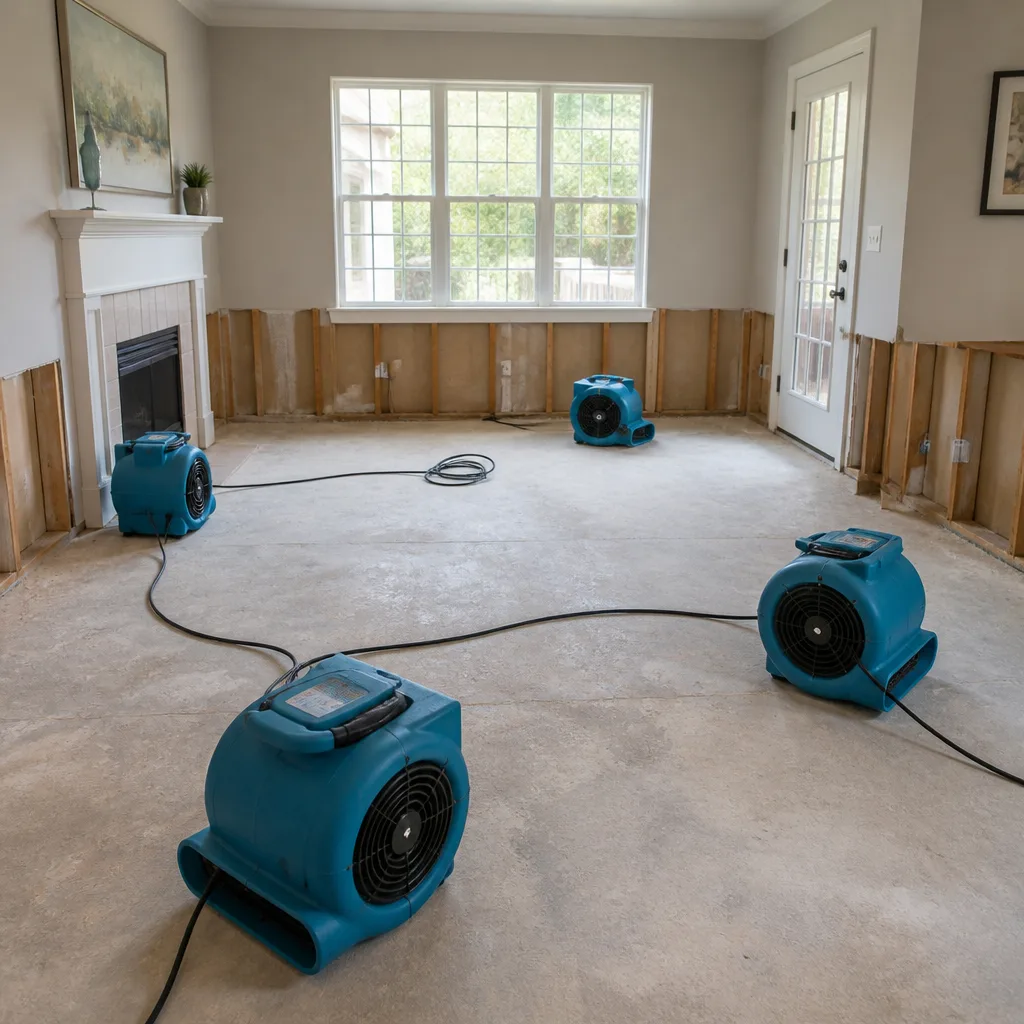
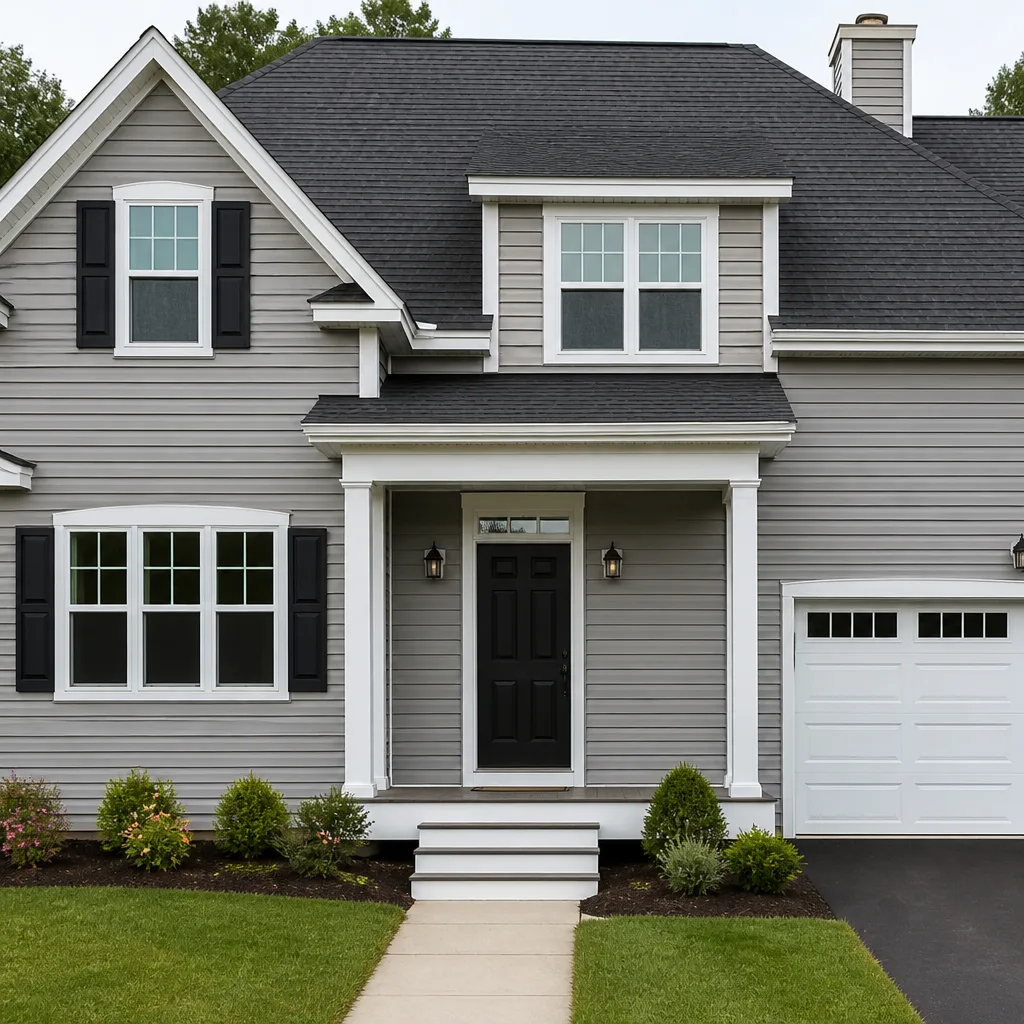
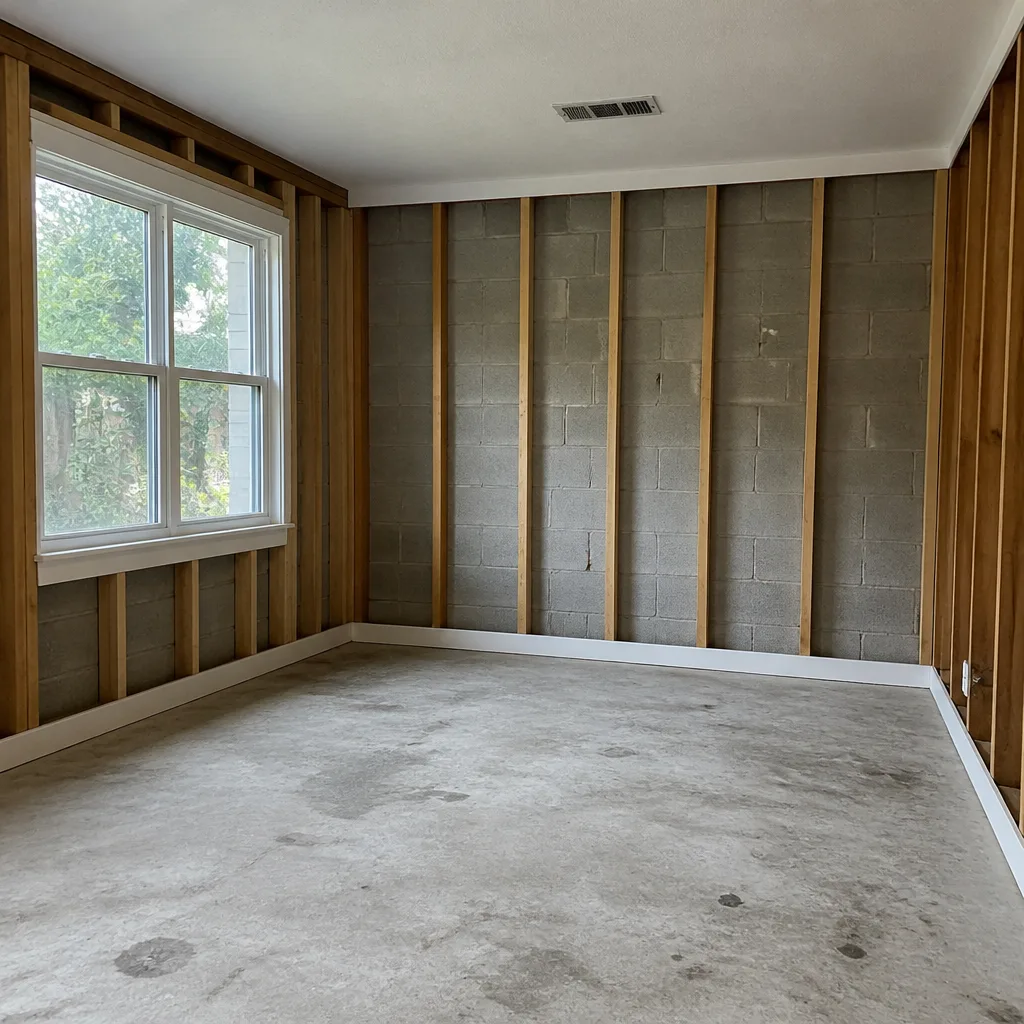
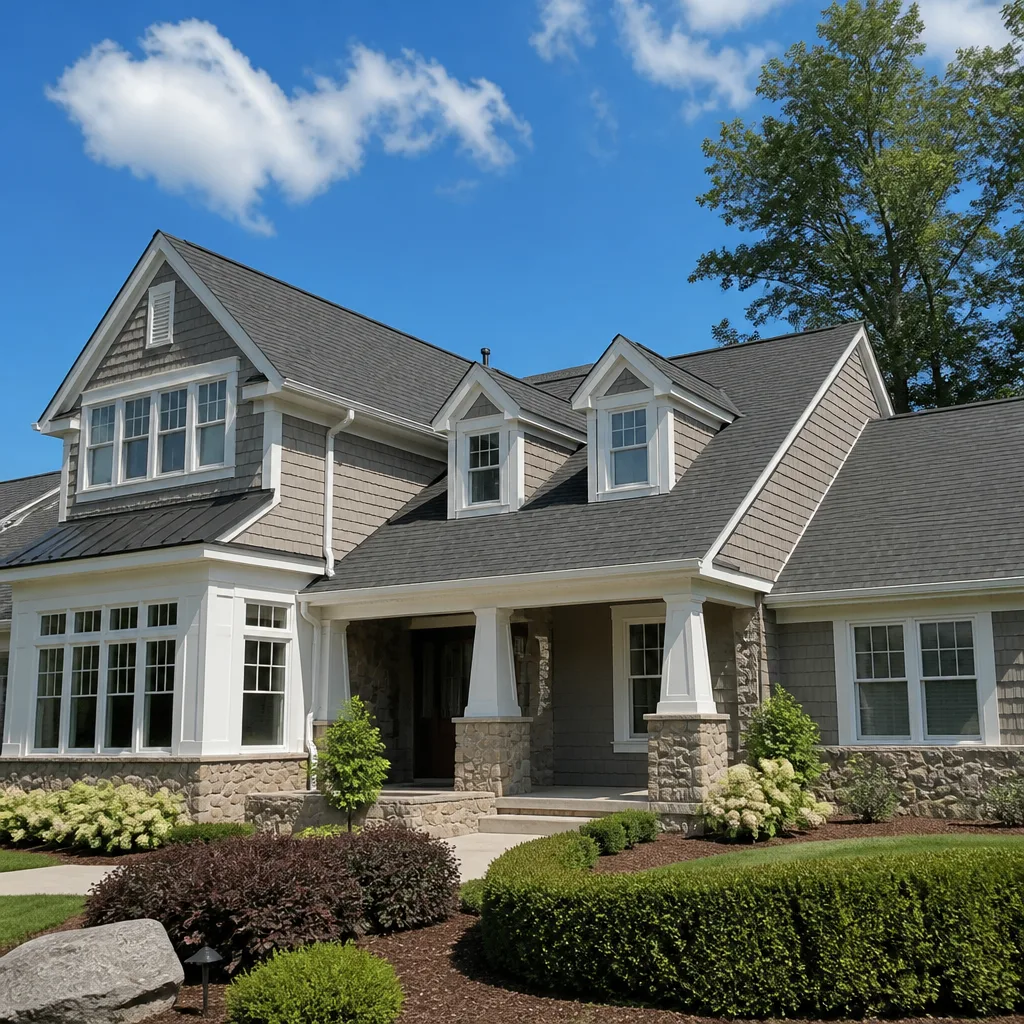
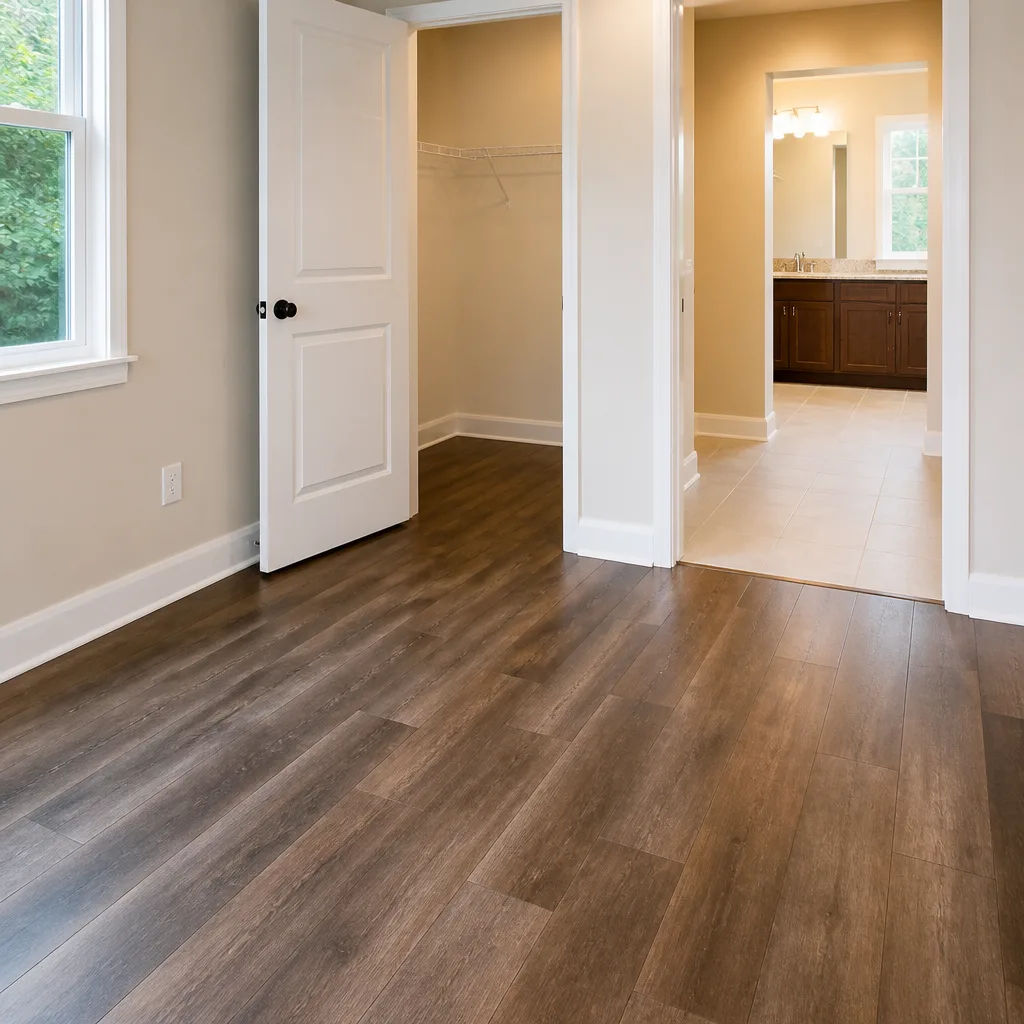
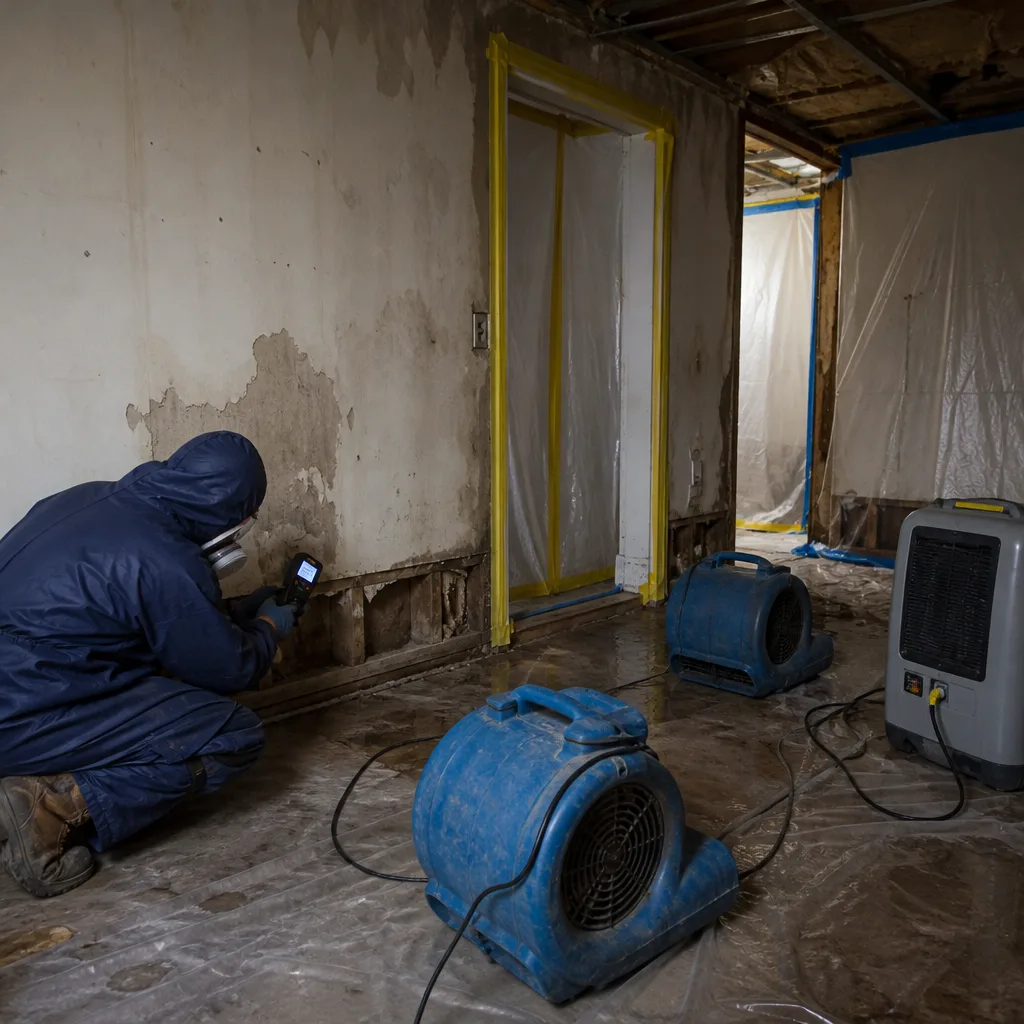 Before
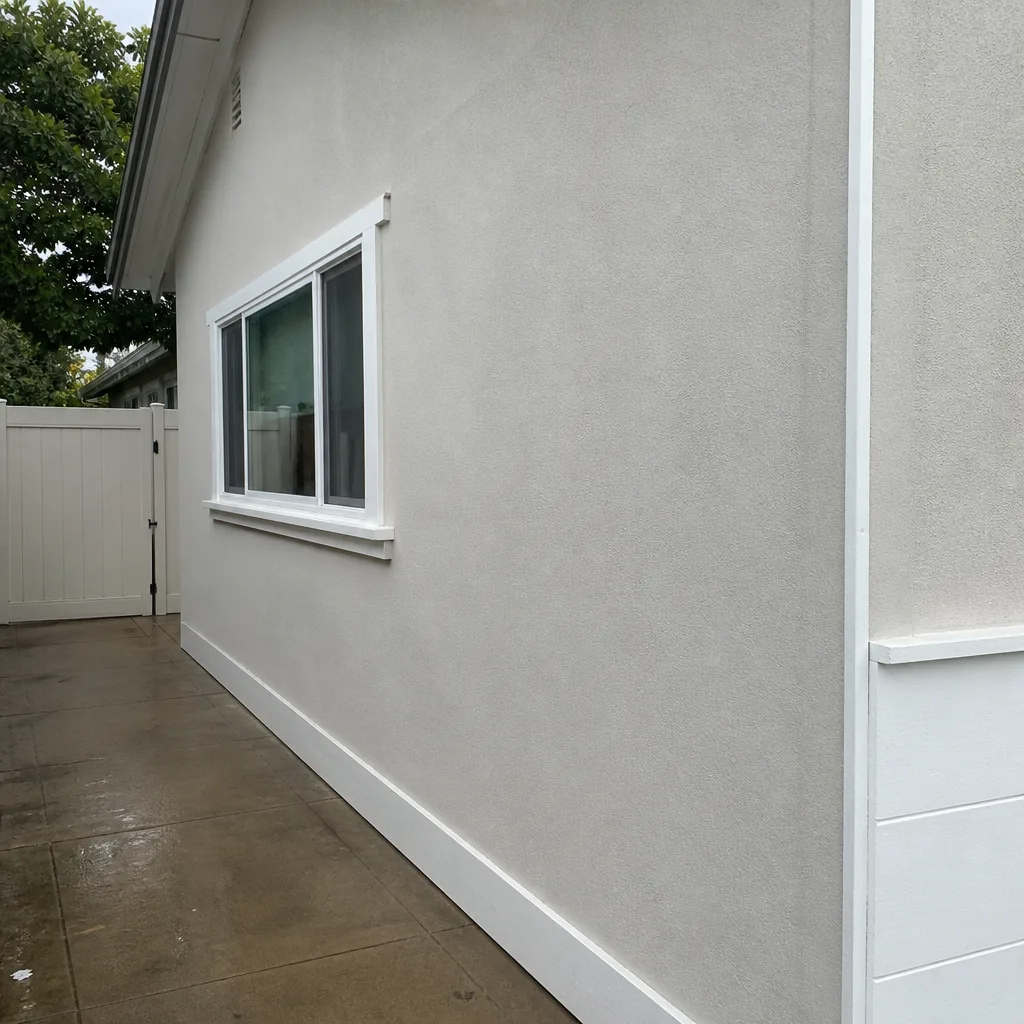 After
After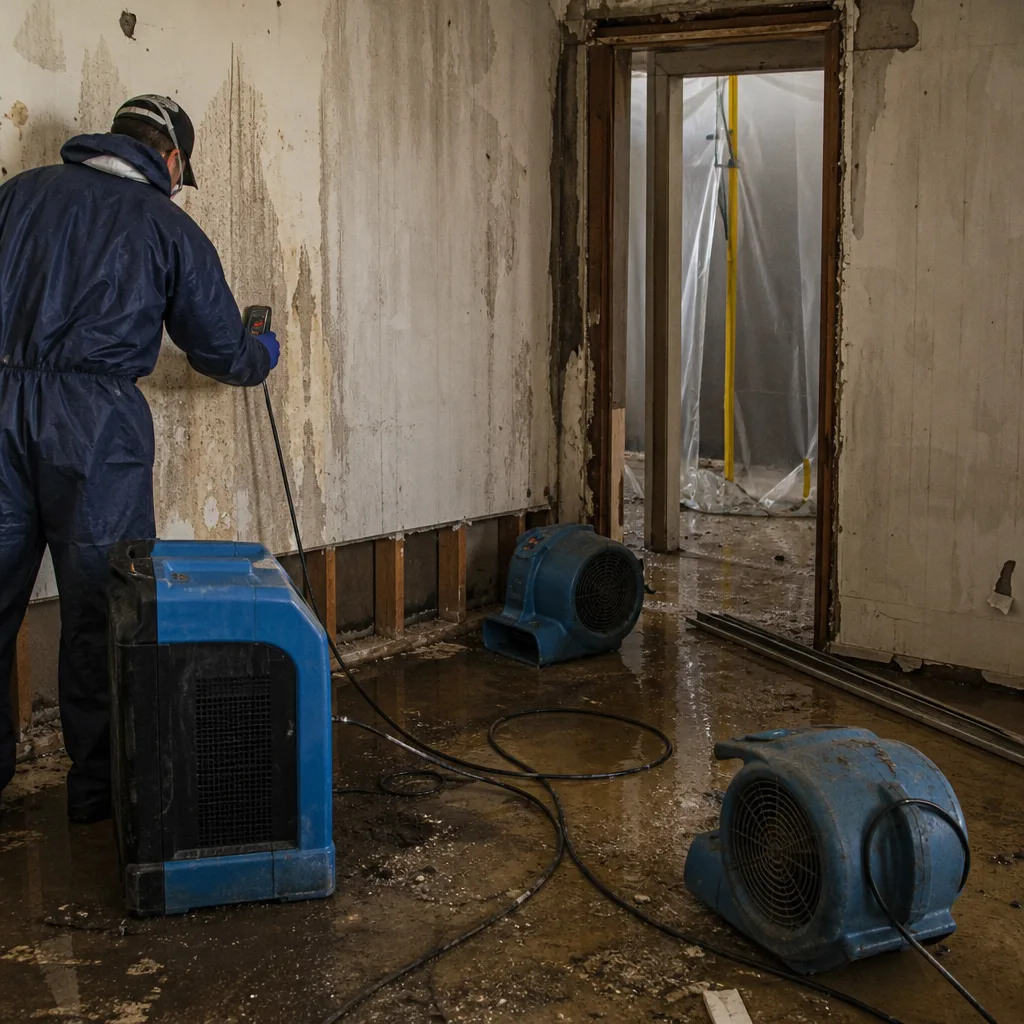 Before
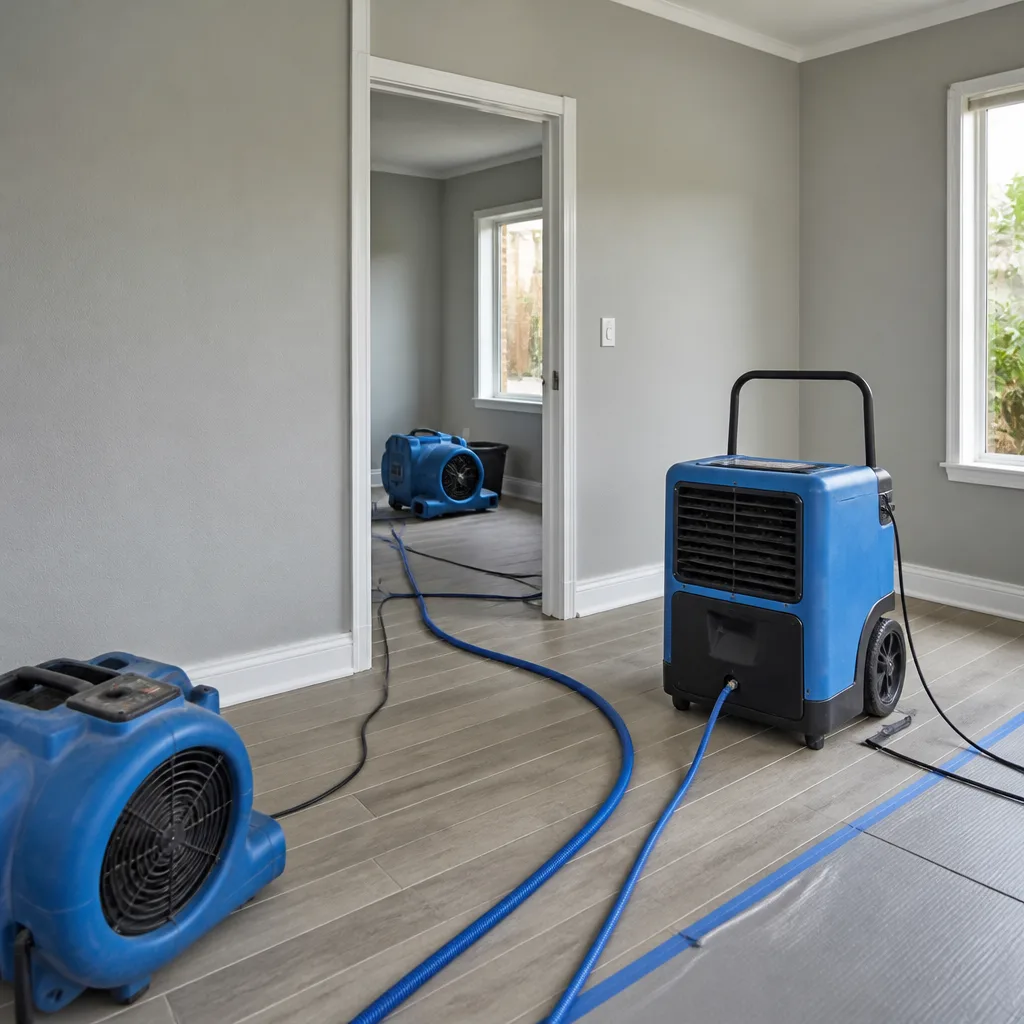 After
After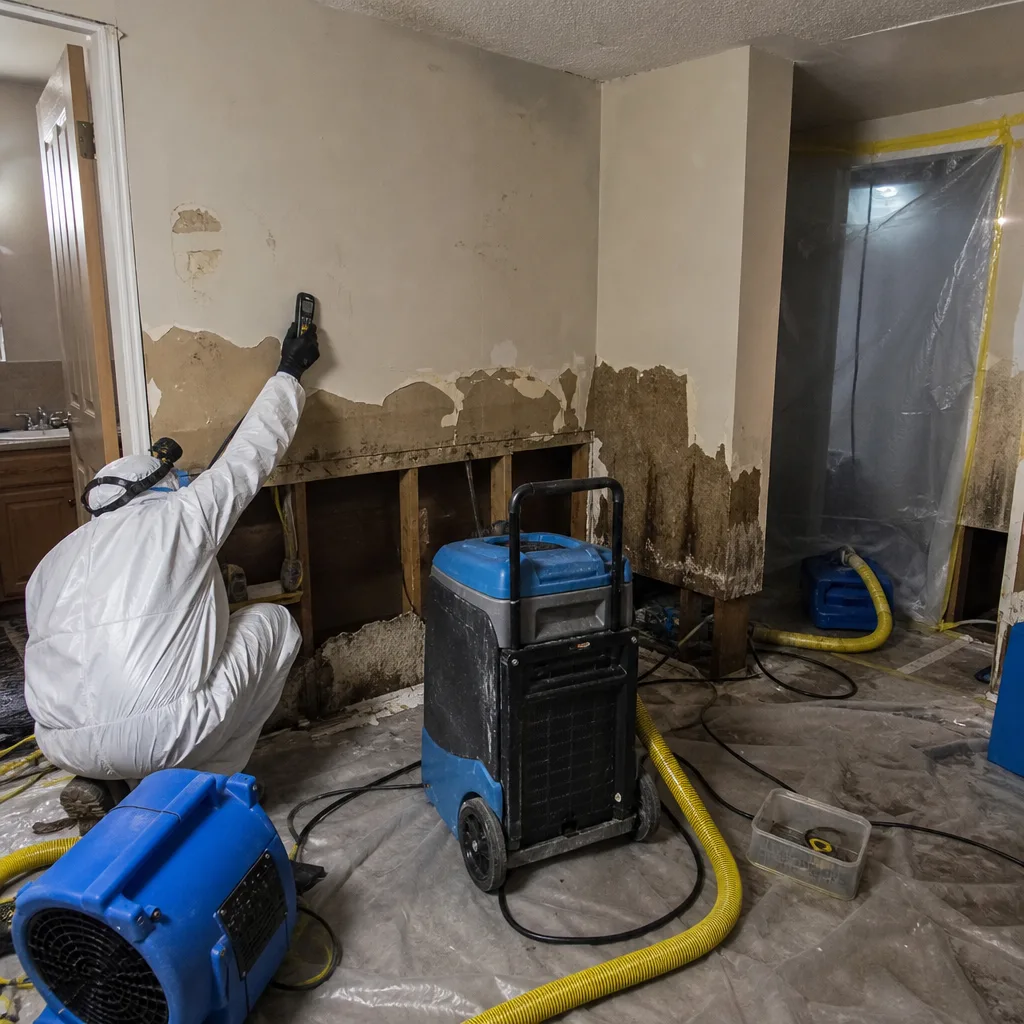 Before
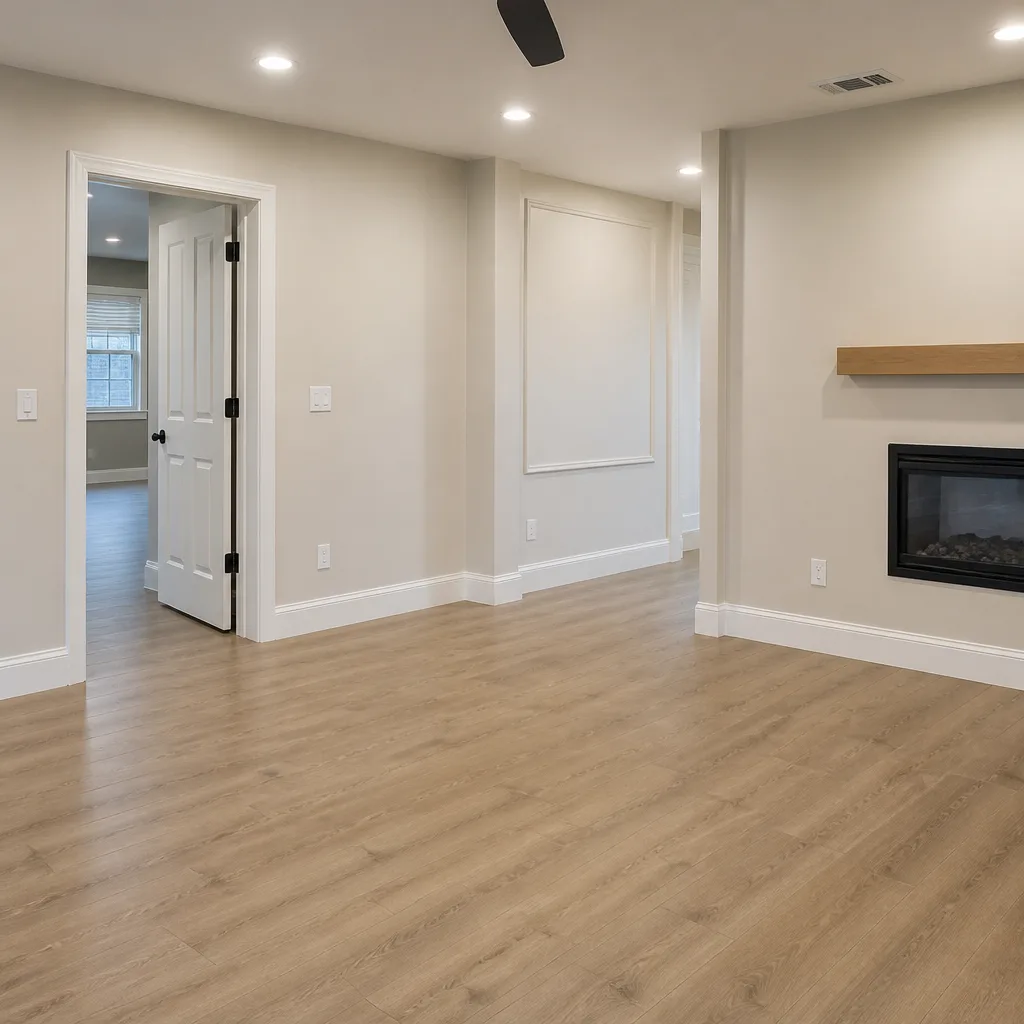 After
AfterFast, Reliable Water Damage Restoration Across Ridgewood
Water damage restoration in Ridgewood runs $1,800 – $6,500 for a typical single-room incident, and full basement flood recovery after the Ho-Ho-Kus Brook overflows usually lands between $6,000 and $18,000. Most homes we work on here were built between 1895 and 1945, which means original plaster, quarter-sawn oak floors, and millwork that national franchises too often rip out and replace. We don’t do that. We dry, treat, and preserve. Call (910) 613-6568 any hour and a live person answers, then a Threshold Verified technician is dispatched to your neighborhood with a name and photo sent to your phone before they knock.
Why Marsh Water Damage Restoration Is Ridgewood’s Preferred Water Damage Restoration Company
Ridgewood homeowners call us because we already know what’s behind the walls before we open them. This borough’s housing stock is unlike what surrounds it. Middle Village and Maspeth have plenty of newer post-war construction. Here, you’re dealing with balloon-framed Tudors, stucco Colonials, and Victorians where the plaster is structural, the wiring might be knob-and-tube, and the floors were milled from old-growth oak a hundred years ago. A restoration crew that treats this like a drywall job will do permanent damage. Our Water Damage Restoration team includes technicians credentialed through the IICRC, RIA, and IFA who work these historic homes every week.
The Threshold Verified standard matters more in Ridgewood than almost anywhere we serve. This is a borough where many residents are home alone during the day, raising young kids, or retired. You shouldn’t have to open your door to a stranger without knowing exactly who you’re letting in. Every Marsh technician is background-checked, identity-verified, uniformed, and photo-badged. You get their name and photo before the visit. They show a photo ID badge at the door, every time. That’s not a courtesy. It’s printed on the work order.
Every job in Ridgewood gets a written price before any work starts, a written guarantee on every repair, and the 365-Day Done Right Promise. If our drying, treatment, or rebuild fails within a full year, we return and make it right, free second visit included, automatically. Founded in 2005 as part of the Threshold Group family, Marsh keeps a live person on the phone 24/7, including holidays. When water is rising in your basement, you don’t get a voicemail. You get a person.
Emergency Water Damage Restoration in Ridgewood
Emergency Water Damage Restoration in Ridgewood typically costs $1,200 – $3,800 for extraction and initial mitigation on a flooded basement near the Ho-Ho-Kus Brook corridor, before drying equipment is set. What drives the price in this borough? Access, square footage of standing water, and whether Category 2 water (from sump overflow, the brook, or an overtopped sanitary line) has soaked into original plaster and hardwood. When a nor’easter pushes the Ho-Ho-Kus Brook over its banks near the village center, water reaches basement and first-floor levels on Godwin Avenue, Lincoln Avenue, and streets north of the train line faster than most homeowners expect. Being ready matters.
Our Ridgewood dispatch responds within the hour in most weather conditions. We coordinate from Marsh’s New York City office, and local crews stage equipment in the metro so response to your block isn’t delayed by bridge traffic. When we arrive, we bring extraction tools from Phoenix and B-Air, commercial dehumidifiers from Dri-Eaz, and drying mats from Injectidry. The same gear a commercial loss would get, applied to your living room.
When the Brook Overflows
Homes in the Ho-Ho-Kus Brook flood plain flood repeatedly. Not once a decade, once every few years. If a prior event was dried but not properly treated, mold is likely living behind the plaster. We don’t assume a wet basement is a fresh problem. We assume it’s layered. See the FAQ below for how we check for that.
First Steps After a Pipe Bursts
A burst supply line in a pre-war Ridgewood home can push water through three floors in an hour. Shut the main valve. Call us. Extraction happens before the water reaches the plaster keys and makes ceiling veneer let go. The first two hours matter most.
Water Damage Repair in Ridgewood
Water Damage Repair in Ridgewood is where historic preservation and modern drying science meet, and where the price difference between a correct repair and a shortcut shows up. Rebuilding after extraction in a 1920s Tudor on Heights Road or a stucco Colonial near the high school typically runs $4,000 – $14,000 depending on whether plaster must be patched, floors refinished, or millwork reproduced. The number reflects the fact that you cannot buy a quarter-sawn oak floor board off the shelf at a home center. It has to come from a match, a mill, or from your own house.
What we preserve in Ridgewood, a cut-rate contractor replaces. Original three-coat plaster with its rough brown coat and smooth lime finish gets patched in-kind. Baseboards, crown molding, picture rail, and stair newel posts get restored, not swapped for MDF. If old-growth floors have cupped, we dry them slowly with Injectidry mats and controlled dehumidification, then plane and re-coat. The goal is always the same: the house looks like itself when we leave.
Slow Drying, Not Hot Air
Plaster cannot be blasted dry with high-heat air movers. It cracks. It detaches. Our psychrometric readings (measuring the moisture in the air and the walls) tell us when the structure is genuinely dry, not just dry on the surface. We dry Ridgewood plaster slowly, on purpose.
Mold Behind the Plaster
When we open a wall on a Ridgewood flood repair, we expect to find evidence of past water events. The borough’s preservation-minded homeowners have, understandably, resisted full plaster removal for decades. The result is a unique problem: dormant mold colonies that were dried but never treated. We treat them properly, then close the wall.
Trusted Brands We Service in Ridgewood
Most Ridgewood water damage jobs involve furnaces, sump pumps, dehumidifiers, and second-floor fixtures that failed during a storm or a freeze. We service and coordinate repairs for all major equipment brands found in these older homes, and because we’ve worked this borough for years, we keep the parts our Ridgewood customers need most on hand rather than waiting on a supply run from Long Island. For drying equipment, we run Dri-Eaz dehumidifiers, Phoenix and XPOWER air movers, and Injectidry drying mats. Your restoration should not depend on rented gear from a big-box floor. Ours doesn’t.
Common Water Damage Restoration Problems We See in Ridgewood Homes
- Plaster cracked from aggressive drying. High-heat air movers force-moisture plaster too fast. The veneer lets go of the lath and you lose original walls that took a century to settle in. We dry slowly and monitor with moisture readings before calling a wall dry.
- Mold reactivation behind previously dried plaster. After an earlier flood, someone dried the wall but never treated the cavity. The mold went dormant. The next wet event brought it back. We see this constantly in the Ho-Ho-Kus Brook corridor, and we check for it on every flood job.
- Cupped and crowned quarter-sawn oak floors after water extraction. These old-growth floors move differently than modern oak. A contractor who replaces them is erasing a feature the house can’t get back. We dry them in place whenever salvage is possible.
- Ice-damming water intrusion through slate and tile roofs. Bergen County’s freeze-thaw cycles push ice under the steep slate and barrel-tile roofs common on Ridgewood’s Tudors and Victorians. The water shows up in ceilings and exterior walls every late winter. We repair the interior and coordinate the roof.
Pricing for Water Damage Restoration in Ridgewood, NY
Here’s what Ridgewood homeowners can expect, based on the work we do in this borough every month. Emergency water extraction: $1,200 – $3,800. Structural drying with equipment placement: $2,000 – $5,500. Full basement flood restoration after Ho-Ho-Kus Brook overtopping: $6,000 – $18,000. Plaster repair and in-kind millwork restoration: $4,000 – $14,000 depending on scope. What changes the number? Whether the water is clean or Category 2, whether we have to open walls to treat hidden mold, and whether original floors can be dried in place or must be pulled and relayed. Every job gets a written price before any work begins. No estimate that balloons after demo starts. Call (910) 613-6568 for a free estimate on your specific loss.
We Also Serve Cities Near Ridgewood
Marsh handles water damage across the Queens-Brooklyn border, including Ridgewood plus Middle Village, Maspeth, Woodhaven, and Elmhurst. If you’re in one of those neighborhoods and the Ho-Ho-Kus Brook or a burst pipe has put water where it shouldn’t be, the same Threshold Verified crews respond. One call covers the metro.
Serving Ridgewood, NY - Our Local Coverage Area
We’re based in the Ridgewood area and know this community well. Use the map below to see our service coverage - if you’re nearby, we can almost certainly help.
FAQs About Water Damage Restoration in Ridgewood
Restoration in Ridgewood takes longer because most homes here were built between 1895 and 1945 with original three-coat plaster, old-growth oak floors, and millwork that cannot be force-dried or replaced. Plaster must be dried slowly to avoid cracking, and floors must be dried with mats and controlled dehumidification rather than hot air movers. In Middle Village or Maspeth, where post-war drywall construction is more common, a crew can tear out wet drywall and hang new sheets in a day. In Ridgewood, we’re preserving a century of material, and that takes the time it takes. Call (910) 613-6568 and we’ll tell you what to expect for your specific house.
We assume any pre-war home near the Ho-Ho-Kus Brook with a flood history has dormant mold behind the plaster, so we inspect for it on every job. That means removing a small access section of plaster in the affected wall, inspecting the wall cavity with moisture meters and a borescope, and treating any colony we find with antimicrobial agents before sealing the wall back up. We don’t do this on every job in the metro, but in Ridgewood it is standard practice because of the borough’s recurring flood exposure and the way earlier events were improperly mitigated. If you suspect hidden mold from Irene or a later storm, call (910) 613-6568 and we’ll assess it.
In most cases, yes, and that is always the first approach. Quarter-sawn oak is more dimensionally stable than plain-sawn wood, which works in your favor. We place Injectidry drying mats directly on the wet boards, establish negative air pressure to pull moisture from the underside, and monitor with moisture meters until the floor reaches the building’s equilibrium moisture content. If sections have delaminated or rotted, we salvage what we can and match the rest from reclaimed stock. Replacing the entire floor is a last resort, not a default. We’ll give you a written assessment before any floor is pulled.
Shut off electricity to the basement at the panel first, then call (910) 613-6568 and leave the water alone. Do not walk through standing water if the panel is below grade or if any electrical outlets are submerged. Do not start pumping it yourself with a shop vacuum unless you’ve confirmed the water source is clean and the power is completely off. A live person will answer, take your address in Ridgewood, and dispatch a Threshold Verified crew with photo ID to your door. The sooner extraction begins, the less damage your plaster and floors absorb.
Yes. We handle the interior side of ice-dam damage: extracting water from ceilings and walls, drying affected plaster, treating any resulting mold, and repairing plaster and millwork. We coordinate with your roofer to address the exterior ice dam itself, since the roof trade and the restoration trade are different work. In Ridgewood, late-winter intrusion from slate and barrel-tile roofs on Tudor and Victorian homes is a recurring seasonal call for us, and we schedule those jobs fast because the interior damage compounds while the ice is melting. Call (910) 613-6568 if you see water staining on ceilings after a freeze-thaw cycle.
Written by Tobias Reyner, Owner at Marsh Water Damage Restoration, serving Ridgewood since 2005.