

Free visual inspection and a written scope of work before any mitigation begins - photos, moisture readings, and drying logs go in your claim file
The scope we write is the scope we bill. Anything new gets shown to you, in writing, before we touch it.
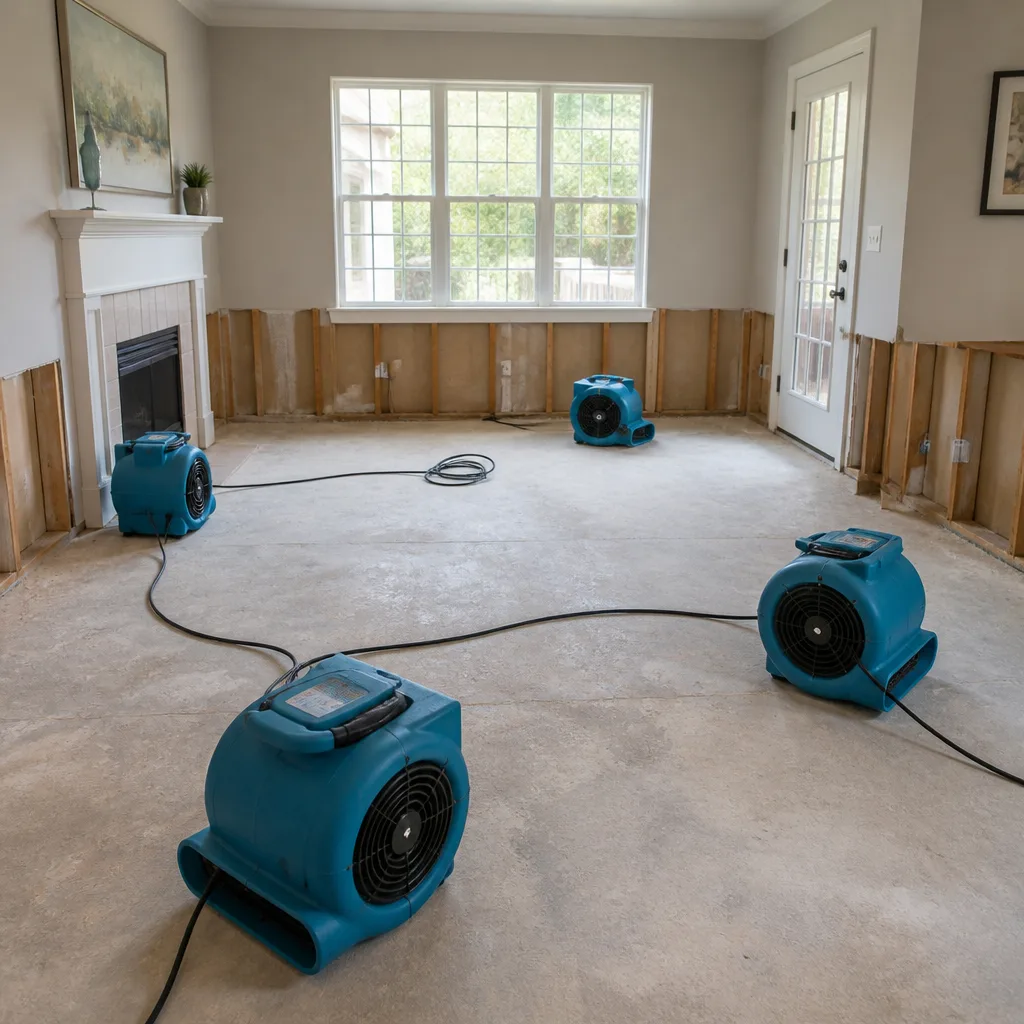
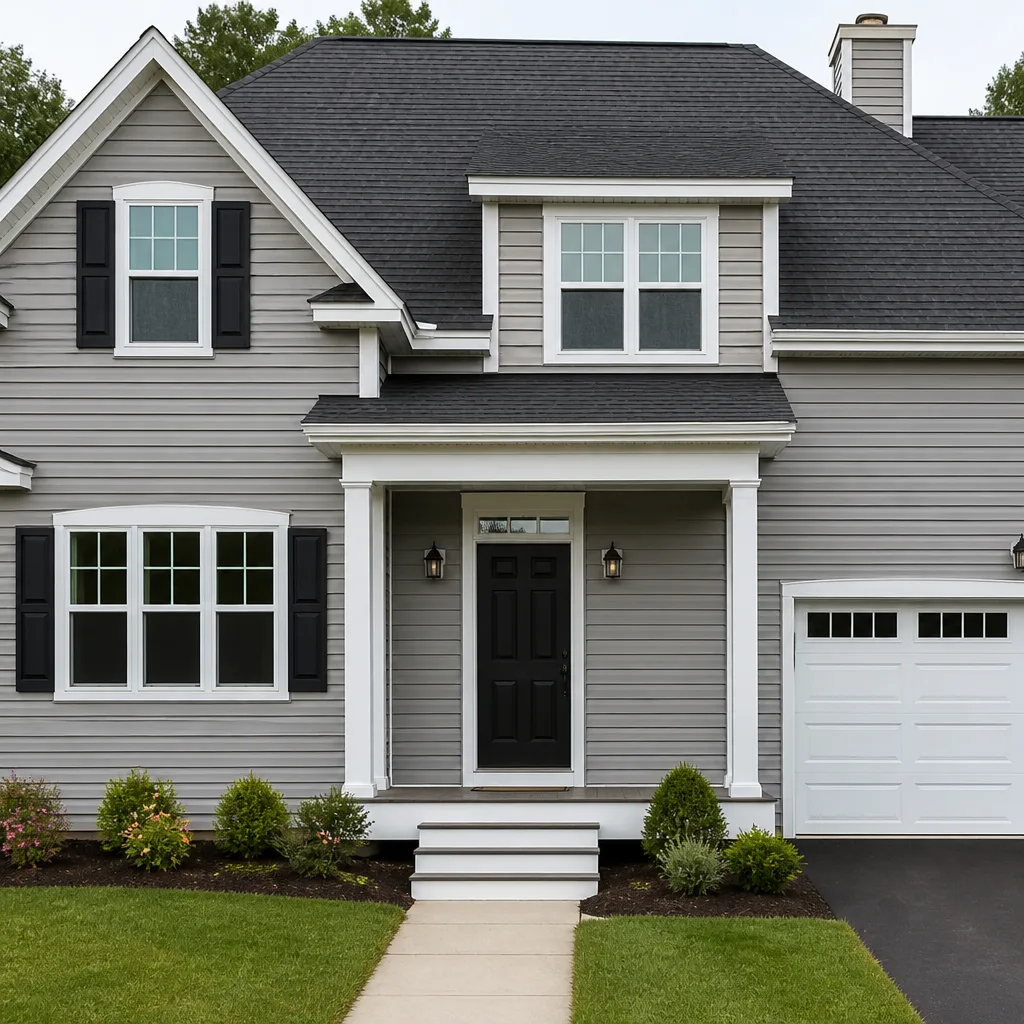
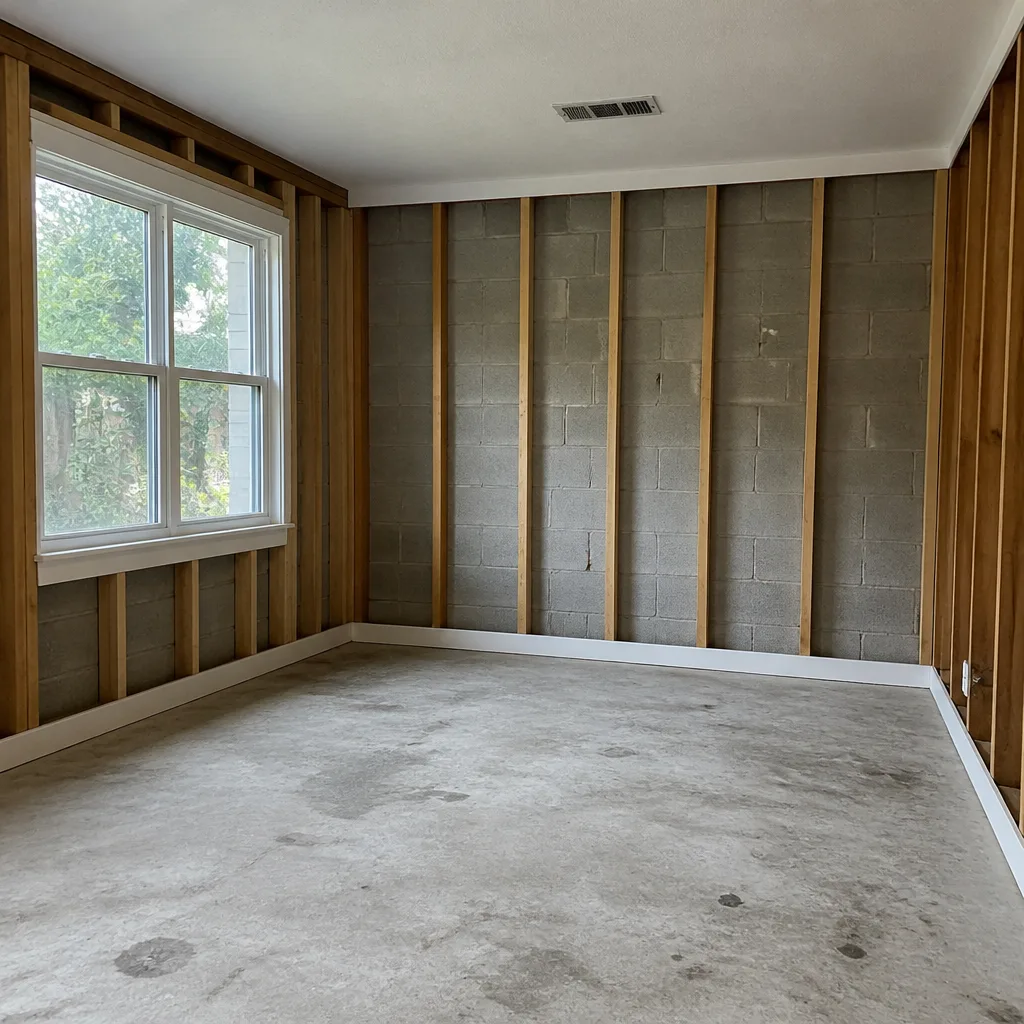
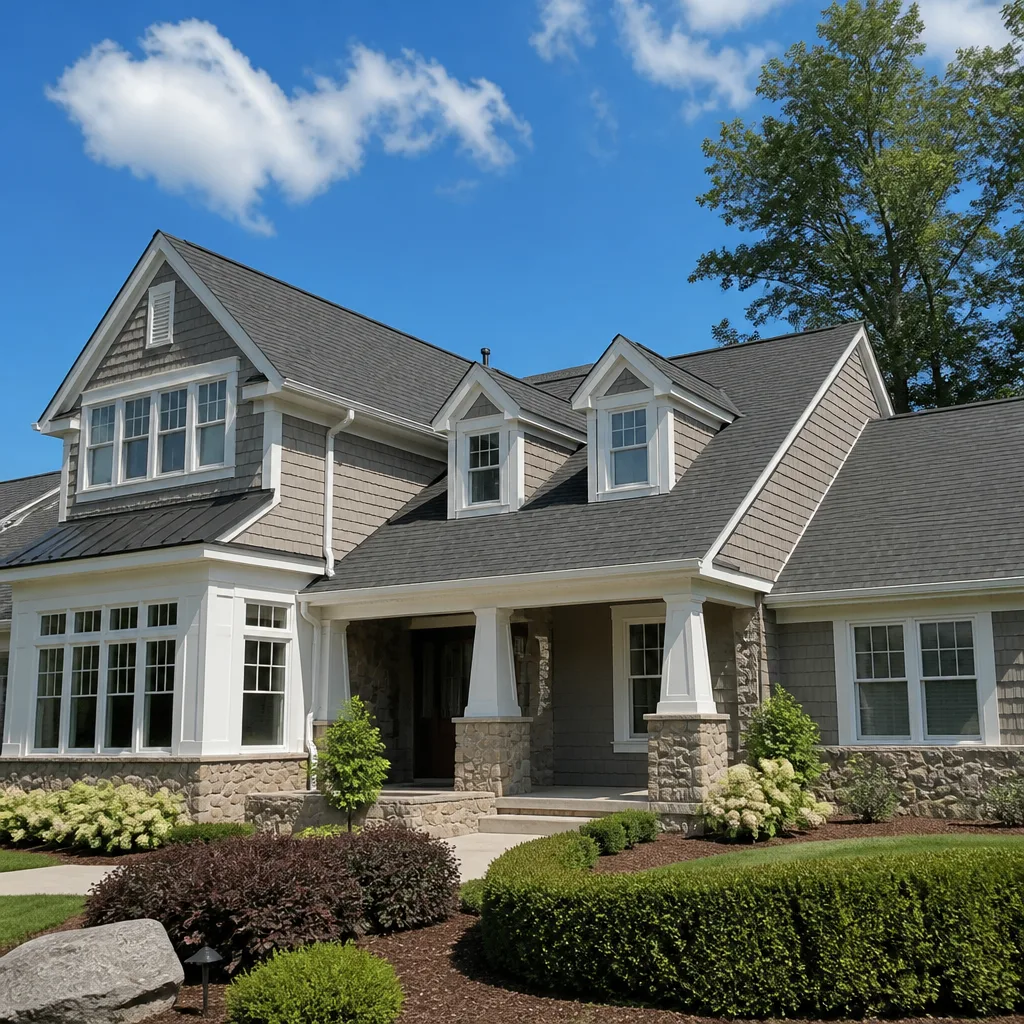
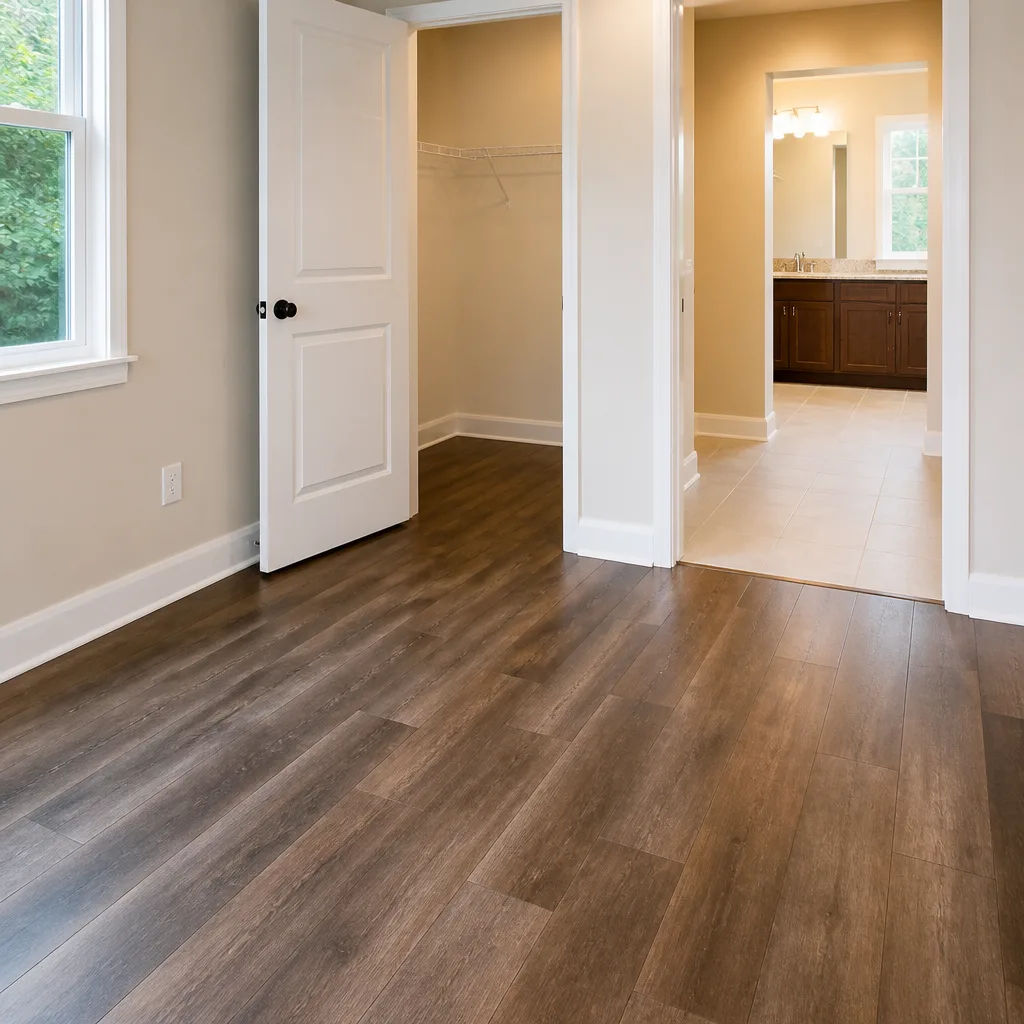
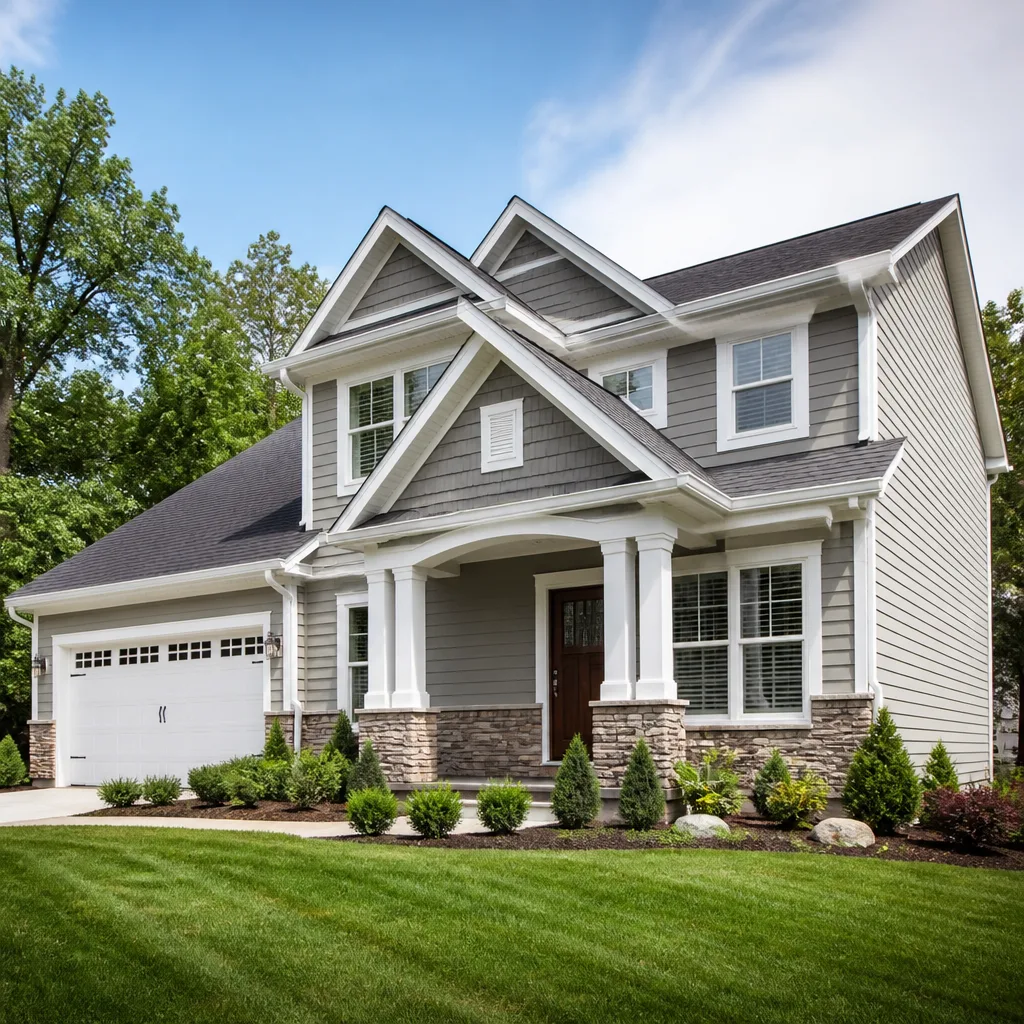
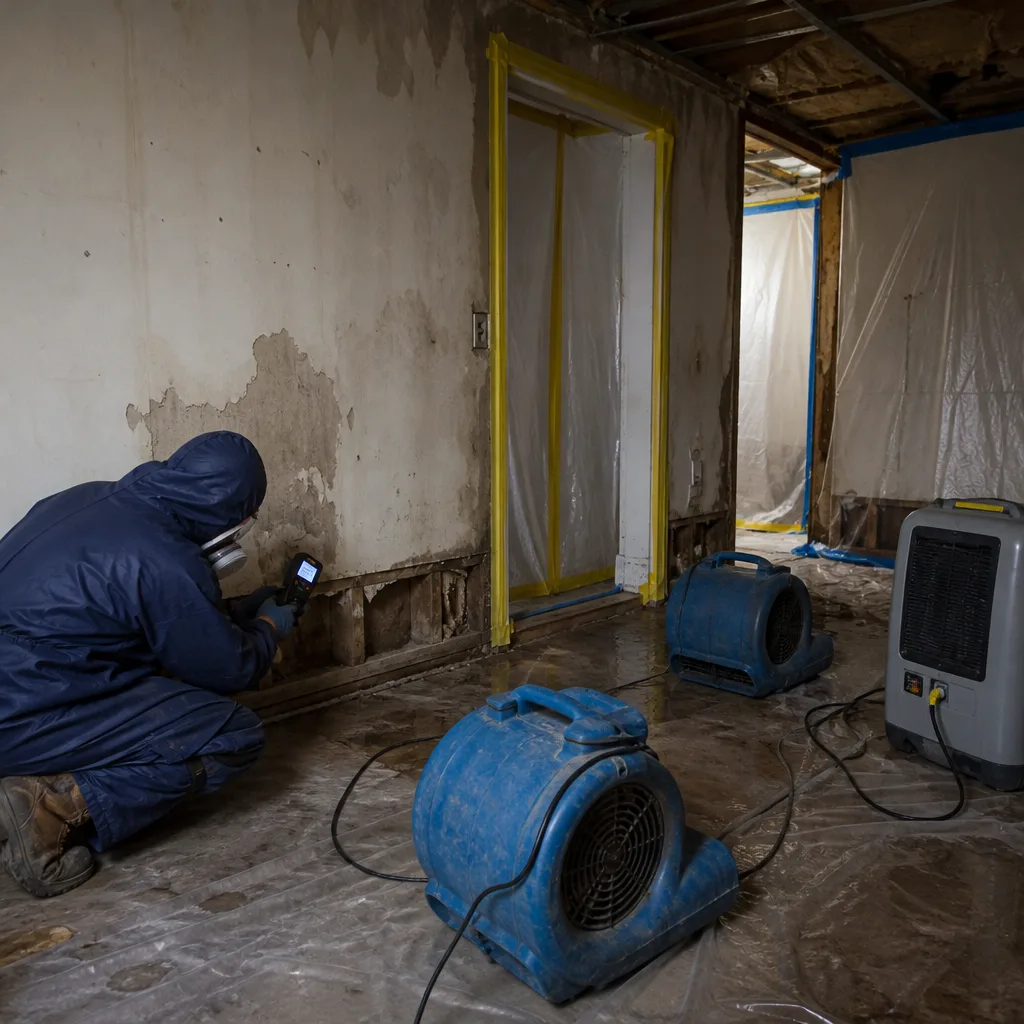 Before
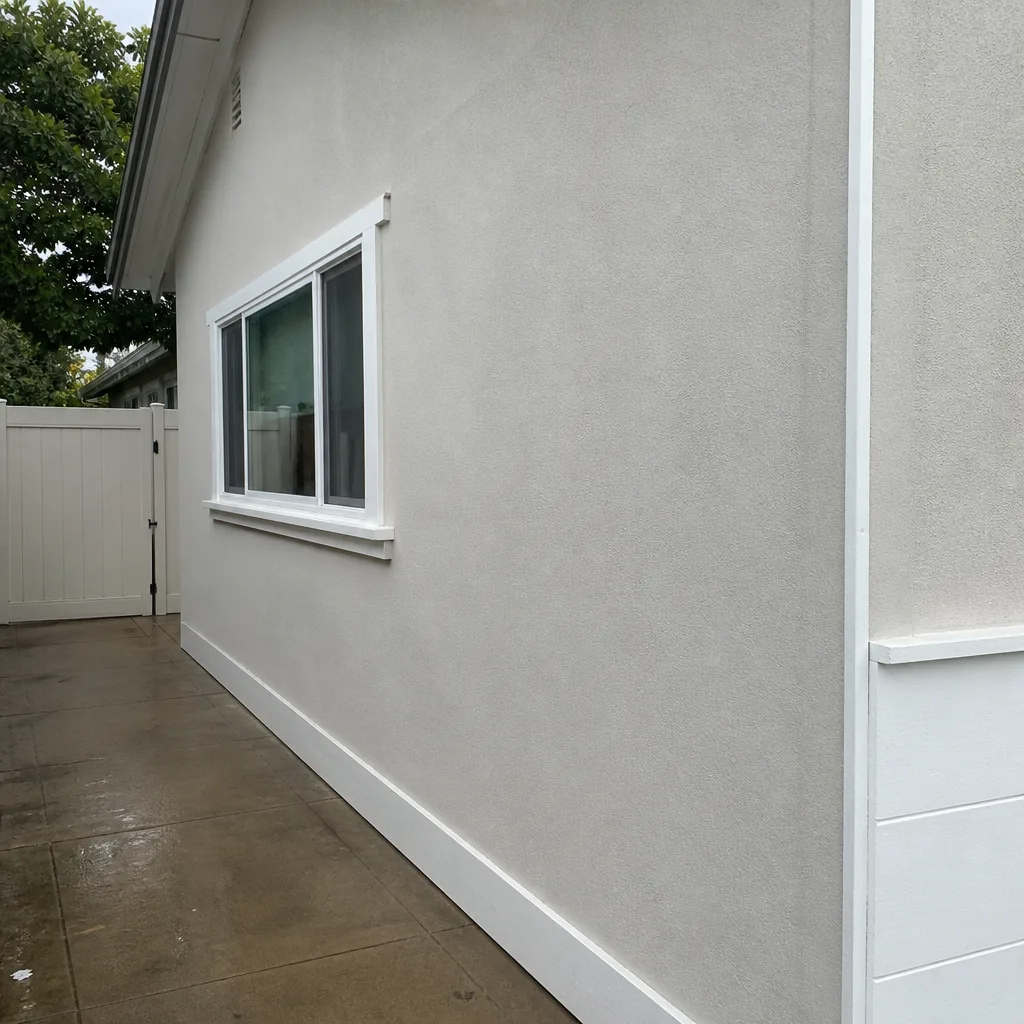 After
After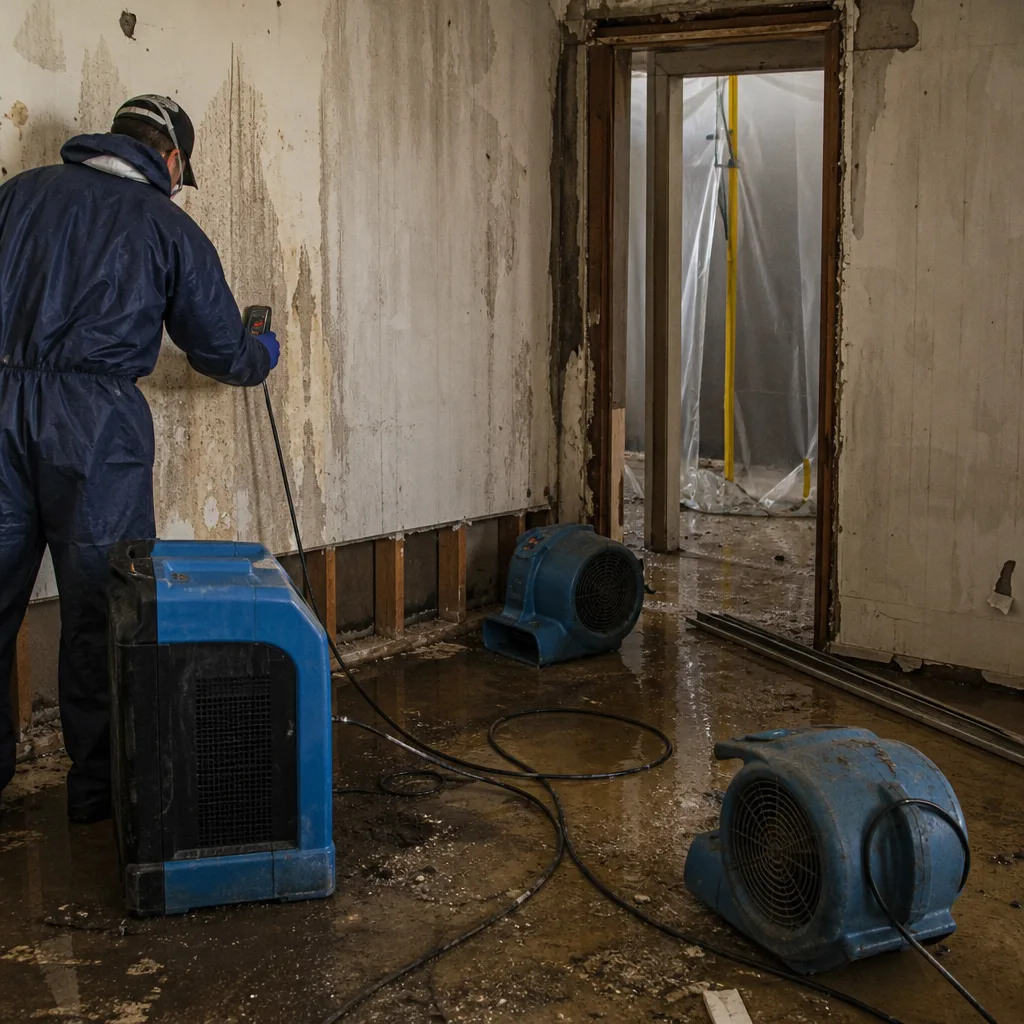 Before
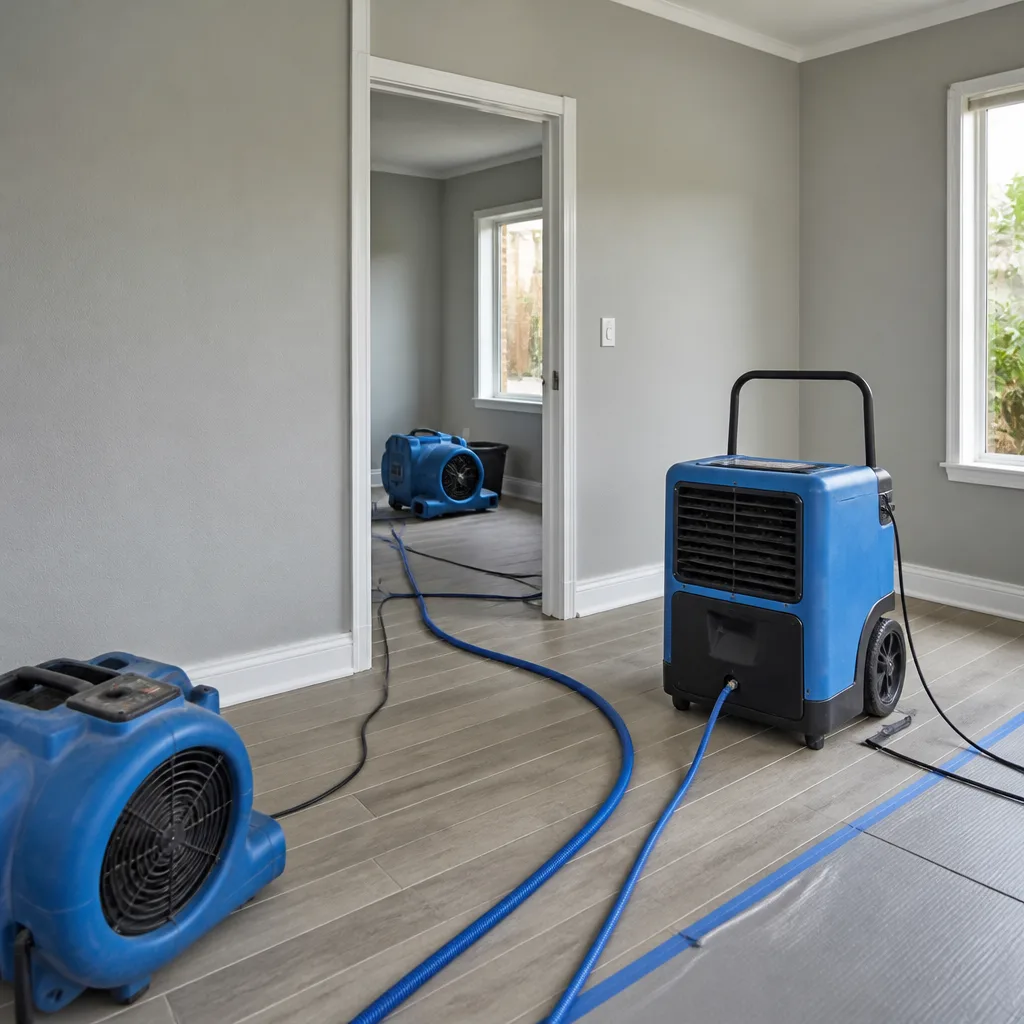 After
After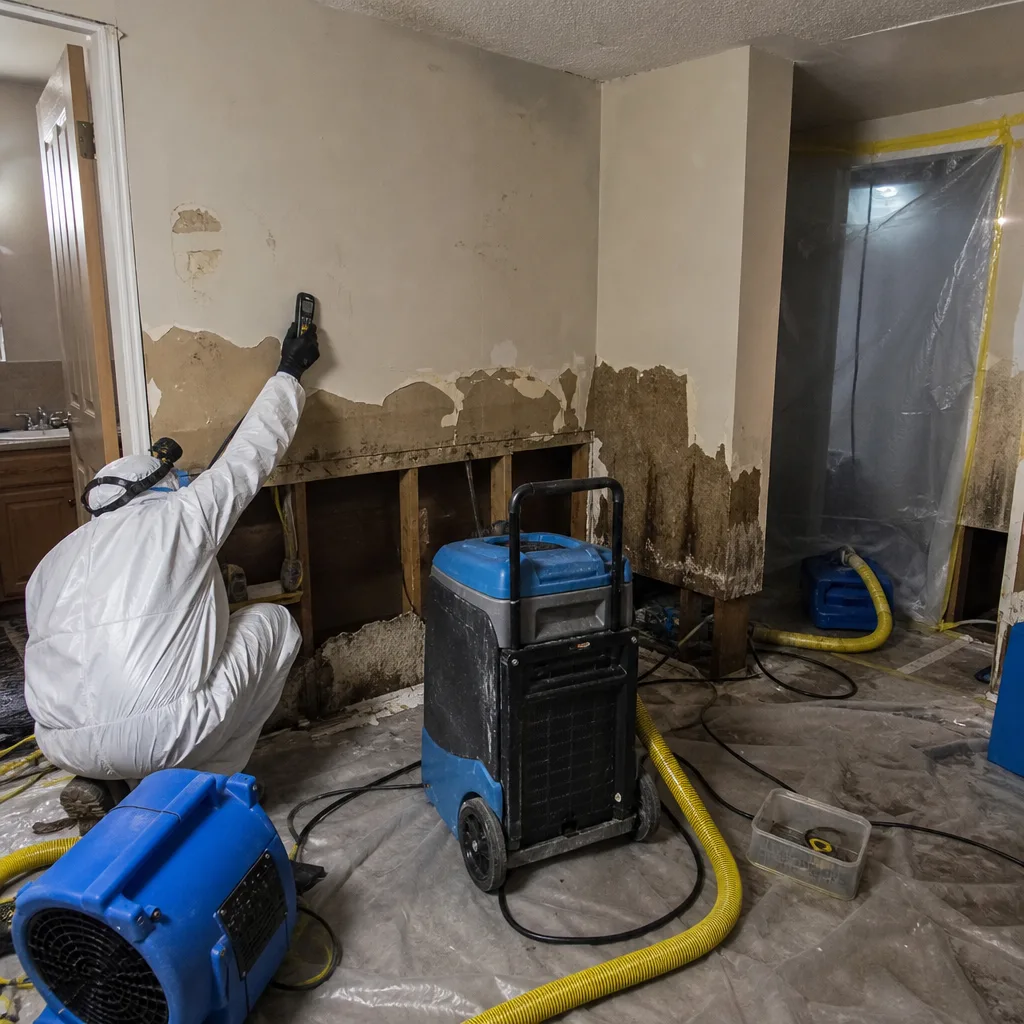 Before
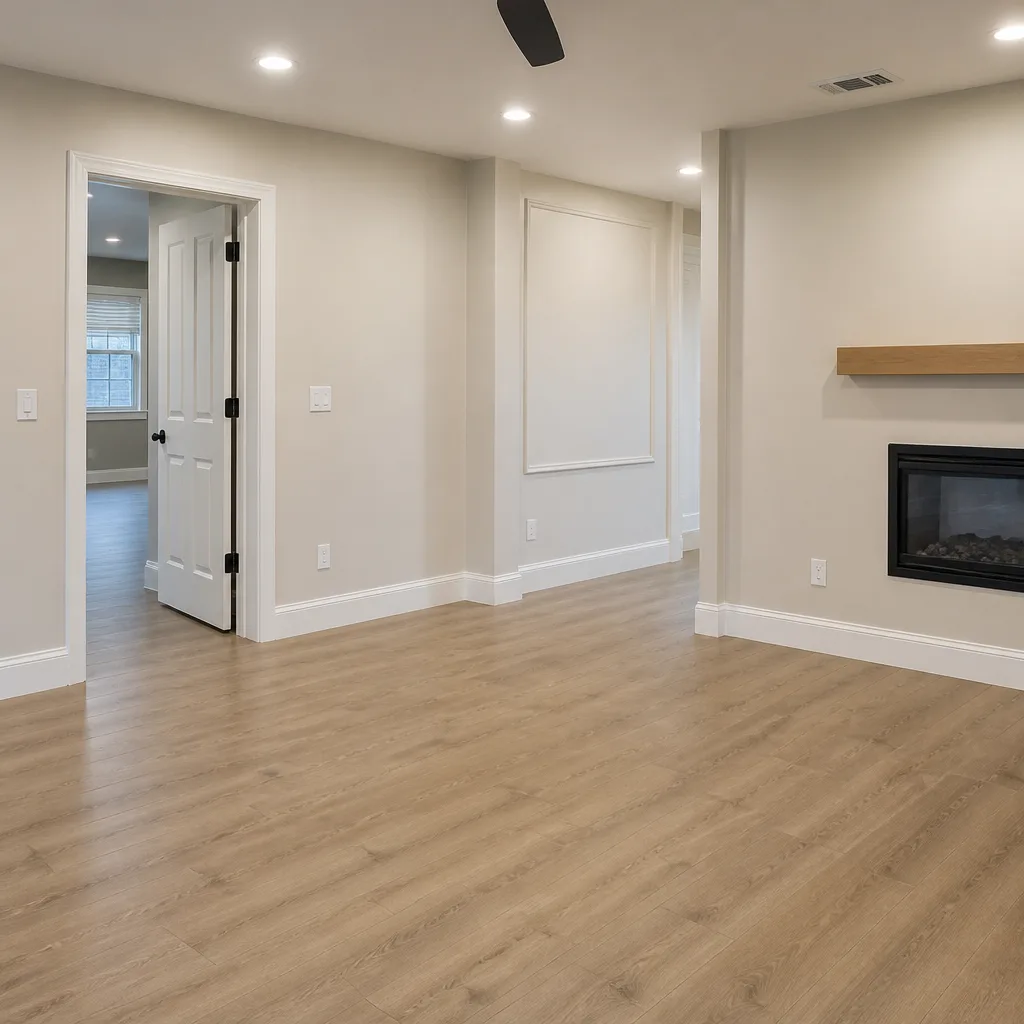 After
AfterFast, Reliable Water Damage Restoration Across Teaneck
Water in a finished basement on a Friday afternoon is the kind of problem that does not wait. Most residential water extractions in Teaneck run between $1,800 and $4,200 before drying equipment is set, and a flooded finished basement with Category 3 water usually lands between $6,000 and $14,000 once containment, demolition, drying, and rebuild are scoped. We answer the phone 24/7 at (910) 613-6568, and a live person schedules your dispatch. You will know the technician’s name and face before they pull up to your house.
We know Teaneck’s western streets sit in FEMA flood zones along the Hackensack River, and we know what that means for the 1940-to-1970 split-levels and colonials that line those blocks. It means storm water does not stay in a utility room. It spreads across finished living space, into plaster-and-lath walls, under original flooring. Our crews carry the right drying equipment for that exact housing stock, and our experience with Teaneck Storm Damage Restoration after nor’easters and hurricane remnants means we know what hides behind the paneling. Call (910) 613-6568 and we will have someone on the way.
Why Marsh Water Damage Restoration Is Teaneck’s Preferred Water Damage Restoration Company
We have been in business since 2005 as part of the Threshold Group family of restoration companies, and our work in Teaneck has taught us lessons that generic restoration outfits simply do not have. The township’s housing is overwhelmingly mid-century: split-levels, colonials, and ranch homes on compact lots. That means plaster-and-lath walls that absorb moisture and hide it, original cast-iron drain stacks that back up under pressure, and asbestos-containing floor tile or pipe insulation that must be accounted for before any invasive demolition starts. Our field teams carry that knowledge into every Teaneck job.
Every technician who walks through your door is background-checked, identity-verified, uniformed, and photo-badged under the Threshold Verified standard. Before the visit, you receive the technician’s name and photo. At the door, they show a photo ID badge. That is not a nice-to-have in this township. Teaneck is home to one of the largest Orthodox Jewish communities in New Jersey, and many of our customers tell us the single reason they chose Marsh is that someone in the household is often home alone, with young children, or elderly, and the idea of opening the door to an unverified stranger is unacceptable. The Threshold Standard exists for exactly that.
Our restoration work itself is backed by the 365-Day Done Right Promise, printed on every work order. If the repair is not right within a full year, Marsh makes it right, including a free second visit. No argument. No claim form. It is written down before we start, not buried in a warranty booklet after we finish.
Emergency Water Damage Restoration in Teaneck
Emergency Water Damage Restoration in Teaneck almost always starts the same way: a nor’easter or tropical storm remnant pushes the Hackensack River over its banks, or a sump pump fails under the runoff pressure on an impervious block, and water moves through a finished basement in minutes. Our crew responds to Teaneck addresses directly, with dispatch coordinated from our New York City office. We are not a franchise van circling three counties. When you call (910) 613-6568, you get a live person, and that person dispatches a Teaneck-bound crew.
What the job involves depends on the water category. Storm water carrying river backflow or sewage is Category 3, and it requires containment, extraction, removal of saturated drywall and insulation, and antimicrobial treatment before drying begins. Clean-water losses, like a burst supply line, can often be dried in place. Most emergency extraction in Teaneck runs $1,800 to $4,200 before drying equipment is set. Category 3 losses with finished-basement demolition and rebuild routinely land between $6,000 and $14,000.
Storm-water basement loss
When the Hackensack River floods Teaneck’s western blocks, water enters through basement doors, window wells, and floor drains. In a 1950s split-level, that water crosses finished living space. Full structural drying with moisture mapping and drying logs is the only defensible response. Surface drying is not drying.
Burst pipe and supply-line failure
A frozen pipe in an uninsulated Teaneck crawl space or a failed cast-iron drain stack can release hundreds of gallons before anyone notices. Extraction comes first, then psychrometric readings (measuring the moisture in the air) guide equipment placement. We run Dri-Eaz and Phoenix air movers and dehumidifiers until the structure is genuinely dry, not just dry to the touch.
Water Damage Repair in Teaneck
Water Damage Restoration in Teaneck rarely ends at extraction. Water Damage Repair means rebuilding what the water destroyed: drywall, trim, flooring, cabinetry. In Teaneck’s mid-century housing stock, that repair work frequently uncovers what the water revealed: plaster-and-lath walls that held moisture behind paneling, asbestos-containing floor tile that must be abated under protocol, or a failing basement slider that let the water in and will let it in again if not properly replaced.
Repair costs in Teaneck follow the scope. Drywall and trim repair after a Category 1 or 2 loss typically runs $1,200 to $3,800. A finished basement rebuild after Category 3 storm intrusion, including abatement, drying, and impact-rated door replacement, commonly runs $10,000 to $18,000. We give a written price before any work starts. Not a verbal range. A written scope, agreed before demo begins.
Basement door and egress repair
A failing slider or basement door is not cosmetic in Teaneck. Under a nor’easter’s pressure differential, wind-driven rain penetrates the track and panel gap. We replace with impact-rated doors and reinforcement details that meet Teaneck’s storm-resistant permit requirements.
Drywall, millwork, and flooring rebuild
Once drying logs confirm the structure is dry, rebuild starts. We match period trim profiles where possible because Teaneck’s 1940-to-1970 homes deserve better than builder-grade replacements. Every repair carries the 365-Day Done Right Promise in writing.
Trusted Brands We Service in Teaneck
We run professional restoration equipment from Dri-Eaz, Phoenix, and XPOWER on Teaneck jobs, the same machines used on large commercial losses, applied to residential basements and first floors. That matters here because Teaneck’s mid-century homes fight moisture in ways a newer build does not. Plaster-and-lath walls hold water. Original cast-iron drains back up. We size the drying plan to the actual structure, not a square-footage formula, and we stock the parts and materials needed for fast turnaround without waiting on a distributor.
Common Water Damage Restoration Problems We See in Teaneck Homes
- Finished-basement flood loss from the Hackensack River flood zone. Teaneck’s western residential neighborhoods sit inside FEMA-designated flood zones, and when the river rises, finished basements go under. This is a Category 3 loss requiring demolition and rebuild, not a shop-vac job.
- Plaster-and-lath walls hiding moisture. The township’s 1940-to-1970 homes soak up water behind paneling and wallpaper. Without moisture mapping and psychrometric readings, our crews would miss wet wall cavities that later bloom into mold.
- Asbestos-containing materials surfacing mid-mitigation. Original floor tile and pipe insulation in Teaneck’s older homes require abatement protocols before invasive demo. A contractor who skips that scoping stalls the drying and resets the customer’s claim clock.
- Wind-loaded basement sliders failing under nor’easter pressure. A track-and-panel opening that leaks under storm pressure differential sends water across finished floors. The fix is not caulk. It is impact-rated replacement and reinforcement that passes Teaneck’s permit review.
Pricing for Water Damage Restoration in Teaneck, NJ
Here are the numbers, straight. A clean-water extraction and drying job in Teaneck runs $1,800 to $4,200. A Category 2 loss involving some carpet, pad, and drywall removal lands between $3,500 and $7,500. A Category 3 storm or sewage loss requiring full finished-basement demolition, containment, drying, and rebuild ranges from $6,000 to $14,000, and extensive multi-room rebuilds with abatement and door replacement can reach $18,000. These are real ranges based on Teaneck’s housing stock and flood-zone realities, not national averages. Your written scope lists every line item before we start. Estimates are free. Call (910) 613-6568.
We Also Serve Cities Near Teaneck
Our crews work across Bergen County, including Teaneck and the neighboring towns of Bogota, Englewood, Hackensack, and Bergenfield. If your home sits near the river in any of these towns, the same Threshold Verified standard applies: the technician’s name and photo before the visit, a written price before work starts, and the 365-Day Done Right Promise on every work order.
Serving Teaneck, NJ - Our Local Coverage Area
We’re based in the Teaneck area and know this community well. Use the map below to see our service coverage - if you’re nearby, we can almost certainly help.
FAQs About Water Damage Restoration in Teaneck
Because Teaneck’s western blocks sit inside FEMA flood zones along the Hackensack River, and the housing stock is almost entirely mid-century split-levels and colonials. Storm water enters a finished living space, not a utility room, so Category 3 water spreads through drywall, carpet, and plaster-and-lath walls. That requires full demolition, structural drying, and rebuild. A cleanup-only approach leaves wet wall cavities and mold-ready conditions. Call (910) 613-6568 and we will scope it honestly.
Within 48 to 72 hours. In Teaneck’s finished basements, where drywall and paneling hide moisture, the clock is shorter than in an open utility space. By the time a hallway door swells and binds, mold has often already established in the wet drywall. That is why our crews start extraction and moisture mapping immediately, not the next morning.
Yes. Homes built between 1940 and 1970 are the norm here, and they come with plaster-and-lath walls, original cast-iron drains, and asbestos-containing floor tile or pipe insulation. We sequence abatement before invasive demolition, and we run psychrometric readings to confirm the structure is dry throughout, not just on the surface. A generic drying plan fails in these homes. Ours is built around them.
We do it regularly. Teaneck has one of the largest Orthodox Jewish communities in New Jersey, and our scheduling teams coordinate emergency access, interior work, and equipment placement around Shabbat and Jewish holidays. We know what questions to ask, and we plan the job so the restoration work does not create a scheduling conflict for your household.
It means you likely have water intrusion during the next nor’easter. A wind-loaded basement slider that leaks under pressure differential sends water across finished floors, and the fix is not cosmetic. We scope track, panel, and reinforcement replacement with impact-rated details that meet Teaneck’s storm-resistant permit requirements. Doing it before the storm is far cheaper than repairing the flood it prevents.
If water is inside your Teaneck home right now, call (910) 613-6568. We answer live, 24/7, and we will tell you exactly who is coming, when they will arrive, and what the work will cost before anything starts.
Written by Tobias Reyner, Owner at Marsh Water Damage Restoration, serving Teaneck and Bergen County since 2005.