
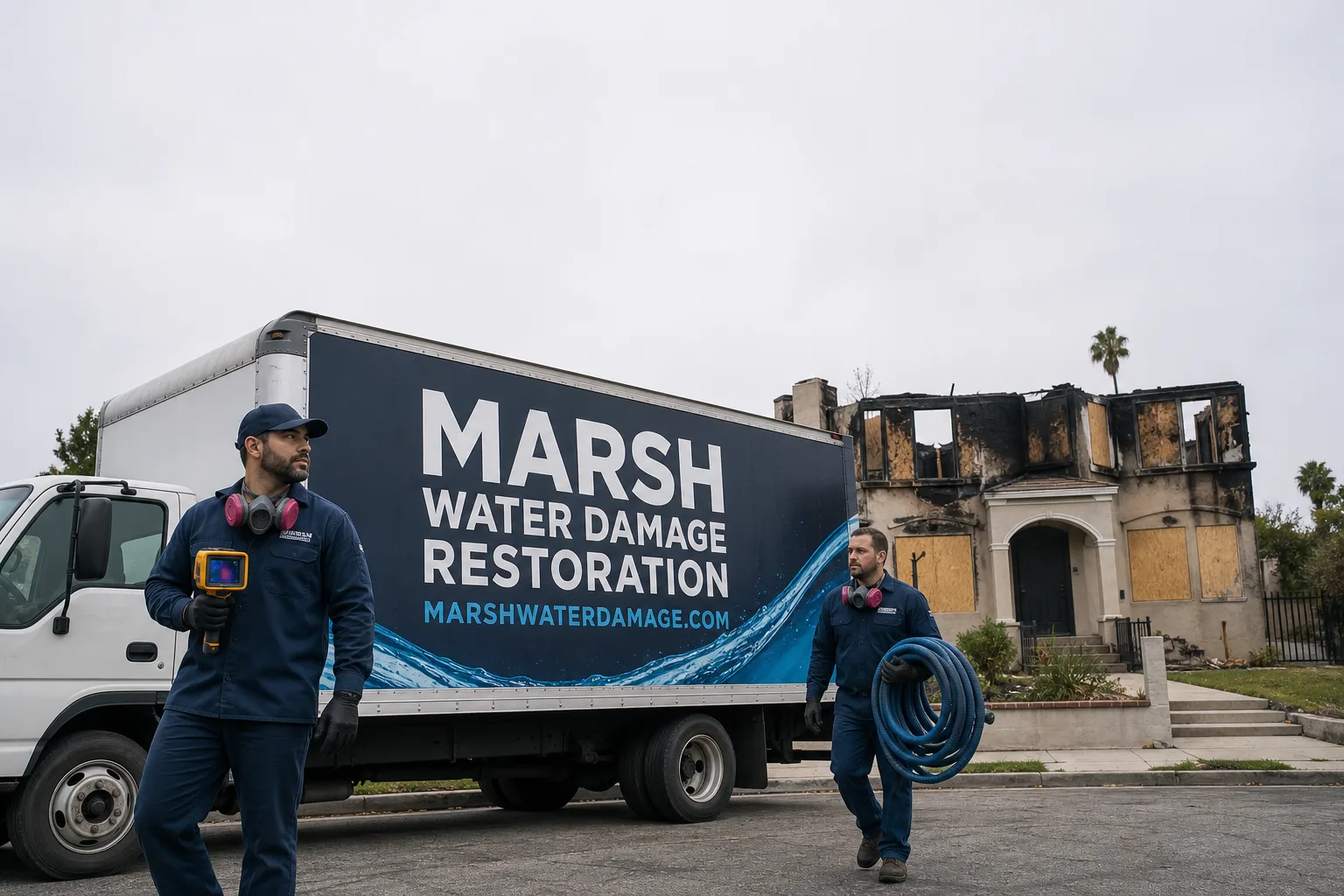
Free visual inspection and a written scope of work before any mitigation begins - photos, moisture readings, and drying logs go in your claim file
The scope we write is the scope we bill. Anything new gets shown to you, in writing, before we touch it.
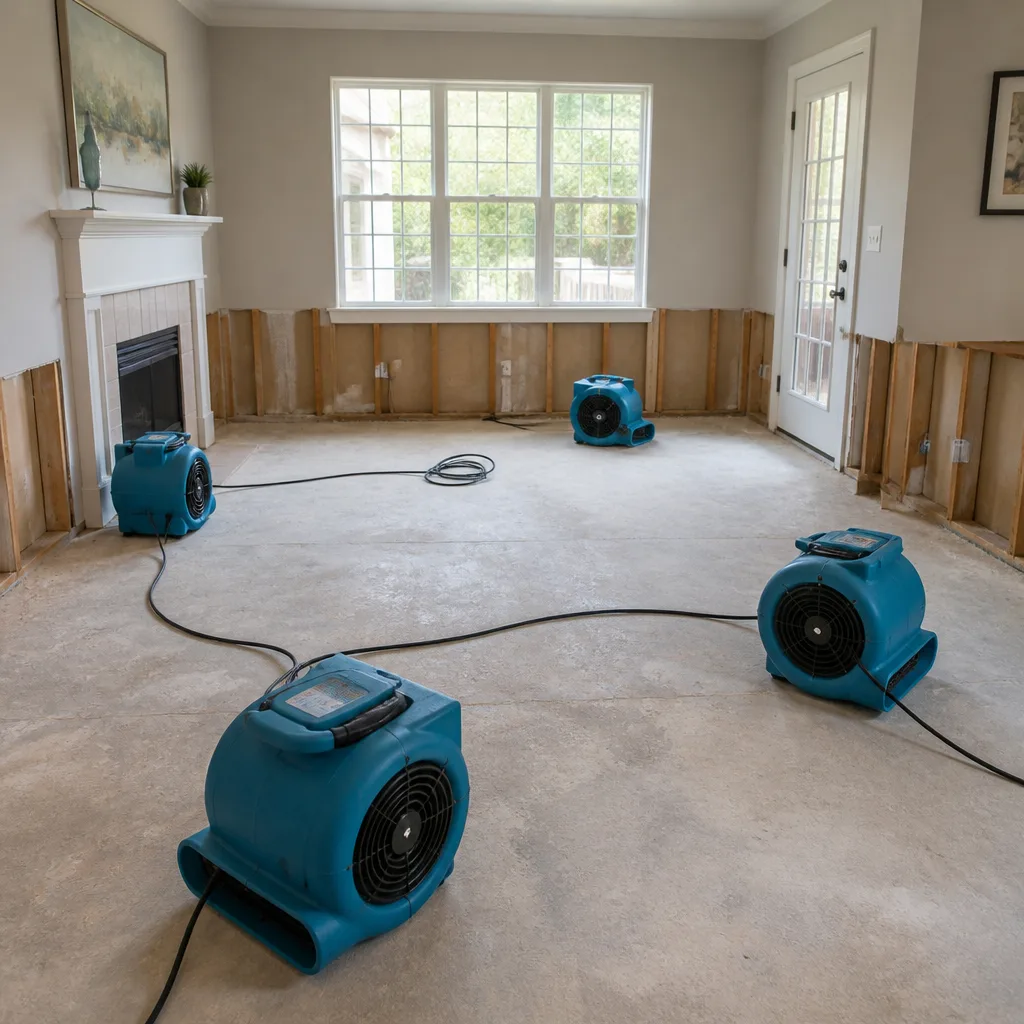
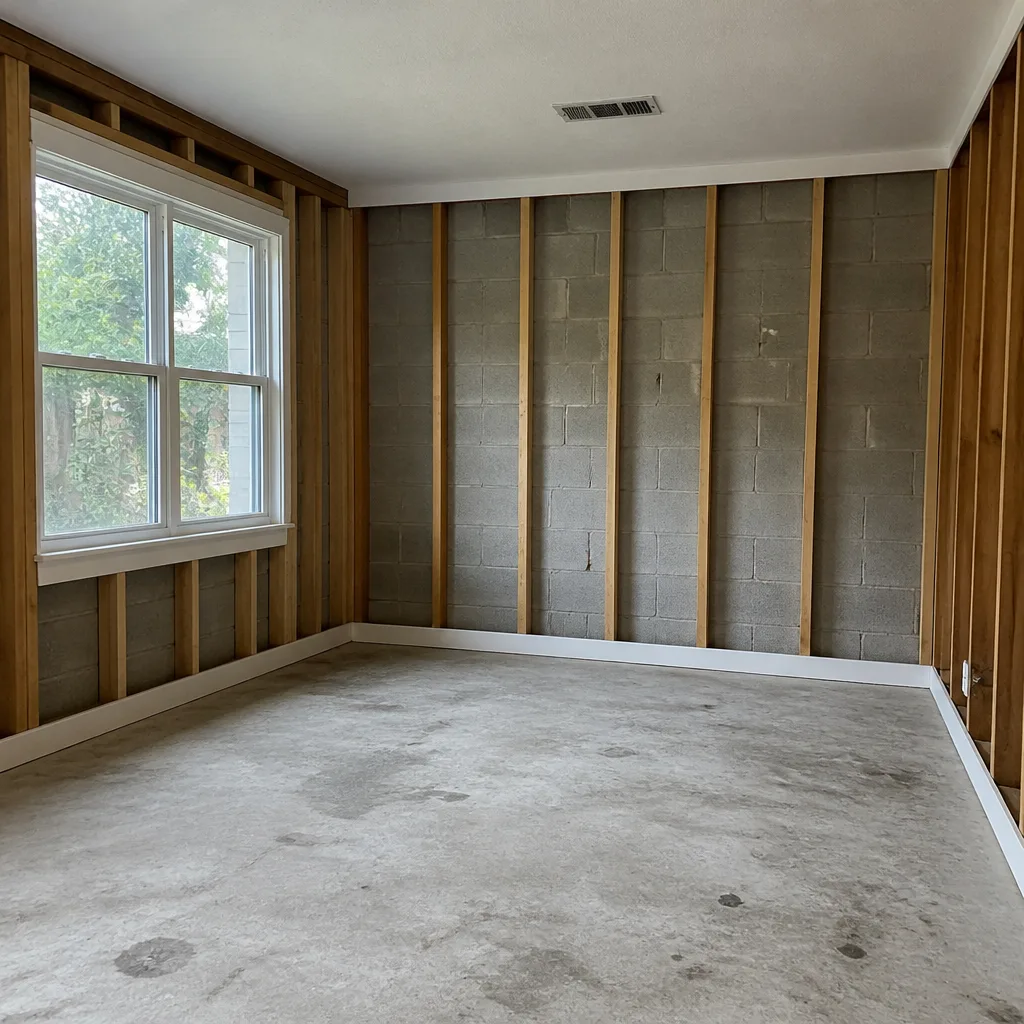
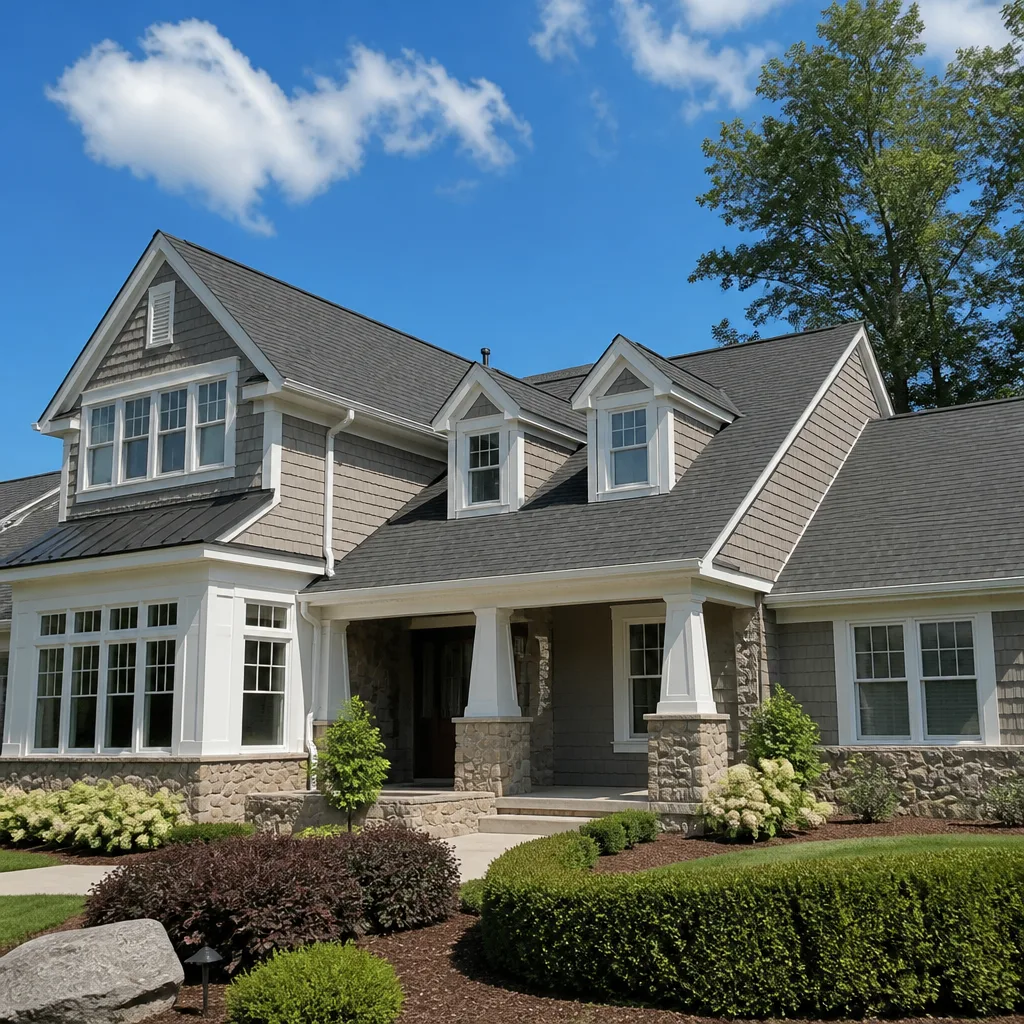
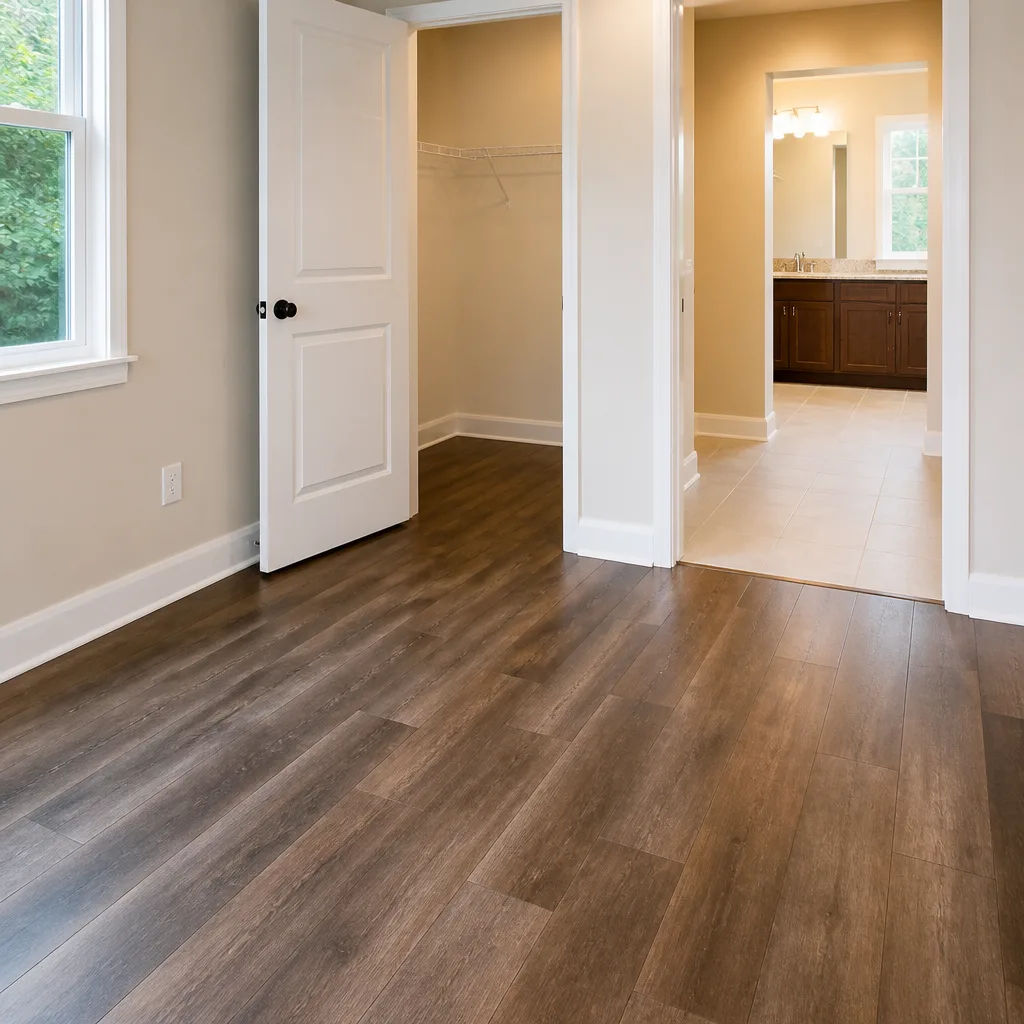
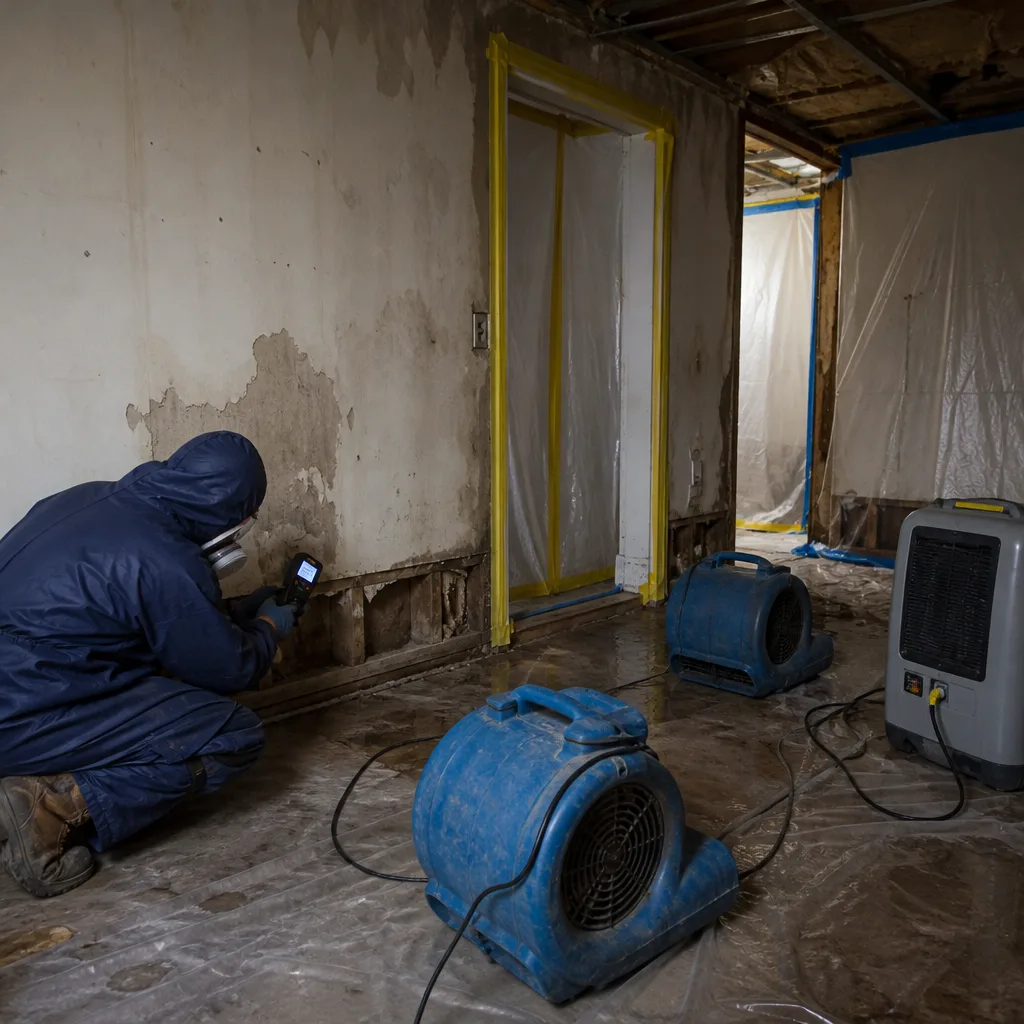 Before
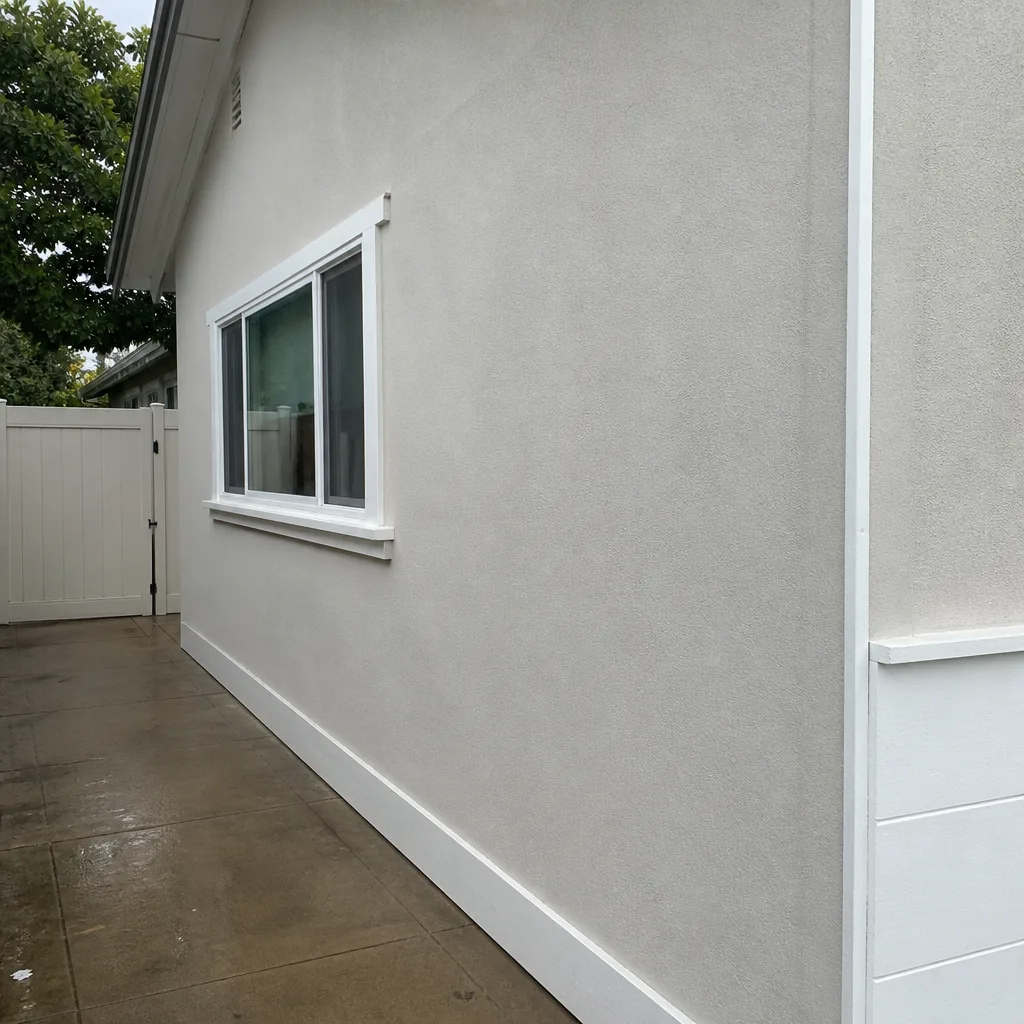 After
After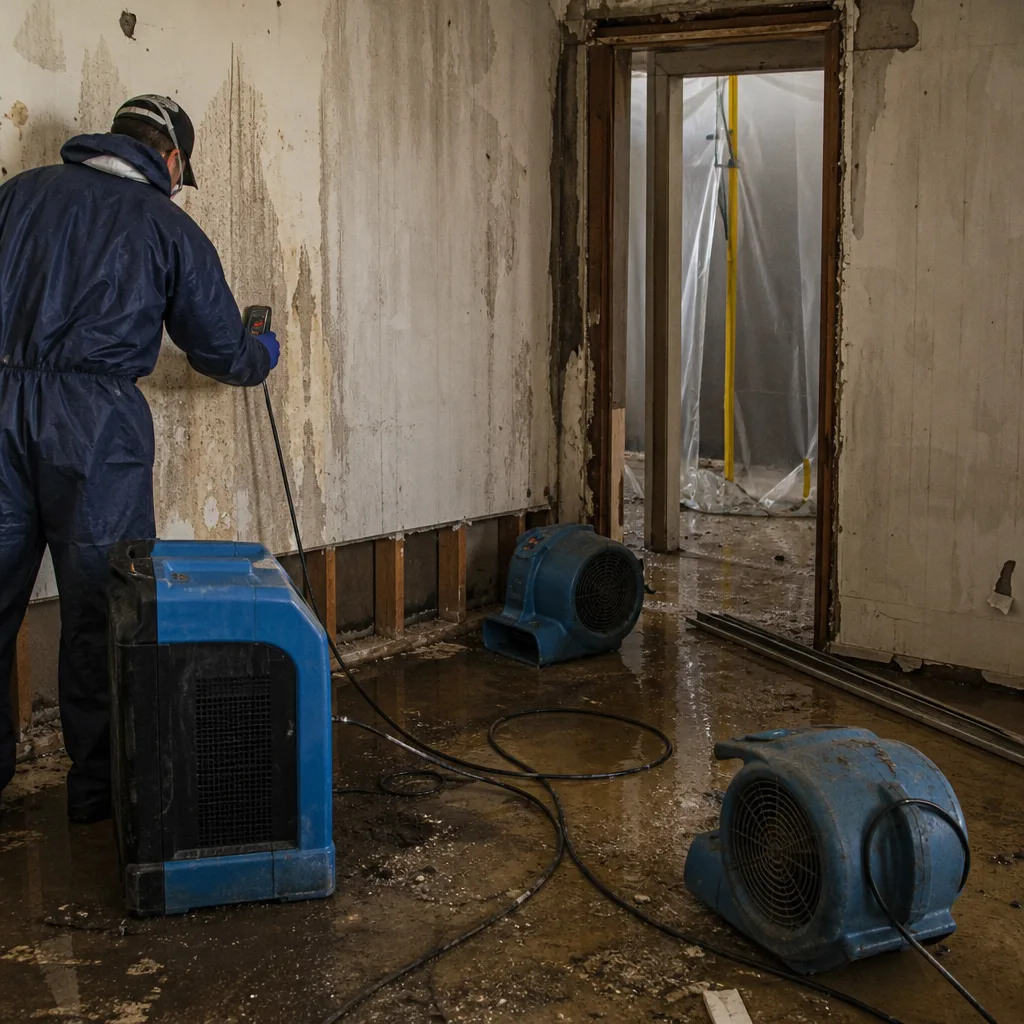 Before
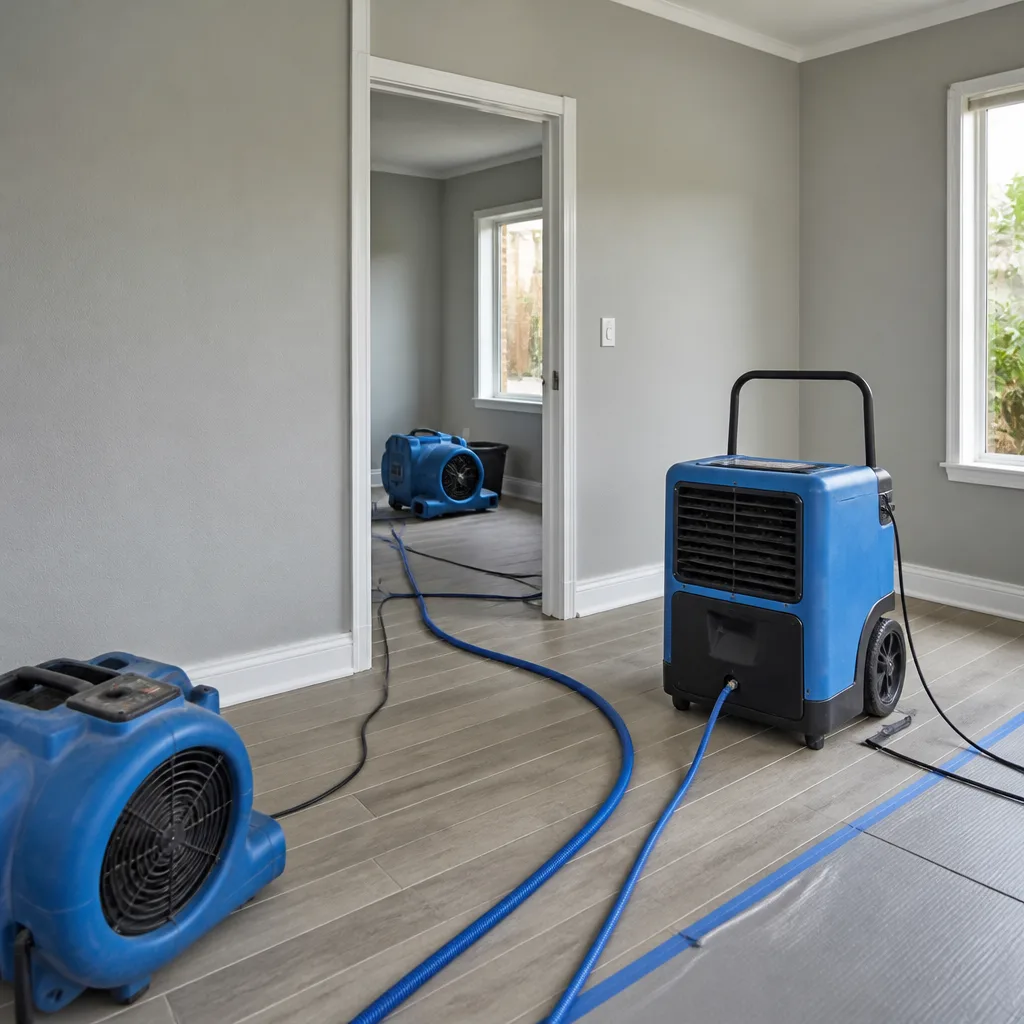 After
After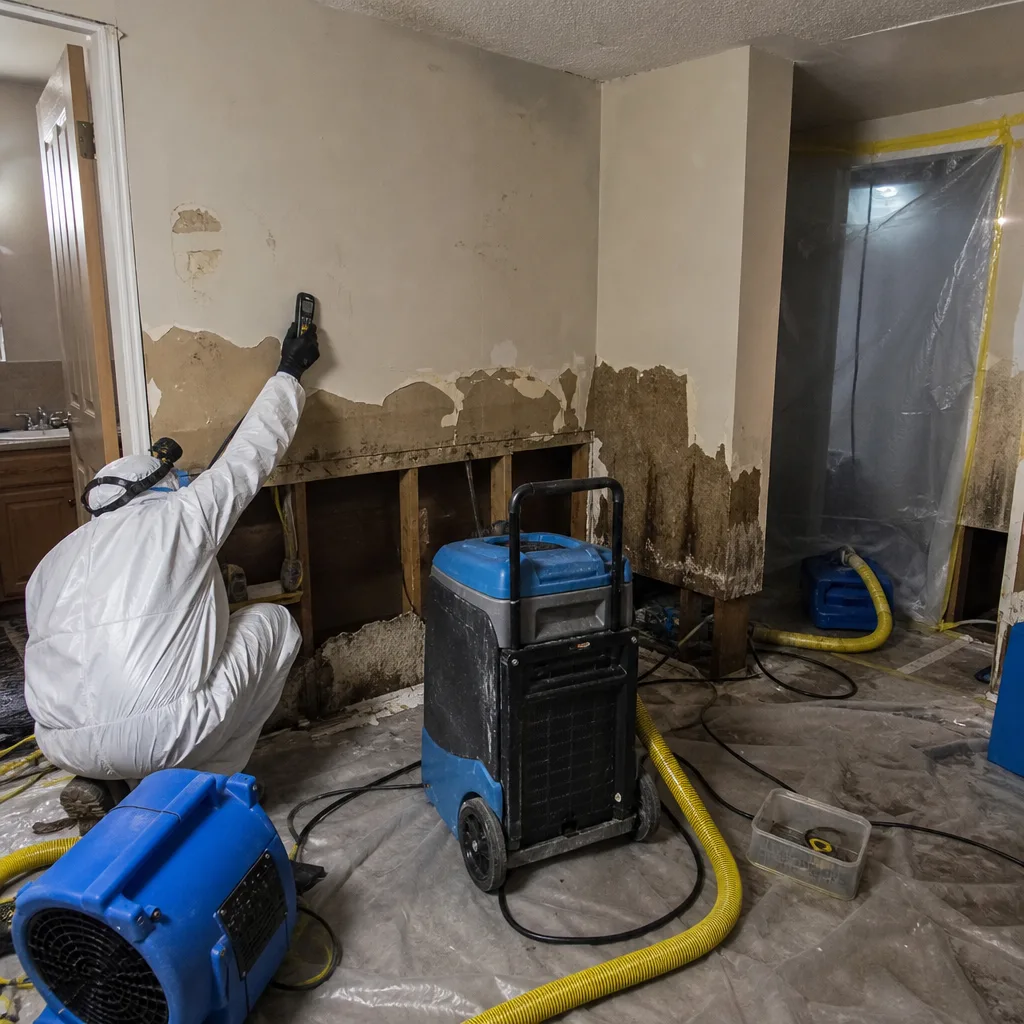 Before
 After
AfterFast, Reliable Mold Remediation Across Kings Bridge
Mold remediation in Kings Bridge typically runs $1,800 to $6,500 for a contained, multi-room job, and in this neighborhood’s pre-war walk-ups, the scope is rarely what a homeowner first assumes. We know because we’ve worked these buildings for years: the original plaster-on-lath walls, the cast-iron risers, the way water from one burst pipe finds its way down through five stacked apartments before anyone on the second floor notices a stain. Marsh Water Damage Restoration sends background-checked, identity-verified technicians to Kings Bridge with a written price before any work starts. Call (910) 613-6568, and a live person answers – 24 hours a day, every day.
You don’t need a generic mold company. You need a crew that understands what a 1920s brick walk-up on West 231st Street does when moisture gets behind original plaster. That’s us. We’re a Mold Remediation team built on the Threshold Verified standard: every technician is background-checked, identity-verified, and sent to you by name and photo before the visit. When our tech knocks, they show a photo ID badge. Every time.
Why Marsh Water Damage Restoration Is Kings Bridge’s Preferred Mold Remediation Company
Kings Bridge is not a single-family suburb. It’s a dense grid of five- and six-story brick walk-ups where one pipe failure cascades vertically, and mold problems are multi-tenant by default. Most restoration companies treat a mold job here like a standalone room. We treat it as a building event: mapping moisture across floors, coordinating with tenants, documenting every step for insurance carriers who may never share information with each other.
Since 2005, under the Threshold Group family, our Kings Bridge work has been defined by one thing: houses are different from apartments, and apartments are different from each other. The plaster-and-lath cavities behind a 1930s wall hold water differently than drywall. Cast-iron radiator chases create humidity channels you won’t find in a suburban split-level. Our technicians carry IICRC, RIA, and IFA credentials, and they’ve learned these buildings the hard way. Which means the drying plan for a ground-floor unit on Irwin Avenue is not the same as the plan for a sixth-floor unit above the Harlem River Ship Canal.
We also answer the phone. No voicemail tree, no callback queue. You call (910) 613-6568, and a person picks up.
Black Mold Removal in Kings Bridge
Black mold removal in Kings Bridge almost always starts with a question that no standard mold page asks: how many floors is this building, and where is the water actually coming from? Stachybotrys chartarum, the species people usually mean when they say black mold, needs sustained moisture to colonize. In a pre-war walk-up, that moisture often comes not from a visible leak in your unit but from a riser two floors above you that’s been weeping into the wall cavity for weeks.
Black mold removal here involves containment, HEPA-filtered air scrubbing, and antimicrobial treatment applied to the affected plaster and framing. We never just bleach a surface and walk away. If the mold is behind original plaster-on-lath, we dry the cavity to target moisture levels before treating, because treating a still-wet substrate just gives the colony a second chance. In a Kingsbridge walk-up, a contained black mold removal scope for a single unit generally runs $2,200 to $6,500 depending on square footage and how far the moisture has traveled. Multi-unit jobs, which are common here, run higher and are scoped floor by floor.
Containment in Occupied Buildings
Black mold removal in an occupied pre-war building isn’t a demolition free-for-all. We set negative-air containment with HEPA filtration at every affected entry point, keeping spores from moving into hallways, stairwells, and neighboring units. Tenants stay in their homes where it’s safe to do so, and we post clear signage about what’s happening on each floor.
When the Colony Is in the Cavity
In Kingsbridge, visible black mold on a wall surface is often the tip of what’s in the cavity behind it. Plaster-on-lath creates a hollow space that traps humidity. We use moisture meters and, where needed, small inspection openings to confirm the cavity’s condition before we treat. If we only treated surface mold and left the cavity wet, you’d be calling us back in three months.
Mold Removal Contractor in Kings Bridge
A mold removal contractor in Kings Bridge needs to understand that most jobs in this neighborhood involve three parties: the tenant, the landlord or co-op board, and an insurance adjuster who may never have set foot in a pre-war walk-up. We’ve coordinated hundreds of these. It’s one of the reasons property managers on streets like Bailey Avenue and Sedgwick Avenue keep our number on file.
Mold removal itself – the physical work of removing contaminated material, cleaning affected surfaces, and treating with antimicrobial agents – is only half the job. The other half is documentation: daily moisture logs, photo evidence before and after, written scope adjustments when we find damage behind the first layer. Every Marsh job gets a written price before any work starts, and every repair comes with our 365-Day Done Right Promise. If the repair is not right within a full year, we make it right. Free second visit included, automatically, never something you have to argue for.
Multi-Floor Remediation Scopes
Kingsbridge is one of the few places in New York where we routinely run mold removal scopes across four to six units from a single pipe failure. A sixth-floor galvanized riser splits in January; by the time anyone notices, water has tracked behind the plaster of every apartment below it. Each floor needs its own containment, its own drying plan, and its own clearance documentation. That’s not a bigger version of a single-family mold job. It’s a different job entirely.
Working With Your Co-op or Landlord
We’ve sat across from plenty of Kingsbridge co-op boards and building managers who want one thing: a clear, written scope they can show their insurance carrier. We provide that. Photo documentation, moisture maps, and a line-item breakdown that survives adjuster scrutiny. If your building has an insurance claim open, we coordinate directly with the adjuster so you don’t have to translate restoration terminology into insurance language.
Trusted Brands We Service in Kings Bridge
We run professional-grade restoration equipment on every Kingsbridge job, the same gear used in large commercial losses. That means Dri-Eaz dehumidifiers pulling moisture from plaster cavities, Phoenix air movers creating directed airflow across lath-and-plaster surfaces, and XPOWER air scrubbers filtering spore-laden air. These aren’t rental-counter machines from a big-box store – they’re commercial units matched to the moisture load we measure, not guessed at. For Kingsbridge customers, that translates to faster drying and less tear-out of original plaster that’s been there since 1935. We keep replacement filters, HEPA cartridges, and antimicrobial treatment stock on our trucks specifically because Kingsbridge jobs rarely end where they start.
Common Mold Remediation Problems We See in Kings Bridge Homes
- Vertical water migration through plaster-on-lath. Water from an upper-floor leak doesn’t pool on a ceiling – it channels through the lath keys and weeps into the wall cavity below. By the time a stain appears on a lower floor’s ceiling, the mold has often been colonizing the cavity for days or weeks.
- Freeze-thaw pipe bursts in poorly insulated chases. Kingsbridge’s aging galvanized supply lines run through exterior-wall chases that see sub-freezing temperatures every winter. The same riser that split last January can split again next January if the mitigation doesn’t address the underlying freeze exposure.
- Cast-iron radiator condensation in humid months. Original cast-iron radiators hold temperature differently than modern baseboard systems. In summer, humidity condenses around the radiator tails and valves, creating localized moisture pockets that support surface mold growth behind furniture and drapes.
- Mis-scoped single-unit remediation after multi-floor events. We regularly arrive at Kingsbridge buildings where a previous contractor dried one unit and declared the job done. The moisture had already tracked into the floor below, and mold was blooming behind the plaster of four apartments that never got touched.
Pricing for Mold Remediation in Kings Bridge, NY
Here are real numbers for this market. A contained single-room mold removal in a Kingsbridge walk-up typically runs $1,800 to $3,200. A full-unit remediation with cavity drying and antimicrobial treatment runs $3,500 to $6,500. When the scope spans multiple floors – common when a riser burst – the job is priced per floor, per unit, with a written breakdown for each affected apartment. Factors that affect cost: square footage of affected plaster, how many floors need containment, whether the mold is in the cavity or only on the surface, and access constraints (a fifth-floor walk-up with no elevator takes longer to move equipment through). Every estimate is free, and it’s a written number before any work starts. Call (910) 613-6568 and we’ll walk you through it.
Here’s the typical cost structure for Kingsbridge work:
- Mold inspection and moisture mapping: $250 to $500
- Single-room containment and removal: $1,800 to $3,200
- Full-unit remediation with cavity drying: $3,500 to $6,500
- Multi-floor, multi-unit scope (per floor): $2,000 to $4,500
- Antimicrobial treatment and clearance testing: $400 to $900
We Also Serve Cities Near Kings Bridge
Our crews serve Kings Bridge and the surrounding boroughs, including the Bronx, Manhattan, Brooklyn, and Queens. Same Threshold Verified standards, same written pricing, same live person answering the phone. If your building sits near the Harlem River Ship Canal or up toward Van Cortlandt Park, we’re already familiar with the block. Call us and tell us what you’re seeing.
Serving Kings Bridge, NY - Our Local Coverage Area
We’re based in the Kings Bridge area and know this community well. Use the map below to see our service coverage - if you’re nearby, we can almost certainly help.
FAQs About Mold Remediation in Kings Bridge
Mold colonization behind wet plaster-on-lath can begin within 24 to 48 hours in Kingsbridge’s humid summer months, and within 72 hours even in winter when interior radiators keep apartments warm. The cavity behind the plaster is the problem: it traps moisture and blocks airflow. That’s why we dry cavities to target moisture readings, not just surface levels. If you’ve had a pipe burst in your building, call (910) 613-6568 before the 48-hour mark if you can.
Because water follows gravity through the path of least resistance, and in a pre-war walk-up that path is the wall cavity. A riser split on the sixth floor sends water down the inside of the wall, weeping through the plaster keys at every floor below. We routinely find moisture in four to six units from a single riser failure. That’s why we always moisture-map the floors below any visible leak in a Kingsbridge building, not just the unit where the pipe broke.
Yes. We contain each affected area with negative air pressure and HEPA filtration so spores don’t move into occupied hallways or neighboring units. Tenants can usually stay in place during dry-out and treatment. We post clear signage, work around tenancy schedules where the building requires it, and coordinate access floor by floor. Occupied building work is standard for us in Kingsbridge, not a special request.
Water category tells us how contaminated the water was when it entered the material. Category 1 is clean supply-line water; Category 2 has some contamination from contact with building materials or standing time; Category 3 is sewage or floodwater. In a Kingsbridge pipe burst, the water is usually Category 1 at the source, but it becomes Category 2 as it sits inside a wall cavity and picks up what’s in the plaster and lath. That affects the treatment protocol: Category 2 materials may need more aggressive antimicrobial treatment than a fresh clean-water event.
Yes. Lower-lying blocks near Spuyten Duyvil Creek and the Harlem River Ship Canal see periodic floodwater intrusion in heavy rain or storm-surge events, and that water is treated as Category 3. The protocol is different: more aggressive removal of saturated materials, EPA-registered disinfectant treatment, and careful drying of the slab and lower wall cavities. Floodwork also typically involves a flood insurance claim, and we work directly with adjusters to document everything.
Written by Tobias Reyner, Owner at Marsh Water Damage Restoration, serving Kings Bridge since 2005.
Get a free, written estimate for mold remediation in Kings Bridge. Call (910) 613-6568 now, and a live person will answer. Day or night, storm or dry spell, we’re here.