
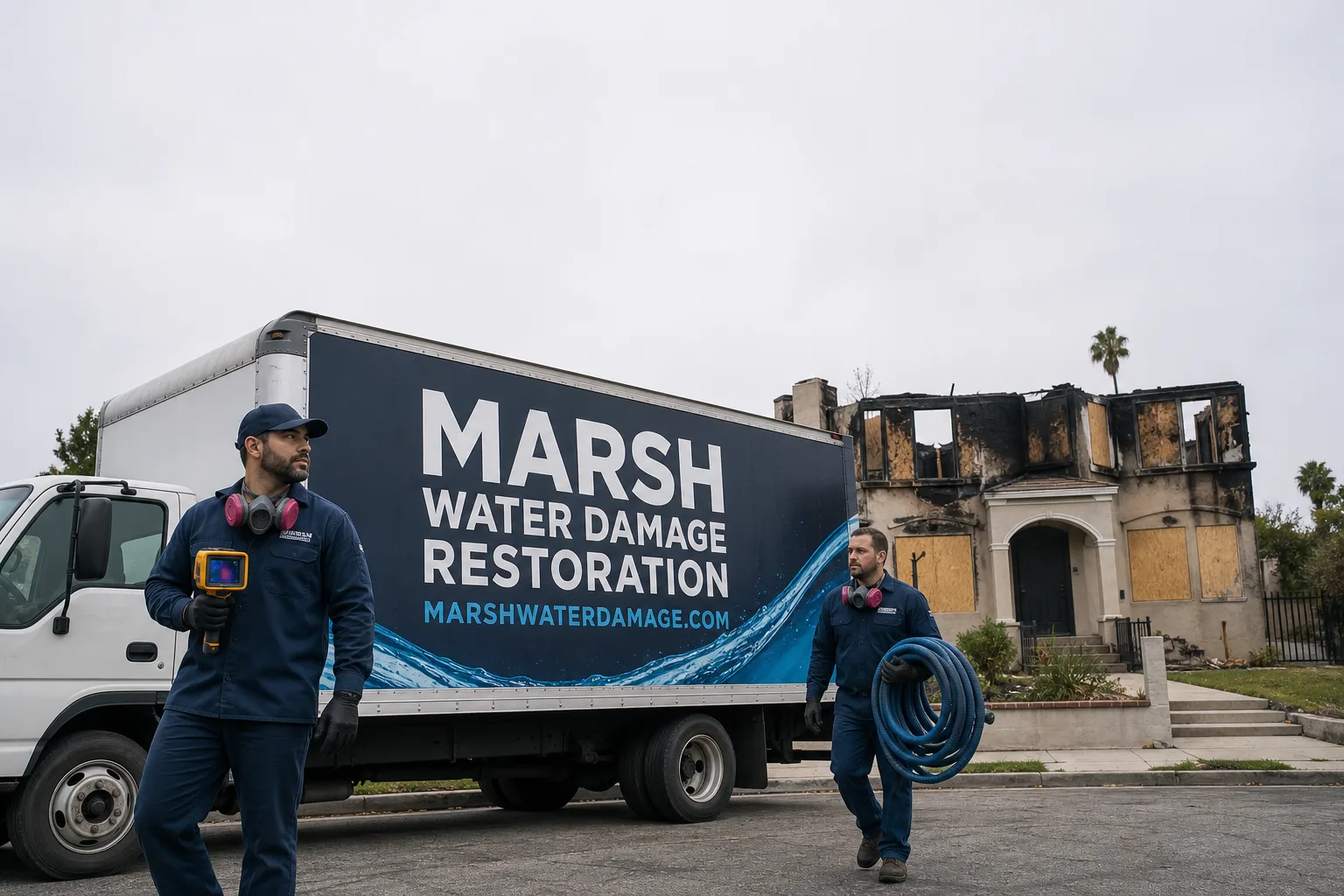
Free visual inspection and a written scope of work before any mitigation begins - photos, moisture readings, and drying logs go in your claim file
The scope we write is the scope we bill. Anything new gets shown to you, in writing, before we touch it.
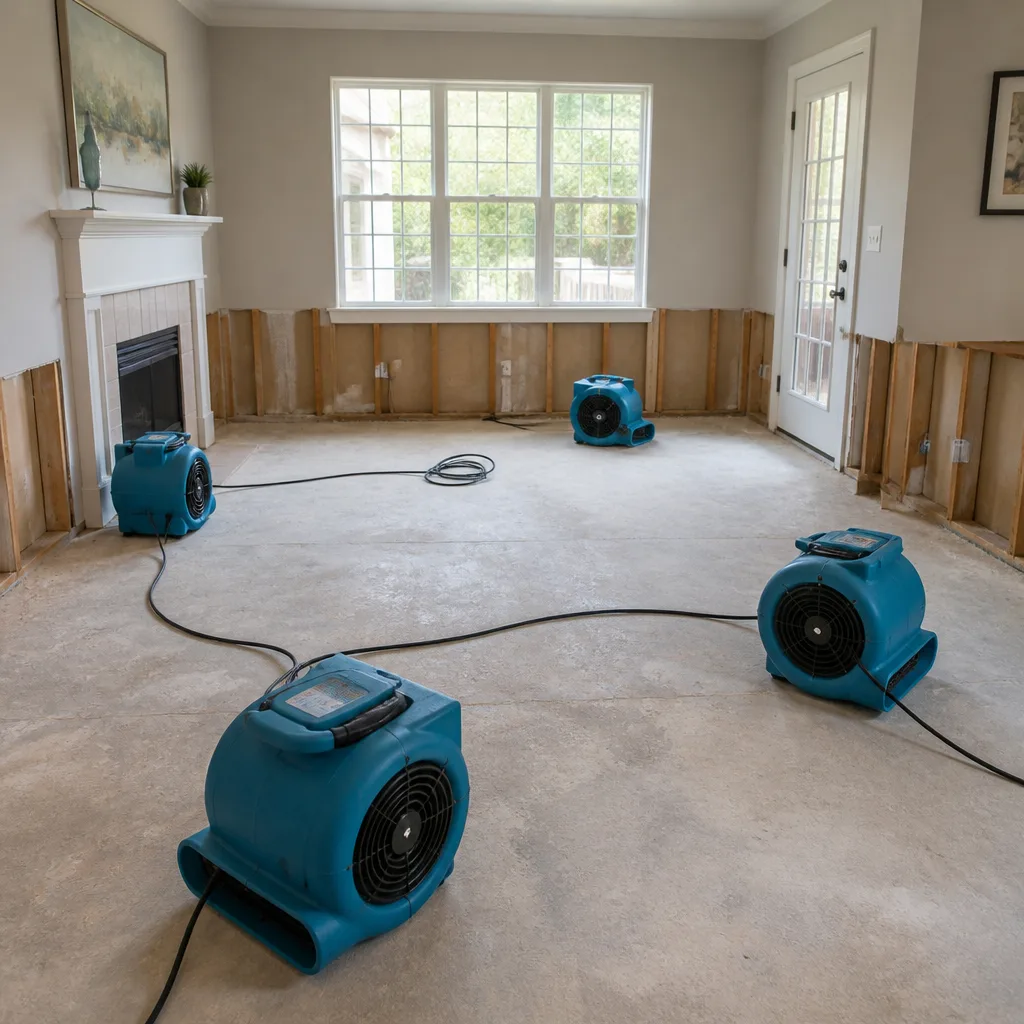

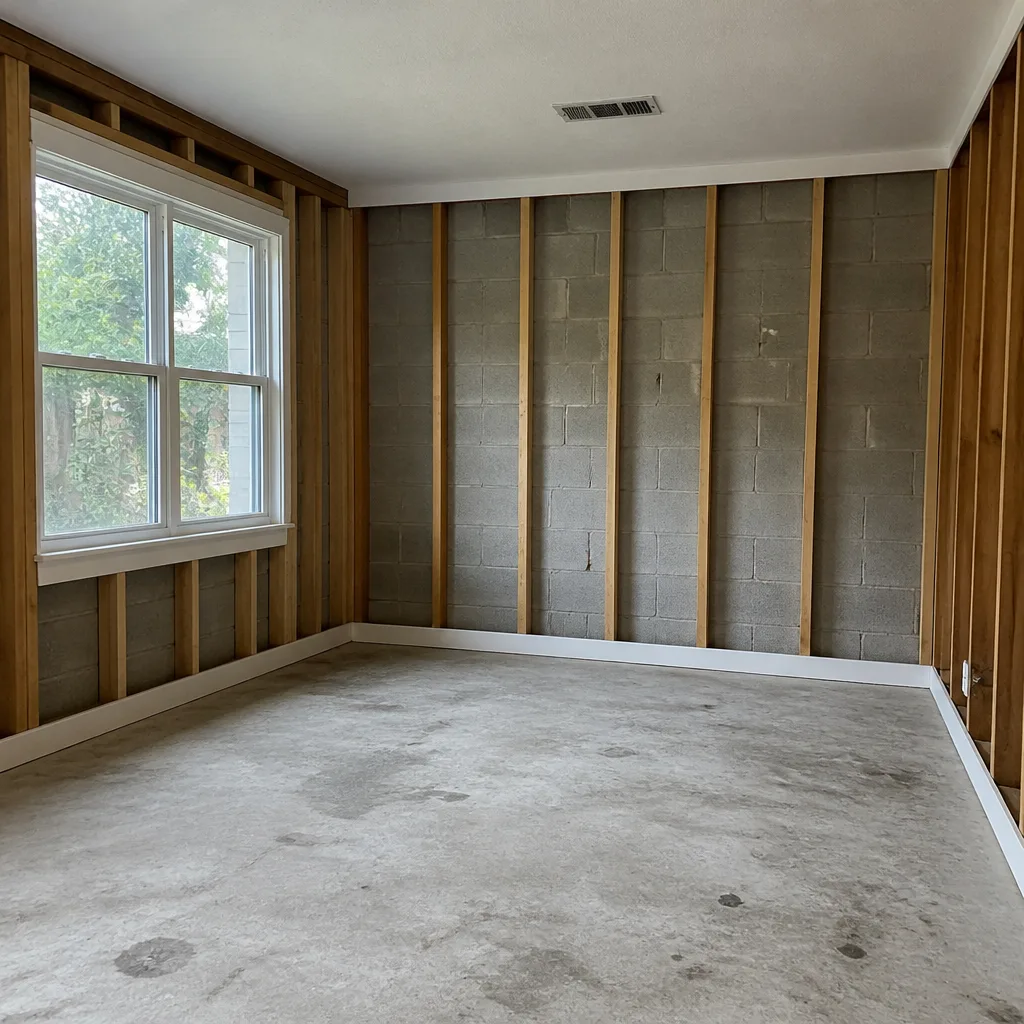

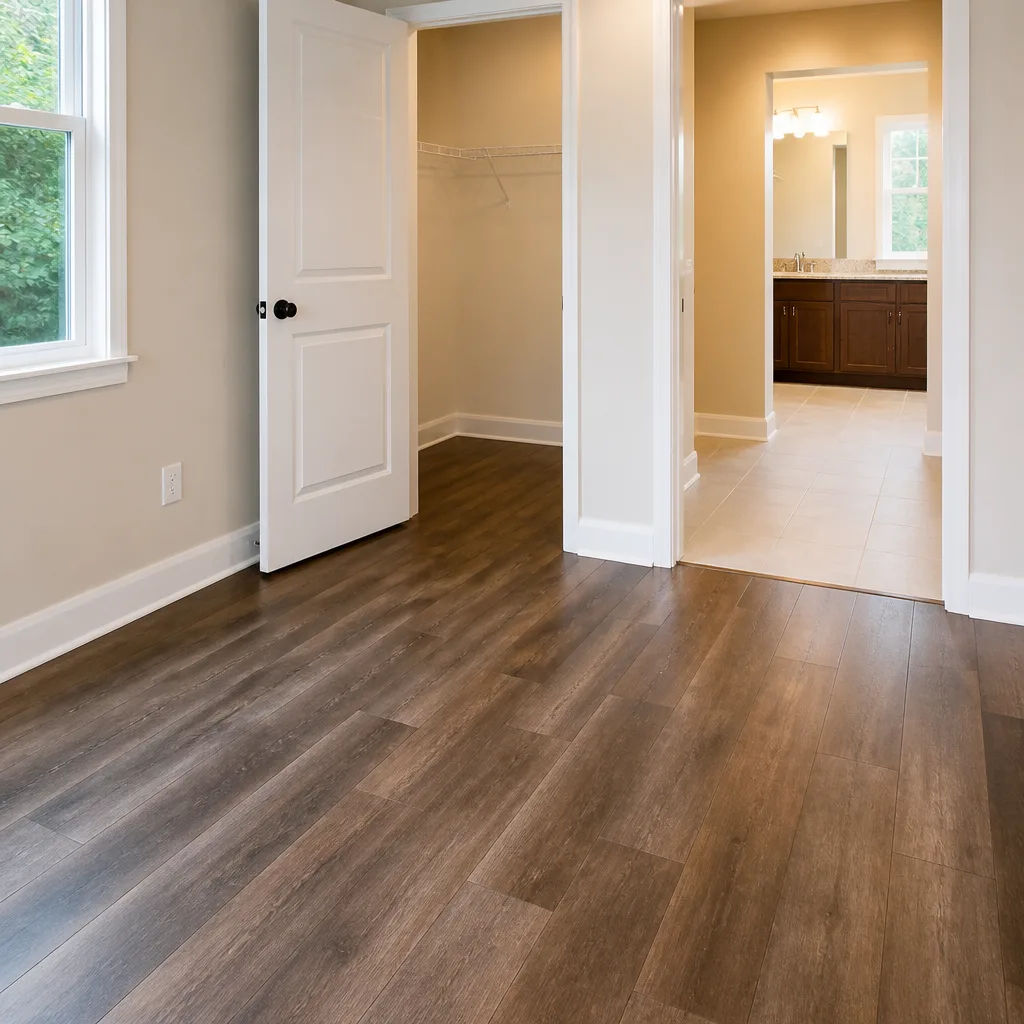

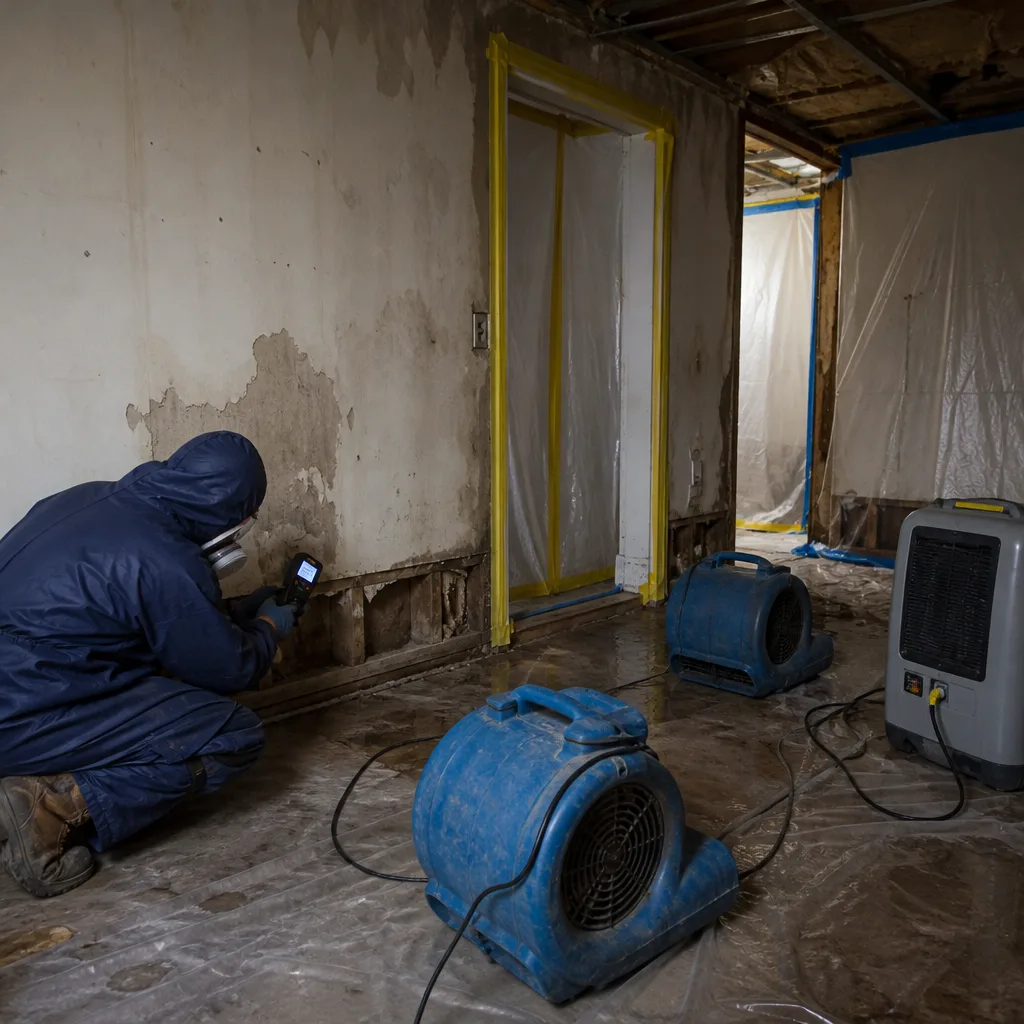 Before
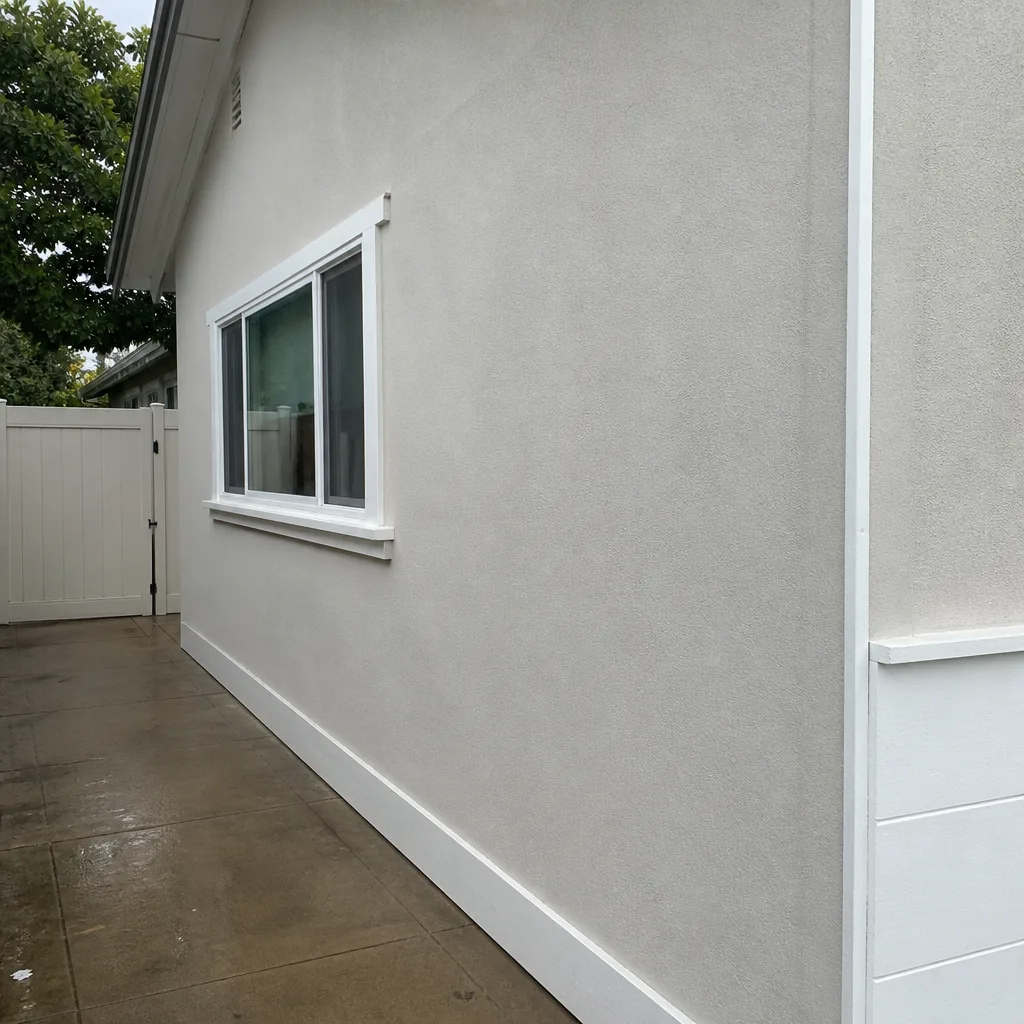 After
After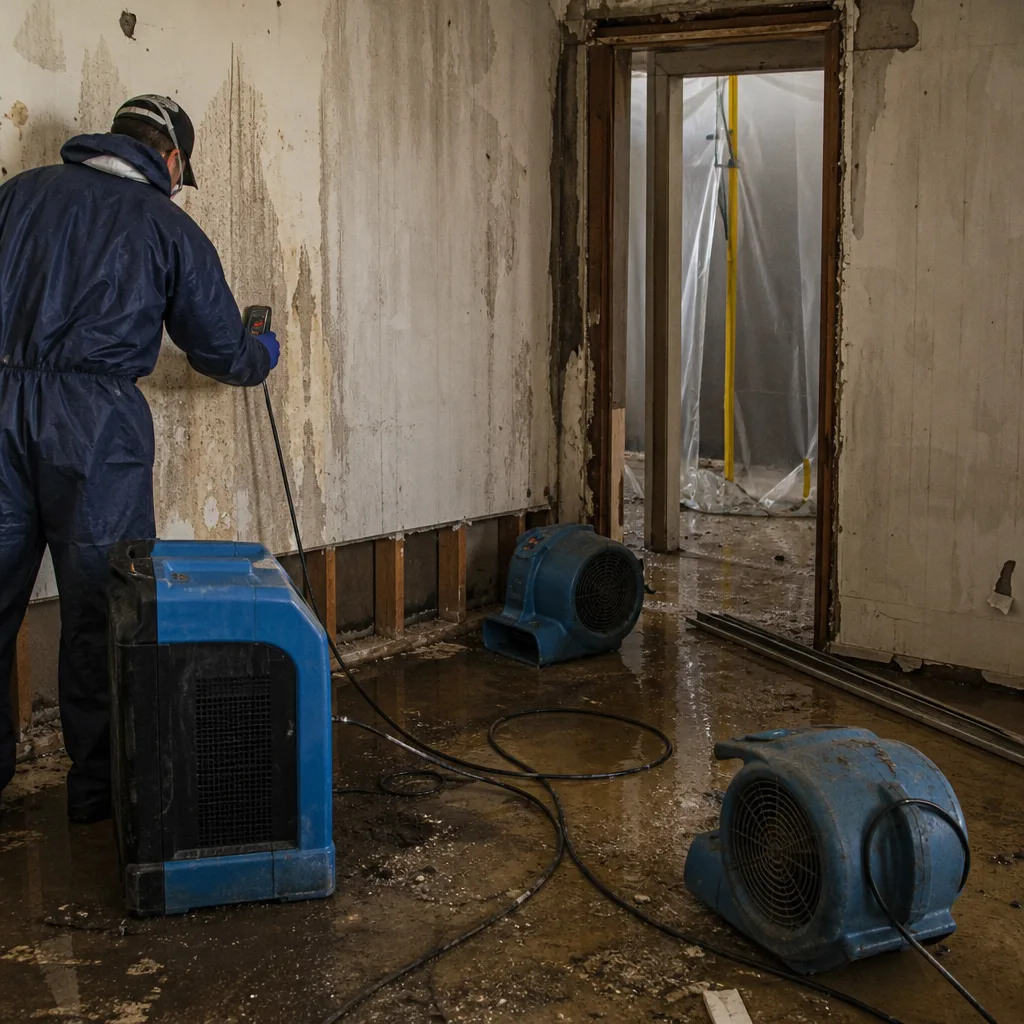 Before
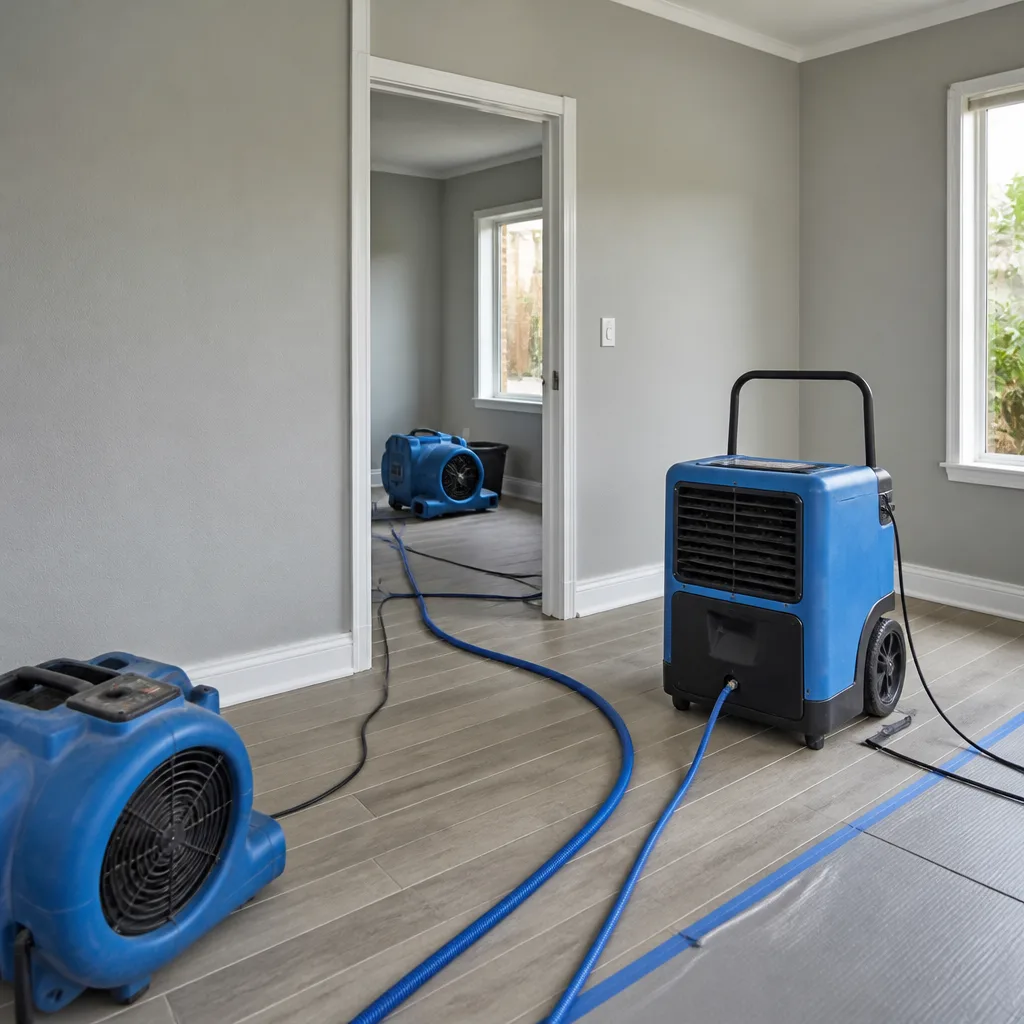 After
After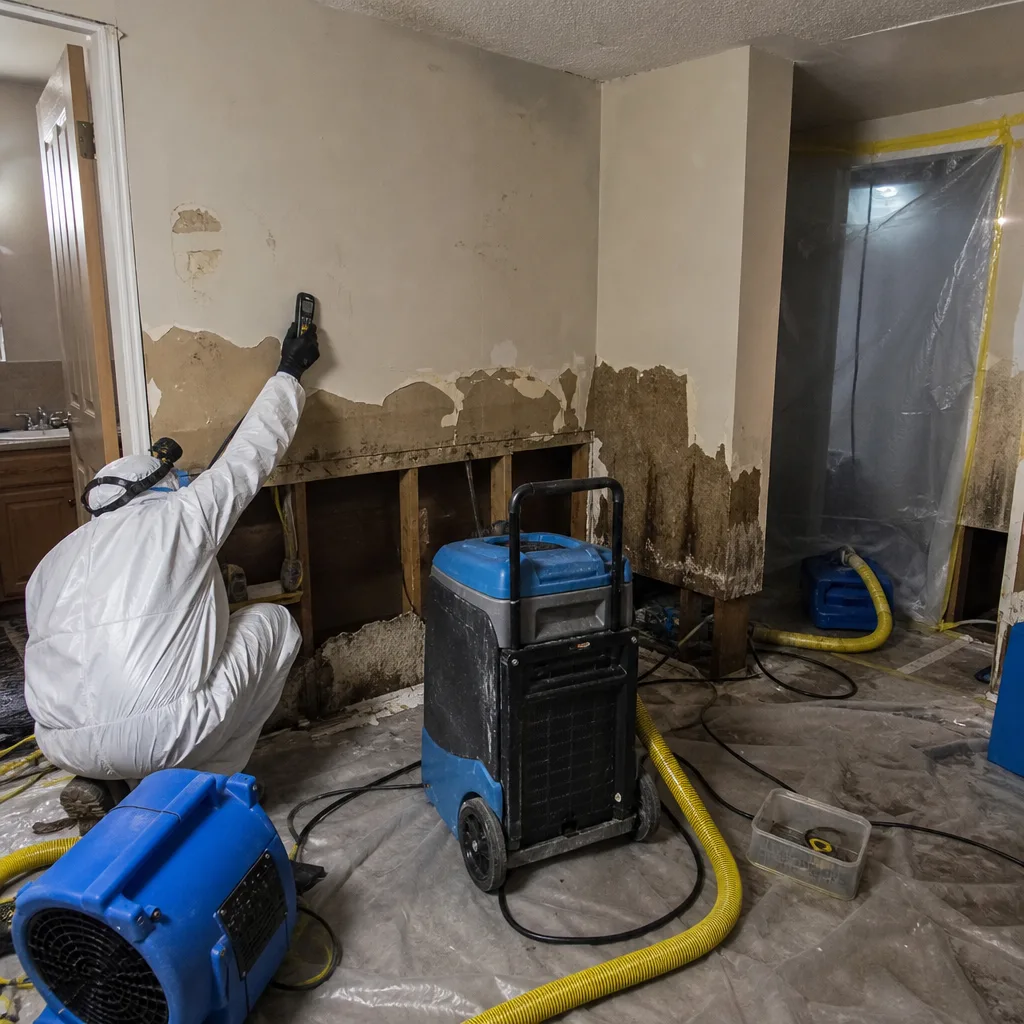 Before
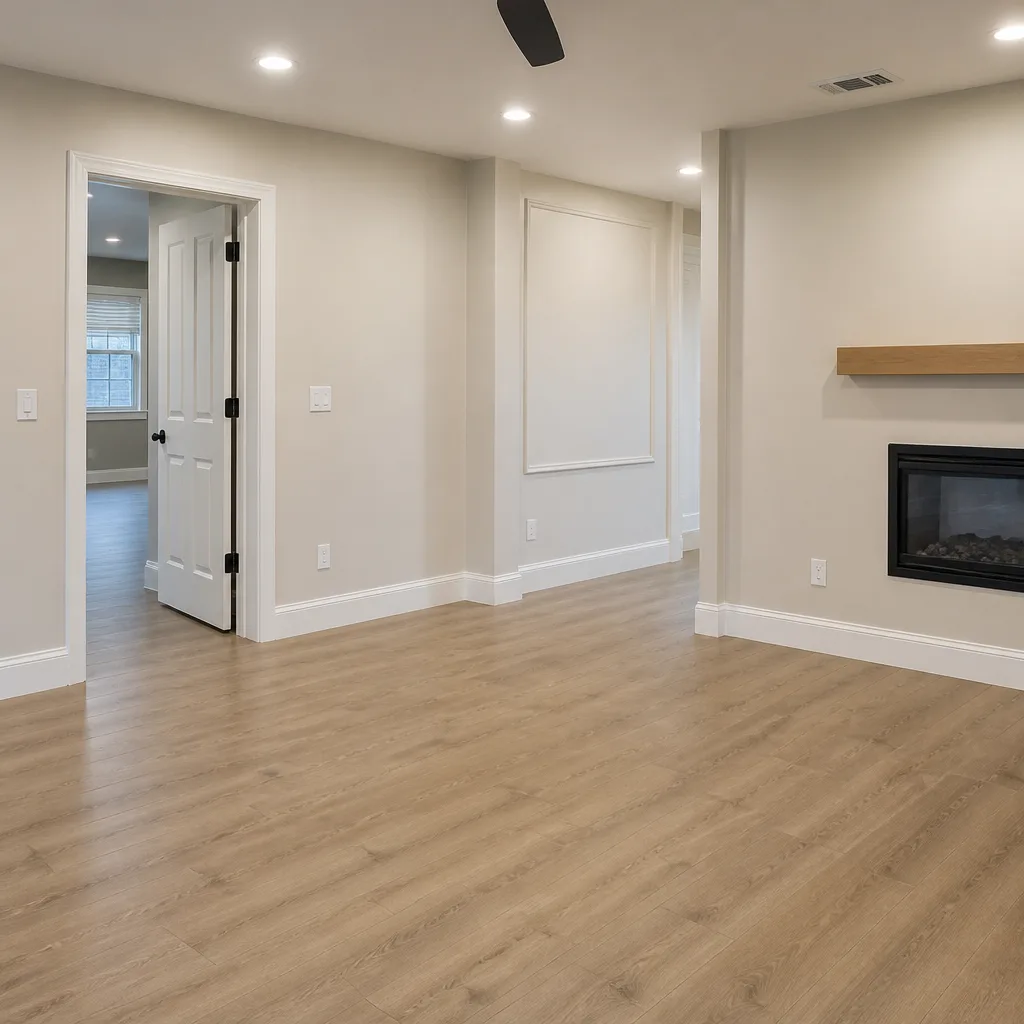 After
AfterFast, Reliable Storm Damage Restoration Across Franklin Square
When storm water ends up where it shouldn’t, Franklin Square homeowners need an answer right now. Storm damage restoration in Franklin Square typically runs $2,800 – $7,400 for a basement flood cleanup with drying equipment, and most of our crews reach any address in the hamlet within 60 – 90 minutes. Call (910) 613-6568 and a live person answers, day or night. We know the Cape Cods off Franklin Avenue, the ranches along Hempstead Turnpike, and exactly what happens when Nassau County’s storm sewers back up into a 1950s basement.
We’re Storm Damage Restoration specialists who have worked this hamlet’s particular brand of water damage for years. The team at Marsh Water Damage Restoration, led by Tobias Reyner, sends background-checked, photo-badged technicians to every Franklin Square job, so you know exactly who is walking up to your door before the knock.
Why Marsh Water Damage Restoration Is Franklin Square’s Preferred Storm Damage Restoration Company
Franklin Square is not a generic Long Island suburb, and storm damage here doesn’t act like it does in Garden City or Rockville Centre. The hamlet sits flat and low above a shallow water table, which means storm sewers back up into basements with a regularity that surprises newcomers. We have pulled water out of finished basements on Franklin Avenue, Dogwood Avenue, and beyond, in homes built from 1945 to 1965 that share the same original plumbing and the same settled slabs. That local pattern matters when we walk in. We know what we are likely to find behind the drywall before the first cut is made.
Our crews are hired, trained, and dispatched to meet the Threshold Standard, which means every technician is background-checked, identity-verified, uniformed, and photo-badged. Your homeowner gets a name and a face before our tech arrives, and that tech shows a photo ID badge at the door, every time, no exceptions. Older homeowners, parents home with young kids, and anyone who feels uneasy about opening the door to strangers appreciate that protocol more than any marketing copy can say.
Every job in Franklin Square gets a written price before any work begins. Not an estimate that balloons after demo starts. A written scope, a written guarantee, and a 365-Day Done Right Promise printed on the work order. If the repair isn’t right within a full year, we make it right, including a free second visit, no argument required.
Flooded House in Franklin Square
A flooded house in Franklin Square is rarely just storm water. In these 1945 – 1965 Cape Cods and ranches, the original cast-iron drains and galvanized supply lines are past their service life, so when the municipal storm sewer surcharges during a nor’easter, storm water mixes with failing interior plumbing and pushes into the basement as category 3 water, not a clean category 1 loss. That is a critical distinction. Category 3 water carries sewage and pathogens, which changes everything about demolition, sanitizing, and drying.
What a flooded house job in Franklin Square actually involves: extraction of standing water with truck-mounted units and submersible pumps, removal of saturated drywall and carpet, moisture mapping to find water that has wicked into wall cavities and under the slab, and then structural drying with commercial-grade air movers and dehumidifiers. We run Dri-Eaz, Phoenix, and XPOWER equipment on these jobs, the same gear used in large commercial losses, because these 70-year-old basements do not dry out with a box fan and time.
A flooded basement in this hamlet typically runs $3,200 – $7,400 before we even set drying equipment, depending on how much finished space was affected and whether the water sat overnight. Sewage backup pushes that number higher because the demolition and sanitizing scope expands. Call (910) 613-6568 and we will give you an exact written price, not a ballpark you have to trust.
Water Extraction Before the Damage Spreads
In Franklin Square’s finished basements, water travels horizontally under vinyl plank and laminate, wicking into the bottom plates of stud walls and up into drywall within hours. The first step is always to stop the source if it is still active, then extract standing water fast. On a typical Franklin Avenue basement, we have removed 6 to 18 inches of water and begun demolition of the wet wall bottoms within four hours of the first call.
Drying the Structure, Not Just the Floor
Surface dryness means almost nothing. We run psychrometric readings, which means measuring the moisture in the air and in the building materials themselves, to know when the structure is genuinely dry inside the stud bays and under the slab. In a Franklin Square Cape where fiberglass batts were pushed against the foundation wall with no vapor barrier, the wall cavity can hold moisture long after the floor feels dry. We dry those cavities properly or we tear them out. There is no third option.
Flood Restoration in Franklin Square
Flood restoration in Franklin Square is the full rebuild process that starts after the water is gone: replacing drywall, insulation, flooring, and trim, then treating any microbial growth before it becomes a long-term air-quality problem. A flood restoration project here usually runs $4,800 – $12,000 depending on how much of the finished basement has to come down and whether original studs and framing can be saved. The scope is written and priced before a single panel is cut.
What we see in Franklin Square changes the flood restoration conversation. Most of these homes were finished decades ago with fiberglass batts pressed directly against the poured-concrete walls, no drainage membrane, no vapor barrier. By the time a homeowner reports a small leak, the stud bays behind the drywall have often harbored mold for a full season. That means a flood restoration job that starts as one wet wall becomes an entire basement tear-out. We do not oversell that scope; we photograph it, map the moisture, and show you exactly what is there before we recommend tearing more out.
Rebuilding to Last Through the Next Storm
When we rebuild after a flood in Franklin Square, we recommend against repeating the original mistake. New drywall on the lower walls goes up with a vapor barrier and drainage mat where the slab and wall meet, at least for the bottom course. We also recommend replacing any remaining cast-iron drain sections we expose during the job, because the next storm will test them again. That recommendation is not an upsell; it is the only way a 70-year-old house gets a restoration that outlives the next nor’easter.
Sanitizing and Deodorizing What Survives
Hard surfaces that stayed above the water line can often be saved, but only with proper cleaning. We use EPA-registered antimicrobials on concrete, masonry, and framing that will remain exposed, and we run HEPA-filtered air scrubbers during and after demolition to keep spores from spreading through the rest of the house. In a Franklin Square ranch where the basement connects directly to the main living spaces, that air control matters more than most people realize until they smell the alternative.
Trusted Brands We Service in Franklin Square
We service and run restoration equipment from Dri-Eaz, Phoenix, and XPOWER, three manufacturers whose drying and extraction gear is standard in commercial water losses across the country. For Franklin Square homeowners, that means we stock the common parts and accessories those machines need so we can start drying your basement the same day we arrive. We also keep replacement hoses, fittings, and filters on the truck, not in a warehouse in another county. When your Franklin Square basement is under water, waiting three days for a part is not restoration, it is damage extension.
Common Storm Damage Restoration Problems We See in Franklin Square Homes
- Storm sewer backup into settled basement slabs. Franklin Square’s flat topography and shallow water table allow the municipal storm sewer to surcharge during moderate rain, and the original poured-concrete basement slabs in these 1945 – 1965 homes have settled and cracked over 70 years. Water finds those cracks and rises from below, which is why sump pump failure alone can flood a basement with no visible wall leak.
- Mold hiding behind finished basement walls. The finished basements in Franklin Square’s Capes were typically insulated with fiberglass batts directly against the concrete foundation, with no drainage membrane and no vapor barrier. Storm water that touches those walls gets drawn into the batts, and by the time a homeowner notices a small leak, the stud bays have often held moisture for an entire season.
- Water traveling through unpermitted additions. A significant share of Franklin Square homes have attic-to-bedroom conversions or rear additions completed without permits, leaving flashing gaps and uninsulated wall cavities that channel nor’easter and remnant-tropical-system rain down inside the walls for months before it surfaces at the basement slab. The storm damage looks new; the rot behind it is not.
- Original cast-iron drains failing under surge load. The cast-iron drain lines installed when these homes were built are now 65 to 80 years old, and internal corrosion has narrowed their diameter to a fraction of the original size. During a heavy rain event, the additional water load from the roof and perimeter overwhelms those narrowed pipes and sewage backs up into the lowest point: the basement.
Pricing for Storm Damage Restoration in Franklin Square, NY
Storm damage restoration in Franklin Square starts with water extraction, which runs $1,200 – $2,800 for a typical basement with standing water under four inches. Structural drying with equipment set for three to five days adds $1,600 – $4,600 depending on how many affected rooms and whether we need to open walls. A full flood restoration, from extraction through sanitizing and rebuild, runs $4,800 – $12,000 for most Franklin Square basements. If sewage backup is involved, expect the higher end because the demolition and sanitizing scope grows. Every job gets a written price before any work starts, and that price does not change unless a written change order is signed. Call (910) 613-6568 for a free estimate. There is no charge to have a technician look at the damage and tell you exactly what you are dealing with, in writing.
We Also Serve Cities Near Franklin Square
Beyond Franklin Square, our crews handle storm damage restoration calls in Storm Damage Restoration in Franklin Square and the neighboring communities of West Hempstead, Elmont, Malverne, and New Hyde Park. If your home sits just over the hamlet line on Hempstead Turnpike or along the Southern State corridor, the same team, the same written-price guarantee, and the same 365-Day Done Right Promise apply at the door.
Serving Franklin Square, NY - Our Local Coverage Area
We’re based in the Franklin Square area and know this community well. Use the map below to see our service coverage - if you’re nearby, we can almost certainly help.
FAQs About Storm Damage Restoration in Franklin Square
Franklin Square sits on the flat interior of Nassau County above a shallow water table, and its municipal storm sewers are older and undersized for the density of homes built between 1945 and 1965. When a moderate rain falls faster than the system drains, the sewers surcharge and push water up through floor drains and the cracked, settled slabs of those original basements. Nearby towns on higher ground or with newer storm infrastructure do not get the same backup. If your Franklin Square basement takes water every time it rains for more than 20 minutes, call (910) 613-6568 and we will tell you what you are actually dealing with.
Yes, and this is one of the biggest reasons Franklin Square jobs cost more than a new-construction home five miles away. The original cast-iron drains and galvanized supply lines in these 1945 – 1965 Capes and ranches have corroded from the inside for seven decades, so when storm water enters the system, the interior plumbing often fails at the same time and turns a clean category 1 loss into contaminated category 3 water. Restoration then requires more demolition, more sanitizing, and often partial drain replacement during the rebuild. The good news is we write that scope in advance, so you see the real number before any work begins.
In Franklin Square’s finished basements, the original insulation was typically fiberglass batts pressed directly against the poured-concrete foundation with no vapor barrier or drainage mat. What looks like a small leak on the floor or baseboard usually means water has already wicked through the batts, into the stud bays, and up the drywall from behind. By the time moisture shows on the finished side, the hidden side has often been wet for months. We map the moisture with meters before we recommend demolition, so you see exactly where the water went, not just where it showed up.
First, do not walk through standing water if the electrical panel is in the basement or if the water may have contacted sewage. Call us at (910) 613-6568. We will advise you over the phone about shutting off power if needed, and a technician will be dispatched to Franklin Square. If you have a sump pump that failed, do not reset it repeatedly; a short-circuiting pump can be a shock hazard. Let a trained professional handle the water, the electricity, and the contaminated material.
They often are, though the issue is not the lack of a permit; it is what unpermitted work typically hides, which is missing flashing and uninsulated wall cavities. During a nor’easter or remnant tropical system, those gaps channel rain down inside the wall assembly for months before it surfaces at the basement slab, by which point the damage is extensive. Our restoration process includes opening those wet cavities and drying or replacing what we find, and we document all of it with photos for any insurance claim or future permit work. Call (910) 613-6568 for an exact quote; estimates are free.
Written by Tobias Reyner, Owner at Marsh Water Damage Restoration, serving Franklin Square since 2005.