
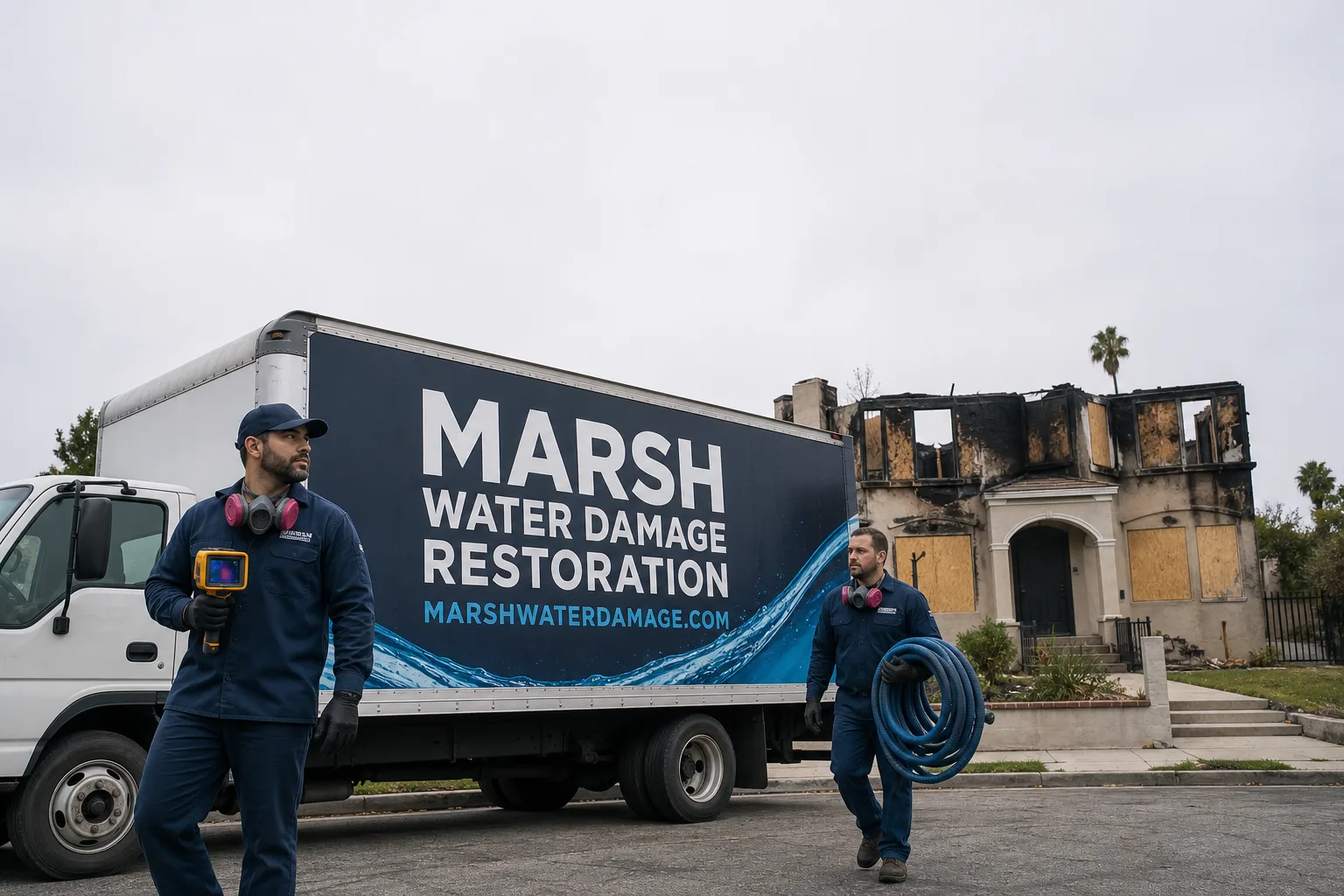
Free visual inspection and a written scope of work before any mitigation begins - photos, moisture readings, and drying logs go in your claim file
The scope we write is the scope we bill. Anything new gets shown to you, in writing, before we touch it.
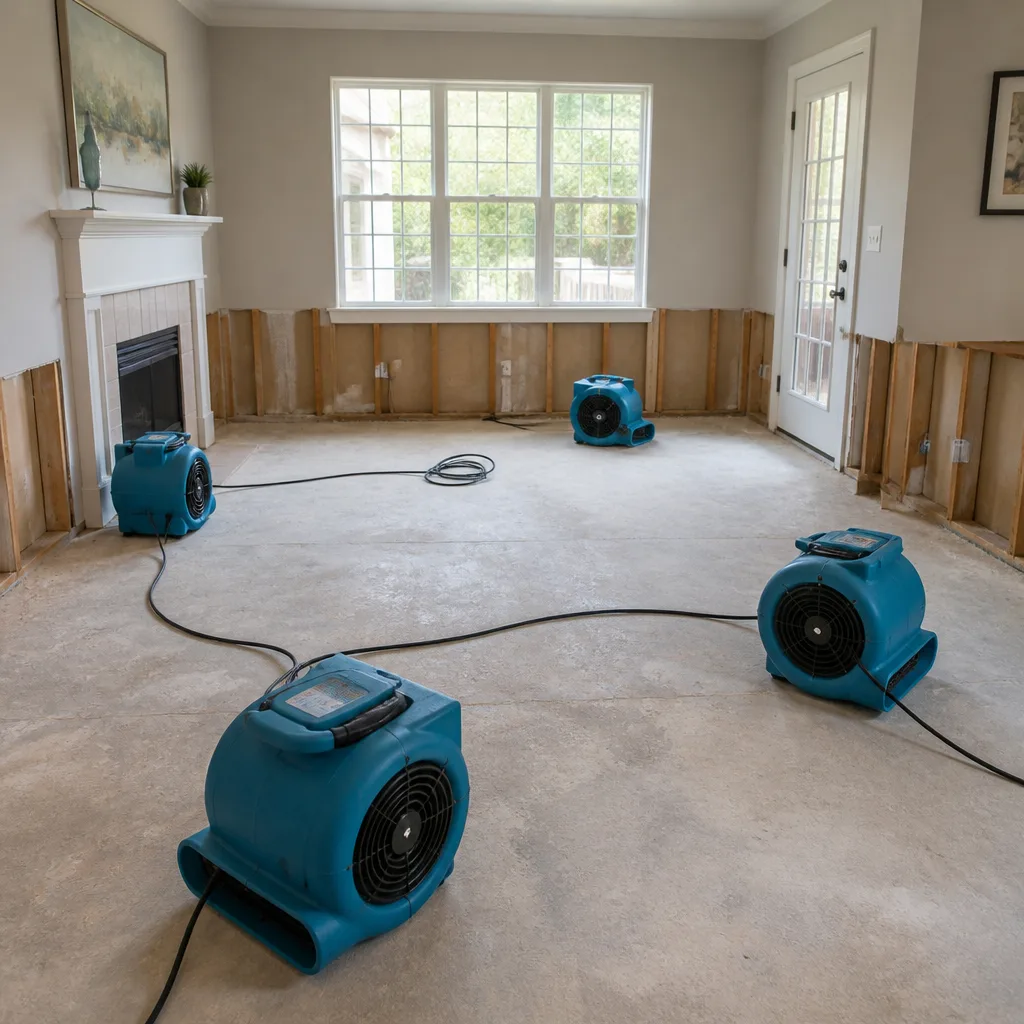
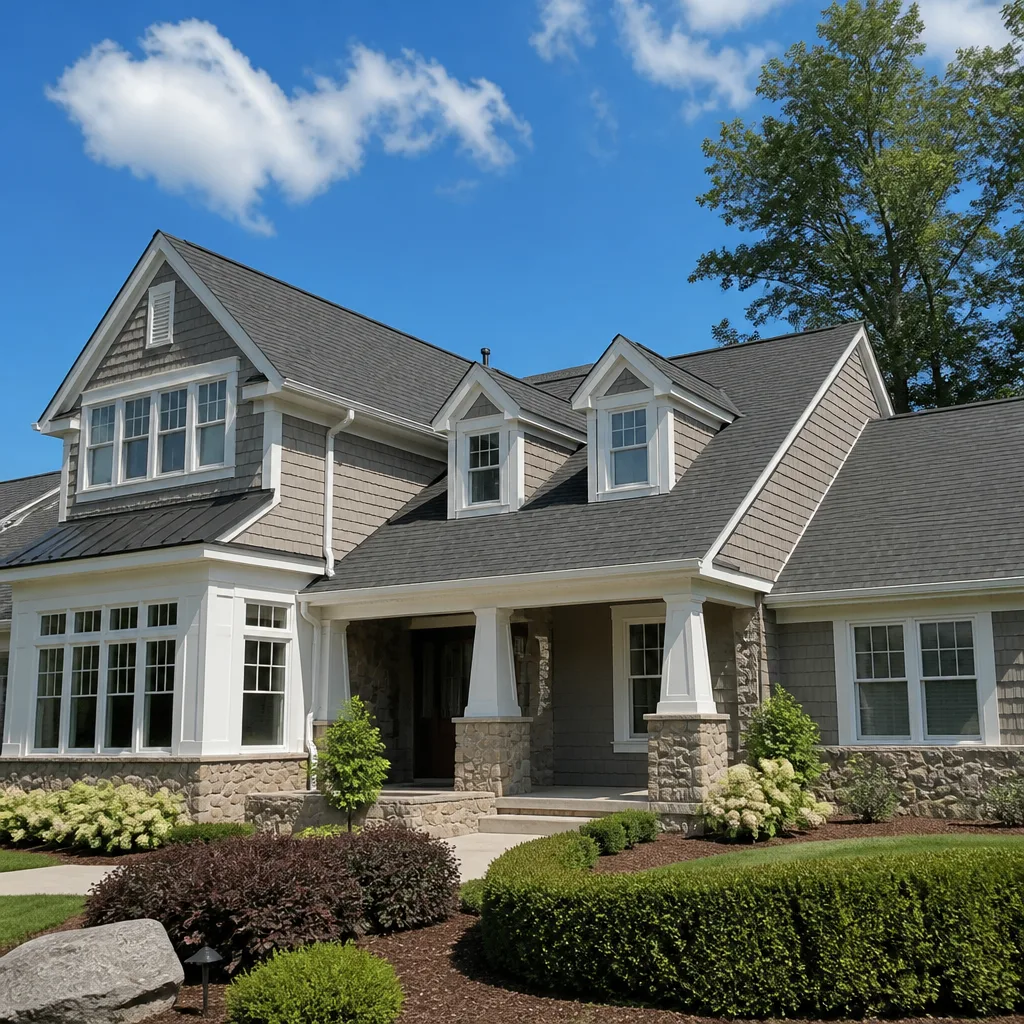
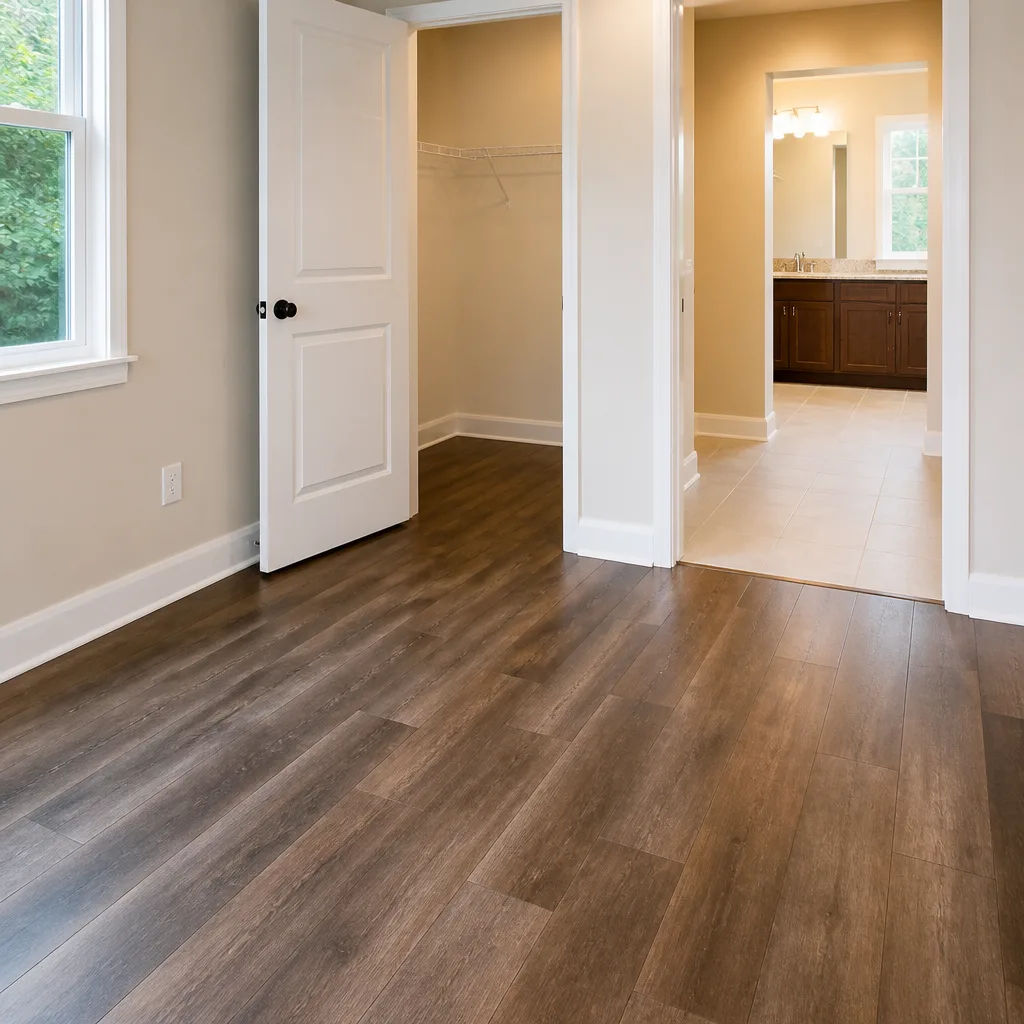
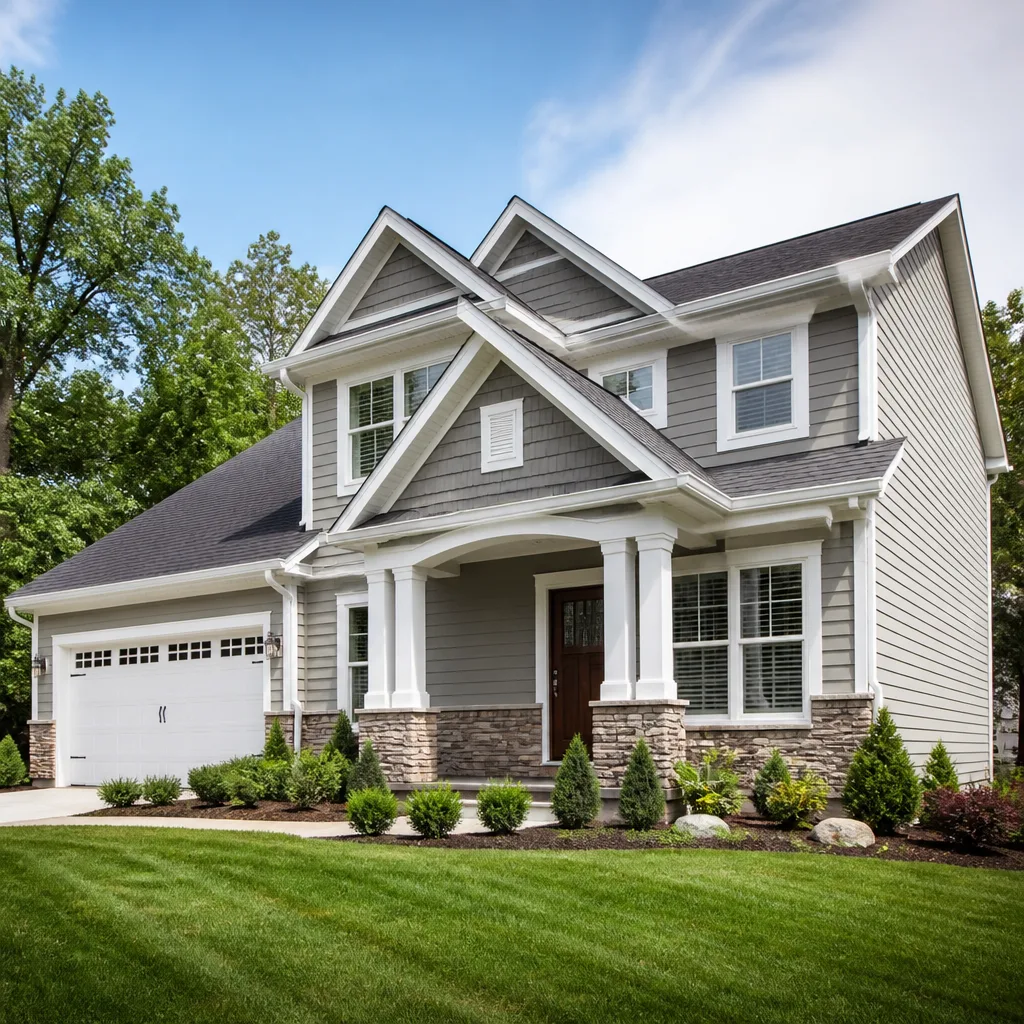
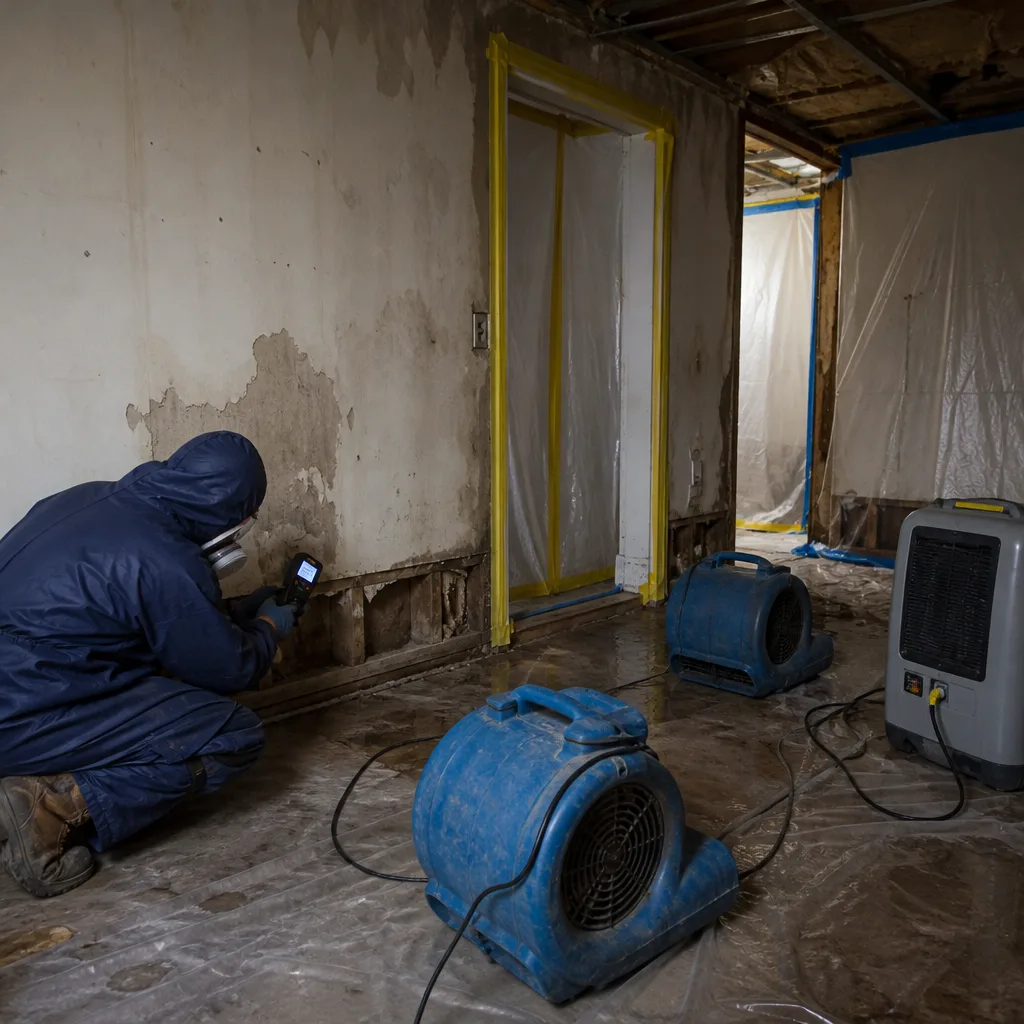 Before
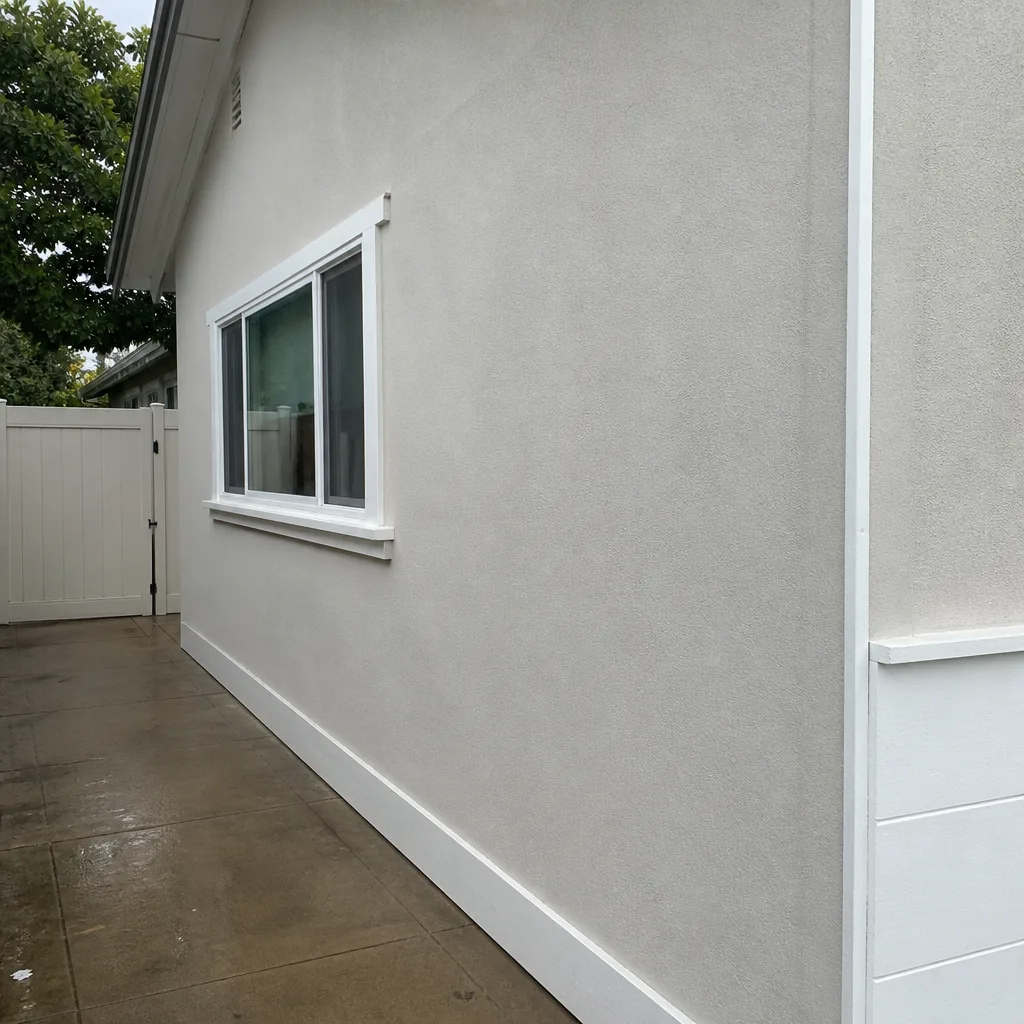 After
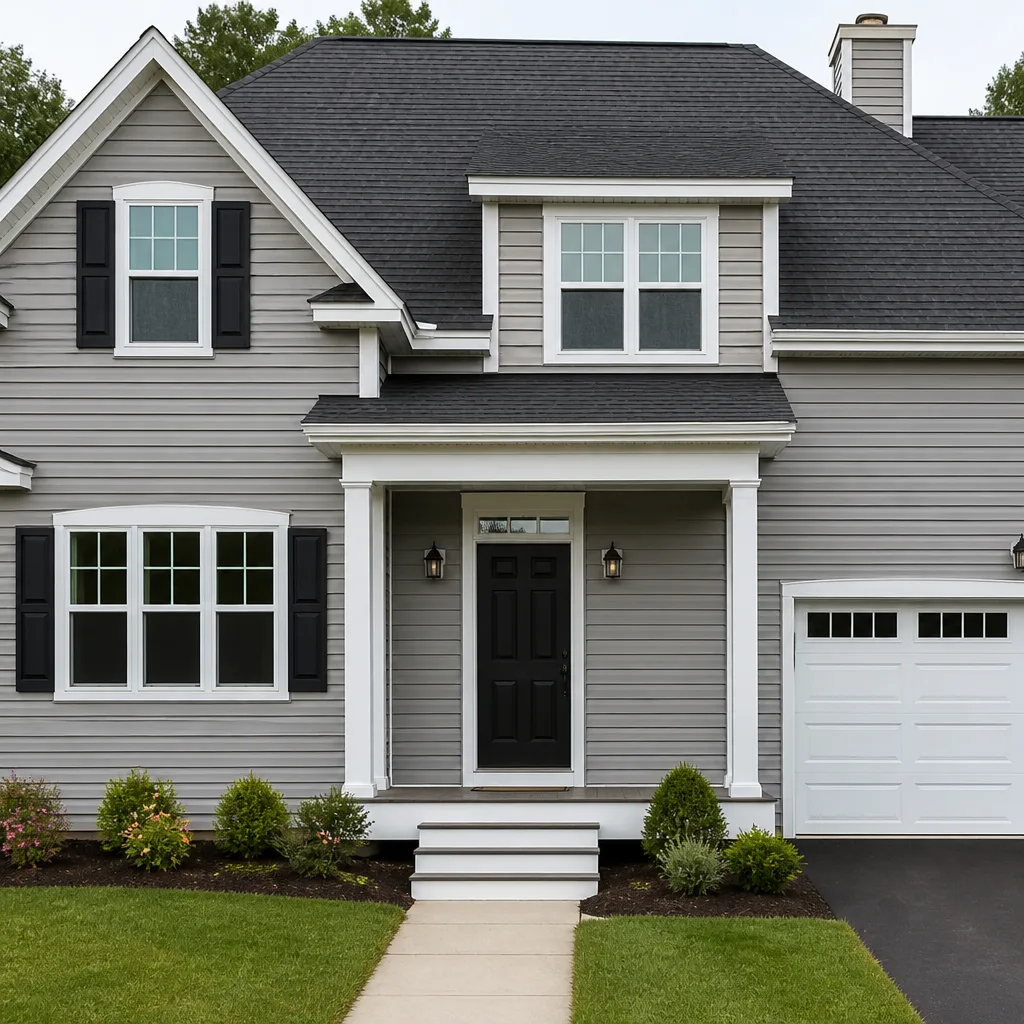
After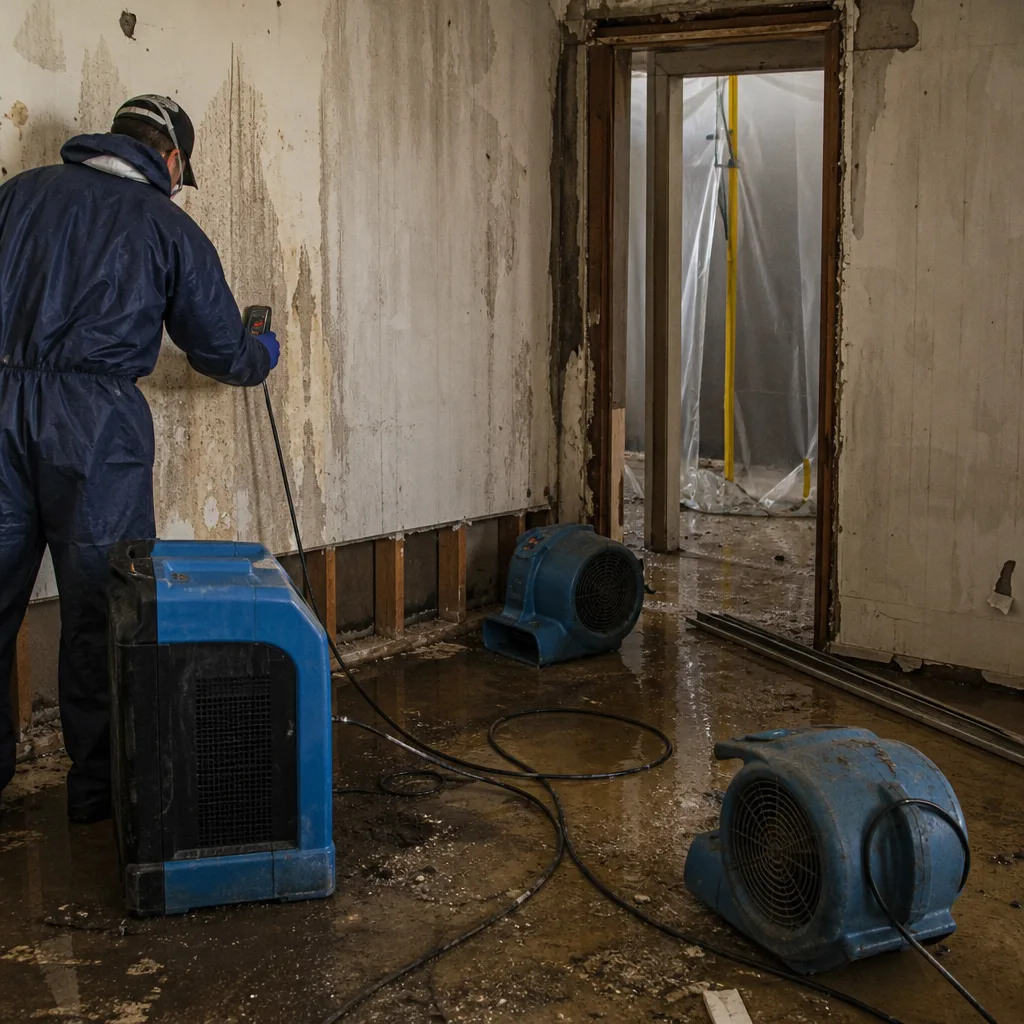 Before
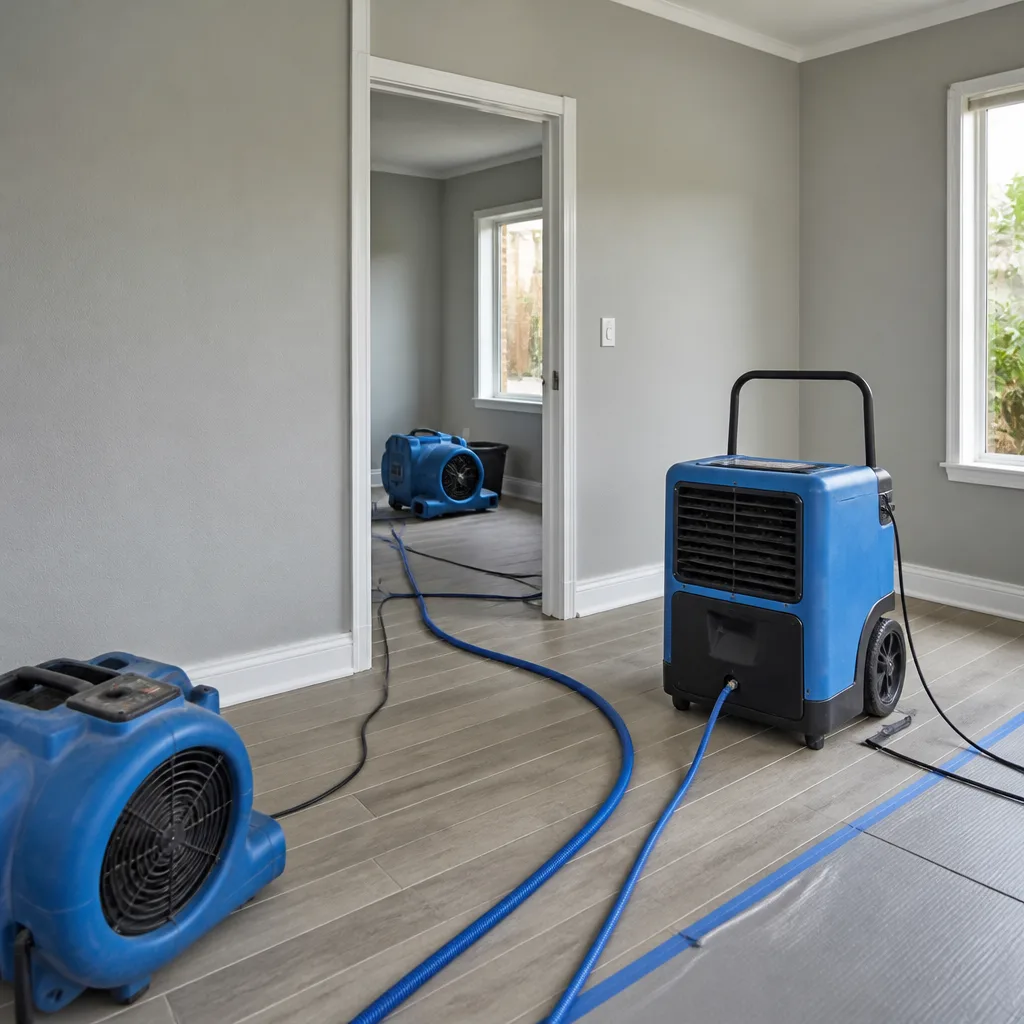 After
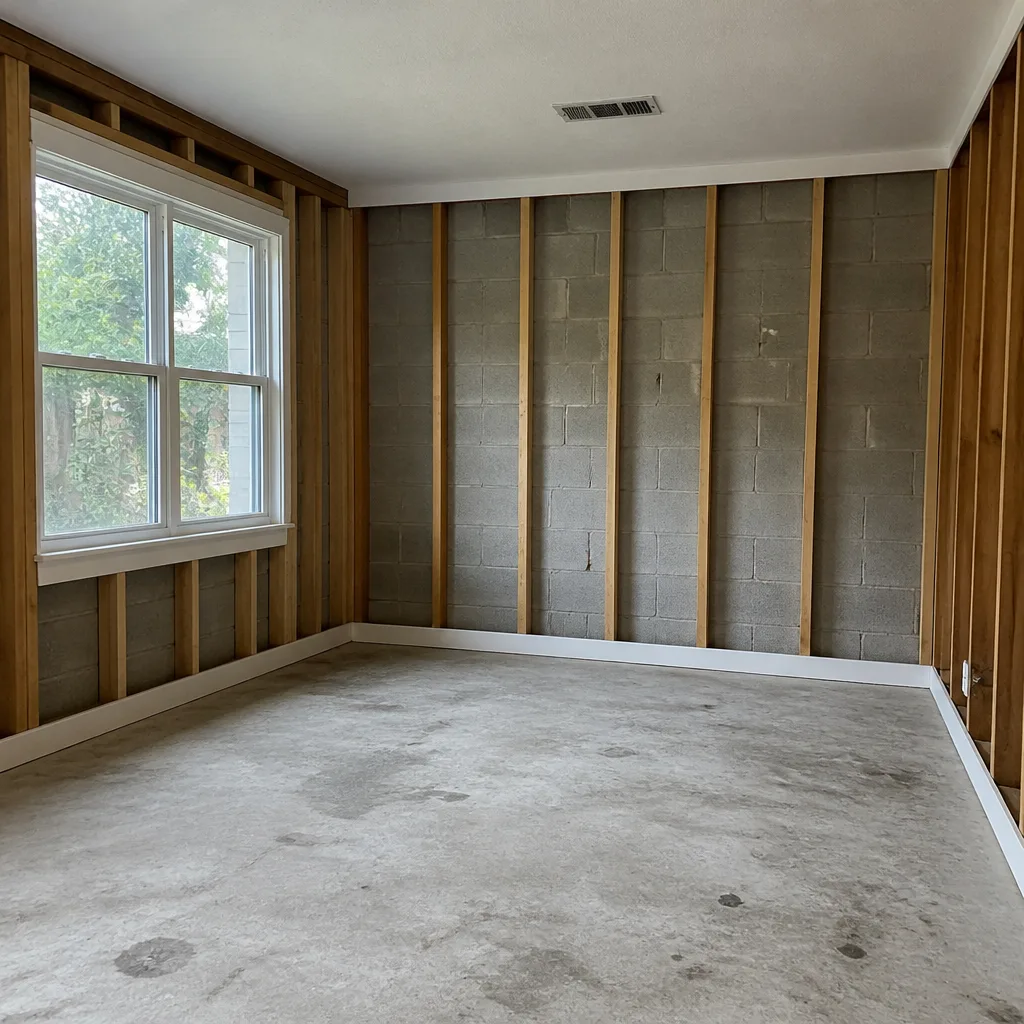
After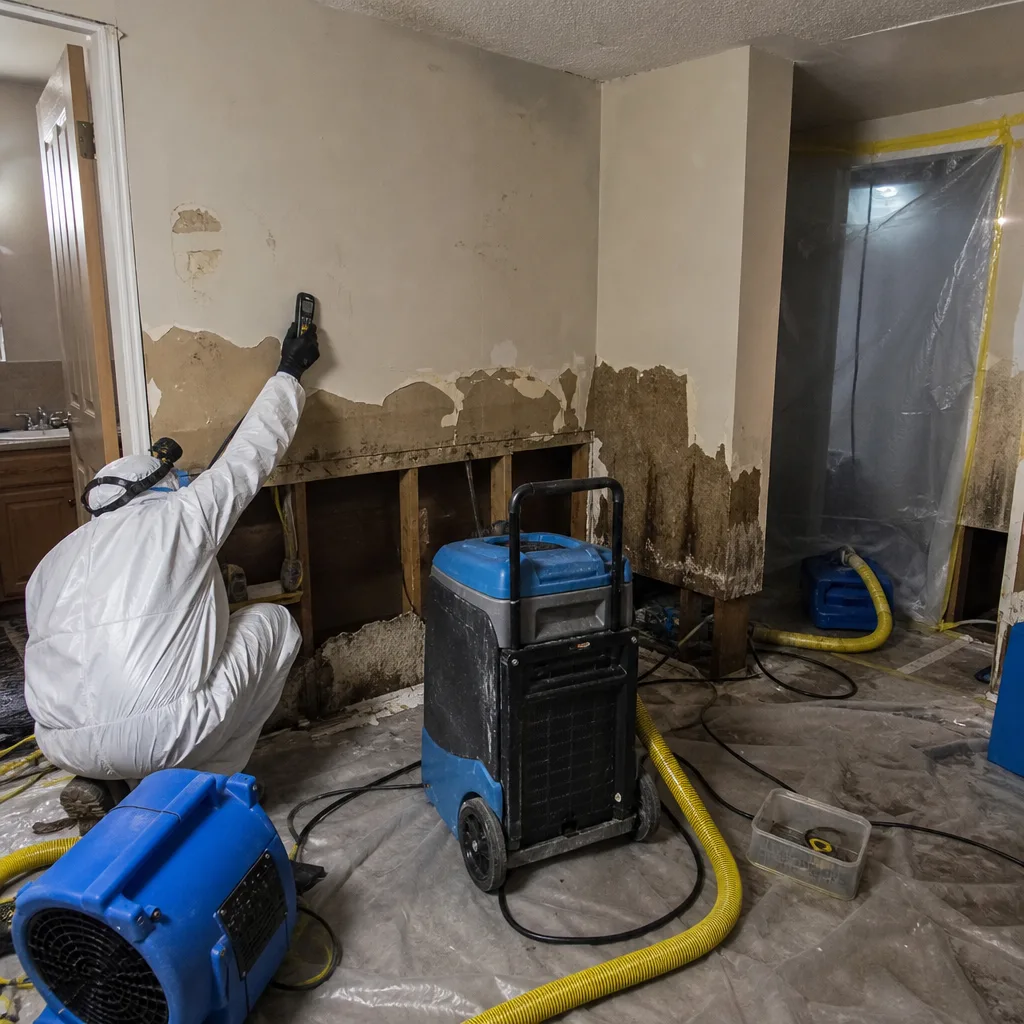 Before
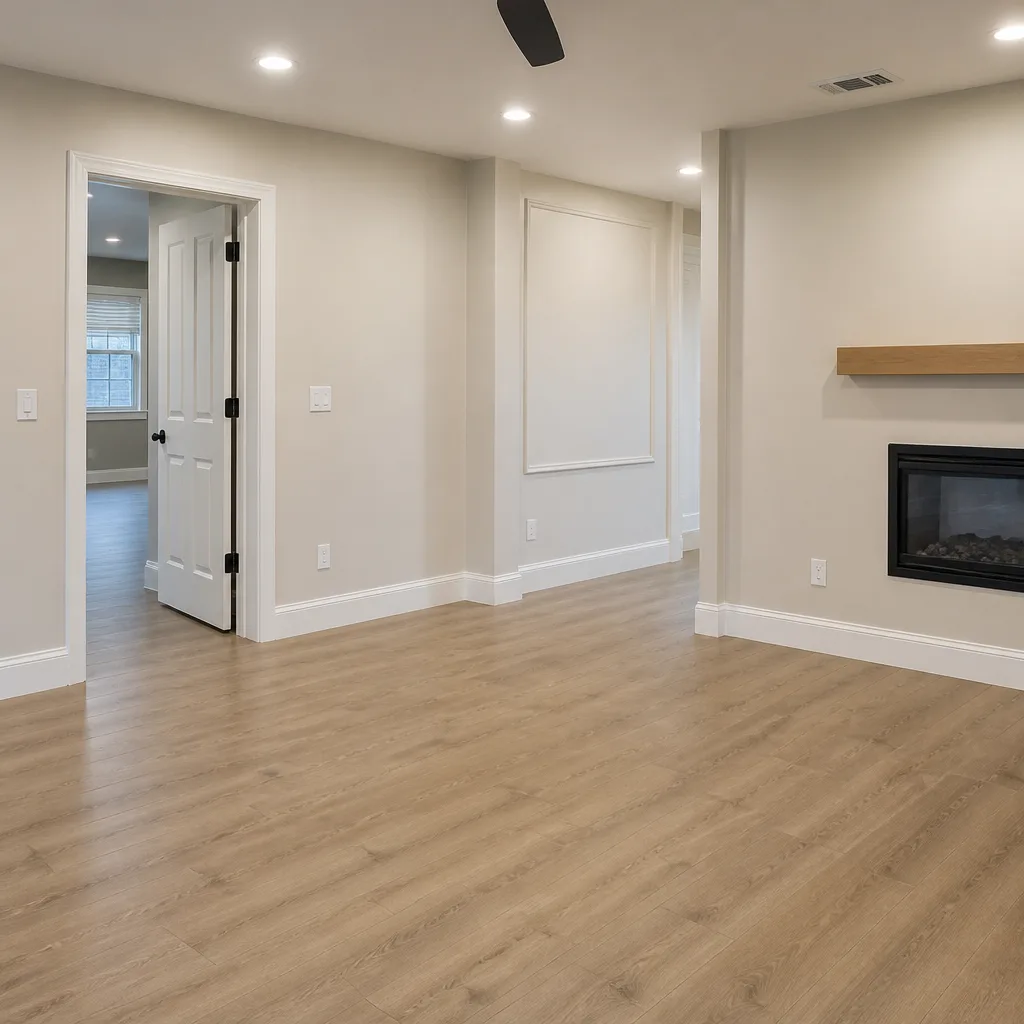 After
AfterFast, Reliable Water Damage Restoration Across Jersey City
Water damage restoration in Jersey City typically runs $1,800 – $4,200 for extraction, drying, and mitigation on a standard basement or single-unit event, with larger rowhouse jobs involving multiple floors landing between $6,000 – $14,000. Most crews can be on site within 60 – 90 minutes anywhere in Jersey City, from the Heights down to Greenville. We know this city’s water problems because they’re different from everywhere else in Hudson County. Call (910) 613-6568 and a live person answers, day or night, holidays included.
Jersey City sits on a peninsula of historically filled wetland with dual tidal exposure. The Hudson River pushes in from the east. Newark Bay presses from the southwest. That’s not a geography lesson. It’s why your basement can be wet three days after the rain stopped and your neighbor in Hoboken is dry. Our Water Damage Restoration team works this ground every week, and we plan for what the marsh underneath your foundation is doing before we even unload equipment.
Why Marsh Water Damage Restoration Is Jersey City’s Preferred Water Damage Restoration Company
We’ve been in business since 2005 as part of the Threshold Group family, and the work here in Jersey City has shaped how we approach every job. Brownstones in the Heights have different drying profiles than 1960s-era garden apartments near Journal Square or converted warehouses along the waterfront. When we tell a homeowner in Greenville that their foundation is wicking moisture, we’re not guessing. We’ve pulled moisture readings from block foundations on Garfield Avenue, Ocean Avenue, and Martin Luther King Drive enough times to know what saturated fill does to a basement slab.
Every technician who arrives at your door in Jersey City is background-checked, identity-verified, and sent to you by name and photo before the visit begins. They’ll show a photo ID badge at the door. Every time. No exceptions. Homeowners who are often home alone, parents with young kids, older residents. They tell us the same thing: knowing exactly who is walking up the steps changes how the whole situation feels. That’s the Threshold Standard, and it matters as much as the drying equipment we roll in behind it.
Tobias Reyner leads our restoration crews, and he holds the team to IICRC, RIA, and IFA credentials across every job. That means the technician setting air movers in your Bergen-Lafayette basement has trained to the same standards as crews working large commercial losses. The equipment matches too: Dri-Eaz dehumidifiers, Phoenix air movers, XPOWER extraction units. Not rented big-box gear. Commercial-grade tools that we own, maintain, and know how to run.
Emergency Water Damage Restoration in Jersey City
Emergency Water Damage Restoration in Jersey City means we arrive fast, stop the source, extract standing water, and get drying equipment running the same visit. When a supply line bursts in a Journal Square rowhouse at 2 a.m., or a nor’easter backs up the storm drains along West Side Avenue, waiting until morning means water migrates through shared party walls and floor-ceiling assemblies. In a 2 – 6-unit brick rowhouse, that’s not one claim anymore. It’s three.
Response time to Jersey City neighborhoods is typically under 90 minutes. We dispatch from the brand’s New York City office, with crews staged to serve Jersey City locally. A live person answers the phone 24/7. You won’t get a voicemail, a callback queue, or a chatbot. You’ll get a real person who asks the right questions and starts a crew moving.
Burst pipes and supply-line failures
We see a lot of freeze-thaw ruptures in older Jersey City plumbing during cold snaps, especially in uninsulated basement runs in pre-1978 rowhouses. The first hour matters most. We shut the water, extract what’s pooled, and set containment before moisture spreads into finished ceilings below.
Storm surge and drain backup
Nor’easters hit Jersey City differently than inland towns. Storm surge pushes in from Upper New York Bay while interior storm drains back up at the same time. It’s a double loading condition, and it’s one reason homes near the low flats in Greenville and Bergen-Lafayette flood even when the rain totals don’t sound dramatic.
Water Damage Repair in Jersey City
Water damage repair in Jersey City goes past drying. It’s about rebuilding what the water touched, and about making sure the original cause doesn’t repeat. Once we’ve extracted and dried, we scope the repair in writing: drywall replacement, flooring, baseboard, paint, insulation, whatever the structure needs. The price is agreed before any work starts. No ballooning after demo begins.
Most repair scopes in Jersey City’s older housing stock trigger lead paint and asbestos protocols. Pre-1978 construction is the norm outside the Hudson waterfront redevelopment corridor, which means demolition and drying plans need to account for containment on nearly every structural phase. We handle that as standard practice, not as an add-on you discover halfway through the job.
Structural drying and dehumidification
We run psychrometric readings throughout the job. That means we’re measuring the moisture in the air and inside wall cavities, not just looking at a damp patch on the floor. A surface can feel dry while the framing behind it is still holding enough moisture to feed mold. We don’t pull equipment until the drying logs say the structure is genuinely dry.
Mold prevention after flooding
Here’s the Jersey City problem in plain terms: the filled marsh under your basement keeps the water table high, and hydrostatic pressure keeps wicking moisture through slab and block foundations long after the surface event is over. Drying alone won’t stop mold in that condition. We apply antimicrobial treatment, set containment, and then we talk to you honestly about whether exterior waterproofing is the only real fix.
Trusted Brands We Service in Jersey City
Our Jersey City customers run the full range of equipment brands, and we service them all. XPOWER extraction units, Phoenix air movers, Dri-Eaz dehumidifiers. These are the machines we run on our own jobs, so we know their failure points and their drying capacities. When we set equipment in a Greenville basement or a Heights brownstone, we’re matching the tool to the structure, not just plugging in whatever’s on the truck. That matters in old masonry buildings where humidity behaves differently than in newer framed construction.
Common Water Damage Restoration Problems We See in Jersey City Homes
- Hydrostatic intrusion through block foundations. Jersey City’s filled-marsh geology keeps the water table high under Greenville and Bergen-Lafayette, so basements wick moisture upward through slab and block long after a storm passes. This gets misdiagnosed as a pipe leak constantly. It’s not. It’s the ground under the building.
- Water migrating through party walls in subdivided rowhouses. A single-unit loss in a 2 – 6-unit brick building rarely stays single. Shared floor-ceiling assemblies and common basement utilities move water sideways, and the untested neighboring units re-wet after equipment is pulled.
- Surface-dry jobs that fail within a season or two. Contractors dry the surface, pack out contents, close the job. The hydrostatic pressure never got addressed. The same address calls again after the next wet season. Local adjusters in these ZIP codes have started flagging waterproofing scope before they’ll close a claim.
- Pre-1978 demolition without lead and asbestos protocols. Nearly every rowhouse outside the waterfront corridor predates 1978. When drying or demo skips containment, the work stalls once the building department or adjuster catches it. We scope for this from the first moisture reading.
Pricing for Water Damage Restoration in Jersey City, NJ
Here’s what Jersey City homeowners should expect. Emergency water extraction and basic drying for a single-room event: $1,200 – $2,800. A full basement flood with structural drying, antimicrobial treatment, and equipment running for 3 – 5 days: $3,500 – $7,500. A multi-floor rowhouse loss that crosses into neighboring units or involves hydrostatic foundation work: $8,000 – $18,000, depending on containment scope and repair needs. Burst pipe restoration in a finished Jersey City basement typically lands between $2,500 – $6,000 once drywall, flooring, and insulation replacement are factored in. We give a written price before any work starts. Free estimates. Call (910) 613-6568.
We Also Serve Cities Near Jersey City
Beyond Jersey City proper, our crews regularly run to Jersey City neighbors including Hoboken, Union City, Weehawken, and Harrison. Each has its own water profile. Hoboken’s flat grid fights tidal surge. Weehawken’s cliffside drainage runs downhill fast. Union City’s older housing stock mirrors Jersey City’s rowhouse problems. Wherever the water is, we know the ground it’s coming from.
Serving Jersey City, NJ - Our Local Coverage Area
We’re based in the Jersey City area and know this community well. Use the map below to see our service coverage - if you’re nearby, we can almost certainly help.
FAQs About Water Damage Restoration in Jersey City
Because the water was never just on the surface. Bergen-Lafayette sits on filled marsh with a high water table, and hydrostatic pressure keeps pushing moisture through the block foundation. We can dry the inside completely, but if the exterior waterproofing and drainage aren’t addressed, the same slab wicks back within one or two wet seasons. We’ll tell you that before we start, not after. Call (910) 613-6568 for an honest assessment.
Often yes, and we find out through testing, not assumption. Water moves through shared floor-ceiling assemblies and party walls in subdivided rowhouses. We run moisture mapping in adjacent units before we declare a job done, because pulling equipment too early re-wets the neighboring spaces. The scope should be based on readings, not the address on the first claim.
Mold can begin colonizing within 24 – 48 hours in warm months, and Jersey City’s humid summers accelerate it. In a basement with high water table wicking, the conditions can support mold even without visible standing water. That’s why speed matters. We get equipment running the same day, and we include antimicrobial treatment when the moisture profile calls for it.
Yes, and in Greenville and Bergen-Lafayette it often is. We were called to a subdivided brick rowhouse off Garfield Avenue for what the tenant described as a burst pipe. Our moisture mapping showed the block foundation saturated with no supply-line failure anywhere. It was hydrostatic intrusion. We extracted, treated, dried, and then told the owner plainly: without exterior waterproofing, the same slab would wick back within two wet seasons.
Old masonry holds moisture differently than modern framing, and shared walls move dampness between units. The brick and brownstone construction common in Jersey City traps humidity in pockets that don’t dry from surface air movement alone. We use commercial dehumidification from Dri-Eaz and run psychrometric readings until wall cavities, not just surfaces, hit dry standard. That takes longer in a 1920s rowhouse than a 2005 suburban basement, and we plan for it.
Call Marsh Water Damage Restoration in Jersey City
Water in your home means stress, and water in a Jersey City rowhouse with a shared wall means stress multiplied. You don’t have to figure this out alone. We answer the phone 24/7, we send a verified technician whose name and photo you’ll have before the knock, and we put every price, every guarantee, and every scope in writing. The 365-Day Done Right Promise is printed on the work order. If the repair isn’t right within a full year, we make it right, including a free second visit. Call (910) 613-6568 for a free estimate.
Written by Tobias Reyner, Owner at Marsh Water Damage Restoration, serving Jersey City since 2005.