
Last updated October 9, 2026
Free visual inspection and a written scope of work before any mitigation begins - photos, moisture readings, and drying logs go in your claim file
The scope we write is the scope we bill. Anything new gets shown to you, in writing, before we touch it.
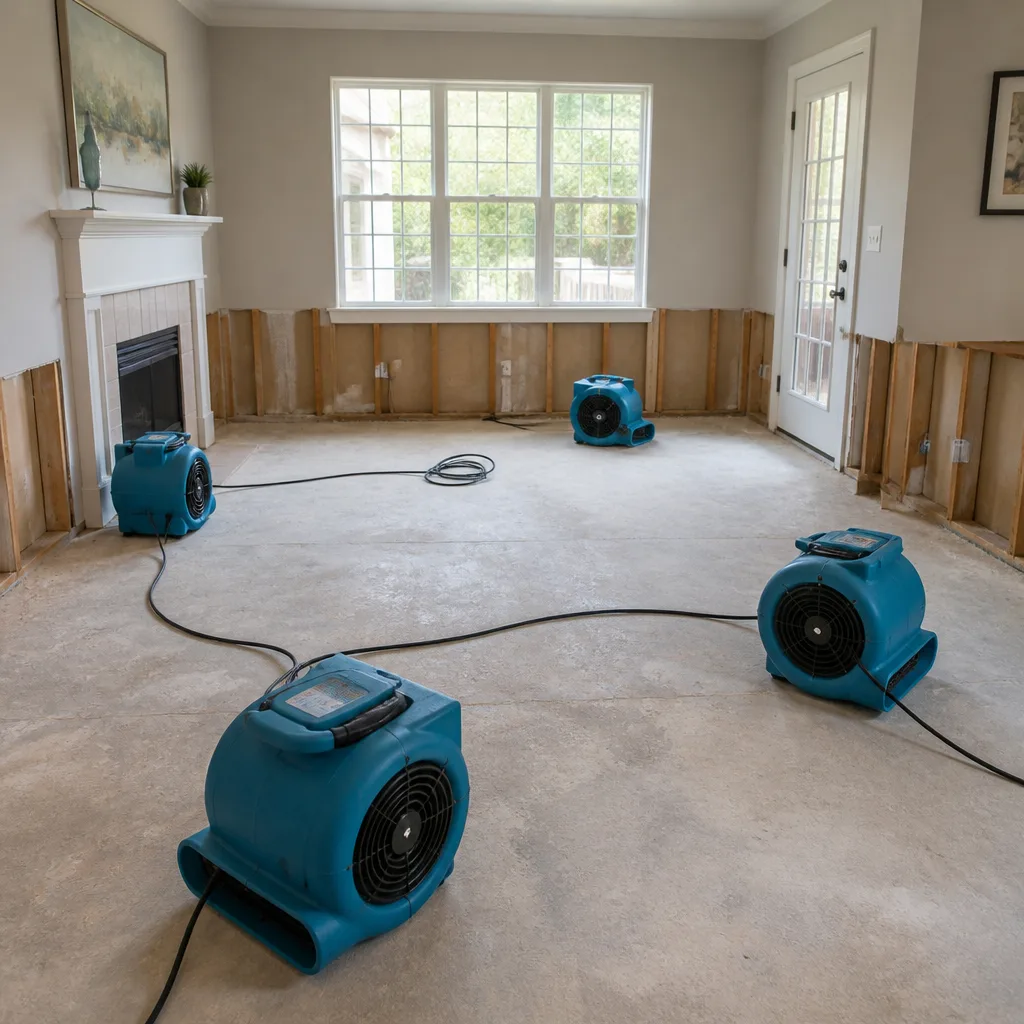

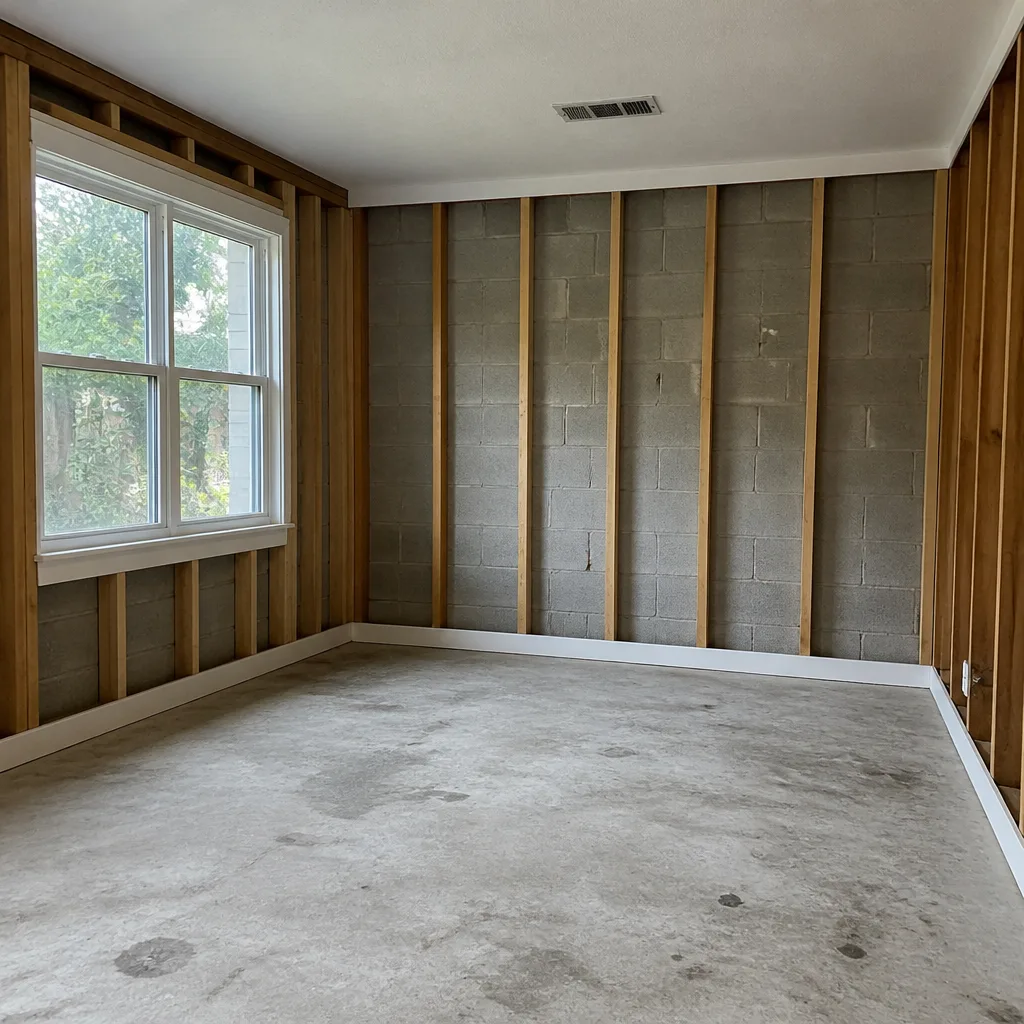

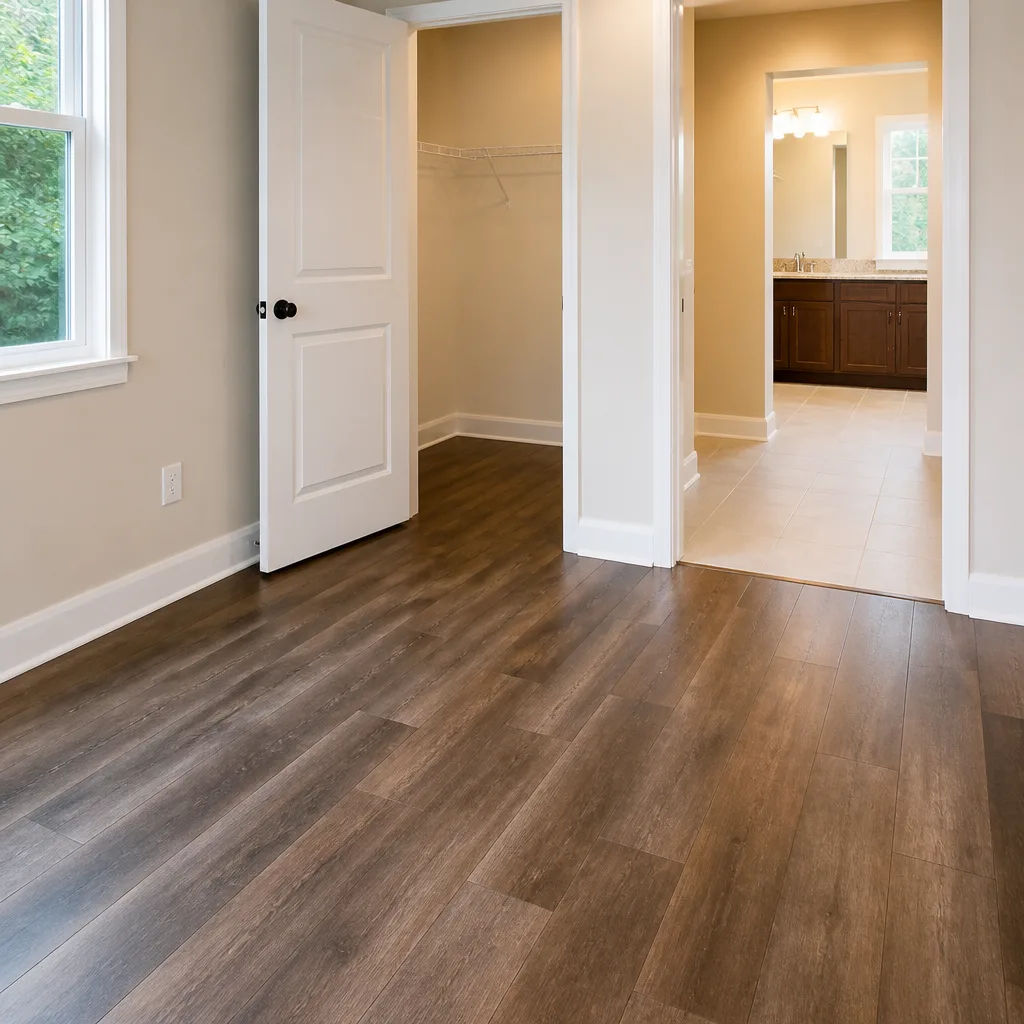
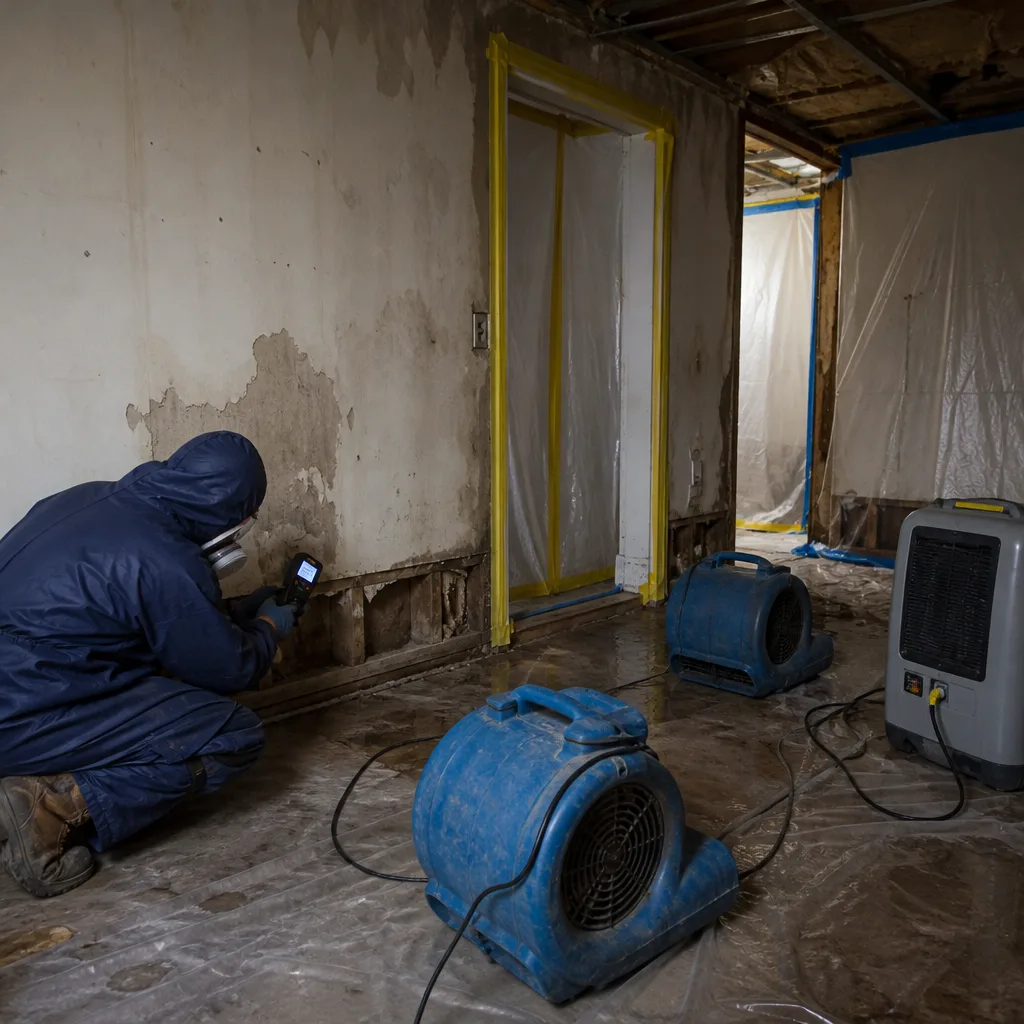 Before
 After
After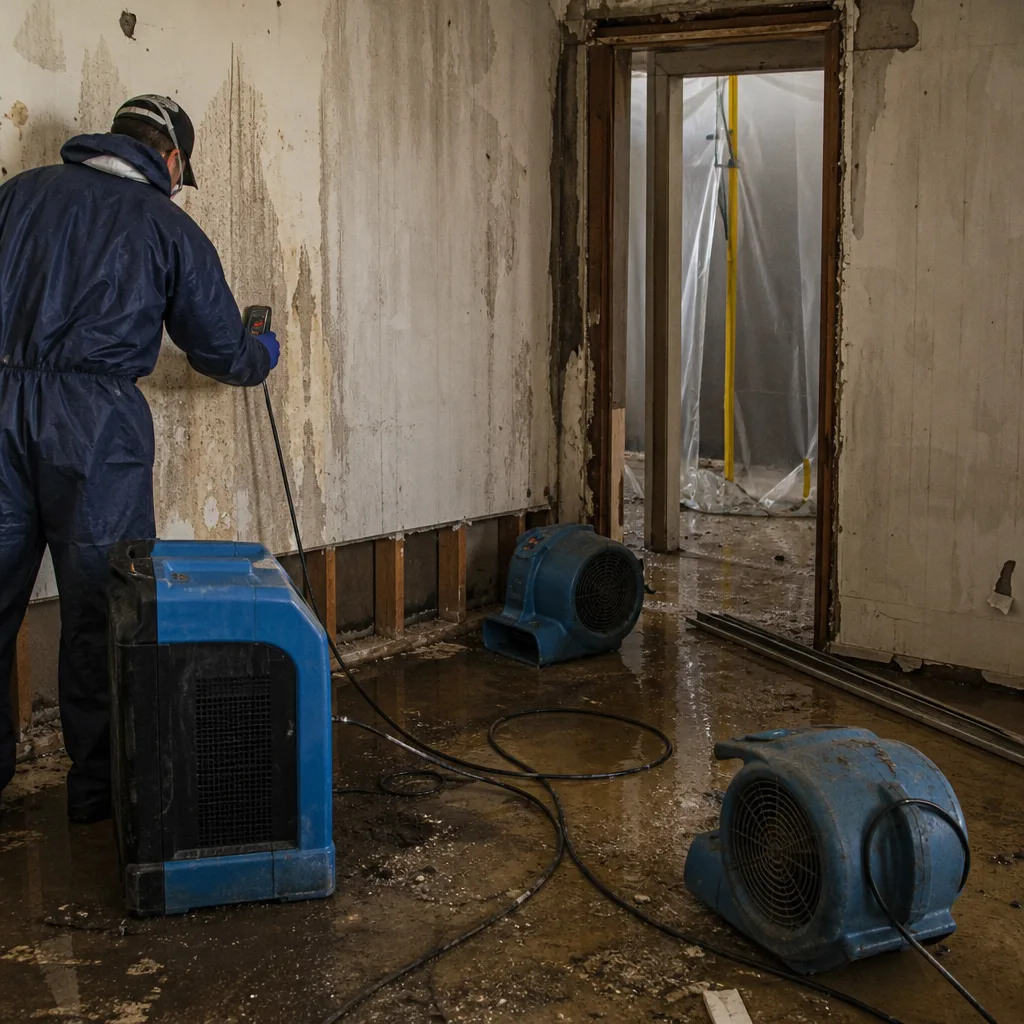 Before
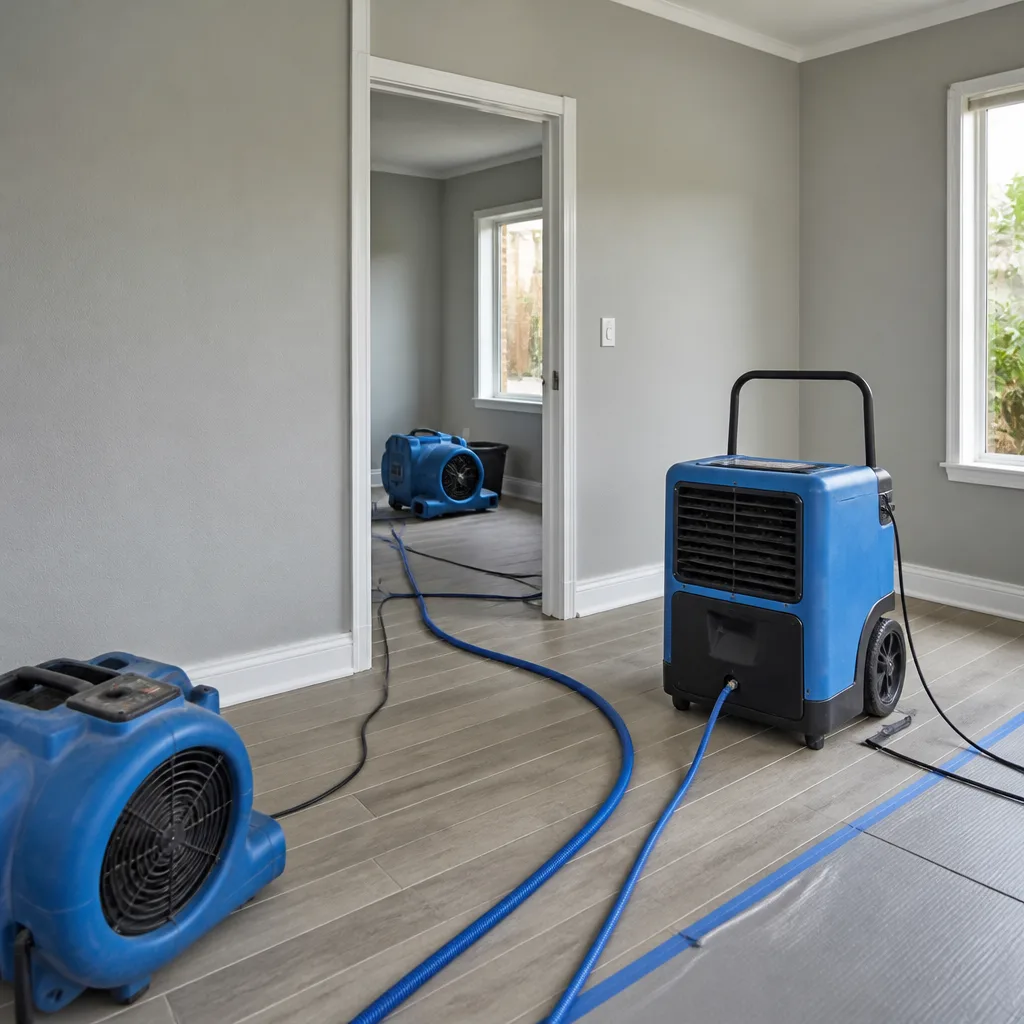 After
After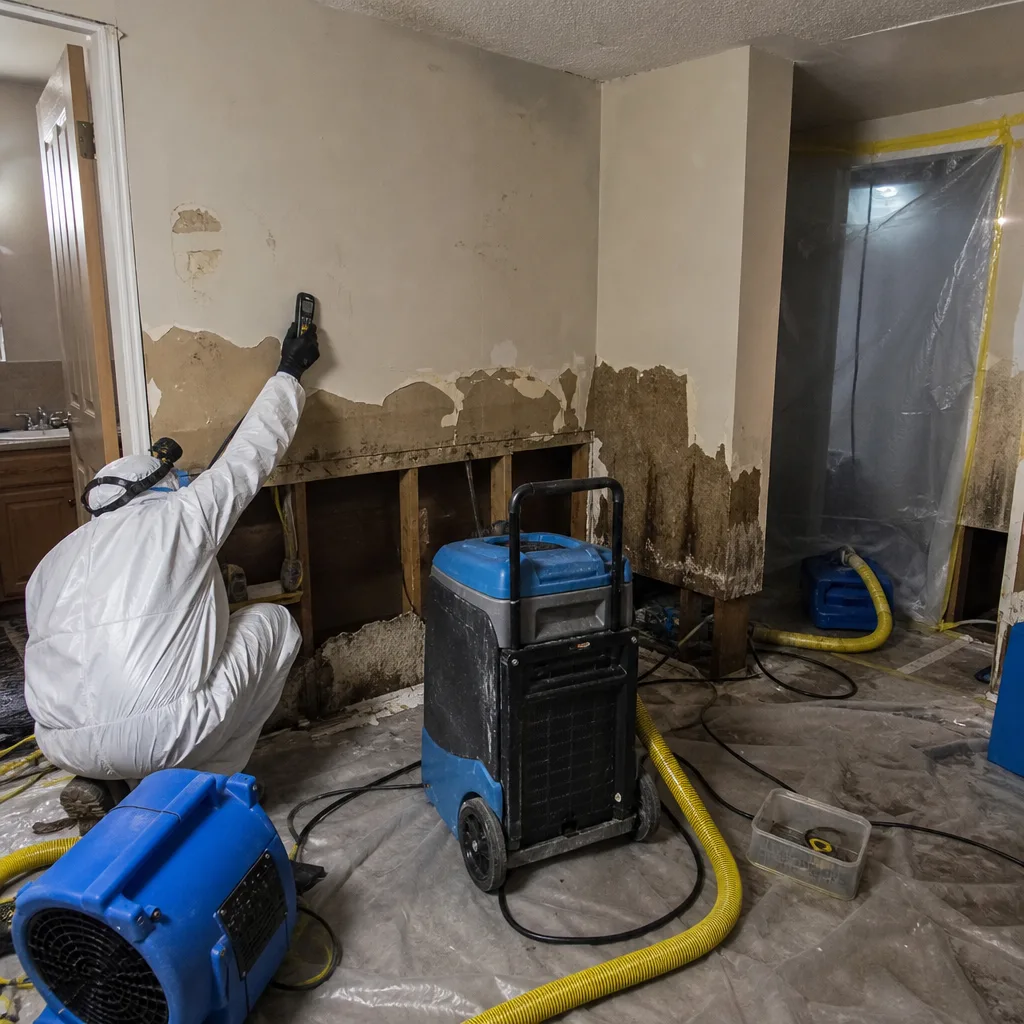 Before
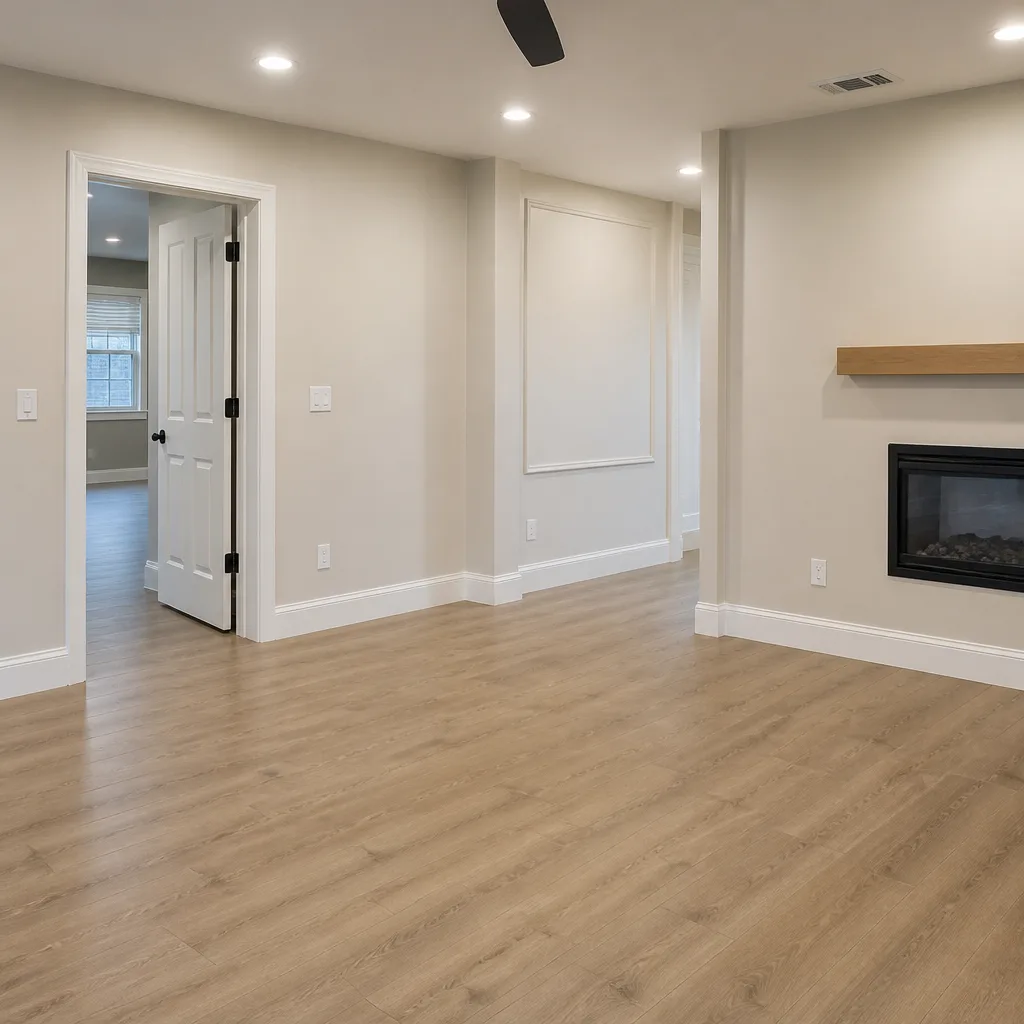 After
AfterWater Damage Restoration Maintenance Schedule: What to Do and When
Insurance data shows the average water damage claim in California is filed 11 days after the water event began. That means most homeowners are unknowingly living with active moisture intrusion for a week and a half before they notice anything. In Los Angeles, where our dry climate convinces people that water problems are rare, that delay is often longer. This guide gives you the month-by-month schedule, the specific inspection points for the five appliances that cause most slow leaks, and a 30-minute DIY moisture audit you can do with a tool that costs less than $30. For more guidance, see our Water Damage Restoration Troubleshooting: Common Problems and How to Fix Them. You will learn what to check, when to check it, and when to pick up the phone instead of picking up a wrench.
Quick Answer
A water damage prevention maintenance schedule for Los Angeles homes comes down to five recurring tasks: monthly visual checks of the five leak-prone appliances, a 30-minute whole-house moisture audit every quarter, pre-rain gutter and drainage checks in October, post-storm exterior inspections in February, and summer irrigation overspray checks against the foundation. Total time: roughly two hours per season, or about fifteen minutes a week. That routine catches most leaks before they become our Water Damage Restoration services are needed, and it costs nothing beyond the one-time purchase of a basic moisture meter.
Table of Contents
- The Month-by-Month Maintenance Calendar for Los Angeles Homes
- The Five Appliances Most Likely to Cause Slow Leaks (and Where to Look on Each)
- The 30-Minute DIY Moisture Audit: How to Do It With a $30 Meter
- Post-Restoration Maintenance: What to Watch for During the 90 Days After a Professional Drying Job
- Plumber or Restoration Company? A Simple Decision Tree
- Why Los Angeles Is Not a “Dry” Water Damage Market
- Common Mistakes to Avoid
- When to Call a Professional
- Frequently Asked Questions
- The Bottom Line
The Month-by-Month Maintenance Calendar for Los Angeles Homes
Los Angeles has two real seasons: the dry stretch from May through October, and the rainy stretch from November through April. Your maintenance schedule should track that rhythm, not some generic national checklist that tells you to “winterize” pipes in a city where it rarely drops below 40 degrees. Here is what we recommend, month by month, based on what we see in homes across the city.
October: Pre-Rainy Season Exterior Check
October is the single most important month on this calendar. The first real rain in Los Angeles usually arrives in late October or November, and it finds every weakness in your home’s exterior drainage in the first 48 hours. Walk the outside of your house with this list:
- Clean gutters and downspouts of accumulated dust, leaves, and the fine debris that LA winds deposit year-round.
- Check that every downspout extends at least three feet away from the foundation. Short downspouts are one of the most common causes of slab foundation water intrusion we see in Los Angeles homes built before 1980.
- Look at the soil grade around the foundation. It should slope away from the house, not toward it. Flat or negative grade invites water under the slab during heavy rain.
- Inspect the roof for cracked, curled, or missing shingles or tiles. Pay special attention to flashing around chimneys and vent pipes.
- Check exterior walls for gaps around windows, doors, and utility penetrations. The space around a refrigerator line, a water spigot, or an AC condensate pipe is a direct path for rain.
November through January: Active Rain Monitoring
During the rainy season, the goal is speed. You want to catch water intrusion within 24 hours, not 11 days. After any rain that lasts more than a few hours, do a quick interior lap:
- Touch the drywall around windows and exterior doors. Cool, damp, or soft drywall is an early indicator.
- Look at the ceiling under any bathroom, laundry room, or water heater location on the floor above. Discoloration there means a plumbing leak, not just rain.
- Check the garage, especially along the wall shared with the house. Garages are the most overlooked room for water damage in LA because people spend so little time in them.
- Listen. The sound of running water when no fixture is on is a leak. That’s not a metaphor. It’s a diagnostic tool.
February: Post-Storm Inspection
By February, the heaviest rain has usually passed. This is the month to look at what it left behind. Walk the exterior again and look for:
- Standing water anywhere on the property more than 48 hours after the last rain. In Los Angeles, standing water is almost always a grading or drainage problem, and it leads directly to foundation issues.
- New cracks in stucco, drywall, or concrete. Soil expands when wet and contracts when dry. Los Angeles clay soil is notorious for this cycle, and it puts lateral pressure on foundations.
- Mold or musty odor in closets, under sinks, or anywhere airtight. By February, moisture trapped from a December leak has had time to do its work.
March through May: Spring Drying Season
Spring in Los Angeles is your opportunity to fix what winter found. The weather is dry, the ground is manageable, and contractors are easier to schedule than they will be in the fall. This is the season for:
- Repairing any gutter, downspout, or grading issues found during the winter checks.
- Re-caulking around tubs, showers, sinks, and exterior window frames. Caulk has a working life of roughly five years in LA’s UV-heavy sun, and failed caulk is a silent water entry point.
- Checking your outdoor irrigation system before the summer heat arrives. A cracked sprinkler head or a stuck valve aimed at the foundation can run for months before you notice the damage.
June through September: Irrigation Overspray Season
Summer is when Los Angeles homeowners do the most damage to their own foundations without realizing it. Sprinkler systems run daily or every other day, and overspray against the slab foundation can keep one section of soil permanently saturated while the rest bakes dry. That differential movement cracks slabs and pushes moisture through foundation walls. Check every sprinkler head in June and adjust any that hit the house, the foundation, or exterior walls. Then check again in August, because heads get knocked out of alignment by foot traffic, lawnmowers, and kids.
The Five Appliances Most Likely to Cause Slow Leaks (and Where to Look on Each)
Most homeowners think of water damage as a sudden event: a burst pipe, a broken water heater, a storm. In our experience across Los Angeles, the reality is quieter. Slow leaks from appliances cause more restoration jobs than dramatic failures do. Here are the five we see most often, and the specific inspection point for each.
1. Water Heaters
Check the area around the base of the tank monthly. Look for rust, mineral deposits, or any moisture. Pay attention to the temperature and pressure relief valve (the T&P valve), typically on the side or top of the unit. If it drips, that’s a problem with the tank pressure, not something to ignore. Also note the age of your water heater. Tanks in Los Angeles typically last 8 to 12 years. After year 8, the failure risk climbs every year, and a 50-gallon tank holds enough water to damage every floor in a small house.
2. Washing Machines
The supply hoses behind the machine are the weak point. Rubber hoses degrade and burst, usually when no one is home. Replace rubber supply hoses with braided stainless steel hoses, which cost around $15 to $25 at any hardware store and take 20 minutes to install. Check the hoses each month for bulges, cracks, or discoloration at the connection points. And look behind the machine for slow drips that leave water stains on the wall or baseboard.
3. Refrigerators with Ice Makers and Water Lines
The saddle valve and the plastic supply line running from the wall to the refrigerator are the culprits here. These lines are small, often hidden behind the fridge, and can leak for months before you pull the appliance out and see the damage. Pull your refrigerator out once every three months and look. Check the connection at the wall, the connection at the fridge, and the length of the line for kinks, cracks, or mineral buildup. A pinhole leak here can damage flooring, baseboards, and the wall behind the unit.
4. Dishwashers
Dishwasher leaks are sneaky because the appliance is tucked into a cabinet and the leak usually starts under the unit, where you can’t see it until the floor in front is warped. The inspection point is the kickplate at the bottom. Remove it once a month and look underneath with a flashlight. Check the water supply connection, the drain hose, and the door seal for any sign of moisture. Also pay attention to any new odor. Mildew smell from a dishwasher area often means water has been sitting where it should not be.
5. Whole-House Water Filtration Systems
These systems are increasingly common in Los Angeles, where homeowners install them to address municipal water taste and hardness. They are also a growing source of restoration jobs. The filter housings, fitting connections, and drain lines are the points of failure. Check the system monthly for any moisture at the connections, any cracks in the plastic housings, and any change in the system’s purge cycle. A water softener or filtration system that runs continuously or cycles too often may have a stuck valve that is quietly dumping water down a drain, or worse, onto a floor.
The 30-Minute DIY Moisture Audit: How to Do It With a $30 Meter
Visual inspection catches some problems. A moisture meter catches what your eyes can’t see. A basic pin-type moisture meter costs between $25 and $35 online or at any home improvement store, and it is the single most useful tool a homeowner can own for water damage prevention. Here is the 30-minute audit we recommend doing once every quarter. The goal is to establish a baseline for your home and then watch for numbers that change.
Step 1: Gather your tools. You need a pin-type moisture meter, a flashlight, and something to record readings on: a notebook or your phone. Pin-type meters measure moisture by inserting two small pins into the material. The reading is a percentage of moisture content. Most building materials are considered “dry” below 10 to 12 percent.
Step 2: Start in the room directly under any plumbing fixture. If you have a second floor, check the ceiling below every bathroom, laundry room, and water heater location first. Take three readings in each spot: left, center, right. Record them.
Step 3: Move to the walls around every water source. This means the wall behind the refrigerator, the wall behind the washing machine, the cabinet floor under every sink, and the wall around the water heater. Take readings at the baseboard level first, then a foot up the wall.
Step 4: Check exterior-facing walls on the rainy side of the house. In Los Angeles, that is the south and west side during winter storms. Take readings along baseboards and around window frames. A reading that jumps 5 to 10 percent above your baseline is a red flag.
Step 5: Record your baseline and compare. The first audit gives you a reference point. Each subsequent audit should produce similar numbers. Any room where the reading climbs by more than 5 percent over the baseline deserves a closer look. That is when you call a professional, before the stain appears on the paint. A basic meter will not give you the precision of professional gear like the Dri-Eaz and Injectidry systems we run on restoration jobs, but it will absolutely tell you when something has changed. And change is the early warning signal that matters.
Post-Restoration Maintenance: What to Watch for During the 90 Days After a Professional Drying Job
The job is not finished when the equipment leaves your house. The equipment leaves when the structure tests dry, which means the moisture readings are back to normal. That’s a moment, not a guarantee. The next 90 days are the proving window. Here is what to watch.
Weeks 1 through 4: Watch the repair area for any sign of moisture returning. Discoloration, musty odor, soft drywall, or warping in the repaired area means something was missed or something recurred. Pay special attention to the perimeter of the repaired area, which is where incomplete drying most often reveals itself.
Weeks 5 through 8: Check the repaired area for cracks that form in new paint, joint compound, or trim work. Some settlement and hairline cracking is normal as materials re-equilibrate to the home’s normal humidity, but anything wider than a hairline or any crack that grows over time needs attention. Run your moisture meter over the area once a week and compare to the post-restoration baseline you recorded when the job finished.
Weeks 9 through 12: This is when long-term problems surface. Mold that was not fully remediated begins to express itself as odor. Wood that was not fully dried begins to bow or cup. Drywall that was not fully dried begins to feel spongy at the edges. One of the reasons we put our 365-Day Done Right Promise on every job is that this window matters. If the repair fails within a year, we come back and make it right. It’s not a courtesy. It’s printed on the work order.
Tobias Reyner, who runs our Los Angeles team, puts it simply: “The drying equipment proves the structure is dry on the day the job ends. The next 90 days prove the structure stays dry.” That’s the real test of a restoration job, and the reason we schedule three follow-up contacts during that window on every job we do.
Plumber or Restoration Company? A Simple Decision Tree
Homeowners waste money by calling the wrong professional first. It happens constantly in Los Angeles: a homeowner discovers water under the kitchen sink, calls a plumber, the plumber fixes the leak and leaves, and the water that soaked into the cabinet floor and the wall cavity goes unaddressed. Six weeks later there is mold. Here is the decision tree.
Scenario 1: Active water flowing from a supply line, fitting, or appliance. Call a plumber first. Stop the source. Then assess the damage. If the water ran for more than a few minutes and soaked into flooring, drywall, or cabinetry, call a restoration company after the plumber leaves. Do not wait to see if it dries on its own. It will not.
Scenario 2: Water that has been soaking into building materials for more than 24 hours. Call a restoration company. By this point, you are beyond plumbing. The leak may still need a plumber, but the priority is extracting the water and starting professional drying before mold takes hold. A restoration company with IICRC-credentialed technicians will coordinate the plumbing if needed.
Scenario 3: You see mold, or you smell a musty odor that you cannot locate. Call a restoration company. Plumbers do not remediate mold. A company with mold remediation experience, like our team at Mold Remediation in Los Angeles, can assess the source, contain the affected area, and remove the growth properly.
Scenario 4: Water came from outside: storm runoff, roof leak, or irrigation overspray. Call a restoration company. This is not a plumbing issue. It is a building envelope and water intrusion issue. Our Storm Damage Restoration in Los Angeles assesses the full path of the water, not just the puddle.
The general rule: if water is actively moving, stop it first. If water has been sitting, extract it professionally. The cost of a restoration assessment is almost always less than the cost of ignoring water that has already penetrated building materials.
Why Los Angeles Is Not a “Dry” Water Damage Market
People assume that because Los Angeles gets relatively little rain, homes here are at low risk for water damage. That assumption is wrong, and it is expensive. Learn the Water Damage Restoration Warning Signs Every Homeowner Should Know to protect yourself. Here is the reality of water damage in a dry climate.
Los Angeles homes experience more plumbing-related water damage than storm-related water damage, because the housing stock is old. Many homes in Mid-City, West Adams, the San Fernando Valley, and South LA were built in the 1940s through the 1970s. That means original galvanized steel pipes in many cases, cast iron drain lines, and decades of homeowner modifications. Plumbing fails from age and corrosion, not weather.
The clay soil that defines much of the Los Angeles basin expands dramatically when wet and shrinks when dry. That seasonal movement stresses foundations, which cracks pipes running through or under slabs. A slab leak in Los Angeles is not rare. It is an expected lifecycle event for homes in certain neighborhoods, and it can run undetected for weeks because the water disappears into the soil.
Condensation is another underestimated source. Los Angeles homes built without adequate insulation, which includes most homes built before 1980, experience significant condensation on cold water pipes, on windows, and in wall cavities when warm, humid air meets cool surfaces. That condensation supports mold growth in exactly the places homeowners never see.
The point: Los Angeles is not immune to water damage because it is dry. It experiences a different profile of water damage. That profile is dominated by plumbing failures, which are invisible, slow, and usually worse by the time they are discovered than a visible roof leak ever would be. This is why the maintenance schedule above matters. It is designed for the way Los Angeles homes actually fail.
Common Mistakes to Avoid
- Ignoring a small stain on the ceiling or wall. A small stain is almost never the size of the actual water damage. Water spreads horizontally along drywall and framing before it shows up as a visible stain. By the time you see a six-inch circle, the affected area is usually two to three feet in every direction.
- Assuming a slow drip is not urgent. A drip that leaks one drop per second wastes about 2,000 gallons a year, and in a wall cavity that water goes somewhere. Slow leaks cause the worst mold problems because they keep the area persistently damp without ever becoming dramatic enough to demand attention.
- Using a household fan to dry a water event. A box fan moving air across a wet carpet makes the surface feel dry in a day or two. The pad underneath, the subfloor, and the wall cavities are still saturated. Professional drying requires controlled airflow, measured dehumidification, and moisture readings at depth. Equipment from companies like B-Air and Dri-Eaz is engineered for this; a box fan is not.
- Not knowing where the main water shut-off valve is. In a water emergency, you lose valuable minutes looking for the shut-off. Find it, label it, and make sure every adult in the home knows where it is and how to turn it. In many older Los Angeles homes, the shut-off is at the street, not at the house, and it requires a special tool.
- Filing an insurance claim without documentation. Before you move anything, before you start cleaning, before you call anyone, take photos. Document the water, the source if visible, the affected materials, and the width of the spread. Insurance adjusters rely on that photographic record, and a good restoration company will document everything professionally as part of the claim.
- Treating every water event as a DIY project. Some water events are genuinely small: a toilet overflow that is caught immediately and cleaned within minutes on a tile floor. Most water events that involve carpet, drywall, or cabinetry are not small. The dividing line is not the amount of water. It is the materials the water touched.
When to Call a Professional
You should call a restoration professional the moment water touches drywall, insulation, carpet, hardwood, laminate, or cabinetry. These materials are absorbent, and they hold water in places you cannot see. You should also call a professional if water has been present for more than 24 hours, if you see or smell mold, if the water is gray or black (from a washing machine, dishwasher, toilet, or outside source), or if the affected area is larger than a single room. You should also call us if you have already tried to dry the area yourself and it still smells musty a week later. That means water is still present. Marsh Water Damage Restoration offers free estimates in Los Angeles. Call (910) 613-6568 and a live person will answer, 24 hours a day, every day of the year.
Frequently Asked Questions
Do a quick monthly visual check of the five leak-prone appliances: water heater, washing machine, refrigerator ice maker line, dishwasher, and whole-house filtration system. Add a full 30-minute moisture meter audit once every quarter. In Los Angeles, the critical months for exterior checks are October, before the rainy season starts, and February, after the heaviest storms have passed.
Yes. Visual inspection catches surface problems. A moisture meter catches water inside drywall, behind baseboards, and under flooring before it shows up as a stain or odor. A basic pin-type meter costs under $30 and takes about 30 minutes to check an entire home. It is the difference between finding a leak in week one and finding it in week three when it is already a restoration job.
That depends on your deductible and the size of the damage, but most water damage restoration jobs exceed $2,500 once drying equipment, tear-out, and rebuild are included. If your deductible is $500 or $1,000, the claim is usually worth filing. Document everything with photos before you move anything, and coordinate with your restoration company so their reports and readings match what your adjuster needs. A good restoration company handles adjuster communication directly.
Fast enough that timeliness is not the thing you need to worry about. We answer the phone with a live person 24 hours a day, every day of the year, and we dispatch equipment and technicians the same day in the vast majority of Los Angeles cases. Water damage gets worse every hour it sits, so speed matters, and we built the company around it.
Not necessarily. Mold requires persistent moisture and organic material to grow. If water is extracted quickly, drying begins within 24 hours, and moisture levels return to normal, mold is unlikely. That is why speed is the single most important factor in water damage restoration. If materials stay wet for more than 48 to 72 hours, mold risk climbs significantly.
Most residential water extractions in Los Angeles run between $1,200 and $4,000 before drying equipment and rebuild costs are added, depending on the affected area and the water category. A small single-room water event with professional extraction and a week of drying usually lands at the lower end. A multi-room event with carpet and drywall removal, containment, and rebuild can run much higher. Every Marsh job gets a written price before any work begins, so you never find out the cost at the end. Call (910) 613-6568 for a free estimate and we will give you the exact scope and price in writing.
The Bottom Line
Water damage restoration ends when your maintenance habits are strong enough to catch the next leak before it becomes a restoration job. In Los Angeles, that means checking five specific appliances every month, running a 30-minute moisture audit every quarter, doing exterior drainage work every October, inspecting after every major storm, and keeping irrigation water off your foundation all summer. You will catch problems a week into a leak instead of 11 days or 11 weeks. That is the difference between a $50 hose replacement and a $5,000 restoration. And if something does go wrong, you know who to call: a live person answers at (910) 613-6568, every time, and Marsh Water Damage Restoration home has the full picture of how we work, what we charge, and who shows up at your door. For the broader context on water damage in our city, see Water Damage Restoration in Los Angeles.
Written by Tobias Reyner, Owner at Marsh Water Damage Restoration, serving Los Angeles since 2005. Explore more guides & resources on our blog.