
Last updated October 9, 2026
Free visual inspection and a written scope of work before any mitigation begins - photos, moisture readings, and drying logs go in your claim file
The scope we write is the scope we bill. Anything new gets shown to you, in writing, before we touch it.
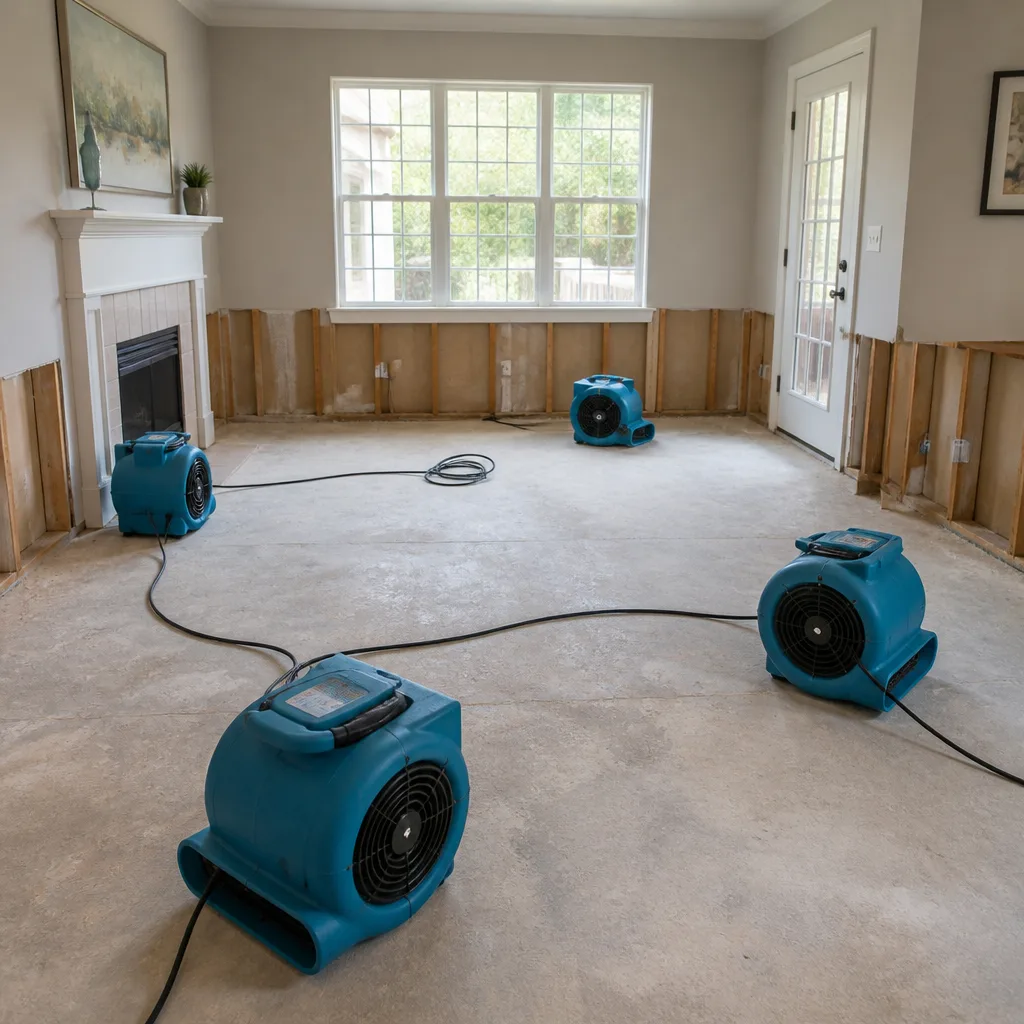
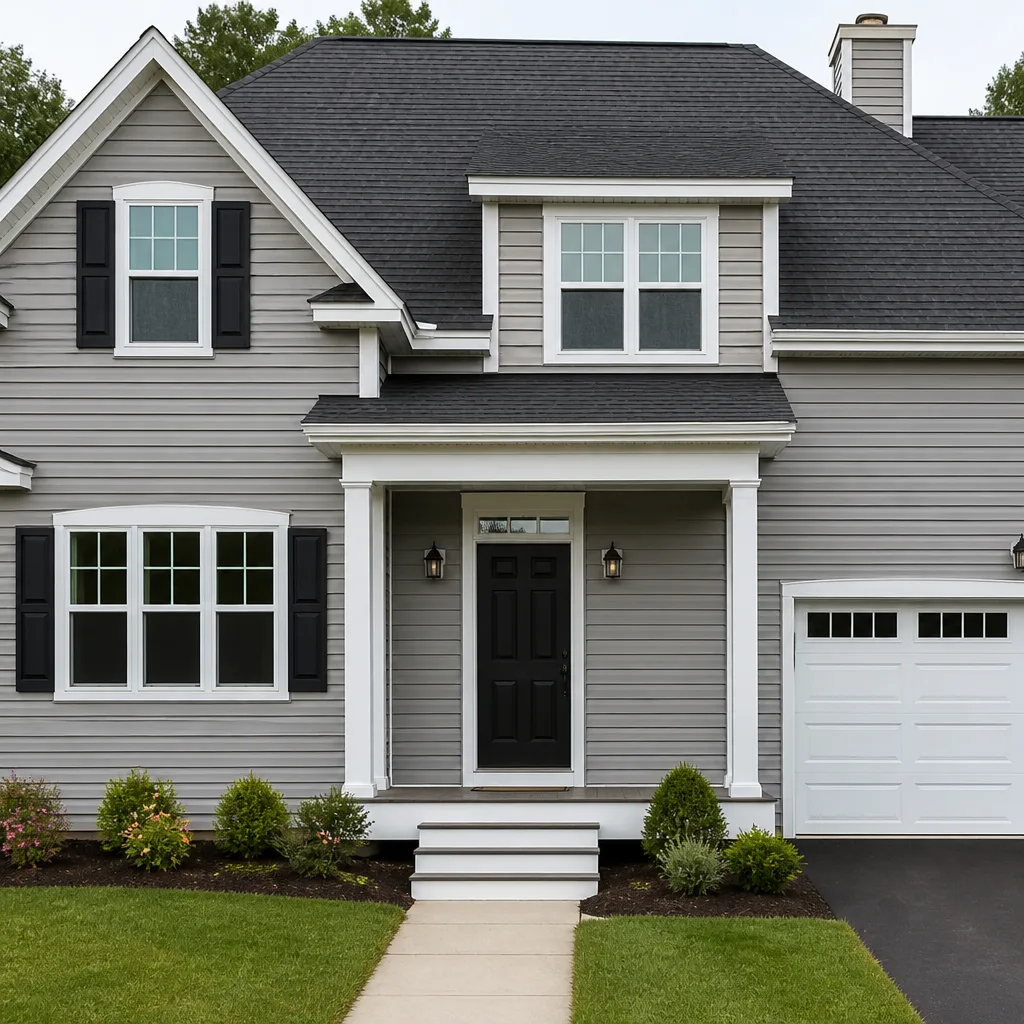
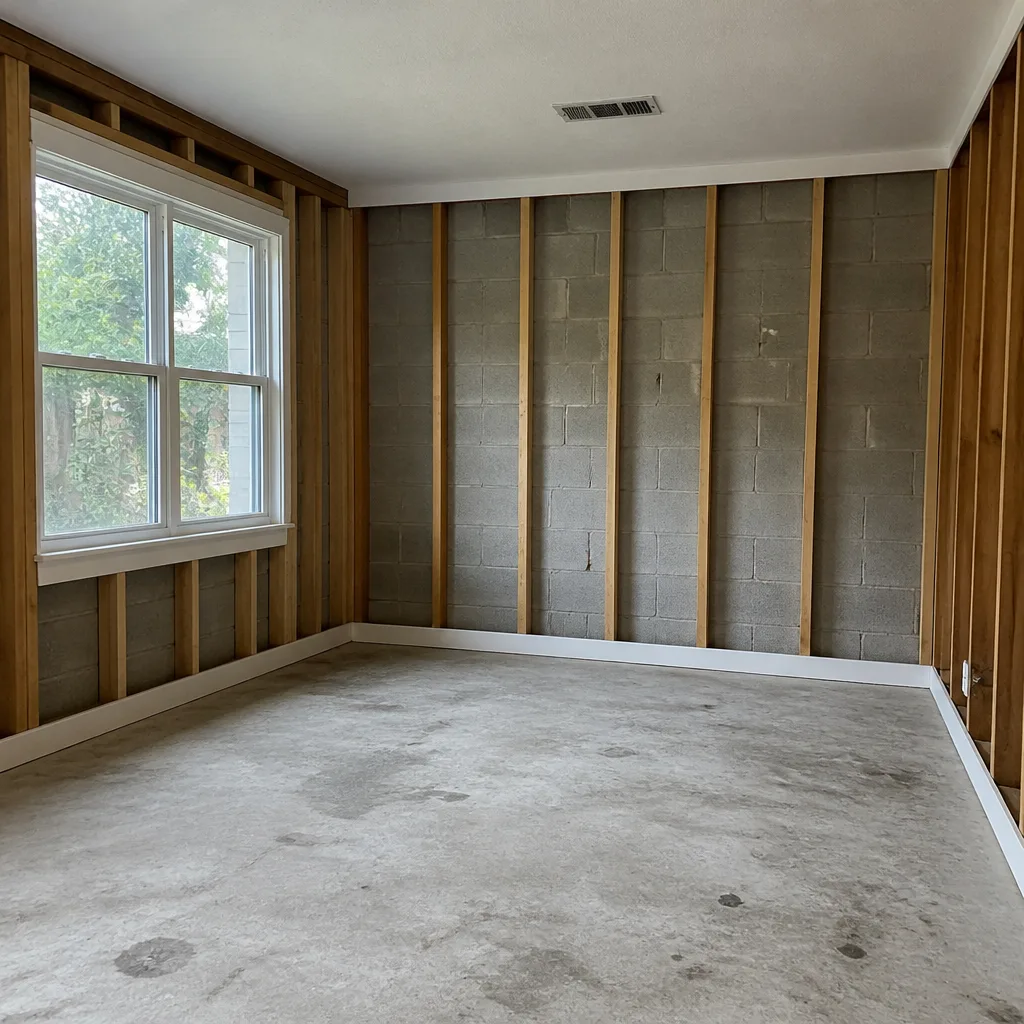
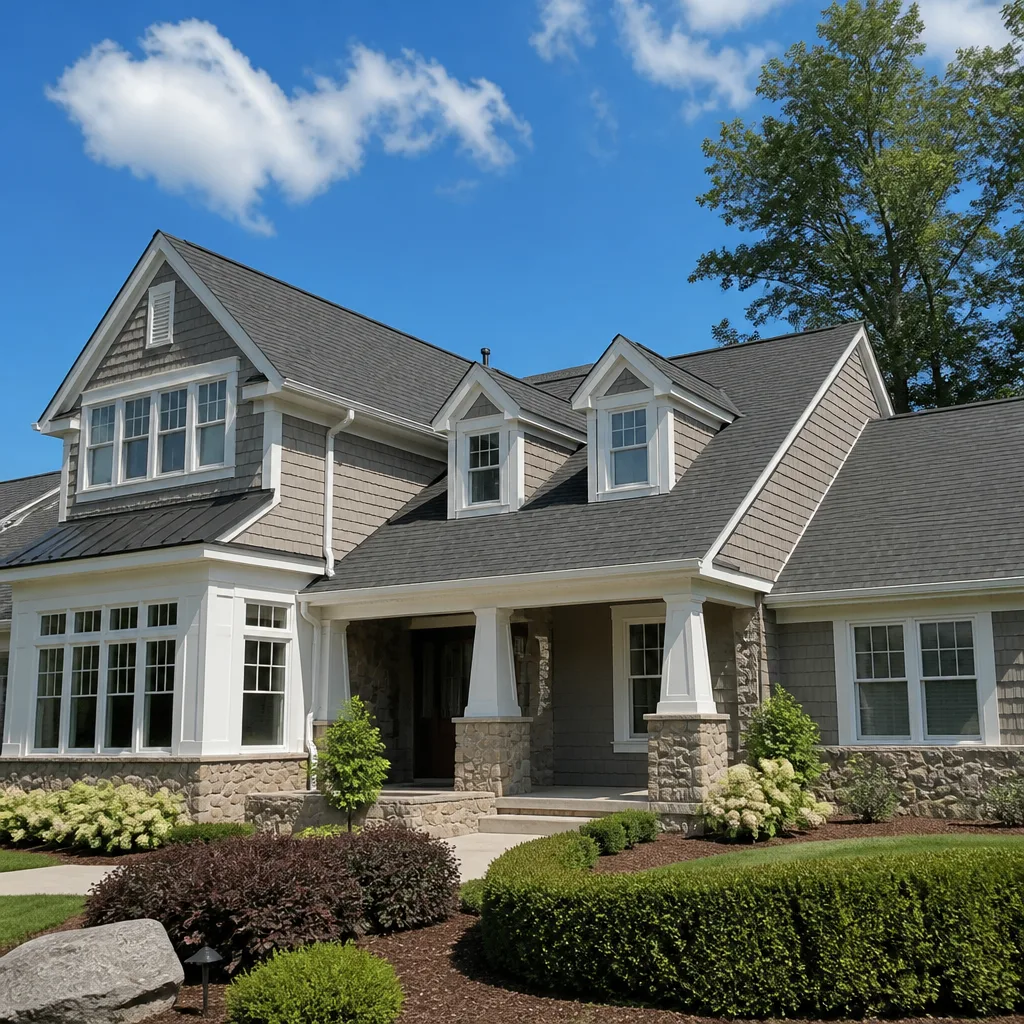
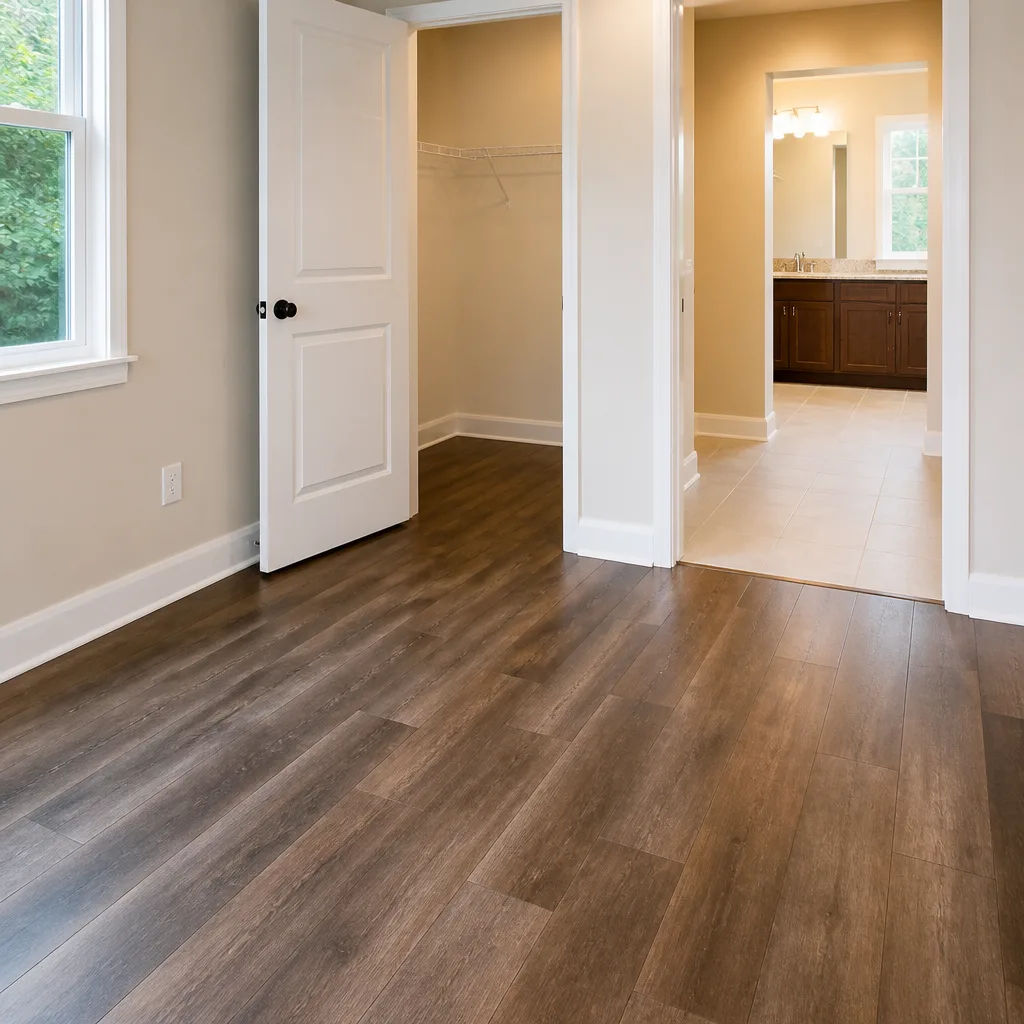
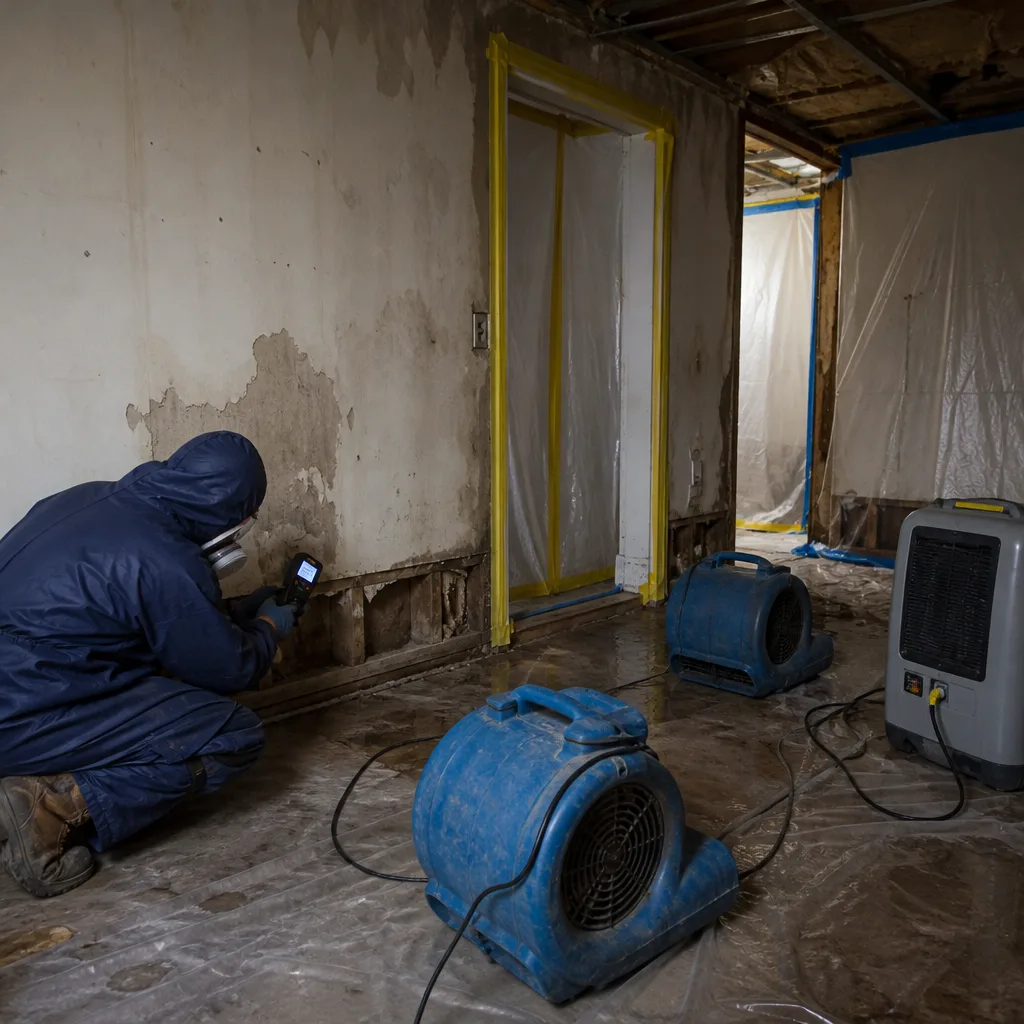 Before
 After
After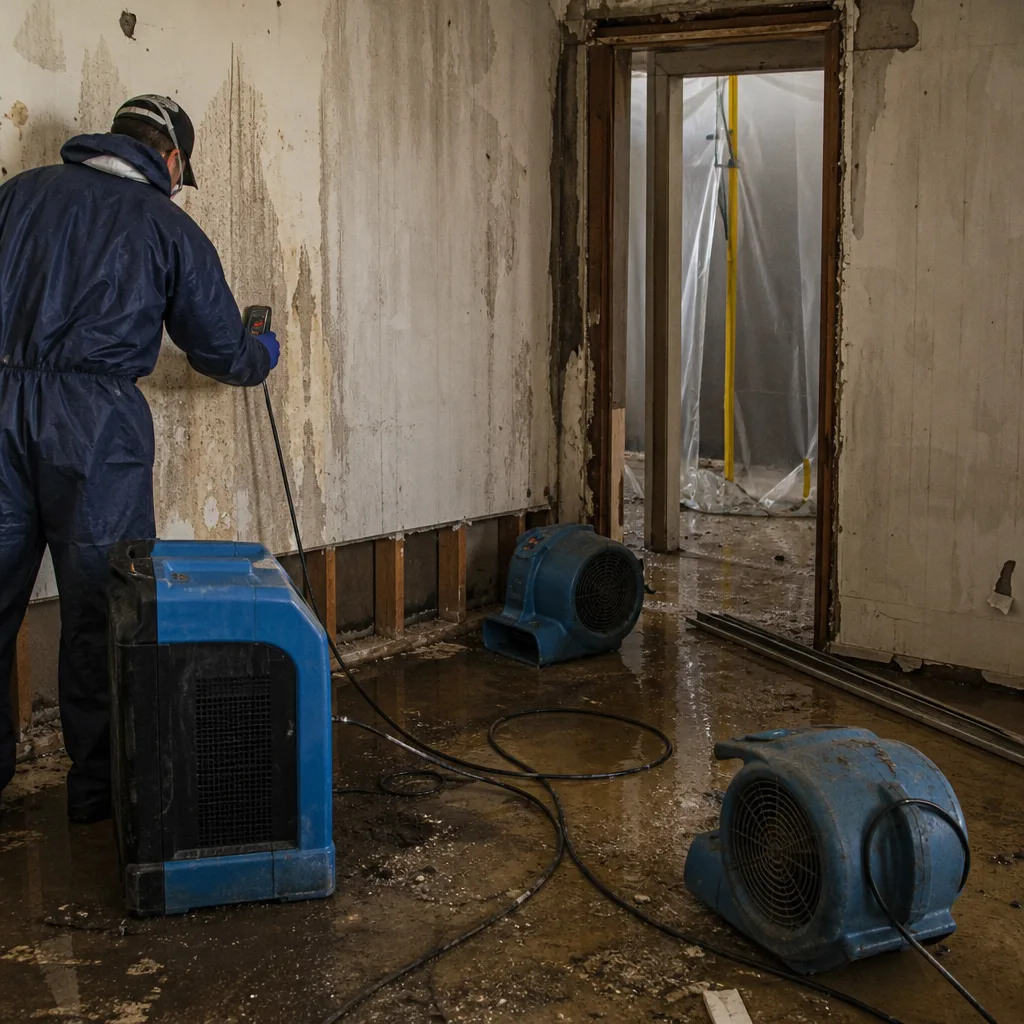 Before
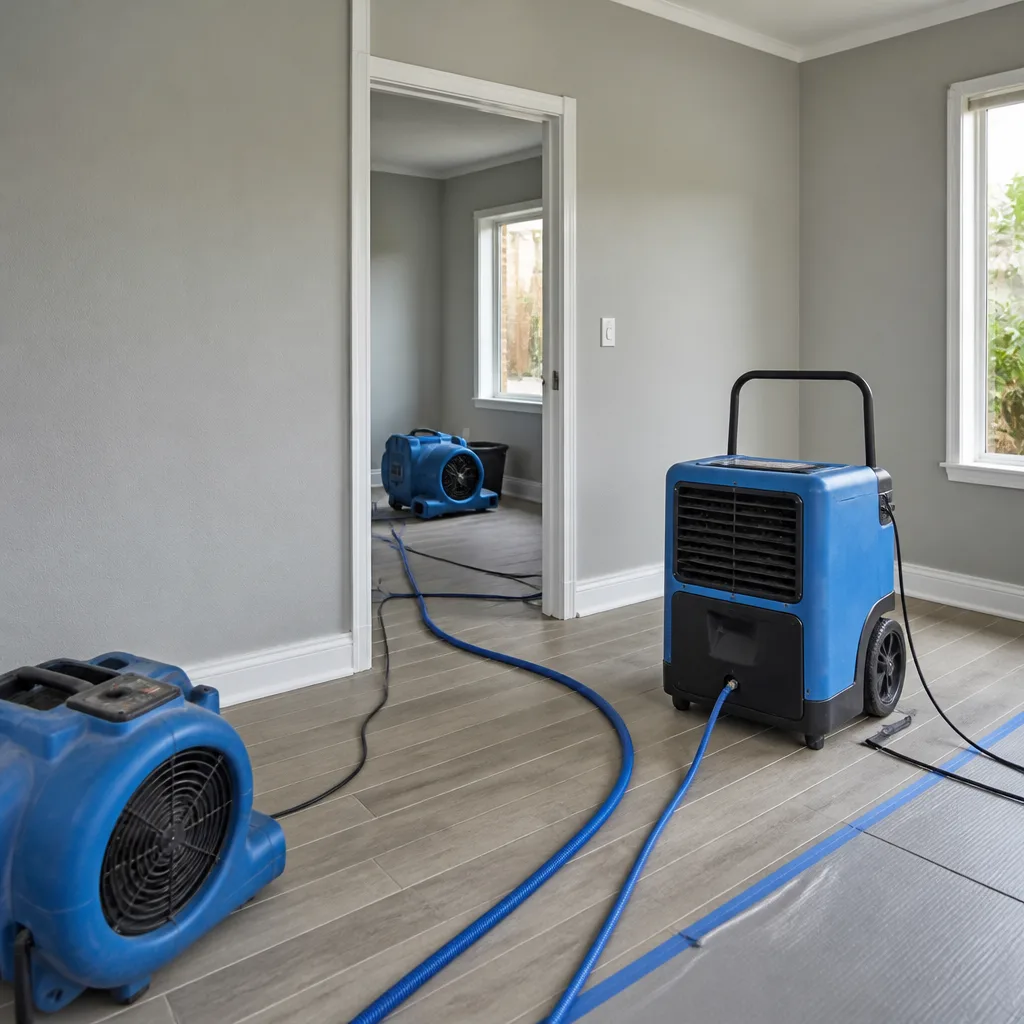 After
After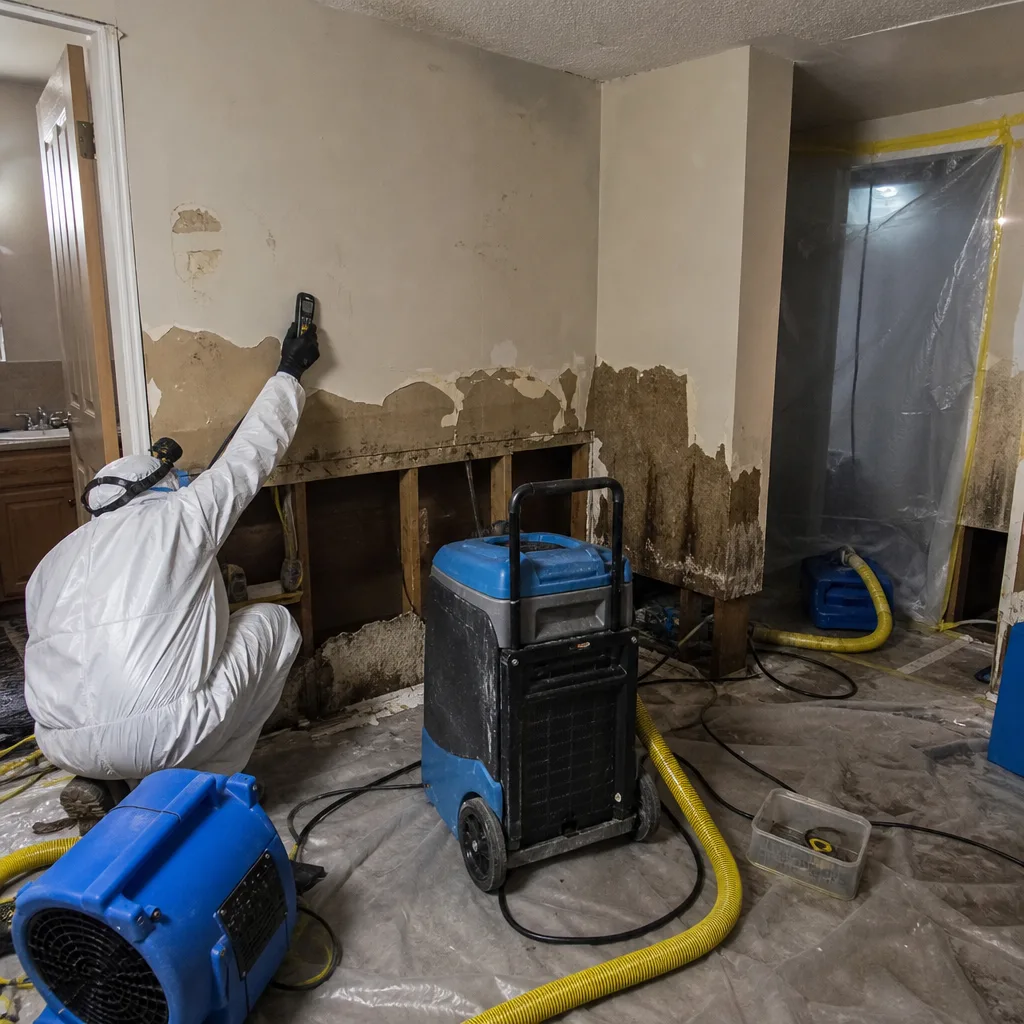 Before
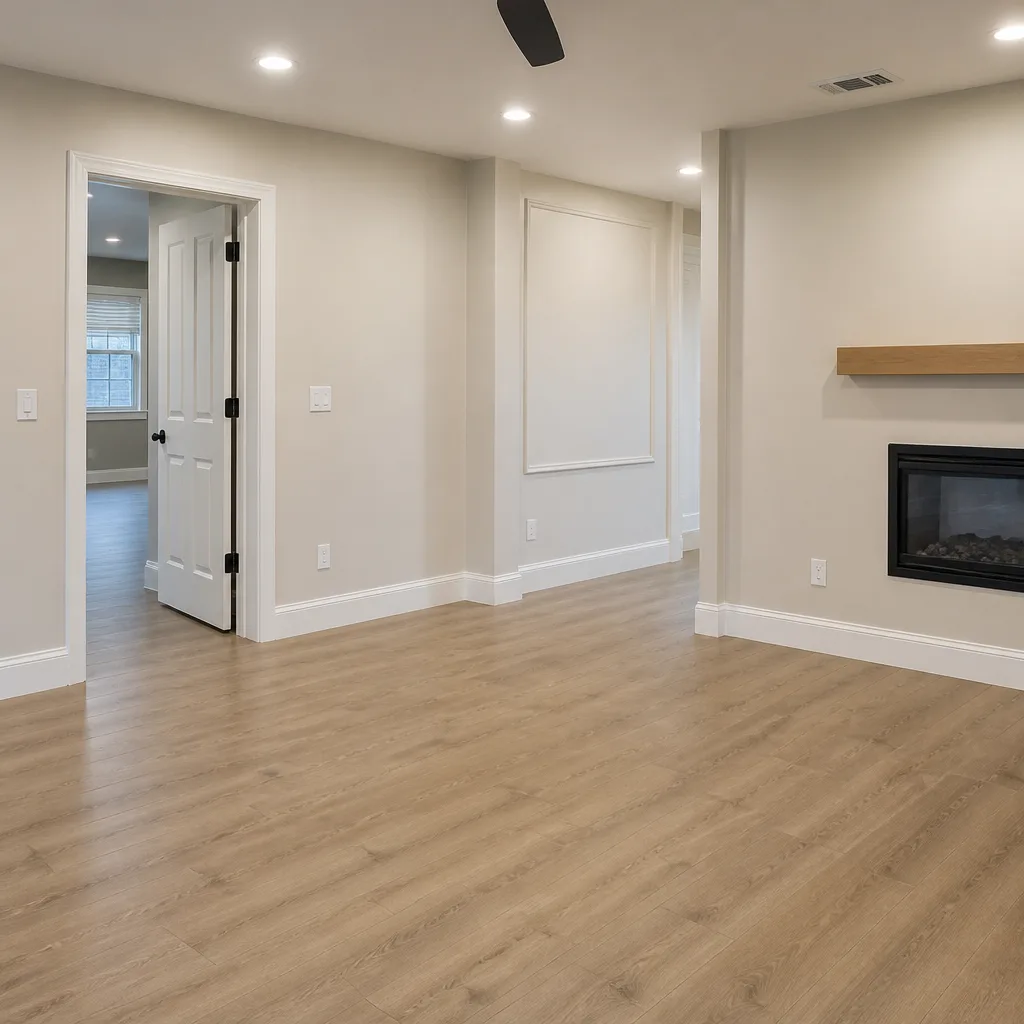 After
AfterDamage Restoration Emergency Preparedness Guide for Los Angeles Homes
FEMA’s post-disaster housing data from the 2023 Southern California atmospheric river events revealed something uncomfortable: 68% of water damage claims exceeding $15,000 in restoration costs involved homes where the water source ran for more than 45 minutes before being shut off. Not because homeowners couldn’t act. Because they didn’t know where the shutoff was. This guide and our Damage Restoration Warning Signs: A Los Angeles Homeowner’s Reference Guide exist so that when water finds its way into your Los Angeles home, you know exactly what to do in the first 90 seconds, who to call, and what to say when they answer.
Quick Answer
Water damage emergency preparedness in Los Angeles means knowing where your water shutoff is before you need it, having a laminated action card posted where you can find it in the dark, and keeping a pre-vetted restoration contractor’s number saved in your phone. The first 90 seconds after discovery determine whether you’re looking at a $2,000 extraction or a $20,000 rebuild. In Los Angeles homes, the most likely restoration emergency over the next 12 months is water-related, not earthquake-related, and the gap between a quick response and a delayed one is measured in five figures.
Table of Contents
- The 90-Second Water Damage Response Protocol
- Know Your Shutoff: Street-Side Meter vs. Interior Valve
- How to Build a 72-Hour Water Damage Kit (Not an Earthquake Kit)
- The Laminated Emergency Action Card Template
- What to Tell Your Insurance Company in the First Call
- Los Angeles-Specific Water Risks Most Homeowners Miss
- How to Vet a Restoration Contractor Before the Emergency
- The Mold Clock: Why 48 Hours Matters in LA’s Climate
The 90-Second Water Damage Response Protocol
When you discover water where it shouldn’t be, your brain wants to panic. Don’t. Follow these six steps in order. We’ve walked hundreds of Los Angeles homeowners through this exact sequence, and the ones who follow it save an average of $8,000 to $14,000 in restoration costs compared to those who freeze or start moving furniture first.
- Stop the source (seconds 0-30). If the water is coming from a burst pipe, failed supply line, or running appliance, shut off the nearest fixture valve first. If you can’t find it or the source is a larger line, go straight to the main shutoff. This is the single highest-impact action you can take. Every minute of active water flow adds roughly $300 to $500 in damage spread in a typical Los Angeles single-family home.
- Kill power to affected areas (seconds 30-45). If water has reached outlets, power strips, or any electrical appliance, turn off the circuit breaker for that room at the panel. Do not walk through standing water to reach the panel if the panel itself is wet or you suspect water has reached it. In that case, call an electrician before entering, but shut the water off first regardless.
- Photograph everything (seconds 45-60). Use your phone. Wide shots of the room, close-ups of the water line on drywall, the source of the leak, standing water depth against a ruler or recognizable object. These photos become your insurance documentation baseline. Insurers increasingly require proof of “prompt remediation” and photographs taken in the first hour are the strongest evidence you acted fast.
- Move valuables up and out (seconds 60-75). Only after photos. Lift books, electronics, documents, and anything irreplaceable out of the water’s path. If furniture is too heavy to move safely, place plastic sheeting, foil, or wood blocks under the legs. Do not spend more than 15 seconds on any single item.
- Call your pre-vetted restoration contractor (seconds 75-90). This should be a number already saved in your phone. If you don’t have one yet, the section below on vetting will help. A live person answering 24/7 matters here, because every hour of delay in extraction and drying setup adds measurable cost and extends the drying window.
- Call your insurance claim line (immediately after). Use the language in the insurance section below. The order matters: mitigation first, claim second. Your policy requires you to prevent further damage, and calling the restoration company first proves you did.
In our experience across Los Angeles neighborhoods, the difference between a homeowner who executes this protocol and one who doesn’t is frequently the difference between a three-day drying job and a two-week demolition-and-rebuild. The protocol costs nothing to learn and takes less time to execute than most people spend deciding what to do.
Know Your Shutoff: Street-Side Meter vs. Interior Valve
Los Angeles housing stock splits roughly into two categories when it comes to water shutoffs, and they require different tools and different approaches. Knowing which one you have before water is actively flowing through your living room is the difference between a 30-second response and a 15-minute panic.
Street-side meter shutoffs are common in older Los Angeles neighborhoods: West Adams, Echo Park, Highland Park, parts of the San Fernando Valley, and most pre-1960 single-family homes. These homes typically have a water meter housed in a concrete box at the property line, often near the sidewalk or curb. To shut off water at the street, you need a water meter key or a crescent wrench and a flathead screwdriver to lift the concrete lid. The shutoff valve inside the meter box is typically a small rectangular or round valve that requires a quarter-turn with the proper tool. If you don’t have the tool, you don’t have a shutoff. Buy one now and hang it near the front door.
Interior main valves are more common in newer construction and renovated homes throughout Los Angeles, particularly in the Westside, South Bay, and post-1980s builds. These are typically located where the main water line enters the home: in a laundry room, under a kitchen sink, in a garage, or in an exterior wall box. They are usually ball valves (lever-style) that turn 90 degrees, or gate valves (round wheel-style) that turn clockwise multiple times. Ball valves are faster and less prone to failure. Gate valves, especially older brass ones, can seize if not exercised regularly.
Here’s what to do this week:
- Locate your shutoff. If you don’t know where it is, look at your property inspection report from purchase, check near the water heater, or call a plumber for a one-time assessment.
- Test it. Turn the valve a quarter-turn closed and open again. If it resists, or if water continues flowing when closed, replace it now while it’s convenient, not during an emergency.
- Label it. A simple laminated tag reading “MAIN WATER SHUTOFF” saves critical seconds when you’re stressed.
- Show every adult in the household where it is. In an emergency, the person home alone is the one who needs to act.
We’ve responded to water losses in Los Angeles where the homeowner knew the shutoff existed but couldn’t find it in the dark, or didn’t have the right tool for the meter box while water soaked through the floorboards. Fifteen minutes of searching while a supply line runs can turn a $2,000 job into a $18,000 rebuild.
How to Build a 72-Hour Water Damage Kit (Not an Earthquake Kit)
Your earthquake kit has canned food and batteries. Fine. But water damage requires a completely different set of tools, and most Los Angeles homeowners don’t have them. The purpose of this kit is not survival; it’s damage mitigation and documentation. Here’s what goes in it:
- Moisture meter (pin or pinless, $25-$60). This is the most underrated tool in a homeowner’s kit. It tells you which walls, floors, and cabinets are actually wet and how wet they are. After a loss, you’ll use it to monitor drying progress and verify the restoration crew’s work. Pinless models read through surfaces without leaving holes. It’s the same category of tool restoration professionals use, and it makes you a harder customer to oversell.
- Wet/dry vacuum (5-12 gallon capacity, $60-$120). For extracting standing water before professional equipment arrives. A 12-gallon Shop-Vac can pull 8-10 gallons per minute from a flooded bathroom floor. This is first-response extraction, not replacement for professional drying, but it keeps water from spreading into adjacent rooms while you wait.
- Plastic sheeting (6-mil, 10×25 roll, $15-$25). For protecting furniture, creating barriers between wet and dry areas, and covering doorways to compartmentalize damage. Also useful for moving books and documents if you need to triage what dries first.
- Documentation supplies. A working phone with storage space (your camera), a notepad and pen for recording times and measurements, and a permanent marker for labeling boxes of salvageable items. Time-stamped photos are the backbone of insurance claims. A small notebook lets you log when you first noticed the leak, when the water was shut off, and when the restoration company arrived, all of which your adjuster will ask about.
- Basic tools. A crescent wrench (for hose connections and meter lids), a flathead screwdriver, a utility knife, and work gloves. The crescent wrench alone can stop most appliance supply line failures at the fixture level.
- Flashlight or headlamp. When the power is off and the water is spreading, you need both hands free. A headlamp beats a flashlight every time.
- Contact list printed on paper. Phone batteries die. Write down the numbers for your insurance claim line, your plumber, and your pre-vetted restoration company. Keep this in the kit and in your car.
Think of this kit as the gap between “there’s water on the floor” and “the restoration crew is setting up drying equipment.” A well-executed first hour with these tools can realistically reduce your total restoration bill by 30-50% by limiting spread and documenting everything.
The Laminated Emergency Action Card Template
Here’s the idea that most emergency preparedness guides miss: when water is spreading, you will not remember anything you read online. You need a physical card, printed and laminated, posted where you can see it, with four fields filled out in advance. Here’s the template:
| Field | What to Write | Why It Matters |
|---|---|---|
| Main water shutoff location | “Street-side meter box at northeast corner of front yard, 3 feet from curb. Meter key hangs on garage wall next to door.” | You won’t remember this when water is flowing. The card remembers for you. |
| Gas shutoff location | “Gas meter on west exterior wall. Shutoff valve is 1/4-turn ball valve above the meter. Wrench hangs next to it.” | Water events can damage gas appliances or lines. In rare cases, you may need to shut off gas after a major leak. This is a secondary shutdown, not your first move. |
| Pre-vetted restoration contractor | “Marsh Water Damage Restoration: (910) 613-6568. Live answer 24/7.” | The call you make in minute one determines who shows up at your door. A live person answering every time matters. |
| Insurance claim line | “[Your carrier’s 24-hour claim number]. Policy number: [Your policy number].” | Having the claim line and policy number in one place saves 10-15 minutes of fumbling while the damage spreads. |
Print this card on cardstock. Laminate it. Post one near your main electrical panel and one inside a kitchen cabinet door. Take a photo of it and save it to your phone’s favorites. Give a copy to anyone who has keys to your home.
The value of this card is not in the information itself. It’s in the removal of the decision-making bottleneck that costs Los Angeles homeowners thousands of dollars during emergencies. When you don’t have to think about what to do next, you act faster.
What to Tell Your Insurance Company in the First Call
The first phone call with your insurance company opens the claim and sets expectations that are difficult to revise later. In our experience working with Los Angeles homeowners and their adjusters, the language you use in this call matters more than most people realize. Here is what to say, and what to avoid saying.
Say this: “I discovered water damage in my home at approximately [time] today. The source was [burst pipe / failed supply line / water heater leak / other]. I shut off the water at [location] within [X] minutes of discovery. I immediately called a restoration contractor to begin extraction and drying. The damage is currently limited to [rooms/areas]. I have photographs documenting the damage from the first hour. My restoration contractor will provide a written scope of work and documentation of the drying process.”
Do not say variations of: “I’m not sure when this started.” “It might have been leaking for a while.” “I tried to fix it myself first.” “I didn’t think it was that serious at first.” “I waited a few days to see if it would dry on its own.”
Insurance policies require “prompt remediation” and “reasonable mitigation” – language that means you took action to prevent further damage as soon as you reasonably discovered the problem. The words you use in the first call either support that narrative or undermine it. Phrases like “it might have been leaking for a while” open the door for the adjuster to argue the damage was progressive rather than sudden, which can materially change coverage.
Documentation is your strongest ally here. Restoration companies with strong documentation protocols provide the photos, moisture readings, equipment logs, and drying records that adjusters need to process claims quickly. When we handle a loss in Los Angeles, we document everything in writing before work begins, and that documentation travels directly to your adjuster when you authorize it. This closes the gap between what happened and what your insurance company believes happened.
Los Angeles-Specific Water Risks Most Homeowners Miss
Los Angeles homes face water risks that national preparedness guides don’t address. Here are the ones we see repeatedly in our restoration work across the city:
Aging galvanized and copper supply lines. Much of Los Angeles’s housing stock was built between 1920 and 1970, and those homes frequently still carry original galvanized steel or copper supply lines. Galvanized pipe corrodes from the inside out, developing pinhole leaks that start small and become catastrophic. In neighborhoods like West Adams, Leimert Park, and parts of the Valley, we regularly see pinhole leaks that had been slowly saturating wall cavities for weeks before anyone noticed. By the time water shows on the surface, the interior damage is already extensive.
Slab leaks. Southern California’s soil conditions, combined with the age of underground copper lines, make slab leaks a distinctive Los Angeles problem. Water lines run beneath concrete foundation slabs, and when they fail, water wicks upward through the concrete and into flooring, baseboards, and walls. The first sign is often a warm spot on the floor or an unexplained spike in the water bill. Slab leak damage is particularly insidious because the source is invisible and the spread is silent.
Atmospheric river events. The 2023 and 2024 atmospheric river seasons changed how Los Angeles homeowners should think about storm readiness. Several inches of rain falling within 24 hours overwhelm drainage systems designed for a different climate era. Exterior wall penetrations, window and door flashing, and roofing systems that have never been tested by sustained rain fail suddenly. We respond to more roof and window leak losses in Los Angeles during a single atmospheric river week than in a typical year.
Appliance supply line failures. Washing machine hoses, refrigerator ice maker lines, and water heater supply lines are the most common sudden-loss sources we see in Los Angeles homes. These are rubber or braided lines under constant pressure, and when they fail, they fail completely and quickly. A burst washing machine hose can release 6-8 gallons per minute, which translates to several hundred gallons in under an hour. Replacing rubber hoses with braided stainless steel and installing automatic shutoff valves on washing machines are two of the highest-ROI preventive measures available to Los Angeles homeowners.
How to Vet a Restoration Contractor Before the Emergency
The time to choose a restoration company is not when water is actively spreading. It’s now, this week, while you can ask questions calmly and compare answers. Here is what matters in a restoration contractor, based on what we’ve seen homeowners need most in Los Angeles and what we cover in our Damage Restoration Permits, Codes & Inspections in CA: What You Need to Know resource:
Who shows up at your door? Restoration work means letting strangers into your home, often during a moment of crisis. Ask whether the company sends technicians who are background-checked and identity-verified. Ask whether you’ll know who is coming before they arrive. Marsh Water Damage Restoration operates under the Threshold Verified standard, which means every technician is background-checked, identity-verified, uniformed, and photo-badged, and you receive the technician’s name and photo before the visit. At the door, they show a photo ID badge. Every time.
What equipment do they actually use? Restoration drying is a solved science, but only if the right equipment is used properly. Commercial-grade dehumidifiers, air movers, and moisture measurement tools from manufacturers like Dri-Eaz and Phoenix are the standard in high-quality restoration work. Ask what equipment the company runs. If the answer is vague, that’s an answer.
What credentials do the technicians hold? The restoration industry has recognized training bodies: the IICRC (Institute of Inspection, Cleaning and Restoration Certification), the RIA (Restoration Industry Association), and the IFA (Institute of Inspection, Cleaning and Restoration Certification for flooring). Ask whether the company’s technical team holds current credentials from these organizations.
What’s in writing? Restoration is notorious for estimates that grow after demo begins. Ask whether the company provides a written price before any work starts and a written guarantee on the repair. These are not gestures; they’re printed commitments. Marsh Water Damage Restoration includes a written price, written guarantee, and the 365-Day Done Right Promise on every work order. If the repair is not right within a full year, we make it right, and a free second visit is included automatically, never something you have to argue for.
Who answers the phone at 2 a.m.? Water damage doesn’t wait for business hours, and neither should your restoration company. Call the number on their website at an inconvenient hour and see what happens. If you reach a voicemail or an answering service that promises a callback, that’s a gap in your emergency plan. A live person answers every call at Marsh Water Damage Restoration, 24 hours a day, 7 days a week, including holidays. That’s the whole point of an emergency contractor.
The Mold Clock: Why 48 Hours Matters in LA’s Climate
Mold is the second emergency hiding inside every water loss. In Los Angeles’s climate, with its warm temperatures and modest humidity swings, mold can establish itself faster than in many other parts of the country. Here’s the timeline that matters:
- 24-48 hours after water exposure: Mold spores, which are present everywhere in Los Angeles air, begin to germinate on wet organic materials (drywall, wood, carpet backing). This is the “mold clock” and it starts the moment materials are saturated.
- 48-72 hours: Visible mold colonies can begin to form on surfaces that remain wet. This is why professional drying matters immediately, and why extraction plus dehumidification beats air-drying every time.
- Beyond 72 hours: Mold becomes established in porous materials and transitions from a surface issue to a structural contamination issue. Remediation costs scale sharply.
The practical implication is simple: speed is not about convenience. It’s about whether your water damage stays water damage or becomes mold remediation. A fast extraction and proper drying can keep a loss in the $2,000-$5,000 range. Delayed response that allows mold establishment can push the same loss into the $15,000-$30,000 range because contaminated materials must be removed and replaced, not just dried.
This is why the 90-second protocol at the top of this guide exists. It’s why the action card has your restoration contractor’s number on it. It’s why the drying equipment matters. Time is the variable you control, and it’s the variable that most determines the final cost.
Common Mistakes to Avoid
- Not knowing where the main water shutoff is. The most expensive 15 minutes in Los Angeles real estate is the time spent searching for the shutoff while water spreads. Locate it, test it, label it this week.
- Calling insurance before calling mitigation. Your policy requires you to prevent further damage. Calling the restoration company first and documenting the call proves you did. Calling insurance first and waiting for guidance creates a gap the adjuster may question.
- Air-drying and hoping for the best. Fans and open windows do not dry wall cavities, subfloors, or insulation. They dry surfaces while moisture stays trapped beneath, which is exactly where mold wants to grow. Professional drying uses psychrometric readings (measuring the moisture in the air) to verify the structure is genuinely dry, not just dry on the surface.
- Skimping on documentation. The photos you take in the first hour are worth more than the ones taken after cleanup begins. Take wide shots, close-ups, and reference shots with a ruler or coin for scale. Your adjuster will ask for them.
- Choosing a contractor based on price alone. Restoration is a trust business. The lowest bidder may not show up with a photo-badged, background-checked technician who you know by name before the visit. Ask about the Threshold Standard, written pricing, and guarantees before you need them.
- Assuming earthquake preparedness covers water damage. Los Angeles emergency culture is built around the Big One, but the data is clear: water losses are far more frequent and far more costly for homeowners. Your water damage plan deserves the same attention as your earthquake kit.
- Ignoring slow leaks. A small stain on the ceiling, a musty smell, a water bill that creeps upward each month – these are early warning signs of active leaks. In Los Angeles slab foundations and aging supply lines, slow leaks become catastrophic failures. Investigate early and save five figures.
When to Call a Professional
Some water events are manageable with towels and a fan. Most are not. Call a professional restoration company when water has reached drywall, flooring, or cabinets; when the water source is contaminated (sewage, appliance overflow, exterior floodwater); when standing water covers more than a few square feet; when you smell mustiness or see discoloration within 48 hours; or when your insurance adjuster asks for professional documentation. The threshold for calling is lower than most homeowners realize, and a quick assessment call costs nothing. Marsh Water Damage Restoration offers free estimates in Los Angeles, and a live person answers every call at (910) 613-6568. If the water is spreading, call now. If you’re not sure whether it’s an emergency, call anyway; we’ll tell you honestly what you’re dealing with.
Frequently Asked Questions
In most Los Angeles neighborhoods, a restoration crew can be on-site within 60 to 90 minutes of your call. The key variable is whether the company you’re calling has a live person answering 24/7 and crews staged locally, not dispatched from a regional hub after a callback. We answer live at (910) 613-6568 around the clock, including holidays.
Most homeowner policies cover sudden and accidental water damage, such as a burst pipe or failed supply line, as long as you took prompt action to mitigate. Damage classified as progressive (slow leaks over time) is more complicated and often partially covered or excluded. The language you use in your first claim call matters. Call (910) 613-6568 for guidance on what to say before you make that call.
Fans and open windows do not dry the inside of walls, subfloors, or insulation. Moisture trapped in building cavities feeds mold growth and structural rot even when surfaces feel dry. Professional drying uses commercial dehumidifiers and air movers from manufacturers like Dri-Eaz and XPOWER, plus psychrometric readings (measuring the moisture in the air) to verify the structure is genuinely dry, not just dry to the touch.
Most residential water extractions in Los Angeles run between $1,800 and $4,500 before drying equipment is set, and full restoration jobs typically land between $5,000 and $25,000 depending on the extent of damage, the materials affected, and whether mold is present. The single biggest cost driver is response time: a loss addressed in the first hour is routinely half the cost of one addressed four hours later. Call (910) 613-6568 for a written estimate based on your specific situation.
Follow the 90-second protocol: shut off the water source, kill power to affected areas, photograph everything, move valuables up, and call a restoration company with live 24/7 answer. Do not wait until morning. Every hour of delay adds cost and expands the damage. A live person answers at (910) 613-6568 no matter the hour.
Before any technician arrives at your Los Angeles home, you receive their name and photo via text or email. At the door, they show a photo ID badge that matches the information you received. Every technician is background-checked and identity-verified. This is the Threshold Standard, and it’s applied to every visit, not just first impressions. You know exactly who is coming before the knock.
The Bottom Line
Emergency preparedness in Los Angeles needs to include water damage, not just earthquakes. Know your shutoff. Build the kit. Laminate the action card. Save a pre-vetted restoration contractor’s number. Practice the 90-second protocol once with your household so the sequence is muscle memory. These steps cost less than $200 and a few hours of your time, and they’re the difference between a $2,000 extraction and a $20,000 rebuild. When water finds its way in, you’ll have minutes to act. This guide exists so you’re ready. Water damage restoration in Los Angeles is what we do every day, and mold remediation in Los Angeles is the work that keeps the problem from coming back. For storm damage restoration in Los Angeles, we’re ready when the atmospheric rivers arrive. Call (910) 613-6568 and a live person will answer.
Written by Tobias Reyner, Owner at Marsh Water Damage Restoration, serving Los Angeles since 2005. Explore more guides & resources.